
Negative thoughts: where they come from and how to respond
Understand circumstances, learned judgments and unwanted thoughts. Choose a suitable response without endless origin hunting or reassurance, and know when to seek support.
Understand circumstances, learned judgments and unwanted thoughts. Choose a suitable response without endless origin hunting or reassurance, and know when to seek support.

Distinguish useful reflection from draining repetition. Find a response to practical problems or uncertainty, handle a returning worry and know when to seek help.
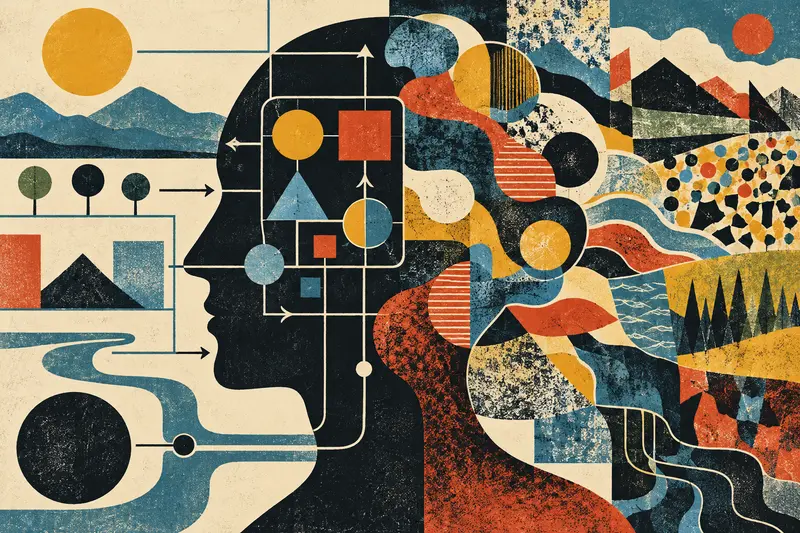
Schemas can organise useful knowledge. Everyday examples clarify their difference from core beliefs and clinical schema-therapy concepts without self-diagnosis.

Learn what core beliefs are, how they shape thoughts, feelings, and behavior, and how to identify and examine the beliefs guiding your life.

Studies examine how people’s descriptions of others may reflect their own outlook, emotional stability, life satisfaction, and personality traits.
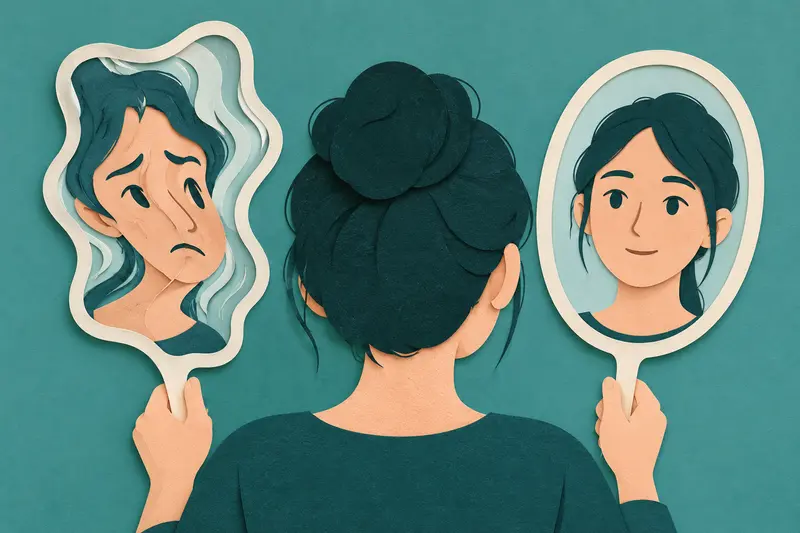
See how a broad self-judgment can shape everyday choices. Distinguish beliefs, thoughts and rules, and explore a safe response that makes room to learn.

Separate feelings, interpretations and facts, and notice how a thought affects your actions. Try a brief worked record with limits on repeated checking.
7 of 31 articles
Get our latest hand-picked articles. You can unsubscribe at any time.
Download Tatmeen to explore care providers and booking options.

Scan to download



Tatmeen app
Download Tatmeen to explore care providers and booking options.