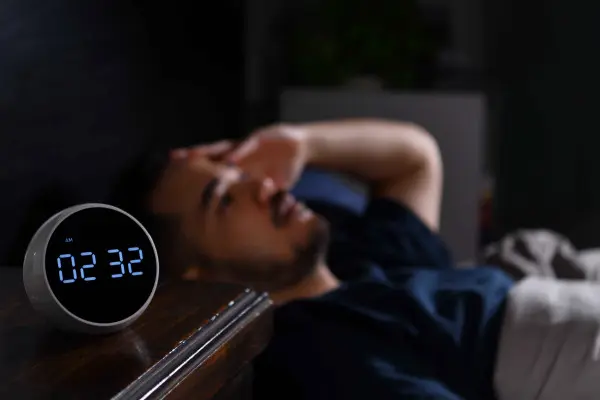
Insomnia is a common sleep disorder characterized by an inability to fall asleep, stay asleep, or both, despite having an adequate opportunity and suitable conditions for sleep. It can lead to daytime fatigue, irritability, difficulty concentrating, and other negative effects.
Simply put, insomnia means having difficulty falling asleep or staying asleep long enough to feel energized the next morning. Insomnia is a common problem believed to regularly affect around one in three people, and it is particularly common among older adults.
There are no fixed rules about how much sleep you should get each night because sleep needs vary from person to person. On average, however, the “normal” amount of sleep for an adult is estimated at around seven to nine hours a night. Children and infants may sleep much longer, while older adults sleep for shorter periods.
More important than these statistics is whether you feel that you are getting enough sleep and whether that sleep is of good quality. You may not be getting enough good-quality sleep if you feel constantly tired throughout the day and this affects your daily routine.
Types of insomnia
There are several types of insomnia that vary according to their causes and symptoms. The term “primary insomnia” refers to sleep difficulties that do not result from another medical or psychological condition, while “secondary insomnia” results from a physical or mental health disorder such as arthritis, asthma, or depression..
It may also be caused by certain medications, the use of stimulating substances such as caffeine or alcohol, or irregular sleep schedules due to factors such as working night shifts or traveling.
Insomnia can be classified as acute or chronic based on its duration. Transient insomnia usually lasts for a few days or weeks and is often caused by stress, illness, or other short-term factors.
Chronic insomnia, by contrast, may last for at least three months and is often primarily associated with medical or psychological conditions. Insomnia is often classified by duration as follows:
Transient insomnia — lasts less than one month
Short-term insomnia — lasts between one and six months
Chronic insomnia — lasts more than six months
However, insomnia can also be classified into the following categories:
Primary insomnia — insomnia that occurs without another accompanying illness. Most studies on insomnia treatment have been conducted with people who have primary insomnia.
Comorbid insomnia — insomnia that accompanies another physical or psychological condition. Comorbid insomnia is not necessarily caused or affected by the accompanying disorder. Most cases of insomnia fall into this category. Sometimes, insomnia can worsen the condition and hinder its treatment. For example, people with both depression and insomnia do not respond to depression treatment as well as people who have depression without insomnia.
Causes of insomnia
There are many possible causes of insomnia, including physical and psychological factors. Some of the most common causes include:
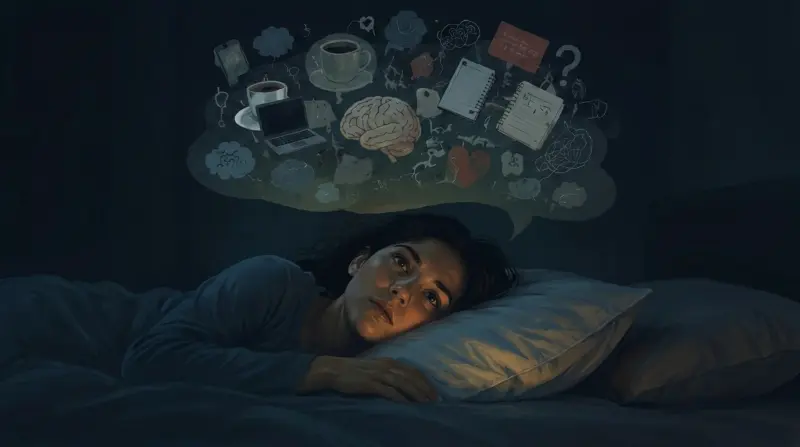
Stress and anxiety: Numerous stressful events, ongoing anxiety, or excessive thinking can make it difficult to relax and fall asleep.
Medical conditions: Chronic pain, respiratory problems, heart disease, gastroesophageal reflux disease, neurological conditions, and other medical conditions can affect sleep. Insomnia may, in turn, worsen them, creating a vicious cycle of suffering for the affected person.
Medications: Like illnesses, certain medications, such as those used for asthma, allergies, and high blood pressure, can alter a person’s sleep pattern.
Use of stimulating substances: Consuming drinks containing alcohol or caffeine and using nicotine may delay sleepiness or prevent it entirely.
Environmental factors: Noise, bright light, and temperature can affect the quality of a person’s sleep.
Pornography addiction: Watching pornographic material, especially at night, may lead to transient or chronic insomnia, depending on how many hours a person spends in front of the screen.
Poor sleep habits: Irregular sleep schedules, spending too much time awake in bed, sleeping during the day, waking up late, and other poor sleep habits may contribute to the development of insomnia.
Mental health conditions: Depression, bipolar disorder, and other mental health disorders can affect the pattern and quality of sleep.
Hormonal changes: Hormonal changes, such as those associated with menopause or sudden increases in a woman’s body temperature, may cause insomnia.
Genetic factors: Insomnia may also have a genetic component, meaning that it can be inherited among members of the same family.
It is very important to understand that insomnia may have multiple and varied causes, often involving a combination of factors that contribute to the condition’s development and worsening. If you experience persistent insomnia, it is essential to consult a healthcare professional to identify the underlying causes and seek appropriate treatment.
Symptoms of insomnia
Like its causes, the symptoms of insomnia can vary greatly from person to person. Common signs include waking repeatedly during the night, waking involuntarily very early in the morning, feeling tired or lacking energy after a night’s sleep, daytime fatigue, a general sense of irritability, recurring headaches, and difficulty concentrating.
The main symptoms of insomnia include difficulty falling asleep, staying asleep, or both. These symptoms can disrupt the sleep pattern and prevent sleep from feeling restful, resulting in a range of physical and psychological symptoms. Some common symptoms of insomnia include:
Difficulty falling asleep: Insomnia may make it difficult to fall asleep even when you feel tired and deeply want to sleep. You may find yourself lying awake in bed for a long time before drifting off.
Waking frequently during the night: People with insomnia often wake repeatedly during the night for physical or psychological reasons, or even because of confused dreams or nightmares, and then struggle to fall asleep again.
Waking too early: Insomnia may cause a person to wake very early in the morning without an alarm and without a reason or desire to do so, before getting enough sleep.
Feeling tired during the day: A person with insomnia may feel tired, exhausted, or irritable during the day even after sleeping for several hours. This is generally due to the poor quality of their sleep.
Difficulty concentrating: Insomnia can make attention and concentration during the day feel like an exhausting task, which may negatively affect work, education, and other daily activities.
Mood disturbances: Insomnia can contribute to a worsening mood, appearing as irritability, anxiety, or depression.
Physical symptoms: Insomnia may lead to unpleasant physical symptoms such as headaches, digestive problems, and muscle pain.
Insomnia in women
Insomnia may appear differently in women than in men, and the condition can be associated with factors unique to women’s health. The following are some ways insomnia may affect women:
Hormonal changes: Hormonal fluctuations can contribute to insomnia in women, especially during certain phases of the menstrual cycle, during pregnancy, or during menopause. During menopause, sudden increases in body temperature and night sweats can also disrupt a woman’s sleep.
Mental health: Women are often more likely than men to experience depression and anxiety, which may contribute to insomnia. In addition, postpartum depression during perimenopause can also affect sleep.
Chronic pain: Women are more likely than men to experience chronic pain, such as fibromyalgia, which can disrupt sleep.
Sleep disorders: Women may generally be more susceptible to certain sleep disorders, such as restless legs syndrome, sleep paralysis, or choking during sleep, which may lead to insomnia.
Caregiving responsibilities: Women usually take on more responsibility than men for caring for newborn children, aging parents, and other family members. This may lead to staying up late, waking at irregular times, disrupted sleep schedules, and consequently a greater likelihood of insomnia.
Work-related pressures: Women may experience work-related pressures, particularly in male-dominated fields, which can affect sleep quality.
A woman may sacrifice sleep to meet other goals and responsibilities in her life. However, it is essential to address symptoms of insomnia and seek help when necessary, as chronic sleep disruption can have significant and sometimes lasting negative effects on physical and psychological health. Treatment options may include consulting a psychiatrist, taking medication, and making lifestyle changes.
Insomnia and sleep deprivation
Insomnia and sleep deprivation are closely linked and have a two-way causal relationship. Insomnia is a sleep disorder characterized by difficulty falling asleep, staying asleep, or both, which may prevent a person from getting enough sleep.
When someone has insomnia, they may struggle to fall asleep, wake frequently during the night, wake too early in the morning, or find it difficult to return to sleep after waking. This may result in too little restful sleep, leading to daytime tiredness or exhaustion.
Likewise, sleep deprivation may gradually or suddenly lead to insomnia. This can have negative effects on physical and psychological health, such as an increased likelihood of obesity, diabetes, heart disease, depression, and anxiety. In short, insomnia may contribute to sleep deprivation, but other factors such as work or social demands, family responsibilities, and lifestyle in general may also play a role.
Is insomnia dangerous?
Insomnia is not usually considered dangerous in the short term. However, chronic insomnia, which lasts for several weeks or longer, can have negative consequences for a person’s physical and psychological health, including:
Higher risk of accidents: Sleep deprivation may impair cognitive function, affecting reaction times and decision-making and increasing the likelihood of traffic accidents and physical injuries.
Cardiovascular problems: Chronic insomnia has been linked to an increased risk of cardiovascular diseases such as high blood pressure, heart disease, and stroke.
Obesity and diabetes: Sleep deprivation can increase levels of the hormone ghrelin, which stimulates appetite, and reduce levels of the hormone leptin, which regulates appetite. Over time, this may lead to weight gain and increased susceptibility to diabetes.
Mental health problems: Insomnia is also associated with an increased risk of mental health problems such as depression, anxiety, and different types of addiction.
Weakened immune function: Chronic insomnia can contribute to a weakened immune system, making it harder for the body to fight infections and slowing wound healing.
Reduced quality of life: Insomnia can lead to an overall reduction in quality of life, including lower productivity and social withdrawal and reduced enjoyment of daily activities.
Treatment of insomnia
Treatment options for insomnia depend on the condition’s type, severity, and underlying causes. They may include behavioral treatments such as cognitive behavioral therapy (CBT), developing healthy sleep habits, medication, or a combination of these approaches. The following strategies may help relieve insomnia:
Sleep hygiene: Establishing good sleep habits can be an effective way to improve sleep quality. This includes going to bed and waking up at the same time every day, with the help of an alarm or family member if needed, and creating relaxing nighttime habits such as drinking a glass of milk or taking a hot shower. It also involves avoiding caffeine, alcohol, and other stimulants, including juices and sugars, and avoiding television, computers, or phones before bed.
Cognitive behavioral therapy (CBT): This type of therapy focuses on changing negative thoughts and behaviors related to lifestyle in general and, of course, to sleep. It may include techniques such as relaxation training, sleep scheduling, and controlling external and internal stimuli.
Medication: In some cases, a doctor or pharmacist may prescribe medications to help improve sleep. These may include sleeping pills or other medications that promote relaxation.
Treating underlying medical or psychological conditions: If insomnia is primarily caused by a medical or psychological condition, treating that condition first may help relieve sleep difficulties and restore the sleep pattern.
Lifestyle changes: Making lifestyle changes such as exercising regularly, following a healthy diet, managing stress levels, and reducing screen time may help improve sleep.
In conclusion
Although the proverb says, “Whoever seeks greatness stays up through the night,” getting a good night’s sleep is an important part of maintaining your overall health and should not be taken lightly. If you find it difficult to fall asleep or stay asleep throughout the night, this may be a sign of insomnia.
Adults usually need seven to nine hours of sleep each night. However, if you sleep fewer hours, do not worry: this figure is not a rule that applies to everyone and may rise or fall based on several factors. Always remember that the quality of your sleep each night is more important than the number of hours you sleep, and that your sleep needs may also change throughout your life and as you age.
Insomnia can leave you tired throughout the day and can affect your physical and psychological health. If your body does not get enough rest, this may affect your mood, ability to concentrate, and even your overall safety. If you are getting too little sleep or no sleep at all, seek help before it is too late.
Content writer and researcher at Tatmeen, writing in Arabic and English about mental health and everyday life, from relationships and stress to work, habits, and family.
Every Tatmeen article is reviewed by care providers licensed by the Saudi Commission for Health Specialties, so what you read is accurate and trustworthy.
This article builds understanding and does not replace a licensed care provider.
Need someone to talk to?
Tatmeen's licensed care providers are available around the clock, and the app's urgent consultation connects you with one within minutes.
Download Tatmeen to explore care providers and booking options.
Smart matchingFour quick questions suggest the right care provider
Urgent consultationTalk to an available care provider within minutes
Free psychological measuresMore than 20 tests to understand how you are doing
Scan to download
{"data":{"id":"f1e2a888-ef81-49ad-a75f-d7d99c79e14a","slug":"Insomnia-and-its-relationship-to-sleep-deprivation","arTitle":"الأرق – أسباب وأعراض وعلاج والعلاقة بينه وبين قلة النوم","enTitle":"Insomnia: Causes, Symptoms, Treatment, and Sleep Deprivation","thumbnailAltText":"Person lies in bed beside a digital clock displaying 02:32","estimatedReadingTime":5,"likesCount":913,"writer":{"id":"d3defdb6-4a23-4b03-aad9-a1ecc054aae5","arBio":"كاتب وباحث محتوى في تطمين، يكتب بالعربية والإنجليزية عن الصحة النفسية والحياة اليومية، من العلاقات والضغوط إلى العمل والعادات والأسرة.\n","enBio":"Content writer and researcher at Tatmeen, writing in Arabic and English about mental health and everyday life, from relationships and stress to work, habits, and family.","user":{"slug":"fahad-almalik","arFullName":"فهد المالك","enFullName":"Fahad Almalik","publicProfileImageUrl":"https://cdn.tatmeen.sa/public/profile-images/a34c8028-5847-45de-ab83-a014942bb7d3/675415e988c16442a04af5d3b8899242613a955c44e0364314cc3ff74cbad082.webp","publicProfileImage96Url":"https://cdn.tatmeen.sa/public/profile-images/a34c8028-5847-45de-ab83-a014942bb7d3/675415e988c16442a04af5d3b8899242613a955c44e0364314cc3ff74cbad082-w96.webp","publicProfileImage192Url":"https://cdn.tatmeen.sa/public/profile-images/a34c8028-5847-45de-ab83-a014942bb7d3/675415e988c16442a04af5d3b8899242613a955c44e0364314cc3ff74cbad082-w192.webp"}},"arContent":"","enContent":"","productionDocument":{"headings":[{"id":"article-section-types-of-insomnia","text":"Types of insomnia"},{"id":"article-section-causes-of-insomnia","text":"Causes of insomnia"},{"id":"article-section-symptoms-of-insomnia","text":"Symptoms of insomnia"},{"id":"article-section-insomnia-in-women","text":"Insomnia in women"},{"id":"article-section-insomnia-and-sleep-deprivation","text":"Insomnia and sleep deprivation"},{"id":"article-section-is-insomnia-dangerous","text":"Is insomnia dangerous?"},{"id":"article-section-treatment-of-insomnia","text":"Treatment of insomnia"},{"id":"article-section-in-conclusion","text":"In conclusion"}],"faqs":[],"beforeSourcesHtml":"","sources":[],"afterSourcesHtml":"","blocks":[{"type":"html","html":"<p class=\"ql-align-right ql-direction-rtl\">Insomnia is a common sleep disorder characterized by an inability to fall asleep, stay asleep, or both, despite having an adequate opportunity and suitable conditions for sleep. It can lead to daytime fatigue, irritability, difficulty concentrating, and other negative effects.</p><p class=\"ql-align-right ql-direction-rtl\">Simply put, insomnia means having difficulty falling asleep or staying asleep long enough to feel energized the next morning. Insomnia is a common problem believed to regularly affect around one in three people, and it is particularly common among older adults.</p><p class=\"ql-align-right ql-direction-rtl\">There are no fixed rules about how much sleep you should get each night because sleep needs vary from person to person. On average, however, the “normal” amount of sleep for an adult is estimated at around seven to nine hours a night. Children and infants may sleep much longer, while older adults sleep for shorter periods.</p><p class=\"ql-align-right ql-direction-rtl\">More important than these statistics is whether you feel that you are getting enough sleep and whether that sleep is of good quality. You may not be getting enough good-quality sleep if you feel constantly tired throughout the day and this affects your daily routine.</p><h2 class=\"ql-align-right ql-direction-rtl\" id=\"article-section-types-of-insomnia\" data-toc-heading tabindex=\"-1\"><span id=\"types-of-insomnia-1\" aria-hidden=\"true\"></span><strong>Types of insomnia</strong></h2><p class=\"ql-align-right ql-direction-rtl\">There are several types of <a style=\"background-color:transparent\" href=\"https://www.hakini.net/article/%D8%A7%D8%B6%D8%B7%D8%B1%D8%A7%D8%A8%D8%A7%D8%AA-%D8%A7%D9%84%D9%86%D9%88%D9%85-%D8%AA%D8%B9%D8%B1%D9%81-%D8%B9%D9%84%D9%89-%D8%A7%D9%86%D9%88%D8%A7%D8%B9-%D8%A7%D8%B6%D8%B7%D8%B1%D8%A7%D8%A8%D8%A7%D8%AA-%D9%88%D9%85%D8%B4%D8%A7%D9%83%D9%84-%D8%A7%D9%84%D9%86%D9%88%D9%85\" target=\"_blank\" rel=\"noopener noreferrer\">insomnia</a> that vary according to their causes and symptoms. The term “primary insomnia” refers to sleep difficulties that do not result from another medical or psychological condition, while “secondary insomnia” results from a physical or mental health disorder such as arthritis, asthma, or <a style=\"background-color:transparent\" href=\"https://www.hakini.net/article/%D8%A7%D9%84%D8%A7%D9%83%D8%AA%D8%A6%D8%A7%D8%A8-%D9%85%D8%A7-%D9%87%D9%8A-%D8%A3%D9%86%D9%88%D8%A7%D8%B9-%D8%A7%D9%84%D8%A7%D9%83%D8%AA%D8%A6%D8%A7%D8%A8-%D9%88%D9%85%D8%A7-%D9%87%D9%8A-%D8%A3%D8%B9%D8%B1%D8%A7%D8%B6%D9%87\" target=\"_blank\" rel=\"noopener noreferrer\">depression.</a>.</p><p class=\"ql-align-right ql-direction-rtl\">It may also be caused by certain medications, the use of stimulating substances such as caffeine or alcohol, or irregular sleep schedules due to factors such as working night shifts or traveling.</p><p class=\"ql-align-right ql-direction-rtl\">Insomnia can be classified as acute or chronic based on its duration. Transient insomnia usually lasts for a few days or weeks and is often caused by stress, illness, or other short-term factors.</p><p class=\"ql-align-right ql-direction-rtl\">Chronic insomnia, by contrast, may last for at least three months and is often primarily associated with medical or psychological conditions. Insomnia is often classified by duration as follows:</p><ul><li class=\"ql-align-right ql-direction-rtl\">Transient insomnia — lasts less than one month</li><li class=\"ql-align-right ql-direction-rtl\">Short-term insomnia — lasts between one and six months</li><li class=\"ql-align-right ql-direction-rtl\">Chronic insomnia — lasts more than six months</li></ul><p class=\"ql-align-right ql-direction-rtl\">However, insomnia can also be classified into the following categories:</p><ul><li class=\"ql-align-right ql-direction-rtl\">Primary insomnia — insomnia that occurs without another accompanying illness. Most studies on insomnia treatment have been conducted with people who have primary insomnia.</li><li class=\"ql-align-right ql-direction-rtl\">Comorbid insomnia — insomnia that accompanies another physical or psychological condition. Comorbid insomnia is not necessarily caused or affected by the accompanying disorder. Most cases of insomnia fall into this category. Sometimes, insomnia can worsen the condition and hinder its treatment. For example, people with both depression and insomnia do not respond to depression treatment as well as people who have depression without insomnia.</li></ul><h2 class=\"ql-align-right ql-direction-rtl\" id=\"article-section-causes-of-insomnia\" data-toc-heading tabindex=\"-1\"><span id=\"causes-of-insomnia-2\" aria-hidden=\"true\"></span><strong>Causes of insomnia</strong></h2><p class=\"ql-align-right ql-direction-rtl\">There are many possible causes of insomnia, including physical and psychological factors. Some of the most common causes include:</p><ul><li class=\"ql-align-right ql-direction-rtl\"><a style=\"background-color:transparent\" href=\"https://www.hakini.net/article/%D8%A7%D9%84%D8%AA%D9%88%D8%AA%D8%B1-%D9%88%D8%A7%D9%84%D8%B6%D8%BA%D8%B7-%D8%A7%D9%84%D9%86%D9%81%D8%B3%D9%8A\" target=\"_blank\" rel=\"noopener noreferrer\">Stress</a> <a style=\"background-color:transparent\" href=\"https://www.hakini.net/article/%D9%85%D8%A7-%D9%87%D9%8A-%D8%B7%D8%B1%D9%8A%D9%82%D8%A9-%D8%A7%D9%84%D8%AA%D8%AE%D9%84%D8%B5-%D9%85%D9%86-%D8%A7%D9%84%D9%82%D9%84%D9%82-%D9%88%D8%A7%D9%84%D8%AA%D9%88%D8%AA%D8%B1\" target=\"_blank\" rel=\"noopener noreferrer\"> and anxiety</a>: Numerous stressful events, ongoing anxiety, or excessive thinking can make it difficult to relax and fall asleep.</li><li class=\"ql-align-right ql-direction-rtl\">Medical conditions: Chronic pain, respiratory problems, heart disease, gastroesophageal reflux disease, neurological conditions, and other medical conditions can affect sleep. Insomnia may, in turn, worsen them, creating a vicious cycle of suffering for the affected person.</li><li class=\"ql-align-right ql-direction-rtl\">Medications: Like illnesses, certain medications, such as those used for asthma, allergies, and high blood pressure, can alter a person’s sleep pattern.</li><li class=\"ql-align-right ql-direction-rtl\">Use of stimulating substances: Consuming drinks containing alcohol or caffeine and using nicotine may delay sleepiness or prevent it entirely.</li><li class=\"ql-align-right ql-direction-rtl\">Environmental factors: Noise, bright light, and temperature can affect the quality of a person’s sleep.</li><li class=\"ql-align-right ql-direction-rtl\"><a style=\"background-color:transparent\" href=\"http://www.hakini.net/article/%D9%85%D8%B4%D8%A7%D9%87%D8%AF%D8%A9-%D8%A7%D9%84%D8%A3%D9%81%D9%84%D8%A7%D9%85-%D8%A7%D9%84%D8%A5%D8%A8%D8%A7%D8%AD%D9%8A%D8%A9-%D9%85%D8%B6%D8%A7%D8%B1%D9%87%D8%A7-%D9%88%D8%B7%D8%B1%D9%82-%D8%B9%D9%84%D8%A7%D8%AC-%D8%A7%D9%84%D8%A5%D8%AF%D9%85%D8%A7%D9%86-%D8%B9%D9%84%D9%8A%D9%87%D8%A7-%D9%88%D9%83%D9%8A%D9%81%D9%8A%D8%A9-%D8%A7%D9%84%D8%AA%D8%AE%D9%84%D8%B5-%D9%85%D9%86%D9%87\" target=\"_blank\" rel=\"noopener noreferrer\">Pornography addiction</a>: Watching pornographic material, especially at night, may lead to transient or chronic insomnia, depending on how many hours a person spends in front of the screen.</li><li class=\"ql-align-right ql-direction-rtl\">Poor sleep habits: Irregular sleep schedules, spending too much time awake in bed, sleeping during the day, waking up late, and other poor sleep habits may contribute to the development of insomnia.</li><li class=\"ql-align-right ql-direction-rtl\">Mental health conditions: <a style=\"background-color:transparent\" href=\"https://www.hakini.net/article/%D8%A7%D9%84%D8%A7%D9%83%D8%AA%D8%A6%D8%A7%D8%A8-%D9%85%D8%A7-%D9%87%D9%8A-%D8%A3%D9%86%D9%88%D8%A7%D8%B9-%D8%A7%D9%84%D8%A7%D9%83%D8%AA%D8%A6%D8%A7%D8%A8-%D9%88%D9%85%D8%A7-%D9%87%D9%8A-%D8%A3%D8%B9%D8%B1%D8%A7%D8%B6%D9%87\" target=\"_blank\" rel=\"noopener noreferrer\">Depression</a>, bipolar disorder, and other mental health disorders can affect the pattern and quality of sleep.</li><li class=\"ql-align-right ql-direction-rtl\">Hormonal changes: Hormonal changes, such as those associated with menopause or sudden increases in a woman’s body temperature, may cause insomnia.</li><li class=\"ql-align-right ql-direction-rtl\">Genetic factors: Insomnia may also have a genetic component, meaning that it can be inherited among members of the same family.</li></ul><p class=\"ql-align-right ql-direction-rtl\">It is very important to understand that insomnia may have multiple and varied causes, often involving a combination of factors that contribute to the condition’s development and worsening. If you experience persistent insomnia, it is essential to consult a healthcare professional to identify the underlying causes and seek appropriate treatment.</p><h2 class=\"ql-align-right ql-direction-rtl\" id=\"article-section-symptoms-of-insomnia\" data-toc-heading tabindex=\"-1\"><span id=\"symptoms-of-insomnia-3\" aria-hidden=\"true\"></span><strong>Symptoms of insomnia</strong></h2><p class=\"ql-align-right ql-direction-rtl\">Like its causes, the symptoms of insomnia can vary greatly from person to person. Common signs include waking repeatedly during the night, waking involuntarily very early in the morning, feeling tired or lacking energy after a night’s sleep, daytime fatigue, a general sense of irritability, recurring headaches, and difficulty concentrating.</p><p class=\"ql-align-right ql-direction-rtl\">The main symptoms of insomnia include difficulty falling asleep, staying asleep, or both. These symptoms can disrupt the sleep pattern and prevent sleep from feeling restful, resulting in a range of physical and psychological symptoms. Some common symptoms of insomnia include:</p><ul><li class=\"ql-align-right ql-direction-rtl\">Difficulty falling asleep: Insomnia may make it difficult to fall asleep even when you feel tired and deeply want to sleep. You may find yourself lying awake in bed for a long time before drifting off.</li><li class=\"ql-align-right ql-direction-rtl\">Waking frequently during the night: People with insomnia often wake repeatedly during the night for physical or psychological reasons, or even because of confused dreams or nightmares, and then struggle to fall asleep again.</li><li class=\"ql-align-right ql-direction-rtl\">Waking too early: Insomnia may cause a person to wake very early in the morning without an alarm and without a reason or desire to do so, before getting enough sleep.</li><li class=\"ql-align-right ql-direction-rtl\">Feeling tired during the day: A person with insomnia may feel tired, exhausted, or irritable during the day even after sleeping for several hours. This is generally due to the poor quality of their sleep.</li><li class=\"ql-align-right ql-direction-rtl\">Difficulty concentrating: Insomnia can make attention and concentration during the day feel like an exhausting task, which may negatively affect work, education, and other daily activities.</li><li class=\"ql-align-right ql-direction-rtl\">Mood disturbances: Insomnia can contribute to a worsening mood, appearing as irritability, anxiety, or depression.</li><li class=\"ql-align-right ql-direction-rtl\">Physical symptoms: Insomnia may lead to unpleasant physical symptoms such as headaches, digestive problems, and muscle pain.</li></ul><h2 class=\"ql-align-right ql-direction-rtl\" id=\"article-section-insomnia-in-women\" data-toc-heading tabindex=\"-1\"><span id=\"insomnia-in-women-4\" aria-hidden=\"true\"></span><strong>Insomnia in women</strong></h2><p class=\"ql-align-right ql-direction-rtl\">Insomnia may appear differently in women than in men, and the condition can be associated with factors unique to women’s health. The following are some ways insomnia may affect women:</p><ul><li class=\"ql-align-right ql-direction-rtl\">Hormonal changes: Hormonal fluctuations can contribute to insomnia in women, especially during certain phases of the <a style=\"background-color:transparent\" href=\"http://www.hakini.net/article/%D8%A7%D9%84%D8%AF%D9%88%D8%B1%D8%A9-%D8%A7%D9%84%D8%B4%D9%87%D8%B1%D9%8A%D8%A9-%D8%A3%D8%B9%D8%B1%D8%A7%D8%B6-%D9%88%D8%B7%D8%B1%D9%82-%D8%B9%D9%84%D8%A7%D8%AC-%D9%88%D8%AA%D8%A3%D8%AB%D9%8A%D8%B1%D9%87%D8%A7-%D8%B9%D9%84%D9%89-%D8%A7%D8%B6%D8%B7%D8%B1%D8%A7%D8%A8-%D8%A7%D9%84%D9%86%D9%81%D8%B3%D9%8A%D8%A9-%D9%88%D8%B9%D9%84%D8%A7%D9%82%D8%AA%D9%87%D8%A7-%D8%A8%D8%A7%D9%84%D8%A7%D9%83%D8%AA%D8%A6%D8%A7%D8%A8\" target=\"_blank\" rel=\"noopener noreferrer\">menstrual cycle</a>, during pregnancy, or during menopause. During menopause, sudden increases in body temperature and night sweats can also disrupt a woman’s sleep.</li><li class=\"ql-align-right ql-direction-rtl\">Mental health: Women are often more likely than men to experience depression and anxiety, which may contribute to insomnia. In addition, <a style=\"background-color:transparent\" href=\"http://www.hakini.net/article/%D8%A7%D9%84%D8%A7%D8%B6%D8%B7%D8%B1%D8%A7%D8%A8%D8%A7%D8%AA-%D8%A7%D9%84%D9%86%D9%81%D8%B3%D9%8A%D8%A9-%D9%84%D9%85%D8%A7-%D8%A8%D8%B9%D8%AF-%D8%A7%D9%84%D9%88%D9%84%D8%A7%D8%AF%D8%A9\" target=\"_blank\" rel=\"noopener noreferrer\">postpartum depression</a> during perimenopause can also affect sleep.</li><li class=\"ql-align-right ql-direction-rtl\">Chronic pain: Women are more likely than men to experience chronic pain, such as fibromyalgia, which can disrupt sleep.</li><li class=\"ql-align-right ql-direction-rtl\">Sleep disorders: Women may generally be more susceptible to certain sleep disorders, such as restless legs syndrome, sleep paralysis, or choking during sleep, which may lead to insomnia.</li><li class=\"ql-align-right ql-direction-rtl\">Caregiving responsibilities: Women usually take on more responsibility than men for caring for newborn children, aging parents, and other family members. This may lead to staying up late, waking at irregular times, disrupted sleep schedules, and consequently a greater likelihood of insomnia.</li><li class=\"ql-align-right ql-direction-rtl\">Work-related <a style=\"background-color:transparent\" href=\"https://www.hakini.net/article/%D8%A7%D9%84%D8%B6%D8%BA%D9%88%D8%B7-%D8%A7%D9%84%D9%86%D9%81%D8%B3%D9%8A%D8%A9-%D8%A7%D9%86%D9%88%D8%A7%D8%B9%D9%87%D8%A7-%D9%88%D9%83%D9%8A%D9%81%D9%8A%D8%A9-%D9%85%D9%88%D8%A7%D8%AC%D9%87%D8%AA%D9%87%D8%A7\" target=\"_blank\" rel=\"noopener noreferrer\">pressures</a>: Women may experience work-related pressures, particularly in male-dominated fields, which can affect sleep quality.</li></ul><p class=\"ql-align-right ql-direction-rtl\">A woman may sacrifice sleep to meet other goals and responsibilities in her life. However, it is essential to address symptoms of insomnia and seek help when necessary, as chronic sleep disruption can have significant and sometimes lasting negative effects on physical and psychological health. Treatment options may include consulting a psychiatrist, taking medication, and making lifestyle changes.</p><h2 class=\"ql-align-right ql-direction-rtl\" id=\"article-section-insomnia-and-sleep-deprivation\" data-toc-heading tabindex=\"-1\"><span id=\"insomnia-and-sleep-deprivation-5\" aria-hidden=\"true\"></span><strong>Insomnia and sleep deprivation</strong></h2><p class=\"ql-align-right ql-direction-rtl\">Insomnia and <a style=\"background-color:transparent\" href=\"http://www.hakini.net/article/%D8%A7%D9%84%D9%86%D9%88%D9%85-%D8%A7%D9%87%D9%85%D9%8A%D8%A9-%D8%A7%D9%84%D9%86%D9%88%D9%85-%D9%88%D8%A7%D8%B6%D8%B1%D8%A7%D8%B1-%D9%82%D9%84%D8%A9-%D8%A7%D9%84%D9%86%D9%88%D9%85\" target=\"_blank\" rel=\"noopener noreferrer\">sleep deprivation</a> are closely linked and have a two-way causal relationship. Insomnia is a sleep disorder characterized by difficulty falling asleep, staying asleep, or both, which may prevent a person from getting enough sleep.</p><p class=\"ql-align-right ql-direction-rtl\">When someone has insomnia, they may struggle to fall asleep, wake frequently during the night, wake too early in the morning, or find it difficult to return to sleep after waking. This may result in too little restful sleep, leading to daytime tiredness or exhaustion.</p><p class=\"ql-align-right ql-direction-rtl\">Likewise, sleep deprivation may gradually or suddenly lead to insomnia. This can have negative effects on physical and psychological health, such as an increased likelihood of obesity, diabetes, heart disease, depression, and anxiety. In short, insomnia may contribute to sleep deprivation, but other factors such as work or social demands, family responsibilities, and lifestyle in general may also play a role.</p><h2 class=\"ql-align-right ql-direction-rtl\" id=\"article-section-is-insomnia-dangerous\" data-toc-heading tabindex=\"-1\"><span id=\"is-insomnia-dangerous-6\" aria-hidden=\"true\"></span><strong>Is insomnia dangerous?</strong></h2><p class=\"ql-align-right ql-direction-rtl\">Insomnia is not usually considered dangerous in the short term. However, chronic insomnia, which lasts for several weeks or longer, can have negative consequences for a person’s physical and psychological health, including:</p><ul><li class=\"ql-align-right ql-direction-rtl\">Higher risk of accidents: Sleep deprivation may impair cognitive function, affecting reaction times and decision-making and increasing the likelihood of traffic accidents and physical injuries.</li><li class=\"ql-align-right ql-direction-rtl\">Cardiovascular problems: Chronic insomnia has been linked to an increased risk of cardiovascular diseases such as high blood pressure, heart disease, and stroke.</li><li class=\"ql-align-right ql-direction-rtl\">Obesity and diabetes: Sleep deprivation can increase levels of the hormone ghrelin, which stimulates appetite, and reduce levels of the hormone leptin, which regulates appetite. Over time, this may lead to <a style=\"background-color:transparent\" href=\"http://www.hakini.net/article/%D8%A7%D8%B6%D8%B7%D8%B1%D8%A7%D8%A8-%D8%A7%D9%84%D8%A3%D9%83%D9%84-%D8%A3%D8%B3%D8%A8%D8%A7%D8%A8-%D9%88%D8%A3%D8%B9%D8%B1%D8%A7%D8%B6-%D9%88%D8%A7%D9%86%D9%88%D8%A7%D8%B9-%D9%88%D8%B7%D8%B1%D9%82-%D8%B9%D9%84%D8%A7%D8%AC-%D9%88%D8%B9%D9%84%D8%A7%D9%82%D8%AA%D9%87-%D8%A8%D8%A7%D9%84%D9%85%D8%B1%D8%B6-%D8%A7%D9%84%D9%86%D9%81%D8%B3%D9%8A\" target=\"_blank\" rel=\"noopener noreferrer\">weight gain</a> and increased susceptibility to diabetes.</li><li class=\"ql-align-right ql-direction-rtl\">Mental health problems: Insomnia is also associated with an increased risk of mental health problems such as depression, anxiety, and different types of addiction.</li><li class=\"ql-align-right ql-direction-rtl\">Weakened immune function: Chronic insomnia can contribute to a weakened immune system, making it harder for the body to fight infections and slowing wound healing.</li><li class=\"ql-align-right ql-direction-rtl\">Reduced quality of life: Insomnia can lead to an overall reduction in quality of life, including lower productivity and <a style=\"background-color:transparent\" href=\"http://www.hakini.net/article/%D8%A7%D9%84%D8%B1%D9%87%D8%A7%D8%A8-%D8%A7%D9%84%D8%A7%D8%AC%D8%AA%D9%85%D8%A7%D8%B9%D9%8A-%D8%B9%D9%84%D8%A7%D8%AC-%D9%88%D8%A7%D8%B9%D8%B1%D8%A7%D8%B6-%D9%88%D8%A3%D9%86%D9%88%D8%A7%D8%B9-%D8%A7%D8%B6%D8%B7%D8%B1%D8%A7%D8%A8-%D8%A7%D9%84%D9%82%D9%84%D9%82-%D8%A7%D9%84%D8%A7%D8%AC%D8%AA%D9%85%D8%A7%D8%B9%D9%8A\" target=\"_blank\" rel=\"noopener noreferrer\">social withdrawal</a> and <a style=\"background-color:transparent\" href=\"http://www.hakini.net/article/%D9%81%D9%82%D8%AF%D8%A7%D9%86-%D8%A7%D9%84%D8%B4%D8%BA%D9%81-%D8%B9%D9%84%D8%A7%D9%85%D8%A7%D8%AA-%D9%88%D8%A3%D8%B3%D8%A8%D8%A7%D8%A8-%D9%88%D8%B9%D9%84%D8%A7%D8%AC-%D9%88%D8%A7%D9%84%D9%81%D8%B1%D9%82-%D8%A8%D9%8A%D9%86%D9%87-%D9%88%D8%A8%D9%8A%D9%86-%D8%A7%D9%84%D8%A5%D9%83%D8%AA%D8%A6%D8%A7%D8%A8\" target=\"_blank\" rel=\"noopener noreferrer\">reduced enjoyment</a> of daily activities.</li></ul><h2 class=\"ql-align-right ql-direction-rtl\" id=\"article-section-treatment-of-insomnia\" data-toc-heading tabindex=\"-1\"><span id=\"treatment-of-insomnia-7\" aria-hidden=\"true\"></span><strong>Treatment of insomnia</strong></h2><p class=\"ql-align-right ql-direction-rtl\">Treatment options for insomnia depend on the condition’s type, severity, and underlying causes. They may include behavioral treatments such as cognitive behavioral therapy (CBT), developing healthy sleep habits, medication, or a combination of these approaches. The following strategies may help relieve insomnia:</p><ul><li class=\"ql-align-right ql-direction-rtl\">Sleep hygiene: Establishing good sleep habits can be an effective way to improve sleep quality. This includes going to bed and waking up at the same time every day, with the help of an alarm or family member if needed, and creating relaxing nighttime habits such as drinking a glass of milk or taking a hot shower. It also involves avoiding caffeine, alcohol, and other stimulants, including juices and sugars, and avoiding television, computers, or phones before bed.</li><li class=\"ql-align-right ql-direction-rtl\">Cognitive behavioral therapy (CBT): This type of therapy focuses on changing negative thoughts and behaviors related to lifestyle in general and, of course, to sleep. It may include techniques such as relaxation training, sleep scheduling, and controlling external and internal stimuli.</li><li class=\"ql-align-right ql-direction-rtl\">Medication: In some cases, a doctor or pharmacist may prescribe medications to help improve sleep. These may include sleeping pills or other medications that promote relaxation.</li><li class=\"ql-align-right ql-direction-rtl\">Treating underlying medical or psychological conditions: If insomnia is primarily caused by a medical or psychological condition, treating that condition first may help relieve sleep difficulties and restore the sleep pattern.</li><li class=\"ql-align-right ql-direction-rtl\">Lifestyle changes: Making lifestyle changes such as exercising regularly, following a healthy diet, managing stress levels, and reducing screen time may help improve sleep.</li></ul><h2 class=\"ql-align-right ql-direction-rtl\" id=\"article-section-in-conclusion\" data-toc-heading tabindex=\"-1\"><span id=\"in-conclusion-8\" aria-hidden=\"true\"></span><strong>In conclusion</strong></h2><p class=\"ql-align-right ql-direction-rtl\">Although the proverb says, “Whoever seeks greatness stays up through the night,” getting a good night’s sleep is an important part of maintaining your overall health and should not be taken lightly. If you find it difficult to fall asleep or stay asleep throughout the night, this may be a sign of insomnia.</p><p class=\"ql-align-right ql-direction-rtl\">Adults usually need seven to nine hours of sleep each night. However, if you sleep fewer hours, do not worry: this figure is not a rule that applies to everyone and may rise or fall based on several factors. Always remember that the quality of your sleep each night is more important than the number of hours you sleep, and that your sleep needs may also change throughout your life and as you age.</p><p class=\"ql-align-right ql-direction-rtl\">Insomnia can leave you tired throughout the day and can affect your physical and psychological health. If your body does not get enough rest, this may affect your mood, ability to concentrate, and even your overall safety. If you are getting too little sleep or no sleep at all, seek help before it is too late.</p><p><br /></p>"}],"inlineCtaSignatures":[],"_experienceAliases":{"v":1,"fields":["html","bodyHtml"]}},"createdAt":"2024-01-08T21:00:00.000Z","updatedAt":"2026-08-11T04:45:02.303Z","disorderGroups":[{"id":"1e82772d-a1a7-4d29-b475-be9d6b67ae02","slug":"common-mental-issues","arName":"اضطرابات نفسية شائعة","enName":"Common Mental Issues"},{"id":"a9e5adf0-2b6b-4047-a49f-a57e25c72429","slug":"senior-mental-health","arName":"الصحة النفسية لكبار السن","enName":"Senior Mental Health"}],"reviewer":{"arFullName":"فريق تطمين","enFullName":"Tatmeen team","slug":"tatmeen-team","kind":"organization"},"productionArticle":true,"promotionAllowed":true,"preparedCover":{"src":"https://cdn.tatmeen.sa/public/article-lcp/article-lcp-v2/sha256-043b35866b43d3928fa6e43100f41cde2c868718137f5408d324e584458dc8ed/600-70e1da7a558bc62e5344e6ee6cd36d60a3e287a754a58178d0d3c93085c61d01.avif","fallback":"https://cdn.tatmeen.sa/public/article-lcp/article-lcp-v2/sha256-043b35866b43d3928fa6e43100f41cde2c868718137f5408d324e584458dc8ed/600-d5d8bc7e4763c0198cc38bd8f4743d6982d753155328b0a65dcbf399f86050e7.webp","directUrl":"https://cdn.tatmeen.sa/blog-cover/1704816568714-Tatmeen-img-333","isGolden":true,"avifSrcset":"https://cdn.tatmeen.sa/public/article-lcp/article-lcp-v2/sha256-043b35866b43d3928fa6e43100f41cde2c868718137f5408d324e584458dc8ed/400-7e4002fa3da7087d278fec90ae37351dd58cc97988e053dd5b4504110a951c95.avif 400w, https://cdn.tatmeen.sa/public/article-lcp/article-lcp-v2/sha256-043b35866b43d3928fa6e43100f41cde2c868718137f5408d324e584458dc8ed/600-70e1da7a558bc62e5344e6ee6cd36d60a3e287a754a58178d0d3c93085c61d01.avif 600w","webpSrcset":"https://cdn.tatmeen.sa/public/article-lcp/article-lcp-v2/sha256-043b35866b43d3928fa6e43100f41cde2c868718137f5408d324e584458dc8ed/400-869a554b2089004590ef05f7a3779d2e08e8688d295e13be201f5890d9842e58.webp 400w, https://cdn.tatmeen.sa/public/article-lcp/article-lcp-v2/sha256-043b35866b43d3928fa6e43100f41cde2c868718137f5408d324e584458dc8ed/600-d5d8bc7e4763c0198cc38bd8f4743d6982d753155328b0a65dcbf399f86050e7.webp 600w","phoneAvifSrcset":"https://cdn.tatmeen.sa/public/article-lcp/article-lcp-v2/sha256-043b35866b43d3928fa6e43100f41cde2c868718137f5408d324e584458dc8ed/400-7e4002fa3da7087d278fec90ae37351dd58cc97988e053dd5b4504110a951c95.avif 400w, https://cdn.tatmeen.sa/public/article-lcp/article-lcp-v2/sha256-043b35866b43d3928fa6e43100f41cde2c868718137f5408d324e584458dc8ed/600-70e1da7a558bc62e5344e6ee6cd36d60a3e287a754a58178d0d3c93085c61d01.avif 600w","phoneWebpSrcset":"https://cdn.tatmeen.sa/public/article-lcp/article-lcp-v2/sha256-043b35866b43d3928fa6e43100f41cde2c868718137f5408d324e584458dc8ed/400-869a554b2089004590ef05f7a3779d2e08e8688d295e13be201f5890d9842e58.webp 400w, https://cdn.tatmeen.sa/public/article-lcp/article-lcp-v2/sha256-043b35866b43d3928fa6e43100f41cde2c868718137f5408d324e584458dc8ed/600-d5d8bc7e4763c0198cc38bd8f4743d6982d753155328b0a65dcbf399f86050e7.webp 600w","width":600,"height":400},"previewTaxonomy":{"groups":[{"id":"1e82772d-a1a7-4d29-b475-be9d6b67ae02","slug":"common-mental-issues","arName":"اضطرابات نفسية شائعة","enName":"Common Mental Issues"},{"id":"a9e5adf0-2b6b-4047-a49f-a57e25c72429","slug":"senior-mental-health","arName":"الصحة النفسية لكبار السن","enName":"Senior Mental Health"}],"topics":[{"id":"4c10d5ae-1b63-4868-901f-df8e1ce7f0d7","slug":"sleep-disorders","arName":"اضطرابات النوم","enName":"Sleep Disorders","groupSlug":"common-mental-issues","href":"/blog/category/common-mental-issues/sleep-disorders/"}],"tags":[{"id":"df684f2f-95c6-4603-afba-9a1061c94a62","slug":"sleep-disorders","arName":"اضطرابات النوم","enName":"Sleep Disorders"},{"id":"c2a6e8d3-de9c-435f-8c95-9727e7db14cc","slug":"explainer-awareness","arName":"دليل توعوي / شرح","enName":"Explainer / Awareness Guide"}]},"previewProviderRecommendations":[{"id":"09364052-c2a9-4c52-9717-7ce2093b8d0a","slug":"kholoud-alharbi-5221","arFullName":"خلود الحربي","enFullName":"Kholoud Alharbi","publicProfileImageUrl":"https://cdn.tatmeen.sa/public/profile-images/09364052-c2a9-4c52-9717-7ce2093b8d0a/4a0aeb81619e351b77f4323e3605a0a00acc7ca3c82ee7cc5ca2c9e8ef716049.webp","publicProfileImage96Url":"https://cdn.tatmeen.sa/public/profile-images/09364052-c2a9-4c52-9717-7ce2093b8d0a/4a0aeb81619e351b77f4323e3605a0a00acc7ca3c82ee7cc5ca2c9e8ef716049-w96.webp","publicProfileImage192Url":"https://cdn.tatmeen.sa/public/profile-images/09364052-c2a9-4c52-9717-7ce2093b8d0a/4a0aeb81619e351b77f4323e3605a0a00acc7ca3c82ee7cc5ca2c9e8ef716049-w192.webp","specialization":{"arName":"أخصائي نفسي","enName":"Psychologist"},"profileImageUrl":"https://cdn.tatmeen.sa/public/profile-images/09364052-c2a9-4c52-9717-7ce2093b8d0a/4a0aeb81619e351b77f4323e3605a0a00acc7ca3c82ee7cc5ca2c9e8ef716049-w192.webp","experienceYears":10,"consultantInfo":{"averageRating":{"average":5},"specialization":{"arGeneralName":"أخصائي نفسي","enGeneralName":"Psychologist"}}},{"id":"6f037535-1dca-4b50-a8b2-5974b7323286","slug":"salah-althobaiti-9053","arFullName":"صلاح الثبيتي","enFullName":"Salah Althobaiti","publicProfileImageUrl":"https://cdn.tatmeen.sa/public/profile-images/6f037535-1dca-4b50-a8b2-5974b7323286/35b6bd7fad9b1e004c1835803eb9c1b56dcacd380685ec8bff141f0fb888005c.webp","publicProfileImage96Url":"https://cdn.tatmeen.sa/public/profile-images/6f037535-1dca-4b50-a8b2-5974b7323286/35b6bd7fad9b1e004c1835803eb9c1b56dcacd380685ec8bff141f0fb888005c-w96.webp","publicProfileImage192Url":"https://cdn.tatmeen.sa/public/profile-images/6f037535-1dca-4b50-a8b2-5974b7323286/35b6bd7fad9b1e004c1835803eb9c1b56dcacd380685ec8bff141f0fb888005c-w192.webp","specialization":{"arName":"أخصائي نفسي","enName":"Psychologist"},"profileImageUrl":"https://cdn.tatmeen.sa/public/profile-images/6f037535-1dca-4b50-a8b2-5974b7323286/35b6bd7fad9b1e004c1835803eb9c1b56dcacd380685ec8bff141f0fb888005c-w192.webp","experienceYears":6,"consultantInfo":{"averageRating":{"average":4.98936170212766},"specialization":{"arGeneralName":"أخصائي نفسي","enGeneralName":"Psychologist"}}},{"id":"3cc806e8-616b-4884-9f21-a75b378580a2","slug":"aisha-al-hashim-8667","arFullName":"عائشة ال هاشم","enFullName":"Aisha Al Hashim","publicProfileImageUrl":"https://cdn.tatmeen.sa/public/profile-images/3cc806e8-616b-4884-9f21-a75b378580a2/27f523d03be4dcfa1f6a79f70c1773887434e698990d214cd990caec56a44798.webp","publicProfileImage96Url":"https://cdn.tatmeen.sa/public/profile-images/3cc806e8-616b-4884-9f21-a75b378580a2/27f523d03be4dcfa1f6a79f70c1773887434e698990d214cd990caec56a44798-w96.webp","publicProfileImage192Url":"https://cdn.tatmeen.sa/public/profile-images/3cc806e8-616b-4884-9f21-a75b378580a2/27f523d03be4dcfa1f6a79f70c1773887434e698990d214cd990caec56a44798-w192.webp","specialization":{"arName":"أخصائي نفسي","enName":"Psychologist"},"profileImageUrl":"https://cdn.tatmeen.sa/public/profile-images/3cc806e8-616b-4884-9f21-a75b378580a2/27f523d03be4dcfa1f6a79f70c1773887434e698990d214cd990caec56a44798-w192.webp","experienceYears":2,"consultantInfo":{"averageRating":{"average":4.990990990990991},"specialization":{"arGeneralName":"أخصائي نفسي","enGeneralName":"Psychologist"}}}],"previewCareProviders":[{"id":"09364052-c2a9-4c52-9717-7ce2093b8d0a","slug":"kholoud-alharbi-5221","arFullName":"خلود الحربي","enFullName":"Kholoud Alharbi","publicProfileImageUrl":"https://cdn.tatmeen.sa/public/profile-images/09364052-c2a9-4c52-9717-7ce2093b8d0a/4a0aeb81619e351b77f4323e3605a0a00acc7ca3c82ee7cc5ca2c9e8ef716049.webp","publicProfileImage96Url":"https://cdn.tatmeen.sa/public/profile-images/09364052-c2a9-4c52-9717-7ce2093b8d0a/4a0aeb81619e351b77f4323e3605a0a00acc7ca3c82ee7cc5ca2c9e8ef716049-w96.webp","publicProfileImage192Url":"https://cdn.tatmeen.sa/public/profile-images/09364052-c2a9-4c52-9717-7ce2093b8d0a/4a0aeb81619e351b77f4323e3605a0a00acc7ca3c82ee7cc5ca2c9e8ef716049-w192.webp","gender":"FEMALE","specialization":{"arName":"أخصائي نفسي","enName":"Psychologist"}},{"id":"6f037535-1dca-4b50-a8b2-5974b7323286","slug":"salah-althobaiti-9053","arFullName":"صلاح الثبيتي","enFullName":"Salah Althobaiti","publicProfileImageUrl":"https://cdn.tatmeen.sa/public/profile-images/6f037535-1dca-4b50-a8b2-5974b7323286/35b6bd7fad9b1e004c1835803eb9c1b56dcacd380685ec8bff141f0fb888005c.webp","publicProfileImage96Url":"https://cdn.tatmeen.sa/public/profile-images/6f037535-1dca-4b50-a8b2-5974b7323286/35b6bd7fad9b1e004c1835803eb9c1b56dcacd380685ec8bff141f0fb888005c-w96.webp","publicProfileImage192Url":"https://cdn.tatmeen.sa/public/profile-images/6f037535-1dca-4b50-a8b2-5974b7323286/35b6bd7fad9b1e004c1835803eb9c1b56dcacd380685ec8bff141f0fb888005c-w192.webp","gender":"MALE","specialization":{"arName":"أخصائي نفسي","enName":"Psychologist"}},{"id":"3cc806e8-616b-4884-9f21-a75b378580a2","slug":"aisha-al-hashim-8667","arFullName":"عائشة ال هاشم","enFullName":"Aisha Al Hashim","publicProfileImageUrl":"https://cdn.tatmeen.sa/public/profile-images/3cc806e8-616b-4884-9f21-a75b378580a2/27f523d03be4dcfa1f6a79f70c1773887434e698990d214cd990caec56a44798.webp","publicProfileImage96Url":"https://cdn.tatmeen.sa/public/profile-images/3cc806e8-616b-4884-9f21-a75b378580a2/27f523d03be4dcfa1f6a79f70c1773887434e698990d214cd990caec56a44798-w96.webp","publicProfileImage192Url":"https://cdn.tatmeen.sa/public/profile-images/3cc806e8-616b-4884-9f21-a75b378580a2/27f523d03be4dcfa1f6a79f70c1773887434e698990d214cd990caec56a44798-w192.webp","gender":"FEMALE","specialization":{"arName":"أخصائي نفسي","enName":"Psychologist"}},{"id":"db2ce1a0-9325-4471-b7ce-eb2e811c30a3","slug":"amer-qutub-2441","arFullName":"عامر قطب","enFullName":"Amer Qutub","publicProfileImageUrl":"https://cdn.tatmeen.sa/public/profile-images/db2ce1a0-9325-4471-b7ce-eb2e811c30a3/80580f99bfd7fe2b2a9cf8eed73ab532f5086d1efe053b0aa57358c1ce004261.webp","publicProfileImage96Url":"https://cdn.tatmeen.sa/public/profile-images/db2ce1a0-9325-4471-b7ce-eb2e811c30a3/80580f99bfd7fe2b2a9cf8eed73ab532f5086d1efe053b0aa57358c1ce004261-w96.webp","publicProfileImage192Url":"https://cdn.tatmeen.sa/public/profile-images/db2ce1a0-9325-4471-b7ce-eb2e811c30a3/80580f99bfd7fe2b2a9cf8eed73ab532f5086d1efe053b0aa57358c1ce004261-w192.webp","gender":"MALE","specialization":{"arName":"أخصائي نفسي","enName":"Psychologist"}},{"id":"94765496-dbdf-4631-a01b-7df5f788668d","slug":"abdullrahman-alhamoudi-3045","arFullName":"عبدالرحمن الحمودي","enFullName":"Abdulrahman Alhamoudi","publicProfileImageUrl":"https://cdn.tatmeen.sa/public/profile-images/94765496-dbdf-4631-a01b-7df5f788668d/2d49f6b6493c564afb6f50b6c3634231dff3a5cf8353acfab393d1b2a88037d1.webp","publicProfileImage96Url":"https://cdn.tatmeen.sa/public/profile-images/94765496-dbdf-4631-a01b-7df5f788668d/2d49f6b6493c564afb6f50b6c3634231dff3a5cf8353acfab393d1b2a88037d1-w96.webp","publicProfileImage192Url":"https://cdn.tatmeen.sa/public/profile-images/94765496-dbdf-4631-a01b-7df5f788668d/2d49f6b6493c564afb6f50b6c3634231dff3a5cf8353acfab393d1b2a88037d1-w192.webp","gender":"MALE","specialization":{"arName":"أخصائي نفسي","enName":"Psychologist"}},{"id":"618dba89-5b70-4b46-8304-741b7ac8ecd3","slug":"abdullah-mari-1311","arFullName":"عبدالله مرعي","enFullName":"Abdullah Mari","publicProfileImageUrl":"https://cdn.tatmeen.sa/public/profile-images/618dba89-5b70-4b46-8304-741b7ac8ecd3/6b4a3bfb59f8a304ca79083b32859b46baad2e1d692974a47c02c1f66bd11129.webp","publicProfileImage96Url":"https://cdn.tatmeen.sa/public/profile-images/618dba89-5b70-4b46-8304-741b7ac8ecd3/6b4a3bfb59f8a304ca79083b32859b46baad2e1d692974a47c02c1f66bd11129-w96.webp","publicProfileImage192Url":"https://cdn.tatmeen.sa/public/profile-images/618dba89-5b70-4b46-8304-741b7ac8ecd3/6b4a3bfb59f8a304ca79083b32859b46baad2e1d692974a47c02c1f66bd11129-w192.webp","gender":"MALE","specialization":{"arName":"أخصائي نفسي","enName":"Psychologist"}},{"id":"3b50a5d5-e795-407f-8676-fd7f0e1bb7a0","slug":"abdulaziz-bin-hudayan-4940","arFullName":"عبدالعزيز بن هديان","enFullName":"Abdulaziz Bin Hudayan","publicProfileImageUrl":"https://cdn.tatmeen.sa/public/profile-images/3b50a5d5-e795-407f-8676-fd7f0e1bb7a0/710ff0fe1fb00cdb5042092e27b7910b480a439b02251ecded62d7758eefce95.webp","publicProfileImage96Url":"https://cdn.tatmeen.sa/public/profile-images/3b50a5d5-e795-407f-8676-fd7f0e1bb7a0/710ff0fe1fb00cdb5042092e27b7910b480a439b02251ecded62d7758eefce95-w96.webp","publicProfileImage192Url":"https://cdn.tatmeen.sa/public/profile-images/3b50a5d5-e795-407f-8676-fd7f0e1bb7a0/710ff0fe1fb00cdb5042092e27b7910b480a439b02251ecded62d7758eefce95-w192.webp","gender":"MALE","specialization":{"arName":"أخصائي نفسي","enName":"Psychologist"}},{"id":"d4ffcb6b-90a7-45b6-b941-964866f4564b","slug":"dhaifallah-alhumaidi-1092","arFullName":"ضيف الله الحميدي","enFullName":"Dhaifallah Alhumaidi","publicProfileImageUrl":"https://cdn.tatmeen.sa/public/profile-images/d4ffcb6b-90a7-45b6-b941-964866f4564b/1817171c5828a9b57d6c30d12332cf154e335272548bc90a6e8456d74d356956.webp","publicProfileImage96Url":"https://cdn.tatmeen.sa/public/profile-images/d4ffcb6b-90a7-45b6-b941-964866f4564b/1817171c5828a9b57d6c30d12332cf154e335272548bc90a6e8456d74d356956-w96.webp","publicProfileImage192Url":"https://cdn.tatmeen.sa/public/profile-images/d4ffcb6b-90a7-45b6-b941-964866f4564b/1817171c5828a9b57d6c30d12332cf154e335272548bc90a6e8456d74d356956-w192.webp","gender":"MALE","specialization":{"arName":"أخصائي نفسي","enName":"Psychologist"}}],"previewDownload":{"href":"/download","title":{"ar":"خطوة واحدة لأجلك، ابدأ الآن","en":"One step for you, start now"},"description":{"ar":"حمّل تطبيق تطمين لاستكشاف مقدمي الرعاية وخيارات الحجز.","en":"Download Tatmeen to explore care providers and booking options."},"posterSrc":"/images/home/cta-ar-new-1.webp","videoSrc":"/images/home/cta-ar-new-1.mp4","videoPosterSrc":"/images/home/cta-ar-new-1.webp","videoPosterEnSrc":"/images/home/cta-en-new-1.webp","videoType":"video/mp4","appStoreHref":"https://apps.apple.com/us/app/tatmeen-%D8%AA%D8%B7%D9%85%D9%8A%D9%86/id6473836983","googlePlayHref":"https://play.google.com/store/apps/details?id=com.TatmeenApp.user&hl=en"},"previewRelatedArticles":[{"id":"04ac9818-1c04-4179-bcbe-05e3005b8161","slug":"insomnia-tips-improve-sleep-quality","route":"/blog/insomnia-tips-improve-sleep-quality/","title":{"ar":"أفضل النصائح للتعامل مع الأرق وتحسين جودة النوم","en":"Best Tips for Dealing With Insomnia and Improving Sleep Quality"},"image":"https://cdn.tatmeen.sa/public/article-lcp/article-lcp-v2/sha256-b0fddbc2ca8bfb7be43e9efce65f9d8f7ff6b01f5278cbe9c89f3848c13fea21/800-08ba5de0e8ce787ab27f09aa3a52d2e7a7851e65f556867c00685f12b6151f56.webp","directImageFallback":"https://cdn.tatmeen.sa/blog-cover/Tatmeen-1775541323148.webp","arThumbnailAltText":"Moonlit calm lake at night with soft ripples spreading from a single drop under a warm moon glow","thumbnailAltText":"Moonlit calm lake at night with soft ripples spreading from a single drop under a warm moon glow","topic":{"label":{"ar":"اضطرابات نفسية شائعة","en":"Common Mental Issues"}},"readingTimeMinutes":5},{"id":"70b7ed3e-7b09-435c-853a-dbbd7f9d7330","slug":"common-sleep-disorders-causes-solutions","route":"/blog/common-sleep-disorders-causes-solutions/","title":{"ar":"اضطرابات النوم الشائعة وكيفية التغلّب عليها","en":"Common Sleep Disorders and How to Overcome Them"},"image":"https://cdn.tatmeen.sa/public/article-lcp/article-lcp-v2/sha256-8fbf560a07a9bb2bce7053d0c352e63dba9bba6ceb8a15ca03468dbce08d2160/800-315c9e8ea7100a884c9bc34e4a67bf51cbe205bc21ae73de885bc0607a541e1e.webp","directImageFallback":"https://cdn.tatmeen.sa/blog-cover/Tatmeen-1775451036269.webp","arThumbnailAltText":"alt image draft","thumbnailAltText":"alt image draft","topic":{"label":{"ar":"اضطرابات نفسية شائعة","en":"Common Mental Issues"}},"readingTimeMinutes":5},{"id":"c80a1f7c-0e3f-4065-ad9a-fe88722d1911","slug":"ramadan-sleep-disruption-body-clock","route":"/blog/ramadan-sleep-disruption-body-clock/","title":{"ar":" اضطراب النوم في رمضان وإعادة ضبط الساعة البيولوجية","en":"Sleep Disruption in Ramadan and Resetting Your Body Clock"},"image":"https://cdn.tatmeen.sa/public/article-lcp/article-lcp-v2/sha256-ea7a146f3630c56b4381ea61e5baee125730ad9f0abcc5fb6348c9a84ab550ce/800-4c6abb85d068c2a70c9406e934a7edf36cd46997d38eee560207b430bc739a3b.webp","directImageFallback":"https://cdn.tatmeen.sa/blog-cover/Tatmeen-1780666452636.webp","arThumbnailAltText":"a bedroom view of a mosque and distant ramadan hilal ","thumbnailAltText":"a bedroom view of a mosque and distant ramadan hilal ","topic":{"label":{"ar":"اضطرابات نفسية شائعة","en":"Common Mental Issues"}},"readingTimeMinutes":5},{"id":"2b4e16b1-c32f-4195-bb85-4101e7a9ffd6","slug":"why-cant-i-sleep-when-tired-not-insomnia","route":"/blog/why-cant-i-sleep-when-tired-not-insomnia/","title":{"ar":"لماذا لا أنام رغم أني متعب؟ (قد لا يكون أرقًا دائمًا)","en":"Why Can't I Sleep Even Though I'm Tired? (It May Not Always Be Insomnia)"},"image":"https://cdn.tatmeen.sa/public/article-lcp/article-lcp-v2/sha256-34274f8790b5c3273aab7476d7ff096d2c96eb7ce0563ccbd976abaa2b492fb5/800-8b58a977854117caf6248a2b55bea85da5046f768b91daa465eb01823d6ce54d.webp","directImageFallback":"https://cdn.tatmeen.sa/blog-cover/Tatmeen-1780418056339.webp","arThumbnailAltText":"a person who can't sleep at night from overthinking","thumbnailAltText":"a person who can't sleep at night from overthinking","topic":{"label":{"ar":"اضطرابات نفسية شائعة","en":"Common Mental Issues"}},"readingTimeMinutes":5}],"previewRelatedReadStates":{}},"locale":"en","device":"desktop","path":"/en/blog/Insomnia-and-its-relationship-to-sleep-deprivation/","readingControls":false,"config":{"public":{"BUCKET_URL":"https://cdn.tatmeen.sa/","APP_BASE_URL":"https://tatmeen.sa","intercomAppId":"ppcnu9e3"}}}