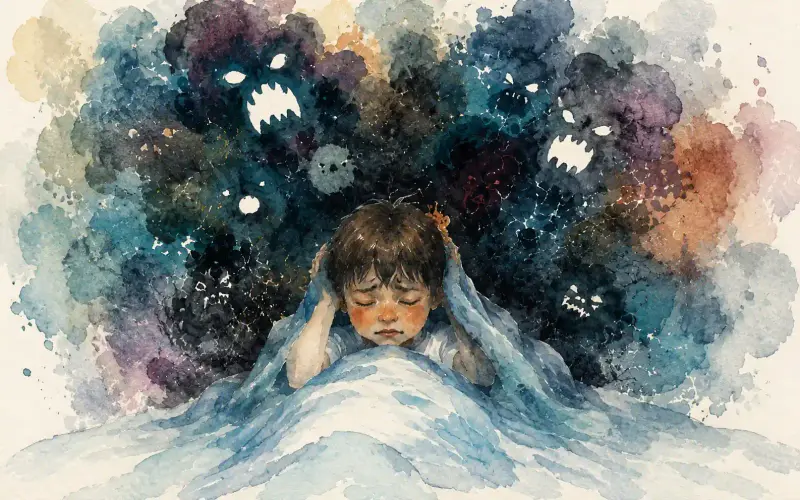
Revenge bedtime procrastination can feel like a small break where we reclaim ourselves after a day full of demands—but sometimes it turns into a habit that exhausts us more than it comforts us. When the house grows quiet and messages slow down, we feel that the night is the only space that truly belongs to us, so we cling to it—even if it costs us our sleep. Many people describe it in one sentence: I need time for myself, no matter the price. And that makes sense, because it often isn’t about loving late nights, but about trying to compensate for losing control of time during the day. In this article, you’ll find a compassionate explanation of this behavior and how it differs from ordinary staying up late, then practical ideas to help you gain your time without paying for it with your health and sleep.
What Do We Mean by Revenge Bedtime Procrastination?
Simply put, it is delaying bedtime even though you know you may wake up early or that the next day requires energy. In many cases, there is no clear external barrier preventing sleep; the pattern may involve fatigue mixing with the need to reclaim personal time. This pattern is referred to as bedtime procrastination, defined as going to bed later than intended without anything actually preventing it, as explained in a study on bedtime procrastination. “Revenge” here doesn’t mean anger at sleep—it means trying to reclaim control from a day in which you felt used up.
Why Does Night Feel So Tempting for Someone Living Under Daytime Pressure?
By the end of the day, the brain has spent a large amount of focus and self-control: work decisions, household demands, study responsibilities, caring for others, and even trying to appear at your best. When night arrives, the sense of obligation softens and another feeling appears: This hour is mine. So you may prefer scrolling, shows, or rearranging small things, because they give your brain an immediate reward and temporary calm.
The problem is that this calm may be built on escape rather than restoration. Instead of night being a time to recharge, it becomes a time to postpone everything you couldn’t say or do during the day. Some people only realize that when they notice a repeating inner sentence like: I’ll make it up to myself tonight, and it ends with a heavy morning and a fluctuating mood.
How Do Screens and Anxiety Keep You Awake Longer Than You Expect?
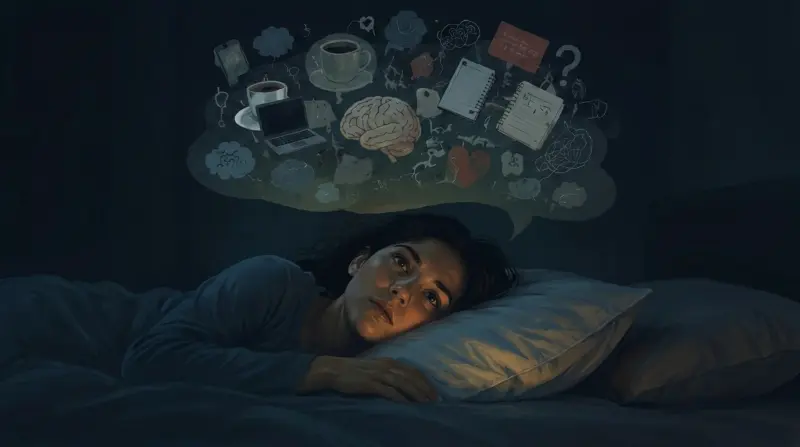
Delaying sleep doesn’t always happen because you don’t want to sleep, but because the shift from “performance mode” to “rest mode” isn’t easy. Sometimes you bring the leftovers of the day to bed: an unfinished to-do list, a lingering argument, financial worry, or exhausting comparison on social media. Then the bed becomes a place for thinking, not a place for settling. According to specialists at Tatmeen, the need to disconnect from the day often gets mixed up with the need for sleep—so disconnection is chosen through the screen because it’s the fastest and least effortful option in a moment of fatigue.
Another common factor is using the phone before bed, along with shifting sleep and wake times, late caffeine, or changing work and study schedules. There is no need to scare yourself, but light, constant stimulation, and mixed day-night cues can confuse the body clock and make it harder for many people to relax.
A Small Cost Every Night… Then a Big Bill by the End of the Week
You might say: one or two extra hours won’t matter. But accumulated sleep loss gradually changes the quality of your day: difficulty concentrating, slower decision-making, higher sensitivity to stress, and maybe an even stronger urge to escape the next night. That’s what makes the cycle grip you: daytime fatigue pushes you to “steal” the night, and stealing the night increases daytime fatigue.
And because sleep isn’t just closing your eyes, the body uses it to organize memory and restore cognitive functions. Sleep supports learning and memory formation, and lack of sleep may affect mental clarity and attention. Keeping this meaning in mind helps you see sleep as a basic right, not a reward that only comes after you finish everything.
How Do You Regain a Sense of Control Without Losing Your Sleep?
The goal isn’t to force yourself through sheer power, but to give yourself real time in a place that doesn’t steal from tomorrow. Start by reducing the number of decisions late at night: the clearer and more defined your sleep steps are, the less room there is for inner bargaining. It also helps to think of bedtime as a flexible window rather than one perfect fixed time—a window of half an hour to an hour that gives you more realism instead of feeling like you “failed” the moment you’re late.
Try choosing one principle for a week instead of many changes:
Reserve fifteen earlier minutes for something that belongs to you: light reading, a calm connection, or a simple hobby.
Put a final period to the day: one last line in a notebook, or a quick tidy-up, then turn off notifications.
Make the transition to sleep a short ritual: wash your face, a warm drink without caffeine, slow breathing for a few minutes.
Agree with yourself on a limit for scrolling, not a total ban: one clip, or ten minutes, then charge the phone away from you.
If you slept late one night, don’t punish yourself with even later nights afterward; return gradually to a more normal bedtime.
What matters here is gentleness and consistency. When you feel the night is the only remaining space, ask yourself: What do I truly need right now? Is it pleasure? Rest? A sense of choice? Sometimes simply naming the need reduces the urge to escape and opens the door to kinder alternatives.
Finally…
Revenge bedtime procrastination is more of a message than a mistake: a message that your days need a wider space for you. Every small step that gives you earlier personal time and a calming buffer before sleep will reflect in your morning and your self-trust. And if anxiety or pressure keeps stealing your sleep, booking an appointment with a specialist through Tatmeen may help you build calmer, more realistic habits.
Frequently Asked Questions
What is the difference between revenge bedtime procrastination and insomnia?
Insomnia often means repeated difficulty falling asleep, staying asleep, or waking too early despite having a suitable opportunity to sleep. Bedtime procrastination means delaying sleep despite tiredness or knowing it may affect the next day. The two can overlap, so an article is not enough to diagnose the cause; if it keeps happening and affects your day, it is better to consult a specialist.
Is time management alone enough to get rid of this phenomenon?
Time management helps, but it isn’t always enough if the emotional driver is present: a feeling of losing control or a need for rest. What works better is adding a small personal time during the day and building a calming pre-sleep ritual, rather than relying on willpower alone.
What do I do if I go back to staying up late after a period of improvement?
Treat it as a signal, not a failure. Review what has increased pressure recently, and reduce your goal to just one step for a few days. Returning to routine gradually is steadier than trying to “catch up” on sleep all at once, and uneven progress is a normal part of any change.
A writer and researcher specializing in psychiatry, she focuses on mental health and the human emotions we experience but cannot always find the words to name. She writes about us—about humanity and the human experience—and simplifies complex topics to offer content that helps us better understand ourselves and life, ultimately making us feel less alone.
Every Tatmeen article is reviewed by care providers licensed by the Saudi Commission for Health Specialties, so what you read is accurate and trustworthy.
This article builds understanding and does not replace a licensed care provider.
Need someone to talk to?
Tatmeen's licensed care providers are available around the clock, and the app's urgent consultation connects you with one within minutes.
Download Tatmeen to explore care providers and booking options.
Smart matchingFour quick questions suggest the right care provider
Urgent consultationTalk to an available care provider within minutes
Free psychological measuresMore than 20 tests to understand how you are doing
Scan to download
{"data":{"id":"2b4e16b1-c32f-4195-bb85-4101e7a9ffd6","slug":"why-cant-i-sleep-when-tired-not-insomnia","arTitle":"لماذا لا أنام رغم أني متعب؟ (قد لا يكون أرقًا دائمًا)","enTitle":"Why Can't I Sleep Even Though I'm Tired? (It May Not Always Be Insomnia)","thumbnailAltText":"a person who can't sleep at night from overthinking","estimatedReadingTime":5,"likesCount":228,"writer":{"id":"3ab72b74-f26f-4337-9b47-3114b0f90de5","arBio":"كاتبة وباحثة متخصصة في مجال الطب النفسي، تهتم بموضوعات الصحة النفسية وبالمشاعر الإنسانية التي نختبرها ولا نجد دائمًا الكلمات لتسميتها. تكتب عنّا؛ عن الإنسان وتجربته، وتبسّط الموضوعات المعقّدة لتقدّم محتوى يساعدنا على فهم ذواتنا والحياة أكثر، ويجعلنا نشعر بأننا بوحدة أقل.","enBio":"A writer and researcher specializing in psychiatry, she focuses on mental health and the human emotions we experience but cannot always find the words to name. She writes about us—about humanity and the human experience—and simplifies complex topics to offer content that helps us better understand ourselves and life, ultimately making us feel less alone.","user":{"slug":"ayat-alnajar","arFullName":"آيات النجار","enFullName":"Ayat Al-Najjar","publicProfileImageUrl":"https://cdn.tatmeen.sa/public/profile-images/02384455-68fa-40b6-ad05-609fde65cafa/21b9a610dde5dfc6d37af110c23e9c7ab3946be080c281beb000debf4f7d31a6.webp","publicProfileImage96Url":"https://cdn.tatmeen.sa/public/profile-images/02384455-68fa-40b6-ad05-609fde65cafa/21b9a610dde5dfc6d37af110c23e9c7ab3946be080c281beb000debf4f7d31a6-w96.webp","publicProfileImage192Url":"https://cdn.tatmeen.sa/public/profile-images/02384455-68fa-40b6-ad05-609fde65cafa/21b9a610dde5dfc6d37af110c23e9c7ab3946be080c281beb000debf4f7d31a6-w192.webp"}},"arContent":"","enContent":"","productionDocument":{"headings":[{"id":"article-section-what-do-we-mean-by-revenge-bedtime-procrastination","text":"What Do We Mean by Revenge Bedtime Procrastination?"},{"id":"article-section-why-does-night-feel-so-tempting-for-someone-living-under-daytime-pressure","text":"Why Does Night Feel So Tempting for Someone Living Under Daytime Pressure?"},{"id":"article-section-how-do-screens-and-anxiety-keep-you-awake-longer-than-you-expect","text":"How Do Screens and Anxiety Keep You Awake Longer Than You Expect?"},{"id":"article-section-a-small-cost-every-night-then-a-big-bill-by-the-end-of-the-week","text":"A Small Cost Every Night… Then a Big Bill by the End of the Week"},{"id":"article-section-how-do-you-regain-a-sense-of-control-without-losing-your-sleep","text":"How Do You Regain a Sense of Control Without Losing Your Sleep?"},{"id":"article-section-finally","text":"Finally…"}],"faqs":[{"question":"What is the difference between revenge bedtime procrastination and insomnia?","answer":"<p><span style=\"color:#000000\">Insomnia often means repeated difficulty falling asleep, staying asleep, or waking too early despite having a suitable opportunity to sleep. Bedtime procrastination means delaying sleep despite tiredness or knowing it may affect the next day. The two can overlap, so an article is not enough to diagnose the cause; if it keeps happening and affects your day, it is better to consult a specialist.</span></p>"},{"question":"Is time management alone enough to get rid of this phenomenon?","answer":"<p><span style=\"color:#000000\">Time management helps, but it isn’t always enough if the emotional driver is present: a feeling of losing control or a need for rest. What works better is adding a small personal time during the day and building a calming pre-sleep ritual, rather than relying on willpower alone.</span></p>"},{"question":"What do I do if I go back to staying up late after a period of improvement?","answer":"<p><span style=\"color:#000000\">Treat it as a signal, not a failure. Review what has increased pressure recently, and reduce your goal to just one step for a few days. Returning to routine gradually is steadier than trying to “catch up” on sleep all at once, and uneven progress is a normal part of any change.</span></p>"}],"beforeSourcesHtml":"<p></p>","sources":[],"afterSourcesHtml":"","blocks":[{"type":"html","html":"<p><span style=\"color:#000000\">Revenge bedtime procrastination can feel like a small break where we reclaim ourselves after a day full of demands—but sometimes it turns into a habit that exhausts us more than it comforts us. When the house grows quiet and messages slow down, we feel that the night is the only space that truly belongs to us, so we cling to it—even if it costs us our sleep. Many people describe it in one sentence: <em>I need time for myself, no matter the price.</em> And that makes sense, because it often isn’t about loving late nights, but about trying to compensate for losing control of time during the day. In this article, you’ll find a compassionate explanation of this behavior and how it differs from ordinary staying up late, then practical ideas to help you gain your time without paying for it with your health and sleep.</span></p><h2 id=\"article-section-what-do-we-mean-by-revenge-bedtime-procrastination\" data-toc-heading tabindex=\"-1\"><span id=\"what-do-we-mean-by-revenge-bedtime-procrastination-1\" aria-hidden=\"true\"></span><span style=\"color:#000000\"><strong>What Do We Mean by Revenge Bedtime Procrastination?</strong></span></h2><p><span style=\"color:#000000\">Simply put, it is delaying bedtime even though you know you may wake up early or that the next day requires energy. In many cases, there is no clear external barrier preventing sleep; the pattern may involve fatigue mixing with the need to reclaim personal time. This pattern is referred to as bedtime procrastination, defined as going to bed later than intended without anything actually preventing it, as explained in a </span><a href=\"https://www.frontiersin.org/journals/psychology/articles/10.3389/fpsyg.2014.00611/full?\" target=\"_blank\" rel=\"nofollow noopener noreferrer\"><span style=\"color:#1155cc\"><u>study on bedtime</u></span></a><span style=\"color:#000000\"> procrastination. “Revenge” here doesn’t mean anger at sleep—it means trying to reclaim control from a day in which you felt used up.</span></p><h2 id=\"article-section-why-does-night-feel-so-tempting-for-someone-living-under-daytime-pressure\" data-toc-heading tabindex=\"-1\"><span id=\"why-does-night-feel-so-tempting-for-someone-living-under-daytime-pressure-2\" aria-hidden=\"true\"></span><span style=\"color:#000000\"><strong>Why Does Night Feel So Tempting for Someone Living Under Daytime Pressure?</strong></span></h2><p><span style=\"color:#000000\">By the end of the day, the brain has spent a large amount of focus and self-control: work decisions, household demands, study responsibilities, caring for others, and even trying to appear at your best. When night arrives, the sense of obligation softens and another feeling appears: <em>This hour is mine.</em> So you may prefer scrolling, shows, or rearranging small things, because they give your brain an immediate reward and temporary calm.</span></p><p><span style=\"color:#000000\">The problem is that this calm may be built on escape rather than restoration. Instead of night being a time to recharge, it becomes a time to postpone everything you couldn’t say or do during the day. Some people only realize that when they notice a repeating inner sentence like: <em>I’ll make it up to myself tonight,</em> and it ends with a heavy morning and a fluctuating mood.</span></p><h2 id=\"article-section-how-do-screens-and-anxiety-keep-you-awake-longer-than-you-expect\" data-toc-heading tabindex=\"-1\"><span id=\"how-do-screens-and-anxiety-keep-you-awake-longer-than-you-expect-3\" aria-hidden=\"true\"></span><span style=\"color:#000000\"><strong>How Do Screens and Anxiety Keep You Awake Longer Than You Expect?</strong></span></h2><p><span style=\"color:#000000\">Delaying sleep doesn’t always happen because you don’t want to sleep, but because the shift from “performance mode” to “rest mode” isn’t easy. Sometimes you bring the leftovers of the day to bed: an unfinished to-do list, a lingering argument, financial worry, or exhausting comparison on social media. Then the bed becomes a place for thinking, not a place for settling. According to specialists at Tatmeen, the need to disconnect from the day often gets mixed up with the need for sleep—so disconnection is chosen through the screen because it’s the fastest and least effortful option in a moment of fatigue.</span></p><p><span style=\"color:#000000\">Another common factor is using the phone before bed, along with shifting sleep and wake times, late caffeine, or changing work and study schedules. There is no need to scare yourself, but light, constant stimulation, and mixed day-night cues can confuse the body clock and make it harder for many people to relax.</span></p><h2 id=\"article-section-a-small-cost-every-night-then-a-big-bill-by-the-end-of-the-week\" data-toc-heading tabindex=\"-1\"><span id=\"a-small-cost-every-night-then-a-big-bill-by-the-end-of-the-week-4\" aria-hidden=\"true\"></span><span style=\"color:#000000\"><strong>A Small Cost Every Night… Then a Big Bill by the End of the Week</strong></span></h2><p><span style=\"color:#000000\">You might say: one or two extra hours won’t matter. But accumulated sleep loss gradually changes the quality of your day: difficulty concentrating, slower decision-making, higher sensitivity to stress, and maybe an even stronger urge to escape the next night. That’s what makes the cycle grip you: daytime fatigue pushes you to “steal” the night, and stealing the night increases daytime fatigue.</span></p><p><span style=\"color:#000000\">And because sleep isn’t just closing your eyes, the body uses it to organize memory and restore cognitive functions. Sleep supports learning and memory formation, and lack of sleep may affect mental clarity and attention. Keeping this meaning in mind helps you see sleep as a basic right, not a reward that only comes after you finish everything.</span></p><h2 id=\"article-section-how-do-you-regain-a-sense-of-control-without-losing-your-sleep\" data-toc-heading tabindex=\"-1\"><span id=\"how-do-you-regain-a-sense-of-control-without-losing-your-sleep-5\" aria-hidden=\"true\"></span><span style=\"color:#000000\"><strong>How Do You Regain a Sense of Control Without Losing Your Sleep?</strong></span></h2><p><span style=\"color:#000000\">The goal isn’t to force yourself through sheer power, but to give yourself real time in a place that doesn’t steal from tomorrow. Start by reducing the number of decisions late at night: the clearer and more defined your sleep steps are, the less room there is for inner bargaining. It also helps to think of bedtime as a flexible window rather than one perfect fixed time—a window of half an hour to an hour that gives you more realism instead of feeling like you “failed” the moment you’re late.</span></p><p><span style=\"color:#000000\">Try choosing one principle for a week instead of many changes:</span></p><ul><li><p><span style=\"color:#000000\">Reserve fifteen earlier minutes for something that belongs to you: light reading, a calm connection, or a simple hobby.</span></p></li><li><p><span style=\"color:#000000\">Put a final period to the day: one last line in a notebook, or a quick tidy-up, then turn off notifications.</span></p></li><li><p><span style=\"color:#000000\">Make the transition to sleep a short ritual: wash your face, a warm drink without caffeine, slow breathing for a few minutes.</span></p></li><li><p><span style=\"color:#000000\">Agree with yourself on a limit for scrolling, not a total ban: one clip, or ten minutes, then charge the phone away from you.</span></p></li><li><p><span style=\"color:#000000\">If you slept late one night, don’t punish yourself with even later nights afterward; return gradually to a more normal bedtime.</span></p></li></ul><p><span style=\"color:#000000\">What matters here is gentleness and consistency. When you feel the night is the only remaining space, ask yourself: <em>What do I truly need right now?</em> Is it pleasure? Rest? A sense of choice? Sometimes simply naming the need reduces the urge to escape and opens the door to kinder alternatives.</span></p><h2 id=\"article-section-finally\" data-toc-heading tabindex=\"-1\"><span id=\"finally-6\" aria-hidden=\"true\"></span><span style=\"color:#000000\"><strong>Finally…</strong></span></h2><p><span style=\"color:#000000\">Revenge bedtime procrastination is more of a message than a mistake: a message that your days need a wider space for <em>you</em>. Every small step that gives you earlier personal time and a calming buffer before sleep will reflect in your morning and your self-trust. And if anxiety or pressure keeps stealing your sleep, booking an appointment with a specialist through Tatmeen may help you build calmer, more realistic habits.</span></p>"}],"inlineCtaSignatures":[],"_experienceAliases":{"v":1,"fields":["html","bodyHtml"],"faqs":[0,1,2]}},"createdAt":"2026-06-01T21:00:00.000Z","updatedAt":"2026-06-07T16:13:01.576Z","disorderGroups":[{"id":"1e82772d-a1a7-4d29-b475-be9d6b67ae02","slug":"common-mental-issues","arName":"اضطرابات نفسية شائعة","enName":"Common Mental Issues"},{"id":"ebb11477-95c3-4773-ad1b-c53ca45cb6f7","slug":"general-health","arName":"صحة عامة","enName":"General Health"},{"id":"4499a52a-06f8-4022-a64d-304e5eca51cc","slug":"life-challenges-and-stress","arName":"تحديات الحياة والضغوط","enName":"Life Challenges & Stress"}],"reviewer":{"arFullName":"فريق تطمين","enFullName":"Tatmeen team","slug":"tatmeen-team","kind":"organization"},"productionArticle":true,"promotionAllowed":true,"preparedCover":{"src":"https://cdn.tatmeen.sa/public/article-lcp/article-lcp-v2/sha256-34274f8790b5c3273aab7476d7ff096d2c96eb7ce0563ccbd976abaa2b492fb5/800-dee2ea17aedddd68ec6c06e261b4f17942656eabea00e8c68caca843f729029f.avif","fallback":"https://cdn.tatmeen.sa/public/article-lcp/article-lcp-v2/sha256-34274f8790b5c3273aab7476d7ff096d2c96eb7ce0563ccbd976abaa2b492fb5/800-8b58a977854117caf6248a2b55bea85da5046f768b91daa465eb01823d6ce54d.webp","directUrl":"https://cdn.tatmeen.sa/blog-cover/Tatmeen-1780418056339.webp","isGolden":true,"avifSrcset":"https://cdn.tatmeen.sa/public/article-lcp/article-lcp-v2/sha256-34274f8790b5c3273aab7476d7ff096d2c96eb7ce0563ccbd976abaa2b492fb5/400-98361f125fc476815ca4ce551b0559770b594e84dcd660b448a662cf7cb13a41.avif 400w, https://cdn.tatmeen.sa/public/article-lcp/article-lcp-v2/sha256-34274f8790b5c3273aab7476d7ff096d2c96eb7ce0563ccbd976abaa2b492fb5/640-67f607319fa5d6e6e340b1909c604ef9b2e8e84b2a105ec75217d66409b18531.avif 640w, https://cdn.tatmeen.sa/public/article-lcp/article-lcp-v2/sha256-34274f8790b5c3273aab7476d7ff096d2c96eb7ce0563ccbd976abaa2b492fb5/800-dee2ea17aedddd68ec6c06e261b4f17942656eabea00e8c68caca843f729029f.avif 800w, https://cdn.tatmeen.sa/public/article-lcp/article-lcp-v2/sha256-34274f8790b5c3273aab7476d7ff096d2c96eb7ce0563ccbd976abaa2b492fb5/1200-da6586604ea2d2e0f1786223c9d6842bacb9f18ea618eb660f91f97db71c7c45.avif 1200w","webpSrcset":"https://cdn.tatmeen.sa/public/article-lcp/article-lcp-v2/sha256-34274f8790b5c3273aab7476d7ff096d2c96eb7ce0563ccbd976abaa2b492fb5/400-40d715a16688e88a862664e07fbcf06b23946bbacfb2d149f3c10d97c63e9439.webp 400w, https://cdn.tatmeen.sa/public/article-lcp/article-lcp-v2/sha256-34274f8790b5c3273aab7476d7ff096d2c96eb7ce0563ccbd976abaa2b492fb5/640-4e608e10998d7708908f17dce11086c94b29767a01352df2a5c5ab272038612e.webp 640w, https://cdn.tatmeen.sa/public/article-lcp/article-lcp-v2/sha256-34274f8790b5c3273aab7476d7ff096d2c96eb7ce0563ccbd976abaa2b492fb5/800-8b58a977854117caf6248a2b55bea85da5046f768b91daa465eb01823d6ce54d.webp 800w, https://cdn.tatmeen.sa/public/article-lcp/article-lcp-v2/sha256-34274f8790b5c3273aab7476d7ff096d2c96eb7ce0563ccbd976abaa2b492fb5/1200-021a35d7371d3ad6467776b5f64f0744a81446eef7e494e1040f8d4fd5f2a58b.webp 1200w","phoneAvifSrcset":"https://cdn.tatmeen.sa/public/article-lcp/article-lcp-v2/sha256-34274f8790b5c3273aab7476d7ff096d2c96eb7ce0563ccbd976abaa2b492fb5/400-98361f125fc476815ca4ce551b0559770b594e84dcd660b448a662cf7cb13a41.avif 400w, https://cdn.tatmeen.sa/public/article-lcp/article-lcp-v2/sha256-34274f8790b5c3273aab7476d7ff096d2c96eb7ce0563ccbd976abaa2b492fb5/640-67f607319fa5d6e6e340b1909c604ef9b2e8e84b2a105ec75217d66409b18531.avif 640w, https://cdn.tatmeen.sa/public/article-lcp/article-lcp-v2/sha256-34274f8790b5c3273aab7476d7ff096d2c96eb7ce0563ccbd976abaa2b492fb5/800-dee2ea17aedddd68ec6c06e261b4f17942656eabea00e8c68caca843f729029f.avif 800w","phoneWebpSrcset":"https://cdn.tatmeen.sa/public/article-lcp/article-lcp-v2/sha256-34274f8790b5c3273aab7476d7ff096d2c96eb7ce0563ccbd976abaa2b492fb5/400-40d715a16688e88a862664e07fbcf06b23946bbacfb2d149f3c10d97c63e9439.webp 400w, https://cdn.tatmeen.sa/public/article-lcp/article-lcp-v2/sha256-34274f8790b5c3273aab7476d7ff096d2c96eb7ce0563ccbd976abaa2b492fb5/640-4e608e10998d7708908f17dce11086c94b29767a01352df2a5c5ab272038612e.webp 640w, https://cdn.tatmeen.sa/public/article-lcp/article-lcp-v2/sha256-34274f8790b5c3273aab7476d7ff096d2c96eb7ce0563ccbd976abaa2b492fb5/800-8b58a977854117caf6248a2b55bea85da5046f768b91daa465eb01823d6ce54d.webp 800w","width":800,"height":447},"previewTaxonomy":{"groups":[{"id":"1e82772d-a1a7-4d29-b475-be9d6b67ae02","slug":"common-mental-issues","arName":"اضطرابات نفسية شائعة","enName":"Common Mental Issues"},{"id":"ebb11477-95c3-4773-ad1b-c53ca45cb6f7","slug":"general-health","arName":"صحة عامة","enName":"General Health"},{"id":"4499a52a-06f8-4022-a64d-304e5eca51cc","slug":"life-challenges-and-stress","arName":"تحديات الحياة والضغوط","enName":"Life Challenges & Stress"}],"topics":[{"id":"4c10d5ae-1b63-4868-901f-df8e1ce7f0d7","slug":"sleep-disorders","arName":"اضطرابات النوم","enName":"Sleep Disorders","groupSlug":"common-mental-issues","href":"/blog/category/common-mental-issues/sleep-disorders/"}],"tags":[{"id":"df684f2f-95c6-4603-afba-9a1061c94a62","slug":"sleep-disorders","arName":"اضطرابات النوم","enName":"Sleep Disorders"},{"id":"9d6e68c1-9bb5-4364-a082-963aaf55f77f","slug":"burnout-stress","arName":"الاحتراق والإرهاق والضغط النفسي","enName":"Burnout Fatigue & Stress"},{"id":"c2a6e8d3-de9c-435f-8c95-9727e7db14cc","slug":"explainer-awareness","arName":"دليل توعوي / شرح","enName":"Explainer / Awareness Guide"}]},"previewProviderRecommendations":[{"id":"23ba62b8-9679-46a2-9439-b2801cafc59b","slug":"dr-mohammed-alanazi-4132","arFullName":"د. محمد العنزي","enFullName":"Dr. Mohammed ALANAZI","publicProfileImageUrl":"https://cdn.tatmeen.sa/public/profile-images/23ba62b8-9679-46a2-9439-b2801cafc59b/233e70d98cd910633553abf60e5ee8dd305797b64c4172746ab379f3b91a1461.webp","publicProfileImage96Url":"https://cdn.tatmeen.sa/public/profile-images/23ba62b8-9679-46a2-9439-b2801cafc59b/233e70d98cd910633553abf60e5ee8dd305797b64c4172746ab379f3b91a1461-w96.webp","publicProfileImage192Url":"https://cdn.tatmeen.sa/public/profile-images/23ba62b8-9679-46a2-9439-b2801cafc59b/233e70d98cd910633553abf60e5ee8dd305797b64c4172746ab379f3b91a1461-w192.webp","specialization":{"arName":"طبيب أسرة","enName":"Family Physician"},"profileImageUrl":"https://cdn.tatmeen.sa/public/profile-images/23ba62b8-9679-46a2-9439-b2801cafc59b/233e70d98cd910633553abf60e5ee8dd305797b64c4172746ab379f3b91a1461-w192.webp","experienceYears":3,"consultantInfo":{"averageRating":{"average":0},"specialization":{"arGeneralName":"طبيب أسرة","enGeneralName":"Family Physician"}}},{"id":"025d770d-f6d4-405b-be1c-d45dde63fbf7","slug":"akila-alomran-7545","arFullName":"عقيله العمران","enFullName":"Akila Alomran","publicProfileImageUrl":"https://cdn.tatmeen.sa/public/profile-images/025d770d-f6d4-405b-be1c-d45dde63fbf7/44a990b9294f02c9810c69a68b8913a6afac0eb30d1b7494155f31b6dde9378b.webp","publicProfileImage96Url":"https://cdn.tatmeen.sa/public/profile-images/025d770d-f6d4-405b-be1c-d45dde63fbf7/44a990b9294f02c9810c69a68b8913a6afac0eb30d1b7494155f31b6dde9378b-w96.webp","publicProfileImage192Url":"https://cdn.tatmeen.sa/public/profile-images/025d770d-f6d4-405b-be1c-d45dde63fbf7/44a990b9294f02c9810c69a68b8913a6afac0eb30d1b7494155f31b6dde9378b-w192.webp","specialization":{"arName":"أخصائي نفسي","enName":"Psychologist"},"profileImageUrl":"https://cdn.tatmeen.sa/public/profile-images/025d770d-f6d4-405b-be1c-d45dde63fbf7/44a990b9294f02c9810c69a68b8913a6afac0eb30d1b7494155f31b6dde9378b-w192.webp","experienceYears":3,"consultantInfo":{"averageRating":{"average":5},"specialization":{"arGeneralName":"أخصائي نفسي","enGeneralName":"Psychologist"}}},{"id":"52730b90-770d-48b1-9406-4e480ef451cc","slug":"dr-abdullah-al-naser-3837","arFullName":"د. عبدالله الناصر","enFullName":"Dr. Abdullah Al Naser","publicProfileImageUrl":"https://cdn.tatmeen.sa/public/profile-images/52730b90-770d-48b1-9406-4e480ef451cc/e0c2e950e474fa226e50ae221ba3ae8fb7dacf2a96e9bb9bbb7e48115add53c5.webp","publicProfileImage96Url":"https://cdn.tatmeen.sa/public/profile-images/52730b90-770d-48b1-9406-4e480ef451cc/e0c2e950e474fa226e50ae221ba3ae8fb7dacf2a96e9bb9bbb7e48115add53c5-w96.webp","publicProfileImage192Url":"https://cdn.tatmeen.sa/public/profile-images/52730b90-770d-48b1-9406-4e480ef451cc/e0c2e950e474fa226e50ae221ba3ae8fb7dacf2a96e9bb9bbb7e48115add53c5-w192.webp","specialization":{"arName":"طبيب أسرة","enName":"Family Physician"},"profileImageUrl":"https://cdn.tatmeen.sa/public/profile-images/52730b90-770d-48b1-9406-4e480ef451cc/e0c2e950e474fa226e50ae221ba3ae8fb7dacf2a96e9bb9bbb7e48115add53c5-w192.webp","experienceYears":10,"consultantInfo":{"averageRating":{"average":0},"specialization":{"arGeneralName":"طبيب أسرة","enGeneralName":"Family Physician"}}}],"previewCareProviders":[{"id":"09364052-c2a9-4c52-9717-7ce2093b8d0a","slug":"kholoud-alharbi-5221","arFullName":"خلود الحربي","enFullName":"Kholoud Alharbi","publicProfileImageUrl":"https://cdn.tatmeen.sa/public/profile-images/09364052-c2a9-4c52-9717-7ce2093b8d0a/4a0aeb81619e351b77f4323e3605a0a00acc7ca3c82ee7cc5ca2c9e8ef716049.webp","publicProfileImage96Url":"https://cdn.tatmeen.sa/public/profile-images/09364052-c2a9-4c52-9717-7ce2093b8d0a/4a0aeb81619e351b77f4323e3605a0a00acc7ca3c82ee7cc5ca2c9e8ef716049-w96.webp","publicProfileImage192Url":"https://cdn.tatmeen.sa/public/profile-images/09364052-c2a9-4c52-9717-7ce2093b8d0a/4a0aeb81619e351b77f4323e3605a0a00acc7ca3c82ee7cc5ca2c9e8ef716049-w192.webp","gender":"FEMALE","specialization":{"arName":"أخصائي نفسي","enName":"Psychologist"}},{"id":"6f037535-1dca-4b50-a8b2-5974b7323286","slug":"salah-althobaiti-9053","arFullName":"صلاح الثبيتي","enFullName":"Salah Althobaiti","publicProfileImageUrl":"https://cdn.tatmeen.sa/public/profile-images/6f037535-1dca-4b50-a8b2-5974b7323286/35b6bd7fad9b1e004c1835803eb9c1b56dcacd380685ec8bff141f0fb888005c.webp","publicProfileImage96Url":"https://cdn.tatmeen.sa/public/profile-images/6f037535-1dca-4b50-a8b2-5974b7323286/35b6bd7fad9b1e004c1835803eb9c1b56dcacd380685ec8bff141f0fb888005c-w96.webp","publicProfileImage192Url":"https://cdn.tatmeen.sa/public/profile-images/6f037535-1dca-4b50-a8b2-5974b7323286/35b6bd7fad9b1e004c1835803eb9c1b56dcacd380685ec8bff141f0fb888005c-w192.webp","gender":"MALE","specialization":{"arName":"أخصائي نفسي","enName":"Psychologist"}},{"id":"3cc806e8-616b-4884-9f21-a75b378580a2","slug":"aisha-al-hashim-8667","arFullName":"عائشة ال هاشم","enFullName":"Aisha Al Hashim","publicProfileImageUrl":"https://cdn.tatmeen.sa/public/profile-images/3cc806e8-616b-4884-9f21-a75b378580a2/27f523d03be4dcfa1f6a79f70c1773887434e698990d214cd990caec56a44798.webp","publicProfileImage96Url":"https://cdn.tatmeen.sa/public/profile-images/3cc806e8-616b-4884-9f21-a75b378580a2/27f523d03be4dcfa1f6a79f70c1773887434e698990d214cd990caec56a44798-w96.webp","publicProfileImage192Url":"https://cdn.tatmeen.sa/public/profile-images/3cc806e8-616b-4884-9f21-a75b378580a2/27f523d03be4dcfa1f6a79f70c1773887434e698990d214cd990caec56a44798-w192.webp","gender":"FEMALE","specialization":{"arName":"أخصائي نفسي","enName":"Psychologist"}},{"id":"db2ce1a0-9325-4471-b7ce-eb2e811c30a3","slug":"amer-qutub-2441","arFullName":"عامر قطب","enFullName":"Amer Qutub","publicProfileImageUrl":"https://cdn.tatmeen.sa/public/profile-images/db2ce1a0-9325-4471-b7ce-eb2e811c30a3/80580f99bfd7fe2b2a9cf8eed73ab532f5086d1efe053b0aa57358c1ce004261.webp","publicProfileImage96Url":"https://cdn.tatmeen.sa/public/profile-images/db2ce1a0-9325-4471-b7ce-eb2e811c30a3/80580f99bfd7fe2b2a9cf8eed73ab532f5086d1efe053b0aa57358c1ce004261-w96.webp","publicProfileImage192Url":"https://cdn.tatmeen.sa/public/profile-images/db2ce1a0-9325-4471-b7ce-eb2e811c30a3/80580f99bfd7fe2b2a9cf8eed73ab532f5086d1efe053b0aa57358c1ce004261-w192.webp","gender":"MALE","specialization":{"arName":"أخصائي نفسي","enName":"Psychologist"}},{"id":"94765496-dbdf-4631-a01b-7df5f788668d","slug":"abdullrahman-alhamoudi-3045","arFullName":"عبدالرحمن الحمودي","enFullName":"Abdulrahman Alhamoudi","publicProfileImageUrl":"https://cdn.tatmeen.sa/public/profile-images/94765496-dbdf-4631-a01b-7df5f788668d/2d49f6b6493c564afb6f50b6c3634231dff3a5cf8353acfab393d1b2a88037d1.webp","publicProfileImage96Url":"https://cdn.tatmeen.sa/public/profile-images/94765496-dbdf-4631-a01b-7df5f788668d/2d49f6b6493c564afb6f50b6c3634231dff3a5cf8353acfab393d1b2a88037d1-w96.webp","publicProfileImage192Url":"https://cdn.tatmeen.sa/public/profile-images/94765496-dbdf-4631-a01b-7df5f788668d/2d49f6b6493c564afb6f50b6c3634231dff3a5cf8353acfab393d1b2a88037d1-w192.webp","gender":"MALE","specialization":{"arName":"أخصائي نفسي","enName":"Psychologist"}},{"id":"618dba89-5b70-4b46-8304-741b7ac8ecd3","slug":"abdullah-mari-1311","arFullName":"عبدالله مرعي","enFullName":"Abdullah Mari","publicProfileImageUrl":"https://cdn.tatmeen.sa/public/profile-images/618dba89-5b70-4b46-8304-741b7ac8ecd3/6b4a3bfb59f8a304ca79083b32859b46baad2e1d692974a47c02c1f66bd11129.webp","publicProfileImage96Url":"https://cdn.tatmeen.sa/public/profile-images/618dba89-5b70-4b46-8304-741b7ac8ecd3/6b4a3bfb59f8a304ca79083b32859b46baad2e1d692974a47c02c1f66bd11129-w96.webp","publicProfileImage192Url":"https://cdn.tatmeen.sa/public/profile-images/618dba89-5b70-4b46-8304-741b7ac8ecd3/6b4a3bfb59f8a304ca79083b32859b46baad2e1d692974a47c02c1f66bd11129-w192.webp","gender":"MALE","specialization":{"arName":"أخصائي نفسي","enName":"Psychologist"}},{"id":"3b50a5d5-e795-407f-8676-fd7f0e1bb7a0","slug":"abdulaziz-bin-hudayan-4940","arFullName":"عبدالعزيز بن هديان","enFullName":"Abdulaziz Bin Hudayan","publicProfileImageUrl":"https://cdn.tatmeen.sa/public/profile-images/3b50a5d5-e795-407f-8676-fd7f0e1bb7a0/710ff0fe1fb00cdb5042092e27b7910b480a439b02251ecded62d7758eefce95.webp","publicProfileImage96Url":"https://cdn.tatmeen.sa/public/profile-images/3b50a5d5-e795-407f-8676-fd7f0e1bb7a0/710ff0fe1fb00cdb5042092e27b7910b480a439b02251ecded62d7758eefce95-w96.webp","publicProfileImage192Url":"https://cdn.tatmeen.sa/public/profile-images/3b50a5d5-e795-407f-8676-fd7f0e1bb7a0/710ff0fe1fb00cdb5042092e27b7910b480a439b02251ecded62d7758eefce95-w192.webp","gender":"MALE","specialization":{"arName":"أخصائي نفسي","enName":"Psychologist"}}],"previewDownload":{"href":"/download","title":{"ar":"خطوة واحدة لأجلك، ابدأ الآن","en":"One step for you, start now"},"description":{"ar":"حمّل تطبيق تطمين لاستكشاف مقدمي الرعاية وخيارات الحجز.","en":"Download Tatmeen to explore care providers and booking options."},"posterSrc":"/images/home/cta-ar-new-1.webp","videoSrc":"/images/home/cta-ar-new-1.mp4","videoPosterSrc":"/images/home/cta-ar-new-1.webp","videoPosterEnSrc":"/images/home/cta-en-new-1.webp","videoType":"video/mp4","appStoreHref":"https://apps.apple.com/us/app/tatmeen-%D8%AA%D8%B7%D9%85%D9%8A%D9%86/id6473836983","googlePlayHref":"https://play.google.com/store/apps/details?id=com.TatmeenApp.user&hl=en"},"previewRelatedArticles":[{"id":"b37fc06e-4901-4a15-a941-6066b6540a7b","slug":"Is-sleep-paralysis-a-mental-disorder","route":"/blog/Is-sleep-paralysis-a-mental-disorder/","title":{"ar":"هل شلل النوم مرض نفسي؟","en":"Is Sleep Paralysis a Mental Disorder?"},"image":"https://cdn.tatmeen.sa/public/article-lcp/article-lcp-v2/sha256-765495c4ec65678b00f19b55ed8b669efb3347b2e88a3d48439c0e4c03f8add2/600-cb748175e5cf2c38e7186fc7f1ea0c6006b2e144e26d0a093692cf9172746c53.webp","directImageFallback":"https://cdn.tatmeen.sa/blog-cover/1704733815220-Tatmeen-img-550","arThumbnailAltText":"Stylized person curled on their side with their head on a pillow","thumbnailAltText":"Stylized person curled on their side with their head on a pillow","topic":{"label":{"ar":"اضطرابات نفسية شائعة","en":"Common Mental Issues"}},"readingTimeMinutes":5},{"id":"f1e2a888-ef81-49ad-a75f-d7d99c79e14a","slug":"Insomnia-and-its-relationship-to-sleep-deprivation","route":"/blog/Insomnia-and-its-relationship-to-sleep-deprivation/","title":{"ar":"الأرق – أسباب وأعراض وعلاج والعلاقة بينه وبين قلة النوم","en":"Insomnia: Causes, Symptoms, Treatment, and Sleep Deprivation"},"image":"https://cdn.tatmeen.sa/public/article-lcp/article-lcp-v2/sha256-043b35866b43d3928fa6e43100f41cde2c868718137f5408d324e584458dc8ed/600-d5d8bc7e4763c0198cc38bd8f4743d6982d753155328b0a65dcbf399f86050e7.webp","directImageFallback":"https://cdn.tatmeen.sa/blog-cover/1704816568714-Tatmeen-img-333","arThumbnailAltText":"Person lies in bed beside a digital clock displaying 02:32","thumbnailAltText":"Person lies in bed beside a digital clock displaying 02:32","topic":{"label":{"ar":"اضطرابات نفسية شائعة","en":"Common Mental Issues"}},"readingTimeMinutes":5},{"id":"43ca67b8-3404-4a88-b3df-8e041a8d51f3","slug":"how-sleep-disorders-affect-mental-physical-health","route":"/blog/how-sleep-disorders-affect-mental-physical-health/","title":{"ar":"كيف تؤثر اضطرابات النوم على صحتك النفسية والجسدية؟","en":"How Do Sleep Disorders Affect Your Mental and Physical Health?"},"image":"https://cdn.tatmeen.sa/public/article-lcp/article-lcp-v2/sha256-5bfc6df6d74c8c43b13c2b96eae01b0fa656501c43bbcaea6702908917c41be5/800-a993176d5efb48d95cca6548e901cd03715c9d45d79acb5a2ab5e83b64e27748.webp","directImageFallback":"https://cdn.tatmeen.sa/blog-cover/Tatmeen-1775749970066.webp","arThumbnailAltText":"كيف تؤثر اضطرابات النوم على الصحة النفسية والجسدية","thumbnailAltText":"كيف تؤثر اضطرابات النوم على الصحة النفسية والجسدية","topic":{"label":{"ar":"اضطرابات نفسية شائعة","en":"Common Mental Issues"}},"readingTimeMinutes":5},{"id":"8e4a5e1e-b524-4eb8-bf7d-5d5227b7d51e","slug":"childrens-nightmares-causes-help","route":"/blog/childrens-nightmares-causes-help/","title":{"ar":"كوابيس الأطفال: الأسباب وكيفية التعامل معها","en":"Children's Nightmares: Causes and How to Deal With Them"},"image":"https://cdn.tatmeen.sa/public/article-lcp/article-lcp-v2/sha256-262bb9853146e66d0560ccf217d925d333ebe858733e86b9a3edda68a6518af3/800-b7d88206d9743e010ef529223fd90f9c486bfabab40c8d97fe05b8a9e4821840.webp","directImageFallback":"https://cdn.tatmeen.sa/blog-cover/Tatmeen-1779978966804.webp","arThumbnailAltText":"a child suffering from nightmares at night","thumbnailAltText":"a child suffering from nightmares at night","topic":{"label":{"ar":"الأطفال والمراهقين","en":"Children & Adolescents"}},"readingTimeMinutes":5}],"previewRelatedReadStates":{}},"locale":"en","device":"desktop","path":"/en/blog/why-cant-i-sleep-when-tired-not-insomnia/","readingControls":false,"config":{"public":{"BUCKET_URL":"https://cdn.tatmeen.sa/","APP_BASE_URL":"https://tatmeen.sa","intercomAppId":"ppcnu9e3"}}}