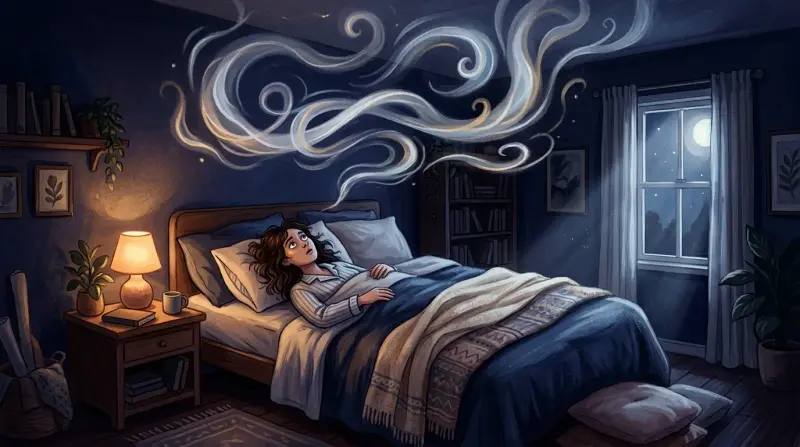
Have you ever closed your eyes in search of rest, only for the night to stretch on and sleep to feel like an impossible mission? You're not alone; recent estimates suggest that roughly one-third of adults worldwide experience some form of sleep disorder—problems that reach far beyond fatigue to affect the immune system, mental health, and daily productivity. In this guide, Tatmeen offers you a comprehensive look at the roots of these disorders and equips you with practical, research-backed steps to reset your body clock and give your mind and body a real chance to heal. Remember: solutions always exist, and the first step toward quieter nights is understanding the problem and committing to healthy sleep habits that restore your energy and peace of mind.
Insomnia Disorders: When the Nights Grow Long
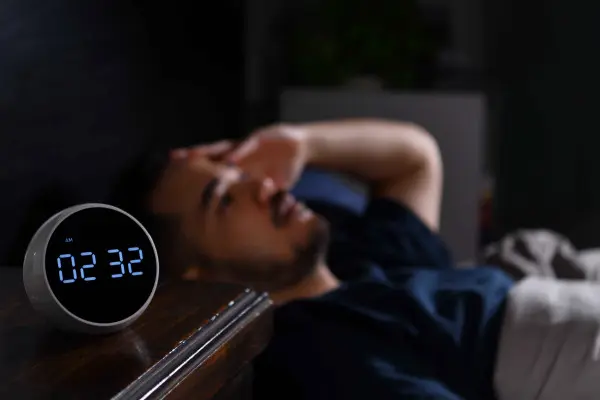
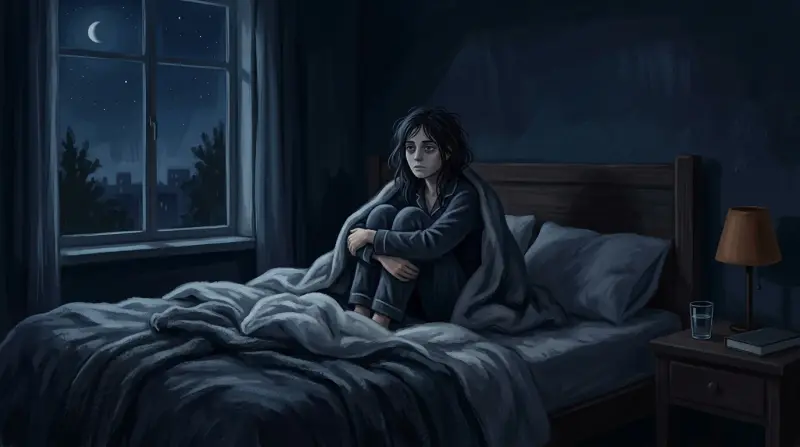
Insomnia is one of the most common sleep disorders, marked by difficulty falling asleep or staying asleep. Some people may also wake frequently or rise very early without being able to return to sleep. Psychiatry experts attribute this disorder to factors such as stress, anxiety, and daily pressures.
Tatmeen specialists point out that the psychological component plays a pivotal role in insomnia; it may be tied to future worries or past traumas that turned sleep into a source of panic rather than comfort. Even so, you can overcome insomnia by developing healthy sleep habits, such as sticking to a consistent bedtime and wake-up time, avoiding stimulants before bed, and gently practicing meditation or relaxation exercises. In some cases, reaching out to a professional or physician is recommended, giving you an interactive experience and comprehensive personal support.
Sleep Apnea Disorders: What We Don't See When We Drift Off
Some individuals suffer from sleep apnea, in which breathing suddenly stops for several seconds, leading to repeated awakenings, coughing, or a feeling of choking. Left untreated, this condition can raise blood pressure, strain the heart, and degrade sleep quality. According to a study cited on the Mayo Clinic website, people with sleep apnea are advised to lose excess weight, quit smoking, and consult a specialist for an accurate assessment.
Tatmeen affirms that consulting a qualified physician helps build a treatment plan tailored to your needs—especially if in-person visits are difficult. Specialized help may include prescribing devices that support breathing or addressing psychological aspects if other sleep disorders are involved.
Biological-Clock Disorders: A Disruption That Upsets Your Daily Rhythm
Your biological clock functions as the body's built-in alarm. Any imbalance in this system can trigger rhythmic sleep disturbances. Shift work or long hours in front of screens, for example, can confuse the body and affect secretion of melatonin—the hormone essential for sleep. The result? Trouble falling asleep or sluggishness during the day.
Reprogramming the biological clock takes real effort. You can start by exposing yourself to natural light in the morning and avoiding bright light at night, in addition to setting a fixed bedtime and wake-up time. All these steps boost the hormones responsible for sleepiness at the right moment. In certain cases, doctors may recommend temporary melatonin supplements, but always under medical supervision.
Sleep Disorders and Their Psychological Impact
The effects of sleep disorders go far beyond tiredness; they can lead to mood swings, depression, and concentration difficulties. Lack of sleep is linked to heightened anxiety levels and weakens a person's ability to cope with stress. At this point, psychological support becomes essential for understanding the causes of insomnia, sleep apnea, or other issues, and for learning ways to calm negative thoughts before bedtime.
Essential Tips for Restoring Peaceful Sleep
Adhering to a consistent sleep–wake routine keeps your brain in a steady state of readiness, helping you drift off more quickly.
Avoid using smart devices before bed; the pull of continually refreshed content can prevent mental detachment and relaxation.
Create a suitable sleep environment: moderate temperature, dim lighting, a comfortable mattress and pillow. All signal the brain that it's time to rest.
Engage in light physical activity in the morning or afternoon to stimulate hormones that improve nighttime sleep quality.
And finally…
As the saying goes, "Sleep is king!" Sleep disorders can deprive us of mental and physical ease, yet facing them with awareness and determination can change everything. Every step toward healthy sleep is a victory over stress and worry, bringing smiles back to our faces. Tatmeen always encourages seeking the right support when coping feels hard, because healing begins with the choice to ask for help. Remember, the doors to recovery are open—and with a single click you can book a consultation with Tatmeen's physicians and reclaim the restful nights you deserve.
Frequently Asked Questions (FAQ)
1. Does insomnia always stem from psychological problems? Often, yes—insomnia may arise from anxiety, depression, or psychological stress. However, it can also result from poor sleep habits. What matters most is an accurate assessment to identify the root cause and begin treatment.
2. How can I quickly improve my sleep quality? Try sticking to a regular sleep routine, avoid stimulants before bedtime, and make sure to engage in regular physical activity. If the problem persists, consult a doctor or specialist via digital health platforms for a more detailed follow-up of your case.
3. Can sleep apnea be dangerous? Sleep apnea can lead to complications such as high blood pressure and heart disease if left untreated. A medical examination and proper guidance are recommended to ensure safe and restful sleep.
A writer and researcher specializing in psychiatry, she focuses on mental health and the human emotions we experience but cannot always find the words to name. She writes about us—about humanity and the human experience—and simplifies complex topics to offer content that helps us better understand ourselves and life, ultimately making us feel less alone.
Every Tatmeen article is reviewed by care providers licensed by the Saudi Commission for Health Specialties, so what you read is accurate and trustworthy.
This article builds understanding and does not replace a licensed care provider.
Need someone to talk to?
Tatmeen's licensed care providers are available around the clock, and the app's urgent consultation connects you with one within minutes.
Download Tatmeen to explore care providers and booking options.
Smart matchingFour quick questions suggest the right care provider
Urgent consultationTalk to an available care provider within minutes
Free psychological measuresMore than 20 tests to understand how you are doing
Scan to download
{"data":{"id":"70b7ed3e-7b09-435c-853a-dbbd7f9d7330","slug":"common-sleep-disorders-causes-solutions","arTitle":"اضطرابات النوم الشائعة وكيفية التغلّب عليها","enTitle":"Common Sleep Disorders and How to Overcome Them","thumbnailAltText":"alt image draft","estimatedReadingTime":5,"likesCount":313,"writer":{"id":"3ab72b74-f26f-4337-9b47-3114b0f90de5","arBio":"كاتبة وباحثة متخصصة في مجال الطب النفسي، تهتم بموضوعات الصحة النفسية وبالمشاعر الإنسانية التي نختبرها ولا نجد دائمًا الكلمات لتسميتها. تكتب عنّا؛ عن الإنسان وتجربته، وتبسّط الموضوعات المعقّدة لتقدّم محتوى يساعدنا على فهم ذواتنا والحياة أكثر، ويجعلنا نشعر بأننا بوحدة أقل.","enBio":"A writer and researcher specializing in psychiatry, she focuses on mental health and the human emotions we experience but cannot always find the words to name. She writes about us—about humanity and the human experience—and simplifies complex topics to offer content that helps us better understand ourselves and life, ultimately making us feel less alone.","user":{"slug":"ayat-alnajar","arFullName":"آيات النجار","enFullName":"Ayat Al-Najjar","publicProfileImageUrl":"https://cdn.tatmeen.sa/public/profile-images/02384455-68fa-40b6-ad05-609fde65cafa/21b9a610dde5dfc6d37af110c23e9c7ab3946be080c281beb000debf4f7d31a6.webp","publicProfileImage96Url":"https://cdn.tatmeen.sa/public/profile-images/02384455-68fa-40b6-ad05-609fde65cafa/21b9a610dde5dfc6d37af110c23e9c7ab3946be080c281beb000debf4f7d31a6-w96.webp","publicProfileImage192Url":"https://cdn.tatmeen.sa/public/profile-images/02384455-68fa-40b6-ad05-609fde65cafa/21b9a610dde5dfc6d37af110c23e9c7ab3946be080c281beb000debf4f7d31a6-w192.webp"}},"arContent":"","enContent":"","productionDocument":{"headings":[{"id":"article-section-insomnia-disorders-when-the-nights-grow-long","text":"Insomnia Disorders: When the Nights Grow Long"},{"id":"article-section-sleep-apnea-disorders-what-we-don-t-see-when-we-drift-off","text":"Sleep Apnea Disorders: What We Don't See When We Drift Off"},{"id":"article-section-biological-clock-disorders-a-disruption-that-upsets-your-daily-rhythm","text":"Biological-Clock Disorders: A Disruption That Upsets Your Daily Rhythm"},{"id":"article-section-sleep-disorders-and-their-psychological-impact","text":"Sleep Disorders and Their Psychological Impact"},{"id":"article-section-essential-tips-for-restoring-peaceful-sleep","text":"Essential Tips for Restoring Peaceful Sleep"},{"id":"article-section-and-finally","text":"And finally…"},{"id":"article-section-frequently-asked-questions-faq","text":"Frequently Asked Questions (FAQ)"}],"faqs":[],"beforeSourcesHtml":"","sources":[],"afterSourcesHtml":"","blocks":[{"type":"html","html":"<p>Have you ever closed your eyes in search of rest, only for the night to stretch on and sleep to feel like an impossible mission? You're not alone; recent estimates suggest that roughly one-third of adults worldwide experience some form of sleep disorder—problems that reach far beyond fatigue to affect the immune system, mental health, and daily productivity. In this guide, <strong>Tatmeen</strong> offers you a comprehensive look at the roots of these disorders and equips you with practical, research-backed steps to reset your body clock and give your mind and body a real chance to heal. Remember: solutions always exist, and the first step toward quieter nights is understanding the problem and committing to healthy sleep habits that restore your energy and peace of mind.</p><h2 id=\"article-section-insomnia-disorders-when-the-nights-grow-long\" data-toc-heading tabindex=\"-1\"><span id=\"insomnia-disorders-when-the-nights-grow-long-1\" aria-hidden=\"true\"></span>Insomnia Disorders: When the Nights Grow Long</h2><p>Insomnia is one of the most common sleep disorders, marked by difficulty falling asleep or staying asleep. Some people may also wake frequently or rise very early without being able to return to sleep. Psychiatry experts attribute this disorder to factors such as stress, anxiety, and daily pressures.</p><p><strong>Tatmeen</strong> specialists point out that the psychological component plays a pivotal role in insomnia; it may be tied to future worries or past traumas that turned sleep into a source of panic rather than comfort. Even so, you can overcome insomnia by developing healthy sleep habits, such as sticking to a consistent bedtime and wake-up time, avoiding stimulants before bed, and gently practicing meditation or relaxation exercises. In some cases, reaching out to a professional or physician is recommended, giving you an interactive experience and comprehensive personal support.</p><h2 id=\"article-section-sleep-apnea-disorders-what-we-don-t-see-when-we-drift-off\" data-toc-heading tabindex=\"-1\"><span id=\"sleep-apnea-disorders-what-we-don-t-see-when-we-drift-off-2\" aria-hidden=\"true\"></span>Sleep Apnea Disorders: What We Don't See When We Drift Off</h2><p>Some individuals suffer from sleep apnea, in which breathing suddenly stops for several seconds, leading to repeated awakenings, coughing, or a feeling of choking. Left untreated, this condition can raise blood pressure, strain the heart, and degrade sleep quality. According to a study cited on the <a href=\"https://www.mayoclinic.org/diseases-conditions/sleep-apnea/symptoms-causes/syc-20377631\" target=\"_blank\" rel=\"nofollow noopener noreferrer\">Mayo Clinic</a> website, people with sleep apnea are advised to lose excess weight, quit smoking, and consult a specialist for an accurate assessment.</p><p><strong>Tatmeen</strong> affirms that consulting a qualified physician helps build a treatment plan tailored to your needs—especially if in-person visits are difficult. Specialized help may include prescribing devices that support breathing or addressing psychological aspects if other sleep disorders are involved.</p><h2 id=\"article-section-biological-clock-disorders-a-disruption-that-upsets-your-daily-rhythm\" data-toc-heading tabindex=\"-1\"><span id=\"biological-clock-disorders-a-disruption-that-upsets-your-daily-rhythm-3\" aria-hidden=\"true\"></span>Biological-Clock Disorders: A Disruption That Upsets Your Daily Rhythm</h2><p>Your biological clock functions as the body's built-in alarm. Any imbalance in this system can trigger rhythmic sleep disturbances. Shift work or long hours in front of screens, for example, can confuse the body and affect secretion of melatonin—the hormone essential for sleep. The result? Trouble falling asleep or sluggishness during the day.</p><p>Reprogramming the biological clock takes real effort. You can start by exposing yourself to natural light in the morning and avoiding bright light at night, in addition to setting a fixed bedtime and wake-up time. All these steps boost the hormones responsible for sleepiness at the right moment. In certain cases, doctors may recommend temporary melatonin supplements, but always under medical supervision.</p><h2 id=\"article-section-sleep-disorders-and-their-psychological-impact\" data-toc-heading tabindex=\"-1\"><span id=\"sleep-disorders-and-their-psychological-impact-4\" aria-hidden=\"true\"></span>Sleep Disorders and Their Psychological Impact</h2><p>The effects of sleep disorders go far beyond tiredness; they can lead to mood swings, depression, and concentration difficulties. Lack of sleep is linked to heightened anxiety levels and weakens a person's ability to cope with stress. At this point, psychological support becomes essential for understanding the causes of insomnia, sleep apnea, or other issues, and for learning ways to calm negative thoughts before bedtime.</p><h2 id=\"article-section-essential-tips-for-restoring-peaceful-sleep\" data-toc-heading tabindex=\"-1\"><span id=\"essential-tips-for-restoring-peaceful-sleep-5\" aria-hidden=\"true\"></span>Essential Tips for Restoring Peaceful Sleep</h2><p>Adhering to a consistent sleep–wake routine keeps your brain in a steady state of readiness, helping you drift off more quickly.</p><p>Avoid using smart devices before bed; the pull of continually refreshed content can prevent mental detachment and relaxation.</p><p>Create a suitable sleep environment: moderate temperature, dim lighting, a comfortable mattress and pillow. All signal the brain that it's time to rest.</p><p>Engage in light physical activity in the morning or afternoon to stimulate hormones that improve nighttime sleep quality.</p><h2 id=\"article-section-and-finally\" data-toc-heading tabindex=\"-1\"><span id=\"and-finally-6\" aria-hidden=\"true\"></span>And finally…</h2><p>As the saying goes, \"Sleep is king!\" Sleep disorders can deprive us of mental and physical ease, yet facing them with awareness and determination can change everything. Every step toward healthy sleep is a victory over stress and worry, bringing smiles back to our faces. <strong>Tatmeen</strong> always encourages seeking the right support when coping feels hard, because healing begins with the choice to ask for help. Remember, the doors to recovery are open—and with a single click you can book a consultation with Tatmeen's physicians and reclaim the restful nights you deserve.</p><h2 id=\"article-section-frequently-asked-questions-faq\" data-toc-heading tabindex=\"-1\"><span id=\"frequently-asked-questions-faq-7\" aria-hidden=\"true\"></span>Frequently Asked Questions (FAQ)</h2><p><strong>1. Does insomnia always stem from psychological problems?</strong><br />Often, yes—insomnia may arise from anxiety, depression, or psychological stress. However, it can also result from poor sleep habits. What matters most is an accurate assessment to identify the root cause and begin treatment.</p><p><strong>2. How can I quickly improve my sleep quality?</strong><br />Try sticking to a regular sleep routine, avoid stimulants before bedtime, and make sure to engage in regular physical activity. If the problem persists, consult a doctor or specialist via digital health platforms for a more detailed follow-up of your case.</p><p><strong>3. Can sleep apnea be dangerous?</strong><br />Sleep apnea can lead to complications such as high blood pressure and heart disease if left untreated. A medical examination and proper guidance are recommended to ensure safe and restful sleep.</p>"}],"inlineCtaSignatures":[],"_experienceAliases":{"v":1,"fields":["html","bodyHtml"]}},"createdAt":"2026-04-05T22:00:00.000Z","updatedAt":"2026-06-24T23:51:51.107Z","disorderGroups":[{"id":"1e82772d-a1a7-4d29-b475-be9d6b67ae02","slug":"common-mental-issues","arName":"اضطرابات نفسية شائعة","enName":"Common Mental Issues"}],"reviewer":{"arFullName":"فريق تطمين","enFullName":"Tatmeen team","slug":"tatmeen-team","kind":"organization"},"productionArticle":true,"promotionAllowed":true,"preparedCover":{"src":"https://cdn.tatmeen.sa/public/article-lcp/article-lcp-v2/sha256-8fbf560a07a9bb2bce7053d0c352e63dba9bba6ceb8a15ca03468dbce08d2160/800-31ab9c5b08a2f5505c89e86a00c02dd50b4fa84e75a5855c464d2f91fb27a374.avif","fallback":"https://cdn.tatmeen.sa/public/article-lcp/article-lcp-v2/sha256-8fbf560a07a9bb2bce7053d0c352e63dba9bba6ceb8a15ca03468dbce08d2160/800-315c9e8ea7100a884c9bc34e4a67bf51cbe205bc21ae73de885bc0607a541e1e.webp","directUrl":"https://cdn.tatmeen.sa/blog-cover/Tatmeen-1775451036269.webp","isGolden":true,"avifSrcset":"https://cdn.tatmeen.sa/public/article-lcp/article-lcp-v2/sha256-8fbf560a07a9bb2bce7053d0c352e63dba9bba6ceb8a15ca03468dbce08d2160/400-44b808d2f266cfde7014ba1264de1ca452dc4594e529dd7cf47af64459d0bf5d.avif 400w, https://cdn.tatmeen.sa/public/article-lcp/article-lcp-v2/sha256-8fbf560a07a9bb2bce7053d0c352e63dba9bba6ceb8a15ca03468dbce08d2160/640-e52b5ca8127f4a9e5660ee2529cbe4c1f93578dd9da703ab9a139c935a40e4eb.avif 640w, https://cdn.tatmeen.sa/public/article-lcp/article-lcp-v2/sha256-8fbf560a07a9bb2bce7053d0c352e63dba9bba6ceb8a15ca03468dbce08d2160/800-31ab9c5b08a2f5505c89e86a00c02dd50b4fa84e75a5855c464d2f91fb27a374.avif 800w, https://cdn.tatmeen.sa/public/article-lcp/article-lcp-v2/sha256-8fbf560a07a9bb2bce7053d0c352e63dba9bba6ceb8a15ca03468dbce08d2160/1200-6b62ae76f315499dc5d912a39b3dd251cafa9572b5e72f2603251d001351caf0.avif 1200w","webpSrcset":"https://cdn.tatmeen.sa/public/article-lcp/article-lcp-v2/sha256-8fbf560a07a9bb2bce7053d0c352e63dba9bba6ceb8a15ca03468dbce08d2160/400-74d7ac20cbe39e3517185f255061cc8383af9dba50a0053ec5a376f62bc6c637.webp 400w, https://cdn.tatmeen.sa/public/article-lcp/article-lcp-v2/sha256-8fbf560a07a9bb2bce7053d0c352e63dba9bba6ceb8a15ca03468dbce08d2160/640-13af44aff6b7a41ef59d0d246917729912ea226398d70942de1fc0107bed4ab2.webp 640w, https://cdn.tatmeen.sa/public/article-lcp/article-lcp-v2/sha256-8fbf560a07a9bb2bce7053d0c352e63dba9bba6ceb8a15ca03468dbce08d2160/800-315c9e8ea7100a884c9bc34e4a67bf51cbe205bc21ae73de885bc0607a541e1e.webp 800w, https://cdn.tatmeen.sa/public/article-lcp/article-lcp-v2/sha256-8fbf560a07a9bb2bce7053d0c352e63dba9bba6ceb8a15ca03468dbce08d2160/1200-c74e4584439194099b5e22255097349ab8b78df27c118289a8ce1bc5076fff12.webp 1200w","phoneAvifSrcset":"https://cdn.tatmeen.sa/public/article-lcp/article-lcp-v2/sha256-8fbf560a07a9bb2bce7053d0c352e63dba9bba6ceb8a15ca03468dbce08d2160/400-44b808d2f266cfde7014ba1264de1ca452dc4594e529dd7cf47af64459d0bf5d.avif 400w, https://cdn.tatmeen.sa/public/article-lcp/article-lcp-v2/sha256-8fbf560a07a9bb2bce7053d0c352e63dba9bba6ceb8a15ca03468dbce08d2160/640-e52b5ca8127f4a9e5660ee2529cbe4c1f93578dd9da703ab9a139c935a40e4eb.avif 640w, https://cdn.tatmeen.sa/public/article-lcp/article-lcp-v2/sha256-8fbf560a07a9bb2bce7053d0c352e63dba9bba6ceb8a15ca03468dbce08d2160/800-31ab9c5b08a2f5505c89e86a00c02dd50b4fa84e75a5855c464d2f91fb27a374.avif 800w","phoneWebpSrcset":"https://cdn.tatmeen.sa/public/article-lcp/article-lcp-v2/sha256-8fbf560a07a9bb2bce7053d0c352e63dba9bba6ceb8a15ca03468dbce08d2160/400-74d7ac20cbe39e3517185f255061cc8383af9dba50a0053ec5a376f62bc6c637.webp 400w, https://cdn.tatmeen.sa/public/article-lcp/article-lcp-v2/sha256-8fbf560a07a9bb2bce7053d0c352e63dba9bba6ceb8a15ca03468dbce08d2160/640-13af44aff6b7a41ef59d0d246917729912ea226398d70942de1fc0107bed4ab2.webp 640w, https://cdn.tatmeen.sa/public/article-lcp/article-lcp-v2/sha256-8fbf560a07a9bb2bce7053d0c352e63dba9bba6ceb8a15ca03468dbce08d2160/800-315c9e8ea7100a884c9bc34e4a67bf51cbe205bc21ae73de885bc0607a541e1e.webp 800w","width":800,"height":447},"previewTaxonomy":{"groups":[{"id":"1e82772d-a1a7-4d29-b475-be9d6b67ae02","slug":"common-mental-issues","arName":"اضطرابات نفسية شائعة","enName":"Common Mental Issues"}],"topics":[{"id":"4c10d5ae-1b63-4868-901f-df8e1ce7f0d7","slug":"sleep-disorders","arName":"اضطرابات النوم","enName":"Sleep Disorders","groupSlug":"common-mental-issues","href":"/blog/category/common-mental-issues/sleep-disorders/"}],"tags":[{"id":"df684f2f-95c6-4603-afba-9a1061c94a62","slug":"sleep-disorders","arName":"اضطرابات النوم","enName":"Sleep Disorders"},{"id":"d58e6187-021b-44a5-882c-245bccd77611","slug":"self-help-howto","arName":"مساعدة ذاتية / خطوات عملية","enName":"Self-Help / How-To"}]},"previewProviderRecommendations":[{"id":"278d5ac5-30ff-46ad-97be-c67cdd125836","slug":"dr-mohammed-alamari-8085","arFullName":"د. محمد العماري","enFullName":"Dr. Mohammed Alamari","publicProfileImageUrl":"https://cdn.tatmeen.sa/public/profile-images/278d5ac5-30ff-46ad-97be-c67cdd125836/69bdd11cb01784eed010eb9883403fd6ca4e4afcec739dcd6114fd8b85f133a8.webp","publicProfileImage96Url":"https://cdn.tatmeen.sa/public/profile-images/278d5ac5-30ff-46ad-97be-c67cdd125836/69bdd11cb01784eed010eb9883403fd6ca4e4afcec739dcd6114fd8b85f133a8-w96.webp","publicProfileImage192Url":"https://cdn.tatmeen.sa/public/profile-images/278d5ac5-30ff-46ad-97be-c67cdd125836/69bdd11cb01784eed010eb9883403fd6ca4e4afcec739dcd6114fd8b85f133a8-w192.webp","specialization":{"arName":"طبيب أسرة","enName":"Family Physician"},"profileImageUrl":"https://cdn.tatmeen.sa/public/profile-images/278d5ac5-30ff-46ad-97be-c67cdd125836/69bdd11cb01784eed010eb9883403fd6ca4e4afcec739dcd6114fd8b85f133a8-w192.webp","experienceYears":3,"consultantInfo":{"averageRating":{"average":4},"specialization":{"arGeneralName":"طبيب أسرة","enGeneralName":"Family Physician"}}},{"id":"b7aa8f1e-fdae-426f-a1bf-589bc39d71b1","slug":"hussain-alsayegh-0835","arFullName":"د. حسين الصايغ","enFullName":"Dr. Hussain Alsayegh","publicProfileImageUrl":"https://cdn.tatmeen.sa/public/profile-images/b7aa8f1e-fdae-426f-a1bf-589bc39d71b1/ae60ba4216e401d2d512719d2b2c8e6a9d4c9570de1c01e34eb22f7ae1c7a106.webp","publicProfileImage96Url":"https://cdn.tatmeen.sa/public/profile-images/b7aa8f1e-fdae-426f-a1bf-589bc39d71b1/ae60ba4216e401d2d512719d2b2c8e6a9d4c9570de1c01e34eb22f7ae1c7a106-w96.webp","publicProfileImage192Url":"https://cdn.tatmeen.sa/public/profile-images/b7aa8f1e-fdae-426f-a1bf-589bc39d71b1/ae60ba4216e401d2d512719d2b2c8e6a9d4c9570de1c01e34eb22f7ae1c7a106-w192.webp","specialization":{"arName":"طبيب أسرة","enName":"Family Physician"},"profileImageUrl":"https://cdn.tatmeen.sa/public/profile-images/b7aa8f1e-fdae-426f-a1bf-589bc39d71b1/ae60ba4216e401d2d512719d2b2c8e6a9d4c9570de1c01e34eb22f7ae1c7a106-w192.webp","experienceYears":3,"consultantInfo":{"averageRating":{"average":5},"specialization":{"arGeneralName":"طبيب أسرة","enGeneralName":"Family Physician"}}},{"id":"1e93f151-9ec1-41f7-9520-4b12b222b099","slug":"dr-salman-alomran-1113","arFullName":"د. سلمان العمران","enFullName":"Dr. Salman Alomran","publicProfileImageUrl":"https://cdn.tatmeen.sa/public/profile-images/1e93f151-9ec1-41f7-9520-4b12b222b099/76ceec12653e1ac67216d57509306d0262e70d3569bf22e140e14914b1e0c32c.webp","publicProfileImage96Url":"https://cdn.tatmeen.sa/public/profile-images/1e93f151-9ec1-41f7-9520-4b12b222b099/76ceec12653e1ac67216d57509306d0262e70d3569bf22e140e14914b1e0c32c-w96.webp","publicProfileImage192Url":"https://cdn.tatmeen.sa/public/profile-images/1e93f151-9ec1-41f7-9520-4b12b222b099/76ceec12653e1ac67216d57509306d0262e70d3569bf22e140e14914b1e0c32c-w192.webp","specialization":{"arName":"طبيب أسرة","enName":"Family Physician"},"profileImageUrl":"https://cdn.tatmeen.sa/public/profile-images/1e93f151-9ec1-41f7-9520-4b12b222b099/76ceec12653e1ac67216d57509306d0262e70d3569bf22e140e14914b1e0c32c-w192.webp","experienceYears":4,"consultantInfo":{"averageRating":{"average":5},"specialization":{"arGeneralName":"طبيب أسرة","enGeneralName":"Family Physician"}}}],"previewCareProviders":[{"id":"09364052-c2a9-4c52-9717-7ce2093b8d0a","slug":"kholoud-alharbi-5221","arFullName":"خلود الحربي","enFullName":"Kholoud Alharbi","publicProfileImageUrl":"https://cdn.tatmeen.sa/public/profile-images/09364052-c2a9-4c52-9717-7ce2093b8d0a/4a0aeb81619e351b77f4323e3605a0a00acc7ca3c82ee7cc5ca2c9e8ef716049.webp","publicProfileImage96Url":"https://cdn.tatmeen.sa/public/profile-images/09364052-c2a9-4c52-9717-7ce2093b8d0a/4a0aeb81619e351b77f4323e3605a0a00acc7ca3c82ee7cc5ca2c9e8ef716049-w96.webp","publicProfileImage192Url":"https://cdn.tatmeen.sa/public/profile-images/09364052-c2a9-4c52-9717-7ce2093b8d0a/4a0aeb81619e351b77f4323e3605a0a00acc7ca3c82ee7cc5ca2c9e8ef716049-w192.webp","gender":"FEMALE","specialization":{"arName":"أخصائي نفسي","enName":"Psychologist"}},{"id":"6f037535-1dca-4b50-a8b2-5974b7323286","slug":"salah-althobaiti-9053","arFullName":"صلاح الثبيتي","enFullName":"Salah Althobaiti","publicProfileImageUrl":"https://cdn.tatmeen.sa/public/profile-images/6f037535-1dca-4b50-a8b2-5974b7323286/35b6bd7fad9b1e004c1835803eb9c1b56dcacd380685ec8bff141f0fb888005c.webp","publicProfileImage96Url":"https://cdn.tatmeen.sa/public/profile-images/6f037535-1dca-4b50-a8b2-5974b7323286/35b6bd7fad9b1e004c1835803eb9c1b56dcacd380685ec8bff141f0fb888005c-w96.webp","publicProfileImage192Url":"https://cdn.tatmeen.sa/public/profile-images/6f037535-1dca-4b50-a8b2-5974b7323286/35b6bd7fad9b1e004c1835803eb9c1b56dcacd380685ec8bff141f0fb888005c-w192.webp","gender":"MALE","specialization":{"arName":"أخصائي نفسي","enName":"Psychologist"}},{"id":"3cc806e8-616b-4884-9f21-a75b378580a2","slug":"aisha-al-hashim-8667","arFullName":"عائشة ال هاشم","enFullName":"Aisha Al Hashim","publicProfileImageUrl":"https://cdn.tatmeen.sa/public/profile-images/3cc806e8-616b-4884-9f21-a75b378580a2/27f523d03be4dcfa1f6a79f70c1773887434e698990d214cd990caec56a44798.webp","publicProfileImage96Url":"https://cdn.tatmeen.sa/public/profile-images/3cc806e8-616b-4884-9f21-a75b378580a2/27f523d03be4dcfa1f6a79f70c1773887434e698990d214cd990caec56a44798-w96.webp","publicProfileImage192Url":"https://cdn.tatmeen.sa/public/profile-images/3cc806e8-616b-4884-9f21-a75b378580a2/27f523d03be4dcfa1f6a79f70c1773887434e698990d214cd990caec56a44798-w192.webp","gender":"FEMALE","specialization":{"arName":"أخصائي نفسي","enName":"Psychologist"}},{"id":"db2ce1a0-9325-4471-b7ce-eb2e811c30a3","slug":"amer-qutub-2441","arFullName":"عامر قطب","enFullName":"Amer Qutub","publicProfileImageUrl":"https://cdn.tatmeen.sa/public/profile-images/db2ce1a0-9325-4471-b7ce-eb2e811c30a3/80580f99bfd7fe2b2a9cf8eed73ab532f5086d1efe053b0aa57358c1ce004261.webp","publicProfileImage96Url":"https://cdn.tatmeen.sa/public/profile-images/db2ce1a0-9325-4471-b7ce-eb2e811c30a3/80580f99bfd7fe2b2a9cf8eed73ab532f5086d1efe053b0aa57358c1ce004261-w96.webp","publicProfileImage192Url":"https://cdn.tatmeen.sa/public/profile-images/db2ce1a0-9325-4471-b7ce-eb2e811c30a3/80580f99bfd7fe2b2a9cf8eed73ab532f5086d1efe053b0aa57358c1ce004261-w192.webp","gender":"MALE","specialization":{"arName":"أخصائي نفسي","enName":"Psychologist"}},{"id":"94765496-dbdf-4631-a01b-7df5f788668d","slug":"abdullrahman-alhamoudi-3045","arFullName":"عبدالرحمن الحمودي","enFullName":"Abdulrahman Alhamoudi","publicProfileImageUrl":"https://cdn.tatmeen.sa/public/profile-images/94765496-dbdf-4631-a01b-7df5f788668d/2d49f6b6493c564afb6f50b6c3634231dff3a5cf8353acfab393d1b2a88037d1.webp","publicProfileImage96Url":"https://cdn.tatmeen.sa/public/profile-images/94765496-dbdf-4631-a01b-7df5f788668d/2d49f6b6493c564afb6f50b6c3634231dff3a5cf8353acfab393d1b2a88037d1-w96.webp","publicProfileImage192Url":"https://cdn.tatmeen.sa/public/profile-images/94765496-dbdf-4631-a01b-7df5f788668d/2d49f6b6493c564afb6f50b6c3634231dff3a5cf8353acfab393d1b2a88037d1-w192.webp","gender":"MALE","specialization":{"arName":"أخصائي نفسي","enName":"Psychologist"}},{"id":"618dba89-5b70-4b46-8304-741b7ac8ecd3","slug":"abdullah-mari-1311","arFullName":"عبدالله مرعي","enFullName":"Abdullah Mari","publicProfileImageUrl":"https://cdn.tatmeen.sa/public/profile-images/618dba89-5b70-4b46-8304-741b7ac8ecd3/6b4a3bfb59f8a304ca79083b32859b46baad2e1d692974a47c02c1f66bd11129.webp","publicProfileImage96Url":"https://cdn.tatmeen.sa/public/profile-images/618dba89-5b70-4b46-8304-741b7ac8ecd3/6b4a3bfb59f8a304ca79083b32859b46baad2e1d692974a47c02c1f66bd11129-w96.webp","publicProfileImage192Url":"https://cdn.tatmeen.sa/public/profile-images/618dba89-5b70-4b46-8304-741b7ac8ecd3/6b4a3bfb59f8a304ca79083b32859b46baad2e1d692974a47c02c1f66bd11129-w192.webp","gender":"MALE","specialization":{"arName":"أخصائي نفسي","enName":"Psychologist"}},{"id":"3b50a5d5-e795-407f-8676-fd7f0e1bb7a0","slug":"abdulaziz-bin-hudayan-4940","arFullName":"عبدالعزيز بن هديان","enFullName":"Abdulaziz Bin Hudayan","publicProfileImageUrl":"https://cdn.tatmeen.sa/public/profile-images/3b50a5d5-e795-407f-8676-fd7f0e1bb7a0/710ff0fe1fb00cdb5042092e27b7910b480a439b02251ecded62d7758eefce95.webp","publicProfileImage96Url":"https://cdn.tatmeen.sa/public/profile-images/3b50a5d5-e795-407f-8676-fd7f0e1bb7a0/710ff0fe1fb00cdb5042092e27b7910b480a439b02251ecded62d7758eefce95-w96.webp","publicProfileImage192Url":"https://cdn.tatmeen.sa/public/profile-images/3b50a5d5-e795-407f-8676-fd7f0e1bb7a0/710ff0fe1fb00cdb5042092e27b7910b480a439b02251ecded62d7758eefce95-w192.webp","gender":"MALE","specialization":{"arName":"أخصائي نفسي","enName":"Psychologist"}},{"id":"d4ffcb6b-90a7-45b6-b941-964866f4564b","slug":"dhaifallah-alhumaidi-1092","arFullName":"ضيف الله الحميدي","enFullName":"Dhaifallah Alhumaidi","publicProfileImageUrl":"https://cdn.tatmeen.sa/public/profile-images/d4ffcb6b-90a7-45b6-b941-964866f4564b/1817171c5828a9b57d6c30d12332cf154e335272548bc90a6e8456d74d356956.webp","publicProfileImage96Url":"https://cdn.tatmeen.sa/public/profile-images/d4ffcb6b-90a7-45b6-b941-964866f4564b/1817171c5828a9b57d6c30d12332cf154e335272548bc90a6e8456d74d356956-w96.webp","publicProfileImage192Url":"https://cdn.tatmeen.sa/public/profile-images/d4ffcb6b-90a7-45b6-b941-964866f4564b/1817171c5828a9b57d6c30d12332cf154e335272548bc90a6e8456d74d356956-w192.webp","gender":"MALE","specialization":{"arName":"أخصائي نفسي","enName":"Psychologist"}}],"previewDownload":{"href":"/download","title":{"ar":"خطوة واحدة لأجلك، ابدأ الآن","en":"One step for you, start now"},"description":{"ar":"حمّل تطبيق تطمين لاستكشاف مقدمي الرعاية وخيارات الحجز.","en":"Download Tatmeen to explore care providers and booking options."},"posterSrc":"/images/home/cta-ar-new-1.webp","videoSrc":"/images/home/cta-ar-new-1.mp4","videoPosterSrc":"/images/home/cta-ar-new-1.webp","videoPosterEnSrc":"/images/home/cta-en-new-1.webp","videoType":"video/mp4","appStoreHref":"https://apps.apple.com/us/app/tatmeen-%D8%AA%D8%B7%D9%85%D9%8A%D9%86/id6473836983","googlePlayHref":"https://play.google.com/store/apps/details?id=com.TatmeenApp.user&hl=en"},"previewRelatedArticles":[{"id":"b37fc06e-4901-4a15-a941-6066b6540a7b","slug":"Is-sleep-paralysis-a-mental-disorder","route":"/blog/Is-sleep-paralysis-a-mental-disorder/","title":{"ar":"هل شلل النوم مرض نفسي؟","en":"Is Sleep Paralysis a Mental Disorder?"},"image":"https://cdn.tatmeen.sa/public/article-lcp/article-lcp-v2/sha256-765495c4ec65678b00f19b55ed8b669efb3347b2e88a3d48439c0e4c03f8add2/600-cb748175e5cf2c38e7186fc7f1ea0c6006b2e144e26d0a093692cf9172746c53.webp","directImageFallback":"https://cdn.tatmeen.sa/blog-cover/1704733815220-Tatmeen-img-550","arThumbnailAltText":"Stylized person curled on their side with their head on a pillow","thumbnailAltText":"Stylized person curled on their side with their head on a pillow","topic":{"label":{"ar":"اضطرابات نفسية شائعة","en":"Common Mental Issues"}},"readingTimeMinutes":5},{"id":"f1e2a888-ef81-49ad-a75f-d7d99c79e14a","slug":"Insomnia-and-its-relationship-to-sleep-deprivation","route":"/blog/Insomnia-and-its-relationship-to-sleep-deprivation/","title":{"ar":"الأرق – أسباب وأعراض وعلاج والعلاقة بينه وبين قلة النوم","en":"Insomnia: Causes, Symptoms, Treatment, and Sleep Deprivation"},"image":"https://cdn.tatmeen.sa/public/article-lcp/article-lcp-v2/sha256-043b35866b43d3928fa6e43100f41cde2c868718137f5408d324e584458dc8ed/600-d5d8bc7e4763c0198cc38bd8f4743d6982d753155328b0a65dcbf399f86050e7.webp","directImageFallback":"https://cdn.tatmeen.sa/blog-cover/1704816568714-Tatmeen-img-333","arThumbnailAltText":"Person lies in bed beside a digital clock displaying 02:32","thumbnailAltText":"Person lies in bed beside a digital clock displaying 02:32","topic":{"label":{"ar":"اضطرابات نفسية شائعة","en":"Common Mental Issues"}},"readingTimeMinutes":5},{"id":"43ca67b8-3404-4a88-b3df-8e041a8d51f3","slug":"how-sleep-disorders-affect-mental-physical-health","route":"/blog/how-sleep-disorders-affect-mental-physical-health/","title":{"ar":"كيف تؤثر اضطرابات النوم على صحتك النفسية والجسدية؟","en":"How Do Sleep Disorders Affect Your Mental and Physical Health?"},"image":"https://cdn.tatmeen.sa/public/article-lcp/article-lcp-v2/sha256-5bfc6df6d74c8c43b13c2b96eae01b0fa656501c43bbcaea6702908917c41be5/800-a993176d5efb48d95cca6548e901cd03715c9d45d79acb5a2ab5e83b64e27748.webp","directImageFallback":"https://cdn.tatmeen.sa/blog-cover/Tatmeen-1775749970066.webp","arThumbnailAltText":"كيف تؤثر اضطرابات النوم على الصحة النفسية والجسدية","thumbnailAltText":"كيف تؤثر اضطرابات النوم على الصحة النفسية والجسدية","topic":{"label":{"ar":"اضطرابات نفسية شائعة","en":"Common Mental Issues"}},"readingTimeMinutes":5},{"id":"3077d381-8302-4b9a-924b-932303743fc7","slug":"Children-nightmares","route":"/blog/Children-nightmares/","title":{"ar":"كوابيس الأطفال - أسباب وكيفية التعامل معها","en":"Children’s Nightmares: Causes and How to Respond"},"image":"https://cdn.tatmeen.sa/public/article-lcp/article-lcp-v2/sha256-cb3af0fb7b65c9c17cc743acb345edbd27406dfcd6522f5b53aa0f8cf0c294e4/600-6f1dd33ae34f9aae276e65243c4ef66eb91818e46049d91345f07babfc792963.webp","directImageFallback":"https://cdn.tatmeen.sa/blog-cover/1704641302227-Tatmeen-img-602","arThumbnailAltText":"Sleeping child dreams of being chased by a sharp-toothed monster","thumbnailAltText":"Sleeping child dreams of being chased by a sharp-toothed monster","topic":{"label":{"ar":"الأطفال والمراهقين","en":"Children & Adolescents"}},"readingTimeMinutes":5}],"previewRelatedReadStates":{}},"locale":"en","device":"desktop","path":"/en/blog/common-sleep-disorders-causes-solutions/","readingControls":false,"config":{"public":{"BUCKET_URL":"https://cdn.tatmeen.sa/","APP_BASE_URL":"https://tatmeen.sa","intercomAppId":"ppcnu9e3"}}}