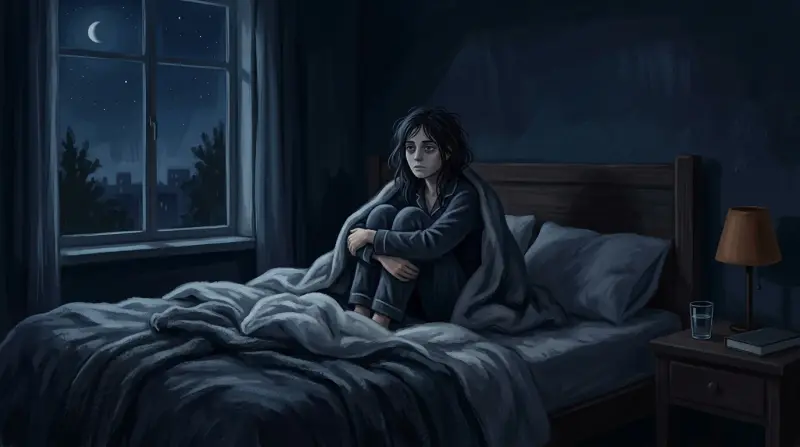
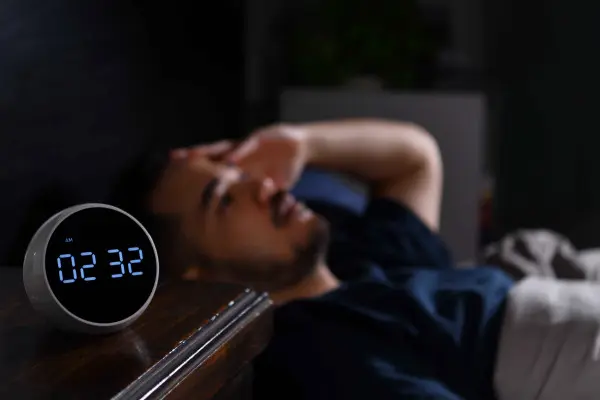
Does insomnia steal your quiet hours and cloud your days? You are not alone. Millions around the world wrestle with the same sleep disturbances. In the following paragraphs, Tatmeen offers you a practical, science-backed guide with simple steps you can weave into your daily routine right away—restoring both physical and emotional balance and helping you drift into deeper, more refreshing sleep.
Relaxation Exercises and Deep Breathing
Before turning to medication, set aside a few minutes to calm your nervous system. Sit in a quiet spot, close your eyes, and inhale through your nose while counting to five. Hold your breath for two seconds, then release it slowly through your mouth while counting to five. Repeat the cycle five times. As you exhale, imagine anxiety leaving your body with each breath. Practicing this simple technique daily lowers blood pressure and boosts melatonin secretion.
Setting Up a Sleep-Friendly Environment
Your bedroom should feel safe and serene. Follow the "Rule of Three": Soft lighting: Dim the lights 45 minutes before bedtime to send your brain the natural signal that it's time to rest. Ideal temperature: Keep the room between 18-22 degrees C. Research shows this range helps you reach deep sleep more quickly. Supportive bedding: Invest in a pillow and mattress that support your spine. It might seem minor, but it makes a big difference over time.
Pre-Bed Habits (Say Goodbye to Distractions)
Blue light from phones or computers before bed tricks your body clock and halts melatonin release. Sleep Foundation recommends setting devices aside at least an hour beforehand—or activating night mode if putting them away is hard. You can also try: A warm cup of milk or an herbal tea like chamomile instead of coffee after sunset. Paper reading or calm music instead of scrolling social media. A light snack such as a banana or a handful of nuts two hours before bed if you're hungry.
Managing Anxiety and Intrusive Thoughts
Don't let tomorrow's worries rob you of tonight's peace. Schedule a "worry time" after dinner: spend 15 minutes writing down everything on your mind, plus a first step toward solving each item. Fold the paper and leave it outside the bedroom—literally. This behavioral trick tells your subconscious that thinking time is over. Studies also show jotting a short to-do list for the next day can cut the time it takes to fall asleep by 10-15 minutes.
Daily Rhythm (Your Body Clock Loves Precision)
Try to go to bed and wake up at the same times every day, even on weekends. If that's tough, shift your schedule gradually by 15 minutes each night until you reach your target. Link bedtime to a soothing ritual: a warm shower, reciting a Quran page, or a brief meditation. When these cues repeat, the brain automatically releases melatonin at the right moment.
When Should You Seek Help?
If insomnia lasts longer than four weeks or affects your work and relationships, don't hesitate to seek professional support. Cognitive Behavioral Therapy for Insomnia (CBT-I) has shown over 70% effectiveness in improving sleep duration and quality. You can book a consultation through Tatmeen and receive a personalized treatment plan without leaving home.
And Finally…
Insomnia is not an unchangeable fate. With perseverance and the tips you've just read, you can enjoy calmer nights and more energetic days. Remember: your body responds to repetition—give it a clear routine and it will reward you with deep rest. And if you need an extra boost, Tatmeen is always here with counseling and tech support to ease your journey toward better sleep.
Frequently Asked Questions
1. How do I start practicing relaxation exercises daily? Set a fixed time—say, 10 p.m.—and turn off bright lights. Spend five minutes on deep breathing, then add gentle neck and shoulder stretches. You'll see better results if you keep it up for a full week without interruption.
2. Do heavy meals affect insomnia? Yes. Rich meals slow digestion and raise core body temperature, delaying sleep. Choose a light, protein-rich snack such as yogurt or two slices of cheese with dates, and finish eating at least two hours before bed.
3. When should I consult a specialist? If it takes you more than 30 minutes to fall asleep on most nights, or you wake up repeatedly and feel tired during the day despite changing your habits, see a family doctor or sleep specialist. Early diagnosis helps prevent insomnia from becoming chronic.
A writer and researcher specializing in psychiatry, she focuses on mental health and the human emotions we experience but cannot always find the words to name. She writes about us—about humanity and the human experience—and simplifies complex topics to offer content that helps us better understand ourselves and life, ultimately making us feel less alone.
Every Tatmeen article is reviewed by care providers licensed by the Saudi Commission for Health Specialties, so what you read is accurate and trustworthy.
This article builds understanding and does not replace a licensed care provider.
Need someone to talk to?
Tatmeen's licensed care providers are available around the clock, and the app's urgent consultation connects you with one within minutes.
Download Tatmeen to explore care providers and booking options.
Smart matchingFour quick questions suggest the right care provider
Urgent consultationTalk to an available care provider within minutes
Free psychological measuresMore than 20 tests to understand how you are doing
Scan to download
{"data":{"id":"04ac9818-1c04-4179-bcbe-05e3005b8161","slug":"insomnia-tips-improve-sleep-quality","arTitle":"أفضل النصائح للتعامل مع الأرق وتحسين جودة النوم","enTitle":"Best Tips for Dealing With Insomnia and Improving Sleep Quality","thumbnailAltText":"Moonlit calm lake at night with soft ripples spreading from a single drop under a warm moon glow","estimatedReadingTime":5,"likesCount":382,"writer":{"id":"3ab72b74-f26f-4337-9b47-3114b0f90de5","arBio":"كاتبة وباحثة متخصصة في مجال الطب النفسي، تهتم بموضوعات الصحة النفسية وبالمشاعر الإنسانية التي نختبرها ولا نجد دائمًا الكلمات لتسميتها. تكتب عنّا؛ عن الإنسان وتجربته، وتبسّط الموضوعات المعقّدة لتقدّم محتوى يساعدنا على فهم ذواتنا والحياة أكثر، ويجعلنا نشعر بأننا بوحدة أقل.","enBio":"A writer and researcher specializing in psychiatry, she focuses on mental health and the human emotions we experience but cannot always find the words to name. She writes about us—about humanity and the human experience—and simplifies complex topics to offer content that helps us better understand ourselves and life, ultimately making us feel less alone.","user":{"slug":"ayat-alnajar","arFullName":"آيات النجار","enFullName":"Ayat Al-Najjar","publicProfileImageUrl":"https://cdn.tatmeen.sa/public/profile-images/02384455-68fa-40b6-ad05-609fde65cafa/21b9a610dde5dfc6d37af110c23e9c7ab3946be080c281beb000debf4f7d31a6.webp","publicProfileImage96Url":"https://cdn.tatmeen.sa/public/profile-images/02384455-68fa-40b6-ad05-609fde65cafa/21b9a610dde5dfc6d37af110c23e9c7ab3946be080c281beb000debf4f7d31a6-w96.webp","publicProfileImage192Url":"https://cdn.tatmeen.sa/public/profile-images/02384455-68fa-40b6-ad05-609fde65cafa/21b9a610dde5dfc6d37af110c23e9c7ab3946be080c281beb000debf4f7d31a6-w192.webp"}},"arContent":"","enContent":"","productionDocument":{"headings":[{"id":"article-section-relaxation-exercises-and-deep-breathing","text":"Relaxation Exercises and Deep Breathing"},{"id":"article-section-setting-up-a-sleep-friendly-environment","text":"Setting Up a Sleep-Friendly Environment"},{"id":"article-section-pre-bed-habits-say-goodbye-to-distractions","text":"Pre-Bed Habits (Say Goodbye to Distractions)"},{"id":"article-section-managing-anxiety-and-intrusive-thoughts","text":"Managing Anxiety and Intrusive Thoughts"},{"id":"article-section-daily-rhythm-your-body-clock-loves-precision","text":"Daily Rhythm (Your Body Clock Loves Precision)"},{"id":"article-section-when-should-you-seek-help","text":"When Should You Seek Help?"},{"id":"article-section-and-finally","text":"And Finally…"},{"id":"article-section-frequently-asked-questions","text":"Frequently Asked Questions"}],"faqs":[],"beforeSourcesHtml":"","sources":[],"afterSourcesHtml":"","blocks":[{"type":"html","html":"<p><strong>Best Sleep Tips for Struggling with Insomnia</strong></p><p>Does insomnia steal your quiet hours and cloud your days? You are not alone. Millions around the world wrestle with the same sleep disturbances. In the following paragraphs, Tatmeen offers you a practical, science-backed guide with simple steps you can weave into your daily routine right away—restoring both physical and emotional balance and helping you drift into deeper, more refreshing sleep.</p><h2 id=\"article-section-relaxation-exercises-and-deep-breathing\" data-toc-heading tabindex=\"-1\"><span id=\"relaxation-exercises-and-deep-breathing-1\" aria-hidden=\"true\"></span><strong>Relaxation Exercises and Deep Breathing</strong></h2><p>Before turning to medication, set aside a few minutes to calm your nervous system. Sit in a quiet spot, close your eyes, and inhale through your nose while counting to five. Hold your breath for two seconds, then release it slowly through your mouth while counting to five. Repeat the cycle five times. As you exhale, imagine anxiety leaving your body with each breath. Practicing this simple technique daily lowers blood pressure and boosts melatonin secretion.</p><h2 id=\"article-section-setting-up-a-sleep-friendly-environment\" data-toc-heading tabindex=\"-1\"><span id=\"setting-up-a-sleep-friendly-environment-2\" aria-hidden=\"true\"></span><strong>Setting Up a Sleep-Friendly Environment</strong></h2><p>Your bedroom should feel safe and serene. Follow the \"Rule of Three\": Soft lighting: Dim the lights 45 minutes before bedtime to send your brain the natural signal that it's time to rest. Ideal temperature: Keep the room between 18-22 degrees C. Research shows this range helps you reach deep sleep more quickly. Supportive bedding: Invest in a pillow and mattress that support your spine. It might seem minor, but it makes a big difference over time.</p><h2 id=\"article-section-pre-bed-habits-say-goodbye-to-distractions\" data-toc-heading tabindex=\"-1\"><span id=\"pre-bed-habits-say-goodbye-to-distractions-3\" aria-hidden=\"true\"></span><strong>Pre-Bed Habits (Say Goodbye to Distractions)</strong></h2><p>Blue light from phones or computers before bed tricks your body clock and halts melatonin release. Sleep Foundation recommends setting devices aside at least an hour beforehand—or activating night mode if putting them away is hard. You can also try: A warm cup of milk or an herbal tea like chamomile instead of coffee after sunset. Paper reading or calm music instead of scrolling social media. A light snack such as a banana or a handful of nuts two hours before bed if you're hungry.</p><h2 id=\"article-section-managing-anxiety-and-intrusive-thoughts\" data-toc-heading tabindex=\"-1\"><span id=\"managing-anxiety-and-intrusive-thoughts-4\" aria-hidden=\"true\"></span><strong>Managing Anxiety and Intrusive Thoughts</strong></h2><p>Don't let tomorrow's worries rob you of tonight's peace. Schedule a \"worry time\" after dinner: spend 15 minutes writing down everything on your mind, plus a first step toward solving each item. Fold the paper and leave it outside the bedroom—literally. This behavioral trick tells your subconscious that thinking time is over. Studies also show jotting a short to-do list for the next day can cut the time it takes to fall asleep by 10-15 minutes.</p><h2 id=\"article-section-daily-rhythm-your-body-clock-loves-precision\" data-toc-heading tabindex=\"-1\"><span id=\"daily-rhythm-your-body-clock-loves-precision-5\" aria-hidden=\"true\"></span><strong>Daily Rhythm (Your Body Clock Loves Precision)</strong></h2><p>Try to go to bed and wake up at the same times every day, even on weekends. If that's tough, shift your schedule gradually by 15 minutes each night until you reach your target. Link bedtime to a soothing ritual: a warm shower, reciting a Quran page, or a brief meditation. When these cues repeat, the brain automatically releases melatonin at the right moment.</p><h2 id=\"article-section-when-should-you-seek-help\" data-toc-heading tabindex=\"-1\"><span id=\"when-should-you-seek-help-6\" aria-hidden=\"true\"></span><strong>When Should You Seek Help?</strong></h2><p>If insomnia lasts longer than four weeks or affects your work and relationships, don't hesitate to seek professional support. Cognitive Behavioral Therapy for Insomnia (CBT-I) has shown over 70% effectiveness in improving sleep duration and quality. You can book a consultation through Tatmeen and receive a personalized treatment plan without leaving home.</p><h2 id=\"article-section-and-finally\" data-toc-heading tabindex=\"-1\"><span id=\"and-finally-7\" aria-hidden=\"true\"></span><strong>And Finally…</strong></h2><p>Insomnia is not an unchangeable fate. With perseverance and the tips you've just read, you can enjoy calmer nights and more energetic days. Remember: your body responds to repetition—give it a clear routine and it will reward you with deep rest. And if you need an extra boost, Tatmeen is always here with counseling and tech support to ease your journey toward better sleep.</p><h2 id=\"article-section-frequently-asked-questions\" data-toc-heading tabindex=\"-1\"><span id=\"frequently-asked-questions-8\" aria-hidden=\"true\"></span><strong>Frequently Asked Questions</strong></h2><p>1. How do I start practicing relaxation exercises daily? Set a fixed time—say, 10 p.m.—and turn off bright lights. Spend five minutes on deep breathing, then add gentle neck and shoulder stretches. You'll see better results if you keep it up for a full week without interruption.</p><p>2. Do heavy meals affect insomnia? Yes. Rich meals slow digestion and raise core body temperature, delaying sleep. Choose a light, protein-rich snack such as yogurt or two slices of cheese with dates, and finish eating at least two hours before bed.</p><p>3. When should I consult a specialist? If it takes you more than 30 minutes to fall asleep on most nights, or you wake up repeatedly and feel tired during the day despite changing your habits, see a family doctor or sleep specialist. Early diagnosis helps prevent insomnia from becoming chronic.</p>"}],"inlineCtaSignatures":[],"_experienceAliases":{"v":1,"fields":["html","bodyHtml"]}},"createdAt":"2026-04-06T22:00:00.000Z","updatedAt":"2026-06-24T23:51:46.425Z","disorderGroups":[{"id":"1e82772d-a1a7-4d29-b475-be9d6b67ae02","slug":"common-mental-issues","arName":"اضطرابات نفسية شائعة","enName":"Common Mental Issues"}],"reviewer":{"arFullName":"فريق تطمين","enFullName":"Tatmeen team","slug":"tatmeen-team","kind":"organization"},"productionArticle":true,"promotionAllowed":true,"preparedCover":{"src":"https://cdn.tatmeen.sa/public/article-lcp/article-lcp-v2/sha256-b0fddbc2ca8bfb7be43e9efce65f9d8f7ff6b01f5278cbe9c89f3848c13fea21/800-d3e6cd2d5389e295b3d200bdb9fbb10a2bad5d9e7daec67dd7f9cad5f3d6612e.avif","fallback":"https://cdn.tatmeen.sa/public/article-lcp/article-lcp-v2/sha256-b0fddbc2ca8bfb7be43e9efce65f9d8f7ff6b01f5278cbe9c89f3848c13fea21/800-08ba5de0e8ce787ab27f09aa3a52d2e7a7851e65f556867c00685f12b6151f56.webp","directUrl":"https://cdn.tatmeen.sa/blog-cover/Tatmeen-1775541323148.webp","isGolden":true,"avifSrcset":"https://cdn.tatmeen.sa/public/article-lcp/article-lcp-v2/sha256-b0fddbc2ca8bfb7be43e9efce65f9d8f7ff6b01f5278cbe9c89f3848c13fea21/400-7422468d090b8a5a34a02b549a07b8a38da84020579b9988fe36a74266ddf88b.avif 400w, https://cdn.tatmeen.sa/public/article-lcp/article-lcp-v2/sha256-b0fddbc2ca8bfb7be43e9efce65f9d8f7ff6b01f5278cbe9c89f3848c13fea21/640-dd871f773a2415e4bd2d6a87bd315754d2b1dc585853de2e71bbe0a5799d6b28.avif 640w, https://cdn.tatmeen.sa/public/article-lcp/article-lcp-v2/sha256-b0fddbc2ca8bfb7be43e9efce65f9d8f7ff6b01f5278cbe9c89f3848c13fea21/800-d3e6cd2d5389e295b3d200bdb9fbb10a2bad5d9e7daec67dd7f9cad5f3d6612e.avif 800w, https://cdn.tatmeen.sa/public/article-lcp/article-lcp-v2/sha256-b0fddbc2ca8bfb7be43e9efce65f9d8f7ff6b01f5278cbe9c89f3848c13fea21/1200-49bcc0787d09f37728b48997df206c4818d5282220350a16417d011e2452ebd9.avif 1200w","webpSrcset":"https://cdn.tatmeen.sa/public/article-lcp/article-lcp-v2/sha256-b0fddbc2ca8bfb7be43e9efce65f9d8f7ff6b01f5278cbe9c89f3848c13fea21/400-323adbc6e30e881cf0c2c74958152a69dda2f9beedd55314903647fbe051f363.webp 400w, https://cdn.tatmeen.sa/public/article-lcp/article-lcp-v2/sha256-b0fddbc2ca8bfb7be43e9efce65f9d8f7ff6b01f5278cbe9c89f3848c13fea21/640-08115bf5591b79a1853c8abe1e7edba3d3b45bbcca59faef274e0d5c0380f977.webp 640w, https://cdn.tatmeen.sa/public/article-lcp/article-lcp-v2/sha256-b0fddbc2ca8bfb7be43e9efce65f9d8f7ff6b01f5278cbe9c89f3848c13fea21/800-08ba5de0e8ce787ab27f09aa3a52d2e7a7851e65f556867c00685f12b6151f56.webp 800w, https://cdn.tatmeen.sa/public/article-lcp/article-lcp-v2/sha256-b0fddbc2ca8bfb7be43e9efce65f9d8f7ff6b01f5278cbe9c89f3848c13fea21/1200-6ef0ea19647e243028c85066d31683fd602375f76a8031b4d6d068b92e7a9067.webp 1200w","phoneAvifSrcset":"https://cdn.tatmeen.sa/public/article-lcp/article-lcp-v2/sha256-b0fddbc2ca8bfb7be43e9efce65f9d8f7ff6b01f5278cbe9c89f3848c13fea21/400-7422468d090b8a5a34a02b549a07b8a38da84020579b9988fe36a74266ddf88b.avif 400w, https://cdn.tatmeen.sa/public/article-lcp/article-lcp-v2/sha256-b0fddbc2ca8bfb7be43e9efce65f9d8f7ff6b01f5278cbe9c89f3848c13fea21/640-dd871f773a2415e4bd2d6a87bd315754d2b1dc585853de2e71bbe0a5799d6b28.avif 640w, https://cdn.tatmeen.sa/public/article-lcp/article-lcp-v2/sha256-b0fddbc2ca8bfb7be43e9efce65f9d8f7ff6b01f5278cbe9c89f3848c13fea21/800-d3e6cd2d5389e295b3d200bdb9fbb10a2bad5d9e7daec67dd7f9cad5f3d6612e.avif 800w","phoneWebpSrcset":"https://cdn.tatmeen.sa/public/article-lcp/article-lcp-v2/sha256-b0fddbc2ca8bfb7be43e9efce65f9d8f7ff6b01f5278cbe9c89f3848c13fea21/400-323adbc6e30e881cf0c2c74958152a69dda2f9beedd55314903647fbe051f363.webp 400w, https://cdn.tatmeen.sa/public/article-lcp/article-lcp-v2/sha256-b0fddbc2ca8bfb7be43e9efce65f9d8f7ff6b01f5278cbe9c89f3848c13fea21/640-08115bf5591b79a1853c8abe1e7edba3d3b45bbcca59faef274e0d5c0380f977.webp 640w, https://cdn.tatmeen.sa/public/article-lcp/article-lcp-v2/sha256-b0fddbc2ca8bfb7be43e9efce65f9d8f7ff6b01f5278cbe9c89f3848c13fea21/800-08ba5de0e8ce787ab27f09aa3a52d2e7a7851e65f556867c00685f12b6151f56.webp 800w","width":800,"height":447},"previewTaxonomy":{"groups":[{"id":"1e82772d-a1a7-4d29-b475-be9d6b67ae02","slug":"common-mental-issues","arName":"اضطرابات نفسية شائعة","enName":"Common Mental Issues"}],"topics":[{"id":"4c10d5ae-1b63-4868-901f-df8e1ce7f0d7","slug":"sleep-disorders","arName":"اضطرابات النوم","enName":"Sleep Disorders","groupSlug":"common-mental-issues","href":"/blog/category/common-mental-issues/sleep-disorders/"}],"tags":[{"id":"df684f2f-95c6-4603-afba-9a1061c94a62","slug":"sleep-disorders","arName":"اضطرابات النوم","enName":"Sleep Disorders"},{"id":"d58e6187-021b-44a5-882c-245bccd77611","slug":"self-help-howto","arName":"مساعدة ذاتية / خطوات عملية","enName":"Self-Help / How-To"}]},"previewProviderRecommendations":[{"id":"278d5ac5-30ff-46ad-97be-c67cdd125836","slug":"dr-mohammed-alamari-8085","arFullName":"د. محمد العماري","enFullName":"Dr. Mohammed Alamari","publicProfileImageUrl":"https://cdn.tatmeen.sa/public/profile-images/278d5ac5-30ff-46ad-97be-c67cdd125836/69bdd11cb01784eed010eb9883403fd6ca4e4afcec739dcd6114fd8b85f133a8.webp","publicProfileImage96Url":"https://cdn.tatmeen.sa/public/profile-images/278d5ac5-30ff-46ad-97be-c67cdd125836/69bdd11cb01784eed010eb9883403fd6ca4e4afcec739dcd6114fd8b85f133a8-w96.webp","publicProfileImage192Url":"https://cdn.tatmeen.sa/public/profile-images/278d5ac5-30ff-46ad-97be-c67cdd125836/69bdd11cb01784eed010eb9883403fd6ca4e4afcec739dcd6114fd8b85f133a8-w192.webp","specialization":{"arName":"طبيب أسرة","enName":"Family Physician"},"profileImageUrl":"https://cdn.tatmeen.sa/public/profile-images/278d5ac5-30ff-46ad-97be-c67cdd125836/69bdd11cb01784eed010eb9883403fd6ca4e4afcec739dcd6114fd8b85f133a8-w192.webp","experienceYears":3,"consultantInfo":{"averageRating":{"average":4},"specialization":{"arGeneralName":"طبيب أسرة","enGeneralName":"Family Physician"}}},{"id":"6df31339-a6f5-4131-a603-3a7c7a34c143","slug":"joud-alodhayyani-9014","arFullName":"جود العتيبي","enFullName":"Joud Alotaibi","publicProfileImageUrl":"https://cdn.tatmeen.sa/public/profile-images/6df31339-a6f5-4131-a603-3a7c7a34c143/7bb005ef9d4315296aad2a7d142fb2af2cf89920a40b474fc5139b9530269282.webp","publicProfileImage96Url":"https://cdn.tatmeen.sa/public/profile-images/6df31339-a6f5-4131-a603-3a7c7a34c143/7bb005ef9d4315296aad2a7d142fb2af2cf89920a40b474fc5139b9530269282-w96.webp","publicProfileImage192Url":"https://cdn.tatmeen.sa/public/profile-images/6df31339-a6f5-4131-a603-3a7c7a34c143/7bb005ef9d4315296aad2a7d142fb2af2cf89920a40b474fc5139b9530269282-w192.webp","specialization":{"arName":"أخصائي نفسي","enName":"Psychologist"},"profileImageUrl":"https://cdn.tatmeen.sa/public/profile-images/6df31339-a6f5-4131-a603-3a7c7a34c143/7bb005ef9d4315296aad2a7d142fb2af2cf89920a40b474fc5139b9530269282-w192.webp","experienceYears":2,"consultantInfo":{"averageRating":{"average":3.5},"specialization":{"arGeneralName":"أخصائي نفسي","enGeneralName":"Psychologist"}}},{"id":"c83a1e29-92e4-42a8-8ae3-c99fcc835065","slug":"maha-aseri-3121","arFullName":"مها عسيري","enFullName":"Maha Aseri","publicProfileImageUrl":"","publicProfileImage96Url":"","publicProfileImage192Url":"","specialization":{"arName":"أخصائي نفسي","enName":"Psychologist"},"profileImageUrl":"","experienceYears":4,"consultantInfo":{"averageRating":{"average":0},"specialization":{"arGeneralName":"أخصائي نفسي","enGeneralName":"Psychologist"}}}],"previewCareProviders":[{"id":"09364052-c2a9-4c52-9717-7ce2093b8d0a","slug":"kholoud-alharbi-5221","arFullName":"خلود الحربي","enFullName":"Kholoud Alharbi","publicProfileImageUrl":"https://cdn.tatmeen.sa/public/profile-images/09364052-c2a9-4c52-9717-7ce2093b8d0a/4a0aeb81619e351b77f4323e3605a0a00acc7ca3c82ee7cc5ca2c9e8ef716049.webp","publicProfileImage96Url":"https://cdn.tatmeen.sa/public/profile-images/09364052-c2a9-4c52-9717-7ce2093b8d0a/4a0aeb81619e351b77f4323e3605a0a00acc7ca3c82ee7cc5ca2c9e8ef716049-w96.webp","publicProfileImage192Url":"https://cdn.tatmeen.sa/public/profile-images/09364052-c2a9-4c52-9717-7ce2093b8d0a/4a0aeb81619e351b77f4323e3605a0a00acc7ca3c82ee7cc5ca2c9e8ef716049-w192.webp","gender":"FEMALE","specialization":{"arName":"أخصائي نفسي","enName":"Psychologist"}},{"id":"6f037535-1dca-4b50-a8b2-5974b7323286","slug":"salah-althobaiti-9053","arFullName":"صلاح الثبيتي","enFullName":"Salah Althobaiti","publicProfileImageUrl":"https://cdn.tatmeen.sa/public/profile-images/6f037535-1dca-4b50-a8b2-5974b7323286/35b6bd7fad9b1e004c1835803eb9c1b56dcacd380685ec8bff141f0fb888005c.webp","publicProfileImage96Url":"https://cdn.tatmeen.sa/public/profile-images/6f037535-1dca-4b50-a8b2-5974b7323286/35b6bd7fad9b1e004c1835803eb9c1b56dcacd380685ec8bff141f0fb888005c-w96.webp","publicProfileImage192Url":"https://cdn.tatmeen.sa/public/profile-images/6f037535-1dca-4b50-a8b2-5974b7323286/35b6bd7fad9b1e004c1835803eb9c1b56dcacd380685ec8bff141f0fb888005c-w192.webp","gender":"MALE","specialization":{"arName":"أخصائي نفسي","enName":"Psychologist"}},{"id":"3cc806e8-616b-4884-9f21-a75b378580a2","slug":"aisha-al-hashim-8667","arFullName":"عائشة ال هاشم","enFullName":"Aisha Al Hashim","publicProfileImageUrl":"https://cdn.tatmeen.sa/public/profile-images/3cc806e8-616b-4884-9f21-a75b378580a2/27f523d03be4dcfa1f6a79f70c1773887434e698990d214cd990caec56a44798.webp","publicProfileImage96Url":"https://cdn.tatmeen.sa/public/profile-images/3cc806e8-616b-4884-9f21-a75b378580a2/27f523d03be4dcfa1f6a79f70c1773887434e698990d214cd990caec56a44798-w96.webp","publicProfileImage192Url":"https://cdn.tatmeen.sa/public/profile-images/3cc806e8-616b-4884-9f21-a75b378580a2/27f523d03be4dcfa1f6a79f70c1773887434e698990d214cd990caec56a44798-w192.webp","gender":"FEMALE","specialization":{"arName":"أخصائي نفسي","enName":"Psychologist"}},{"id":"db2ce1a0-9325-4471-b7ce-eb2e811c30a3","slug":"amer-qutub-2441","arFullName":"عامر قطب","enFullName":"Amer Qutub","publicProfileImageUrl":"https://cdn.tatmeen.sa/public/profile-images/db2ce1a0-9325-4471-b7ce-eb2e811c30a3/80580f99bfd7fe2b2a9cf8eed73ab532f5086d1efe053b0aa57358c1ce004261.webp","publicProfileImage96Url":"https://cdn.tatmeen.sa/public/profile-images/db2ce1a0-9325-4471-b7ce-eb2e811c30a3/80580f99bfd7fe2b2a9cf8eed73ab532f5086d1efe053b0aa57358c1ce004261-w96.webp","publicProfileImage192Url":"https://cdn.tatmeen.sa/public/profile-images/db2ce1a0-9325-4471-b7ce-eb2e811c30a3/80580f99bfd7fe2b2a9cf8eed73ab532f5086d1efe053b0aa57358c1ce004261-w192.webp","gender":"MALE","specialization":{"arName":"أخصائي نفسي","enName":"Psychologist"}},{"id":"94765496-dbdf-4631-a01b-7df5f788668d","slug":"abdullrahman-alhamoudi-3045","arFullName":"عبدالرحمن الحمودي","enFullName":"Abdulrahman Alhamoudi","publicProfileImageUrl":"https://cdn.tatmeen.sa/public/profile-images/94765496-dbdf-4631-a01b-7df5f788668d/2d49f6b6493c564afb6f50b6c3634231dff3a5cf8353acfab393d1b2a88037d1.webp","publicProfileImage96Url":"https://cdn.tatmeen.sa/public/profile-images/94765496-dbdf-4631-a01b-7df5f788668d/2d49f6b6493c564afb6f50b6c3634231dff3a5cf8353acfab393d1b2a88037d1-w96.webp","publicProfileImage192Url":"https://cdn.tatmeen.sa/public/profile-images/94765496-dbdf-4631-a01b-7df5f788668d/2d49f6b6493c564afb6f50b6c3634231dff3a5cf8353acfab393d1b2a88037d1-w192.webp","gender":"MALE","specialization":{"arName":"أخصائي نفسي","enName":"Psychologist"}},{"id":"618dba89-5b70-4b46-8304-741b7ac8ecd3","slug":"abdullah-mari-1311","arFullName":"عبدالله مرعي","enFullName":"Abdullah Mari","publicProfileImageUrl":"https://cdn.tatmeen.sa/public/profile-images/618dba89-5b70-4b46-8304-741b7ac8ecd3/6b4a3bfb59f8a304ca79083b32859b46baad2e1d692974a47c02c1f66bd11129.webp","publicProfileImage96Url":"https://cdn.tatmeen.sa/public/profile-images/618dba89-5b70-4b46-8304-741b7ac8ecd3/6b4a3bfb59f8a304ca79083b32859b46baad2e1d692974a47c02c1f66bd11129-w96.webp","publicProfileImage192Url":"https://cdn.tatmeen.sa/public/profile-images/618dba89-5b70-4b46-8304-741b7ac8ecd3/6b4a3bfb59f8a304ca79083b32859b46baad2e1d692974a47c02c1f66bd11129-w192.webp","gender":"MALE","specialization":{"arName":"أخصائي نفسي","enName":"Psychologist"}},{"id":"3b50a5d5-e795-407f-8676-fd7f0e1bb7a0","slug":"abdulaziz-bin-hudayan-4940","arFullName":"عبدالعزيز بن هديان","enFullName":"Abdulaziz Bin Hudayan","publicProfileImageUrl":"https://cdn.tatmeen.sa/public/profile-images/3b50a5d5-e795-407f-8676-fd7f0e1bb7a0/710ff0fe1fb00cdb5042092e27b7910b480a439b02251ecded62d7758eefce95.webp","publicProfileImage96Url":"https://cdn.tatmeen.sa/public/profile-images/3b50a5d5-e795-407f-8676-fd7f0e1bb7a0/710ff0fe1fb00cdb5042092e27b7910b480a439b02251ecded62d7758eefce95-w96.webp","publicProfileImage192Url":"https://cdn.tatmeen.sa/public/profile-images/3b50a5d5-e795-407f-8676-fd7f0e1bb7a0/710ff0fe1fb00cdb5042092e27b7910b480a439b02251ecded62d7758eefce95-w192.webp","gender":"MALE","specialization":{"arName":"أخصائي نفسي","enName":"Psychologist"}},{"id":"d4ffcb6b-90a7-45b6-b941-964866f4564b","slug":"dhaifallah-alhumaidi-1092","arFullName":"ضيف الله الحميدي","enFullName":"Dhaifallah Alhumaidi","publicProfileImageUrl":"https://cdn.tatmeen.sa/public/profile-images/d4ffcb6b-90a7-45b6-b941-964866f4564b/1817171c5828a9b57d6c30d12332cf154e335272548bc90a6e8456d74d356956.webp","publicProfileImage96Url":"https://cdn.tatmeen.sa/public/profile-images/d4ffcb6b-90a7-45b6-b941-964866f4564b/1817171c5828a9b57d6c30d12332cf154e335272548bc90a6e8456d74d356956-w96.webp","publicProfileImage192Url":"https://cdn.tatmeen.sa/public/profile-images/d4ffcb6b-90a7-45b6-b941-964866f4564b/1817171c5828a9b57d6c30d12332cf154e335272548bc90a6e8456d74d356956-w192.webp","gender":"MALE","specialization":{"arName":"أخصائي نفسي","enName":"Psychologist"}}],"previewDownload":{"href":"/download","title":{"ar":"خطوة واحدة لأجلك، ابدأ الآن","en":"One step for you, start now"},"description":{"ar":"حمّل تطبيق تطمين لاستكشاف مقدمي الرعاية وخيارات الحجز.","en":"Download Tatmeen to explore care providers and booking options."},"posterSrc":"/images/home/cta-ar-new-1.webp","videoSrc":"/images/home/cta-ar-new-1.mp4","videoPosterSrc":"/images/home/cta-ar-new-1.webp","videoPosterEnSrc":"/images/home/cta-en-new-1.webp","videoType":"video/mp4","appStoreHref":"https://apps.apple.com/us/app/tatmeen-%D8%AA%D8%B7%D9%85%D9%8A%D9%86/id6473836983","googlePlayHref":"https://play.google.com/store/apps/details?id=com.TatmeenApp.user&hl=en"},"previewRelatedArticles":[{"id":"43ca67b8-3404-4a88-b3df-8e041a8d51f3","slug":"how-sleep-disorders-affect-mental-physical-health","route":"/blog/how-sleep-disorders-affect-mental-physical-health/","title":{"ar":"كيف تؤثر اضطرابات النوم على صحتك النفسية والجسدية؟","en":"How Do Sleep Disorders Affect Your Mental and Physical Health?"},"image":"https://cdn.tatmeen.sa/public/article-lcp/article-lcp-v2/sha256-5bfc6df6d74c8c43b13c2b96eae01b0fa656501c43bbcaea6702908917c41be5/800-a993176d5efb48d95cca6548e901cd03715c9d45d79acb5a2ab5e83b64e27748.webp","directImageFallback":"https://cdn.tatmeen.sa/blog-cover/Tatmeen-1775749970066.webp","arThumbnailAltText":"كيف تؤثر اضطرابات النوم على الصحة النفسية والجسدية","thumbnailAltText":"كيف تؤثر اضطرابات النوم على الصحة النفسية والجسدية","topic":{"label":{"ar":"اضطرابات نفسية شائعة","en":"Common Mental Issues"}},"readingTimeMinutes":5},{"id":"b37fc06e-4901-4a15-a941-6066b6540a7b","slug":"Is-sleep-paralysis-a-mental-disorder","route":"/blog/Is-sleep-paralysis-a-mental-disorder/","title":{"ar":"هل شلل النوم مرض نفسي؟","en":"Is Sleep Paralysis a Mental Disorder?"},"image":"https://cdn.tatmeen.sa/public/article-lcp/article-lcp-v2/sha256-765495c4ec65678b00f19b55ed8b669efb3347b2e88a3d48439c0e4c03f8add2/600-cb748175e5cf2c38e7186fc7f1ea0c6006b2e144e26d0a093692cf9172746c53.webp","directImageFallback":"https://cdn.tatmeen.sa/blog-cover/1704733815220-Tatmeen-img-550","arThumbnailAltText":"Stylized person curled on their side with their head on a pillow","thumbnailAltText":"Stylized person curled on their side with their head on a pillow","topic":{"label":{"ar":"اضطرابات نفسية شائعة","en":"Common Mental Issues"}},"readingTimeMinutes":5},{"id":"f1e2a888-ef81-49ad-a75f-d7d99c79e14a","slug":"Insomnia-and-its-relationship-to-sleep-deprivation","route":"/blog/Insomnia-and-its-relationship-to-sleep-deprivation/","title":{"ar":"الأرق – أسباب وأعراض وعلاج والعلاقة بينه وبين قلة النوم","en":"Insomnia: Causes, Symptoms, Treatment, and Sleep Deprivation"},"image":"https://cdn.tatmeen.sa/public/article-lcp/article-lcp-v2/sha256-043b35866b43d3928fa6e43100f41cde2c868718137f5408d324e584458dc8ed/600-d5d8bc7e4763c0198cc38bd8f4743d6982d753155328b0a65dcbf399f86050e7.webp","directImageFallback":"https://cdn.tatmeen.sa/blog-cover/1704816568714-Tatmeen-img-333","arThumbnailAltText":"Person lies in bed beside a digital clock displaying 02:32","thumbnailAltText":"Person lies in bed beside a digital clock displaying 02:32","topic":{"label":{"ar":"اضطرابات نفسية شائعة","en":"Common Mental Issues"}},"readingTimeMinutes":5},{"id":"8e4a5e1e-b524-4eb8-bf7d-5d5227b7d51e","slug":"childrens-nightmares-causes-help","route":"/blog/childrens-nightmares-causes-help/","title":{"ar":"كوابيس الأطفال: الأسباب وكيفية التعامل معها","en":"Children's Nightmares: Causes and How to Deal With Them"},"image":"https://cdn.tatmeen.sa/public/article-lcp/article-lcp-v2/sha256-262bb9853146e66d0560ccf217d925d333ebe858733e86b9a3edda68a6518af3/800-b7d88206d9743e010ef529223fd90f9c486bfabab40c8d97fe05b8a9e4821840.webp","directImageFallback":"https://cdn.tatmeen.sa/blog-cover/Tatmeen-1779978966804.webp","arThumbnailAltText":"a child suffering from nightmares at night","thumbnailAltText":"a child suffering from nightmares at night","topic":{"label":{"ar":"الأطفال والمراهقين","en":"Children & Adolescents"}},"readingTimeMinutes":5}],"previewRelatedReadStates":{}},"locale":"en","device":"desktop","path":"/en/blog/insomnia-tips-improve-sleep-quality/","readingControls":false,"config":{"public":{"BUCKET_URL":"https://cdn.tatmeen.sa/","APP_BASE_URL":"https://tatmeen.sa","intercomAppId":"ppcnu9e3"}}}