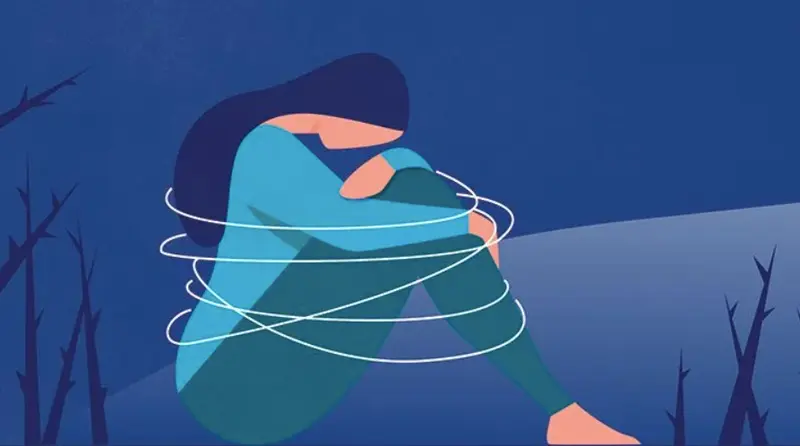
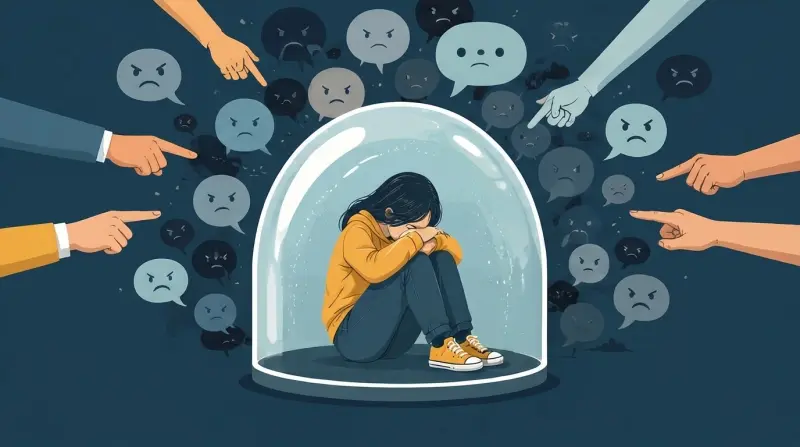
Feelings of inadequacy or inferiority are natural emotions experienced by many people. Doctors consider them healthy if they lead a person to develop themselves and their skills and address their problems. However, they become a problem requiring treatment if the person begins to hate others and displays aggressive and destructive tendencies. The person may become sad and depressed, reject other people's success, and try to obstruct them because they feel inferior to them.
Feelings of inferiority
These are human emotions experienced by many people. A person may feel inferior, distressed, helpless, unable to perform any skills, and resistant to personal development.
A person experiencing this problem constantly looks at others, compares themselves with them, and always feels inferior.
Frustration quickly takes hold because the person believes they have physical or personal shortcomings and therefore feels unable to achieve success.
The renowned psychologist Alfred Adler believed that inferiority leads to insecurity, whether the perceived inadequacy is real or exists only in the person's imagination.
Sometimes this feeling can be positive if it motivates success and the development of oneself and one's abilities, prompting the person to pursue excellence and reach the top.
However, it may become a pathological feeling that causes persistent anxiety and tension. The person may seek any means of reaching a higher position to overcome their sense of inferiority, even if those means are illegitimate and harmful to others.
Signs of feelings of inferiority
Feelings of inferiority cause a range of signs and symptoms that a person should notice and recognize as a reason to pause and reflect. The most important include:
Feeling guilty and inadequate.
Trying to undermine other people's self-confidence.
Feeling that one's abilities are limited and that achievement is impossible.
Loss of self-confidence.
Trying to highlight achievements and successes as a way of seeking self-confidence.
Feeling weak and afraid, and seeking sympathy from those nearby.
Showing no empathy toward others, not listening to them, and interrupting them.
A tendency to lie in order to conceal weaknesses, especially regarding one's past when it does not reflect success.
Inventing fictional stories that suggest success and superiority.
Excessive sensitivity to the opinions of others. The person fears what those around them think of their personality and continues to dwell on it. Their self-confidence may decline if anyone criticizes them.
Neglecting personal needs. Because the person feels unimportant and inferior to others, they do not care for themselves and neglect their needs.
Sensitivity to criticism. A person experiencing feelings of inferiority believes that something is lacking in them, so criticism and bullying deepen this feeling and cause many psychological problems that may extend to depression and social phobia.
Feeling happy when praised. Praise pleases someone experiencing inferiority, and positive words encourage further progress and a desire to prove themselves.
Fear of making decisions. Because the person feels inferior, they lack confidence in their decisions, tend to delay, and hesitate to begin any project because they fear failure.
A desire for isolation. This is one manifestation of an inferiority complex, as the person fears facing society and being subjected to criticism and blame. They therefore remain alone for long periods out of fear of society, and symptoms of depression may then emerge.
Focusing on other people's mistakes and searching for them to reassure oneself that one is not the only person experiencing inadequacy and helplessness.
Feelings of inferiority and low self-confidence
There is a strong and close relationship between feelings of inferiority and loss of self-confidence. Researchers view them as two sides of the same coin.
It is natural for the self-confidence of someone who feels inadequate, helpless, and inferior to become shaken, because they feel that something is missing and affecting their life.
Addressing this feeling therefore begins with rebuilding the person's confidence in themselves and their abilities. In some cases, loss of self-confidence causes people to behave in ways they believe will overcome their weakness and helplessness, including the following:
Seeking an imagined alternative reality, distinct from the truth, in which to live, even if this requires lying and exaggeration.
Boasting about things or abilities they may not possess, or inventing imaginary things to boast about so that they gain people's respect and confidence and consequently feel more confident in themselves.
Constant self-criticism drives the person to seek ways to support their self-image, whether genuine or fabricated.
Tips for overcoming feelings of inferiority
If a person believes they are experiencing inferiority, they may take an inferiority assessment offered by psychiatrists or published on websites specializing in mental health. You should not take medication without a doctor, to avoid the harm that can result from taking depression medication without medical supervision. If the assessment indicates that the person has this problem, it is preferable to seek treatment from a mental health professional while following these suggestions:
Stop comparing yourself with others.
Focus on your dreams and ambitions, and try to develop the abilities needed to achieve them.
Let go of past mistakes rather than dwelling on them, and seek new successes in the present and future.
Seek positive thoughts and experiences, and let go of negative and aggressive thoughts.
Commit to accepting yourself and your personality as they are, with both strengths and shortcomings, so that you can love yourself and become more confident.
Stop searching for perfection, return to reality, and accept that you are not perfect.
Seek legitimate ways to develop your abilities and stop punishing yourself.
Stop criticizing others and searching for their faults, and focus on addressing your own shortcomings.
Feelings of inferiority are human emotions that remain natural as long as they encourage a person to focus, succeed, and develop their abilities. However, they become a psychological problem requiring treatment if the person behaves aggressively, criticizes others, searches for their faults, and deliberately humiliates or harms them, or if these feelings cause a loss of self-confidence. In every case, the symptoms should be recognized and addressed before they develop into more serious psychological problems.
Download the Tatmeen app for online psychological and family consultations through the App Store or Google Play. You can also register on the Tatmeen mental health website to access valuable information and practical tools for strengthening your psychological well-being.
Content writer and researcher at Tatmeen, working on Arabic and English articles across mental health and everyday life topics, including relationships, stress, work, habits, and family.
Every Tatmeen article is reviewed by care providers licensed by the Saudi Commission for Health Specialties, so what you read is accurate and trustworthy.
This article builds understanding and does not replace a licensed care provider.
Need someone to talk to?
Tatmeen's licensed care providers are available around the clock, and the app's urgent consultation connects you with one within minutes.
Download Tatmeen to explore care providers and booking options.
Smart matchingFour quick questions suggest the right care provider
Urgent consultationTalk to an available care provider within minutes
Free psychological measuresMore than 20 tests to understand how you are doing
Scan to download
{"data":{"id":"651d3e17-5bf6-460d-a1f1-65ace1afad08","slug":"Feeling-inadequate","arTitle":"الشعور بالنقص","enTitle":"Feelings of Inferiority","thumbnailAltText":"Drawn figure sits curled up while looping lines encircle the body","estimatedReadingTime":5,"likesCount":982,"writer":{"id":"f49e2ee4-e68b-4e04-a40b-01d0b0195161","arBio":"كاتب وباحث محتوى في تطمين، يعمل على مقالات عربية وإنجليزية في موضوعات الصحة النفسية والحياة اليومية، مثل العلاقات، الضغوط، العمل، العادات، والأسرة.","enBio":"Content writer and researcher at Tatmeen, working on Arabic and English articles across mental health and everyday life topics, including relationships, stress, work, habits, and family.","user":{"slug":"sultan-almuhasin","arFullName":"سلطان المحيسن","enFullName":"Sultan Almuhasin","publicProfileImageUrl":"https://cdn.tatmeen.sa/public/profile-images/2494102f-7411-4dda-85b1-0c37a1031b3f/c9d25068aaa97c2c1f80123e2d6a27cc7b5a9b1df6a91493df9411b390a60279.webp","publicProfileImage96Url":"https://cdn.tatmeen.sa/public/profile-images/2494102f-7411-4dda-85b1-0c37a1031b3f/c9d25068aaa97c2c1f80123e2d6a27cc7b5a9b1df6a91493df9411b390a60279-w96.webp","publicProfileImage192Url":"https://cdn.tatmeen.sa/public/profile-images/2494102f-7411-4dda-85b1-0c37a1031b3f/c9d25068aaa97c2c1f80123e2d6a27cc7b5a9b1df6a91493df9411b390a60279-w192.webp"}},"arContent":"","enContent":"","productionDocument":{"headings":[{"id":"article-section-feelings-of-inferiority","text":"Feelings of inferiority"},{"id":"article-section-signs-of-feelings-of-inferiority","text":"Signs of feelings of inferiority"},{"id":"article-section-feelings-of-inferiority-and-low-self-confidence","text":"Feelings of inferiority and low self-confidence"},{"id":"article-section-tips-for-overcoming-feelings-of-inferiority","text":"Tips for overcoming feelings of inferiority"}],"faqs":[],"beforeSourcesHtml":"","sources":[],"afterSourcesHtml":"","blocks":[{"type":"html","html":"<p class=\"ql-align-justify ql-direction-rtl\">Feelings of inadequacy or inferiority are natural emotions experienced by many people. Doctors consider them healthy if they lead a person to develop themselves and their skills and address their problems. However, they become a problem requiring treatment if the person begins to hate others and displays aggressive and destructive tendencies. The person may become sad and depressed, reject other people's success, and try to obstruct them because they feel inferior to them.</p><p class=\"ql-align-justify ql-direction-rtl\"><br /></p><h2 class=\"ql-align-justify ql-direction-rtl\" id=\"article-section-feelings-of-inferiority\" data-toc-heading tabindex=\"-1\"><span id=\"feelings-of-inferiority-1\" aria-hidden=\"true\"></span><strong>Feelings of inferiority</strong></h2><p class=\"ql-align-justify ql-direction-rtl\">These are human emotions experienced by many people. A person may feel inferior, distressed, helpless, unable to perform any skills, and resistant to personal development.</p><p class=\"ql-align-justify ql-direction-rtl\">A person experiencing this problem constantly looks at others, compares themselves with them, and always feels inferior.</p><p class=\"ql-align-justify ql-direction-rtl\">Frustration quickly takes hold because the person believes they have physical or personal shortcomings and therefore feels unable to achieve success.</p><p class=\"ql-align-justify ql-direction-rtl\">The renowned psychologist Alfred Adler believed that inferiority leads to insecurity, whether the perceived inadequacy is real or exists only in the person's imagination.</p><p class=\"ql-align-justify ql-direction-rtl\">Sometimes this feeling can be positive if it motivates success and the development of oneself and one's abilities, prompting the person to pursue excellence and reach the top.</p><p class=\"ql-align-justify ql-direction-rtl\">However, it may become a pathological feeling that causes persistent anxiety and tension. The person may seek any means of reaching a higher position to overcome their sense of inferiority, even if those means are illegitimate and harmful to others.</p><p class=\"ql-align-justify ql-direction-rtl\"><br /></p><h2 class=\"ql-align-justify ql-direction-rtl\" id=\"article-section-signs-of-feelings-of-inferiority\" data-toc-heading tabindex=\"-1\"><span id=\"signs-of-feelings-of-inferiority-2\" aria-hidden=\"true\"></span><strong>Signs of feelings of inferiority</strong></h2><p class=\"ql-align-justify ql-direction-rtl\">Feelings of inferiority cause a range of signs and symptoms that a person should notice and recognize as a reason to pause and reflect. The most important include:</p><p class=\"ql-align-justify ql-direction-rtl\"><br /></p><ul><li class=\"ql-align-justify ql-direction-rtl\">Feeling guilty and inadequate.</li><li class=\"ql-align-justify ql-direction-rtl\">Trying to undermine other people's self-confidence.</li><li class=\"ql-align-justify ql-direction-rtl\">Feeling that one's abilities are limited and that achievement is impossible.</li><li class=\"ql-align-justify ql-direction-rtl\">Loss of self-confidence.</li><li class=\"ql-align-justify ql-direction-rtl\">Trying to highlight achievements and successes as a way of seeking self-confidence.</li><li class=\"ql-align-justify ql-direction-rtl\">Feeling weak and afraid, and seeking sympathy from those nearby.</li><li class=\"ql-align-justify ql-direction-rtl\">Showing no empathy toward others, not listening to them, and interrupting them.</li><li class=\"ql-align-justify ql-direction-rtl\">A tendency to lie in order to conceal weaknesses, especially regarding one's past when it does not reflect success.</li><li class=\"ql-align-justify ql-direction-rtl\">Inventing fictional stories that suggest success and superiority.</li><li class=\"ql-align-justify ql-direction-rtl\">Excessive sensitivity to the opinions of others. The person fears what those around them think of their personality and continues to dwell on it. Their self-confidence may decline if anyone criticizes them.</li><li class=\"ql-align-justify ql-direction-rtl\">Neglecting personal needs. Because the person feels unimportant and inferior to others, they do not care for themselves and neglect their needs.</li><li class=\"ql-align-justify ql-direction-rtl\">Sensitivity to criticism. A person experiencing feelings of inferiority believes that something is lacking in them, so criticism and bullying deepen this feeling and cause many psychological problems that may extend to depression and social phobia.</li><li class=\"ql-align-justify ql-direction-rtl\">Feeling happy when praised. Praise pleases someone experiencing inferiority, and positive words encourage further progress and a desire to prove themselves.</li><li class=\"ql-align-justify ql-direction-rtl\">Fear of making decisions. Because the person feels inferior, they lack confidence in their decisions, tend to delay, and hesitate to begin any project because they fear failure.</li><li class=\"ql-align-justify ql-direction-rtl\">A desire for isolation. This is one manifestation of an inferiority complex, as the person fears facing society and being subjected to criticism and blame. They therefore remain alone for long periods out of fear of society, and symptoms of depression may then emerge.</li><li class=\"ql-align-justify ql-direction-rtl\">Focusing on other people's mistakes and searching for them to reassure oneself that one is not the only person experiencing inadequacy and helplessness.</li></ul><h2 class=\"ql-align-justify ql-direction-rtl\" id=\"article-section-feelings-of-inferiority-and-low-self-confidence\" data-toc-heading tabindex=\"-1\"><span id=\"feelings-of-inferiority-and-low-self-confidence-3\" aria-hidden=\"true\"></span>Feelings of inferiority and low self-confidence</h2><p class=\"ql-align-justify ql-direction-rtl\">There is a strong and close relationship between feelings of inferiority and loss of self-confidence. Researchers view them as two sides of the same coin.</p><p class=\"ql-align-justify ql-direction-rtl\">It is natural for the self-confidence of someone who feels inadequate, helpless, and inferior to become shaken, because they feel that something is missing and affecting their life.</p><p class=\"ql-align-justify ql-direction-rtl\">Addressing this feeling therefore begins with rebuilding the person's confidence in themselves and their abilities. In some cases, loss of self-confidence causes people to behave in ways they believe will overcome their weakness and helplessness, including the following:</p><p class=\"ql-align-justify ql-direction-rtl\"><br /></p><ul><li class=\"ql-align-justify ql-direction-rtl\">Seeking an imagined alternative reality, distinct from the truth, in which to live, even if this requires lying and exaggeration.</li><li class=\"ql-align-justify ql-direction-rtl\">Boasting about things or abilities they may not possess, or inventing imaginary things to boast about so that they gain people's respect and confidence and consequently feel more confident in themselves.</li><li class=\"ql-align-justify ql-direction-rtl\">Constant self-criticism drives the person to seek ways to support their self-image, whether genuine or fabricated.</li><li class=\"ql-align-justify ql-direction-rtl\"><br /></li></ul><h2 class=\"ql-align-justify ql-direction-rtl\" id=\"article-section-tips-for-overcoming-feelings-of-inferiority\" data-toc-heading tabindex=\"-1\"><span id=\"tips-for-overcoming-feelings-of-inferiority-4\" aria-hidden=\"true\"></span><strong>Tips for overcoming feelings of inferiority</strong></h2><p class=\"ql-align-justify ql-direction-rtl\">If a person believes they are experiencing inferiority, they may take an inferiority assessment offered by psychiatrists or published on websites specializing in mental health. You should not take medication without a doctor, to avoid the harm that can result from taking depression medication without medical supervision. If the assessment indicates that the person has this problem, it is preferable to seek treatment from a mental health professional while following these suggestions:</p><p class=\"ql-align-justify ql-direction-rtl\"><br /></p><ul><li class=\"ql-align-justify ql-direction-rtl\">Stop comparing yourself with others.</li><li class=\"ql-align-justify ql-direction-rtl\">Focus on your dreams and ambitions, and try to develop the abilities needed to achieve them.</li><li class=\"ql-align-justify ql-direction-rtl\">Let go of past mistakes rather than dwelling on them, and seek new successes in the present and future.</li><li class=\"ql-align-justify ql-direction-rtl\">Seek positive thoughts and experiences, and let go of negative and aggressive thoughts.</li><li class=\"ql-align-justify ql-direction-rtl\">Commit to accepting yourself and your personality as they are, with both strengths and shortcomings, so that you can love yourself and become more confident.</li><li class=\"ql-align-justify ql-direction-rtl\">Stop searching for perfection, return to reality, and accept that you are not perfect.</li><li class=\"ql-align-justify ql-direction-rtl\">Seek legitimate ways to develop your abilities and stop punishing yourself.</li><li class=\"ql-align-justify ql-direction-rtl\">Stop criticizing others and searching for their faults, and focus on addressing your own shortcomings.</li></ul><p class=\"ql-align-justify ql-direction-rtl\">Feelings of inferiority are human emotions that remain natural as long as they encourage a person to focus, succeed, and develop their abilities. However, they become a psychological problem requiring treatment if the person behaves aggressively, criticizes others, searches for their faults, and deliberately humiliates or harms them, or if these feelings cause a loss of self-confidence. In every case, the symptoms should be recognized and addressed before they develop into more serious psychological problems.</p><p class=\"ql-align-justify ql-direction-rtl\"><br /></p><p class=\"ql-align-justify ql-direction-rtl\">Download the Tatmeen app for online psychological and family consultations through the App Store or Google Play. You can also register on the Tatmeen mental health website to access valuable information and practical tools for strengthening your psychological well-being.</p><p class=\"ql-align-justify ql-direction-rtl\"><br /></p><p><br /></p>"}],"inlineCtaSignatures":[],"_experienceAliases":{"v":1,"fields":["html","bodyHtml"]}},"createdAt":"2024-01-12T21:00:00.000Z","updatedAt":"2026-08-11T04:45:02.303Z","disorderGroups":[{"id":"d807ea69-44d4-4e81-bee4-0a059fd36645","slug":"self-development","arName":"تنمية الذات","enName":"Self-Development"}],"reviewer":{"arFullName":"فريق تطمين","enFullName":"Tatmeen team","slug":"tatmeen-team","kind":"organization"},"productionArticle":true,"promotionAllowed":true,"preparedCover":{"src":"https://cdn.tatmeen.sa/public/article-lcp/article-lcp-v2/sha256-0aa28df5219b9f9656a22292ba7568bf8867e4743710e9e613a02aba33bf434c/800-cd33f0b6b775457f464c6885022013a7b200e4da4e97c817fd929f4130aedb76.avif","fallback":"https://cdn.tatmeen.sa/public/article-lcp/article-lcp-v2/sha256-0aa28df5219b9f9656a22292ba7568bf8867e4743710e9e613a02aba33bf434c/800-72c7454911afbba44b757967cee18a22e231b28bf27df647416d9cabe3143c39.webp","directUrl":"https://cdn.tatmeen.sa/blog-cover/1705172094150-Tatmeen-img-546","isGolden":true,"avifSrcset":"https://cdn.tatmeen.sa/public/article-lcp/article-lcp-v2/sha256-0aa28df5219b9f9656a22292ba7568bf8867e4743710e9e613a02aba33bf434c/400-9a39ee290c51cc613299387f8519d78e7209fd4cc8229b1ab41493f0d87c58c7.avif 400w, https://cdn.tatmeen.sa/public/article-lcp/article-lcp-v2/sha256-0aa28df5219b9f9656a22292ba7568bf8867e4743710e9e613a02aba33bf434c/640-4b3878ba631cf70fe575eb61d5974c0ae48faf4bbd05733da001c49ce9079ff2.avif 640w, https://cdn.tatmeen.sa/public/article-lcp/article-lcp-v2/sha256-0aa28df5219b9f9656a22292ba7568bf8867e4743710e9e613a02aba33bf434c/800-cd33f0b6b775457f464c6885022013a7b200e4da4e97c817fd929f4130aedb76.avif 800w, https://cdn.tatmeen.sa/public/article-lcp/article-lcp-v2/sha256-0aa28df5219b9f9656a22292ba7568bf8867e4743710e9e613a02aba33bf434c/893-c081997b1e569ebe7086d1fc4145773eb6b20a9f882ba91341821895ecfd777b.avif 893w","webpSrcset":"https://cdn.tatmeen.sa/public/article-lcp/article-lcp-v2/sha256-0aa28df5219b9f9656a22292ba7568bf8867e4743710e9e613a02aba33bf434c/400-a8e519b2f9f373e54ddd6e093e481951f7b324a5f1ffa30af00fc6f33a4e8686.webp 400w, https://cdn.tatmeen.sa/public/article-lcp/article-lcp-v2/sha256-0aa28df5219b9f9656a22292ba7568bf8867e4743710e9e613a02aba33bf434c/640-35a3ea807cb6c17f17f7cd69247ebf099fe87c10dd4e1f614d12946a323404a4.webp 640w, https://cdn.tatmeen.sa/public/article-lcp/article-lcp-v2/sha256-0aa28df5219b9f9656a22292ba7568bf8867e4743710e9e613a02aba33bf434c/800-72c7454911afbba44b757967cee18a22e231b28bf27df647416d9cabe3143c39.webp 800w, https://cdn.tatmeen.sa/public/article-lcp/article-lcp-v2/sha256-0aa28df5219b9f9656a22292ba7568bf8867e4743710e9e613a02aba33bf434c/893-46c93910af803d040617f3f56910b5fac31e99b2f06081dbdaf6c9dd26bd3690.webp 893w","phoneAvifSrcset":"https://cdn.tatmeen.sa/public/article-lcp/article-lcp-v2/sha256-0aa28df5219b9f9656a22292ba7568bf8867e4743710e9e613a02aba33bf434c/400-9a39ee290c51cc613299387f8519d78e7209fd4cc8229b1ab41493f0d87c58c7.avif 400w, https://cdn.tatmeen.sa/public/article-lcp/article-lcp-v2/sha256-0aa28df5219b9f9656a22292ba7568bf8867e4743710e9e613a02aba33bf434c/640-4b3878ba631cf70fe575eb61d5974c0ae48faf4bbd05733da001c49ce9079ff2.avif 640w, https://cdn.tatmeen.sa/public/article-lcp/article-lcp-v2/sha256-0aa28df5219b9f9656a22292ba7568bf8867e4743710e9e613a02aba33bf434c/800-cd33f0b6b775457f464c6885022013a7b200e4da4e97c817fd929f4130aedb76.avif 800w","phoneWebpSrcset":"https://cdn.tatmeen.sa/public/article-lcp/article-lcp-v2/sha256-0aa28df5219b9f9656a22292ba7568bf8867e4743710e9e613a02aba33bf434c/400-a8e519b2f9f373e54ddd6e093e481951f7b324a5f1ffa30af00fc6f33a4e8686.webp 400w, https://cdn.tatmeen.sa/public/article-lcp/article-lcp-v2/sha256-0aa28df5219b9f9656a22292ba7568bf8867e4743710e9e613a02aba33bf434c/640-35a3ea807cb6c17f17f7cd69247ebf099fe87c10dd4e1f614d12946a323404a4.webp 640w, https://cdn.tatmeen.sa/public/article-lcp/article-lcp-v2/sha256-0aa28df5219b9f9656a22292ba7568bf8867e4743710e9e613a02aba33bf434c/800-72c7454911afbba44b757967cee18a22e231b28bf27df647416d9cabe3143c39.webp 800w","width":800,"height":446},"previewTaxonomy":{"groups":[{"id":"d807ea69-44d4-4e81-bee4-0a059fd36645","slug":"self-development","arName":"تنمية الذات","enName":"Self-Development"}],"topics":[{"id":"f495e682-facf-4a75-b8d2-369cf476488b","slug":"low-self-confidence","arName":"ضعف الثقة بالنفس","enName":"Low Self-Confidence","groupSlug":"self-development","href":"/blog/category/self-development/low-self-confidence/"}],"tags":[{"id":"1ad76cf4-ae2a-43ad-b868-152d6e093624","slug":"self-esteem-self-worth","arName":"تقدير الذات والثقة بالنفس","enName":"Self-Esteem & Self-Worth"},{"id":"c2a6e8d3-de9c-435f-8c95-9727e7db14cc","slug":"explainer-awareness","arName":"دليل توعوي / شرح","enName":"Explainer / Awareness Guide"}]},"previewProviderRecommendations":[{"id":"6df31339-a6f5-4131-a603-3a7c7a34c143","slug":"joud-alodhayyani-9014","arFullName":"جود العتيبي","enFullName":"Joud Alotaibi","publicProfileImageUrl":"https://cdn.tatmeen.sa/public/profile-images/6df31339-a6f5-4131-a603-3a7c7a34c143/7bb005ef9d4315296aad2a7d142fb2af2cf89920a40b474fc5139b9530269282.webp","publicProfileImage96Url":"https://cdn.tatmeen.sa/public/profile-images/6df31339-a6f5-4131-a603-3a7c7a34c143/7bb005ef9d4315296aad2a7d142fb2af2cf89920a40b474fc5139b9530269282-w96.webp","publicProfileImage192Url":"https://cdn.tatmeen.sa/public/profile-images/6df31339-a6f5-4131-a603-3a7c7a34c143/7bb005ef9d4315296aad2a7d142fb2af2cf89920a40b474fc5139b9530269282-w192.webp","specialization":{"arName":"أخصائي نفسي","enName":"Psychologist"},"profileImageUrl":"https://cdn.tatmeen.sa/public/profile-images/6df31339-a6f5-4131-a603-3a7c7a34c143/7bb005ef9d4315296aad2a7d142fb2af2cf89920a40b474fc5139b9530269282-w192.webp","experienceYears":2,"consultantInfo":{"averageRating":{"average":3.5},"specialization":{"arGeneralName":"أخصائي نفسي","enGeneralName":"Psychologist"}}},{"id":"7771d078-cbd9-4acd-aa51-29cc905753c4","slug":"hatim-jafaari-2902","arFullName":"حاتم جعفرى","enFullName":"Hatim Jafaari","publicProfileImageUrl":"https://cdn.tatmeen.sa/public/profile-images/7771d078-cbd9-4acd-aa51-29cc905753c4/874a489ca72b87dacbde76d8496eef84ca341ee8074b9ec54464cd0a56bbdbe6.webp","publicProfileImage96Url":"https://cdn.tatmeen.sa/public/profile-images/7771d078-cbd9-4acd-aa51-29cc905753c4/874a489ca72b87dacbde76d8496eef84ca341ee8074b9ec54464cd0a56bbdbe6-w96.webp","publicProfileImage192Url":"https://cdn.tatmeen.sa/public/profile-images/7771d078-cbd9-4acd-aa51-29cc905753c4/874a489ca72b87dacbde76d8496eef84ca341ee8074b9ec54464cd0a56bbdbe6-w192.webp","specialization":{"arName":"أخصائي نفسي","enName":"Psychologist"},"profileImageUrl":"https://cdn.tatmeen.sa/public/profile-images/7771d078-cbd9-4acd-aa51-29cc905753c4/874a489ca72b87dacbde76d8496eef84ca341ee8074b9ec54464cd0a56bbdbe6-w192.webp","experienceYears":2,"consultantInfo":{"averageRating":{"average":5},"specialization":{"arGeneralName":"أخصائي نفسي","enGeneralName":"Psychologist"}}},{"id":"5520abac-2d83-4b20-a11d-f63055316699","slug":"maha-alawad-4831","arFullName":"مها العواد","enFullName":"Maha Alawad","publicProfileImageUrl":"","publicProfileImage96Url":"","publicProfileImage192Url":"","specialization":{"arName":"أخصائي نفسي","enName":"Psychologist"},"profileImageUrl":"","experienceYears":13,"consultantInfo":{"averageRating":{"average":4.846153846153846},"specialization":{"arGeneralName":"أخصائي نفسي","enGeneralName":"Psychologist"}}}],"previewCareProviders":[{"id":"09364052-c2a9-4c52-9717-7ce2093b8d0a","slug":"kholoud-alharbi-5221","arFullName":"خلود الحربي","enFullName":"Kholoud Alharbi","publicProfileImageUrl":"https://cdn.tatmeen.sa/public/profile-images/09364052-c2a9-4c52-9717-7ce2093b8d0a/4a0aeb81619e351b77f4323e3605a0a00acc7ca3c82ee7cc5ca2c9e8ef716049.webp","publicProfileImage96Url":"https://cdn.tatmeen.sa/public/profile-images/09364052-c2a9-4c52-9717-7ce2093b8d0a/4a0aeb81619e351b77f4323e3605a0a00acc7ca3c82ee7cc5ca2c9e8ef716049-w96.webp","publicProfileImage192Url":"https://cdn.tatmeen.sa/public/profile-images/09364052-c2a9-4c52-9717-7ce2093b8d0a/4a0aeb81619e351b77f4323e3605a0a00acc7ca3c82ee7cc5ca2c9e8ef716049-w192.webp","gender":"FEMALE","specialization":{"arName":"أخصائي نفسي","enName":"Psychologist"}},{"id":"6f037535-1dca-4b50-a8b2-5974b7323286","slug":"salah-althobaiti-9053","arFullName":"صلاح الثبيتي","enFullName":"Salah Althobaiti","publicProfileImageUrl":"https://cdn.tatmeen.sa/public/profile-images/6f037535-1dca-4b50-a8b2-5974b7323286/35b6bd7fad9b1e004c1835803eb9c1b56dcacd380685ec8bff141f0fb888005c.webp","publicProfileImage96Url":"https://cdn.tatmeen.sa/public/profile-images/6f037535-1dca-4b50-a8b2-5974b7323286/35b6bd7fad9b1e004c1835803eb9c1b56dcacd380685ec8bff141f0fb888005c-w96.webp","publicProfileImage192Url":"https://cdn.tatmeen.sa/public/profile-images/6f037535-1dca-4b50-a8b2-5974b7323286/35b6bd7fad9b1e004c1835803eb9c1b56dcacd380685ec8bff141f0fb888005c-w192.webp","gender":"MALE","specialization":{"arName":"أخصائي نفسي","enName":"Psychologist"}},{"id":"3cc806e8-616b-4884-9f21-a75b378580a2","slug":"aisha-al-hashim-8667","arFullName":"عائشة ال هاشم","enFullName":"Aisha Al Hashim","publicProfileImageUrl":"https://cdn.tatmeen.sa/public/profile-images/3cc806e8-616b-4884-9f21-a75b378580a2/27f523d03be4dcfa1f6a79f70c1773887434e698990d214cd990caec56a44798.webp","publicProfileImage96Url":"https://cdn.tatmeen.sa/public/profile-images/3cc806e8-616b-4884-9f21-a75b378580a2/27f523d03be4dcfa1f6a79f70c1773887434e698990d214cd990caec56a44798-w96.webp","publicProfileImage192Url":"https://cdn.tatmeen.sa/public/profile-images/3cc806e8-616b-4884-9f21-a75b378580a2/27f523d03be4dcfa1f6a79f70c1773887434e698990d214cd990caec56a44798-w192.webp","gender":"FEMALE","specialization":{"arName":"أخصائي نفسي","enName":"Psychologist"}},{"id":"94765496-dbdf-4631-a01b-7df5f788668d","slug":"abdullrahman-alhamoudi-3045","arFullName":"عبدالرحمن الحمودي","enFullName":"Abdulrahman Alhamoudi","publicProfileImageUrl":"https://cdn.tatmeen.sa/public/profile-images/94765496-dbdf-4631-a01b-7df5f788668d/2d49f6b6493c564afb6f50b6c3634231dff3a5cf8353acfab393d1b2a88037d1.webp","publicProfileImage96Url":"https://cdn.tatmeen.sa/public/profile-images/94765496-dbdf-4631-a01b-7df5f788668d/2d49f6b6493c564afb6f50b6c3634231dff3a5cf8353acfab393d1b2a88037d1-w96.webp","publicProfileImage192Url":"https://cdn.tatmeen.sa/public/profile-images/94765496-dbdf-4631-a01b-7df5f788668d/2d49f6b6493c564afb6f50b6c3634231dff3a5cf8353acfab393d1b2a88037d1-w192.webp","gender":"MALE","specialization":{"arName":"أخصائي نفسي","enName":"Psychologist"}},{"id":"618dba89-5b70-4b46-8304-741b7ac8ecd3","slug":"abdullah-mari-1311","arFullName":"عبدالله مرعي","enFullName":"Abdullah Mari","publicProfileImageUrl":"https://cdn.tatmeen.sa/public/profile-images/618dba89-5b70-4b46-8304-741b7ac8ecd3/6b4a3bfb59f8a304ca79083b32859b46baad2e1d692974a47c02c1f66bd11129.webp","publicProfileImage96Url":"https://cdn.tatmeen.sa/public/profile-images/618dba89-5b70-4b46-8304-741b7ac8ecd3/6b4a3bfb59f8a304ca79083b32859b46baad2e1d692974a47c02c1f66bd11129-w96.webp","publicProfileImage192Url":"https://cdn.tatmeen.sa/public/profile-images/618dba89-5b70-4b46-8304-741b7ac8ecd3/6b4a3bfb59f8a304ca79083b32859b46baad2e1d692974a47c02c1f66bd11129-w192.webp","gender":"MALE","specialization":{"arName":"أخصائي نفسي","enName":"Psychologist"}},{"id":"d4ffcb6b-90a7-45b6-b941-964866f4564b","slug":"dhaifallah-alhumaidi-1092","arFullName":"ضيف الله الحميدي","enFullName":"Dhaifallah Alhumaidi","publicProfileImageUrl":"https://cdn.tatmeen.sa/public/profile-images/d4ffcb6b-90a7-45b6-b941-964866f4564b/1817171c5828a9b57d6c30d12332cf154e335272548bc90a6e8456d74d356956.webp","publicProfileImage96Url":"https://cdn.tatmeen.sa/public/profile-images/d4ffcb6b-90a7-45b6-b941-964866f4564b/1817171c5828a9b57d6c30d12332cf154e335272548bc90a6e8456d74d356956-w96.webp","publicProfileImage192Url":"https://cdn.tatmeen.sa/public/profile-images/d4ffcb6b-90a7-45b6-b941-964866f4564b/1817171c5828a9b57d6c30d12332cf154e335272548bc90a6e8456d74d356956-w192.webp","gender":"MALE","specialization":{"arName":"أخصائي نفسي","enName":"Psychologist"}},{"id":"d8fb937b-ad65-4b6f-a65b-276ad8258fed","slug":"azza-alharbi-7286","arFullName":"عزه الحربي","enFullName":"Azza Alharbi","publicProfileImageUrl":"https://cdn.tatmeen.sa/public/profile-images/d8fb937b-ad65-4b6f-a65b-276ad8258fed/378a8ab30f4087833263c41fb2c3102028cbe6bb9655172d7b3439ee1d6b0800.webp","publicProfileImage96Url":"https://cdn.tatmeen.sa/public/profile-images/d8fb937b-ad65-4b6f-a65b-276ad8258fed/378a8ab30f4087833263c41fb2c3102028cbe6bb9655172d7b3439ee1d6b0800-w96.webp","publicProfileImage192Url":"https://cdn.tatmeen.sa/public/profile-images/d8fb937b-ad65-4b6f-a65b-276ad8258fed/378a8ab30f4087833263c41fb2c3102028cbe6bb9655172d7b3439ee1d6b0800-w192.webp","gender":"FEMALE","specialization":{"arName":"أخصائي نفسي","enName":"Psychologist"}},{"id":"025d770d-f6d4-405b-be1c-d45dde63fbf7","slug":"akila-alomran-7545","arFullName":"عقيله العمران","enFullName":"Akila Alomran","publicProfileImageUrl":"https://cdn.tatmeen.sa/public/profile-images/025d770d-f6d4-405b-be1c-d45dde63fbf7/44a990b9294f02c9810c69a68b8913a6afac0eb30d1b7494155f31b6dde9378b.webp","publicProfileImage96Url":"https://cdn.tatmeen.sa/public/profile-images/025d770d-f6d4-405b-be1c-d45dde63fbf7/44a990b9294f02c9810c69a68b8913a6afac0eb30d1b7494155f31b6dde9378b-w96.webp","publicProfileImage192Url":"https://cdn.tatmeen.sa/public/profile-images/025d770d-f6d4-405b-be1c-d45dde63fbf7/44a990b9294f02c9810c69a68b8913a6afac0eb30d1b7494155f31b6dde9378b-w192.webp","gender":"FEMALE","specialization":{"arName":"أخصائي نفسي","enName":"Psychologist"}}],"previewDownload":{"href":"/download","title":{"ar":"خطوة واحدة لأجلك، ابدأ الآن","en":"One step for you, start now"},"description":{"ar":"حمّل تطبيق تطمين لاستكشاف مقدمي الرعاية وخيارات الحجز.","en":"Download Tatmeen to explore care providers and booking options."},"posterSrc":"/images/home/cta-ar-new-1.webp","videoSrc":"/images/home/cta-ar-new-1.mp4","videoPosterSrc":"/images/home/cta-ar-new-1.webp","videoPosterEnSrc":"/images/home/cta-en-new-1.webp","videoType":"video/mp4","appStoreHref":"https://apps.apple.com/us/app/tatmeen-%D8%AA%D8%B7%D9%85%D9%8A%D9%86/id6473836983","googlePlayHref":"https://play.google.com/store/apps/details?id=com.TatmeenApp.user&hl=en"},"previewRelatedArticles":[{"id":"e397c903-6d34-46af-8f79-1983c884781f","slug":"self-worth-beyond-your-job-where-does-it-come-from","route":"/blog/self-worth-beyond-your-job-where-does-it-come-from/","title":{"ar":"إن لم يكن تقديرك لذاتك مرتبطاً بوظيفتك فمن أين تستمدّه؟","en":"If Your Self-Worth Isn't Tied to Your Job, Where Does It Come From?"},"image":"https://cdn.tatmeen.sa/public/article-lcp/article-lcp-v2/sha256-c5e7ededec994a3e1ada84a7fbe3d33c6b1ad577be5182af877f1f31285e85a6/800-c4b28ac18f657deaec87aee5a6b786b99ad02cea34c109468d5cab34061b0653.webp","directImageFallback":"https://cdn.tatmeen.sa/blog-cover/Tatmeen-1776796010955.webp","arThumbnailAltText":"شخص يقف في ضوء ذهبي دافئ يرمز لاكتشاف الذات بعيداً عن الهوية المهنية","thumbnailAltText":"شخص يقف في ضوء ذهبي دافئ يرمز لاكتشاف الذات بعيداً عن الهوية المهنية","topic":{"label":{"ar":"تنمية الذات","en":"Self-Development"}},"readingTimeMinutes":5},{"id":"1c44298e-b9b5-4f9c-8ae0-966c327fdca9","slug":"envy-of-others-success-self-worth","route":"/blog/envy-of-others-success-self-worth/","title":{"ar":"الغيرة من نجاحات الآخرين: ماذا تقول عنك كانسان؟","en":"Envy of Others’ Success: What Does It Say About You as a Human Being?"},"image":"https://cdn.tatmeen.sa/public/article-lcp/article-lcp-v2/sha256-68cdb32e633c5a4f5b3e8c1dd48d3d2446bcbab6848f42d4671c301c3d4ef407/800-59de540671de2a76c501dd580c71dba232a1d0389c01f5fa3eec02158ca5e132.webp","directImageFallback":"https://cdn.tatmeen.sa/blog-cover/Tatmeen-1781454211760.webp","arThumbnailAltText":"Two women on podiums, one higher and glowing, symbolizing success and comparison","thumbnailAltText":"Two women on podiums, one higher and glowing, symbolizing success and comparison","topic":{"label":{"ar":"تنمية الذات","en":"Self-Development"}},"readingTimeMinutes":5},{"id":"7993f30b-c0d3-43d2-bacf-1571857e391d","slug":"rejection-sensitivity-to-criticism","route":"/blog/rejection-sensitivity-to-criticism/","title":{"ar":"حساسية الرفض أمام النقد: فهمها وتهدئة أثرها","en":"Rejection Sensitivity to Criticism: Understanding and Calming Its Impact"},"image":"https://cdn.tatmeen.sa/public/article-lcp/article-lcp-v2/sha256-8dd06489c01c0e64bb929cd21cda248748b88996a5de0b58fe68c767001dc44e/800-31fb453b9109a681beae62ef6823a5f2796e6166ca3c38bb1f512c10d5a2d808.webp","directImageFallback":"https://cdn.tatmeen.sa/blog-cover/Tatmeen-1781366475168.webp","arThumbnailAltText":"Person curled under a glass dome while hostile faces surround them outside","thumbnailAltText":"Person curled under a glass dome while hostile faces surround them outside","topic":{"label":{"ar":"تنمية الذات","en":"Self-Development"}},"readingTimeMinutes":5},{"id":"36e2cdc2-0fa4-4431-ad95-41267e030e9f","slug":"overcoming_major_flaws","route":"/blog/overcoming_major_flaws/","title":{"ar":"كيف تتخلص من عيوبك السرية","en":"How to Overcome Your Hidden “Major Flaw”"},"image":"https://cdn.tatmeen.sa/public/article-lcp/article-lcp-v2/sha256-918087b236a37f828eab6221d08a4cd283635e48237fd6f1a3c1f2c263d8aa6f/300-64d3ac5816a825608326712206a150fe0174c57585c7afd7f0efe9f18719642a.webp","directImageFallback":"https://cdn.tatmeen.sa/blog-cover/1704131902387-adult-1867545_1920-300x250.jpeg","arThumbnailAltText":"Raised hand blocking a blurred face in a black-and-white scene","thumbnailAltText":"Raised hand blocking a blurred face in a black-and-white scene","topic":{"label":{"ar":"تنمية الذات","en":"Self-Development"}},"readingTimeMinutes":5}],"previewRelatedReadStates":{}},"locale":"en","device":"desktop","path":"/en/blog/Feeling-inadequate/","readingControls":false,"config":{"public":{"BUCKET_URL":"https://cdn.tatmeen.sa/","APP_BASE_URL":"https://tatmeen.sa","intercomAppId":"ppcnu9e3"}}}