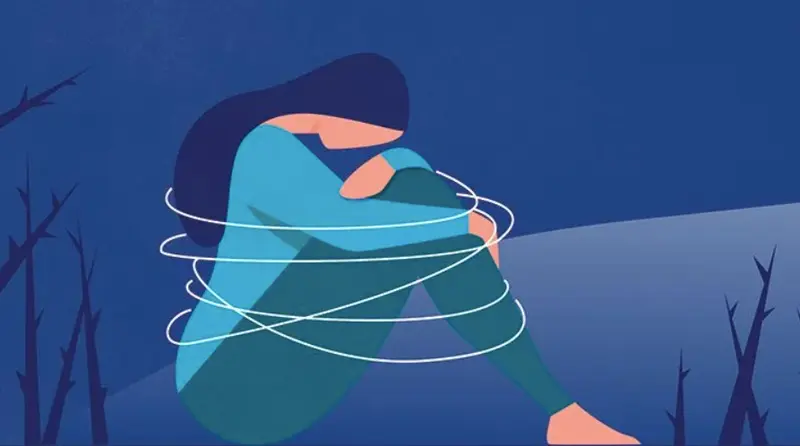
Sometimes your friends’ successes don’t hurt because they’re their successes… but because they shine a light on a place inside you that hasn’t received its share yet. You smile and congratulate sincerely, then a heavy feeling slips in that doesn’t feel like “you”: tightness, lack, or a silent question about your own timing. The confusion can grow because you don’t want to be envious—you’re just tired of comparison and tired of waiting.
Envy here is not proof of something bad inside you; it may be a signal: a need for recognition, a fear of falling behind, or the feeling that you’re striving in silence while life applauds others. In this article, we’ll understand this feeling without blame, and translate it into clearer language for what you truly need—so your love stays real, and closeness with people doesn’t turn into ongoing pain.
Why Does Friends’ Success Hurt Even Though You Love Them?
This kind of envy does not mean you hate your friend’s success or wish it would disappear. It’s often a confusing mix of love and comparison. You know the details of their effort, and you’re happy for them—but their closeness makes their success a near mirror for your own life. When the person is close, their achievement doesn’t remain distant news; it becomes an inner question: Where am I standing right now?
It becomes harder when you see it presented in a bright, repeated form. Success images don’t show anxiety or failed attempts; they’re offered as if the path were a straight line. With repeated social-media comparison, your feelings can become more sensitive, because your mind receives others’ successes as an indirect evaluation of you—even if no one intends that.
And a silent guilt often follows: How can I envy someone I love? This guilt can push you into exaggerated celebration or sudden withdrawal, and both can leave a mark on the friendship. Try replacing guilt with curiosity: What do I need right now? When you approach the feeling this way, it softens and doesn’t have to show up as behavior that harms the relationship.
Then comes the part we rarely say out loud: envy hurts because it touches an old fear—missing the train, being less valuable, or being forgotten. These fears aren’t solved by denial, but by calm attention to what’s happening inside.
What Does the Sting Reveal About Your Needs?
Think of envy as a signal, not a verdict. When you feel a sting after a friend’s good news, ask yourself: What did I wish for myself that hasn’t happened yet? Sometimes the answer is clear: recognition at work, a study opportunity, financial stability. Sometimes it’s deeper: a sense of safety, meaning, or someone noticing that you’re trying.
Sometimes envy is also a message about helplessness—not about poor character. You see your friend’s path opening, and you tell yourself your circumstances don’t allow it. Here it helps to separate what you don’t control from what you can begin today: one small step now is better than waiting for a perfect moment. When the sting becomes a step, the feeling that life is “against you” decreases.
Envy also shows where you place your worth. If your worth is hanging on one outcome, someone else’s success will automatically feel like a threat. But if your worth is spread across more than one area—your relationships, your character, your skills, your patience—then their success can stay a beautiful story that doesn’t take anything from you. This isn’t perfection; it’s a slow training in widening your definition of yourself.
Many people find relief when they separate feeling from behavior: feeling envy doesn’t mean you must act cold, hurtful, or dismissive. Feelings can arrive against your will, but your behavior is your real space of choice. And inside that space, you can choose a kinder response for yourself and for the other person.
If you notice envy returns with every piece of good news, you may simply be exhausted already. When sleep decreases and pressure rises, the mind becomes more vulnerable to harsh comparison. Basic mental-health care reminds you that essentials aren’t luxuries: sleep, movement, connection, and reducing the day’s load as much as possible.
Practical Steps to Turn Envy into a Compass, Not Harm
Start with a step that seems simple but changes a lot: name the feeling in a calm inner voice. Tell yourself: I feel envy right now, and it hurts. Naming doesn’t increase the pain; it brings it out of the fog. Then add a balancing sentence: And I also deserve to succeed in my own way. This isn’t a new comparison—it’s restoring your right to hope.
Then try one of these steps—don’t do them all in one day:
Reduce the contact that fuels comparison: mute accounts temporarily, scroll less before sleep, or set specific times for social media.
Write what you envy in their success, then convert it into a small goal for you: a skill to learn, a CV update, or one step toward a project.
Review your story about yourself: do you keep telling yourself I’m always behind? Try a more accurate version: I’m in a different phase right now, and I need a realistic plan.
Stay close with boundaries: sometimes you need gentle space so celebration doesn’t turn into self-punishment.
Boundaries here aren’t hidden jealousy; they’re care for the relationship. They resemble what healthy-relationship guidance suggests—setting boundaries and caring for the self within close circles—so closeness doesn’t turn into depletion.
Sometimes you may also need a simple conversation with your friend—not about your envy, but about your state. For example: I’m truly happy for you, and honestly I’m going through a stressful period and I need some time to get myself together. This kind of honesty protects you from accumulation and prevents envy from turning into unexplained coldness.
And the most important step: don’t make envy the measure of your friendship. You can love someone deeply and still envy them at the same time. Feelings don’t cancel each other; they simply ask you to hold them with awareness, instead of letting them hold you.
Finally…
Envy of others’ success is not a sign that you are a bad person; it may be a sign that you are comparing yourself while tired, or needing something that matters. Tonight, try catching the sting early: name it, reduce digital comparison a little, and choose one step toward your direction. If the feelings become heavier than you can manage alone or start affecting your relationships and self-confidence, speaking with a mental-health specialist through Tatmeen may help you understand the pattern and build clearer boundaries.
Frequently Asked Questions
Does being envious of my friend mean I don’t love them?
Not necessarily. You may love your friend sincerely and still feel envy because their success touched a need in you or a fear of falling behind. Focus on your behavior: sincere congratulations, gentle boundaries, and steps for yourself—rather than self-blame. Remember: the feeling isn’t the same as intention, and intention shows in your actions.
How do I stop comparing myself to my friends on social media?
Start by adjusting the environment: set a browsing time, and avoid comparison-triggering content before sleep. Then bring comparison back within your boundaries: measure your progress against your yesterday, not against a clipped scene from someone else’s life.
What do I do if envy turns into coldness or withdrawal?
Treat it as an early warning sign. Take a short distance with clarity and respect, care for your basics, then return with simple communication that explains your situation without blame. If the pattern repeats, professional support may help you untangle its roots. Also choose one trusted person to vent the pressure with.
A writer and researcher specializing in psychiatry, she focuses on mental health and the human emotions we experience but cannot always find the words to name. She writes about us—about humanity and the human experience—and simplifies complex topics to offer content that helps us better understand ourselves and life, ultimately making us feel less alone.
Every Tatmeen article is reviewed by care providers licensed by the Saudi Commission for Health Specialties, so what you read is accurate and trustworthy.
This article builds understanding and does not replace a licensed care provider.
Need someone to talk to?
Tatmeen's licensed care providers are available around the clock, and the app's urgent consultation connects you with one within minutes.
Download Tatmeen to explore care providers and booking options.
Smart matchingFour quick questions suggest the right care provider
Urgent consultationTalk to an available care provider within minutes
Free psychological measuresMore than 20 tests to understand how you are doing
Scan to download
{"data":{"id":"1c44298e-b9b5-4f9c-8ae0-966c327fdca9","slug":"envy-of-others-success-self-worth","arTitle":"الغيرة من نجاحات الآخرين: ماذا تقول عنك كانسان؟","enTitle":"Envy of Others’ Success: What Does It Say About You as a Human Being?","thumbnailAltText":"Two women on podiums, one higher and glowing, symbolizing success and comparison","estimatedReadingTime":5,"likesCount":206,"writer":{"id":"3ab72b74-f26f-4337-9b47-3114b0f90de5","arBio":"كاتبة وباحثة متخصصة في مجال الطب النفسي، تهتم بموضوعات الصحة النفسية وبالمشاعر الإنسانية التي نختبرها ولا نجد دائمًا الكلمات لتسميتها. تكتب عنّا؛ عن الإنسان وتجربته، وتبسّط الموضوعات المعقّدة لتقدّم محتوى يساعدنا على فهم ذواتنا والحياة أكثر، ويجعلنا نشعر بأننا بوحدة أقل.","enBio":"A writer and researcher specializing in psychiatry, she focuses on mental health and the human emotions we experience but cannot always find the words to name. She writes about us—about humanity and the human experience—and simplifies complex topics to offer content that helps us better understand ourselves and life, ultimately making us feel less alone.","user":{"slug":"ayat-alnajar","arFullName":"آيات النجار","enFullName":"Ayat Al-Najjar","publicProfileImageUrl":"https://cdn.tatmeen.sa/public/profile-images/02384455-68fa-40b6-ad05-609fde65cafa/21b9a610dde5dfc6d37af110c23e9c7ab3946be080c281beb000debf4f7d31a6.webp","publicProfileImage96Url":"https://cdn.tatmeen.sa/public/profile-images/02384455-68fa-40b6-ad05-609fde65cafa/21b9a610dde5dfc6d37af110c23e9c7ab3946be080c281beb000debf4f7d31a6-w96.webp","publicProfileImage192Url":"https://cdn.tatmeen.sa/public/profile-images/02384455-68fa-40b6-ad05-609fde65cafa/21b9a610dde5dfc6d37af110c23e9c7ab3946be080c281beb000debf4f7d31a6-w192.webp"}},"arContent":"","enContent":"","productionDocument":{"headings":[{"id":"article-section-why-does-friends-success-hurt-even-though-you-love-them","text":"Why Does Friends’ Success Hurt Even Though You Love Them?"},{"id":"article-section-what-does-the-sting-reveal-about-your-needs","text":"What Does the Sting Reveal About Your Needs?"},{"id":"article-section-practical-steps-to-turn-envy-into-a-compass-not-harm","text":"Practical Steps to Turn Envy into a Compass, Not Harm"},{"id":"article-section-finally","text":"Finally…"}],"faqs":[{"question":"Does being envious of my friend mean I don’t love them?","answer":"<p><span style=\"color:#000000\">Not necessarily. You may love your friend sincerely and still feel envy because their success touched a need in you or a fear of falling behind. Focus on your behavior: sincere congratulations, gentle boundaries, and steps for yourself—rather than self-blame. Remember: the feeling isn’t the same as intention, and intention shows in your actions.</span></p>"},{"question":"How do I stop comparing myself to my friends on social media?","answer":"<p><span style=\"color:#000000\">Start by adjusting the environment: set a browsing time, and avoid comparison-triggering content before sleep. Then bring comparison back within your boundaries: measure your progress against <em>your yesterday</em>, not against a clipped scene from someone else’s life.</span></p>"},{"question":"What do I do if envy turns into coldness or withdrawal?","answer":"<p><span style=\"color:#000000\">Treat it as an early warning sign. Take a short distance with clarity and respect, care for your basics, then return with simple communication that explains your situation without blame. If the pattern repeats, professional support may help you untangle its roots. Also choose one trusted person to vent the pressure with.</span></p>"}],"beforeSourcesHtml":"<p></p>","sources":[],"afterSourcesHtml":"","blocks":[{"type":"html","html":"<p><span style=\"color:#000000\">Sometimes your friends’ successes don’t hurt because they’re <em>their</em> successes… but because they shine a light on a place inside you that hasn’t received its share yet. You smile and congratulate sincerely, then a heavy feeling slips in that doesn’t feel like “you”: tightness, lack, or a silent question about your own timing. The confusion can grow because you don’t want to be envious—you’re just tired of comparison and tired of waiting.</span></p><p><span style=\"color:#000000\">Envy here is not proof of something bad inside you; it may be a signal: a need for recognition, a fear of falling behind, or the feeling that you’re striving in silence while life applauds others. In this article, we’ll understand this feeling without blame, and translate it into clearer language for what you truly need—so your love stays real, and closeness with people doesn’t turn into ongoing pain.</span></p><h2 id=\"article-section-why-does-friends-success-hurt-even-though-you-love-them\" data-toc-heading tabindex=\"-1\"><span id=\"why-does-friends-success-hurt-even-though-you-love-them-1\" aria-hidden=\"true\"></span><span style=\"color:#000000\"><strong>Why Does Friends’ Success Hurt Even Though You Love Them?</strong></span></h2><p><span style=\"color:#000000\">This kind of envy does not mean you hate your friend’s success or wish it would disappear. It’s often a confusing mix of love and comparison. You know the details of their effort, and you’re happy for them—but their closeness makes their success a near mirror for your own life. When the person is close, their achievement doesn’t remain distant news; it becomes an inner question: <em>Where am I standing right now?</em></span></p><p><span style=\"color:#000000\">It becomes harder when you see it presented in a bright, repeated form. Success images don’t show anxiety or failed attempts; they’re offered as if the path were a straight line. With repeated </span><a href=\"https://pmc.ncbi.nlm.nih.gov/articles/PMC9955439/\" target=\"_blank\" rel=\"nofollow noopener noreferrer\"><span style=\"color:#1155cc\"><u>social-media comparison</u></span></a><span style=\"color:#000000\">, your feelings can become more sensitive, because your mind receives others’ successes as an indirect evaluation of you—even if no one intends that.</span></p><p><span style=\"color:#000000\">And a silent guilt often follows: <em>How can I envy someone I love?</em> This guilt can push you into exaggerated celebration or sudden withdrawal, and both can leave a mark on the friendship. Try replacing guilt with curiosity: <em>What do I need right now?</em> When you approach the feeling this way, it softens and doesn’t have to show up as behavior that harms the relationship.</span></p><p><span style=\"color:#000000\">Then comes the part we rarely say out loud: envy hurts because it touches an old fear—missing the train, being less valuable, or being forgotten. These fears aren’t solved by denial, but by calm attention to what’s happening inside.</span></p><h2 id=\"article-section-what-does-the-sting-reveal-about-your-needs\" data-toc-heading tabindex=\"-1\"><span id=\"what-does-the-sting-reveal-about-your-needs-2\" aria-hidden=\"true\"></span><span style=\"color:#000000\"><strong>What Does the Sting Reveal About Your Needs?</strong></span></h2><p><span style=\"color:#000000\">Think of envy as a signal, not a verdict. When you feel a sting after a friend’s good news, ask yourself: <em>What did I wish for myself that hasn’t happened yet?</em> Sometimes the answer is clear: recognition at work, a study opportunity, financial stability. Sometimes it’s deeper: a sense of safety, meaning, or someone noticing that you’re trying.</span></p><p><span style=\"color:#000000\">Sometimes envy is also a message about helplessness—not about poor character. You see your friend’s path opening, and you tell yourself your circumstances don’t allow it. Here it helps to separate what you don’t control from what you can begin today: one small step now is better than waiting for a perfect moment. When the sting becomes a step, the feeling that life is “against you” decreases.</span></p><p><span style=\"color:#000000\">Envy also shows where you place your worth. If your worth is hanging on one outcome, someone else’s success will automatically feel like a threat. But if your worth is spread across more than one area—your relationships, your character, your skills, your patience—then their success can stay a beautiful story that doesn’t take anything from you. This isn’t perfection; it’s a slow training in widening your definition of yourself.</span></p><p><span style=\"color:#000000\">Many people find relief when they separate feeling from behavior: feeling envy doesn’t mean you must act cold, hurtful, or dismissive. Feelings can arrive against your will, but your behavior is your real space of choice. And inside that space, you can choose a kinder response for yourself and for the other person.</span></p><p><span style=\"color:#000000\">If you notice envy returns with every piece of good news, you may simply be exhausted already. When sleep decreases and pressure rises, the mind becomes more vulnerable to harsh comparison. </span><a href=\"https://www.nimh.nih.gov/health/topics/caring-for-your-mental-health\" target=\"_blank\" rel=\"nofollow noopener noreferrer\"><span style=\"color:#1155cc\"><u>Basic mental-health care</u></span></a><span style=\"color:#000000\"> reminds you that essentials aren’t luxuries: sleep, movement, connection, and reducing the day’s load as much as possible.</span></p><h2 id=\"article-section-practical-steps-to-turn-envy-into-a-compass-not-harm\" data-toc-heading tabindex=\"-1\"><span id=\"practical-steps-to-turn-envy-into-a-compass-not-harm-3\" aria-hidden=\"true\"></span><span style=\"color:#000000\"><strong>Practical Steps to Turn Envy into a Compass, Not Harm</strong></span></h2><p><span style=\"color:#000000\">Start with a step that seems simple but changes a lot: name the feeling in a calm inner voice. Tell yourself: <em>I feel envy right now, and it hurts.</em> Naming doesn’t increase the pain; it brings it out of the fog. Then add a balancing sentence: <em>And I also deserve to succeed in my own way.</em> This isn’t a new comparison—it’s restoring your right to hope.</span></p><p><span style=\"color:#000000\">Then try one of these steps—don’t do them all in one day:</span></p><ul><li><p><span style=\"color:#000000\">Reduce the contact that fuels comparison: mute accounts temporarily, scroll less before sleep, or set specific times for social media.</span></p></li><li><p><span style=\"color:#000000\">Write what you envy in their success, then convert it into a small goal for you: a skill to learn, a CV update, or one step toward a project.</span></p></li><li><p><span style=\"color:#000000\">Review your story about yourself: do you keep telling yourself <em>I’m always behind</em>? Try a more accurate version: <em>I’m in a different phase right now, and I need a realistic plan.</em></span></p></li><li><p><span style=\"color:#000000\">Stay close with boundaries: sometimes you need gentle space so celebration doesn’t turn into self-punishment.</span></p></li></ul><p><span style=\"color:#000000\">Boundaries here aren’t hidden jealousy; they’re care for the relationship. They resemble what healthy-relationship guidance suggests—setting boundaries and caring for the self within close circles—so closeness doesn’t turn into depletion.</span></p><p><span style=\"color:#000000\">Sometimes you may also need a simple conversation with your friend—not about your envy, but about <em>your state</em>. For example: <em>I’m truly happy for you, and honestly I’m going through a stressful period and I need some time to get myself together.</em> This kind of honesty protects you from accumulation and prevents envy from turning into unexplained coldness.</span></p><p><span style=\"color:#000000\">And the most important step: don’t make envy the measure of your friendship. You can love someone deeply and still envy them at the same time. Feelings don’t cancel each other; they simply ask you to hold them with awareness, instead of letting them hold you.</span></p><h2 id=\"article-section-finally\" data-toc-heading tabindex=\"-1\"><span id=\"finally-4\" aria-hidden=\"true\"></span><span style=\"color:#000000\"><strong>Finally…</strong></span></h2><p><span style=\"color:#000000\">Envy of others’ success is not a sign that you are a bad person; it may be a sign that you are comparing yourself while tired, or needing something that matters. Tonight, try catching the sting early: name it, reduce digital comparison a little, and choose one step toward <em>your</em> direction. If the feelings become heavier than you can manage alone or start affecting your relationships and self-confidence, speaking with a mental-health specialist through Tatmeen may help you understand the pattern and build clearer boundaries.</span></p>"}],"inlineCtaSignatures":[],"_experienceAliases":{"v":1,"fields":["html","bodyHtml"],"faqs":[0,1,2]}},"createdAt":"2026-06-13T21:00:00.000Z","updatedAt":"2026-06-22T17:02:52.891Z","disorderGroups":[{"id":"d807ea69-44d4-4e81-bee4-0a059fd36645","slug":"self-development","arName":"تنمية الذات","enName":"Self-Development"}],"reviewer":{"arFullName":"فريق تطمين","enFullName":"Tatmeen team","slug":"tatmeen-team","kind":"organization"},"productionArticle":true,"promotionAllowed":true,"preparedCover":{"src":"https://cdn.tatmeen.sa/public/article-lcp/article-lcp-v2/sha256-68cdb32e633c5a4f5b3e8c1dd48d3d2446bcbab6848f42d4671c301c3d4ef407/800-7c4c61178c11ccfe9bebbebc1621887642a9313112e9ed274de23407c7733be1.avif","fallback":"https://cdn.tatmeen.sa/public/article-lcp/article-lcp-v2/sha256-68cdb32e633c5a4f5b3e8c1dd48d3d2446bcbab6848f42d4671c301c3d4ef407/800-59de540671de2a76c501dd580c71dba232a1d0389c01f5fa3eec02158ca5e132.webp","directUrl":"https://cdn.tatmeen.sa/blog-cover/Tatmeen-1781454211760.webp","isGolden":true,"avifSrcset":"https://cdn.tatmeen.sa/public/article-lcp/article-lcp-v2/sha256-68cdb32e633c5a4f5b3e8c1dd48d3d2446bcbab6848f42d4671c301c3d4ef407/400-96449759ce42e14e69006e2fd0881dfdde0910294319cb88d80c37ad276ba8f1.avif 400w, https://cdn.tatmeen.sa/public/article-lcp/article-lcp-v2/sha256-68cdb32e633c5a4f5b3e8c1dd48d3d2446bcbab6848f42d4671c301c3d4ef407/640-7ca7086c2b2767e6168b912da54f07bd60c9e4add4ce79a3a4f1945df09bde78.avif 640w, https://cdn.tatmeen.sa/public/article-lcp/article-lcp-v2/sha256-68cdb32e633c5a4f5b3e8c1dd48d3d2446bcbab6848f42d4671c301c3d4ef407/800-7c4c61178c11ccfe9bebbebc1621887642a9313112e9ed274de23407c7733be1.avif 800w, https://cdn.tatmeen.sa/public/article-lcp/article-lcp-v2/sha256-68cdb32e633c5a4f5b3e8c1dd48d3d2446bcbab6848f42d4671c301c3d4ef407/1200-c3d7b3f32b79f29999d434dea6055aba6faa5db2f943a8e8b2064ddbc01b8466.avif 1200w","webpSrcset":"https://cdn.tatmeen.sa/public/article-lcp/article-lcp-v2/sha256-68cdb32e633c5a4f5b3e8c1dd48d3d2446bcbab6848f42d4671c301c3d4ef407/400-0f3b48a36fd526b949f943f2c90e6b23aae46df33696ab2b51d748ad4c72dce2.webp 400w, https://cdn.tatmeen.sa/public/article-lcp/article-lcp-v2/sha256-68cdb32e633c5a4f5b3e8c1dd48d3d2446bcbab6848f42d4671c301c3d4ef407/640-c6d1e058271236a78572282316015576ca0c95cf25729f5c095b8b8c055271f5.webp 640w, https://cdn.tatmeen.sa/public/article-lcp/article-lcp-v2/sha256-68cdb32e633c5a4f5b3e8c1dd48d3d2446bcbab6848f42d4671c301c3d4ef407/800-59de540671de2a76c501dd580c71dba232a1d0389c01f5fa3eec02158ca5e132.webp 800w, https://cdn.tatmeen.sa/public/article-lcp/article-lcp-v2/sha256-68cdb32e633c5a4f5b3e8c1dd48d3d2446bcbab6848f42d4671c301c3d4ef407/1200-8d76590c47100f4a84538e1e41104af5012fd3eeb978795026ebacefc7971627.webp 1200w","phoneAvifSrcset":"https://cdn.tatmeen.sa/public/article-lcp/article-lcp-v2/sha256-68cdb32e633c5a4f5b3e8c1dd48d3d2446bcbab6848f42d4671c301c3d4ef407/400-96449759ce42e14e69006e2fd0881dfdde0910294319cb88d80c37ad276ba8f1.avif 400w, https://cdn.tatmeen.sa/public/article-lcp/article-lcp-v2/sha256-68cdb32e633c5a4f5b3e8c1dd48d3d2446bcbab6848f42d4671c301c3d4ef407/640-7ca7086c2b2767e6168b912da54f07bd60c9e4add4ce79a3a4f1945df09bde78.avif 640w, https://cdn.tatmeen.sa/public/article-lcp/article-lcp-v2/sha256-68cdb32e633c5a4f5b3e8c1dd48d3d2446bcbab6848f42d4671c301c3d4ef407/800-7c4c61178c11ccfe9bebbebc1621887642a9313112e9ed274de23407c7733be1.avif 800w","phoneWebpSrcset":"https://cdn.tatmeen.sa/public/article-lcp/article-lcp-v2/sha256-68cdb32e633c5a4f5b3e8c1dd48d3d2446bcbab6848f42d4671c301c3d4ef407/400-0f3b48a36fd526b949f943f2c90e6b23aae46df33696ab2b51d748ad4c72dce2.webp 400w, https://cdn.tatmeen.sa/public/article-lcp/article-lcp-v2/sha256-68cdb32e633c5a4f5b3e8c1dd48d3d2446bcbab6848f42d4671c301c3d4ef407/640-c6d1e058271236a78572282316015576ca0c95cf25729f5c095b8b8c055271f5.webp 640w, https://cdn.tatmeen.sa/public/article-lcp/article-lcp-v2/sha256-68cdb32e633c5a4f5b3e8c1dd48d3d2446bcbab6848f42d4671c301c3d4ef407/800-59de540671de2a76c501dd580c71dba232a1d0389c01f5fa3eec02158ca5e132.webp 800w","width":800,"height":450},"previewTaxonomy":{"groups":[{"id":"d807ea69-44d4-4e81-bee4-0a059fd36645","slug":"self-development","arName":"تنمية الذات","enName":"Self-Development"}],"topics":[{"id":"f495e682-facf-4a75-b8d2-369cf476488b","slug":"low-self-confidence","arName":"ضعف الثقة بالنفس","enName":"Low Self-Confidence","groupSlug":"self-development","href":"/blog/category/self-development/low-self-confidence/"},{"id":"7795b6e4-e390-47a5-baf0-09243b44e066","slug":"self-compassion","arName":"تعاطف مع الذات","enName":"Self-Compassion","groupSlug":"self-development","href":"/blog/category/self-development/self-compassion/"}],"tags":[{"id":"1ad76cf4-ae2a-43ad-b868-152d6e093624","slug":"self-esteem-self-worth","arName":"تقدير الذات والثقة بالنفس","enName":"Self-Esteem & Self-Worth"},{"id":"ed48558e-5694-415a-9234-3044a5c29fe5","slug":"cognitive-patterns","arName":"الأنماط الذهنية والتشوهات الإدراكية","enName":"Thinking Patterns & Distortions"},{"id":"c2a6e8d3-de9c-435f-8c95-9727e7db14cc","slug":"explainer-awareness","arName":"دليل توعوي / شرح","enName":"Explainer / Awareness Guide"}]},"previewProviderRecommendations":[{"id":"6df31339-a6f5-4131-a603-3a7c7a34c143","slug":"joud-alodhayyani-9014","arFullName":"جود العتيبي","enFullName":"Joud Alotaibi","publicProfileImageUrl":"https://cdn.tatmeen.sa/public/profile-images/6df31339-a6f5-4131-a603-3a7c7a34c143/7bb005ef9d4315296aad2a7d142fb2af2cf89920a40b474fc5139b9530269282.webp","publicProfileImage96Url":"https://cdn.tatmeen.sa/public/profile-images/6df31339-a6f5-4131-a603-3a7c7a34c143/7bb005ef9d4315296aad2a7d142fb2af2cf89920a40b474fc5139b9530269282-w96.webp","publicProfileImage192Url":"https://cdn.tatmeen.sa/public/profile-images/6df31339-a6f5-4131-a603-3a7c7a34c143/7bb005ef9d4315296aad2a7d142fb2af2cf89920a40b474fc5139b9530269282-w192.webp","specialization":{"arName":"أخصائي نفسي","enName":"Psychologist"},"profileImageUrl":"https://cdn.tatmeen.sa/public/profile-images/6df31339-a6f5-4131-a603-3a7c7a34c143/7bb005ef9d4315296aad2a7d142fb2af2cf89920a40b474fc5139b9530269282-w192.webp","experienceYears":2,"consultantInfo":{"averageRating":{"average":3.5},"specialization":{"arGeneralName":"أخصائي نفسي","enGeneralName":"Psychologist"}}},{"id":"7771d078-cbd9-4acd-aa51-29cc905753c4","slug":"hatim-jafaari-2902","arFullName":"حاتم جعفرى","enFullName":"Hatim Jafaari","publicProfileImageUrl":"https://cdn.tatmeen.sa/public/profile-images/7771d078-cbd9-4acd-aa51-29cc905753c4/874a489ca72b87dacbde76d8496eef84ca341ee8074b9ec54464cd0a56bbdbe6.webp","publicProfileImage96Url":"https://cdn.tatmeen.sa/public/profile-images/7771d078-cbd9-4acd-aa51-29cc905753c4/874a489ca72b87dacbde76d8496eef84ca341ee8074b9ec54464cd0a56bbdbe6-w96.webp","publicProfileImage192Url":"https://cdn.tatmeen.sa/public/profile-images/7771d078-cbd9-4acd-aa51-29cc905753c4/874a489ca72b87dacbde76d8496eef84ca341ee8074b9ec54464cd0a56bbdbe6-w192.webp","specialization":{"arName":"أخصائي نفسي","enName":"Psychologist"},"profileImageUrl":"https://cdn.tatmeen.sa/public/profile-images/7771d078-cbd9-4acd-aa51-29cc905753c4/874a489ca72b87dacbde76d8496eef84ca341ee8074b9ec54464cd0a56bbdbe6-w192.webp","experienceYears":2,"consultantInfo":{"averageRating":{"average":5},"specialization":{"arGeneralName":"أخصائي نفسي","enGeneralName":"Psychologist"}}},{"id":"5520abac-2d83-4b20-a11d-f63055316699","slug":"maha-alawad-4831","arFullName":"مها العواد","enFullName":"Maha Alawad","publicProfileImageUrl":"","publicProfileImage96Url":"","publicProfileImage192Url":"","specialization":{"arName":"أخصائي نفسي","enName":"Psychologist"},"profileImageUrl":"","experienceYears":13,"consultantInfo":{"averageRating":{"average":4.846153846153846},"specialization":{"arGeneralName":"أخصائي نفسي","enGeneralName":"Psychologist"}}}],"previewCareProviders":[{"id":"09364052-c2a9-4c52-9717-7ce2093b8d0a","slug":"kholoud-alharbi-5221","arFullName":"خلود الحربي","enFullName":"Kholoud Alharbi","publicProfileImageUrl":"https://cdn.tatmeen.sa/public/profile-images/09364052-c2a9-4c52-9717-7ce2093b8d0a/4a0aeb81619e351b77f4323e3605a0a00acc7ca3c82ee7cc5ca2c9e8ef716049.webp","publicProfileImage96Url":"https://cdn.tatmeen.sa/public/profile-images/09364052-c2a9-4c52-9717-7ce2093b8d0a/4a0aeb81619e351b77f4323e3605a0a00acc7ca3c82ee7cc5ca2c9e8ef716049-w96.webp","publicProfileImage192Url":"https://cdn.tatmeen.sa/public/profile-images/09364052-c2a9-4c52-9717-7ce2093b8d0a/4a0aeb81619e351b77f4323e3605a0a00acc7ca3c82ee7cc5ca2c9e8ef716049-w192.webp","gender":"FEMALE","specialization":{"arName":"أخصائي نفسي","enName":"Psychologist"}},{"id":"6f037535-1dca-4b50-a8b2-5974b7323286","slug":"salah-althobaiti-9053","arFullName":"صلاح الثبيتي","enFullName":"Salah Althobaiti","publicProfileImageUrl":"https://cdn.tatmeen.sa/public/profile-images/6f037535-1dca-4b50-a8b2-5974b7323286/35b6bd7fad9b1e004c1835803eb9c1b56dcacd380685ec8bff141f0fb888005c.webp","publicProfileImage96Url":"https://cdn.tatmeen.sa/public/profile-images/6f037535-1dca-4b50-a8b2-5974b7323286/35b6bd7fad9b1e004c1835803eb9c1b56dcacd380685ec8bff141f0fb888005c-w96.webp","publicProfileImage192Url":"https://cdn.tatmeen.sa/public/profile-images/6f037535-1dca-4b50-a8b2-5974b7323286/35b6bd7fad9b1e004c1835803eb9c1b56dcacd380685ec8bff141f0fb888005c-w192.webp","gender":"MALE","specialization":{"arName":"أخصائي نفسي","enName":"Psychologist"}},{"id":"3cc806e8-616b-4884-9f21-a75b378580a2","slug":"aisha-al-hashim-8667","arFullName":"عائشة ال هاشم","enFullName":"Aisha Al Hashim","publicProfileImageUrl":"https://cdn.tatmeen.sa/public/profile-images/3cc806e8-616b-4884-9f21-a75b378580a2/27f523d03be4dcfa1f6a79f70c1773887434e698990d214cd990caec56a44798.webp","publicProfileImage96Url":"https://cdn.tatmeen.sa/public/profile-images/3cc806e8-616b-4884-9f21-a75b378580a2/27f523d03be4dcfa1f6a79f70c1773887434e698990d214cd990caec56a44798-w96.webp","publicProfileImage192Url":"https://cdn.tatmeen.sa/public/profile-images/3cc806e8-616b-4884-9f21-a75b378580a2/27f523d03be4dcfa1f6a79f70c1773887434e698990d214cd990caec56a44798-w192.webp","gender":"FEMALE","specialization":{"arName":"أخصائي نفسي","enName":"Psychologist"}},{"id":"db2ce1a0-9325-4471-b7ce-eb2e811c30a3","slug":"amer-qutub-2441","arFullName":"عامر قطب","enFullName":"Amer Qutub","publicProfileImageUrl":"https://cdn.tatmeen.sa/public/profile-images/db2ce1a0-9325-4471-b7ce-eb2e811c30a3/80580f99bfd7fe2b2a9cf8eed73ab532f5086d1efe053b0aa57358c1ce004261.webp","publicProfileImage96Url":"https://cdn.tatmeen.sa/public/profile-images/db2ce1a0-9325-4471-b7ce-eb2e811c30a3/80580f99bfd7fe2b2a9cf8eed73ab532f5086d1efe053b0aa57358c1ce004261-w96.webp","publicProfileImage192Url":"https://cdn.tatmeen.sa/public/profile-images/db2ce1a0-9325-4471-b7ce-eb2e811c30a3/80580f99bfd7fe2b2a9cf8eed73ab532f5086d1efe053b0aa57358c1ce004261-w192.webp","gender":"MALE","specialization":{"arName":"أخصائي نفسي","enName":"Psychologist"}},{"id":"94765496-dbdf-4631-a01b-7df5f788668d","slug":"abdullrahman-alhamoudi-3045","arFullName":"عبدالرحمن الحمودي","enFullName":"Abdulrahman Alhamoudi","publicProfileImageUrl":"https://cdn.tatmeen.sa/public/profile-images/94765496-dbdf-4631-a01b-7df5f788668d/2d49f6b6493c564afb6f50b6c3634231dff3a5cf8353acfab393d1b2a88037d1.webp","publicProfileImage96Url":"https://cdn.tatmeen.sa/public/profile-images/94765496-dbdf-4631-a01b-7df5f788668d/2d49f6b6493c564afb6f50b6c3634231dff3a5cf8353acfab393d1b2a88037d1-w96.webp","publicProfileImage192Url":"https://cdn.tatmeen.sa/public/profile-images/94765496-dbdf-4631-a01b-7df5f788668d/2d49f6b6493c564afb6f50b6c3634231dff3a5cf8353acfab393d1b2a88037d1-w192.webp","gender":"MALE","specialization":{"arName":"أخصائي نفسي","enName":"Psychologist"}},{"id":"618dba89-5b70-4b46-8304-741b7ac8ecd3","slug":"abdullah-mari-1311","arFullName":"عبدالله مرعي","enFullName":"Abdullah Mari","publicProfileImageUrl":"https://cdn.tatmeen.sa/public/profile-images/618dba89-5b70-4b46-8304-741b7ac8ecd3/6b4a3bfb59f8a304ca79083b32859b46baad2e1d692974a47c02c1f66bd11129.webp","publicProfileImage96Url":"https://cdn.tatmeen.sa/public/profile-images/618dba89-5b70-4b46-8304-741b7ac8ecd3/6b4a3bfb59f8a304ca79083b32859b46baad2e1d692974a47c02c1f66bd11129-w96.webp","publicProfileImage192Url":"https://cdn.tatmeen.sa/public/profile-images/618dba89-5b70-4b46-8304-741b7ac8ecd3/6b4a3bfb59f8a304ca79083b32859b46baad2e1d692974a47c02c1f66bd11129-w192.webp","gender":"MALE","specialization":{"arName":"أخصائي نفسي","enName":"Psychologist"}},{"id":"3b50a5d5-e795-407f-8676-fd7f0e1bb7a0","slug":"abdulaziz-bin-hudayan-4940","arFullName":"عبدالعزيز بن هديان","enFullName":"Abdulaziz Bin Hudayan","publicProfileImageUrl":"https://cdn.tatmeen.sa/public/profile-images/3b50a5d5-e795-407f-8676-fd7f0e1bb7a0/710ff0fe1fb00cdb5042092e27b7910b480a439b02251ecded62d7758eefce95.webp","publicProfileImage96Url":"https://cdn.tatmeen.sa/public/profile-images/3b50a5d5-e795-407f-8676-fd7f0e1bb7a0/710ff0fe1fb00cdb5042092e27b7910b480a439b02251ecded62d7758eefce95-w96.webp","publicProfileImage192Url":"https://cdn.tatmeen.sa/public/profile-images/3b50a5d5-e795-407f-8676-fd7f0e1bb7a0/710ff0fe1fb00cdb5042092e27b7910b480a439b02251ecded62d7758eefce95-w192.webp","gender":"MALE","specialization":{"arName":"أخصائي نفسي","enName":"Psychologist"}},{"id":"d4ffcb6b-90a7-45b6-b941-964866f4564b","slug":"dhaifallah-alhumaidi-1092","arFullName":"ضيف الله الحميدي","enFullName":"Dhaifallah Alhumaidi","publicProfileImageUrl":"https://cdn.tatmeen.sa/public/profile-images/d4ffcb6b-90a7-45b6-b941-964866f4564b/1817171c5828a9b57d6c30d12332cf154e335272548bc90a6e8456d74d356956.webp","publicProfileImage96Url":"https://cdn.tatmeen.sa/public/profile-images/d4ffcb6b-90a7-45b6-b941-964866f4564b/1817171c5828a9b57d6c30d12332cf154e335272548bc90a6e8456d74d356956-w96.webp","publicProfileImage192Url":"https://cdn.tatmeen.sa/public/profile-images/d4ffcb6b-90a7-45b6-b941-964866f4564b/1817171c5828a9b57d6c30d12332cf154e335272548bc90a6e8456d74d356956-w192.webp","gender":"MALE","specialization":{"arName":"أخصائي نفسي","enName":"Psychologist"}}],"previewDownload":{"href":"/download","title":{"ar":"خطوة واحدة لأجلك، ابدأ الآن","en":"One step for you, start now"},"description":{"ar":"حمّل تطبيق تطمين لاستكشاف مقدمي الرعاية وخيارات الحجز.","en":"Download Tatmeen to explore care providers and booking options."},"posterSrc":"/images/home/cta-ar-new-1.webp","videoSrc":"/images/home/cta-ar-new-1.mp4","videoPosterSrc":"/images/home/cta-ar-new-1.webp","videoPosterEnSrc":"/images/home/cta-en-new-1.webp","videoType":"video/mp4","appStoreHref":"https://apps.apple.com/us/app/tatmeen-%D8%AA%D8%B7%D9%85%D9%8A%D9%86/id6473836983","googlePlayHref":"https://play.google.com/store/apps/details?id=com.TatmeenApp.user&hl=en"},"previewRelatedArticles":[{"id":"f5615897-cec4-48f0-b08a-14b88447a2fb","slug":"not_feeling_loved","route":"/blog/not_feeling_loved/","title":{"ar":"لم أشعر أني غير محبوب؟","en":"Why Do I Feel Unloved?"},"image":"https://cdn.tatmeen.sa/public/article-lcp/article-lcp-v2/sha256-7a444f6b8a37fc19daed30af5ed8849783a88895c5b16367ae04771d71692c1e/300-edcbae3b2f43d52711d3f234c74d08947fa9325b5cec1f2086993689ff958c88.webp","directImageFallback":"https://cdn.tatmeen.sa/blog-cover/1704129268654-FreeVector-Girl-On-Seesaw-300x250.jpeg","arThumbnailAltText":"A child sits on one end of a seesaw opposite a teddy bear","thumbnailAltText":"A child sits on one end of a seesaw opposite a teddy bear","topic":{"label":{"ar":"اضطرابات نفسية شائعة","en":"Common Mental Issues"}},"readingTimeMinutes":5},{"id":"29f36ca9-6025-4394-913d-61d37fae0eac","slug":"Childhood-trust","route":"/blog/Childhood-trust/","title":{"ar":"الثقة عند الطفل : كيف أقوي ثقة ابني بنفسه؟","en":"Building Self-Confidence in Children"},"image":"https://cdn.tatmeen.sa/public/article-lcp/article-lcp-v2/sha256-7c9ec0322f534d503ec5c0e2f64ea600065df32d6b7ea16138088ed1cc7989dc/600-80c38e4874d2e25288cbfbd72adc304d8898fc6e936c22ef77b08e7f67352ee9.webp","directImageFallback":"https://cdn.tatmeen.sa/blog-cover/1704723518006-Tatmeen-img-438","arThumbnailAltText":"Adult smiles at a child holding a heart drawing in a bright kitchen","thumbnailAltText":"Adult smiles at a child holding a heart drawing in a bright kitchen","topic":{"label":{"ar":"الأطفال والمراهقين","en":"Children & Adolescents"}},"readingTimeMinutes":5},{"id":"651d3e17-5bf6-460d-a1f1-65ace1afad08","slug":"Feeling-inadequate","route":"/blog/Feeling-inadequate/","title":{"ar":"الشعور بالنقص","en":"Feelings of Inferiority"},"image":"https://cdn.tatmeen.sa/public/article-lcp/article-lcp-v2/sha256-0aa28df5219b9f9656a22292ba7568bf8867e4743710e9e613a02aba33bf434c/800-72c7454911afbba44b757967cee18a22e231b28bf27df647416d9cabe3143c39.webp","directImageFallback":"https://cdn.tatmeen.sa/blog-cover/1705172094150-Tatmeen-img-546","arThumbnailAltText":"Drawn figure sits curled up while looping lines encircle the body","thumbnailAltText":"Drawn figure sits curled up while looping lines encircle the body","topic":{"label":{"ar":"تنمية الذات","en":"Self-Development"}},"readingTimeMinutes":5},{"id":"e405107a-ccc4-459f-9fc3-c611e5c2a09e","slug":"porn-addiction-treatment-self-help-specialist","route":"/blog/porn-addiction-treatment-self-help-specialist/","title":{"ar":"علاج إدمان الإباحية: خطوات تساعدك ومتى تحتاج مختصًا؟","en":"Porn Addiction Treatment: Helpful Steps and When to See a Specialist"},"image":"https://cdn.tatmeen.sa/public/article-lcp/article-lcp-v2/sha256-16c581aef7167e6b1c4ad466c039cd2931a6835c287f7108e24fb86edb516c15/800-0fae8acd6469f00a009077aae85fb5e3cee8fa52e8d4854ed9466ba74b70fc03.webp","directImageFallback":"https://cdn.tatmeen.sa/blog-cover/Tatmeen-1780941367354.webp","arThumbnailAltText":"Helping hands reaching across abstract shapes, symbolizing support and addiction recovery.","thumbnailAltText":"Helping hands reaching across abstract shapes, symbolizing support and addiction recovery.","topic":{"label":{"ar":"الإدمان والسلوكيات القهرية","en":"Addictions & Compulsive Behaviors"}},"readingTimeMinutes":5}],"previewRelatedReadStates":{}},"locale":"en","device":"desktop","path":"/en/blog/envy-of-others-success-self-worth/","readingControls":false,"config":{"public":{"BUCKET_URL":"https://cdn.tatmeen.sa/","APP_BASE_URL":"https://tatmeen.sa","intercomAppId":"ppcnu9e3"}}}