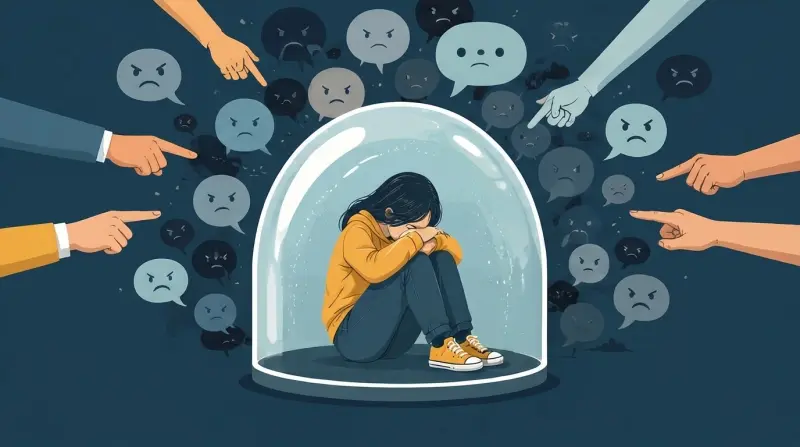
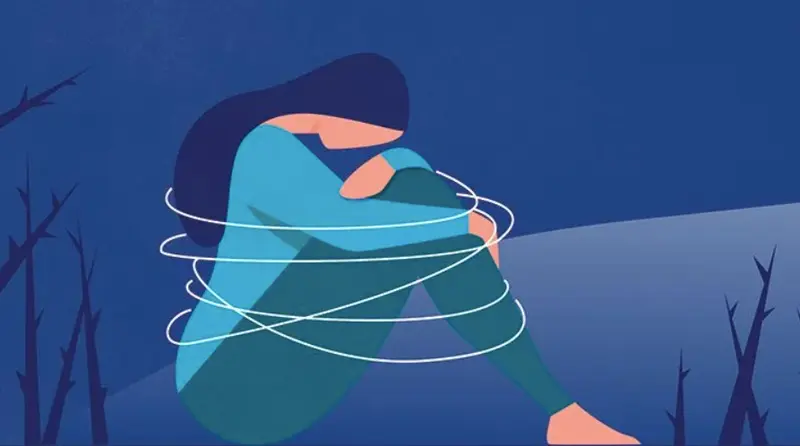
Rejection sensitivity can make a passing note from your manager or a comment from someone close feel like an alarm that you’re not enough. In that moment, your heart races, the sentence grows in your head, and an unforgiving inner trial begins. This pattern is more common than we imagine, and it can happen to successful, committed people—and it doesn’t mean weakness in faith or character. Sometimes, simply learning the name of the experience helps you feel that what’s happening makes sense and can be handled. Here, you’ll find practical ways that reduce the impulse and help you regain your balance.
What Does “Rejection Sensitivity” Mean?
Rejection sensitivity isn’t just normal discomfort with criticism; it’s a tendency to expect rejection, pick up its signals quickly, and then respond intensely—even if the signal is vague or small. This description appears clearly in psychological literature: rejection sensitivity is often described as anxious expectation of rejection, quick perception of it, and an intense reaction to it.
It may show up as magnifying a single word, reading the other person’s silence as a message of rejection, or feeling that any correction means you failed. It can also appear around a delayed reply, work feedback, family criticism, or tension in a close relationship. Rejection sensitivity is not a standalone diagnosis by itself, and it may overlap with social anxiety, low self-confidence, or earlier experiences; here, understanding it is a way to work with the pattern, not to label yourself. The core idea is that the pain doesn’t come only from the remark itself, but from the meaning that sticks to it: I’m not loved. I’m not respected. I’m at risk of losing.
Why Does Criticism Break You So Quickly?
Belonging and social safety are basic human needs. When you feel your acceptance is threatened, the brain treats the situation like danger—raising alertness and scanning for more signs that confirm the threat. In an environment that values reputation, mastery, and commitment, a small mistake can feel heavy because you link it to your worth or your image in others’ eyes, not to a behavior that can be improved.
Sometimes the background is older: past experiences of ridicule, harsh comparison, or repeated messages that love is conditional on achievement. Over time, the self learns to expect the stab before it happens, and it preempts pain with vigilance and anxiety—this is what makes criticism feel like it breaks something inside you so quickly.
When Criticism Turns Into Reading Other People’s Intentions
One of the hardest parts of rejection sensitivity is that it doesn’t stop at what was said—it leaps to the speaker’s intentions. Instead of: This is feedback on the presentation, it becomes: They see me as a failure. Instead of: The work needs adjustment, it becomes: They’ll get rid of me. This mental leap can be so automatic that you don’t notice it until your body calms down.
Watching the following loop helps you understand what’s happening: expecting rejection, then scanning for signals, then interpreting them as the harshest possibility, then a strong emotional reaction, then a defensive behavior such as withdrawing, attacking, or over-apologizing. The problem is that this behavior can truly confuse the relationship and increase misunderstanding—so your fears can seem “confirmed.”
Immediate Calming Skills When You Receive a Remark
The moment you receive criticism is sensitive, but it can be trained. What often reduces the sting is separating the remark from identity: the remark is about a behavior or a task, not a certificate of your worth. Try giving yourself one minute before responding, because that minute gives the mind space to return from “danger mode” to “thinking mode.”
Name the feeling in a calm inner voice: This is pain. This is shame. This is fear of rejection.
Breathe slowly three times while relaxing your shoulders, as if you’re telling your body it is safe.
Ask one clarifying question: What exactly do you want improved—and what’s an example? Then delay any reactive decision until your body settles.
Write two alternative interpretations of what happened, even if you don’t fully believe them yet.
And to deal with thoughts that say: I’m finished or Everyone is against me, a simple cognitive behavioral therapy exercise can help—catching the thought, examining it, and adjusting it.
Building Long-Term Resilience With Criticism and Rejection
Resilience doesn’t mean you don’t feel pain; it means you feel it in a way that doesn’t pull you under completely. Over the long term, it helps to build a steady internal reference for worth that doesn’t change with other people’s moods. Try distinguishing between your worth as a person and your performance in a specific situation: today’s performance can be developed, but your worth isn’t a project under examination.
It also helps to learn gradual exposure to safe criticism: ask for one specific piece of feedback from someone you trust, then practice receiving it without long justifications. Repeat this with small tasks until your nervous system gets used to the idea that criticism is not always a threat. Some research suggests that sensitivity to negative comments may be higher for people with social anxiety, and that some people show stronger reactions to negative self-referential comments. This reminds us that the intensity of the reaction is not simply a momentary choice, but a pattern that can be understood and trained.
Turning Criticism Into Usable Information
Not all criticism is fair, and not every critic is an expert—so you have the right to evaluate the source and the style. Ask yourself: Is the criticism specific and measurable? Was it delivered respectfully? Does it repeat from more than one person? If so, take it as information that helps you improve. If it was hurtful or vague, set an internal boundary: This is a harmful style, but it does not define me.
Sometimes a brief, respectful response helps you protect the relationship and protect yourself: Thank you for the feedback—I’ll review it and get back to you. Or: I understand your point, and I need a clear example so I can improve. This way, you stay in the driver’s seat instead of immediately jumping into defense or withdrawal.
Finally…
Dealing with rejection sensitivity isn’t a battle against yourself. It’s learning a kinder language with your feelings, calmer boundaries with criticism, and a wider view of what a remark truly means. And if you notice that sensitivity is disrupting your relationships or your work, talking with a licensed specialist can be a supportive step that gives you tools suited to your circumstances. If the pain of criticism turns into thoughts of self-harm or feeling unable to stay safe, seek urgent help from emergency services or a trusted person near you. If you’d like, you can start through Tatmeen to choose a specialist who helps you build inner steadiness without pressure.
Frequently Asked Questions
Does rejection sensitivity mean I have a weak personality?
No. It’s a learned response pattern linked to past experiences and meanings, and to how the brain interprets social signals. It can be strengthened by training yourself to calm the body, examine thoughts, and learn healthy boundaries—and over time, the surge of pain becomes less intense.
What’s the difference between rejection sensitivity and social anxiety?
Rejection sensitivity focuses on expecting rejection or humiliation and feeling rapid pain when criticized—even in close relationships. Social anxiety is often tied to fear of evaluation in broader social situations. They can sometimes overlap, but coping begins by noticing both patterns.
How do I deal with criticism from someone close without falling apart?
Start with a short pause before responding, then ask for specific clarification instead of going straight into defense. Remind yourself that the relationship is bigger than one moment. If the hurtful style repeats, express your need for respectful conversation and set what you accept and what you don’t.
A writer and researcher specializing in psychiatry, she focuses on mental health and the human emotions we experience but cannot always find the words to name. She writes about us—about humanity and the human experience—and simplifies complex topics to offer content that helps us better understand ourselves and life, ultimately making us feel less alone.
Every Tatmeen article is reviewed by care providers licensed by the Saudi Commission for Health Specialties, so what you read is accurate and trustworthy.
This article builds understanding and does not replace a licensed care provider.
Need someone to talk to?
Tatmeen's licensed care providers are available around the clock, and the app's urgent consultation connects you with one within minutes.
Download Tatmeen to explore care providers and booking options.
Smart matchingFour quick questions suggest the right care provider
Urgent consultationTalk to an available care provider within minutes
Free psychological measuresMore than 20 tests to understand how you are doing
Scan to download
{"data":{"id":"7993f30b-c0d3-43d2-bacf-1571857e391d","slug":"rejection-sensitivity-to-criticism","arTitle":"حساسية الرفض أمام النقد: فهمها وتهدئة أثرها","enTitle":"Rejection Sensitivity to Criticism: Understanding and Calming Its Impact","thumbnailAltText":"Person curled under a glass dome while hostile faces surround them outside","estimatedReadingTime":5,"likesCount":179,"writer":{"id":"3ab72b74-f26f-4337-9b47-3114b0f90de5","arBio":"كاتبة وباحثة متخصصة في مجال الطب النفسي، تهتم بموضوعات الصحة النفسية وبالمشاعر الإنسانية التي نختبرها ولا نجد دائمًا الكلمات لتسميتها. تكتب عنّا؛ عن الإنسان وتجربته، وتبسّط الموضوعات المعقّدة لتقدّم محتوى يساعدنا على فهم ذواتنا والحياة أكثر، ويجعلنا نشعر بأننا بوحدة أقل.","enBio":"A writer and researcher specializing in psychiatry, she focuses on mental health and the human emotions we experience but cannot always find the words to name. She writes about us—about humanity and the human experience—and simplifies complex topics to offer content that helps us better understand ourselves and life, ultimately making us feel less alone.","user":{"slug":"ayat-alnajar","arFullName":"آيات النجار","enFullName":"Ayat Al-Najjar","publicProfileImageUrl":"https://cdn.tatmeen.sa/public/profile-images/02384455-68fa-40b6-ad05-609fde65cafa/21b9a610dde5dfc6d37af110c23e9c7ab3946be080c281beb000debf4f7d31a6.webp","publicProfileImage96Url":"https://cdn.tatmeen.sa/public/profile-images/02384455-68fa-40b6-ad05-609fde65cafa/21b9a610dde5dfc6d37af110c23e9c7ab3946be080c281beb000debf4f7d31a6-w96.webp","publicProfileImage192Url":"https://cdn.tatmeen.sa/public/profile-images/02384455-68fa-40b6-ad05-609fde65cafa/21b9a610dde5dfc6d37af110c23e9c7ab3946be080c281beb000debf4f7d31a6-w192.webp"}},"arContent":"","enContent":"","productionDocument":{"headings":[{"id":"article-section-what-does-rejection-sensitivity-mean","text":"What Does “Rejection Sensitivity” Mean?"},{"id":"article-section-why-does-criticism-break-you-so-quickly","text":"Why Does Criticism Break You So Quickly?"},{"id":"article-section-when-criticism-turns-into-reading-other-people-s-intentions","text":"When Criticism Turns Into Reading Other People’s Intentions"},{"id":"article-section-immediate-calming-skills-when-you-receive-a-remark","text":"Immediate Calming Skills When You Receive a Remark"},{"id":"article-section-building-long-term-resilience-with-criticism-and-rejection","text":"Building Long-Term Resilience With Criticism and Rejection"},{"id":"article-section-turning-criticism-into-usable-information","text":"Turning Criticism Into Usable Information"},{"id":"article-section-finally","text":"Finally…"}],"faqs":[{"question":"Does rejection sensitivity mean I have a weak personality?","answer":"<p><span style=\"color:#000000\">No. It’s a learned response pattern linked to past experiences and meanings, and to how the brain interprets social signals. It can be strengthened by training yourself to calm the body, examine thoughts, and learn healthy boundaries—and over time, the surge of pain becomes less intense.</span></p>"},{"question":"What’s the difference between rejection sensitivity and social anxiety?","answer":"<p><span style=\"color:#000000\">Rejection sensitivity focuses on expecting rejection or humiliation and feeling rapid pain when criticized—even in close relationships. Social anxiety is often tied to fear of evaluation in broader social situations. They can sometimes overlap, but coping begins by noticing both patterns.</span></p>"},{"question":"How do I deal with criticism from someone close without falling apart?","answer":"<p><span style=\"color:#000000\">Start with a short pause before responding, then ask for specific clarification instead of going straight into defense. Remind yourself that the relationship is bigger than one moment. If the hurtful style repeats, express your need for respectful conversation and set what you accept and what you don’t.</span></p>"}],"beforeSourcesHtml":"<p></p>","sources":[],"afterSourcesHtml":"","blocks":[{"type":"html","html":"<p><span style=\"color:#000000\">Rejection sensitivity can make a passing note from your manager or a comment from someone close feel like an alarm that you’re not enough. In that moment, your heart races, the sentence grows in your head, and an unforgiving inner trial begins. This pattern is more common than we imagine, and it can happen to successful, committed people—and it doesn’t mean weakness in faith or character. Sometimes, simply learning the name of the experience helps you feel that what’s happening makes sense and can be handled. Here, you’ll find practical ways that reduce the impulse and help you regain your balance.</span></p><h2 id=\"article-section-what-does-rejection-sensitivity-mean\" data-toc-heading tabindex=\"-1\"><span id=\"what-does-rejection-sensitivity-mean-1\" aria-hidden=\"true\"></span><span style=\"color:#000000\"><strong>What Does “Rejection Sensitivity” Mean?</strong></span></h2><p><span style=\"color:#000000\">Rejection sensitivity isn’t just normal discomfort with criticism; it’s a tendency to expect rejection, pick up its signals quickly, and then respond intensely—even if the signal is vague or small. This description appears clearly in psychological literature: rejection sensitivity is often described as anxious expectation of rejection, quick perception of it, and an intense reaction to it.</span></p><p><span style=\"color:#000000\">It may show up as magnifying a single word, reading the other person’s silence as a message of rejection, or feeling that any correction means you failed. It can also appear around a delayed reply, work feedback, family criticism, or tension in a close relationship. Rejection sensitivity is not a standalone diagnosis by itself, and it may overlap with social anxiety, low self-confidence, or earlier experiences; here, understanding it is a way to work with the pattern, not to label yourself. The core idea is that the pain doesn’t come only from the remark itself, but from the meaning that sticks to it: I’m not loved. I’m not respected. I’m at risk of losing.</span></p><h2 id=\"article-section-why-does-criticism-break-you-so-quickly\" data-toc-heading tabindex=\"-1\"><span id=\"why-does-criticism-break-you-so-quickly-2\" aria-hidden=\"true\"></span><span style=\"color:#000000\"><strong>Why Does Criticism Break You So Quickly?</strong></span></h2><p><span style=\"color:#000000\">Belonging and social safety are basic human needs. When you feel your acceptance is threatened, the brain treats the situation like danger—raising alertness and scanning for more signs that confirm the threat. In an environment that values reputation, mastery, and commitment, a small mistake can feel heavy because you link it to your worth or your image in others’ eyes, not to a behavior that can be improved.</span></p><p><span style=\"color:#000000\">Sometimes the background is older: past experiences of ridicule, harsh comparison, or repeated messages that love is conditional on achievement. Over time, the self learns to expect the stab before it happens, and it preempts pain with vigilance and anxiety—this is what makes criticism feel like it breaks something inside you so quickly.</span></p><h2 id=\"article-section-when-criticism-turns-into-reading-other-people-s-intentions\" data-toc-heading tabindex=\"-1\"><span id=\"when-criticism-turns-into-reading-other-people-s-intentions-3\" aria-hidden=\"true\"></span><span style=\"color:#000000\"><strong>When Criticism Turns Into Reading Other People’s Intentions</strong></span></h2><p><span style=\"color:#000000\">One of the hardest parts of rejection sensitivity is that it doesn’t stop at what was said—it leaps to the speaker’s intentions. Instead of: <em>This is feedback on the presentation,</em> it becomes: <em>They see me as a failure.</em> Instead of: <em>The work needs adjustment,</em> it becomes: <em>They’ll get rid of me.</em> This mental leap can be so automatic that you don’t notice it until your body calms down.</span></p><p><span style=\"color:#000000\">Watching the following loop helps you understand what’s happening: expecting rejection, then scanning for signals, then interpreting them as the harshest possibility, then a strong emotional reaction, then a defensive behavior such as withdrawing, attacking, or over-apologizing. The problem is that this behavior can truly confuse the relationship and increase misunderstanding—so your fears can seem “confirmed.”</span></p><h2 id=\"article-section-immediate-calming-skills-when-you-receive-a-remark\" data-toc-heading tabindex=\"-1\"><span id=\"immediate-calming-skills-when-you-receive-a-remark-4\" aria-hidden=\"true\"></span><span style=\"color:#000000\"><strong>Immediate Calming Skills When You Receive a Remark</strong></span></h2><p><span style=\"color:#000000\">The moment you receive criticism is sensitive, but it can be trained. What often reduces the sting is separating the remark from identity: the remark is about a behavior or a task, not a certificate of your worth. Try giving yourself one minute before responding, because that minute gives the mind space to return from “danger mode” to “thinking mode.”</span></p><ul><li><p><span style=\"color:#000000\">Name the feeling in a calm inner voice: <em>This is pain. This is shame. This is fear of rejection.</em></span></p></li><li><p><span style=\"color:#000000\">Breathe slowly three times while relaxing your shoulders, as if you’re telling your body it is safe.</span></p></li><li><p><span style=\"color:#000000\">Ask one clarifying question: What exactly do you want improved—and what’s an example? Then delay any reactive decision until your body settles.</span></p></li><li><p><span style=\"color:#000000\">Write two alternative interpretations of what happened, even if you don’t fully believe them yet.</span></p></li></ul><p><span style=\"color:#000000\">And to deal with thoughts that say: <em>I’m finished</em> or <em>Everyone is against me,</em> a simple cognitive behavioral therapy exercise can help—catching the thought, examining it, and adjusting it.</span></p><h2 id=\"article-section-building-long-term-resilience-with-criticism-and-rejection\" data-toc-heading tabindex=\"-1\"><span id=\"building-long-term-resilience-with-criticism-and-rejection-5\" aria-hidden=\"true\"></span><span style=\"color:#000000\"><strong>Building Long-Term Resilience With Criticism and Rejection</strong></span></h2><p><span style=\"color:#000000\">Resilience doesn’t mean you don’t feel pain; it means you feel it in a way that doesn’t pull you under completely. Over the long term, it helps to build a steady internal reference for worth that doesn’t change with other people’s moods. Try distinguishing between your worth as a person and your performance in a specific situation: today’s performance can be developed, but your worth isn’t a project under examination.</span></p><p><span style=\"color:#000000\">It also helps to learn gradual exposure to safe criticism: ask for one specific piece of feedback from someone you trust, then practice receiving it without long justifications. Repeat this with small tasks until your nervous system gets used to the idea that criticism is not always a threat. Some research suggests that sensitivity to negative comments may be higher for people with social anxiety, and that some people show stronger reactions to negative self-referential comments. This reminds us that the intensity of the reaction is not simply a momentary choice, but a pattern that can be understood and trained.</span></p><h2 id=\"article-section-turning-criticism-into-usable-information\" data-toc-heading tabindex=\"-1\"><span id=\"turning-criticism-into-usable-information-6\" aria-hidden=\"true\"></span><span style=\"color:#000000\"><strong>Turning Criticism Into Usable Information</strong></span></h2><p><span style=\"color:#000000\">Not all criticism is fair, and not every critic is an expert—so you have the right to evaluate the source and the style. Ask yourself: Is the criticism specific and measurable? Was it delivered respectfully? Does it repeat from more than one person? If so, take it as information that helps you improve. If it was hurtful or vague, set an internal boundary: <em>This is a harmful style, but it does not define me.</em></span></p><p><span style=\"color:#000000\">Sometimes a brief, respectful response helps you protect the relationship and protect yourself: <em>Thank you for the feedback—I’ll review it and get back to you.</em> Or: <em>I understand your point, and I need a clear example so I can improve.</em> This way, you stay in the driver’s seat instead of immediately jumping into defense or withdrawal.</span></p><h2 id=\"article-section-finally\" data-toc-heading tabindex=\"-1\"><span id=\"finally-7\" aria-hidden=\"true\"></span><span style=\"color:#000000\"><strong>Finally…</strong></span></h2><p><span style=\"color:#000000\">Dealing with rejection sensitivity isn’t a battle against yourself. It’s learning a kinder language with your feelings, calmer boundaries with criticism, and a wider view of what a remark truly means. And if you notice that sensitivity is disrupting your relationships or your work, talking with a licensed specialist can be a supportive step that gives you tools suited to your circumstances. If the pain of criticism turns into thoughts of self-harm or feeling unable to stay safe, seek urgent help from emergency services or a trusted person near you. If you’d like, you can start through Tatmeen to choose a specialist who helps you build inner steadiness without pressure.</span></p>"}],"inlineCtaSignatures":[],"_experienceAliases":{"v":1,"fields":["html","bodyHtml"],"faqs":[0,1,2]}},"createdAt":"2026-06-12T21:00:00.000Z","updatedAt":"2026-06-22T17:02:57.345Z","disorderGroups":[{"id":"d807ea69-44d4-4e81-bee4-0a059fd36645","slug":"self-development","arName":"تنمية الذات","enName":"Self-Development"}],"reviewer":{"arFullName":"فريق تطمين","enFullName":"Tatmeen team","slug":"tatmeen-team","kind":"organization"},"productionArticle":true,"promotionAllowed":true,"preparedCover":{"src":"https://cdn.tatmeen.sa/public/article-lcp/article-lcp-v2/sha256-8dd06489c01c0e64bb929cd21cda248748b88996a5de0b58fe68c767001dc44e/800-a776984b2b990b5ef2134ca45c66d26cf31b05910bdf05b8b1ea34e6b298f61b.avif","fallback":"https://cdn.tatmeen.sa/public/article-lcp/article-lcp-v2/sha256-8dd06489c01c0e64bb929cd21cda248748b88996a5de0b58fe68c767001dc44e/800-31fb453b9109a681beae62ef6823a5f2796e6166ca3c38bb1f512c10d5a2d808.webp","directUrl":"https://cdn.tatmeen.sa/blog-cover/Tatmeen-1781366475168.webp","isGolden":true,"avifSrcset":"https://cdn.tatmeen.sa/public/article-lcp/article-lcp-v2/sha256-8dd06489c01c0e64bb929cd21cda248748b88996a5de0b58fe68c767001dc44e/400-6d941f6e68b416ecafc9aa355563ff8c1f7abfb13e54e96d2db294af2e7b2c94.avif 400w, https://cdn.tatmeen.sa/public/article-lcp/article-lcp-v2/sha256-8dd06489c01c0e64bb929cd21cda248748b88996a5de0b58fe68c767001dc44e/640-93077a1b7ac9bac4e2a45d2b5370d65d86b772088d340bc314ae497259d08e36.avif 640w, https://cdn.tatmeen.sa/public/article-lcp/article-lcp-v2/sha256-8dd06489c01c0e64bb929cd21cda248748b88996a5de0b58fe68c767001dc44e/800-a776984b2b990b5ef2134ca45c66d26cf31b05910bdf05b8b1ea34e6b298f61b.avif 800w, https://cdn.tatmeen.sa/public/article-lcp/article-lcp-v2/sha256-8dd06489c01c0e64bb929cd21cda248748b88996a5de0b58fe68c767001dc44e/1200-a9da075b7996f9783d33783753b08cf26d87ff5470a3d1bfba145aa10d63cc16.avif 1200w","webpSrcset":"https://cdn.tatmeen.sa/public/article-lcp/article-lcp-v2/sha256-8dd06489c01c0e64bb929cd21cda248748b88996a5de0b58fe68c767001dc44e/400-176a0d7a345f3e2a2f05434c4d0d02b350ed90ab24c0593b67c3494946d3c8fb.webp 400w, https://cdn.tatmeen.sa/public/article-lcp/article-lcp-v2/sha256-8dd06489c01c0e64bb929cd21cda248748b88996a5de0b58fe68c767001dc44e/640-dca4bf709479ea51776088dd532de4e1b7cf98ec37a33dceb5699199f98ca4e5.webp 640w, https://cdn.tatmeen.sa/public/article-lcp/article-lcp-v2/sha256-8dd06489c01c0e64bb929cd21cda248748b88996a5de0b58fe68c767001dc44e/800-31fb453b9109a681beae62ef6823a5f2796e6166ca3c38bb1f512c10d5a2d808.webp 800w, https://cdn.tatmeen.sa/public/article-lcp/article-lcp-v2/sha256-8dd06489c01c0e64bb929cd21cda248748b88996a5de0b58fe68c767001dc44e/1200-76b067cb1a955f35f07f331d4e8f1dfb5843cf77091e6b4887118239f1df6253.webp 1200w","phoneAvifSrcset":"https://cdn.tatmeen.sa/public/article-lcp/article-lcp-v2/sha256-8dd06489c01c0e64bb929cd21cda248748b88996a5de0b58fe68c767001dc44e/400-6d941f6e68b416ecafc9aa355563ff8c1f7abfb13e54e96d2db294af2e7b2c94.avif 400w, https://cdn.tatmeen.sa/public/article-lcp/article-lcp-v2/sha256-8dd06489c01c0e64bb929cd21cda248748b88996a5de0b58fe68c767001dc44e/640-93077a1b7ac9bac4e2a45d2b5370d65d86b772088d340bc314ae497259d08e36.avif 640w, https://cdn.tatmeen.sa/public/article-lcp/article-lcp-v2/sha256-8dd06489c01c0e64bb929cd21cda248748b88996a5de0b58fe68c767001dc44e/800-a776984b2b990b5ef2134ca45c66d26cf31b05910bdf05b8b1ea34e6b298f61b.avif 800w","phoneWebpSrcset":"https://cdn.tatmeen.sa/public/article-lcp/article-lcp-v2/sha256-8dd06489c01c0e64bb929cd21cda248748b88996a5de0b58fe68c767001dc44e/400-176a0d7a345f3e2a2f05434c4d0d02b350ed90ab24c0593b67c3494946d3c8fb.webp 400w, https://cdn.tatmeen.sa/public/article-lcp/article-lcp-v2/sha256-8dd06489c01c0e64bb929cd21cda248748b88996a5de0b58fe68c767001dc44e/640-dca4bf709479ea51776088dd532de4e1b7cf98ec37a33dceb5699199f98ca4e5.webp 640w, https://cdn.tatmeen.sa/public/article-lcp/article-lcp-v2/sha256-8dd06489c01c0e64bb929cd21cda248748b88996a5de0b58fe68c767001dc44e/800-31fb453b9109a681beae62ef6823a5f2796e6166ca3c38bb1f512c10d5a2d808.webp 800w","width":800,"height":447},"previewTaxonomy":{"groups":[{"id":"d807ea69-44d4-4e81-bee4-0a059fd36645","slug":"self-development","arName":"تنمية الذات","enName":"Self-Development"}],"topics":[{"id":"f495e682-facf-4a75-b8d2-369cf476488b","slug":"low-self-confidence","arName":"ضعف الثقة بالنفس","enName":"Low Self-Confidence","groupSlug":"self-development","href":"/blog/category/self-development/low-self-confidence/"},{"id":"eb4252aa-fb67-4971-a563-954a8176f44c","slug":"communication-skills","arName":"مهارات التواصل","enName":"Communication Skills","groupSlug":"self-development","href":"/blog/category/self-development/communication-skills/"},{"id":"7795b6e4-e390-47a5-baf0-09243b44e066","slug":"self-compassion","arName":"تعاطف مع الذات","enName":"Self-Compassion","groupSlug":"self-development","href":"/blog/category/self-development/self-compassion/"}],"tags":[{"id":"ed48558e-5694-415a-9234-3044a5c29fe5","slug":"cognitive-patterns","arName":"الأنماط الذهنية والتشوهات الإدراكية","enName":"Thinking Patterns & Distortions"},{"id":"dbd6cf9d-e555-43d4-9205-05dcf3b84eb3","slug":"emotional-regulation","arName":"تنظيم المشاعر والذكاء العاطفي","enName":"Emotional Regulation"},{"id":"c2a6e8d3-de9c-435f-8c95-9727e7db14cc","slug":"explainer-awareness","arName":"دليل توعوي / شرح","enName":"Explainer / Awareness Guide"}]},"previewProviderRecommendations":[{"id":"6df31339-a6f5-4131-a603-3a7c7a34c143","slug":"joud-alodhayyani-9014","arFullName":"جود العتيبي","enFullName":"Joud Alotaibi","publicProfileImageUrl":"https://cdn.tatmeen.sa/public/profile-images/6df31339-a6f5-4131-a603-3a7c7a34c143/7bb005ef9d4315296aad2a7d142fb2af2cf89920a40b474fc5139b9530269282.webp","publicProfileImage96Url":"https://cdn.tatmeen.sa/public/profile-images/6df31339-a6f5-4131-a603-3a7c7a34c143/7bb005ef9d4315296aad2a7d142fb2af2cf89920a40b474fc5139b9530269282-w96.webp","publicProfileImage192Url":"https://cdn.tatmeen.sa/public/profile-images/6df31339-a6f5-4131-a603-3a7c7a34c143/7bb005ef9d4315296aad2a7d142fb2af2cf89920a40b474fc5139b9530269282-w192.webp","specialization":{"arName":"أخصائي نفسي","enName":"Psychologist"},"profileImageUrl":"https://cdn.tatmeen.sa/public/profile-images/6df31339-a6f5-4131-a603-3a7c7a34c143/7bb005ef9d4315296aad2a7d142fb2af2cf89920a40b474fc5139b9530269282-w192.webp","experienceYears":2,"consultantInfo":{"averageRating":{"average":3.5},"specialization":{"arGeneralName":"أخصائي نفسي","enGeneralName":"Psychologist"}}},{"id":"7771d078-cbd9-4acd-aa51-29cc905753c4","slug":"hatim-jafaari-2902","arFullName":"حاتم جعفرى","enFullName":"Hatim Jafaari","publicProfileImageUrl":"https://cdn.tatmeen.sa/public/profile-images/7771d078-cbd9-4acd-aa51-29cc905753c4/874a489ca72b87dacbde76d8496eef84ca341ee8074b9ec54464cd0a56bbdbe6.webp","publicProfileImage96Url":"https://cdn.tatmeen.sa/public/profile-images/7771d078-cbd9-4acd-aa51-29cc905753c4/874a489ca72b87dacbde76d8496eef84ca341ee8074b9ec54464cd0a56bbdbe6-w96.webp","publicProfileImage192Url":"https://cdn.tatmeen.sa/public/profile-images/7771d078-cbd9-4acd-aa51-29cc905753c4/874a489ca72b87dacbde76d8496eef84ca341ee8074b9ec54464cd0a56bbdbe6-w192.webp","specialization":{"arName":"أخصائي نفسي","enName":"Psychologist"},"profileImageUrl":"https://cdn.tatmeen.sa/public/profile-images/7771d078-cbd9-4acd-aa51-29cc905753c4/874a489ca72b87dacbde76d8496eef84ca341ee8074b9ec54464cd0a56bbdbe6-w192.webp","experienceYears":2,"consultantInfo":{"averageRating":{"average":5},"specialization":{"arGeneralName":"أخصائي نفسي","enGeneralName":"Psychologist"}}},{"id":"5520abac-2d83-4b20-a11d-f63055316699","slug":"maha-alawad-4831","arFullName":"مها العواد","enFullName":"Maha Alawad","publicProfileImageUrl":"","publicProfileImage96Url":"","publicProfileImage192Url":"","specialization":{"arName":"أخصائي نفسي","enName":"Psychologist"},"profileImageUrl":"","experienceYears":13,"consultantInfo":{"averageRating":{"average":4.846153846153846},"specialization":{"arGeneralName":"أخصائي نفسي","enGeneralName":"Psychologist"}}}],"previewCareProviders":[{"id":"09364052-c2a9-4c52-9717-7ce2093b8d0a","slug":"kholoud-alharbi-5221","arFullName":"خلود الحربي","enFullName":"Kholoud Alharbi","publicProfileImageUrl":"https://cdn.tatmeen.sa/public/profile-images/09364052-c2a9-4c52-9717-7ce2093b8d0a/4a0aeb81619e351b77f4323e3605a0a00acc7ca3c82ee7cc5ca2c9e8ef716049.webp","publicProfileImage96Url":"https://cdn.tatmeen.sa/public/profile-images/09364052-c2a9-4c52-9717-7ce2093b8d0a/4a0aeb81619e351b77f4323e3605a0a00acc7ca3c82ee7cc5ca2c9e8ef716049-w96.webp","publicProfileImage192Url":"https://cdn.tatmeen.sa/public/profile-images/09364052-c2a9-4c52-9717-7ce2093b8d0a/4a0aeb81619e351b77f4323e3605a0a00acc7ca3c82ee7cc5ca2c9e8ef716049-w192.webp","gender":"FEMALE","specialization":{"arName":"أخصائي نفسي","enName":"Psychologist"}},{"id":"6f037535-1dca-4b50-a8b2-5974b7323286","slug":"salah-althobaiti-9053","arFullName":"صلاح الثبيتي","enFullName":"Salah Althobaiti","publicProfileImageUrl":"https://cdn.tatmeen.sa/public/profile-images/6f037535-1dca-4b50-a8b2-5974b7323286/35b6bd7fad9b1e004c1835803eb9c1b56dcacd380685ec8bff141f0fb888005c.webp","publicProfileImage96Url":"https://cdn.tatmeen.sa/public/profile-images/6f037535-1dca-4b50-a8b2-5974b7323286/35b6bd7fad9b1e004c1835803eb9c1b56dcacd380685ec8bff141f0fb888005c-w96.webp","publicProfileImage192Url":"https://cdn.tatmeen.sa/public/profile-images/6f037535-1dca-4b50-a8b2-5974b7323286/35b6bd7fad9b1e004c1835803eb9c1b56dcacd380685ec8bff141f0fb888005c-w192.webp","gender":"MALE","specialization":{"arName":"أخصائي نفسي","enName":"Psychologist"}},{"id":"3cc806e8-616b-4884-9f21-a75b378580a2","slug":"aisha-al-hashim-8667","arFullName":"عائشة ال هاشم","enFullName":"Aisha Al Hashim","publicProfileImageUrl":"https://cdn.tatmeen.sa/public/profile-images/3cc806e8-616b-4884-9f21-a75b378580a2/27f523d03be4dcfa1f6a79f70c1773887434e698990d214cd990caec56a44798.webp","publicProfileImage96Url":"https://cdn.tatmeen.sa/public/profile-images/3cc806e8-616b-4884-9f21-a75b378580a2/27f523d03be4dcfa1f6a79f70c1773887434e698990d214cd990caec56a44798-w96.webp","publicProfileImage192Url":"https://cdn.tatmeen.sa/public/profile-images/3cc806e8-616b-4884-9f21-a75b378580a2/27f523d03be4dcfa1f6a79f70c1773887434e698990d214cd990caec56a44798-w192.webp","gender":"FEMALE","specialization":{"arName":"أخصائي نفسي","enName":"Psychologist"}},{"id":"db2ce1a0-9325-4471-b7ce-eb2e811c30a3","slug":"amer-qutub-2441","arFullName":"عامر قطب","enFullName":"Amer Qutub","publicProfileImageUrl":"https://cdn.tatmeen.sa/public/profile-images/db2ce1a0-9325-4471-b7ce-eb2e811c30a3/80580f99bfd7fe2b2a9cf8eed73ab532f5086d1efe053b0aa57358c1ce004261.webp","publicProfileImage96Url":"https://cdn.tatmeen.sa/public/profile-images/db2ce1a0-9325-4471-b7ce-eb2e811c30a3/80580f99bfd7fe2b2a9cf8eed73ab532f5086d1efe053b0aa57358c1ce004261-w96.webp","publicProfileImage192Url":"https://cdn.tatmeen.sa/public/profile-images/db2ce1a0-9325-4471-b7ce-eb2e811c30a3/80580f99bfd7fe2b2a9cf8eed73ab532f5086d1efe053b0aa57358c1ce004261-w192.webp","gender":"MALE","specialization":{"arName":"أخصائي نفسي","enName":"Psychologist"}},{"id":"94765496-dbdf-4631-a01b-7df5f788668d","slug":"abdullrahman-alhamoudi-3045","arFullName":"عبدالرحمن الحمودي","enFullName":"Abdulrahman Alhamoudi","publicProfileImageUrl":"https://cdn.tatmeen.sa/public/profile-images/94765496-dbdf-4631-a01b-7df5f788668d/2d49f6b6493c564afb6f50b6c3634231dff3a5cf8353acfab393d1b2a88037d1.webp","publicProfileImage96Url":"https://cdn.tatmeen.sa/public/profile-images/94765496-dbdf-4631-a01b-7df5f788668d/2d49f6b6493c564afb6f50b6c3634231dff3a5cf8353acfab393d1b2a88037d1-w96.webp","publicProfileImage192Url":"https://cdn.tatmeen.sa/public/profile-images/94765496-dbdf-4631-a01b-7df5f788668d/2d49f6b6493c564afb6f50b6c3634231dff3a5cf8353acfab393d1b2a88037d1-w192.webp","gender":"MALE","specialization":{"arName":"أخصائي نفسي","enName":"Psychologist"}},{"id":"618dba89-5b70-4b46-8304-741b7ac8ecd3","slug":"abdullah-mari-1311","arFullName":"عبدالله مرعي","enFullName":"Abdullah Mari","publicProfileImageUrl":"https://cdn.tatmeen.sa/public/profile-images/618dba89-5b70-4b46-8304-741b7ac8ecd3/6b4a3bfb59f8a304ca79083b32859b46baad2e1d692974a47c02c1f66bd11129.webp","publicProfileImage96Url":"https://cdn.tatmeen.sa/public/profile-images/618dba89-5b70-4b46-8304-741b7ac8ecd3/6b4a3bfb59f8a304ca79083b32859b46baad2e1d692974a47c02c1f66bd11129-w96.webp","publicProfileImage192Url":"https://cdn.tatmeen.sa/public/profile-images/618dba89-5b70-4b46-8304-741b7ac8ecd3/6b4a3bfb59f8a304ca79083b32859b46baad2e1d692974a47c02c1f66bd11129-w192.webp","gender":"MALE","specialization":{"arName":"أخصائي نفسي","enName":"Psychologist"}},{"id":"3b50a5d5-e795-407f-8676-fd7f0e1bb7a0","slug":"abdulaziz-bin-hudayan-4940","arFullName":"عبدالعزيز بن هديان","enFullName":"Abdulaziz Bin Hudayan","publicProfileImageUrl":"https://cdn.tatmeen.sa/public/profile-images/3b50a5d5-e795-407f-8676-fd7f0e1bb7a0/710ff0fe1fb00cdb5042092e27b7910b480a439b02251ecded62d7758eefce95.webp","publicProfileImage96Url":"https://cdn.tatmeen.sa/public/profile-images/3b50a5d5-e795-407f-8676-fd7f0e1bb7a0/710ff0fe1fb00cdb5042092e27b7910b480a439b02251ecded62d7758eefce95-w96.webp","publicProfileImage192Url":"https://cdn.tatmeen.sa/public/profile-images/3b50a5d5-e795-407f-8676-fd7f0e1bb7a0/710ff0fe1fb00cdb5042092e27b7910b480a439b02251ecded62d7758eefce95-w192.webp","gender":"MALE","specialization":{"arName":"أخصائي نفسي","enName":"Psychologist"}},{"id":"d4ffcb6b-90a7-45b6-b941-964866f4564b","slug":"dhaifallah-alhumaidi-1092","arFullName":"ضيف الله الحميدي","enFullName":"Dhaifallah Alhumaidi","publicProfileImageUrl":"https://cdn.tatmeen.sa/public/profile-images/d4ffcb6b-90a7-45b6-b941-964866f4564b/1817171c5828a9b57d6c30d12332cf154e335272548bc90a6e8456d74d356956.webp","publicProfileImage96Url":"https://cdn.tatmeen.sa/public/profile-images/d4ffcb6b-90a7-45b6-b941-964866f4564b/1817171c5828a9b57d6c30d12332cf154e335272548bc90a6e8456d74d356956-w96.webp","publicProfileImage192Url":"https://cdn.tatmeen.sa/public/profile-images/d4ffcb6b-90a7-45b6-b941-964866f4564b/1817171c5828a9b57d6c30d12332cf154e335272548bc90a6e8456d74d356956-w192.webp","gender":"MALE","specialization":{"arName":"أخصائي نفسي","enName":"Psychologist"}}],"previewDownload":{"href":"/download","title":{"ar":"خطوة واحدة لأجلك، ابدأ الآن","en":"One step for you, start now"},"description":{"ar":"حمّل تطبيق تطمين لاستكشاف مقدمي الرعاية وخيارات الحجز.","en":"Download Tatmeen to explore care providers and booking options."},"posterSrc":"/images/home/cta-ar-new-1.webp","videoSrc":"/images/home/cta-ar-new-1.mp4","videoPosterSrc":"/images/home/cta-ar-new-1.webp","videoPosterEnSrc":"/images/home/cta-en-new-1.webp","videoType":"video/mp4","appStoreHref":"https://apps.apple.com/us/app/tatmeen-%D8%AA%D8%B7%D9%85%D9%8A%D9%86/id6473836983","googlePlayHref":"https://play.google.com/store/apps/details?id=com.TatmeenApp.user&hl=en"},"previewRelatedArticles":[{"id":"f5615897-cec4-48f0-b08a-14b88447a2fb","slug":"not_feeling_loved","route":"/blog/not_feeling_loved/","title":{"ar":"لم أشعر أني غير محبوب؟","en":"Why Do I Feel Unloved?"},"image":"https://cdn.tatmeen.sa/public/article-lcp/article-lcp-v2/sha256-7a444f6b8a37fc19daed30af5ed8849783a88895c5b16367ae04771d71692c1e/300-edcbae3b2f43d52711d3f234c74d08947fa9325b5cec1f2086993689ff958c88.webp","directImageFallback":"https://cdn.tatmeen.sa/blog-cover/1704129268654-FreeVector-Girl-On-Seesaw-300x250.jpeg","arThumbnailAltText":"A child sits on one end of a seesaw opposite a teddy bear","thumbnailAltText":"A child sits on one end of a seesaw opposite a teddy bear","topic":{"label":{"ar":"اضطرابات نفسية شائعة","en":"Common Mental Issues"}},"readingTimeMinutes":5},{"id":"29f36ca9-6025-4394-913d-61d37fae0eac","slug":"Childhood-trust","route":"/blog/Childhood-trust/","title":{"ar":"الثقة عند الطفل : كيف أقوي ثقة ابني بنفسه؟","en":"Building Self-Confidence in Children"},"image":"https://cdn.tatmeen.sa/public/article-lcp/article-lcp-v2/sha256-7c9ec0322f534d503ec5c0e2f64ea600065df32d6b7ea16138088ed1cc7989dc/600-80c38e4874d2e25288cbfbd72adc304d8898fc6e936c22ef77b08e7f67352ee9.webp","directImageFallback":"https://cdn.tatmeen.sa/blog-cover/1704723518006-Tatmeen-img-438","arThumbnailAltText":"Adult smiles at a child holding a heart drawing in a bright kitchen","thumbnailAltText":"Adult smiles at a child holding a heart drawing in a bright kitchen","topic":{"label":{"ar":"الأطفال والمراهقين","en":"Children & Adolescents"}},"readingTimeMinutes":5},{"id":"651d3e17-5bf6-460d-a1f1-65ace1afad08","slug":"Feeling-inadequate","route":"/blog/Feeling-inadequate/","title":{"ar":"الشعور بالنقص","en":"Feelings of Inferiority"},"image":"https://cdn.tatmeen.sa/public/article-lcp/article-lcp-v2/sha256-0aa28df5219b9f9656a22292ba7568bf8867e4743710e9e613a02aba33bf434c/800-72c7454911afbba44b757967cee18a22e231b28bf27df647416d9cabe3143c39.webp","directImageFallback":"https://cdn.tatmeen.sa/blog-cover/1705172094150-Tatmeen-img-546","arThumbnailAltText":"Drawn figure sits curled up while looping lines encircle the body","thumbnailAltText":"Drawn figure sits curled up while looping lines encircle the body","topic":{"label":{"ar":"تنمية الذات","en":"Self-Development"}},"readingTimeMinutes":5},{"id":"e405107a-ccc4-459f-9fc3-c611e5c2a09e","slug":"porn-addiction-treatment-self-help-specialist","route":"/blog/porn-addiction-treatment-self-help-specialist/","title":{"ar":"علاج إدمان الإباحية: خطوات تساعدك ومتى تحتاج مختصًا؟","en":"Porn Addiction Treatment: Helpful Steps and When to See a Specialist"},"image":"https://cdn.tatmeen.sa/public/article-lcp/article-lcp-v2/sha256-16c581aef7167e6b1c4ad466c039cd2931a6835c287f7108e24fb86edb516c15/800-0fae8acd6469f00a009077aae85fb5e3cee8fa52e8d4854ed9466ba74b70fc03.webp","directImageFallback":"https://cdn.tatmeen.sa/blog-cover/Tatmeen-1780941367354.webp","arThumbnailAltText":"Helping hands reaching across abstract shapes, symbolizing support and addiction recovery.","thumbnailAltText":"Helping hands reaching across abstract shapes, symbolizing support and addiction recovery.","topic":{"label":{"ar":"الإدمان والسلوكيات القهرية","en":"Addictions & Compulsive Behaviors"}},"readingTimeMinutes":5}],"previewRelatedReadStates":{}},"locale":"en","device":"desktop","path":"/en/blog/rejection-sensitivity-to-criticism/","readingControls":false,"config":{"public":{"BUCKET_URL":"https://cdn.tatmeen.sa/","APP_BASE_URL":"https://tatmeen.sa","intercomAppId":"ppcnu9e3"}}}