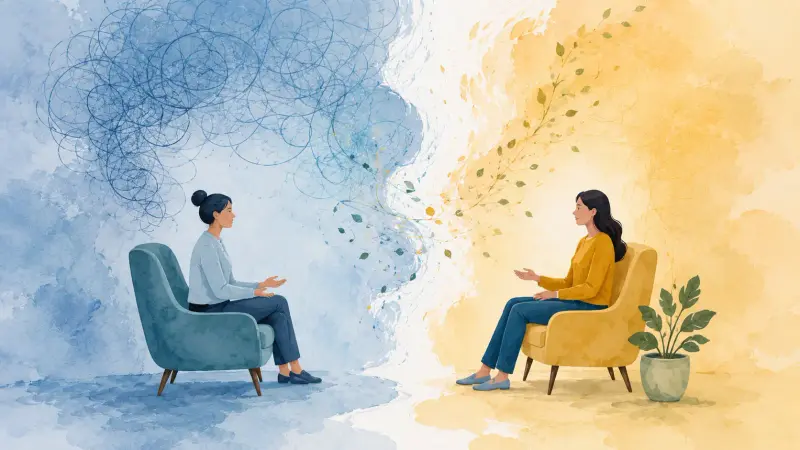
When we think about the clutter around us, whether it’s piles of papers on the desk or belongings scattered in every corner. We realize how it can impact our mental well-being, often leading to distress or distraction. In contrast, maintaining order creates a sense of comfort and control over day-to-day details, supporting mental clarity and lowering stress levels. With Tatmeen, we’ll explore how organization influences our psychological health according to experts and global studies, and we’ll delve into practical ways to improve both our life quality and mental well-being.
How Does Organization Affect Our Mental Health? In many cases, our ability to focus and feel at ease is closely tied to our physical surroundings. When we’re in a messy environment, our thoughts can race, causing mental strain. The World Health Organization notes in one of its research reports on mental health that environmental factors significantly contribute to symptoms such as stress and anxiety. From this perspective, organization helps reduce life pressures and enhances emotional well-being through several main aspects:
A Sense of Control By neatly arranging our belongings and designating clear places for them, we develop a stronger sense of control over our daily environment. This feeling of control is crucial for diminishing negative emotions or psychological disturbances, reminding us that we can manage certain parts of our lives. Even the small details.
Limiting Distractions A visually cluttered setting can disrupt our focus. Simply removing unneeded items from our immediate view cuts down distractions, allowing us to think more clearly and handle tasks and decisions more efficiently.
Promoting Comfort and Relaxation An organized space fosters a calming atmosphere that supports mental well-being. Instead of wasting time and energy hunting for misplaced items, everything is easy to find. This smooth flow creates a comfortable environment conducive to restful sleep and helps alleviate the stresses of work or study.
The Effect of Tidiness on Mood and Self-Confidence The influence of organization extends beyond just arranging physical objects. Simple steps, like sorting your closet or tidying your desk, send subtle signals to your mind that you value yourself and your space, which boosts self-esteem and heightens your sense of accomplishment. These positive feelings can push you to explore new areas in life with greater confidence.
When someone enjoys a clean, orderly space, their mood tends to stabilize, and stress-induced emotional fluctuations lessen. Many experts in mental health emphasize that organizing your surroundings mirrors organizing your thoughts. By removing unnecessary items from your physical environment, you also clear space for new ideas and reduce mental pressure.
Reducing Mental Load Through Priority Setting One particularly helpful method for gaining mental clarity is setting priorities. Sometimes, clutter isn’t just physical, it’s also the many tasks and ideas crowding our minds. By writing down your top priorities and organizing your tasks systematically, you free your thoughts from confusion and encourage a sense of calm.
For example, make time each day to draft a simple plan containing three or four key tasks you want to finish. This gives you a clear vision of your day or week without feeling overwhelmed by too many details. Here, the benefits of physical order go hand in hand with mental order; just as tidying a room creates a more welcoming environment, tidying your thoughts fosters a reassuring flow.
The Organized Home Environment and Family Mental Health A well-arranged home plays a significant role in promoting warmth and positive communication among family members. Imagine stepping into a home packed with random objects and scattered books, versus a cozy, neatly arranged space. The difference in immediate impression and comfort is striking.
You can also use smart apps and organizational tools like shelving systems or storage boxes—to streamline storing items. When children grow up in a visually calm atmosphere that doesn’t bombard them with disorder, they’re more likely to focus better on studying and hobbies. Likewise, couples returning from work to a tidy home often experience less tension, allowing them to enjoy quality time together without being overwhelmed by clutter. All these small details can add up to a considerable positive impact on the family’s mental health.
Organization in the Workplace and Boosting Productivity We spend a large part of our day at work, so the importance of order in our workspace is not to be overlooked. Employees who maintain tidy desks and know exactly where to find each file or tool typically work more efficiently and feel more comfortable during the day.
Studies also point to a strong link between a tidy workspace and enhanced creativity. Clearing away piles of paper and old files provides more mental room for innovative thinking. Additionally, a neat desk presents a professional image and fosters trust in one’s ability to handle responsibilities, which can improve relationships with colleagues and supervisors.
Practical Tips for Beginning Your Organizational Journey Switching from a cluttered lifestyle to an orderly one may feel daunting, especially if items have accumulated for a long time. However, a few simple tips can make the process easier and more motivating:
Break It Down: Rather than trying to organize everything at once, divide the job into smaller sections. Start with one drawer or one shelf, and move on gradually.
Remove Unnecessary Items: Ask yourself whether you truly need each item and if it adds actual value to your daily life. Donate or recycle what you don’t use, which benefits the community while lightening your storage load.
Designate a Place for Each Item: Give every item a clear spot, making it easier to find and preventing future clutter.
Maintain Order Regularly: Spend a few minutes each day returning items to their places after use. This helps prevent messes from piling up again.
Use Modern Tools: Numerous apps can help you track daily tasks, reminding you of household chores and making it fun and simple to include organization in your everyday routine.
Organization as Part of Self-Care While many people look for quick fixes to achieve happiness and mental equilibrium, they might overlook that organization is a form of lasting self-care. It helps alleviate the pressures of daily life in a gentle, consistent way. Instead of turning to short-lived solutions, like shopping for items we don’t really need, we can channel our energy into sorting our belongings, which immediately offers a sense of accomplishment and control over daily life.
A person may feel genuine satisfaction after cleaning and organizing a small part of their home, reinforcing confidence in handling other aspects of life. This self-care practice doesn’t cost much and doesn’t demand complex tools, just a commitment to persevere and the bravery to face clutter head-on.
Long-Term Advantages of Organization for Mental Health Once you build a habit of tidiness, it becomes a solid shield against accumulating mental stress in the future. A tidy home creates a welcoming refuge after a challenging day, fostering relaxation. Meanwhile, an orderly desk boosts productivity and prevents wasted time spent searching for lost documents. Over time, these routines can guard against issues like burnout, offering you space to catch your breath and reorganize your thoughts.
Research conducted on individuals dealing with chronic stress suggests that adopting organizational habits significantly impacts levels of depression and anxiety. By managing our physical surroundings effectively, we’re better positioned to regulate our moods and emotions.
Keeping your space organized isn’t just an optional extra, it’s an essential step that supports mental clarity and well-being. Avoiding clutter ensures an environment that fosters concentration and a smoother path through daily life, allowing you to move confidently toward your goals. Begin today by establishing order in your surroundings, and let that serve as a gateway to meaningful, positive change in your psychological health, relationships, and overall quality of life. If you need additional help, remember that Tatmeen provides the support you need in your journey to mental stability and achieving personal success. Go ahead and book your session now.
Frequently Asked Questions
How does tidiness affect my mood?
Tidiness helps reduce negative emotions like stress and anxiety, offering a sense of control over your surroundings and creating a comfortable environment. It also boosts feelings of accomplishment and improves your daily mood and emotional balance.
Is organization alone enough to improve my mental health?
While organization significantly calms the mind and benefits mental health, it may not be sufficient on its own. If you’re experiencing chronic anxiety or depression, for example, you might need professional guidance. In such cases, you can always book a session via Tatmeen to speak with a qualified mental health expert who can guide you toward the best solutions.
What’s the best way to get rid of unnecessary items?
Start by identifying things you haven’t used for a long time and assess whether they add real value to your life. You can donate them to charity or pass them on to someone who needs them. This declutters your space while also letting you help others, which can boost your own sense of well-being.
How do I keep everything organized once it’s tidy?
Make organizing a daily habit by setting aside some time to return items to their correct places. You can also use reminders or phone alerts to prevent clutter from building up again.
A writer and researcher specializing in psychiatry, she focuses on mental health and the human emotions we experience but cannot always find the words to name. She writes about us—about humanity and the human experience—and simplifies complex topics to offer content that helps us better understand ourselves and life, ultimately making us feel less alone.
Every Tatmeen article is reviewed by care providers licensed by the Saudi Commission for Health Specialties, so what you read is accurate and trustworthy.
This article builds understanding and does not replace a licensed care provider.
Need someone to talk to?
Tatmeen's licensed care providers are available around the clock, and the app's urgent consultation connects you with one within minutes.
Download Tatmeen to explore care providers and booking options.
Smart matchingFour quick questions suggest the right care provider
Urgent consultationTalk to an available care provider within minutes
Free psychological measuresMore than 20 tests to understand how you are doing
Scan to download
{"data":{"id":"70857777-50f1-4be5-b5b7-d5c1c6a9959a","slug":"psychological-benefits-organizing-space-clear-mind","arTitle":"رتّب مساحتك وصفِّ ذهنك: الفوائد النفسية للتنظيم","enTitle":"Organize Your Space, Clear Your Mind: The Psychological Benefits of Tidying Up","thumbnailAltText":"الفوائد النفسية لتنظيم المساحة وترتيب البيئة المحيطة","estimatedReadingTime":5,"likesCount":324,"writer":{"id":"3ab72b74-f26f-4337-9b47-3114b0f90de5","arBio":"كاتبة وباحثة متخصصة في مجال الطب النفسي، تهتم بموضوعات الصحة النفسية وبالمشاعر الإنسانية التي نختبرها ولا نجد دائمًا الكلمات لتسميتها. تكتب عنّا؛ عن الإنسان وتجربته، وتبسّط الموضوعات المعقّدة لتقدّم محتوى يساعدنا على فهم ذواتنا والحياة أكثر، ويجعلنا نشعر بأننا بوحدة أقل.","enBio":"A writer and researcher specializing in psychiatry, she focuses on mental health and the human emotions we experience but cannot always find the words to name. She writes about us—about humanity and the human experience—and simplifies complex topics to offer content that helps us better understand ourselves and life, ultimately making us feel less alone.","user":{"slug":"ayat-alnajar","arFullName":"آيات النجار","enFullName":"Ayat Al-Najjar","publicProfileImageUrl":"https://cdn.tatmeen.sa/public/profile-images/02384455-68fa-40b6-ad05-609fde65cafa/21b9a610dde5dfc6d37af110c23e9c7ab3946be080c281beb000debf4f7d31a6.webp","publicProfileImage96Url":"https://cdn.tatmeen.sa/public/profile-images/02384455-68fa-40b6-ad05-609fde65cafa/21b9a610dde5dfc6d37af110c23e9c7ab3946be080c281beb000debf4f7d31a6-w96.webp","publicProfileImage192Url":"https://cdn.tatmeen.sa/public/profile-images/02384455-68fa-40b6-ad05-609fde65cafa/21b9a610dde5dfc6d37af110c23e9c7ab3946be080c281beb000debf4f7d31a6-w192.webp"}},"arContent":"","enContent":"","productionDocument":{"headings":[],"faqs":[{"question":"How does tidiness affect my mood?","answer":"<p><span style=\"color:#000000\">Tidiness helps reduce negative emotions like stress and anxiety, offering a sense of control over your surroundings and creating a comfortable environment. It also boosts feelings of accomplishment and improves your daily mood and emotional balance.</span></p>"},{"question":"Is organization alone enough to improve my mental health?","answer":"<p><span style=\"color:#000000\">While organization significantly calms the mind and benefits mental health, it may not be sufficient on its own. If you’re experiencing chronic anxiety or depression, for example, you might need professional guidance. In such cases, you can always<u> book a session via Tatmeen</u> to speak with a qualified mental health expert who can guide you toward the best solutions.</span></p>"},{"question":"What’s the best way to get rid of unnecessary items?","answer":"<p><span style=\"color:#000000\">Start by identifying things you haven’t used for a long time and assess whether they add real value to your life. You can donate them to charity or pass them on to someone who needs them. This declutters your space while also letting you help others, which can boost your own sense of well-being.</span></p>"},{"question":"How do I keep everything organized once it’s tidy?","answer":"<p><span style=\"color:#000000\">Make organizing a daily habit by setting aside some time to return items to their correct places. You can also use reminders or phone alerts to prevent clutter from building up again.</span></p>"}],"beforeSourcesHtml":"<p></p>","sources":[],"afterSourcesHtml":"","blocks":[{"type":"html","html":"<p><span style=\"color:#000000\"> When we think about the clutter around us, whether it’s piles of papers on the desk or belongings scattered in every corner. We realize how it can impact our mental well-being, often leading to distress or distraction. In contrast, maintaining order creates a sense of comfort and control over day-to-day details, supporting mental clarity and lowering stress levels. With <strong>Tatmeen</strong>, we’ll explore how organization influences our psychological health according to experts and global studies, and we’ll delve into practical ways to improve both our life quality and mental well-being.</span></p><p><span style=\"color:#000000\"><strong>How Does Organization Affect Our Mental Health?<br /></strong> In many cases, our ability to focus and feel at ease is closely tied to our physical surroundings. When we’re in a messy environment, our thoughts can race, causing mental strain. </span><a href=\"https://www.who.int/news-room/fact-sheets/detail/mental-health-strengthening-our-response\" target=\"_blank\" rel=\"nofollow noopener noreferrer\"><span style=\"color:#1155cc\"><u>The World Health Organization</u></span></a><span style=\"color:#000000\"> notes in one of its research reports on mental health that environmental factors significantly contribute to symptoms such as stress and anxiety. From this perspective, organization helps reduce life pressures and enhances emotional well-being through several main aspects:</span></p><ol><li><p><span style=\"color:#000000\"><strong>A Sense of Control<br /></strong> By neatly arranging our belongings and designating clear places for them, we develop a stronger sense of control over our daily environment. This feeling of control is crucial for diminishing negative emotions or psychological disturbances, reminding us that we can manage certain parts of our lives. Even the small details.</span></p></li><li><p><span style=\"color:#000000\"><strong>Limiting Distractions<br /></strong> A visually cluttered setting can disrupt our focus. Simply removing unneeded items from our immediate view cuts down distractions, allowing us to think more clearly and handle tasks and decisions more efficiently.</span></p></li><li><p><span style=\"color:#000000\"><strong>Promoting Comfort and Relaxation<br /></strong> An organized space fosters a calming atmosphere that supports mental well-being. Instead of wasting time and energy hunting for misplaced items, everything is easy to find. This smooth flow creates a comfortable environment conducive to restful sleep and helps alleviate the stresses of work or study.</span></p></li></ol><p><span style=\"color:#000000\"><strong>The Effect of Tidiness on Mood and Self-Confidence<br /></strong> The influence of organization extends beyond just arranging physical objects. Simple steps, like sorting your closet or tidying your desk, send subtle signals to your mind that you value yourself and your space, which boosts self-esteem and heightens your sense of accomplishment. These positive feelings can push you to explore new areas in life with greater confidence.</span></p><p><span style=\"color:#000000\">When someone enjoys a clean, orderly space, their mood tends to stabilize, and stress-induced emotional fluctuations lessen. Many experts in mental health emphasize that organizing your surroundings mirrors organizing your thoughts. By removing unnecessary items from your physical environment, you also clear space for new ideas and reduce mental pressure.</span></p><p><span style=\"color:#000000\"><strong>Reducing Mental Load Through Priority Setting<br /></strong> One particularly helpful method for gaining mental clarity is setting priorities. Sometimes, clutter isn’t just physical, it’s also the many tasks and ideas crowding our minds. By writing down your top priorities and organizing your tasks systematically, you free your thoughts from confusion and encourage a sense of calm.</span></p><p><span style=\"color:#000000\">For example, make time each day to draft a simple plan containing three or four key tasks you want to finish. This gives you a clear vision of your day or week without feeling overwhelmed by too many details. Here, the benefits of physical order go hand in hand with mental order; just as tidying a room creates a more welcoming environment, tidying your thoughts fosters a reassuring flow.</span></p><p><span style=\"color:#000000\"><strong>The Organized Home Environment and Family Mental Health<br /></strong> A well-arranged home plays a significant role in promoting warmth and positive communication among family members. Imagine stepping into a home packed with random objects and scattered books, versus a cozy, neatly arranged space. The difference in immediate impression and comfort is striking.</span></p><p><span style=\"color:#000000\">You can also use smart apps and organizational tools like shelving systems or storage boxes—to streamline storing items. When children grow up in a visually calm atmosphere that doesn’t bombard them with disorder, they’re more likely to focus better on studying and hobbies. Likewise, couples returning from work to a tidy home often experience less tension, allowing them to enjoy quality time together without being overwhelmed by clutter. All these small details can add up to a considerable positive impact on the family’s mental health.</span></p><p><span style=\"color:#000000\"><strong>Organization in the Workplace and Boosting Productivity<br /></strong> We spend a large part of our day at work, so the importance of order in our workspace is not to be overlooked. Employees who maintain tidy desks and know exactly where to find each file or tool typically work more efficiently and feel more comfortable during the day.</span></p><p><span style=\"color:#000000\">Studies also point to a strong link between a tidy workspace and enhanced creativity. Clearing away piles of paper and old files provides more mental room for innovative thinking. Additionally, a neat desk presents a professional image and fosters trust in one’s ability to handle responsibilities, which can improve relationships with colleagues and supervisors.</span></p><p><span style=\"color:#000000\"><strong>Practical Tips for Beginning Your Organizational Journey<br /></strong> Switching from a cluttered lifestyle to an orderly one may feel daunting, especially if items have accumulated for a long time. However, a few simple tips can make the process easier and more motivating:</span></p><ul><li><p><span style=\"color:#000000\"><strong>Break It Down</strong>: Rather than trying to organize everything at once, divide the job into smaller sections. Start with one drawer or one shelf, and move on gradually.</span></p></li><li><p><span style=\"color:#000000\"><strong>Remove Unnecessary Items</strong>: Ask yourself whether you truly need each item and if it adds actual value to your daily life. Donate or recycle what you don’t use, which benefits the community while lightening your storage load.</span></p></li><li><p><span style=\"color:#000000\"><strong>Designate a Place for Each Item</strong>: Give every item a clear spot, making it easier to find and preventing future clutter.</span></p></li><li><p><span style=\"color:#000000\"><strong>Maintain Order Regularly</strong>: Spend a few minutes each day returning items to their places after use. This helps prevent messes from piling up again.</span></p></li><li><p><span style=\"color:#000000\"><strong>Use Modern Tools</strong>: Numerous apps can help you track daily tasks, reminding you of household chores and making it fun and simple to include organization in your everyday routine.</span></p></li></ul><p><span style=\"color:#000000\"><strong>Organization as Part of Self-Care<br /></strong> While many people look for quick fixes to achieve happiness and mental equilibrium, they might overlook that organization is a form of lasting self-care. It helps alleviate the pressures of daily life in a gentle, consistent way. Instead of turning to short-lived solutions, like shopping for items we don’t really need, we can channel our energy into sorting our belongings, which immediately offers a sense of accomplishment and control over daily life.</span></p><p><span style=\"color:#000000\">A person may feel genuine satisfaction after cleaning and organizing a small part of their home, reinforcing confidence in handling other aspects of life. This self-care practice doesn’t cost much and doesn’t demand complex tools, just a commitment to persevere and the bravery to face clutter head-on.</span></p><p><span style=\"color:#000000\"><strong>Long-Term Advantages of Organization for Mental Health<br /></strong> Once you build a habit of tidiness, it becomes a solid shield against accumulating mental stress in the future. A tidy home creates a welcoming refuge after a challenging day, fostering relaxation. Meanwhile, an orderly desk boosts productivity and prevents wasted time spent searching for lost documents. Over time, these routines can guard against issues like burnout, offering you space to catch your breath and reorganize your thoughts.</span></p><p><span style=\"color:#000000\">Research conducted on individuals dealing with chronic stress suggests that adopting organizational habits significantly impacts levels of depression and anxiety. By managing our physical surroundings effectively, we’re better positioned to regulate our moods and emotions.</span></p><p><span style=\"color:#000000\"><strong><br /></strong>Keeping your space organized isn’t just an optional extra, it’s an essential step that supports mental clarity and well-being. Avoiding clutter ensures an environment that fosters concentration and a smoother path through daily life, allowing you to move confidently toward your goals. Begin today by establishing order in your surroundings, and let that serve as a gateway to meaningful, positive change in your psychological health, relationships, and overall quality of life. If you need additional help, remember that Tatmeen provides the support you need in your journey to mental stability and achieving personal success. Go ahead and <u>book your session now.</u></span></p>"}],"inlineCtaSignatures":[],"_experienceAliases":{"v":1,"fields":["html","bodyHtml"],"faqs":[0,1,2,3]}},"createdAt":"2026-04-21T22:00:00.000Z","updatedAt":"2026-06-24T23:51:16.641Z","disorderGroups":[{"id":"d807ea69-44d4-4e81-bee4-0a059fd36645","slug":"self-development","arName":"تنمية الذات","enName":"Self-Development"}],"reviewer":{"arFullName":"فريق تطمين","enFullName":"Tatmeen team","slug":"tatmeen-team","kind":"organization"},"productionArticle":true,"promotionAllowed":true,"preparedCover":{"src":"https://cdn.tatmeen.sa/public/article-lcp/article-lcp-v2/sha256-c37087bb7e8a9b080fd4ec2c173c970d07efe51cebb7136910c6f872368d3e9d/800-aba654afe8ac0f9e3df3d4b532bb32ef5e8f21599f01fe30207310739f034b36.avif","fallback":"https://cdn.tatmeen.sa/public/article-lcp/article-lcp-v2/sha256-c37087bb7e8a9b080fd4ec2c173c970d07efe51cebb7136910c6f872368d3e9d/800-0c1eca563ad26736b17ec35f43cd777697138c05d0ceb22ee11019c13daee510.webp","directUrl":"https://cdn.tatmeen.sa/blog-cover/Tatmeen-1776878680253.webp","isGolden":true,"avifSrcset":"https://cdn.tatmeen.sa/public/article-lcp/article-lcp-v2/sha256-c37087bb7e8a9b080fd4ec2c173c970d07efe51cebb7136910c6f872368d3e9d/400-41d7e1b384421e41acd59c52ebe531fd03afd9bf8a926a56dda2ca5271c61ed3.avif 400w, https://cdn.tatmeen.sa/public/article-lcp/article-lcp-v2/sha256-c37087bb7e8a9b080fd4ec2c173c970d07efe51cebb7136910c6f872368d3e9d/640-99d316bcf3b13dfac751f18ef4aad8bfccf90b282449403365bd45bf8096867b.avif 640w, https://cdn.tatmeen.sa/public/article-lcp/article-lcp-v2/sha256-c37087bb7e8a9b080fd4ec2c173c970d07efe51cebb7136910c6f872368d3e9d/800-aba654afe8ac0f9e3df3d4b532bb32ef5e8f21599f01fe30207310739f034b36.avif 800w, https://cdn.tatmeen.sa/public/article-lcp/article-lcp-v2/sha256-c37087bb7e8a9b080fd4ec2c173c970d07efe51cebb7136910c6f872368d3e9d/1200-9bc94aa8e2a647dcdaec4594532aec83f19aa9074f8eed14320d725e77912f8d.avif 1200w","webpSrcset":"https://cdn.tatmeen.sa/public/article-lcp/article-lcp-v2/sha256-c37087bb7e8a9b080fd4ec2c173c970d07efe51cebb7136910c6f872368d3e9d/400-312afe6ff15d131e4f95318e12b62d741a8351d58e7d5848b5c7a4d78c902774.webp 400w, https://cdn.tatmeen.sa/public/article-lcp/article-lcp-v2/sha256-c37087bb7e8a9b080fd4ec2c173c970d07efe51cebb7136910c6f872368d3e9d/640-2a637e54cecbb3f319fb350e500588214e0b81ab6471cbc21d5894adf4e1edea.webp 640w, https://cdn.tatmeen.sa/public/article-lcp/article-lcp-v2/sha256-c37087bb7e8a9b080fd4ec2c173c970d07efe51cebb7136910c6f872368d3e9d/800-0c1eca563ad26736b17ec35f43cd777697138c05d0ceb22ee11019c13daee510.webp 800w, https://cdn.tatmeen.sa/public/article-lcp/article-lcp-v2/sha256-c37087bb7e8a9b080fd4ec2c173c970d07efe51cebb7136910c6f872368d3e9d/1200-f5819857516c305c8c6a35f9666ef556b123552b4684fab9b60c8add506ff9a7.webp 1200w","phoneAvifSrcset":"https://cdn.tatmeen.sa/public/article-lcp/article-lcp-v2/sha256-c37087bb7e8a9b080fd4ec2c173c970d07efe51cebb7136910c6f872368d3e9d/400-41d7e1b384421e41acd59c52ebe531fd03afd9bf8a926a56dda2ca5271c61ed3.avif 400w, https://cdn.tatmeen.sa/public/article-lcp/article-lcp-v2/sha256-c37087bb7e8a9b080fd4ec2c173c970d07efe51cebb7136910c6f872368d3e9d/640-99d316bcf3b13dfac751f18ef4aad8bfccf90b282449403365bd45bf8096867b.avif 640w, https://cdn.tatmeen.sa/public/article-lcp/article-lcp-v2/sha256-c37087bb7e8a9b080fd4ec2c173c970d07efe51cebb7136910c6f872368d3e9d/800-aba654afe8ac0f9e3df3d4b532bb32ef5e8f21599f01fe30207310739f034b36.avif 800w","phoneWebpSrcset":"https://cdn.tatmeen.sa/public/article-lcp/article-lcp-v2/sha256-c37087bb7e8a9b080fd4ec2c173c970d07efe51cebb7136910c6f872368d3e9d/400-312afe6ff15d131e4f95318e12b62d741a8351d58e7d5848b5c7a4d78c902774.webp 400w, https://cdn.tatmeen.sa/public/article-lcp/article-lcp-v2/sha256-c37087bb7e8a9b080fd4ec2c173c970d07efe51cebb7136910c6f872368d3e9d/640-2a637e54cecbb3f319fb350e500588214e0b81ab6471cbc21d5894adf4e1edea.webp 640w, https://cdn.tatmeen.sa/public/article-lcp/article-lcp-v2/sha256-c37087bb7e8a9b080fd4ec2c173c970d07efe51cebb7136910c6f872368d3e9d/800-0c1eca563ad26736b17ec35f43cd777697138c05d0ceb22ee11019c13daee510.webp 800w","width":800,"height":447},"previewTaxonomy":{"groups":[{"id":"d807ea69-44d4-4e81-bee4-0a059fd36645","slug":"self-development","arName":"تنمية الذات","enName":"Self-Development"}],"topics":[{"id":"df422fae-2631-4acb-8a97-69baec4bbc8f","slug":"positive-habits","arName":"بناء عادات إيجابية","enName":"Positive Habits","groupSlug":"self-development","href":"/blog/category/self-development/positive-habits/"}],"tags":[{"id":"b897e937-ea28-464a-8ff7-12db934a625c","slug":"mind-body-connection","arName":"العلاقة بين الجسد والنفس","enName":"Mind-Body Connection"},{"id":"9d6e68c1-9bb5-4364-a082-963aaf55f77f","slug":"burnout-stress","arName":"الاحتراق والإرهاق والضغط النفسي","enName":"Burnout Fatigue & Stress"},{"id":"d58e6187-021b-44a5-882c-245bccd77611","slug":"self-help-howto","arName":"مساعدة ذاتية / خطوات عملية","enName":"Self-Help / How-To"}]},"previewProviderRecommendations":[{"id":"6df31339-a6f5-4131-a603-3a7c7a34c143","slug":"joud-alodhayyani-9014","arFullName":"جود العتيبي","enFullName":"Joud Alotaibi","publicProfileImageUrl":"https://cdn.tatmeen.sa/public/profile-images/6df31339-a6f5-4131-a603-3a7c7a34c143/7bb005ef9d4315296aad2a7d142fb2af2cf89920a40b474fc5139b9530269282.webp","publicProfileImage96Url":"https://cdn.tatmeen.sa/public/profile-images/6df31339-a6f5-4131-a603-3a7c7a34c143/7bb005ef9d4315296aad2a7d142fb2af2cf89920a40b474fc5139b9530269282-w96.webp","publicProfileImage192Url":"https://cdn.tatmeen.sa/public/profile-images/6df31339-a6f5-4131-a603-3a7c7a34c143/7bb005ef9d4315296aad2a7d142fb2af2cf89920a40b474fc5139b9530269282-w192.webp","specialization":{"arName":"أخصائي نفسي","enName":"Psychologist"},"profileImageUrl":"https://cdn.tatmeen.sa/public/profile-images/6df31339-a6f5-4131-a603-3a7c7a34c143/7bb005ef9d4315296aad2a7d142fb2af2cf89920a40b474fc5139b9530269282-w192.webp","experienceYears":2,"consultantInfo":{"averageRating":{"average":3.5},"specialization":{"arGeneralName":"أخصائي نفسي","enGeneralName":"Psychologist"}}},{"id":"7771d078-cbd9-4acd-aa51-29cc905753c4","slug":"hatim-jafaari-2902","arFullName":"حاتم جعفرى","enFullName":"Hatim Jafaari","publicProfileImageUrl":"https://cdn.tatmeen.sa/public/profile-images/7771d078-cbd9-4acd-aa51-29cc905753c4/874a489ca72b87dacbde76d8496eef84ca341ee8074b9ec54464cd0a56bbdbe6.webp","publicProfileImage96Url":"https://cdn.tatmeen.sa/public/profile-images/7771d078-cbd9-4acd-aa51-29cc905753c4/874a489ca72b87dacbde76d8496eef84ca341ee8074b9ec54464cd0a56bbdbe6-w96.webp","publicProfileImage192Url":"https://cdn.tatmeen.sa/public/profile-images/7771d078-cbd9-4acd-aa51-29cc905753c4/874a489ca72b87dacbde76d8496eef84ca341ee8074b9ec54464cd0a56bbdbe6-w192.webp","specialization":{"arName":"أخصائي نفسي","enName":"Psychologist"},"profileImageUrl":"https://cdn.tatmeen.sa/public/profile-images/7771d078-cbd9-4acd-aa51-29cc905753c4/874a489ca72b87dacbde76d8496eef84ca341ee8074b9ec54464cd0a56bbdbe6-w192.webp","experienceYears":2,"consultantInfo":{"averageRating":{"average":5},"specialization":{"arGeneralName":"أخصائي نفسي","enGeneralName":"Psychologist"}}},{"id":"5520abac-2d83-4b20-a11d-f63055316699","slug":"maha-alawad-4831","arFullName":"مها العواد","enFullName":"Maha Alawad","publicProfileImageUrl":"","publicProfileImage96Url":"","publicProfileImage192Url":"","specialization":{"arName":"أخصائي نفسي","enName":"Psychologist"},"profileImageUrl":"","experienceYears":13,"consultantInfo":{"averageRating":{"average":4.846153846153846},"specialization":{"arGeneralName":"أخصائي نفسي","enGeneralName":"Psychologist"}}}],"previewCareProviders":[{"id":"09364052-c2a9-4c52-9717-7ce2093b8d0a","slug":"kholoud-alharbi-5221","arFullName":"خلود الحربي","enFullName":"Kholoud Alharbi","publicProfileImageUrl":"https://cdn.tatmeen.sa/public/profile-images/09364052-c2a9-4c52-9717-7ce2093b8d0a/4a0aeb81619e351b77f4323e3605a0a00acc7ca3c82ee7cc5ca2c9e8ef716049.webp","publicProfileImage96Url":"https://cdn.tatmeen.sa/public/profile-images/09364052-c2a9-4c52-9717-7ce2093b8d0a/4a0aeb81619e351b77f4323e3605a0a00acc7ca3c82ee7cc5ca2c9e8ef716049-w96.webp","publicProfileImage192Url":"https://cdn.tatmeen.sa/public/profile-images/09364052-c2a9-4c52-9717-7ce2093b8d0a/4a0aeb81619e351b77f4323e3605a0a00acc7ca3c82ee7cc5ca2c9e8ef716049-w192.webp","gender":"FEMALE","specialization":{"arName":"أخصائي نفسي","enName":"Psychologist"}},{"id":"6f037535-1dca-4b50-a8b2-5974b7323286","slug":"salah-althobaiti-9053","arFullName":"صلاح الثبيتي","enFullName":"Salah Althobaiti","publicProfileImageUrl":"https://cdn.tatmeen.sa/public/profile-images/6f037535-1dca-4b50-a8b2-5974b7323286/35b6bd7fad9b1e004c1835803eb9c1b56dcacd380685ec8bff141f0fb888005c.webp","publicProfileImage96Url":"https://cdn.tatmeen.sa/public/profile-images/6f037535-1dca-4b50-a8b2-5974b7323286/35b6bd7fad9b1e004c1835803eb9c1b56dcacd380685ec8bff141f0fb888005c-w96.webp","publicProfileImage192Url":"https://cdn.tatmeen.sa/public/profile-images/6f037535-1dca-4b50-a8b2-5974b7323286/35b6bd7fad9b1e004c1835803eb9c1b56dcacd380685ec8bff141f0fb888005c-w192.webp","gender":"MALE","specialization":{"arName":"أخصائي نفسي","enName":"Psychologist"}},{"id":"3cc806e8-616b-4884-9f21-a75b378580a2","slug":"aisha-al-hashim-8667","arFullName":"عائشة ال هاشم","enFullName":"Aisha Al Hashim","publicProfileImageUrl":"https://cdn.tatmeen.sa/public/profile-images/3cc806e8-616b-4884-9f21-a75b378580a2/27f523d03be4dcfa1f6a79f70c1773887434e698990d214cd990caec56a44798.webp","publicProfileImage96Url":"https://cdn.tatmeen.sa/public/profile-images/3cc806e8-616b-4884-9f21-a75b378580a2/27f523d03be4dcfa1f6a79f70c1773887434e698990d214cd990caec56a44798-w96.webp","publicProfileImage192Url":"https://cdn.tatmeen.sa/public/profile-images/3cc806e8-616b-4884-9f21-a75b378580a2/27f523d03be4dcfa1f6a79f70c1773887434e698990d214cd990caec56a44798-w192.webp","gender":"FEMALE","specialization":{"arName":"أخصائي نفسي","enName":"Psychologist"}},{"id":"db2ce1a0-9325-4471-b7ce-eb2e811c30a3","slug":"amer-qutub-2441","arFullName":"عامر قطب","enFullName":"Amer Qutub","publicProfileImageUrl":"https://cdn.tatmeen.sa/public/profile-images/db2ce1a0-9325-4471-b7ce-eb2e811c30a3/80580f99bfd7fe2b2a9cf8eed73ab532f5086d1efe053b0aa57358c1ce004261.webp","publicProfileImage96Url":"https://cdn.tatmeen.sa/public/profile-images/db2ce1a0-9325-4471-b7ce-eb2e811c30a3/80580f99bfd7fe2b2a9cf8eed73ab532f5086d1efe053b0aa57358c1ce004261-w96.webp","publicProfileImage192Url":"https://cdn.tatmeen.sa/public/profile-images/db2ce1a0-9325-4471-b7ce-eb2e811c30a3/80580f99bfd7fe2b2a9cf8eed73ab532f5086d1efe053b0aa57358c1ce004261-w192.webp","gender":"MALE","specialization":{"arName":"أخصائي نفسي","enName":"Psychologist"}},{"id":"94765496-dbdf-4631-a01b-7df5f788668d","slug":"abdullrahman-alhamoudi-3045","arFullName":"عبدالرحمن الحمودي","enFullName":"Abdulrahman Alhamoudi","publicProfileImageUrl":"https://cdn.tatmeen.sa/public/profile-images/94765496-dbdf-4631-a01b-7df5f788668d/2d49f6b6493c564afb6f50b6c3634231dff3a5cf8353acfab393d1b2a88037d1.webp","publicProfileImage96Url":"https://cdn.tatmeen.sa/public/profile-images/94765496-dbdf-4631-a01b-7df5f788668d/2d49f6b6493c564afb6f50b6c3634231dff3a5cf8353acfab393d1b2a88037d1-w96.webp","publicProfileImage192Url":"https://cdn.tatmeen.sa/public/profile-images/94765496-dbdf-4631-a01b-7df5f788668d/2d49f6b6493c564afb6f50b6c3634231dff3a5cf8353acfab393d1b2a88037d1-w192.webp","gender":"MALE","specialization":{"arName":"أخصائي نفسي","enName":"Psychologist"}},{"id":"618dba89-5b70-4b46-8304-741b7ac8ecd3","slug":"abdullah-mari-1311","arFullName":"عبدالله مرعي","enFullName":"Abdullah Mari","publicProfileImageUrl":"https://cdn.tatmeen.sa/public/profile-images/618dba89-5b70-4b46-8304-741b7ac8ecd3/6b4a3bfb59f8a304ca79083b32859b46baad2e1d692974a47c02c1f66bd11129.webp","publicProfileImage96Url":"https://cdn.tatmeen.sa/public/profile-images/618dba89-5b70-4b46-8304-741b7ac8ecd3/6b4a3bfb59f8a304ca79083b32859b46baad2e1d692974a47c02c1f66bd11129-w96.webp","publicProfileImage192Url":"https://cdn.tatmeen.sa/public/profile-images/618dba89-5b70-4b46-8304-741b7ac8ecd3/6b4a3bfb59f8a304ca79083b32859b46baad2e1d692974a47c02c1f66bd11129-w192.webp","gender":"MALE","specialization":{"arName":"أخصائي نفسي","enName":"Psychologist"}},{"id":"3b50a5d5-e795-407f-8676-fd7f0e1bb7a0","slug":"abdulaziz-bin-hudayan-4940","arFullName":"عبدالعزيز بن هديان","enFullName":"Abdulaziz Bin Hudayan","publicProfileImageUrl":"https://cdn.tatmeen.sa/public/profile-images/3b50a5d5-e795-407f-8676-fd7f0e1bb7a0/710ff0fe1fb00cdb5042092e27b7910b480a439b02251ecded62d7758eefce95.webp","publicProfileImage96Url":"https://cdn.tatmeen.sa/public/profile-images/3b50a5d5-e795-407f-8676-fd7f0e1bb7a0/710ff0fe1fb00cdb5042092e27b7910b480a439b02251ecded62d7758eefce95-w96.webp","publicProfileImage192Url":"https://cdn.tatmeen.sa/public/profile-images/3b50a5d5-e795-407f-8676-fd7f0e1bb7a0/710ff0fe1fb00cdb5042092e27b7910b480a439b02251ecded62d7758eefce95-w192.webp","gender":"MALE","specialization":{"arName":"أخصائي نفسي","enName":"Psychologist"}},{"id":"d4ffcb6b-90a7-45b6-b941-964866f4564b","slug":"dhaifallah-alhumaidi-1092","arFullName":"ضيف الله الحميدي","enFullName":"Dhaifallah Alhumaidi","publicProfileImageUrl":"https://cdn.tatmeen.sa/public/profile-images/d4ffcb6b-90a7-45b6-b941-964866f4564b/1817171c5828a9b57d6c30d12332cf154e335272548bc90a6e8456d74d356956.webp","publicProfileImage96Url":"https://cdn.tatmeen.sa/public/profile-images/d4ffcb6b-90a7-45b6-b941-964866f4564b/1817171c5828a9b57d6c30d12332cf154e335272548bc90a6e8456d74d356956-w96.webp","publicProfileImage192Url":"https://cdn.tatmeen.sa/public/profile-images/d4ffcb6b-90a7-45b6-b941-964866f4564b/1817171c5828a9b57d6c30d12332cf154e335272548bc90a6e8456d74d356956-w192.webp","gender":"MALE","specialization":{"arName":"أخصائي نفسي","enName":"Psychologist"}}],"previewDownload":{"href":"/download","title":{"ar":"خطوة واحدة لأجلك، ابدأ الآن","en":"One step for you, start now"},"description":{"ar":"حمّل تطبيق تطمين لاستكشاف مقدمي الرعاية وخيارات الحجز.","en":"Download Tatmeen to explore care providers and booking options."},"posterSrc":"/images/home/cta-ar-new-1.webp","videoSrc":"/images/home/cta-ar-new-1.mp4","videoPosterSrc":"/images/home/cta-ar-new-1.webp","videoPosterEnSrc":"/images/home/cta-en-new-1.webp","videoType":"video/mp4","appStoreHref":"https://apps.apple.com/us/app/tatmeen-%D8%AA%D8%B7%D9%85%D9%8A%D9%86/id6473836983","googlePlayHref":"https://play.google.com/store/apps/details?id=com.TatmeenApp.user&hl=en"},"previewRelatedArticles":[{"id":"0301e07e-6c8b-4f00-abc2-599192644e12","slug":"difference-between-psychotherapist-and-life-coach","route":"/blog/difference-between-psychotherapist-and-life-coach/","title":{"ar":"الفرق بين المعالج النفسي واللايف كوتش","en":"The Difference Between a Psychotherapist and a Life Coach"},"image":"https://cdn.tatmeen.sa/public/article-lcp/article-lcp-v2/sha256-ab7b0f7151c048b72b2dbef25adfc9193ed7d948b07dfab7fde23681c35dd11b/800-172b8668e37dfd0e109e7b49bf8ac2dcd07ddd4ffddd8ab7e00b690fdfc002b3.webp","directImageFallback":"https://cdn.tatmeen.sa/blog-cover/Tatmeen-1783100322572.webp","arThumbnailAltText":"Two women sit facing each other as blue chaos transforms into warm, calm growth","thumbnailAltText":"Two women sit facing each other as blue chaos transforms into warm, calm growth","topic":{"label":{"ar":"اضطرابات نفسية شائعة","en":"Common Mental Issues"}},"readingTimeMinutes":5},{"id":"e405107a-ccc4-459f-9fc3-c611e5c2a09e","slug":"porn-addiction-treatment-self-help-specialist","route":"/blog/porn-addiction-treatment-self-help-specialist/","title":{"ar":"علاج إدمان الإباحية: خطوات تساعدك ومتى تحتاج مختصًا؟","en":"Porn Addiction Treatment: Helpful Steps and When to See a Specialist"},"image":"https://cdn.tatmeen.sa/public/article-lcp/article-lcp-v2/sha256-16c581aef7167e6b1c4ad466c039cd2931a6835c287f7108e24fb86edb516c15/800-0fae8acd6469f00a009077aae85fb5e3cee8fa52e8d4854ed9466ba74b70fc03.webp","directImageFallback":"https://cdn.tatmeen.sa/blog-cover/Tatmeen-1780941367354.webp","arThumbnailAltText":"Helping hands reaching across abstract shapes, symbolizing support and addiction recovery.","thumbnailAltText":"Helping hands reaching across abstract shapes, symbolizing support and addiction recovery.","topic":{"label":{"ar":"الإدمان والسلوكيات القهرية","en":"Addictions & Compulsive Behaviors"}},"readingTimeMinutes":5},{"id":"9e83401b-cd7b-46f2-ad2b-3e1ca44e2e9b","slug":"grieving-old-self-returning-to-life","route":"/blog/grieving-old-self-returning-to-life/","title":{"ar":"الحزن على النسخة القديمة منك والعودة للحياة","en":"Grieving the Old Version of Yourself and Returning to Life"},"image":"https://cdn.tatmeen.sa/public/article-lcp/article-lcp-v2/sha256-51216dcacc5e48e4674d7416ed2b4a9a5dc377230c867ccadb0fdef4ee959c7e/800-141ddd05f0130ebaa4944df11f7d4381a750a1435efcd85bd9ab91add47e034a.webp","directImageFallback":"https://cdn.tatmeen.sa/blog-cover/Tatmeen-1780505207726.webp","arThumbnailAltText":"a woman embracing her new self and returning to life","thumbnailAltText":"a woman embracing her new self and returning to life","topic":{"label":{"ar":"تحديات الحياة والضغوط","en":"Life Challenges & Stress"}},"readingTimeMinutes":5},{"id":"82df8253-a830-42b9-ae23-aef0ab5bd56f","slug":"why-is-it-hard-to-stop-porn-addiction-reasons","route":"/blog/why-is-it-hard-to-stop-porn-addiction-reasons/","title":{"ar":" لماذا يصعب التوقف عن مشاهدة الإباحية؟ أسباب شائعة وراء الاستخدام القهري","en":"Why Is It Hard to Stop Watching Pornography? Common Reasons Behind Compulsive Us"},"image":"https://cdn.tatmeen.sa/public/article-lcp/article-lcp-v2/sha256-500f92cd0d9428d88831013159df93637d0eae0daa4ee0afa7280dee3764ed42/800-2c73d636cfe7468abf61c487442ec2962864217239c91c2e3ca530ab785978f9.webp","directImageFallback":"https://cdn.tatmeen.sa/blog-cover/Tatmeen-1780940703424.webp","arThumbnailAltText":"A lone figure stands before a glowing portal at the end of a dark maze, symbolizing temptation.","thumbnailAltText":"A lone figure stands before a glowing portal at the end of a dark maze, symbolizing temptation.","topic":{"label":{"ar":"الإدمان والسلوكيات القهرية","en":"Addictions & Compulsive Behaviors"}},"readingTimeMinutes":5}],"previewRelatedReadStates":{}},"locale":"en","device":"desktop","path":"/en/blog/psychological-benefits-organizing-space-clear-mind/","readingControls":false,"config":{"public":{"BUCKET_URL":"https://cdn.tatmeen.sa/","APP_BASE_URL":"https://tatmeen.sa","intercomAppId":"ppcnu9e3"}}}