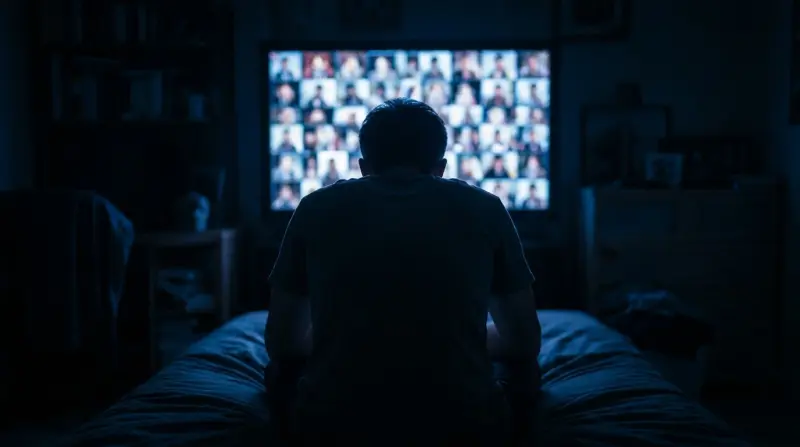
People use the phrase "porn addiction" because it can describe the feeling of losing control, but the phrase alone is not enough to diagnose you. What matters is the pattern: are you trying to stop and finding that you cannot? Does the behavior continue despite its effect on your sleep, work, relationships, faith practice, or self-respect? Not every use of pornography means addiction or a disorder; concern increases when loss of control repeats or there is a clear effect on sleep, work, relationships, or mood. That doesn’t make you a bad or weak person; it is often a way the brain learned to quickly ease stress, loneliness, or emptiness. When you understand what triggers the urge, stopping becomes less harsh and more realistic, and you begin replacing the habit with healthier calming tools. Self-steps may be enough if control is possible, relapse is limited, and it doesn’t strongly affect your work, relationships, or mood. But if loss of control keeps recurring, distress and daily impact increase, or related problems appear, then support from a specialist and a space like Tatmeen can shorten the path and give you a clear plan.
Why Doesn’t Willpower Alone Work Sometimes?
At first, porn is curiosity or entertainment, then it gradually turns into a way to escape the pressure of a long day or bottled-up anxiety. The brain loves quick solutions, and with repetition it learns that this response brings immediate relief—so it starts demanding it whenever the same feelings or circumstances appear.
The picture becomes more complicated when the behavior is tied to loss of control and harm, not just desire. Many general definitions of addiction revolve around being unable to stop despite harm or the deterioration of areas of life, and that meaning can help you see the problem as a behavior that needs management—not as a stigma.
Secrecy increases the burden. The more shame grows, the fewer chances you have to share it with someone you trust or adjust your environment—so the loop keeps running quietly. And when a slip happens, harsh self-blame may intensify, raising stress, and then you return to porn to numb it—so the cycle continues.
You might feel distress because the behavior conflicts with your religious or personal values, and that feeling is understandable and worthy of respect. But moral distress alone does not mean there is a disorder. It helps to distinguish value conflict from repeated loss of control and clear life impact: Does it cross your boundaries again and again? Does it steal your time? Does it change your mood and relationships?
When Are Self-Steps Enough?
Self-steps may be sufficient when you have a clear degree of control, even if there are occasional slips. For example: you can stop for days or weeks, slips are mostly linked to specific situations you can anticipate, and there isn’t a major impact on school, work, sleep, or relationships. Specialist support becomes more helpful when failed attempts repeat, time spent increases, or the behavior is tied to anxiety, depression, isolation, or relationship strain. The question is not whether you are strong enough, but what level of support fits the pattern.
The focus isn’t on preventing desire, but on changing the track before desire turns into action. Start with a simple question before each slip: What was I feeling a few minutes ago? Then put a short alternative in place that serves a similar calming function—even if it feels less attractive at first.
If you want a light two-week plan, make it as practical as possible:
Keep a consistent sleep and wake time, and reduce late-night solo scrolling.
Change the place where you use your phone, and step out of long stretches of privacy.
Prepare a quick alternative for stress: a short walk, ablution and prayer, slow breathing, or a simple hands-on task.
Write down your triggers in a few words after each slip—without judgment.
You’ll notice that the urge comes like a wave and fades if you don’t feed it. Give yourself ten minutes before the decision: drink water, change your posture, or step into the hallway. That small space is the seed of control.
When Does a Specialist Become Necessary—or More Helpful?
You may need a specialist when self-attempts turn into an exhausting loop: harsh stopping, then slipping, then bigger promises, then a harsher slip. Or when the time spent starts increasing, porn becomes the centerpiece of the end of your day, or it begins to interfere with focus, achievement, and sleep.
Also, if porn is serving as a numbing function for heavier emotions—persistent anxiety, clear sadness, anger outbursts, or loneliness—then treatment isn’t just about cutting the behavior. It’s about learning safe ways to regulate emotions and addressing the roots that push you to escape.
Another important sign is when it affects your relationship with God, your family, or your self-image in a way that plants hopelessness. If there is fear of harming yourself or others, extortion, threats, coercion, violence, illegal content, or direct risk to a minor, the priority is safety and the relevant authorities, not a routine session. In Saudi Arabia, use emergency services 999, ambulance 997, Ministry of Health 937, extortion reports 1909, and violence or abuse reports 1919 when needed.
How Does a Specialist Actually Help You—and What Will You Gain From Treatment?
Talking with a licensed specialist doesn’t mean your life is exposed or that you’ll be judged. The goal is usually to understand the repeating loop—triggers, thoughts, feelings, and behavior—and then build skills that cut it off before it completes. Simply naming emotions and creating a plan for high-risk moments can noticeably reduce impulsivity.
One common approach is cognitive behavioral therapy (CBT). It helps adjust thoughts that fuel stress, change small behaviors that come before a slip, and practice realistic alternatives between sessions. There is no single method that fits everyone, so a specialist chooses what matches your pattern and needs.
One of the major gains in therapy is reducing the weight of shame. People often reduce themselves to one sentence: I’m a failure. But the reality is more precise: I have a repeated behavior that needs training and support. Clinical descriptions also distinguish between loss of control and distress that comes only from moral judgment of desires—so that treatment doesn’t become an increase in stigma.
Choosing the right specialist matters as much as choosing the plan. Look for clear licensing, experience with compulsive behaviors or emotion regulation, and a sense of safety in speaking without details you don’t want to share. If privacy or time is a barrier, remote sessions may be a suitable option; and in Saudi Arabia, Tatmeen can be one option for connecting with licensed specialists.
Finally…
Porn addiction treatment may feel like a winding road, but it is not a lonely one, and it does not need harshness. Start with what you can do today: better sleep, a calmer environment, alternatives for stress, and kinder words to yourself. If pornography use feels outside your control or tied to shame, anxiety, and isolation, you can take a calm first step through the Tatmeen app: book a session with a mental health specialist who can help you understand the pattern and build a realistic plan, without needing a ready-made diagnosis or explicit details. Progress is measured by direction, not perfection.
Frequently Asked Questions
Is it better to quit suddenly, or reduce gradually?
What’s best is what you can sustain without turning it into a daily battle. Quitting suddenly may work if triggers are specific and you have alternatives and a clear plan, while gradual reduction can help those whose stress increases with complete abstinence.
How do I know my problem isn’t just a passing habit?
Look at impact, not feelings alone: repetition despite serious attempts, increased time spent, worsened sleep or concentration, or a sense of losing control. If the habit is tied to deep stress or sadness, it often needs treating the roots—not the behavior alone.
What do I say to a specialist if I’m embarrassed about details?
Start with the minimum: when slipping happens, what you feel before it, and the impact afterward. You can set boundaries from the beginning, and a good specialist will respect that and work with you on skills and a plan without pushing you into a conversation you don’t want.
A writer and researcher specializing in psychiatry, she focuses on mental health and the human emotions we experience but cannot always find the words to name. She writes about us—about humanity and the human experience—and simplifies complex topics to offer content that helps us better understand ourselves and life, ultimately making us feel less alone.
Every Tatmeen article is reviewed by care providers licensed by the Saudi Commission for Health Specialties, so what you read is accurate and trustworthy.
This article builds understanding and does not replace a licensed care provider.
Need someone to talk to?
Tatmeen's licensed care providers are available around the clock, and the app's urgent consultation connects you with one within minutes.
Download Tatmeen to explore care providers and booking options.
Smart matchingFour quick questions suggest the right care provider
Urgent consultationTalk to an available care provider within minutes
Free psychological measuresMore than 20 tests to understand how you are doing
Scan to download
{"data":{"id":"e405107a-ccc4-459f-9fc3-c611e5c2a09e","slug":"porn-addiction-treatment-self-help-specialist","arTitle":"علاج إدمان الإباحية: خطوات تساعدك ومتى تحتاج مختصًا؟","enTitle":"Porn Addiction Treatment: Helpful Steps and When to See a Specialist","thumbnailAltText":"Helping hands reaching across abstract shapes, symbolizing support and addiction recovery.","estimatedReadingTime":5,"likesCount":240,"writer":{"id":"3ab72b74-f26f-4337-9b47-3114b0f90de5","arBio":"كاتبة وباحثة متخصصة في مجال الطب النفسي، تهتم بموضوعات الصحة النفسية وبالمشاعر الإنسانية التي نختبرها ولا نجد دائمًا الكلمات لتسميتها. تكتب عنّا؛ عن الإنسان وتجربته، وتبسّط الموضوعات المعقّدة لتقدّم محتوى يساعدنا على فهم ذواتنا والحياة أكثر، ويجعلنا نشعر بأننا بوحدة أقل.","enBio":"A writer and researcher specializing in psychiatry, she focuses on mental health and the human emotions we experience but cannot always find the words to name. She writes about us—about humanity and the human experience—and simplifies complex topics to offer content that helps us better understand ourselves and life, ultimately making us feel less alone.","user":{"slug":"ayat-alnajar","arFullName":"آيات النجار","enFullName":"Ayat Al-Najjar","publicProfileImageUrl":"https://cdn.tatmeen.sa/public/profile-images/02384455-68fa-40b6-ad05-609fde65cafa/21b9a610dde5dfc6d37af110c23e9c7ab3946be080c281beb000debf4f7d31a6.webp","publicProfileImage96Url":"https://cdn.tatmeen.sa/public/profile-images/02384455-68fa-40b6-ad05-609fde65cafa/21b9a610dde5dfc6d37af110c23e9c7ab3946be080c281beb000debf4f7d31a6-w96.webp","publicProfileImage192Url":"https://cdn.tatmeen.sa/public/profile-images/02384455-68fa-40b6-ad05-609fde65cafa/21b9a610dde5dfc6d37af110c23e9c7ab3946be080c281beb000debf4f7d31a6-w192.webp"}},"arContent":"","enContent":"","productionDocument":{"headings":[{"id":"article-section-why-doesn-t-willpower-alone-work-sometimes","text":"Why Doesn’t Willpower Alone Work Sometimes?"},{"id":"article-section-when-are-self-steps-enough","text":"When Are Self-Steps Enough?"},{"id":"article-section-when-does-a-specialist-become-necessary-or-more-helpful","text":"When Does a Specialist Become Necessary—or More Helpful?"},{"id":"article-section-how-does-a-specialist-actually-help-you-and-what-will-you-gain-from-treatment","text":"How Does a Specialist Actually Help You—and What Will You Gain From Treatment?"},{"id":"article-section-finally","text":"Finally…"}],"faqs":[{"question":"Is it better to quit suddenly, or reduce gradually?","answer":"<p><span style=\"color:#000000\">What’s best is what you can sustain without turning it into a daily battle. Quitting suddenly may work if triggers are specific and you have alternatives and a clear plan, while gradual reduction can help those whose stress increases with complete abstinence.</span></p>"},{"question":"How do I know my problem isn’t just a passing habit?","answer":"<p><span style=\"color:#000000\">Look at impact, not feelings alone: repetition despite serious attempts, increased time spent, worsened sleep or concentration, or a sense of losing control. If the habit is tied to deep stress or sadness, it often needs treating the roots—not the behavior alone.</span></p>"},{"question":"What do I say to a specialist if I’m embarrassed about details?","answer":"<p><span style=\"color:#000000\">Start with the minimum: when slipping happens, what you feel before it, and the impact afterward. You can set boundaries from the beginning, and a good specialist will respect that and work with you on skills and a plan without pushing you into a conversation you don’t want.</span></p>"}],"beforeSourcesHtml":"<p></p>","sources":[],"afterSourcesHtml":"","blocks":[{"type":"html","html":"<p><span style=\"color:#000000\">People use the phrase \"porn addiction\" because it can describe the feeling of losing control, but the phrase alone is not enough to diagnose you. What matters is the pattern: are you trying to stop and finding that you cannot? Does the behavior continue despite its effect on your sleep, work, relationships, faith practice, or self-respect? Not every use of pornography means addiction or a disorder; concern increases when loss of control repeats or there is a clear effect on sleep, work, relationships, or mood. That doesn’t make you a bad or weak person; it is often a way the brain learned to quickly ease stress, loneliness, or emptiness. When you understand <em>what triggers the urge</em>, stopping becomes less harsh and more realistic, and you begin replacing the habit with healthier calming tools. Self-steps may be enough if control is possible, relapse is limited, and it doesn’t strongly affect your work, relationships, or mood. But if loss of control keeps recurring, distress and daily impact increase, or related problems appear, then support from a specialist and a space like Tatmeen can shorten the path and give you a clear plan.</span></p><h2 id=\"article-section-why-doesn-t-willpower-alone-work-sometimes\" data-toc-heading tabindex=\"-1\"><span id=\"why-doesn-t-willpower-alone-work-sometimes-1\" aria-hidden=\"true\"></span><span style=\"color:#000000\"><strong>Why Doesn’t Willpower Alone Work Sometimes?</strong></span></h2><p><span style=\"color:#000000\">At first, porn is curiosity or entertainment, then it gradually turns into a way to escape the pressure of a long day or bottled-up anxiety. The brain loves quick solutions, and with repetition it learns that this response brings immediate relief—so it starts demanding it whenever the same feelings or circumstances appear.</span></p><p><span style=\"color:#000000\">The picture becomes more complicated when the behavior is tied to loss of control and harm, not just desire. Many general definitions of addiction revolve around being unable to stop despite harm or the deterioration of areas of life, and that meaning can help you see the problem as a behavior that needs management—not as a stigma.</span></p><p><span style=\"color:#000000\">Secrecy increases the burden. The more shame grows, the fewer chances you have to share it with someone you trust or adjust your environment—so the loop keeps running quietly. And when a slip happens, harsh self-blame may intensify, raising stress, and then you return to porn to numb it—so the cycle continues.</span></p><p><span style=\"color:#000000\">You might feel distress because the behavior conflicts with your religious or personal values, and that feeling is understandable and worthy of respect. But moral distress alone does not mean there is a disorder. It helps to distinguish value conflict from repeated loss of control and clear life impact: Does it cross your boundaries again and again? Does it steal your time? Does it change your mood and relationships?</span></p><h2 id=\"article-section-when-are-self-steps-enough\" data-toc-heading tabindex=\"-1\"><span id=\"when-are-self-steps-enough-2\" aria-hidden=\"true\"></span><span style=\"color:#000000\"><strong>When Are Self-Steps Enough?</strong></span></h2><p><span style=\"color:#000000\">Self-steps may be sufficient when you have a clear degree of control, even if there are occasional slips. For example: you can stop for days or weeks, slips are mostly linked to specific situations you can anticipate, and there isn’t a major impact on school, work, sleep, or relationships. Specialist support becomes more helpful when failed attempts repeat, time spent increases, or the behavior is tied to anxiety, depression, isolation, or relationship strain. The question is not whether you are strong enough, but what level of support fits the pattern.</span></p><p><span style=\"color:#000000\">The focus isn’t on preventing desire, but on changing the track before desire turns into action. Start with a simple question before each slip: <em>What was I feeling a few minutes ago?</em> Then put a short alternative in place that serves a similar calming function—even if it feels less attractive at first.</span></p><p><span style=\"color:#000000\">If you want a light two-week plan, make it as practical as possible:</span></p><ul><li><p><span style=\"color:#000000\">Keep a consistent sleep and wake time, and reduce late-night solo scrolling.</span></p></li><li><p><span style=\"color:#000000\">Change the place where you use your phone, and step out of long stretches of privacy.</span></p></li><li><p><span style=\"color:#000000\">Prepare a quick alternative for stress: a short walk, ablution and prayer, slow breathing, or a simple hands-on task.</span></p></li><li><p><span style=\"color:#000000\">Write down your triggers in a few words after each slip—without judgment.</span></p></li></ul><p><span style=\"color:#000000\">You’ll notice that the urge comes like a wave and fades if you don’t feed it. Give yourself ten minutes before the decision: drink water, change your posture, or step into the hallway. That small space is the seed of control.</span></p><h2 id=\"article-section-when-does-a-specialist-become-necessary-or-more-helpful\" data-toc-heading tabindex=\"-1\"><span id=\"when-does-a-specialist-become-necessary-or-more-helpful-3\" aria-hidden=\"true\"></span><span style=\"color:#000000\"><strong>When Does a Specialist Become Necessary—or More Helpful?</strong></span></h2><p><span style=\"color:#000000\">You may need a specialist when self-attempts turn into an exhausting loop: harsh stopping, then slipping, then bigger promises, then a harsher slip. Or when the time spent starts increasing, porn becomes the centerpiece of the end of your day, or it begins to interfere with focus, achievement, and sleep.</span></p><p><span style=\"color:#000000\">Also, if porn is serving as a numbing function for heavier emotions—persistent anxiety, clear sadness, anger outbursts, or loneliness—then treatment isn’t just about cutting the behavior. It’s about learning safe ways to regulate emotions and addressing the roots that push you to escape.</span></p><p><span style=\"color:#000000\">Another important sign is when it affects your relationship with God, your family, or your self-image in a way that plants hopelessness. If there is fear of harming yourself or others, extortion, threats, coercion, violence, illegal content, or direct risk to a minor, the priority is safety and the relevant authorities, not a routine session. In Saudi Arabia, use emergency services 999, ambulance 997, Ministry of Health 937, extortion reports 1909, and violence or abuse reports 1919 when needed.</span></p><h2 id=\"article-section-how-does-a-specialist-actually-help-you-and-what-will-you-gain-from-treatment\" data-toc-heading tabindex=\"-1\"><span id=\"how-does-a-specialist-actually-help-you-and-what-will-you-gain-from-treatment-4\" aria-hidden=\"true\"></span><span style=\"color:#000000\"><strong>How Does a Specialist Actually Help You—and What Will You Gain From Treatment?</strong></span></h2><p><span style=\"color:#000000\">Talking with a licensed specialist doesn’t mean your life is exposed or that you’ll be judged. The goal is usually to understand the repeating loop—triggers, thoughts, feelings, and behavior—and then build skills that cut it off before it completes. Simply naming emotions and creating a plan for high-risk moments can noticeably reduce impulsivity.</span></p><p><span style=\"color:#000000\">One common approach is cognitive behavioral therapy (CBT). It helps adjust thoughts that fuel stress, change small behaviors that come before a slip, and practice realistic alternatives between sessions. There is no single method that fits everyone, so a specialist chooses what matches your pattern and needs.</span></p><p><span style=\"color:#000000\">One of the major gains in therapy is reducing the weight of shame. People often reduce themselves to one sentence: <em>I’m a failure.</em> But the reality is more precise: <em>I have a repeated behavior that needs training and support.</em> Clinical descriptions also distinguish between loss of control and distress that comes only from moral judgment of desires—so that treatment doesn’t become an increase in stigma.</span></p><p><span style=\"color:#000000\">Choosing the right specialist matters as much as choosing the plan. Look for clear licensing, experience with compulsive behaviors or emotion regulation, and a sense of safety in speaking without details you don’t want to share. If privacy or time is a barrier, remote sessions may be a suitable option; and in Saudi Arabia, <strong>Tatmeen </strong>can be one option for connecting with licensed specialists.</span></p><h2 id=\"article-section-finally\" data-toc-heading tabindex=\"-1\"><span id=\"finally-5\" aria-hidden=\"true\"></span><span style=\"color:#000000\"><strong>Finally…</strong></span></h2><p><span style=\"color:#000000\">Porn addiction treatment may feel like a winding road, but it is not a lonely one, and it does not need harshness. Start with what you can do today: better sleep, a calmer environment, alternatives for stress, and kinder words to yourself. If pornography use feels outside your control or tied to shame, anxiety, and isolation, you can take a calm first step through the Tatmeen app: book a session with a mental health specialist who can help you understand the pattern and build a realistic plan, without needing a ready-made diagnosis or explicit details. Progress is measured by direction, not perfection.</span></p>"}],"inlineCtaSignatures":[],"_experienceAliases":{"v":1,"fields":["html","bodyHtml"],"faqs":[0,1,2]}},"createdAt":"2026-06-07T21:00:00.000Z","updatedAt":"2026-06-21T16:06:10.343Z","disorderGroups":[{"id":"04bd234d-c176-4ba1-afb3-9e9c05d0e648","slug":"addictions-and-compulsive-behaviors","arName":"الإدمان والسلوكيات القهرية","enName":"Addictions & Compulsive Behaviors"},{"id":"d807ea69-44d4-4e81-bee4-0a059fd36645","slug":"self-development","arName":"تنمية الذات","enName":"Self-Development"},{"id":"1e82772d-a1a7-4d29-b475-be9d6b67ae02","slug":"common-mental-issues","arName":"اضطرابات نفسية شائعة","enName":"Common Mental Issues"}],"reviewer":{"arFullName":"فريق تطمين","enFullName":"Tatmeen team","slug":"tatmeen-team","kind":"organization"},"productionArticle":true,"promotionAllowed":true,"preparedCover":{"src":"https://cdn.tatmeen.sa/public/article-lcp/article-lcp-v2/sha256-16c581aef7167e6b1c4ad466c039cd2931a6835c287f7108e24fb86edb516c15/800-875dfe158215ace3098ffad25099e3a4dd17129de0daf4496794ea3b8dd3d41e.avif","fallback":"https://cdn.tatmeen.sa/public/article-lcp/article-lcp-v2/sha256-16c581aef7167e6b1c4ad466c039cd2931a6835c287f7108e24fb86edb516c15/800-0fae8acd6469f00a009077aae85fb5e3cee8fa52e8d4854ed9466ba74b70fc03.webp","directUrl":"https://cdn.tatmeen.sa/blog-cover/Tatmeen-1780941367354.webp","isGolden":true,"avifSrcset":"https://cdn.tatmeen.sa/public/article-lcp/article-lcp-v2/sha256-16c581aef7167e6b1c4ad466c039cd2931a6835c287f7108e24fb86edb516c15/400-764e0e9c58c4d11537ee8b34729286a89a08a56d09bbfe4917dc2c5065a1aed2.avif 400w, https://cdn.tatmeen.sa/public/article-lcp/article-lcp-v2/sha256-16c581aef7167e6b1c4ad466c039cd2931a6835c287f7108e24fb86edb516c15/640-04288dfc1df19455169748c8478ff22a267ffc7cfe74c083a4a697bc8e2e0461.avif 640w, https://cdn.tatmeen.sa/public/article-lcp/article-lcp-v2/sha256-16c581aef7167e6b1c4ad466c039cd2931a6835c287f7108e24fb86edb516c15/800-875dfe158215ace3098ffad25099e3a4dd17129de0daf4496794ea3b8dd3d41e.avif 800w, https://cdn.tatmeen.sa/public/article-lcp/article-lcp-v2/sha256-16c581aef7167e6b1c4ad466c039cd2931a6835c287f7108e24fb86edb516c15/1200-3bfc1bc6e9b73146f852d009c61144d1766f1fccc364a31608dfcc579f7bff3b.avif 1200w","webpSrcset":"https://cdn.tatmeen.sa/public/article-lcp/article-lcp-v2/sha256-16c581aef7167e6b1c4ad466c039cd2931a6835c287f7108e24fb86edb516c15/400-0b24880a4010bfd88415f92b522c0bb17515bac73a7aa68f9225e77c459543d8.webp 400w, https://cdn.tatmeen.sa/public/article-lcp/article-lcp-v2/sha256-16c581aef7167e6b1c4ad466c039cd2931a6835c287f7108e24fb86edb516c15/640-fd29c93f5cec0f4fda8bdf74b76c170d7705ea5044f7b50ff5e3a22514e54e70.webp 640w, https://cdn.tatmeen.sa/public/article-lcp/article-lcp-v2/sha256-16c581aef7167e6b1c4ad466c039cd2931a6835c287f7108e24fb86edb516c15/800-0fae8acd6469f00a009077aae85fb5e3cee8fa52e8d4854ed9466ba74b70fc03.webp 800w, https://cdn.tatmeen.sa/public/article-lcp/article-lcp-v2/sha256-16c581aef7167e6b1c4ad466c039cd2931a6835c287f7108e24fb86edb516c15/1200-0cb7dcadcc0e994d266e5481074e5a942ddcd003d71c758610703e7718be46b9.webp 1200w","phoneAvifSrcset":"https://cdn.tatmeen.sa/public/article-lcp/article-lcp-v2/sha256-16c581aef7167e6b1c4ad466c039cd2931a6835c287f7108e24fb86edb516c15/400-764e0e9c58c4d11537ee8b34729286a89a08a56d09bbfe4917dc2c5065a1aed2.avif 400w, https://cdn.tatmeen.sa/public/article-lcp/article-lcp-v2/sha256-16c581aef7167e6b1c4ad466c039cd2931a6835c287f7108e24fb86edb516c15/640-04288dfc1df19455169748c8478ff22a267ffc7cfe74c083a4a697bc8e2e0461.avif 640w, https://cdn.tatmeen.sa/public/article-lcp/article-lcp-v2/sha256-16c581aef7167e6b1c4ad466c039cd2931a6835c287f7108e24fb86edb516c15/800-875dfe158215ace3098ffad25099e3a4dd17129de0daf4496794ea3b8dd3d41e.avif 800w","phoneWebpSrcset":"https://cdn.tatmeen.sa/public/article-lcp/article-lcp-v2/sha256-16c581aef7167e6b1c4ad466c039cd2931a6835c287f7108e24fb86edb516c15/400-0b24880a4010bfd88415f92b522c0bb17515bac73a7aa68f9225e77c459543d8.webp 400w, https://cdn.tatmeen.sa/public/article-lcp/article-lcp-v2/sha256-16c581aef7167e6b1c4ad466c039cd2931a6835c287f7108e24fb86edb516c15/640-fd29c93f5cec0f4fda8bdf74b76c170d7705ea5044f7b50ff5e3a22514e54e70.webp 640w, https://cdn.tatmeen.sa/public/article-lcp/article-lcp-v2/sha256-16c581aef7167e6b1c4ad466c039cd2931a6835c287f7108e24fb86edb516c15/800-0fae8acd6469f00a009077aae85fb5e3cee8fa52e8d4854ed9466ba74b70fc03.webp 800w","width":800,"height":447},"previewTaxonomy":{"groups":[{"id":"04bd234d-c176-4ba1-afb3-9e9c05d0e648","slug":"addictions-and-compulsive-behaviors","arName":"الإدمان والسلوكيات القهرية","enName":"Addictions & Compulsive Behaviors"},{"id":"d807ea69-44d4-4e81-bee4-0a059fd36645","slug":"self-development","arName":"تنمية الذات","enName":"Self-Development"},{"id":"1e82772d-a1a7-4d29-b475-be9d6b67ae02","slug":"common-mental-issues","arName":"اضطرابات نفسية شائعة","enName":"Common Mental Issues"}],"topics":[{"id":"df422fae-2631-4acb-8a97-69baec4bbc8f","slug":"positive-habits","arName":"بناء عادات إيجابية","enName":"Positive Habits","groupSlug":"self-development","href":"/blog/category/self-development/positive-habits/"},{"id":"7795b6e4-e390-47a5-baf0-09243b44e066","slug":"self-compassion","arName":"تعاطف مع الذات","enName":"Self-Compassion","groupSlug":"self-development","href":"/blog/category/self-development/self-compassion/"},{"id":"15ff72d6-a734-4802-9430-5938aa292115","slug":"porn-addiction","arName":"إدمان الإباحية","enName":"Porn Addiction","groupSlug":"addictions-and-compulsive-behaviors","href":"/blog/category/addictions-and-compulsive-behaviors/porn-addiction/"}],"tags":[{"id":"4ed98471-68bf-4682-b622-f092e88833bb","slug":"porn-compulsive-sexual","arName":"إدمان الإباحية والسلوك الجنسي القهري","enName":"Pornography & Compulsive Sexual"},{"id":"07738784-6495-42b7-819f-22706a2e5ad3","slug":"specialist-diagnosis","arName":"اختيار المختص والتشخيص","enName":"Choosing a Specialist & Diagnosis"},{"id":"d58e6187-021b-44a5-882c-245bccd77611","slug":"self-help-howto","arName":"مساعدة ذاتية / خطوات عملية","enName":"Self-Help / How-To"}]},"previewProviderRecommendations":[{"id":"278d5ac5-30ff-46ad-97be-c67cdd125836","slug":"dr-mohammed-alamari-8085","arFullName":"د. محمد العماري","enFullName":"Dr. Mohammed Alamari","publicProfileImageUrl":"https://cdn.tatmeen.sa/public/profile-images/278d5ac5-30ff-46ad-97be-c67cdd125836/69bdd11cb01784eed010eb9883403fd6ca4e4afcec739dcd6114fd8b85f133a8.webp","publicProfileImage96Url":"https://cdn.tatmeen.sa/public/profile-images/278d5ac5-30ff-46ad-97be-c67cdd125836/69bdd11cb01784eed010eb9883403fd6ca4e4afcec739dcd6114fd8b85f133a8-w96.webp","publicProfileImage192Url":"https://cdn.tatmeen.sa/public/profile-images/278d5ac5-30ff-46ad-97be-c67cdd125836/69bdd11cb01784eed010eb9883403fd6ca4e4afcec739dcd6114fd8b85f133a8-w192.webp","specialization":{"arName":"طبيب أسرة","enName":"Family Physician"},"profileImageUrl":"https://cdn.tatmeen.sa/public/profile-images/278d5ac5-30ff-46ad-97be-c67cdd125836/69bdd11cb01784eed010eb9883403fd6ca4e4afcec739dcd6114fd8b85f133a8-w192.webp","experienceYears":3,"consultantInfo":{"averageRating":{"average":4},"specialization":{"arGeneralName":"طبيب أسرة","enGeneralName":"Family Physician"}}},{"id":"61ffd054-193f-4e8e-abc7-356e905dec92","slug":"nada-2471","arFullName":"د. ندى ال ادريس","enFullName":"Dr. Nada Al Idrees","publicProfileImageUrl":"","publicProfileImage96Url":"","publicProfileImage192Url":"","specialization":{"arName":"طبيب نفسي","enName":"Psychiatrist"},"profileImageUrl":"","experienceYears":5,"consultantInfo":{"averageRating":{"average":0},"specialization":{"arGeneralName":"طبيب نفسي","enGeneralName":"Psychiatrist"}}},{"id":"d754a189-f8c9-4aad-b4aa-a5dbd26c0bd7","slug":"talal-alshowaier-8694","arFullName":"طلال الشويعر","enFullName":"Talal Alshowaier","publicProfileImageUrl":"https://cdn.tatmeen.sa/public/profile-images/d754a189-f8c9-4aad-b4aa-a5dbd26c0bd7/74feb27848a47cf43189f6b5951e06a9b87b08269021d5bab765092fc65fce42.webp","publicProfileImage96Url":"https://cdn.tatmeen.sa/public/profile-images/d754a189-f8c9-4aad-b4aa-a5dbd26c0bd7/74feb27848a47cf43189f6b5951e06a9b87b08269021d5bab765092fc65fce42-w96.webp","publicProfileImage192Url":"https://cdn.tatmeen.sa/public/profile-images/d754a189-f8c9-4aad-b4aa-a5dbd26c0bd7/74feb27848a47cf43189f6b5951e06a9b87b08269021d5bab765092fc65fce42-w192.webp","specialization":{"arName":"أخصائي نفسي","enName":"Psychologist"},"profileImageUrl":"https://cdn.tatmeen.sa/public/profile-images/d754a189-f8c9-4aad-b4aa-a5dbd26c0bd7/74feb27848a47cf43189f6b5951e06a9b87b08269021d5bab765092fc65fce42-w192.webp","experienceYears":3,"consultantInfo":{"averageRating":{"average":5},"specialization":{"arGeneralName":"أخصائي نفسي","enGeneralName":"Psychologist"}}}],"previewCareProviders":[{"id":"09364052-c2a9-4c52-9717-7ce2093b8d0a","slug":"kholoud-alharbi-5221","arFullName":"خلود الحربي","enFullName":"Kholoud Alharbi","publicProfileImageUrl":"https://cdn.tatmeen.sa/public/profile-images/09364052-c2a9-4c52-9717-7ce2093b8d0a/4a0aeb81619e351b77f4323e3605a0a00acc7ca3c82ee7cc5ca2c9e8ef716049.webp","publicProfileImage96Url":"https://cdn.tatmeen.sa/public/profile-images/09364052-c2a9-4c52-9717-7ce2093b8d0a/4a0aeb81619e351b77f4323e3605a0a00acc7ca3c82ee7cc5ca2c9e8ef716049-w96.webp","publicProfileImage192Url":"https://cdn.tatmeen.sa/public/profile-images/09364052-c2a9-4c52-9717-7ce2093b8d0a/4a0aeb81619e351b77f4323e3605a0a00acc7ca3c82ee7cc5ca2c9e8ef716049-w192.webp","gender":"FEMALE","specialization":{"arName":"أخصائي نفسي","enName":"Psychologist"}},{"id":"6f037535-1dca-4b50-a8b2-5974b7323286","slug":"salah-althobaiti-9053","arFullName":"صلاح الثبيتي","enFullName":"Salah Althobaiti","publicProfileImageUrl":"https://cdn.tatmeen.sa/public/profile-images/6f037535-1dca-4b50-a8b2-5974b7323286/35b6bd7fad9b1e004c1835803eb9c1b56dcacd380685ec8bff141f0fb888005c.webp","publicProfileImage96Url":"https://cdn.tatmeen.sa/public/profile-images/6f037535-1dca-4b50-a8b2-5974b7323286/35b6bd7fad9b1e004c1835803eb9c1b56dcacd380685ec8bff141f0fb888005c-w96.webp","publicProfileImage192Url":"https://cdn.tatmeen.sa/public/profile-images/6f037535-1dca-4b50-a8b2-5974b7323286/35b6bd7fad9b1e004c1835803eb9c1b56dcacd380685ec8bff141f0fb888005c-w192.webp","gender":"MALE","specialization":{"arName":"أخصائي نفسي","enName":"Psychologist"}},{"id":"3cc806e8-616b-4884-9f21-a75b378580a2","slug":"aisha-al-hashim-8667","arFullName":"عائشة ال هاشم","enFullName":"Aisha Al Hashim","publicProfileImageUrl":"https://cdn.tatmeen.sa/public/profile-images/3cc806e8-616b-4884-9f21-a75b378580a2/27f523d03be4dcfa1f6a79f70c1773887434e698990d214cd990caec56a44798.webp","publicProfileImage96Url":"https://cdn.tatmeen.sa/public/profile-images/3cc806e8-616b-4884-9f21-a75b378580a2/27f523d03be4dcfa1f6a79f70c1773887434e698990d214cd990caec56a44798-w96.webp","publicProfileImage192Url":"https://cdn.tatmeen.sa/public/profile-images/3cc806e8-616b-4884-9f21-a75b378580a2/27f523d03be4dcfa1f6a79f70c1773887434e698990d214cd990caec56a44798-w192.webp","gender":"FEMALE","specialization":{"arName":"أخصائي نفسي","enName":"Psychologist"}},{"id":"db2ce1a0-9325-4471-b7ce-eb2e811c30a3","slug":"amer-qutub-2441","arFullName":"عامر قطب","enFullName":"Amer Qutub","publicProfileImageUrl":"https://cdn.tatmeen.sa/public/profile-images/db2ce1a0-9325-4471-b7ce-eb2e811c30a3/80580f99bfd7fe2b2a9cf8eed73ab532f5086d1efe053b0aa57358c1ce004261.webp","publicProfileImage96Url":"https://cdn.tatmeen.sa/public/profile-images/db2ce1a0-9325-4471-b7ce-eb2e811c30a3/80580f99bfd7fe2b2a9cf8eed73ab532f5086d1efe053b0aa57358c1ce004261-w96.webp","publicProfileImage192Url":"https://cdn.tatmeen.sa/public/profile-images/db2ce1a0-9325-4471-b7ce-eb2e811c30a3/80580f99bfd7fe2b2a9cf8eed73ab532f5086d1efe053b0aa57358c1ce004261-w192.webp","gender":"MALE","specialization":{"arName":"أخصائي نفسي","enName":"Psychologist"}},{"id":"94765496-dbdf-4631-a01b-7df5f788668d","slug":"abdullrahman-alhamoudi-3045","arFullName":"عبدالرحمن الحمودي","enFullName":"Abdulrahman Alhamoudi","publicProfileImageUrl":"https://cdn.tatmeen.sa/public/profile-images/94765496-dbdf-4631-a01b-7df5f788668d/2d49f6b6493c564afb6f50b6c3634231dff3a5cf8353acfab393d1b2a88037d1.webp","publicProfileImage96Url":"https://cdn.tatmeen.sa/public/profile-images/94765496-dbdf-4631-a01b-7df5f788668d/2d49f6b6493c564afb6f50b6c3634231dff3a5cf8353acfab393d1b2a88037d1-w96.webp","publicProfileImage192Url":"https://cdn.tatmeen.sa/public/profile-images/94765496-dbdf-4631-a01b-7df5f788668d/2d49f6b6493c564afb6f50b6c3634231dff3a5cf8353acfab393d1b2a88037d1-w192.webp","gender":"MALE","specialization":{"arName":"أخصائي نفسي","enName":"Psychologist"}},{"id":"618dba89-5b70-4b46-8304-741b7ac8ecd3","slug":"abdullah-mari-1311","arFullName":"عبدالله مرعي","enFullName":"Abdullah Mari","publicProfileImageUrl":"https://cdn.tatmeen.sa/public/profile-images/618dba89-5b70-4b46-8304-741b7ac8ecd3/6b4a3bfb59f8a304ca79083b32859b46baad2e1d692974a47c02c1f66bd11129.webp","publicProfileImage96Url":"https://cdn.tatmeen.sa/public/profile-images/618dba89-5b70-4b46-8304-741b7ac8ecd3/6b4a3bfb59f8a304ca79083b32859b46baad2e1d692974a47c02c1f66bd11129-w96.webp","publicProfileImage192Url":"https://cdn.tatmeen.sa/public/profile-images/618dba89-5b70-4b46-8304-741b7ac8ecd3/6b4a3bfb59f8a304ca79083b32859b46baad2e1d692974a47c02c1f66bd11129-w192.webp","gender":"MALE","specialization":{"arName":"أخصائي نفسي","enName":"Psychologist"}},{"id":"3b50a5d5-e795-407f-8676-fd7f0e1bb7a0","slug":"abdulaziz-bin-hudayan-4940","arFullName":"عبدالعزيز بن هديان","enFullName":"Abdulaziz Bin Hudayan","publicProfileImageUrl":"https://cdn.tatmeen.sa/public/profile-images/3b50a5d5-e795-407f-8676-fd7f0e1bb7a0/710ff0fe1fb00cdb5042092e27b7910b480a439b02251ecded62d7758eefce95.webp","publicProfileImage96Url":"https://cdn.tatmeen.sa/public/profile-images/3b50a5d5-e795-407f-8676-fd7f0e1bb7a0/710ff0fe1fb00cdb5042092e27b7910b480a439b02251ecded62d7758eefce95-w96.webp","publicProfileImage192Url":"https://cdn.tatmeen.sa/public/profile-images/3b50a5d5-e795-407f-8676-fd7f0e1bb7a0/710ff0fe1fb00cdb5042092e27b7910b480a439b02251ecded62d7758eefce95-w192.webp","gender":"MALE","specialization":{"arName":"أخصائي نفسي","enName":"Psychologist"}},{"id":"d4ffcb6b-90a7-45b6-b941-964866f4564b","slug":"dhaifallah-alhumaidi-1092","arFullName":"ضيف الله الحميدي","enFullName":"Dhaifallah Alhumaidi","publicProfileImageUrl":"https://cdn.tatmeen.sa/public/profile-images/d4ffcb6b-90a7-45b6-b941-964866f4564b/1817171c5828a9b57d6c30d12332cf154e335272548bc90a6e8456d74d356956.webp","publicProfileImage96Url":"https://cdn.tatmeen.sa/public/profile-images/d4ffcb6b-90a7-45b6-b941-964866f4564b/1817171c5828a9b57d6c30d12332cf154e335272548bc90a6e8456d74d356956-w96.webp","publicProfileImage192Url":"https://cdn.tatmeen.sa/public/profile-images/d4ffcb6b-90a7-45b6-b941-964866f4564b/1817171c5828a9b57d6c30d12332cf154e335272548bc90a6e8456d74d356956-w192.webp","gender":"MALE","specialization":{"arName":"أخصائي نفسي","enName":"Psychologist"}}],"previewDownload":{"href":"/download","title":{"ar":"خطوة واحدة لأجلك، ابدأ الآن","en":"One step for you, start now"},"description":{"ar":"حمّل تطبيق تطمين لاستكشاف مقدمي الرعاية وخيارات الحجز.","en":"Download Tatmeen to explore care providers and booking options."},"posterSrc":"/images/home/cta-ar-new-1.webp","videoSrc":"/images/home/cta-ar-new-1.mp4","videoPosterSrc":"/images/home/cta-ar-new-1.webp","videoPosterEnSrc":"/images/home/cta-en-new-1.webp","videoType":"video/mp4","appStoreHref":"https://apps.apple.com/us/app/tatmeen-%D8%AA%D8%B7%D9%85%D9%8A%D9%86/id6473836983","googlePlayHref":"https://play.google.com/store/apps/details?id=com.TatmeenApp.user&hl=en"},"previewRelatedArticles":[{"id":"298aa51a-e2c7-4e79-9979-4f87e7fd2860","slug":"pornography-marriage-desire-affection","route":"/blog/pornography-marriage-desire-affection/","title":{"ar":"تأثير الإباحية على الرغبة الزوجية والمودة","en":"The Impact of Pornography on Marital Desire and Affection"},"image":"https://cdn.tatmeen.sa/public/article-lcp/article-lcp-v2/sha256-119a1e855a028de377656f452ba3b24257c72bf3b64ac6eafd978111dd102de1/800-ba99a9b5bdc3d882056ac9afc2e253acae4ad682e4173415d6a726d1e6692b8d.webp","directImageFallback":"https://cdn.tatmeen.sa/blog-cover/Tatmeen-1780850699263.webp","arThumbnailAltText":"Man alone on a bed lit by a phone screen, symbolizing emotional distance and isolation.","thumbnailAltText":"Man alone on a bed lit by a phone screen, symbolizing emotional distance and isolation.","topic":{"label":{"ar":"الإدمان والسلوكيات القهرية","en":"Addictions & Compulsive Behaviors"}},"readingTimeMinutes":5},{"id":"fb99d6a3-59f2-4787-8874-ffa01b5ec580","slug":"porn-addiction-signs-start-change","route":"/blog/porn-addiction-signs-start-change/","title":{"ar":" إدمان الإباحية: علامات أنك عالق وكيف تبدأ التغيير","en":"Porn Addiction: Signs You May Be Stuck and How to Start Changing"},"image":"https://cdn.tatmeen.sa/public/article-lcp/article-lcp-v2/sha256-79daa099858bf004b6f5394cef6a9ae1b46b3abac2fba268c4a4dc30b86171d3/800-996c00b9be38bc5e0fc2a9d0c263231bb21e12c6c43c633812db7992a6cf2767.webp","directImageFallback":"https://cdn.tatmeen.sa/blog-cover/Tatmeen-1781116081732.webp","arThumbnailAltText":"Man sitting in dark room, facing glowing screen filled with many thumbnails, feeling isolated","thumbnailAltText":"Man sitting in dark room, facing glowing screen filled with many thumbnails, feeling isolated","topic":{"label":{"ar":"الإدمان والسلوكيات القهرية","en":"Addictions & Compulsive Behaviors"}},"readingTimeMinutes":5},{"id":"219a5f20-e554-45f7-b572-c8cb72ff300c","slug":"manage-sudden-porn-urges-in-minutes","route":"/blog/manage-sudden-porn-urges-in-minutes/","title":{"ar":"التعامل مع الرغبة المفاجئة لمشاهدة الإباحية خلال دقائق","en":"Managing Sudden Urges to Watch Pornography Within Minutes"},"image":"https://cdn.tatmeen.sa/public/article-lcp/article-lcp-v2/sha256-f0314b16a8d5f6e75ee1e25bd52f628948b940f7abae5b73592eaa750ebb6838/800-58077223878f36e215f6d5abc85d28b59ef1b070718e6f9fea3a5783d56d54a2.webp","directImageFallback":"https://cdn.tatmeen.sa/blog-cover/Tatmeen-1780942805949.webp","arThumbnailAltText":"Finger hovering over a glowing red button in a dark, minimal scene, capturing tension.","thumbnailAltText":"Finger hovering over a glowing red button in a dark, minimal scene, capturing tension.","topic":{"label":{"ar":"الإدمان والسلوكيات القهرية","en":"Addictions & Compulsive Behaviors"}},"readingTimeMinutes":5},{"id":"1865687e-765e-4545-b603-c1b1800ed1f8","slug":"porn-addiction-withdrawal-symptoms-coping","route":"/blog/porn-addiction-withdrawal-symptoms-coping/","title":{"ar":"أعراض الانسحاب من إدمان الإباحية وكيف تتعامل معها بمرونة","en":"Pornography Addiction Withdrawal Symptoms and How to Cope Flexibly"},"image":"https://cdn.tatmeen.sa/public/article-lcp/article-lcp-v2/sha256-6087bc2248ab857436c6bbd826657a475a29035fd117e7fccb71df153a44533e/800-62155c66d16747f1b9b5ee2abc09663abda3efe5ef59e9ce3efa853d06220fa7.webp","directImageFallback":"https://cdn.tatmeen.sa/blog-cover/Tatmeen-1779130957177.webp","arThumbnailAltText":"Person sitting on the bed against a wall suffering from pornography addiction withdrawal","thumbnailAltText":"Person sitting on the bed against a wall suffering from pornography addiction withdrawal","topic":{"label":{"ar":"الإدمان والسلوكيات القهرية","en":"Addictions & Compulsive Behaviors"}},"readingTimeMinutes":5}],"previewRelatedReadStates":{}},"locale":"en","device":"desktop","path":"/en/blog/porn-addiction-treatment-self-help-specialist/","readingControls":false,"config":{"public":{"BUCKET_URL":"https://cdn.tatmeen.sa/","APP_BASE_URL":"https://tatmeen.sa","intercomAppId":"ppcnu9e3"}}}