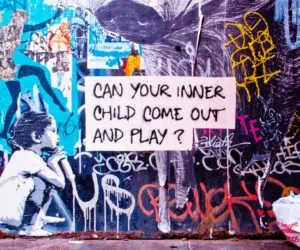
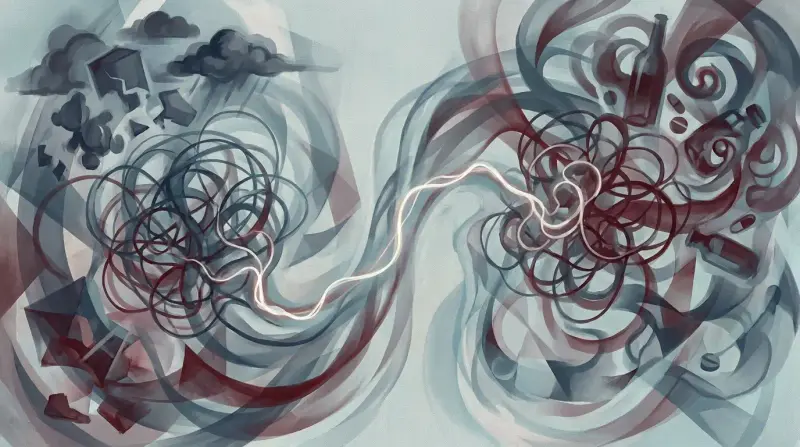
Healing the inner child isn’t so much a trip into the past as it is a return to yourself in the present. It’s understanding why your fear of rejection intensifies, why criticism hurts more than it “should,” and why you sometimes react as if you’re fighting an old battle. There is an inner part that learned early on to protect you—but today it may be using tools that no longer fit. In this article, we’ll unpack these signals without harshness and translate them into clear needs you can meet with awareness. You’ll find simple steps to soothe this part and build inner safety that reflects in your decisions and relationships.
The Inner Child: A Practical Meaning Without Exaggeration
The inner child isn’t another person living inside you; it’s a term that describes the remnants of early experiences: unmet needs, feelings that didn’t find containment, and messages that settled early, such as “don’t ask for too much” or “don’t show weakness.” You may grow up and appear composed, but certain situations touch that part and trigger fear or shutdown quickly. The goal isn’t to live in the past, but to understand why your heart tenses sometimes—and to respond to that tension with presence and calm rather than painful automatic reactions.
How Do Childhood Emotional Wounds Form?
Childhood emotional wounds don’t always come from big events. Sometimes they form through repeated dismissal, minimizing feelings, constant comparison, or being burdened with responsibilities beyond your age. They can also be fed by conditional love: closeness when you please, coldness when you differ.
The World Health Organization explains that child maltreatment includes emotional harm and neglect, and that its effects may extend into mental health across the lifespan. Remembering this can help you understand yourself without harshness: what you experience today may be an old effect, not a flaw in your essence.
Common Signs the Wound Is Still Active
Wounds can show up in the present as repeating patterns, not as clear memories. Signs many people notice include:
Harsh inner talk after mistakes, as if a mistake means losing love.
Difficulty asking for needs or setting boundaries for fear of losing the relationship.
An excessive drive for perfection to “prove” worth—followed by exhaustion and anxiety.
High sensitivity to being ignored or criticized, with an urge to withdraw or to please everyone.
Having some of these signs doesn’t mean a diagnosis, but it can be an invitation to a gentler way of relating to yourself. What matters most is noticing when the pattern appears, what triggers it, and how you soothe it without impulsivity.
According to specialists at Tatmeen, the turning point often begins when a person distinguishes between the old child-feeling and present reality—then responds with care instead of self-punishment.
Daily Steps to Heal the Inner Child Safely
Begin with a simple practice: one minute each day to ask, What am I feeling right now? and Where do I feel it in my body? Naming alone reduces inner chaos. Then try an alternative inner language: This is an old feeling returning, and I can hold it today.
Writing can help too—without forcing memory. Write just two lines: What did I need back then? and What can I give myself now? Then end with one realistic step for today, like a short rest, an honest connection, or lowering expectations of yourself.
And remember: healing isn’t only mental work. Sleep, food, movement, and acts of worship that bring you calm are all safety messages to the body—and the body is the gateway to steadiness.
Calming the Nervous System When Memories or Reactions Rise
A sudden wave may come: tightness, tears, anger, or an urge to run. Before interpretation, care for the body: drink water slowly, feel your feet on the ground, or focus on five things you can see around you. This brings you back to the present so you don’t make decisions from panic. Then ask: what was the trigger? Maybe a tone, a delayed reply, or a phrase that echoes old blame. When triggers become clear, you can delay responding, ask for clarification calmly, or give yourself time before discussion.
Healing the Inner Child Inside Relationships—not Only Outside Them
Many wounds heal through a more balanced relationship. Try small boundaries: don’t over-explain to prove your right, and don’t apologize for natural feelings. And instead of testing others to see if they’ll stay, express your need clearly and respectfully.
With family in particular, healing may be the ability to combine dutifulness with self-protection: you love and respect them, and at the same time you reduce painful contact or change the way you communicate. This isn’t disobedience—it’s maturity that protects you and protects the relationship.
Finally…
Healing the inner child is a quiet journey built from small moments: awareness of triggers, kinder inner language, and more balanced choices in relationships. And if you find the wound surfaces every time you try to move forward, that doesn’t mean you failed—it may simply mean you need clearer support. For those who want professional accompaniment, you can book a session through Tatmeenas a gentle first step without pressure.
Frequently Asked Questions
Does healing the inner child mean blaming parents?
Not necessarily. The goal is understanding the impact of the experience on you—not putting anyone on trial. You can respect your parents and recognize their kindness, while also acknowledging that some moments hurt you, then choosing new ways to protect yourself today.
What do I do if I feel guilty when I set boundaries?
Guilt is common for those who are used to pleasing others. Remind yourself that boundaries are clarity that protects the relationship. Start with small boundaries, express them calmly, then notice how tension decreases over time when you stay honest.
Can writing or meditation alone help?
They can be powerful tools for easing tension and understanding feelings—especially with consistency. But if memories are very painful or reactions disrupt your life, you may need specialized support to help you regulate emotions and build inner safety gradually.
A writer and researcher specializing in psychiatry, she focuses on mental health and the human emotions we experience but cannot always find the words to name. She writes about us—about humanity and the human experience—and simplifies complex topics to offer content that helps us better understand ourselves and life, ultimately making us feel less alone.
Every Tatmeen article is reviewed by care providers licensed by the Saudi Commission for Health Specialties, so what you read is accurate and trustworthy.
This article builds understanding and does not replace a licensed care provider.
Need someone to talk to?
Tatmeen's licensed care providers are available around the clock, and the app's urgent consultation connects you with one within minutes.
Download Tatmeen to explore care providers and booking options.
Smart matchingFour quick questions suggest the right care provider
Urgent consultationTalk to an available care provider within minutes
Free psychological measuresMore than 20 tests to understand how you are doing
Scan to download
{"data":{"id":"a2c11774-8f9b-47bb-a35c-e3108bc33d01","slug":"inner-child-emotional-wounds","arTitle":"شفاء الطفل الداخلي وتجاوز جراح الطفولة العاطفية","enTitle":"Healing the Inner Child and Moving Beyond Childhood Emotional Wounds","thumbnailAltText":"a child sitting alone meanwhile a hand made of light is extended to help","estimatedReadingTime":5,"likesCount":187,"writer":{"id":"3ab72b74-f26f-4337-9b47-3114b0f90de5","arBio":"كاتبة وباحثة متخصصة في مجال الطب النفسي، تهتم بموضوعات الصحة النفسية وبالمشاعر الإنسانية التي نختبرها ولا نجد دائمًا الكلمات لتسميتها. تكتب عنّا؛ عن الإنسان وتجربته، وتبسّط الموضوعات المعقّدة لتقدّم محتوى يساعدنا على فهم ذواتنا والحياة أكثر، ويجعلنا نشعر بأننا بوحدة أقل.","enBio":"A writer and researcher specializing in psychiatry, she focuses on mental health and the human emotions we experience but cannot always find the words to name. She writes about us—about humanity and the human experience—and simplifies complex topics to offer content that helps us better understand ourselves and life, ultimately making us feel less alone.","user":{"slug":"ayat-alnajar","arFullName":"آيات النجار","enFullName":"Ayat Al-Najjar","publicProfileImageUrl":"https://cdn.tatmeen.sa/public/profile-images/02384455-68fa-40b6-ad05-609fde65cafa/21b9a610dde5dfc6d37af110c23e9c7ab3946be080c281beb000debf4f7d31a6.webp","publicProfileImage96Url":"https://cdn.tatmeen.sa/public/profile-images/02384455-68fa-40b6-ad05-609fde65cafa/21b9a610dde5dfc6d37af110c23e9c7ab3946be080c281beb000debf4f7d31a6-w96.webp","publicProfileImage192Url":"https://cdn.tatmeen.sa/public/profile-images/02384455-68fa-40b6-ad05-609fde65cafa/21b9a610dde5dfc6d37af110c23e9c7ab3946be080c281beb000debf4f7d31a6-w192.webp"}},"arContent":"","enContent":"","productionDocument":{"headings":[{"id":"article-section-the-inner-child-a-practical-meaning-without-exaggeration","text":"The Inner Child: A Practical Meaning Without Exaggeration"},{"id":"article-section-how-do-childhood-emotional-wounds-form","text":"How Do Childhood Emotional Wounds Form?"},{"id":"article-section-common-signs-the-wound-is-still-active","text":"Common Signs the Wound Is Still Active"},{"id":"article-section-daily-steps-to-heal-the-inner-child-safely","text":"Daily Steps to Heal the Inner Child Safely"},{"id":"article-section-calming-the-nervous-system-when-memories-or-reactions-rise","text":"Calming the Nervous System When Memories or Reactions Rise"},{"id":"article-section-healing-the-inner-child-inside-relationships-not-only-outside-them","text":"Healing the Inner Child Inside Relationships—not Only Outside Them"},{"id":"article-section-finally","text":"Finally…"}],"faqs":[{"question":"Does healing the inner child mean blaming parents?","answer":"<p><span style=\"color:#000000\">Not necessarily. The goal is understanding the impact of the experience on you—not putting anyone on trial. You can respect your parents and recognize their kindness, while also acknowledging that some moments hurt you, then choosing new ways to protect yourself today.</span></p>"},{"question":"What do I do if I feel guilty when I set boundaries?","answer":"<p><span style=\"color:#000000\">Guilt is common for those who are used to pleasing others. Remind yourself that boundaries are clarity that protects the relationship. Start with small boundaries, express them calmly, then notice how tension decreases over time when you stay honest.</span></p>"},{"question":"Can writing or meditation alone help?","answer":"<p><span style=\"color:#000000\">They can be powerful tools for easing tension and understanding feelings—especially with consistency. But if memories are very painful or reactions disrupt your life, you may need specialized support to help you regulate emotions and build inner safety gradually.</span></p>"}],"beforeSourcesHtml":"<p></p>","sources":[],"afterSourcesHtml":"","blocks":[{"type":"html","html":"<p><span style=\"color:#000000\">Healing the inner child isn’t so much a trip into the past as it is a return to yourself in the present. It’s understanding why your fear of rejection intensifies, why criticism hurts more than it “should,” and why you sometimes react as if you’re fighting an old battle. There is an inner part that learned early on to protect you—but today it may be using tools that no longer fit. In this article, we’ll unpack these signals without harshness and translate them into clear needs you can meet with awareness. You’ll find simple steps to soothe this part and build inner safety that reflects in your decisions and relationships.</span></p><h2 id=\"article-section-the-inner-child-a-practical-meaning-without-exaggeration\" data-toc-heading tabindex=\"-1\"><span id=\"the-inner-child-a-practical-meaning-without-exaggeration-1\" aria-hidden=\"true\"></span><span style=\"color:#000000\"><strong>The Inner Child: A Practical Meaning Without Exaggeration</strong></span></h2><p><span style=\"color:#000000\">The inner child isn’t another person living inside you; it’s a term that describes the remnants of early experiences: unmet needs, feelings that didn’t find containment, and messages that settled early, such as “don’t ask for too much” or “don’t show weakness.” You may grow up and appear composed, but certain situations touch that part and trigger fear or shutdown quickly. The goal isn’t to live in the past, but to understand why your heart tenses sometimes—and to respond to that tension with presence and calm rather than painful automatic reactions.</span></p><h2 id=\"article-section-how-do-childhood-emotional-wounds-form\" data-toc-heading tabindex=\"-1\"><span id=\"how-do-childhood-emotional-wounds-form-2\" aria-hidden=\"true\"></span><span style=\"color:#000000\"><strong>How Do Childhood Emotional Wounds Form?</strong></span></h2><p><span style=\"color:#000000\">Childhood emotional wounds don’t always come from big events. Sometimes they form through repeated dismissal, minimizing feelings, constant comparison, or being burdened with responsibilities beyond your age. They can also be fed by conditional love: closeness when you please, coldness when you differ.</span></p><p><a href=\"https://www.who.int/news-room/fact-sheets/detail/child-maltreatment?\" target=\"_blank\" rel=\"nofollow noopener noreferrer\"><span style=\"color:#1155cc\"><u>The World Health Organization</u></span></a><span style=\"color:#000000\"> explains that child maltreatment includes emotional harm and neglect, and that its effects may extend into mental health across the lifespan. Remembering this can help you understand yourself without harshness: what you experience today may be an old effect, not a flaw in your essence.</span></p><h2 id=\"article-section-common-signs-the-wound-is-still-active\" data-toc-heading tabindex=\"-1\"><span id=\"common-signs-the-wound-is-still-active-3\" aria-hidden=\"true\"></span><span style=\"color:#000000\"><strong>Common Signs the Wound Is Still Active</strong></span></h2><p><span style=\"color:#000000\">Wounds can show up in the present as repeating patterns, not as clear memories. Signs many people notice include:</span></p><ul><li><p><span style=\"color:#000000\">Harsh inner talk after mistakes, as if a mistake means losing love.</span></p></li><li><p><span style=\"color:#000000\">Difficulty asking for needs or setting boundaries for fear of losing the relationship.</span></p></li><li><p><span style=\"color:#000000\">An excessive drive for perfection to “prove” worth—followed by exhaustion and anxiety.</span></p></li><li><p><span style=\"color:#000000\">High sensitivity to being ignored or criticized, with an urge to withdraw or to please everyone.</span></p></li></ul><p><span style=\"color:#000000\">Having some of these signs doesn’t mean a diagnosis, but it can be an invitation to a gentler way of relating to yourself. What matters most is noticing when the pattern appears, what triggers it, and how you soothe it without impulsivity.</span></p><p><span style=\"color:#000000\">According to specialists at Tatmeen, the turning point often begins when a person distinguishes between the old child-feeling and present reality—then responds with care instead of self-punishment.</span></p><h2 id=\"article-section-daily-steps-to-heal-the-inner-child-safely\" data-toc-heading tabindex=\"-1\"><span id=\"daily-steps-to-heal-the-inner-child-safely-4\" aria-hidden=\"true\"></span><span style=\"color:#000000\"><strong>Daily Steps to Heal the Inner Child Safely</strong></span></h2><p><span style=\"color:#000000\">Begin with a simple practice: one minute each day to ask, <em>What am I feeling right now?</em> and <em>Where do I feel it in my body?</em> Naming alone reduces inner chaos. Then try an alternative inner language: <em>This is an old feeling returning, and I can hold it today.</em></span></p><p><span style=\"color:#000000\">Writing can help too—without forcing memory. Write just two lines: <em>What did I need back then?</em> and <em>What can I give myself now?</em> Then end with one realistic step for today, like a short rest, an honest connection, or lowering expectations of yourself.</span></p><p><span style=\"color:#000000\">And remember: healing isn’t only mental work. Sleep, food, movement, and acts of worship that bring you calm are all safety messages to the body—and the body is the gateway to steadiness.</span></p><h2 id=\"article-section-calming-the-nervous-system-when-memories-or-reactions-rise\" data-toc-heading tabindex=\"-1\"><span id=\"calming-the-nervous-system-when-memories-or-reactions-rise-5\" aria-hidden=\"true\"></span><span style=\"color:#000000\"><strong>Calming the Nervous System When Memories or Reactions Rise</strong></span></h2><p><span style=\"color:#000000\">A sudden wave may come: tightness, tears, anger, or an urge to run. Before interpretation, care for the body: drink water slowly, feel your feet on the ground, or focus on five things you can see around you. This brings you back to the present so you don’t make decisions from panic. Then ask: what was the trigger? Maybe a tone, a delayed reply, or a phrase that echoes old blame. When triggers become clear, you can delay responding, ask for clarification calmly, or give yourself time before discussion.</span></p><h2 id=\"article-section-healing-the-inner-child-inside-relationships-not-only-outside-them\" data-toc-heading tabindex=\"-1\"><span id=\"healing-the-inner-child-inside-relationships-not-only-outside-them-6\" aria-hidden=\"true\"></span><span style=\"color:#000000\"><strong>Healing the Inner Child Inside Relationships—not Only Outside Them</strong></span></h2><p><span style=\"color:#000000\">Many wounds heal through a more balanced relationship. Try small boundaries: don’t over-explain to prove your right, and don’t apologize for natural feelings. And instead of testing others to see if they’ll stay, express your need clearly and respectfully.</span></p><p><span style=\"color:#000000\">With family in particular, healing may be the ability to combine dutifulness with self-protection: you love and respect them, and at the same time you reduce painful contact or change the way you communicate. This isn’t disobedience—it’s maturity that protects you and protects the relationship.</span></p><h2 id=\"article-section-finally\" data-toc-heading tabindex=\"-1\"><span id=\"finally-7\" aria-hidden=\"true\"></span><span style=\"color:#000000\"><strong>Finally…</strong></span></h2><p><span style=\"color:#000000\">Healing the inner child is a quiet journey built from small moments: awareness of triggers, kinder inner language, and more balanced choices in relationships. And if you find the wound surfaces every time you try to move forward, that doesn’t mean you failed—it may simply mean you need clearer support. For those who want professional accompaniment, <u>you can book a session through </u><strong><u>Tatmeen</u></strong>as a gentle first step without pressure.</span></p>"}],"inlineCtaSignatures":[],"_experienceAliases":{"v":1,"fields":["html","bodyHtml"],"faqs":[0,1,2]}},"createdAt":"2026-05-28T21:00:00.000Z","updatedAt":"2026-06-07T16:12:54.603Z","disorderGroups":[{"id":"1e82772d-a1a7-4d29-b475-be9d6b67ae02","slug":"common-mental-issues","arName":"اضطرابات نفسية شائعة","enName":"Common Mental Issues"},{"id":"d807ea69-44d4-4e81-bee4-0a059fd36645","slug":"self-development","arName":"تنمية الذات","enName":"Self-Development"}],"reviewer":{"arFullName":"فريق تطمين","enFullName":"Tatmeen team","slug":"tatmeen-team","kind":"organization"},"productionArticle":true,"promotionAllowed":true,"preparedCover":{"src":"https://cdn.tatmeen.sa/public/article-lcp/article-lcp-v2/sha256-72589568e0729f93fa7715ad2e6aa68b39312b6a0cdd71ee639b515eb84d8dfb/800-64ac3b312f848034d8e2320527368867ca5e10ee771774104fd7259b8de12d4f.avif","fallback":"https://cdn.tatmeen.sa/public/article-lcp/article-lcp-v2/sha256-72589568e0729f93fa7715ad2e6aa68b39312b6a0cdd71ee639b515eb84d8dfb/800-331167f057f7367dca2d910287593a6ca7ac420568e1d9a64bc2c977843eb0b1.webp","directUrl":"https://cdn.tatmeen.sa/blog-cover/Tatmeen-1780065935471.webp","isGolden":true,"avifSrcset":"https://cdn.tatmeen.sa/public/article-lcp/article-lcp-v2/sha256-72589568e0729f93fa7715ad2e6aa68b39312b6a0cdd71ee639b515eb84d8dfb/400-3f706e769f2b9a4c5576d3a22a9167d9a61898c2529747f8adab0b054911548c.avif 400w, https://cdn.tatmeen.sa/public/article-lcp/article-lcp-v2/sha256-72589568e0729f93fa7715ad2e6aa68b39312b6a0cdd71ee639b515eb84d8dfb/640-6f9abce2d059bdf2eb32d4f7543f5c7b0729ce37a74cc2f7056f1531a4a60bcb.avif 640w, https://cdn.tatmeen.sa/public/article-lcp/article-lcp-v2/sha256-72589568e0729f93fa7715ad2e6aa68b39312b6a0cdd71ee639b515eb84d8dfb/800-64ac3b312f848034d8e2320527368867ca5e10ee771774104fd7259b8de12d4f.avif 800w, https://cdn.tatmeen.sa/public/article-lcp/article-lcp-v2/sha256-72589568e0729f93fa7715ad2e6aa68b39312b6a0cdd71ee639b515eb84d8dfb/1200-eab354cdae0868e3ffddd536e560b55e4072a0f279c2b1fd80078ed9ca486d5d.avif 1200w","webpSrcset":"https://cdn.tatmeen.sa/public/article-lcp/article-lcp-v2/sha256-72589568e0729f93fa7715ad2e6aa68b39312b6a0cdd71ee639b515eb84d8dfb/400-cace70e35998567363568ceac372fb0160d26ebdd03a4dcc13d8b32ba40e6cd2.webp 400w, https://cdn.tatmeen.sa/public/article-lcp/article-lcp-v2/sha256-72589568e0729f93fa7715ad2e6aa68b39312b6a0cdd71ee639b515eb84d8dfb/640-716a2781f6ade729c18f01c107c886a0cf5060fba6d51c7f4163def25446cad7.webp 640w, https://cdn.tatmeen.sa/public/article-lcp/article-lcp-v2/sha256-72589568e0729f93fa7715ad2e6aa68b39312b6a0cdd71ee639b515eb84d8dfb/800-331167f057f7367dca2d910287593a6ca7ac420568e1d9a64bc2c977843eb0b1.webp 800w, https://cdn.tatmeen.sa/public/article-lcp/article-lcp-v2/sha256-72589568e0729f93fa7715ad2e6aa68b39312b6a0cdd71ee639b515eb84d8dfb/1200-4c9b39390eba578cc1e5afe5e497efde78aa0faf44c0eaf40d949e9949598195.webp 1200w","phoneAvifSrcset":"https://cdn.tatmeen.sa/public/article-lcp/article-lcp-v2/sha256-72589568e0729f93fa7715ad2e6aa68b39312b6a0cdd71ee639b515eb84d8dfb/400-3f706e769f2b9a4c5576d3a22a9167d9a61898c2529747f8adab0b054911548c.avif 400w, https://cdn.tatmeen.sa/public/article-lcp/article-lcp-v2/sha256-72589568e0729f93fa7715ad2e6aa68b39312b6a0cdd71ee639b515eb84d8dfb/640-6f9abce2d059bdf2eb32d4f7543f5c7b0729ce37a74cc2f7056f1531a4a60bcb.avif 640w, https://cdn.tatmeen.sa/public/article-lcp/article-lcp-v2/sha256-72589568e0729f93fa7715ad2e6aa68b39312b6a0cdd71ee639b515eb84d8dfb/800-64ac3b312f848034d8e2320527368867ca5e10ee771774104fd7259b8de12d4f.avif 800w","phoneWebpSrcset":"https://cdn.tatmeen.sa/public/article-lcp/article-lcp-v2/sha256-72589568e0729f93fa7715ad2e6aa68b39312b6a0cdd71ee639b515eb84d8dfb/400-cace70e35998567363568ceac372fb0160d26ebdd03a4dcc13d8b32ba40e6cd2.webp 400w, https://cdn.tatmeen.sa/public/article-lcp/article-lcp-v2/sha256-72589568e0729f93fa7715ad2e6aa68b39312b6a0cdd71ee639b515eb84d8dfb/640-716a2781f6ade729c18f01c107c886a0cf5060fba6d51c7f4163def25446cad7.webp 640w, https://cdn.tatmeen.sa/public/article-lcp/article-lcp-v2/sha256-72589568e0729f93fa7715ad2e6aa68b39312b6a0cdd71ee639b515eb84d8dfb/800-331167f057f7367dca2d910287593a6ca7ac420568e1d9a64bc2c977843eb0b1.webp 800w","width":800,"height":447},"previewTaxonomy":{"groups":[{"id":"1e82772d-a1a7-4d29-b475-be9d6b67ae02","slug":"common-mental-issues","arName":"اضطرابات نفسية شائعة","enName":"Common Mental Issues"},{"id":"d807ea69-44d4-4e81-bee4-0a059fd36645","slug":"self-development","arName":"تنمية الذات","enName":"Self-Development"}],"topics":[{"id":"e135b175-04d3-4f95-bedb-db810907de86","slug":"childhood-trauma","arName":"صدمات الطفولة","enName":"Childhood Trauma","groupSlug":"common-mental-issues","href":"/blog/category/common-mental-issues/childhood-trauma/"},{"id":"785d9b22-1cd8-4f1a-a300-5170c1348b2f","slug":"setting-boundaries","arName":"وضع حدود شخصية","enName":"Setting Boundaries","groupSlug":"self-development","href":"/blog/category/self-development/setting-boundaries/"},{"id":"7795b6e4-e390-47a5-baf0-09243b44e066","slug":"self-compassion","arName":"تعاطف مع الذات","enName":"Self-Compassion","groupSlug":"self-development","href":"/blog/category/self-development/self-compassion/"}],"tags":[{"id":"7e99b2b9-b043-4918-bc29-d0e88dc92879","slug":"family-of-origin-wounds","arName":"جراح الطفولة والأسرة الأصلية","enName":"Childhood & Family-of-Origin Wounds"},{"id":"82ea9460-3054-4964-a9ad-48c94868cd41","slug":"trauma-ptsd","arName":"الصدمة واضطراب ما بعد الصدمة","enName":"Trauma & PTSD"},{"id":"d58e6187-021b-44a5-882c-245bccd77611","slug":"self-help-howto","arName":"مساعدة ذاتية / خطوات عملية","enName":"Self-Help / How-To"}]},"previewProviderRecommendations":[{"id":"025d770d-f6d4-405b-be1c-d45dde63fbf7","slug":"akila-alomran-7545","arFullName":"عقيله العمران","enFullName":"Akila Alomran","publicProfileImageUrl":"https://cdn.tatmeen.sa/public/profile-images/025d770d-f6d4-405b-be1c-d45dde63fbf7/44a990b9294f02c9810c69a68b8913a6afac0eb30d1b7494155f31b6dde9378b.webp","publicProfileImage96Url":"https://cdn.tatmeen.sa/public/profile-images/025d770d-f6d4-405b-be1c-d45dde63fbf7/44a990b9294f02c9810c69a68b8913a6afac0eb30d1b7494155f31b6dde9378b-w96.webp","publicProfileImage192Url":"https://cdn.tatmeen.sa/public/profile-images/025d770d-f6d4-405b-be1c-d45dde63fbf7/44a990b9294f02c9810c69a68b8913a6afac0eb30d1b7494155f31b6dde9378b-w192.webp","specialization":{"arName":"أخصائي نفسي","enName":"Psychologist"},"profileImageUrl":"https://cdn.tatmeen.sa/public/profile-images/025d770d-f6d4-405b-be1c-d45dde63fbf7/44a990b9294f02c9810c69a68b8913a6afac0eb30d1b7494155f31b6dde9378b-w192.webp","experienceYears":3,"consultantInfo":{"averageRating":{"average":5},"specialization":{"arGeneralName":"أخصائي نفسي","enGeneralName":"Psychologist"}}},{"id":"798526a5-3457-41bc-9825-35c7fd1bcd0b","slug":"dr-maeed-algarny-9986","arFullName":"د. معيض القرني","enFullName":"Dr. Maeed Algarny","publicProfileImageUrl":"https://cdn.tatmeen.sa/public/profile-images/798526a5-3457-41bc-9825-35c7fd1bcd0b/8a9d8aa7bd91280f7ac6f9d4e7d75c42a847cbd8896e108e40e4231760a567f4.webp","publicProfileImage96Url":"https://cdn.tatmeen.sa/public/profile-images/798526a5-3457-41bc-9825-35c7fd1bcd0b/8a9d8aa7bd91280f7ac6f9d4e7d75c42a847cbd8896e108e40e4231760a567f4-w96.webp","publicProfileImage192Url":"https://cdn.tatmeen.sa/public/profile-images/798526a5-3457-41bc-9825-35c7fd1bcd0b/8a9d8aa7bd91280f7ac6f9d4e7d75c42a847cbd8896e108e40e4231760a567f4-w192.webp","specialization":{"arName":"طبيب أسرة","enName":"Family Physician"},"profileImageUrl":"https://cdn.tatmeen.sa/public/profile-images/798526a5-3457-41bc-9825-35c7fd1bcd0b/8a9d8aa7bd91280f7ac6f9d4e7d75c42a847cbd8896e108e40e4231760a567f4-w192.webp","experienceYears":16,"consultantInfo":{"averageRating":{"average":0},"specialization":{"arGeneralName":"طبيب أسرة","enGeneralName":"Family Physician"}}},{"id":"94765496-dbdf-4631-a01b-7df5f788668d","slug":"abdullrahman-alhamoudi-3045","arFullName":"عبدالرحمن الحمودي","enFullName":"Abdulrahman Alhamoudi","publicProfileImageUrl":"https://cdn.tatmeen.sa/public/profile-images/94765496-dbdf-4631-a01b-7df5f788668d/2d49f6b6493c564afb6f50b6c3634231dff3a5cf8353acfab393d1b2a88037d1.webp","publicProfileImage96Url":"https://cdn.tatmeen.sa/public/profile-images/94765496-dbdf-4631-a01b-7df5f788668d/2d49f6b6493c564afb6f50b6c3634231dff3a5cf8353acfab393d1b2a88037d1-w96.webp","publicProfileImage192Url":"https://cdn.tatmeen.sa/public/profile-images/94765496-dbdf-4631-a01b-7df5f788668d/2d49f6b6493c564afb6f50b6c3634231dff3a5cf8353acfab393d1b2a88037d1-w192.webp","specialization":{"arName":"أخصائي نفسي","enName":"Psychologist"},"profileImageUrl":"https://cdn.tatmeen.sa/public/profile-images/94765496-dbdf-4631-a01b-7df5f788668d/2d49f6b6493c564afb6f50b6c3634231dff3a5cf8353acfab393d1b2a88037d1-w192.webp","experienceYears":9,"consultantInfo":{"averageRating":{"average":5},"specialization":{"arGeneralName":"أخصائي نفسي","enGeneralName":"Psychologist"}}}],"previewCareProviders":[{"id":"09364052-c2a9-4c52-9717-7ce2093b8d0a","slug":"kholoud-alharbi-5221","arFullName":"خلود الحربي","enFullName":"Kholoud Alharbi","publicProfileImageUrl":"https://cdn.tatmeen.sa/public/profile-images/09364052-c2a9-4c52-9717-7ce2093b8d0a/4a0aeb81619e351b77f4323e3605a0a00acc7ca3c82ee7cc5ca2c9e8ef716049.webp","publicProfileImage96Url":"https://cdn.tatmeen.sa/public/profile-images/09364052-c2a9-4c52-9717-7ce2093b8d0a/4a0aeb81619e351b77f4323e3605a0a00acc7ca3c82ee7cc5ca2c9e8ef716049-w96.webp","publicProfileImage192Url":"https://cdn.tatmeen.sa/public/profile-images/09364052-c2a9-4c52-9717-7ce2093b8d0a/4a0aeb81619e351b77f4323e3605a0a00acc7ca3c82ee7cc5ca2c9e8ef716049-w192.webp","gender":"FEMALE","specialization":{"arName":"أخصائي نفسي","enName":"Psychologist"}},{"id":"6f037535-1dca-4b50-a8b2-5974b7323286","slug":"salah-althobaiti-9053","arFullName":"صلاح الثبيتي","enFullName":"Salah Althobaiti","publicProfileImageUrl":"https://cdn.tatmeen.sa/public/profile-images/6f037535-1dca-4b50-a8b2-5974b7323286/35b6bd7fad9b1e004c1835803eb9c1b56dcacd380685ec8bff141f0fb888005c.webp","publicProfileImage96Url":"https://cdn.tatmeen.sa/public/profile-images/6f037535-1dca-4b50-a8b2-5974b7323286/35b6bd7fad9b1e004c1835803eb9c1b56dcacd380685ec8bff141f0fb888005c-w96.webp","publicProfileImage192Url":"https://cdn.tatmeen.sa/public/profile-images/6f037535-1dca-4b50-a8b2-5974b7323286/35b6bd7fad9b1e004c1835803eb9c1b56dcacd380685ec8bff141f0fb888005c-w192.webp","gender":"MALE","specialization":{"arName":"أخصائي نفسي","enName":"Psychologist"}},{"id":"3cc806e8-616b-4884-9f21-a75b378580a2","slug":"aisha-al-hashim-8667","arFullName":"عائشة ال هاشم","enFullName":"Aisha Al Hashim","publicProfileImageUrl":"https://cdn.tatmeen.sa/public/profile-images/3cc806e8-616b-4884-9f21-a75b378580a2/27f523d03be4dcfa1f6a79f70c1773887434e698990d214cd990caec56a44798.webp","publicProfileImage96Url":"https://cdn.tatmeen.sa/public/profile-images/3cc806e8-616b-4884-9f21-a75b378580a2/27f523d03be4dcfa1f6a79f70c1773887434e698990d214cd990caec56a44798-w96.webp","publicProfileImage192Url":"https://cdn.tatmeen.sa/public/profile-images/3cc806e8-616b-4884-9f21-a75b378580a2/27f523d03be4dcfa1f6a79f70c1773887434e698990d214cd990caec56a44798-w192.webp","gender":"FEMALE","specialization":{"arName":"أخصائي نفسي","enName":"Psychologist"}},{"id":"db2ce1a0-9325-4471-b7ce-eb2e811c30a3","slug":"amer-qutub-2441","arFullName":"عامر قطب","enFullName":"Amer Qutub","publicProfileImageUrl":"https://cdn.tatmeen.sa/public/profile-images/db2ce1a0-9325-4471-b7ce-eb2e811c30a3/80580f99bfd7fe2b2a9cf8eed73ab532f5086d1efe053b0aa57358c1ce004261.webp","publicProfileImage96Url":"https://cdn.tatmeen.sa/public/profile-images/db2ce1a0-9325-4471-b7ce-eb2e811c30a3/80580f99bfd7fe2b2a9cf8eed73ab532f5086d1efe053b0aa57358c1ce004261-w96.webp","publicProfileImage192Url":"https://cdn.tatmeen.sa/public/profile-images/db2ce1a0-9325-4471-b7ce-eb2e811c30a3/80580f99bfd7fe2b2a9cf8eed73ab532f5086d1efe053b0aa57358c1ce004261-w192.webp","gender":"MALE","specialization":{"arName":"أخصائي نفسي","enName":"Psychologist"}},{"id":"94765496-dbdf-4631-a01b-7df5f788668d","slug":"abdullrahman-alhamoudi-3045","arFullName":"عبدالرحمن الحمودي","enFullName":"Abdulrahman Alhamoudi","publicProfileImageUrl":"https://cdn.tatmeen.sa/public/profile-images/94765496-dbdf-4631-a01b-7df5f788668d/2d49f6b6493c564afb6f50b6c3634231dff3a5cf8353acfab393d1b2a88037d1.webp","publicProfileImage96Url":"https://cdn.tatmeen.sa/public/profile-images/94765496-dbdf-4631-a01b-7df5f788668d/2d49f6b6493c564afb6f50b6c3634231dff3a5cf8353acfab393d1b2a88037d1-w96.webp","publicProfileImage192Url":"https://cdn.tatmeen.sa/public/profile-images/94765496-dbdf-4631-a01b-7df5f788668d/2d49f6b6493c564afb6f50b6c3634231dff3a5cf8353acfab393d1b2a88037d1-w192.webp","gender":"MALE","specialization":{"arName":"أخصائي نفسي","enName":"Psychologist"}},{"id":"618dba89-5b70-4b46-8304-741b7ac8ecd3","slug":"abdullah-mari-1311","arFullName":"عبدالله مرعي","enFullName":"Abdullah Mari","publicProfileImageUrl":"https://cdn.tatmeen.sa/public/profile-images/618dba89-5b70-4b46-8304-741b7ac8ecd3/6b4a3bfb59f8a304ca79083b32859b46baad2e1d692974a47c02c1f66bd11129.webp","publicProfileImage96Url":"https://cdn.tatmeen.sa/public/profile-images/618dba89-5b70-4b46-8304-741b7ac8ecd3/6b4a3bfb59f8a304ca79083b32859b46baad2e1d692974a47c02c1f66bd11129-w96.webp","publicProfileImage192Url":"https://cdn.tatmeen.sa/public/profile-images/618dba89-5b70-4b46-8304-741b7ac8ecd3/6b4a3bfb59f8a304ca79083b32859b46baad2e1d692974a47c02c1f66bd11129-w192.webp","gender":"MALE","specialization":{"arName":"أخصائي نفسي","enName":"Psychologist"}},{"id":"3b50a5d5-e795-407f-8676-fd7f0e1bb7a0","slug":"abdulaziz-bin-hudayan-4940","arFullName":"عبدالعزيز بن هديان","enFullName":"Abdulaziz Bin Hudayan","publicProfileImageUrl":"https://cdn.tatmeen.sa/public/profile-images/3b50a5d5-e795-407f-8676-fd7f0e1bb7a0/710ff0fe1fb00cdb5042092e27b7910b480a439b02251ecded62d7758eefce95.webp","publicProfileImage96Url":"https://cdn.tatmeen.sa/public/profile-images/3b50a5d5-e795-407f-8676-fd7f0e1bb7a0/710ff0fe1fb00cdb5042092e27b7910b480a439b02251ecded62d7758eefce95-w96.webp","publicProfileImage192Url":"https://cdn.tatmeen.sa/public/profile-images/3b50a5d5-e795-407f-8676-fd7f0e1bb7a0/710ff0fe1fb00cdb5042092e27b7910b480a439b02251ecded62d7758eefce95-w192.webp","gender":"MALE","specialization":{"arName":"أخصائي نفسي","enName":"Psychologist"}}],"previewDownload":{"href":"/download","title":{"ar":"خطوة واحدة لأجلك، ابدأ الآن","en":"One step for you, start now"},"description":{"ar":"حمّل تطبيق تطمين لاستكشاف مقدمي الرعاية وخيارات الحجز.","en":"Download Tatmeen to explore care providers and booking options."},"posterSrc":"/images/home/cta-ar-new-1.webp","videoSrc":"/images/home/cta-ar-new-1.mp4","videoPosterSrc":"/images/home/cta-ar-new-1.webp","videoPosterEnSrc":"/images/home/cta-en-new-1.webp","videoType":"video/mp4","appStoreHref":"https://apps.apple.com/us/app/tatmeen-%D8%AA%D8%B7%D9%85%D9%8A%D9%86/id6473836983","googlePlayHref":"https://play.google.com/store/apps/details?id=com.TatmeenApp.user&hl=en"},"previewRelatedArticles":[{"id":"27dda63f-8458-42d7-971d-8fafbf5bc7a6","slug":"psychological_incongruence_deficiency","route":"/blog/psychological_incongruence_deficiency/","title":{"ar":"هل تعاني من أليكسيثيميا؟ - نقص الانسجام النفسي","en":"Do You Have Alexithymia? Understanding Emotional Attunement"},"image":"https://cdn.tatmeen.sa/public/article-lcp/article-lcp-v2/sha256-cf4a5357edc7083a5457a3815a8789c329e30e3166f702ab17baf083ba6231ec/300-c25152cd89b24d1ca15aba37f45de6b014de4a0c42626f1a539da8ac1b4529d8.webp","directImageFallback":"https://cdn.tatmeen.sa/blog-cover/1704131018429-arvin-febry-167435-300x250.jpeg","arThumbnailAltText":"Person in white walking beside a brick wall with a smiling cube helmet","thumbnailAltText":"Person in white walking beside a brick wall with a smiling cube helmet","topic":{"label":{"ar":"اضطرابات نفسية شائعة","en":"Common Mental Issues"}},"readingTimeMinutes":5},{"id":"77666ffa-1e2c-4851-9fb8-9cd1d56b89b1","slug":"Treating-psychological-trauma-in-children","route":"/blog/Treating-psychological-trauma-in-children/","title":{"ar":"علاج الصدمات النفسية عند الأطفال والمراهقين","en":"Treating Psychological Trauma in Children and Adolescents"},"image":"https://cdn.tatmeen.sa/public/article-lcp/article-lcp-v2/sha256-cd9e1b479405c37d88b54dd3d946753535d78ae2808fb01c5a185a2a487167c2/600-24862f00f92c24c492933368f02f344611bc7c270d4b569034ca757fa2912a8b.webp","directImageFallback":"https://cdn.tatmeen.sa/blog-cover/1704291192516-%C3%98%C2%B9%C3%99%C2%84%C3%98%C2%A7%C3%98%C2%AC-%C3%98%C2%A7%C3%99%C2%84%C3%98%C2%B5%C3%98%C2%AF%C3%99%C2%85%C3%98%C2%A7%C3%98%C2%AA-%C3%98%C2%A7%C3%99%C2%84%C3%99%C2%86%C3%99%C2%81%C3%98%C2%B3%C3%99%C2%8A%C3%98%C2%A9-%C3%98%C2%B9%C3%99%C2%86%C3%98%C2%AF-%C3%98%C2%A7%C3%99%C2%84%C3%98%C2%A7%C3%99%C2%94%C3%98%C2%B7%C3%99%C2%81%C3%98%C2%A7%C3%99%C2%84-%C3%99%C2%88%C3%98%C2%A7%C3%99%C2%84%C3%99%C2%85%C3%98%C2%B1%C3%98%C2%A7%C3%99%C2%87%C3%99%C2%82%C3%99%C2%8A%C3%99%C2%86-600x400.jpeg","arThumbnailAltText":"Child in a red shirt covering their mouth with both hands against a white background","thumbnailAltText":"Child in a red shirt covering their mouth with both hands against a white background","topic":{"label":{"ar":"الأطفال والمراهقين","en":"Children & Adolescents"}},"readingTimeMinutes":5},{"id":"7e5699be-3af4-4b2c-b12c-fc37d74808f9","slug":"your_unresolved_childhood_aspect_the_inner_child","route":"/blog/your_unresolved_childhood_aspect_the_inner_child/","title":{"ar":"جانبك الطفولي الذي لم ينضج بعد - الطفل الداخلي","en":"The Unresolved Child Within: The Inner Child"},"image":"https://cdn.tatmeen.sa/public/article-lcp/article-lcp-v2/sha256-d9b75d09b67bef2de9eaa7e13c2534336be224a0a5980d3d93f2030ee45ac4d9/300-ac9a2a2730475edcc4ae9f2b09905b4db4440ff35c0c0d77296220d1e319a4c7.webp","directImageFallback":"https://cdn.tatmeen.sa/blog-cover/1704130071372-6257970819_6dea25076c_b-1-300x250.jpeg","arThumbnailAltText":"Graffiti-covered wall with a sign asking if your inner child can come out and play","thumbnailAltText":"Graffiti-covered wall with a sign asking if your inner child can come out and play","topic":{"label":{"ar":"اضطرابات نفسية شائعة","en":"Common Mental Issues"}},"readingTimeMinutes":5},{"id":"d93dbd0d-c365-4d6c-afe4-7c19227b0de6","slug":"childhood-trauma-addiction-science-link","route":"/blog/childhood-trauma-addiction-science-link/","title":{"ar":"العلاقة بين صدمات الطفولة والإدمان: ماذا يقول العلم؟","en":"The Link Between Childhood Trauma and Addiction: What Does Science Say?"},"image":"https://cdn.tatmeen.sa/public/article-lcp/article-lcp-v2/sha256-7cf351aa6208df4aee2f800452dea4e4a71dcf20a4a6786f477e6912747966e0/800-0838535c0557209e3ca130d7e6341c18878e9d2ec8acb9b70e0bfc65d99ff484.webp","directImageFallback":"https://cdn.tatmeen.sa/blog-cover/Tatmeen-1775846507521.webp","arThumbnailAltText":"alt image draft","thumbnailAltText":"alt image draft","topic":{"label":{"ar":"الإدمان والسلوكيات القهرية","en":"Addictions & Compulsive Behaviors"}},"readingTimeMinutes":5}],"previewRelatedReadStates":{}},"locale":"en","device":"desktop","path":"/en/blog/inner-child-emotional-wounds/","readingControls":false,"config":{"public":{"BUCKET_URL":"https://cdn.tatmeen.sa/","APP_BASE_URL":"https://tatmeen.sa","intercomAppId":"ppcnu9e3"}}}