Anxiety is among the most common mental disorders in our modern world. According to World Health Organization statistics, it affected 301 million people in 2019. Supporting someone with anxiety isn’t simple, especially since you’re expected to understand and acknowledge something non-physical—like voices in their head that you can’t hear. That’s why it’s crucial to learn effective methods to help friends or family members who suffer from anxiety, providing a safe, reassuring environment and the space they need to express their feelings. In this article, we’ll explore practical techniques and expert-based tips from Tatmeen to help you offer the right support and care.
Understanding Anxiety Disorders
An anxiety disorder presents as a continuous sense of tension and exaggerated fear, potentially coupled with physical and psychological symptoms that can negatively impact a person’s life. Recognizing the nature of anxiety helps you respond with greater compassion and gentleness.
What Is an Anxiety Disorder?
An anxiety disorder is a psychological condition that can range from mild to severe, appearing as ongoing tension or excessive worry about everyday life matters.
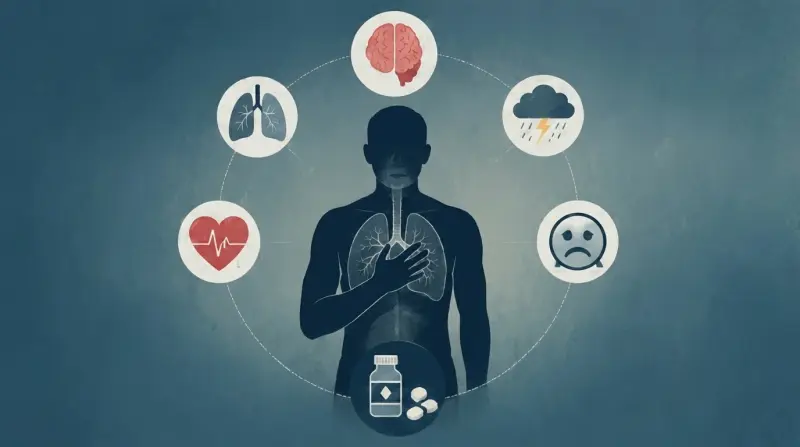
It may include physical symptoms like a racing heartbeat, sweating, or headaches, in addition to negative thoughts dominating the person’s mind.
Anxiety differs from one individual to another. Some people experience anxiety only in specific social situations, while others suffer from generalized anxiety with no clear cause.
Why Is It Important to Understand Anxiety?
Having a solid understanding of anxiety allows you to respond more thoughtfully and empathetically.
Showing awareness of the symptoms reassures the individual that you take their situation seriously and respectfully.
Recognizing the causes of anxiety helps you take appropriate steps, such as encouraging the person to seek professional help at the right time.
Common Signs and Symptoms of Anxiety
If you want to offer effective support to someone with anxiety, it’s important to identify certain signs that may indicate their condition is worsening:
Constant tension: The person feels an unending sense of fear or worry, even in the absence of obvious triggers.
Social withdrawal: They might prefer avoiding social activities or meeting friends due to anxiety.
Insomnia and sleep difficulties: They may have trouble falling or staying asleep, leading to persistent fatigue.
Appetite changes: Some may experience a significant increase or decrease in appetite due to stress, affecting their overall health.
Physical symptoms: Headaches, digestive disorders, a racing heartbeat, and excessive sweating.
When you notice these signs—either collectively or separately—your first step should be to start a gentle, understanding conversation, without passing judgment or minimizing their fears.
Providing Emotional Support
Emotional support is key to helping someone with anxiety. They need to feel safe and accepted, knowing there’s someone who hears them and understands what they’re going through.
Listening with Empathy
Set aside time to sit with the individual and limit distractions as much as possible.
Use phrases that demonstrate you understand their feelings, such as: “I see this causes you a lot of stress” or “It seems this really worries you.”
Resist the urge to interrupt with quick advice or snap judgments. Deep, attentive listening makes them feel validated rather than judged.
Encouraging Expression
Motivate them to talk about their emotions without fear of criticism, making it clear you’re there to support, not judge.
Ask them how they’d like you to help: Would they prefer diving into the details or just having you silently present?
Pose open-ended questions like “How does this situation affect your day?” or “What’s the biggest source of stress right now?”
Practical Support and Guidance
Beyond emotional support, there are practical steps that can help someone with anxiety manage their feelings and daily life more effectively.
Prioritizing and Dividing Tasks
If they feel overwhelmed by a long to-do list, suggest breaking it down into smaller parts.
Help them create a schedule or daily plan. This reduces distractions and provides a sense of incremental accomplishment.
Offer to share or assist with certain tasks if possible; tangible support often eases the burden of anxiety.
Encouraging Professional Help
If anxiety is significantly affecting their daily life, it’s crucial to guide them toward seeking professional help from a psychologist or cognitive behavioral therapist. You can suggest booking their first session through Tatmeen to ease their worries about taking that initial step.
Effective Communication with Someone Who Has Anxiety
The way we speak and listen to someone with anxiety directly impacts whether their experience improves or worsens. Consider these tips:
Choose the right time and place: Aim for calm, comfortable settings when discussing important topics.
Avoid harsh criticism: Criticizing or belittling the problem may make the situation worse.
Use positive language: Replace negative comments like “Don’t overreact!” with supportive ones like “I see this is causing real worry; how can I help?”
Show appreciation for any progress: When you notice improvement or a positive step, acknowledge it to reinforce their self-confidence.
Taking Care of Yourself While Offering Support
It may seem strange, but supporting someone with anxiety can impact your own mental health. Make sure to set aside time to care for your mental well-being.
Enhancing Self-Awareness
Notice when you begin to feel stressed or anxious due to your interactions with the person.
Don’t hesitate to seek help or reach out through Tatmeen if you need emotional relief or guidance on providing better support.
Setting Healthy Boundaries
It’s good to help others, but it shouldn’t come at the expense of your own mental and physical well-being.
Establish limits on how much time and energy you can give, ensuring you can continue providing healthy and sustainable support.
By offering security, deep listening, and practical help, you can help improve the life of a person experiencing anxiety and bolster their self-confidence. Remember to consider professional counseling with Tatmeen’s experts if necessary, combining emotional support with professional intervention. You’re not alone in this journey, and your role is valuable. Be a positive force in creating a supportive environment that allows those around you to live with greater peace and better mental health.
Frequently Asked Questions
How can I encourage someone with anxiety to see a mental health professional without making them feel embarrassed?
First, show understanding and respect for their concerns. Emphasize that consulting a psychologist or psychiatrist is a brave, necessary step, not something to be ashamed of. You could share success stories of others who improved through therapy.
Can anxiety lead to real physical problems?
Yes. Chronic anxiety may be linked to persistent headaches, trouble sleeping, and stomach or colon pains, as well as heart palpitations. These are real symptoms, not imaginary, requiring comprehensive care and, if needed, medical attention.
What’s the main advantage of using the Tatmeen app for mental health support?
Tatmeen offers the ability to book trusted therapy sessions in various mental health clinics across the Kingdom. It also makes it easy to access certified, experienced specialists, providing both comfort and privacy at once.
Is listening alone enough, or do I need to offer solutions?
Empathetic listening is often the most crucial step in giving support. In some cases, offering suggestions or solutions can be helpful, but they should be given gently and only if the person asks for them or is open to receiving them, to avoid making them feel judged.
How long does it usually take to see improvement during therapy sessions?
Recovery time differs from one individual to another based on symptom severity and how well they respond to treatment. Some may notice improvement within a few weeks, while others could take months or longer. What matters most is staying consistent with sessions and following up with the specialist to achieve the best results.
A writer and researcher specializing in psychiatry, she focuses on mental health and the human emotions we experience but cannot always find the words to name. She writes about us—about humanity and the human experience—and simplifies complex topics to offer content that helps us better understand ourselves and life, ultimately making us feel less alone.
Every Tatmeen article is reviewed by care providers licensed by the Saudi Commission for Health Specialties, so what you read is accurate and trustworthy.
This article builds understanding and does not replace a licensed care provider.
Need someone to talk to?
Tatmeen's licensed care providers are available around the clock, and the app's urgent consultation connects you with one within minutes.
Download Tatmeen to explore care providers and booking options.
Smart matchingFour quick questions suggest the right care provider
Urgent consultationTalk to an available care provider within minutes
Free psychological measuresMore than 20 tests to understand how you are doing
Scan to download
{"data":{"id":"d368060c-48c2-4cfc-a22a-5ca36a7788f8","slug":"how-to-support-someone-with-anxiety-guide-friends-family","arTitle":"كيف تدعم شخصًا يعاني من القلق؟ دليل للأصدقاء والعائلة","enTitle":"How to Support Someone with Anxiety? A Guide for Friends and Family","thumbnailAltText":"كيف تدعم شخصاً يعاني من القلق دليل للأصدقاء والعائلة","estimatedReadingTime":5,"likesCount":319,"writer":{"id":"3ab72b74-f26f-4337-9b47-3114b0f90de5","arBio":"كاتبة وباحثة متخصصة في مجال الطب النفسي، تهتم بموضوعات الصحة النفسية وبالمشاعر الإنسانية التي نختبرها ولا نجد دائمًا الكلمات لتسميتها. تكتب عنّا؛ عن الإنسان وتجربته، وتبسّط الموضوعات المعقّدة لتقدّم محتوى يساعدنا على فهم ذواتنا والحياة أكثر، ويجعلنا نشعر بأننا بوحدة أقل.","enBio":"A writer and researcher specializing in psychiatry, she focuses on mental health and the human emotions we experience but cannot always find the words to name. She writes about us—about humanity and the human experience—and simplifies complex topics to offer content that helps us better understand ourselves and life, ultimately making us feel less alone.","user":{"slug":"ayat-alnajar","arFullName":"آيات النجار","enFullName":"Ayat Al-Najjar","publicProfileImageUrl":"https://cdn.tatmeen.sa/public/profile-images/02384455-68fa-40b6-ad05-609fde65cafa/21b9a610dde5dfc6d37af110c23e9c7ab3946be080c281beb000debf4f7d31a6.webp","publicProfileImage96Url":"https://cdn.tatmeen.sa/public/profile-images/02384455-68fa-40b6-ad05-609fde65cafa/21b9a610dde5dfc6d37af110c23e9c7ab3946be080c281beb000debf4f7d31a6-w96.webp","publicProfileImage192Url":"https://cdn.tatmeen.sa/public/profile-images/02384455-68fa-40b6-ad05-609fde65cafa/21b9a610dde5dfc6d37af110c23e9c7ab3946be080c281beb000debf4f7d31a6-w192.webp"}},"arContent":"","enContent":"","productionDocument":{"headings":[],"faqs":[{"question":"How can I encourage someone with anxiety to see a mental health professional without making them feel embarrassed?","answer":"<p><span style=\"color:#000000\">First, show understanding and respect for their concerns. Emphasize that consulting a psychologist or psychiatrist is a brave, necessary step, not something to be ashamed of. You could share success stories of others who improved through therapy.</span></p>"},{"question":"Can anxiety lead to real physical problems?","answer":"<p><span style=\"color:#000000\">Yes. Chronic anxiety may be linked to persistent headaches, trouble sleeping, and stomach or colon pains, as well as heart palpitations. These are real symptoms, not imaginary, requiring comprehensive care and, if needed, medical attention.</span></p>"},{"question":"What’s the main advantage of using the Tatmeen app for mental health support?","answer":"<p><span style=\"color:#000000\">Tatmeen offers the ability to book trusted therapy sessions in various mental health clinics across the Kingdom. It also makes it easy to access certified, experienced specialists, providing both comfort and privacy at once.</span></p>"},{"question":"Is listening alone enough, or do I need to offer solutions?","answer":"<p><span style=\"color:#000000\">Empathetic listening is often the most crucial step in giving support. In some cases, offering suggestions or solutions can be helpful, but they should be given gently and only if the person asks for them or is open to receiving them, to avoid making them feel judged.</span></p>"},{"question":"How long does it usually take to see improvement during therapy sessions?","answer":"<p><span style=\"color:#000000\">Recovery time differs from one individual to another based on symptom severity and how well they respond to treatment. Some may notice improvement within a few weeks, while others could take months or longer. What matters most is staying consistent with sessions and following up with the specialist to achieve the best results.</span></p>"}],"beforeSourcesHtml":"<p></p>","sources":[],"afterSourcesHtml":"","blocks":[{"type":"html","html":"<p><span style=\"color:#000000\">Anxiety is among the most common mental disorders in our modern world. According to </span><a href=\"https://www.who.int/news-room/fact-sheets/detail/anxiety-disorders\" target=\"_blank\" rel=\"nofollow noopener noreferrer\"><span style=\"color:#1155cc\"><u>World Health Organization statistics</u></span></a><span style=\"color:#000000\">, it affected 301 million people in 2019. Supporting someone with anxiety isn’t simple, especially since you’re expected to understand and acknowledge something non-physical—like voices in their head that you can’t hear. That’s why it’s crucial to learn effective methods to help friends or family members who suffer from anxiety, providing a safe, reassuring environment and the space they need to express their feelings. In this article, we’ll explore practical techniques and expert-based tips from Tatmeen to help you offer the right support and care.</span></p><p><span style=\"color:#000000\"><strong>Understanding Anxiety Disorders</strong></span></p><p><span style=\"color:#000000\">An anxiety disorder presents as a continuous sense of tension and exaggerated fear, potentially coupled with physical and psychological symptoms that can negatively impact a person’s life. Recognizing the nature of anxiety helps you respond with greater compassion and gentleness.</span></p><p><span style=\"color:#000000\"><strong>What Is an Anxiety Disorder?</strong></span></p><ul><li><p><span style=\"color:#000000\">An anxiety disorder is a psychological condition that can range from mild to severe, appearing as ongoing tension or excessive worry about everyday life matters.</span></p></li><li><p><span style=\"color:#000000\">It may include physical symptoms like a racing heartbeat, sweating, or headaches, in addition to negative thoughts dominating the person’s mind.</span></p></li><li><p><span style=\"color:#000000\">Anxiety differs from one individual to another. Some people experience anxiety only in specific social situations, while others suffer from generalized anxiety with no clear cause.</span></p></li></ul><p><span style=\"color:#000000\"><strong>Why Is It Important to Understand Anxiety?</strong></span></p><ul><li><p><span style=\"color:#000000\">Having a solid understanding of anxiety allows you to respond more thoughtfully and empathetically.</span></p></li><li><p><span style=\"color:#000000\">Showing awareness of the symptoms reassures the individual that you take their situation seriously and respectfully.</span></p></li><li><p><span style=\"color:#000000\">Recognizing the causes of anxiety helps you take appropriate steps, such as encouraging the person to seek professional help at the right time.</span></p></li></ul><p><span style=\"color:#000000\"><strong>Common Signs and Symptoms of Anxiety</strong></span></p><p><span style=\"color:#000000\">If you want to offer effective support to someone with anxiety, it’s important to identify certain signs that may indicate their condition is worsening:</span></p><ul><li><p><span style=\"color:#000000\">Constant tension: The person feels an unending sense of fear or worry, even in the absence of obvious triggers.</span></p></li><li><p><span style=\"color:#000000\">Social withdrawal: They might prefer avoiding social activities or meeting friends due to anxiety.</span></p></li><li><p><span style=\"color:#000000\">Insomnia and sleep difficulties: They may have trouble falling or staying asleep, leading to persistent fatigue.</span></p></li><li><p><span style=\"color:#000000\">Appetite changes: Some may experience a significant increase or decrease in appetite due to stress, affecting their overall health.</span></p></li><li><p><span style=\"color:#000000\">Physical symptoms: Headaches, digestive disorders, a racing heartbeat, and excessive sweating.</span></p></li></ul><p><span style=\"color:#000000\">When you notice these signs—either collectively or separately—your first step should be to start a gentle, understanding conversation, without passing judgment or minimizing their fears.</span></p><p><span style=\"color:#000000\"><strong>Providing Emotional Support</strong></span></p><p><span style=\"color:#000000\">Emotional support is key to helping someone with anxiety. They need to feel safe and accepted, knowing there’s someone who hears them and understands what they’re going through.</span></p><p><span style=\"color:#000000\"><strong>Listening with Empathy</strong></span></p><ul><li><p><span style=\"color:#000000\">Set aside time to sit with the individual and limit distractions as much as possible.</span></p></li><li><p><span style=\"color:#000000\">Use phrases that demonstrate you understand their feelings, such as: “I see this causes you a lot of stress” or “It seems this really worries you.”</span></p></li><li><p><span style=\"color:#000000\">Resist the urge to interrupt with quick advice or snap judgments. Deep, attentive listening makes them feel validated rather than judged.</span></p></li></ul><p><span style=\"color:#000000\"><strong>Encouraging Expression</strong></span></p><ul><li><p><span style=\"color:#000000\">Motivate them to talk about their emotions without fear of criticism, making it clear you’re there to support, not judge.</span></p></li><li><p><span style=\"color:#000000\">Ask them how they’d like you to help: Would they prefer diving into the details or just having you silently present?</span></p></li><li><p><span style=\"color:#000000\">Pose open-ended questions like “How does this situation affect your day?” or “What’s the biggest source of stress right now?”</span></p></li></ul><p><span style=\"color:#000000\"><strong>Practical Support and Guidance</strong></span></p><p><span style=\"color:#000000\">Beyond emotional support, there are practical steps that can help someone with anxiety manage their feelings and daily life more effectively.</span></p><p><span style=\"color:#000000\"><strong>Prioritizing and Dividing Tasks</strong></span></p><ul><li><p><span style=\"color:#000000\">If they feel overwhelmed by a long to-do list, suggest breaking it down into smaller parts.</span></p></li><li><p><span style=\"color:#000000\">Help them create a schedule or daily plan. This reduces distractions and provides a sense of incremental accomplishment.</span></p></li><li><p><span style=\"color:#000000\">Offer to share or assist with certain tasks if possible; tangible support often eases the burden of anxiety.</span></p></li></ul><p><span style=\"color:#000000\"><strong>Encouraging Professional Help</strong></span></p><ul><li><p><span style=\"color:#000000\">If anxiety is significantly affecting their daily life, it’s crucial to guide them toward seeking professional help from a psychologist or cognitive behavioral therapist. You can suggest<u> booking their first session through Tatmeen</u> to ease their worries about taking that initial step.</span></p></li></ul><p><span style=\"color:#000000\"><strong>Effective Communication with Someone Who Has Anxiety</strong></span></p><p><span style=\"color:#000000\">The way we speak and listen to someone with anxiety directly impacts whether their experience improves or worsens. Consider these tips:</span></p><ul><li><p><span style=\"color:#000000\">Choose the right time and place: Aim for calm, comfortable settings when discussing important topics.</span></p></li><li><p><span style=\"color:#000000\">Avoid harsh criticism: Criticizing or belittling the problem may make the situation worse.</span></p></li><li><p><span style=\"color:#000000\">Use positive language: Replace negative comments like “Don’t overreact!” with supportive ones like “I see this is causing real worry; how can I help?”</span></p></li><li><p><span style=\"color:#000000\">Show appreciation for any progress: When you notice improvement or a positive step, acknowledge it to reinforce their self-confidence.</span></p></li></ul><p><span style=\"color:#000000\"><strong>Taking Care of Yourself While Offering Support</strong></span></p><p><span style=\"color:#000000\">It may seem strange, but supporting someone with anxiety can impact your own mental health. Make sure to set aside time to care for your mental well-being.</span></p><p><span style=\"color:#000000\">Enhancing Self-Awareness</span></p><ul><li><p><span style=\"color:#000000\">Notice when you begin to feel stressed or anxious due to your interactions with the person.</span></p></li><li><p><span style=\"color:#000000\">Don’t hesitate to seek help or <u>reach out through Tatmeen</u> if you need emotional relief or guidance on providing better support.</span></p></li></ul><p><span style=\"color:#000000\"><strong>Setting Healthy Boundaries</strong></span></p><ul><li><p><span style=\"color:#000000\">It’s good to help others, but it shouldn’t come at the expense of your own mental and physical well-being.</span></p></li><li><p><span style=\"color:#000000\">Establish limits on how much time and energy you can give, ensuring you can continue providing healthy and sustainable support.</span></p></li></ul><p><span style=\"color:#000000\">By offering security, deep listening, and practical help, you can help improve the life of a person experiencing anxiety and bolster their self-confidence. Remember to <u>consider professional counseling with Tatmeen’</u>s experts if necessary, combining emotional support with professional intervention. You’re not alone in this journey, and your role is valuable. Be a positive force in creating a supportive environment that allows those around you to live with greater peace and better mental health.</span></p>"}],"inlineCtaSignatures":[],"_experienceAliases":{"v":1,"fields":["html","bodyHtml"],"faqs":[0,1,2,3,4]}},"createdAt":"2026-04-29T21:00:00.000Z","updatedAt":"2026-06-24T23:50:56.756Z","disorderGroups":[{"id":"1e82772d-a1a7-4d29-b475-be9d6b67ae02","slug":"common-mental-issues","arName":"اضطرابات نفسية شائعة","enName":"Common Mental Issues"}],"reviewer":{"arFullName":"فريق تطمين","enFullName":"Tatmeen team","slug":"tatmeen-team","kind":"organization"},"productionArticle":true,"promotionAllowed":true,"preparedCover":{"src":"https://cdn.tatmeen.sa/public/article-lcp/article-lcp-v2/sha256-d860dded1ce707e7f2198ed5ac20a35408c7fe857d12ed79ff6cbc11c5a91bf9/800-3a3975f9cf74de4281f90f7760f506b4392c86260e95c1d53e0873a23aefe202.avif","fallback":"https://cdn.tatmeen.sa/public/article-lcp/article-lcp-v2/sha256-d860dded1ce707e7f2198ed5ac20a35408c7fe857d12ed79ff6cbc11c5a91bf9/800-494f2740bf19a00baa57e53da64861abff5c03ccad0abee69e819c3b05e65f61.webp","directUrl":"https://cdn.tatmeen.sa/blog-cover/Tatmeen-1777567602720.webp","isGolden":true,"avifSrcset":"https://cdn.tatmeen.sa/public/article-lcp/article-lcp-v2/sha256-d860dded1ce707e7f2198ed5ac20a35408c7fe857d12ed79ff6cbc11c5a91bf9/400-f69849fb0f01cfce939b1febe9f4475ebb49d28d9e10887262b7138c5c1d070b.avif 400w, https://cdn.tatmeen.sa/public/article-lcp/article-lcp-v2/sha256-d860dded1ce707e7f2198ed5ac20a35408c7fe857d12ed79ff6cbc11c5a91bf9/640-7a15a6a88f2f10af244af7fe99cc02bb340c93309e2cccd4a1d01e4df17a3b34.avif 640w, https://cdn.tatmeen.sa/public/article-lcp/article-lcp-v2/sha256-d860dded1ce707e7f2198ed5ac20a35408c7fe857d12ed79ff6cbc11c5a91bf9/800-3a3975f9cf74de4281f90f7760f506b4392c86260e95c1d53e0873a23aefe202.avif 800w, https://cdn.tatmeen.sa/public/article-lcp/article-lcp-v2/sha256-d860dded1ce707e7f2198ed5ac20a35408c7fe857d12ed79ff6cbc11c5a91bf9/1200-40dbab45b57983e9de54c12b3ebe42f732b84c0baf80a340ab8aaa79e2a34710.avif 1200w","webpSrcset":"https://cdn.tatmeen.sa/public/article-lcp/article-lcp-v2/sha256-d860dded1ce707e7f2198ed5ac20a35408c7fe857d12ed79ff6cbc11c5a91bf9/400-ff914f0d85f9bab4458d831e61eb99632a6ff5b210f3bb60ac51bf5d405765ec.webp 400w, https://cdn.tatmeen.sa/public/article-lcp/article-lcp-v2/sha256-d860dded1ce707e7f2198ed5ac20a35408c7fe857d12ed79ff6cbc11c5a91bf9/640-a3a54d748f5b2da3f33cfc628011686418ec4d7853dc070631cabab0ca19a89c.webp 640w, https://cdn.tatmeen.sa/public/article-lcp/article-lcp-v2/sha256-d860dded1ce707e7f2198ed5ac20a35408c7fe857d12ed79ff6cbc11c5a91bf9/800-494f2740bf19a00baa57e53da64861abff5c03ccad0abee69e819c3b05e65f61.webp 800w, https://cdn.tatmeen.sa/public/article-lcp/article-lcp-v2/sha256-d860dded1ce707e7f2198ed5ac20a35408c7fe857d12ed79ff6cbc11c5a91bf9/1200-81b3a7103b288879ea4c6ba1f41c5829c64146a73c7399c3dd3038267dbc92ca.webp 1200w","phoneAvifSrcset":"https://cdn.tatmeen.sa/public/article-lcp/article-lcp-v2/sha256-d860dded1ce707e7f2198ed5ac20a35408c7fe857d12ed79ff6cbc11c5a91bf9/400-f69849fb0f01cfce939b1febe9f4475ebb49d28d9e10887262b7138c5c1d070b.avif 400w, https://cdn.tatmeen.sa/public/article-lcp/article-lcp-v2/sha256-d860dded1ce707e7f2198ed5ac20a35408c7fe857d12ed79ff6cbc11c5a91bf9/640-7a15a6a88f2f10af244af7fe99cc02bb340c93309e2cccd4a1d01e4df17a3b34.avif 640w, https://cdn.tatmeen.sa/public/article-lcp/article-lcp-v2/sha256-d860dded1ce707e7f2198ed5ac20a35408c7fe857d12ed79ff6cbc11c5a91bf9/800-3a3975f9cf74de4281f90f7760f506b4392c86260e95c1d53e0873a23aefe202.avif 800w","phoneWebpSrcset":"https://cdn.tatmeen.sa/public/article-lcp/article-lcp-v2/sha256-d860dded1ce707e7f2198ed5ac20a35408c7fe857d12ed79ff6cbc11c5a91bf9/400-ff914f0d85f9bab4458d831e61eb99632a6ff5b210f3bb60ac51bf5d405765ec.webp 400w, https://cdn.tatmeen.sa/public/article-lcp/article-lcp-v2/sha256-d860dded1ce707e7f2198ed5ac20a35408c7fe857d12ed79ff6cbc11c5a91bf9/640-a3a54d748f5b2da3f33cfc628011686418ec4d7853dc070631cabab0ca19a89c.webp 640w, https://cdn.tatmeen.sa/public/article-lcp/article-lcp-v2/sha256-d860dded1ce707e7f2198ed5ac20a35408c7fe857d12ed79ff6cbc11c5a91bf9/800-494f2740bf19a00baa57e53da64861abff5c03ccad0abee69e819c3b05e65f61.webp 800w","width":800,"height":500},"previewTaxonomy":{"groups":[{"id":"1e82772d-a1a7-4d29-b475-be9d6b67ae02","slug":"common-mental-issues","arName":"اضطرابات نفسية شائعة","enName":"Common Mental Issues"}],"topics":[{"id":"4b322099-fefa-4ba7-a3d1-4130f206046a","slug":"anxiety","arName":"قلق","enName":"Anxiety","groupSlug":"common-mental-issues","href":"/blog/category/common-mental-issues/anxiety/"}],"tags":[{"id":"b17ecf79-93e3-43d7-8e38-1861533199ba","slug":"anxiety-panic-phobia","arName":"القلق والرهاب والهلع","enName":"Anxiety Phobias & Panic"},{"id":"82fa58ec-2aa5-4f35-8ae3-e8ec8f3ab069","slug":"caregivers-supporters","arName":"داعمو المريض","enName":"Caregivers & Supporters"},{"id":"a7a7391b-bc2c-41de-91b1-7d701f1675b7","slug":"supporting-others","arName":"دعم شخص آخر","enName":"Supporting Someone Else"}]},"previewProviderRecommendations":[{"id":"278d5ac5-30ff-46ad-97be-c67cdd125836","slug":"dr-mohammed-alamari-8085","arFullName":"د. محمد العماري","enFullName":"Dr. Mohammed Alamari","publicProfileImageUrl":"https://cdn.tatmeen.sa/public/profile-images/278d5ac5-30ff-46ad-97be-c67cdd125836/69bdd11cb01784eed010eb9883403fd6ca4e4afcec739dcd6114fd8b85f133a8.webp","publicProfileImage96Url":"https://cdn.tatmeen.sa/public/profile-images/278d5ac5-30ff-46ad-97be-c67cdd125836/69bdd11cb01784eed010eb9883403fd6ca4e4afcec739dcd6114fd8b85f133a8-w96.webp","publicProfileImage192Url":"https://cdn.tatmeen.sa/public/profile-images/278d5ac5-30ff-46ad-97be-c67cdd125836/69bdd11cb01784eed010eb9883403fd6ca4e4afcec739dcd6114fd8b85f133a8-w192.webp","specialization":{"arName":"طبيب أسرة","enName":"Family Physician"},"profileImageUrl":"https://cdn.tatmeen.sa/public/profile-images/278d5ac5-30ff-46ad-97be-c67cdd125836/69bdd11cb01784eed010eb9883403fd6ca4e4afcec739dcd6114fd8b85f133a8-w192.webp","experienceYears":3,"consultantInfo":{"averageRating":{"average":4},"specialization":{"arGeneralName":"طبيب أسرة","enGeneralName":"Family Physician"}}},{"id":"dc4f4096-c96e-46ad-8e85-55c7104fbbf9","slug":"alya-alasiri-9292","arFullName":"علياء العسيري","enFullName":"Alya Alasiri","publicProfileImageUrl":"","publicProfileImage96Url":"","publicProfileImage192Url":"","specialization":{"arName":"أخصائي نفسي","enName":"Psychologist"},"profileImageUrl":"","experienceYears":4,"consultantInfo":{"averageRating":{"average":0},"specialization":{"arGeneralName":"أخصائي نفسي","enGeneralName":"Psychologist"}}},{"id":"6df31339-a6f5-4131-a603-3a7c7a34c143","slug":"joud-alodhayyani-9014","arFullName":"جود العتيبي","enFullName":"Joud Alotaibi","publicProfileImageUrl":"https://cdn.tatmeen.sa/public/profile-images/6df31339-a6f5-4131-a603-3a7c7a34c143/7bb005ef9d4315296aad2a7d142fb2af2cf89920a40b474fc5139b9530269282.webp","publicProfileImage96Url":"https://cdn.tatmeen.sa/public/profile-images/6df31339-a6f5-4131-a603-3a7c7a34c143/7bb005ef9d4315296aad2a7d142fb2af2cf89920a40b474fc5139b9530269282-w96.webp","publicProfileImage192Url":"https://cdn.tatmeen.sa/public/profile-images/6df31339-a6f5-4131-a603-3a7c7a34c143/7bb005ef9d4315296aad2a7d142fb2af2cf89920a40b474fc5139b9530269282-w192.webp","specialization":{"arName":"أخصائي نفسي","enName":"Psychologist"},"profileImageUrl":"https://cdn.tatmeen.sa/public/profile-images/6df31339-a6f5-4131-a603-3a7c7a34c143/7bb005ef9d4315296aad2a7d142fb2af2cf89920a40b474fc5139b9530269282-w192.webp","experienceYears":2,"consultantInfo":{"averageRating":{"average":3.5},"specialization":{"arGeneralName":"أخصائي نفسي","enGeneralName":"Psychologist"}}}],"previewCareProviders":[{"id":"09364052-c2a9-4c52-9717-7ce2093b8d0a","slug":"kholoud-alharbi-5221","arFullName":"خلود الحربي","enFullName":"Kholoud Alharbi","publicProfileImageUrl":"https://cdn.tatmeen.sa/public/profile-images/09364052-c2a9-4c52-9717-7ce2093b8d0a/4a0aeb81619e351b77f4323e3605a0a00acc7ca3c82ee7cc5ca2c9e8ef716049.webp","publicProfileImage96Url":"https://cdn.tatmeen.sa/public/profile-images/09364052-c2a9-4c52-9717-7ce2093b8d0a/4a0aeb81619e351b77f4323e3605a0a00acc7ca3c82ee7cc5ca2c9e8ef716049-w96.webp","publicProfileImage192Url":"https://cdn.tatmeen.sa/public/profile-images/09364052-c2a9-4c52-9717-7ce2093b8d0a/4a0aeb81619e351b77f4323e3605a0a00acc7ca3c82ee7cc5ca2c9e8ef716049-w192.webp","gender":"FEMALE","specialization":{"arName":"أخصائي نفسي","enName":"Psychologist"}},{"id":"6f037535-1dca-4b50-a8b2-5974b7323286","slug":"salah-althobaiti-9053","arFullName":"صلاح الثبيتي","enFullName":"Salah Althobaiti","publicProfileImageUrl":"https://cdn.tatmeen.sa/public/profile-images/6f037535-1dca-4b50-a8b2-5974b7323286/35b6bd7fad9b1e004c1835803eb9c1b56dcacd380685ec8bff141f0fb888005c.webp","publicProfileImage96Url":"https://cdn.tatmeen.sa/public/profile-images/6f037535-1dca-4b50-a8b2-5974b7323286/35b6bd7fad9b1e004c1835803eb9c1b56dcacd380685ec8bff141f0fb888005c-w96.webp","publicProfileImage192Url":"https://cdn.tatmeen.sa/public/profile-images/6f037535-1dca-4b50-a8b2-5974b7323286/35b6bd7fad9b1e004c1835803eb9c1b56dcacd380685ec8bff141f0fb888005c-w192.webp","gender":"MALE","specialization":{"arName":"أخصائي نفسي","enName":"Psychologist"}},{"id":"3cc806e8-616b-4884-9f21-a75b378580a2","slug":"aisha-al-hashim-8667","arFullName":"عائشة ال هاشم","enFullName":"Aisha Al Hashim","publicProfileImageUrl":"https://cdn.tatmeen.sa/public/profile-images/3cc806e8-616b-4884-9f21-a75b378580a2/27f523d03be4dcfa1f6a79f70c1773887434e698990d214cd990caec56a44798.webp","publicProfileImage96Url":"https://cdn.tatmeen.sa/public/profile-images/3cc806e8-616b-4884-9f21-a75b378580a2/27f523d03be4dcfa1f6a79f70c1773887434e698990d214cd990caec56a44798-w96.webp","publicProfileImage192Url":"https://cdn.tatmeen.sa/public/profile-images/3cc806e8-616b-4884-9f21-a75b378580a2/27f523d03be4dcfa1f6a79f70c1773887434e698990d214cd990caec56a44798-w192.webp","gender":"FEMALE","specialization":{"arName":"أخصائي نفسي","enName":"Psychologist"}},{"id":"db2ce1a0-9325-4471-b7ce-eb2e811c30a3","slug":"amer-qutub-2441","arFullName":"عامر قطب","enFullName":"Amer Qutub","publicProfileImageUrl":"https://cdn.tatmeen.sa/public/profile-images/db2ce1a0-9325-4471-b7ce-eb2e811c30a3/80580f99bfd7fe2b2a9cf8eed73ab532f5086d1efe053b0aa57358c1ce004261.webp","publicProfileImage96Url":"https://cdn.tatmeen.sa/public/profile-images/db2ce1a0-9325-4471-b7ce-eb2e811c30a3/80580f99bfd7fe2b2a9cf8eed73ab532f5086d1efe053b0aa57358c1ce004261-w96.webp","publicProfileImage192Url":"https://cdn.tatmeen.sa/public/profile-images/db2ce1a0-9325-4471-b7ce-eb2e811c30a3/80580f99bfd7fe2b2a9cf8eed73ab532f5086d1efe053b0aa57358c1ce004261-w192.webp","gender":"MALE","specialization":{"arName":"أخصائي نفسي","enName":"Psychologist"}},{"id":"94765496-dbdf-4631-a01b-7df5f788668d","slug":"abdullrahman-alhamoudi-3045","arFullName":"عبدالرحمن الحمودي","enFullName":"Abdulrahman Alhamoudi","publicProfileImageUrl":"https://cdn.tatmeen.sa/public/profile-images/94765496-dbdf-4631-a01b-7df5f788668d/2d49f6b6493c564afb6f50b6c3634231dff3a5cf8353acfab393d1b2a88037d1.webp","publicProfileImage96Url":"https://cdn.tatmeen.sa/public/profile-images/94765496-dbdf-4631-a01b-7df5f788668d/2d49f6b6493c564afb6f50b6c3634231dff3a5cf8353acfab393d1b2a88037d1-w96.webp","publicProfileImage192Url":"https://cdn.tatmeen.sa/public/profile-images/94765496-dbdf-4631-a01b-7df5f788668d/2d49f6b6493c564afb6f50b6c3634231dff3a5cf8353acfab393d1b2a88037d1-w192.webp","gender":"MALE","specialization":{"arName":"أخصائي نفسي","enName":"Psychologist"}},{"id":"618dba89-5b70-4b46-8304-741b7ac8ecd3","slug":"abdullah-mari-1311","arFullName":"عبدالله مرعي","enFullName":"Abdullah Mari","publicProfileImageUrl":"https://cdn.tatmeen.sa/public/profile-images/618dba89-5b70-4b46-8304-741b7ac8ecd3/6b4a3bfb59f8a304ca79083b32859b46baad2e1d692974a47c02c1f66bd11129.webp","publicProfileImage96Url":"https://cdn.tatmeen.sa/public/profile-images/618dba89-5b70-4b46-8304-741b7ac8ecd3/6b4a3bfb59f8a304ca79083b32859b46baad2e1d692974a47c02c1f66bd11129-w96.webp","publicProfileImage192Url":"https://cdn.tatmeen.sa/public/profile-images/618dba89-5b70-4b46-8304-741b7ac8ecd3/6b4a3bfb59f8a304ca79083b32859b46baad2e1d692974a47c02c1f66bd11129-w192.webp","gender":"MALE","specialization":{"arName":"أخصائي نفسي","enName":"Psychologist"}},{"id":"3b50a5d5-e795-407f-8676-fd7f0e1bb7a0","slug":"abdulaziz-bin-hudayan-4940","arFullName":"عبدالعزيز بن هديان","enFullName":"Abdulaziz Bin Hudayan","publicProfileImageUrl":"https://cdn.tatmeen.sa/public/profile-images/3b50a5d5-e795-407f-8676-fd7f0e1bb7a0/710ff0fe1fb00cdb5042092e27b7910b480a439b02251ecded62d7758eefce95.webp","publicProfileImage96Url":"https://cdn.tatmeen.sa/public/profile-images/3b50a5d5-e795-407f-8676-fd7f0e1bb7a0/710ff0fe1fb00cdb5042092e27b7910b480a439b02251ecded62d7758eefce95-w96.webp","publicProfileImage192Url":"https://cdn.tatmeen.sa/public/profile-images/3b50a5d5-e795-407f-8676-fd7f0e1bb7a0/710ff0fe1fb00cdb5042092e27b7910b480a439b02251ecded62d7758eefce95-w192.webp","gender":"MALE","specialization":{"arName":"أخصائي نفسي","enName":"Psychologist"}},{"id":"d4ffcb6b-90a7-45b6-b941-964866f4564b","slug":"dhaifallah-alhumaidi-1092","arFullName":"ضيف الله الحميدي","enFullName":"Dhaifallah Alhumaidi","publicProfileImageUrl":"https://cdn.tatmeen.sa/public/profile-images/d4ffcb6b-90a7-45b6-b941-964866f4564b/1817171c5828a9b57d6c30d12332cf154e335272548bc90a6e8456d74d356956.webp","publicProfileImage96Url":"https://cdn.tatmeen.sa/public/profile-images/d4ffcb6b-90a7-45b6-b941-964866f4564b/1817171c5828a9b57d6c30d12332cf154e335272548bc90a6e8456d74d356956-w96.webp","publicProfileImage192Url":"https://cdn.tatmeen.sa/public/profile-images/d4ffcb6b-90a7-45b6-b941-964866f4564b/1817171c5828a9b57d6c30d12332cf154e335272548bc90a6e8456d74d356956-w192.webp","gender":"MALE","specialization":{"arName":"أخصائي نفسي","enName":"Psychologist"}}],"previewDownload":{"href":"/download","title":{"ar":"خطوة واحدة لأجلك، ابدأ الآن","en":"One step for you, start now"},"description":{"ar":"حمّل تطبيق تطمين لاستكشاف مقدمي الرعاية وخيارات الحجز.","en":"Download Tatmeen to explore care providers and booking options."},"posterSrc":"/images/home/cta-ar-new-1.webp","videoSrc":"/images/home/cta-ar-new-1.mp4","videoPosterSrc":"/images/home/cta-ar-new-1.webp","videoPosterEnSrc":"/images/home/cta-en-new-1.webp","videoType":"video/mp4","appStoreHref":"https://apps.apple.com/us/app/tatmeen-%D8%AA%D8%B7%D9%85%D9%8A%D9%86/id6473836983","googlePlayHref":"https://play.google.com/store/apps/details?id=com.TatmeenApp.user&hl=en"},"previewRelatedArticles":[{"id":"0568d64f-6c91-4ff6-833e-21f8ac60810c","slug":"understanding-anxiety-symptoms-causes-treatment","route":"/blog/understanding-anxiety-symptoms-causes-treatment/","title":{"ar":"فهم القلق: الأعراض والأسباب وطرق العلاج","en":"Understanding Anxiety: Symptoms, Causes, and Treatment Methods"},"image":"https://cdn.tatmeen.sa/public/article-lcp/article-lcp-v2/sha256-4eed4f1d126cd3aba4f09886799d5f88594e70340069ee2c1f785bcb1440eadd/800-f85f9a2cc1afd3203d39b71739cdb7aa2e894f1fe18b44a6e670ee1875e93dca.webp","directImageFallback":"https://cdn.tatmeen.sa/blog-cover/Tatmeen-1777481890080.webp","arThumbnailAltText":"فهم القلق وأعراضه وأسبابه وطرق العلاج النفسي الفعّال","thumbnailAltText":"فهم القلق وأعراضه وأسبابه وطرق العلاج النفسي الفعّال","topic":{"label":{"ar":"اضطرابات نفسية شائعة","en":"Common Mental Issues"}},"readingTimeMinutes":5},{"id":"19854a3b-82e9-4436-90e8-48c8ac9f2110","slug":"overthinking-anxiety-when-it-becomes-a-problem","route":"/blog/overthinking-anxiety-when-it-becomes-a-problem/","title":{"ar":"حين يتجاوز القلق حجمه الطبيعي","en":"When Anxiety Goes Beyond Its Natural Limits"},"image":"https://cdn.tatmeen.sa/public/article-lcp/article-lcp-v2/sha256-0b43cbaa54803c8571a7a8251f647300d91e75ba8daf64db410f913b55247972/800-63a4540afb579897add03504ef0b3e0b05f29f906f67443d11f263c463997c90.webp","directImageFallback":"https://cdn.tatmeen.sa/blog-cover/Tatmeen-1782573553654.webp","arThumbnailAltText":"Curled figure under looming shadow self with tangled thoughts, symbolizing anxiety","thumbnailAltText":"Curled figure under looming shadow self with tangled thoughts, symbolizing anxiety","topic":{"label":{"ar":"اضطرابات نفسية شائعة","en":"Common Mental Issues"}},"readingTimeMinutes":6},{"id":"1c8e3e56-4201-4e6f-80a3-087d5350b293","slug":"normal-worry-vs-anxiety-disorder","route":"/blog/normal-worry-vs-anxiety-disorder/","title":{"ar":"هل أعاني من اضطراب القلق أم أنه مجرد قلق طبيعي؟","en":"Do I Have an Anxiety Disorder or Is It Just Normal Worry?"},"image":"https://cdn.tatmeen.sa/public/article-lcp/article-lcp-v2/sha256-458b1daebb54b7b197843e0f54905292c9154246bd3bcb86d67f1c8944aaf9b2/800-894f5fedd07ef11daab1d57279fde96258c12c240a7b10de0b9997be03587faa.webp","directImageFallback":"https://cdn.tatmeen.sa/blog-cover/Tatmeen-1777825713504.webp","arThumbnailAltText":"an image of a person split in two halves one half is tidy and in order while the other half is messy","thumbnailAltText":"an image of a person split in two halves one half is tidy and in order while the other half is messy","topic":{"label":{"ar":"اضطرابات نفسية شائعة","en":"Common Mental Issues"}},"readingTimeMinutes":5},{"id":"a27dc405-72e4-4453-b15d-ff4e8881d114","slug":"sudden-shortness-breath-causes-depression-link","route":"/blog/sudden-shortness-breath-causes-depression-link/","title":{"ar":"ضيق التنفس المفاجئ – أسباب وطرق العلاج وعلاقته بالاكتئاب","en":"Sudden Shortness of Breath: Causes, Treatment, and Its Link to Depression"},"image":"https://cdn.tatmeen.sa/public/article-lcp/article-lcp-v2/sha256-33dba334f85320a771650682098f15475c7f71a1f9e5d4747701c995f2df1e30/800-d06064e252bef6de679f1e937411247c316567a330aa2faa208bab8b8b2f9701.webp","directImageFallback":"https://cdn.tatmeen.sa/blog-cover/Tatmeen-1778340084305.webp","arThumbnailAltText":"Person pressing hand to chest resembling shortness of breath","thumbnailAltText":"Person pressing hand to chest resembling shortness of breath","topic":{"label":{"ar":"اضطرابات نفسية شائعة","en":"Common Mental Issues"}},"readingTimeMinutes":5}],"previewRelatedReadStates":{}},"locale":"en","device":"desktop","path":"/en/blog/how-to-support-someone-with-anxiety-guide-friends-family/","readingControls":false,"config":{"public":{"BUCKET_URL":"https://cdn.tatmeen.sa/","APP_BASE_URL":"https://tatmeen.sa","intercomAppId":"ppcnu9e3"}}}