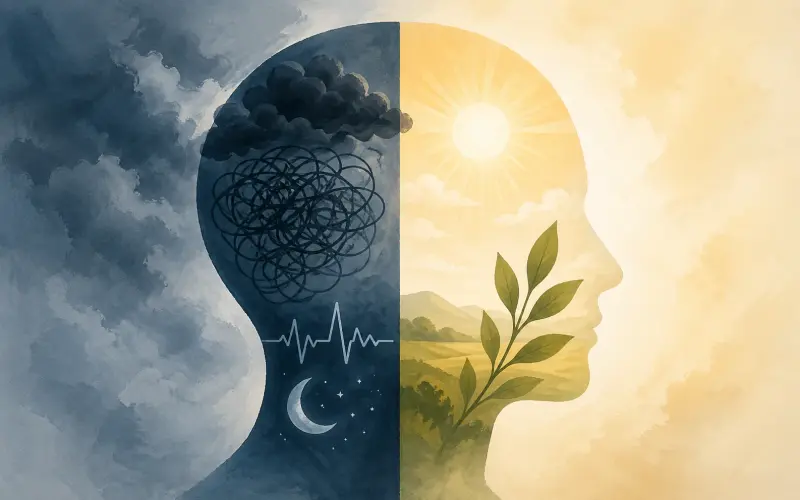
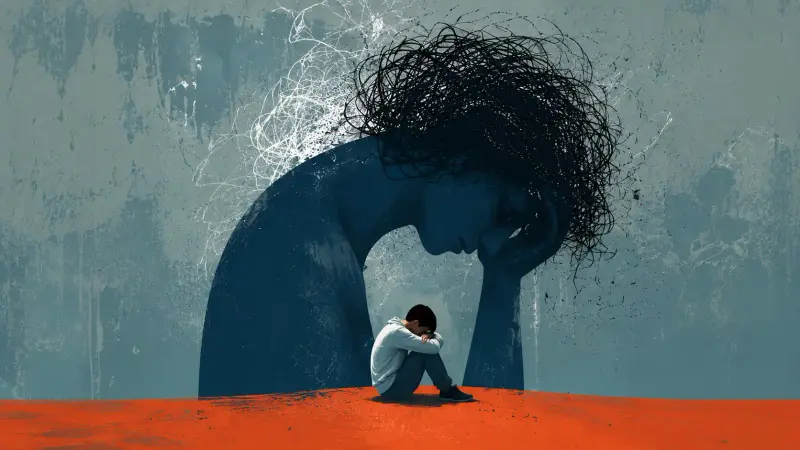
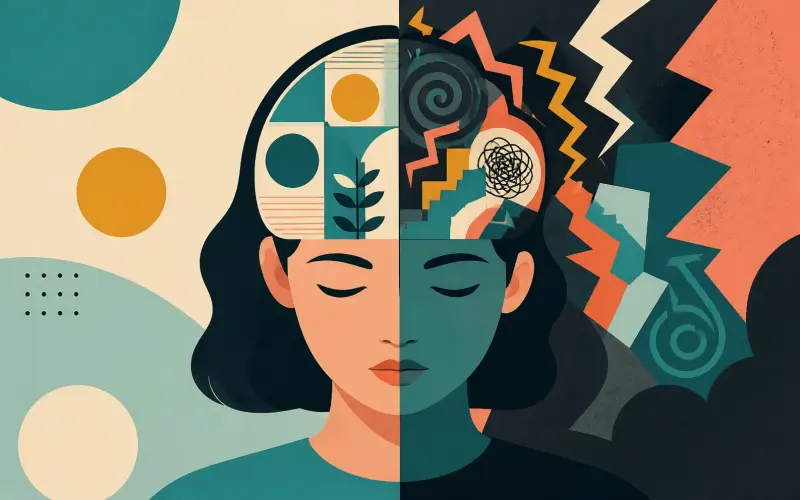
Many people experience feelings of anxiety at some point in their lives, and while this feeling may be temporary and part of adjusting to life’s pressures, it can sometimes worsen and become an obstacle to daily activities and social relationships. The World Health Organization indicates that anxiety disorders are among the most common mental health disorders, which calls for a deeper understanding of its manifestations, causes, and ways to cope.
When anxiety becomes a constant companion that prevents a person from enjoying their life, serious steps toward treatment and support must be taken. In this article, we will explore the concept of anxiety, its main symptoms and types, discuss the causes behind it, and look at the available treatment methods and preventive strategies.
What is Anxiety?
Anxiety is a psychological and physical condition that results from a persistent feeling of fear or anticipation of events that may happen in the future. This feeling is characterized by internal tension and difficulty relaxing and may be accompanied by physical symptoms such as an increased heart rate or sweaty palms. Experts consider anxiety, in its natural form, a human necessity that helps us avoid risks and stay alert, but the problem begins when anxiety exceeds its boundaries and affects lifestyle and daily performance.
According to the American Psychological Association , anxiety differs from fear in that fear is tied to an immediate and present threat, whereas anxiety is related to a vague future fear that may not always be based on actual events. Here, the disorder is not in the feeling itself, but in its persistence, intensity, and mismatch with reality.
Symptoms and Signs of Anxiety
Anxiety symptoms often overlap between physical and psychological signs, making it seem like a state of complete discomfort and stress. Some people complain of sleep disturbances or physical pain without any clear medical reason. Others experience a pressing sense of anxiety that prevents them from focusing or making decisions easily.
Anxiety can be expressed in three main categories:
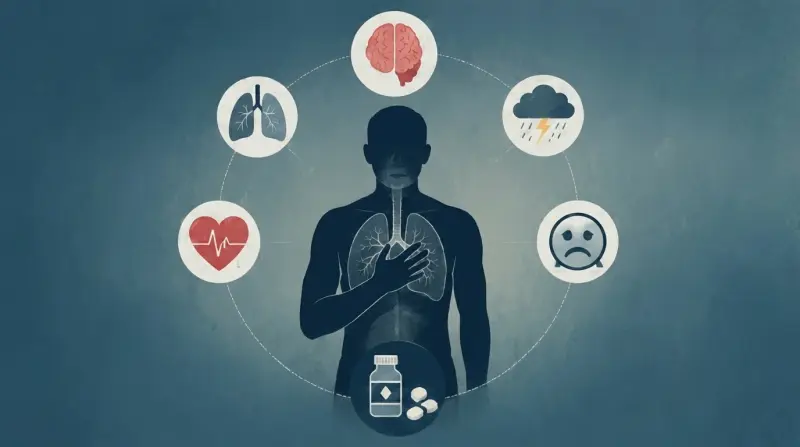
Physical symptoms: such as increased heart rate, shortness of breath, muscle tension, or shaking.
Cognitive symptoms: which include constant thoughts about potential dangers, difficulty concentrating, and excessive hesitation in decision-making.
Behavioral symptoms: such as excessive avoidance of social situations, withdrawal and isolation, or insomnia and irregular sleep patterns.
If these symptoms last for several months and start affecting relationships or work, it could indicate an anxiety disorder that requires professional help from a mental health specialist or doctor.
Common Types of Anxiety
Anxiety disorders take multiple forms, each varying in causes and clinical presentation. Identifying the type of anxiety helps guide the appropriate treatment plan. Some of the most common types include:
Generalized Anxiety Disorder (GAD) This disorder is characterized by persistent worry about everyday situations such as work, health, and finances. There is usually no specific trigger for the anxiety, and negative thoughts follow the person throughout most of their daily activities.
Panic Disorder This disorder manifests as sudden attacks of intense fear accompanied by rapid heart rate, sweating, or shaking, which can make the person believe they are having a heart attack or are in immediate danger. These panic attacks cause constant anxiety about having another episode.
Social Anxiety Disorder (SAD) This disorder involves an intense fear of social situations such as speaking in public or interacting with strangers. The person feels they are under scrutiny by others and fears criticism or embarrassment, which affects their ability to interact socially.
Specific Phobias This type involves a specific fear of certain things or situations such as heights, animals, or confined spaces. This phobia may lead the individual to avoid facing the feared object at all costs, limiting their daily life.
Obsessive-Compulsive Disorder (OCD) OCD involves repetitive, intrusive thoughts (obsessions) that cause anxiety or guilt, leading the person to engage in compulsive behaviors such as constant checking or excessive cleaning to alleviate their distress.
Causes of Anxiety
Several factors intertwine to cause anxiety disorders in individuals. There is no single cause; rather, a combination of psychological, biological, and environmental factors contribute to the onset and persistence of this disorder.
Research has shown that some people are genetically predisposed to anxiety. This predisposition may be linked to brain chemistry and neurotransmitters that influence mood and stress regulation. Psychological factors include parenting styles, early traumatic experiences, and personality traits such as perfectionism or sensitivity to criticism. Environmental factors also play an important role, such as work-related stress, academic pressure, or financial hardship, as well as exposure to sudden traumatic events like loss or accidents.
Ultimately, the interaction of these factors can place an individual in a cycle of stress and anxiety, especially if they do not receive the proper support or learn effective coping mechanisms.
The Impact of Anxiety on Daily Life
When anxiety persists for a long time without treatment, it becomes a heavy burden that hinders important aspects of a person’s life. Living with daily stress can be exhausting, causing a decrease in concentration and productivity at work or school. The anxious person may lose motivation and interest in activities they once enjoyed, increasing their feelings of frustration and isolation.
Socially, chronic anxiety can lead individuals to avoid family gatherings or meetings with friends out of fear of judgment or embarrassment. In personal relationships, anxiety can create an atmosphere of tension and misunderstanding, especially when the other party does not realize the internal conflict the person is experiencing.
Treatment and Coping Methods
There are a variety of therapeutic approaches used to help individuals with anxiety disorders, the most prominent being:
Psychotherapy Cognitive Behavioral Therapy (CBT) is at the forefront of treatment. The therapist works with the patient to deconstruct negative thoughts that fuel anxiety and replace them with more realistic ones. This therapy has widespread consensus within scientific circles for its effectiveness in improving the patient’s quality of life in a relatively short time. You can book your session now with some of the best CBT therapists at Tatmeen.
Pharmacotherapy In some cases, medication may be necessary to manage severe symptoms and reduce their intensity. These medications include antidepressants or calming anti-anxiety drugs that work by adjusting the chemical balance in the brain. Specialists emphasize the importance of medical supervision when taking these drugs to avoid side effects or over-reliance on them.
Lifestyle Support Simple daily steps, such as regular physical activity and maintaining relaxation techniques like deep breathing exercises or yoga, can significantly alleviate stress. Adequate sleep and a balanced diet are also crucial for reducing tension and helping the body reset its nervous system.
Family and Social Support Understanding from family and friends plays a vital role in the healing process. A person with anxiety needs an environment that accepts their struggles and offers them a safe space to express their concerns without ridicule or judgment. Experts recommend raising family awareness and involving relatives in therapy sessions or mental health education programs.
Prevention Tips
Some measures can help prevent anxiety from developing or worsening:
Maintaining a balance between personal and professional life, and avoiding overexerting oneself under work pressure.
Building a support network of loyal friends or interest groups who share our concerns.
Learning and practicing relaxation techniques like meditation and mindfulness regularly.
Improving communication skills to express emotions and thoughts clearly, and avoiding internalizing pressure.
Anxiety is a natural part of the human experience, as it protects us from danger and encourages us to improve and plan. However, when this feeling loses its flexibility and becomes a continuous state that hinders life, it is necessary to deal with it seriously and seek help. Understanding the underlying causes of anxiety, knowing its types, and learning about treatment methods makes the recovery journey much easier.
Always remember that anxiety does not indicate weakness, and change is possible even when the road seems difficult. You can start with simple steps, like communicating with a professional therapist or trying some daily relaxation exercises. Over time, you may find that you are able to build a more positive relationship with yourself and daily stress, transforming fears from a burden to a driving force that supports your psychological growth and strengthens your resilience.
Frequently Asked Questions
Can anxiety disappear without treatment?
In some mild or temporary cases, anxiety may subside as the stressors are removed. However, if it persists and negatively affects daily life, therapeutic intervention is recommended to prevent the problem from worsening.
What is the difference between stress and anxiety?
Stress is a state of mental or physical strain due to present pressure, while anxiety is often related to future fear or overwhelming uncertainty about what may happen.
Are medications always necessary to treat anxiety?
Not necessarily. The treatment depends on the type and severity of the disorder. Cognitive Behavioral Therapy and relaxation techniques can be enough in many cases, while some individuals may require a combination of medication and therapy.
Can talking with friends replace seeing a therapist?
Social support is helpful and can ease negative emotions, but it cannot replace professional consultation in moderate or severe cases. A therapist has the expertise to provide a tailored and effective treatment plan.
How do I choose the right mental health professional?
It is recommended to search for a licensed therapist or certified psychiatrist and have an initial consultation to gauge compatibility and rapport. You can also ask trusted friends or healthcare providers for recommendations.
A writer and researcher specializing in psychiatry, she focuses on mental health and the human emotions we experience but cannot always find the words to name. She writes about us—about humanity and the human experience—and simplifies complex topics to offer content that helps us better understand ourselves and life, ultimately making us feel less alone.
Every Tatmeen article is reviewed by care providers licensed by the Saudi Commission for Health Specialties, so what you read is accurate and trustworthy.
This article builds understanding and does not replace a licensed care provider.
Need someone to talk to?
Tatmeen's licensed care providers are available around the clock, and the app's urgent consultation connects you with one within minutes.
Download Tatmeen to explore care providers and booking options.
Smart matchingFour quick questions suggest the right care provider
Urgent consultationTalk to an available care provider within minutes
Free psychological measuresMore than 20 tests to understand how you are doing
Scan to download
{"data":{"id":"0568d64f-6c91-4ff6-833e-21f8ac60810c","slug":"understanding-anxiety-symptoms-causes-treatment","arTitle":"فهم القلق: الأعراض والأسباب وطرق العلاج","enTitle":"Understanding Anxiety: Symptoms, Causes, and Treatment Methods","thumbnailAltText":"فهم القلق وأعراضه وأسبابه وطرق العلاج النفسي الفعّال","estimatedReadingTime":5,"likesCount":343,"writer":{"id":"3ab72b74-f26f-4337-9b47-3114b0f90de5","arBio":"كاتبة وباحثة متخصصة في مجال الطب النفسي، تهتم بموضوعات الصحة النفسية وبالمشاعر الإنسانية التي نختبرها ولا نجد دائمًا الكلمات لتسميتها. تكتب عنّا؛ عن الإنسان وتجربته، وتبسّط الموضوعات المعقّدة لتقدّم محتوى يساعدنا على فهم ذواتنا والحياة أكثر، ويجعلنا نشعر بأننا بوحدة أقل.","enBio":"A writer and researcher specializing in psychiatry, she focuses on mental health and the human emotions we experience but cannot always find the words to name. She writes about us—about humanity and the human experience—and simplifies complex topics to offer content that helps us better understand ourselves and life, ultimately making us feel less alone.","user":{"slug":"ayat-alnajar","arFullName":"آيات النجار","enFullName":"Ayat Al-Najjar","publicProfileImageUrl":"https://cdn.tatmeen.sa/public/profile-images/02384455-68fa-40b6-ad05-609fde65cafa/21b9a610dde5dfc6d37af110c23e9c7ab3946be080c281beb000debf4f7d31a6.webp","publicProfileImage96Url":"https://cdn.tatmeen.sa/public/profile-images/02384455-68fa-40b6-ad05-609fde65cafa/21b9a610dde5dfc6d37af110c23e9c7ab3946be080c281beb000debf4f7d31a6-w96.webp","publicProfileImage192Url":"https://cdn.tatmeen.sa/public/profile-images/02384455-68fa-40b6-ad05-609fde65cafa/21b9a610dde5dfc6d37af110c23e9c7ab3946be080c281beb000debf4f7d31a6-w192.webp"}},"arContent":"","enContent":"","productionDocument":{"headings":[],"faqs":[{"question":"Can anxiety disappear without treatment?","answer":"<p><span style=\"color:#000000\">In some mild or temporary cases, anxiety may subside as the stressors are removed. However, if it persists and negatively affects daily life, therapeutic intervention is recommended to prevent the problem from worsening.</span></p>"},{"question":"What is the difference between stress and anxiety?","answer":"<p><span style=\"color:#000000\">Stress is a state of mental or physical strain due to present pressure, while anxiety is often related to future fear or overwhelming uncertainty about what may happen.</span></p>"},{"question":"Are medications always necessary to treat anxiety?","answer":"<p><span style=\"color:#000000\">Not necessarily. The treatment depends on the type and severity of the disorder. Cognitive Behavioral Therapy and relaxation techniques can be enough in many cases, while some individuals may require a combination of medication and therapy.</span></p>"},{"question":"Can talking with friends replace seeing a therapist?","answer":"<p><span style=\"color:#000000\">Social support is helpful and can ease negative emotions, but it cannot replace professional consultation in moderate or severe cases. A therapist has the expertise to provide a tailored and effective treatment plan.</span></p>"},{"question":"How do I choose the right mental health professional?","answer":"<p><span style=\"color:#000000\">It is recommended to search for a licensed therapist or certified psychiatrist and have an initial consultation to gauge compatibility and rapport. You can also ask trusted friends or healthcare providers for recommendations.</span></p>"}],"beforeSourcesHtml":"<p></p>","sources":[],"afterSourcesHtml":"","blocks":[{"type":"html","html":"<p><span style=\"color:#000000\">Many people experience feelings of anxiety at some point in their lives, and while this feeling may be temporary and part of adjusting to life’s pressures, it can sometimes worsen and become an obstacle to daily activities and social relationships. </span><a href=\"https://www.who.int/ar\" target=\"_blank\" rel=\"nofollow noopener noreferrer\"><span style=\"color:#1155cc\"><u>The World Health Organization</u></span></a><span style=\"color:#000000\"> indicates that anxiety disorders are among the most common mental health disorders, which calls for a deeper understanding of its manifestations, causes, and ways to cope.</span></p><p><span style=\"color:#000000\">When anxiety becomes a constant companion that prevents a person from enjoying their life, serious steps toward treatment and support must be taken. In this article, we will explore the concept of anxiety, its main symptoms and types, discuss the causes behind it, and look at the available treatment methods and preventive strategies.</span></p><h3><span style=\"color:#000000\"><strong>What is Anxiety?</strong></span></h3><p><span style=\"color:#000000\">Anxiety is a psychological and physical condition that results from a persistent feeling of fear or anticipation of events that may happen in the future. This feeling is characterized by internal tension and difficulty relaxing and may be accompanied by physical symptoms such as an increased heart rate or sweaty palms. Experts consider anxiety, in its natural form, a human necessity that helps us avoid risks and stay alert, but the problem begins when anxiety exceeds its boundaries and affects lifestyle and daily performance.</span></p><p><span style=\"color:#000000\">According to</span><a href=\"https://www.apa.org/topics/anxiety\" target=\"_blank\" rel=\"nofollow noopener noreferrer\"><span style=\"color:#1155cc\"><u> the American Psychological Association</u></span></a><span style=\"color:#000000\"> , anxiety differs from fear in that fear is tied to an immediate and present threat, whereas anxiety is related to a vague future fear that may not always be based on actual events. Here, the disorder is not in the feeling itself, but in its persistence, intensity, and mismatch with reality.</span></p><h3><span style=\"color:#000000\"><strong>Symptoms and Signs of Anxiety</strong></span></h3><p><span style=\"color:#000000\">Anxiety symptoms often overlap between physical and psychological signs, making it seem like a state of complete discomfort and stress. Some people complain of sleep disturbances or physical pain without any clear medical reason. Others experience a pressing sense of anxiety that prevents them from focusing or making decisions easily.</span></p><p><span style=\"color:#000000\">Anxiety can be expressed in three main categories:</span></p><ul><li><p><span style=\"color:#000000\"><strong>Physical symptoms</strong>: such as increased heart rate, shortness of breath, muscle tension, or shaking.</span></p></li><li><p><span style=\"color:#000000\"><strong>Cognitive symptoms</strong>: which include constant thoughts about potential dangers, difficulty concentrating, and excessive hesitation in decision-making.</span></p></li><li><p><span style=\"color:#000000\"><strong>Behavioral symptoms</strong>: such as excessive avoidance of social situations, withdrawal and isolation, or insomnia and irregular sleep patterns.</span></p></li></ul><p><span style=\"color:#000000\">If these symptoms last for several months and start affecting relationships or work, it could indicate an anxiety disorder that requires professional help from a mental health specialist or doctor.</span></p><h3><span style=\"color:#000000\"><strong>Common Types of Anxiety</strong></span></h3><p><span style=\"color:#000000\">Anxiety disorders take multiple forms, each varying in causes and clinical presentation. Identifying the type of anxiety helps guide the appropriate treatment plan. Some of the most common types include:</span></p><ul><li><p><span style=\"color:#000000\"><strong>Generalized Anxiety Disorder (GAD)<br /></strong> This disorder is characterized by persistent worry about everyday situations such as work, health, and finances. There is usually no specific trigger for the anxiety, and negative thoughts follow the person throughout most of their daily activities.<br /></span></p></li><li><p><span style=\"color:#000000\"><strong>Panic Disorder<br /></strong> This disorder manifests as sudden attacks of intense fear accompanied by rapid heart rate, sweating, or shaking, which can make the person believe they are having a heart attack or are in immediate danger. These panic attacks cause constant anxiety about having another episode.<br /></span></p></li><li><p><span style=\"color:#000000\"><strong>Social Anxiety Disorder (SAD)<br /></strong> This disorder involves an intense fear of social situations such as speaking in public or interacting with strangers. The person feels they are under scrutiny by others and fears criticism or embarrassment, which affects their ability to interact socially.<br /></span></p></li><li><p><span style=\"color:#000000\"><strong>Specific Phobias<br /></strong> This type involves a specific fear of certain things or situations such as heights, animals, or confined spaces. This phobia may lead the individual to avoid facing the feared object at all costs, limiting their daily life.<br /></span></p></li><li><p><span style=\"color:#000000\"><strong>Obsessive-Compulsive Disorder (OCD)<br /></strong> OCD involves repetitive, intrusive thoughts (obsessions) that cause anxiety or guilt, leading the person to engage in compulsive behaviors such as constant checking or excessive cleaning to alleviate their distress.</span><br /></p></li></ul><h3><span style=\"color:#000000\"><strong>Causes of Anxiety</strong></span></h3><p><span style=\"color:#000000\">Several factors intertwine to cause anxiety disorders in individuals. There is no single cause; rather, a combination of psychological, biological, and environmental factors contribute to the onset and persistence of this disorder.</span></p><p><span style=\"color:#000000\">Research has shown that some people are genetically predisposed to anxiety. This predisposition may be linked to brain chemistry and neurotransmitters that influence mood and stress regulation. Psychological factors include parenting styles, early traumatic experiences, and personality traits such as perfectionism or sensitivity to criticism. Environmental factors also play an important role, such as work-related stress, academic pressure, or financial hardship, as well as exposure to sudden traumatic events like loss or accidents.</span></p><p><span style=\"color:#000000\">Ultimately, the interaction of these factors can place an individual in a cycle of stress and anxiety, especially if they do not receive the proper support or learn effective coping mechanisms.</span></p><p></p><h3><span style=\"color:#000000\"><strong>The Impact of Anxiety on Daily Life</strong></span></h3><p><span style=\"color:#000000\">When anxiety persists for a long time without treatment, it becomes a heavy burden that hinders important aspects of a person’s life. Living with daily stress can be exhausting, causing a decrease in concentration and productivity at work or school. The anxious person may lose motivation and interest in activities they once enjoyed, increasing their feelings of frustration and isolation.</span></p><p><span style=\"color:#000000\">Socially, chronic anxiety can lead individuals to avoid family gatherings or meetings with friends out of fear of judgment or embarrassment. In personal relationships, anxiety can create an atmosphere of tension and misunderstanding, especially when the other party does not realize the internal conflict the person is experiencing.</span></p><p></p><h3><span style=\"color:#000000\"><strong>Treatment and Coping Methods</strong></span></h3><p><span style=\"color:#000000\">There are a variety of therapeutic approaches used to help individuals with anxiety disorders, the most prominent being:</span></p><ul><li><p><span style=\"color:#000000\"><strong>Psychotherapy<br /></strong> Cognitive Behavioral Therapy (CBT) is at the forefront of treatment. The therapist works with the patient to deconstruct negative thoughts that fuel anxiety and replace them with more realistic ones. This therapy has widespread consensus within scientific circles for its effectiveness in improving the patient’s quality of life in a relatively short time. You can <u>book your session now</u> with some of the best CBT therapists at Tatmeen.<br /></span></p></li><li><p><span style=\"color:#000000\"><strong>Pharmacotherapy<br /></strong> In some cases, medication may be necessary to manage severe symptoms and reduce their intensity. These medications include antidepressants or calming anti-anxiety drugs that work by adjusting the chemical balance in the brain. Specialists emphasize the importance of medical supervision when taking these drugs to avoid side effects or over-reliance on them.<br /></span></p></li><li><p><span style=\"color:#000000\"><strong>Lifestyle Support<br /></strong> Simple daily steps, such as regular physical activity and maintaining<u> relaxation techniques</u> like deep breathing exercises or yoga, can significantly alleviate stress. Adequate sleep and a balanced diet are also crucial for reducing tension and helping the body reset its nervous system.<br /></span></p></li><li><p><span style=\"color:#000000\"><strong>Family and Social Support<br /></strong> Understanding from family and friends plays a vital role in the healing process. A person with anxiety needs an environment that accepts their struggles and offers them a safe space to express their concerns without ridicule or judgment. Experts recommend raising family awareness and involving relatives in therapy sessions or mental health education programs.</span><br /></p></li></ul><h3><span style=\"color:#000000\"><strong>Prevention Tips</strong></span></h3><p><span style=\"color:#000000\">Some measures can help prevent anxiety from developing or worsening:</span></p><ul><li><p><span style=\"color:#000000\">Maintaining a balance between personal and professional life, and avoiding overexerting oneself under work pressure.</span></p></li><li><p><span style=\"color:#000000\">Building a support network of loyal friends or interest groups who share our concerns.</span></p></li><li><p><span style=\"color:#000000\">Learning and practicing <u>relaxation techniques</u> like meditation and mindfulness regularly.</span></p></li><li><p><span style=\"color:#000000\">Improving communication skills to express emotions and thoughts clearly, and avoiding internalizing pressure.</span></p></li></ul><p></p><p><span style=\"color:#000000\">Anxiety is a natural part of the human experience, as it protects us from danger and encourages us to improve and plan. However, when this feeling loses its flexibility and becomes a continuous state that hinders life, it is necessary to deal with it seriously and seek help. Understanding the underlying causes of anxiety, knowing its types, and learning about treatment methods makes the recovery journey much easier.</span></p><p><span style=\"color:#000000\">Always remember that anxiety does not indicate weakness, and change is possible even when the road seems difficult. You can start with simple steps, like <u>communicating with a professional therapist</u> or trying some daily<u> relaxation exercises</u>. Over time, you may find that you are able to build a more positive relationship with yourself and daily stress, transforming fears from a burden to a driving force that supports your psychological growth and strengthens your resilience.</span></p>"}],"inlineCtaSignatures":[],"_experienceAliases":{"v":1,"fields":["html","bodyHtml"],"faqs":[0,1,2,3,4]}},"createdAt":"2026-04-28T21:00:00.000Z","updatedAt":"2026-06-24T23:51:01.490Z","disorderGroups":[{"id":"1e82772d-a1a7-4d29-b475-be9d6b67ae02","slug":"common-mental-issues","arName":"اضطرابات نفسية شائعة","enName":"Common Mental Issues"}],"reviewer":{"arFullName":"فريق تطمين","enFullName":"Tatmeen team","slug":"tatmeen-team","kind":"organization"},"productionArticle":true,"promotionAllowed":true,"preparedCover":{"src":"https://cdn.tatmeen.sa/public/article-lcp/article-lcp-v2/sha256-4eed4f1d126cd3aba4f09886799d5f88594e70340069ee2c1f785bcb1440eadd/800-d10697f4f23b82320c8aaad6109e659d4990f8b783c511aec5bb7ea0fece5920.avif","fallback":"https://cdn.tatmeen.sa/public/article-lcp/article-lcp-v2/sha256-4eed4f1d126cd3aba4f09886799d5f88594e70340069ee2c1f785bcb1440eadd/800-f85f9a2cc1afd3203d39b71739cdb7aa2e894f1fe18b44a6e670ee1875e93dca.webp","directUrl":"https://cdn.tatmeen.sa/blog-cover/Tatmeen-1777481890080.webp","isGolden":true,"avifSrcset":"https://cdn.tatmeen.sa/public/article-lcp/article-lcp-v2/sha256-4eed4f1d126cd3aba4f09886799d5f88594e70340069ee2c1f785bcb1440eadd/400-a1938f6a00980177e42f74e590c2a9539387bba1fc60e7d8c4a62bff2c742881.avif 400w, https://cdn.tatmeen.sa/public/article-lcp/article-lcp-v2/sha256-4eed4f1d126cd3aba4f09886799d5f88594e70340069ee2c1f785bcb1440eadd/640-31f8089047594092cee4240ddba5a838a6850b742867f70466d0b6dd990f2aad.avif 640w, https://cdn.tatmeen.sa/public/article-lcp/article-lcp-v2/sha256-4eed4f1d126cd3aba4f09886799d5f88594e70340069ee2c1f785bcb1440eadd/800-d10697f4f23b82320c8aaad6109e659d4990f8b783c511aec5bb7ea0fece5920.avif 800w, https://cdn.tatmeen.sa/public/article-lcp/article-lcp-v2/sha256-4eed4f1d126cd3aba4f09886799d5f88594e70340069ee2c1f785bcb1440eadd/1200-c2efd0e51430b4f52f92b4e3ab77d9348ab695709be16d718aa64770b3ffe905.avif 1200w","webpSrcset":"https://cdn.tatmeen.sa/public/article-lcp/article-lcp-v2/sha256-4eed4f1d126cd3aba4f09886799d5f88594e70340069ee2c1f785bcb1440eadd/400-3f3f1a2d365164829fa55120e60528786ad38aaafc5704cfc90a06f6aee862b6.webp 400w, https://cdn.tatmeen.sa/public/article-lcp/article-lcp-v2/sha256-4eed4f1d126cd3aba4f09886799d5f88594e70340069ee2c1f785bcb1440eadd/640-5d89cde67c0172511f3638c635d1f60d064a133a8d709348db3b4b551b4533c9.webp 640w, https://cdn.tatmeen.sa/public/article-lcp/article-lcp-v2/sha256-4eed4f1d126cd3aba4f09886799d5f88594e70340069ee2c1f785bcb1440eadd/800-f85f9a2cc1afd3203d39b71739cdb7aa2e894f1fe18b44a6e670ee1875e93dca.webp 800w, https://cdn.tatmeen.sa/public/article-lcp/article-lcp-v2/sha256-4eed4f1d126cd3aba4f09886799d5f88594e70340069ee2c1f785bcb1440eadd/1200-9488dc9146de996593a180c8242b5522a649ad8a8c6a6a56b130e7b55376f8db.webp 1200w","phoneAvifSrcset":"https://cdn.tatmeen.sa/public/article-lcp/article-lcp-v2/sha256-4eed4f1d126cd3aba4f09886799d5f88594e70340069ee2c1f785bcb1440eadd/400-a1938f6a00980177e42f74e590c2a9539387bba1fc60e7d8c4a62bff2c742881.avif 400w, https://cdn.tatmeen.sa/public/article-lcp/article-lcp-v2/sha256-4eed4f1d126cd3aba4f09886799d5f88594e70340069ee2c1f785bcb1440eadd/640-31f8089047594092cee4240ddba5a838a6850b742867f70466d0b6dd990f2aad.avif 640w, https://cdn.tatmeen.sa/public/article-lcp/article-lcp-v2/sha256-4eed4f1d126cd3aba4f09886799d5f88594e70340069ee2c1f785bcb1440eadd/800-d10697f4f23b82320c8aaad6109e659d4990f8b783c511aec5bb7ea0fece5920.avif 800w","phoneWebpSrcset":"https://cdn.tatmeen.sa/public/article-lcp/article-lcp-v2/sha256-4eed4f1d126cd3aba4f09886799d5f88594e70340069ee2c1f785bcb1440eadd/400-3f3f1a2d365164829fa55120e60528786ad38aaafc5704cfc90a06f6aee862b6.webp 400w, https://cdn.tatmeen.sa/public/article-lcp/article-lcp-v2/sha256-4eed4f1d126cd3aba4f09886799d5f88594e70340069ee2c1f785bcb1440eadd/640-5d89cde67c0172511f3638c635d1f60d064a133a8d709348db3b4b551b4533c9.webp 640w, https://cdn.tatmeen.sa/public/article-lcp/article-lcp-v2/sha256-4eed4f1d126cd3aba4f09886799d5f88594e70340069ee2c1f785bcb1440eadd/800-f85f9a2cc1afd3203d39b71739cdb7aa2e894f1fe18b44a6e670ee1875e93dca.webp 800w","width":800,"height":500},"previewTaxonomy":{"groups":[{"id":"1e82772d-a1a7-4d29-b475-be9d6b67ae02","slug":"common-mental-issues","arName":"اضطرابات نفسية شائعة","enName":"Common Mental Issues"}],"topics":[{"id":"d7bfad62-65b5-4343-9647-fcfd9a6a977a","slug":"panic-attacks","arName":"نوبات الهلع","enName":"Panic Attacks","groupSlug":"common-mental-issues","href":"/blog/category/common-mental-issues/panic-attacks/"},{"id":"833e7e92-9a41-46f7-9a3d-8f3e504517a0","slug":"social-phobia","arName":"رهاب اجتماعي","enName":"Social Phobia","groupSlug":"common-mental-issues","href":"/blog/category/common-mental-issues/social-phobia/"},{"id":"4b322099-fefa-4ba7-a3d1-4130f206046a","slug":"anxiety","arName":"قلق","enName":"Anxiety","groupSlug":"common-mental-issues","href":"/blog/category/common-mental-issues/anxiety/"},{"id":"3d6fa799-63d1-4743-a425-670f92e7a1a4","slug":"ocd","arName":"الوسواس القهري","enName":"OCD","groupSlug":"common-mental-issues","href":"/blog/category/common-mental-issues/ocd/"}],"tags":[{"id":"b17ecf79-93e3-43d7-8e38-1861533199ba","slug":"anxiety-panic-phobia","arName":"القلق والرهاب والهلع","enName":"Anxiety Phobias & Panic"},{"id":"c2a6e8d3-de9c-435f-8c95-9727e7db14cc","slug":"explainer-awareness","arName":"دليل توعوي / شرح","enName":"Explainer / Awareness Guide"}]},"previewProviderRecommendations":[{"id":"23ba62b8-9679-46a2-9439-b2801cafc59b","slug":"dr-mohammed-alanazi-4132","arFullName":"د. محمد العنزي","enFullName":"Dr. Mohammed ALANAZI","publicProfileImageUrl":"https://cdn.tatmeen.sa/public/profile-images/23ba62b8-9679-46a2-9439-b2801cafc59b/233e70d98cd910633553abf60e5ee8dd305797b64c4172746ab379f3b91a1461.webp","publicProfileImage96Url":"https://cdn.tatmeen.sa/public/profile-images/23ba62b8-9679-46a2-9439-b2801cafc59b/233e70d98cd910633553abf60e5ee8dd305797b64c4172746ab379f3b91a1461-w96.webp","publicProfileImage192Url":"https://cdn.tatmeen.sa/public/profile-images/23ba62b8-9679-46a2-9439-b2801cafc59b/233e70d98cd910633553abf60e5ee8dd305797b64c4172746ab379f3b91a1461-w192.webp","specialization":{"arName":"طبيب أسرة","enName":"Family Physician"},"profileImageUrl":"https://cdn.tatmeen.sa/public/profile-images/23ba62b8-9679-46a2-9439-b2801cafc59b/233e70d98cd910633553abf60e5ee8dd305797b64c4172746ab379f3b91a1461-w192.webp","experienceYears":3,"consultantInfo":{"averageRating":{"average":0},"specialization":{"arGeneralName":"طبيب أسرة","enGeneralName":"Family Physician"}}},{"id":"4bcf0531-d58c-4284-aeed-b2563c966ee3","slug":"dr-sultan-albalawi-9701","arFullName":"د. سلطان البلوي","enFullName":"Dr. Sultan Albalawi","publicProfileImageUrl":"https://cdn.tatmeen.sa/public/profile-images/4bcf0531-d58c-4284-aeed-b2563c966ee3/7038797eec8398a3d17eebf66394b26366409d9a9faece56515311203b0600b2.webp","publicProfileImage96Url":"https://cdn.tatmeen.sa/public/profile-images/4bcf0531-d58c-4284-aeed-b2563c966ee3/7038797eec8398a3d17eebf66394b26366409d9a9faece56515311203b0600b2-w96.webp","publicProfileImage192Url":"https://cdn.tatmeen.sa/public/profile-images/4bcf0531-d58c-4284-aeed-b2563c966ee3/7038797eec8398a3d17eebf66394b26366409d9a9faece56515311203b0600b2-w192.webp","specialization":{"arName":"طبيب أسرة","enName":"Family Physician"},"profileImageUrl":"https://cdn.tatmeen.sa/public/profile-images/4bcf0531-d58c-4284-aeed-b2563c966ee3/7038797eec8398a3d17eebf66394b26366409d9a9faece56515311203b0600b2-w192.webp","experienceYears":3,"consultantInfo":{"averageRating":{"average":0},"specialization":{"arGeneralName":"طبيب أسرة","enGeneralName":"Family Physician"}}},{"id":"025d770d-f6d4-405b-be1c-d45dde63fbf7","slug":"akila-alomran-7545","arFullName":"عقيله العمران","enFullName":"Akila Alomran","publicProfileImageUrl":"https://cdn.tatmeen.sa/public/profile-images/025d770d-f6d4-405b-be1c-d45dde63fbf7/44a990b9294f02c9810c69a68b8913a6afac0eb30d1b7494155f31b6dde9378b.webp","publicProfileImage96Url":"https://cdn.tatmeen.sa/public/profile-images/025d770d-f6d4-405b-be1c-d45dde63fbf7/44a990b9294f02c9810c69a68b8913a6afac0eb30d1b7494155f31b6dde9378b-w96.webp","publicProfileImage192Url":"https://cdn.tatmeen.sa/public/profile-images/025d770d-f6d4-405b-be1c-d45dde63fbf7/44a990b9294f02c9810c69a68b8913a6afac0eb30d1b7494155f31b6dde9378b-w192.webp","specialization":{"arName":"أخصائي نفسي","enName":"Psychologist"},"profileImageUrl":"https://cdn.tatmeen.sa/public/profile-images/025d770d-f6d4-405b-be1c-d45dde63fbf7/44a990b9294f02c9810c69a68b8913a6afac0eb30d1b7494155f31b6dde9378b-w192.webp","experienceYears":3,"consultantInfo":{"averageRating":{"average":5},"specialization":{"arGeneralName":"أخصائي نفسي","enGeneralName":"Psychologist"}}}],"previewCareProviders":[{"id":"09364052-c2a9-4c52-9717-7ce2093b8d0a","slug":"kholoud-alharbi-5221","arFullName":"خلود الحربي","enFullName":"Kholoud Alharbi","publicProfileImageUrl":"https://cdn.tatmeen.sa/public/profile-images/09364052-c2a9-4c52-9717-7ce2093b8d0a/4a0aeb81619e351b77f4323e3605a0a00acc7ca3c82ee7cc5ca2c9e8ef716049.webp","publicProfileImage96Url":"https://cdn.tatmeen.sa/public/profile-images/09364052-c2a9-4c52-9717-7ce2093b8d0a/4a0aeb81619e351b77f4323e3605a0a00acc7ca3c82ee7cc5ca2c9e8ef716049-w96.webp","publicProfileImage192Url":"https://cdn.tatmeen.sa/public/profile-images/09364052-c2a9-4c52-9717-7ce2093b8d0a/4a0aeb81619e351b77f4323e3605a0a00acc7ca3c82ee7cc5ca2c9e8ef716049-w192.webp","gender":"FEMALE","specialization":{"arName":"أخصائي نفسي","enName":"Psychologist"}},{"id":"6f037535-1dca-4b50-a8b2-5974b7323286","slug":"salah-althobaiti-9053","arFullName":"صلاح الثبيتي","enFullName":"Salah Althobaiti","publicProfileImageUrl":"https://cdn.tatmeen.sa/public/profile-images/6f037535-1dca-4b50-a8b2-5974b7323286/35b6bd7fad9b1e004c1835803eb9c1b56dcacd380685ec8bff141f0fb888005c.webp","publicProfileImage96Url":"https://cdn.tatmeen.sa/public/profile-images/6f037535-1dca-4b50-a8b2-5974b7323286/35b6bd7fad9b1e004c1835803eb9c1b56dcacd380685ec8bff141f0fb888005c-w96.webp","publicProfileImage192Url":"https://cdn.tatmeen.sa/public/profile-images/6f037535-1dca-4b50-a8b2-5974b7323286/35b6bd7fad9b1e004c1835803eb9c1b56dcacd380685ec8bff141f0fb888005c-w192.webp","gender":"MALE","specialization":{"arName":"أخصائي نفسي","enName":"Psychologist"}},{"id":"3cc806e8-616b-4884-9f21-a75b378580a2","slug":"aisha-al-hashim-8667","arFullName":"عائشة ال هاشم","enFullName":"Aisha Al Hashim","publicProfileImageUrl":"https://cdn.tatmeen.sa/public/profile-images/3cc806e8-616b-4884-9f21-a75b378580a2/27f523d03be4dcfa1f6a79f70c1773887434e698990d214cd990caec56a44798.webp","publicProfileImage96Url":"https://cdn.tatmeen.sa/public/profile-images/3cc806e8-616b-4884-9f21-a75b378580a2/27f523d03be4dcfa1f6a79f70c1773887434e698990d214cd990caec56a44798-w96.webp","publicProfileImage192Url":"https://cdn.tatmeen.sa/public/profile-images/3cc806e8-616b-4884-9f21-a75b378580a2/27f523d03be4dcfa1f6a79f70c1773887434e698990d214cd990caec56a44798-w192.webp","gender":"FEMALE","specialization":{"arName":"أخصائي نفسي","enName":"Psychologist"}},{"id":"db2ce1a0-9325-4471-b7ce-eb2e811c30a3","slug":"amer-qutub-2441","arFullName":"عامر قطب","enFullName":"Amer Qutub","publicProfileImageUrl":"https://cdn.tatmeen.sa/public/profile-images/db2ce1a0-9325-4471-b7ce-eb2e811c30a3/80580f99bfd7fe2b2a9cf8eed73ab532f5086d1efe053b0aa57358c1ce004261.webp","publicProfileImage96Url":"https://cdn.tatmeen.sa/public/profile-images/db2ce1a0-9325-4471-b7ce-eb2e811c30a3/80580f99bfd7fe2b2a9cf8eed73ab532f5086d1efe053b0aa57358c1ce004261-w96.webp","publicProfileImage192Url":"https://cdn.tatmeen.sa/public/profile-images/db2ce1a0-9325-4471-b7ce-eb2e811c30a3/80580f99bfd7fe2b2a9cf8eed73ab532f5086d1efe053b0aa57358c1ce004261-w192.webp","gender":"MALE","specialization":{"arName":"أخصائي نفسي","enName":"Psychologist"}},{"id":"94765496-dbdf-4631-a01b-7df5f788668d","slug":"abdullrahman-alhamoudi-3045","arFullName":"عبدالرحمن الحمودي","enFullName":"Abdulrahman Alhamoudi","publicProfileImageUrl":"https://cdn.tatmeen.sa/public/profile-images/94765496-dbdf-4631-a01b-7df5f788668d/2d49f6b6493c564afb6f50b6c3634231dff3a5cf8353acfab393d1b2a88037d1.webp","publicProfileImage96Url":"https://cdn.tatmeen.sa/public/profile-images/94765496-dbdf-4631-a01b-7df5f788668d/2d49f6b6493c564afb6f50b6c3634231dff3a5cf8353acfab393d1b2a88037d1-w96.webp","publicProfileImage192Url":"https://cdn.tatmeen.sa/public/profile-images/94765496-dbdf-4631-a01b-7df5f788668d/2d49f6b6493c564afb6f50b6c3634231dff3a5cf8353acfab393d1b2a88037d1-w192.webp","gender":"MALE","specialization":{"arName":"أخصائي نفسي","enName":"Psychologist"}},{"id":"618dba89-5b70-4b46-8304-741b7ac8ecd3","slug":"abdullah-mari-1311","arFullName":"عبدالله مرعي","enFullName":"Abdullah Mari","publicProfileImageUrl":"https://cdn.tatmeen.sa/public/profile-images/618dba89-5b70-4b46-8304-741b7ac8ecd3/6b4a3bfb59f8a304ca79083b32859b46baad2e1d692974a47c02c1f66bd11129.webp","publicProfileImage96Url":"https://cdn.tatmeen.sa/public/profile-images/618dba89-5b70-4b46-8304-741b7ac8ecd3/6b4a3bfb59f8a304ca79083b32859b46baad2e1d692974a47c02c1f66bd11129-w96.webp","publicProfileImage192Url":"https://cdn.tatmeen.sa/public/profile-images/618dba89-5b70-4b46-8304-741b7ac8ecd3/6b4a3bfb59f8a304ca79083b32859b46baad2e1d692974a47c02c1f66bd11129-w192.webp","gender":"MALE","specialization":{"arName":"أخصائي نفسي","enName":"Psychologist"}},{"id":"3b50a5d5-e795-407f-8676-fd7f0e1bb7a0","slug":"abdulaziz-bin-hudayan-4940","arFullName":"عبدالعزيز بن هديان","enFullName":"Abdulaziz Bin Hudayan","publicProfileImageUrl":"https://cdn.tatmeen.sa/public/profile-images/3b50a5d5-e795-407f-8676-fd7f0e1bb7a0/710ff0fe1fb00cdb5042092e27b7910b480a439b02251ecded62d7758eefce95.webp","publicProfileImage96Url":"https://cdn.tatmeen.sa/public/profile-images/3b50a5d5-e795-407f-8676-fd7f0e1bb7a0/710ff0fe1fb00cdb5042092e27b7910b480a439b02251ecded62d7758eefce95-w96.webp","publicProfileImage192Url":"https://cdn.tatmeen.sa/public/profile-images/3b50a5d5-e795-407f-8676-fd7f0e1bb7a0/710ff0fe1fb00cdb5042092e27b7910b480a439b02251ecded62d7758eefce95-w192.webp","gender":"MALE","specialization":{"arName":"أخصائي نفسي","enName":"Psychologist"}}],"previewDownload":{"href":"/download","title":{"ar":"خطوة واحدة لأجلك، ابدأ الآن","en":"One step for you, start now"},"description":{"ar":"حمّل تطبيق تطمين لاستكشاف مقدمي الرعاية وخيارات الحجز.","en":"Download Tatmeen to explore care providers and booking options."},"posterSrc":"/images/home/cta-ar-new-1.webp","videoSrc":"/images/home/cta-ar-new-1.mp4","videoPosterSrc":"/images/home/cta-ar-new-1.webp","videoPosterEnSrc":"/images/home/cta-en-new-1.webp","videoType":"video/mp4","appStoreHref":"https://apps.apple.com/us/app/tatmeen-%D8%AA%D8%B7%D9%85%D9%8A%D9%86/id6473836983","googlePlayHref":"https://play.google.com/store/apps/details?id=com.TatmeenApp.user&hl=en"},"previewRelatedArticles":[{"id":"19854a3b-82e9-4436-90e8-48c8ac9f2110","slug":"overthinking-anxiety-when-it-becomes-a-problem","route":"/blog/overthinking-anxiety-when-it-becomes-a-problem/","title":{"ar":"حين يتجاوز القلق حجمه الطبيعي","en":"When Anxiety Goes Beyond Its Natural Limits"},"image":"https://cdn.tatmeen.sa/public/article-lcp/article-lcp-v2/sha256-0b43cbaa54803c8571a7a8251f647300d91e75ba8daf64db410f913b55247972/800-63a4540afb579897add03504ef0b3e0b05f29f906f67443d11f263c463997c90.webp","directImageFallback":"https://cdn.tatmeen.sa/blog-cover/Tatmeen-1782573553654.webp","arThumbnailAltText":"Curled figure under looming shadow self with tangled thoughts, symbolizing anxiety","thumbnailAltText":"Curled figure under looming shadow self with tangled thoughts, symbolizing anxiety","topic":{"label":{"ar":"اضطرابات نفسية شائعة","en":"Common Mental Issues"}},"readingTimeMinutes":6},{"id":"1c8e3e56-4201-4e6f-80a3-087d5350b293","slug":"normal-worry-vs-anxiety-disorder","route":"/blog/normal-worry-vs-anxiety-disorder/","title":{"ar":"هل أعاني من اضطراب القلق أم أنه مجرد قلق طبيعي؟","en":"Do I Have an Anxiety Disorder or Is It Just Normal Worry?"},"image":"https://cdn.tatmeen.sa/public/article-lcp/article-lcp-v2/sha256-458b1daebb54b7b197843e0f54905292c9154246bd3bcb86d67f1c8944aaf9b2/800-894f5fedd07ef11daab1d57279fde96258c12c240a7b10de0b9997be03587faa.webp","directImageFallback":"https://cdn.tatmeen.sa/blog-cover/Tatmeen-1777825713504.webp","arThumbnailAltText":"an image of a person split in two halves one half is tidy and in order while the other half is messy","thumbnailAltText":"an image of a person split in two halves one half is tidy and in order while the other half is messy","topic":{"label":{"ar":"اضطرابات نفسية شائعة","en":"Common Mental Issues"}},"readingTimeMinutes":5},{"id":"a27dc405-72e4-4453-b15d-ff4e8881d114","slug":"sudden-shortness-breath-causes-depression-link","route":"/blog/sudden-shortness-breath-causes-depression-link/","title":{"ar":"ضيق التنفس المفاجئ – أسباب وطرق العلاج وعلاقته بالاكتئاب","en":"Sudden Shortness of Breath: Causes, Treatment, and Its Link to Depression"},"image":"https://cdn.tatmeen.sa/public/article-lcp/article-lcp-v2/sha256-33dba334f85320a771650682098f15475c7f71a1f9e5d4747701c995f2df1e30/800-d06064e252bef6de679f1e937411247c316567a330aa2faa208bab8b8b2f9701.webp","directImageFallback":"https://cdn.tatmeen.sa/blog-cover/Tatmeen-1778340084305.webp","arThumbnailAltText":"Person pressing hand to chest resembling shortness of breath","thumbnailAltText":"Person pressing hand to chest resembling shortness of breath","topic":{"label":{"ar":"اضطرابات نفسية شائعة","en":"Common Mental Issues"}},"readingTimeMinutes":5},{"id":"d6bfe804-afff-48c9-af3b-4548be935321","slug":"anxiety-disorder-regain-control-on-your-life","route":"/blog/anxiety-disorder-regain-control-on-your-life/","title":{"ar":"القلق الذي ينتظر الليل: لماذا تثقل الأفكار قبل النوم؟","en":"Anxiety That Waits for the Night: Why Do Thoughts Feel Heavier Before Sleep?"},"image":"https://cdn.tatmeen.sa/public/article-lcp/article-lcp-v2/sha256-b8e5976a5b61f331d1cac00571818ef27fb07ea049d9ec7e96d41e5c443bb96f/800-3bc3f92f9fe4afe3214e52ce70a2c7fd83d02c1892a6bea5f94e8b13ab9d7e5f.webp","directImageFallback":"https://cdn.tatmeen.sa/blog-cover/Tatmeen-1782672377485.webp","arThumbnailAltText":"Person on bed facing a swirling night sky of thoughts, lit by a small warm bedside lamp","thumbnailAltText":"Person on bed facing a swirling night sky of thoughts, lit by a small warm bedside lamp","topic":{"label":{"ar":"اضطرابات نفسية شائعة","en":"Common Mental Issues"}},"readingTimeMinutes":4}],"previewRelatedReadStates":{}},"locale":"en","device":"desktop","path":"/en/blog/understanding-anxiety-symptoms-causes-treatment/","readingControls":false,"config":{"public":{"BUCKET_URL":"https://cdn.tatmeen.sa/","APP_BASE_URL":"https://tatmeen.sa","intercomAppId":"ppcnu9e3"}}}