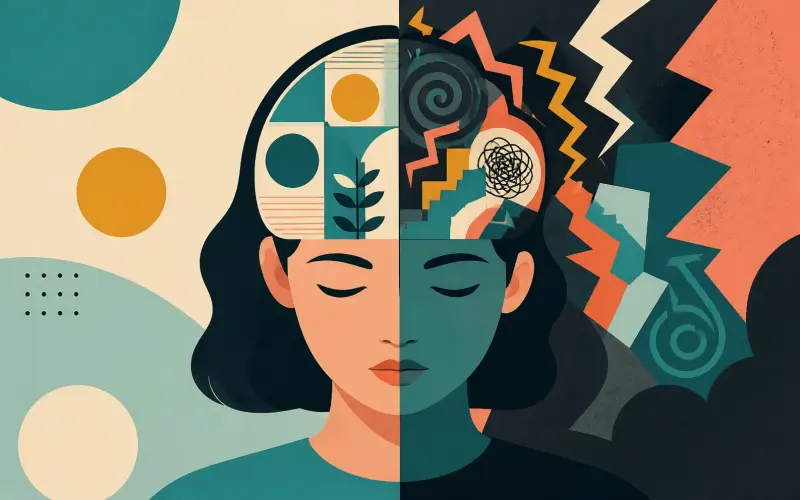
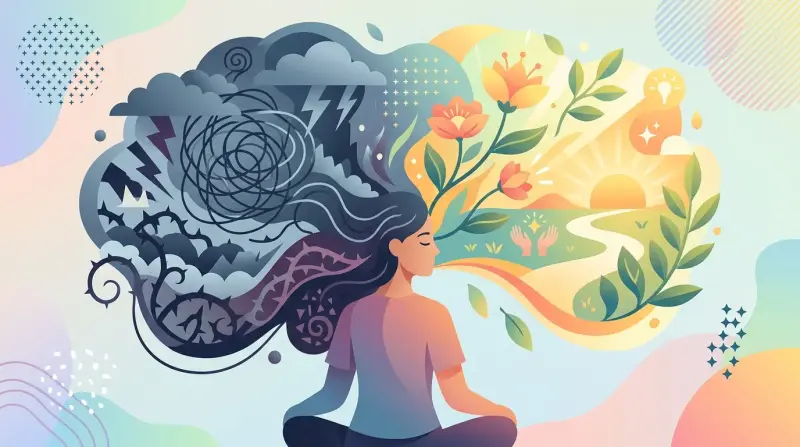
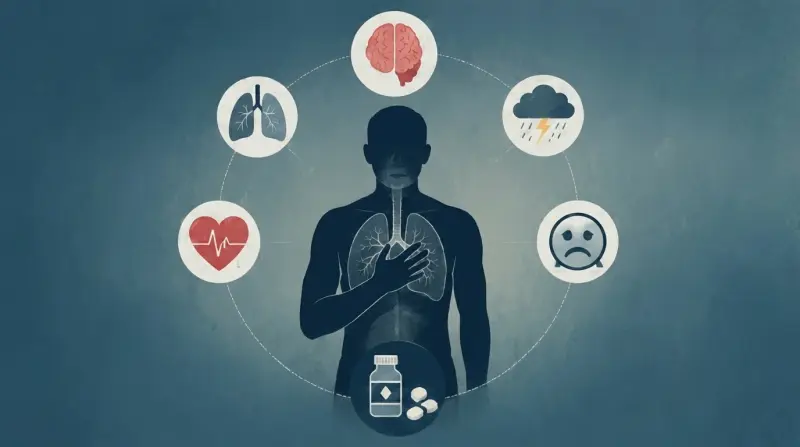
Anxiety is a natural feeling that everyone experiences in daily life situations, such as waiting for important results or facing critical meetings. Often, this anxiety is beneficial because it motivates us to prepare. However, sometimes it becomes a persistent, troubling feeling that negatively affects our daily lives. In this article, we will clarify the difference between normal anxiety and an anxiety disorder, highlight the key signs that warrant attention, and discuss when professional help may be necessary.
Understanding Normal Anxiety
Normal anxiety is a psychological and physical reaction that occurs when facing specific situations, like speaking in public for the first time or preparing for a crucial work meeting. Its most common signs include a faster heartbeat, light sweating, and feelings of tension that usually disappear once the situation is over. Although it can be uncomfortable at times, normal anxiety is considered helpful, as it encourages you to be well-prepared, more alert, and better able to make the right decisions.
When Is Anxiety Considered Normal?
Anxiety is typically considered normal when it is short-lived, limited, and tied to a certain event, such as awaiting college exam results or anticipating a job interview. This feeling usually fades once the event has passed. It doesn’t cause a clear disruption in major areas of your life; it doesn’t stop you from going to work or socializing, and may even motivate you to put in extra effort to reach your goals.
Signs of an Anxiety Disorder
When anxiety lasts for long periods and becomes a barrier that prevents living daily life normally, it might indicate an anxiety disorder. An anxiety disorder affects one’s thoughts, emotions, and behaviors, often accompanied by noticeable physical symptoms. A person with an anxiety disorder experiences excessive, uncontrollable worry coupled with a persistent fear of negative outcomes or the unknown, which calls for attention and appropriate treatment.
Key Symptoms Requiring Attention
Some people find it difficult to concentrate, feeling as though worrying thoughts constantly overshadow their minds. Chronic headaches or muscle aches can occur due to ongoing tension. Others suffer sleep disturbances, waking up repeatedly during the night or struggling to fall asleep in the first place. The individual may also withdraw socially to avoid situations they believe could intensify their anxiety. These symptoms don’t simply vanish but continue for weeks or months, causing genuine distress that goes beyond fleeting worry.
The Difference Between Temporary Anxiety and an Anxiety Disorder
It may seem complex to distinguish between passing anxiety and an anxiety disorder, but the duration of the feeling and its impact on your quality of life are the main factors. If you notice that your tension and overthinking persist and interfere with your daily routine at work, in school, or in personal relationships, this could indicate an anxiety disorder.
Duration of Symptoms and Their Impact
Normal anxiety is usually temporary; after the stressful event ends, your feelings return to normal. In contrast, an anxiety disorder involves ongoing tension and fear even in the absence of direct causes, with negative thoughts expanding to affect various daily scenarios. Once anxiety shifts from being a “motivator” to becoming an “inhibitor” that prevents you from comfortably going about your life, an anxiety disorder is a possible concern that requires intervention.
Initial Steps to Manage Anxiety
Before seeking help from a specialist, there are steps you can take to reduce the severity of anxiety. Consider writing down your feelings in a daily journal, which can help you identify stressors more consciously and address them effectively. It’s also advisable to engage in regular physical activities, as exercise helps release hormones that promote a sense of mental well-being.
The Role of Daily Habits in Coping with Anxiety
Daily habits play a major role in regulating anxiety levels. Try to maintain a consistent sleep schedule and avoid using your phone for a long time before bedtime. Make sure to eat balanced meals and limit stimulants like coffee or tea. Experiment with slow breathing exercises for a few minutes each day, as these practices help calm the nervous system and reduce tension.
How to Determine If You Need Professional Consultation
You might wonder, “Do I need to see a psychiatrist or a cognitive behavioral therapist?” The answer depends on how much anxiety is affecting your life. If your personal attempts to reduce stress (such as exercise, meditation, or talking to a close friend) are no longer effective, it could be a sign that you need professional consultation. Experts at Tatmeen indicate that early intervention can improve treatment outcomes and avoid more serious complications.
Basic Criteria Indicating a Need for Professional Support
If your anxiety has been ongoing for many consecutive months with no improvement, is causing health issues like severe insomnia or digestive problems, or is preventing you from fulfilling your family and work responsibilities, seeking help from a mental health professional may be the best step. Tatmeen offers access to numerous clinics and specialized doctors where you can book a session that is both simple and private.
The Importance of Treatment and Professional Support
Some people may feel embarrassed or afraid of seeking therapy, but an anxiety disorder is not a personal weakness. It is a treatable medical condition. Psychological therapies such as cognitive behavioral therapy help alter negative thinking patterns, and in some cases, anti-anxiety or antidepressant medications may be required under strict medical supervision. Having a support network of friends and family or participating in a support group creates a sense of belonging and helps relieve feelings of isolation.
Recognizing the difference between normal anxiety and an anxiety disorder is a critical step on your path to peace of mind. If worry dominates your life, hindering your progress and social interactions, it may be time to consider specialized help. Remember that seeing a psychiatrist or therapist does not mean you are weak; rather, it shows you are proactive about your mental health and committed to becoming the best version of yourself.
Looking to receive specialized advice to address anxiety? Book your session now through Tatmeen and benefit from top psychiatrists and certified therapists.
Frequently Asked Questions
How do I know if my anxiety requires seeing a mental health professional?
If your anxiety lasts a long time or significantly affects your daily performance and social relationships, you might need a professional assessment. A psychiatrist or a psychologist can provide the right diagnosis and recommend appropriate therapy.
Can I manage anxiety on my own without professional treatment?
Some people can control mild anxiety using relaxation exercises and physical activity. However, if symptoms persist or worsen, it’s recommended to consult a mental health professional to ensure you receive the right care.
Is it necessary to use medication to treat an anxiety disorder?
Not always. Some individuals can manage with cognitive behavioral therapy or counseling sessions. Others might need anti-anxiety or antidepressant medications, if the situation calls for it, with close monitoring of their progress.
What role do family and friends play in reducing the intensity of anxiety?
Emotional support and empathetic listening are crucial in alleviating stress. Offering practical assistance and encouraging the person to seek professional help can also speed recovery.
How can the Tatmeen app help me on my journey with anxiety?
The app provides easy ways to book sessions with top mental health professionals, allowing you to choose suitable times and clinics. It’s an effective solution to overcome obstacles that might otherwise prevent you from seeking help.
A writer and researcher specializing in psychiatry, she focuses on mental health and the human emotions we experience but cannot always find the words to name. She writes about us—about humanity and the human experience—and simplifies complex topics to offer content that helps us better understand ourselves and life, ultimately making us feel less alone.
Every Tatmeen article is reviewed by care providers licensed by the Saudi Commission for Health Specialties, so what you read is accurate and trustworthy.
This article builds understanding and does not replace a licensed care provider.
Need someone to talk to?
Tatmeen's licensed care providers are available around the clock, and the app's urgent consultation connects you with one within minutes.
Download Tatmeen to explore care providers and booking options.
Smart matchingFour quick questions suggest the right care provider
Urgent consultationTalk to an available care provider within minutes
Free psychological measuresMore than 20 tests to understand how you are doing
Scan to download
{"data":{"id":"1c8e3e56-4201-4e6f-80a3-087d5350b293","slug":"normal-worry-vs-anxiety-disorder","arTitle":"هل أعاني من اضطراب القلق أم أنه مجرد قلق طبيعي؟","enTitle":"Do I Have an Anxiety Disorder or Is It Just Normal Worry?","thumbnailAltText":"an image of a person split in two halves one half is tidy and in order while the other half is messy","estimatedReadingTime":5,"likesCount":347,"writer":{"id":"3ab72b74-f26f-4337-9b47-3114b0f90de5","arBio":"كاتبة وباحثة متخصصة في مجال الطب النفسي، تهتم بموضوعات الصحة النفسية وبالمشاعر الإنسانية التي نختبرها ولا نجد دائمًا الكلمات لتسميتها. تكتب عنّا؛ عن الإنسان وتجربته، وتبسّط الموضوعات المعقّدة لتقدّم محتوى يساعدنا على فهم ذواتنا والحياة أكثر، ويجعلنا نشعر بأننا بوحدة أقل.","enBio":"A writer and researcher specializing in psychiatry, she focuses on mental health and the human emotions we experience but cannot always find the words to name. She writes about us—about humanity and the human experience—and simplifies complex topics to offer content that helps us better understand ourselves and life, ultimately making us feel less alone.","user":{"slug":"ayat-alnajar","arFullName":"آيات النجار","enFullName":"Ayat Al-Najjar","publicProfileImageUrl":"https://cdn.tatmeen.sa/public/profile-images/02384455-68fa-40b6-ad05-609fde65cafa/21b9a610dde5dfc6d37af110c23e9c7ab3946be080c281beb000debf4f7d31a6.webp","publicProfileImage96Url":"https://cdn.tatmeen.sa/public/profile-images/02384455-68fa-40b6-ad05-609fde65cafa/21b9a610dde5dfc6d37af110c23e9c7ab3946be080c281beb000debf4f7d31a6-w96.webp","publicProfileImage192Url":"https://cdn.tatmeen.sa/public/profile-images/02384455-68fa-40b6-ad05-609fde65cafa/21b9a610dde5dfc6d37af110c23e9c7ab3946be080c281beb000debf4f7d31a6-w192.webp"}},"arContent":"","enContent":"","productionDocument":{"headings":[],"faqs":[{"question":"How do I know if my anxiety requires seeing a mental health professional?","answer":"<p><span style=\"color:#000000\">If your anxiety lasts a long time or significantly affects your daily performance and social relationships, you might need a professional assessment. A psychiatrist or a psychologist can provide the right diagnosis and recommend appropriate therapy.</span></p>"},{"question":"Can I manage anxiety on my own without professional treatment?","answer":"<p><span style=\"color:#000000\">Some people can control mild anxiety using relaxation exercises and physical activity. However, if symptoms persist or worsen, it’s recommended to consult a mental health professional to ensure you receive the right care.</span></p>"},{"question":"Is it necessary to use medication to treat an anxiety disorder?","answer":"<p><span style=\"color:#000000\">Not always. Some individuals can manage with cognitive behavioral therapy or counseling sessions. Others might need anti-anxiety or antidepressant medications, if the situation calls for it, with close monitoring of their progress.</span></p>"},{"question":"What role do family and friends play in reducing the intensity of anxiety?","answer":"<p><span style=\"color:#000000\">Emotional support and empathetic listening are crucial in alleviating stress. Offering practical assistance and encouraging the person to seek professional help can also speed recovery.</span></p>"},{"question":"How can the Tatmeen app help me on my journey with anxiety?","answer":"<p><span style=\"color:#000000\">The app provides easy ways to book sessions with top mental health professionals, allowing you to choose suitable times and clinics. It’s an effective solution to overcome obstacles that might otherwise prevent you from seeking help.</span></p>"}],"beforeSourcesHtml":"<p></p>","sources":[],"afterSourcesHtml":"","blocks":[{"type":"html","html":"<p><span style=\"color:#000000\">Anxiety is a natural feeling that everyone experiences in daily life situations, such as waiting for important results or facing critical meetings. Often, this anxiety is beneficial because it motivates us to prepare. However, sometimes it becomes a persistent, troubling feeling that negatively affects our daily lives. In this article, we will clarify the difference between normal anxiety and an anxiety disorder, highlight the key signs that warrant attention, and discuss when professional help may be necessary.</span></p><h3><span style=\"color:#000000\"><strong>Understanding Normal Anxiety</strong></span></h3><p><span style=\"color:#000000\">Normal anxiety is a psychological and physical reaction that occurs when facing specific situations, like speaking in public for the first time or preparing for a crucial work meeting. Its most common signs include a faster heartbeat, light sweating, and feelings of tension that usually disappear once the situation is over. Although it can be uncomfortable at times, normal anxiety is considered helpful, as it encourages you to be well-prepared, more alert, and better able to make the right decisions.</span></p><h4><span style=\"color:#000000\"><strong>When Is Anxiety Considered Normal?</strong></span></h4><p><span style=\"color:#000000\">Anxiety is typically considered normal when it is short-lived, limited, and tied to a certain event, such as awaiting college exam results or anticipating a job interview. This feeling usually fades once the event has passed. It doesn’t cause a clear disruption in major areas of your life; it doesn’t stop you from going to work or socializing, and may even motivate you to put in extra effort to reach your goals.</span></p><h3><span style=\"color:#000000\"><strong>Signs of an Anxiety Disorder</strong></span></h3><p><span style=\"color:#000000\">When anxiety lasts for long periods and becomes a barrier that prevents living daily life normally, it might indicate an anxiety disorder. An anxiety disorder affects one’s thoughts, emotions, and behaviors, often accompanied by noticeable physical symptoms. A person with an anxiety disorder experiences excessive, uncontrollable worry coupled with a persistent fear of negative outcomes or the unknown, which calls for attention and appropriate treatment.</span></p><h4><span style=\"color:#000000\"><strong>Key Symptoms Requiring Attention</strong></span></h4><p><span style=\"color:#000000\">Some people find it difficult to concentrate, feeling as though worrying thoughts constantly overshadow their minds. Chronic headaches or muscle aches can occur due to ongoing tension. Others suffer sleep disturbances, waking up repeatedly during the night or struggling to fall asleep in the first place. The individual may also withdraw socially to avoid situations they believe could intensify their anxiety. These symptoms don’t simply vanish but continue for weeks or months, causing genuine distress that goes beyond fleeting worry.</span></p><h3><span style=\"color:#000000\"><strong>The Difference Between Temporary Anxiety and an Anxiety Disorder</strong></span></h3><p><span style=\"color:#000000\">It may seem complex to distinguish between passing anxiety and an anxiety disorder, but the duration of the feeling and its impact on your quality of life are the main factors. If you notice that your tension and overthinking persist and interfere with your daily routine at work, in school, or in personal relationships, this could indicate an anxiety disorder.</span></p><h4><span style=\"color:#000000\"><strong>Duration of Symptoms and Their Impact</strong></span></h4><p><span style=\"color:#000000\">Normal anxiety is usually temporary; after the stressful event ends, your feelings return to normal. In contrast, an anxiety disorder involves ongoing tension and fear even in the absence of direct causes, with negative thoughts expanding to affect various daily scenarios. Once anxiety shifts from being a “motivator” to becoming an “inhibitor” that prevents you from comfortably going about your life, an anxiety disorder is a possible concern that requires intervention.</span></p><h3><span style=\"color:#000000\"><strong>Initial Steps to Manage Anxiety</strong></span></h3><p><span style=\"color:#000000\">Before seeking help from a specialist, there are steps you can take to reduce the severity of anxiety. Consider writing down your feelings in a daily journal, which can help you identify stressors more consciously and address them effectively. It’s also advisable to engage in regular physical activities, as exercise helps release hormones that promote a sense of mental well-being.</span></p><h4><span style=\"color:#000000\"><strong>The Role of Daily Habits in Coping with Anxiety</strong></span></h4><p><span style=\"color:#000000\">Daily habits play a major role in regulating anxiety levels. Try to maintain a consistent sleep schedule and avoid using your phone for a long time before bedtime. Make sure to eat balanced meals and limit stimulants like coffee or tea. Experiment with slow breathing exercises for a few minutes each day, as these practices help calm the nervous system and reduce tension.</span></p><h3><span style=\"color:#000000\"><strong>How to Determine If You Need Professional Consultation</strong></span></h3><p><span style=\"color:#000000\">You might wonder, “Do I need to see a psychiatrist or a cognitive behavioral therapist?” The answer depends on how much anxiety is affecting your life. If your personal attempts to reduce stress (such as exercise, meditation, or talking to a close friend) are no longer effective, it could be a sign that you need professional consultation. Experts at Tatmeen indicate that early intervention can improve treatment outcomes and avoid more serious complications.</span></p><h4><span style=\"color:#000000\"><strong>Basic Criteria Indicating a Need for Professional Support</strong></span></h4><p><span style=\"color:#000000\">If your anxiety has been ongoing for many consecutive months with no improvement, is causing health issues like severe insomnia or digestive problems, or is preventing you from fulfilling your family and work responsibilities, seeking help from a mental health professional may be the best step. Tatmeen offers access to numerous clinics and specialized doctors where you can <u>book a session</u> that is both simple and private.</span></p><h3><span style=\"color:#000000\"><strong>The Importance of Treatment and Professional Support</strong></span></h3><p><span style=\"color:#000000\">Some people may feel embarrassed or afraid of seeking therapy, but an anxiety disorder is not a personal weakness. It is a treatable medical condition. Psychological therapies such as cognitive behavioral therapy help alter negative thinking patterns, and in some cases, anti-anxiety or antidepressant medications may be required under strict medical supervision. Having a support network of friends and family or participating in a support group creates a sense of belonging and helps relieve feelings of isolation.</span></p><p><span style=\"color:#000000\">Recognizing the difference between normal anxiety and an anxiety disorder is a critical step on your path to peace of mind. If worry dominates your life, hindering your progress and social interactions, it may be time to consider specialized help. Remember that seeing a psychiatrist or therapist does not mean you are weak; rather, it shows you are proactive about your mental health and committed to becoming the best version of yourself.</span></p><p><span style=\"color:#000000\">Looking to receive specialized advice to address anxiety?<u> Book your session now</u> through Tatmeen and benefit from top psychiatrists and certified therapists.</span></p>"}],"inlineCtaSignatures":[],"_experienceAliases":{"v":1,"fields":["html","bodyHtml"],"faqs":[0,1,2,3,4]}},"createdAt":"2026-05-02T21:00:00.000Z","updatedAt":"2026-05-31T14:31:20.923Z","disorderGroups":[{"id":"1e82772d-a1a7-4d29-b475-be9d6b67ae02","slug":"common-mental-issues","arName":"اضطرابات نفسية شائعة","enName":"Common Mental Issues"}],"reviewer":{"arFullName":"فريق تطمين","enFullName":"Tatmeen team","slug":"tatmeen-team","kind":"organization"},"productionArticle":true,"promotionAllowed":true,"preparedCover":{"src":"https://cdn.tatmeen.sa/public/article-lcp/article-lcp-v2/sha256-458b1daebb54b7b197843e0f54905292c9154246bd3bcb86d67f1c8944aaf9b2/800-25946bbb139004b77d4dcc0bd3903519636ec14ab22930dee97d4030b1195ccc.avif","fallback":"https://cdn.tatmeen.sa/public/article-lcp/article-lcp-v2/sha256-458b1daebb54b7b197843e0f54905292c9154246bd3bcb86d67f1c8944aaf9b2/800-894f5fedd07ef11daab1d57279fde96258c12c240a7b10de0b9997be03587faa.webp","directUrl":"https://cdn.tatmeen.sa/blog-cover/Tatmeen-1777825713504.webp","isGolden":true,"avifSrcset":"https://cdn.tatmeen.sa/public/article-lcp/article-lcp-v2/sha256-458b1daebb54b7b197843e0f54905292c9154246bd3bcb86d67f1c8944aaf9b2/400-034d8ad4a0c9a3aea8185165ce21ea15b865515a53687cb95116596629fbddb2.avif 400w, https://cdn.tatmeen.sa/public/article-lcp/article-lcp-v2/sha256-458b1daebb54b7b197843e0f54905292c9154246bd3bcb86d67f1c8944aaf9b2/640-75e65604256554dc1b074d495b491028b11938be95e5dd6014cc8c4256a9c44e.avif 640w, https://cdn.tatmeen.sa/public/article-lcp/article-lcp-v2/sha256-458b1daebb54b7b197843e0f54905292c9154246bd3bcb86d67f1c8944aaf9b2/800-25946bbb139004b77d4dcc0bd3903519636ec14ab22930dee97d4030b1195ccc.avif 800w, https://cdn.tatmeen.sa/public/article-lcp/article-lcp-v2/sha256-458b1daebb54b7b197843e0f54905292c9154246bd3bcb86d67f1c8944aaf9b2/1200-ddcdc1fd8b7102c1d78b45c01d971e24d6e18647c32607351dcacb3a9de8e836.avif 1200w","webpSrcset":"https://cdn.tatmeen.sa/public/article-lcp/article-lcp-v2/sha256-458b1daebb54b7b197843e0f54905292c9154246bd3bcb86d67f1c8944aaf9b2/400-e367eef6c42b736ee75d7e666874a67408df0961578104c12a05627c6ab8e9fd.webp 400w, https://cdn.tatmeen.sa/public/article-lcp/article-lcp-v2/sha256-458b1daebb54b7b197843e0f54905292c9154246bd3bcb86d67f1c8944aaf9b2/640-c6ce643d904506bd3a5be8f6118cd65697a624d3a80cb67db892ab5a21d10a23.webp 640w, https://cdn.tatmeen.sa/public/article-lcp/article-lcp-v2/sha256-458b1daebb54b7b197843e0f54905292c9154246bd3bcb86d67f1c8944aaf9b2/800-894f5fedd07ef11daab1d57279fde96258c12c240a7b10de0b9997be03587faa.webp 800w, https://cdn.tatmeen.sa/public/article-lcp/article-lcp-v2/sha256-458b1daebb54b7b197843e0f54905292c9154246bd3bcb86d67f1c8944aaf9b2/1200-46d8b40e4da13436b161fbb5a5a9bd273c0381a4642cda6338b11770ea7f4ae9.webp 1200w","phoneAvifSrcset":"https://cdn.tatmeen.sa/public/article-lcp/article-lcp-v2/sha256-458b1daebb54b7b197843e0f54905292c9154246bd3bcb86d67f1c8944aaf9b2/400-034d8ad4a0c9a3aea8185165ce21ea15b865515a53687cb95116596629fbddb2.avif 400w, https://cdn.tatmeen.sa/public/article-lcp/article-lcp-v2/sha256-458b1daebb54b7b197843e0f54905292c9154246bd3bcb86d67f1c8944aaf9b2/640-75e65604256554dc1b074d495b491028b11938be95e5dd6014cc8c4256a9c44e.avif 640w, https://cdn.tatmeen.sa/public/article-lcp/article-lcp-v2/sha256-458b1daebb54b7b197843e0f54905292c9154246bd3bcb86d67f1c8944aaf9b2/800-25946bbb139004b77d4dcc0bd3903519636ec14ab22930dee97d4030b1195ccc.avif 800w","phoneWebpSrcset":"https://cdn.tatmeen.sa/public/article-lcp/article-lcp-v2/sha256-458b1daebb54b7b197843e0f54905292c9154246bd3bcb86d67f1c8944aaf9b2/400-e367eef6c42b736ee75d7e666874a67408df0961578104c12a05627c6ab8e9fd.webp 400w, https://cdn.tatmeen.sa/public/article-lcp/article-lcp-v2/sha256-458b1daebb54b7b197843e0f54905292c9154246bd3bcb86d67f1c8944aaf9b2/640-c6ce643d904506bd3a5be8f6118cd65697a624d3a80cb67db892ab5a21d10a23.webp 640w, https://cdn.tatmeen.sa/public/article-lcp/article-lcp-v2/sha256-458b1daebb54b7b197843e0f54905292c9154246bd3bcb86d67f1c8944aaf9b2/800-894f5fedd07ef11daab1d57279fde96258c12c240a7b10de0b9997be03587faa.webp 800w","width":800,"height":500},"previewTaxonomy":{"groups":[{"id":"1e82772d-a1a7-4d29-b475-be9d6b67ae02","slug":"common-mental-issues","arName":"اضطرابات نفسية شائعة","enName":"Common Mental Issues"}],"topics":[{"id":"4b322099-fefa-4ba7-a3d1-4130f206046a","slug":"anxiety","arName":"قلق","enName":"Anxiety","groupSlug":"common-mental-issues","href":"/blog/category/common-mental-issues/anxiety/"}],"tags":[{"id":"b17ecf79-93e3-43d7-8e38-1861533199ba","slug":"anxiety-panic-phobia","arName":"القلق والرهاب والهلع","enName":"Anxiety Phobias & Panic"},{"id":"475c9ee4-379d-436c-93ab-4c63916e7197","slug":"self-assessment","arName":"تقييم ذاتي","enName":"Self-Assessment"}]},"previewProviderRecommendations":[{"id":"278d5ac5-30ff-46ad-97be-c67cdd125836","slug":"dr-mohammed-alamari-8085","arFullName":"د. محمد العماري","enFullName":"Dr. Mohammed Alamari","publicProfileImageUrl":"https://cdn.tatmeen.sa/public/profile-images/278d5ac5-30ff-46ad-97be-c67cdd125836/69bdd11cb01784eed010eb9883403fd6ca4e4afcec739dcd6114fd8b85f133a8.webp","publicProfileImage96Url":"https://cdn.tatmeen.sa/public/profile-images/278d5ac5-30ff-46ad-97be-c67cdd125836/69bdd11cb01784eed010eb9883403fd6ca4e4afcec739dcd6114fd8b85f133a8-w96.webp","publicProfileImage192Url":"https://cdn.tatmeen.sa/public/profile-images/278d5ac5-30ff-46ad-97be-c67cdd125836/69bdd11cb01784eed010eb9883403fd6ca4e4afcec739dcd6114fd8b85f133a8-w192.webp","specialization":{"arName":"طبيب أسرة","enName":"Family Physician"},"profileImageUrl":"https://cdn.tatmeen.sa/public/profile-images/278d5ac5-30ff-46ad-97be-c67cdd125836/69bdd11cb01784eed010eb9883403fd6ca4e4afcec739dcd6114fd8b85f133a8-w192.webp","experienceYears":3,"consultantInfo":{"averageRating":{"average":4},"specialization":{"arGeneralName":"طبيب أسرة","enGeneralName":"Family Physician"}}},{"id":"dc4f4096-c96e-46ad-8e85-55c7104fbbf9","slug":"alya-alasiri-9292","arFullName":"علياء العسيري","enFullName":"Alya Alasiri","publicProfileImageUrl":"","publicProfileImage96Url":"","publicProfileImage192Url":"","specialization":{"arName":"أخصائي نفسي","enName":"Psychologist"},"profileImageUrl":"","experienceYears":4,"consultantInfo":{"averageRating":{"average":0},"specialization":{"arGeneralName":"أخصائي نفسي","enGeneralName":"Psychologist"}}},{"id":"6df31339-a6f5-4131-a603-3a7c7a34c143","slug":"joud-alodhayyani-9014","arFullName":"جود العتيبي","enFullName":"Joud Alotaibi","publicProfileImageUrl":"https://cdn.tatmeen.sa/public/profile-images/6df31339-a6f5-4131-a603-3a7c7a34c143/7bb005ef9d4315296aad2a7d142fb2af2cf89920a40b474fc5139b9530269282.webp","publicProfileImage96Url":"https://cdn.tatmeen.sa/public/profile-images/6df31339-a6f5-4131-a603-3a7c7a34c143/7bb005ef9d4315296aad2a7d142fb2af2cf89920a40b474fc5139b9530269282-w96.webp","publicProfileImage192Url":"https://cdn.tatmeen.sa/public/profile-images/6df31339-a6f5-4131-a603-3a7c7a34c143/7bb005ef9d4315296aad2a7d142fb2af2cf89920a40b474fc5139b9530269282-w192.webp","specialization":{"arName":"أخصائي نفسي","enName":"Psychologist"},"profileImageUrl":"https://cdn.tatmeen.sa/public/profile-images/6df31339-a6f5-4131-a603-3a7c7a34c143/7bb005ef9d4315296aad2a7d142fb2af2cf89920a40b474fc5139b9530269282-w192.webp","experienceYears":2,"consultantInfo":{"averageRating":{"average":3.5},"specialization":{"arGeneralName":"أخصائي نفسي","enGeneralName":"Psychologist"}}}],"previewCareProviders":[{"id":"09364052-c2a9-4c52-9717-7ce2093b8d0a","slug":"kholoud-alharbi-5221","arFullName":"خلود الحربي","enFullName":"Kholoud Alharbi","publicProfileImageUrl":"https://cdn.tatmeen.sa/public/profile-images/09364052-c2a9-4c52-9717-7ce2093b8d0a/4a0aeb81619e351b77f4323e3605a0a00acc7ca3c82ee7cc5ca2c9e8ef716049.webp","publicProfileImage96Url":"https://cdn.tatmeen.sa/public/profile-images/09364052-c2a9-4c52-9717-7ce2093b8d0a/4a0aeb81619e351b77f4323e3605a0a00acc7ca3c82ee7cc5ca2c9e8ef716049-w96.webp","publicProfileImage192Url":"https://cdn.tatmeen.sa/public/profile-images/09364052-c2a9-4c52-9717-7ce2093b8d0a/4a0aeb81619e351b77f4323e3605a0a00acc7ca3c82ee7cc5ca2c9e8ef716049-w192.webp","gender":"FEMALE","specialization":{"arName":"أخصائي نفسي","enName":"Psychologist"}},{"id":"6f037535-1dca-4b50-a8b2-5974b7323286","slug":"salah-althobaiti-9053","arFullName":"صلاح الثبيتي","enFullName":"Salah Althobaiti","publicProfileImageUrl":"https://cdn.tatmeen.sa/public/profile-images/6f037535-1dca-4b50-a8b2-5974b7323286/35b6bd7fad9b1e004c1835803eb9c1b56dcacd380685ec8bff141f0fb888005c.webp","publicProfileImage96Url":"https://cdn.tatmeen.sa/public/profile-images/6f037535-1dca-4b50-a8b2-5974b7323286/35b6bd7fad9b1e004c1835803eb9c1b56dcacd380685ec8bff141f0fb888005c-w96.webp","publicProfileImage192Url":"https://cdn.tatmeen.sa/public/profile-images/6f037535-1dca-4b50-a8b2-5974b7323286/35b6bd7fad9b1e004c1835803eb9c1b56dcacd380685ec8bff141f0fb888005c-w192.webp","gender":"MALE","specialization":{"arName":"أخصائي نفسي","enName":"Psychologist"}},{"id":"3cc806e8-616b-4884-9f21-a75b378580a2","slug":"aisha-al-hashim-8667","arFullName":"عائشة ال هاشم","enFullName":"Aisha Al Hashim","publicProfileImageUrl":"https://cdn.tatmeen.sa/public/profile-images/3cc806e8-616b-4884-9f21-a75b378580a2/27f523d03be4dcfa1f6a79f70c1773887434e698990d214cd990caec56a44798.webp","publicProfileImage96Url":"https://cdn.tatmeen.sa/public/profile-images/3cc806e8-616b-4884-9f21-a75b378580a2/27f523d03be4dcfa1f6a79f70c1773887434e698990d214cd990caec56a44798-w96.webp","publicProfileImage192Url":"https://cdn.tatmeen.sa/public/profile-images/3cc806e8-616b-4884-9f21-a75b378580a2/27f523d03be4dcfa1f6a79f70c1773887434e698990d214cd990caec56a44798-w192.webp","gender":"FEMALE","specialization":{"arName":"أخصائي نفسي","enName":"Psychologist"}},{"id":"db2ce1a0-9325-4471-b7ce-eb2e811c30a3","slug":"amer-qutub-2441","arFullName":"عامر قطب","enFullName":"Amer Qutub","publicProfileImageUrl":"https://cdn.tatmeen.sa/public/profile-images/db2ce1a0-9325-4471-b7ce-eb2e811c30a3/80580f99bfd7fe2b2a9cf8eed73ab532f5086d1efe053b0aa57358c1ce004261.webp","publicProfileImage96Url":"https://cdn.tatmeen.sa/public/profile-images/db2ce1a0-9325-4471-b7ce-eb2e811c30a3/80580f99bfd7fe2b2a9cf8eed73ab532f5086d1efe053b0aa57358c1ce004261-w96.webp","publicProfileImage192Url":"https://cdn.tatmeen.sa/public/profile-images/db2ce1a0-9325-4471-b7ce-eb2e811c30a3/80580f99bfd7fe2b2a9cf8eed73ab532f5086d1efe053b0aa57358c1ce004261-w192.webp","gender":"MALE","specialization":{"arName":"أخصائي نفسي","enName":"Psychologist"}},{"id":"94765496-dbdf-4631-a01b-7df5f788668d","slug":"abdullrahman-alhamoudi-3045","arFullName":"عبدالرحمن الحمودي","enFullName":"Abdulrahman Alhamoudi","publicProfileImageUrl":"https://cdn.tatmeen.sa/public/profile-images/94765496-dbdf-4631-a01b-7df5f788668d/2d49f6b6493c564afb6f50b6c3634231dff3a5cf8353acfab393d1b2a88037d1.webp","publicProfileImage96Url":"https://cdn.tatmeen.sa/public/profile-images/94765496-dbdf-4631-a01b-7df5f788668d/2d49f6b6493c564afb6f50b6c3634231dff3a5cf8353acfab393d1b2a88037d1-w96.webp","publicProfileImage192Url":"https://cdn.tatmeen.sa/public/profile-images/94765496-dbdf-4631-a01b-7df5f788668d/2d49f6b6493c564afb6f50b6c3634231dff3a5cf8353acfab393d1b2a88037d1-w192.webp","gender":"MALE","specialization":{"arName":"أخصائي نفسي","enName":"Psychologist"}},{"id":"618dba89-5b70-4b46-8304-741b7ac8ecd3","slug":"abdullah-mari-1311","arFullName":"عبدالله مرعي","enFullName":"Abdullah Mari","publicProfileImageUrl":"https://cdn.tatmeen.sa/public/profile-images/618dba89-5b70-4b46-8304-741b7ac8ecd3/6b4a3bfb59f8a304ca79083b32859b46baad2e1d692974a47c02c1f66bd11129.webp","publicProfileImage96Url":"https://cdn.tatmeen.sa/public/profile-images/618dba89-5b70-4b46-8304-741b7ac8ecd3/6b4a3bfb59f8a304ca79083b32859b46baad2e1d692974a47c02c1f66bd11129-w96.webp","publicProfileImage192Url":"https://cdn.tatmeen.sa/public/profile-images/618dba89-5b70-4b46-8304-741b7ac8ecd3/6b4a3bfb59f8a304ca79083b32859b46baad2e1d692974a47c02c1f66bd11129-w192.webp","gender":"MALE","specialization":{"arName":"أخصائي نفسي","enName":"Psychologist"}},{"id":"3b50a5d5-e795-407f-8676-fd7f0e1bb7a0","slug":"abdulaziz-bin-hudayan-4940","arFullName":"عبدالعزيز بن هديان","enFullName":"Abdulaziz Bin Hudayan","publicProfileImageUrl":"https://cdn.tatmeen.sa/public/profile-images/3b50a5d5-e795-407f-8676-fd7f0e1bb7a0/710ff0fe1fb00cdb5042092e27b7910b480a439b02251ecded62d7758eefce95.webp","publicProfileImage96Url":"https://cdn.tatmeen.sa/public/profile-images/3b50a5d5-e795-407f-8676-fd7f0e1bb7a0/710ff0fe1fb00cdb5042092e27b7910b480a439b02251ecded62d7758eefce95-w96.webp","publicProfileImage192Url":"https://cdn.tatmeen.sa/public/profile-images/3b50a5d5-e795-407f-8676-fd7f0e1bb7a0/710ff0fe1fb00cdb5042092e27b7910b480a439b02251ecded62d7758eefce95-w192.webp","gender":"MALE","specialization":{"arName":"أخصائي نفسي","enName":"Psychologist"}},{"id":"d4ffcb6b-90a7-45b6-b941-964866f4564b","slug":"dhaifallah-alhumaidi-1092","arFullName":"ضيف الله الحميدي","enFullName":"Dhaifallah Alhumaidi","publicProfileImageUrl":"https://cdn.tatmeen.sa/public/profile-images/d4ffcb6b-90a7-45b6-b941-964866f4564b/1817171c5828a9b57d6c30d12332cf154e335272548bc90a6e8456d74d356956.webp","publicProfileImage96Url":"https://cdn.tatmeen.sa/public/profile-images/d4ffcb6b-90a7-45b6-b941-964866f4564b/1817171c5828a9b57d6c30d12332cf154e335272548bc90a6e8456d74d356956-w96.webp","publicProfileImage192Url":"https://cdn.tatmeen.sa/public/profile-images/d4ffcb6b-90a7-45b6-b941-964866f4564b/1817171c5828a9b57d6c30d12332cf154e335272548bc90a6e8456d74d356956-w192.webp","gender":"MALE","specialization":{"arName":"أخصائي نفسي","enName":"Psychologist"}}],"previewDownload":{"href":"/download","title":{"ar":"خطوة واحدة لأجلك، ابدأ الآن","en":"One step for you, start now"},"description":{"ar":"حمّل تطبيق تطمين لاستكشاف مقدمي الرعاية وخيارات الحجز.","en":"Download Tatmeen to explore care providers and booking options."},"posterSrc":"/images/home/cta-ar-new-1.webp","videoSrc":"/images/home/cta-ar-new-1.mp4","videoPosterSrc":"/images/home/cta-ar-new-1.webp","videoPosterEnSrc":"/images/home/cta-en-new-1.webp","videoType":"video/mp4","appStoreHref":"https://apps.apple.com/us/app/tatmeen-%D8%AA%D8%B7%D9%85%D9%8A%D9%86/id6473836983","googlePlayHref":"https://play.google.com/store/apps/details?id=com.TatmeenApp.user&hl=en"},"previewRelatedArticles":[{"id":"d242644b-cf94-4a22-9f55-a76b1e530a25","slug":"depersonalization-derealization","route":"/blog/depersonalization-derealization/","title":{"ar":"الشعور بالانفصال: فهم تبدد الشخصية وتبدد الواقع","en":"Feeling Disconnected: Understanding Depersonalization and Derealization"},"image":"https://cdn.tatmeen.sa/public/article-lcp/article-lcp-v2/sha256-54fa2d9059f8788afe80025c4df9b301bbac45b4e26674bb76d3cab432d94eca/800-06b083970ae9594c9a10480d6516808220c17ec69d4ba679fa232d0f8b56bf09.webp","directImageFallback":"https://cdn.tatmeen.sa/blog-cover/Tatmeen-1780419291423.webp","arThumbnailAltText":"A lone figure stands before a floating sky window in a vast, surreal empty space.","thumbnailAltText":"A lone figure stands before a floating sky window in a vast, surreal empty space.","topic":{"label":{"ar":"اضطرابات نفسية شائعة","en":"Common Mental Issues"}},"readingTimeMinutes":5},{"id":"d188af23-cc26-48a1-892f-9544e9d0db0a","slug":"infertility-mental-health-steps-ease-anxiety","route":"/blog/infertility-mental-health-steps-ease-anxiety/","title":{"ar":"العقم والصحة النفسية: خطوات عملية لمواجهة القلق","en":"Infertility and Mental Health: Practical Steps to Face the Anxiety"},"image":"https://cdn.tatmeen.sa/public/article-lcp/article-lcp-v2/sha256-6c44b427d76d5738b8f49bd9ee73cd040116f0f8bfbedfedb4e2af92ab182d4e/800-5c8ecb8e39300bbbc260ebefdb5c5625a1e198516b090bdd8736c1aef7f82993.webp","directImageFallback":"https://cdn.tatmeen.sa/blog-cover/Tatmeen-1775855115399.webp","arThumbnailAltText":"A delicate flower bud on a slender stem","thumbnailAltText":"A delicate flower bud on a slender stem","topic":{"label":{"ar":"اضطرابات نفسية شائعة","en":"Common Mental Issues"}},"readingTimeMinutes":5},{"id":"8d377bd5-96fc-4f07-afc8-2055f5d08884","slug":"money-anxiety-mental-stability","route":"/blog/money-anxiety-mental-stability/","title":{"ar":"قلق المال وحماية الاستقرار النفسي في زمن الأزمات الاقتصادية","en":"Money Anxiety and Protecting Psychological Stability in Times of Economic Crisis"},"image":"https://cdn.tatmeen.sa/public/article-lcp/article-lcp-v2/sha256-b6d6695d3b6287bd98c7084f338bee3d6bffe57401bd7ec439974424ae3d5d30/800-4cbc3c7593176b3e80a7a02b8cb5fa8539dfd1b4b6c3cbc6c141cf152e1e4c3f.webp","directImageFallback":"https://cdn.tatmeen.sa/blog-cover/Tatmeen-1781452447782.webp","arThumbnailAltText":"Stressed person at desk with bills, dark cloud overhead symbolizing financial anxiety.","thumbnailAltText":"Stressed person at desk with bills, dark cloud overhead symbolizing financial anxiety.","topic":{"label":{"ar":"اضطرابات نفسية شائعة","en":"Common Mental Issues"}},"readingTimeMinutes":5},{"id":"a27dc405-72e4-4453-b15d-ff4e8881d114","slug":"sudden-shortness-breath-causes-depression-link","route":"/blog/sudden-shortness-breath-causes-depression-link/","title":{"ar":"ضيق التنفس المفاجئ – أسباب وطرق العلاج وعلاقته بالاكتئاب","en":"Sudden Shortness of Breath: Causes, Treatment, and Its Link to Depression"},"image":"https://cdn.tatmeen.sa/public/article-lcp/article-lcp-v2/sha256-33dba334f85320a771650682098f15475c7f71a1f9e5d4747701c995f2df1e30/800-d06064e252bef6de679f1e937411247c316567a330aa2faa208bab8b8b2f9701.webp","directImageFallback":"https://cdn.tatmeen.sa/blog-cover/Tatmeen-1778340084305.webp","arThumbnailAltText":"Person pressing hand to chest resembling shortness of breath","thumbnailAltText":"Person pressing hand to chest resembling shortness of breath","topic":{"label":{"ar":"اضطرابات نفسية شائعة","en":"Common Mental Issues"}},"readingTimeMinutes":5}],"previewRelatedReadStates":{}},"locale":"en","device":"desktop","path":"/en/blog/normal-worry-vs-anxiety-disorder/","readingControls":false,"config":{"public":{"BUCKET_URL":"https://cdn.tatmeen.sa/","APP_BASE_URL":"https://tatmeen.sa","intercomAppId":"ppcnu9e3"}}}