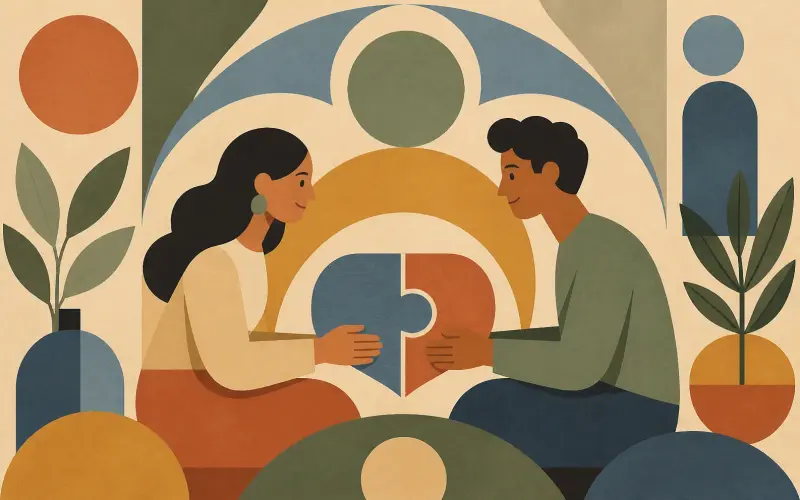
The road to addiction recovery resembles a mountain trail studded with sharp turns and scattered rocks, and a person in recovery may keep stumbling unless a helping hand reaches out and companions light the path ahead. Here, family and community support emerges as the sturdy rope that tightens around their hands, speeding their recovery and easing the burden of isolation and stigma. In the lines below, we explore the tangible impact of this human presence and offer practical ways you can adopt right away so you too can be a beacon lighting the road to recovery for someone you love.
Why Is Family and Community Support the Cornerstone of Recovery?
Multiple studies show that higher family and social integration is linked to better chances of maintaining abstinence for longer periods. This support fills the person in recovery with a sense of belonging and safety and helps them regain confidence after years of setbacks. When they realize their moments of weakness are understood rather than condemned, their stress lessens, they focus on their goals instead of dwelling on mistakes, and they gain the inner motivation to keep going.
Feeling Contained
Containment does not mean approving harmful behavior; it means separating the person from the addiction: we accept the human being and confront the behavior. This distinction spares them feelings of shame and guilt, allowing them to feel safe enough to ask for help when needed.
Creating a New Identity
Family involvement offers a chance to reshape the self; the person in recovery adopts a positive identity such as “I am a loved and useful member of my family and community,” instead of “I am an addict.” Such an identity motivates healthier choices.
How Does the Family’s Emotional Presence Reduce Relapse Risk?
A report by the National Institute on Drug Abuse (NIDA) indicates that relapse often happens during periods of intense emotional stress. When the person in recovery can discuss their feelings immediately with a trusted loved one, several things occur:
Lower cortisol levels linked to stress, calming strong cravings.
Immediate behavioral alternatives (walking, meditation, calling a therapist) are offered before the crisis escalates.
Stronger self-accountability; announcing the plan in front of the family increases the person’s commitment to it.
Combating Stigma
Providing a blame-free environment removes a major psychological barrier to seeking help. When supportive language prevails in neighborhoods, schools, and places of worship, people struggling with addiction feel that recovery is an open and socially accepted choice.
Practical Steps to Activate Family and Community Support
Hold a weekly dialogue session: set aside half an hour with no phones to listen and share feelings and plans for the week.
Write a family recovery charter: define clear boundaries for triggers and stimulants in the home and specify how to request help.
Leverage community resources: join a sports center or hobby classes to fill free time constructively.
Encourage professional counseling: suggest trying an online consultation via Tatmeen; the initial virtual contact can help break the fear barrier of therapy.
When Is Professional Intervention Through Tatmeen the Best Option?
Despite the importance of family support, some complex stages require professional help. Seek immediate assistance if you notice:
Severe withdrawal symptoms (tremors, vomiting, hallucinations).
Suicidal thoughts or deep depression.
Repeated relapses despite family support.
Do not hesitate to book an urgent consultation. On Tatmeen you will find psychiatrists and licensed addiction-treatment specialists approved by the Ministry of Health, with text, audio, and video options that guarantee full privacy and a rapid response.
Finally …
The journey of recovery is not a solo race; it is a collective path where family, community, and professionals unite to carry the person in recovery to safe shores. Every kind word or extended hand can make a profound difference in someone’s life. Start today with a simple step—perhaps a message of encouragement or an online session through Tatmeen—and let hope grow anew.
Frequently Asked Questions
Can someone recover from addiction without family support?
Yes, but studies show that having a supportive family increases success rates and reduces relapse risk. When family support is unavailable, community groups or consultations through Tatmeen can provide the necessary alternative.
How can I prepare my home to support a family member in recovery?
Begin by removing any triggers (such as alcoholic drinks or unnecessary medications), set up a schedule of shared healthy activities, and agree with the person in recovery on a signal word they can use when they feel vulnerable so they can receive help immediately.
A writer and researcher specializing in psychiatry, she focuses on mental health and the human emotions we experience but cannot always find the words to name. She writes about us—about humanity and the human experience—and simplifies complex topics to offer content that helps us better understand ourselves and life, ultimately making us feel less alone.
Every Tatmeen article is reviewed by care providers licensed by the Saudi Commission for Health Specialties, so what you read is accurate and trustworthy.
This article builds understanding and does not replace a licensed care provider.
Need someone to talk to?
Tatmeen's licensed care providers are available around the clock, and the app's urgent consultation connects you with one within minutes.
Download Tatmeen to explore care providers and booking options.
Smart matchingFour quick questions suggest the right care provider
Urgent consultationTalk to an available care provider within minutes
Free psychological measuresMore than 20 tests to understand how you are doing
Scan to download
{"data":{"id":"80b5f61d-0242-41a4-9e95-73627efe6a76","slug":"family-community-support-addiction-recovery","arTitle":"كيف يعزّز دعم الأسرة والمجتمع رحلة التعافي من الإدمان؟","enTitle":"How Family and Community Support Strengthens Addiction Recovery","thumbnailAltText":"Group of people holding hands showing support and determination","estimatedReadingTime":5,"likesCount":336,"writer":{"id":"3ab72b74-f26f-4337-9b47-3114b0f90de5","arBio":"كاتبة وباحثة متخصصة في مجال الطب النفسي، تهتم بموضوعات الصحة النفسية وبالمشاعر الإنسانية التي نختبرها ولا نجد دائمًا الكلمات لتسميتها. تكتب عنّا؛ عن الإنسان وتجربته، وتبسّط الموضوعات المعقّدة لتقدّم محتوى يساعدنا على فهم ذواتنا والحياة أكثر، ويجعلنا نشعر بأننا بوحدة أقل.","enBio":"A writer and researcher specializing in psychiatry, she focuses on mental health and the human emotions we experience but cannot always find the words to name. She writes about us—about humanity and the human experience—and simplifies complex topics to offer content that helps us better understand ourselves and life, ultimately making us feel less alone.","user":{"slug":"ayat-alnajar","arFullName":"آيات النجار","enFullName":"Ayat Al-Najjar","publicProfileImageUrl":"https://cdn.tatmeen.sa/public/profile-images/02384455-68fa-40b6-ad05-609fde65cafa/21b9a610dde5dfc6d37af110c23e9c7ab3946be080c281beb000debf4f7d31a6.webp","publicProfileImage96Url":"https://cdn.tatmeen.sa/public/profile-images/02384455-68fa-40b6-ad05-609fde65cafa/21b9a610dde5dfc6d37af110c23e9c7ab3946be080c281beb000debf4f7d31a6-w96.webp","publicProfileImage192Url":"https://cdn.tatmeen.sa/public/profile-images/02384455-68fa-40b6-ad05-609fde65cafa/21b9a610dde5dfc6d37af110c23e9c7ab3946be080c281beb000debf4f7d31a6-w192.webp"}},"arContent":"","enContent":"","productionDocument":{"headings":[{"id":"article-section-why-is-family-and-community-support-the-cornerstone-of-recovery","text":"Why Is Family and Community Support the Cornerstone of Recovery?"},{"id":"article-section-how-does-the-family-s-emotional-presence-reduce-relapse-risk","text":"How Does the Family’s Emotional Presence Reduce Relapse Risk?"},{"id":"article-section-combating-stigma","text":"Combating Stigma"},{"id":"article-section-practical-steps-to-activate-family-and-community-support","text":"Practical Steps to Activate Family and Community Support"},{"id":"article-section-when-is-professional-intervention-through-tatmeen-the-best-option","text":"When Is Professional Intervention Through Tatmeen the Best Option?"},{"id":"article-section-finally","text":"Finally …"}],"faqs":[{"question":"Can someone recover from addiction without family support?","answer":"<p><span style=\"color:#000000\">Yes, but studies show that having a supportive family increases success rates and reduces relapse risk. When family support is unavailable, community groups or consultations through <em>Tatmeen</em> can provide the necessary alternative.</span></p>"},{"question":"How can I prepare my home to support a family member in recovery?","answer":"<p><span style=\"color:#000000\">Begin by removing any triggers (such as alcoholic drinks or unnecessary medications), set up a schedule of shared healthy activities, and agree with the person in recovery on a signal word they can use when they feel vulnerable so they can receive help immediately.</span></p>"}],"beforeSourcesHtml":"<p></p>","sources":[],"afterSourcesHtml":"","blocks":[{"type":"html","html":"<p><span style=\"color:#000000\">The road to addiction recovery resembles a mountain trail studded with sharp turns and scattered rocks, and a person in recovery may keep stumbling unless a helping hand reaches out and companions light the path ahead. Here, <strong>family and community support</strong> emerges as the sturdy rope that tightens around their hands, speeding their recovery and easing the burden of isolation and stigma. In the lines below, we explore the tangible impact of this human presence and offer practical ways you can adopt right away so you too can be a beacon lighting the road to recovery for someone you love.</span></p><h2 id=\"article-section-why-is-family-and-community-support-the-cornerstone-of-recovery\" data-toc-heading tabindex=\"-1\"><span id=\"why-is-family-and-community-support-the-cornerstone-of-recovery-1\" aria-hidden=\"true\"></span><span style=\"color:#000000\"><strong>Why Is Family and Community Support the Cornerstone of Recovery?</strong></span></h2><p><span style=\"color:#000000\">Multiple studies show that higher family and social integration is linked to better chances of maintaining abstinence for longer periods. This support fills the person in recovery with a sense of belonging and safety and helps them regain confidence after years of setbacks. When they realize their moments of weakness are understood rather than condemned, their stress lessens, they focus on their goals instead of dwelling on mistakes, and they gain the inner motivation to keep going.</span></p><h3><span style=\"color:#000000\"><strong>Feeling Contained</strong></span></h3><p><span style=\"color:#000000\">Containment does not mean approving harmful behavior; it means separating the person from the addiction: we accept the human being and confront the behavior. This distinction spares them feelings of shame and guilt, allowing them to feel safe enough to ask for help when needed.</span></p><h3><span style=\"color:#000000\"><strong>Creating a New Identity</strong></span></h3><p><span style=\"color:#000000\">Family involvement offers a chance to reshape the self; the person in recovery adopts a positive identity such as “I am a loved and useful member of my family and community,” instead of “I am an addict.” Such an identity motivates healthier choices.</span></p><h2 id=\"article-section-how-does-the-family-s-emotional-presence-reduce-relapse-risk\" data-toc-heading tabindex=\"-1\"><span id=\"how-does-the-family-s-emotional-presence-reduce-relapse-risk-2\" aria-hidden=\"true\"></span><span style=\"color:#000000\"><strong>How Does the Family’s Emotional Presence Reduce Relapse Risk?</strong></span></h2><p><span style=\"color:#000000\">A report by the National Institute on Drug Abuse (NIDA) indicates that relapse often happens during periods of intense emotional stress. When the person in recovery can discuss their feelings immediately with a trusted loved one, several things occur:</span></p><ul><li><p><span style=\"color:#000000\"><strong>Lower cortisol levels</strong> linked to stress, calming strong cravings.</span></p></li><li><p><span style=\"color:#000000\"><strong>Immediate behavioral alternatives</strong> (walking, meditation, calling a therapist) are offered before the crisis escalates.</span></p></li><li><p><span style=\"color:#000000\"><strong>Stronger self-accountability;</strong> announcing the plan in front of the family increases the person’s commitment to it.</span></p></li></ul><h2 id=\"article-section-combating-stigma\" data-toc-heading tabindex=\"-1\"><span id=\"combating-stigma-3\" aria-hidden=\"true\"></span><span style=\"color:#000000\"><strong>Combating Stigma</strong></span></h2><p><span style=\"color:#000000\">Providing a blame-free environment removes a major psychological barrier to seeking help. When supportive language prevails in neighborhoods, schools, and places of worship, people struggling with addiction feel that recovery is an open and socially accepted choice.</span></p><h2 id=\"article-section-practical-steps-to-activate-family-and-community-support\" data-toc-heading tabindex=\"-1\"><span id=\"practical-steps-to-activate-family-and-community-support-4\" aria-hidden=\"true\"></span><span style=\"color:#000000\"><strong>Practical Steps to Activate Family and Community Support</strong></span></h2><ul><li><p><span style=\"color:#000000\"><strong>Hold a weekly dialogue session:</strong> set aside half an hour with no phones to listen and share feelings and plans for the week.</span></p></li><li><p><span style=\"color:#000000\"><strong>Write a family recovery charter:</strong> define clear boundaries for triggers and stimulants in the home and specify how to request help.</span></p></li><li><p><span style=\"color:#000000\"><strong>Leverage community resources:</strong> join a sports center or hobby classes to fill free time constructively.</span></p></li><li><p><span style=\"color:#000000\"><strong>Encourage professional counseling:</strong> suggest trying an online consultation via <em>Tatmeen</em>; the initial virtual contact can help break the fear barrier of therapy.</span></p></li></ul><h2 id=\"article-section-when-is-professional-intervention-through-tatmeen-the-best-option\" data-toc-heading tabindex=\"-1\"><span id=\"when-is-professional-intervention-through-tatmeen-the-best-option-5\" aria-hidden=\"true\"></span><span style=\"color:#000000\"><strong>When Is Professional Intervention Through Tatmeen the Best Option?</strong></span></h2><p><span style=\"color:#000000\">Despite the importance of family support, some complex stages require professional help. Seek immediate assistance if you notice:</span></p><ul><li><p><span style=\"color:#000000\"><strong>Severe withdrawal symptoms</strong> (tremors, vomiting, hallucinations).</span></p></li><li><p><span style=\"color:#000000\"><strong>Suicidal thoughts or deep depression.</strong></span></p></li><li><p><span style=\"color:#000000\"><strong>Repeated relapses</strong> despite family support.</span></p></li></ul><p><span style=\"color:#000000\">Do not hesitate to book an urgent consultation. On <em>Tatmeen</em> you will find psychiatrists and licensed addiction-treatment specialists approved by the Ministry of Health, with text, audio, and video options that guarantee full privacy and a rapid response.</span></p><h2 id=\"article-section-finally\" data-toc-heading tabindex=\"-1\"><span id=\"finally-6\" aria-hidden=\"true\"></span><span style=\"color:#000000\"><strong>Finally …</strong></span></h2><p><span style=\"color:#000000\">The journey of recovery is not a solo race; it is a collective path where family, community, and professionals unite to carry the person in recovery to safe shores. Every kind word or extended hand can make a profound difference in someone’s life. Start today with a simple step—perhaps a message of encouragement or an online session through <em>Tatmeen</em>—and let hope grow anew.</span></p>"}],"inlineCtaSignatures":[],"_experienceAliases":{"v":1,"fields":["html","bodyHtml"],"faqs":[0,1]}},"createdAt":"2026-05-16T21:00:00.000Z","updatedAt":"2026-09-05T21:05:00.072Z","disorderGroups":[{"id":"04bd234d-c176-4ba1-afb3-9e9c05d0e648","slug":"addictions-and-compulsive-behaviors","arName":"الإدمان والسلوكيات القهرية","enName":"Addictions & Compulsive Behaviors"},{"id":"01b1a587-3584-435b-971a-c40ffce29802","slug":"family-and-marital-relations","arName":"العلاقات الأسرية والزوجية","enName":"Family & Marital Relations"}],"reviewer":{"arFullName":"فريق تطمين","enFullName":"Tatmeen team","slug":"tatmeen-team","kind":"organization"},"productionArticle":true,"promotionAllowed":true,"preparedCover":{"src":"https://cdn.tatmeen.sa/public/article-lcp/article-lcp-v2/sha256-cf24165d0dc33aa1a043d79a08870692108be5cb26137fbbdf16504862b8be79/800-ce3e6b6d9ae615994a60ea23a7aa5df241850eeee7c35feef19685da8dbf3884.avif","fallback":"https://cdn.tatmeen.sa/public/article-lcp/article-lcp-v2/sha256-cf24165d0dc33aa1a043d79a08870692108be5cb26137fbbdf16504862b8be79/800-5dd85b76ec5a39f303bb72f56d7193b7d1d096bd3284e135abd5c5f4cb83ee4e.webp","directUrl":"https://cdn.tatmeen.sa/blog-cover/Tatmeen-1779040789761.webp","isGolden":true,"avifSrcset":"https://cdn.tatmeen.sa/public/article-lcp/article-lcp-v2/sha256-cf24165d0dc33aa1a043d79a08870692108be5cb26137fbbdf16504862b8be79/400-9839b55a8e1cfd706d18cd9199c83fcd5df7a99b2d57e6d6c9d68902b8debcee.avif 400w, https://cdn.tatmeen.sa/public/article-lcp/article-lcp-v2/sha256-cf24165d0dc33aa1a043d79a08870692108be5cb26137fbbdf16504862b8be79/640-2bbe401f6cb1ac2ead66925a9ed0f62706d9c1d5120265d1809ce72160ecf5ec.avif 640w, https://cdn.tatmeen.sa/public/article-lcp/article-lcp-v2/sha256-cf24165d0dc33aa1a043d79a08870692108be5cb26137fbbdf16504862b8be79/800-ce3e6b6d9ae615994a60ea23a7aa5df241850eeee7c35feef19685da8dbf3884.avif 800w, https://cdn.tatmeen.sa/public/article-lcp/article-lcp-v2/sha256-cf24165d0dc33aa1a043d79a08870692108be5cb26137fbbdf16504862b8be79/1200-1e608cd66735cc86c002e63958f1c0143dd2d01f70dda47e75ed8077b104674a.avif 1200w","webpSrcset":"https://cdn.tatmeen.sa/public/article-lcp/article-lcp-v2/sha256-cf24165d0dc33aa1a043d79a08870692108be5cb26137fbbdf16504862b8be79/400-ab114a16628062f0a177688f735a56219f043d117bb7af73c8c0a59bf7aef3d9.webp 400w, https://cdn.tatmeen.sa/public/article-lcp/article-lcp-v2/sha256-cf24165d0dc33aa1a043d79a08870692108be5cb26137fbbdf16504862b8be79/640-3b1d14e57fe45687d9016930fac24faab8dcf55a45fd955beb5c58a74f4fa492.webp 640w, https://cdn.tatmeen.sa/public/article-lcp/article-lcp-v2/sha256-cf24165d0dc33aa1a043d79a08870692108be5cb26137fbbdf16504862b8be79/800-5dd85b76ec5a39f303bb72f56d7193b7d1d096bd3284e135abd5c5f4cb83ee4e.webp 800w, https://cdn.tatmeen.sa/public/article-lcp/article-lcp-v2/sha256-cf24165d0dc33aa1a043d79a08870692108be5cb26137fbbdf16504862b8be79/1200-0c510222e7660b13cef904a122c10e27ae4390edeca6a30a4e4d0ce51b70d744.webp 1200w","phoneAvifSrcset":"https://cdn.tatmeen.sa/public/article-lcp/article-lcp-v2/sha256-cf24165d0dc33aa1a043d79a08870692108be5cb26137fbbdf16504862b8be79/400-9839b55a8e1cfd706d18cd9199c83fcd5df7a99b2d57e6d6c9d68902b8debcee.avif 400w, https://cdn.tatmeen.sa/public/article-lcp/article-lcp-v2/sha256-cf24165d0dc33aa1a043d79a08870692108be5cb26137fbbdf16504862b8be79/640-2bbe401f6cb1ac2ead66925a9ed0f62706d9c1d5120265d1809ce72160ecf5ec.avif 640w, https://cdn.tatmeen.sa/public/article-lcp/article-lcp-v2/sha256-cf24165d0dc33aa1a043d79a08870692108be5cb26137fbbdf16504862b8be79/800-ce3e6b6d9ae615994a60ea23a7aa5df241850eeee7c35feef19685da8dbf3884.avif 800w","phoneWebpSrcset":"https://cdn.tatmeen.sa/public/article-lcp/article-lcp-v2/sha256-cf24165d0dc33aa1a043d79a08870692108be5cb26137fbbdf16504862b8be79/400-ab114a16628062f0a177688f735a56219f043d117bb7af73c8c0a59bf7aef3d9.webp 400w, https://cdn.tatmeen.sa/public/article-lcp/article-lcp-v2/sha256-cf24165d0dc33aa1a043d79a08870692108be5cb26137fbbdf16504862b8be79/640-3b1d14e57fe45687d9016930fac24faab8dcf55a45fd955beb5c58a74f4fa492.webp 640w, https://cdn.tatmeen.sa/public/article-lcp/article-lcp-v2/sha256-cf24165d0dc33aa1a043d79a08870692108be5cb26137fbbdf16504862b8be79/800-5dd85b76ec5a39f303bb72f56d7193b7d1d096bd3284e135abd5c5f4cb83ee4e.webp 800w","width":800,"height":500},"previewTaxonomy":{"groups":[{"id":"04bd234d-c176-4ba1-afb3-9e9c05d0e648","slug":"addictions-and-compulsive-behaviors","arName":"الإدمان والسلوكيات القهرية","enName":"Addictions & Compulsive Behaviors"},{"id":"01b1a587-3584-435b-971a-c40ffce29802","slug":"family-and-marital-relations","arName":"العلاقات الأسرية والزوجية","enName":"Family & Marital Relations"}],"topics":[{"id":"1a8337d0-f9f1-4b63-973e-ce80645da739","slug":"helping-an-addict","arName":"التعامل مع مدمن","enName":"Helping an Addict","groupSlug":"addictions-and-compulsive-behaviors","href":"/blog/category/addictions-and-compulsive-behaviors/helping-an-addict/"}],"tags":[{"id":"a1d36353-cbcb-4907-b913-3069289a3514","slug":"addiction-recovery","arName":"الإدمان والتعافي","enName":"Addiction & Recovery"},{"id":"82fa58ec-2aa5-4f35-8ae3-e8ec8f3ab069","slug":"caregivers-supporters","arName":"داعمو المريض","enName":"Caregivers & Supporters"},{"id":"a7a7391b-bc2c-41de-91b1-7d701f1675b7","slug":"supporting-others","arName":"دعم شخص آخر","enName":"Supporting Someone Else"}]},"previewProviderRecommendations":[{"id":"d754a189-f8c9-4aad-b4aa-a5dbd26c0bd7","slug":"talal-alshowaier-8694","arFullName":"طلال الشويعر","enFullName":"Talal Alshowaier","publicProfileImageUrl":"https://cdn.tatmeen.sa/public/profile-images/d754a189-f8c9-4aad-b4aa-a5dbd26c0bd7/74feb27848a47cf43189f6b5951e06a9b87b08269021d5bab765092fc65fce42.webp","publicProfileImage96Url":"https://cdn.tatmeen.sa/public/profile-images/d754a189-f8c9-4aad-b4aa-a5dbd26c0bd7/74feb27848a47cf43189f6b5951e06a9b87b08269021d5bab765092fc65fce42-w96.webp","publicProfileImage192Url":"https://cdn.tatmeen.sa/public/profile-images/d754a189-f8c9-4aad-b4aa-a5dbd26c0bd7/74feb27848a47cf43189f6b5951e06a9b87b08269021d5bab765092fc65fce42-w192.webp","specialization":{"arName":"أخصائي نفسي","enName":"Psychologist"},"profileImageUrl":"https://cdn.tatmeen.sa/public/profile-images/d754a189-f8c9-4aad-b4aa-a5dbd26c0bd7/74feb27848a47cf43189f6b5951e06a9b87b08269021d5bab765092fc65fce42-w192.webp","experienceYears":3,"consultantInfo":{"averageRating":{"average":5},"specialization":{"arGeneralName":"أخصائي نفسي","enGeneralName":"Psychologist"}}},{"id":"8901fc01-b4d9-45d3-89c5-eaa33bcc0c10","slug":"alosaimi-amirah-8059","arFullName":"أميره العصيمي","enFullName":"Amirah Alosaimi","publicProfileImageUrl":"","publicProfileImage96Url":"","publicProfileImage192Url":"","specialization":{"arName":"أخصائي نفسي","enName":"Psychologist"},"profileImageUrl":"","experienceYears":6,"consultantInfo":{"averageRating":{"average":0},"specialization":{"arGeneralName":"أخصائي نفسي","enGeneralName":"Psychologist"}}},{"id":"3cc806e8-616b-4884-9f21-a75b378580a2","slug":"aisha-al-hashim-8667","arFullName":"عائشة ال هاشم","enFullName":"Aisha Al Hashim","publicProfileImageUrl":"https://cdn.tatmeen.sa/public/profile-images/3cc806e8-616b-4884-9f21-a75b378580a2/27f523d03be4dcfa1f6a79f70c1773887434e698990d214cd990caec56a44798.webp","publicProfileImage96Url":"https://cdn.tatmeen.sa/public/profile-images/3cc806e8-616b-4884-9f21-a75b378580a2/27f523d03be4dcfa1f6a79f70c1773887434e698990d214cd990caec56a44798-w96.webp","publicProfileImage192Url":"https://cdn.tatmeen.sa/public/profile-images/3cc806e8-616b-4884-9f21-a75b378580a2/27f523d03be4dcfa1f6a79f70c1773887434e698990d214cd990caec56a44798-w192.webp","specialization":{"arName":"أخصائي نفسي","enName":"Psychologist"},"profileImageUrl":"https://cdn.tatmeen.sa/public/profile-images/3cc806e8-616b-4884-9f21-a75b378580a2/27f523d03be4dcfa1f6a79f70c1773887434e698990d214cd990caec56a44798-w192.webp","experienceYears":2,"consultantInfo":{"averageRating":{"average":4.990990990990991},"specialization":{"arGeneralName":"أخصائي نفسي","enGeneralName":"Psychologist"}}}],"previewCareProviders":[{"id":"09364052-c2a9-4c52-9717-7ce2093b8d0a","slug":"kholoud-alharbi-5221","arFullName":"خلود الحربي","enFullName":"Kholoud Alharbi","publicProfileImageUrl":"https://cdn.tatmeen.sa/public/profile-images/09364052-c2a9-4c52-9717-7ce2093b8d0a/4a0aeb81619e351b77f4323e3605a0a00acc7ca3c82ee7cc5ca2c9e8ef716049.webp","publicProfileImage96Url":"https://cdn.tatmeen.sa/public/profile-images/09364052-c2a9-4c52-9717-7ce2093b8d0a/4a0aeb81619e351b77f4323e3605a0a00acc7ca3c82ee7cc5ca2c9e8ef716049-w96.webp","publicProfileImage192Url":"https://cdn.tatmeen.sa/public/profile-images/09364052-c2a9-4c52-9717-7ce2093b8d0a/4a0aeb81619e351b77f4323e3605a0a00acc7ca3c82ee7cc5ca2c9e8ef716049-w192.webp","gender":"FEMALE","specialization":{"arName":"أخصائي نفسي","enName":"Psychologist"}},{"id":"6f037535-1dca-4b50-a8b2-5974b7323286","slug":"salah-althobaiti-9053","arFullName":"صلاح الثبيتي","enFullName":"Salah Althobaiti","publicProfileImageUrl":"https://cdn.tatmeen.sa/public/profile-images/6f037535-1dca-4b50-a8b2-5974b7323286/35b6bd7fad9b1e004c1835803eb9c1b56dcacd380685ec8bff141f0fb888005c.webp","publicProfileImage96Url":"https://cdn.tatmeen.sa/public/profile-images/6f037535-1dca-4b50-a8b2-5974b7323286/35b6bd7fad9b1e004c1835803eb9c1b56dcacd380685ec8bff141f0fb888005c-w96.webp","publicProfileImage192Url":"https://cdn.tatmeen.sa/public/profile-images/6f037535-1dca-4b50-a8b2-5974b7323286/35b6bd7fad9b1e004c1835803eb9c1b56dcacd380685ec8bff141f0fb888005c-w192.webp","gender":"MALE","specialization":{"arName":"أخصائي نفسي","enName":"Psychologist"}},{"id":"3cc806e8-616b-4884-9f21-a75b378580a2","slug":"aisha-al-hashim-8667","arFullName":"عائشة ال هاشم","enFullName":"Aisha Al Hashim","publicProfileImageUrl":"https://cdn.tatmeen.sa/public/profile-images/3cc806e8-616b-4884-9f21-a75b378580a2/27f523d03be4dcfa1f6a79f70c1773887434e698990d214cd990caec56a44798.webp","publicProfileImage96Url":"https://cdn.tatmeen.sa/public/profile-images/3cc806e8-616b-4884-9f21-a75b378580a2/27f523d03be4dcfa1f6a79f70c1773887434e698990d214cd990caec56a44798-w96.webp","publicProfileImage192Url":"https://cdn.tatmeen.sa/public/profile-images/3cc806e8-616b-4884-9f21-a75b378580a2/27f523d03be4dcfa1f6a79f70c1773887434e698990d214cd990caec56a44798-w192.webp","gender":"FEMALE","specialization":{"arName":"أخصائي نفسي","enName":"Psychologist"}},{"id":"db2ce1a0-9325-4471-b7ce-eb2e811c30a3","slug":"amer-qutub-2441","arFullName":"عامر قطب","enFullName":"Amer Qutub","publicProfileImageUrl":"https://cdn.tatmeen.sa/public/profile-images/db2ce1a0-9325-4471-b7ce-eb2e811c30a3/80580f99bfd7fe2b2a9cf8eed73ab532f5086d1efe053b0aa57358c1ce004261.webp","publicProfileImage96Url":"https://cdn.tatmeen.sa/public/profile-images/db2ce1a0-9325-4471-b7ce-eb2e811c30a3/80580f99bfd7fe2b2a9cf8eed73ab532f5086d1efe053b0aa57358c1ce004261-w96.webp","publicProfileImage192Url":"https://cdn.tatmeen.sa/public/profile-images/db2ce1a0-9325-4471-b7ce-eb2e811c30a3/80580f99bfd7fe2b2a9cf8eed73ab532f5086d1efe053b0aa57358c1ce004261-w192.webp","gender":"MALE","specialization":{"arName":"أخصائي نفسي","enName":"Psychologist"}},{"id":"94765496-dbdf-4631-a01b-7df5f788668d","slug":"abdullrahman-alhamoudi-3045","arFullName":"عبدالرحمن الحمودي","enFullName":"Abdulrahman Alhamoudi","publicProfileImageUrl":"https://cdn.tatmeen.sa/public/profile-images/94765496-dbdf-4631-a01b-7df5f788668d/2d49f6b6493c564afb6f50b6c3634231dff3a5cf8353acfab393d1b2a88037d1.webp","publicProfileImage96Url":"https://cdn.tatmeen.sa/public/profile-images/94765496-dbdf-4631-a01b-7df5f788668d/2d49f6b6493c564afb6f50b6c3634231dff3a5cf8353acfab393d1b2a88037d1-w96.webp","publicProfileImage192Url":"https://cdn.tatmeen.sa/public/profile-images/94765496-dbdf-4631-a01b-7df5f788668d/2d49f6b6493c564afb6f50b6c3634231dff3a5cf8353acfab393d1b2a88037d1-w192.webp","gender":"MALE","specialization":{"arName":"أخصائي نفسي","enName":"Psychologist"}},{"id":"618dba89-5b70-4b46-8304-741b7ac8ecd3","slug":"abdullah-mari-1311","arFullName":"عبدالله مرعي","enFullName":"Abdullah Mari","publicProfileImageUrl":"https://cdn.tatmeen.sa/public/profile-images/618dba89-5b70-4b46-8304-741b7ac8ecd3/6b4a3bfb59f8a304ca79083b32859b46baad2e1d692974a47c02c1f66bd11129.webp","publicProfileImage96Url":"https://cdn.tatmeen.sa/public/profile-images/618dba89-5b70-4b46-8304-741b7ac8ecd3/6b4a3bfb59f8a304ca79083b32859b46baad2e1d692974a47c02c1f66bd11129-w96.webp","publicProfileImage192Url":"https://cdn.tatmeen.sa/public/profile-images/618dba89-5b70-4b46-8304-741b7ac8ecd3/6b4a3bfb59f8a304ca79083b32859b46baad2e1d692974a47c02c1f66bd11129-w192.webp","gender":"MALE","specialization":{"arName":"أخصائي نفسي","enName":"Psychologist"}},{"id":"3b50a5d5-e795-407f-8676-fd7f0e1bb7a0","slug":"abdulaziz-bin-hudayan-4940","arFullName":"عبدالعزيز بن هديان","enFullName":"Abdulaziz Bin Hudayan","publicProfileImageUrl":"https://cdn.tatmeen.sa/public/profile-images/3b50a5d5-e795-407f-8676-fd7f0e1bb7a0/710ff0fe1fb00cdb5042092e27b7910b480a439b02251ecded62d7758eefce95.webp","publicProfileImage96Url":"https://cdn.tatmeen.sa/public/profile-images/3b50a5d5-e795-407f-8676-fd7f0e1bb7a0/710ff0fe1fb00cdb5042092e27b7910b480a439b02251ecded62d7758eefce95-w96.webp","publicProfileImage192Url":"https://cdn.tatmeen.sa/public/profile-images/3b50a5d5-e795-407f-8676-fd7f0e1bb7a0/710ff0fe1fb00cdb5042092e27b7910b480a439b02251ecded62d7758eefce95-w192.webp","gender":"MALE","specialization":{"arName":"أخصائي نفسي","enName":"Psychologist"}},{"id":"d4ffcb6b-90a7-45b6-b941-964866f4564b","slug":"dhaifallah-alhumaidi-1092","arFullName":"ضيف الله الحميدي","enFullName":"Dhaifallah Alhumaidi","publicProfileImageUrl":"https://cdn.tatmeen.sa/public/profile-images/d4ffcb6b-90a7-45b6-b941-964866f4564b/1817171c5828a9b57d6c30d12332cf154e335272548bc90a6e8456d74d356956.webp","publicProfileImage96Url":"https://cdn.tatmeen.sa/public/profile-images/d4ffcb6b-90a7-45b6-b941-964866f4564b/1817171c5828a9b57d6c30d12332cf154e335272548bc90a6e8456d74d356956-w96.webp","publicProfileImage192Url":"https://cdn.tatmeen.sa/public/profile-images/d4ffcb6b-90a7-45b6-b941-964866f4564b/1817171c5828a9b57d6c30d12332cf154e335272548bc90a6e8456d74d356956-w192.webp","gender":"MALE","specialization":{"arName":"أخصائي نفسي","enName":"Psychologist"}}],"previewDownload":{"href":"/download","title":{"ar":"خطوة واحدة لأجلك، ابدأ الآن","en":"One step for you, start now"},"description":{"ar":"حمّل تطبيق تطمين لاستكشاف مقدمي الرعاية وخيارات الحجز.","en":"Download Tatmeen to explore care providers and booking options."},"posterSrc":"/images/home/cta-ar-new-1.webp","videoSrc":"/images/home/cta-ar-new-1.mp4","videoPosterSrc":"/images/home/cta-ar-new-1.webp","videoPosterEnSrc":"/images/home/cta-en-new-1.webp","videoType":"video/mp4","appStoreHref":"https://apps.apple.com/us/app/tatmeen-%D8%AA%D8%B7%D9%85%D9%8A%D9%86/id6473836983","googlePlayHref":"https://play.google.com/store/apps/details?id=com.TatmeenApp.user&hl=en"},"previewRelatedArticles":[{"id":"d9f852bd-ff96-4be1-b13c-49fd23bdd915","slug":"Why-are-we-attracted-to-narcissistic-individuals","route":"/blog/Why-are-we-attracted-to-narcissistic-individuals/","title":{"ar":"لماذا أنجذب للأشخاص النرجسيين؟","en":"Why Am I Attracted to Narcissistic People?"},"image":"https://cdn.tatmeen.sa/public/article-lcp/article-lcp-v2/sha256-89c419fdd7f0018ac8b354481a021599e9dcac860d926550d9f4ddbad8221336/632-23b81a7e686d0c0c31168c794f266cfb52088ca817dce7e637a963ce24058528.webp","directImageFallback":"https://cdn.tatmeen.sa/blog-cover/1706455501096-Tatmeen-241.jpg","arThumbnailAltText":"Two faces appear through narrow openings in a dark composition","thumbnailAltText":"Two faces appear through narrow openings in a dark composition","topic":{"label":{"ar":"اضطرابات نفسية شائعة","en":"Common Mental Issues"}},"readingTimeMinutes":5},{"id":"d93dbd0d-c365-4d6c-afe4-7c19227b0de6","slug":"childhood-trauma-addiction-science-link","route":"/blog/childhood-trauma-addiction-science-link/","title":{"ar":"العلاقة بين صدمات الطفولة والإدمان: ماذا يقول العلم؟","en":"The Link Between Childhood Trauma and Addiction: What Does Science Say?"},"image":"https://cdn.tatmeen.sa/public/article-lcp/article-lcp-v2/sha256-7cf351aa6208df4aee2f800452dea4e4a71dcf20a4a6786f477e6912747966e0/800-0838535c0557209e3ca130d7e6341c18878e9d2ec8acb9b70e0bfc65d99ff484.webp","directImageFallback":"https://cdn.tatmeen.sa/blog-cover/Tatmeen-1775846507521.webp","arThumbnailAltText":"alt image draft","thumbnailAltText":"alt image draft","topic":{"label":{"ar":"الإدمان والسلوكيات القهرية","en":"Addictions & Compulsive Behaviors"}},"readingTimeMinutes":5},{"id":"0797b633-19b0-4fd4-872e-1d7469226979","slug":"secure-attachment-style-healthy-relationships","route":"/blog/secure-attachment-style-healthy-relationships/","title":{"ar":"نمط التعلّق الآمن: الأساس لبناء علاقات صحية","en":"Secure Attachment Style: The Foundation for Healthy Relationships"},"image":"https://cdn.tatmeen.sa/public/article-lcp/article-lcp-v2/sha256-ae6a5aad70ee9934a9aa5353bde02127e1408eac2be93ffcdc3328a49031c31f/800-df759066a0eeab658f72b1a9105a95ce0d268fc5569c403334f8a3bc4f7daa40.webp","directImageFallback":"https://cdn.tatmeen.sa/blog-cover/Tatmeen-1777735539107.webp","arThumbnailAltText":"two people holding two pieces of puzzle completing themselves resembling a healthy relationship","thumbnailAltText":"two people holding two pieces of puzzle completing themselves resembling a healthy relationship","topic":{"label":{"ar":"العلاقات الأسرية والزوجية","en":"Family & Marital Relations"}},"readingTimeMinutes":5},{"id":"24c0358f-4fe4-4014-ba6c-eb7a6bddd195","slug":"real-causes-of-addiction-truth","route":"/blog/real-causes-of-addiction-truth/","title":{"ar":"هل توجد أسباب للإدمان؟ اكتشف الحقيقة","en":"Are There Real Causes of Addiction? Discover the Truth"},"image":"https://cdn.tatmeen.sa/public/article-lcp/article-lcp-v2/sha256-e9c40a20f21db70f32830fe5725e1f98f6f0106b1d9272637e527e1072d11072/800-adb6417d50257036a47cdda8ee6f6950c20f4bbbffc262ae82f33c2c27835a71.webp","directImageFallback":"https://cdn.tatmeen.sa/blog-cover/Tatmeen-1779126774931.webp","arThumbnailAltText":"a person clearly suffering from different types of addictions","thumbnailAltText":"a person clearly suffering from different types of addictions","topic":{"label":{"ar":"الإدمان والسلوكيات القهرية","en":"Addictions & Compulsive Behaviors"}},"readingTimeMinutes":5}],"previewRelatedReadStates":{}},"locale":"en","device":"desktop","path":"/en/blog/family-community-support-addiction-recovery/","readingControls":false,"config":{"public":{"BUCKET_URL":"https://cdn.tatmeen.sa/","APP_BASE_URL":"https://tatmeen.sa","intercomAppId":"ppcnu9e3"}}}