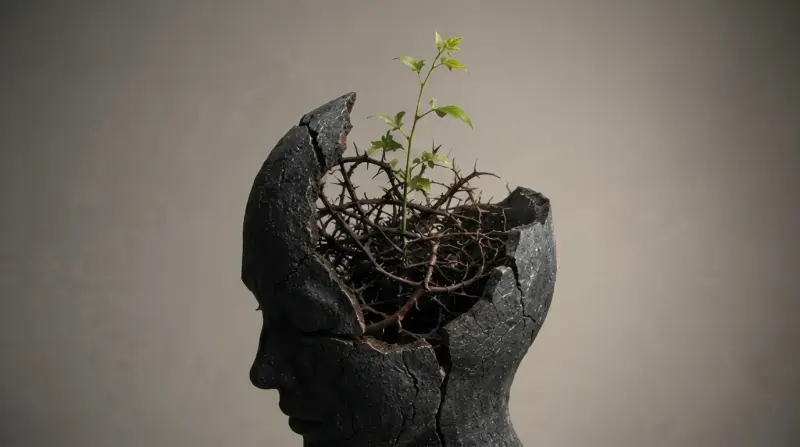
Psychological bitterness may begin as a tight lump after a hurtful moment, then grow quietly until it colors the way you see yourself and other people. It’s exhausting because it doesn’t carry just one feeling—it’s a mix of suppressed anger, accumulated sadness, and a persistent sense that what happened was unfair and no one truly did you justice. Over time, it may stop being tied to the incident alone and spread into an automatic way of interpreting, guarding, and withdrawing. And many people get stuck in a painful paradox: “I’m tired of the bitterness… but I don’t want to overlook what happened.” That makes sense.
The idea here isn’t to deny the pain or justify others’ harm, but to loosen the bond between grief and bitterness: to acknowledge what happened and protect your boundaries, while preventing the drain from stealing your day and your present. In this article, we’ll understand the causes and signs of bitterness, and how to deal with it through steps that may help you regain some calm and flexibility in your day.
What Is Psychological Bitterness, and Why Does It Intensify?
Bitterness is not just passing sadness or a brief moment of anger; it is recurring resentment that may mix with sadness, anger, and a sense of injustice, and may continue after the situation has ended. Sometimes bitterness becomes a shield: If I stay vigilant, I won’t be surprised by harm again. But the cost is that it steals your presence in the moment and pushes you to expect disappointment.
Bitterness may grow when the mind finds itself returning to the same story again and again, not because you want to suffer, but because the pain has not yet found enough understanding or boundaries. With every repetition, options can narrow: either inner revenge or long silence. Here, sadness or grief entangles with resentment, and the past becomes the measure for the present.
Common Causes of Bitterness in Our Daily Context
In our context, bitterness may be fueled by family relationships with high expectations, a competitive work environment, or social situations where direct clarity is difficult. It can appear after a betrayal of trust, a sense of favoritism, repeated minimizing of effort and achievement, or administrative injustice that never found a path to fairness.
The shared thread is often the sense that an intangible right was taken: respect, appreciation, safety, or boundaries. And when you don’t find a safe space to speak, bitterness can turn into a silence that grows harsher on the one carrying it—even if they look calm to everyone else.
How Do You Recognize the Signs of Psychological Bitterness?
Bitterness shows up in thoughts, feelings, and behavior. You may notice you can easily replay details of the harm, feel heaviness when you hear of others’ success, or interpret intentions as threats. You might also hear repeated inner sentences like: No one understands. Everything ends in betrayal.
Signs worth noticing include:
High sensitivity to criticism or joking, as if it were an attack.
Difficulty feeling joy, even in good occasions.
A pull toward isolation or avoiding people so wounds won’t reopen.
Fast judgments about intentions or expecting the worst.
Physical exhaustion linked to chronic tension.
These signs don’t mean you are a bad person—they mean your psychological system is trying to protect you in a way that is no longer comfortable.
The Bitterness–Grief Loop: Rumination That Traps You in the Past
Bitterness is often linked to ruminative thinking: repeatedly circling a painful event, its causes, and its consequences. Rumination can feel like you’re searching for an answer, but it may extend the pain and reduce your ability to solve the problem. The American Psychiatric Association notes that rumination is repeatedly dwelling on negative feelings and their causes, and that it can increase or worsen anxiety or depression for some people.
According to specialists at Tatmeen, the shift begins when you distinguish between remembering the event to understand it, and returning to it to punish yourself from the inside. Understanding may lead to a decision, a boundary, or meaning. Harsh rumination may replay the same situation and leave you depleted without a clear next step.
How Do You Untangle Bitterness from Sadness or Grief Without Losing Your Right?
Dealing with bitterness doesn’t mean saying, “It was nothing.” It means giving yourself two rights: the right to acknowledge what happened, and the right not to let it become the center of your life. Start by naming the emotions precisely: is it sadness? disappointment? anger? fear? Naming may make the inner chaos clearer and lighter. Then ask: what need wasn’t met—respect, safety, appreciation?
It may also help to work with the thoughts that feed bitterness. Here, tools similar to what cognitive behavioral therapy offers can help adjust patterns of thinking and response. Practically, this means noticing the sentence that ignites in your mind, then balancing it with a fairer one: I was wronged—but I can protect myself today.
Don’t ignore the body. Bitterness often lives in tight neck muscles, clenched jaw, and disturbed sleep. A light walk, slower breathing, and a calm bedtime routine can give you clearer space to think. And if grief feels heavy and affects sleep, concentration, and your ability to function for an extended period, remember that passing sadness differs from depression that impacts daily life.
As for forgiveness, it is not an obligation or a deadline you must reach. You do not have to forgive in order to heal or prove that you have moved on; sometimes the healthier step is clear boundaries, safe distance, or processing the pain without contact with the person who hurt you. Choose what aligns with your values and eases you, not what only satisfies others’ expectations.
What Helps Improvement Continue?
Bitterness does not change all at once, but it may gradually soften when the way you relate to it changes. Watch your triggers: does it flare after certain conversations? after seeing painful people’s photos? Set digital and social boundaries as much as you can. And replace complete isolation with at least one safe circle: a wise person, a beneficial activity, or a space that returns your sense of meaning.
Finally…
Psychological bitterness isn’t fate and it isn’t weakness—it’s a signal of pain that needs care and clarity. When you name your feelings and separate your rights from your depletion, you begin to regain your balance calmly. If bitterness continues or starts affecting your sleep, work, studies, or relationships, or leaves you stuck in rumination and anger that does not settle, speaking with a mental-health specialist through Tatmeen may help you build a plan that fits your circumstances and values. If it comes with thoughts of self-harm or a feeling that life is not worth living, seek urgent help from emergency services or local health services.
Frequently Asked Questions
Does psychological bitterness go away with time alone?
Sometimes it may soften, but it can also settle deeper if it remains without understanding or boundaries. What helps is noticing triggers, reducing rumination, and adding small self-care steps. Time becomes helpful when it comes with gentle processing—not constant avoidance.
How do I let go of bitterness if the other person never apologizes?
An apology can feel relieving, but it is not a condition for softening the impact of what happened or beginning to heal. Focus on what you can control: boundaries, reducing contact, rebuilding trust in yourself, and finding personal meaning in what happened. This gives you inner freedom even without external justice.
What is the relationship between bitterness and grief or depression?
Bitterness can feed prolonged sadness through replaying events and interpreting the present through the eyes of the past. If it comes with loss of pleasure and long-lasting sleep and concentration problems, it may be part of a wider picture that needs deeper understanding and structured support.
A writer and researcher specializing in psychiatry, she focuses on mental health and the human emotions we experience but cannot always find the words to name. She writes about us—about humanity and the human experience—and simplifies complex topics to offer content that helps us better understand ourselves and life, ultimately making us feel less alone.
Every Tatmeen article is reviewed by care providers licensed by the Saudi Commission for Health Specialties, so what you read is accurate and trustworthy.
This article builds understanding and does not replace a licensed care provider.
Need someone to talk to?
Tatmeen's licensed care providers are available around the clock, and the app's urgent consultation connects you with one within minutes.
Download Tatmeen to explore care providers and booking options.
Smart matchingFour quick questions suggest the right care provider
Urgent consultationTalk to an available care provider within minutes
Free psychological measuresMore than 20 tests to understand how you are doing
Scan to download
{"data":{"id":"488be479-aa20-44a4-b0e0-d8fbf7bd676c","slug":"emotional-bitterness-causes-signs-grief","arTitle":"المرارة النفسية: أسبابها وأعراضها وكيف تفك ارتباطها بالحزن","enTitle":"Psychological Bitterness: Causes, Signs, and How to Untangle It from Sadness or ","thumbnailAltText":"a figure statue with an apparent tangled mind","estimatedReadingTime":5,"likesCount":168,"writer":{"id":"3ab72b74-f26f-4337-9b47-3114b0f90de5","arBio":"كاتبة وباحثة متخصصة في مجال الطب النفسي، تهتم بموضوعات الصحة النفسية وبالمشاعر الإنسانية التي نختبرها ولا نجد دائمًا الكلمات لتسميتها. تكتب عنّا؛ عن الإنسان وتجربته، وتبسّط الموضوعات المعقّدة لتقدّم محتوى يساعدنا على فهم ذواتنا والحياة أكثر، ويجعلنا نشعر بأننا بوحدة أقل.","enBio":"A writer and researcher specializing in psychiatry, she focuses on mental health and the human emotions we experience but cannot always find the words to name. She writes about us—about humanity and the human experience—and simplifies complex topics to offer content that helps us better understand ourselves and life, ultimately making us feel less alone.","user":{"slug":"ayat-alnajar","arFullName":"آيات النجار","enFullName":"Ayat Al-Najjar","publicProfileImageUrl":"https://cdn.tatmeen.sa/public/profile-images/02384455-68fa-40b6-ad05-609fde65cafa/21b9a610dde5dfc6d37af110c23e9c7ab3946be080c281beb000debf4f7d31a6.webp","publicProfileImage96Url":"https://cdn.tatmeen.sa/public/profile-images/02384455-68fa-40b6-ad05-609fde65cafa/21b9a610dde5dfc6d37af110c23e9c7ab3946be080c281beb000debf4f7d31a6-w96.webp","publicProfileImage192Url":"https://cdn.tatmeen.sa/public/profile-images/02384455-68fa-40b6-ad05-609fde65cafa/21b9a610dde5dfc6d37af110c23e9c7ab3946be080c281beb000debf4f7d31a6-w192.webp"}},"arContent":"","enContent":"","productionDocument":{"headings":[{"id":"article-section-what-is-psychological-bitterness-and-why-does-it-intensify","text":"What Is Psychological Bitterness, and Why Does It Intensify?"},{"id":"article-section-common-causes-of-bitterness-in-our-daily-context","text":"Common Causes of Bitterness in Our Daily Context"},{"id":"article-section-how-do-you-recognize-the-signs-of-psychological-bitterness","text":"How Do You Recognize the Signs of Psychological Bitterness?"},{"id":"article-section-the-bitterness-grief-loop-rumination-that-traps-you-in-the-past","text":"The Bitterness–Grief Loop: Rumination That Traps You in the Past"},{"id":"article-section-how-do-you-untangle-bitterness-from-sadness-or-grief-without-losing-your-right","text":"How Do You Untangle Bitterness from Sadness or Grief Without Losing Your Right?"},{"id":"article-section-what-helps-improvement-continue","text":"What Helps Improvement Continue?"},{"id":"article-section-finally","text":"Finally…"}],"faqs":[{"question":"Does psychological bitterness go away with time alone?","answer":"<p><span style=\"color:#000000\">Sometimes it may soften, but it can also settle deeper if it remains without understanding or boundaries. What helps is noticing triggers, reducing rumination, and adding small self-care steps. Time becomes helpful when it comes with gentle processing—not constant avoidance.</span></p>"},{"question":"How do I let go of bitterness if the other person never apologizes?","answer":"<p><span style=\"color:#000000\">An apology can feel relieving, but it is not a condition for softening the impact of what happened or beginning to heal. Focus on what you can control: boundaries, reducing contact, rebuilding trust in yourself, and finding personal meaning in what happened. This gives you inner freedom even without external justice.</span></p>"},{"question":"What is the relationship between bitterness and grief or depression?","answer":"<p><span style=\"color:#000000\">Bitterness can feed prolonged sadness through replaying events and interpreting the present through the eyes of the past. If it comes with loss of pleasure and long-lasting sleep and concentration problems, it may be part of a wider picture that needs deeper understanding and structured support.</span></p>"}],"beforeSourcesHtml":"<p></p>","sources":[],"afterSourcesHtml":"","blocks":[{"type":"html","html":"<p><span style=\"color:#000000\">Psychological bitterness may begin as a tight lump after a hurtful moment, then grow quietly until it colors the way you see yourself and other people. It’s exhausting because it doesn’t carry just one feeling—it’s a mix of suppressed anger, accumulated sadness, and a persistent sense that what happened was unfair and no one truly did you justice. Over time, it may stop being tied to the incident alone and spread into an automatic way of interpreting, guarding, and withdrawing. And many people get stuck in a painful paradox: <em>“I’m tired of the bitterness… but I don’t want to overlook what happened.”</em> That makes sense.</span></p><p><span style=\"color:#000000\">The idea here isn’t to deny the pain or justify others’ harm, but to loosen the bond between grief and bitterness: to acknowledge what happened and protect your boundaries, while preventing the drain from stealing your day and your present. In this article, we’ll understand the causes and signs of bitterness, and how to deal with it through steps that may help you regain some calm and flexibility in your day.</span></p><h2 id=\"article-section-what-is-psychological-bitterness-and-why-does-it-intensify\" data-toc-heading tabindex=\"-1\"><span id=\"what-is-psychological-bitterness-and-why-does-it-intensify-1\" aria-hidden=\"true\"></span><span style=\"color:#000000\"><strong>What Is Psychological Bitterness, and Why Does It Intensify?</strong></span></h2><p><span style=\"color:#000000\">Bitterness is not just passing sadness or a brief moment of anger; it is recurring resentment that may mix with sadness, anger, and a sense of injustice, and may continue after the situation has ended. Sometimes bitterness becomes a shield: <em>If I stay vigilant, I won’t be surprised by harm again.</em> But the cost is that it steals your presence in the moment and pushes you to expect disappointment.</span></p><p><span style=\"color:#000000\">Bitterness may grow when the mind finds itself returning to the same story again and again, not because you want to suffer, but because the pain has not yet found enough understanding or boundaries. With every repetition, options can narrow: either inner revenge or long silence. Here, sadness or grief entangles with resentment, and the past becomes the measure for the present.</span></p><h2 id=\"article-section-common-causes-of-bitterness-in-our-daily-context\" data-toc-heading tabindex=\"-1\"><span id=\"common-causes-of-bitterness-in-our-daily-context-2\" aria-hidden=\"true\"></span><span style=\"color:#000000\"><strong>Common Causes of Bitterness in Our Daily Context</strong></span></h2><p><span style=\"color:#000000\">In our context, bitterness may be fueled by family relationships with high expectations, a competitive work environment, or social situations where direct clarity is difficult. It can appear after a betrayal of trust, a sense of favoritism, repeated minimizing of effort and achievement, or administrative injustice that never found a path to fairness.</span></p><p><span style=\"color:#000000\">The shared thread is often the sense that an intangible right was taken: respect, appreciation, safety, or boundaries. And when you don’t find a safe space to speak, bitterness can turn into a silence that grows harsher on the one carrying it—even if they look calm to everyone else.</span></p><h2 id=\"article-section-how-do-you-recognize-the-signs-of-psychological-bitterness\" data-toc-heading tabindex=\"-1\"><span id=\"how-do-you-recognize-the-signs-of-psychological-bitterness-3\" aria-hidden=\"true\"></span><span style=\"color:#000000\"><strong>How Do You Recognize the Signs of Psychological Bitterness?</strong></span></h2><p><span style=\"color:#000000\">Bitterness shows up in thoughts, feelings, and behavior. You may notice you can easily replay details of the harm, feel heaviness when you hear of others’ success, or interpret intentions as threats. You might also hear repeated inner sentences like: <em>No one understands. Everything ends in betrayal.</em></span></p><p><span style=\"color:#000000\">Signs worth noticing include:</span></p><ul><li><p><span style=\"color:#000000\">High sensitivity to criticism or joking, as if it were an attack.</span></p></li><li><p><span style=\"color:#000000\">Difficulty feeling joy, even in good occasions.</span></p></li><li><p><span style=\"color:#000000\">A pull toward isolation or avoiding people so wounds won’t reopen.</span></p></li><li><p><span style=\"color:#000000\">Fast judgments about intentions or expecting the worst.</span></p></li><li><p><span style=\"color:#000000\">Physical exhaustion linked to chronic tension.</span></p></li></ul><p><span style=\"color:#000000\">These signs don’t mean you are a bad person—they mean your psychological system is trying to protect you in a way that is no longer comfortable.</span></p><h2 id=\"article-section-the-bitterness-grief-loop-rumination-that-traps-you-in-the-past\" data-toc-heading tabindex=\"-1\"><span id=\"the-bitterness-grief-loop-rumination-that-traps-you-in-the-past-4\" aria-hidden=\"true\"></span><span style=\"color:#000000\"><strong>The Bitterness–Grief Loop: Rumination That Traps You in the Past</strong></span></h2><p><span style=\"color:#000000\">Bitterness is often linked to ruminative thinking: repeatedly circling a painful event, its causes, and its consequences. Rumination can feel like you’re searching for an answer, but it may extend the pain and reduce your ability to solve the problem. </span><a href=\"https://www.psychiatry.org/news-room/apa-blogs/rumination-a-cycle-of-negative-thinking\" target=\"_blank\" rel=\"nofollow noopener noreferrer\"><span style=\"color:#1155cc\"><u>The American Psychiatric Association</u></span></a><span style=\"color:#000000\"> notes that rumination is repeatedly dwelling on negative feelings and their causes, and that it can increase or worsen anxiety or depression for some people.</span></p><p><span style=\"color:#000000\">According to specialists at <strong>Tatmeen</strong>, the shift begins when you distinguish between remembering the event to understand it, and returning to it to punish yourself from the inside. Understanding may lead to a decision, a boundary, or meaning. Harsh rumination may replay the same situation and leave you depleted without a clear next step.</span></p><h2 id=\"article-section-how-do-you-untangle-bitterness-from-sadness-or-grief-without-losing-your-right\" data-toc-heading tabindex=\"-1\"><span id=\"how-do-you-untangle-bitterness-from-sadness-or-grief-without-losing-your-right-5\" aria-hidden=\"true\"></span><span style=\"color:#000000\"><strong>How Do You Untangle Bitterness from Sadness or Grief Without Losing Your Right?</strong></span></h2><p><span style=\"color:#000000\">Dealing with bitterness doesn’t mean saying, “It was nothing.” It means giving yourself two rights: the right to acknowledge what happened, and the right not to let it become the center of your life. Start by naming the emotions precisely: is it sadness? disappointment? anger? fear? Naming may make the inner chaos clearer and lighter. Then ask: what need wasn’t met—respect, safety, appreciation?</span></p><p><span style=\"color:#000000\">It may also help to work with the thoughts that feed bitterness. Here, tools similar to what cognitive behavioral therapy offers can help adjust patterns of thinking and response. Practically, this means noticing the sentence that ignites in your mind, then balancing it with a fairer one: <em>I was wronged—but I can protect myself today.</em></span></p><p><span style=\"color:#000000\">Don’t ignore the body. Bitterness often lives in tight neck muscles, clenched jaw, and disturbed sleep. A light walk, slower breathing, and a calm bedtime routine can give you clearer space to think. And if grief feels heavy and affects sleep, concentration, and your ability to function for an extended period, remember that passing sadness differs from depression that impacts daily life.</span></p><p><span style=\"color:#000000\">As for forgiveness, it is not an obligation or a deadline you must reach. You do not have to forgive in order to heal or prove that you have moved on; sometimes the healthier step is clear boundaries, safe distance, or processing the pain without contact with the person who hurt you. Choose what aligns with your values and eases you, not what only satisfies others’ expectations.</span></p><h2 id=\"article-section-what-helps-improvement-continue\" data-toc-heading tabindex=\"-1\"><span id=\"what-helps-improvement-continue-6\" aria-hidden=\"true\"></span><span style=\"color:#000000\"><strong>What Helps Improvement Continue?</strong></span></h2><p><span style=\"color:#000000\">Bitterness does not change all at once, but it may gradually soften when the way you relate to it changes. Watch your triggers: does it flare after certain conversations? after seeing painful people’s photos? Set digital and social boundaries as much as you can. And replace complete isolation with at least one safe circle: a wise person, a beneficial activity, or a space that returns your sense of meaning.</span></p><h2 id=\"article-section-finally\" data-toc-heading tabindex=\"-1\"><span id=\"finally-7\" aria-hidden=\"true\"></span><span style=\"color:#000000\"><strong>Finally…</strong></span></h2><p><span style=\"color:#000000\">Psychological bitterness isn’t fate and it isn’t weakness—it’s a signal of pain that needs care and clarity. When you name your feelings and separate your rights from your depletion, you begin to regain your balance calmly. If bitterness continues or starts affecting your sleep, work, studies, or relationships, or leaves you stuck in rumination and anger that does not settle, speaking with a mental-health specialist through Tatmeen may help you build a plan that fits your circumstances and values. If it comes with thoughts of self-harm or a feeling that life is not worth living, seek urgent help from emergency services or local health services.</span></p>"}],"inlineCtaSignatures":[],"_experienceAliases":{"v":1,"fields":["html","bodyHtml"],"faqs":[0,1,2]}},"createdAt":"2026-06-01T21:00:00.000Z","updatedAt":"2026-06-24T23:49:45.855Z","disorderGroups":[{"id":"4499a52a-06f8-4022-a64d-304e5eca51cc","slug":"life-challenges-and-stress","arName":"تحديات الحياة والضغوط","enName":"Life Challenges & Stress"}],"reviewer":{"arFullName":"فريق تطمين","enFullName":"Tatmeen team","slug":"tatmeen-team","kind":"organization"},"productionArticle":true,"promotionAllowed":true,"preparedCover":{"src":"https://cdn.tatmeen.sa/public/article-lcp/article-lcp-v2/sha256-70b039015a98750143e4033d4ba98adf9eb20f4a21dc31561d75e0e8548074f1/800-556209f013e579804eec66191fd92a55ef7108553c2a24b87423d84900b07fee.avif","fallback":"https://cdn.tatmeen.sa/public/article-lcp/article-lcp-v2/sha256-70b039015a98750143e4033d4ba98adf9eb20f4a21dc31561d75e0e8548074f1/800-ea6e1494bbc8eb5e6244ebfc9e171af47c01fbc194214629d898d51fd3b8bc3f.webp","directUrl":"https://cdn.tatmeen.sa/blog-cover/Tatmeen-1780418827025.webp","isGolden":true,"avifSrcset":"https://cdn.tatmeen.sa/public/article-lcp/article-lcp-v2/sha256-70b039015a98750143e4033d4ba98adf9eb20f4a21dc31561d75e0e8548074f1/400-c880679b49bd4e96d08614b84568128a346ca390b176efc4a5a7618f7bcc8b48.avif 400w, https://cdn.tatmeen.sa/public/article-lcp/article-lcp-v2/sha256-70b039015a98750143e4033d4ba98adf9eb20f4a21dc31561d75e0e8548074f1/640-63c198adc72d17784601d07c499eef64ebe382de71cf72e0d84c923f90f9fc42.avif 640w, https://cdn.tatmeen.sa/public/article-lcp/article-lcp-v2/sha256-70b039015a98750143e4033d4ba98adf9eb20f4a21dc31561d75e0e8548074f1/800-556209f013e579804eec66191fd92a55ef7108553c2a24b87423d84900b07fee.avif 800w, https://cdn.tatmeen.sa/public/article-lcp/article-lcp-v2/sha256-70b039015a98750143e4033d4ba98adf9eb20f4a21dc31561d75e0e8548074f1/1200-2b27d45cd90c2ea2d0778c81b3fef90f8c63a032ca81383911a65f1d67bd7e44.avif 1200w","webpSrcset":"https://cdn.tatmeen.sa/public/article-lcp/article-lcp-v2/sha256-70b039015a98750143e4033d4ba98adf9eb20f4a21dc31561d75e0e8548074f1/400-b1c274956c122f9abb0fa5dae9d0b3f66dbf23b89ca2f9d109090a9aad3a57f9.webp 400w, https://cdn.tatmeen.sa/public/article-lcp/article-lcp-v2/sha256-70b039015a98750143e4033d4ba98adf9eb20f4a21dc31561d75e0e8548074f1/640-f1462b4f2f0ea76108736a49dee4bfef947dd46b57166aecc35fc558b75bdf4e.webp 640w, https://cdn.tatmeen.sa/public/article-lcp/article-lcp-v2/sha256-70b039015a98750143e4033d4ba98adf9eb20f4a21dc31561d75e0e8548074f1/800-ea6e1494bbc8eb5e6244ebfc9e171af47c01fbc194214629d898d51fd3b8bc3f.webp 800w, https://cdn.tatmeen.sa/public/article-lcp/article-lcp-v2/sha256-70b039015a98750143e4033d4ba98adf9eb20f4a21dc31561d75e0e8548074f1/1200-9942e088e0816b75c39f6bfad456881ca223f9b1f847a031f2cbfcf728d3eee7.webp 1200w","phoneAvifSrcset":"https://cdn.tatmeen.sa/public/article-lcp/article-lcp-v2/sha256-70b039015a98750143e4033d4ba98adf9eb20f4a21dc31561d75e0e8548074f1/400-c880679b49bd4e96d08614b84568128a346ca390b176efc4a5a7618f7bcc8b48.avif 400w, https://cdn.tatmeen.sa/public/article-lcp/article-lcp-v2/sha256-70b039015a98750143e4033d4ba98adf9eb20f4a21dc31561d75e0e8548074f1/640-63c198adc72d17784601d07c499eef64ebe382de71cf72e0d84c923f90f9fc42.avif 640w, https://cdn.tatmeen.sa/public/article-lcp/article-lcp-v2/sha256-70b039015a98750143e4033d4ba98adf9eb20f4a21dc31561d75e0e8548074f1/800-556209f013e579804eec66191fd92a55ef7108553c2a24b87423d84900b07fee.avif 800w","phoneWebpSrcset":"https://cdn.tatmeen.sa/public/article-lcp/article-lcp-v2/sha256-70b039015a98750143e4033d4ba98adf9eb20f4a21dc31561d75e0e8548074f1/400-b1c274956c122f9abb0fa5dae9d0b3f66dbf23b89ca2f9d109090a9aad3a57f9.webp 400w, https://cdn.tatmeen.sa/public/article-lcp/article-lcp-v2/sha256-70b039015a98750143e4033d4ba98adf9eb20f4a21dc31561d75e0e8548074f1/640-f1462b4f2f0ea76108736a49dee4bfef947dd46b57166aecc35fc558b75bdf4e.webp 640w, https://cdn.tatmeen.sa/public/article-lcp/article-lcp-v2/sha256-70b039015a98750143e4033d4ba98adf9eb20f4a21dc31561d75e0e8548074f1/800-ea6e1494bbc8eb5e6244ebfc9e171af47c01fbc194214629d898d51fd3b8bc3f.webp 800w","width":800,"height":447},"previewTaxonomy":{"groups":[{"id":"4499a52a-06f8-4022-a64d-304e5eca51cc","slug":"life-challenges-and-stress","arName":"تحديات الحياة والضغوط","enName":"Life Challenges & Stress"}],"topics":[{"id":"dbfa7d2b-f7dc-46d0-ac4b-3bb5b99a2b94","slug":"grief-and-loss","arName":"التعامل مع الحزن","enName":"Grief & Loss","groupSlug":"life-challenges-and-stress","href":"/blog/category/life-challenges-and-stress/grief-and-loss/"},{"id":"917f7ada-5236-49cd-b1b6-760ab0bd36f0","slug":"anger-management","arName":"إدارة الغضب","enName":"Anger Management","groupSlug":"life-challenges-and-stress","href":"/blog/category/life-challenges-and-stress/anger-management/"}],"tags":[{"id":"67a4f7e8-5c58-4421-870b-17497c68d635","slug":"grief-loss","arName":"الحزن والفقد والحداد","enName":"Grief Loss & Sadness"},{"id":"dbd6cf9d-e555-43d4-9205-05dcf3b84eb3","slug":"emotional-regulation","arName":"تنظيم المشاعر والذكاء العاطفي","enName":"Emotional Regulation"},{"id":"c2a6e8d3-de9c-435f-8c95-9727e7db14cc","slug":"explainer-awareness","arName":"دليل توعوي / شرح","enName":"Explainer / Awareness Guide"}]},"previewProviderRecommendations":[{"id":"94765496-dbdf-4631-a01b-7df5f788668d","slug":"abdullrahman-alhamoudi-3045","arFullName":"عبدالرحمن الحمودي","enFullName":"Abdulrahman Alhamoudi","publicProfileImageUrl":"https://cdn.tatmeen.sa/public/profile-images/94765496-dbdf-4631-a01b-7df5f788668d/2d49f6b6493c564afb6f50b6c3634231dff3a5cf8353acfab393d1b2a88037d1.webp","publicProfileImage96Url":"https://cdn.tatmeen.sa/public/profile-images/94765496-dbdf-4631-a01b-7df5f788668d/2d49f6b6493c564afb6f50b6c3634231dff3a5cf8353acfab393d1b2a88037d1-w96.webp","publicProfileImage192Url":"https://cdn.tatmeen.sa/public/profile-images/94765496-dbdf-4631-a01b-7df5f788668d/2d49f6b6493c564afb6f50b6c3634231dff3a5cf8353acfab393d1b2a88037d1-w192.webp","specialization":{"arName":"أخصائي نفسي","enName":"Psychologist"},"profileImageUrl":"https://cdn.tatmeen.sa/public/profile-images/94765496-dbdf-4631-a01b-7df5f788668d/2d49f6b6493c564afb6f50b6c3634231dff3a5cf8353acfab393d1b2a88037d1-w192.webp","experienceYears":9,"consultantInfo":{"averageRating":{"average":5},"specialization":{"arGeneralName":"أخصائي نفسي","enGeneralName":"Psychologist"}}},{"id":"09364052-c2a9-4c52-9717-7ce2093b8d0a","slug":"kholoud-alharbi-5221","arFullName":"خلود الحربي","enFullName":"Kholoud Alharbi","publicProfileImageUrl":"https://cdn.tatmeen.sa/public/profile-images/09364052-c2a9-4c52-9717-7ce2093b8d0a/4a0aeb81619e351b77f4323e3605a0a00acc7ca3c82ee7cc5ca2c9e8ef716049.webp","publicProfileImage96Url":"https://cdn.tatmeen.sa/public/profile-images/09364052-c2a9-4c52-9717-7ce2093b8d0a/4a0aeb81619e351b77f4323e3605a0a00acc7ca3c82ee7cc5ca2c9e8ef716049-w96.webp","publicProfileImage192Url":"https://cdn.tatmeen.sa/public/profile-images/09364052-c2a9-4c52-9717-7ce2093b8d0a/4a0aeb81619e351b77f4323e3605a0a00acc7ca3c82ee7cc5ca2c9e8ef716049-w192.webp","specialization":{"arName":"أخصائي نفسي","enName":"Psychologist"},"profileImageUrl":"https://cdn.tatmeen.sa/public/profile-images/09364052-c2a9-4c52-9717-7ce2093b8d0a/4a0aeb81619e351b77f4323e3605a0a00acc7ca3c82ee7cc5ca2c9e8ef716049-w192.webp","experienceYears":10,"consultantInfo":{"averageRating":{"average":5},"specialization":{"arGeneralName":"أخصائي نفسي","enGeneralName":"Psychologist"}}},{"id":"65754ce9-6247-47ce-8196-2c1cd5902e41","slug":"suzanne-alismail-0530","arFullName":"سوزان السماعيل","enFullName":"Suzanne Alismail","publicProfileImageUrl":"https://cdn.tatmeen.sa/public/profile-images/65754ce9-6247-47ce-8196-2c1cd5902e41/80ce8cba1761c173c6c7bb320df6fc96b013ea7c4cceecc3560e4c3d77fe69fc.webp","publicProfileImage96Url":"https://cdn.tatmeen.sa/public/profile-images/65754ce9-6247-47ce-8196-2c1cd5902e41/80ce8cba1761c173c6c7bb320df6fc96b013ea7c4cceecc3560e4c3d77fe69fc-w96.webp","publicProfileImage192Url":"https://cdn.tatmeen.sa/public/profile-images/65754ce9-6247-47ce-8196-2c1cd5902e41/80ce8cba1761c173c6c7bb320df6fc96b013ea7c4cceecc3560e4c3d77fe69fc-w192.webp","specialization":{"arName":"أخصائي نفسي","enName":"Psychologist"},"profileImageUrl":"https://cdn.tatmeen.sa/public/profile-images/65754ce9-6247-47ce-8196-2c1cd5902e41/80ce8cba1761c173c6c7bb320df6fc96b013ea7c4cceecc3560e4c3d77fe69fc-w192.webp","experienceYears":5,"consultantInfo":{"averageRating":{"average":5},"specialization":{"arGeneralName":"أخصائي نفسي","enGeneralName":"Psychologist"}}}],"previewCareProviders":[{"id":"09364052-c2a9-4c52-9717-7ce2093b8d0a","slug":"kholoud-alharbi-5221","arFullName":"خلود الحربي","enFullName":"Kholoud Alharbi","publicProfileImageUrl":"https://cdn.tatmeen.sa/public/profile-images/09364052-c2a9-4c52-9717-7ce2093b8d0a/4a0aeb81619e351b77f4323e3605a0a00acc7ca3c82ee7cc5ca2c9e8ef716049.webp","publicProfileImage96Url":"https://cdn.tatmeen.sa/public/profile-images/09364052-c2a9-4c52-9717-7ce2093b8d0a/4a0aeb81619e351b77f4323e3605a0a00acc7ca3c82ee7cc5ca2c9e8ef716049-w96.webp","publicProfileImage192Url":"https://cdn.tatmeen.sa/public/profile-images/09364052-c2a9-4c52-9717-7ce2093b8d0a/4a0aeb81619e351b77f4323e3605a0a00acc7ca3c82ee7cc5ca2c9e8ef716049-w192.webp","gender":"FEMALE","specialization":{"arName":"أخصائي نفسي","enName":"Psychologist"}},{"id":"6f037535-1dca-4b50-a8b2-5974b7323286","slug":"salah-althobaiti-9053","arFullName":"صلاح الثبيتي","enFullName":"Salah Althobaiti","publicProfileImageUrl":"https://cdn.tatmeen.sa/public/profile-images/6f037535-1dca-4b50-a8b2-5974b7323286/35b6bd7fad9b1e004c1835803eb9c1b56dcacd380685ec8bff141f0fb888005c.webp","publicProfileImage96Url":"https://cdn.tatmeen.sa/public/profile-images/6f037535-1dca-4b50-a8b2-5974b7323286/35b6bd7fad9b1e004c1835803eb9c1b56dcacd380685ec8bff141f0fb888005c-w96.webp","publicProfileImage192Url":"https://cdn.tatmeen.sa/public/profile-images/6f037535-1dca-4b50-a8b2-5974b7323286/35b6bd7fad9b1e004c1835803eb9c1b56dcacd380685ec8bff141f0fb888005c-w192.webp","gender":"MALE","specialization":{"arName":"أخصائي نفسي","enName":"Psychologist"}},{"id":"3cc806e8-616b-4884-9f21-a75b378580a2","slug":"aisha-al-hashim-8667","arFullName":"عائشة ال هاشم","enFullName":"Aisha Al Hashim","publicProfileImageUrl":"https://cdn.tatmeen.sa/public/profile-images/3cc806e8-616b-4884-9f21-a75b378580a2/27f523d03be4dcfa1f6a79f70c1773887434e698990d214cd990caec56a44798.webp","publicProfileImage96Url":"https://cdn.tatmeen.sa/public/profile-images/3cc806e8-616b-4884-9f21-a75b378580a2/27f523d03be4dcfa1f6a79f70c1773887434e698990d214cd990caec56a44798-w96.webp","publicProfileImage192Url":"https://cdn.tatmeen.sa/public/profile-images/3cc806e8-616b-4884-9f21-a75b378580a2/27f523d03be4dcfa1f6a79f70c1773887434e698990d214cd990caec56a44798-w192.webp","gender":"FEMALE","specialization":{"arName":"أخصائي نفسي","enName":"Psychologist"}},{"id":"db2ce1a0-9325-4471-b7ce-eb2e811c30a3","slug":"amer-qutub-2441","arFullName":"عامر قطب","enFullName":"Amer Qutub","publicProfileImageUrl":"https://cdn.tatmeen.sa/public/profile-images/db2ce1a0-9325-4471-b7ce-eb2e811c30a3/80580f99bfd7fe2b2a9cf8eed73ab532f5086d1efe053b0aa57358c1ce004261.webp","publicProfileImage96Url":"https://cdn.tatmeen.sa/public/profile-images/db2ce1a0-9325-4471-b7ce-eb2e811c30a3/80580f99bfd7fe2b2a9cf8eed73ab532f5086d1efe053b0aa57358c1ce004261-w96.webp","publicProfileImage192Url":"https://cdn.tatmeen.sa/public/profile-images/db2ce1a0-9325-4471-b7ce-eb2e811c30a3/80580f99bfd7fe2b2a9cf8eed73ab532f5086d1efe053b0aa57358c1ce004261-w192.webp","gender":"MALE","specialization":{"arName":"أخصائي نفسي","enName":"Psychologist"}},{"id":"94765496-dbdf-4631-a01b-7df5f788668d","slug":"abdullrahman-alhamoudi-3045","arFullName":"عبدالرحمن الحمودي","enFullName":"Abdulrahman Alhamoudi","publicProfileImageUrl":"https://cdn.tatmeen.sa/public/profile-images/94765496-dbdf-4631-a01b-7df5f788668d/2d49f6b6493c564afb6f50b6c3634231dff3a5cf8353acfab393d1b2a88037d1.webp","publicProfileImage96Url":"https://cdn.tatmeen.sa/public/profile-images/94765496-dbdf-4631-a01b-7df5f788668d/2d49f6b6493c564afb6f50b6c3634231dff3a5cf8353acfab393d1b2a88037d1-w96.webp","publicProfileImage192Url":"https://cdn.tatmeen.sa/public/profile-images/94765496-dbdf-4631-a01b-7df5f788668d/2d49f6b6493c564afb6f50b6c3634231dff3a5cf8353acfab393d1b2a88037d1-w192.webp","gender":"MALE","specialization":{"arName":"أخصائي نفسي","enName":"Psychologist"}},{"id":"618dba89-5b70-4b46-8304-741b7ac8ecd3","slug":"abdullah-mari-1311","arFullName":"عبدالله مرعي","enFullName":"Abdullah Mari","publicProfileImageUrl":"https://cdn.tatmeen.sa/public/profile-images/618dba89-5b70-4b46-8304-741b7ac8ecd3/6b4a3bfb59f8a304ca79083b32859b46baad2e1d692974a47c02c1f66bd11129.webp","publicProfileImage96Url":"https://cdn.tatmeen.sa/public/profile-images/618dba89-5b70-4b46-8304-741b7ac8ecd3/6b4a3bfb59f8a304ca79083b32859b46baad2e1d692974a47c02c1f66bd11129-w96.webp","publicProfileImage192Url":"https://cdn.tatmeen.sa/public/profile-images/618dba89-5b70-4b46-8304-741b7ac8ecd3/6b4a3bfb59f8a304ca79083b32859b46baad2e1d692974a47c02c1f66bd11129-w192.webp","gender":"MALE","specialization":{"arName":"أخصائي نفسي","enName":"Psychologist"}},{"id":"3b50a5d5-e795-407f-8676-fd7f0e1bb7a0","slug":"abdulaziz-bin-hudayan-4940","arFullName":"عبدالعزيز بن هديان","enFullName":"Abdulaziz Bin Hudayan","publicProfileImageUrl":"https://cdn.tatmeen.sa/public/profile-images/3b50a5d5-e795-407f-8676-fd7f0e1bb7a0/710ff0fe1fb00cdb5042092e27b7910b480a439b02251ecded62d7758eefce95.webp","publicProfileImage96Url":"https://cdn.tatmeen.sa/public/profile-images/3b50a5d5-e795-407f-8676-fd7f0e1bb7a0/710ff0fe1fb00cdb5042092e27b7910b480a439b02251ecded62d7758eefce95-w96.webp","publicProfileImage192Url":"https://cdn.tatmeen.sa/public/profile-images/3b50a5d5-e795-407f-8676-fd7f0e1bb7a0/710ff0fe1fb00cdb5042092e27b7910b480a439b02251ecded62d7758eefce95-w192.webp","gender":"MALE","specialization":{"arName":"أخصائي نفسي","enName":"Psychologist"}}],"previewDownload":{"href":"/download","title":{"ar":"خطوة واحدة لأجلك، ابدأ الآن","en":"One step for you, start now"},"description":{"ar":"حمّل تطبيق تطمين لاستكشاف مقدمي الرعاية وخيارات الحجز.","en":"Download Tatmeen to explore care providers and booking options."},"posterSrc":"/images/home/cta-ar-new-1.webp","videoSrc":"/images/home/cta-ar-new-1.mp4","videoPosterSrc":"/images/home/cta-ar-new-1.webp","videoPosterEnSrc":"/images/home/cta-en-new-1.webp","videoType":"video/mp4","appStoreHref":"https://apps.apple.com/us/app/tatmeen-%D8%AA%D8%B7%D9%85%D9%8A%D9%86/id6473836983","googlePlayHref":"https://play.google.com/store/apps/details?id=com.TatmeenApp.user&hl=en"},"previewRelatedArticles":[{"id":"ae824acc-5f46-4559-98f3-36d0d14cd364","slug":"Anger-in-Children","route":"/blog/Anger-in-Children/","title":{"ar":"الغضب عند الأطفال - أسبابه وكيف يمكن إدارته والتحكم به","en":"Anger in Children: Causes and Ways to Manage It"},"image":"https://cdn.tatmeen.sa/public/article-lcp/article-lcp-v2/sha256-8fee9424816830f5ea2818ff6e34066a3c47d14a7639519a47aa2d841c233bbe/600-8dc0400f30d92434cc3f021fb3ac5bdec76ba23dcaef023a3ed2d089a5b566a9.webp","directImageFallback":"https://cdn.tatmeen.sa/blog-cover/1704640352968-Tatmeen-img-519","arThumbnailAltText":"Cartoon child stands with clenched fists and a scowling face","thumbnailAltText":"Cartoon child stands with clenched fists and a scowling face","topic":{"label":{"ar":"الأطفال والمراهقين","en":"Children & Adolescents"}},"readingTimeMinutes":5},{"id":"7afc3ed0-ddfb-40e1-85fe-e03586529ebb","slug":"Teaching-self-regulation-to-a-childs-anger","route":"/blog/Teaching-self-regulation-to-a-childs-anger/","title":{"ar":"كيف أساعد طفلي لكي يتحكم بغضبه و يصل للتهدئة الذاتية؟","en":"Helping Your Child Manage Anger and Self-Soothe"},"image":"https://cdn.tatmeen.sa/public/article-lcp/article-lcp-v2/sha256-e660561996051e795d611781d503f0689406d928b74ef292e3aae37d7810c1b5/600-3f663624e7c9f189021be092fa625e6b719e8885712de750af64c746441169b3.webp","directImageFallback":"https://cdn.tatmeen.sa/blog-cover/1704643010608-Tatmeen-img-680","arThumbnailAltText":"Young child sitting outdoors with eyes shut and teeth clenched","thumbnailAltText":"Young child sitting outdoors with eyes shut and teeth clenched","topic":{"label":{"ar":"الأطفال والمراهقين","en":"Children & Adolescents"}},"readingTimeMinutes":5},{"id":"53a85045-a798-40b1-a8f2-6e4e0cdc61fb","slug":"How-to-move-forward-after-love-and-separation","route":"/blog/How-to-move-forward-after-love-and-separation/","title":{"ar":"الحب والقلوب المهشمة - كيف نمضي قدما بعد انتهاء الحب والانفصال؟","en":"Moving Forward After Love Ends and Separation"},"image":"https://cdn.tatmeen.sa/public/article-lcp/article-lcp-v2/sha256-5b3bad9a2439faa039e4489ddfb8853608e95d49b8d3bb839ce202ca199a0ecf/600-ee0ec1b8bd99406868237ca66429e3fe2ec739c836c2aec223f54d622bea13ba.webp","directImageFallback":"https://cdn.tatmeen.sa/blog-cover/1706455644038-Tatmeen-126.jpg","arThumbnailAltText":"Two pairs of hands cradle a glossy heart-shaped object on a white surface","thumbnailAltText":"Two pairs of hands cradle a glossy heart-shaped object on a white surface","topic":{"label":{"ar":"العلاقات الأسرية والزوجية","en":"Family & Marital Relations"}},"readingTimeMinutes":5},{"id":"9e83401b-cd7b-46f2-ad2b-3e1ca44e2e9b","slug":"grieving-old-self-returning-to-life","route":"/blog/grieving-old-self-returning-to-life/","title":{"ar":"الحزن على النسخة القديمة منك والعودة للحياة","en":"Grieving the Old Version of Yourself and Returning to Life"},"image":"https://cdn.tatmeen.sa/public/article-lcp/article-lcp-v2/sha256-51216dcacc5e48e4674d7416ed2b4a9a5dc377230c867ccadb0fdef4ee959c7e/800-141ddd05f0130ebaa4944df11f7d4381a750a1435efcd85bd9ab91add47e034a.webp","directImageFallback":"https://cdn.tatmeen.sa/blog-cover/Tatmeen-1780505207726.webp","arThumbnailAltText":"a woman embracing her new self and returning to life","thumbnailAltText":"a woman embracing her new self and returning to life","topic":{"label":{"ar":"تحديات الحياة والضغوط","en":"Life Challenges & Stress"}},"readingTimeMinutes":5}],"previewRelatedReadStates":{}},"locale":"en","device":"desktop","path":"/en/blog/emotional-bitterness-causes-signs-grief/","readingControls":false,"config":{"public":{"BUCKET_URL":"https://cdn.tatmeen.sa/","APP_BASE_URL":"https://tatmeen.sa","intercomAppId":"ppcnu9e3"}}}