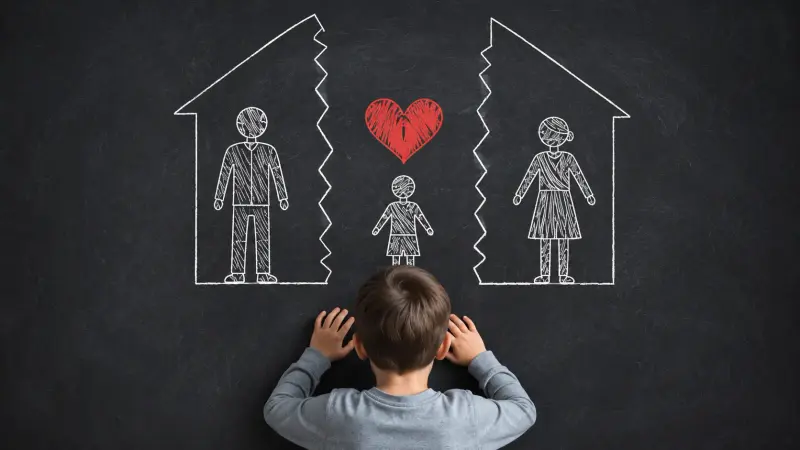
If my inbox could speak, it would reveal the many stories of love shared through it—and even more of the anguished sighs that rise after that love ends. One person cannot forget his beloved, another cannot move beyond the aftermath of divorce, and countless stories overflow with sighs and pain. Separation in relationships is a cup many people drink. Sometimes its pain is more intense than the pain associated with death because it leaves us feeling rejected and let down, while thoughts and memories keep flowing and hold us captive to the shadow of that relationship.
When separation happens, the heart breaks, and it can become difficult to trust what your mind tells you. You may literally feel that your heart has shattered or is bleeding without end. Sometimes, it may be difficult for us to continue living. The heart, which is the source of life, becomes a source of pain after separation. That pain releases a torrent of burning words that gather in the throat, unable to come out, creating a devastating lump that will not allow even drops of water to pass, while tears pour from our eyes.
This dramatic emotional pain can lead even the most rational among us to devise baseless puzzles and conspiracy theories to explain why love ended. We become obsessed with discovering what happened, reviewing every minute of the relationship’s history and searching our memories for clues that were never there. Heartbreak is more insidious than we realize. Brain studies have shown that withdrawal from love activates the same mechanisms in our brains that are activated when people with addictions withdraw from substances such as cocaine or opioids. During withdrawal, we compulsively seek the addictive substance, delaying healing. People with addictions know they are addicted and that they must completely stop using the substance. But when your heart is broken, you must recognize that every journey down the alleys of memory, every message you send, and every second you spend pursuing your former partner on social media feeds your addiction, deepens your emotional pain, and delays recovery.
Studies of people who separated after a romantic relationship indicate that having a clear understanding of why the relationship ended is genuinely important to our ability to move forward. Yet when we are repeatedly offered a simple explanation, we reject it. Intense pain develops, and our minds tell us that the reason must be equally powerful. No explanation for the end of love will satisfy you or remove the pain you feel. Do not keep searching for a reason or justification. Accept whatever reasons you are given because you need this closure to resist the addiction. You must also be willing to let go and accept that it is over. Otherwise, your mind will feed on a mirage and pull you backward. False hope can be incredibly destructive.
We may spend long hours remembering their smiles, how wonderful they made us feel, and the trips we took together. All this does is make our loss more painful. We know it is over, yet despite that knowledge, we still allow our minds to ruminate, keeping us hostage to the relationship. We must also remember their frowns, the loud arguments we had with them, every way they wronged us, and all their negative qualities. Keep these memories as an antidote to hours of longing for the relationship’s past. You will try to tell yourself they were perfect, but they never were, and the relationship was not so heavenly. If you want to move beyond it, you must remind yourself of this often. It is also unwise to demonize those who separated from us; the aim is simply to maintain balance when recalling memories.
Another consequence of heartbreak is that loneliness and pain can significantly impair our intellectual functioning, especially when performing complex tasks involving logic and reasoning. This temporarily reduces our intelligence and reasoning abilities. Heartbreak shares all the hallmarks of conventional loss and grief, including insomnia, intrusive thoughts, and immune-system dysfunction. Heartbreak is a complex psychological injury, with 40% of people experiencing clinically measurable depression. Others, after the initial shock of loss, feel that they must put their grief aside for fear that it will overwhelm them. This is understandable, but the longer you avoid the pain and try to push it away, the more difficult it becomes to escape this state of paralysis. The pain will continue to return even after you believe you have left it behind.
When we lose love, we also lose an important part of our social life, our supportive community, and the identity we formed as individuals contributing to the relationship. Separation leaves an enormous void in our lives. This is crucial, not only because it explains why heartbreak can be so devastating, but also because it tells us how to heal and mend a broken heart. For the same purpose, you must identify the voids left in your life after the separation and try to fill each one. For gaps in your identity, redefine who you are and what your life revolves around. Address gaps in your social life, missing activities, and even empty spaces on the wall where pictures of your loved one once hung.
To mend a broken heart, you must also be aware of the mistakes you may make while trying to heal. Searching unnecessarily for explanations, living among the ruins of the past, blaming yourself for everything and holding yourself responsible for the relationship’s failure, leaving matters unresolved, and waiting for the other person to end a relationship that has already entered its death throes are all heartbreaking mistakes that will inevitably intensify your pain.
Be resilient. Rediscover the activities that bring you passion and comfort, and explore your talents again. Instead of sitting and waiting for a miracle to happen, create your own miracle and mend your heart. Know that somewhere in this vast world is a person whose spirit suits yours, whose personality complements yours, and who will be a balm for your wounds. You should also restore important balances in your life. Be more present with your family, engage more with your friends, and devote some of your time to them. These social interactions ease the pain of separation and help the heart heal.
Finally, if you know someone with a broken heart, make sure you treat them with genuine empathy. Be patient, as moving forward may take them longer than you expect.
Download the Tatmeen app for online psychological and family counseling from the App Store or Google Play. You can also register on the Tatmeen mental health website to access valuable information and practical tools for strengthening your mental health.
Content writer and researcher at Tatmeen, writing in Arabic and English about mental health and everyday life, from relationships and stress to work, habits, and family.
Every Tatmeen article is reviewed by care providers licensed by the Saudi Commission for Health Specialties, so what you read is accurate and trustworthy.
This article builds understanding and does not replace a licensed care provider.
Need someone to talk to?
Tatmeen's licensed care providers are available around the clock, and the app's urgent consultation connects you with one within minutes.
Download Tatmeen to explore care providers and booking options.
Smart matchingFour quick questions suggest the right care provider
Urgent consultationTalk to an available care provider within minutes
Free psychological measuresMore than 20 tests to understand how you are doing
Scan to download
{"data":{"id":"53a85045-a798-40b1-a8f2-6e4e0cdc61fb","slug":"How-to-move-forward-after-love-and-separation","arTitle":"الحب والقلوب المهشمة - كيف نمضي قدما بعد انتهاء الحب والانفصال؟","enTitle":"Moving Forward After Love Ends and Separation","thumbnailAltText":"Two pairs of hands cradle a glossy heart-shaped object on a white surface","estimatedReadingTime":5,"likesCount":927,"writer":{"id":"d3defdb6-4a23-4b03-aad9-a1ecc054aae5","arBio":"كاتب وباحث محتوى في تطمين، يكتب بالعربية والإنجليزية عن الصحة النفسية والحياة اليومية، من العلاقات والضغوط إلى العمل والعادات والأسرة.\n","enBio":"Content writer and researcher at Tatmeen, writing in Arabic and English about mental health and everyday life, from relationships and stress to work, habits, and family.","user":{"slug":"fahad-almalik","arFullName":"فهد المالك","enFullName":"Fahad Almalik","publicProfileImageUrl":"https://cdn.tatmeen.sa/public/profile-images/a34c8028-5847-45de-ab83-a014942bb7d3/675415e988c16442a04af5d3b8899242613a955c44e0364314cc3ff74cbad082.webp","publicProfileImage96Url":"https://cdn.tatmeen.sa/public/profile-images/a34c8028-5847-45de-ab83-a014942bb7d3/675415e988c16442a04af5d3b8899242613a955c44e0364314cc3ff74cbad082-w96.webp","publicProfileImage192Url":"https://cdn.tatmeen.sa/public/profile-images/a34c8028-5847-45de-ab83-a014942bb7d3/675415e988c16442a04af5d3b8899242613a955c44e0364314cc3ff74cbad082-w192.webp"}},"arContent":"","enContent":"","productionDocument":{"headings":[],"faqs":[],"beforeSourcesHtml":"","sources":[],"afterSourcesHtml":"","blocks":[{"type":"html","html":"<p class=\"ql-align-right ql-direction-rtl\">If my inbox could speak, it would reveal the many stories of love shared through it—and even more of the anguished sighs that rise after that love ends. One person cannot forget his beloved, another cannot move beyond the aftermath of divorce, and countless stories overflow with sighs and pain. Separation in relationships is a cup many people drink. Sometimes its pain is more intense than the pain associated with death because it leaves us feeling rejected and let down, while thoughts and memories keep flowing and hold us captive to the shadow of that relationship.</p><p class=\"ql-align-right ql-direction-rtl\">When separation happens, the heart breaks, and it can become difficult to trust what your mind tells you. You may literally feel that your heart has shattered or is bleeding without end. Sometimes, it may be difficult for us to continue living. The heart, which is the source of life, becomes a source of pain after separation. That pain releases a torrent of burning words that gather in the throat, unable to come out, creating a devastating lump that will not allow even drops of water to pass, while tears pour from our eyes.</p><p class=\"ql-align-right ql-direction-rtl\">This dramatic emotional pain can lead even the most rational among us to devise baseless puzzles and conspiracy theories to explain why love ended. We become obsessed with discovering what happened, reviewing every minute of the relationship’s history and searching our memories for clues that were never there. Heartbreak is more insidious than we realize. Brain studies have shown that withdrawal from love activates the same mechanisms in our brains that are activated when people with addictions withdraw from substances such as cocaine or opioids. During withdrawal, we compulsively seek the addictive substance, delaying healing. People with addictions know they are addicted and that they must completely stop using the substance. But when your heart is broken, you must recognize that every journey down the alleys of memory, every message you send, and every second you spend pursuing your former partner on social media feeds your addiction, deepens your emotional pain, and delays recovery.</p><p class=\"ql-align-right ql-direction-rtl\">Studies of people who separated after a romantic relationship indicate that having a clear understanding of why the relationship ended is genuinely important to our ability to move forward. Yet when we are repeatedly offered a simple explanation, we reject it. Intense pain develops, and our minds tell us that the reason must be equally powerful. No explanation for the end of love will satisfy you or remove the pain you feel. Do not keep searching for a reason or justification. Accept whatever reasons you are given because you need this closure to resist the addiction. You must also be willing to let go and accept that it is over. Otherwise, your mind will feed on a mirage and pull you backward. False hope can be incredibly destructive.</p><p class=\"ql-align-right ql-direction-rtl\">We may spend long hours remembering their smiles, how wonderful they made us feel, and the trips we took together. All this does is make our loss more painful. We know it is over, yet despite that knowledge, we still allow our minds to ruminate, keeping us hostage to the relationship. We must also remember their frowns, the loud arguments we had with them, every way they wronged us, and all their negative qualities. Keep these memories as an antidote to hours of longing for the relationship’s past. You will try to tell yourself they were perfect, but they never were, and the relationship was not so heavenly. If you want to move beyond it, you must remind yourself of this often. It is also unwise to demonize those who separated from us; the aim is simply to maintain balance when recalling memories.</p><p class=\"ql-align-right ql-direction-rtl\">Another consequence of heartbreak is that loneliness and pain can significantly impair our intellectual functioning, especially when performing complex tasks involving logic and reasoning. This temporarily reduces our intelligence and reasoning abilities. Heartbreak shares all the hallmarks of conventional loss and grief, including insomnia, intrusive thoughts, and immune-system dysfunction. Heartbreak is a complex psychological injury, with 40% of people experiencing clinically measurable depression. Others, after the initial shock of loss, feel that they must put their grief aside for fear that it will overwhelm them. This is understandable, but the longer you avoid the pain and try to push it away, the more difficult it becomes to escape this state of paralysis. The pain will continue to return even after you believe you have left it behind.</p><p class=\"ql-align-right ql-direction-rtl\">When we lose love, we also lose an important part of our social life, our supportive community, and the identity we formed as individuals contributing to the relationship. Separation leaves an enormous void in our lives. This is crucial, not only because it explains why heartbreak can be so devastating, but also because it tells us how to heal and mend a broken heart. For the same purpose, you must identify the voids left in your life after the separation and try to fill each one. For gaps in your identity, redefine who you are and what your life revolves around. Address gaps in your social life, missing activities, and even empty spaces on the wall where pictures of your loved one once hung.</p><p class=\"ql-align-right ql-direction-rtl\">To mend a broken heart, you must also be aware of the mistakes you may make while trying to heal. Searching unnecessarily for explanations, living among the ruins of the past, blaming yourself for everything and holding yourself responsible for the relationship’s failure, leaving matters unresolved, and waiting for the other person to end a relationship that has already entered its death throes are all heartbreaking mistakes that will inevitably intensify your pain.</p><p class=\"ql-align-right ql-direction-rtl\">Be resilient. Rediscover the activities that bring you passion and comfort, and explore your talents again. Instead of sitting and waiting for a miracle to happen, create your own miracle and mend your heart. Know that somewhere in this vast world is a person whose spirit suits yours, whose personality complements yours, and who will be a balm for your wounds. You should also restore important balances in your life. Be more present with your family, engage more with your friends, and devote some of your time to them. These social interactions ease the pain of separation and help the heart heal.</p><p class=\"ql-align-right ql-direction-rtl\">Finally, if you know someone with a broken heart, make sure you treat them with genuine empathy. Be patient, as moving forward may take them longer than you expect.</p><p class=\"ql-align-right ql-direction-rtl\"><br /></p><p class=\"ql-direction-rtl ql-align-justify\">Download the Tatmeen app for online psychological and family counseling from the App Store or Google Play. You can also register on the Tatmeen mental health website to access valuable information and practical tools for strengthening your mental health.</p><p class=\"ql-align-right ql-direction-rtl\"><br /></p><p><br /></p>"}],"inlineCtaSignatures":[],"_experienceAliases":{"v":1,"fields":["html","bodyHtml"]}},"createdAt":"2024-01-10T21:00:00.000Z","updatedAt":"2026-08-11T04:45:02.303Z","disorderGroups":[{"id":"01b1a587-3584-435b-971a-c40ffce29802","slug":"family-and-marital-relations","arName":"العلاقات الأسرية والزوجية","enName":"Family & Marital Relations"},{"id":"4499a52a-06f8-4022-a64d-304e5eca51cc","slug":"life-challenges-and-stress","arName":"تحديات الحياة والضغوط","enName":"Life Challenges & Stress"}],"reviewer":{"arFullName":"فريق تطمين","enFullName":"Tatmeen team","slug":"tatmeen-team","kind":"organization"},"productionArticle":true,"promotionAllowed":true,"preparedCover":{"src":"https://cdn.tatmeen.sa/public/article-lcp/article-lcp-v2/sha256-5b3bad9a2439faa039e4489ddfb8853608e95d49b8d3bb839ce202ca199a0ecf/600-f873af1a6d8633ed20eb490c8602c562bd3679342c1f5ac370386860d8cb2a22.avif","fallback":"https://cdn.tatmeen.sa/public/article-lcp/article-lcp-v2/sha256-5b3bad9a2439faa039e4489ddfb8853608e95d49b8d3bb839ce202ca199a0ecf/600-ee0ec1b8bd99406868237ca66429e3fe2ec739c836c2aec223f54d622bea13ba.webp","directUrl":"https://cdn.tatmeen.sa/blog-cover/1706455644038-Tatmeen-126.jpg","isGolden":true,"avifSrcset":"https://cdn.tatmeen.sa/public/article-lcp/article-lcp-v2/sha256-5b3bad9a2439faa039e4489ddfb8853608e95d49b8d3bb839ce202ca199a0ecf/400-63b67900f4db865cde467ae2b5bba5c3fd649bb8ab80ac2eb218a27a17454dc9.avif 400w, https://cdn.tatmeen.sa/public/article-lcp/article-lcp-v2/sha256-5b3bad9a2439faa039e4489ddfb8853608e95d49b8d3bb839ce202ca199a0ecf/600-f873af1a6d8633ed20eb490c8602c562bd3679342c1f5ac370386860d8cb2a22.avif 600w","webpSrcset":"https://cdn.tatmeen.sa/public/article-lcp/article-lcp-v2/sha256-5b3bad9a2439faa039e4489ddfb8853608e95d49b8d3bb839ce202ca199a0ecf/400-6700d5244aa56a4e0de3d9909c3b61b77716f7062da72178dc1ac59620a7675c.webp 400w, https://cdn.tatmeen.sa/public/article-lcp/article-lcp-v2/sha256-5b3bad9a2439faa039e4489ddfb8853608e95d49b8d3bb839ce202ca199a0ecf/600-ee0ec1b8bd99406868237ca66429e3fe2ec739c836c2aec223f54d622bea13ba.webp 600w","phoneAvifSrcset":"https://cdn.tatmeen.sa/public/article-lcp/article-lcp-v2/sha256-5b3bad9a2439faa039e4489ddfb8853608e95d49b8d3bb839ce202ca199a0ecf/400-63b67900f4db865cde467ae2b5bba5c3fd649bb8ab80ac2eb218a27a17454dc9.avif 400w, https://cdn.tatmeen.sa/public/article-lcp/article-lcp-v2/sha256-5b3bad9a2439faa039e4489ddfb8853608e95d49b8d3bb839ce202ca199a0ecf/600-f873af1a6d8633ed20eb490c8602c562bd3679342c1f5ac370386860d8cb2a22.avif 600w","phoneWebpSrcset":"https://cdn.tatmeen.sa/public/article-lcp/article-lcp-v2/sha256-5b3bad9a2439faa039e4489ddfb8853608e95d49b8d3bb839ce202ca199a0ecf/400-6700d5244aa56a4e0de3d9909c3b61b77716f7062da72178dc1ac59620a7675c.webp 400w, https://cdn.tatmeen.sa/public/article-lcp/article-lcp-v2/sha256-5b3bad9a2439faa039e4489ddfb8853608e95d49b8d3bb839ce202ca199a0ecf/600-ee0ec1b8bd99406868237ca66429e3fe2ec739c836c2aec223f54d622bea13ba.webp 600w","width":600,"height":400},"previewTaxonomy":{"groups":[{"id":"01b1a587-3584-435b-971a-c40ffce29802","slug":"family-and-marital-relations","arName":"العلاقات الأسرية والزوجية","enName":"Family & Marital Relations"},{"id":"4499a52a-06f8-4022-a64d-304e5eca51cc","slug":"life-challenges-and-stress","arName":"تحديات الحياة والضغوط","enName":"Life Challenges & Stress"}],"topics":[{"id":"dbfa7d2b-f7dc-46d0-ac4b-3bb5b99a2b94","slug":"grief-and-loss","arName":"التعامل مع الحزن","enName":"Grief & Loss","groupSlug":"life-challenges-and-stress","href":"/blog/category/life-challenges-and-stress/grief-and-loss/"},{"id":"50ccab7e-8ddc-4c7c-b427-0e3accded5e6","slug":"separation-and-divorce","arName":"الانفصال والطلاق","enName":"Separation & Divorce","groupSlug":"family-and-marital-relations","href":"/blog/category/family-and-marital-relations/separation-and-divorce/"}],"tags":[{"id":"0917d35f-62dd-4fb6-909d-a8a95e98938c","slug":"infidelity-betrayal-divorce","arName":"الخيانة والانفصال","enName":"Infidelity Betrayal & Separation"},{"id":"67a4f7e8-5c58-4421-870b-17497c68d635","slug":"grief-loss","arName":"الحزن والفقد والحداد","enName":"Grief Loss & Sadness"},{"id":"d58e6187-021b-44a5-882c-245bccd77611","slug":"self-help-howto","arName":"مساعدة ذاتية / خطوات عملية","enName":"Self-Help / How-To"}]},"previewProviderRecommendations":[{"id":"d8fb937b-ad65-4b6f-a65b-276ad8258fed","slug":"azza-alharbi-7286","arFullName":"عزه الحربي","enFullName":"Azza Alharbi","publicProfileImageUrl":"https://cdn.tatmeen.sa/public/profile-images/d8fb937b-ad65-4b6f-a65b-276ad8258fed/378a8ab30f4087833263c41fb2c3102028cbe6bb9655172d7b3439ee1d6b0800.webp","publicProfileImage96Url":"https://cdn.tatmeen.sa/public/profile-images/d8fb937b-ad65-4b6f-a65b-276ad8258fed/378a8ab30f4087833263c41fb2c3102028cbe6bb9655172d7b3439ee1d6b0800-w96.webp","publicProfileImage192Url":"https://cdn.tatmeen.sa/public/profile-images/d8fb937b-ad65-4b6f-a65b-276ad8258fed/378a8ab30f4087833263c41fb2c3102028cbe6bb9655172d7b3439ee1d6b0800-w192.webp","specialization":{"arName":"أخصائي نفسي","enName":"Psychologist"},"profileImageUrl":"https://cdn.tatmeen.sa/public/profile-images/d8fb937b-ad65-4b6f-a65b-276ad8258fed/378a8ab30f4087833263c41fb2c3102028cbe6bb9655172d7b3439ee1d6b0800-w192.webp","experienceYears":9,"consultantInfo":{"averageRating":{"average":5},"specialization":{"arGeneralName":"أخصائي نفسي","enGeneralName":"Psychologist"}}},{"id":"1c342b76-4e9d-4a37-a0db-5bbc9f378893","slug":"rana-habani-3055","arFullName":"رنا حباني","enFullName":"Rana Habani","publicProfileImageUrl":"https://cdn.tatmeen.sa/public/profile-images/1c342b76-4e9d-4a37-a0db-5bbc9f378893/fb6066962c7f406410ec0879fe059fbd48fe77f1eaca4086754969447f278259.webp","publicProfileImage96Url":"https://cdn.tatmeen.sa/public/profile-images/1c342b76-4e9d-4a37-a0db-5bbc9f378893/fb6066962c7f406410ec0879fe059fbd48fe77f1eaca4086754969447f278259-w96.webp","publicProfileImage192Url":"https://cdn.tatmeen.sa/public/profile-images/1c342b76-4e9d-4a37-a0db-5bbc9f378893/fb6066962c7f406410ec0879fe059fbd48fe77f1eaca4086754969447f278259-w192.webp","specialization":{"arName":"أخصائي نفسي","enName":"Psychologist"},"profileImageUrl":"https://cdn.tatmeen.sa/public/profile-images/1c342b76-4e9d-4a37-a0db-5bbc9f378893/fb6066962c7f406410ec0879fe059fbd48fe77f1eaca4086754969447f278259-w192.webp","experienceYears":3,"consultantInfo":{"averageRating":{"average":0},"specialization":{"arGeneralName":"أخصائي نفسي","enGeneralName":"Psychologist"}}},{"id":"8fa4276a-c503-4da9-90fb-762c65a4d8e3","slug":"norah-alshraif-9704","arFullName":"نوره الشريّف","enFullName":"Norah Alshraif","publicProfileImageUrl":"https://cdn.tatmeen.sa/public/profile-images/8fa4276a-c503-4da9-90fb-762c65a4d8e3/a1ae8b45edcf7616ff79e8b53ec7b04cf035be4bbf95a159af8cde9db734a25d.webp","publicProfileImage96Url":"https://cdn.tatmeen.sa/public/profile-images/8fa4276a-c503-4da9-90fb-762c65a4d8e3/a1ae8b45edcf7616ff79e8b53ec7b04cf035be4bbf95a159af8cde9db734a25d-w96.webp","publicProfileImage192Url":"https://cdn.tatmeen.sa/public/profile-images/8fa4276a-c503-4da9-90fb-762c65a4d8e3/a1ae8b45edcf7616ff79e8b53ec7b04cf035be4bbf95a159af8cde9db734a25d-w192.webp","specialization":{"arName":"أخصائي نفسي","enName":"Psychologist"},"profileImageUrl":"https://cdn.tatmeen.sa/public/profile-images/8fa4276a-c503-4da9-90fb-762c65a4d8e3/a1ae8b45edcf7616ff79e8b53ec7b04cf035be4bbf95a159af8cde9db734a25d-w192.webp","experienceYears":5,"consultantInfo":{"averageRating":{"average":5},"specialization":{"arGeneralName":"أخصائي نفسي","enGeneralName":"Psychologist"}}}],"previewCareProviders":[{"id":"09364052-c2a9-4c52-9717-7ce2093b8d0a","slug":"kholoud-alharbi-5221","arFullName":"خلود الحربي","enFullName":"Kholoud Alharbi","publicProfileImageUrl":"https://cdn.tatmeen.sa/public/profile-images/09364052-c2a9-4c52-9717-7ce2093b8d0a/4a0aeb81619e351b77f4323e3605a0a00acc7ca3c82ee7cc5ca2c9e8ef716049.webp","publicProfileImage96Url":"https://cdn.tatmeen.sa/public/profile-images/09364052-c2a9-4c52-9717-7ce2093b8d0a/4a0aeb81619e351b77f4323e3605a0a00acc7ca3c82ee7cc5ca2c9e8ef716049-w96.webp","publicProfileImage192Url":"https://cdn.tatmeen.sa/public/profile-images/09364052-c2a9-4c52-9717-7ce2093b8d0a/4a0aeb81619e351b77f4323e3605a0a00acc7ca3c82ee7cc5ca2c9e8ef716049-w192.webp","gender":"FEMALE","specialization":{"arName":"أخصائي نفسي","enName":"Psychologist"}},{"id":"6f037535-1dca-4b50-a8b2-5974b7323286","slug":"salah-althobaiti-9053","arFullName":"صلاح الثبيتي","enFullName":"Salah Althobaiti","publicProfileImageUrl":"https://cdn.tatmeen.sa/public/profile-images/6f037535-1dca-4b50-a8b2-5974b7323286/35b6bd7fad9b1e004c1835803eb9c1b56dcacd380685ec8bff141f0fb888005c.webp","publicProfileImage96Url":"https://cdn.tatmeen.sa/public/profile-images/6f037535-1dca-4b50-a8b2-5974b7323286/35b6bd7fad9b1e004c1835803eb9c1b56dcacd380685ec8bff141f0fb888005c-w96.webp","publicProfileImage192Url":"https://cdn.tatmeen.sa/public/profile-images/6f037535-1dca-4b50-a8b2-5974b7323286/35b6bd7fad9b1e004c1835803eb9c1b56dcacd380685ec8bff141f0fb888005c-w192.webp","gender":"MALE","specialization":{"arName":"أخصائي نفسي","enName":"Psychologist"}},{"id":"3cc806e8-616b-4884-9f21-a75b378580a2","slug":"aisha-al-hashim-8667","arFullName":"عائشة ال هاشم","enFullName":"Aisha Al Hashim","publicProfileImageUrl":"https://cdn.tatmeen.sa/public/profile-images/3cc806e8-616b-4884-9f21-a75b378580a2/27f523d03be4dcfa1f6a79f70c1773887434e698990d214cd990caec56a44798.webp","publicProfileImage96Url":"https://cdn.tatmeen.sa/public/profile-images/3cc806e8-616b-4884-9f21-a75b378580a2/27f523d03be4dcfa1f6a79f70c1773887434e698990d214cd990caec56a44798-w96.webp","publicProfileImage192Url":"https://cdn.tatmeen.sa/public/profile-images/3cc806e8-616b-4884-9f21-a75b378580a2/27f523d03be4dcfa1f6a79f70c1773887434e698990d214cd990caec56a44798-w192.webp","gender":"FEMALE","specialization":{"arName":"أخصائي نفسي","enName":"Psychologist"}},{"id":"db2ce1a0-9325-4471-b7ce-eb2e811c30a3","slug":"amer-qutub-2441","arFullName":"عامر قطب","enFullName":"Amer Qutub","publicProfileImageUrl":"https://cdn.tatmeen.sa/public/profile-images/db2ce1a0-9325-4471-b7ce-eb2e811c30a3/80580f99bfd7fe2b2a9cf8eed73ab532f5086d1efe053b0aa57358c1ce004261.webp","publicProfileImage96Url":"https://cdn.tatmeen.sa/public/profile-images/db2ce1a0-9325-4471-b7ce-eb2e811c30a3/80580f99bfd7fe2b2a9cf8eed73ab532f5086d1efe053b0aa57358c1ce004261-w96.webp","publicProfileImage192Url":"https://cdn.tatmeen.sa/public/profile-images/db2ce1a0-9325-4471-b7ce-eb2e811c30a3/80580f99bfd7fe2b2a9cf8eed73ab532f5086d1efe053b0aa57358c1ce004261-w192.webp","gender":"MALE","specialization":{"arName":"أخصائي نفسي","enName":"Psychologist"}},{"id":"94765496-dbdf-4631-a01b-7df5f788668d","slug":"abdullrahman-alhamoudi-3045","arFullName":"عبدالرحمن الحمودي","enFullName":"Abdulrahman Alhamoudi","publicProfileImageUrl":"https://cdn.tatmeen.sa/public/profile-images/94765496-dbdf-4631-a01b-7df5f788668d/2d49f6b6493c564afb6f50b6c3634231dff3a5cf8353acfab393d1b2a88037d1.webp","publicProfileImage96Url":"https://cdn.tatmeen.sa/public/profile-images/94765496-dbdf-4631-a01b-7df5f788668d/2d49f6b6493c564afb6f50b6c3634231dff3a5cf8353acfab393d1b2a88037d1-w96.webp","publicProfileImage192Url":"https://cdn.tatmeen.sa/public/profile-images/94765496-dbdf-4631-a01b-7df5f788668d/2d49f6b6493c564afb6f50b6c3634231dff3a5cf8353acfab393d1b2a88037d1-w192.webp","gender":"MALE","specialization":{"arName":"أخصائي نفسي","enName":"Psychologist"}},{"id":"618dba89-5b70-4b46-8304-741b7ac8ecd3","slug":"abdullah-mari-1311","arFullName":"عبدالله مرعي","enFullName":"Abdullah Mari","publicProfileImageUrl":"https://cdn.tatmeen.sa/public/profile-images/618dba89-5b70-4b46-8304-741b7ac8ecd3/6b4a3bfb59f8a304ca79083b32859b46baad2e1d692974a47c02c1f66bd11129.webp","publicProfileImage96Url":"https://cdn.tatmeen.sa/public/profile-images/618dba89-5b70-4b46-8304-741b7ac8ecd3/6b4a3bfb59f8a304ca79083b32859b46baad2e1d692974a47c02c1f66bd11129-w96.webp","publicProfileImage192Url":"https://cdn.tatmeen.sa/public/profile-images/618dba89-5b70-4b46-8304-741b7ac8ecd3/6b4a3bfb59f8a304ca79083b32859b46baad2e1d692974a47c02c1f66bd11129-w192.webp","gender":"MALE","specialization":{"arName":"أخصائي نفسي","enName":"Psychologist"}},{"id":"d8fb937b-ad65-4b6f-a65b-276ad8258fed","slug":"azza-alharbi-7286","arFullName":"عزه الحربي","enFullName":"Azza Alharbi","publicProfileImageUrl":"https://cdn.tatmeen.sa/public/profile-images/d8fb937b-ad65-4b6f-a65b-276ad8258fed/378a8ab30f4087833263c41fb2c3102028cbe6bb9655172d7b3439ee1d6b0800.webp","publicProfileImage96Url":"https://cdn.tatmeen.sa/public/profile-images/d8fb937b-ad65-4b6f-a65b-276ad8258fed/378a8ab30f4087833263c41fb2c3102028cbe6bb9655172d7b3439ee1d6b0800-w96.webp","publicProfileImage192Url":"https://cdn.tatmeen.sa/public/profile-images/d8fb937b-ad65-4b6f-a65b-276ad8258fed/378a8ab30f4087833263c41fb2c3102028cbe6bb9655172d7b3439ee1d6b0800-w192.webp","gender":"FEMALE","specialization":{"arName":"أخصائي نفسي","enName":"Psychologist"}},{"id":"d4ffcb6b-90a7-45b6-b941-964866f4564b","slug":"dhaifallah-alhumaidi-1092","arFullName":"ضيف الله الحميدي","enFullName":"Dhaifallah Alhumaidi","publicProfileImageUrl":"https://cdn.tatmeen.sa/public/profile-images/d4ffcb6b-90a7-45b6-b941-964866f4564b/1817171c5828a9b57d6c30d12332cf154e335272548bc90a6e8456d74d356956.webp","publicProfileImage96Url":"https://cdn.tatmeen.sa/public/profile-images/d4ffcb6b-90a7-45b6-b941-964866f4564b/1817171c5828a9b57d6c30d12332cf154e335272548bc90a6e8456d74d356956-w96.webp","publicProfileImage192Url":"https://cdn.tatmeen.sa/public/profile-images/d4ffcb6b-90a7-45b6-b941-964866f4564b/1817171c5828a9b57d6c30d12332cf154e335272548bc90a6e8456d74d356956-w192.webp","gender":"MALE","specialization":{"arName":"أخصائي نفسي","enName":"Psychologist"}}],"previewDownload":{"href":"/download","title":{"ar":"خطوة واحدة لأجلك، ابدأ الآن","en":"One step for you, start now"},"description":{"ar":"حمّل تطبيق تطمين لاستكشاف مقدمي الرعاية وخيارات الحجز.","en":"Download Tatmeen to explore care providers and booking options."},"posterSrc":"/images/home/cta-ar-new-1.webp","videoSrc":"/images/home/cta-ar-new-1.mp4","videoPosterSrc":"/images/home/cta-ar-new-1.webp","videoPosterEnSrc":"/images/home/cta-en-new-1.webp","videoType":"video/mp4","appStoreHref":"https://apps.apple.com/us/app/tatmeen-%D8%AA%D8%B7%D9%85%D9%8A%D9%86/id6473836983","googlePlayHref":"https://play.google.com/store/apps/details?id=com.TatmeenApp.user&hl=en"},"previewRelatedArticles":[{"id":"92fd3a31-5e34-452a-aea5-50ab25c9cd06","slug":"psychology_of_emotional_crises","route":"/blog/psychology_of_emotional_crises/","title":{"ar":"سيكولوجيا الأزمات العاطفية","en":"The Psychology of Emotional Crises"},"image":"https://cdn.tatmeen.sa/public/article-lcp/article-lcp-v2/sha256-ce8a6c80960758192188f920f3827f69a42151b6c2e1b6640ba8d94fc233faab/300-d1827c7e82472e3637ad4168d0131b1cc99e6819c3b2936175a953ed1aa13367.webp","directImageFallback":"https://cdn.tatmeen.sa/blog-cover/1704201670882-rose-676760_1280-300x250.jpeg","arThumbnailAltText":"Several wilted roses beside a softly lit curtain","thumbnailAltText":"Several wilted roses beside a softly lit curtain","topic":{"label":{"ar":"العلاقات الأسرية والزوجية","en":"Family & Marital Relations"}},"readingTimeMinutes":5},{"id":"edbe7f1c-8ea7-4bb1-b082-34d80cfe6dcd","slug":"Tips-for-parenting-after-divorce","route":"/blog/Tips-for-parenting-after-divorce/","title":{"ar":"الطلاق والأطفال: نصائح للتربية بعد الانفصال","en":"Divorce and Children: Parenting Tips After Separation"},"image":"https://cdn.tatmeen.sa/public/article-lcp/article-lcp-v2/sha256-11804abda0401bc0641d69e74bc2c002a856567066ee5ba5e886d10a669b624b/800-9dcf528b3fbfe11acd2b9581b87a5b691fc84fd6fd52cbcf44de1ce72c540c32.webp","directImageFallback":"https://cdn.tatmeen.sa/blog-cover/Tatmeen-1783101850049.webp","arThumbnailAltText":"Child faces chalkboard drawing of separated parents in broken houses with a red heart above","thumbnailAltText":"Child faces chalkboard drawing of separated parents in broken houses with a red heart above","topic":{"label":{"ar":"الأطفال والمراهقين","en":"Children & Adolescents"}},"readingTimeMinutes":4},{"id":"5fb41c81-0fb2-4bc4-a9a9-8f6b93f9776d","slug":"Divorce-and-Children","route":"/blog/Divorce-and-Children/","title":{"ar":"الطلاق و الأطفال: نصائح لتربية الأطفال بعد الطلاق","en":"Divorce and Children: Parenting Tips After Separation"},"image":"https://cdn.tatmeen.sa/public/article-lcp/article-lcp-v2/sha256-bdcee9922d6e7ee0d7bd233800c8654297f9be7cb9657bd02f34f53f621d9a5a/600-63819b3dd1732a24cea2edad8685e0cd09b23d61465bfd1b6f94fada802358e0.webp","directImageFallback":"https://cdn.tatmeen.sa/blog-cover/1704637218831-Tatmeen-img-797","arThumbnailAltText":"Person removes a ring while another person sits blurred in the background","thumbnailAltText":"Person removes a ring while another person sits blurred in the background","topic":{"label":{"ar":"الأطفال والمراهقين","en":"Children & Adolescents"}},"readingTimeMinutes":5},{"id":"7d9ee6d6-c80b-478e-b83b-4dea8100432c","slug":"protect-child-mental-health-during-separation-divorce","route":"/blog/protect-child-mental-health-during-separation-divorce/","title":{"ar":"كيف تحمي نفسية طفلك أثناء الانفصال؟","en":"How to Protect Your Child's Mental Health During Separation?"},"image":"https://cdn.tatmeen.sa/public/article-lcp/article-lcp-v2/sha256-9126884cafb9472aebd7084731b2733da9dab5658ae1d85c8adfa94a7e8ff9b9/800-8a6c21b4c4a0f6c239c92f65e9813dee3d142b9568b9cd6aa9a86d1473a554e7.webp","directImageFallback":"https://cdn.tatmeen.sa/blog-cover/Tatmeen-1777484086603.webp","arThumbnailAltText":"كيف تحمي الصحة النفسية لطفلك خلال فترة الانفصال أو الطلاق","thumbnailAltText":"كيف تحمي الصحة النفسية لطفلك خلال فترة الانفصال أو الطلاق","topic":{"label":{"ar":"الأطفال والمراهقين","en":"Children & Adolescents"}},"readingTimeMinutes":5}],"previewRelatedReadStates":{}},"locale":"en","device":"desktop","path":"/en/blog/How-to-move-forward-after-love-and-separation/","readingControls":false,"config":{"public":{"BUCKET_URL":"https://cdn.tatmeen.sa/","APP_BASE_URL":"https://tatmeen.sa","intercomAppId":"ppcnu9e3"}}}