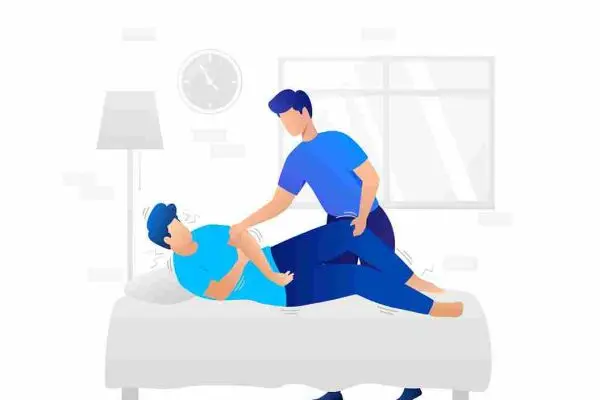
Epilepsy is a chronic neurological disease that can affect all age groups. It reflects a dysfunction in the central nervous system that results in recurrent, unprovoked episodes known as epileptic seizures. These occur because of excessive electrical charges released by brain cells from different areas, causing abnormal brain activity during a seizure. An epileptic seizure affects the human body by causing involuntary behaviors that may reach the point of loss of consciousness. The frequency of these seizures can range from once a year to several times a day.
Types of epileptic seizures and their symptoms:
1. Focal seizure.
This results from an electrical disturbance focused in only one part of the brain, or one hemisphere, and is classified into several types:
A. Simple focal seizure:
This occurs in a small area of the brain. The affected person does not lose consciousness and remains aware. A simple focal seizure lasts from the first appearance of signs, such as a change in muscle movement in the fingers or hand, for between 60 and 90 seconds. After the motor seizure ends, the person may show weakness for 15 to 30 minutes.Simple focal seizures are classified as:
Motor seizures (changes in muscle activity)
Sensory seizures (changes in one of the senses)
Autonomic seizures (changes in how certain organs function, such as the bladder and digestive system)
Psychic seizures (changes in thinking or feeling)
B. Complex focal seizure:
This usually begins in a small area and then spreads quickly to other regions of the brain, covering a larger area. A change or impairment in awareness occurs, meaning reduced awareness rather than its complete loss. The seizure lasts from 30 seconds to two minutes, but fatigue may continue for several hours afterward. Warning signs or an aura may occur at the beginning of the seizure and include unusual smells and tastes, auditory and visual disturbances, and an unclear sensation of fear and anxiety. Motor warning signs may include rubbing the fingers, biting the lips, chewing and swallowing, and sleepwalking.
2. Generalized seizure:
This results from an electrical disturbance affecting the whole brain or a large part of it, leading to impaired consciousness. Generalized seizures include grand mal seizures, the type people often picture when they first hear the word epilepsy. This seizure lasts from one to three minutes and has an active phase characterized by several symptoms.
Symptoms of a generalized epileptic seizure:
Rapid loss of consciousness.
The affected person falls to the ground.
Convulsions and muscle stiffness occur.
Sometimes crying or screaming occurs because a large amount of air in the lungs is expelled suddenly and forcefully, affecting the vocal cords and emerging as a scream. The face may also turn blue.
Can epilepsy be treated?
As mentioned earlier, epilepsy is classified as a chronic disease that cannot be cured completely. However, treatments are available that can reduce the severity of epileptic seizures and regulate their occurrence, thereby improving the affected person’s physical and psychological well-being. Below, we introduce some treatment methods for epilepsy:
Medication:Anti-seizure medications can reduce the severity and frequency of epileptic seizures. It is important to remember not to take any of these medicines without medical advice, because only your doctor can determine the type and dosage you need. Your doctor may initially prescribe a low dose and increase it gradually to control the severity of the seizures.
Surgical methods:Excessive electrical signals may be concentrated in a particular area of the brain. This may lead your doctor to decide to remove that area, provided it is not responsible for vital brain functions such as the senses. It should be noted that even when surgery is chosen, many doctors keep their patients on anti-seizure medications to help prevent epileptic seizures from occurring again.
Diet:This involves adopting a diet high in protein and low in carbohydrates, in addition to herbs that help reduce the severity of epileptic seizures, such as chamomile. It is preferable to avoid herbs containing caffeine, as it can activate and stimulate the brain to cause epileptic seizures. Whatever the form and nature of the diet, it must be followed consistently and monitored carefully to achieve effective results.
If someone around us has epilepsy, there are many things we should consider when dealing with them. The truth about their condition should not be kept from them, especially if the patient is a child or adolescent. Instead, the nature of the condition should be explained so they can deal with the symptoms of an epileptic seizure. The people around them should also be informed so they are not taken by surprise when a seizure occurs. It is important not to overprotect a person with epilepsy or hide them from others, as this can negatively affect their psychological well-being. We should also ensure that they take their medication at the prescribed times so that the symptoms of these seizures are not severe.
Download Tatmeen’s online psychological and family counseling app from the App Store or Google Play. You can also register on Tatmeen’s mental health website to access valuable information and practical tools for improving your psychological and family well-being.
Content writer and researcher at Tatmeen, working on Arabic and English articles across mental health and everyday life topics, including relationships, stress, work, habits, and family.
Every Tatmeen article is reviewed by care providers licensed by the Saudi Commission for Health Specialties, so what you read is accurate and trustworthy.
This article builds understanding and does not replace a licensed care provider.
In immediate danger?
If you or someone you know is in danger, call an ambulance on 997 or go to the nearest emergency department.
{"data":{"id":"0067caa1-6089-43af-8740-9bd9e9d82875","slug":"Epilepsy-Symptoms-Treatment","arTitle":"الصرع - أعراض و طرق العلاج و أنواع نوبات الصرع","enTitle":"Epilepsy: Symptoms, Treatment, and Seizure Types","thumbnailAltText":"One person kneels beside another lying on a sofa","estimatedReadingTime":5,"likesCount":919,"writer":{"id":"f49e2ee4-e68b-4e04-a40b-01d0b0195161","arBio":"كاتب وباحث محتوى في تطمين، يعمل على مقالات عربية وإنجليزية في موضوعات الصحة النفسية والحياة اليومية، مثل العلاقات، الضغوط، العمل، العادات، والأسرة.","enBio":"Content writer and researcher at Tatmeen, working on Arabic and English articles across mental health and everyday life topics, including relationships, stress, work, habits, and family.","user":{"slug":"sultan-almuhasin","arFullName":"سلطان المحيسن","enFullName":"Sultan Almuhasin","publicProfileImageUrl":"https://cdn.tatmeen.sa/public/profile-images/2494102f-7411-4dda-85b1-0c37a1031b3f/c9d25068aaa97c2c1f80123e2d6a27cc7b5a9b1df6a91493df9411b390a60279.webp","publicProfileImage96Url":"https://cdn.tatmeen.sa/public/profile-images/2494102f-7411-4dda-85b1-0c37a1031b3f/c9d25068aaa97c2c1f80123e2d6a27cc7b5a9b1df6a91493df9411b390a60279-w96.webp","publicProfileImage192Url":"https://cdn.tatmeen.sa/public/profile-images/2494102f-7411-4dda-85b1-0c37a1031b3f/c9d25068aaa97c2c1f80123e2d6a27cc7b5a9b1df6a91493df9411b390a60279-w192.webp"}},"arContent":"","enContent":"","productionDocument":{"headings":[{"id":"article-section-what-is-epilepsy","text":"What is epilepsy?"},{"id":"article-section-types-of-epileptic-seizures-and-their-symptoms","text":"Types of epileptic seizures and their symptoms:"},{"id":"article-section-can-epilepsy-be-treated","text":"Can epilepsy be treated?"}],"faqs":[],"beforeSourcesHtml":"","sources":[],"afterSourcesHtml":"","blocks":[{"type":"html","html":"<h2 class=\"ql-align-right ql-direction-rtl\" id=\"article-section-what-is-epilepsy\" data-toc-heading tabindex=\"-1\"><span id=\"what-is-epilepsy-1\" aria-hidden=\"true\"></span><strong>What is epilepsy?</strong></h2><p class=\"ql-align-right ql-direction-rtl\">Epilepsy is a chronic neurological disease that can affect all age groups. It reflects a dysfunction in the central nervous system that results in recurrent, unprovoked episodes known as epileptic seizures. These occur because of excessive electrical charges released by brain cells from different areas, causing abnormal brain activity during a seizure. An epileptic seizure affects the human body by causing involuntary behaviors that may reach the point of loss of consciousness. The frequency of these seizures can range from once a year to several times a day.</p><h2 class=\"ql-align-right ql-direction-rtl\" id=\"article-section-types-of-epileptic-seizures-and-their-symptoms\" data-toc-heading tabindex=\"-1\"><span id=\"types-of-epileptic-seizures-and-their-symptoms-2\" aria-hidden=\"true\"></span><strong>Types of epileptic seizures and their symptoms:</strong></h2><h3 class=\"ql-align-right ql-direction-rtl\"><strong>1. Focal seizure.</strong></h3><p class=\"ql-align-right ql-direction-rtl\">This results from an electrical disturbance focused in only one part of the brain, or one hemisphere, and is classified into several types:</p><p class=\"ql-align-right ql-direction-rtl\"><strong>A. Simple focal seizure:</strong></p><p class=\"ql-align-right ql-direction-rtl\">This occurs in a small area of the brain. The affected person does not lose consciousness and remains aware. A simple focal seizure lasts from the first appearance of signs, such as a change in muscle movement in the fingers or hand, for between 60 and 90 seconds. After the motor seizure ends, the person may show weakness for 15 to 30 minutes.<strong>Simple focal seizures are classified as:</strong></p><ul><li class=\"ql-align-right ql-direction-rtl\">Motor seizures (changes in muscle activity)</li><li class=\"ql-align-right ql-direction-rtl\">Sensory seizures (changes in one of the senses)</li><li class=\"ql-align-right ql-direction-rtl\">Autonomic seizures (changes in how certain organs function, such as the bladder and digestive system)</li><li class=\"ql-align-right ql-direction-rtl\">Psychic seizures (changes in thinking or feeling)</li></ul><p class=\"ql-align-right ql-direction-rtl\"><strong>B. Complex focal seizure:</strong></p><p class=\"ql-align-right ql-direction-rtl\">This usually begins in a small area and then spreads quickly to other regions of the brain, covering a larger area. A change or impairment in awareness occurs, meaning reduced awareness rather than its complete loss. The seizure lasts from 30 seconds to two minutes, but fatigue may continue for several hours afterward. Warning signs or an aura may occur at the beginning of the seizure and include unusual smells and tastes, auditory and visual disturbances, and an unclear sensation of fear and anxiety. Motor warning signs may include rubbing the fingers, biting the lips, chewing and swallowing, and sleepwalking.</p><h3 class=\"ql-align-right ql-direction-rtl\"><strong>2. Generalized seizure:</strong></h3><p class=\"ql-align-right ql-direction-rtl\">This results from an electrical disturbance affecting the whole brain or a large part of it, leading to impaired consciousness. Generalized seizures include grand mal seizures, the type people often picture when they first hear the word epilepsy. This seizure lasts from one to three minutes and has an active phase characterized by several symptoms.</p><p class=\"ql-align-right ql-direction-rtl\"><strong>Symptoms of a generalized epileptic seizure:</strong></p><ol><li class=\"ql-align-right ql-direction-rtl\">Rapid loss of consciousness.</li><li class=\"ql-align-right ql-direction-rtl\">The affected person falls to the ground.</li><li class=\"ql-align-right ql-direction-rtl\">Convulsions and muscle stiffness occur.</li><li class=\"ql-align-right ql-direction-rtl\">Sometimes crying or screaming occurs because a large amount of air in the lungs is expelled suddenly and forcefully, affecting the vocal cords and emerging as a scream. The face may also turn blue.</li></ol><h2 class=\"ql-align-right ql-direction-rtl\" id=\"article-section-can-epilepsy-be-treated\" data-toc-heading tabindex=\"-1\"><span id=\"can-epilepsy-be-treated-3\" aria-hidden=\"true\"></span><strong>Can epilepsy be treated?</strong></h2><p class=\"ql-align-right ql-direction-rtl\">As mentioned earlier, epilepsy is classified as a chronic disease that cannot be cured completely. However, treatments are available that can reduce the severity of epileptic seizures and regulate their occurrence, thereby improving the affected person’s physical and psychological well-being. Below, we introduce some treatment methods for epilepsy:</p><ol><li class=\"ql-align-right ql-direction-rtl\"><strong>Medication:</strong>Anti-seizure medications can reduce the severity and frequency of epileptic seizures. It is important to remember not to take any of these medicines without medical advice, because only your doctor can determine the type and dosage you need. Your doctor may initially prescribe a low dose and increase it gradually to control the severity of the seizures.</li><li class=\"ql-align-right ql-direction-rtl\"><strong>Surgical methods:</strong>Excessive electrical signals may be concentrated in a particular area of the brain. This may lead your doctor to decide to remove that area, provided it is not responsible for vital brain functions such as the senses. It should be noted that even when surgery is chosen, many doctors keep their patients on anti-seizure medications to help prevent epileptic seizures from occurring again.</li><li class=\"ql-align-right ql-direction-rtl\"><strong>Diet:</strong>This involves adopting a diet high in protein and low in carbohydrates, in addition to herbs that help reduce the severity of epileptic seizures, such as chamomile. It is preferable to avoid herbs containing caffeine, as it can activate and stimulate the brain to cause epileptic seizures. Whatever the form and nature of the diet, it must be followed consistently and monitored carefully to achieve effective results.</li></ol><p class=\"ql-align-right ql-direction-rtl\">If someone around us has epilepsy, there are many things we should consider when dealing with them. The truth about their condition should not be kept from them, especially if the patient is a child or adolescent. Instead, the nature of the condition should be explained so they can deal with the symptoms of an epileptic seizure. The people around them should also be informed so they are not taken by surprise when a seizure occurs. It is important not to overprotect a person with epilepsy or hide them from others, as this can negatively affect their psychological well-being. We should also ensure that they take their medication at the prescribed times so that the symptoms of these seizures are not severe.</p><p><br /></p><p class=\"ql-align-justify ql-direction-rtl\">Download Tatmeen’s online psychological and family counseling app from the App Store or Google Play. You can also register on Tatmeen’s mental health website to access valuable information and practical tools for improving your psychological and family well-being.</p><p><br /></p><p><br /></p>"}],"inlineCtaSignatures":[],"_experienceAliases":{"v":1,"fields":["html","bodyHtml"]}},"createdAt":"2024-01-07T21:00:00.000Z","updatedAt":"2026-08-11T04:45:02.303Z","disorderGroups":[{"id":"ebb11477-95c3-4773-ad1b-c53ca45cb6f7","slug":"general-health","arName":"صحة عامة","enName":"General Health"}],"reviewer":{"arFullName":"فريق تطمين","enFullName":"Tatmeen team","slug":"tatmeen-team","kind":"organization"},"productionArticle":true,"promotionAllowed":false,"preparedCover":{"src":"https://cdn.tatmeen.sa/public/article-lcp/article-lcp-v2/sha256-1643b77d9532d92044c36895f23d01c2c0bdc12ee2ca71de9408ad1b761fade8/600-1cc37549f8d2a91f606157f63c4516f34731d232d7f5f331408c25d0a1e7fe4a.avif","fallback":"https://cdn.tatmeen.sa/public/article-lcp/article-lcp-v2/sha256-1643b77d9532d92044c36895f23d01c2c0bdc12ee2ca71de9408ad1b761fade8/600-360f4a4382df5ca858f3a0c830a48e1e3704e2173b952cf1e325d3d91fcb46d3.webp","directUrl":"https://cdn.tatmeen.sa/blog-cover/1704729861674-Tatmeen-img-794","isGolden":true,"avifSrcset":"https://cdn.tatmeen.sa/public/article-lcp/article-lcp-v2/sha256-1643b77d9532d92044c36895f23d01c2c0bdc12ee2ca71de9408ad1b761fade8/400-04a0ec0924ad2ef3ea99dd3dbf0ef408ff607312e142ef7ddc3fe6506b7bdd60.avif 400w, https://cdn.tatmeen.sa/public/article-lcp/article-lcp-v2/sha256-1643b77d9532d92044c36895f23d01c2c0bdc12ee2ca71de9408ad1b761fade8/600-1cc37549f8d2a91f606157f63c4516f34731d232d7f5f331408c25d0a1e7fe4a.avif 600w","webpSrcset":"https://cdn.tatmeen.sa/public/article-lcp/article-lcp-v2/sha256-1643b77d9532d92044c36895f23d01c2c0bdc12ee2ca71de9408ad1b761fade8/400-9e8f104d791f82b7db9b2937723c6ac6fb2e483339b0a94b65797553733bb3d1.webp 400w, https://cdn.tatmeen.sa/public/article-lcp/article-lcp-v2/sha256-1643b77d9532d92044c36895f23d01c2c0bdc12ee2ca71de9408ad1b761fade8/600-360f4a4382df5ca858f3a0c830a48e1e3704e2173b952cf1e325d3d91fcb46d3.webp 600w","phoneAvifSrcset":"https://cdn.tatmeen.sa/public/article-lcp/article-lcp-v2/sha256-1643b77d9532d92044c36895f23d01c2c0bdc12ee2ca71de9408ad1b761fade8/400-04a0ec0924ad2ef3ea99dd3dbf0ef408ff607312e142ef7ddc3fe6506b7bdd60.avif 400w, https://cdn.tatmeen.sa/public/article-lcp/article-lcp-v2/sha256-1643b77d9532d92044c36895f23d01c2c0bdc12ee2ca71de9408ad1b761fade8/600-1cc37549f8d2a91f606157f63c4516f34731d232d7f5f331408c25d0a1e7fe4a.avif 600w","phoneWebpSrcset":"https://cdn.tatmeen.sa/public/article-lcp/article-lcp-v2/sha256-1643b77d9532d92044c36895f23d01c2c0bdc12ee2ca71de9408ad1b761fade8/400-9e8f104d791f82b7db9b2937723c6ac6fb2e483339b0a94b65797553733bb3d1.webp 400w, https://cdn.tatmeen.sa/public/article-lcp/article-lcp-v2/sha256-1643b77d9532d92044c36895f23d01c2c0bdc12ee2ca71de9408ad1b761fade8/600-360f4a4382df5ca858f3a0c830a48e1e3704e2173b952cf1e325d3d91fcb46d3.webp 600w","width":600,"height":400},"previewTaxonomy":{"groups":[{"id":"ebb11477-95c3-4773-ad1b-c53ca45cb6f7","slug":"general-health","arName":"صحة عامة","enName":"General Health"}],"topics":[],"tags":[{"id":"07738784-6495-42b7-819f-22706a2e5ad3","slug":"specialist-diagnosis","arName":"اختيار المختص والتشخيص","enName":"Choosing a Specialist & Diagnosis"},{"id":"c2a6e8d3-de9c-435f-8c95-9727e7db14cc","slug":"explainer-awareness","arName":"دليل توعوي / شرح","enName":"Explainer / Awareness Guide"}]},"previewProviderRecommendations":[],"previewCareProviders":[],"previewDownload":null,"previewRelatedArticles":[{"id":"2b4e16b1-c32f-4195-bb85-4101e7a9ffd6","slug":"why-cant-i-sleep-when-tired-not-insomnia","route":"/blog/why-cant-i-sleep-when-tired-not-insomnia/","title":{"ar":"لماذا لا أنام رغم أني متعب؟ (قد لا يكون أرقًا دائمًا)","en":"Why Can't I Sleep Even Though I'm Tired? (It May Not Always Be Insomnia)"},"image":"https://cdn.tatmeen.sa/public/article-lcp/article-lcp-v2/sha256-34274f8790b5c3273aab7476d7ff096d2c96eb7ce0563ccbd976abaa2b492fb5/800-8b58a977854117caf6248a2b55bea85da5046f768b91daa465eb01823d6ce54d.webp","directImageFallback":"https://cdn.tatmeen.sa/blog-cover/Tatmeen-1780418056339.webp","arThumbnailAltText":"a person who can't sleep at night from overthinking","thumbnailAltText":"a person who can't sleep at night from overthinking","topic":{"label":{"ar":"اضطرابات نفسية شائعة","en":"Common Mental Issues"}},"readingTimeMinutes":5},{"id":"e22de295-21b2-41ab-b5f8-65611dfa089e","slug":"colon-pain-mental-health-gut-brain-link","route":"/blog/colon-pain-mental-health-gut-brain-link/","title":{"ar":"آلام القولون والصحة النفسية: الرابط والخطوات العملية","en":"Colon Pain and Mental Health: The Link and Practical Steps"},"image":"https://cdn.tatmeen.sa/public/article-lcp/article-lcp-v2/sha256-46a598ac19bb7830f42bf4f7f18fc532ec7fc52d3c08f2bae8e43f3778994626/800-3b118563f203e04ad70eed32b0e2440a907129c8039b67a9727e611d2a60b6da.webp","directImageFallback":"https://cdn.tatmeen.sa/blog-cover/Tatmeen-1775447991057.webp","arThumbnailAltText":"Fluid abstract shapes of gut and brain connected by glowing threads in sage green and peach tones","thumbnailAltText":"Fluid abstract shapes of gut and brain connected by glowing threads in sage green and peach tones","topic":{"label":{"ar":"اضطرابات نفسية شائعة","en":"Common Mental Issues"}},"readingTimeMinutes":5},{"id":"6949ce01-cbba-4b86-bb2e-cae96b2fcd81","slug":"emotional-eating-after-iftar-ramadan","route":"/blog/emotional-eating-after-iftar-ramadan/","title":{"ar":"الأكل العاطفي بعد الإفطار في رمضان: فهم الدافع وحدود رحيمة","en":"Emotional Eating After Iftar in Ramadan: Understanding the Drive and Compassiona"},"image":"https://cdn.tatmeen.sa/public/article-lcp/article-lcp-v2/sha256-8352cca0c7a563ec19409248bb26f92b3fd960c9d388251b9659a7083748e3c1/800-dfe5cbe67bf146bb6bed0b74768c8fb99d5161384aa877e86824c4e48733cc3d.webp","directImageFallback":"https://cdn.tatmeen.sa/blog-cover/Tatmeen-1780506841790.webp","arThumbnailAltText":"a person sitting at a table at iftar time during ramadan representing emotional eating","thumbnailAltText":"a person sitting at a table at iftar time during ramadan representing emotional eating","topic":{"label":{"ar":"صحة عامة","en":"General Health"}},"readingTimeMinutes":5},{"id":"919b7e29-7583-4695-bd6b-0918b7f01ac8","slug":"food-mood-diet-affects-mental-health","route":"/blog/food-mood-diet-affects-mental-health/","title":{"ar":"الغذاء والمزاج: هل يؤثر ما تأكله على صحتك النفسية؟","en":"Food and Mood: Does What You Eat Affect Your Mental Health?"},"image":"https://cdn.tatmeen.sa/public/article-lcp/article-lcp-v2/sha256-21fc2daa7140ee0128f71e1bcc57ba4c7a4c5f848f993ee1f1390e8e85de185d/800-61d6768f461a2be90c18ec37e47b1a32e132224ad4020699310a0902e1658a90.webp","directImageFallback":"https://cdn.tatmeen.sa/blog-cover/Tatmeen-1778338646109.webp","arThumbnailAltText":"Colorful plate of fresh healthy food on a sunlit kitchen table with warm natural light","thumbnailAltText":"Colorful plate of fresh healthy food on a sunlit kitchen table with warm natural light","topic":{"label":{"ar":"صحة عامة","en":"General Health"}},"readingTimeMinutes":5}],"previewRelatedReadStates":{}},"locale":"en","device":"desktop","path":"/en/blog/Epilepsy-Symptoms-Treatment/","readingControls":false,"config":{"public":{"BUCKET_URL":"https://cdn.tatmeen.sa/","APP_BASE_URL":"https://tatmeen.sa","intercomAppId":"ppcnu9e3"}}}