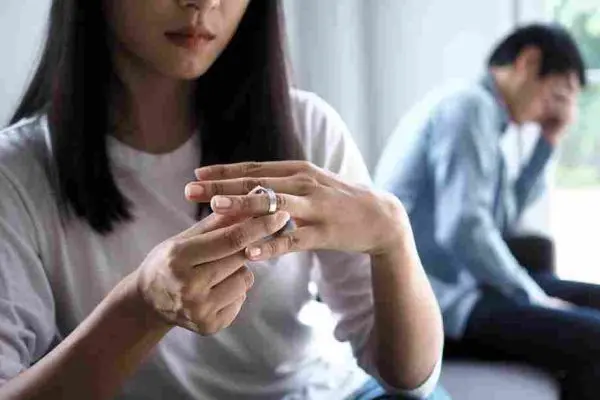
After betrayal, the pain is not only in the lie. It is in the way your sense of safety and your reading of what you lived through become unsettled. In this Tatmeen article, we explain why the impact of betrayal may remain inside even after it has come to light, how anger mixes with doubt and loss of trust, and why understanding what is happening matters more than any quick advice about staying or leaving.
The Trauma Does Not Stop at the Act of Betrayal
Betrayal does not shock you simply because someone lied. It shocks you because it disrupts the meaning you built around closeness with that person. Suddenly, the whole past comes under review: moments that once seemed ordinary, words you believed, signs you did not notice. That is what makes the pain go beyond anger into a deeper confusion: did I read things wrong? Can I trust my own judgment now? Even beautiful memories may become confusing, because you no longer know which parts were honest and which parts were built around concealment.
A qualitative study on romantic partner betrayal suggests that, for some people, this kind of betrayal can be understood as a traumatic relationship experience, not merely a passing emotional disappointment. That is why you may find yourself moving between crying spells, an urge to know every detail, and a cold sense of shock, as if the mind is trying to absorb what happened while the body has not caught up yet.
What Remains Stuck After the Truth Comes Out
After betrayal comes to light, your focus may no longer stay on the act itself. It may move toward anything that could reveal a new danger: a late message, a tone of voice, an ordinary delay, or a brief silence. Some people compulsively review the details, while others avoid them completely. Both can be attempts to regain control after something has shaken the sense of safety. This is why nights may become exhausting, mental replay may increase, and calming yourself may become difficult even when nothing new is happening.
Guidance sources such as NHS inform explain that reactions after trauma can include fear, sadness, confusion, and anger, and that restoring routine and receiving support from trusted people can help rebuild some sense of safety. When the trauma comes from someone close, you may feel irritable, numb, or torn between wanting closeness and fearing the harm could happen again. A small detail may begin to feel like a new threat.
Steps That Steady You Before Any Decision
What often exhausts you after betrayal is the pressure to make a quick decision: do I forgive or leave? Do I confront or stay silent? But healing does not begin with a large answer. It begins with stabilizing yourself first, so your decisions are not made from the peak of confusion. Before any final decision, you need to reduce internal alarm and bring some order back into your day.
Reduce the search for details that do not change the reality but keep you in a state of alert.
Name what you feel accurately: shock, anger, humiliation, fear, or grief.
Rebuild a simple routine for sleep, food, and movement, because an exhausted body amplifies emotional flooding.
Postpone life-changing decisions until the peak of emotion has settled.
These steps do not decide the future of the relationship. They prevent the trauma from speaking on your behalf. Healing does not move in a straight line; you may feel calmer one day and then feel another wave of anger the next. That does not mean you have returned to zero.
Rebuilding Trust Does Not Mean Returning Quickly
Rebuilding trust does not mean returning to the way things were before the betrayal. It means recovering your ability to see reality without denial. This trust may begin with yourself first: believing your distress, stopping the self-blame for not noticing earlier, and understanding that hesitation or confusion after shock does not erase your right to pain. Sometimes the hardest part after betrayal is doubting your own perception, not only doubting the other person.
That is why we point out at Tatmeen that repairing a relationship, if you choose to continue, cannot rely on reassuring promises alone. What truly restores safety is clear responsibility, consistent honesty over time, and space where the impact of what happened is acknowledged without minimizing it or turning the blame back on you. And if the relationship ends, that does not remove the need for healing. The wound does not automatically end when the bond ends. It needs time in which you can see yourself outside what broke you.
When Do You Need Professional Support?
If your whole day becomes monitoring what might happen again, or your sleep, appetite, and concentration are disrupted, or you begin to isolate yourself because you do not want to hear harsh advice from anyone, this is not exaggeration. If the pain begins to affect your work, your relationship with your children, or your sense of worth, psychological support can help you name what is happening instead of living inside it without understanding. Sometimes the people around you make the shock last longer because they rush you: forget, forgive, or leave immediately, while you are still only trying to believe what happened.
Seeking support does not mean someone will decide for you whether to stay or separate. The point is to find a safe space where you can see the impact of betrayal on your body, your boundaries, and your image of yourself, especially if you have been postponing speech because you fear being judged or because a question keeps chasing you: why did you stay, or why did you not leave from the beginning? In that moment, a licensed specialist becomes a way to understand the pain, not put it on trial.
Conclusion
Healing from betrayal trauma is not measured by how quickly you forget. It is measured by the return of safety, the calming of the body, and your ability to make a decision that is not dictated by trauma alone. If the pain keeps repeating itself in sleep, in suspicion, and in your relationship with yourself, downloading the Tatmeen app may be a practical step toward clearer understanding, without rushing or pressure.
Frequently Asked Questions
Is it normal to keep reviewing the details?
Yes. At first, the mind may try to collect details to recover a lost sense of control. But if daily checking increases anxiety instead of calming it, that is a sign the trauma may still be leading your day more than you realize.
Do I have to forgive in order to heal?
No. Healing is not the same as forgiveness, and it does not force a decision to stay or leave. What you need first is inner clarity and enough safety to decide from a steadier place, not from fear, pressure, or guilt.
Can I stay in the relationship and heal?
That may happen, but not through promises alone. A relationship that continues after betrayal needs clear responsibility, consistent honesty over time, and space where the impact of what happened is seen without denial or blame-shifting.
A writer and researcher specializing in psychiatry, she focuses on mental health and the human emotions we experience but cannot always find the words to name. She writes about us—about humanity and the human experience—and simplifies complex topics to offer content that helps us better understand ourselves and life, ultimately making us feel less alone.
Every Tatmeen article is reviewed by care providers licensed by the Saudi Commission for Health Specialties, so what you read is accurate and trustworthy.
This article builds understanding and does not replace a licensed care provider.
Need someone to talk to?
Tatmeen's licensed care providers are available around the clock, and the app's urgent consultation connects you with one within minutes.
Download Tatmeen to explore care providers and booking options.
Smart matchingFour quick questions suggest the right care provider
Urgent consultationTalk to an available care provider within minutes
Free psychological measuresMore than 20 tests to understand how you are doing
Scan to download
{"data":{"id":"41b32fd7-ec06-4707-8959-7c26beb85759","slug":"how-to-heal-from-betrayal-trauma","arTitle":"كيف نتشافى من صدمة الخيانة؟","enTitle":"How Do We Heal From Betrayal Trauma?","thumbnailAltText":"Person by window at sunset, warm light, quiet reflective mood, soft curtains and plants","estimatedReadingTime":5,"likesCount":83,"writer":{"id":"3ab72b74-f26f-4337-9b47-3114b0f90de5","arBio":"كاتبة وباحثة متخصصة في مجال الطب النفسي، تهتم بموضوعات الصحة النفسية وبالمشاعر الإنسانية التي نختبرها ولا نجد دائمًا الكلمات لتسميتها. تكتب عنّا؛ عن الإنسان وتجربته، وتبسّط الموضوعات المعقّدة لتقدّم محتوى يساعدنا على فهم ذواتنا والحياة أكثر، ويجعلنا نشعر بأننا بوحدة أقل.","enBio":"A writer and researcher specializing in psychiatry, she focuses on mental health and the human emotions we experience but cannot always find the words to name. She writes about us—about humanity and the human experience—and simplifies complex topics to offer content that helps us better understand ourselves and life, ultimately making us feel less alone.","user":{"slug":"ayat-alnajar","arFullName":"آيات النجار","enFullName":"Ayat Al-Najjar","publicProfileImageUrl":"https://cdn.tatmeen.sa/public/profile-images/02384455-68fa-40b6-ad05-609fde65cafa/21b9a610dde5dfc6d37af110c23e9c7ab3946be080c281beb000debf4f7d31a6.webp","publicProfileImage96Url":"https://cdn.tatmeen.sa/public/profile-images/02384455-68fa-40b6-ad05-609fde65cafa/21b9a610dde5dfc6d37af110c23e9c7ab3946be080c281beb000debf4f7d31a6-w96.webp","publicProfileImage192Url":"https://cdn.tatmeen.sa/public/profile-images/02384455-68fa-40b6-ad05-609fde65cafa/21b9a610dde5dfc6d37af110c23e9c7ab3946be080c281beb000debf4f7d31a6-w192.webp"}},"arContent":"","enContent":"","productionDocument":{"headings":[{"id":"article-section-the-trauma-does-not-stop-at-the-act-of-betrayal","text":"The Trauma Does Not Stop at the Act of Betrayal"},{"id":"article-section-what-remains-stuck-after-the-truth-comes-out","text":"What Remains Stuck After the Truth Comes Out"},{"id":"article-section-steps-that-steady-you-before-any-decision","text":"Steps That Steady You Before Any Decision"},{"id":"article-section-rebuilding-trust-does-not-mean-returning-quickly","text":"Rebuilding Trust Does Not Mean Returning Quickly"},{"id":"article-section-when-do-you-need-professional-support","text":"When Do You Need Professional Support?"},{"id":"article-section-conclusion","text":"Conclusion"}],"faqs":[{"question":"Is it normal to keep reviewing the details?","answer":"<p><span style=\"color:#000000\">Yes. At first, the mind may try to collect details to recover a lost sense of control. But if daily checking increases anxiety instead of calming it, that is a sign the trauma may still be leading your day more than you realize.</span></p>"},{"question":"Do I have to forgive in order to heal?","answer":"<p><span style=\"color:#000000\">No. Healing is not the same as forgiveness, and it does not force a decision to stay or leave. What you need first is inner clarity and enough safety to decide from a steadier place, not from fear, pressure, or guilt.</span></p>"},{"question":"Can I stay in the relationship and heal?","answer":"<p><span style=\"color:#000000\">That may happen, but not through promises alone. A relationship that continues after betrayal needs clear responsibility, consistent honesty over time, and space where the impact of what happened is seen without denial or blame-shifting.</span></p>"}],"beforeSourcesHtml":"","sources":[{"title":"Romantic Partner Betrayal as Traumatic Experience - PubMed","href":"https://pubmed.ncbi.nlm.nih.gov/32533575/","hostname":"pubmed.ncbi.nlm.nih.gov"},{"title":"Coping After a Traumatic Event - NHS inform","href":"https://www.nhsinform.scot/healthy-living/mental-wellbeing/dealing-with-traumatic-events/coping-after-a-traumatic-event/","hostname":"nhsinform.scot"},{"title":"Social Support and Betrayal Trauma - PMC","href":"https://pmc.ncbi.nlm.nih.gov/articles/PMC8075088/","hostname":"pmc.ncbi.nlm.nih.gov"},{"title":"Cumulative Trauma, Betrayal, and Trauma Symptoms - PMC","href":"https://pmc.ncbi.nlm.nih.gov/articles/PMC3608140/","hostname":"pmc.ncbi.nlm.nih.gov"}],"afterSourcesHtml":"","blocks":[{"type":"html","html":"<p><span style=\"color:#000000\">After betrayal, the pain is not only in the lie. It is in the way your sense of safety and your reading of what you lived through become unsettled. In this Tatmeen article, we explain why the impact of betrayal may remain inside even after it has come to light, how anger mixes with doubt and loss of trust, and why understanding what is happening matters more than any quick advice about staying or leaving.</span></p><h2 id=\"article-section-the-trauma-does-not-stop-at-the-act-of-betrayal\" data-toc-heading tabindex=\"-1\"><span id=\"the-trauma-does-not-stop-at-the-act-of-betrayal-1\" aria-hidden=\"true\"></span><span style=\"color:#000000\">The Trauma Does Not Stop at the Act of Betrayal</span></h2><p><span style=\"color:#000000\">Betrayal does not shock you simply because someone lied. It shocks you because it disrupts the meaning you built around closeness with that person. Suddenly, the whole past comes under review: moments that once seemed ordinary, words you believed, signs you did not notice. That is what makes the pain go beyond anger into a deeper confusion: did I read things wrong? Can I trust my own judgment now? Even beautiful memories may become confusing, because you no longer know which parts were honest and which parts were built around concealment.</span></p><p><span style=\"color:#000000\">A qualitative study on romantic partner betrayal suggests that, for some people, this kind of betrayal can be understood as a traumatic relationship experience, not merely a passing emotional disappointment. That is why you may find yourself moving between crying spells, an urge to know every detail, and a cold sense of shock, as if the mind is trying to absorb what happened while the body has not caught up yet.</span></p><h2 id=\"article-section-what-remains-stuck-after-the-truth-comes-out\" data-toc-heading tabindex=\"-1\"><span id=\"what-remains-stuck-after-the-truth-comes-out-2\" aria-hidden=\"true\"></span><span style=\"color:#000000\">What Remains Stuck After the Truth Comes Out</span></h2><p><span style=\"color:#000000\">After betrayal comes to light, your focus may no longer stay on the act itself. It may move toward anything that could reveal a new danger: a late message, a tone of voice, an ordinary delay, or a brief silence. Some people compulsively review the details, while others avoid them completely. Both can be attempts to regain control after something has shaken the sense of safety. This is why nights may become exhausting, mental replay may increase, and calming yourself may become difficult even when nothing new is happening.</span></p><p><span style=\"color:#000000\">Guidance sources such as NHS inform explain that reactions after trauma can include fear, sadness, confusion, and anger, and that restoring routine and receiving support from trusted people can help rebuild some sense of safety. When the trauma comes from someone close, you may feel irritable, numb, or torn between wanting closeness and fearing the harm could happen again. A small detail may begin to feel like a new threat.</span></p><h2 id=\"article-section-steps-that-steady-you-before-any-decision\" data-toc-heading tabindex=\"-1\"><span id=\"steps-that-steady-you-before-any-decision-3\" aria-hidden=\"true\"></span><span style=\"color:#000000\">Steps That Steady You Before Any Decision</span></h2><p><span style=\"color:#000000\">What often exhausts you after betrayal is the pressure to make a quick decision: do I forgive or leave? Do I confront or stay silent? But healing does not begin with a large answer. It begins with stabilizing yourself first, so your decisions are not made from the peak of confusion. Before any final decision, you need to reduce internal alarm and bring some order back into your day.</span></p><ul><li><p><span style=\"color:#000000\">Reduce the search for details that do not change the reality but keep you in a state of alert.</span></p></li><li><p><span style=\"color:#000000\">Name what you feel accurately: shock, anger, humiliation, fear, or grief.</span></p></li><li><p><span style=\"color:#000000\">Rebuild a simple routine for sleep, food, and movement, because an exhausted body amplifies emotional flooding.</span></p></li><li><p><span style=\"color:#000000\">Postpone life-changing decisions until the peak of emotion has settled.</span></p></li></ul><p><span style=\"color:#000000\">These steps do not decide the future of the relationship. They prevent the trauma from speaking on your behalf. Healing does not move in a straight line; you may feel calmer one day and then feel another wave of anger the next. That does not mean you have returned to zero.</span></p><h2 id=\"article-section-rebuilding-trust-does-not-mean-returning-quickly\" data-toc-heading tabindex=\"-1\"><span id=\"rebuilding-trust-does-not-mean-returning-quickly-4\" aria-hidden=\"true\"></span><span style=\"color:#000000\">Rebuilding Trust Does Not Mean Returning Quickly</span></h2><p><span style=\"color:#000000\">Rebuilding trust does not mean returning to the way things were before the betrayal. It means recovering your ability to see reality without denial. This trust may begin with yourself first: believing your distress, stopping the self-blame for not noticing earlier, and understanding that hesitation or confusion after shock does not erase your right to pain. Sometimes the hardest part after betrayal is doubting your own perception, not only doubting the other person.</span></p><p><span style=\"color:#000000\">That is why we point out at Tatmeen that repairing a relationship, if you choose to continue, cannot rely on reassuring promises alone. What truly restores safety is clear responsibility, consistent honesty over time, and space where the impact of what happened is acknowledged without minimizing it or turning the blame back on you. And if the relationship ends, that does not remove the need for healing. The wound does not automatically end when the bond ends. It needs time in which you can see yourself outside what broke you.</span></p><h2 id=\"article-section-when-do-you-need-professional-support\" data-toc-heading tabindex=\"-1\"><span id=\"when-do-you-need-professional-support-5\" aria-hidden=\"true\"></span><span style=\"color:#000000\">When Do You Need Professional Support?</span></h2><p><span style=\"color:#000000\">If your whole day becomes monitoring what might happen again, or your sleep, appetite, and concentration are disrupted, or you begin to isolate yourself because you do not want to hear harsh advice from anyone, this is not exaggeration. If the pain begins to affect your work, your relationship with your children, or your sense of worth, psychological support can help you name what is happening instead of living inside it without understanding. Sometimes the people around you make the shock last longer because they rush you: forget, forgive, or leave immediately, while you are still only trying to believe what happened.</span></p><p><span style=\"color:#000000\">Seeking support does not mean someone will decide for you whether to stay or separate. The point is to find a safe space where you can see the impact of betrayal on your body, your boundaries, and your image of yourself, especially if you have been postponing speech because you fear being judged or because a question keeps chasing you: why did you stay, or why did you not leave from the beginning? In that moment, a licensed specialist becomes a way to understand the pain, not put it on trial.</span></p><h2 id=\"article-section-conclusion\" data-toc-heading tabindex=\"-1\"><span id=\"conclusion-6\" aria-hidden=\"true\"></span><span style=\"color:#000000\">Conclusion</span></h2><p><span style=\"color:#000000\">Healing from betrayal trauma is not measured by how quickly you forget. It is measured by the return of safety, the calming of the body, and your ability to make a decision that is not dictated by trauma alone. If the pain keeps repeating itself in sleep, in suspicion, and in your relationship with yourself, downloading the Tatmeen app may be a practical step toward clearer understanding, without rushing or pressure.</span></p>"}],"inlineCtaSignatures":[],"_experienceAliases":{"v":1,"fields":["html","bodyHtml"],"faqs":[0,1,2]}},"createdAt":"2026-07-18T21:00:00.000Z","updatedAt":"2026-09-19T21:05:00.055Z","disorderGroups":[{"id":"01b1a587-3584-435b-971a-c40ffce29802","slug":"family-and-marital-relations","arName":"العلاقات الأسرية والزوجية","enName":"Family & Marital Relations"}],"reviewer":{"arFullName":"فريق تطمين","enFullName":"Tatmeen team","slug":"tatmeen-team","kind":"organization"},"productionArticle":true,"promotionAllowed":true,"preparedCover":{"src":"https://cdn.tatmeen.sa/public/article-lcp/article-lcp-v1/sha256-19e692eb08074bc0a9470ba1f59a38feb39ecf145ac4874e1f9eb29364def97a/800-18c840fde2db25f76bd00e4f390d0316c6da96787c1d44fe3fdf0ce52e1218b8.avif","fallback":"https://cdn.tatmeen.sa/public/article-lcp/article-lcp-v1/sha256-19e692eb08074bc0a9470ba1f59a38feb39ecf145ac4874e1f9eb29364def97a/800-fba07d679335499f533413b6d35af336977443fc64c8ee6fe371d005eb82d072.webp","directUrl":"https://cdn.tatmeen.sa/blog-cover/Tatmeen-1784478047569.webp","isGolden":true,"avifSrcset":"https://cdn.tatmeen.sa/public/article-lcp/article-lcp-v1/sha256-19e692eb08074bc0a9470ba1f59a38feb39ecf145ac4874e1f9eb29364def97a/400-f23d2d8aa43fc3d81d569e52779ebcaa74918d68cf5fad55621d9999506f2bbe.avif 400w, https://cdn.tatmeen.sa/public/article-lcp/article-lcp-v1/sha256-19e692eb08074bc0a9470ba1f59a38feb39ecf145ac4874e1f9eb29364def97a/640-7a9cfd3fbc123489c88e8078579e81abb2665161846e246ec56df5cafe8e5945.avif 640w, https://cdn.tatmeen.sa/public/article-lcp/article-lcp-v1/sha256-19e692eb08074bc0a9470ba1f59a38feb39ecf145ac4874e1f9eb29364def97a/800-18c840fde2db25f76bd00e4f390d0316c6da96787c1d44fe3fdf0ce52e1218b8.avif 800w, https://cdn.tatmeen.sa/public/article-lcp/article-lcp-v1/sha256-19e692eb08074bc0a9470ba1f59a38feb39ecf145ac4874e1f9eb29364def97a/1200-bfcdf3381903da69b403709904bb73615896bcd06a2db3d307503d0e84a551c4.avif 1200w","webpSrcset":"https://cdn.tatmeen.sa/public/article-lcp/article-lcp-v1/sha256-19e692eb08074bc0a9470ba1f59a38feb39ecf145ac4874e1f9eb29364def97a/400-20901a87048302cf957153a4cc76809624f38dd10e5b2c13634cf82fa6eeb885.webp 400w, https://cdn.tatmeen.sa/public/article-lcp/article-lcp-v1/sha256-19e692eb08074bc0a9470ba1f59a38feb39ecf145ac4874e1f9eb29364def97a/640-fca6a75db65bb9d26358735bffbeaad3e18b205f14cdd9761595c3744baab2de.webp 640w, https://cdn.tatmeen.sa/public/article-lcp/article-lcp-v1/sha256-19e692eb08074bc0a9470ba1f59a38feb39ecf145ac4874e1f9eb29364def97a/800-fba07d679335499f533413b6d35af336977443fc64c8ee6fe371d005eb82d072.webp 800w, https://cdn.tatmeen.sa/public/article-lcp/article-lcp-v1/sha256-19e692eb08074bc0a9470ba1f59a38feb39ecf145ac4874e1f9eb29364def97a/1200-5037f2e99430daa334db6c1bb7c848ea3041de90ed79b55ddb2532c1dd9cca14.webp 1200w","phoneAvifSrcset":"https://cdn.tatmeen.sa/public/article-lcp/article-lcp-v1/sha256-19e692eb08074bc0a9470ba1f59a38feb39ecf145ac4874e1f9eb29364def97a/400-f23d2d8aa43fc3d81d569e52779ebcaa74918d68cf5fad55621d9999506f2bbe.avif 400w, https://cdn.tatmeen.sa/public/article-lcp/article-lcp-v1/sha256-19e692eb08074bc0a9470ba1f59a38feb39ecf145ac4874e1f9eb29364def97a/640-7a9cfd3fbc123489c88e8078579e81abb2665161846e246ec56df5cafe8e5945.avif 640w, https://cdn.tatmeen.sa/public/article-lcp/article-lcp-v1/sha256-19e692eb08074bc0a9470ba1f59a38feb39ecf145ac4874e1f9eb29364def97a/800-18c840fde2db25f76bd00e4f390d0316c6da96787c1d44fe3fdf0ce52e1218b8.avif 800w","phoneWebpSrcset":"https://cdn.tatmeen.sa/public/article-lcp/article-lcp-v1/sha256-19e692eb08074bc0a9470ba1f59a38feb39ecf145ac4874e1f9eb29364def97a/400-20901a87048302cf957153a4cc76809624f38dd10e5b2c13634cf82fa6eeb885.webp 400w, https://cdn.tatmeen.sa/public/article-lcp/article-lcp-v1/sha256-19e692eb08074bc0a9470ba1f59a38feb39ecf145ac4874e1f9eb29364def97a/640-fca6a75db65bb9d26358735bffbeaad3e18b205f14cdd9761595c3744baab2de.webp 640w, https://cdn.tatmeen.sa/public/article-lcp/article-lcp-v1/sha256-19e692eb08074bc0a9470ba1f59a38feb39ecf145ac4874e1f9eb29364def97a/800-fba07d679335499f533413b6d35af336977443fc64c8ee6fe371d005eb82d072.webp 800w","width":800,"height":450},"previewTaxonomy":{"groups":[{"id":"01b1a587-3584-435b-971a-c40ffce29802","slug":"family-and-marital-relations","arName":"العلاقات الأسرية والزوجية","enName":"Family & Marital Relations"}],"topics":[{"id":"f5022fba-408f-4be7-bd6d-7ad0a98fa832","slug":"infidelity","arName":"خيانة زوجية","enName":"Infidelity","groupSlug":"family-and-marital-relations","href":"/blog/category/family-and-marital-relations/infidelity/"}],"tags":[]},"previewProviderRecommendations":[{"id":"88c2def6-197e-422e-8a2d-4a9a7f9c65e3","slug":"riaydh-almalki-8844","arFullName":"رياض المالكي","enFullName":"Riaydh Almalki","publicProfileImageUrl":"https://cdn.tatmeen.sa/public/profile-images/88c2def6-197e-422e-8a2d-4a9a7f9c65e3/52289ca22f8c6c3aa086d10d78c0a7a93b50887333e87e08397bbfa65be007e0.webp","publicProfileImage96Url":"https://cdn.tatmeen.sa/public/profile-images/88c2def6-197e-422e-8a2d-4a9a7f9c65e3/52289ca22f8c6c3aa086d10d78c0a7a93b50887333e87e08397bbfa65be007e0-w96.webp","publicProfileImage192Url":"https://cdn.tatmeen.sa/public/profile-images/88c2def6-197e-422e-8a2d-4a9a7f9c65e3/52289ca22f8c6c3aa086d10d78c0a7a93b50887333e87e08397bbfa65be007e0-w192.webp","specialization":{"arName":"أخصائي نفسي","enName":"Psychologist"},"profileImageUrl":"https://cdn.tatmeen.sa/public/profile-images/88c2def6-197e-422e-8a2d-4a9a7f9c65e3/52289ca22f8c6c3aa086d10d78c0a7a93b50887333e87e08397bbfa65be007e0-w192.webp","experienceYears":5,"consultantInfo":{"averageRating":{"average":0},"specialization":{"arGeneralName":"أخصائي نفسي","enGeneralName":"Psychologist"}}},{"id":"e8612105-064a-4ac1-9851-b14e644e0672","slug":"razan-aba-alkhail-1756","arFullName":"رزان أبا الخيل","enFullName":"Razan Aba Alkhail","publicProfileImageUrl":"","publicProfileImage96Url":"","publicProfileImage192Url":"","specialization":{"arName":"أخصائي نفسي","enName":"Psychologist"},"profileImageUrl":"","experienceYears":7,"consultantInfo":{"averageRating":{"average":5},"specialization":{"arGeneralName":"أخصائي نفسي","enGeneralName":"Psychologist"}}},{"id":"3b50a5d5-e795-407f-8676-fd7f0e1bb7a0","slug":"abdulaziz-bin-hudayan-4940","arFullName":"عبدالعزيز بن هديان","enFullName":"Abdulaziz Bin Hudayan","publicProfileImageUrl":"https://cdn.tatmeen.sa/public/profile-images/3b50a5d5-e795-407f-8676-fd7f0e1bb7a0/710ff0fe1fb00cdb5042092e27b7910b480a439b02251ecded62d7758eefce95.webp","publicProfileImage96Url":"https://cdn.tatmeen.sa/public/profile-images/3b50a5d5-e795-407f-8676-fd7f0e1bb7a0/710ff0fe1fb00cdb5042092e27b7910b480a439b02251ecded62d7758eefce95-w96.webp","publicProfileImage192Url":"https://cdn.tatmeen.sa/public/profile-images/3b50a5d5-e795-407f-8676-fd7f0e1bb7a0/710ff0fe1fb00cdb5042092e27b7910b480a439b02251ecded62d7758eefce95-w192.webp","specialization":{"arName":"أخصائي نفسي","enName":"Psychologist"},"profileImageUrl":"https://cdn.tatmeen.sa/public/profile-images/3b50a5d5-e795-407f-8676-fd7f0e1bb7a0/710ff0fe1fb00cdb5042092e27b7910b480a439b02251ecded62d7758eefce95-w192.webp","experienceYears":35,"consultantInfo":{"averageRating":{"average":4},"specialization":{"arGeneralName":"أخصائي نفسي","enGeneralName":"Psychologist"}}}],"previewCareProviders":[{"id":"09364052-c2a9-4c52-9717-7ce2093b8d0a","slug":"kholoud-alharbi-5221","arFullName":"خلود الحربي","enFullName":"Kholoud Alharbi","publicProfileImageUrl":"https://cdn.tatmeen.sa/public/profile-images/09364052-c2a9-4c52-9717-7ce2093b8d0a/4a0aeb81619e351b77f4323e3605a0a00acc7ca3c82ee7cc5ca2c9e8ef716049.webp","publicProfileImage96Url":"https://cdn.tatmeen.sa/public/profile-images/09364052-c2a9-4c52-9717-7ce2093b8d0a/4a0aeb81619e351b77f4323e3605a0a00acc7ca3c82ee7cc5ca2c9e8ef716049-w96.webp","publicProfileImage192Url":"https://cdn.tatmeen.sa/public/profile-images/09364052-c2a9-4c52-9717-7ce2093b8d0a/4a0aeb81619e351b77f4323e3605a0a00acc7ca3c82ee7cc5ca2c9e8ef716049-w192.webp","gender":"FEMALE","specialization":{"arName":"أخصائي نفسي","enName":"Psychologist"}},{"id":"6f037535-1dca-4b50-a8b2-5974b7323286","slug":"salah-althobaiti-9053","arFullName":"صلاح الثبيتي","enFullName":"Salah Althobaiti","publicProfileImageUrl":"https://cdn.tatmeen.sa/public/profile-images/6f037535-1dca-4b50-a8b2-5974b7323286/35b6bd7fad9b1e004c1835803eb9c1b56dcacd380685ec8bff141f0fb888005c.webp","publicProfileImage96Url":"https://cdn.tatmeen.sa/public/profile-images/6f037535-1dca-4b50-a8b2-5974b7323286/35b6bd7fad9b1e004c1835803eb9c1b56dcacd380685ec8bff141f0fb888005c-w96.webp","publicProfileImage192Url":"https://cdn.tatmeen.sa/public/profile-images/6f037535-1dca-4b50-a8b2-5974b7323286/35b6bd7fad9b1e004c1835803eb9c1b56dcacd380685ec8bff141f0fb888005c-w192.webp","gender":"MALE","specialization":{"arName":"أخصائي نفسي","enName":"Psychologist"}},{"id":"3cc806e8-616b-4884-9f21-a75b378580a2","slug":"aisha-al-hashim-8667","arFullName":"عائشة ال هاشم","enFullName":"Aisha Al Hashim","publicProfileImageUrl":"https://cdn.tatmeen.sa/public/profile-images/3cc806e8-616b-4884-9f21-a75b378580a2/27f523d03be4dcfa1f6a79f70c1773887434e698990d214cd990caec56a44798.webp","publicProfileImage96Url":"https://cdn.tatmeen.sa/public/profile-images/3cc806e8-616b-4884-9f21-a75b378580a2/27f523d03be4dcfa1f6a79f70c1773887434e698990d214cd990caec56a44798-w96.webp","publicProfileImage192Url":"https://cdn.tatmeen.sa/public/profile-images/3cc806e8-616b-4884-9f21-a75b378580a2/27f523d03be4dcfa1f6a79f70c1773887434e698990d214cd990caec56a44798-w192.webp","gender":"FEMALE","specialization":{"arName":"أخصائي نفسي","enName":"Psychologist"}},{"id":"db2ce1a0-9325-4471-b7ce-eb2e811c30a3","slug":"amer-qutub-2441","arFullName":"عامر قطب","enFullName":"Amer Qutub","publicProfileImageUrl":"https://cdn.tatmeen.sa/public/profile-images/db2ce1a0-9325-4471-b7ce-eb2e811c30a3/80580f99bfd7fe2b2a9cf8eed73ab532f5086d1efe053b0aa57358c1ce004261.webp","publicProfileImage96Url":"https://cdn.tatmeen.sa/public/profile-images/db2ce1a0-9325-4471-b7ce-eb2e811c30a3/80580f99bfd7fe2b2a9cf8eed73ab532f5086d1efe053b0aa57358c1ce004261-w96.webp","publicProfileImage192Url":"https://cdn.tatmeen.sa/public/profile-images/db2ce1a0-9325-4471-b7ce-eb2e811c30a3/80580f99bfd7fe2b2a9cf8eed73ab532f5086d1efe053b0aa57358c1ce004261-w192.webp","gender":"MALE","specialization":{"arName":"أخصائي نفسي","enName":"Psychologist"}},{"id":"94765496-dbdf-4631-a01b-7df5f788668d","slug":"abdullrahman-alhamoudi-3045","arFullName":"عبدالرحمن الحمودي","enFullName":"Abdulrahman Alhamoudi","publicProfileImageUrl":"https://cdn.tatmeen.sa/public/profile-images/94765496-dbdf-4631-a01b-7df5f788668d/2d49f6b6493c564afb6f50b6c3634231dff3a5cf8353acfab393d1b2a88037d1.webp","publicProfileImage96Url":"https://cdn.tatmeen.sa/public/profile-images/94765496-dbdf-4631-a01b-7df5f788668d/2d49f6b6493c564afb6f50b6c3634231dff3a5cf8353acfab393d1b2a88037d1-w96.webp","publicProfileImage192Url":"https://cdn.tatmeen.sa/public/profile-images/94765496-dbdf-4631-a01b-7df5f788668d/2d49f6b6493c564afb6f50b6c3634231dff3a5cf8353acfab393d1b2a88037d1-w192.webp","gender":"MALE","specialization":{"arName":"أخصائي نفسي","enName":"Psychologist"}},{"id":"618dba89-5b70-4b46-8304-741b7ac8ecd3","slug":"abdullah-mari-1311","arFullName":"عبدالله مرعي","enFullName":"Abdullah Mari","publicProfileImageUrl":"https://cdn.tatmeen.sa/public/profile-images/618dba89-5b70-4b46-8304-741b7ac8ecd3/6b4a3bfb59f8a304ca79083b32859b46baad2e1d692974a47c02c1f66bd11129.webp","publicProfileImage96Url":"https://cdn.tatmeen.sa/public/profile-images/618dba89-5b70-4b46-8304-741b7ac8ecd3/6b4a3bfb59f8a304ca79083b32859b46baad2e1d692974a47c02c1f66bd11129-w96.webp","publicProfileImage192Url":"https://cdn.tatmeen.sa/public/profile-images/618dba89-5b70-4b46-8304-741b7ac8ecd3/6b4a3bfb59f8a304ca79083b32859b46baad2e1d692974a47c02c1f66bd11129-w192.webp","gender":"MALE","specialization":{"arName":"أخصائي نفسي","enName":"Psychologist"}},{"id":"d8fb937b-ad65-4b6f-a65b-276ad8258fed","slug":"azza-alharbi-7286","arFullName":"عزه الحربي","enFullName":"Azza Alharbi","publicProfileImageUrl":"https://cdn.tatmeen.sa/public/profile-images/d8fb937b-ad65-4b6f-a65b-276ad8258fed/378a8ab30f4087833263c41fb2c3102028cbe6bb9655172d7b3439ee1d6b0800.webp","publicProfileImage96Url":"https://cdn.tatmeen.sa/public/profile-images/d8fb937b-ad65-4b6f-a65b-276ad8258fed/378a8ab30f4087833263c41fb2c3102028cbe6bb9655172d7b3439ee1d6b0800-w96.webp","publicProfileImage192Url":"https://cdn.tatmeen.sa/public/profile-images/d8fb937b-ad65-4b6f-a65b-276ad8258fed/378a8ab30f4087833263c41fb2c3102028cbe6bb9655172d7b3439ee1d6b0800-w192.webp","gender":"FEMALE","specialization":{"arName":"أخصائي نفسي","enName":"Psychologist"}}],"previewDownload":{"href":"/download","title":{"ar":"خطوة واحدة لأجلك، ابدأ الآن","en":"One step for you, start now"},"description":{"ar":"حمّل تطبيق تطمين لاستكشاف مقدمي الرعاية وخيارات الحجز.","en":"Download Tatmeen to explore care providers and booking options."},"posterSrc":"/images/home/cta-ar-new-1.webp","videoSrc":"/images/home/cta-ar-new-1.mp4","videoPosterSrc":"/images/home/cta-ar-new-1.webp","videoPosterEnSrc":"/images/home/cta-en-new-1.webp","videoType":"video/mp4","appStoreHref":"https://apps.apple.com/us/app/tatmeen-%D8%AA%D8%B7%D9%85%D9%8A%D9%86/id6473836983","googlePlayHref":"https://play.google.com/store/apps/details?id=com.TatmeenApp.user&hl=en"},"previewRelatedArticles":[{"id":"af1be781-da0c-4125-970c-ac048ac8cac0","slug":"How-to-treat-oneself-from-the-shock-of-betrayal","route":"/blog/How-to-treat-oneself-from-the-shock-of-betrayal/","title":{"ar":"كيف أعالج نفسي من صدمة الخيانة؟","en":"How Do I Heal From the Shock of Betrayal?"},"image":"https://cdn.tatmeen.sa/public/article-lcp/article-lcp-v2/sha256-65a1840d02a9ea3cde041fcbc73bff7d917d4e00b1ce14b666fd34205d921aef/600-fafe07cbc848ca6dbd1a7867e524459e800b623e1589a79e3594eaccf46fcdb8.webp","directImageFallback":"https://cdn.tatmeen.sa/blog-cover/1704823041189-Tatmeen-img-796","arThumbnailAltText":"Person removes a ring while another sits blurred in the background","thumbnailAltText":"Person removes a ring while another sits blurred in the background","topic":{"label":{"ar":"العلاقات الأسرية والزوجية","en":"Family & Marital Relations"}},"readingTimeMinutes":5},{"id":"e12c6363-ce03-4765-8033-f7e57fe68141","slug":"Marital-infidelity-causes-and-proper-handling","route":"/blog/Marital-infidelity-causes-and-proper-handling/","title":{"ar":"أسباب الخيانة الزوجية وما هو التصرف الصحيح للتعامل معها؟","en":"Marital Infidelity: Causes and How to Respond"},"image":"https://cdn.tatmeen.sa/public/article-lcp/article-lcp-v2/sha256-26a8e7c2d567728f37ab8ad86bb446c17980f877425a70c85f8575d48ebcdac4/599-e8833a407372587f25d37523c16d0d69e93ad94a222019bd9fb76e27c86ea4ee.webp","directImageFallback":"https://cdn.tatmeen.sa/blog-cover/1706456031375-Tatmeen-73.jpg","arThumbnailAltText":"Two adults lie in bed as one watches the other use a phone","thumbnailAltText":"Two adults lie in bed as one watches the other use a phone","topic":{"label":{"ar":"العلاقات الأسرية والزوجية","en":"Family & Marital Relations"}},"readingTimeMinutes":5},{"id":"af446440-9f52-4edc-815c-3bc0ccc9f4dc","slug":"betrayal-trauma-inner-safety","route":"/blog/betrayal-trauma-inner-safety/","title":{"ar":"صدمة الخيانة: كيف تتجاوز الألم وتبني أمانك الداخلي","en":"Betrayal Trauma: How to Move Through the Pain and Build Your Inner Safety"},"image":"https://cdn.tatmeen.sa/public/article-lcp/article-lcp-v2/sha256-302e2dbc85daa69482f3a60396df28e32e4c7449aad7731af317aec9f199339c/800-a6cc03d86955435e4970b1230345fb9153902e2907379be8ebe8125df2008b5f.webp","directImageFallback":"https://cdn.tatmeen.sa/blog-cover/Tatmeen-1779981555125.webp","arThumbnailAltText":"a person sitting at home trying to heal from the trauma of betrayal","thumbnailAltText":"a person sitting at home trying to heal from the trauma of betrayal","topic":{"label":{"ar":"اضطرابات نفسية شائعة","en":"Common Mental Issues"}},"readingTimeMinutes":5},{"id":"683eef64-b4f9-43a3-8e56-96c5c9fc38c6","slug":"fear-of-intimacy-emotional-closeness-impossible","route":"/blog/fear-of-intimacy-emotional-closeness-impossible/","title":{"ar":"الخوف من الحميمية: لماذا يبدو الاقتراب العاطفي مستحيلًا؟","en":"Fear of Intimacy: Why Does Emotional Closeness Feel Impossible?"},"image":"https://cdn.tatmeen.sa/public/article-lcp/article-lcp-v2/sha256-eac35e5dd4c5b499315543627627739b1cf39f90ab3b5ed155147e522e85e26c/800-2a1540e31bd1efccf2edd72216a00c1235a5c7e3dea695fe4038151b7c3cd285.webp","directImageFallback":"https://cdn.tatmeen.sa/blog-cover/Tatmeen-1775854841974.webp","arThumbnailAltText":"alt image draft","thumbnailAltText":"alt image draft","topic":{"label":{"ar":"اضطرابات نفسية شائعة","en":"Common Mental Issues"}},"readingTimeMinutes":5}],"previewRelatedReadStates":{}},"locale":"en","device":"desktop","path":"/en/blog/how-to-heal-from-betrayal-trauma/","readingControls":false,"config":{"public":{"BUCKET_URL":"https://cdn.tatmeen.sa/","APP_BASE_URL":"https://tatmeen.sa","intercomAppId":"ppcnu9e3"}}}