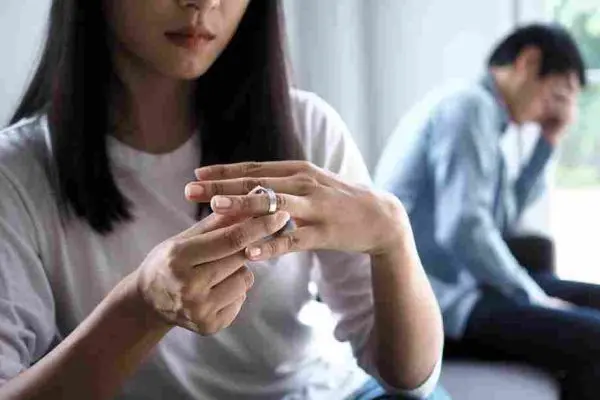
Betrayal does not only break trust. It can shake your entire sense of safety. Suddenly, you may find yourself replaying details over and over, searching for signs you missed, and moving between anger, grief, denial, and the need to understand what happened. After betrayal, even simple things can feel harder: sleeping, concentrating, speaking with people, or even feeling present in your own day. This is not because you are weak, but because your mind is trying to absorb a shock it was not prepared for. In this article from Tatmeen, we explain how to understand betrayal trauma without rushing or being harsh with yourself, what can help you heal gradually, and how trust can begin to return, first in yourself and then, step by step, in others.
When the Sense of Safety Collapses
The trauma does not come only from the act itself, but from the collapse of the story you had been building your days on: trust, clarity, and the simple assumption that what you were told resembled the truth. That is why you may find yourself rereading messages, revisiting old moments, or feeling as if the ground moved beneath you even while you are trying to appear composed in front of others. The pain may increase when you have to hide what happened from some people close to you so you do not hear quick judgments or pressure toward a decision you are not ready for yet.
Research notes that betrayal may be associated with trauma, grief, anger, self-doubt, and damaged self-esteem. This helps explain why the harm can feel bigger than a simple mistake in other people's eyes. What broke was not one incident only, but your basic sense of safety with someone you trusted.
The Body and Mind May Stay on Alert
After betrayal, the mind does not always behave calmly. You may wake up to racing thoughts, enter loops of comparison and questions, or feel that you are monitoring every small detail out of fear of another surprise. Some people notice a swing between emotional eruption and numbness, as if feelings switch on and then suddenly shut down, while the body stays tense as though it is waiting for another danger.
The National Institute of Mental Health explains that responses after trauma may include anxiety, anger, difficulty sleeping and concentrating, and continually thinking about what happened, and that seeking support becomes important when symptoms begin to interfere with daily life. This does not mean that everyone who has been betrayed has a mental disorder. It means that what you are experiencing may be a deep response to a shock that disrupted your sense of trust and control.
Healing Does Not Begin With the Biggest Decision
In the first days, many people pressure themselves to decide everything quickly: Should I stay? Should I leave? Should I tell the family? Should I confront every detail now? But calm healing often begins with restoring balance before making heavy decisions. When you are exhausted and reactive, life-changing steps can turn into a painful reaction instead of a clear choice.
What helps more at this stage is anything that gives you back some inner ground:
Regulate sleep and meals as much as possible, even in small ways.
Reduce interrogating yourself throughout the day, especially late at night.
Choose one trusted person to confide in instead of opening the wound in front of everyone.
Delay life-changing decisions if you are at the peak of emotional intensity.
These steps do not erase the pain, but they keep the shock from swallowing your whole day. Every small amount of steadiness you regain now can later help you see the picture with less reactivity and more honesty with yourself.
Restoring Trust Begins With Yourself
One of the most confusing effects after betrayal is that you may lose trust in your own sense of judgment: How did I not notice? Why did I believe? Did I ignore clear signs? This question can become constant self-punishment, as if the problem were your kindness or your desire to feel safe. But restoring trust does not begin only by watching the other person. It begins by giving weight again to your intuition, your boundaries, and your ability to name clearly what hurts you.
This is why we emphasize at Tatmeen that restoring trust does not mean quick forgiveness, and it also does not mean living in constant investigation. If the relationship continues, new trust needs repeated honesty, clear responsibility, and a real end to evasion and blame-shifting. If the relationship ends, restoring trust does not mean becoming less sensitive. It means knowing later what you will not accept again, and which signs you will take seriously from the beginning.
When Specialized Support Becomes Important
Sometimes the shock gradually settles. Other times, it keeps holding your day so tightly that it interferes with sleep, work, or taking care of yourself as you need to. If you become stuck reviewing details, begin withdrawing from people you love, feel your body in constant tension, or find that quiet moments turn into a flood of images and questions, these are not small things to ignore. The burden may grow heavier when you hide what happened out of fear of family interference or people's judgment, leaving the pain locked inside without a safe space for understanding.
Specialized support here does not give you a ready-made decision in your place. It helps you organize your feelings, separate facts from reactivity, and deal with anger, guilt, and fear without letting one of them consume the rest of your life. Sometimes the most important thing a specialist offers is that you no longer have to carry the story alone, and that you find clearer language for what happened and calmer boundaries for what comes next.
Finally
Betrayal trauma can leave more chaos inside you than the event itself, but healing does not ask you to hold yourself together immediately or to trust quickly. This wound usually needs understandable time, clearer boundaries, and a safe space to organize what happened without cruelty toward yourself. If you have been hesitating for too long, booking a session with Tatmeen today may help.
Frequently Asked Questions
Do I have to forgive in order to heal?
No. Healing does not require forgiveness. It requires that you stop ignoring the effect that what happened has had on you. Some people choose forgiveness and others do not, but the important thing is for the decision to come from awareness and calm, not from pressure or fear.
Is losing trust after betrayal normal?
Yes, and it often does not stop with the partner. It may include trust in your own judgment, in the signs you missed, and in your ability to feel safe again. That is why rebuilding needs to be gradual, not based on quick promises or denial of what happened.
Do I have to decide immediately whether to stay or leave?
Not always. At the peak of shock, the mind is usually occupied with survival more than balanced thinking. Take enough time to regain calm, understand your boundaries and what you need, then move toward the decision with more clarity and less reactivity.
A writer and researcher specializing in psychiatry, she focuses on mental health and the human emotions we experience but cannot always find the words to name. She writes about us—about humanity and the human experience—and simplifies complex topics to offer content that helps us better understand ourselves and life, ultimately making us feel less alone.
Every Tatmeen article is reviewed by care providers licensed by the Saudi Commission for Health Specialties, so what you read is accurate and trustworthy.
This article builds understanding and does not replace a licensed care provider.
Need someone to talk to?
Tatmeen's licensed care providers are available around the clock, and the app's urgent consultation connects you with one within minutes.
Download Tatmeen to explore care providers and booking options.
Smart matchingFour quick questions suggest the right care provider
Urgent consultationTalk to an available care provider within minutes
Free psychological measuresMore than 20 tests to understand how you are doing
Scan to download
{"data":{"id":"d6964dd1-98a7-4985-9209-6e25c14fe177","slug":"betrayal-trauma-healing-restoring-trust","arTitle":"صدمة الخيانة: التعافي بهدوء واستعادة الثقة","enTitle":"Betrayal Trauma: Healing Calmly and Restoring Trust","thumbnailAltText":"Woman sitting by window at sunset, softly lit, reflecting in quiet solitude","estimatedReadingTime":5,"likesCount":139,"writer":{"id":"3ab72b74-f26f-4337-9b47-3114b0f90de5","arBio":"كاتبة وباحثة متخصصة في مجال الطب النفسي، تهتم بموضوعات الصحة النفسية وبالمشاعر الإنسانية التي نختبرها ولا نجد دائمًا الكلمات لتسميتها. تكتب عنّا؛ عن الإنسان وتجربته، وتبسّط الموضوعات المعقّدة لتقدّم محتوى يساعدنا على فهم ذواتنا والحياة أكثر، ويجعلنا نشعر بأننا بوحدة أقل.","enBio":"A writer and researcher specializing in psychiatry, she focuses on mental health and the human emotions we experience but cannot always find the words to name. She writes about us—about humanity and the human experience—and simplifies complex topics to offer content that helps us better understand ourselves and life, ultimately making us feel less alone.","user":{"slug":"ayat-alnajar","arFullName":"آيات النجار","enFullName":"Ayat Al-Najjar","publicProfileImageUrl":"https://cdn.tatmeen.sa/public/profile-images/02384455-68fa-40b6-ad05-609fde65cafa/21b9a610dde5dfc6d37af110c23e9c7ab3946be080c281beb000debf4f7d31a6.webp","publicProfileImage96Url":"https://cdn.tatmeen.sa/public/profile-images/02384455-68fa-40b6-ad05-609fde65cafa/21b9a610dde5dfc6d37af110c23e9c7ab3946be080c281beb000debf4f7d31a6-w96.webp","publicProfileImage192Url":"https://cdn.tatmeen.sa/public/profile-images/02384455-68fa-40b6-ad05-609fde65cafa/21b9a610dde5dfc6d37af110c23e9c7ab3946be080c281beb000debf4f7d31a6-w192.webp"}},"arContent":"","enContent":"","productionDocument":{"headings":[{"id":"article-section-when-the-sense-of-safety-collapses","text":"When the Sense of Safety Collapses"},{"id":"article-section-the-body-and-mind-may-stay-on-alert","text":"The Body and Mind May Stay on Alert"},{"id":"article-section-healing-does-not-begin-with-the-biggest-decision","text":"Healing Does Not Begin With the Biggest Decision"},{"id":"article-section-restoring-trust-begins-with-yourself","text":"Restoring Trust Begins With Yourself"},{"id":"article-section-when-specialized-support-becomes-important","text":"When Specialized Support Becomes Important"},{"id":"article-section-finally","text":"Finally"}],"faqs":[{"question":"Do I have to forgive in order to heal?","answer":"<p><span style=\"color:#000000\">No. Healing does not require forgiveness. It requires that you stop ignoring the effect that what happened has had on you. Some people choose forgiveness and others do not, but the important thing is for the decision to come from awareness and calm, not from pressure or fear.</span></p>"},{"question":"Is losing trust after betrayal normal?","answer":"<p><span style=\"color:#000000\">Yes, and it often does not stop with the partner. It may include trust in your own judgment, in the signs you missed, and in your ability to feel safe again. That is why rebuilding needs to be gradual, not based on quick promises or denial of what happened.</span></p>"},{"question":"Do I have to decide immediately whether to stay or leave?","answer":"<p><span style=\"color:#000000\">Not always. At the peak of shock, the mind is usually occupied with survival more than balanced thinking. Take enough time to regain calm, understand your boundaries and what you need, then move toward the decision with more clarity and less reactivity.</span></p>"}],"beforeSourcesHtml":"","sources":[{"title":"Betrayal: A Psychological Analysis - PubMed","href":"https://pubmed.ncbi.nlm.nih.gov/20035927/","hostname":"pubmed.ncbi.nlm.nih.gov"},{"title":"Is Romantic Partner Betrayal a Form of Traumatic Experience? - PubMed","href":"https://pubmed.ncbi.nlm.nih.gov/32533575/","hostname":"pubmed.ncbi.nlm.nih.gov"},{"title":"Coping With Traumatic Events - NIMH","href":"https://www.nimh.nih.gov/health/topics/coping-with-traumatic-events","hostname":"nimh.nih.gov"}],"afterSourcesHtml":"","blocks":[{"type":"html","html":"<p><span style=\"color:#000000\">Betrayal does not only break trust. It can shake your entire sense of safety. Suddenly, you may find yourself replaying details over and over, searching for signs you missed, and moving between anger, grief, denial, and the need to understand what happened. After betrayal, even simple things can feel harder: sleeping, concentrating, speaking with people, or even feeling present in your own day. This is not because you are weak, but because your mind is trying to absorb a shock it was not prepared for. In this article from Tatmeen, we explain how to understand betrayal trauma without rushing or being harsh with yourself, what can help you heal gradually, and how trust can begin to return, first in yourself and then, step by step, in others.</span></p><h2 id=\"article-section-when-the-sense-of-safety-collapses\" data-toc-heading tabindex=\"-1\"><span id=\"when-the-sense-of-safety-collapses-1\" aria-hidden=\"true\"></span><span style=\"color:#000000\">When the Sense of Safety Collapses</span></h2><p><span style=\"color:#000000\">The trauma does not come only from the act itself, but from the collapse of the story you had been building your days on: trust, clarity, and the simple assumption that what you were told resembled the truth. That is why you may find yourself rereading messages, revisiting old moments, or feeling as if the ground moved beneath you even while you are trying to appear composed in front of others. The pain may increase when you have to hide what happened from some people close to you so you do not hear quick judgments or pressure toward a decision you are not ready for yet.</span></p><p><span style=\"color:#000000\">Research notes that betrayal may be associated with trauma, grief, anger, self-doubt, and damaged self-esteem. This helps explain why the harm can feel bigger than a simple mistake in other people's eyes. What broke was not one incident only, but your basic sense of safety with someone you trusted.</span></p><h2 id=\"article-section-the-body-and-mind-may-stay-on-alert\" data-toc-heading tabindex=\"-1\"><span id=\"the-body-and-mind-may-stay-on-alert-2\" aria-hidden=\"true\"></span><span style=\"color:#000000\">The Body and Mind May Stay on Alert</span></h2><p><span style=\"color:#000000\">After betrayal, the mind does not always behave calmly. You may wake up to racing thoughts, enter loops of comparison and questions, or feel that you are monitoring every small detail out of fear of another surprise. Some people notice a swing between emotional eruption and numbness, as if feelings switch on and then suddenly shut down, while the body stays tense as though it is waiting for another danger.</span></p><p><span style=\"color:#000000\">The National Institute of Mental Health explains that responses after trauma may include anxiety, anger, difficulty sleeping and concentrating, and continually thinking about what happened, and that seeking support becomes important when symptoms begin to interfere with daily life. This does not mean that everyone who has been betrayed has a mental disorder. It means that what you are experiencing may be a deep response to a shock that disrupted your sense of trust and control.</span></p><h2 id=\"article-section-healing-does-not-begin-with-the-biggest-decision\" data-toc-heading tabindex=\"-1\"><span id=\"healing-does-not-begin-with-the-biggest-decision-3\" aria-hidden=\"true\"></span><span style=\"color:#000000\">Healing Does Not Begin With the Biggest Decision</span></h2><p><span style=\"color:#000000\">In the first days, many people pressure themselves to decide everything quickly: Should I stay? Should I leave? Should I tell the family? Should I confront every detail now? But calm healing often begins with restoring balance before making heavy decisions. When you are exhausted and reactive, life-changing steps can turn into a painful reaction instead of a clear choice.</span></p><p><span style=\"color:#000000\">What helps more at this stage is anything that gives you back some inner ground:</span></p><ul><li><p><span style=\"color:#000000\">Regulate sleep and meals as much as possible, even in small ways.</span></p></li><li><p><span style=\"color:#000000\">Reduce interrogating yourself throughout the day, especially late at night.</span></p></li><li><p><span style=\"color:#000000\">Choose one trusted person to confide in instead of opening the wound in front of everyone.</span></p></li><li><p><span style=\"color:#000000\">Delay life-changing decisions if you are at the peak of emotional intensity.</span></p></li></ul><p><span style=\"color:#000000\">These steps do not erase the pain, but they keep the shock from swallowing your whole day. Every small amount of steadiness you regain now can later help you see the picture with less reactivity and more honesty with yourself.</span></p><h2 id=\"article-section-restoring-trust-begins-with-yourself\" data-toc-heading tabindex=\"-1\"><span id=\"restoring-trust-begins-with-yourself-4\" aria-hidden=\"true\"></span><span style=\"color:#000000\">Restoring Trust Begins With Yourself</span></h2><p><span style=\"color:#000000\">One of the most confusing effects after betrayal is that you may lose trust in your own sense of judgment: How did I not notice? Why did I believe? Did I ignore clear signs? This question can become constant self-punishment, as if the problem were your kindness or your desire to feel safe. But restoring trust does not begin only by watching the other person. It begins by giving weight again to your intuition, your boundaries, and your ability to name clearly what hurts you.</span></p><p><span style=\"color:#000000\">This is why we emphasize at Tatmeen that restoring trust does not mean quick forgiveness, and it also does not mean living in constant investigation. If the relationship continues, new trust needs repeated honesty, clear responsibility, and a real end to evasion and blame-shifting. If the relationship ends, restoring trust does not mean becoming less sensitive. It means knowing later what you will not accept again, and which signs you will take seriously from the beginning.</span></p><h2 id=\"article-section-when-specialized-support-becomes-important\" data-toc-heading tabindex=\"-1\"><span id=\"when-specialized-support-becomes-important-5\" aria-hidden=\"true\"></span><span style=\"color:#000000\">When Specialized Support Becomes Important</span></h2><p><span style=\"color:#000000\">Sometimes the shock gradually settles. Other times, it keeps holding your day so tightly that it interferes with sleep, work, or taking care of yourself as you need to. If you become stuck reviewing details, begin withdrawing from people you love, feel your body in constant tension, or find that quiet moments turn into a flood of images and questions, these are not small things to ignore. The burden may grow heavier when you hide what happened out of fear of family interference or people's judgment, leaving the pain locked inside without a safe space for understanding.</span></p><p><span style=\"color:#000000\">Specialized support here does not give you a ready-made decision in your place. It helps you organize your feelings, separate facts from reactivity, and deal with anger, guilt, and fear without letting one of them consume the rest of your life. Sometimes the most important thing a specialist offers is that you no longer have to carry the story alone, and that you find clearer language for what happened and calmer boundaries for what comes next.</span></p><h2 id=\"article-section-finally\" data-toc-heading tabindex=\"-1\"><span id=\"finally-6\" aria-hidden=\"true\"></span><span style=\"color:#000000\">Finally</span></h2><p><span style=\"color:#000000\">Betrayal trauma can leave more chaos inside you than the event itself, but healing does not ask you to hold yourself together immediately or to trust quickly. This wound usually needs understandable time, clearer boundaries, and a safe space to organize what happened without cruelty toward yourself. If you have been hesitating for too long, </span><a href=\"https://tatmeen.sa/download/\"><span style=\"color:#1155cc\"><u>booking a session with Tatmeen today</u></span></a><span style=\"color:#000000\"> may help.</span></p>"}],"inlineCtaSignatures":[],"_experienceAliases":{"v":1,"fields":["html","bodyHtml"],"faqs":[0,1,2]}},"createdAt":"2026-07-15T21:00:00.000Z","updatedAt":"2026-07-28T09:29:08.750Z","disorderGroups":[{"id":"1e82772d-a1a7-4d29-b475-be9d6b67ae02","slug":"common-mental-issues","arName":"اضطرابات نفسية شائعة","enName":"Common Mental Issues"},{"id":"01b1a587-3584-435b-971a-c40ffce29802","slug":"family-and-marital-relations","arName":"العلاقات الأسرية والزوجية","enName":"Family & Marital Relations"}],"reviewer":{"arFullName":"فريق تطمين","enFullName":"Tatmeen team","slug":"tatmeen-team","kind":"organization"},"productionArticle":true,"promotionAllowed":true,"preparedCover":{"src":"https://cdn.tatmeen.sa/public/article-lcp/article-lcp-v2/sha256-e6367da8fd58e787215604684b4ab734482d6c1c0a20f1a285bfedb76ce7e96c/800-b13b4e7138a2bb3a6458f562c0c4eeab3615df6f55da07a26045e2287f6a39e5.avif","fallback":"https://cdn.tatmeen.sa/public/article-lcp/article-lcp-v2/sha256-e6367da8fd58e787215604684b4ab734482d6c1c0a20f1a285bfedb76ce7e96c/800-b232ad580ee712bdc171170799984611e87b20a48196fbe2654c5574dafa286b.webp","directUrl":"https://cdn.tatmeen.sa/blog-cover/Tatmeen-1784224312949.webp","isGolden":true,"avifSrcset":"https://cdn.tatmeen.sa/public/article-lcp/article-lcp-v2/sha256-e6367da8fd58e787215604684b4ab734482d6c1c0a20f1a285bfedb76ce7e96c/400-5a9d3c6d976164b4e498a7f5958bbee36469f998c94ac721ec0cbf5dc8e504c5.avif 400w, https://cdn.tatmeen.sa/public/article-lcp/article-lcp-v2/sha256-e6367da8fd58e787215604684b4ab734482d6c1c0a20f1a285bfedb76ce7e96c/640-54a45fe159c5979187942ad245382a4433904fecc5176e6bd55db003a63a2ccb.avif 640w, https://cdn.tatmeen.sa/public/article-lcp/article-lcp-v2/sha256-e6367da8fd58e787215604684b4ab734482d6c1c0a20f1a285bfedb76ce7e96c/800-b13b4e7138a2bb3a6458f562c0c4eeab3615df6f55da07a26045e2287f6a39e5.avif 800w, https://cdn.tatmeen.sa/public/article-lcp/article-lcp-v2/sha256-e6367da8fd58e787215604684b4ab734482d6c1c0a20f1a285bfedb76ce7e96c/1200-458a7bda9595c33499f78b2e71fe4c80c47bbc991b41aaa012d6185ff403995d.avif 1200w","webpSrcset":"https://cdn.tatmeen.sa/public/article-lcp/article-lcp-v2/sha256-e6367da8fd58e787215604684b4ab734482d6c1c0a20f1a285bfedb76ce7e96c/400-b267b9ca9209bf1ec5e5bdbfc97ad5859e5ecd7aa2ed7094178637ae4d70e93a.webp 400w, https://cdn.tatmeen.sa/public/article-lcp/article-lcp-v2/sha256-e6367da8fd58e787215604684b4ab734482d6c1c0a20f1a285bfedb76ce7e96c/640-e705bdfaad98181c29b13604bd0231679f0b7a4d8e832dc6a42930b9d6e8f03e.webp 640w, https://cdn.tatmeen.sa/public/article-lcp/article-lcp-v2/sha256-e6367da8fd58e787215604684b4ab734482d6c1c0a20f1a285bfedb76ce7e96c/800-b232ad580ee712bdc171170799984611e87b20a48196fbe2654c5574dafa286b.webp 800w, https://cdn.tatmeen.sa/public/article-lcp/article-lcp-v2/sha256-e6367da8fd58e787215604684b4ab734482d6c1c0a20f1a285bfedb76ce7e96c/1200-bbd1700ecbab5ab063dd7928250b4c5c8693a3dced72abb2fbaa45878c18b928.webp 1200w","phoneAvifSrcset":"https://cdn.tatmeen.sa/public/article-lcp/article-lcp-v2/sha256-e6367da8fd58e787215604684b4ab734482d6c1c0a20f1a285bfedb76ce7e96c/400-5a9d3c6d976164b4e498a7f5958bbee36469f998c94ac721ec0cbf5dc8e504c5.avif 400w, https://cdn.tatmeen.sa/public/article-lcp/article-lcp-v2/sha256-e6367da8fd58e787215604684b4ab734482d6c1c0a20f1a285bfedb76ce7e96c/640-54a45fe159c5979187942ad245382a4433904fecc5176e6bd55db003a63a2ccb.avif 640w, https://cdn.tatmeen.sa/public/article-lcp/article-lcp-v2/sha256-e6367da8fd58e787215604684b4ab734482d6c1c0a20f1a285bfedb76ce7e96c/800-b13b4e7138a2bb3a6458f562c0c4eeab3615df6f55da07a26045e2287f6a39e5.avif 800w","phoneWebpSrcset":"https://cdn.tatmeen.sa/public/article-lcp/article-lcp-v2/sha256-e6367da8fd58e787215604684b4ab734482d6c1c0a20f1a285bfedb76ce7e96c/400-b267b9ca9209bf1ec5e5bdbfc97ad5859e5ecd7aa2ed7094178637ae4d70e93a.webp 400w, https://cdn.tatmeen.sa/public/article-lcp/article-lcp-v2/sha256-e6367da8fd58e787215604684b4ab734482d6c1c0a20f1a285bfedb76ce7e96c/640-e705bdfaad98181c29b13604bd0231679f0b7a4d8e832dc6a42930b9d6e8f03e.webp 640w, https://cdn.tatmeen.sa/public/article-lcp/article-lcp-v2/sha256-e6367da8fd58e787215604684b4ab734482d6c1c0a20f1a285bfedb76ce7e96c/800-b232ad580ee712bdc171170799984611e87b20a48196fbe2654c5574dafa286b.webp 800w","width":800,"height":450},"previewTaxonomy":{"groups":[{"id":"1e82772d-a1a7-4d29-b475-be9d6b67ae02","slug":"common-mental-issues","arName":"اضطرابات نفسية شائعة","enName":"Common Mental Issues"},{"id":"01b1a587-3584-435b-971a-c40ffce29802","slug":"family-and-marital-relations","arName":"العلاقات الأسرية والزوجية","enName":"Family & Marital Relations"}],"topics":[{"id":"f5022fba-408f-4be7-bd6d-7ad0a98fa832","slug":"infidelity","arName":"خيانة زوجية","enName":"Infidelity","groupSlug":"family-and-marital-relations","href":"/blog/category/family-and-marital-relations/infidelity/"},{"id":"4b322099-fefa-4ba7-a3d1-4130f206046a","slug":"anxiety","arName":"قلق","enName":"Anxiety","groupSlug":"common-mental-issues","href":"/blog/category/common-mental-issues/anxiety/"}],"tags":[]},"previewProviderRecommendations":[{"id":"88c2def6-197e-422e-8a2d-4a9a7f9c65e3","slug":"riaydh-almalki-8844","arFullName":"رياض المالكي","enFullName":"Riaydh Almalki","publicProfileImageUrl":"https://cdn.tatmeen.sa/public/profile-images/88c2def6-197e-422e-8a2d-4a9a7f9c65e3/52289ca22f8c6c3aa086d10d78c0a7a93b50887333e87e08397bbfa65be007e0.webp","publicProfileImage96Url":"https://cdn.tatmeen.sa/public/profile-images/88c2def6-197e-422e-8a2d-4a9a7f9c65e3/52289ca22f8c6c3aa086d10d78c0a7a93b50887333e87e08397bbfa65be007e0-w96.webp","publicProfileImage192Url":"https://cdn.tatmeen.sa/public/profile-images/88c2def6-197e-422e-8a2d-4a9a7f9c65e3/52289ca22f8c6c3aa086d10d78c0a7a93b50887333e87e08397bbfa65be007e0-w192.webp","specialization":{"arName":"أخصائي نفسي","enName":"Psychologist"},"profileImageUrl":"https://cdn.tatmeen.sa/public/profile-images/88c2def6-197e-422e-8a2d-4a9a7f9c65e3/52289ca22f8c6c3aa086d10d78c0a7a93b50887333e87e08397bbfa65be007e0-w192.webp","experienceYears":5,"consultantInfo":{"averageRating":{"average":0},"specialization":{"arGeneralName":"أخصائي نفسي","enGeneralName":"Psychologist"}}},{"id":"e8612105-064a-4ac1-9851-b14e644e0672","slug":"razan-aba-alkhail-1756","arFullName":"رزان أبا الخيل","enFullName":"Razan Aba Alkhail","publicProfileImageUrl":"","publicProfileImage96Url":"","publicProfileImage192Url":"","specialization":{"arName":"أخصائي نفسي","enName":"Psychologist"},"profileImageUrl":"","experienceYears":7,"consultantInfo":{"averageRating":{"average":5},"specialization":{"arGeneralName":"أخصائي نفسي","enGeneralName":"Psychologist"}}},{"id":"3b50a5d5-e795-407f-8676-fd7f0e1bb7a0","slug":"abdulaziz-bin-hudayan-4940","arFullName":"عبدالعزيز بن هديان","enFullName":"Abdulaziz Bin Hudayan","publicProfileImageUrl":"https://cdn.tatmeen.sa/public/profile-images/3b50a5d5-e795-407f-8676-fd7f0e1bb7a0/710ff0fe1fb00cdb5042092e27b7910b480a439b02251ecded62d7758eefce95.webp","publicProfileImage96Url":"https://cdn.tatmeen.sa/public/profile-images/3b50a5d5-e795-407f-8676-fd7f0e1bb7a0/710ff0fe1fb00cdb5042092e27b7910b480a439b02251ecded62d7758eefce95-w96.webp","publicProfileImage192Url":"https://cdn.tatmeen.sa/public/profile-images/3b50a5d5-e795-407f-8676-fd7f0e1bb7a0/710ff0fe1fb00cdb5042092e27b7910b480a439b02251ecded62d7758eefce95-w192.webp","specialization":{"arName":"أخصائي نفسي","enName":"Psychologist"},"profileImageUrl":"https://cdn.tatmeen.sa/public/profile-images/3b50a5d5-e795-407f-8676-fd7f0e1bb7a0/710ff0fe1fb00cdb5042092e27b7910b480a439b02251ecded62d7758eefce95-w192.webp","experienceYears":35,"consultantInfo":{"averageRating":{"average":4},"specialization":{"arGeneralName":"أخصائي نفسي","enGeneralName":"Psychologist"}}}],"previewCareProviders":[{"id":"09364052-c2a9-4c52-9717-7ce2093b8d0a","slug":"kholoud-alharbi-5221","arFullName":"خلود الحربي","enFullName":"Kholoud Alharbi","publicProfileImageUrl":"https://cdn.tatmeen.sa/public/profile-images/09364052-c2a9-4c52-9717-7ce2093b8d0a/4a0aeb81619e351b77f4323e3605a0a00acc7ca3c82ee7cc5ca2c9e8ef716049.webp","publicProfileImage96Url":"https://cdn.tatmeen.sa/public/profile-images/09364052-c2a9-4c52-9717-7ce2093b8d0a/4a0aeb81619e351b77f4323e3605a0a00acc7ca3c82ee7cc5ca2c9e8ef716049-w96.webp","publicProfileImage192Url":"https://cdn.tatmeen.sa/public/profile-images/09364052-c2a9-4c52-9717-7ce2093b8d0a/4a0aeb81619e351b77f4323e3605a0a00acc7ca3c82ee7cc5ca2c9e8ef716049-w192.webp","gender":"FEMALE","specialization":{"arName":"أخصائي نفسي","enName":"Psychologist"}},{"id":"6f037535-1dca-4b50-a8b2-5974b7323286","slug":"salah-althobaiti-9053","arFullName":"صلاح الثبيتي","enFullName":"Salah Althobaiti","publicProfileImageUrl":"https://cdn.tatmeen.sa/public/profile-images/6f037535-1dca-4b50-a8b2-5974b7323286/35b6bd7fad9b1e004c1835803eb9c1b56dcacd380685ec8bff141f0fb888005c.webp","publicProfileImage96Url":"https://cdn.tatmeen.sa/public/profile-images/6f037535-1dca-4b50-a8b2-5974b7323286/35b6bd7fad9b1e004c1835803eb9c1b56dcacd380685ec8bff141f0fb888005c-w96.webp","publicProfileImage192Url":"https://cdn.tatmeen.sa/public/profile-images/6f037535-1dca-4b50-a8b2-5974b7323286/35b6bd7fad9b1e004c1835803eb9c1b56dcacd380685ec8bff141f0fb888005c-w192.webp","gender":"MALE","specialization":{"arName":"أخصائي نفسي","enName":"Psychologist"}},{"id":"3cc806e8-616b-4884-9f21-a75b378580a2","slug":"aisha-al-hashim-8667","arFullName":"عائشة ال هاشم","enFullName":"Aisha Al Hashim","publicProfileImageUrl":"https://cdn.tatmeen.sa/public/profile-images/3cc806e8-616b-4884-9f21-a75b378580a2/27f523d03be4dcfa1f6a79f70c1773887434e698990d214cd990caec56a44798.webp","publicProfileImage96Url":"https://cdn.tatmeen.sa/public/profile-images/3cc806e8-616b-4884-9f21-a75b378580a2/27f523d03be4dcfa1f6a79f70c1773887434e698990d214cd990caec56a44798-w96.webp","publicProfileImage192Url":"https://cdn.tatmeen.sa/public/profile-images/3cc806e8-616b-4884-9f21-a75b378580a2/27f523d03be4dcfa1f6a79f70c1773887434e698990d214cd990caec56a44798-w192.webp","gender":"FEMALE","specialization":{"arName":"أخصائي نفسي","enName":"Psychologist"}},{"id":"db2ce1a0-9325-4471-b7ce-eb2e811c30a3","slug":"amer-qutub-2441","arFullName":"عامر قطب","enFullName":"Amer Qutub","publicProfileImageUrl":"https://cdn.tatmeen.sa/public/profile-images/db2ce1a0-9325-4471-b7ce-eb2e811c30a3/80580f99bfd7fe2b2a9cf8eed73ab532f5086d1efe053b0aa57358c1ce004261.webp","publicProfileImage96Url":"https://cdn.tatmeen.sa/public/profile-images/db2ce1a0-9325-4471-b7ce-eb2e811c30a3/80580f99bfd7fe2b2a9cf8eed73ab532f5086d1efe053b0aa57358c1ce004261-w96.webp","publicProfileImage192Url":"https://cdn.tatmeen.sa/public/profile-images/db2ce1a0-9325-4471-b7ce-eb2e811c30a3/80580f99bfd7fe2b2a9cf8eed73ab532f5086d1efe053b0aa57358c1ce004261-w192.webp","gender":"MALE","specialization":{"arName":"أخصائي نفسي","enName":"Psychologist"}},{"id":"94765496-dbdf-4631-a01b-7df5f788668d","slug":"abdullrahman-alhamoudi-3045","arFullName":"عبدالرحمن الحمودي","enFullName":"Abdulrahman Alhamoudi","publicProfileImageUrl":"https://cdn.tatmeen.sa/public/profile-images/94765496-dbdf-4631-a01b-7df5f788668d/2d49f6b6493c564afb6f50b6c3634231dff3a5cf8353acfab393d1b2a88037d1.webp","publicProfileImage96Url":"https://cdn.tatmeen.sa/public/profile-images/94765496-dbdf-4631-a01b-7df5f788668d/2d49f6b6493c564afb6f50b6c3634231dff3a5cf8353acfab393d1b2a88037d1-w96.webp","publicProfileImage192Url":"https://cdn.tatmeen.sa/public/profile-images/94765496-dbdf-4631-a01b-7df5f788668d/2d49f6b6493c564afb6f50b6c3634231dff3a5cf8353acfab393d1b2a88037d1-w192.webp","gender":"MALE","specialization":{"arName":"أخصائي نفسي","enName":"Psychologist"}},{"id":"618dba89-5b70-4b46-8304-741b7ac8ecd3","slug":"abdullah-mari-1311","arFullName":"عبدالله مرعي","enFullName":"Abdullah Mari","publicProfileImageUrl":"https://cdn.tatmeen.sa/public/profile-images/618dba89-5b70-4b46-8304-741b7ac8ecd3/6b4a3bfb59f8a304ca79083b32859b46baad2e1d692974a47c02c1f66bd11129.webp","publicProfileImage96Url":"https://cdn.tatmeen.sa/public/profile-images/618dba89-5b70-4b46-8304-741b7ac8ecd3/6b4a3bfb59f8a304ca79083b32859b46baad2e1d692974a47c02c1f66bd11129-w96.webp","publicProfileImage192Url":"https://cdn.tatmeen.sa/public/profile-images/618dba89-5b70-4b46-8304-741b7ac8ecd3/6b4a3bfb59f8a304ca79083b32859b46baad2e1d692974a47c02c1f66bd11129-w192.webp","gender":"MALE","specialization":{"arName":"أخصائي نفسي","enName":"Psychologist"}},{"id":"d8fb937b-ad65-4b6f-a65b-276ad8258fed","slug":"azza-alharbi-7286","arFullName":"عزه الحربي","enFullName":"Azza Alharbi","publicProfileImageUrl":"https://cdn.tatmeen.sa/public/profile-images/d8fb937b-ad65-4b6f-a65b-276ad8258fed/378a8ab30f4087833263c41fb2c3102028cbe6bb9655172d7b3439ee1d6b0800.webp","publicProfileImage96Url":"https://cdn.tatmeen.sa/public/profile-images/d8fb937b-ad65-4b6f-a65b-276ad8258fed/378a8ab30f4087833263c41fb2c3102028cbe6bb9655172d7b3439ee1d6b0800-w96.webp","publicProfileImage192Url":"https://cdn.tatmeen.sa/public/profile-images/d8fb937b-ad65-4b6f-a65b-276ad8258fed/378a8ab30f4087833263c41fb2c3102028cbe6bb9655172d7b3439ee1d6b0800-w192.webp","gender":"FEMALE","specialization":{"arName":"أخصائي نفسي","enName":"Psychologist"}}],"previewDownload":{"href":"/download","title":{"ar":"خطوة واحدة لأجلك، ابدأ الآن","en":"One step for you, start now"},"description":{"ar":"حمّل تطبيق تطمين لاستكشاف مقدمي الرعاية وخيارات الحجز.","en":"Download Tatmeen to explore care providers and booking options."},"posterSrc":"/images/home/cta-ar-new-1.webp","videoSrc":"/images/home/cta-ar-new-1.mp4","videoPosterSrc":"/images/home/cta-ar-new-1.webp","videoPosterEnSrc":"/images/home/cta-en-new-1.webp","videoType":"video/mp4","appStoreHref":"https://apps.apple.com/us/app/tatmeen-%D8%AA%D8%B7%D9%85%D9%8A%D9%86/id6473836983","googlePlayHref":"https://play.google.com/store/apps/details?id=com.TatmeenApp.user&hl=en"},"previewRelatedArticles":[{"id":"af446440-9f52-4edc-815c-3bc0ccc9f4dc","slug":"betrayal-trauma-inner-safety","route":"/blog/betrayal-trauma-inner-safety/","title":{"ar":"صدمة الخيانة: كيف تتجاوز الألم وتبني أمانك الداخلي","en":"Betrayal Trauma: How to Move Through the Pain and Build Your Inner Safety"},"image":"https://cdn.tatmeen.sa/public/article-lcp/article-lcp-v2/sha256-302e2dbc85daa69482f3a60396df28e32e4c7449aad7731af317aec9f199339c/800-a6cc03d86955435e4970b1230345fb9153902e2907379be8ebe8125df2008b5f.webp","directImageFallback":"https://cdn.tatmeen.sa/blog-cover/Tatmeen-1779981555125.webp","arThumbnailAltText":"a person sitting at home trying to heal from the trauma of betrayal","thumbnailAltText":"a person sitting at home trying to heal from the trauma of betrayal","topic":{"label":{"ar":"اضطرابات نفسية شائعة","en":"Common Mental Issues"}},"readingTimeMinutes":5},{"id":"af1be781-da0c-4125-970c-ac048ac8cac0","slug":"How-to-treat-oneself-from-the-shock-of-betrayal","route":"/blog/How-to-treat-oneself-from-the-shock-of-betrayal/","title":{"ar":"كيف أعالج نفسي من صدمة الخيانة؟","en":"How Do I Heal From the Shock of Betrayal?"},"image":"https://cdn.tatmeen.sa/public/article-lcp/article-lcp-v2/sha256-65a1840d02a9ea3cde041fcbc73bff7d917d4e00b1ce14b666fd34205d921aef/600-fafe07cbc848ca6dbd1a7867e524459e800b623e1589a79e3594eaccf46fcdb8.webp","directImageFallback":"https://cdn.tatmeen.sa/blog-cover/1704823041189-Tatmeen-img-796","arThumbnailAltText":"Person removes a ring while another sits blurred in the background","thumbnailAltText":"Person removes a ring while another sits blurred in the background","topic":{"label":{"ar":"العلاقات الأسرية والزوجية","en":"Family & Marital Relations"}},"readingTimeMinutes":5},{"id":"e12c6363-ce03-4765-8033-f7e57fe68141","slug":"Marital-infidelity-causes-and-proper-handling","route":"/blog/Marital-infidelity-causes-and-proper-handling/","title":{"ar":"أسباب الخيانة الزوجية وما هو التصرف الصحيح للتعامل معها؟","en":"Marital Infidelity: Causes and How to Respond"},"image":"https://cdn.tatmeen.sa/public/article-lcp/article-lcp-v2/sha256-26a8e7c2d567728f37ab8ad86bb446c17980f877425a70c85f8575d48ebcdac4/599-e8833a407372587f25d37523c16d0d69e93ad94a222019bd9fb76e27c86ea4ee.webp","directImageFallback":"https://cdn.tatmeen.sa/blog-cover/1706456031375-Tatmeen-73.jpg","arThumbnailAltText":"Two adults lie in bed as one watches the other use a phone","thumbnailAltText":"Two adults lie in bed as one watches the other use a phone","topic":{"label":{"ar":"العلاقات الأسرية والزوجية","en":"Family & Marital Relations"}},"readingTimeMinutes":5},{"id":"e30797eb-7ea0-4647-9219-504161122d4e","slug":"Self-Care-for-Managing-Panic-Attacks-and-Anxiety","route":"/blog/Self-Care-for-Managing-Panic-Attacks-and-Anxiety/","title":{"ar":"الرعاية الذاتية للتخلص من نوبات الهلع و القلق","en":"Self-Care for Managing Panic Attacks and Anxiety"},"image":"https://cdn.tatmeen.sa/public/article-lcp/article-lcp-v2/sha256-9a7052ae0058b5ebc09d53053f010e11b548c64e8bf61170fd846c63959bb0e0/600-8ecfc9449cab2416f3dec93547c60a30c00f733fc8e6e49a13df2a56ee7a4e0a.webp","directImageFallback":"https://cdn.tatmeen.sa/blog-cover/1704728303457-Tatmeen-img-459","arThumbnailAltText":"Seated adult leans forward with one hand resting on the neck","thumbnailAltText":"Seated adult leans forward with one hand resting on the neck","topic":{"label":{"ar":"اضطرابات نفسية شائعة","en":"Common Mental Issues"}},"readingTimeMinutes":5}],"previewRelatedReadStates":{}},"locale":"en","device":"desktop","path":"/en/blog/betrayal-trauma-healing-restoring-trust/","readingControls":false,"config":{"public":{"BUCKET_URL":"https://cdn.tatmeen.sa/","APP_BASE_URL":"https://tatmeen.sa","intercomAppId":"ppcnu9e3"}}}