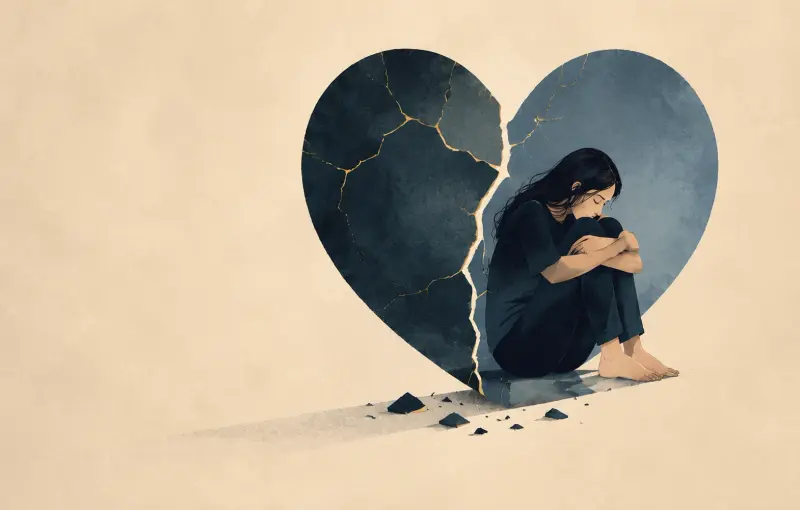
When entering aromantic relationship, a person seeks a healthy relationship in which both partners aim to make each other happy and continually strengthen the relationship. Each person can freely and comfortably express their needs, while both partners support each other in making and carrying out decisions without blame, guilt, or accusations of falling short.
A healthy relationship can be described as one that is not governed by fear or anxiety. By contrast, what may be described as toxic relationships are those in which one or both partners feel constantly threatened and unsafe, with one or both tending toward possessiveness, control, or selfishness, whether directly or indirectly. It is natural for one partner to try to establish boundaries and take control at the beginning of a relationship, and this may be explained by differences between the partners. Usually, however, they later find a way to share responsibility for managing the relationship.
How can you tell if someone is toxic?
You constantly feel that they are taking advantage of you.
You keep giving without receiving anything in return.
They treat you disrespectfully.
They show no consideration for your feelings and needs.
You are constantly preoccupied with pleasing them and making them happy.
You always feel that you are wrong and being blamed without a clear reason.
You do not feel comfortable when talking to them or being around them.
You repeatedly experience a lack of passion and energy, as well as anger.
Your only goal in the relationship becomes avoiding problems.
Why do I attract toxic relationships?
Upbringing is a decisive factor that can draw a person toward toxic relationships because it acts as a mirror of what is inside us and who we are, and it is fundamental to shaping our personalities. When we grow up in a family environment that pushes us to justify ourselves constantly and continually seek our parents’ approval, this is reflected in how we interact with those around us, including a partner. Childhood upbringing is therefore one reason a person may gravitate toward these relationships. A child may grow up in an environment where one or both parents have an unstable mood, causing the child to feel that they must constantly tread carefully to avoid these mood swings.
This environment is frightening for a child and affects the completion of their mental development. Their mind remains focused on how to avoid their parents’ sudden and unpredictable reactions, and the child cannot understand that they are not the cause of the outburst or angerthat their parents experience. This leaves the child feeling that they caused the situation and that it is their fault.
The child therefore grows up believing that the success of any relationship depends on fulfilling the partner’s wishes and trying to please them at the expense of their own needs and happiness. This means following any rules the partner sets and apologizing for things they did not do, as though the happiness of everyone around them were their responsibility.
When should you leave a toxic relationship?
1. When you are trapped in memories of the relationship’s happy past to escape the present.
When the only reason you remain in the relationship is its past and the happy moments it contained because the relationship is miserable in the present, this indicates that you are living in an unhealthy, toxic relationship. The past and its happy memories should generate feelings of love, not be the reason the relationship continues.
2. When the relationship continually makes you feel afraid instead of reassured and comfortable..
A person seeks a romantic relationship to feel reassured and emotionally supported, not sad and miserable. If you spend most of the relationship feeling sadness and fear, depriving you of comfort and safety, this indicates that the relationship is toxic and should be ended.
3. When your partner constantly tries to change you.
A healthy relationship is based on acceptance and unconditional love. A partner should not place me into a mold and make their feelings toward me dependent on how well I fit it. If your partner imposes conditions governing your appearance or lifestyle, and these conditions require a complete and fundamental change, be certain that you are in a toxic relationship.
4. When you remain in the relationship because you continually believe things will improve..
Romantic relationships often give us a vivid imagination that makes us see everything beautiful in a partner and overlook every warning sign surrounding the relationship. Because of this, many people who are not living in memories of a happy past become prisoners of an imagination telling them that the future will be more beautiful and better. But the future is like the past: just as you should not live in the past, you should not live in the future. If the relationship is purposeful and comfortable, it will remain so in the future. If the opposite is true, do not expect matters to improve.
5. When feelings of love between you and your partner have faded.
Nothing is eternal or inevitable. We must understand that everything can change, including the great love we experience today. The extent and form of this change depend on the strength of our romantic relationship. If it is a fragile, toxic relationship in which we do not feel comfortable or safe, our feelings will certainly be vulnerable to change as well. When this happens, it is preferable to leave the relationship because it is no longer governed by affection and feelings, which have changed, but by habit and routine.
6. When you are always under suspicion and have to justify your actions.
When you are continually subjected to doubt and must offer justifications for every situation, whether it warrants an explanation or not, simply to preserve the relationship and make it succeed, you must recognize that it is unreasonable for doubt and justification to become a way of life. When this happens, it is one of the clearest signs that you are in a toxic relationship that you should leave.
7. When the relationship brings you nothing but psychological and physical harm.
When a relationship causes psychological exhaustion, this is one of the clearest signs that it is not fulfilling its purpose: providing reassurance, emotional support, and safety. The same applies when we experience physical or verbal harm. All these signs indicate the need to let go of this toxic relationship.
How do I leave a toxic relationship?
Recognize that the relationship you are in is toxic.
Recognize that you do not deserve this toxic relationship and that you deserve better.
Identify the reasons you want to end the toxic relationship.
Organize your thoughts and sound reasons for ending the toxic relationship privately first.
Practice discussing them clearly and directly with your partner.
Be confident and firm when raising the subject with your partner.
Tell your partner that you want to speak with them about your relationship.
Choose the form of communication through which you feel safest and most comfortable expressing yourself.
If you choose to meet, select a place that suits you.
Be firm, and do not allow hesitation or fear to control your decision to end the toxic relationship.
Give your partner room to speak and express their feelings about your decision, and listen to them.
If your partner tries to pressure you to reverse your decision, restate it firmly so they understand that it is final.
If your partner continues using phrases intended to drain you emotionally, leave without looking back, dwelling on what they say, or allowing their words to affect you.
Human relationships are based on giving and receiving, whether they involve love, marriage, friendship, work, or even parents and their children. Many people mistakenly think they can sustain relationships by only receiving or only giving, regardless of what giving and receiving mean within that particular relationship. The needs fulfilled by our relationship with one person differ from those fulfilled by another relationship. What exhausts any relationship most, however, is having one party who only wants to receive and does not recognize the other person’s needs or how to meet them. This drains the other person and depletes their reserves, potentially leading to psychological problems such as feelings of worthlessness, self-blame, and even depression.
We often notice that when a partner is concerned only with receiving and we express needs they are not meeting, they run away from us. They seek another relationship that satisfies only their own desires and needs, making us feel bad about ourselves. Sometimes we are abandoned because the other person cannot meet our needs or because we have made so many sacrifices that they feel they could never repay us, no matter what they do.
When entering any relationship, it is therefore important to ensure that what we invest through giving will be met with something we need in return. It is important to give in a balanced way without exhausting ourselves or the other person. It is also essential for our self-esteem to be high. This enables us to deal with others and ask for our needs to be met. We will not be vulnerable to accepting a toxic relationship because of emotional deprivation, and ending a relationship will not hurt us to the same extent. Clearly explaining our needs to the other person and helping them meet those needs, while understanding and working to meet their needs in return, is what helps us sustain any relationship, develop it, and grow together with it.
Content writer and researcher at Tatmeen, writing in Arabic and English on mental health and everyday life topics, including relationships, stress, work, habits, and family.
Every Tatmeen article is reviewed by care providers licensed by the Saudi Commission for Health Specialties, so what you read is accurate and trustworthy.
This article builds understanding and does not replace a licensed care provider.
Need someone to talk to?
Tatmeen's licensed care providers are available around the clock, and the app's urgent consultation connects you with one within minutes.
Download Tatmeen to explore care providers and booking options.
Smart matchingFour quick questions suggest the right care provider
Urgent consultationTalk to an available care provider within minutes
Free psychological measuresMore than 20 tests to understand how you are doing
Scan to download
{"data":{"id":"c8ea1ab2-708c-4f17-8975-bf48235327aa","slug":"Why-do-I-attract-toxic-relationships","arTitle":"لماذا أجذب العلاقات السامة؟","enTitle":"Why Do I Attract Toxic Relationships?","thumbnailAltText":"Bearded person holds out a small red box while another gestures away","estimatedReadingTime":5,"likesCount":910,"writer":{"id":"c7b27cce-cc91-45c8-9ba1-1d194830c654","arBio":"كاتبة وباحثة محتوى في تطمين، تكتب بالعربية والإنجليزية في موضوعات الصحة النفسية والحياة اليومية، بما يشمل العلاقات، الضغوط، العمل، العادات، والأسرة.","enBio":"Content writer and researcher at Tatmeen, writing in Arabic and English on mental health and everyday life topics, including relationships, stress, work, habits, and family.","user":{"slug":"alanoud-alturki","arFullName":"العنود التركي","enFullName":"Alanoud Alturki","publicProfileImageUrl":"https://cdn.tatmeen.sa/public/profile-images/78d20741-cf98-483e-9055-2f0ca0ab3bd5/4e190bf082a179be202f7a2618844e0dd134e14126b74d947c78eec35b7e390e.webp","publicProfileImage96Url":"https://cdn.tatmeen.sa/public/profile-images/78d20741-cf98-483e-9055-2f0ca0ab3bd5/4e190bf082a179be202f7a2618844e0dd134e14126b74d947c78eec35b7e390e-w96.webp","publicProfileImage192Url":"https://cdn.tatmeen.sa/public/profile-images/78d20741-cf98-483e-9055-2f0ca0ab3bd5/4e190bf082a179be202f7a2618844e0dd134e14126b74d947c78eec35b7e390e-w192.webp"}},"arContent":"","enContent":"","productionDocument":{"headings":[{"id":"article-section-how-can-you-tell-if-someone-is-toxic","text":"How can you tell if someone is toxic?"},{"id":"article-section-why-do-i-attract-toxic-relationships","text":"Why do I attract toxic relationships?"},{"id":"article-section-when-should-you-leave-a-toxic-relationship","text":"When should you leave a toxic relationship?"},{"id":"article-section-how-do-i-leave-a-toxic-relationship","text":"How do I leave a toxic relationship?"}],"faqs":[],"beforeSourcesHtml":"","sources":[],"afterSourcesHtml":"","blocks":[{"type":"html","html":"<p class=\"ql-align-right ql-direction-rtl\">When entering a<a style=\"background-color:transparent\" href=\"https://www.hakini.net/article/%D9%85%D8%A7-%D9%87%D9%8A-%D8%B9%D9%88%D8%A7%D9%85%D9%84-%D9%86%D8%AC%D8%A7%D8%AD-%D8%A7%D9%84%D8%B9%D9%84%D8%A7%D9%82%D8%A9-%D8%A7%D9%84%D8%B9%D8%A7%D8%B7%D9%81%D9%8A%D8%A9\" target=\"_blank\" rel=\"noopener noreferrer\">romantic relationship</a>, a person seeks a healthy relationship in which both partners aim to make each other happy and continually strengthen the relationship. Each person can freely and comfortably express their needs, while both partners support each other in making and carrying out decisions without blame, guilt, or accusations of falling short.</p><p class=\"ql-align-right ql-direction-rtl\">A healthy relationship can be described as one that is not governed by <a style=\"background-color:transparent\" href=\"https://www.hakini.net/article/%D9%83%D9%8A%D9%81%D9%8A%D8%A9-%D8%B9%D9%84%D8%A7%D8%AC-%D8%A7%D9%84%D9%82%D9%84%D9%82-%D9%88%D8%A7%D9%84%D8%AE%D9%88%D9%81\" target=\"_blank\" rel=\"noopener noreferrer\">fear or anxiety</a>. By contrast, what may be described as <a style=\"background-color:transparent\" href=\"https://www.hakini.net/article/%D8%A7%D9%84%D8%B9%D9%84%D8%A7%D9%82%D8%A7%D8%AA-%D8%A7%D9%84%D8%B3%D8%A7%D9%85%D8%A9-%D8%B9%D9%84%D8%A7%D9%85%D8%A7%D8%AA-%D8%A7%D9%84%D8%B9%D9%84%D8%A7%D9%82%D8%A9-%D8%A7%D9%84%D8%B3%D8%A7%D9%85%D8%A9-%D9%83%D9%8A%D9%81-%D8%AA%D8%AD%D8%AF%D8%AF%D9%87%D8%A7-%D9%88%D8%AA%D8%AA%D8%AE%D9%84%D8%B5-%D9%85%D9%86%D9%87%D8%A7\" target=\"_blank\" rel=\"noopener noreferrer\">toxic relationships</a> are those in which one or both partners feel constantly threatened and unsafe, with one or both tending toward possessiveness, control, or selfishness, whether directly or indirectly. It is natural for one partner to try to establish boundaries and take control at the beginning of a relationship, and this may be explained by differences between the partners. Usually, however, they later find a way to share responsibility for managing the relationship.</p><h2 class=\"ql-align-right ql-direction-rtl\" id=\"article-section-how-can-you-tell-if-someone-is-toxic\" data-toc-heading tabindex=\"-1\"><span id=\"how-can-you-tell-if-someone-is-toxic-1\" aria-hidden=\"true\"></span><strong>How can you tell if someone is toxic?</strong></h2><ol><li class=\"ql-align-right ql-direction-rtl\">You constantly feel that they are taking advantage of you.</li><li class=\"ql-align-right ql-direction-rtl\">You keep giving without receiving anything in return.</li><li class=\"ql-align-right ql-direction-rtl\">They treat you disrespectfully.</li><li class=\"ql-align-right ql-direction-rtl\">They show no consideration for your feelings and needs.</li><li class=\"ql-align-right ql-direction-rtl\">They do not respond to your requests.</li><li class=\"ql-align-right ql-direction-rtl\">You experience low <a style=\"background-color:transparent\" href=\"https://www.hakini.net/article/%D9%83%D9%8A%D9%81-%D8%A7%D8%B9%D8%A7%D9%84%D8%AC-%D9%86%D9%81%D8%B3%D9%8A-%D9%85%D9%86-%D8%B9%D8%AF%D9%85-%D8%A7%D9%84%D8%AB%D9%82%D8%A9-%D8%A8%D8%A7%D9%84%D9%86%D9%81%D8%B3-%D8%AA%D8%B9%D8%B2%D9%8A%D8%B2-%D8%A7%D9%84%D8%AB%D9%82%D8%A9-%D8%A8%D8%A7%D9%84%D9%86%D9%81%D8%B3\" target=\"_blank\" rel=\"noopener noreferrer\">self-confidence.</a>.</li><li class=\"ql-align-right ql-direction-rtl\">You lack a sense of safety and emotional support.</li><li class=\"ql-align-right ql-direction-rtl\">You are constantly preoccupied with pleasing them and making them happy.</li><li class=\"ql-align-right ql-direction-rtl\">You always feel that you are wrong and being blamed without a clear reason.</li><li class=\"ql-align-right ql-direction-rtl\">You do not feel comfortable when talking to them or being around them.</li><li class=\"ql-align-right ql-direction-rtl\">You repeatedly experience a lack of passion and energy, as well as anger.</li><li class=\"ql-align-right ql-direction-rtl\">Your only goal in the relationship becomes avoiding problems.</li></ol><h2 class=\"ql-align-right ql-direction-rtl\" id=\"article-section-why-do-i-attract-toxic-relationships\" data-toc-heading tabindex=\"-1\"><span id=\"why-do-i-attract-toxic-relationships-2\" aria-hidden=\"true\"></span><strong>Why do I attract toxic relationships?</strong></h2><p class=\"ql-align-right ql-direction-rtl\">Upbringing is a decisive factor that can draw a person toward toxic relationships because it acts as a mirror of what is inside us and who we are, and it is fundamental to shaping our personalities. When we grow up in a family environment that pushes us to justify ourselves constantly and continually seek our parents’ approval, this is reflected in how we interact with those around us, including a partner. Childhood upbringing is therefore one reason a person may gravitate toward these relationships. A child may grow up in an environment where one or both parents have an unstable mood, causing the child to feel that they must constantly tread carefully to avoid these mood swings.</p><p class=\"ql-align-right ql-direction-rtl\">This environment is frightening for a child and affects the completion of their mental development. Their mind remains focused on how to avoid their parents’ sudden and unpredictable reactions, and the child cannot understand that they are not the cause of the outburst or <a style=\"background-color:transparent\" href=\"https://www.hakini.net/article/%D9%85%D8%A7-%D9%87%D9%88-%D8%A7%D9%84%D8%BA%D8%B6%D8%A8-%D9%88%D9%83%D9%8A%D9%81-%D9%8A%D9%85%D9%83%D9%86-%D8%A7%D9%84%D8%AA%D8%AD%D9%83%D9%85-%D8%A8%D9%87-%D9%88%D8%A7%D8%AF%D8%A7%D8%B1%D8%AA%D9%87\" target=\"_blank\" rel=\"noopener noreferrer\">anger</a>that their parents experience. This leaves the child feeling that they caused the situation and that it is their fault.</p><p class=\"ql-align-right ql-direction-rtl\">The child therefore grows up believing that the success of any relationship depends on fulfilling the partner’s wishes and trying to please them at the expense of their own needs and happiness. This means following any rules the partner sets and apologizing for things they did not do, as though the happiness of everyone around them were their responsibility.</p><h2 class=\"ql-align-right ql-direction-rtl\" id=\"article-section-when-should-you-leave-a-toxic-relationship\" data-toc-heading tabindex=\"-1\"><span id=\"when-should-you-leave-a-toxic-relationship-3\" aria-hidden=\"true\"></span><strong>When should you leave a toxic relationship?</strong></h2><h3 class=\"ql-align-right ql-direction-rtl\"><strong>1. When you are trapped in memories of the relationship’s happy past to escape the present.</strong></h3><p class=\"ql-align-right ql-direction-rtl\">When the only reason you remain in the relationship is its past and the happy moments it contained because the relationship is miserable in the present, this indicates that you are living in an unhealthy, toxic relationship. The past and its happy memories should generate feelings of love, not be the reason the relationship continues.</p><h3 class=\"ql-align-right ql-direction-rtl\"><strong>2. When the relationship continually makes you feel afraid instead of reassured and comfortable.</strong>.</h3><p class=\"ql-align-right ql-direction-rtl\">A person seeks a romantic relationship to feel reassured and emotionally supported, not sad and miserable. If you spend most of the relationship feeling sadness and fear, depriving you of comfort and safety, this indicates that the relationship is toxic and should be ended.</p><h3 class=\"ql-align-right ql-direction-rtl\"><strong>3. When your partner constantly tries to change you.</strong></h3><p class=\"ql-align-right ql-direction-rtl\">A healthy relationship is based on acceptance and unconditional love. A partner should not place me into a mold and make their feelings toward me dependent on how well I fit it. If your partner imposes conditions governing your appearance or lifestyle, and these conditions require a complete and fundamental change, be certain that you are in a toxic relationship.</p><h3 class=\"ql-align-right ql-direction-rtl\"><strong>4. When you remain in the relationship because you continually believe things will improve.</strong>.</h3><p class=\"ql-align-right ql-direction-rtl\">Romantic relationships often give us a vivid imagination that makes us see everything beautiful in a partner and overlook every warning sign surrounding the relationship. Because of this, many people who are not living in memories of a happy past become prisoners of an imagination telling them that the future will be more beautiful and better. But the future is like the past: just as you should not live in the past, you should not live in the future. If the relationship is purposeful and comfortable, it will remain so in the future. If the opposite is true, do not expect matters to improve.</p><h3 class=\"ql-align-right ql-direction-rtl\"><strong>5. When feelings of love between you and your partner have faded.</strong></h3><p class=\"ql-align-right ql-direction-rtl\">Nothing is eternal or inevitable. We must understand that everything can change, including the great love we experience today. The extent and form of this change depend on the strength of our romantic relationship. If it is a fragile, toxic relationship in which we do not feel comfortable or safe, our feelings will certainly be vulnerable to change as well. When this happens, it is preferable to leave the relationship because it is no longer governed by affection and feelings, which have changed, but by habit and routine.</p><h3 class=\"ql-align-right ql-direction-rtl\"><strong>6. When you are always under suspicion and have to justify your actions.</strong></h3><p class=\"ql-align-right ql-direction-rtl\">When you are continually subjected to doubt and must offer justifications for every situation, whether it warrants an explanation or not, simply to preserve the relationship and make it succeed, you must recognize that it is unreasonable for doubt and justification to become a way of life. When this happens, it is one of the clearest signs that you are in a toxic relationship that you should leave.</p><h3 class=\"ql-align-right ql-direction-rtl\"><strong>7. When the relationship brings you nothing but psychological and physical harm.</strong></h3><p class=\"ql-align-right ql-direction-rtl\">When a relationship causes psychological exhaustion, this is one of the clearest signs that it is not fulfilling its purpose: providing reassurance, emotional support, and safety. The same applies when we experience physical or verbal harm. All these signs indicate the need to let go of this toxic relationship.</p><h2 class=\"ql-align-right ql-direction-rtl\" id=\"article-section-how-do-i-leave-a-toxic-relationship\" data-toc-heading tabindex=\"-1\"><span id=\"how-do-i-leave-a-toxic-relationship-4\" aria-hidden=\"true\"></span><strong>How do I leave a toxic relationship?</strong></h2><ol><li class=\"ql-align-right ql-direction-rtl\">Recognize that the relationship you are in is toxic.</li><li class=\"ql-align-right ql-direction-rtl\">Recognize that you do not deserve this toxic relationship and that you deserve better.</li><li class=\"ql-align-right ql-direction-rtl\">Identify the reasons you want to end the toxic relationship.</li><li class=\"ql-align-right ql-direction-rtl\">Organize your thoughts and sound reasons for ending the toxic relationship privately first.</li><li class=\"ql-align-right ql-direction-rtl\">Practice discussing them clearly and directly with your partner.</li><li class=\"ql-align-right ql-direction-rtl\">Be confident and firm when raising the subject with your partner.</li><li class=\"ql-align-right ql-direction-rtl\">Tell your partner that you want to speak with them about your relationship.</li><li class=\"ql-align-right ql-direction-rtl\">Choose the form of communication through which you feel safest and most comfortable expressing yourself.</li><li class=\"ql-align-right ql-direction-rtl\">If you choose to meet, select a place that suits you.</li><li class=\"ql-align-right ql-direction-rtl\">Be firm, and do not allow hesitation or fear to control your decision to end the toxic relationship.</li><li class=\"ql-align-right ql-direction-rtl\">Give your partner room to speak and <a style=\"background-color:transparent\" href=\"https://www.hakini.net/article/%D9%84%D9%85%D8%A7%D8%B0%D8%A7-%D9%85%D9%86-%D8%A7%D9%84%D9%85%D9%87%D9%85-%D8%A7%D9%84%D8%AA%D8%B9%D8%A8%D9%8A%D8%B1-%D8%B9%D9%86-%D9%85%D8%B4%D8%A7%D8%B9%D8%B1%D9%86%D8%A7\" target=\"_blank\" rel=\"noopener noreferrer\">express their feelings</a> about your decision, and listen to them.</li><li class=\"ql-align-right ql-direction-rtl\">If your partner tries to pressure you to reverse your decision, restate it firmly so they understand that it is final.</li><li class=\"ql-align-right ql-direction-rtl\">If your partner continues using phrases intended to drain you emotionally, leave without looking back, dwelling on what they say, or allowing their words to affect you.</li></ol><p class=\"ql-align-right ql-direction-rtl\">Human relationships are based on giving and receiving, whether they involve love, marriage, friendship, work, or even parents and their children. Many people mistakenly think they can sustain relationships by only receiving or only giving, regardless of what giving and receiving mean within that particular relationship. The needs fulfilled by our relationship with one person differ from those fulfilled by another relationship. What exhausts any relationship most, however, is having one party who only wants to receive and does not recognize the other person’s needs or how to meet them. This drains the other person and depletes their reserves, potentially leading to psychological problems such as feelings of worthlessness, self-blame, and even depression.</p><p class=\"ql-align-right ql-direction-rtl\">We often notice that when a partner is concerned only with receiving and we express needs they are not meeting, they run away from us. They seek another relationship that satisfies only their own desires and needs, making us feel bad about ourselves. Sometimes we are abandoned because the other person cannot meet our needs or because we have made so many sacrifices that they feel they could never repay us, no matter what they do.</p><p class=\"ql-align-right ql-direction-rtl\">When entering any relationship, it is therefore important to ensure that what we invest through giving will be met with something we need in return. It is important to give in a balanced way without exhausting ourselves or the other person. It is also essential for our <a style=\"background-color:transparent\" href=\"https://www.hakini.net/article/%D9%85%D8%A7-%D9%87%D9%88-%D8%AA%D9%82%D8%AF%D9%8A%D8%B1-%D8%A7%D9%84%D8%B0%D8%A7%D8%AA-%D9%88%D9%83%D9%8A%D9%81-%D8%AA%D9%86%D9%85%D9%8A-%D8%AA%D9%82%D8%AF%D9%8A%D8%B1%D9%83-%D9%84%D8%B0%D8%A7%D8%AA%D9%83\" target=\"_blank\" rel=\"noopener noreferrer\">self-esteem</a> to be high. This enables us to deal with others and ask for our needs to be met. We will not be vulnerable to accepting a toxic relationship because of emotional deprivation, and ending a relationship will not hurt us to the same extent. Clearly explaining our needs to the other person and helping them meet those needs, while understanding and working to meet their needs in return, is what helps us sustain any relationship, develop it, and grow together with it.</p><p><br /></p>"}],"inlineCtaSignatures":[],"_experienceAliases":{"v":1,"fields":["html","bodyHtml"]}},"createdAt":"2024-01-08T21:00:00.000Z","updatedAt":"2026-08-11T04:45:02.303Z","disorderGroups":[{"id":"01b1a587-3584-435b-971a-c40ffce29802","slug":"family-and-marital-relations","arName":"العلاقات الأسرية والزوجية","enName":"Family & Marital Relations"}],"reviewer":{"arFullName":"فريق تطمين","enFullName":"Tatmeen team","slug":"tatmeen-team","kind":"organization"},"productionArticle":true,"promotionAllowed":true,"preparedCover":{"src":"https://cdn.tatmeen.sa/public/article-lcp/article-lcp-v2/sha256-246774141927f29c64eaefb0d471d9f37bda33dc2bf253c8b619f2650e0a9113/600-d68deb3858859201175bf9f3c970c1d34b790cacb37ef336db720fbf6dada5dd.avif","fallback":"https://cdn.tatmeen.sa/public/article-lcp/article-lcp-v2/sha256-246774141927f29c64eaefb0d471d9f37bda33dc2bf253c8b619f2650e0a9113/600-d9f1594ee449e472196e5882861933772394a599bb6ac56b916060a60d4449c7.webp","directUrl":"https://cdn.tatmeen.sa/blog-cover/1706455998532-Tatmeen-339.jpg","isGolden":true,"avifSrcset":"https://cdn.tatmeen.sa/public/article-lcp/article-lcp-v2/sha256-246774141927f29c64eaefb0d471d9f37bda33dc2bf253c8b619f2650e0a9113/400-a54531861d9c0c34b73a3f3851afed561d80b54ff071a987ceb024e9baf116f7.avif 400w, https://cdn.tatmeen.sa/public/article-lcp/article-lcp-v2/sha256-246774141927f29c64eaefb0d471d9f37bda33dc2bf253c8b619f2650e0a9113/600-d68deb3858859201175bf9f3c970c1d34b790cacb37ef336db720fbf6dada5dd.avif 600w","webpSrcset":"https://cdn.tatmeen.sa/public/article-lcp/article-lcp-v2/sha256-246774141927f29c64eaefb0d471d9f37bda33dc2bf253c8b619f2650e0a9113/400-f6800fcbc318baa7f0640129de8ab623ddcd628ed030b0a361657302f06ff4fc.webp 400w, https://cdn.tatmeen.sa/public/article-lcp/article-lcp-v2/sha256-246774141927f29c64eaefb0d471d9f37bda33dc2bf253c8b619f2650e0a9113/600-d9f1594ee449e472196e5882861933772394a599bb6ac56b916060a60d4449c7.webp 600w","phoneAvifSrcset":"https://cdn.tatmeen.sa/public/article-lcp/article-lcp-v2/sha256-246774141927f29c64eaefb0d471d9f37bda33dc2bf253c8b619f2650e0a9113/400-a54531861d9c0c34b73a3f3851afed561d80b54ff071a987ceb024e9baf116f7.avif 400w, https://cdn.tatmeen.sa/public/article-lcp/article-lcp-v2/sha256-246774141927f29c64eaefb0d471d9f37bda33dc2bf253c8b619f2650e0a9113/600-d68deb3858859201175bf9f3c970c1d34b790cacb37ef336db720fbf6dada5dd.avif 600w","phoneWebpSrcset":"https://cdn.tatmeen.sa/public/article-lcp/article-lcp-v2/sha256-246774141927f29c64eaefb0d471d9f37bda33dc2bf253c8b619f2650e0a9113/400-f6800fcbc318baa7f0640129de8ab623ddcd628ed030b0a361657302f06ff4fc.webp 400w, https://cdn.tatmeen.sa/public/article-lcp/article-lcp-v2/sha256-246774141927f29c64eaefb0d471d9f37bda33dc2bf253c8b619f2650e0a9113/600-d9f1594ee449e472196e5882861933772394a599bb6ac56b916060a60d4449c7.webp 600w","width":600,"height":400},"previewTaxonomy":{"groups":[{"id":"01b1a587-3584-435b-971a-c40ffce29802","slug":"family-and-marital-relations","arName":"العلاقات الأسرية والزوجية","enName":"Family & Marital Relations"}],"topics":[{"id":"79c48ff5-92b2-42da-ac64-c6ef33d5b74e","slug":"toxic-relationships","arName":"علاقات سامة","enName":"Toxic Relationships","groupSlug":"family-and-marital-relations","href":"/blog/category/family-and-marital-relations/toxic-relationships/"}],"tags":[{"id":"2faf13b8-07d4-40ee-89b2-ae2c507a580a","slug":"toxic-relationships-manipulation","arName":"العلاقات السامة والتلاعب النفسي","enName":"Toxic Relationships & Manipulation"},{"id":"510c3a96-f7ec-45f9-8077-9c7b673f089b","slug":"attachment-styles","arName":"أنماط التعلّق","enName":"Attachment Styles"},{"id":"475c9ee4-379d-436c-93ab-4c63916e7197","slug":"self-assessment","arName":"تقييم ذاتي","enName":"Self-Assessment"}]},"previewProviderRecommendations":[{"id":"6df31339-a6f5-4131-a603-3a7c7a34c143","slug":"joud-alodhayyani-9014","arFullName":"جود العتيبي","enFullName":"Joud Alotaibi","publicProfileImageUrl":"https://cdn.tatmeen.sa/public/profile-images/6df31339-a6f5-4131-a603-3a7c7a34c143/7bb005ef9d4315296aad2a7d142fb2af2cf89920a40b474fc5139b9530269282.webp","publicProfileImage96Url":"https://cdn.tatmeen.sa/public/profile-images/6df31339-a6f5-4131-a603-3a7c7a34c143/7bb005ef9d4315296aad2a7d142fb2af2cf89920a40b474fc5139b9530269282-w96.webp","publicProfileImage192Url":"https://cdn.tatmeen.sa/public/profile-images/6df31339-a6f5-4131-a603-3a7c7a34c143/7bb005ef9d4315296aad2a7d142fb2af2cf89920a40b474fc5139b9530269282-w192.webp","specialization":{"arName":"أخصائي نفسي","enName":"Psychologist"},"profileImageUrl":"https://cdn.tatmeen.sa/public/profile-images/6df31339-a6f5-4131-a603-3a7c7a34c143/7bb005ef9d4315296aad2a7d142fb2af2cf89920a40b474fc5139b9530269282-w192.webp","experienceYears":2,"consultantInfo":{"averageRating":{"average":3.5},"specialization":{"arGeneralName":"أخصائي نفسي","enGeneralName":"Psychologist"}}},{"id":"5520abac-2d83-4b20-a11d-f63055316699","slug":"maha-alawad-4831","arFullName":"مها العواد","enFullName":"Maha Alawad","publicProfileImageUrl":"","publicProfileImage96Url":"","publicProfileImage192Url":"","specialization":{"arName":"أخصائي نفسي","enName":"Psychologist"},"profileImageUrl":"","experienceYears":13,"consultantInfo":{"averageRating":{"average":4.846153846153846},"specialization":{"arGeneralName":"أخصائي نفسي","enGeneralName":"Psychologist"}}},{"id":"d754a189-f8c9-4aad-b4aa-a5dbd26c0bd7","slug":"talal-alshowaier-8694","arFullName":"طلال الشويعر","enFullName":"Talal Alshowaier","publicProfileImageUrl":"https://cdn.tatmeen.sa/public/profile-images/d754a189-f8c9-4aad-b4aa-a5dbd26c0bd7/74feb27848a47cf43189f6b5951e06a9b87b08269021d5bab765092fc65fce42.webp","publicProfileImage96Url":"https://cdn.tatmeen.sa/public/profile-images/d754a189-f8c9-4aad-b4aa-a5dbd26c0bd7/74feb27848a47cf43189f6b5951e06a9b87b08269021d5bab765092fc65fce42-w96.webp","publicProfileImage192Url":"https://cdn.tatmeen.sa/public/profile-images/d754a189-f8c9-4aad-b4aa-a5dbd26c0bd7/74feb27848a47cf43189f6b5951e06a9b87b08269021d5bab765092fc65fce42-w192.webp","specialization":{"arName":"أخصائي نفسي","enName":"Psychologist"},"profileImageUrl":"https://cdn.tatmeen.sa/public/profile-images/d754a189-f8c9-4aad-b4aa-a5dbd26c0bd7/74feb27848a47cf43189f6b5951e06a9b87b08269021d5bab765092fc65fce42-w192.webp","experienceYears":3,"consultantInfo":{"averageRating":{"average":5},"specialization":{"arGeneralName":"أخصائي نفسي","enGeneralName":"Psychologist"}}}],"previewCareProviders":[{"id":"09364052-c2a9-4c52-9717-7ce2093b8d0a","slug":"kholoud-alharbi-5221","arFullName":"خلود الحربي","enFullName":"Kholoud Alharbi","publicProfileImageUrl":"https://cdn.tatmeen.sa/public/profile-images/09364052-c2a9-4c52-9717-7ce2093b8d0a/4a0aeb81619e351b77f4323e3605a0a00acc7ca3c82ee7cc5ca2c9e8ef716049.webp","publicProfileImage96Url":"https://cdn.tatmeen.sa/public/profile-images/09364052-c2a9-4c52-9717-7ce2093b8d0a/4a0aeb81619e351b77f4323e3605a0a00acc7ca3c82ee7cc5ca2c9e8ef716049-w96.webp","publicProfileImage192Url":"https://cdn.tatmeen.sa/public/profile-images/09364052-c2a9-4c52-9717-7ce2093b8d0a/4a0aeb81619e351b77f4323e3605a0a00acc7ca3c82ee7cc5ca2c9e8ef716049-w192.webp","gender":"FEMALE","specialization":{"arName":"أخصائي نفسي","enName":"Psychologist"}},{"id":"6f037535-1dca-4b50-a8b2-5974b7323286","slug":"salah-althobaiti-9053","arFullName":"صلاح الثبيتي","enFullName":"Salah Althobaiti","publicProfileImageUrl":"https://cdn.tatmeen.sa/public/profile-images/6f037535-1dca-4b50-a8b2-5974b7323286/35b6bd7fad9b1e004c1835803eb9c1b56dcacd380685ec8bff141f0fb888005c.webp","publicProfileImage96Url":"https://cdn.tatmeen.sa/public/profile-images/6f037535-1dca-4b50-a8b2-5974b7323286/35b6bd7fad9b1e004c1835803eb9c1b56dcacd380685ec8bff141f0fb888005c-w96.webp","publicProfileImage192Url":"https://cdn.tatmeen.sa/public/profile-images/6f037535-1dca-4b50-a8b2-5974b7323286/35b6bd7fad9b1e004c1835803eb9c1b56dcacd380685ec8bff141f0fb888005c-w192.webp","gender":"MALE","specialization":{"arName":"أخصائي نفسي","enName":"Psychologist"}},{"id":"3cc806e8-616b-4884-9f21-a75b378580a2","slug":"aisha-al-hashim-8667","arFullName":"عائشة ال هاشم","enFullName":"Aisha Al Hashim","publicProfileImageUrl":"https://cdn.tatmeen.sa/public/profile-images/3cc806e8-616b-4884-9f21-a75b378580a2/27f523d03be4dcfa1f6a79f70c1773887434e698990d214cd990caec56a44798.webp","publicProfileImage96Url":"https://cdn.tatmeen.sa/public/profile-images/3cc806e8-616b-4884-9f21-a75b378580a2/27f523d03be4dcfa1f6a79f70c1773887434e698990d214cd990caec56a44798-w96.webp","publicProfileImage192Url":"https://cdn.tatmeen.sa/public/profile-images/3cc806e8-616b-4884-9f21-a75b378580a2/27f523d03be4dcfa1f6a79f70c1773887434e698990d214cd990caec56a44798-w192.webp","gender":"FEMALE","specialization":{"arName":"أخصائي نفسي","enName":"Psychologist"}},{"id":"94765496-dbdf-4631-a01b-7df5f788668d","slug":"abdullrahman-alhamoudi-3045","arFullName":"عبدالرحمن الحمودي","enFullName":"Abdulrahman Alhamoudi","publicProfileImageUrl":"https://cdn.tatmeen.sa/public/profile-images/94765496-dbdf-4631-a01b-7df5f788668d/2d49f6b6493c564afb6f50b6c3634231dff3a5cf8353acfab393d1b2a88037d1.webp","publicProfileImage96Url":"https://cdn.tatmeen.sa/public/profile-images/94765496-dbdf-4631-a01b-7df5f788668d/2d49f6b6493c564afb6f50b6c3634231dff3a5cf8353acfab393d1b2a88037d1-w96.webp","publicProfileImage192Url":"https://cdn.tatmeen.sa/public/profile-images/94765496-dbdf-4631-a01b-7df5f788668d/2d49f6b6493c564afb6f50b6c3634231dff3a5cf8353acfab393d1b2a88037d1-w192.webp","gender":"MALE","specialization":{"arName":"أخصائي نفسي","enName":"Psychologist"}},{"id":"618dba89-5b70-4b46-8304-741b7ac8ecd3","slug":"abdullah-mari-1311","arFullName":"عبدالله مرعي","enFullName":"Abdullah Mari","publicProfileImageUrl":"https://cdn.tatmeen.sa/public/profile-images/618dba89-5b70-4b46-8304-741b7ac8ecd3/6b4a3bfb59f8a304ca79083b32859b46baad2e1d692974a47c02c1f66bd11129.webp","publicProfileImage96Url":"https://cdn.tatmeen.sa/public/profile-images/618dba89-5b70-4b46-8304-741b7ac8ecd3/6b4a3bfb59f8a304ca79083b32859b46baad2e1d692974a47c02c1f66bd11129-w96.webp","publicProfileImage192Url":"https://cdn.tatmeen.sa/public/profile-images/618dba89-5b70-4b46-8304-741b7ac8ecd3/6b4a3bfb59f8a304ca79083b32859b46baad2e1d692974a47c02c1f66bd11129-w192.webp","gender":"MALE","specialization":{"arName":"أخصائي نفسي","enName":"Psychologist"}},{"id":"d4ffcb6b-90a7-45b6-b941-964866f4564b","slug":"dhaifallah-alhumaidi-1092","arFullName":"ضيف الله الحميدي","enFullName":"Dhaifallah Alhumaidi","publicProfileImageUrl":"https://cdn.tatmeen.sa/public/profile-images/d4ffcb6b-90a7-45b6-b941-964866f4564b/1817171c5828a9b57d6c30d12332cf154e335272548bc90a6e8456d74d356956.webp","publicProfileImage96Url":"https://cdn.tatmeen.sa/public/profile-images/d4ffcb6b-90a7-45b6-b941-964866f4564b/1817171c5828a9b57d6c30d12332cf154e335272548bc90a6e8456d74d356956-w96.webp","publicProfileImage192Url":"https://cdn.tatmeen.sa/public/profile-images/d4ffcb6b-90a7-45b6-b941-964866f4564b/1817171c5828a9b57d6c30d12332cf154e335272548bc90a6e8456d74d356956-w192.webp","gender":"MALE","specialization":{"arName":"أخصائي نفسي","enName":"Psychologist"}},{"id":"d8fb937b-ad65-4b6f-a65b-276ad8258fed","slug":"azza-alharbi-7286","arFullName":"عزه الحربي","enFullName":"Azza Alharbi","publicProfileImageUrl":"https://cdn.tatmeen.sa/public/profile-images/d8fb937b-ad65-4b6f-a65b-276ad8258fed/378a8ab30f4087833263c41fb2c3102028cbe6bb9655172d7b3439ee1d6b0800.webp","publicProfileImage96Url":"https://cdn.tatmeen.sa/public/profile-images/d8fb937b-ad65-4b6f-a65b-276ad8258fed/378a8ab30f4087833263c41fb2c3102028cbe6bb9655172d7b3439ee1d6b0800-w96.webp","publicProfileImage192Url":"https://cdn.tatmeen.sa/public/profile-images/d8fb937b-ad65-4b6f-a65b-276ad8258fed/378a8ab30f4087833263c41fb2c3102028cbe6bb9655172d7b3439ee1d6b0800-w192.webp","gender":"FEMALE","specialization":{"arName":"أخصائي نفسي","enName":"Psychologist"}},{"id":"025d770d-f6d4-405b-be1c-d45dde63fbf7","slug":"akila-alomran-7545","arFullName":"عقيله العمران","enFullName":"Akila Alomran","publicProfileImageUrl":"https://cdn.tatmeen.sa/public/profile-images/025d770d-f6d4-405b-be1c-d45dde63fbf7/44a990b9294f02c9810c69a68b8913a6afac0eb30d1b7494155f31b6dde9378b.webp","publicProfileImage96Url":"https://cdn.tatmeen.sa/public/profile-images/025d770d-f6d4-405b-be1c-d45dde63fbf7/44a990b9294f02c9810c69a68b8913a6afac0eb30d1b7494155f31b6dde9378b-w96.webp","publicProfileImage192Url":"https://cdn.tatmeen.sa/public/profile-images/025d770d-f6d4-405b-be1c-d45dde63fbf7/44a990b9294f02c9810c69a68b8913a6afac0eb30d1b7494155f31b6dde9378b-w192.webp","gender":"FEMALE","specialization":{"arName":"أخصائي نفسي","enName":"Psychologist"}}],"previewDownload":{"href":"/download","title":{"ar":"خطوة واحدة لأجلك، ابدأ الآن","en":"One step for you, start now"},"description":{"ar":"حمّل تطبيق تطمين لاستكشاف مقدمي الرعاية وخيارات الحجز.","en":"Download Tatmeen to explore care providers and booking options."},"posterSrc":"/images/home/cta-ar-new-1.webp","videoSrc":"/images/home/cta-ar-new-1.mp4","videoPosterSrc":"/images/home/cta-ar-new-1.webp","videoPosterEnSrc":"/images/home/cta-en-new-1.webp","videoType":"video/mp4","appStoreHref":"https://apps.apple.com/us/app/tatmeen-%D8%AA%D8%B7%D9%85%D9%8A%D9%86/id6473836983","googlePlayHref":"https://play.google.com/store/apps/details?id=com.TatmeenApp.user&hl=en"},"previewRelatedArticles":[{"id":"caf135dd-0eff-4508-9057-5fdea0d3dc11","slug":"trauma-bonding-why-return-narcissist-pain","route":"/blog/trauma-bonding-why-return-narcissist-pain/","title":{"ar":"رابطة الصدمة: لماذا نعود للنرجسي رغم الألم؟","en":"Trauma Bonding: Why Do We Go Back to a Narcissist Despite the Pain?"},"image":"https://cdn.tatmeen.sa/public/article-lcp/article-lcp-v2/sha256-3619b64285c6230d767e934dfc596d84dae65511c83b36afe504edefa5fae6cf/800-5e9a840971dc57f6168cbf9a33df976af219e2f80db65b3fd3fc556410ee3d3b.webp","directImageFallback":"https://cdn.tatmeen.sa/blog-cover/Tatmeen-1778339385951.webp","arThumbnailAltText":"Person walking away from a narcissistic partner but a heart shaped thread holding him back","thumbnailAltText":"Person walking away from a narcissistic partner but a heart shaped thread holding him back","topic":{"label":{"ar":"العلاقات الأسرية والزوجية","en":"Family & Marital Relations"}},"readingTimeMinutes":5},{"id":"fa60bac3-eb6b-45ad-a619-27bbcd75a5bb","slug":"toxic-relationships-impact-on-self-esteem","route":"/blog/toxic-relationships-impact-on-self-esteem/","title":{"ar":"تأثير العلاقات السامة على تقدير الذات","en":"The Impact of Toxic Relationships on Self-Esteem"},"image":"https://cdn.tatmeen.sa/public/article-lcp/article-lcp-v2/sha256-8ec6417486e87cada36e9bf7377925083183a7cf9bf10cf13559413505fe3ce2/800-247e7807232ec2f2a0233670e0c32de43d84f5fc9e61b71d52be1a89e0d29460.webp","directImageFallback":"https://cdn.tatmeen.sa/blog-cover/Tatmeen-1778437207308.webp","arThumbnailAltText":"a person sitting on the floor heartbroken from a toxic relationship","thumbnailAltText":"a person sitting on the floor heartbroken from a toxic relationship","topic":{"label":{"ar":"العلاقات الأسرية والزوجية","en":"Family & Marital Relations"}},"readingTimeMinutes":5},{"id":"55b54743-9a68-4bfe-8c8f-2fbde160f918","slug":"childhood-abuse-survivors-toxic-relationships-pattern","route":"/blog/childhood-abuse-survivors-toxic-relationships-pattern/","title":{"ar":"لماذا يختار ضحايا إساءة الطفولة علاقات مؤذية في كثير من الأحيان؟","en":"Why Do Childhood Abuse Survivors Often Choose Harmful Relationships?"},"image":"https://cdn.tatmeen.sa/public/article-lcp/article-lcp-v2/sha256-26da8153a89ed73fe459e4c2277bbb4317c43464609827b333d9dcb876b9c36e/800-85648cbb9c0a40418d6016eea094945189cb271836980d2e391943f4b326e94e.webp","directImageFallback":"https://cdn.tatmeen.sa/blog-cover/Tatmeen-1777644309450.webp","arThumbnailAltText":"Person suffering from relationship complications reflecting on her childhood abuse","thumbnailAltText":"Person suffering from relationship complications reflecting on her childhood abuse","topic":{"label":{"ar":"اضطرابات نفسية شائعة","en":"Common Mental Issues"}},"readingTimeMinutes":5},{"id":"ab13a274-9a99-4f25-aadd-c199fa802169","slug":"signs-of-a-toxic-relationship","route":"/blog/signs-of-a-toxic-relationship/","title":{"ar":"علامات العلاقة السامة وكيف تحمي نفسك","en":"Signs of a Toxic Relationship and How to Protect Yourself"},"image":"https://cdn.tatmeen.sa/public/article-lcp/article-lcp-v2/sha256-bebe8bb5581dae0e5195e728b739dfce2695cd8f9948b311e76568212b337f4b/800-ff9aa3febbde69760d621f700566fa9f330540ec1f81ae1f3ae56544acfca5f7.webp","directImageFallback":"https://cdn.tatmeen.sa/blog-cover/Tatmeen-1782484346445.webp","arThumbnailAltText":"Silhouette in open cage at sunset, bird flying free, symbolizing escape and healing","thumbnailAltText":"Silhouette in open cage at sunset, bird flying free, symbolizing escape and healing","topic":{"label":{"ar":"العلاقات الأسرية والزوجية","en":"Family & Marital Relations"}},"readingTimeMinutes":5}],"previewRelatedReadStates":{}},"locale":"en","device":"desktop","path":"/en/blog/Why-do-I-attract-toxic-relationships/","readingControls":false,"config":{"public":{"BUCKET_URL":"https://cdn.tatmeen.sa/","APP_BASE_URL":"https://tatmeen.sa","intercomAppId":"ppcnu9e3"}}}