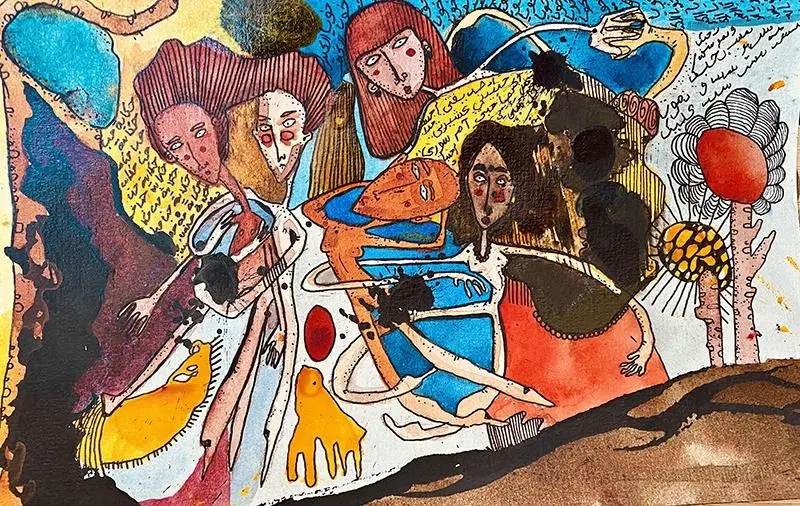
The term “toxic relationships” cannot be considered new, as it has existed for many years. However, it has become common in our time because growing awareness of it in recent years has led to more discussion. We describe an unhealthy relationship as toxic when it contains unhealthy patterns that affect the relationship. Examples include a partner who struggles to express themselves or their feelings, or who spends most of their time working or with their children and neglects their spouse. These patterns can indicate a partner who creates a toxic relationship.
A relationship becomes toxic when the people in it lack communication and mutual understanding. Any romantic relationship may go through different stages, including a period of emotional distance. This is normal and can occur between any husband and wife. At that point, however, the couple should recognize where their relationship stands, find ways to resolve this distance, notice these patterns, and address them. In a toxic relationship, this distance and these severe patterns are more evident, and both partners’ mental health becomes threatened. This can lead to emotional, psychological, or physical threats, as well as verbal, emotional, or physical violence accompanied by anger, humiliation, contempt, and attempts to diminish the other person.
When a partner’s mental health begins to decline, sometimes severely, we start to encounter the signs of a toxic relationship.
Signs of toxic relationships:
Contempt and belittling the other person, causing them to doubt themselves.
Constantly questioning whether you did the right or wrong thing.
The relationship is extremely sensitive, and the person in the toxic relationship does not know how to behave.
Feeling angry: Anger is normal in all relationships, but how it is used determines the difference between a typical relationship and a toxic one. In toxic relationships, anger is expressed through hurtful statements.
Psychological, emotional, and verbal harm, such as insults, hurtful statements, and offensive descriptions.
Resorting to the silent treatment without explaining it to the other person.
A partner using gestures that imply they are superior to you, leaving you feeling let down.
There are always signs warning us that we are in toxic relationships, but many toxic partners conceal these signs in the name of love and beautiful moments. They highlight the good parts and use them to cover up those signs. The signs are present, but they are not given enough importance, and we may fail to notice them. We therefore draw your attention to some signs that can help you identify toxic relationships in your life.
How can we identify toxic relationships in our lives?
A partner asks you to delete your social media account or urges you to create a joint account whose password is shared with the toxic partner.
A toxic partner meets their own needs at the expense of your suggestions and needs.
A partner has certain angry outbursts and later offers excuses for that anger.
A toxic partner dominates the other person and does not respect their personal space.
A toxic partner emotionally abuses their partner, such as by blocking them on social media, creating tension between them.
A toxic partner places responsibility on their partner and does not take responsibility for their own actions.
A partner loses confidence in themselves because of the toxic partner’s actions. They remain insecure and constantly wonder whether they have done something wrong.
A person should therefore assess how comfortable they feel in the relationship and whether it allows them to express themselves. If we cannot recognize these signs or evaluate our satisfaction and comfort in a relationship, it can create many psychological crises because toxic relationships threaten mental health.
What are the main psychological effects on someone living in a toxic relationship?
Depression.
Stress.
Loss of close social and family relationships.
Losing interest in one’s appearance or changing one’s style or way of dressing.
They may develop a form of eating disorder, either eating far more than they need or losing the desire to eat.
They feel like strangers to themselves.
Why do I attract toxic relationships?
Growing up with parentswho have a toxic relationship:We should not forget that the relationships we enter often closely resemble those we experienced at home. If a mother and father have a marriage that lacks respect, their children may come to believe that disrespect between partners is normal. This can draw them toward similar toxic relationships because they believe this is what a proper relationship naturally looks like. Many relationships resemble what we became accustomed to at home. Parents in a toxic relationship may also have children whose emotional needs they do not meet.
Losing one of the parents involved in a toxic relationship:This can leave you feeling abandoned and empty and searching for healing from past wounds. In seeking to heal those wounds, your mind may draw you toward traits resembling those of a toxic parent. You may look for a toxic life partner who resembles that parent because you believe this is the normal form of a relationship. You may therefore turn to the same kind of people who could hurt you as your toxic family hurt you.
Having a constant goal of fixing the people around you:When your goal is to fix and change the people around you, you become an easy target for toxic relationships. You may constantly try to fix and heal your partner, no matter how toxic or harmful they are in the relationship. This encourages the toxic partner to keep the relationship going through promises to improve or to change after marriage, leaving you attached to those promises. If you are someone who wants to change and heal a partner, you need to assess the relationship and examine the long-term results of what you observe. Evaluate how willing and able the partner is to change before entering marriage, because there is no guarantee that anything will change afterward. Otherwise, after some time, you may find yourself having lost the dream of change and trapped in a toxic relationship you do not want. This may lead you to consider ending the relationship and separating, or leave you caught in the toxic partner’s promises to change after the birth of your first child.
It is important to note that one of the most prominent patterns in toxic relationships is the narcissistic relationship, which is known for using romance as a strategy. The other person is made to believe they are in love, while the narcissistic person responds to things they know the other person wants in order to attract them. They may even ask to formalize the relationship to secure the other person’s presence. The mask then falls, revealing their true nature, which can be more violent. The relationship continues because its beginning was highly romantic and idealized, causing the other person to cling to it. The narcissistic person preserves those memories and tries to return the relationship to its most beautiful stage, although that stage was part of a strategy to draw the other person in rather than something genuine. Sometimes the narcissistic person returns to romance not because they have changed, but because they want something. Once they obtain it, they return to their previous behavior.
Why is it difficult to decide to leave a toxic relationship?
When someone decides to separate and leave a toxic relationship, the decision can be difficult for several reasons, including:
Both partners may have become accustomed to the problems they face.They may fear moving into a new and unfamiliar situation. Even when the familiar situation is difficult, they prefer staying there to going somewhere unknown. The problem therefore lies in leaving their comfort zone: they prefer the familiar and known over the unknown because they do not know what will happen. This step does not happen quickly; it may come only after a very long time.
Some people think that separation would mean returning to their family home. They begin comparing their family home with their marital home, making the choice feel like one between bad and worse.
Leaving a toxic relationship may require financial independence if I depend financially on my toxic partner. If I lack the qualifications that would enable me to become independent, I may prefer to stay.
Having children together makes leaving or separating from a toxic relationship more difficult.
Emotional attachment to my toxic partner can prevent me from leaving the relationship.
It is important to be strong and able to decide to leave a toxic relationship. Although leaving may have many aftereffects, we need to understand that these are consequences of the toxic relationship in which we were living. After separation, many people may experience trauma because the emotional, physical, and psychological harm was so severe that it led to psychological disorders. We therefore need to help ourselves and those around us who are beginning to leave and recover from a toxic relationship. We need to understand how to care for ourselves or support others, and recognize that recovery and healing require patience.
How can a toxic relationship be turned into a healthy one?
Toxic relationships can cause many psychological disorders in both the person affected by the relationship and the person causing the distress—the toxic partner. The psychological consequences may be more severe for the toxic person because they usually do not believe they need psychological treatment. They see themselves as right, believe they have done nothing wrong, and place all the blame on the other person. This leaves little possibility of positive change. This is the difference between a toxic relationship and an unhealthy one. In an unhealthy relationship, both people recognize that something is wrong and decide to seek psychological treatment. In a toxic relationship, one person is unwilling to acknowledge their part, will not seek support or help, and believes the relationship will remain as it is.
Some people believe that a person who engages in toxic behavior can be fixed and healed. When considering this, we need to understand the difference between making excuses for a life partner’s behavior and explaining the reasons behind harmful behavior that is not persistent or constant, then deciding whether to separate or stay, and making excuses for a partner who continually behaves badly and justifies their own actions. In truth, there is no justification for a toxic relationship, although there may be explanations for why a person behaves badly. In all cases, you are not responsible for being your partner’s therapist. You can support them in helping themselves, but you cannot treat them yourself. They must also be convinced that they need treatment in order to receive it. Your role is only to support your partner, not to justify their toxic behavior.
How should you deal with a toxic relationship?
If you are in a toxic relationship and the other person does not take responsibility for their toxic actions toward you, justifies those actions, and refuses the idea of psychological treatment, consider the following:
If you are able to leave the relationship, you should do so, because remaining in it is extremely damaging.
If leaving the relationship is difficult because of financial circumstances, children, or social conditions, understand that there are ways to cope while remaining in it. Protect your mental well-being by strengthening it and recognizing that the traits your partner attributes to you do not reflect who you are. You should also learn how to communicate with this person by finding strategies for achieving what you need through particular ways of interacting with them. Pay attention to everything the children see and hear. If the partner also uses toxic statements with a child, tell the child that they are wonderful and speak to them positively so that the toxic statements do not become internalized.
People who behave in toxic ways are unaware that their behavior is toxic. They lack awareness of themselves and others and lack empathy because they do not speak the language of emotions, consider other people, or understand themselves and their relationships.
After separation, many people experience severe trauma because of the emotional, verbal, and physical violence they endured for a long time, as well as their sense of helplessness. Some can recover, while others remain trapped in fears that arose from the relationship, causing depression, stress, or certain psychological disorders. The intensity of these feelings differs from person to person, depending on the person’s nature and degree of attachment to the partner. Some have strong personalities that help them move beyond this stage, while others are less strong. Recovery also depends on the support they receive from those around them and how well that support can contain their distress. Someone leaving a toxic relationship may go through depression, loss, and denial, unable to believe what happened. They may enter a state of shock, followed by denial, anger, and bargaining, with self-blame and blaming the other person among the final stages. It is important to understand that you may blame yourself because you did not know what was happening to you. You need to recognize all of this until you reach acceptance.
Steps to improve your mental health after leaving a toxic relationship
Healing means not remaining alone or isolating yourself from the world.
You should consult a doctor or mental health professional to express yourself and talk about your feelings and experiences, so that you can begin rebuilding the sense of self that was damaged in this relationship.
Surround yourself with supportive people who care about your well-being.
There is no fixed period for healing because it differs from one person to another and requires patience. A professional should accompany you, alongside support from the people close to you.
Before entering any relationship, whatever its nature, we need to be aware of ourselves and our needs so that we can understand our partner and their needs, make informed choices, and avoid entering a relationship under false assumptions that drain us emotionally and physically and harm our health. My advice is to take your time when choosing a partner and not dismiss the signs that appear while you are getting to know each other.
Download the Tatmeen app for online psychological and family consultations from the Apple App Store or Google Play. You can also register on the Tatmeen mental health website to access valuable information and practical tools for strengthening your mental health.
Content writer and researcher at Tatmeen, working on Arabic and English articles across mental health and everyday life topics, including relationships, stress, work, habits, and family.
Every Tatmeen article is reviewed by care providers licensed by the Saudi Commission for Health Specialties, so what you read is accurate and trustworthy.
This article builds understanding and does not replace a licensed care provider.
Need someone to talk to?
Tatmeen's licensed care providers are available around the clock, and the app's urgent consultation connects you with one within minutes.
Download Tatmeen to explore care providers and booking options.
Smart matchingFour quick questions suggest the right care provider
Urgent consultationTalk to an available care provider within minutes
Free psychological measuresMore than 20 tests to understand how you are doing
Scan to download
{"data":{"id":"c7a00315-7148-4e10-9fd7-c1c853299cb3","slug":"Recognizing-and-escaping-toxic-relationship-signs","arTitle":"العلاقات السامة - علامات العلاقة السامة كيف تحددها وتتخلص منها؟","enTitle":"Toxic Relationships: Signs, Effects, and How to Leave","thumbnailAltText":"Crowded abstract artwork of overlapping figures surrounded by handwritten marks","estimatedReadingTime":5,"likesCount":955,"writer":{"id":"f49e2ee4-e68b-4e04-a40b-01d0b0195161","arBio":"كاتب وباحث محتوى في تطمين، يعمل على مقالات عربية وإنجليزية في موضوعات الصحة النفسية والحياة اليومية، مثل العلاقات، الضغوط، العمل، العادات، والأسرة.","enBio":"Content writer and researcher at Tatmeen, working on Arabic and English articles across mental health and everyday life topics, including relationships, stress, work, habits, and family.","user":{"slug":"sultan-almuhasin","arFullName":"سلطان المحيسن","enFullName":"Sultan Almuhasin","publicProfileImageUrl":"https://cdn.tatmeen.sa/public/profile-images/2494102f-7411-4dda-85b1-0c37a1031b3f/c9d25068aaa97c2c1f80123e2d6a27cc7b5a9b1df6a91493df9411b390a60279.webp","publicProfileImage96Url":"https://cdn.tatmeen.sa/public/profile-images/2494102f-7411-4dda-85b1-0c37a1031b3f/c9d25068aaa97c2c1f80123e2d6a27cc7b5a9b1df6a91493df9411b390a60279-w96.webp","publicProfileImage192Url":"https://cdn.tatmeen.sa/public/profile-images/2494102f-7411-4dda-85b1-0c37a1031b3f/c9d25068aaa97c2c1f80123e2d6a27cc7b5a9b1df6a91493df9411b390a60279-w192.webp"}},"arContent":"","enContent":"","productionDocument":{"headings":[{"id":"article-section-what-is-a-toxic-relationship","text":"What is a toxic relationship?"},{"id":"article-section-signs-of-toxic-relationships","text":"Signs of toxic relationships:"},{"id":"article-section-how-can-we-identify-toxic-relationships-in-our-lives","text":"How can we identify toxic relationships in our lives?"},{"id":"article-section-what-are-the-main-psychological-effects-on-someone-living-in-a-toxic-relationship","text":"What are the main psychological effects on someone living in a toxic relationship?"},{"id":"article-section-why-do-i-attract-toxic-relationships","text":"Why do I attract toxic relationships?"},{"id":"article-section-why-is-it-difficult-to-decide-to-leave-a-toxic-relationship","text":"Why is it difficult to decide to leave a toxic relationship?"},{"id":"article-section-how-can-a-toxic-relationship-be-turned-into-a-healthy-one","text":"How can a toxic relationship be turned into a healthy one?"},{"id":"article-section-how-should-you-deal-with-a-toxic-relationship","text":"How should you deal with a toxic relationship?"},{"id":"article-section-steps-to-improve-your-mental-health-after-leaving-a-toxic-relationship","text":"Steps to improve your mental health after leaving a toxic relationship"}],"faqs":[],"beforeSourcesHtml":"","sources":[],"afterSourcesHtml":"","blocks":[{"type":"html","html":"<h2 class=\"ql-align-right ql-direction-rtl\" id=\"article-section-what-is-a-toxic-relationship\" data-toc-heading tabindex=\"-1\"><span id=\"what-is-a-toxic-relationship-1\" aria-hidden=\"true\"></span><strong>What is a toxic relationship?</strong></h2><p class=\"ql-align-right ql-direction-rtl\">The term “toxic relationships” cannot be considered new, as it has existed for many years. However, it has become common in our time because growing awareness of it in recent years has led to more discussion. We describe an unhealthy relationship as toxic when it contains unhealthy patterns that affect the relationship. Examples include a partner who struggles to express themselves or their feelings, or who spends most of their time working or with their children and neglects their spouse. These patterns can indicate a partner who creates a toxic relationship.</p><p class=\"ql-align-right ql-direction-rtl\">A relationship becomes toxic when the people in it lack communication and mutual understanding. Any romantic relationship may go through different stages, including a period of emotional distance. This is normal and can occur between any husband and wife. At that point, however, the couple should recognize where their relationship stands, find ways to resolve this distance, notice these patterns, and address them. In a toxic relationship, this distance and these severe patterns are more evident, and both partners’ mental health becomes threatened. This can lead to emotional, psychological, or physical threats, as well as verbal, emotional, or physical violence accompanied by anger, humiliation, contempt, and attempts to diminish the other person.</p><p class=\"ql-align-right ql-direction-rtl\">When a partner’s mental health begins to decline, sometimes severely, we start to encounter the signs of a toxic relationship.</p><h2 class=\"ql-align-right ql-direction-rtl\" id=\"article-section-signs-of-toxic-relationships\" data-toc-heading tabindex=\"-1\"><span id=\"signs-of-toxic-relationships-2\" aria-hidden=\"true\"></span><strong>Signs of toxic relationships:</strong></h2><ol><li class=\"ql-align-right ql-direction-rtl\">Contempt and belittling the other person, causing them to doubt themselves.</li><li class=\"ql-align-right ql-direction-rtl\">Constantly questioning whether you did the right or wrong thing.</li><li class=\"ql-align-right ql-direction-rtl\">The relationship is extremely sensitive, and the person in the toxic relationship does not know how to behave.</li><li class=\"ql-align-right ql-direction-rtl\">Feeling angry: Anger is normal in all relationships, but how it is used determines the difference between a typical relationship and a toxic one. In toxic relationships, anger is expressed through hurtful statements.</li><li class=\"ql-align-right ql-direction-rtl\">Psychological, emotional, and verbal harm, such as insults, hurtful statements, and offensive descriptions.</li><li class=\"ql-align-right ql-direction-rtl\">Resorting to the silent treatment without explaining it to the other person.</li><li class=\"ql-align-right ql-direction-rtl\">A partner using gestures that imply they are superior to you, leaving you feeling let down.</li></ol><p class=\"ql-align-right ql-direction-rtl\"><br /></p><p class=\"ql-align-right ql-direction-rtl\">There are always signs warning us that we are in toxic relationships, but many toxic partners conceal these signs in the name of love and beautiful moments. They highlight the good parts and use them to cover up those signs. The signs are present, but they are not given enough importance, and we may fail to notice them. We therefore draw your attention to some signs that can help you identify toxic relationships in your life.</p><h2 class=\"ql-align-right ql-direction-rtl\" id=\"article-section-how-can-we-identify-toxic-relationships-in-our-lives\" data-toc-heading tabindex=\"-1\"><span id=\"how-can-we-identify-toxic-relationships-in-our-lives-3\" aria-hidden=\"true\"></span><strong>How can we identify toxic relationships in our lives?</strong></h2><ol><li class=\"ql-align-right ql-direction-rtl\">A partner asks you to delete your social media account or urges you to create a joint account whose password is shared with the toxic partner.</li><li class=\"ql-align-right ql-direction-rtl\">A toxic partner meets their own needs at the expense of your suggestions and needs.</li><li class=\"ql-align-right ql-direction-rtl\">A partner has certain angry outbursts and later offers excuses for that anger.</li><li class=\"ql-align-right ql-direction-rtl\">A toxic partner dominates the other person and does not respect their personal space.</li><li class=\"ql-align-right ql-direction-rtl\">A toxic partner emotionally abuses their partner, such as by blocking them on social media, creating tension between them.</li><li class=\"ql-align-right ql-direction-rtl\">A toxic partner places responsibility on their partner and does not take responsibility for their own actions.</li><li class=\"ql-align-right ql-direction-rtl\">A partner loses confidence in themselves because of the toxic partner’s actions. They remain insecure and constantly wonder whether they have done something wrong.</li></ol><p class=\"ql-align-right ql-direction-rtl\"><br /></p><p class=\"ql-align-right ql-direction-rtl\">A person should therefore assess how comfortable they feel in the relationship and whether it allows them to express themselves. If we cannot recognize these signs or evaluate our satisfaction and comfort in a relationship, it can create many psychological crises because toxic relationships threaten mental health.</p><h2 class=\"ql-align-right ql-direction-rtl\" id=\"article-section-what-are-the-main-psychological-effects-on-someone-living-in-a-toxic-relationship\" data-toc-heading tabindex=\"-1\"><span id=\"what-are-the-main-psychological-effects-on-someone-living-in-a-toxic-relationship-4\" aria-hidden=\"true\"></span><strong>What are the main psychological effects on someone living in a toxic relationship?</strong></h2><ol><li class=\"ql-align-right ql-direction-rtl\">Depression.</li><li class=\"ql-align-right ql-direction-rtl\">Stress.</li><li class=\"ql-align-right ql-direction-rtl\">Loss of close social and family relationships.</li><li class=\"ql-align-right ql-direction-rtl\">Losing interest in one’s appearance or changing one’s style or way of dressing.</li><li class=\"ql-align-right ql-direction-rtl\">They may develop a form of eating disorder, either eating far more than they need or losing the desire to eat.</li><li class=\"ql-align-right ql-direction-rtl\">They feel like strangers to themselves.</li><li class=\"ql-align-right ql-direction-rtl\"> </li></ol><h2 class=\"ql-align-right ql-direction-rtl\" id=\"article-section-why-do-i-attract-toxic-relationships\" data-toc-heading tabindex=\"-1\"><span id=\"why-do-i-attract-toxic-relationships-5\" aria-hidden=\"true\"></span><strong>Why do I attract toxic relationships?</strong></h2><ul><li class=\"ql-align-right ql-direction-rtl\">Growing up with parents<strong>who have a toxic relationship:</strong>We should not forget that the relationships we enter often closely resemble those we experienced at home. If a mother and father have a marriage that lacks respect, their children may come to believe that disrespect between partners is normal. This can draw them toward similar toxic relationships because they believe this is what a proper relationship naturally looks like. Many relationships resemble what we became accustomed to at home. Parents in a toxic relationship may also have children whose emotional needs they do not meet.</li><li class=\"ql-align-right ql-direction-rtl\"><strong>Losing one of the parents involved in a toxic relationship:</strong>This can leave you feeling abandoned and empty and searching for healing from past wounds. In seeking to heal those wounds, your mind may draw you toward traits resembling those of a toxic parent. You may look for a toxic life partner who resembles that parent because you believe this is the normal form of a relationship. You may therefore turn to the same kind of people who could hurt you as your toxic family hurt you.</li><li class=\"ql-align-right ql-direction-rtl\"><strong>Having a constant goal of fixing the people around you:</strong>When your goal is to fix and change the people around you, you become an easy target for toxic relationships. You may constantly try to fix and heal your partner, no matter how toxic or harmful they are in the relationship. This encourages the toxic partner to keep the relationship going through promises to improve or to change after marriage, leaving you attached to those promises. If you are someone who wants to change and heal a partner, you need to assess the relationship and examine the long-term results of what you observe. Evaluate how willing and able the partner is to change before entering marriage, because there is no guarantee that anything will change afterward. Otherwise, after some time, you may find yourself having lost the dream of change and trapped in a toxic relationship you do not want. This may lead you to consider ending the relationship and separating, or leave you caught in the toxic partner’s promises to change after the birth of your first child.</li></ul><p class=\"ql-align-right ql-direction-rtl\"><br /></p><p class=\"ql-align-right ql-direction-rtl\">It is important to note that one of the most prominent patterns in toxic relationships is the narcissistic relationship, which is known for using romance as a strategy. The other person is made to believe they are in love, while the narcissistic person responds to things they know the other person wants in order to attract them. They may even ask to formalize the relationship to secure the other person’s presence. The mask then falls, revealing their true nature, which can be more violent. The relationship continues because its beginning was highly romantic and idealized, causing the other person to cling to it. The narcissistic person preserves those memories and tries to return the relationship to its most beautiful stage, although that stage was part of a strategy to draw the other person in rather than something genuine. Sometimes the narcissistic person returns to romance not because they have changed, but because they want something. Once they obtain it, they return to their previous behavior.</p><h2 class=\"ql-align-right ql-direction-rtl\" id=\"article-section-why-is-it-difficult-to-decide-to-leave-a-toxic-relationship\" data-toc-heading tabindex=\"-1\"><span id=\"why-is-it-difficult-to-decide-to-leave-a-toxic-relationship-6\" aria-hidden=\"true\"></span><strong>Why is it difficult to decide to leave a toxic relationship?</strong></h2><p class=\"ql-align-right ql-direction-rtl\">When someone decides to separate and leave a toxic relationship, the decision can be difficult for several reasons, including:</p><ol><li class=\"ql-align-right ql-direction-rtl\"><strong>Both partners may have become accustomed to the problems they face.</strong>They may fear moving into a new and unfamiliar situation. Even when the familiar situation is difficult, they prefer staying there to going somewhere unknown. The problem therefore lies in leaving their comfort zone: they prefer the familiar and known over the unknown because they do not know what will happen. This step does not happen quickly; it may come only after a very long time.</li><li class=\"ql-align-right ql-direction-rtl\">Some people think that separation would mean returning to their family home. They begin comparing their family home with their marital home, making the choice feel like one between bad and worse.</li><li class=\"ql-align-right ql-direction-rtl\">Leaving a toxic relationship may require financial independence if I depend financially on my toxic partner. If I lack the qualifications that would enable me to become independent, I may prefer to stay.</li><li class=\"ql-align-right ql-direction-rtl\">Having children together makes leaving or separating from a toxic relationship more difficult.</li><li class=\"ql-align-right ql-direction-rtl\">Emotional attachment to my toxic partner can prevent me from leaving the relationship.</li></ol><p class=\"ql-align-right ql-direction-rtl\"> </p><p class=\"ql-align-right ql-direction-rtl\">It is important to be strong and able to decide to leave a toxic relationship. Although leaving may have many aftereffects, we need to understand that these are consequences of the toxic relationship in which we were living. After separation, many people may experience trauma because the emotional, physical, and psychological harm was so severe that it led to psychological disorders. We therefore need to help ourselves and those around us who are beginning to leave and recover from a toxic relationship. We need to understand how to care for ourselves or support others, and recognize that recovery and healing require patience.</p><h2 class=\"ql-align-right ql-direction-rtl\" id=\"article-section-how-can-a-toxic-relationship-be-turned-into-a-healthy-one\" data-toc-heading tabindex=\"-1\"><span id=\"how-can-a-toxic-relationship-be-turned-into-a-healthy-one-7\" aria-hidden=\"true\"></span><strong>How can a toxic relationship be turned into a healthy one?</strong></h2><p class=\"ql-align-right ql-direction-rtl\">Toxic relationships can cause many psychological disorders in both the person affected by the relationship and the person causing the distress—the toxic partner. The psychological consequences may be more severe for the toxic person because they usually do not believe they need psychological treatment. They see themselves as right, believe they have done nothing wrong, and place all the blame on the other person. This leaves little possibility of positive change. This is the difference between a toxic relationship and an unhealthy one. In an unhealthy relationship, both people recognize that something is wrong and decide to seek psychological treatment. In a toxic relationship, one person is unwilling to acknowledge their part, will not seek support or help, and believes the relationship will remain as it is.</p><p class=\"ql-align-right ql-direction-rtl\">Some people believe that a person who engages in toxic behavior can be fixed and healed. When considering this, we need to understand the difference between making excuses for a life partner’s behavior and explaining the reasons behind harmful behavior that is not persistent or constant, then deciding whether to separate or stay, and making excuses for a partner who continually behaves badly and justifies their own actions. In truth, there is no justification for a toxic relationship, although there may be explanations for why a person behaves badly. In all cases, you are not responsible for being your partner’s therapist. You can support them in helping themselves, but you cannot treat them yourself. They must also be convinced that they need treatment in order to receive it. Your role is only to support your partner, not to justify their toxic behavior.</p><h2 class=\"ql-align-right ql-direction-rtl\" id=\"article-section-how-should-you-deal-with-a-toxic-relationship\" data-toc-heading tabindex=\"-1\"><span id=\"how-should-you-deal-with-a-toxic-relationship-8\" aria-hidden=\"true\"></span><strong>How should you deal with a toxic relationship?</strong></h2><p class=\"ql-align-right ql-direction-rtl\">If you are in a toxic relationship and the other person does not take responsibility for their toxic actions toward you, justifies those actions, and refuses the idea of psychological treatment, consider the following:</p><ol><li class=\"ql-align-right ql-direction-rtl\">If you are able to leave the relationship, you should do so, because remaining in it is extremely damaging.</li><li class=\"ql-align-right ql-direction-rtl\">If leaving the relationship is difficult because of financial circumstances, children, or social conditions, understand that there are ways to cope while remaining in it. Protect your mental well-being by strengthening it and recognizing that the traits your partner attributes to you do not reflect who you are. You should also learn how to communicate with this person by finding strategies for achieving what you need through particular ways of interacting with them. Pay attention to everything the children see and hear. If the partner also uses toxic statements with a child, tell the child that they are wonderful and speak to them positively so that the toxic statements do not become internalized.</li></ol><p class=\"ql-align-right ql-direction-rtl\"><br /></p><p class=\"ql-align-right ql-direction-rtl\">People who behave in toxic ways are unaware that their behavior is toxic. They lack awareness of themselves and others and lack empathy because they do not speak the language of emotions, consider other people, or understand themselves and their relationships.</p><p class=\"ql-align-right ql-direction-rtl\">After separation, many people experience severe trauma because of the emotional, verbal, and physical violence they endured for a long time, as well as their sense of helplessness. Some can recover, while others remain trapped in fears that arose from the relationship, causing depression, stress, or certain psychological disorders. The intensity of these feelings differs from person to person, depending on the person’s nature and degree of attachment to the partner. Some have strong personalities that help them move beyond this stage, while others are less strong. Recovery also depends on the support they receive from those around them and how well that support can contain their distress. Someone leaving a toxic relationship may go through depression, loss, and denial, unable to believe what happened. They may enter a state of shock, followed by denial, anger, and bargaining, with self-blame and blaming the other person among the final stages. It is important to understand that you may blame yourself because you did not know what was happening to you. You need to recognize all of this until you reach acceptance.</p><h2 class=\"ql-align-right ql-direction-rtl\" id=\"article-section-steps-to-improve-your-mental-health-after-leaving-a-toxic-relationship\" data-toc-heading tabindex=\"-1\"><span id=\"steps-to-improve-your-mental-health-after-leaving-a-toxic-relationship-9\" aria-hidden=\"true\"></span><strong>Steps to improve your mental health after leaving a toxic relationship</strong></h2><ol><li class=\"ql-align-right ql-direction-rtl\">Healing means not remaining alone or isolating yourself from the world.</li><li class=\"ql-align-right ql-direction-rtl\">You should consult a doctor or mental health professional to express yourself and talk about your feelings and experiences, so that you can begin rebuilding the sense of self that was damaged in this relationship.</li><li class=\"ql-align-right ql-direction-rtl\">Surround yourself with supportive people who care about your well-being.</li><li class=\"ql-align-right ql-direction-rtl\">There is no fixed period for healing because it differs from one person to another and requires patience. A professional should accompany you, alongside support from the people close to you.</li></ol><p class=\"ql-align-right ql-direction-rtl\"><br /></p><p class=\"ql-align-right ql-direction-rtl\">Before entering any relationship, whatever its nature, we need to be aware of ourselves and our needs so that we can understand our partner and their needs, make informed choices, and avoid entering a relationship under false assumptions that drain us emotionally and physically and harm our health. My advice is to take your time when choosing a partner and not dismiss the signs that appear while you are getting to know each other.</p><p class=\"ql-align-right ql-direction-rtl\"><br /></p><p class=\"ql-direction-rtl ql-align-justify\">Download the Tatmeen app for online psychological and family consultations from the Apple App Store or Google Play. You can also register on the Tatmeen mental health website to access valuable information and practical tools for strengthening your mental health.</p><p class=\"ql-align-right ql-direction-rtl\"><br /></p><p><br /></p>"}],"inlineCtaSignatures":[],"_experienceAliases":{"v":1,"fields":["html","bodyHtml"]}},"createdAt":"2024-01-09T21:00:00.000Z","updatedAt":"2026-08-11T04:45:02.303Z","disorderGroups":[{"id":"01b1a587-3584-435b-971a-c40ffce29802","slug":"family-and-marital-relations","arName":"العلاقات الأسرية والزوجية","enName":"Family & Marital Relations"}],"reviewer":{"arFullName":"فريق تطمين","enFullName":"Tatmeen team","slug":"tatmeen-team","kind":"organization"},"productionArticle":true,"promotionAllowed":true,"preparedCover":{"src":"https://cdn.tatmeen.sa/public/article-lcp/article-lcp-v2/sha256-002a893740a19927523f56ee96692089b00d653597d88445a51177e30b54db33/800-42ae534296041ad1f89ba1ae8df269873e1a16369a50a0a2f3cdadb01d235be1.avif","fallback":"https://cdn.tatmeen.sa/public/article-lcp/article-lcp-v2/sha256-002a893740a19927523f56ee96692089b00d653597d88445a51177e30b54db33/800-456e10d1f05718024f9307413992c45ab25d9cb56964e7d7a0048e3beaf1fe3d.webp","directUrl":"https://cdn.tatmeen.sa/blog-cover/1706455876733-Tatmeen-688.jpg","isGolden":true,"avifSrcset":"https://cdn.tatmeen.sa/public/article-lcp/article-lcp-v2/sha256-002a893740a19927523f56ee96692089b00d653597d88445a51177e30b54db33/400-d3ad03c1a78af9da248d7a64b6d02e3ba5b85be22c7b1bb957e0974e7bb3a451.avif 400w, https://cdn.tatmeen.sa/public/article-lcp/article-lcp-v2/sha256-002a893740a19927523f56ee96692089b00d653597d88445a51177e30b54db33/640-501ff345b1a058017de81fb3b0c684c994e2d378a4f77de0d2132d02ea7f0ba0.avif 640w, https://cdn.tatmeen.sa/public/article-lcp/article-lcp-v2/sha256-002a893740a19927523f56ee96692089b00d653597d88445a51177e30b54db33/800-42ae534296041ad1f89ba1ae8df269873e1a16369a50a0a2f3cdadb01d235be1.avif 800w","webpSrcset":"https://cdn.tatmeen.sa/public/article-lcp/article-lcp-v2/sha256-002a893740a19927523f56ee96692089b00d653597d88445a51177e30b54db33/400-1c86b331a6dfcbc11f3c9ec6bc427c9e7ef430efd8b7c311e9c9c7be8c2626ac.webp 400w, https://cdn.tatmeen.sa/public/article-lcp/article-lcp-v2/sha256-002a893740a19927523f56ee96692089b00d653597d88445a51177e30b54db33/640-0e9a1f56b77686a9ab9533d4a2b7b0c0d568ca120092aedf859055e538ddddda.webp 640w, https://cdn.tatmeen.sa/public/article-lcp/article-lcp-v2/sha256-002a893740a19927523f56ee96692089b00d653597d88445a51177e30b54db33/800-456e10d1f05718024f9307413992c45ab25d9cb56964e7d7a0048e3beaf1fe3d.webp 800w","phoneAvifSrcset":"https://cdn.tatmeen.sa/public/article-lcp/article-lcp-v2/sha256-002a893740a19927523f56ee96692089b00d653597d88445a51177e30b54db33/400-d3ad03c1a78af9da248d7a64b6d02e3ba5b85be22c7b1bb957e0974e7bb3a451.avif 400w, https://cdn.tatmeen.sa/public/article-lcp/article-lcp-v2/sha256-002a893740a19927523f56ee96692089b00d653597d88445a51177e30b54db33/640-501ff345b1a058017de81fb3b0c684c994e2d378a4f77de0d2132d02ea7f0ba0.avif 640w, https://cdn.tatmeen.sa/public/article-lcp/article-lcp-v2/sha256-002a893740a19927523f56ee96692089b00d653597d88445a51177e30b54db33/800-42ae534296041ad1f89ba1ae8df269873e1a16369a50a0a2f3cdadb01d235be1.avif 800w","phoneWebpSrcset":"https://cdn.tatmeen.sa/public/article-lcp/article-lcp-v2/sha256-002a893740a19927523f56ee96692089b00d653597d88445a51177e30b54db33/400-1c86b331a6dfcbc11f3c9ec6bc427c9e7ef430efd8b7c311e9c9c7be8c2626ac.webp 400w, https://cdn.tatmeen.sa/public/article-lcp/article-lcp-v2/sha256-002a893740a19927523f56ee96692089b00d653597d88445a51177e30b54db33/640-0e9a1f56b77686a9ab9533d4a2b7b0c0d568ca120092aedf859055e538ddddda.webp 640w, https://cdn.tatmeen.sa/public/article-lcp/article-lcp-v2/sha256-002a893740a19927523f56ee96692089b00d653597d88445a51177e30b54db33/800-456e10d1f05718024f9307413992c45ab25d9cb56964e7d7a0048e3beaf1fe3d.webp 800w","width":800,"height":506},"previewTaxonomy":{"groups":[{"id":"01b1a587-3584-435b-971a-c40ffce29802","slug":"family-and-marital-relations","arName":"العلاقات الأسرية والزوجية","enName":"Family & Marital Relations"}],"topics":[{"id":"f7424e7c-5097-4ff5-a1ad-b378d36bcbb6","slug":"couple-communication","arName":"التواصل بين الشريكين","enName":"Couple Communication","groupSlug":"family-and-marital-relations","href":"/blog/category/family-and-marital-relations/couple-communication/"},{"id":"79c48ff5-92b2-42da-ac64-c6ef33d5b74e","slug":"toxic-relationships","arName":"علاقات سامة","enName":"Toxic Relationships","groupSlug":"family-and-marital-relations","href":"/blog/category/family-and-marital-relations/toxic-relationships/"}],"tags":[{"id":"2faf13b8-07d4-40ee-89b2-ae2c507a580a","slug":"toxic-relationships-manipulation","arName":"العلاقات السامة والتلاعب النفسي","enName":"Toxic Relationships & Manipulation"},{"id":"733b18c1-97b2-4275-b9ab-07660eb940ff","slug":"healthy-boundaries","arName":"الحدود الصحية","enName":"Healthy Boundaries"},{"id":"d58e6187-021b-44a5-882c-245bccd77611","slug":"self-help-howto","arName":"مساعدة ذاتية / خطوات عملية","enName":"Self-Help / How-To"}]},"previewProviderRecommendations":[{"id":"6df31339-a6f5-4131-a603-3a7c7a34c143","slug":"joud-alodhayyani-9014","arFullName":"جود العتيبي","enFullName":"Joud Alotaibi","publicProfileImageUrl":"https://cdn.tatmeen.sa/public/profile-images/6df31339-a6f5-4131-a603-3a7c7a34c143/7bb005ef9d4315296aad2a7d142fb2af2cf89920a40b474fc5139b9530269282.webp","publicProfileImage96Url":"https://cdn.tatmeen.sa/public/profile-images/6df31339-a6f5-4131-a603-3a7c7a34c143/7bb005ef9d4315296aad2a7d142fb2af2cf89920a40b474fc5139b9530269282-w96.webp","publicProfileImage192Url":"https://cdn.tatmeen.sa/public/profile-images/6df31339-a6f5-4131-a603-3a7c7a34c143/7bb005ef9d4315296aad2a7d142fb2af2cf89920a40b474fc5139b9530269282-w192.webp","specialization":{"arName":"أخصائي نفسي","enName":"Psychologist"},"profileImageUrl":"https://cdn.tatmeen.sa/public/profile-images/6df31339-a6f5-4131-a603-3a7c7a34c143/7bb005ef9d4315296aad2a7d142fb2af2cf89920a40b474fc5139b9530269282-w192.webp","experienceYears":2,"consultantInfo":{"averageRating":{"average":3.5},"specialization":{"arGeneralName":"أخصائي نفسي","enGeneralName":"Psychologist"}}},{"id":"5520abac-2d83-4b20-a11d-f63055316699","slug":"maha-alawad-4831","arFullName":"مها العواد","enFullName":"Maha Alawad","publicProfileImageUrl":"","publicProfileImage96Url":"","publicProfileImage192Url":"","specialization":{"arName":"أخصائي نفسي","enName":"Psychologist"},"profileImageUrl":"","experienceYears":13,"consultantInfo":{"averageRating":{"average":4.846153846153846},"specialization":{"arGeneralName":"أخصائي نفسي","enGeneralName":"Psychologist"}}},{"id":"d754a189-f8c9-4aad-b4aa-a5dbd26c0bd7","slug":"talal-alshowaier-8694","arFullName":"طلال الشويعر","enFullName":"Talal Alshowaier","publicProfileImageUrl":"https://cdn.tatmeen.sa/public/profile-images/d754a189-f8c9-4aad-b4aa-a5dbd26c0bd7/74feb27848a47cf43189f6b5951e06a9b87b08269021d5bab765092fc65fce42.webp","publicProfileImage96Url":"https://cdn.tatmeen.sa/public/profile-images/d754a189-f8c9-4aad-b4aa-a5dbd26c0bd7/74feb27848a47cf43189f6b5951e06a9b87b08269021d5bab765092fc65fce42-w96.webp","publicProfileImage192Url":"https://cdn.tatmeen.sa/public/profile-images/d754a189-f8c9-4aad-b4aa-a5dbd26c0bd7/74feb27848a47cf43189f6b5951e06a9b87b08269021d5bab765092fc65fce42-w192.webp","specialization":{"arName":"أخصائي نفسي","enName":"Psychologist"},"profileImageUrl":"https://cdn.tatmeen.sa/public/profile-images/d754a189-f8c9-4aad-b4aa-a5dbd26c0bd7/74feb27848a47cf43189f6b5951e06a9b87b08269021d5bab765092fc65fce42-w192.webp","experienceYears":3,"consultantInfo":{"averageRating":{"average":5},"specialization":{"arGeneralName":"أخصائي نفسي","enGeneralName":"Psychologist"}}}],"previewCareProviders":[{"id":"09364052-c2a9-4c52-9717-7ce2093b8d0a","slug":"kholoud-alharbi-5221","arFullName":"خلود الحربي","enFullName":"Kholoud Alharbi","publicProfileImageUrl":"https://cdn.tatmeen.sa/public/profile-images/09364052-c2a9-4c52-9717-7ce2093b8d0a/4a0aeb81619e351b77f4323e3605a0a00acc7ca3c82ee7cc5ca2c9e8ef716049.webp","publicProfileImage96Url":"https://cdn.tatmeen.sa/public/profile-images/09364052-c2a9-4c52-9717-7ce2093b8d0a/4a0aeb81619e351b77f4323e3605a0a00acc7ca3c82ee7cc5ca2c9e8ef716049-w96.webp","publicProfileImage192Url":"https://cdn.tatmeen.sa/public/profile-images/09364052-c2a9-4c52-9717-7ce2093b8d0a/4a0aeb81619e351b77f4323e3605a0a00acc7ca3c82ee7cc5ca2c9e8ef716049-w192.webp","gender":"FEMALE","specialization":{"arName":"أخصائي نفسي","enName":"Psychologist"}},{"id":"6f037535-1dca-4b50-a8b2-5974b7323286","slug":"salah-althobaiti-9053","arFullName":"صلاح الثبيتي","enFullName":"Salah Althobaiti","publicProfileImageUrl":"https://cdn.tatmeen.sa/public/profile-images/6f037535-1dca-4b50-a8b2-5974b7323286/35b6bd7fad9b1e004c1835803eb9c1b56dcacd380685ec8bff141f0fb888005c.webp","publicProfileImage96Url":"https://cdn.tatmeen.sa/public/profile-images/6f037535-1dca-4b50-a8b2-5974b7323286/35b6bd7fad9b1e004c1835803eb9c1b56dcacd380685ec8bff141f0fb888005c-w96.webp","publicProfileImage192Url":"https://cdn.tatmeen.sa/public/profile-images/6f037535-1dca-4b50-a8b2-5974b7323286/35b6bd7fad9b1e004c1835803eb9c1b56dcacd380685ec8bff141f0fb888005c-w192.webp","gender":"MALE","specialization":{"arName":"أخصائي نفسي","enName":"Psychologist"}},{"id":"3cc806e8-616b-4884-9f21-a75b378580a2","slug":"aisha-al-hashim-8667","arFullName":"عائشة ال هاشم","enFullName":"Aisha Al Hashim","publicProfileImageUrl":"https://cdn.tatmeen.sa/public/profile-images/3cc806e8-616b-4884-9f21-a75b378580a2/27f523d03be4dcfa1f6a79f70c1773887434e698990d214cd990caec56a44798.webp","publicProfileImage96Url":"https://cdn.tatmeen.sa/public/profile-images/3cc806e8-616b-4884-9f21-a75b378580a2/27f523d03be4dcfa1f6a79f70c1773887434e698990d214cd990caec56a44798-w96.webp","publicProfileImage192Url":"https://cdn.tatmeen.sa/public/profile-images/3cc806e8-616b-4884-9f21-a75b378580a2/27f523d03be4dcfa1f6a79f70c1773887434e698990d214cd990caec56a44798-w192.webp","gender":"FEMALE","specialization":{"arName":"أخصائي نفسي","enName":"Psychologist"}},{"id":"94765496-dbdf-4631-a01b-7df5f788668d","slug":"abdullrahman-alhamoudi-3045","arFullName":"عبدالرحمن الحمودي","enFullName":"Abdulrahman Alhamoudi","publicProfileImageUrl":"https://cdn.tatmeen.sa/public/profile-images/94765496-dbdf-4631-a01b-7df5f788668d/2d49f6b6493c564afb6f50b6c3634231dff3a5cf8353acfab393d1b2a88037d1.webp","publicProfileImage96Url":"https://cdn.tatmeen.sa/public/profile-images/94765496-dbdf-4631-a01b-7df5f788668d/2d49f6b6493c564afb6f50b6c3634231dff3a5cf8353acfab393d1b2a88037d1-w96.webp","publicProfileImage192Url":"https://cdn.tatmeen.sa/public/profile-images/94765496-dbdf-4631-a01b-7df5f788668d/2d49f6b6493c564afb6f50b6c3634231dff3a5cf8353acfab393d1b2a88037d1-w192.webp","gender":"MALE","specialization":{"arName":"أخصائي نفسي","enName":"Psychologist"}},{"id":"618dba89-5b70-4b46-8304-741b7ac8ecd3","slug":"abdullah-mari-1311","arFullName":"عبدالله مرعي","enFullName":"Abdullah Mari","publicProfileImageUrl":"https://cdn.tatmeen.sa/public/profile-images/618dba89-5b70-4b46-8304-741b7ac8ecd3/6b4a3bfb59f8a304ca79083b32859b46baad2e1d692974a47c02c1f66bd11129.webp","publicProfileImage96Url":"https://cdn.tatmeen.sa/public/profile-images/618dba89-5b70-4b46-8304-741b7ac8ecd3/6b4a3bfb59f8a304ca79083b32859b46baad2e1d692974a47c02c1f66bd11129-w96.webp","publicProfileImage192Url":"https://cdn.tatmeen.sa/public/profile-images/618dba89-5b70-4b46-8304-741b7ac8ecd3/6b4a3bfb59f8a304ca79083b32859b46baad2e1d692974a47c02c1f66bd11129-w192.webp","gender":"MALE","specialization":{"arName":"أخصائي نفسي","enName":"Psychologist"}},{"id":"d4ffcb6b-90a7-45b6-b941-964866f4564b","slug":"dhaifallah-alhumaidi-1092","arFullName":"ضيف الله الحميدي","enFullName":"Dhaifallah Alhumaidi","publicProfileImageUrl":"https://cdn.tatmeen.sa/public/profile-images/d4ffcb6b-90a7-45b6-b941-964866f4564b/1817171c5828a9b57d6c30d12332cf154e335272548bc90a6e8456d74d356956.webp","publicProfileImage96Url":"https://cdn.tatmeen.sa/public/profile-images/d4ffcb6b-90a7-45b6-b941-964866f4564b/1817171c5828a9b57d6c30d12332cf154e335272548bc90a6e8456d74d356956-w96.webp","publicProfileImage192Url":"https://cdn.tatmeen.sa/public/profile-images/d4ffcb6b-90a7-45b6-b941-964866f4564b/1817171c5828a9b57d6c30d12332cf154e335272548bc90a6e8456d74d356956-w192.webp","gender":"MALE","specialization":{"arName":"أخصائي نفسي","enName":"Psychologist"}},{"id":"d8fb937b-ad65-4b6f-a65b-276ad8258fed","slug":"azza-alharbi-7286","arFullName":"عزه الحربي","enFullName":"Azza Alharbi","publicProfileImageUrl":"https://cdn.tatmeen.sa/public/profile-images/d8fb937b-ad65-4b6f-a65b-276ad8258fed/378a8ab30f4087833263c41fb2c3102028cbe6bb9655172d7b3439ee1d6b0800.webp","publicProfileImage96Url":"https://cdn.tatmeen.sa/public/profile-images/d8fb937b-ad65-4b6f-a65b-276ad8258fed/378a8ab30f4087833263c41fb2c3102028cbe6bb9655172d7b3439ee1d6b0800-w96.webp","publicProfileImage192Url":"https://cdn.tatmeen.sa/public/profile-images/d8fb937b-ad65-4b6f-a65b-276ad8258fed/378a8ab30f4087833263c41fb2c3102028cbe6bb9655172d7b3439ee1d6b0800-w192.webp","gender":"FEMALE","specialization":{"arName":"أخصائي نفسي","enName":"Psychologist"}},{"id":"025d770d-f6d4-405b-be1c-d45dde63fbf7","slug":"akila-alomran-7545","arFullName":"عقيله العمران","enFullName":"Akila Alomran","publicProfileImageUrl":"https://cdn.tatmeen.sa/public/profile-images/025d770d-f6d4-405b-be1c-d45dde63fbf7/44a990b9294f02c9810c69a68b8913a6afac0eb30d1b7494155f31b6dde9378b.webp","publicProfileImage96Url":"https://cdn.tatmeen.sa/public/profile-images/025d770d-f6d4-405b-be1c-d45dde63fbf7/44a990b9294f02c9810c69a68b8913a6afac0eb30d1b7494155f31b6dde9378b-w96.webp","publicProfileImage192Url":"https://cdn.tatmeen.sa/public/profile-images/025d770d-f6d4-405b-be1c-d45dde63fbf7/44a990b9294f02c9810c69a68b8913a6afac0eb30d1b7494155f31b6dde9378b-w192.webp","gender":"FEMALE","specialization":{"arName":"أخصائي نفسي","enName":"Psychologist"}}],"previewDownload":{"href":"/download","title":{"ar":"خطوة واحدة لأجلك، ابدأ الآن","en":"One step for you, start now"},"description":{"ar":"حمّل تطبيق تطمين لاستكشاف مقدمي الرعاية وخيارات الحجز.","en":"Download Tatmeen to explore care providers and booking options."},"posterSrc":"/images/home/cta-ar-new-1.webp","videoSrc":"/images/home/cta-ar-new-1.mp4","videoPosterSrc":"/images/home/cta-ar-new-1.webp","videoPosterEnSrc":"/images/home/cta-en-new-1.webp","videoType":"video/mp4","appStoreHref":"https://apps.apple.com/us/app/tatmeen-%D8%AA%D8%B7%D9%85%D9%8A%D9%86/id6473836983","googlePlayHref":"https://play.google.com/store/apps/details?id=com.TatmeenApp.user&hl=en"},"previewRelatedArticles":[{"id":"b78eb9e2-95f6-4b1a-b62d-ee8fb36925d4","slug":"silent-treatment-deliberate-ignoring-mental-health","route":"/blog/silent-treatment-deliberate-ignoring-mental-health/","title":{"ar":"الصمت العقابي وتأثير التجاهل المتعمّد على النفس","en":"The Silent Treatment: How Deliberate Ignoring Affects Your Mental Health"},"image":"https://cdn.tatmeen.sa/public/article-lcp/article-lcp-v2/sha256-000bbf1c8c2eaba3bbc3d661690bbe81f64b1d6d170235d7d4ed03e75e269f4c/800-aa0bcea944d4c2c7d872a1e80ae5748a4f4f16edd547f4db2a6c2e8b7d1743a7.webp","directImageFallback":"https://cdn.tatmeen.sa/blog-cover/Tatmeen-1778868366494.webp","arThumbnailAltText":"Two people in the same room sitting apart one looking pleadingly while the other turns away","thumbnailAltText":"Two people in the same room sitting apart one looking pleadingly while the other turns away","topic":{"label":{"ar":"العلاقات الأسرية والزوجية","en":"Family & Marital Relations"}},"readingTimeMinutes":5},{"id":"d5183a89-eb71-413b-84bc-3d69aa99819a","slug":"am-i-a-toxic-person-signs-and-repair","route":"/blog/am-i-a-toxic-person-signs-and-repair/","title":{"ar":"هل أنا شخصية سامة؟ فهم العلامات وإصلاح الأثر","en":"Am I a Toxic Person? Understanding the Signs and Repairing the Impact"},"image":"https://cdn.tatmeen.sa/public/article-lcp/article-lcp-v2/sha256-67111e5c079b4ba9e31eb9206c69eb963d1c0a16c2740088447f31f846d0f980/800-cfc309b9df2635f1552ba9dcc5df2dc969181bc4e9bd1bd83eb80d262a14fabf.webp","directImageFallback":"https://cdn.tatmeen.sa/blog-cover/Tatmeen-1782926927020.webp","arThumbnailAltText":"Man sits in a cracked dark room, facing a sunlit open door with plants outside.","thumbnailAltText":"Man sits in a cracked dark room, facing a sunlit open door with plants outside.","topic":{"label":{"ar":"العلاقات الأسرية والزوجية","en":"Family & Marital Relations"}},"readingTimeMinutes":5},{"id":"08ebb8ef-be78-450f-81d3-86004c413b6b","slug":"am-i-toxic-signs-how-to-change","route":"/blog/am-i-toxic-signs-how-to-change/","title":{"ar":"هل أنا شخصية سامة؟ علامات التسمّم العاطفي وكيف أبدأ التغيير","en":"Am I a Toxic Person? Signs of Emotional Toxicity and How to Start Changing"},"image":"https://cdn.tatmeen.sa/public/article-lcp/article-lcp-v2/sha256-f1601faf9e0385e469c9650738a43329a32b5ee44c4352db089af5ecc11f0bcb/800-4cc209d8d05759bf193b1a148e4f4af857f75b302e429e8c4f429afa84596832.webp","directImageFallback":"https://cdn.tatmeen.sa/blog-cover/Tatmeen-1780758597248.webp","arThumbnailAltText":"Person holding a smiling mask before a cracked mirror, revealing a sad reflection behind it.","thumbnailAltText":"Person holding a smiling mask before a cracked mirror, revealing a sad reflection behind it.","topic":{"label":{"ar":"العلاقات الأسرية والزوجية","en":"Family & Marital Relations"}},"readingTimeMinutes":5},{"id":"fbfbb5d7-a0bd-4654-be94-c5decefad021","slug":"why-hard-leave-toxic-relationship","route":"/blog/why-hard-leave-toxic-relationship/","title":{"ar":"لماذا يصعب مغادرة العلاقة السامة؟","en":"Why Is It Hard to Leave a Toxic Relationship?"},"image":"https://cdn.tatmeen.sa/public/article-lcp/article-lcp-v2/sha256-5d4e49a0362a765c5476e646a04837cadd8f916fe80a8232dee3e89b9e53af70/800-f5adcb3b11c038acf6980ae418fbbfef3667b642d5b8df970d3bfc47261357c2.webp","directImageFallback":"https://cdn.tatmeen.sa/blog-cover/Tatmeen-1778605810225.webp","arThumbnailAltText":"woman crossing from a dark side to a warm side full of blossomed flowers","thumbnailAltText":"woman crossing from a dark side to a warm side full of blossomed flowers","topic":{"label":{"ar":"اضطرابات نفسية شائعة","en":"Common Mental Issues"}},"readingTimeMinutes":5}],"previewRelatedReadStates":{}},"locale":"en","device":"desktop","path":"/en/blog/Recognizing-and-escaping-toxic-relationship-signs/","readingControls":false,"config":{"public":{"BUCKET_URL":"https://cdn.tatmeen.sa/","APP_BASE_URL":"https://tatmeen.sa","intercomAppId":"ppcnu9e3"}}}