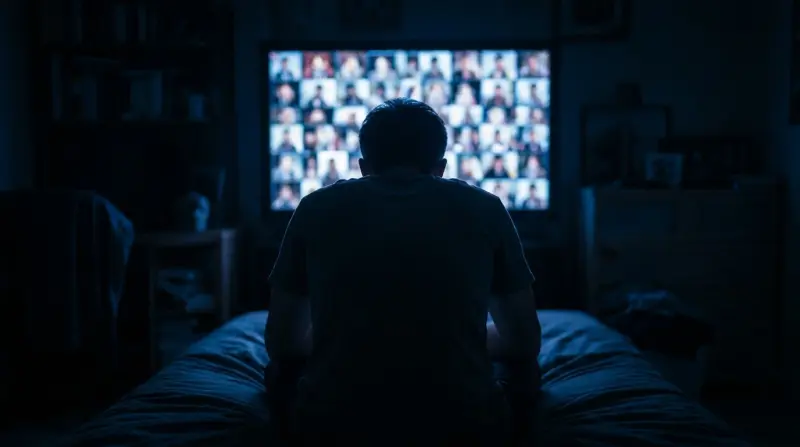
Pornographic videos are a common form of adult entertainment. They consist of explicit or exaggerated sexual scenes intended to arouse viewers sexually. Their content varies and may include amateur footage filmed at home or professionally produced films made by specialist companies using actors. This genre covers a wide range of subjects, including solo sexual activity, activity between two people, or activity involving more people, such as group sex, sexual preferences or fetishes, and erotic roles such as sadism and masochism. It should be noted that not all pornographic videos are filmed or published with the consent and approval of everyone involved. Showing or producing such films may be illegal in some countries, as well as frowned upon and prohibited in more than one faith. Moreover, excessive pornography viewing may negatively affect a person's psychological, mental, and physical health.
Pornography is easily accessible in this age and may require far less effort than interacting with or approaching a potential partner. For married people or those in a relationship, this can contribute to a vicious cycle in which pornography causes intimacy problems, leading the person to rely more heavily on it for sexual satisfaction and to escape relationship problems. For others, regularly watching pornography may lead to withdrawal and disconnection from reality. This can create unreasonable expectations that give rise to inappropriate and even criminal behavior toward the opposite sex, such as harassment, rape, or, in extreme cases, violence.
Pornography Addiction
Pornography addiction can be defined as compulsive behavior in which a person persistently watches sexual content to an unhealthy degree that interferes with daily life. This type of addiction can lead to reduced productivity, strained relationships, and emotional distress. It can also cause physical health problems, such as lack of sleep and increased stress. People addicted to pornography may find it difficult to control their urges and may continue watching despite experiencing and recognizing the negative consequences. In some cases, they may need help, such as psychotherapy or support groups, to overcome the addiction.
Pornography can easily become addictive for some people because of how the brain responds to sexual images. There is evidence that the same brain activity seen in drug or alcohol addiction also appears in people who consume pornography frequently. However, it is important to note that not everyone who watches pornography will become addicted. Rather, the path to pornography addiction often follows the same pattern as other forms of addiction. For example, a person may be exposed to pornographic images and gradually begin exploring pornographic websites and media.
Harms of Pornography Addiction
This experimentation stage may then develop into excessive use, obsession, or dependence, characterized by watching more and more types of pornography to the point of neglecting other activities and responsibilities. People addicted to pornography may also experience emotional distress when trying to stop, such as irritability or low mood. Some harms and early signs of pornography addiction include:
The person's sex life becomes less satisfying.
Frequent disagreements arise, or the person feels less satisfied with their partner.
The person takes risks to watch pornography, such as doing so in public, on public transportation, or during school or working hours.
The person shares pornography with or without a reason and sometimes without the other person's consent.
Other harms that may result from developing an unhealthy relationship with pornography include:
Neglecting responsibilities, postponing commitments, and devoting time to watching pornography.
Gradually watching more extreme pornography to obtain the same pleasure previously produced by less extreme material.
Feeling frustrated or remorseful after watching pornography but continuing to do so.
Wanting to stop watching pornography while feeling unable to do so.
Spending large amounts of money on subscriptions to pornographic websites, possibly at the expense of daily or family necessities.
Using pornography to cope with sadness, anxiety, insomnia, or other mental health problems.
Treatment for Pornography Addiction
If it is established that a person has a pornography addiction, these are the initial measures for stopping and treating it:
Identify and avoid contributing factors and triggers.
Find sound, healthy alternatives to this behavior.
Seek support from friends or a family member, or consult a professional.
Practice meditation and relaxation activities and reduce sources of stress.
Replace negative obsessive thoughts with positive affirmations.
Set achievable short- or long-term goals and track progress.
Consider seeking professional help through therapy or a support group.
However, the person should see a doctor if they:
Have difficulty reaching orgasm when having sex with a partner.
Experience recurrent sexual dysfunction, such as impotence or difficulty maintaining an erection or achieving penetration during sex.
Find sex painful.
Have or previously had another addiction.
Experience symptoms of anxiety, depression, insomnia, or any other physical or psychological disorder.
Sometimes, a specialist therapist can offer help with pornography addiction, intercourse-related problems, and associated concerns.
It may be advisable to contact a therapist if the person:
Has experienced relationship problems because of pornography.
Loses track of time while watching pornography.
Feels guilty about watching pornography.
Wants to reduce their pornography viewing but feels unable to do so.
Finds that the idea of watching pornography dominates their thoughts and cannot be dismissed.
However, it is important to choose the therapist carefully, especially if the person with the addiction is a woman or belongs to a particular sexual minority. Mistreatment such as ridicule, belittling, or prejudgment may cause the person to withdraw and stop looking for effective solutions.
Persistent Pornography Viewing
Pornography dates back thousands of years and appears in many forms and media, tempting many people to view it for different reasons, including:
To achieve sexual satisfaction amid repression and/or loneliness.
To satisfy curiosity about particular sexual subjects.
To pass the time or because of boredom and inactivity.
To reduce stress.
Because of a lack of physical intimacy between the person and their partner.
To explore sex, especially among adolescents and people who have only recently become sexually active.
To fulfill particular sensual fantasies and sexual preferences.
It is important to mention that watching pornography can have positive and negative effects on individuals and relationships. Specialists recommend viewing it in moderation and approaching it consciously and responsibly. Factors that may increase the likelihood of pornography addiction include:
Ease of access. Thanks to internet service, pornography is now only one click away.
Privacy. Watching pornography in private has become easier than ever. Compulsive behaviors are known to thrive in secrecy and without oversight.
Its association with masturbation or partnered sex. Watching it then becomes subconsciously associated with sensual pleasure, even when that pleasure is absent.
Compulsive pornography viewing may become more severe if the person has:
A history of drug or alcohol use, or a family member with an addiction to them.
Other mental health problems, such as a mood disorder, depression, or gambling addiction.
Family problems such as divorce, separation, or domestic violence.
A history of physical or sexual abuse.
Can Pornography Addiction Be Overcome?
Yes, pornography addiction can be treated and overcome through commitment and consistent effort. However, stopping for good may require a combination of behavioral therapy, emotional support from friends, a partner, and loved ones, and the use of self-help techniques. In difficult cases, it may also involve taking certain medications. The path to recovery may include one or two relapses, but with perseverance and support, pornography addiction can ultimately be overcome.
Treatment strategies may include:
Psychotherapy: This type of treatment can help the person understand their relationship with pornography, identify unmet sexual needs, and develop strategies for managing the resulting psychological distress.
Relationship counseling: A couples counselor can help partners discuss their problems and attitudes toward pornography, determine whether pornography has a place in their relationship, and develop deeper trust in themselves and each other.
Medication: Sometimes a person turns to pornography to cope with another problem. Medication may help treat the underlying problem.
Lifestyle change and renewal: Some people consume pornography because of boredom or exhaustion. Adopting a healthier lifestyle may help them spend fewer hours on the computer.
For awareness purposes, here are some things that people who do not know how to deal appropriately with those addicted to pornographicmaterial may try to shame them with:
"People can become addicted to pornographicmaterial in the same way they can become addicted to drugs."
Sexual dysfunction is often confused and conflated with addiction to pornographicmaterial.
"Addiction to pornographicmaterial is merely a result of smartphones, social media, and the internet."
"The world is full of too much pornographic content."
The root causes of the problem are not examined carefully.
Encouraging a separation between the pressures of daily life and addiction to pornographicmaterial.
"There is no such thing as excessive pornography viewing."
For this reason, it is best to choose people carefully, including therapists, before telling them about the problem. Otherwise, they may contribute to worsening it and increasing the resulting psychological harm, even unintentionally, because the subject is open to debate and attracts many opinions and diagnoses.
Is Pornography Addiction an Illness?
Neither pornography addiction nor sex addiction has an officially recognized diagnosis. This means that there are no specific criteria for pornography addiction that mental health professionals can use to diagnose it. Excessive pornography viewing, or the self-described "illness" of pornography addiction, may be regarded as a symptom of deeper psychological disorders and/or problems the person may be experiencing in relationships with others.
Many people who describe themselves as addicted base that description on feelings of shame. Unlike a diagnosed addiction to alcohol, drugs, or similar substances, self-diagnosed pornography addiction is often only part of an internal conflict with values consciously or unconsciously acquired from a person's family, culture, or society concerning:
The "right" way to have sex.
A healthy or "normal" frequency of masturbation.
The sexual orientation conventionally accepted by religion and society.
Sexual fantasies regarded as unacceptable if the person identifies as having a particular sexual orientation.
The general religious prohibition and legal criminalization of masturbation.
Contempt for people who pay for pornography.
Accordingly, pornography addiction may be regarded as compulsive behavior arising from poor sexual education and underlying or evident psychological problems, and it can be controlled and reduced. This differs from other addictions that involve compelling physical factors, making cessation much more difficult. It has also not yet been recognized as an official addiction in the way gambling addiction has, for example, despite modern science demonstrating that watching pornography negatively affects the brain and drives a person to watch more or explore increasingly explicit erotic subjects over time to achieve their usual level of satisfaction.
Nevertheless, there are clinics specializing in treating pornography addiction and professionals trained in sex education who can use talk therapy approaches such as cognitive behavioral therapy and acceptance and commitment therapy. These have been shown to be effective in controlling and reducing such behaviors and can help a person become more comfortable with negative feelings about watching pornography, making it easier to feel genuinely satisfied with lower levels of viewing.
Other researchers insist that pornography addiction is merely a myth arising from poor communication between people and contempt toward those who produce pornography and, consequently, those who consume it. This stigma, in turn, contributes to consumers developing a habit of hiding it and remaining guarded about it in a way that may evolve into psychological complexes and physical ailments. According to some studies, cases of addiction are often associated with strict religious environments that instill in a person from early childhood rigid, unquestionable, and sometimes unexplained ideas about the nature of sexual life, marriage, erotic prohibitions, and pornography viewing. It is therefore primarily a problem involving conflict between morals and desires.
In Summary
Excessive pornography viewing can cause significant psychological and physical problems, whether or not it causes addiction in the traditional, commonly understood medical sense. Although there is disagreement about the causes and contributing factors behind pornography addiction, treatment usually involves addressing an underlying problem that may relate to mental health or daily lifestyle. For some people, simple lifestyle changes can help them overcome the problem.
Receiving care from a sex therapist who can identify underlying problems and provide evidence-based treatment strategies may help a person improve their relationships and regain a sense of control over their pornography viewing. A doctor can also investigate health problems that may cause or result from pornography addiction. In every case, it is important to tell another knowledgeable and understanding person to ease the psychological conflict. Alongside a doctor or therapist, this person could be a close friend, family member, spouse or partner, or even an in-person or online support group.
Finally, it is extremely important to avoid anything that triggers or encourages pornography viewing and to remember that it is an industry like other aspects of capitalism. It is produced for entertainment, not education, and has no real connection to reality or to what a healthy sexual relationship entails between two consenting people who share an emotional relationship and a legal and social commitment—elements that pornography usually deliberately overlooks and distorts. Once these differences are recognized, it becomes easier to control the causes and motives behind watching these films and therefore to overcome the addiction completely.
Download Tatmeen's online psychological and family counseling app from the App Store or Google Play. You can also register on the Tatmeen mental health website to receive valuable information and practical tools for strengthening your mental health.
Content writer and researcher at Tatmeen, writing in Arabic and English about mental health and everyday life, from relationships and stress to work, habits, and family.
Every Tatmeen article is reviewed by care providers licensed by the Saudi Commission for Health Specialties, so what you read is accurate and trustworthy.
This article builds understanding and does not replace a licensed care provider.
Need someone to talk to?
Tatmeen's licensed care providers are available around the clock, and the app's urgent consultation connects you with one within minutes.
Download Tatmeen to explore care providers and booking options.
Smart matchingFour quick questions suggest the right care provider
Urgent consultationTalk to an available care provider within minutes
Free psychological measuresMore than 20 tests to understand how you are doing
Scan to download
{"data":{"id":"11f6cab7-d24c-4e38-b6c6-2116e67330b6","slug":"Watching-Pornography","arTitle":"مشاهدة الأفلام الإباحية - مضارها وطرق علاج الإدمان عليها وكيفية التخلص منه","enTitle":"Watching Pornography: Harms, Addiction Treatment, and Recovery","thumbnailAltText":"Heavily blurred collage of rectangular frames with indistinct human figures","estimatedReadingTime":5,"likesCount":963,"writer":{"id":"d3defdb6-4a23-4b03-aad9-a1ecc054aae5","arBio":"كاتب وباحث محتوى في تطمين، يكتب بالعربية والإنجليزية عن الصحة النفسية والحياة اليومية، من العلاقات والضغوط إلى العمل والعادات والأسرة.\n","enBio":"Content writer and researcher at Tatmeen, writing in Arabic and English about mental health and everyday life, from relationships and stress to work, habits, and family.","user":{"slug":"fahad-almalik","arFullName":"فهد المالك","enFullName":"Fahad Almalik","publicProfileImageUrl":"https://cdn.tatmeen.sa/public/profile-images/a34c8028-5847-45de-ab83-a014942bb7d3/675415e988c16442a04af5d3b8899242613a955c44e0364314cc3ff74cbad082.webp","publicProfileImage96Url":"https://cdn.tatmeen.sa/public/profile-images/a34c8028-5847-45de-ab83-a014942bb7d3/675415e988c16442a04af5d3b8899242613a955c44e0364314cc3ff74cbad082-w96.webp","publicProfileImage192Url":"https://cdn.tatmeen.sa/public/profile-images/a34c8028-5847-45de-ab83-a014942bb7d3/675415e988c16442a04af5d3b8899242613a955c44e0364314cc3ff74cbad082-w192.webp"}},"arContent":"","enContent":"","productionDocument":{"headings":[{"id":"article-section-pornography-addiction","text":"Pornography Addiction"},{"id":"article-section-harms-of-pornography-addiction","text":"Harms of Pornography Addiction"},{"id":"article-section-treatment-for-pornography-addiction","text":"Treatment for Pornography Addiction"},{"id":"article-section-persistent-pornography-viewing","text":"Persistent Pornography Viewing"},{"id":"article-section-can-pornography-addiction-be-overcome","text":"Can Pornography Addiction Be Overcome?"},{"id":"article-section-is-pornography-addiction-an-illness","text":"Is Pornography Addiction an Illness?"},{"id":"article-section-in-summary","text":"In Summary"}],"faqs":[],"beforeSourcesHtml":"","sources":[],"afterSourcesHtml":"","blocks":[{"type":"html","html":"<p class=\"ql-align-right ql-direction-rtl\">Pornographic videos are a common form of adult entertainment. They consist of explicit or exaggerated sexual scenes intended to arouse viewers sexually. Their content varies and may include amateur footage filmed at home or professionally produced films made by specialist companies using actors. This genre covers a wide range of subjects, including solo sexual activity, activity between two people, or activity involving more people, such as group sex, sexual preferences or fetishes, and erotic roles such as sadism and masochism. It should be noted that not all pornographic videos are filmed or published with the consent and approval of everyone involved. Showing or producing such films may be illegal in some countries, as well as frowned upon and prohibited in more than one faith. Moreover, excessive pornography viewing may negatively affect a person's psychological, mental, and physical health.</p><p class=\"ql-align-right ql-direction-rtl\">Pornography is easily accessible in this age and may require far less effort than interacting with or approaching a potential partner. For married people or those in a relationship, this can contribute to a vicious cycle in which pornography causes intimacy problems, leading the person to rely more heavily on it for sexual satisfaction and to escape relationship problems. For others, regularly watching pornography may lead to withdrawal and disconnection from reality. This can create unreasonable expectations that give rise to inappropriate and even criminal behavior toward the opposite sex, such as harassment, rape, or, in extreme cases, violence.</p><h2 class=\"ql-align-right ql-direction-rtl\" id=\"article-section-pornography-addiction\" data-toc-heading tabindex=\"-1\"><span id=\"pornography-addiction-1\" aria-hidden=\"true\"></span><strong>Pornography Addiction</strong></h2><p class=\"ql-align-right ql-direction-rtl\">Pornography addiction can be defined as compulsive behavior in which a person persistently watches sexual content to an unhealthy degree that interferes with daily life. This type of addiction can lead to reduced productivity, strained relationships, and emotional distress. It can also cause physical health problems, such as lack of sleep and increased stress. People addicted to pornography may find it difficult to control their urges and may continue watching despite experiencing and recognizing the negative consequences. In some cases, they may need help, such as psychotherapy or support groups, to overcome the addiction.</p><p class=\"ql-align-right ql-direction-rtl\">Pornography can easily become addictive for some people because of how the brain responds to sexual images. There is evidence that the same brain activity seen in drug or alcohol addiction also appears in people who consume pornography frequently. However, it is important to note that not everyone who watches pornography will become addicted. Rather, the path to pornography addiction often follows the same pattern as other forms of addiction. For example, a person may be exposed to pornographic images and gradually begin exploring pornographic websites and media.</p><h2 class=\"ql-align-right ql-direction-rtl\" id=\"article-section-harms-of-pornography-addiction\" data-toc-heading tabindex=\"-1\"><span id=\"harms-of-pornography-addiction-2\" aria-hidden=\"true\"></span><strong>Harms of Pornography Addiction</strong></h2><p class=\"ql-align-right ql-direction-rtl\">This experimentation stage may then develop into excessive use, obsession, or dependence, characterized by watching more and more types of pornography to the point of neglecting other activities and responsibilities. People addicted to pornography may also experience emotional distress when trying to stop, such as irritability or low mood. Some harms and early signs of pornography addiction include:</p><ul><li class=\"ql-align-right ql-direction-rtl\">The person's sex life becomes less satisfying.</li><li class=\"ql-align-right ql-direction-rtl\">Frequent disagreements arise, or the person feels less satisfied with their partner.</li><li class=\"ql-align-right ql-direction-rtl\">The person takes risks to watch pornography, such as doing so in public, on public transportation, or during school or working hours.</li><li class=\"ql-align-right ql-direction-rtl\">The person shares pornography with or without a reason and sometimes without the other person's consent.</li></ul><p class=\"ql-align-right ql-direction-rtl\">Other harms that may result from developing an unhealthy relationship with pornography include:</p><ul><li class=\"ql-align-right ql-direction-rtl\">Neglecting responsibilities, postponing commitments, and devoting time to watching pornography.</li><li class=\"ql-align-right ql-direction-rtl\">Gradually watching more extreme pornography to obtain the same pleasure previously produced by less extreme material.</li><li class=\"ql-align-right ql-direction-rtl\">Feeling frustrated or remorseful after watching pornography but continuing to do so.</li><li class=\"ql-align-right ql-direction-rtl\">Wanting to stop watching pornography while feeling unable to do so.</li><li class=\"ql-align-right ql-direction-rtl\">Spending large amounts of money on subscriptions to pornographic websites, possibly at the expense of daily or family necessities.</li><li class=\"ql-align-right ql-direction-rtl\">Using pornography to cope with sadness, anxiety, insomnia, or other mental health problems.</li></ul><h2 class=\"ql-align-right ql-direction-rtl\" id=\"article-section-treatment-for-pornography-addiction\" data-toc-heading tabindex=\"-1\"><span id=\"treatment-for-pornography-addiction-3\" aria-hidden=\"true\"></span><strong>Treatment for Pornography Addiction</strong></h2><p class=\"ql-align-right ql-direction-rtl\">If it is established that a person has a pornography addiction, these are the initial measures for stopping and treating it:</p><ol><li class=\"ql-align-right ql-direction-rtl\">Identify and avoid contributing factors and triggers.</li><li class=\"ql-align-right ql-direction-rtl\">Find sound, healthy alternatives to this behavior.</li><li class=\"ql-align-right ql-direction-rtl\">Seek support from friends or a family member, or consult a professional.</li><li class=\"ql-align-right ql-direction-rtl\">Practice meditation and relaxation activities and reduce sources of stress.</li><li class=\"ql-align-right ql-direction-rtl\">Replace negative obsessive thoughts with positive affirmations.</li><li class=\"ql-align-right ql-direction-rtl\">Set achievable short- or long-term goals and track progress.</li><li class=\"ql-align-right ql-direction-rtl\">Consider seeking professional help through therapy or a support group.</li></ol><p class=\"ql-align-right ql-direction-rtl\">However, the person should see a doctor if they:</p><ul><li class=\"ql-align-right ql-direction-rtl\">Have difficulty reaching orgasm when having sex with a partner.</li><li class=\"ql-align-right ql-direction-rtl\">Experience recurrent sexual dysfunction, such as impotence or difficulty maintaining an erection or achieving penetration during sex.</li><li class=\"ql-align-right ql-direction-rtl\">Find sex painful.</li><li class=\"ql-align-right ql-direction-rtl\">Have or previously had another addiction.</li><li class=\"ql-align-right ql-direction-rtl\">Experience symptoms of anxiety, depression, insomnia, or any other physical or psychological disorder.</li></ul><p class=\"ql-align-right ql-direction-rtl\">Sometimes, a specialist therapist can offer help with pornography addiction, intercourse-related problems, and associated concerns.</p><p class=\"ql-align-right ql-direction-rtl\">It may be advisable to contact a therapist if the person:</p><ul><li class=\"ql-align-right ql-direction-rtl\">Has experienced relationship problems because of pornography.</li><li class=\"ql-align-right ql-direction-rtl\">Loses track of time while watching pornography.</li><li class=\"ql-align-right ql-direction-rtl\">Feels guilty about watching pornography.</li><li class=\"ql-align-right ql-direction-rtl\">Wants to reduce their pornography viewing but feels unable to do so.</li><li class=\"ql-align-right ql-direction-rtl\">Finds that the idea of watching pornography dominates their thoughts and cannot be dismissed.</li></ul><p class=\"ql-align-right ql-direction-rtl\">However, it is important to choose the therapist carefully, especially if the person with the addiction is a woman or belongs to a particular sexual minority. Mistreatment such as ridicule, belittling, or prejudgment may cause the person to withdraw and stop looking for effective solutions.</p><h2 class=\"ql-align-right ql-direction-rtl\" id=\"article-section-persistent-pornography-viewing\" data-toc-heading tabindex=\"-1\"><span id=\"persistent-pornography-viewing-4\" aria-hidden=\"true\"></span><strong>Persistent Pornography Viewing</strong></h2><p class=\"ql-align-right ql-direction-rtl\">Pornography dates back thousands of years and appears in many forms and media, tempting many people to view it for different reasons, including:</p><ol><li class=\"ql-align-right ql-direction-rtl\">To achieve sexual satisfaction amid repression and/or loneliness.</li><li class=\"ql-align-right ql-direction-rtl\">To satisfy curiosity about particular sexual subjects.</li><li class=\"ql-align-right ql-direction-rtl\">To pass the time or because of boredom and inactivity.</li><li class=\"ql-align-right ql-direction-rtl\">To reduce stress.</li><li class=\"ql-align-right ql-direction-rtl\">Because of a lack of physical intimacy between the person and their partner.</li><li class=\"ql-align-right ql-direction-rtl\">To explore sex, especially among adolescents and people who have only recently become sexually active.</li><li class=\"ql-align-right ql-direction-rtl\">To fulfill particular sensual fantasies and sexual preferences.</li></ol><p class=\"ql-align-right ql-direction-rtl\">It is important to mention that watching pornography can have positive and negative effects on individuals and relationships. Specialists recommend viewing it in moderation and approaching it consciously and responsibly. Factors that may increase the likelihood of pornography addiction include:</p><ul><li class=\"ql-align-right ql-direction-rtl\"><strong>Ease of access</strong>. Thanks to internet service, pornography is now only one click away.</li><li class=\"ql-align-right ql-direction-rtl\"><strong>Privacy</strong>. Watching pornography in private has become easier than ever. Compulsive behaviors are known to thrive in secrecy and without oversight.</li><li class=\"ql-align-right ql-direction-rtl\"><strong>Its association with masturbation or partnered sex</strong>. Watching it then becomes subconsciously associated with sensual pleasure, even when that pleasure is absent.</li></ul><p class=\"ql-align-right ql-direction-rtl\">Compulsive pornography viewing may become more severe if the person has:</p><ul><li class=\"ql-align-right ql-direction-rtl\">A history of drug or alcohol use, or a family member with an addiction to them.</li><li class=\"ql-align-right ql-direction-rtl\">Other mental health problems, such as a mood disorder, depression, or gambling addiction.</li><li class=\"ql-align-right ql-direction-rtl\">Family problems such as divorce, separation, or domestic violence.</li><li class=\"ql-align-right ql-direction-rtl\">A history of physical or sexual abuse.</li></ul><h2 class=\"ql-align-right ql-direction-rtl\" id=\"article-section-can-pornography-addiction-be-overcome\" data-toc-heading tabindex=\"-1\"><span id=\"can-pornography-addiction-be-overcome-5\" aria-hidden=\"true\"></span><strong>Can Pornography Addiction Be Overcome?</strong></h2><p class=\"ql-align-right ql-direction-rtl\">Yes, pornography addiction can be treated and overcome through commitment and consistent effort. However, stopping for good may require a combination of behavioral therapy, emotional support from friends, a partner, and loved ones, and the use of self-help techniques. In difficult cases, it may also involve taking certain medications. The path to recovery may include one or two relapses, but with perseverance and support, pornography addiction can ultimately be overcome.</p><p class=\"ql-align-right ql-direction-rtl\">Treatment strategies may include:</p><ul><li class=\"ql-align-right ql-direction-rtl\">Psychotherapy: This type of treatment can help the person understand their relationship with pornography, identify unmet sexual needs, and develop strategies for managing the resulting psychological distress.</li><li class=\"ql-align-right ql-direction-rtl\">Relationship counseling: A couples counselor can help partners discuss their problems and attitudes toward pornography, determine whether pornography has a place in their relationship, and develop deeper trust in themselves and each other.</li><li class=\"ql-align-right ql-direction-rtl\">Medication: Sometimes a person turns to pornography to cope with another problem. Medication may help treat the underlying problem.</li><li class=\"ql-align-right ql-direction-rtl\">Lifestyle change and renewal: Some people consume pornography because of boredom or exhaustion. Adopting a healthier lifestyle may help them spend fewer hours on the computer.</li></ul><p class=\"ql-align-right ql-direction-rtl\">For awareness purposes, here are some things that people who do not know how to deal appropriately with those addicted to pornographic<strong> </strong>material may try to shame them with:</p><ul><li class=\"ql-align-right ql-direction-rtl\">\"People can become addicted to pornographic<strong> </strong>material in the same way they can become addicted to drugs.\"</li><li class=\"ql-align-right ql-direction-rtl\">Sexual dysfunction is often confused and conflated with addiction to pornographic<strong> </strong>material.</li><li class=\"ql-align-right ql-direction-rtl\">\"Addiction to pornographic<strong> </strong>material is merely a result of smartphones, social media, and the internet.\"</li><li class=\"ql-align-right ql-direction-rtl\">\"The world is full of too much pornographic content.\"</li><li class=\"ql-align-right ql-direction-rtl\">The root causes of the problem are not examined carefully.</li><li class=\"ql-align-right ql-direction-rtl\">Encouraging a separation between the pressures of daily life and addiction to pornographic<strong> </strong>material.</li><li class=\"ql-align-right ql-direction-rtl\">\"There is no such thing as excessive pornography viewing.\"</li></ul><p class=\"ql-align-right ql-direction-rtl\">For this reason, it is best to choose people carefully, including therapists, before telling them about the problem. Otherwise, they may contribute to worsening it and increasing the resulting psychological harm, even unintentionally, because the subject is open to debate and attracts many opinions and diagnoses.</p><h2 class=\"ql-align-right ql-direction-rtl\" id=\"article-section-is-pornography-addiction-an-illness\" data-toc-heading tabindex=\"-1\"><span id=\"is-pornography-addiction-an-illness-6\" aria-hidden=\"true\"></span><strong>Is Pornography Addiction an Illness?</strong></h2><p class=\"ql-align-right ql-direction-rtl\">Neither pornography addiction nor sex addiction has an officially recognized diagnosis. This means that there are no specific criteria for pornography addiction that mental health professionals can use to diagnose it. Excessive pornography viewing, or the self-described \"illness\" of pornography addiction, may be regarded as a symptom of deeper psychological disorders and/or problems the person may be experiencing in relationships with others.</p><p class=\"ql-align-right ql-direction-rtl\">Many people who describe themselves as addicted base that description on feelings of shame. Unlike a diagnosed addiction to alcohol, drugs, or similar substances, self-diagnosed pornography addiction is often only part of an internal conflict with values consciously or unconsciously acquired from a person's family, culture, or society concerning:</p><ul><li class=\"ql-align-right ql-direction-rtl\">The \"right\" way to have sex.</li><li class=\"ql-align-right ql-direction-rtl\">A healthy or \"normal\" frequency of masturbation.</li><li class=\"ql-align-right ql-direction-rtl\">The sexual orientation conventionally accepted by religion and society.</li><li class=\"ql-align-right ql-direction-rtl\">Sexual fantasies regarded as unacceptable if the person identifies as having a particular sexual orientation.</li><li class=\"ql-align-right ql-direction-rtl\">The general religious prohibition and legal criminalization of masturbation.</li><li class=\"ql-align-right ql-direction-rtl\">Contempt for people who pay for pornography.</li></ul><p class=\"ql-align-right ql-direction-rtl\">Accordingly, pornography addiction may be regarded as compulsive behavior arising from poor sexual education and underlying or evident psychological problems, and it can be controlled and reduced. This differs from other addictions that involve compelling physical factors, making cessation much more difficult. It has also not yet been recognized as an official addiction in the way gambling addiction has, for example, despite modern science demonstrating that watching pornography negatively affects the brain and drives a person to watch more or explore increasingly explicit erotic subjects over time to achieve their usual level of satisfaction.</p><p class=\"ql-align-right ql-direction-rtl\">Nevertheless, there are clinics specializing in treating pornography addiction and professionals trained in sex education who can use talk therapy approaches such as cognitive behavioral therapy and acceptance and commitment therapy. These have been shown to be effective in controlling and reducing such behaviors and can help a person become more comfortable with negative feelings about watching pornography, making it easier to feel genuinely satisfied with lower levels of viewing.</p><p class=\"ql-align-right ql-direction-rtl\">Other researchers insist that pornography addiction is merely a myth arising from poor communication between people and contempt toward those who produce pornography and, consequently, those who consume it. This stigma, in turn, contributes to consumers developing a habit of hiding it and remaining guarded about it in a way that may evolve into psychological complexes and physical ailments. According to some studies, cases of addiction are often associated with strict religious environments that instill in a person from early childhood rigid, unquestionable, and sometimes unexplained ideas about the nature of sexual life, marriage, erotic prohibitions, and pornography viewing. It is therefore primarily a problem involving conflict between morals and desires.</p><h2 class=\"ql-align-right ql-direction-rtl\" id=\"article-section-in-summary\" data-toc-heading tabindex=\"-1\"><span id=\"in-summary-7\" aria-hidden=\"true\"></span><strong>In Summary</strong></h2><p class=\"ql-align-right ql-direction-rtl\">Excessive pornography viewing can cause significant psychological and physical problems, whether or not it causes addiction in the traditional, commonly understood medical sense. Although there is disagreement about the causes and contributing factors behind pornography addiction, treatment usually involves addressing an underlying problem that may relate to mental health or daily lifestyle. For some people, simple lifestyle changes can help them overcome the problem.</p><p class=\"ql-align-right ql-direction-rtl\">Receiving care from a sex therapist who can identify underlying problems and provide evidence-based treatment strategies may help a person improve their relationships and regain a sense of control over their pornography viewing. A doctor can also investigate health problems that may cause or result from pornography addiction. In every case, it is important to tell another knowledgeable and understanding person to ease the psychological conflict. Alongside a doctor or therapist, this person could be a close friend, family member, spouse or partner, or even an in-person or online support group.</p><p class=\"ql-align-right ql-direction-rtl\">Finally, it is extremely important to avoid anything that triggers or encourages pornography viewing and to remember that it is an industry like other aspects of capitalism. It is produced for entertainment, not education, and has no real connection to reality or to what a healthy sexual relationship entails between two consenting people who share an emotional relationship and a legal and social commitment—elements that pornography usually deliberately overlooks and distorts. Once these differences are recognized, it becomes easier to control the causes and motives behind watching these films and therefore to overcome the addiction completely.</p><p class=\"ql-align-right ql-direction-rtl\"><br /></p><p class=\"ql-direction-rtl ql-align-justify\">Download Tatmeen's online psychological and family counseling app from the App Store or Google Play. You can also register on the Tatmeen mental health website to receive valuable information and practical tools for strengthening your mental health.</p><p class=\"ql-align-right ql-direction-rtl\"><br /></p><p><br /></p>"}],"inlineCtaSignatures":[],"_experienceAliases":{"v":1,"fields":["html","bodyHtml"]}},"createdAt":"2024-01-08T21:00:00.000Z","updatedAt":"2026-08-11T04:45:02.303Z","disorderGroups":[{"id":"04bd234d-c176-4ba1-afb3-9e9c05d0e648","slug":"addictions-and-compulsive-behaviors","arName":"الإدمان والسلوكيات القهرية","enName":"Addictions & Compulsive Behaviors"},{"id":"1e82772d-a1a7-4d29-b475-be9d6b67ae02","slug":"common-mental-issues","arName":"اضطرابات نفسية شائعة","enName":"Common Mental Issues"}],"reviewer":{"arFullName":"فريق تطمين","enFullName":"Tatmeen team","slug":"tatmeen-team","kind":"organization"},"productionArticle":true,"promotionAllowed":true,"preparedCover":{"src":"https://cdn.tatmeen.sa/public/article-lcp/article-lcp-v2/sha256-52c5cbbbc1accdfb0ca79beebe5c46715c7c71f6372d7e48604429b22fd673b5/600-6f2eca0c8cd73983fe44843c2a7e927bdde19ec5e3847299eb8a7c50426ada8b.avif","fallback":"https://cdn.tatmeen.sa/public/article-lcp/article-lcp-v2/sha256-52c5cbbbc1accdfb0ca79beebe5c46715c7c71f6372d7e48604429b22fd673b5/600-f8f7f080132a72b1f1a538b0e9ad9522a9f21ce49e257e9488999925830eb903.webp","directUrl":"https://cdn.tatmeen.sa/blog-cover/1704800846918-Tatmeen-img-964","isGolden":true,"avifSrcset":"https://cdn.tatmeen.sa/public/article-lcp/article-lcp-v2/sha256-52c5cbbbc1accdfb0ca79beebe5c46715c7c71f6372d7e48604429b22fd673b5/400-a7bbbe895e52b89a2abf01e15f5a876d2061faa16d8b593db7b24ee14ea4a120.avif 400w, https://cdn.tatmeen.sa/public/article-lcp/article-lcp-v2/sha256-52c5cbbbc1accdfb0ca79beebe5c46715c7c71f6372d7e48604429b22fd673b5/600-6f2eca0c8cd73983fe44843c2a7e927bdde19ec5e3847299eb8a7c50426ada8b.avif 600w","webpSrcset":"https://cdn.tatmeen.sa/public/article-lcp/article-lcp-v2/sha256-52c5cbbbc1accdfb0ca79beebe5c46715c7c71f6372d7e48604429b22fd673b5/400-f56edff7abe2296f36062f3c4544f277b927e73a03e8181ac0f1cc6eadde1dd3.webp 400w, https://cdn.tatmeen.sa/public/article-lcp/article-lcp-v2/sha256-52c5cbbbc1accdfb0ca79beebe5c46715c7c71f6372d7e48604429b22fd673b5/600-f8f7f080132a72b1f1a538b0e9ad9522a9f21ce49e257e9488999925830eb903.webp 600w","phoneAvifSrcset":"https://cdn.tatmeen.sa/public/article-lcp/article-lcp-v2/sha256-52c5cbbbc1accdfb0ca79beebe5c46715c7c71f6372d7e48604429b22fd673b5/400-a7bbbe895e52b89a2abf01e15f5a876d2061faa16d8b593db7b24ee14ea4a120.avif 400w, https://cdn.tatmeen.sa/public/article-lcp/article-lcp-v2/sha256-52c5cbbbc1accdfb0ca79beebe5c46715c7c71f6372d7e48604429b22fd673b5/600-6f2eca0c8cd73983fe44843c2a7e927bdde19ec5e3847299eb8a7c50426ada8b.avif 600w","phoneWebpSrcset":"https://cdn.tatmeen.sa/public/article-lcp/article-lcp-v2/sha256-52c5cbbbc1accdfb0ca79beebe5c46715c7c71f6372d7e48604429b22fd673b5/400-f56edff7abe2296f36062f3c4544f277b927e73a03e8181ac0f1cc6eadde1dd3.webp 400w, https://cdn.tatmeen.sa/public/article-lcp/article-lcp-v2/sha256-52c5cbbbc1accdfb0ca79beebe5c46715c7c71f6372d7e48604429b22fd673b5/600-f8f7f080132a72b1f1a538b0e9ad9522a9f21ce49e257e9488999925830eb903.webp 600w","width":600,"height":400},"previewTaxonomy":{"groups":[{"id":"04bd234d-c176-4ba1-afb3-9e9c05d0e648","slug":"addictions-and-compulsive-behaviors","arName":"الإدمان والسلوكيات القهرية","enName":"Addictions & Compulsive Behaviors"},{"id":"1e82772d-a1a7-4d29-b475-be9d6b67ae02","slug":"common-mental-issues","arName":"اضطرابات نفسية شائعة","enName":"Common Mental Issues"}],"topics":[{"id":"15ff72d6-a734-4802-9430-5938aa292115","slug":"porn-addiction","arName":"إدمان الإباحية","enName":"Porn Addiction","groupSlug":"addictions-and-compulsive-behaviors","href":"/blog/category/addictions-and-compulsive-behaviors/porn-addiction/"}],"tags":[{"id":"4ed98471-68bf-4682-b622-f092e88833bb","slug":"porn-compulsive-sexual","arName":"إدمان الإباحية والسلوك الجنسي القهري","enName":"Pornography & Compulsive Sexual"},{"id":"a1d36353-cbcb-4907-b913-3069289a3514","slug":"addiction-recovery","arName":"الإدمان والتعافي","enName":"Addiction & Recovery"},{"id":"c2a6e8d3-de9c-435f-8c95-9727e7db14cc","slug":"explainer-awareness","arName":"دليل توعوي / شرح","enName":"Explainer / Awareness Guide"}]},"previewProviderRecommendations":[{"id":"278d5ac5-30ff-46ad-97be-c67cdd125836","slug":"dr-mohammed-alamari-8085","arFullName":"د. محمد العماري","enFullName":"Dr. Mohammed Alamari","publicProfileImageUrl":"https://cdn.tatmeen.sa/public/profile-images/278d5ac5-30ff-46ad-97be-c67cdd125836/69bdd11cb01784eed010eb9883403fd6ca4e4afcec739dcd6114fd8b85f133a8.webp","publicProfileImage96Url":"https://cdn.tatmeen.sa/public/profile-images/278d5ac5-30ff-46ad-97be-c67cdd125836/69bdd11cb01784eed010eb9883403fd6ca4e4afcec739dcd6114fd8b85f133a8-w96.webp","publicProfileImage192Url":"https://cdn.tatmeen.sa/public/profile-images/278d5ac5-30ff-46ad-97be-c67cdd125836/69bdd11cb01784eed010eb9883403fd6ca4e4afcec739dcd6114fd8b85f133a8-w192.webp","specialization":{"arName":"طبيب أسرة","enName":"Family Physician"},"profileImageUrl":"https://cdn.tatmeen.sa/public/profile-images/278d5ac5-30ff-46ad-97be-c67cdd125836/69bdd11cb01784eed010eb9883403fd6ca4e4afcec739dcd6114fd8b85f133a8-w192.webp","experienceYears":3,"consultantInfo":{"averageRating":{"average":4},"specialization":{"arGeneralName":"طبيب أسرة","enGeneralName":"Family Physician"}}},{"id":"61ffd054-193f-4e8e-abc7-356e905dec92","slug":"nada-2471","arFullName":"د. ندى ال ادريس","enFullName":"Dr. Nada Al Idrees","publicProfileImageUrl":"","publicProfileImage96Url":"","publicProfileImage192Url":"","specialization":{"arName":"طبيب نفسي","enName":"Psychiatrist"},"profileImageUrl":"","experienceYears":5,"consultantInfo":{"averageRating":{"average":0},"specialization":{"arGeneralName":"طبيب نفسي","enGeneralName":"Psychiatrist"}}},{"id":"d754a189-f8c9-4aad-b4aa-a5dbd26c0bd7","slug":"talal-alshowaier-8694","arFullName":"طلال الشويعر","enFullName":"Talal Alshowaier","publicProfileImageUrl":"https://cdn.tatmeen.sa/public/profile-images/d754a189-f8c9-4aad-b4aa-a5dbd26c0bd7/74feb27848a47cf43189f6b5951e06a9b87b08269021d5bab765092fc65fce42.webp","publicProfileImage96Url":"https://cdn.tatmeen.sa/public/profile-images/d754a189-f8c9-4aad-b4aa-a5dbd26c0bd7/74feb27848a47cf43189f6b5951e06a9b87b08269021d5bab765092fc65fce42-w96.webp","publicProfileImage192Url":"https://cdn.tatmeen.sa/public/profile-images/d754a189-f8c9-4aad-b4aa-a5dbd26c0bd7/74feb27848a47cf43189f6b5951e06a9b87b08269021d5bab765092fc65fce42-w192.webp","specialization":{"arName":"أخصائي نفسي","enName":"Psychologist"},"profileImageUrl":"https://cdn.tatmeen.sa/public/profile-images/d754a189-f8c9-4aad-b4aa-a5dbd26c0bd7/74feb27848a47cf43189f6b5951e06a9b87b08269021d5bab765092fc65fce42-w192.webp","experienceYears":3,"consultantInfo":{"averageRating":{"average":5},"specialization":{"arGeneralName":"أخصائي نفسي","enGeneralName":"Psychologist"}}}],"previewCareProviders":[{"id":"09364052-c2a9-4c52-9717-7ce2093b8d0a","slug":"kholoud-alharbi-5221","arFullName":"خلود الحربي","enFullName":"Kholoud Alharbi","publicProfileImageUrl":"https://cdn.tatmeen.sa/public/profile-images/09364052-c2a9-4c52-9717-7ce2093b8d0a/4a0aeb81619e351b77f4323e3605a0a00acc7ca3c82ee7cc5ca2c9e8ef716049.webp","publicProfileImage96Url":"https://cdn.tatmeen.sa/public/profile-images/09364052-c2a9-4c52-9717-7ce2093b8d0a/4a0aeb81619e351b77f4323e3605a0a00acc7ca3c82ee7cc5ca2c9e8ef716049-w96.webp","publicProfileImage192Url":"https://cdn.tatmeen.sa/public/profile-images/09364052-c2a9-4c52-9717-7ce2093b8d0a/4a0aeb81619e351b77f4323e3605a0a00acc7ca3c82ee7cc5ca2c9e8ef716049-w192.webp","gender":"FEMALE","specialization":{"arName":"أخصائي نفسي","enName":"Psychologist"}},{"id":"6f037535-1dca-4b50-a8b2-5974b7323286","slug":"salah-althobaiti-9053","arFullName":"صلاح الثبيتي","enFullName":"Salah Althobaiti","publicProfileImageUrl":"https://cdn.tatmeen.sa/public/profile-images/6f037535-1dca-4b50-a8b2-5974b7323286/35b6bd7fad9b1e004c1835803eb9c1b56dcacd380685ec8bff141f0fb888005c.webp","publicProfileImage96Url":"https://cdn.tatmeen.sa/public/profile-images/6f037535-1dca-4b50-a8b2-5974b7323286/35b6bd7fad9b1e004c1835803eb9c1b56dcacd380685ec8bff141f0fb888005c-w96.webp","publicProfileImage192Url":"https://cdn.tatmeen.sa/public/profile-images/6f037535-1dca-4b50-a8b2-5974b7323286/35b6bd7fad9b1e004c1835803eb9c1b56dcacd380685ec8bff141f0fb888005c-w192.webp","gender":"MALE","specialization":{"arName":"أخصائي نفسي","enName":"Psychologist"}},{"id":"3cc806e8-616b-4884-9f21-a75b378580a2","slug":"aisha-al-hashim-8667","arFullName":"عائشة ال هاشم","enFullName":"Aisha Al Hashim","publicProfileImageUrl":"https://cdn.tatmeen.sa/public/profile-images/3cc806e8-616b-4884-9f21-a75b378580a2/27f523d03be4dcfa1f6a79f70c1773887434e698990d214cd990caec56a44798.webp","publicProfileImage96Url":"https://cdn.tatmeen.sa/public/profile-images/3cc806e8-616b-4884-9f21-a75b378580a2/27f523d03be4dcfa1f6a79f70c1773887434e698990d214cd990caec56a44798-w96.webp","publicProfileImage192Url":"https://cdn.tatmeen.sa/public/profile-images/3cc806e8-616b-4884-9f21-a75b378580a2/27f523d03be4dcfa1f6a79f70c1773887434e698990d214cd990caec56a44798-w192.webp","gender":"FEMALE","specialization":{"arName":"أخصائي نفسي","enName":"Psychologist"}},{"id":"db2ce1a0-9325-4471-b7ce-eb2e811c30a3","slug":"amer-qutub-2441","arFullName":"عامر قطب","enFullName":"Amer Qutub","publicProfileImageUrl":"https://cdn.tatmeen.sa/public/profile-images/db2ce1a0-9325-4471-b7ce-eb2e811c30a3/80580f99bfd7fe2b2a9cf8eed73ab532f5086d1efe053b0aa57358c1ce004261.webp","publicProfileImage96Url":"https://cdn.tatmeen.sa/public/profile-images/db2ce1a0-9325-4471-b7ce-eb2e811c30a3/80580f99bfd7fe2b2a9cf8eed73ab532f5086d1efe053b0aa57358c1ce004261-w96.webp","publicProfileImage192Url":"https://cdn.tatmeen.sa/public/profile-images/db2ce1a0-9325-4471-b7ce-eb2e811c30a3/80580f99bfd7fe2b2a9cf8eed73ab532f5086d1efe053b0aa57358c1ce004261-w192.webp","gender":"MALE","specialization":{"arName":"أخصائي نفسي","enName":"Psychologist"}},{"id":"94765496-dbdf-4631-a01b-7df5f788668d","slug":"abdullrahman-alhamoudi-3045","arFullName":"عبدالرحمن الحمودي","enFullName":"Abdulrahman Alhamoudi","publicProfileImageUrl":"https://cdn.tatmeen.sa/public/profile-images/94765496-dbdf-4631-a01b-7df5f788668d/2d49f6b6493c564afb6f50b6c3634231dff3a5cf8353acfab393d1b2a88037d1.webp","publicProfileImage96Url":"https://cdn.tatmeen.sa/public/profile-images/94765496-dbdf-4631-a01b-7df5f788668d/2d49f6b6493c564afb6f50b6c3634231dff3a5cf8353acfab393d1b2a88037d1-w96.webp","publicProfileImage192Url":"https://cdn.tatmeen.sa/public/profile-images/94765496-dbdf-4631-a01b-7df5f788668d/2d49f6b6493c564afb6f50b6c3634231dff3a5cf8353acfab393d1b2a88037d1-w192.webp","gender":"MALE","specialization":{"arName":"أخصائي نفسي","enName":"Psychologist"}},{"id":"618dba89-5b70-4b46-8304-741b7ac8ecd3","slug":"abdullah-mari-1311","arFullName":"عبدالله مرعي","enFullName":"Abdullah Mari","publicProfileImageUrl":"https://cdn.tatmeen.sa/public/profile-images/618dba89-5b70-4b46-8304-741b7ac8ecd3/6b4a3bfb59f8a304ca79083b32859b46baad2e1d692974a47c02c1f66bd11129.webp","publicProfileImage96Url":"https://cdn.tatmeen.sa/public/profile-images/618dba89-5b70-4b46-8304-741b7ac8ecd3/6b4a3bfb59f8a304ca79083b32859b46baad2e1d692974a47c02c1f66bd11129-w96.webp","publicProfileImage192Url":"https://cdn.tatmeen.sa/public/profile-images/618dba89-5b70-4b46-8304-741b7ac8ecd3/6b4a3bfb59f8a304ca79083b32859b46baad2e1d692974a47c02c1f66bd11129-w192.webp","gender":"MALE","specialization":{"arName":"أخصائي نفسي","enName":"Psychologist"}},{"id":"3b50a5d5-e795-407f-8676-fd7f0e1bb7a0","slug":"abdulaziz-bin-hudayan-4940","arFullName":"عبدالعزيز بن هديان","enFullName":"Abdulaziz Bin Hudayan","publicProfileImageUrl":"https://cdn.tatmeen.sa/public/profile-images/3b50a5d5-e795-407f-8676-fd7f0e1bb7a0/710ff0fe1fb00cdb5042092e27b7910b480a439b02251ecded62d7758eefce95.webp","publicProfileImage96Url":"https://cdn.tatmeen.sa/public/profile-images/3b50a5d5-e795-407f-8676-fd7f0e1bb7a0/710ff0fe1fb00cdb5042092e27b7910b480a439b02251ecded62d7758eefce95-w96.webp","publicProfileImage192Url":"https://cdn.tatmeen.sa/public/profile-images/3b50a5d5-e795-407f-8676-fd7f0e1bb7a0/710ff0fe1fb00cdb5042092e27b7910b480a439b02251ecded62d7758eefce95-w192.webp","gender":"MALE","specialization":{"arName":"أخصائي نفسي","enName":"Psychologist"}},{"id":"d4ffcb6b-90a7-45b6-b941-964866f4564b","slug":"dhaifallah-alhumaidi-1092","arFullName":"ضيف الله الحميدي","enFullName":"Dhaifallah Alhumaidi","publicProfileImageUrl":"https://cdn.tatmeen.sa/public/profile-images/d4ffcb6b-90a7-45b6-b941-964866f4564b/1817171c5828a9b57d6c30d12332cf154e335272548bc90a6e8456d74d356956.webp","publicProfileImage96Url":"https://cdn.tatmeen.sa/public/profile-images/d4ffcb6b-90a7-45b6-b941-964866f4564b/1817171c5828a9b57d6c30d12332cf154e335272548bc90a6e8456d74d356956-w96.webp","publicProfileImage192Url":"https://cdn.tatmeen.sa/public/profile-images/d4ffcb6b-90a7-45b6-b941-964866f4564b/1817171c5828a9b57d6c30d12332cf154e335272548bc90a6e8456d74d356956-w192.webp","gender":"MALE","specialization":{"arName":"أخصائي نفسي","enName":"Psychologist"}}],"previewDownload":{"href":"/download","title":{"ar":"خطوة واحدة لأجلك، ابدأ الآن","en":"One step for you, start now"},"description":{"ar":"حمّل تطبيق تطمين لاستكشاف مقدمي الرعاية وخيارات الحجز.","en":"Download Tatmeen to explore care providers and booking options."},"posterSrc":"/images/home/cta-ar-new-1.webp","videoSrc":"/images/home/cta-ar-new-1.mp4","videoPosterSrc":"/images/home/cta-ar-new-1.webp","videoPosterEnSrc":"/images/home/cta-en-new-1.webp","videoType":"video/mp4","appStoreHref":"https://apps.apple.com/us/app/tatmeen-%D8%AA%D8%B7%D9%85%D9%8A%D9%86/id6473836983","googlePlayHref":"https://play.google.com/store/apps/details?id=com.TatmeenApp.user&hl=en"},"previewRelatedArticles":[{"id":"1865687e-765e-4545-b603-c1b1800ed1f8","slug":"porn-addiction-withdrawal-symptoms-coping","route":"/blog/porn-addiction-withdrawal-symptoms-coping/","title":{"ar":"أعراض الانسحاب من إدمان الإباحية وكيف تتعامل معها بمرونة","en":"Pornography Addiction Withdrawal Symptoms and How to Cope Flexibly"},"image":"https://cdn.tatmeen.sa/public/article-lcp/article-lcp-v2/sha256-6087bc2248ab857436c6bbd826657a475a29035fd117e7fccb71df153a44533e/800-62155c66d16747f1b9b5ee2abc09663abda3efe5ef59e9ce3efa853d06220fa7.webp","directImageFallback":"https://cdn.tatmeen.sa/blog-cover/Tatmeen-1779130957177.webp","arThumbnailAltText":"Person sitting on the bed against a wall suffering from pornography addiction withdrawal","thumbnailAltText":"Person sitting on the bed against a wall suffering from pornography addiction withdrawal","topic":{"label":{"ar":"الإدمان والسلوكيات القهرية","en":"Addictions & Compulsive Behaviors"}},"readingTimeMinutes":5},{"id":"347c2811-bc22-475f-bd27-f79863232909","slug":"-effects-of-pornography-on-brain-mood-relationships","route":"/blog/-effects-of-pornography-on-brain-mood-relationships/","title":{"ar":" اختطاف الدوبامين مع الإباحية وكيف تستعيد التوازن","en":" Dopamine Hijacking With Pornography and How to Restore Balance"},"image":"https://cdn.tatmeen.sa/public/article-lcp/article-lcp-v2/sha256-eb5c485471e1880f339c79d43427fef858f66c275dd20cd1bfdf4247cbe11e47/800-96cc3bcc6b007d2ef11fe1d82341a5d9cd58362b3807e25c9e508a7e50a53f8b.webp","directImageFallback":"https://cdn.tatmeen.sa/blog-cover/Tatmeen-1781115344993.webp","arThumbnailAltText":"\"Person chained before a glowing screen, symbolizing compulsive digital reward seeking.\"","thumbnailAltText":"\"Person chained before a glowing screen, symbolizing compulsive digital reward seeking.\"","topic":{"label":{"ar":"الإدمان والسلوكيات القهرية","en":"Addictions & Compulsive Behaviors"}},"readingTimeMinutes":5},{"id":"219a5f20-e554-45f7-b572-c8cb72ff300c","slug":"manage-sudden-porn-urges-in-minutes","route":"/blog/manage-sudden-porn-urges-in-minutes/","title":{"ar":"التعامل مع الرغبة المفاجئة لمشاهدة الإباحية خلال دقائق","en":"Managing Sudden Urges to Watch Pornography Within Minutes"},"image":"https://cdn.tatmeen.sa/public/article-lcp/article-lcp-v2/sha256-f0314b16a8d5f6e75ee1e25bd52f628948b940f7abae5b73592eaa750ebb6838/800-58077223878f36e215f6d5abc85d28b59ef1b070718e6f9fea3a5783d56d54a2.webp","directImageFallback":"https://cdn.tatmeen.sa/blog-cover/Tatmeen-1780942805949.webp","arThumbnailAltText":"Finger hovering over a glowing red button in a dark, minimal scene, capturing tension.","thumbnailAltText":"Finger hovering over a glowing red button in a dark, minimal scene, capturing tension.","topic":{"label":{"ar":"الإدمان والسلوكيات القهرية","en":"Addictions & Compulsive Behaviors"}},"readingTimeMinutes":5},{"id":"fb99d6a3-59f2-4787-8874-ffa01b5ec580","slug":"porn-addiction-signs-start-change","route":"/blog/porn-addiction-signs-start-change/","title":{"ar":" إدمان الإباحية: علامات أنك عالق وكيف تبدأ التغيير","en":"Porn Addiction: Signs You May Be Stuck and How to Start Changing"},"image":"https://cdn.tatmeen.sa/public/article-lcp/article-lcp-v2/sha256-79daa099858bf004b6f5394cef6a9ae1b46b3abac2fba268c4a4dc30b86171d3/800-996c00b9be38bc5e0fc2a9d0c263231bb21e12c6c43c633812db7992a6cf2767.webp","directImageFallback":"https://cdn.tatmeen.sa/blog-cover/Tatmeen-1781116081732.webp","arThumbnailAltText":"Man sitting in dark room, facing glowing screen filled with many thumbnails, feeling isolated","thumbnailAltText":"Man sitting in dark room, facing glowing screen filled with many thumbnails, feeling isolated","topic":{"label":{"ar":"الإدمان والسلوكيات القهرية","en":"Addictions & Compulsive Behaviors"}},"readingTimeMinutes":5}],"previewRelatedReadStates":{}},"locale":"en","device":"desktop","path":"/en/blog/Watching-Pornography/","readingControls":false,"config":{"public":{"BUCKET_URL":"https://cdn.tatmeen.sa/","APP_BASE_URL":"https://tatmeen.sa","intercomAppId":"ppcnu9e3"}}}