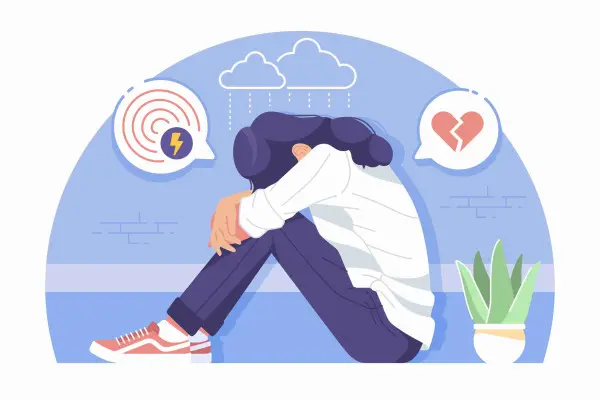
All bitterness begins with pain. Your emotional pain may be linked to the belief that someone—or whoever it may be—deliberately caused you this harm by committing a grave injustice against you, hurting you without justification, or making you feel sad. Anger—and resentment—is what we are all likely to feel when we believe that another person has seriously wronged us. If this anger is left without an outlet, it may eventually become the corrosive ulcer known as bitterness.
To understand psychological bitterness more clearly, it is helpful to define it first. Psychological bitterness is a complex combination of different emotions. Scientists have identified six basic human emotions: surprise, disgust, happiness, sadness, anger, and fear. If you think about bitterness, you may realize that it is not limited to just one of those six basic emotions. One reason psychological bitterness is a complex emotion is that it includes disappointment, or develops into frustration over time, which may in turn bring feelings of anger or sadness. Emotions are difficult to define precisely because standards for a particular feeling cannot easily be established within a fact-based science. Nevertheless, it is reasonable to conclude that psychological bitterness involves a mixture of emotions, including sadness, anger, and disappointment. Pause for a moment and think of one person in your life whom you consider bitter. Your judgment is probably based on the impression that this person is often angry, sad, and frustrated, and is frequently negative and inclined toward conflict and arguments in social interactions.
In short, psychological bitterness refers to a deep-rooted, long-lasting emotional state of resentment, hostility, or negativity toward a person or thing. It may arise from unresolved conflicts, disappointments, or feelings of injustice and humiliation, leading to feelings of anger, jealousy, or revenge. When someone feels psychologically bitter, they tend to hold on to negative experiences, thoughts, and feelings, making it difficult to move forward and come to terms with their situation. Bitterness can have serious effects on a person's mental and physical health, as it may lead to depression, anxiety, and social isolation. In addition, prolonged psychological bitterness can negatively affect relationships, hindering the ability to trust and connect with others.
Causes of Psychological Bitterness
Psychological bitterness is an emotional state characterized by strong negative feelings, such as resentment, anger, and pessimism. It may arise from various sources, including:
Repeated failure: Experiencing repeated failures or setbacks without finding ways to overcome or move beyond them, along with recurring disappointment, may contribute to the development of psychological bitterness.
Betrayal and disloyalty: Being betrayed by someone close, such as a friend, family member, or life partner, may lead to distrust of others and withdrawal, which are symptoms of severe psychological bitterness.
Unmet expectations: Failing to achieve particular goals or having unrealistic expectations go unmet may cause frustration and a sense of failure, which can result in psychological bitterness.
Envy and jealousy: Comparing yourself with others and feeling envious of their successes or possessions may intensify resentment and, consequently, psychological bitterness.
Unresolved conflicts: Ongoing conflicts that have not been addressed and resolved may increase psychological bitterness among both individuals and groups.
Injustice or oppression: Experiencing unfair treatment or discrimination, for example on the basis of race or sex, or feeling insulted and belittled, may create psychological bitterness toward those responsible or even toward society as a whole.
Grief and loss: The loss of a loved one or something important may stir psychological bitterness, especially if the person believes that what happened was unfair.
Although feeling angry or resentful after being hurt is natural, it is important to recognize when these emotions are no longer healthy. When bitterness begins to take over a person's emotional life and prevents them from living normally, it is important to take steps to reduce its hold, including seeking professional help from a healthcare provider.
Does Psychological Bitterness Arise from Sadness?
Some theorists portray psychological bitterness as resentment, and resentment may be the emotional construct closest to bitterness. Broadly speaking, it is associated with anger, particularly its cumulative effect. Psychological bitterness may best be described as a combination of two of the basic emotions discussed earlier: anger and sadness. So yes, psychological bitterness can often arise from sadness. When someone experiences prolonged sadness or disappointment because of unresolved problems, unmet expectations, or injustices, this may develop into psychological bitterness over time. The process can be described as follows:
Sadness: At first, a person may feel sad because of a particular event or circumstance that causes frustration or emotional pain. This may result from failure, loss, betrayal, or any other situation that evokes sadness.
Persistence of emotions: If the sadness is not handled in a healthy way, or if the underlying problems remain unresolved, the emotions associated with the painful event may persist and intensify over time.
Transition into bitterness: As sadness continues and becomes intertwined with other negative emotions, such as anger, resentment, or envy, it may gradually turn into psychological bitterness. The person may begin to hold on to these negative feelings and find it difficult to let them go or move forward.
Negative perception: Psychological bitterness can alter how a person views the world and the people around them. Over time, they may become more pessimistic, less trusting, or more resentful, particularly as they perceive negative motives or intentions in other people's actions.
Effect on relationships: Psychological bitterness can significantly affect a person's relationships with those around them, leading to conflict, strained interactions, or a preference for isolation as a way of protecting themselves from being hurt by others. The person may find it difficult to trust others or form new relationships.
Breaking free from psychological bitterness often involves recognizing and processing the underlying emotions, seeking support from others, and working on the root causes of sadness. Taking part in activities that promote emotional healing, under the supervision of a psychiatrist, can help a person move beyond psychological bitterness and develop a more positive outlook on life.
Symptoms of Psychological Bitterness
Bitterness can appear through many symptoms that may be divided into emotional, behavioral, and physical categories. Common symptoms of psychological bitterness may include the following:
Emotional symptoms:
Intense feelings of anger toward particular people or situations.
Persistent negative thoughts and dwelling on the past.
Increased emotional irritability and low mood.
Feeling emotionally disconnected from others or isolated from society.
Feeling wronged and repeatedly comparing yourself negatively with others.
Difficulty trusting others and forming new relationships in different areas of life.
Persistent feelings of sadness or hopelessness.
Behavioral symptoms:
Engaging in passive-aggressive behavior or hurting other people's feelings.
Avoiding or withdrawing from social interactions.
Difficulty letting go of grudges.
Being unable to forgive others.
Difficulty finding enjoyment or satisfaction in everyday activities.
Difficulty maintaining healthy relationships because psychological bitterness affects interactions.
Physical symptoms:
Increased levels of stress in the body.
Difficulty sleeping or experiencing sleep disturbances.
Physical symptoms of anxiety, such as a rapid heartbeat or fast breathing.
Fatigue and reduced energy levels due to the emotional burden of psychological bitterness.
Whatever its causes, psychological bitterness is something we are better off without, so let us focus on releasing it. It is also important to recognize these symptoms and address them proactively. If psychological bitterness is significantly affecting your emotional health and daily life, seeking support from friends, family, or a mental health professional can help you process these feelings and find healthy ways to manage them. Remember that healing from psychological bitterness is possible with the right tools and support.
Treatment for Psychological Bitterness
Addressing psychological bitterness involves a combination of reconnecting with yourself, emotional understanding, and adopting healthy coping strategies. Here are some steps you can take to address and overcome psychological bitterness:
Acknowledge and accept: Accept that you are experiencing psychological bitterness and acknowledge the emotions you feel. It is essential to understand that these feelings are natural and deserve attention. However, although you may have been the victim of painful events that left you feeling bitter, you do not have to adopt the role of a victim as part of your identity.
Identify your triggers: Think about the specific events or situations that led to your bitterness. Understanding the root causes can give you insight into your emotions and make it easier to work through your memories of them.
Come to terms with the causes: To overcome bitterness and resentment, you need to come to terms with the reasons behind these feelings. Psychological bitterness often remains severe and unaddressed in the mind of the person who feels this way. Reflect on the bitterness and resentment you feel. Approach these emotions logically by asking yourself why you feel this way and when these feelings first began to appear.
Seek perspective: Try to gain a broader perspective on the situation. Consider the other person's point of view or the external factors that may have influenced events. This may help you understand the situation's complexity and reduce feelings of psychological bitterness.
Cultivate empathy: Try to understand other people's feelings and backgrounds. Empathy can help you see the humanity of the people or situations that contributed to your bitterness, making it easier to forgive them. Trying to understand why someone behaved in a particular way may help reduce resentment. Once you can view the hurtful act more compassionately, you may be able to lessen the resentment you feel toward it.
Practice forgiveness: Consider forgiving the person or situation that contributed to your bitterness. Forgiveness does not mean condoning what happened; it means freeing yourself from its emotional burden. Asking yourself how you might forgive someone is a good place to begin. Remember that forgiveness is for you, not for them. Also think about times when someone forgave you and when you felt guilty about your own mistakes. Forgiveness can be a difficult process, but it may lead to significant emotional healing.
Release grudges: Work hard to let go of past grudges and resentment. Holding on to negative emotions can keep you trapped in psychological bitterness and prevent you from moving beyond it and going forward.
Cultivate gratitude: Gratitude is like medicine for psychological bitterness. While bitterness poisons life and cuts off joy, gratitude promotes positivity and self-awareness. Begin and end your day with gratitude by reflecting on all the blessings in your life. Try to find happiness even in the smallest things, such as the comfort of your bed, the easy availability of food and water, and the smell of coffee in the morning.
Focus on personal growth: Direct your energy toward personal development and self-improvement. Setting goals and working to achieve them can give you a sense of purpose and accomplishment.
Meet new people: Since you are trying to become a new and more positive version of yourself, you may find happiness in meeting new, positive people with whom to share your life. Meeting new people is not essential to healing a bitter life, but it can be part of the process of overcoming psychological bitterness. Just remember not to bring your bitterness into your new relationships. The goal is to surround yourself with people who help you become happier—and you should treat them in the same way.
Engage in physical exercise: Bitterness can make you withdraw from the world and become absorbed in negative thoughts and feelings. Almost any kind of physical activity can counter the physical effects of psychological bitterness. The type of exercise is up to you. You may experience positive effects from walking every day, cycling, joining a football or basketball team, or working out at the gym, as long as you exercise regularly.
Seek support: Talk to friends, family, or a qualified mental health professional about the psychological bitterness you are experiencing. Expressing your feelings can provide an emotional outlet and offer valuable insights and emotional support.
Most importantly, remember that overcoming psychological bitterness may take time and effort. Be patient and compassionate with yourself, and give yourself room to heal and grow. If you find that psychological bitterness is severely affecting your life and well-being, do not hesitate to seek professional help from a therapist or counselor. They can provide guidance and support tailored specifically to your circumstances.
Content writer and researcher at Tatmeen, writing in Arabic and English about mental health and everyday life, from relationships and stress to work, habits, and family.
Every Tatmeen article is reviewed by care providers licensed by the Saudi Commission for Health Specialties, so what you read is accurate and trustworthy.
This article builds understanding and does not replace a licensed care provider.
Need someone to talk to?
Tatmeen's licensed care providers are available around the clock, and the app's urgent consultation connects you with one within minutes.
Download Tatmeen to explore care providers and booking options.
Smart matchingFour quick questions suggest the right care provider
Urgent consultationTalk to an available care provider within minutes
Free psychological measuresMore than 20 tests to understand how you are doing
Scan to download
{"data":{"id":"1a450751-62b8-4710-9ef0-8647e3150b2c","slug":"Psychological-Bitterness-and-Sadness-Relationship","arTitle":"المرارة النفسية – أسباب وأعراض وعلاج وعلاقتها بالحزن","enTitle":"Psychological Bitterness: Causes, Symptoms, Treatment, and Sadness","thumbnailAltText":"Seated figure hugging their knees beneath a storm cloud and broken-heart symbol","estimatedReadingTime":5,"likesCount":995,"writer":{"id":"d3defdb6-4a23-4b03-aad9-a1ecc054aae5","arBio":"كاتب وباحث محتوى في تطمين، يكتب بالعربية والإنجليزية عن الصحة النفسية والحياة اليومية، من العلاقات والضغوط إلى العمل والعادات والأسرة.\n","enBio":"Content writer and researcher at Tatmeen, writing in Arabic and English about mental health and everyday life, from relationships and stress to work, habits, and family.","user":{"slug":"fahad-almalik","arFullName":"فهد المالك","enFullName":"Fahad Almalik","publicProfileImageUrl":"https://cdn.tatmeen.sa/public/profile-images/a34c8028-5847-45de-ab83-a014942bb7d3/675415e988c16442a04af5d3b8899242613a955c44e0364314cc3ff74cbad082.webp","publicProfileImage96Url":"https://cdn.tatmeen.sa/public/profile-images/a34c8028-5847-45de-ab83-a014942bb7d3/675415e988c16442a04af5d3b8899242613a955c44e0364314cc3ff74cbad082-w96.webp","publicProfileImage192Url":"https://cdn.tatmeen.sa/public/profile-images/a34c8028-5847-45de-ab83-a014942bb7d3/675415e988c16442a04af5d3b8899242613a955c44e0364314cc3ff74cbad082-w192.webp"}},"arContent":"","enContent":"","productionDocument":{"headings":[{"id":"article-section-causes-of-psychological-bitterness","text":"Causes of Psychological Bitterness"},{"id":"article-section-does-psychological-bitterness-arise-from-sadness","text":"Does Psychological Bitterness Arise from Sadness?"},{"id":"article-section-symptoms-of-psychological-bitterness","text":"Symptoms of Psychological Bitterness"},{"id":"article-section-treatment-for-psychological-bitterness","text":"Treatment for Psychological Bitterness"}],"faqs":[],"beforeSourcesHtml":"","sources":[],"afterSourcesHtml":"","blocks":[{"type":"html","html":"<p class=\"ql-align-right ql-direction-rtl\">All bitterness begins with pain. Your emotional pain may be linked to the belief that someone—or whoever it may be—deliberately caused you this harm by committing a grave injustice against you, hurting you without justification, or making you feel sad. Anger—and resentment—is what we are all likely to feel when we believe that another person has seriously wronged us. If this anger is left without an outlet, it may eventually become the corrosive ulcer known as bitterness.</p><p class=\"ql-align-right ql-direction-rtl\">To understand psychological bitterness more clearly, it is helpful to define it first. Psychological bitterness is a complex combination of different emotions. Scientists have identified six basic human emotions: surprise, disgust, happiness, sadness, anger, and fear. If you think about bitterness, you may realize that it is not limited to just one of those six basic emotions. One reason psychological bitterness is a complex emotion is that it includes disappointment, or develops into frustration over time, which may in turn bring feelings of anger or sadness. Emotions are difficult to define precisely because standards for a particular feeling cannot easily be established within a fact-based science. Nevertheless, it is reasonable to conclude that psychological bitterness involves a mixture of emotions, including sadness, anger, and disappointment. Pause for a moment and think of one person in your life whom you consider bitter. Your judgment is probably based on the impression that this person is often angry, sad, and frustrated, and is frequently negative and inclined toward conflict and arguments in social interactions.</p><p class=\"ql-align-right ql-direction-rtl\">In short, psychological bitterness refers to a deep-rooted, long-lasting emotional state of resentment, hostility, or negativity toward a person or thing. It may arise from unresolved conflicts, disappointments, or feelings of injustice and humiliation, leading to feelings of <a style=\"background-color:transparent\" href=\"https://www.hakini.net/article/%D9%85%D8%A7-%D9%87%D9%88-%D8%A7%D9%84%D8%BA%D8%B6%D8%A8-%D9%88%D9%83%D9%8A%D9%81-%D9%8A%D9%85%D9%83%D9%86-%D8%A7%D9%84%D8%AA%D8%AD%D9%83%D9%85-%D8%A8%D9%87-%D9%88%D8%A7%D8%AF%D8%A7%D8%B1%D8%AA%D9%87\" target=\"_blank\" rel=\"noopener noreferrer\">anger</a>, jealousy, or revenge. When someone feels psychologically bitter, they tend to hold on to negative experiences, thoughts, and feelings, making it difficult to move forward and come to terms with their situation. Bitterness can have serious effects on a person's mental and physical health, as it may lead to depression, anxiety, and social isolation. In addition, prolonged psychological bitterness can negatively affect relationships, hindering the ability to trust and connect with others.</p><h2 class=\"ql-align-right ql-direction-rtl\" id=\"article-section-causes-of-psychological-bitterness\" data-toc-heading tabindex=\"-1\"><span id=\"causes-of-psychological-bitterness-1\" aria-hidden=\"true\"></span><strong>Causes of Psychological Bitterness</strong></h2><p class=\"ql-align-right ql-direction-rtl\">Psychological bitterness is an emotional state characterized by strong negative feelings, such as resentment, anger, and pessimism. It may arise from various sources, including:</p><ol><li class=\"ql-align-right ql-direction-rtl\">Repeated failure: Experiencing repeated failures or setbacks without finding ways to overcome or move beyond them, along with recurring disappointment, may contribute to the development of psychological bitterness.</li><li class=\"ql-align-right ql-direction-rtl\">Betrayal and disloyalty: Being betrayed by someone close, such as a friend, family member, or life partner, may lead to distrust of others and withdrawal, which are symptoms of severe psychological bitterness.</li><li class=\"ql-align-right ql-direction-rtl\">Unmet expectations: Failing to achieve particular goals or having unrealistic expectations go unmet may cause frustration and a sense of failure, which can result in psychological bitterness.</li><li class=\"ql-align-right ql-direction-rtl\">Envy and jealousy: Comparing yourself with others and feeling <a style=\"background-color:transparent\" href=\"https://www.hakini.net/article/%D8%A7%D9%84%D8%AD%D8%B3%D8%AF-%D8%A7%D9%84%D8%AE%D8%B7%D9%8A%D8%A6%D8%A9-%D8%A7%D9%84%D8%AA%D9%8A-%D8%AA%D9%81%D8%B6%D8%AD-%D8%B5%D8%A7%D8%AD%D8%A8%D9%87%D8%A7-%D8%AF%D9%88%D9%86-%D8%A3%D9%86-%D9%8A%D8%AF%D8%B1%D9%8A\" target=\"_blank\" rel=\"noopener noreferrer\">envious</a> of their successes or possessions may intensify resentment and, consequently, psychological bitterness.</li><li class=\"ql-align-right ql-direction-rtl\">Unresolved conflicts: Ongoing conflicts that have not been addressed and resolved may increase psychological bitterness among both individuals and groups.</li><li class=\"ql-align-right ql-direction-rtl\">Injustice or oppression: Experiencing unfair treatment or discrimination, for example on the basis of race or sex, or feeling insulted and belittled, may create psychological bitterness toward those responsible or even toward society as a whole.</li><li class=\"ql-align-right ql-direction-rtl\">Grief and loss: The <a style=\"background-color:transparent\" href=\"https://www.hakini.net/article/%D8%B9%D8%A7%D9%85-%D9%85%D9%86-%D8%A7%D9%84%D9%81%D9%82%D8%AF%D8%A7%D9%86\" target=\"_blank\" rel=\"noopener noreferrer\">loss</a> of a loved one or something important may stir psychological bitterness, especially if the person believes that what happened was unfair.</li></ol><p class=\"ql-align-right ql-direction-rtl\">Although feeling angry or resentful after being hurt is natural, it is important to recognize when these emotions are no longer healthy. When bitterness begins to take over a person's emotional life and prevents them from living normally, it is important to take steps to reduce its hold, including seeking <a style=\"background-color:transparent\" href=\"https://apps.apple.com/us/app/hakini-%D8%AD%D8%A7%D9%83%D9%8A%D9%86%D9%8A/id1618923800\" target=\"_blank\" rel=\"noopener noreferrer\">professional help</a> from a healthcare provider.</p><h2 class=\"ql-align-right ql-direction-rtl\" id=\"article-section-does-psychological-bitterness-arise-from-sadness\" data-toc-heading tabindex=\"-1\"><span id=\"does-psychological-bitterness-arise-from-sadness-2\" aria-hidden=\"true\"></span><strong>Does Psychological Bitterness Arise from Sadness?</strong></h2><p class=\"ql-align-right ql-direction-rtl\">Some theorists portray psychological bitterness as resentment, and resentment may be the emotional construct closest to bitterness. Broadly speaking, it is associated with anger, particularly its cumulative effect. Psychological bitterness may best be described as a combination of two of the basic emotions discussed earlier: anger and <a style=\"background-color:transparent\" href=\"https://www.hakini.net/article/%D8%A7%D9%84%D8%AD%D8%B2%D9%86-%D8%A3%D9%86%D9%88%D8%A7%D8%B9-%D9%88%D8%B9%D9%84%D8%A7%D8%AC-%D8%A7%D9%84%D8%B4%D8%B9%D9%88%D8%B1-%D8%A8%D8%A7%D9%84%D8%AD%D8%B2%D9%86-%D8%AF%D9%88%D9%86-%D8%B3%D8%A8%D8%A8-%D8%B9%D9%84%D8%A7%D9%82%D8%AA%D9%87-%D8%A8%D8%A7%D9%84%D9%88%D8%AD%D8%AF%D8%A9\" target=\"_blank\" rel=\"noopener noreferrer\">sadness</a>. So yes, psychological bitterness can often arise from sadness. When someone experiences prolonged sadness or disappointment because of unresolved problems, unmet expectations, or injustices, this may develop into psychological bitterness over time. The process can be described as follows:</p><ol><li class=\"ql-align-right ql-direction-rtl\">Sadness: At first, a person may feel sad because of a particular event or circumstance that causes frustration or emotional pain. This may result from failure, loss, betrayal, or any other situation that evokes sadness.</li><li class=\"ql-align-right ql-direction-rtl\">Persistence of emotions: If the sadness is not handled in a healthy way, or if the underlying problems remain unresolved, the emotions associated with the painful event may persist and intensify over time.</li><li class=\"ql-align-right ql-direction-rtl\">Transition into bitterness: As sadness continues and becomes intertwined with other negative emotions, such as anger, resentment, or envy, it may gradually turn into psychological bitterness. The person may begin to hold on to these negative feelings and find it difficult to let them go or move forward.</li><li class=\"ql-align-right ql-direction-rtl\">Negative perception: Psychological bitterness can alter how a person views the world and the people around them. Over time, they may become more pessimistic, less trusting, or more resentful, particularly as they perceive negative motives or intentions in other people's actions.</li><li class=\"ql-align-right ql-direction-rtl\">Effect on relationships: Psychological bitterness can significantly affect a person's relationships with those around them, leading to conflict, strained interactions, or a preference for isolation as a way of protecting themselves from being hurt by others. The person may find it difficult to trust others or form new relationships.</li></ol><p class=\"ql-align-right ql-direction-rtl\">Breaking free from psychological bitterness often involves recognizing and processing the underlying emotions, seeking support from others, and working on the root causes of sadness. Taking part in activities that promote emotional healing, under the supervision of a <a style=\"background-color:transparent\" href=\"https://play.google.com/store/apps/details?id=com.hakiniapp\" target=\"_blank\" rel=\"noopener noreferrer\">psychiatrist</a>, can help a person move beyond psychological bitterness and develop a more positive outlook on life.</p><h2 class=\"ql-align-right ql-direction-rtl\" id=\"article-section-symptoms-of-psychological-bitterness\" data-toc-heading tabindex=\"-1\"><span id=\"symptoms-of-psychological-bitterness-3\" aria-hidden=\"true\"></span><strong>Symptoms of Psychological Bitterness</strong></h2><p class=\"ql-align-right ql-direction-rtl\">Bitterness can appear through many symptoms that may be divided into emotional, behavioral, and physical categories. Common symptoms of psychological bitterness may include the following:</p><h3 class=\"ql-align-right ql-direction-rtl\">Emotional symptoms:</h3><ul><li class=\"ql-align-right ql-direction-rtl\">Intense feelings of anger toward particular people or situations.</li><li class=\"ql-align-right ql-direction-rtl\">Persistent negative thoughts and dwelling on the past.</li><li class=\"ql-align-right ql-direction-rtl\">Increased emotional irritability and low mood.</li><li class=\"ql-align-right ql-direction-rtl\">Feeling emotionally disconnected from others or isolated from society.</li><li class=\"ql-align-right ql-direction-rtl\">Feeling wronged and repeatedly comparing yourself negatively with others.</li><li class=\"ql-align-right ql-direction-rtl\">Difficulty trusting others and forming new relationships in different areas of life.</li><li class=\"ql-align-right ql-direction-rtl\">Persistent feelings of sadness or hopelessness.</li></ul><h3 class=\"ql-align-right ql-direction-rtl\">Behavioral symptoms:</h3><ul><li class=\"ql-align-right ql-direction-rtl\">Engaging in passive-aggressive behavior or hurting other people's feelings.</li><li class=\"ql-align-right ql-direction-rtl\">Avoiding or withdrawing from social interactions.</li><li class=\"ql-align-right ql-direction-rtl\">Difficulty letting go of grudges.</li><li class=\"ql-align-right ql-direction-rtl\">Being unable to forgive others.</li><li class=\"ql-align-right ql-direction-rtl\">Difficulty finding enjoyment or satisfaction in everyday activities.</li><li class=\"ql-align-right ql-direction-rtl\">Difficulty maintaining healthy relationships because psychological bitterness affects interactions.</li></ul><h3 class=\"ql-align-right ql-direction-rtl\">Physical symptoms:</h3><ul><li class=\"ql-align-right ql-direction-rtl\">Increased levels of stress in the body.</li><li class=\"ql-align-right ql-direction-rtl\">Difficulty sleeping or experiencing sleep disturbances.</li><li class=\"ql-align-right ql-direction-rtl\">Physical symptoms of <a style=\"background-color:transparent\" href=\"https://www.hakini.net/article/%D8%A7%D9%84%D8%AE%D9%88%D9%81-%D9%88-%D8%A7%D9%84%D9%82%D9%84%D9%82-%D8%A3%D8%B3%D8%A8%D8%A7%D8%A8-%D9%88-%D8%A3%D8%B9%D8%B1%D8%A7%D8%B6-%D9%88-%D8%B9%D9%84%D8%A7%D8%AC-%D9%88-%D8%B9%D9%84%D8%A7%D9%82%D8%AA%D9%87-%D8%A8%D8%A7%D9%84%D8%AA%D9%88%D8%AA%D8%B1\" target=\"_blank\" rel=\"noopener noreferrer\">anxiety</a>, such as a rapid heartbeat or fast breathing.</li><li class=\"ql-align-right ql-direction-rtl\">Fatigue and reduced energy levels due to the emotional burden of psychological bitterness.</li></ul><p class=\"ql-align-right ql-direction-rtl\">Whatever its causes, psychological bitterness is something we are better off without, so let us focus on releasing it. It is also important to recognize these symptoms and address them proactively. If psychological bitterness is significantly affecting your emotional health and daily life, seeking support from friends, family, or a mental health professional can help you process these feelings and find healthy ways to manage them. Remember that healing from psychological bitterness is possible with the right tools and support.</p><h2 class=\"ql-align-right ql-direction-rtl\" id=\"article-section-treatment-for-psychological-bitterness\" data-toc-heading tabindex=\"-1\"><span id=\"treatment-for-psychological-bitterness-4\" aria-hidden=\"true\"></span><strong>Treatment for Psychological Bitterness</strong></h2><p class=\"ql-align-right ql-direction-rtl\">Addressing psychological bitterness involves a combination of reconnecting with yourself, emotional understanding, and adopting healthy coping strategies. Here are some steps you can take to address and overcome psychological bitterness:</p><ol><li class=\"ql-align-right ql-direction-rtl\">Acknowledge and accept: Accept that you are experiencing psychological bitterness and acknowledge the emotions you feel. It is essential to understand that these feelings are natural and deserve attention. However, although you may have been the victim of painful events that left you feeling bitter, you do not have to adopt the role of a victim as part of your identity.</li><li class=\"ql-align-right ql-direction-rtl\">Identify your triggers: Think about the specific events or situations that led to your bitterness. Understanding the root causes can give you insight into your emotions and make it easier to work through your memories of them.</li><li class=\"ql-align-right ql-direction-rtl\">Come to terms with the causes: To overcome bitterness and resentment, you need to come to terms with the reasons behind these feelings. Psychological bitterness often remains severe and unaddressed in the mind of the person who feels this way. Reflect on the bitterness and resentment you feel. Approach these emotions logically by asking yourself why you feel this way and when these feelings first began to appear.</li><li class=\"ql-align-right ql-direction-rtl\">Seek perspective: Try to gain a broader perspective on the situation. Consider the other person's point of view or the external factors that may have influenced events. This may help you understand the situation's complexity and reduce feelings of psychological bitterness.</li><li class=\"ql-align-right ql-direction-rtl\">Cultivate empathy: Try to understand other people's feelings and backgrounds. Empathy can help you see the humanity of the people or situations that contributed to your bitterness, making it easier to forgive them. Trying to understand why someone behaved in a particular way may help reduce resentment. Once you can view the hurtful act more compassionately, you may be able to lessen the resentment you feel toward it.</li><li class=\"ql-align-right ql-direction-rtl\">Practice forgiveness: Consider forgiving the person or situation that contributed to your bitterness. Forgiveness does not mean condoning what happened; it means freeing yourself from its emotional burden. Asking yourself how you might forgive someone is a good place to begin. Remember that forgiveness is for you, not for them. Also think about times when someone forgave you and when you felt guilty about your own mistakes. Forgiveness can be a difficult process, but it may lead to significant emotional healing.</li><li class=\"ql-align-right ql-direction-rtl\">Release grudges: Work hard to let go of past grudges and resentment. Holding on to negative emotions can keep you trapped in psychological bitterness and prevent you from moving beyond it and going forward.</li><li class=\"ql-align-right ql-direction-rtl\">Cultivate gratitude: Gratitude is like medicine for psychological bitterness. While bitterness poisons life and cuts off joy, gratitude promotes positivity and self-awareness. Begin and end your day with gratitude by reflecting on all the blessings in your life. Try to find happiness even in the smallest things, such as the comfort of your bed, the easy availability of food and water, and the smell of coffee in the morning.</li><li class=\"ql-align-right ql-direction-rtl\">Focus on personal growth: Direct your energy toward personal development and self-improvement. Setting goals and working to achieve them can give you a sense of purpose and accomplishment.</li><li class=\"ql-align-right ql-direction-rtl\">Meet new people: Since you are trying to become a new and more positive version of yourself, you may find happiness in meeting new, positive people with whom to share your life. Meeting new people is not essential to healing a bitter life, but it can be part of the process of overcoming psychological bitterness. Just remember not to bring your bitterness into your new relationships. The goal is to surround yourself with people who help you become happier—and you should treat them in the same way.</li><li class=\"ql-align-right ql-direction-rtl\">Engage in physical exercise: Bitterness can make you withdraw from the world and become absorbed in negative thoughts and feelings. Almost any kind of physical activity can counter the physical effects of psychological bitterness. The type of exercise is up to you. You may experience positive effects from walking every day, cycling, joining a football or basketball team, or working out at the gym, as long as you exercise regularly.</li><li class=\"ql-align-right ql-direction-rtl\">Seek support: Talk to friends, family, or a qualified mental health professional about the psychological bitterness you are experiencing. <a style=\"background-color:transparent\" href=\"https://www.hakini.net/article/%D9%84%D9%85%D8%A7%D8%B0%D8%A7-%D9%85%D9%86-%D8%A7%D9%84%D9%85%D9%87%D9%85-%D8%A7%D9%84%D8%AA%D8%B9%D8%A8%D9%8A%D8%B1-%D8%B9%D9%86-%D9%85%D8%B4%D8%A7%D8%B9%D8%B1%D9%86%D8%A7\" target=\"_blank\" rel=\"noopener noreferrer\">Expressing your feelings</a> can provide an emotional outlet and offer valuable insights and emotional support.</li></ol><p class=\"ql-align-right ql-direction-rtl\">Most importantly, remember that overcoming psychological bitterness may take time and effort. Be patient and compassionate with yourself, and give yourself room to heal and grow. If you find that psychological bitterness is severely affecting your life and well-being, do not hesitate to seek professional help from a therapist or counselor. They can provide guidance and support tailored specifically to your circumstances.</p><p><br /></p>"}],"inlineCtaSignatures":[],"_experienceAliases":{"v":1,"fields":["html","bodyHtml"]}},"createdAt":"2024-01-08T21:00:00.000Z","updatedAt":"2026-08-11T04:45:02.303Z","disorderGroups":[{"id":"4499a52a-06f8-4022-a64d-304e5eca51cc","slug":"life-challenges-and-stress","arName":"تحديات الحياة والضغوط","enName":"Life Challenges & Stress"}],"reviewer":{"arFullName":"فريق تطمين","enFullName":"Tatmeen team","slug":"tatmeen-team","kind":"organization"},"productionArticle":true,"promotionAllowed":true,"preparedCover":{"src":"https://cdn.tatmeen.sa/public/article-lcp/article-lcp-v2/sha256-05af0735a699874d0af9df5a761c4a2feaf93bcea79d2dc26b42cc82359c8725/600-2bad320a18c33fa2ae7f8ad29fbb7e004348047568a47a8daf1442bae0889a89.avif","fallback":"https://cdn.tatmeen.sa/public/article-lcp/article-lcp-v2/sha256-05af0735a699874d0af9df5a761c4a2feaf93bcea79d2dc26b42cc82359c8725/600-095a14823ca54483ebeaf01d049b2a1d7abfb5186889bd9c2c8d295b32158583.webp","directUrl":"https://cdn.tatmeen.sa/blog-cover/1704818071176-Tatmeen-img-938","isGolden":true,"avifSrcset":"https://cdn.tatmeen.sa/public/article-lcp/article-lcp-v2/sha256-05af0735a699874d0af9df5a761c4a2feaf93bcea79d2dc26b42cc82359c8725/400-ec8f628d2cea856c8e3264be1ab69defb8055c1eaefaaaaa7778953200199f67.avif 400w, https://cdn.tatmeen.sa/public/article-lcp/article-lcp-v2/sha256-05af0735a699874d0af9df5a761c4a2feaf93bcea79d2dc26b42cc82359c8725/600-2bad320a18c33fa2ae7f8ad29fbb7e004348047568a47a8daf1442bae0889a89.avif 600w","webpSrcset":"https://cdn.tatmeen.sa/public/article-lcp/article-lcp-v2/sha256-05af0735a699874d0af9df5a761c4a2feaf93bcea79d2dc26b42cc82359c8725/400-2bd15dd8e2eafeed1e556554be8691cfc520d1c0c9c1f4cec0d78947c41613d9.webp 400w, https://cdn.tatmeen.sa/public/article-lcp/article-lcp-v2/sha256-05af0735a699874d0af9df5a761c4a2feaf93bcea79d2dc26b42cc82359c8725/600-095a14823ca54483ebeaf01d049b2a1d7abfb5186889bd9c2c8d295b32158583.webp 600w","phoneAvifSrcset":"https://cdn.tatmeen.sa/public/article-lcp/article-lcp-v2/sha256-05af0735a699874d0af9df5a761c4a2feaf93bcea79d2dc26b42cc82359c8725/400-ec8f628d2cea856c8e3264be1ab69defb8055c1eaefaaaaa7778953200199f67.avif 400w, https://cdn.tatmeen.sa/public/article-lcp/article-lcp-v2/sha256-05af0735a699874d0af9df5a761c4a2feaf93bcea79d2dc26b42cc82359c8725/600-2bad320a18c33fa2ae7f8ad29fbb7e004348047568a47a8daf1442bae0889a89.avif 600w","phoneWebpSrcset":"https://cdn.tatmeen.sa/public/article-lcp/article-lcp-v2/sha256-05af0735a699874d0af9df5a761c4a2feaf93bcea79d2dc26b42cc82359c8725/400-2bd15dd8e2eafeed1e556554be8691cfc520d1c0c9c1f4cec0d78947c41613d9.webp 400w, https://cdn.tatmeen.sa/public/article-lcp/article-lcp-v2/sha256-05af0735a699874d0af9df5a761c4a2feaf93bcea79d2dc26b42cc82359c8725/600-095a14823ca54483ebeaf01d049b2a1d7abfb5186889bd9c2c8d295b32158583.webp 600w","width":600,"height":400},"previewTaxonomy":{"groups":[{"id":"4499a52a-06f8-4022-a64d-304e5eca51cc","slug":"life-challenges-and-stress","arName":"تحديات الحياة والضغوط","enName":"Life Challenges & Stress"}],"topics":[{"id":"dbfa7d2b-f7dc-46d0-ac4b-3bb5b99a2b94","slug":"grief-and-loss","arName":"التعامل مع الحزن","enName":"Grief & Loss","groupSlug":"life-challenges-and-stress","href":"/blog/category/life-challenges-and-stress/grief-and-loss/"}],"tags":[{"id":"67a4f7e8-5c58-4421-870b-17497c68d635","slug":"grief-loss","arName":"الحزن والفقد والحداد","enName":"Grief Loss & Sadness"},{"id":"dbd6cf9d-e555-43d4-9205-05dcf3b84eb3","slug":"emotional-regulation","arName":"تنظيم المشاعر والذكاء العاطفي","enName":"Emotional Regulation"},{"id":"c2a6e8d3-de9c-435f-8c95-9727e7db14cc","slug":"explainer-awareness","arName":"دليل توعوي / شرح","enName":"Explainer / Awareness Guide"}]},"previewProviderRecommendations":[{"id":"dc4f4096-c96e-46ad-8e85-55c7104fbbf9","slug":"alya-alasiri-9292","arFullName":"علياء العسيري","enFullName":"Alya Alasiri","publicProfileImageUrl":"","publicProfileImage96Url":"","publicProfileImage192Url":"","specialization":{"arName":"أخصائي نفسي","enName":"Psychologist"},"profileImageUrl":"","experienceYears":4,"consultantInfo":{"averageRating":{"average":0},"specialization":{"arGeneralName":"أخصائي نفسي","enGeneralName":"Psychologist"}}},{"id":"6df31339-a6f5-4131-a603-3a7c7a34c143","slug":"joud-alodhayyani-9014","arFullName":"جود العتيبي","enFullName":"Joud Alotaibi","publicProfileImageUrl":"https://cdn.tatmeen.sa/public/profile-images/6df31339-a6f5-4131-a603-3a7c7a34c143/7bb005ef9d4315296aad2a7d142fb2af2cf89920a40b474fc5139b9530269282.webp","publicProfileImage96Url":"https://cdn.tatmeen.sa/public/profile-images/6df31339-a6f5-4131-a603-3a7c7a34c143/7bb005ef9d4315296aad2a7d142fb2af2cf89920a40b474fc5139b9530269282-w96.webp","publicProfileImage192Url":"https://cdn.tatmeen.sa/public/profile-images/6df31339-a6f5-4131-a603-3a7c7a34c143/7bb005ef9d4315296aad2a7d142fb2af2cf89920a40b474fc5139b9530269282-w192.webp","specialization":{"arName":"أخصائي نفسي","enName":"Psychologist"},"profileImageUrl":"https://cdn.tatmeen.sa/public/profile-images/6df31339-a6f5-4131-a603-3a7c7a34c143/7bb005ef9d4315296aad2a7d142fb2af2cf89920a40b474fc5139b9530269282-w192.webp","experienceYears":2,"consultantInfo":{"averageRating":{"average":3.5},"specialization":{"arGeneralName":"أخصائي نفسي","enGeneralName":"Psychologist"}}},{"id":"7771d078-cbd9-4acd-aa51-29cc905753c4","slug":"hatim-jafaari-2902","arFullName":"حاتم جعفرى","enFullName":"Hatim Jafaari","publicProfileImageUrl":"https://cdn.tatmeen.sa/public/profile-images/7771d078-cbd9-4acd-aa51-29cc905753c4/874a489ca72b87dacbde76d8496eef84ca341ee8074b9ec54464cd0a56bbdbe6.webp","publicProfileImage96Url":"https://cdn.tatmeen.sa/public/profile-images/7771d078-cbd9-4acd-aa51-29cc905753c4/874a489ca72b87dacbde76d8496eef84ca341ee8074b9ec54464cd0a56bbdbe6-w96.webp","publicProfileImage192Url":"https://cdn.tatmeen.sa/public/profile-images/7771d078-cbd9-4acd-aa51-29cc905753c4/874a489ca72b87dacbde76d8496eef84ca341ee8074b9ec54464cd0a56bbdbe6-w192.webp","specialization":{"arName":"أخصائي نفسي","enName":"Psychologist"},"profileImageUrl":"https://cdn.tatmeen.sa/public/profile-images/7771d078-cbd9-4acd-aa51-29cc905753c4/874a489ca72b87dacbde76d8496eef84ca341ee8074b9ec54464cd0a56bbdbe6-w192.webp","experienceYears":2,"consultantInfo":{"averageRating":{"average":5},"specialization":{"arGeneralName":"أخصائي نفسي","enGeneralName":"Psychologist"}}}],"previewCareProviders":[{"id":"09364052-c2a9-4c52-9717-7ce2093b8d0a","slug":"kholoud-alharbi-5221","arFullName":"خلود الحربي","enFullName":"Kholoud Alharbi","publicProfileImageUrl":"https://cdn.tatmeen.sa/public/profile-images/09364052-c2a9-4c52-9717-7ce2093b8d0a/4a0aeb81619e351b77f4323e3605a0a00acc7ca3c82ee7cc5ca2c9e8ef716049.webp","publicProfileImage96Url":"https://cdn.tatmeen.sa/public/profile-images/09364052-c2a9-4c52-9717-7ce2093b8d0a/4a0aeb81619e351b77f4323e3605a0a00acc7ca3c82ee7cc5ca2c9e8ef716049-w96.webp","publicProfileImage192Url":"https://cdn.tatmeen.sa/public/profile-images/09364052-c2a9-4c52-9717-7ce2093b8d0a/4a0aeb81619e351b77f4323e3605a0a00acc7ca3c82ee7cc5ca2c9e8ef716049-w192.webp","gender":"FEMALE","specialization":{"arName":"أخصائي نفسي","enName":"Psychologist"}},{"id":"6f037535-1dca-4b50-a8b2-5974b7323286","slug":"salah-althobaiti-9053","arFullName":"صلاح الثبيتي","enFullName":"Salah Althobaiti","publicProfileImageUrl":"https://cdn.tatmeen.sa/public/profile-images/6f037535-1dca-4b50-a8b2-5974b7323286/35b6bd7fad9b1e004c1835803eb9c1b56dcacd380685ec8bff141f0fb888005c.webp","publicProfileImage96Url":"https://cdn.tatmeen.sa/public/profile-images/6f037535-1dca-4b50-a8b2-5974b7323286/35b6bd7fad9b1e004c1835803eb9c1b56dcacd380685ec8bff141f0fb888005c-w96.webp","publicProfileImage192Url":"https://cdn.tatmeen.sa/public/profile-images/6f037535-1dca-4b50-a8b2-5974b7323286/35b6bd7fad9b1e004c1835803eb9c1b56dcacd380685ec8bff141f0fb888005c-w192.webp","gender":"MALE","specialization":{"arName":"أخصائي نفسي","enName":"Psychologist"}},{"id":"3cc806e8-616b-4884-9f21-a75b378580a2","slug":"aisha-al-hashim-8667","arFullName":"عائشة ال هاشم","enFullName":"Aisha Al Hashim","publicProfileImageUrl":"https://cdn.tatmeen.sa/public/profile-images/3cc806e8-616b-4884-9f21-a75b378580a2/27f523d03be4dcfa1f6a79f70c1773887434e698990d214cd990caec56a44798.webp","publicProfileImage96Url":"https://cdn.tatmeen.sa/public/profile-images/3cc806e8-616b-4884-9f21-a75b378580a2/27f523d03be4dcfa1f6a79f70c1773887434e698990d214cd990caec56a44798-w96.webp","publicProfileImage192Url":"https://cdn.tatmeen.sa/public/profile-images/3cc806e8-616b-4884-9f21-a75b378580a2/27f523d03be4dcfa1f6a79f70c1773887434e698990d214cd990caec56a44798-w192.webp","gender":"FEMALE","specialization":{"arName":"أخصائي نفسي","enName":"Psychologist"}},{"id":"db2ce1a0-9325-4471-b7ce-eb2e811c30a3","slug":"amer-qutub-2441","arFullName":"عامر قطب","enFullName":"Amer Qutub","publicProfileImageUrl":"https://cdn.tatmeen.sa/public/profile-images/db2ce1a0-9325-4471-b7ce-eb2e811c30a3/80580f99bfd7fe2b2a9cf8eed73ab532f5086d1efe053b0aa57358c1ce004261.webp","publicProfileImage96Url":"https://cdn.tatmeen.sa/public/profile-images/db2ce1a0-9325-4471-b7ce-eb2e811c30a3/80580f99bfd7fe2b2a9cf8eed73ab532f5086d1efe053b0aa57358c1ce004261-w96.webp","publicProfileImage192Url":"https://cdn.tatmeen.sa/public/profile-images/db2ce1a0-9325-4471-b7ce-eb2e811c30a3/80580f99bfd7fe2b2a9cf8eed73ab532f5086d1efe053b0aa57358c1ce004261-w192.webp","gender":"MALE","specialization":{"arName":"أخصائي نفسي","enName":"Psychologist"}},{"id":"94765496-dbdf-4631-a01b-7df5f788668d","slug":"abdullrahman-alhamoudi-3045","arFullName":"عبدالرحمن الحمودي","enFullName":"Abdulrahman Alhamoudi","publicProfileImageUrl":"https://cdn.tatmeen.sa/public/profile-images/94765496-dbdf-4631-a01b-7df5f788668d/2d49f6b6493c564afb6f50b6c3634231dff3a5cf8353acfab393d1b2a88037d1.webp","publicProfileImage96Url":"https://cdn.tatmeen.sa/public/profile-images/94765496-dbdf-4631-a01b-7df5f788668d/2d49f6b6493c564afb6f50b6c3634231dff3a5cf8353acfab393d1b2a88037d1-w96.webp","publicProfileImage192Url":"https://cdn.tatmeen.sa/public/profile-images/94765496-dbdf-4631-a01b-7df5f788668d/2d49f6b6493c564afb6f50b6c3634231dff3a5cf8353acfab393d1b2a88037d1-w192.webp","gender":"MALE","specialization":{"arName":"أخصائي نفسي","enName":"Psychologist"}},{"id":"618dba89-5b70-4b46-8304-741b7ac8ecd3","slug":"abdullah-mari-1311","arFullName":"عبدالله مرعي","enFullName":"Abdullah Mari","publicProfileImageUrl":"https://cdn.tatmeen.sa/public/profile-images/618dba89-5b70-4b46-8304-741b7ac8ecd3/6b4a3bfb59f8a304ca79083b32859b46baad2e1d692974a47c02c1f66bd11129.webp","publicProfileImage96Url":"https://cdn.tatmeen.sa/public/profile-images/618dba89-5b70-4b46-8304-741b7ac8ecd3/6b4a3bfb59f8a304ca79083b32859b46baad2e1d692974a47c02c1f66bd11129-w96.webp","publicProfileImage192Url":"https://cdn.tatmeen.sa/public/profile-images/618dba89-5b70-4b46-8304-741b7ac8ecd3/6b4a3bfb59f8a304ca79083b32859b46baad2e1d692974a47c02c1f66bd11129-w192.webp","gender":"MALE","specialization":{"arName":"أخصائي نفسي","enName":"Psychologist"}},{"id":"3b50a5d5-e795-407f-8676-fd7f0e1bb7a0","slug":"abdulaziz-bin-hudayan-4940","arFullName":"عبدالعزيز بن هديان","enFullName":"Abdulaziz Bin Hudayan","publicProfileImageUrl":"https://cdn.tatmeen.sa/public/profile-images/3b50a5d5-e795-407f-8676-fd7f0e1bb7a0/710ff0fe1fb00cdb5042092e27b7910b480a439b02251ecded62d7758eefce95.webp","publicProfileImage96Url":"https://cdn.tatmeen.sa/public/profile-images/3b50a5d5-e795-407f-8676-fd7f0e1bb7a0/710ff0fe1fb00cdb5042092e27b7910b480a439b02251ecded62d7758eefce95-w96.webp","publicProfileImage192Url":"https://cdn.tatmeen.sa/public/profile-images/3b50a5d5-e795-407f-8676-fd7f0e1bb7a0/710ff0fe1fb00cdb5042092e27b7910b480a439b02251ecded62d7758eefce95-w192.webp","gender":"MALE","specialization":{"arName":"أخصائي نفسي","enName":"Psychologist"}},{"id":"d4ffcb6b-90a7-45b6-b941-964866f4564b","slug":"dhaifallah-alhumaidi-1092","arFullName":"ضيف الله الحميدي","enFullName":"Dhaifallah Alhumaidi","publicProfileImageUrl":"https://cdn.tatmeen.sa/public/profile-images/d4ffcb6b-90a7-45b6-b941-964866f4564b/1817171c5828a9b57d6c30d12332cf154e335272548bc90a6e8456d74d356956.webp","publicProfileImage96Url":"https://cdn.tatmeen.sa/public/profile-images/d4ffcb6b-90a7-45b6-b941-964866f4564b/1817171c5828a9b57d6c30d12332cf154e335272548bc90a6e8456d74d356956-w96.webp","publicProfileImage192Url":"https://cdn.tatmeen.sa/public/profile-images/d4ffcb6b-90a7-45b6-b941-964866f4564b/1817171c5828a9b57d6c30d12332cf154e335272548bc90a6e8456d74d356956-w192.webp","gender":"MALE","specialization":{"arName":"أخصائي نفسي","enName":"Psychologist"}}],"previewDownload":{"href":"/download","title":{"ar":"خطوة واحدة لأجلك، ابدأ الآن","en":"One step for you, start now"},"description":{"ar":"حمّل تطبيق تطمين لاستكشاف مقدمي الرعاية وخيارات الحجز.","en":"Download Tatmeen to explore care providers and booking options."},"posterSrc":"/images/home/cta-ar-new-1.webp","videoSrc":"/images/home/cta-ar-new-1.mp4","videoPosterSrc":"/images/home/cta-ar-new-1.webp","videoPosterEnSrc":"/images/home/cta-en-new-1.webp","videoType":"video/mp4","appStoreHref":"https://apps.apple.com/us/app/tatmeen-%D8%AA%D8%B7%D9%85%D9%8A%D9%86/id6473836983","googlePlayHref":"https://play.google.com/store/apps/details?id=com.TatmeenApp.user&hl=en"},"previewRelatedArticles":[{"id":"aaa19bac-c707-4912-83e7-37838a1c7262","slug":"victim-responsibility-hard-truth-moving-forward","route":"/blog/victim-responsibility-hard-truth-moving-forward/","title":{"ar":"حقيقة الحياة الصعبة: قد تكون ضحية ولكن مسؤوليتك أن تمضي قدماً","en":"The Hard Truth: You May Be a Victim, but Your Responsibility is Moving Forward"},"image":"https://cdn.tatmeen.sa/public/article-lcp/article-lcp-v2/sha256-76a2043d8ffaeaadd5f1650b1cf48f0f11fda333d11c95c81fbfeb287c27d41d/800-f3cd7a114d93b403712b6360e514519b63e9bdb8a7020e7558d9f9ccab907734.webp","directImageFallback":"https://cdn.tatmeen.sa/blog-cover/Tatmeen-1776965620501.webp","arThumbnailAltText":"شخص يقوم من الظلام نحو أفق مضيء يرمز لتجاوز دور الضحية والمضي قدماً","thumbnailAltText":"شخص يقوم من الظلام نحو أفق مضيء يرمز لتجاوز دور الضحية والمضي قدماً","topic":{"label":{"ar":"تحديات الحياة والضغوط","en":"Life Challenges & Stress"}},"readingTimeMinutes":5},{"id":"a8f50118-5cee-4f60-b6ad-8c7fecc20d09","slug":"How-do-we-recover-from-the-shock-of-betrayal","route":"/blog/How-do-we-recover-from-the-shock-of-betrayal/","title":{"ar":"الخيانة - كيف نتشافى من صدمة الخيانة؟","en":"How Do We Heal from the Shock of Betrayal?"},"image":"https://cdn.tatmeen.sa/public/article-lcp/article-lcp-v2/sha256-87aaece6cb8ac23f7f80b87d7ff73ef07715efc98c6edf944b25e0ee11302122/600-7380eb203f6339325e2c3b8ab3eaab5b6fb737e097afaa5b1d365e07973f1616.webp","directImageFallback":"https://cdn.tatmeen.sa/blog-cover/1706455597228-Tatmeen-945.jpg","arThumbnailAltText":"Person crosses their fingers behind their back while holding another hand","thumbnailAltText":"Person crosses their fingers behind their back while holding another hand","topic":{"label":{"ar":"تحديات الحياة والضغوط","en":"Life Challenges & Stress"}},"readingTimeMinutes":5},{"id":"e08460a7-6ad3-4b5e-ac53-ebe00f543efd","slug":"pets-mental-health-boost-mood","route":"/blog/pets-mental-health-boost-mood/","title":{"ar":"الحيوانات الأليفة وصحتك النفسية: صداقة تُحسّن المزاج","en":"Pets and Mental Health: A Friendship That Boosts Your Mood"},"image":"https://cdn.tatmeen.sa/public/article-lcp/article-lcp-v2/sha256-a01bb2c822fd0e5753048ada9e938925c20ab4dcab65d28422e21b511fe4e667/800-193a2b39132823e78235a0afcdba1c65f69decdac7f430f19750477a5e164c8f.webp","directImageFallback":"https://cdn.tatmeen.sa/blog-cover/Tatmeen-1778337506116.webp","arThumbnailAltText":"a person and her pet dog hugging each other in a heart shaped position","thumbnailAltText":"a person and her pet dog hugging each other in a heart shaped position","topic":{"label":{"ar":"تحديات الحياة والضغوط","en":"Life Challenges & Stress"}},"readingTimeMinutes":5},{"id":"80790026-fe45-4150-9aad-1f9638a97682","slug":"What-are-the-types-of-psychological-trauma","route":"/blog/What-are-the-types-of-psychological-trauma/","title":{"ar":"ما هي أنواع الصدمات النفسية؟","en":"What Are the Types of Psychological Trauma?"},"image":"https://cdn.tatmeen.sa/public/article-lcp/article-lcp-v2/sha256-a7c5d4d79dd46b44f8107388b4e544355493f679782a978775a780a91ebfcfd4/600-87c13ddd733d7711ece3da33f8faa259c2e466380d351546d247792cd81a6829.webp","directImageFallback":"https://cdn.tatmeen.sa/blog-cover/1706456048896-Tatmeen-768.jpg","arThumbnailAltText":"Person sits in dim light with their head lowered and held in both hands","thumbnailAltText":"Person sits in dim light with their head lowered and held in both hands","topic":{"label":{"ar":"تحديات الحياة والضغوط","en":"Life Challenges & Stress"}},"readingTimeMinutes":5}],"previewRelatedReadStates":{}},"locale":"en","device":"desktop","path":"/en/blog/Psychological-Bitterness-and-Sadness-Relationship/","readingControls":false,"config":{"public":{"BUCKET_URL":"https://cdn.tatmeen.sa/","APP_BASE_URL":"https://tatmeen.sa","intercomAppId":"ppcnu9e3"}}}