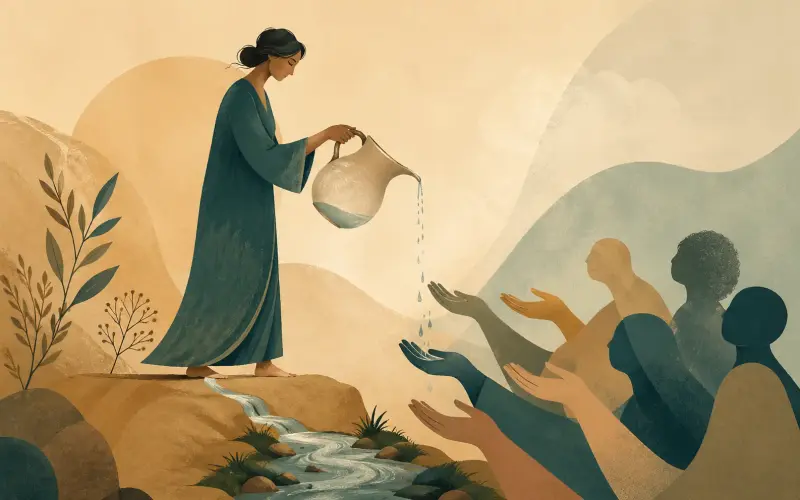
Crises sometimes strike without warning—a sudden loss or a painful disappointment can trap you in a circle of helplessness and lure you into the role of the victim. Yet even in the harshest moment, every ordeal holds a narrow passage toward healing that waits for the courage to cross it. There is no point in waiting for life to correct its mistakes or for the offender to apologize; true recovery begins when you realize that you alone are the first and final person responsible for your own healing. These lines are nothing more than a gentle hand reminding you that the first spark of recovery ignites within you.
When Shocks Strike: Why Do We Feel Like Victims?
No one willingly chooses to be the target of life’s shocks—whether emotional abuse, loss, or work stress, all of them leave invisible scars on the soul. The feeling of injustice is a natural reaction by our mind as it tries to protect itself. But remaining in the victim role keeps us stuck in a single moment in time, shackling us from moving forward. Studies by the American Psychological Association (APA) on the effects of trauma have pointed to the necessity of acknowledging emotions while emphasizing that staying trapped in them prolongs pain instead of accelerating its healing.
What No One Tells You About Personal Responsibility
The Hidden Power of the Word “Choice”
Pain and negative emotions may seem overwhelming, but in reality we can redirect them. The mere act of taking even a small step moves us from passivity to action, from feeling like victims to steering the course of our lives. This does not mean denying or ignoring the past; it means drawing the rest of your story with your own hand.
The Difference Between Blame and Taking Responsibility
Blame throws errors onto others or circumstances, whereas responsibility shines a light on the essential question: “What will I do now?” Remember that taking responsibility for healing does not lighten the offender’s burden or deny the injustice; rather, it grants you the freedom to begin rebuilding what was broken.
Practical Steps to Exit the Victim Role
1. Acknowledge Your Emotions Without Drowning in Them Set aside time each day to release what you feel: write your thoughts down, cry, or express anger as you need. This practice is healthy if you set a time limit—ten minutes, for example—then follow it with a nervous-system-regulating activity such as deep breathing, walking, or talking with a friend. Harvard Health recommends that brief, brisk movement after stress can help lower the intensity of the stress response and restore bodily balance.
2. Seek Professional Support Through Tatmeen You might ask yourself, “Do I really need a therapist?” The issue is not about “need” so much as about accelerating recovery and placing it on a clear path. Through Tatmeen , you can book a consultation with a specialist licensed by the Saudi Ministry of Health at the time and place that suits you. This digital solution removes many barriers and lets you ask for help safely and simply.
3. Invest in One Small Daily Routine Choose one morning habit to practice consistently: a mindful prayer, a gratitude journal, or five minutes of stretching. Anchoring this habit sends positive signals of stability to your brain and helps your body release hormones that foster calm and confidence, which echo through the rest of your day.
4. Share Your Story Within Safe Circles We all need a witness to our private story. When you open up about what you have been through to a trusted person, pain gradually transforms into a testimony of survival, and your words may inspire others to embark on their own healing journey. Never underestimate the power of disclosure to break inner spirals.
How Healing Turns You Into a Source of Inspiration
After weeks of sticking to healthy habits and therapeutic support, you will notice gradual change: painful memories recede, and your capacity for planning and creativity expands. Harshness is undoubtedly part of life’s reality, but the victim role is not an inevitable fate. When you choose to take responsibility for your recovery, you give yourself a fresh chance to move from watching your pain to crafting an entirely different phase of life. Give yourself that chance and book a consultation today with Tatmeen—one small step today may blossom into a calmer, more reassuring life tomorrow.
Frequently Asked Questions
How do I know I’m stuck in the victim role?
If you keep repeating the same pain story without practical steps toward recovery and always feel that solutions lie outside your control, there is a strong chance you are stuck. You can break this pattern with a simple step, such as booking a session through Tatmeen.
Does taking responsibility mean denying feelings of anger or sadness?
Quite the opposite; acknowledging emotions is the heart of recovery. Taking responsibility means using these emotions as fuel for constructive action rather than letting them become an obstacle, through regulation techniques like mindful breathing and professional support.
What if I can’t afford therapy?
You can start with lower-cost text or group consultations via Tatmeen, and you can also use free self-help programs such as the World Health Organization’s Self-Help Plus. The most important thing is not to face the pain alone.
A writer and researcher specializing in psychiatry, she focuses on mental health and the human emotions we experience but cannot always find the words to name. She writes about us—about humanity and the human experience—and simplifies complex topics to offer content that helps us better understand ourselves and life, ultimately making us feel less alone.
Every Tatmeen article is reviewed by care providers licensed by the Saudi Commission for Health Specialties, so what you read is accurate and trustworthy.
This article builds understanding and does not replace a licensed care provider.
Need someone to talk to?
Tatmeen's licensed care providers are available around the clock, and the app's urgent consultation connects you with one within minutes.
Download Tatmeen to explore care providers and booking options.
Smart matchingFour quick questions suggest the right care provider
Urgent consultationTalk to an available care provider within minutes
Free psychological measuresMore than 20 tests to understand how you are doing
Scan to download
{"data":{"id":"aaa19bac-c707-4912-83e7-37838a1c7262","slug":"victim-responsibility-hard-truth-moving-forward","arTitle":"حقيقة الحياة الصعبة: قد تكون ضحية ولكن مسؤوليتك أن تمضي قدماً","enTitle":"The Hard Truth: You May Be a Victim, but Your Responsibility is Moving Forward","thumbnailAltText":"شخص يقوم من الظلام نحو أفق مضيء يرمز لتجاوز دور الضحية والمضي قدماً","estimatedReadingTime":5,"likesCount":358,"writer":{"id":"3ab72b74-f26f-4337-9b47-3114b0f90de5","arBio":"كاتبة وباحثة متخصصة في مجال الطب النفسي، تهتم بموضوعات الصحة النفسية وبالمشاعر الإنسانية التي نختبرها ولا نجد دائمًا الكلمات لتسميتها. تكتب عنّا؛ عن الإنسان وتجربته، وتبسّط الموضوعات المعقّدة لتقدّم محتوى يساعدنا على فهم ذواتنا والحياة أكثر، ويجعلنا نشعر بأننا بوحدة أقل.","enBio":"A writer and researcher specializing in psychiatry, she focuses on mental health and the human emotions we experience but cannot always find the words to name. She writes about us—about humanity and the human experience—and simplifies complex topics to offer content that helps us better understand ourselves and life, ultimately making us feel less alone.","user":{"slug":"ayat-alnajar","arFullName":"آيات النجار","enFullName":"Ayat Al-Najjar","publicProfileImageUrl":"https://cdn.tatmeen.sa/public/profile-images/02384455-68fa-40b6-ad05-609fde65cafa/21b9a610dde5dfc6d37af110c23e9c7ab3946be080c281beb000debf4f7d31a6.webp","publicProfileImage96Url":"https://cdn.tatmeen.sa/public/profile-images/02384455-68fa-40b6-ad05-609fde65cafa/21b9a610dde5dfc6d37af110c23e9c7ab3946be080c281beb000debf4f7d31a6-w96.webp","publicProfileImage192Url":"https://cdn.tatmeen.sa/public/profile-images/02384455-68fa-40b6-ad05-609fde65cafa/21b9a610dde5dfc6d37af110c23e9c7ab3946be080c281beb000debf4f7d31a6-w192.webp"}},"arContent":"","enContent":"","productionDocument":{"headings":[{"id":"article-section-when-shocks-strike-why-do-we-feel-like-victims","text":"When Shocks Strike: Why Do We Feel Like Victims?"},{"id":"article-section-what-no-one-tells-you-about-personal-responsibility","text":"What No One Tells You About Personal Responsibility"},{"id":"article-section-practical-steps-to-exit-the-victim-role","text":"Practical Steps to Exit the Victim Role"},{"id":"article-section-how-healing-turns-you-into-a-source-of-inspiration","text":"How Healing Turns You Into a Source of Inspiration"}],"faqs":[{"question":"How do I know I’m stuck in the victim role?","answer":"<p><span style=\"color:#000000\">If you keep repeating the same pain story without practical steps toward recovery and always feel that solutions lie outside your control, there is a strong chance you are stuck. You can break this pattern with a simple step, such as booking a session through <strong><em>Tatmeen</em>.</strong></span></p>"},{"question":"Does taking responsibility mean denying feelings of anger or sadness?","answer":"<p><span style=\"color:#000000\">Quite the opposite; acknowledging emotions is the heart of recovery. Taking responsibility means using these emotions as fuel for constructive action rather than letting them become an obstacle, through regulation techniques like mindful breathing and professional support.</span></p>"},{"question":"What if I can’t afford therapy?","answer":"<p><span style=\"color:#000000\">You can start with lower-cost text or group consultations via <strong><em>Tatmeen</em></strong>, and you can also use free self-help programs such as the World Health Organization’s Self-Help Plus. The most important thing is not to face the pain alone.</span></p>"}],"beforeSourcesHtml":"<p></p>","sources":[],"afterSourcesHtml":"","blocks":[{"type":"html","html":"<p><span style=\"color:#000000\">Crises sometimes strike without warning—a sudden loss or a painful disappointment can trap you in a circle of helplessness and lure you into the role of the victim. Yet even in the harshest moment, every ordeal holds a narrow passage toward healing that waits for the courage to cross it. There is no point in waiting for life to correct its mistakes or for the offender to apologize; true recovery begins when you realize that you alone are the first and final person responsible for your own healing. These lines are nothing more than a gentle hand reminding you that the first spark of recovery ignites within you.</span></p><h2 id=\"article-section-when-shocks-strike-why-do-we-feel-like-victims\" data-toc-heading tabindex=\"-1\"><span id=\"when-shocks-strike-why-do-we-feel-like-victims-1\" aria-hidden=\"true\"></span><span style=\"color:#000000\"><strong>When Shocks Strike: Why Do We Feel Like Victims?</strong></span></h2><p><span style=\"color:#000000\">No one willingly chooses to be the target of life’s shocks—whether emotional abuse, loss, or work stress, all of them leave invisible scars on the soul. The feeling of injustice is a natural reaction by our mind as it tries to protect itself. But remaining in the victim role keeps us stuck in a single moment in time, shackling us from moving forward. Studies by the American Psychological Association (APA) on the effects of trauma have pointed to the necessity of acknowledging emotions while emphasizing that staying trapped in them prolongs pain instead of accelerating its healing.</span></p><h2 id=\"article-section-what-no-one-tells-you-about-personal-responsibility\" data-toc-heading tabindex=\"-1\"><span id=\"what-no-one-tells-you-about-personal-responsibility-2\" aria-hidden=\"true\"></span><span style=\"color:#000000\"><strong>What No One Tells You About Personal Responsibility</strong></span></h2><h3><span style=\"color:#000000\"><strong>The Hidden Power of the Word “Choice”</strong></span></h3><p><span style=\"color:#000000\">Pain and negative emotions may seem overwhelming, but in reality we can redirect them. The mere act of taking even a small step moves us from passivity to action, from feeling like victims to steering the course of our lives. This does not mean denying or ignoring the past; it means drawing the rest of your story with your own hand.</span></p><h3><span style=\"color:#000000\"><strong>The Difference Between Blame and Taking Responsibility</strong></span></h3><p><span style=\"color:#000000\">Blame throws errors onto others or circumstances, whereas responsibility shines a light on the essential question: “What will I do now?” Remember that taking responsibility for healing does not lighten the offender’s burden or deny the injustice; rather, it grants you the freedom to begin rebuilding what was broken.</span></p><h2 id=\"article-section-practical-steps-to-exit-the-victim-role\" data-toc-heading tabindex=\"-1\"><span id=\"practical-steps-to-exit-the-victim-role-3\" aria-hidden=\"true\"></span><span style=\"color:#000000\"><strong>Practical Steps to Exit the Victim Role</strong></span></h2><p><span style=\"color:#000000\"><strong>1. Acknowledge Your Emotions Without Drowning in Them<br /></strong> Set aside time each day to release what you feel: write your thoughts down, cry, or express anger as you need. This practice is healthy if you set a time limit—ten minutes, for example—then follow it with a nervous-system-regulating activity such as deep breathing, walking, or talking with a friend. </span><a href=\"https://www.health.harvard.edu/staying-healthy/understanding-the-stress-response\" target=\"_blank\" rel=\"nofollow noopener noreferrer\"><span style=\"color:#1155cc\"><em><u>Harvard Health</u></em></span></a><span style=\"color:#000000\"> recommends that brief, brisk movement after stress can help lower the intensity of the stress response and restore bodily balance.</span></p><p><span style=\"color:#000000\"><strong>2. Seek Professional Support Through Tatmeen<br /></strong> You might ask yourself, “Do I really need a therapist?” The issue is not about “need” so much as about accelerating recovery and placing it on a clear path. Through Tatmeen , you can book a consultation with a specialist licensed by the Saudi Ministry of Health at the time and place that suits you. This digital solution removes many barriers and lets you ask for help safely and simply.</span></p><p><span style=\"color:#000000\"><strong>3. Invest in One Small Daily Routine<br /></strong> Choose one morning habit to practice consistently: a mindful prayer, a gratitude journal, or five minutes of stretching. Anchoring this habit sends positive signals of stability to your brain and helps your body release hormones that foster calm and confidence, which echo through the rest of your day.</span></p><p><span style=\"color:#000000\"><strong>4. Share Your Story Within Safe Circles<br /></strong> We all need a witness to our private story. When you open up about what you have been through to a trusted person, pain gradually transforms into a testimony of survival, and your words may inspire others to embark on their own healing journey. Never underestimate the power of disclosure to break inner spirals.</span></p><h2 id=\"article-section-how-healing-turns-you-into-a-source-of-inspiration\" data-toc-heading tabindex=\"-1\"><span id=\"how-healing-turns-you-into-a-source-of-inspiration-4\" aria-hidden=\"true\"></span><span style=\"color:#000000\"><strong>How Healing Turns You Into a Source of Inspiration</strong></span></h2><p><span style=\"color:#000000\">After weeks of sticking to healthy habits and therapeutic support, you will notice gradual change: painful memories recede, and your capacity for planning and creativity expands. Harshness is undoubtedly part of life’s reality, but the victim role is not an inevitable fate. When you choose to take responsibility for your recovery, you give yourself a fresh chance to move from watching your pain to crafting an entirely different phase of life. Give yourself that chance and <u>book a consultation today with Tatmeen</u>—one small step today may blossom into a calmer, more reassuring life tomorrow.</span></p>"}],"inlineCtaSignatures":[],"_experienceAliases":{"v":1,"fields":["html","bodyHtml"],"faqs":[0,1,2]}},"createdAt":"2026-04-21T22:00:00.000Z","updatedAt":"2026-05-23T15:40:34.325Z","disorderGroups":[{"id":"4499a52a-06f8-4022-a64d-304e5eca51cc","slug":"life-challenges-and-stress","arName":"تحديات الحياة والضغوط","enName":"Life Challenges & Stress"}],"reviewer":{"arFullName":"فريق تطمين","enFullName":"Tatmeen team","slug":"tatmeen-team","kind":"organization"},"productionArticle":true,"promotionAllowed":true,"preparedCover":{"src":"https://cdn.tatmeen.sa/public/article-lcp/article-lcp-v2/sha256-76a2043d8ffaeaadd5f1650b1cf48f0f11fda333d11c95c81fbfeb287c27d41d/800-8740bd9d74332b38b5f45eaa008d33c6adde3fdf3218d169ebc275cfc1344868.avif","fallback":"https://cdn.tatmeen.sa/public/article-lcp/article-lcp-v2/sha256-76a2043d8ffaeaadd5f1650b1cf48f0f11fda333d11c95c81fbfeb287c27d41d/800-f3cd7a114d93b403712b6360e514519b63e9bdb8a7020e7558d9f9ccab907734.webp","directUrl":"https://cdn.tatmeen.sa/blog-cover/Tatmeen-1776965620501.webp","isGolden":true,"avifSrcset":"https://cdn.tatmeen.sa/public/article-lcp/article-lcp-v2/sha256-76a2043d8ffaeaadd5f1650b1cf48f0f11fda333d11c95c81fbfeb287c27d41d/400-36cc9f93a72d2039b7851fd91f3214f1c1c3597dc7fd63a619f3daaadead3746.avif 400w, https://cdn.tatmeen.sa/public/article-lcp/article-lcp-v2/sha256-76a2043d8ffaeaadd5f1650b1cf48f0f11fda333d11c95c81fbfeb287c27d41d/640-b49538505a38b418f158cd4c32593c32a2b1d916ff2d3b83fe065dcf86b2370c.avif 640w, https://cdn.tatmeen.sa/public/article-lcp/article-lcp-v2/sha256-76a2043d8ffaeaadd5f1650b1cf48f0f11fda333d11c95c81fbfeb287c27d41d/800-8740bd9d74332b38b5f45eaa008d33c6adde3fdf3218d169ebc275cfc1344868.avif 800w, https://cdn.tatmeen.sa/public/article-lcp/article-lcp-v2/sha256-76a2043d8ffaeaadd5f1650b1cf48f0f11fda333d11c95c81fbfeb287c27d41d/1200-765e540ba8b007647e0eb3be1eb95ae9dad93d5dbc5fdc8474ef1a4174078a04.avif 1200w","webpSrcset":"https://cdn.tatmeen.sa/public/article-lcp/article-lcp-v2/sha256-76a2043d8ffaeaadd5f1650b1cf48f0f11fda333d11c95c81fbfeb287c27d41d/400-1765f985593bd209a5738ab654658041cc730e3ae373a7a9fb5e784cca65b6f6.webp 400w, https://cdn.tatmeen.sa/public/article-lcp/article-lcp-v2/sha256-76a2043d8ffaeaadd5f1650b1cf48f0f11fda333d11c95c81fbfeb287c27d41d/640-1003a31a41f497ad71ec3392117172e6a3a067b2c74b9bdb4d18e671a6a10662.webp 640w, https://cdn.tatmeen.sa/public/article-lcp/article-lcp-v2/sha256-76a2043d8ffaeaadd5f1650b1cf48f0f11fda333d11c95c81fbfeb287c27d41d/800-f3cd7a114d93b403712b6360e514519b63e9bdb8a7020e7558d9f9ccab907734.webp 800w, https://cdn.tatmeen.sa/public/article-lcp/article-lcp-v2/sha256-76a2043d8ffaeaadd5f1650b1cf48f0f11fda333d11c95c81fbfeb287c27d41d/1200-fda733cd89099f6e2ba13c3aa1fa4f418711fb477893a77834205007f6cd60ca.webp 1200w","phoneAvifSrcset":"https://cdn.tatmeen.sa/public/article-lcp/article-lcp-v2/sha256-76a2043d8ffaeaadd5f1650b1cf48f0f11fda333d11c95c81fbfeb287c27d41d/400-36cc9f93a72d2039b7851fd91f3214f1c1c3597dc7fd63a619f3daaadead3746.avif 400w, https://cdn.tatmeen.sa/public/article-lcp/article-lcp-v2/sha256-76a2043d8ffaeaadd5f1650b1cf48f0f11fda333d11c95c81fbfeb287c27d41d/640-b49538505a38b418f158cd4c32593c32a2b1d916ff2d3b83fe065dcf86b2370c.avif 640w, https://cdn.tatmeen.sa/public/article-lcp/article-lcp-v2/sha256-76a2043d8ffaeaadd5f1650b1cf48f0f11fda333d11c95c81fbfeb287c27d41d/800-8740bd9d74332b38b5f45eaa008d33c6adde3fdf3218d169ebc275cfc1344868.avif 800w","phoneWebpSrcset":"https://cdn.tatmeen.sa/public/article-lcp/article-lcp-v2/sha256-76a2043d8ffaeaadd5f1650b1cf48f0f11fda333d11c95c81fbfeb287c27d41d/400-1765f985593bd209a5738ab654658041cc730e3ae373a7a9fb5e784cca65b6f6.webp 400w, https://cdn.tatmeen.sa/public/article-lcp/article-lcp-v2/sha256-76a2043d8ffaeaadd5f1650b1cf48f0f11fda333d11c95c81fbfeb287c27d41d/640-1003a31a41f497ad71ec3392117172e6a3a067b2c74b9bdb4d18e671a6a10662.webp 640w, https://cdn.tatmeen.sa/public/article-lcp/article-lcp-v2/sha256-76a2043d8ffaeaadd5f1650b1cf48f0f11fda333d11c95c81fbfeb287c27d41d/800-f3cd7a114d93b403712b6360e514519b63e9bdb8a7020e7558d9f9ccab907734.webp 800w","width":800,"height":450},"previewTaxonomy":{"groups":[{"id":"4499a52a-06f8-4022-a64d-304e5eca51cc","slug":"life-challenges-and-stress","arName":"تحديات الحياة والضغوط","enName":"Life Challenges & Stress"}],"topics":[],"tags":[{"id":"d118e5be-1333-445f-8702-ac839855e25b","slug":"self-compassion","arName":"التعاطف مع الذات والرحمة بالنفس","enName":"Self-Compassion"},{"id":"1ad76cf4-ae2a-43ad-b868-152d6e093624","slug":"self-esteem-self-worth","arName":"تقدير الذات والثقة بالنفس","enName":"Self-Esteem & Self-Worth"},{"id":"d58e6187-021b-44a5-882c-245bccd77611","slug":"self-help-howto","arName":"مساعدة ذاتية / خطوات عملية","enName":"Self-Help / How-To"}]},"previewProviderRecommendations":[{"id":"dc4f4096-c96e-46ad-8e85-55c7104fbbf9","slug":"alya-alasiri-9292","arFullName":"علياء العسيري","enFullName":"Alya Alasiri","publicProfileImageUrl":"","publicProfileImage96Url":"","publicProfileImage192Url":"","specialization":{"arName":"أخصائي نفسي","enName":"Psychologist"},"profileImageUrl":"","experienceYears":4,"consultantInfo":{"averageRating":{"average":0},"specialization":{"arGeneralName":"أخصائي نفسي","enGeneralName":"Psychologist"}}},{"id":"6df31339-a6f5-4131-a603-3a7c7a34c143","slug":"joud-alodhayyani-9014","arFullName":"جود العتيبي","enFullName":"Joud Alotaibi","publicProfileImageUrl":"https://cdn.tatmeen.sa/public/profile-images/6df31339-a6f5-4131-a603-3a7c7a34c143/7bb005ef9d4315296aad2a7d142fb2af2cf89920a40b474fc5139b9530269282.webp","publicProfileImage96Url":"https://cdn.tatmeen.sa/public/profile-images/6df31339-a6f5-4131-a603-3a7c7a34c143/7bb005ef9d4315296aad2a7d142fb2af2cf89920a40b474fc5139b9530269282-w96.webp","publicProfileImage192Url":"https://cdn.tatmeen.sa/public/profile-images/6df31339-a6f5-4131-a603-3a7c7a34c143/7bb005ef9d4315296aad2a7d142fb2af2cf89920a40b474fc5139b9530269282-w192.webp","specialization":{"arName":"أخصائي نفسي","enName":"Psychologist"},"profileImageUrl":"https://cdn.tatmeen.sa/public/profile-images/6df31339-a6f5-4131-a603-3a7c7a34c143/7bb005ef9d4315296aad2a7d142fb2af2cf89920a40b474fc5139b9530269282-w192.webp","experienceYears":2,"consultantInfo":{"averageRating":{"average":3.5},"specialization":{"arGeneralName":"أخصائي نفسي","enGeneralName":"Psychologist"}}},{"id":"7771d078-cbd9-4acd-aa51-29cc905753c4","slug":"hatim-jafaari-2902","arFullName":"حاتم جعفرى","enFullName":"Hatim Jafaari","publicProfileImageUrl":"https://cdn.tatmeen.sa/public/profile-images/7771d078-cbd9-4acd-aa51-29cc905753c4/874a489ca72b87dacbde76d8496eef84ca341ee8074b9ec54464cd0a56bbdbe6.webp","publicProfileImage96Url":"https://cdn.tatmeen.sa/public/profile-images/7771d078-cbd9-4acd-aa51-29cc905753c4/874a489ca72b87dacbde76d8496eef84ca341ee8074b9ec54464cd0a56bbdbe6-w96.webp","publicProfileImage192Url":"https://cdn.tatmeen.sa/public/profile-images/7771d078-cbd9-4acd-aa51-29cc905753c4/874a489ca72b87dacbde76d8496eef84ca341ee8074b9ec54464cd0a56bbdbe6-w192.webp","specialization":{"arName":"أخصائي نفسي","enName":"Psychologist"},"profileImageUrl":"https://cdn.tatmeen.sa/public/profile-images/7771d078-cbd9-4acd-aa51-29cc905753c4/874a489ca72b87dacbde76d8496eef84ca341ee8074b9ec54464cd0a56bbdbe6-w192.webp","experienceYears":2,"consultantInfo":{"averageRating":{"average":5},"specialization":{"arGeneralName":"أخصائي نفسي","enGeneralName":"Psychologist"}}}],"previewCareProviders":[{"id":"09364052-c2a9-4c52-9717-7ce2093b8d0a","slug":"kholoud-alharbi-5221","arFullName":"خلود الحربي","enFullName":"Kholoud Alharbi","publicProfileImageUrl":"https://cdn.tatmeen.sa/public/profile-images/09364052-c2a9-4c52-9717-7ce2093b8d0a/4a0aeb81619e351b77f4323e3605a0a00acc7ca3c82ee7cc5ca2c9e8ef716049.webp","publicProfileImage96Url":"https://cdn.tatmeen.sa/public/profile-images/09364052-c2a9-4c52-9717-7ce2093b8d0a/4a0aeb81619e351b77f4323e3605a0a00acc7ca3c82ee7cc5ca2c9e8ef716049-w96.webp","publicProfileImage192Url":"https://cdn.tatmeen.sa/public/profile-images/09364052-c2a9-4c52-9717-7ce2093b8d0a/4a0aeb81619e351b77f4323e3605a0a00acc7ca3c82ee7cc5ca2c9e8ef716049-w192.webp","gender":"FEMALE","specialization":{"arName":"أخصائي نفسي","enName":"Psychologist"}},{"id":"6f037535-1dca-4b50-a8b2-5974b7323286","slug":"salah-althobaiti-9053","arFullName":"صلاح الثبيتي","enFullName":"Salah Althobaiti","publicProfileImageUrl":"https://cdn.tatmeen.sa/public/profile-images/6f037535-1dca-4b50-a8b2-5974b7323286/35b6bd7fad9b1e004c1835803eb9c1b56dcacd380685ec8bff141f0fb888005c.webp","publicProfileImage96Url":"https://cdn.tatmeen.sa/public/profile-images/6f037535-1dca-4b50-a8b2-5974b7323286/35b6bd7fad9b1e004c1835803eb9c1b56dcacd380685ec8bff141f0fb888005c-w96.webp","publicProfileImage192Url":"https://cdn.tatmeen.sa/public/profile-images/6f037535-1dca-4b50-a8b2-5974b7323286/35b6bd7fad9b1e004c1835803eb9c1b56dcacd380685ec8bff141f0fb888005c-w192.webp","gender":"MALE","specialization":{"arName":"أخصائي نفسي","enName":"Psychologist"}},{"id":"3cc806e8-616b-4884-9f21-a75b378580a2","slug":"aisha-al-hashim-8667","arFullName":"عائشة ال هاشم","enFullName":"Aisha Al Hashim","publicProfileImageUrl":"https://cdn.tatmeen.sa/public/profile-images/3cc806e8-616b-4884-9f21-a75b378580a2/27f523d03be4dcfa1f6a79f70c1773887434e698990d214cd990caec56a44798.webp","publicProfileImage96Url":"https://cdn.tatmeen.sa/public/profile-images/3cc806e8-616b-4884-9f21-a75b378580a2/27f523d03be4dcfa1f6a79f70c1773887434e698990d214cd990caec56a44798-w96.webp","publicProfileImage192Url":"https://cdn.tatmeen.sa/public/profile-images/3cc806e8-616b-4884-9f21-a75b378580a2/27f523d03be4dcfa1f6a79f70c1773887434e698990d214cd990caec56a44798-w192.webp","gender":"FEMALE","specialization":{"arName":"أخصائي نفسي","enName":"Psychologist"}},{"id":"db2ce1a0-9325-4471-b7ce-eb2e811c30a3","slug":"amer-qutub-2441","arFullName":"عامر قطب","enFullName":"Amer Qutub","publicProfileImageUrl":"https://cdn.tatmeen.sa/public/profile-images/db2ce1a0-9325-4471-b7ce-eb2e811c30a3/80580f99bfd7fe2b2a9cf8eed73ab532f5086d1efe053b0aa57358c1ce004261.webp","publicProfileImage96Url":"https://cdn.tatmeen.sa/public/profile-images/db2ce1a0-9325-4471-b7ce-eb2e811c30a3/80580f99bfd7fe2b2a9cf8eed73ab532f5086d1efe053b0aa57358c1ce004261-w96.webp","publicProfileImage192Url":"https://cdn.tatmeen.sa/public/profile-images/db2ce1a0-9325-4471-b7ce-eb2e811c30a3/80580f99bfd7fe2b2a9cf8eed73ab532f5086d1efe053b0aa57358c1ce004261-w192.webp","gender":"MALE","specialization":{"arName":"أخصائي نفسي","enName":"Psychologist"}},{"id":"94765496-dbdf-4631-a01b-7df5f788668d","slug":"abdullrahman-alhamoudi-3045","arFullName":"عبدالرحمن الحمودي","enFullName":"Abdulrahman Alhamoudi","publicProfileImageUrl":"https://cdn.tatmeen.sa/public/profile-images/94765496-dbdf-4631-a01b-7df5f788668d/2d49f6b6493c564afb6f50b6c3634231dff3a5cf8353acfab393d1b2a88037d1.webp","publicProfileImage96Url":"https://cdn.tatmeen.sa/public/profile-images/94765496-dbdf-4631-a01b-7df5f788668d/2d49f6b6493c564afb6f50b6c3634231dff3a5cf8353acfab393d1b2a88037d1-w96.webp","publicProfileImage192Url":"https://cdn.tatmeen.sa/public/profile-images/94765496-dbdf-4631-a01b-7df5f788668d/2d49f6b6493c564afb6f50b6c3634231dff3a5cf8353acfab393d1b2a88037d1-w192.webp","gender":"MALE","specialization":{"arName":"أخصائي نفسي","enName":"Psychologist"}},{"id":"618dba89-5b70-4b46-8304-741b7ac8ecd3","slug":"abdullah-mari-1311","arFullName":"عبدالله مرعي","enFullName":"Abdullah Mari","publicProfileImageUrl":"https://cdn.tatmeen.sa/public/profile-images/618dba89-5b70-4b46-8304-741b7ac8ecd3/6b4a3bfb59f8a304ca79083b32859b46baad2e1d692974a47c02c1f66bd11129.webp","publicProfileImage96Url":"https://cdn.tatmeen.sa/public/profile-images/618dba89-5b70-4b46-8304-741b7ac8ecd3/6b4a3bfb59f8a304ca79083b32859b46baad2e1d692974a47c02c1f66bd11129-w96.webp","publicProfileImage192Url":"https://cdn.tatmeen.sa/public/profile-images/618dba89-5b70-4b46-8304-741b7ac8ecd3/6b4a3bfb59f8a304ca79083b32859b46baad2e1d692974a47c02c1f66bd11129-w192.webp","gender":"MALE","specialization":{"arName":"أخصائي نفسي","enName":"Psychologist"}},{"id":"d4ffcb6b-90a7-45b6-b941-964866f4564b","slug":"dhaifallah-alhumaidi-1092","arFullName":"ضيف الله الحميدي","enFullName":"Dhaifallah Alhumaidi","publicProfileImageUrl":"https://cdn.tatmeen.sa/public/profile-images/d4ffcb6b-90a7-45b6-b941-964866f4564b/1817171c5828a9b57d6c30d12332cf154e335272548bc90a6e8456d74d356956.webp","publicProfileImage96Url":"https://cdn.tatmeen.sa/public/profile-images/d4ffcb6b-90a7-45b6-b941-964866f4564b/1817171c5828a9b57d6c30d12332cf154e335272548bc90a6e8456d74d356956-w96.webp","publicProfileImage192Url":"https://cdn.tatmeen.sa/public/profile-images/d4ffcb6b-90a7-45b6-b941-964866f4564b/1817171c5828a9b57d6c30d12332cf154e335272548bc90a6e8456d74d356956-w192.webp","gender":"MALE","specialization":{"arName":"أخصائي نفسي","enName":"Psychologist"}},{"id":"d8fb937b-ad65-4b6f-a65b-276ad8258fed","slug":"azza-alharbi-7286","arFullName":"عزه الحربي","enFullName":"Azza Alharbi","publicProfileImageUrl":"https://cdn.tatmeen.sa/public/profile-images/d8fb937b-ad65-4b6f-a65b-276ad8258fed/378a8ab30f4087833263c41fb2c3102028cbe6bb9655172d7b3439ee1d6b0800.webp","publicProfileImage96Url":"https://cdn.tatmeen.sa/public/profile-images/d8fb937b-ad65-4b6f-a65b-276ad8258fed/378a8ab30f4087833263c41fb2c3102028cbe6bb9655172d7b3439ee1d6b0800-w96.webp","publicProfileImage192Url":"https://cdn.tatmeen.sa/public/profile-images/d8fb937b-ad65-4b6f-a65b-276ad8258fed/378a8ab30f4087833263c41fb2c3102028cbe6bb9655172d7b3439ee1d6b0800-w192.webp","gender":"FEMALE","specialization":{"arName":"أخصائي نفسي","enName":"Psychologist"}}],"previewDownload":{"href":"/download","title":{"ar":"خطوة واحدة لأجلك، ابدأ الآن","en":"One step for you, start now"},"description":{"ar":"حمّل تطبيق تطمين لاستكشاف مقدمي الرعاية وخيارات الحجز.","en":"Download Tatmeen to explore care providers and booking options."},"posterSrc":"/images/home/cta-ar-new-1.webp","videoSrc":"/images/home/cta-ar-new-1.mp4","videoPosterSrc":"/images/home/cta-ar-new-1.webp","videoPosterEnSrc":"/images/home/cta-en-new-1.webp","videoType":"video/mp4","appStoreHref":"https://apps.apple.com/us/app/tatmeen-%D8%AA%D8%B7%D9%85%D9%8A%D9%86/id6473836983","googlePlayHref":"https://play.google.com/store/apps/details?id=com.TatmeenApp.user&hl=en"},"previewRelatedArticles":[{"id":"7d9946eb-3e24-4517-9881-478deeca7397","slug":"coping-mechanisms-healthy-unhealthy-stress","route":"/blog/coping-mechanisms-healthy-unhealthy-stress/","title":{"ar":"آليات التكيّف: الفرق بين الأساليب الصحية وغير الصحية للتعامل مع الضغوط","en":"Coping Mechanisms: Healthy and Unhealthy Ways of Dealing With Stress"},"image":"https://cdn.tatmeen.sa/public/article-lcp/article-lcp-v2/sha256-8445ae13f07ae273adbf810698e5862988b541c8b9c3cda429fd23bb56d26e81/800-e1257350fca8f4af220cfc291c6ed3bd3731dbb3aa2dc745ddaeb0b6debbd57c.webp","directImageFallback":"https://cdn.tatmeen.sa/blog-cover/Tatmeen-1775448265456.webp","arThumbnailAltText":"Two contrasting pathways, one ordered and warm, one chaotic and dark, representing healthy vs. unhealthy coping","thumbnailAltText":"Two contrasting pathways, one ordered and warm, one chaotic and dark, representing healthy vs. unhealthy coping","topic":{"label":{"ar":"تحديات الحياة والضغوط","en":"Life Challenges & Stress"}},"readingTimeMinutes":5},{"id":"0f0f6bc1-d3c8-478b-bc61-6f13774817ea","slug":"social-media-mental-health-hidden-side","route":"/blog/social-media-mental-health-hidden-side/","title":{"ar":"الوجه الخفي لوسائل التواصل الاجتماعي على صحتك النفسية","en":"The Hidden Side of Social Media and Your Mental Health"},"image":"https://cdn.tatmeen.sa/public/article-lcp/article-lcp-v2/sha256-883a1313862bba18c8f88b954996e70990b9f95911a15c472be9ea5289a0ea6b/800-e9577f49dfaf388c8077aaca4a30c9fe74269c1c09fd663e9268f5fb13dc9ab1.webp","directImageFallback":"https://cdn.tatmeen.sa/blog-cover/Tatmeen-1780851249527.webp","arThumbnailAltText":"Alone by the sea beneath a storm of floating social media posts and notifications.","thumbnailAltText":"Alone by the sea beneath a storm of floating social media posts and notifications.","topic":{"label":{"ar":"الإدمان والسلوكيات القهرية","en":"Addictions & Compulsive Behaviors"}},"readingTimeMinutes":5},{"id":"c7c16e97-18a3-47d1-8845-65d053c271e1","slug":"compassion-fatigue-protect-yourself-helping-others","route":"/blog/compassion-fatigue-protect-yourself-helping-others/","title":{"ar":"إرهاق التعاطف: كيف تحمي نفسك أثناء مساعدة الآخرين","en":"Compassion Fatigue: How to Protect Yourself While Helping Others"},"image":"https://cdn.tatmeen.sa/public/article-lcp/article-lcp-v2/sha256-d6ddfd4262a278d5f07669434de37de0969ea84d5f9bd0f8a27ebbf2b85b0fbc/800-6324feb1007ff22586990c7618065072479d8bc34df9417273186048216c3df1.webp","directImageFallback":"https://cdn.tatmeen.sa/blog-cover/Tatmeen-1777146490779.webp","arThumbnailAltText":"Caregiver sitting alone in a dim warm room with a cup of tea after a long day of helping others","thumbnailAltText":"Caregiver sitting alone in a dim warm room with a cup of tea after a long day of helping others","topic":{"label":{"ar":"تحديات الحياة والضغوط","en":"Life Challenges & Stress"}},"readingTimeMinutes":5},{"id":"c5598496-47bd-4fdf-a2ba-231796695eee","slug":"how-to-overcome-psychological-fragility","route":"/blog/how-to-overcome-psychological-fragility/","title":{"ar":"التخلص من الهشاشة النفسية وبناء قوة داخلية هادئة","en":"Letting Go of Psychological Fragility and Building a Quiet Inner Strength"},"image":"https://cdn.tatmeen.sa/public/article-lcp/article-lcp-v2/sha256-a9227f0b6ecb05e4562370f76af61a2fcc9a24190fc8c5b477bff1909237def8/800-554f87d30dfa3b46be72865602347f0bf929b96436dbc972f4888b1777cb4c61.webp","directImageFallback":"https://cdn.tatmeen.sa/blog-cover/Tatmeen-1783529701243.webp","arThumbnailAltText":"Meditative figure before a circular window, bathed in soft sunlight, symbolizing quiet inner strength.","thumbnailAltText":"Meditative figure before a circular window, bathed in soft sunlight, symbolizing quiet inner strength.","topic":{"label":{"ar":"تحديات الحياة والضغوط","en":"Life Challenges & Stress"}},"readingTimeMinutes":5}],"previewRelatedReadStates":{}},"locale":"en","device":"desktop","path":"/en/blog/victim-responsibility-hard-truth-moving-forward/","readingControls":false,"config":{"public":{"BUCKET_URL":"https://cdn.tatmeen.sa/","APP_BASE_URL":"https://tatmeen.sa","intercomAppId":"ppcnu9e3"}}}