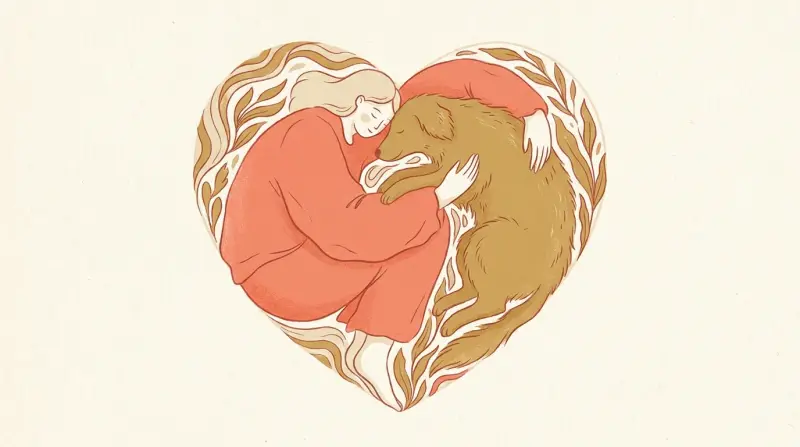
Pets and your mental health can meet in a simple moment: you come home feeling weighed down, and a cat quietly comes closer, or a bird greets you with its familiar sound—almost as if your inner rhythm slows down a little. This is an everyday experience many people recognize. In this article, you’ll learn how a pet’s friendship can support your mood, and how to benefit from it in a balanced way.
How does having a pet affect mood?
The relationship with a pet is built on safe, unconditional presence: not many questions, no judgment—just simple connection that repeats day after day. This kind of companionship can ease loneliness and help some people calm anxiety at the end of a long day, especially when caring becomes a small ritual that offers meaning and continuity.
When interaction is safe and appropriate, watching an animal or gently playing with it can shift the mind’s rhythm from rumination to feeling the moment. This short pause doesn’t solve everything, but it creates a bit of space to breathe.
Awareness materials from health institutes indicate that human–animal interaction may sometimes be associated with lower stress indicators and a greater sense of social support—while emphasizing that results are not the same for everyone. This balanced understanding matters so we don’t place more on the animal than it can carry, and we don’t burden ourselves with unrealistic expectations.
Common psychological benefits… and why they aren’t guaranteed for everyone
The goal isn’t to prove that animals “treat” mental health concerns, but to understand what may happen for some people when friendship becomes part of the routine. Benefits many people notice include:
Structuring the day: Feeding times, cleaning, and basic care create a daily framework that reduces mental clutter.
Momentary stress relief: Playtime or gentle petting may offer a short break from exhausting rumination.
A gentle push toward movement: Going out for a walk or tidying the space around the animal can gradually increase activity.
Supporting a sense of belonging: Talking about a pet or sharing its photos may open an easier door to social connection.
Still, not everyone experiences these benefits. Some people have allergies, fear animals, or live in circumstances that don’t allow consistent commitment. Those going through severe depressive symptoms may struggle with daily care, and feelings of guilt can increase instead of comfort.
When friendship is supportive… and when it turns into a burden
According to specialists on Tatmeen, it helps to view the relationship with a pet as one source of support within a broader basket of self-care—not as a replacement for specialized psychological support. Friendship can be supportive when it is built on a choice that fits the family’s circumstances, shared responsibilities, and realistic expectations from the start.
On the other hand, the experience can become stressful when financial or health burdens grow, when disruptive behaviors appear and a person doesn’t know how to manage them, or when a painful loss occurs. Also, if caring for the animal becomes the only way to escape people or difficult emotions, it may be a sign of a deeper need for balance.
Because a culture of kindness and commitment is a core value, admitting “I can’t right now” isn’t selfish—it’s responsible. Sometimes the healthiest decision is to postpone, choose a less demanding animal, or share care with the family.
How do you make the relationship supportive for mental health?
Psychological benefit usually doesn’t come from the animal’s presence alone, but from how we integrate it into our lifestyle. Try simple ideas, while considering your circumstances:
Make pet care part of a steady routine (feeding time, cleaning, short play).
Use interaction moments as a mindfulness exercise: focus on breathing, textures, and sounds instead of racing thoughts.
Share responsibilities at home so care doesn’t become a burden on one person.
Link the pet’s presence to helpful habits like a short outing or improved sleep—rather than draining habits like staying up very late.
If you can’t adopt a pet, consider safe alternatives: visiting relatives who have a pet, or volunteering with animal care in an organized environment.
Finally…
A pet’s friendship can be a quiet space where you regain your inner rhythm: a simple routine, reassuring presence, and a touch that reminds you care can begin with small steps. Still, what matters most is not staying alone when feelings become heavier than your capacity. If you need a safe space to talk and to build a support plan that fits your life, you can book a session with a licensed specialist through Tatmeen.
Frequently Asked Questions
Does having a pet replace psychological therapy?
It may help reduce stress or loneliness for some people, but it does not replace therapy when symptoms are persistent or disabling. It’s best seen as additional support within a broader care plan that includes sleep, movement, social support, and possibly sessions with a specialist.
What should I do if I love animals but can’t have one?
You can benefit from companionship in alternative ways: visiting relatives who have a pet, volunteering at care centers with clear conditions, or helping care for a friend’s pet for short periods. What matters is choosing an option that fits your time, health, and responsibilities.
How can I help my child build a healthy relationship with a pet?
Start by teaching kindness and boundaries: when to let the animal rest, how to touch gently, and which responsibilities fit the child’s age. Watch for any fear or allergies, and make the experience gradual, with constant supervision to avoid harm to the child or the animal.
A writer and researcher specializing in psychiatry, she focuses on mental health and the human emotions we experience but cannot always find the words to name. She writes about us—about humanity and the human experience—and simplifies complex topics to offer content that helps us better understand ourselves and life, ultimately making us feel less alone.
Every Tatmeen article is reviewed by care providers licensed by the Saudi Commission for Health Specialties, so what you read is accurate and trustworthy.
This article builds understanding and does not replace a licensed care provider.
Need someone to talk to?
Tatmeen's licensed care providers are available around the clock, and the app's urgent consultation connects you with one within minutes.
Download Tatmeen to explore care providers and booking options.
Smart matchingFour quick questions suggest the right care provider
Urgent consultationTalk to an available care provider within minutes
Free psychological measuresMore than 20 tests to understand how you are doing
Scan to download
{"data":{"id":"e08460a7-6ad3-4b5e-ac53-ebe00f543efd","slug":"pets-mental-health-boost-mood","arTitle":"الحيوانات الأليفة وصحتك النفسية: صداقة تُحسّن المزاج","enTitle":"Pets and Mental Health: A Friendship That Boosts Your Mood","thumbnailAltText":"a person and her pet dog hugging each other in a heart shaped position","estimatedReadingTime":5,"likesCount":326,"writer":{"id":"3ab72b74-f26f-4337-9b47-3114b0f90de5","arBio":"كاتبة وباحثة متخصصة في مجال الطب النفسي، تهتم بموضوعات الصحة النفسية وبالمشاعر الإنسانية التي نختبرها ولا نجد دائمًا الكلمات لتسميتها. تكتب عنّا؛ عن الإنسان وتجربته، وتبسّط الموضوعات المعقّدة لتقدّم محتوى يساعدنا على فهم ذواتنا والحياة أكثر، ويجعلنا نشعر بأننا بوحدة أقل.","enBio":"A writer and researcher specializing in psychiatry, she focuses on mental health and the human emotions we experience but cannot always find the words to name. She writes about us—about humanity and the human experience—and simplifies complex topics to offer content that helps us better understand ourselves and life, ultimately making us feel less alone.","user":{"slug":"ayat-alnajar","arFullName":"آيات النجار","enFullName":"Ayat Al-Najjar","publicProfileImageUrl":"https://cdn.tatmeen.sa/public/profile-images/02384455-68fa-40b6-ad05-609fde65cafa/21b9a610dde5dfc6d37af110c23e9c7ab3946be080c281beb000debf4f7d31a6.webp","publicProfileImage96Url":"https://cdn.tatmeen.sa/public/profile-images/02384455-68fa-40b6-ad05-609fde65cafa/21b9a610dde5dfc6d37af110c23e9c7ab3946be080c281beb000debf4f7d31a6-w96.webp","publicProfileImage192Url":"https://cdn.tatmeen.sa/public/profile-images/02384455-68fa-40b6-ad05-609fde65cafa/21b9a610dde5dfc6d37af110c23e9c7ab3946be080c281beb000debf4f7d31a6-w192.webp"}},"arContent":"","enContent":"","productionDocument":{"headings":[{"id":"article-section-how-does-having-a-pet-affect-mood","text":"How does having a pet affect mood?"},{"id":"article-section-common-psychological-benefits-and-why-they-aren-t-guaranteed-for-everyone","text":"Common psychological benefits… and why they aren’t guaranteed for everyone"},{"id":"article-section-when-friendship-is-supportive-and-when-it-turns-into-a-burden","text":"When friendship is supportive… and when it turns into a burden"},{"id":"article-section-how-do-you-make-the-relationship-supportive-for-mental-health","text":"How do you make the relationship supportive for mental health?"},{"id":"article-section-finally","text":"Finally…"}],"faqs":[{"question":"Does having a pet replace psychological therapy?","answer":"<p><span style=\"color:#000000\">It may help reduce stress or loneliness for some people, but it does not replace therapy when symptoms are persistent or disabling. It’s best seen as additional support within a broader care plan that includes sleep, movement, social support, and possibly sessions with a specialist.</span></p>"},{"question":"What should I do if I love animals but can’t have one?","answer":"<p><span style=\"color:#000000\">You can benefit from companionship in alternative ways: visiting relatives who have a pet, volunteering at care centers with clear conditions, or helping care for a friend’s pet for short periods. What matters is choosing an option that fits your time, health, and responsibilities.</span></p>"},{"question":"How can I help my child build a healthy relationship with a pet?","answer":"<p><span style=\"color:#000000\">Start by teaching kindness and boundaries: when to let the animal rest, how to touch gently, and which responsibilities fit the child’s age. Watch for any fear or allergies, and make the experience gradual, with constant supervision to avoid harm to the child or the animal.</span></p>"}],"beforeSourcesHtml":"<p></p>","sources":[],"afterSourcesHtml":"","blocks":[{"type":"html","html":"<p><span style=\"color:#000000\">Pets and your mental health can meet in a simple moment: you come home feeling weighed down, and a cat quietly comes closer, or a bird greets you with its familiar sound—almost as if your inner rhythm slows down a little. This is an everyday experience many people recognize. In this article, you’ll learn how a pet’s friendship can support your mood, and how to benefit from it in a balanced way.</span></p><h2 id=\"article-section-how-does-having-a-pet-affect-mood\" data-toc-heading tabindex=\"-1\"><span id=\"how-does-having-a-pet-affect-mood-1\" aria-hidden=\"true\"></span><span style=\"color:#000000\"><strong>How does having a pet affect mood?</strong></span></h2><p><span style=\"color:#000000\">The relationship with a pet is built on safe, unconditional presence: not many questions, no judgment—just simple connection that repeats day after day. This kind of companionship can ease loneliness and help some people calm anxiety at the end of a long day, especially when caring becomes a small ritual that offers meaning and continuity.</span></p><p><span style=\"color:#000000\">When interaction is safe and appropriate, watching an animal or gently playing with it can shift the mind’s rhythm from rumination to feeling the moment. This short pause doesn’t solve everything, but it creates a bit of space to breathe.</span></p><p><span style=\"color:#000000\">Awareness materials from health institutes indicate that human–animal interaction may sometimes be associated with lower stress indicators and a greater sense of social support—while emphasizing that results are not the same for everyone. This balanced understanding matters so we don’t place more on the animal than it can carry, and we don’t burden ourselves with unrealistic expectations.</span></p><h2 id=\"article-section-common-psychological-benefits-and-why-they-aren-t-guaranteed-for-everyone\" data-toc-heading tabindex=\"-1\"><span id=\"common-psychological-benefits-and-why-they-aren-t-guaranteed-for-everyone-2\" aria-hidden=\"true\"></span><span style=\"color:#000000\"><strong>Common psychological benefits… and why they aren’t guaranteed for everyone</strong></span></h2><p><span style=\"color:#000000\">The goal isn’t to prove that animals “treat” mental health concerns, but to understand what may happen for some people when friendship becomes part of the routine. Benefits many people notice include:</span></p><ul><li><p><span style=\"color:#000000\"><strong>Structuring the day:</strong> Feeding times, cleaning, and basic care create a daily framework that reduces mental clutter.</span></p></li><li><p><span style=\"color:#000000\"><strong>Momentary stress relief:</strong> Playtime or gentle petting may offer a short break from exhausting rumination.</span></p></li><li><p><span style=\"color:#000000\"><strong>A gentle push toward movement:</strong> Going out for a walk or tidying the space around the animal can gradually increase activity.</span></p></li><li><p><span style=\"color:#000000\"><strong>Supporting a sense of belonging:</strong> Talking about a pet or sharing its photos may open an easier door to social connection.</span></p></li></ul><p><span style=\"color:#000000\">Still, not everyone experiences these benefits. Some people have allergies, fear animals, or live in circumstances that don’t allow consistent commitment. Those going through severe depressive symptoms may struggle with daily care, and feelings of guilt can increase instead of comfort.</span></p><h2 id=\"article-section-when-friendship-is-supportive-and-when-it-turns-into-a-burden\" data-toc-heading tabindex=\"-1\"><span id=\"when-friendship-is-supportive-and-when-it-turns-into-a-burden-3\" aria-hidden=\"true\"></span><span style=\"color:#000000\"><strong>When friendship is supportive… and when it turns into a burden</strong></span></h2><p><span style=\"color:#000000\">According to specialists on Tatmeen, it helps to view the relationship with a pet as one source of support within a broader basket of self-care—not as a replacement for specialized psychological support. Friendship can be supportive when it is built on a choice that fits the family’s circumstances, shared responsibilities, and realistic expectations from the start.</span></p><p><span style=\"color:#000000\">On the other hand, the experience can become stressful when financial or health burdens grow, when disruptive behaviors appear and a person doesn’t know how to manage them, or when a painful loss occurs. Also, if caring for the animal becomes the only way to escape people or difficult emotions, it may be a sign of a deeper need for balance.</span></p><p><span style=\"color:#000000\">Because a culture of kindness and commitment is a core value, admitting “I can’t right now” isn’t selfish—it’s responsible. Sometimes the healthiest decision is to postpone, choose a less demanding animal, or share care with the family.</span></p><h2 id=\"article-section-how-do-you-make-the-relationship-supportive-for-mental-health\" data-toc-heading tabindex=\"-1\"><span id=\"how-do-you-make-the-relationship-supportive-for-mental-health-4\" aria-hidden=\"true\"></span><span style=\"color:#000000\"><strong>How do you make the relationship supportive for mental health?</strong></span></h2><p><span style=\"color:#000000\">Psychological benefit usually doesn’t come from the animal’s presence alone, but from how we integrate it into our lifestyle. Try simple ideas, while considering your circumstances:</span></p><ul><li><p><span style=\"color:#000000\">Make pet care part of a steady routine (feeding time, cleaning, short play).</span></p></li><li><p><span style=\"color:#000000\">Use interaction moments as a mindfulness exercise: focus on breathing, textures, and sounds instead of racing thoughts.</span></p></li><li><p><span style=\"color:#000000\">Share responsibilities at home so care doesn’t become a burden on one person.</span></p></li><li><p><span style=\"color:#000000\">Link the pet’s presence to helpful habits like a short outing or improved sleep—rather than draining habits like staying up very late.</span></p></li><li><p><span style=\"color:#000000\">If you can’t adopt a pet, consider safe alternatives: visiting relatives who have a pet, or volunteering with animal care in an organized environment.</span></p></li></ul><h2 id=\"article-section-finally\" data-toc-heading tabindex=\"-1\"><span id=\"finally-5\" aria-hidden=\"true\"></span><span style=\"color:#000000\"><strong>Finally…</strong></span></h2><p><span style=\"color:#000000\">A pet’s friendship can be a quiet space where you regain your inner rhythm: a simple routine, reassuring presence, and a touch that reminds you care can begin with small steps. Still, what matters most is not staying alone when feelings become heavier than your capacity. If you need a safe space to talk and to build a support plan that fits your life, <u>you can book a session</u> with a licensed specialist through Tatmeen.</span></p>"}],"inlineCtaSignatures":[],"_experienceAliases":{"v":1,"fields":["html","bodyHtml"],"faqs":[0,1,2]}},"createdAt":"2026-05-08T21:00:00.000Z","updatedAt":"2026-06-02T20:31:31.078Z","disorderGroups":[{"id":"4499a52a-06f8-4022-a64d-304e5eca51cc","slug":"life-challenges-and-stress","arName":"تحديات الحياة والضغوط","enName":"Life Challenges & Stress"},{"id":"d807ea69-44d4-4e81-bee4-0a059fd36645","slug":"self-development","arName":"تنمية الذات","enName":"Self-Development"}],"reviewer":{"arFullName":"فريق تطمين","enFullName":"Tatmeen team","slug":"tatmeen-team","kind":"organization"},"productionArticle":true,"promotionAllowed":true,"preparedCover":{"src":"https://cdn.tatmeen.sa/public/article-lcp/article-lcp-v2/sha256-a01bb2c822fd0e5753048ada9e938925c20ab4dcab65d28422e21b511fe4e667/800-cfc0a6ffbcd3e0f67cfddee6a47810ec9064709307528440fdfe4c8673237eb1.avif","fallback":"https://cdn.tatmeen.sa/public/article-lcp/article-lcp-v2/sha256-a01bb2c822fd0e5753048ada9e938925c20ab4dcab65d28422e21b511fe4e667/800-193a2b39132823e78235a0afcdba1c65f69decdac7f430f19750477a5e164c8f.webp","directUrl":"https://cdn.tatmeen.sa/blog-cover/Tatmeen-1778337506116.webp","isGolden":true,"avifSrcset":"https://cdn.tatmeen.sa/public/article-lcp/article-lcp-v2/sha256-a01bb2c822fd0e5753048ada9e938925c20ab4dcab65d28422e21b511fe4e667/400-5876bae0ce2b97de404d3a8d91898d4ec0687cbc4442ba2d5e61795daec1348e.avif 400w, https://cdn.tatmeen.sa/public/article-lcp/article-lcp-v2/sha256-a01bb2c822fd0e5753048ada9e938925c20ab4dcab65d28422e21b511fe4e667/640-3ea79381a0a8b892a18faa3633ab380b69ce451233273bc40fba0724571fc9bf.avif 640w, https://cdn.tatmeen.sa/public/article-lcp/article-lcp-v2/sha256-a01bb2c822fd0e5753048ada9e938925c20ab4dcab65d28422e21b511fe4e667/800-cfc0a6ffbcd3e0f67cfddee6a47810ec9064709307528440fdfe4c8673237eb1.avif 800w, https://cdn.tatmeen.sa/public/article-lcp/article-lcp-v2/sha256-a01bb2c822fd0e5753048ada9e938925c20ab4dcab65d28422e21b511fe4e667/1200-2f8989aa7f504ca513a00cfd274b0e38a666b6144eb7bff4049dbcc790c71061.avif 1200w","webpSrcset":"https://cdn.tatmeen.sa/public/article-lcp/article-lcp-v2/sha256-a01bb2c822fd0e5753048ada9e938925c20ab4dcab65d28422e21b511fe4e667/400-6d174fb1c6c8081aa07e1e33ac4da1cfd4fb24923a75f55d396579feb90d0ab2.webp 400w, https://cdn.tatmeen.sa/public/article-lcp/article-lcp-v2/sha256-a01bb2c822fd0e5753048ada9e938925c20ab4dcab65d28422e21b511fe4e667/640-2dd893237a4516051d10a36a12b357a298ac081919e58a2d2e8130fa5c839460.webp 640w, https://cdn.tatmeen.sa/public/article-lcp/article-lcp-v2/sha256-a01bb2c822fd0e5753048ada9e938925c20ab4dcab65d28422e21b511fe4e667/800-193a2b39132823e78235a0afcdba1c65f69decdac7f430f19750477a5e164c8f.webp 800w, https://cdn.tatmeen.sa/public/article-lcp/article-lcp-v2/sha256-a01bb2c822fd0e5753048ada9e938925c20ab4dcab65d28422e21b511fe4e667/1200-a8d908e0ba29000bf5550d73a4d519ecdb6b8039741414c0639b03a153f00294.webp 1200w","phoneAvifSrcset":"https://cdn.tatmeen.sa/public/article-lcp/article-lcp-v2/sha256-a01bb2c822fd0e5753048ada9e938925c20ab4dcab65d28422e21b511fe4e667/400-5876bae0ce2b97de404d3a8d91898d4ec0687cbc4442ba2d5e61795daec1348e.avif 400w, https://cdn.tatmeen.sa/public/article-lcp/article-lcp-v2/sha256-a01bb2c822fd0e5753048ada9e938925c20ab4dcab65d28422e21b511fe4e667/640-3ea79381a0a8b892a18faa3633ab380b69ce451233273bc40fba0724571fc9bf.avif 640w, https://cdn.tatmeen.sa/public/article-lcp/article-lcp-v2/sha256-a01bb2c822fd0e5753048ada9e938925c20ab4dcab65d28422e21b511fe4e667/800-cfc0a6ffbcd3e0f67cfddee6a47810ec9064709307528440fdfe4c8673237eb1.avif 800w","phoneWebpSrcset":"https://cdn.tatmeen.sa/public/article-lcp/article-lcp-v2/sha256-a01bb2c822fd0e5753048ada9e938925c20ab4dcab65d28422e21b511fe4e667/400-6d174fb1c6c8081aa07e1e33ac4da1cfd4fb24923a75f55d396579feb90d0ab2.webp 400w, https://cdn.tatmeen.sa/public/article-lcp/article-lcp-v2/sha256-a01bb2c822fd0e5753048ada9e938925c20ab4dcab65d28422e21b511fe4e667/640-2dd893237a4516051d10a36a12b357a298ac081919e58a2d2e8130fa5c839460.webp 640w, https://cdn.tatmeen.sa/public/article-lcp/article-lcp-v2/sha256-a01bb2c822fd0e5753048ada9e938925c20ab4dcab65d28422e21b511fe4e667/800-193a2b39132823e78235a0afcdba1c65f69decdac7f430f19750477a5e164c8f.webp 800w","width":800,"height":447},"previewTaxonomy":{"groups":[{"id":"4499a52a-06f8-4022-a64d-304e5eca51cc","slug":"life-challenges-and-stress","arName":"تحديات الحياة والضغوط","enName":"Life Challenges & Stress"},{"id":"d807ea69-44d4-4e81-bee4-0a059fd36645","slug":"self-development","arName":"تنمية الذات","enName":"Self-Development"}],"topics":[{"id":"df422fae-2631-4acb-8a97-69baec4bbc8f","slug":"positive-habits","arName":"بناء عادات إيجابية","enName":"Positive Habits","groupSlug":"self-development","href":"/blog/category/self-development/positive-habits/"},{"id":"12d3f617-fbdf-4a76-9b59-bcf5a6cce447","slug":"mindfulness","arName":"اليقظة الذهنية","enName":"Mindfulness","groupSlug":"self-development","href":"/blog/category/self-development/mindfulness/"}],"tags":[{"id":"b897e937-ea28-464a-8ff7-12db934a625c","slug":"mind-body-connection","arName":"العلاقة بين الجسد والنفس","enName":"Mind-Body Connection"},{"id":"c2a6e8d3-de9c-435f-8c95-9727e7db14cc","slug":"explainer-awareness","arName":"دليل توعوي / شرح","enName":"Explainer / Awareness Guide"}]},"previewProviderRecommendations":[{"id":"dc4f4096-c96e-46ad-8e85-55c7104fbbf9","slug":"alya-alasiri-9292","arFullName":"علياء العسيري","enFullName":"Alya Alasiri","publicProfileImageUrl":"","publicProfileImage96Url":"","publicProfileImage192Url":"","specialization":{"arName":"أخصائي نفسي","enName":"Psychologist"},"profileImageUrl":"","experienceYears":4,"consultantInfo":{"averageRating":{"average":0},"specialization":{"arGeneralName":"أخصائي نفسي","enGeneralName":"Psychologist"}}},{"id":"6df31339-a6f5-4131-a603-3a7c7a34c143","slug":"joud-alodhayyani-9014","arFullName":"جود العتيبي","enFullName":"Joud Alotaibi","publicProfileImageUrl":"https://cdn.tatmeen.sa/public/profile-images/6df31339-a6f5-4131-a603-3a7c7a34c143/7bb005ef9d4315296aad2a7d142fb2af2cf89920a40b474fc5139b9530269282.webp","publicProfileImage96Url":"https://cdn.tatmeen.sa/public/profile-images/6df31339-a6f5-4131-a603-3a7c7a34c143/7bb005ef9d4315296aad2a7d142fb2af2cf89920a40b474fc5139b9530269282-w96.webp","publicProfileImage192Url":"https://cdn.tatmeen.sa/public/profile-images/6df31339-a6f5-4131-a603-3a7c7a34c143/7bb005ef9d4315296aad2a7d142fb2af2cf89920a40b474fc5139b9530269282-w192.webp","specialization":{"arName":"أخصائي نفسي","enName":"Psychologist"},"profileImageUrl":"https://cdn.tatmeen.sa/public/profile-images/6df31339-a6f5-4131-a603-3a7c7a34c143/7bb005ef9d4315296aad2a7d142fb2af2cf89920a40b474fc5139b9530269282-w192.webp","experienceYears":2,"consultantInfo":{"averageRating":{"average":3.5},"specialization":{"arGeneralName":"أخصائي نفسي","enGeneralName":"Psychologist"}}},{"id":"7771d078-cbd9-4acd-aa51-29cc905753c4","slug":"hatim-jafaari-2902","arFullName":"حاتم جعفرى","enFullName":"Hatim Jafaari","publicProfileImageUrl":"https://cdn.tatmeen.sa/public/profile-images/7771d078-cbd9-4acd-aa51-29cc905753c4/874a489ca72b87dacbde76d8496eef84ca341ee8074b9ec54464cd0a56bbdbe6.webp","publicProfileImage96Url":"https://cdn.tatmeen.sa/public/profile-images/7771d078-cbd9-4acd-aa51-29cc905753c4/874a489ca72b87dacbde76d8496eef84ca341ee8074b9ec54464cd0a56bbdbe6-w96.webp","publicProfileImage192Url":"https://cdn.tatmeen.sa/public/profile-images/7771d078-cbd9-4acd-aa51-29cc905753c4/874a489ca72b87dacbde76d8496eef84ca341ee8074b9ec54464cd0a56bbdbe6-w192.webp","specialization":{"arName":"أخصائي نفسي","enName":"Psychologist"},"profileImageUrl":"https://cdn.tatmeen.sa/public/profile-images/7771d078-cbd9-4acd-aa51-29cc905753c4/874a489ca72b87dacbde76d8496eef84ca341ee8074b9ec54464cd0a56bbdbe6-w192.webp","experienceYears":2,"consultantInfo":{"averageRating":{"average":5},"specialization":{"arGeneralName":"أخصائي نفسي","enGeneralName":"Psychologist"}}}],"previewCareProviders":[{"id":"09364052-c2a9-4c52-9717-7ce2093b8d0a","slug":"kholoud-alharbi-5221","arFullName":"خلود الحربي","enFullName":"Kholoud Alharbi","publicProfileImageUrl":"https://cdn.tatmeen.sa/public/profile-images/09364052-c2a9-4c52-9717-7ce2093b8d0a/4a0aeb81619e351b77f4323e3605a0a00acc7ca3c82ee7cc5ca2c9e8ef716049.webp","publicProfileImage96Url":"https://cdn.tatmeen.sa/public/profile-images/09364052-c2a9-4c52-9717-7ce2093b8d0a/4a0aeb81619e351b77f4323e3605a0a00acc7ca3c82ee7cc5ca2c9e8ef716049-w96.webp","publicProfileImage192Url":"https://cdn.tatmeen.sa/public/profile-images/09364052-c2a9-4c52-9717-7ce2093b8d0a/4a0aeb81619e351b77f4323e3605a0a00acc7ca3c82ee7cc5ca2c9e8ef716049-w192.webp","gender":"FEMALE","specialization":{"arName":"أخصائي نفسي","enName":"Psychologist"}},{"id":"6f037535-1dca-4b50-a8b2-5974b7323286","slug":"salah-althobaiti-9053","arFullName":"صلاح الثبيتي","enFullName":"Salah Althobaiti","publicProfileImageUrl":"https://cdn.tatmeen.sa/public/profile-images/6f037535-1dca-4b50-a8b2-5974b7323286/35b6bd7fad9b1e004c1835803eb9c1b56dcacd380685ec8bff141f0fb888005c.webp","publicProfileImage96Url":"https://cdn.tatmeen.sa/public/profile-images/6f037535-1dca-4b50-a8b2-5974b7323286/35b6bd7fad9b1e004c1835803eb9c1b56dcacd380685ec8bff141f0fb888005c-w96.webp","publicProfileImage192Url":"https://cdn.tatmeen.sa/public/profile-images/6f037535-1dca-4b50-a8b2-5974b7323286/35b6bd7fad9b1e004c1835803eb9c1b56dcacd380685ec8bff141f0fb888005c-w192.webp","gender":"MALE","specialization":{"arName":"أخصائي نفسي","enName":"Psychologist"}},{"id":"3cc806e8-616b-4884-9f21-a75b378580a2","slug":"aisha-al-hashim-8667","arFullName":"عائشة ال هاشم","enFullName":"Aisha Al Hashim","publicProfileImageUrl":"https://cdn.tatmeen.sa/public/profile-images/3cc806e8-616b-4884-9f21-a75b378580a2/27f523d03be4dcfa1f6a79f70c1773887434e698990d214cd990caec56a44798.webp","publicProfileImage96Url":"https://cdn.tatmeen.sa/public/profile-images/3cc806e8-616b-4884-9f21-a75b378580a2/27f523d03be4dcfa1f6a79f70c1773887434e698990d214cd990caec56a44798-w96.webp","publicProfileImage192Url":"https://cdn.tatmeen.sa/public/profile-images/3cc806e8-616b-4884-9f21-a75b378580a2/27f523d03be4dcfa1f6a79f70c1773887434e698990d214cd990caec56a44798-w192.webp","gender":"FEMALE","specialization":{"arName":"أخصائي نفسي","enName":"Psychologist"}},{"id":"db2ce1a0-9325-4471-b7ce-eb2e811c30a3","slug":"amer-qutub-2441","arFullName":"عامر قطب","enFullName":"Amer Qutub","publicProfileImageUrl":"https://cdn.tatmeen.sa/public/profile-images/db2ce1a0-9325-4471-b7ce-eb2e811c30a3/80580f99bfd7fe2b2a9cf8eed73ab532f5086d1efe053b0aa57358c1ce004261.webp","publicProfileImage96Url":"https://cdn.tatmeen.sa/public/profile-images/db2ce1a0-9325-4471-b7ce-eb2e811c30a3/80580f99bfd7fe2b2a9cf8eed73ab532f5086d1efe053b0aa57358c1ce004261-w96.webp","publicProfileImage192Url":"https://cdn.tatmeen.sa/public/profile-images/db2ce1a0-9325-4471-b7ce-eb2e811c30a3/80580f99bfd7fe2b2a9cf8eed73ab532f5086d1efe053b0aa57358c1ce004261-w192.webp","gender":"MALE","specialization":{"arName":"أخصائي نفسي","enName":"Psychologist"}},{"id":"94765496-dbdf-4631-a01b-7df5f788668d","slug":"abdullrahman-alhamoudi-3045","arFullName":"عبدالرحمن الحمودي","enFullName":"Abdulrahman Alhamoudi","publicProfileImageUrl":"https://cdn.tatmeen.sa/public/profile-images/94765496-dbdf-4631-a01b-7df5f788668d/2d49f6b6493c564afb6f50b6c3634231dff3a5cf8353acfab393d1b2a88037d1.webp","publicProfileImage96Url":"https://cdn.tatmeen.sa/public/profile-images/94765496-dbdf-4631-a01b-7df5f788668d/2d49f6b6493c564afb6f50b6c3634231dff3a5cf8353acfab393d1b2a88037d1-w96.webp","publicProfileImage192Url":"https://cdn.tatmeen.sa/public/profile-images/94765496-dbdf-4631-a01b-7df5f788668d/2d49f6b6493c564afb6f50b6c3634231dff3a5cf8353acfab393d1b2a88037d1-w192.webp","gender":"MALE","specialization":{"arName":"أخصائي نفسي","enName":"Psychologist"}},{"id":"618dba89-5b70-4b46-8304-741b7ac8ecd3","slug":"abdullah-mari-1311","arFullName":"عبدالله مرعي","enFullName":"Abdullah Mari","publicProfileImageUrl":"https://cdn.tatmeen.sa/public/profile-images/618dba89-5b70-4b46-8304-741b7ac8ecd3/6b4a3bfb59f8a304ca79083b32859b46baad2e1d692974a47c02c1f66bd11129.webp","publicProfileImage96Url":"https://cdn.tatmeen.sa/public/profile-images/618dba89-5b70-4b46-8304-741b7ac8ecd3/6b4a3bfb59f8a304ca79083b32859b46baad2e1d692974a47c02c1f66bd11129-w96.webp","publicProfileImage192Url":"https://cdn.tatmeen.sa/public/profile-images/618dba89-5b70-4b46-8304-741b7ac8ecd3/6b4a3bfb59f8a304ca79083b32859b46baad2e1d692974a47c02c1f66bd11129-w192.webp","gender":"MALE","specialization":{"arName":"أخصائي نفسي","enName":"Psychologist"}},{"id":"3b50a5d5-e795-407f-8676-fd7f0e1bb7a0","slug":"abdulaziz-bin-hudayan-4940","arFullName":"عبدالعزيز بن هديان","enFullName":"Abdulaziz Bin Hudayan","publicProfileImageUrl":"https://cdn.tatmeen.sa/public/profile-images/3b50a5d5-e795-407f-8676-fd7f0e1bb7a0/710ff0fe1fb00cdb5042092e27b7910b480a439b02251ecded62d7758eefce95.webp","publicProfileImage96Url":"https://cdn.tatmeen.sa/public/profile-images/3b50a5d5-e795-407f-8676-fd7f0e1bb7a0/710ff0fe1fb00cdb5042092e27b7910b480a439b02251ecded62d7758eefce95-w96.webp","publicProfileImage192Url":"https://cdn.tatmeen.sa/public/profile-images/3b50a5d5-e795-407f-8676-fd7f0e1bb7a0/710ff0fe1fb00cdb5042092e27b7910b480a439b02251ecded62d7758eefce95-w192.webp","gender":"MALE","specialization":{"arName":"أخصائي نفسي","enName":"Psychologist"}},{"id":"d4ffcb6b-90a7-45b6-b941-964866f4564b","slug":"dhaifallah-alhumaidi-1092","arFullName":"ضيف الله الحميدي","enFullName":"Dhaifallah Alhumaidi","publicProfileImageUrl":"https://cdn.tatmeen.sa/public/profile-images/d4ffcb6b-90a7-45b6-b941-964866f4564b/1817171c5828a9b57d6c30d12332cf154e335272548bc90a6e8456d74d356956.webp","publicProfileImage96Url":"https://cdn.tatmeen.sa/public/profile-images/d4ffcb6b-90a7-45b6-b941-964866f4564b/1817171c5828a9b57d6c30d12332cf154e335272548bc90a6e8456d74d356956-w96.webp","publicProfileImage192Url":"https://cdn.tatmeen.sa/public/profile-images/d4ffcb6b-90a7-45b6-b941-964866f4564b/1817171c5828a9b57d6c30d12332cf154e335272548bc90a6e8456d74d356956-w192.webp","gender":"MALE","specialization":{"arName":"أخصائي نفسي","enName":"Psychologist"}}],"previewDownload":{"href":"/download","title":{"ar":"خطوة واحدة لأجلك، ابدأ الآن","en":"One step for you, start now"},"description":{"ar":"حمّل تطبيق تطمين لاستكشاف مقدمي الرعاية وخيارات الحجز.","en":"Download Tatmeen to explore care providers and booking options."},"posterSrc":"/images/home/cta-ar-new-1.webp","videoSrc":"/images/home/cta-ar-new-1.mp4","videoPosterSrc":"/images/home/cta-ar-new-1.webp","videoPosterEnSrc":"/images/home/cta-en-new-1.webp","videoType":"video/mp4","appStoreHref":"https://apps.apple.com/us/app/tatmeen-%D8%AA%D8%B7%D9%85%D9%8A%D9%86/id6473836983","googlePlayHref":"https://play.google.com/store/apps/details?id=com.TatmeenApp.user&hl=en"},"previewRelatedArticles":[{"id":"b2f7afc1-82e2-4188-a10c-fc9b1b4ac425","slug":"Recognizing-Psychological-Stress","route":"/blog/Recognizing-Psychological-Stress/","title":{"ar":"كيف أعرف أني أعاني من الضغط النفسي","en":"How Do I Know If I Am Under Psychological Stress?"},"image":"https://cdn.tatmeen.sa/public/article-lcp/article-lcp-v2/sha256-f464873cc90273eb06402f59b0bce2c2949fdfba531df6759d001710103e450b/599-801dbcee140dd26d053b319231717e2d4c625fb0ec299434646997b5439e55e5.webp","directImageFallback":"https://cdn.tatmeen.sa/blog-cover/1706456092741-Tatmeen-18.jpg","arThumbnailAltText":"Person at a cluttered desk resting their head on one hand beside a laptop","thumbnailAltText":"Person at a cluttered desk resting their head on one hand beside a laptop","topic":{"label":{"ar":"تحديات الحياة والضغوط","en":"Life Challenges & Stress"}},"readingTimeMinutes":5},{"id":"b1f7275e-e206-4c2e-8621-44b749433448","slug":"Burnout-Syndrome-Symptoms-and-Causes","route":"/blog/Burnout-Syndrome-Symptoms-and-Causes/","title":{"ar":"اضطراب الاحتراق النفسي - أعراض و أسباب","en":"Burnout: Symptoms and Causes"},"image":"https://cdn.tatmeen.sa/public/article-lcp/article-lcp-v2/sha256-dfee71d1c23728ae29c0ad08382c3e15144d1891cc2b1665746d521f1fcc1462/800-d296980707f5fcc86db3f4963a2061c2eaed40a47e5d6b4dded50826779aa1a0.webp","directImageFallback":"https://cdn.tatmeen.sa/blog-cover/1704727329323-Tatmeen-img-611","arThumbnailAltText":"Person resting face-down on folded arms at a table with glasses and a phone","thumbnailAltText":"Person resting face-down on folded arms at a table with glasses and a phone","topic":{"label":{"ar":"تحديات الحياة والضغوط","en":"Life Challenges & Stress"}},"readingTimeMinutes":5},{"id":"76adc912-eaa8-40ff-95bc-8535105766a7","slug":"passion-fading-boredom-depression-burnout","route":"/blog/passion-fading-boredom-depression-burnout/","title":{"ar":"انطفاء الشغف: التمييز بين الملل والاكتئاب والاحتراق الوظيفي","en":"Passion Fading: Distinguishing Boredom, Depression, and Workplace Burnout"},"image":"https://cdn.tatmeen.sa/public/article-lcp/article-lcp-v2/sha256-d48b595cdd996858bf7837013727d18c398b8b5d5730a99d050ffb01cea6b94e/800-12e7905755697645bf445b8f317643c58835e75959b597c762a6518f1b5c61b0.webp","directImageFallback":"https://cdn.tatmeen.sa/blog-cover/Tatmeen-1780067068783.webp","arThumbnailAltText":"a person sitting in her office feeling exhausted and burnt out","thumbnailAltText":"a person sitting in her office feeling exhausted and burnt out","topic":{"label":{"ar":"اضطرابات نفسية شائعة","en":"Common Mental Issues"}},"readingTimeMinutes":5},{"id":"c421d0a4-2d90-41d6-a2b3-6c892a9f9e9a","slug":"feeling-lonely-among-people-hidden-causes","route":"/blog/feeling-lonely-among-people-hidden-causes/","title":{"ar":"الشعور بالوحدة وسط الناس وأسبابه الخفية","en":"Feeling Lonely Among People: The Hidden Causes"},"image":"https://cdn.tatmeen.sa/public/article-lcp/article-lcp-v2/sha256-f55b108c38be36f95ff2089fc69fb0d29dfe681e52574213d9a09bbf032d1fe1/800-ef6189dc96d43e25f35200f8aad615900d8b7d1653e5326ce0553fbda5197de6.webp","directImageFallback":"https://cdn.tatmeen.sa/blog-cover/Tatmeen-1779643440642.webp","arThumbnailAltText":"Person standing still and isolated in a crowd","thumbnailAltText":"Person standing still and isolated in a crowd","topic":{"label":{"ar":"تحديات الحياة والضغوط","en":"Life Challenges & Stress"}},"readingTimeMinutes":5}],"previewRelatedReadStates":{}},"locale":"en","device":"desktop","path":"/en/blog/pets-mental-health-boost-mood/","readingControls":false,"config":{"public":{"BUCKET_URL":"https://cdn.tatmeen.sa/","APP_BASE_URL":"https://tatmeen.sa","intercomAppId":"ppcnu9e3"}}}