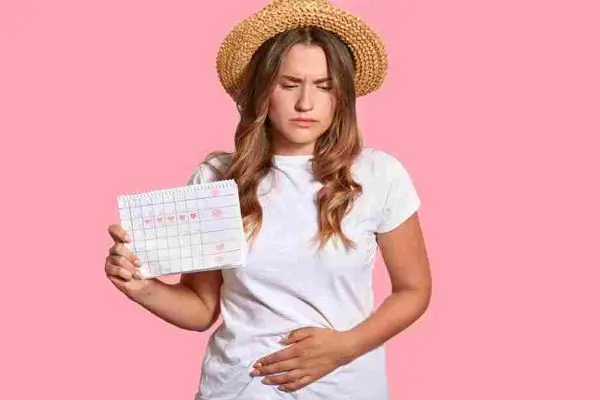
Menstruation is a natural process that a woman's body undergoes periodically each month. It is also known as a menstrual period, menses, or monthly bleeding. This process occurs after an egg is released from the ovary. If pregnancy does not occur, the body sheds the uterine lining that was prepared to receive the fertilized egg. It leaves the body as blood containing the mucosal tissue shed from the walls of the uterus. This lining is renewed after the resulting bleeding ends.
The length of the menstrual cycle is measured from the first day of the current period to the first day of the next one. The average menstrual cycle lasts 28 to 29 days, although it differs from one woman to another. For example, it may be as short as 21 days or as long as 38 days. Menstruation usually begins between the ages of nine and fifteen, around puberty, and continues throughout a woman's natural reproductive years. Its regularity may be disrupted by factors related to pregnancy, stress, or diet, but it officially ends with menopause, which usually occurs in a woman's fifties, or for other, less common health reasons.
You can use a diary or download an app to predict your period and prepare for it in advance, as technological advances provide simple ways to calculate menstrual days and get ready for their arrival.
Menstrual symptoms
Menstrual symptoms and signs differ from one woman to another, but common symptoms generally include the following:
Pain: Many women may experience pain in several areas of the body, including the back, thighs, pelvic area, and breasts, before and/or during menstruation.
Bloating or swelling: This may occur in the palms, legs, and feet before and/or during menstruation.
Constipation or diarrhea: Digestive function may be disrupted before and/or during menstruation, with effects that differ from one woman to another.
Headaches: Some women may experience recurring headaches during menstruation.
Brittle hair: Hair may become weak and sensitive, or oily, before and/or during menstruation because of the hormonal changes that accompany this time.
Skin irritation: Menstruation may cause facial blemishes or make the skin lose some of its freshness and vitality.
Low mood: Many women may experience fatigue, weakness, and anger before and/or during menstruation, especially when two or more of the symptoms mentioned above occur together.
Reduced or absent sexual desire: Or the opposite, particularly in the days before menstruation.
Bleeding, the most visible symptom: Bleeding occurs during menstruation and may last from 3 to 7 days. It usually becomes lighter over time.
These are some of the most prominent menstrual symptoms, but signs and symptoms may differ from one woman to another. One woman may have a painless period, while another may experience all these symptoms together. Other symptoms, such as nausea, excessive appetite, or sleep disturbances, may occur during some periods but not others. It is worth noting that not experiencing these problems during one period does not mean they will not appear during a later period in the same woman, and vice versa.
Menstruation and mental health conditions
Premenstrual syndrome (PMS) refers to a group of physical and emotional symptoms that some women experience in the days before menstruation. These symptoms may include sensitivity, mood swings, and feelings of anxiety or depression. The precise cause of premenstrual syndrome has not been fully established, but it is thought to be related to the hormonal changes that occur during the menstrual cycle.
During the menstrual cycle, levels of hormones such as estrogen, progesterone, and serotonin fluctuate. It is thought that these hormonal changes may alter neurotransmitters in the brain, which in turn can negatively affect a woman's mood and behavior in general. Premenstrual syndrome may also cause physical discomfort, including cramps, bloating, and the other symptoms mentioned above, which may contribute to negative feelings.
Many women may experience mood changes during menstruation, and these changes may be more pronounced in women with mental health conditions such as depression and anxiety. Similarly, mental health problems such as anxiety and depression may disrupt the menstrual cycle, making the relationship between menstruation and mental health conditions a two-way one.
It is worth noting that not every woman experiences premenstrual syndrome, and it may cause a wide range of symptoms with varying degrees of severity. Some women may experience stronger symptoms that constitute premenstrual dysphoric disorder (PMDD), a more severe form of PMS that affects a smaller proportion of women.
It is important to recognize that the mood changes some women experience before or during menstruation are not an excuse to dismiss or belittle their feelings. It is essential to ensure that women experiencing premenstrual syndrome are safe and supported, and to seek medical care if the symptoms are severe enough to interfere with daily life.
It is also important to understand and raise awareness that menstruation and mental health conditions are separate and distinct. Experiencing mood changes during menstruation does not necessarily mean that a woman has a mental health condition. If these changes significantly affect her life, it is in her interest to seek the treatment and support needed to manage them and to discuss any worrying or distressing symptoms with a healthcare provider.
What causes emotional distress during menstruation?
Many women experience psychological distress during menstruation, and experts believe the main reason is the hormonal changes that occur at this time. The changes in the hormones mentioned above affect brain chemistry and the nervous system and may lead to mood changes and, consequently, feelings of anxiety, fatigue, and depression.
The following are some other possible causes of psychological distress before or during menstruation:
Physical pain: Some women experience severe physical pain during menstruation, which may explain why some feel weak and low.
Stress and anxiety: Stress caused by a fast-paced lifestyle may intensify psychological distress during menstruation.
Lack of sleep: Too little or irregular sleep may increase stress and strain or burnout, worsening psychological distress during menstruation.
An unbalanced diet: Overeating or consuming unhealthy food may cause guilt and fear of gaining weight, adding to the psychological distress mentioned above.
A negative view of menstruation: Unhealthy sex education may lead some women to regard menstruation as a source of embarrassment or shame. They may approach it with pessimism and disgust, which may unconsciously intensify other psychological difficulties.
If psychological distress during menstruation is confirmed, women experiencing it for any reason should contact a specialist. A doctor may recommend treatment for the woman's specific physical or psychological symptoms, using suitable hormonal medications, medicines that counter those symptoms, or psychological therapies.
Treatment for menstrual symptoms
Many different treatments may be used to reduce the severity of symptoms associated with menstruation, depending on the type and severity of the symptoms a woman experiences. Treatments used to ease common menstrual symptoms include:
Pain relievers: Pain relievers such as aspirin and ibuprofen may be taken to ease menstrual pain.
Nutritional supplements: Some nutrients may work wonders for the body, particularly calcium, vitamin B6, and magnesium.
Hormonal treatment:Hormonal treatments such as birth control pills or other hormonal medications may be used to regulate the body's hormones and reduce symptoms associated with menstruation.
Exercise: Regular exercise may have a positive effect on women's mental and physical health, and on human health in general.
Psychological therapy: You can consult a specialist in mental health for psychological support and to discuss any emotional difficulties that may be related to menstruation.
Improving your lifestyle: Following a healthy lifestyle, eating a healthy and balanced diet, and getting enough rest and sleep may help reduce symptoms associated with menstruation.
Mothers and grandmothers also have practical, experience-based advice for naturally and safely reducing menstrual pain and speeding up the period. Among the most effective suggestions are:
Drink plenty of fluids: Drinks and liquid foods, such as soup or broth, may help menstruation proceed more easily without harming the body.
Avoid swimming and bathing: Because of water pressure, immersing the lower body in water may cause blood retention and consequently increase pain, particularly in the abdomen. However, taking a hot shower is recommended.
Use suitable menstrual products: While sanitary pads cause itching and irritation for some women, they may be the best option for others. Many types of menstrual products suit different lifestyles and offer women a sense of freedom and security.
Keep the body warm: Menstrual pain may sometimes intensify when body temperature drops. Wearing warm, comfortable clothing during this time and placing a bottle of boiled water over the uterine area are therefore recommended.
It is also helpful to keep a symptom diary for at least 2 to 3 menstrual cycles and bring it to a doctor's appointment. A woman experiencing any unusual menstrual symptoms, such as an interruption in bleeding or a change in the color and/or volume of blood, should speak with a healthcare provider to identify the cause and receive appropriate treatment.
Treating menstrual depression
Although menstruation does not directly cause depression, its symptoms may make depression more severe; here, depression refers to the mental health condition. There is, however, a different form of depression that accompanies menstruation, and its treatment may vary according to the severity and cause of the condition. Nevertheless, the following suggestions may apply in most cases:
Do light exercise: Contrary to what some people believe, exercising during menstruation can be helpful. Light exercise, such as aerobics, prompts the body to release endorphins, hormones that contribute to feelings of happiness and satisfaction with oneself.
Follow a healthy diet: What you eat may affect your mood. Try including foods rich in vitamins, minerals, and fiber in your meals, such as vegetables, fruit, and whole grains, and reduce the amount of salt and fat in your food.
Avoid stimulants and alcohol: The caffeine in black tea and coffee, as well as smoking and drinking alcohol, may have an adverse effect during menstruation. Try healthy alternatives such as milk, fresh juice, and green tea.
Get enough sleep: Try to get between 7 and 8 hours of sleep each night. Lack of sleep may cause fatigue and stress, which can worsen depression.
Relaxation and meditation: Stepping away from sources of stress and practicing meditation through activities such as yoga and focused breathing exercises may help ease depression. Aromatic oils with scents such as lilac or jasmine may also help improve mood and relieve stress.
Psychological support: Talk to a friend or family member, or seek help from a mental health professional if you feel that you need psychological support. You can also join an in-person or online support group.
Herbal remedies: Some wild herbs, such as thyme and ginger, have natural properties that may help lessen depression through their positive effects on the body.
Medication: In some cases, a doctor may prescribe nutritional supplements or antidepressant medications to help ease symptoms. Remember that you must consult a doctor before taking any medication.
In general, adopting a healthier way of life can help overcome any psychological or physical ailment. Instead of fearing menstruation and its side effects, it can be viewed as a time of recovery and renewal for the body and an opportunity to make better decisions about habits and preferences.
If your wife, sister, or another woman close to you is experiencing menstrual depression and you would like to help her, do the following:
Offer to help her with housework and other tasks whenever possible.
Give her emotional and moral support, and listen as she talks through her problems and feelings.
Avoid provoking or arguing with her, and try to be considerate of her feelings, especially negative ones, as much as possible.
Help her follow the treatment approaches mentioned above, for example by providing the necessary resources or offering activities such as massage and preparing the bathroom.
Be aware that her temperament and behavior during menstruation do not represent her true personality; rather, they reflect several internal and external pressures.
Always remember that she will be grateful for anything you do to help her through this difficult time, and this will positively affect your relationship with her, whatever its nature.
In summary
Menstruation is a natural cycle that a woman's body goes through each month. It involves changes in hormone levels and their effects on the body and mind. Some women may experience changes in mood and emotional well-being during menstruation, including depression, anxiety, stress, and irritability.
To manage these difficulties, women can take practical steps such as exercising regularly and eating foods rich in nutrients, vitamins, and minerals. They may also use relaxation techniques such as meditation, yoga, deep breathing, and acupuncture, while avoiding stress, reducing tension, and setting priorities.
Although menstruation can be challenging for women, it is important to recognize that it is a natural process and a sign of fertility, and women should not feel ashamed or embarrassed by it. Women can obtain the support they need from friends, family, and healthcare professionals to manage effectively the psychological challenges that may arise from menstruation.
Content writer and researcher at Tatmeen, working on Arabic and English articles across mental health and everyday life topics, including relationships, stress, work, habits, and family.
Every Tatmeen article is reviewed by care providers licensed by the Saudi Commission for Health Specialties, so what you read is accurate and trustworthy.
This article builds understanding and does not replace a licensed care provider.
Need someone to talk to?
Tatmeen's licensed care providers are available around the clock, and the app's urgent consultation connects you with one within minutes.
Download Tatmeen to explore care providers and booking options.
Smart matchingFour quick questions suggest the right care provider
Urgent consultationTalk to an available care provider within minutes
Free psychological measuresMore than 20 tests to understand how you are doing
Scan to download
{"data":{"id":"11dd5aab-2608-44f0-9dee-4489f6ccc2c3","slug":"Menstruation-and-Mental-Health","arTitle":"الدورة الشهرية – أعراض وطرق علاج وعلاقتها بالاكتئاب وتأثيرها على اضطراب النفسية","enTitle":"Menstruation: Symptoms, Treatment, and Mental Health","thumbnailAltText":"Person holds a calendar while pressing one hand against their lower abdomen","estimatedReadingTime":5,"likesCount":940,"writer":{"id":"f49e2ee4-e68b-4e04-a40b-01d0b0195161","arBio":"كاتب وباحث محتوى في تطمين، يعمل على مقالات عربية وإنجليزية في موضوعات الصحة النفسية والحياة اليومية، مثل العلاقات، الضغوط، العمل، العادات، والأسرة.","enBio":"Content writer and researcher at Tatmeen, working on Arabic and English articles across mental health and everyday life topics, including relationships, stress, work, habits, and family.","user":{"slug":"sultan-almuhasin","arFullName":"سلطان المحيسن","enFullName":"Sultan Almuhasin","publicProfileImageUrl":"https://cdn.tatmeen.sa/public/profile-images/2494102f-7411-4dda-85b1-0c37a1031b3f/c9d25068aaa97c2c1f80123e2d6a27cc7b5a9b1df6a91493df9411b390a60279.webp","publicProfileImage96Url":"https://cdn.tatmeen.sa/public/profile-images/2494102f-7411-4dda-85b1-0c37a1031b3f/c9d25068aaa97c2c1f80123e2d6a27cc7b5a9b1df6a91493df9411b390a60279-w96.webp","publicProfileImage192Url":"https://cdn.tatmeen.sa/public/profile-images/2494102f-7411-4dda-85b1-0c37a1031b3f/c9d25068aaa97c2c1f80123e2d6a27cc7b5a9b1df6a91493df9411b390a60279-w192.webp"}},"arContent":"","enContent":"","productionDocument":{"headings":[{"id":"article-section-menstrual-symptoms","text":"Menstrual symptoms"},{"id":"article-section-menstruation-and-mental-health-conditions","text":"Menstruation and mental health conditions"},{"id":"article-section-what-causes-emotional-distress-during-menstruation","text":"What causes emotional distress during menstruation?"},{"id":"article-section-treatment-for-menstrual-symptoms","text":"Treatment for menstrual symptoms"},{"id":"article-section-treating-menstrual-depression","text":"Treating menstrual depression"},{"id":"article-section-in-summary","text":"In summary"}],"faqs":[],"beforeSourcesHtml":"","sources":[],"afterSourcesHtml":"","blocks":[{"type":"html","html":"<p class=\"ql-align-right ql-direction-rtl\">Menstruation is a natural process that a woman's body undergoes periodically each month. It is also known as a menstrual period, menses, or monthly bleeding. This process occurs after an egg is released from the ovary. If pregnancy does not occur, the body sheds the uterine lining that was prepared to receive the fertilized egg. It leaves the body as blood containing the mucosal tissue shed from the walls of the uterus. This lining is renewed after the resulting bleeding ends. </p><p class=\"ql-align-right ql-direction-rtl\">The length of the menstrual cycle is measured from the first day of the current period to the first day of the next one. The average menstrual cycle lasts 28 to 29 days, although it differs from one woman to another. For example, it may be as short as 21 days or as long as 38 days. Menstruation usually begins between the ages of nine and fifteen, around puberty, and continues throughout a woman's natural reproductive years. Its regularity may be disrupted by factors related to pregnancy, stress, or diet, but it officially ends with menopause, which usually occurs in a woman's fifties, or for other, less common health reasons.</p><p class=\"ql-align-right ql-direction-rtl\">You can use a diary or download an app to predict your period and prepare for it in advance, as technological advances provide simple ways to calculate menstrual days and get ready for their arrival.</p><h2 class=\"ql-align-right ql-direction-rtl\" id=\"article-section-menstrual-symptoms\" data-toc-heading tabindex=\"-1\"><span id=\"menstrual-symptoms-1\" aria-hidden=\"true\"></span><strong>Menstrual symptoms </strong></h2><p class=\"ql-align-right ql-direction-rtl\">Menstrual symptoms and signs differ from one woman to another, but common symptoms generally include the following:</p><ul><li class=\"ql-align-right ql-direction-rtl\"><strong>Pain:</strong> Many women may experience pain in several areas of the body, including the back, thighs, pelvic area, and breasts, before and/or during menstruation.</li><li class=\"ql-align-right ql-direction-rtl\"><strong>Bloating or swelling:</strong> This may occur in the palms, legs, and feet before and/or during menstruation.</li><li class=\"ql-align-right ql-direction-rtl\"><strong>Constipation or diarrhea:</strong> Digestive function may be disrupted before and/or during menstruation, with effects that differ from one woman to another.</li><li class=\"ql-align-right ql-direction-rtl\"><strong>Headaches:</strong> Some women may experience recurring headaches during menstruation.</li><li class=\"ql-align-right ql-direction-rtl\"><strong>Brittle hair:</strong> Hair may become weak and sensitive, or oily, before and/or during menstruation because of the hormonal changes that accompany this time.</li><li class=\"ql-align-right ql-direction-rtl\"><strong>Skin irritation:</strong> Menstruation may cause facial blemishes or make the skin lose some of its freshness and vitality.</li><li class=\"ql-align-right ql-direction-rtl\"><strong>Low mood:</strong> Many women may experience fatigue, weakness, and <a style=\"background-color:transparent\" href=\"https://www.hakini.net/article/%D9%85%D8%A7-%D9%87%D9%88-%D8%A7%D9%84%D8%BA%D8%B6%D8%A8-%D9%88%D9%83%D9%8A%D9%81-%D9%8A%D9%85%D9%83%D9%86-%D8%A7%D9%84%D8%AA%D8%AD%D9%83%D9%85-%D8%A8%D9%87-%D9%88%D8%A7%D8%AF%D8%A7%D8%B1%D8%AA%D9%87\" target=\"_blank\" rel=\"noopener noreferrer\">anger</a> before and/or during menstruation, especially when two or more of the symptoms mentioned above occur together.</li><li class=\"ql-align-right ql-direction-rtl\"><strong>Reduced or absent sexual desire:</strong> Or the opposite, particularly in the days before menstruation.</li><li class=\"ql-align-right ql-direction-rtl\"><strong>Bleeding, the most visible symptom:</strong> Bleeding occurs during menstruation and may last from 3 to 7 days. It usually becomes lighter over time.</li></ul><p class=\"ql-align-right ql-direction-rtl\">These are some of the most prominent menstrual symptoms, but signs and symptoms may differ from one woman to another. One woman may have a painless period, while another may experience all these symptoms together. Other symptoms, such as nausea, excessive appetite, or <a style=\"background-color:transparent\" href=\"https://www.hakini.net/article/%D8%A7%D8%B6%D8%B7%D8%B1%D8%A7%D8%A8%D8%A7%D8%AA-%D8%A7%D9%84%D9%86%D9%88%D9%85-%D8%AA%D8%B9%D8%B1%D9%81-%D8%B9%D9%84%D9%89-%D8%A7%D9%86%D9%88%D8%A7%D8%B9-%D8%A7%D8%B6%D8%B7%D8%B1%D8%A7%D8%A8%D8%A7%D8%AA-%D9%88%D9%85%D8%B4%D8%A7%D9%83%D9%84-%D8%A7%D9%84%D9%86%D9%88%D9%85\" target=\"_blank\" rel=\"noopener noreferrer\">sleep disturbances</a>, may occur during some periods but not others. It is worth noting that not experiencing these problems during one period does not mean they will not appear during a later period in the same woman, and vice versa.</p><p class=\"ql-align-right ql-direction-rtl\"> </p><h2 class=\"ql-align-right ql-direction-rtl\" id=\"article-section-menstruation-and-mental-health-conditions\" data-toc-heading tabindex=\"-1\"><span id=\"menstruation-and-mental-health-conditions-2\" aria-hidden=\"true\"></span><strong>Menstruation and mental health conditions </strong></h2><p class=\"ql-align-right ql-direction-rtl\">Premenstrual syndrome (PMS) refers to a group of physical and emotional symptoms that some women experience in the days before menstruation. These symptoms may include sensitivity, mood swings, and feelings of <a style=\"background-color:transparent\" href=\"https://www.hakini.net/article/%D9%83%D9%8A%D9%81-%D8%AA%D9%87%D8%AF%D8%A6-%D9%86%D9%88%D8%A8%D8%A7%D8%AA-%D8%A7%D9%84%D9%87%D9%84%D8%B9-%D9%88%D8%A7%D9%84%D9%82%D9%84%D9%82-%D9%85%D9%86-%D8%BA%D9%8A%D8%B1-%D8%A3%D8%AF%D9%88%D9%8A%D8%A9\" target=\"_blank\" rel=\"noopener noreferrer\">anxiety</a> or <a style=\"background-color:transparent\" href=\"https://www.hakini.net/article/%D9%85%D8%A7-%D9%87%D9%8A-%D8%A3%D8%B4%D8%AF-%D8%A3%D9%86%D9%88%D8%A7%D8%B9-%D8%A7%D9%84%D8%A7%D9%83%D8%AA%D8%A6%D8%A7%D8%A8-%D8%A7%D8%B3%D8%A8%D8%A7%D8%A8%D9%87-%D9%88%D8%A7%D8%B9%D8%B1%D8%A7%D8%B6%D9%87-%D9%88%D8%B9%D9%84%D8%A7%D8%AC%D9%87\" target=\"_blank\" rel=\"noopener noreferrer\">depression</a>. The precise cause of premenstrual syndrome has not been fully established, but it is thought to be related to the hormonal changes that occur during the menstrual cycle.</p><p class=\"ql-align-right ql-direction-rtl\">During the menstrual cycle, levels of hormones such as estrogen, progesterone, and serotonin fluctuate. It is thought that these hormonal changes may alter neurotransmitters in the brain, which in turn can negatively affect a woman's mood and behavior in general. Premenstrual syndrome may also cause physical discomfort, including cramps, bloating, and the other symptoms mentioned above, which may contribute to negative feelings.</p><p class=\"ql-align-right ql-direction-rtl\">Many women may experience mood changes during menstruation, and these changes may be more pronounced in women with mental health conditions such as depression and anxiety. Similarly, mental health problems such as anxiety and depression may disrupt the menstrual cycle, making the relationship between menstruation and mental health conditions a two-way one.</p><p class=\"ql-align-right ql-direction-rtl\">It is worth noting that not every woman experiences premenstrual syndrome, and it may cause a wide range of symptoms with varying degrees of severity. Some women may experience stronger symptoms that constitute premenstrual dysphoric disorder (PMDD), a more severe form of PMS that affects a smaller proportion of women.</p><p class=\"ql-align-right ql-direction-rtl\">It is important to recognize that the mood changes some women experience before or during menstruation are not an excuse to dismiss or belittle their feelings. It is essential to ensure that women experiencing premenstrual syndrome are safe and supported, and to seek medical care if the symptoms are severe enough to interfere with daily life.</p><p class=\"ql-align-right ql-direction-rtl\">It is also important to understand and raise awareness that menstruation and mental health conditions are separate and distinct. Experiencing mood changes during menstruation does not necessarily mean that a woman has a mental health condition. If these changes significantly affect her life, it is in her interest to seek the treatment and support needed to manage them and to discuss any worrying or distressing symptoms with a healthcare provider.</p><h2 class=\"ql-align-right ql-direction-rtl\" id=\"article-section-what-causes-emotional-distress-during-menstruation\" data-toc-heading tabindex=\"-1\"><span id=\"what-causes-emotional-distress-during-menstruation-3\" aria-hidden=\"true\"></span><strong>What causes emotional distress during menstruation?</strong></h2><p class=\"ql-align-right ql-direction-rtl\">Many women experience psychological distress during menstruation, and experts believe the main reason is the hormonal changes that occur at this time. The changes in the hormones mentioned above affect brain chemistry and the nervous system and may lead to mood changes and, consequently, feelings of anxiety, fatigue, and depression.</p><p class=\"ql-align-right ql-direction-rtl\">The following are some other possible causes of psychological distress before or during menstruation:</p><ol><li class=\"ql-align-right ql-direction-rtl\"><strong>Physical pain:</strong> Some women experience severe physical pain during menstruation, which may explain why some feel weak and low.</li><li class=\"ql-align-right ql-direction-rtl\"><strong>Stress and anxiety:</strong> Stress caused by a fast-paced lifestyle may intensify psychological distress during menstruation.</li><li class=\"ql-align-right ql-direction-rtl\"><strong>Lack of sleep:</strong> Too little or irregular sleep may increase <a style=\"background-color:transparent\" href=\"https://www.hakini.net/article/%D8%A7%D9%84%D8%AA%D9%88%D8%AA%D8%B1-%D9%88%D8%A7%D9%84%D8%B6%D8%BA%D8%B7-%D8%A7%D9%84%D9%86%D9%81%D8%B3%D9%8A\" target=\"_blank\" rel=\"noopener noreferrer\">stress</a> and strain or <a style=\"background-color:transparent\" href=\"https://www.hakini.net/article/%D8%A7%D8%B6%D8%B7%D8%B1%D8%A7%D8%A8-%D8%A7%D9%84%D8%A7%D8%AD%D8%AA%D8%B1%D8%A7%D9%82-%D8%A7%D9%84%D9%86%D9%81%D8%B3%D9%8A\" target=\"_blank\" rel=\"noopener noreferrer\">burnout</a>, worsening psychological distress during menstruation.</li><li class=\"ql-align-right ql-direction-rtl\"><strong>An unbalanced diet:</strong> Overeating or consuming unhealthy food may cause guilt and fear of gaining weight, adding to the psychological distress mentioned above.</li><li class=\"ql-align-right ql-direction-rtl\"><strong>A negative view of menstruation:</strong> Unhealthy <a style=\"background-color:transparent\" href=\"https://www.hakini.net/article/%D8%A7%D9%84%D8%AA%D8%B1%D8%A8%D9%8A%D8%A9-%D8%A7%D9%84%D8%AC%D9%86%D8%B3%D9%8A%D8%A9-%D8%A7%D9%84%D9%85%D8%A8%D9%83%D8%B1%D8%A9-%D9%84%D9%84%D8%A3%D8%B7%D9%81%D8%A7%D9%84\" target=\"_blank\" rel=\"noopener noreferrer\">sex education</a> may lead some women to regard menstruation as a source of embarrassment or shame. They may approach it with pessimism and disgust, which may unconsciously intensify other psychological difficulties.</li></ol><p class=\"ql-align-right ql-direction-rtl\">If psychological distress during menstruation is confirmed, women experiencing it for any reason should contact a specialist. A doctor may recommend treatment for the woman's specific physical or psychological symptoms, using suitable hormonal medications, medicines that counter those symptoms, or psychological therapies.</p><h2 class=\"ql-align-right ql-direction-rtl\" id=\"article-section-treatment-for-menstrual-symptoms\" data-toc-heading tabindex=\"-1\"><span id=\"treatment-for-menstrual-symptoms-4\" aria-hidden=\"true\"></span><strong>Treatment for menstrual symptoms </strong></h2><p class=\"ql-align-right ql-direction-rtl\">Many different treatments may be used to reduce the severity of symptoms associated with menstruation, depending on the type and severity of the symptoms a woman experiences. Treatments used to ease common menstrual symptoms include:</p><ul><li class=\"ql-align-right ql-direction-rtl\"><strong>Pain relievers:</strong> Pain relievers such as aspirin and ibuprofen may be taken to ease menstrual pain.</li><li class=\"ql-align-right ql-direction-rtl\"><strong>Nutritional supplements:</strong> Some nutrients may work wonders for the body, particularly calcium, vitamin B6, and magnesium.</li><li class=\"ql-align-right ql-direction-rtl\"><strong>Hormonal treatment:</strong> <a style=\"background-color:transparent\" href=\"https://www.hakini.net/article/%D8%A3%D8%AB%D8%B1-%D8%A7%D9%84%D8%B9%D9%84%D8%A7%D8%AC%D8%A7%D8%AA-%D8%A7%D9%84%D9%87%D8%B1%D9%85%D9%88%D9%86%D9%8A%D8%A9-%D8%B9%D9%84%D9%89-%D8%A7%D9%84%D8%B5%D8%AD%D8%A9-%D8%A7%D9%84%D9%86%D9%81%D8%B3%D9%8A%D8%A9-%D9%84%D9%84%D9%85%D8%B1%D8%A3%D8%A9\" target=\"_blank\" rel=\"noopener noreferrer\">Hormonal treatments</a> such as birth control pills or other hormonal medications may be used to regulate the body's hormones and reduce symptoms associated with menstruation.</li><li class=\"ql-align-right ql-direction-rtl\"><strong>Exercise:</strong> Regular exercise may have a positive effect on women's mental and physical health, and on human health in general.</li><li class=\"ql-align-right ql-direction-rtl\"><strong>Psychological therapy:</strong> You can <a style=\"background-color:transparent\" href=\"http://www.hakini.net/\" target=\"_blank\" rel=\"noopener noreferrer\">consult a specialist</a> in mental health for psychological support and to discuss any emotional difficulties that may be related to menstruation.</li><li class=\"ql-align-right ql-direction-rtl\"><strong>Improving your lifestyle:</strong> Following a healthy lifestyle, eating a healthy and balanced diet, and getting enough rest and sleep may help reduce symptoms associated with menstruation.</li></ul><p class=\"ql-align-right ql-direction-rtl\">Mothers and grandmothers also have practical, experience-based advice for naturally and safely reducing menstrual pain and speeding up the period. Among the most effective suggestions are:</p><ul><li class=\"ql-align-right ql-direction-rtl\"><strong>Drink plenty of fluids:</strong> Drinks and liquid foods, such as soup or broth, may help menstruation proceed more easily without harming the body.</li><li class=\"ql-align-right ql-direction-rtl\"><strong>Avoid swimming and bathing: </strong>Because of water pressure, immersing the lower body in water may cause blood retention and consequently increase pain, particularly in the abdomen. However, taking a hot shower is recommended.</li><li class=\"ql-align-right ql-direction-rtl\"><strong>Use suitable menstrual products:</strong> While sanitary pads cause itching and irritation for some women, they may be the best option for others. Many types of menstrual products suit different lifestyles and offer women a sense of freedom and security.</li><li class=\"ql-align-right ql-direction-rtl\"><strong>Keep the body warm:</strong> Menstrual pain may sometimes intensify when body temperature drops. Wearing warm, comfortable clothing during this time and placing a bottle of boiled water over the uterine area are therefore recommended.</li></ul><p class=\"ql-align-right ql-direction-rtl\">It is also helpful to keep a symptom diary for at least 2 to 3 menstrual cycles and bring it to a doctor's appointment. A woman experiencing any unusual menstrual symptoms, such as an interruption in bleeding or a change in the color and/or volume of blood, should speak with a healthcare provider to identify the cause and receive appropriate treatment.</p><h2 class=\"ql-align-right ql-direction-rtl\" id=\"article-section-treating-menstrual-depression\" data-toc-heading tabindex=\"-1\"><span id=\"treating-menstrual-depression-5\" aria-hidden=\"true\"></span><strong>Treating menstrual depression </strong></h2><p class=\"ql-align-right ql-direction-rtl\">Although menstruation does not directly cause depression, its symptoms may make depression more severe; here, depression refers to the mental health condition. There is, however, a different form of depression that accompanies menstruation, and its treatment may vary according to the severity and cause of the condition. Nevertheless, the following suggestions may apply in most cases:</p><ol><li class=\"ql-align-right ql-direction-rtl\"><strong>Do light exercise:</strong> Contrary to what some people believe, exercising during menstruation can be helpful. Light exercise, such as aerobics, prompts the body to release endorphins, hormones that contribute to feelings of happiness and satisfaction with oneself.</li><li class=\"ql-align-right ql-direction-rtl\"><strong>Follow a healthy diet:</strong> What you eat may affect your mood. Try including foods rich in vitamins, minerals, and fiber in your meals, such as vegetables, fruit, and whole grains, and reduce the amount of salt and fat in your food.</li><li class=\"ql-align-right ql-direction-rtl\"><strong>Avoid stimulants and alcohol:</strong> The caffeine in black tea and coffee, as well as smoking and drinking alcohol, may have an adverse effect during menstruation. Try healthy alternatives such as milk, fresh juice, and green tea.</li><li class=\"ql-align-right ql-direction-rtl\"><strong>Get enough sleep: </strong>Try to get between 7 and 8 hours of sleep each night. Lack of sleep may cause fatigue and stress, which can worsen depression.</li><li class=\"ql-align-right ql-direction-rtl\"><strong>Relaxation and meditation:</strong> Stepping away from sources of stress and practicing <a style=\"background-color:transparent\" href=\"https://www.hakini.net/article/%D9%85%D8%A7-%D9%87%D9%88-%D9%85%D9%81%D9%87%D9%88%D9%85-%D8%A7%D9%84%D8%AA%D8%A3%D9%85%D9%84-%D9%88%D9%83%D9%8A%D9%81-%D8%A3%D8%A8%D8%AF%D8%A3-%D9%85%D9%85%D8%A7%D8%B1%D8%B3%D8%A9-%D8%A7%D9%84%D8%AA%D8%A3%D9%85%D9%84\" target=\"_blank\" rel=\"noopener noreferrer\">meditation</a> through activities such as yoga and focused breathing exercises may help ease depression. Aromatic oils with scents such as lilac or jasmine may also help improve mood and relieve stress.</li><li class=\"ql-align-right ql-direction-rtl\"><strong>Psychological support:</strong> Talk to a friend or family member, or seek help from a <a style=\"background-color:transparent\" href=\"https://www.hakini.net/therapists-lists\" target=\"_blank\" rel=\"noopener noreferrer\">mental health professional</a> if you feel that you need psychological support. You can also join an in-person or online support group.</li><li class=\"ql-align-right ql-direction-rtl\"><strong>Herbal remedies:</strong> Some wild herbs, such as thyme and ginger, have natural properties that may help lessen depression through their positive effects on the body. </li><li class=\"ql-align-right ql-direction-rtl\"><strong>Medication: </strong>In some cases, a doctor may prescribe nutritional supplements or <a style=\"background-color:transparent\" href=\"https://www.hakini.net/article/%D9%85%D8%AA%D9%89-%D9%8A%D9%84%D8%AC%D8%A3-%D8%A7%D9%84%D8%A3%D8%B7%D8%A8%D8%A7%D8%A1-%D9%84%D9%84%D8%A3%D8%AF%D9%88%D9%8A%D8%A9-%D8%A7%D9%84%D9%86%D9%81%D8%B3%D9%8A%D8%A9-%D9%88%D9%85%D8%A7-%D9%85%D8%AF%D9%89-%D9%81%D8%B9%D8%A7%D9%84%D9%8A%D8%AA%D9%87%D8%A7\" target=\"_blank\" rel=\"noopener noreferrer\">antidepressant medications</a> to help ease symptoms. Remember that you must consult a doctor before taking any medication.</li></ol><p class=\"ql-align-right ql-direction-rtl\">In general, adopting a healthier way of life can help overcome any psychological or physical ailment. Instead of fearing menstruation and its side effects, it can be viewed as a time of recovery and renewal for the body and an opportunity to make better decisions about habits and preferences.</p><p class=\"ql-align-right ql-direction-rtl\"> If your wife, sister, or another woman close to you is experiencing menstrual depression and you would like to help her, do the following:</p><ul><li class=\"ql-align-right ql-direction-rtl\">Offer to help her with housework and other tasks whenever possible.</li><li class=\"ql-align-right ql-direction-rtl\">Give her emotional and moral support, and listen as she talks through her problems and feelings.</li><li class=\"ql-align-right ql-direction-rtl\">Avoid provoking or arguing with her, and try to be considerate of her <a style=\"background-color:transparent\" href=\"https://www.hakini.net/article/%D9%84%D9%85%D8%A7%D8%B0%D8%A7-%D9%85%D9%86-%D8%A7%D9%84%D9%85%D9%87%D9%85-%D8%A7%D9%84%D8%AA%D8%B9%D8%A8%D9%8A%D8%B1-%D8%B9%D9%86-%D9%85%D8%B4%D8%A7%D8%B9%D8%B1%D9%86%D8%A7\" target=\"_blank\" rel=\"noopener noreferrer\">feelings</a>, especially negative ones, as much as possible.</li><li class=\"ql-align-right ql-direction-rtl\">Help her follow the treatment approaches mentioned above, for example by providing the necessary resources or offering activities such as massage and preparing the bathroom.</li><li class=\"ql-align-right ql-direction-rtl\">Be aware that her temperament and behavior during menstruation do not represent her true personality; rather, they reflect several internal and external pressures.</li></ul><p class=\"ql-align-right ql-direction-rtl\">Always remember that she will be grateful for anything you do to help her through this difficult time, and this will positively affect your relationship with her, whatever its nature.</p><h2 class=\"ql-align-right ql-direction-rtl\" id=\"article-section-in-summary\" data-toc-heading tabindex=\"-1\"><span id=\"in-summary-6\" aria-hidden=\"true\"></span><strong>In summary</strong></h2><p class=\"ql-align-right ql-direction-rtl\">Menstruation is a natural cycle that a woman's body goes through each month. It involves changes in hormone levels and their effects on the body and mind. Some women may experience changes in mood and emotional well-being during menstruation, including depression, anxiety, stress, and irritability.</p><p class=\"ql-align-right ql-direction-rtl\">To manage these difficulties, women can take practical steps such as exercising regularly and eating foods rich in nutrients, vitamins, and minerals. They may also use relaxation techniques such as meditation, yoga, deep breathing, and acupuncture, while avoiding stress, reducing tension, and setting priorities.</p><p class=\"ql-align-right ql-direction-rtl\">Although menstruation can be challenging for women, it is important to recognize that it is a natural process and a sign of fertility, and women should not feel ashamed or embarrassed by it. Women can obtain the support they need from friends, family, and healthcare professionals to manage effectively the psychological challenges that may arise from menstruation.</p><p><br /></p>"}],"inlineCtaSignatures":[],"_experienceAliases":{"v":1,"fields":["html","bodyHtml"]}},"createdAt":"2024-01-07T21:00:00.000Z","updatedAt":"2026-08-11T04:45:02.303Z","disorderGroups":[{"id":"1e82772d-a1a7-4d29-b475-be9d6b67ae02","slug":"common-mental-issues","arName":"اضطرابات نفسية شائعة","enName":"Common Mental Issues"},{"id":"ebb11477-95c3-4773-ad1b-c53ca45cb6f7","slug":"general-health","arName":"صحة عامة","enName":"General Health"},{"id":"de5b4ba2-cdd3-4192-8b0e-fb462fe49e17","slug":"womens-mental-health","arName":"صحة المرأة","enName":"Women’s Mental Health"}],"reviewer":{"arFullName":"فريق تطمين","enFullName":"Tatmeen team","slug":"tatmeen-team","kind":"organization"},"productionArticle":true,"promotionAllowed":true,"preparedCover":{"src":"https://cdn.tatmeen.sa/public/article-lcp/article-lcp-v2/sha256-0e51c2bf45f15d4598adfbf6843fe0a77fba26e67d12bf2697e2c76bbc6690f0/600-943916e48be8674a9f3c9fe531d53cc20ca3ee927449a9bba30144dac0617348.avif","fallback":"https://cdn.tatmeen.sa/public/article-lcp/article-lcp-v2/sha256-0e51c2bf45f15d4598adfbf6843fe0a77fba26e67d12bf2697e2c76bbc6690f0/600-d8f843df75bccbfdc6b6fa48e2b01eb66ba7b7af20f6621d201f8cc09b4f3147.webp","directUrl":"https://cdn.tatmeen.sa/blog-cover/1704732101726-Tatmeen-img-267","isGolden":true,"avifSrcset":"https://cdn.tatmeen.sa/public/article-lcp/article-lcp-v2/sha256-0e51c2bf45f15d4598adfbf6843fe0a77fba26e67d12bf2697e2c76bbc6690f0/400-2aaca52088b5b26185ec7c284a579e78cdd5ce12b759539e90f1920cb0b740d2.avif 400w, https://cdn.tatmeen.sa/public/article-lcp/article-lcp-v2/sha256-0e51c2bf45f15d4598adfbf6843fe0a77fba26e67d12bf2697e2c76bbc6690f0/600-943916e48be8674a9f3c9fe531d53cc20ca3ee927449a9bba30144dac0617348.avif 600w","webpSrcset":"https://cdn.tatmeen.sa/public/article-lcp/article-lcp-v2/sha256-0e51c2bf45f15d4598adfbf6843fe0a77fba26e67d12bf2697e2c76bbc6690f0/400-0ec90893139e48e23dd4326f363330bad8b10c170641f9b048fc4483a212fc5b.webp 400w, https://cdn.tatmeen.sa/public/article-lcp/article-lcp-v2/sha256-0e51c2bf45f15d4598adfbf6843fe0a77fba26e67d12bf2697e2c76bbc6690f0/600-d8f843df75bccbfdc6b6fa48e2b01eb66ba7b7af20f6621d201f8cc09b4f3147.webp 600w","phoneAvifSrcset":"https://cdn.tatmeen.sa/public/article-lcp/article-lcp-v2/sha256-0e51c2bf45f15d4598adfbf6843fe0a77fba26e67d12bf2697e2c76bbc6690f0/400-2aaca52088b5b26185ec7c284a579e78cdd5ce12b759539e90f1920cb0b740d2.avif 400w, https://cdn.tatmeen.sa/public/article-lcp/article-lcp-v2/sha256-0e51c2bf45f15d4598adfbf6843fe0a77fba26e67d12bf2697e2c76bbc6690f0/600-943916e48be8674a9f3c9fe531d53cc20ca3ee927449a9bba30144dac0617348.avif 600w","phoneWebpSrcset":"https://cdn.tatmeen.sa/public/article-lcp/article-lcp-v2/sha256-0e51c2bf45f15d4598adfbf6843fe0a77fba26e67d12bf2697e2c76bbc6690f0/400-0ec90893139e48e23dd4326f363330bad8b10c170641f9b048fc4483a212fc5b.webp 400w, https://cdn.tatmeen.sa/public/article-lcp/article-lcp-v2/sha256-0e51c2bf45f15d4598adfbf6843fe0a77fba26e67d12bf2697e2c76bbc6690f0/600-d8f843df75bccbfdc6b6fa48e2b01eb66ba7b7af20f6621d201f8cc09b4f3147.webp 600w","width":600,"height":400},"previewTaxonomy":{"groups":[{"id":"1e82772d-a1a7-4d29-b475-be9d6b67ae02","slug":"common-mental-issues","arName":"اضطرابات نفسية شائعة","enName":"Common Mental Issues"},{"id":"ebb11477-95c3-4773-ad1b-c53ca45cb6f7","slug":"general-health","arName":"صحة عامة","enName":"General Health"},{"id":"de5b4ba2-cdd3-4192-8b0e-fb462fe49e17","slug":"womens-mental-health","arName":"صحة المرأة","enName":"Women’s Mental Health"}],"topics":[{"id":"374d6296-9ab6-45d2-90d5-be349a977ecb","slug":"period-pain","arName":"آلام الدورة الشهرية","enName":"Period Pain","groupSlug":"womens-mental-health","href":"/blog/category/womens-mental-health/period-pain/"},{"id":"33f30b51-66ca-4e75-ae97-88a28223d39a","slug":"hormonal-swings","arName":"تقلبات الهرمونات","enName":"Hormonal Swings","groupSlug":"womens-mental-health","href":"/blog/category/womens-mental-health/hormonal-swings/"},{"id":"279dbfbb-dda2-465a-93a1-e9b181574318","slug":"depression","arName":"اكتئاب","enName":"Depression","groupSlug":"common-mental-issues","href":"/blog/category/common-mental-issues/depression/"}],"tags":[{"id":"bbc38236-0c2e-417f-a775-79623b013a6b","slug":"reproductive-womens-health","arName":"الصحة الإنجابية والنفسية للمرأة","enName":"Reproductive & Women's Health"},{"id":"8208dc52-de2b-485d-aa6d-e06ec0bf5e98","slug":"depression","arName":"الاكتئاب","enName":"Depression"},{"id":"b2671a14-7beb-4858-86ac-0945b7a87c2f","slug":"women-mothers","arName":"المرأة والأمومة","enName":"Women & Mothers"},{"id":"c2a6e8d3-de9c-435f-8c95-9727e7db14cc","slug":"explainer-awareness","arName":"دليل توعوي / شرح","enName":"Explainer / Awareness Guide"}]},"previewProviderRecommendations":[{"id":"09364052-c2a9-4c52-9717-7ce2093b8d0a","slug":"kholoud-alharbi-5221","arFullName":"خلود الحربي","enFullName":"Kholoud Alharbi","publicProfileImageUrl":"https://cdn.tatmeen.sa/public/profile-images/09364052-c2a9-4c52-9717-7ce2093b8d0a/4a0aeb81619e351b77f4323e3605a0a00acc7ca3c82ee7cc5ca2c9e8ef716049.webp","publicProfileImage96Url":"https://cdn.tatmeen.sa/public/profile-images/09364052-c2a9-4c52-9717-7ce2093b8d0a/4a0aeb81619e351b77f4323e3605a0a00acc7ca3c82ee7cc5ca2c9e8ef716049-w96.webp","publicProfileImage192Url":"https://cdn.tatmeen.sa/public/profile-images/09364052-c2a9-4c52-9717-7ce2093b8d0a/4a0aeb81619e351b77f4323e3605a0a00acc7ca3c82ee7cc5ca2c9e8ef716049-w192.webp","specialization":{"arName":"أخصائي نفسي","enName":"Psychologist"},"profileImageUrl":"https://cdn.tatmeen.sa/public/profile-images/09364052-c2a9-4c52-9717-7ce2093b8d0a/4a0aeb81619e351b77f4323e3605a0a00acc7ca3c82ee7cc5ca2c9e8ef716049-w192.webp","experienceYears":10,"consultantInfo":{"averageRating":{"average":5},"specialization":{"arGeneralName":"أخصائي نفسي","enGeneralName":"Psychologist"}}},{"id":"6f037535-1dca-4b50-a8b2-5974b7323286","slug":"salah-althobaiti-9053","arFullName":"صلاح الثبيتي","enFullName":"Salah Althobaiti","publicProfileImageUrl":"https://cdn.tatmeen.sa/public/profile-images/6f037535-1dca-4b50-a8b2-5974b7323286/35b6bd7fad9b1e004c1835803eb9c1b56dcacd380685ec8bff141f0fb888005c.webp","publicProfileImage96Url":"https://cdn.tatmeen.sa/public/profile-images/6f037535-1dca-4b50-a8b2-5974b7323286/35b6bd7fad9b1e004c1835803eb9c1b56dcacd380685ec8bff141f0fb888005c-w96.webp","publicProfileImage192Url":"https://cdn.tatmeen.sa/public/profile-images/6f037535-1dca-4b50-a8b2-5974b7323286/35b6bd7fad9b1e004c1835803eb9c1b56dcacd380685ec8bff141f0fb888005c-w192.webp","specialization":{"arName":"أخصائي نفسي","enName":"Psychologist"},"profileImageUrl":"https://cdn.tatmeen.sa/public/profile-images/6f037535-1dca-4b50-a8b2-5974b7323286/35b6bd7fad9b1e004c1835803eb9c1b56dcacd380685ec8bff141f0fb888005c-w192.webp","experienceYears":6,"consultantInfo":{"averageRating":{"average":4.98936170212766},"specialization":{"arGeneralName":"أخصائي نفسي","enGeneralName":"Psychologist"}}},{"id":"3cc806e8-616b-4884-9f21-a75b378580a2","slug":"aisha-al-hashim-8667","arFullName":"عائشة ال هاشم","enFullName":"Aisha Al Hashim","publicProfileImageUrl":"https://cdn.tatmeen.sa/public/profile-images/3cc806e8-616b-4884-9f21-a75b378580a2/27f523d03be4dcfa1f6a79f70c1773887434e698990d214cd990caec56a44798.webp","publicProfileImage96Url":"https://cdn.tatmeen.sa/public/profile-images/3cc806e8-616b-4884-9f21-a75b378580a2/27f523d03be4dcfa1f6a79f70c1773887434e698990d214cd990caec56a44798-w96.webp","publicProfileImage192Url":"https://cdn.tatmeen.sa/public/profile-images/3cc806e8-616b-4884-9f21-a75b378580a2/27f523d03be4dcfa1f6a79f70c1773887434e698990d214cd990caec56a44798-w192.webp","specialization":{"arName":"أخصائي نفسي","enName":"Psychologist"},"profileImageUrl":"https://cdn.tatmeen.sa/public/profile-images/3cc806e8-616b-4884-9f21-a75b378580a2/27f523d03be4dcfa1f6a79f70c1773887434e698990d214cd990caec56a44798-w192.webp","experienceYears":2,"consultantInfo":{"averageRating":{"average":4.990990990990991},"specialization":{"arGeneralName":"أخصائي نفسي","enGeneralName":"Psychologist"}}}],"previewCareProviders":[{"id":"09364052-c2a9-4c52-9717-7ce2093b8d0a","slug":"kholoud-alharbi-5221","arFullName":"خلود الحربي","enFullName":"Kholoud Alharbi","publicProfileImageUrl":"https://cdn.tatmeen.sa/public/profile-images/09364052-c2a9-4c52-9717-7ce2093b8d0a/4a0aeb81619e351b77f4323e3605a0a00acc7ca3c82ee7cc5ca2c9e8ef716049.webp","publicProfileImage96Url":"https://cdn.tatmeen.sa/public/profile-images/09364052-c2a9-4c52-9717-7ce2093b8d0a/4a0aeb81619e351b77f4323e3605a0a00acc7ca3c82ee7cc5ca2c9e8ef716049-w96.webp","publicProfileImage192Url":"https://cdn.tatmeen.sa/public/profile-images/09364052-c2a9-4c52-9717-7ce2093b8d0a/4a0aeb81619e351b77f4323e3605a0a00acc7ca3c82ee7cc5ca2c9e8ef716049-w192.webp","gender":"FEMALE","specialization":{"arName":"أخصائي نفسي","enName":"Psychologist"}},{"id":"6f037535-1dca-4b50-a8b2-5974b7323286","slug":"salah-althobaiti-9053","arFullName":"صلاح الثبيتي","enFullName":"Salah Althobaiti","publicProfileImageUrl":"https://cdn.tatmeen.sa/public/profile-images/6f037535-1dca-4b50-a8b2-5974b7323286/35b6bd7fad9b1e004c1835803eb9c1b56dcacd380685ec8bff141f0fb888005c.webp","publicProfileImage96Url":"https://cdn.tatmeen.sa/public/profile-images/6f037535-1dca-4b50-a8b2-5974b7323286/35b6bd7fad9b1e004c1835803eb9c1b56dcacd380685ec8bff141f0fb888005c-w96.webp","publicProfileImage192Url":"https://cdn.tatmeen.sa/public/profile-images/6f037535-1dca-4b50-a8b2-5974b7323286/35b6bd7fad9b1e004c1835803eb9c1b56dcacd380685ec8bff141f0fb888005c-w192.webp","gender":"MALE","specialization":{"arName":"أخصائي نفسي","enName":"Psychologist"}},{"id":"3cc806e8-616b-4884-9f21-a75b378580a2","slug":"aisha-al-hashim-8667","arFullName":"عائشة ال هاشم","enFullName":"Aisha Al Hashim","publicProfileImageUrl":"https://cdn.tatmeen.sa/public/profile-images/3cc806e8-616b-4884-9f21-a75b378580a2/27f523d03be4dcfa1f6a79f70c1773887434e698990d214cd990caec56a44798.webp","publicProfileImage96Url":"https://cdn.tatmeen.sa/public/profile-images/3cc806e8-616b-4884-9f21-a75b378580a2/27f523d03be4dcfa1f6a79f70c1773887434e698990d214cd990caec56a44798-w96.webp","publicProfileImage192Url":"https://cdn.tatmeen.sa/public/profile-images/3cc806e8-616b-4884-9f21-a75b378580a2/27f523d03be4dcfa1f6a79f70c1773887434e698990d214cd990caec56a44798-w192.webp","gender":"FEMALE","specialization":{"arName":"أخصائي نفسي","enName":"Psychologist"}},{"id":"db2ce1a0-9325-4471-b7ce-eb2e811c30a3","slug":"amer-qutub-2441","arFullName":"عامر قطب","enFullName":"Amer Qutub","publicProfileImageUrl":"https://cdn.tatmeen.sa/public/profile-images/db2ce1a0-9325-4471-b7ce-eb2e811c30a3/80580f99bfd7fe2b2a9cf8eed73ab532f5086d1efe053b0aa57358c1ce004261.webp","publicProfileImage96Url":"https://cdn.tatmeen.sa/public/profile-images/db2ce1a0-9325-4471-b7ce-eb2e811c30a3/80580f99bfd7fe2b2a9cf8eed73ab532f5086d1efe053b0aa57358c1ce004261-w96.webp","publicProfileImage192Url":"https://cdn.tatmeen.sa/public/profile-images/db2ce1a0-9325-4471-b7ce-eb2e811c30a3/80580f99bfd7fe2b2a9cf8eed73ab532f5086d1efe053b0aa57358c1ce004261-w192.webp","gender":"MALE","specialization":{"arName":"أخصائي نفسي","enName":"Psychologist"}},{"id":"94765496-dbdf-4631-a01b-7df5f788668d","slug":"abdullrahman-alhamoudi-3045","arFullName":"عبدالرحمن الحمودي","enFullName":"Abdulrahman Alhamoudi","publicProfileImageUrl":"https://cdn.tatmeen.sa/public/profile-images/94765496-dbdf-4631-a01b-7df5f788668d/2d49f6b6493c564afb6f50b6c3634231dff3a5cf8353acfab393d1b2a88037d1.webp","publicProfileImage96Url":"https://cdn.tatmeen.sa/public/profile-images/94765496-dbdf-4631-a01b-7df5f788668d/2d49f6b6493c564afb6f50b6c3634231dff3a5cf8353acfab393d1b2a88037d1-w96.webp","publicProfileImage192Url":"https://cdn.tatmeen.sa/public/profile-images/94765496-dbdf-4631-a01b-7df5f788668d/2d49f6b6493c564afb6f50b6c3634231dff3a5cf8353acfab393d1b2a88037d1-w192.webp","gender":"MALE","specialization":{"arName":"أخصائي نفسي","enName":"Psychologist"}},{"id":"618dba89-5b70-4b46-8304-741b7ac8ecd3","slug":"abdullah-mari-1311","arFullName":"عبدالله مرعي","enFullName":"Abdullah Mari","publicProfileImageUrl":"https://cdn.tatmeen.sa/public/profile-images/618dba89-5b70-4b46-8304-741b7ac8ecd3/6b4a3bfb59f8a304ca79083b32859b46baad2e1d692974a47c02c1f66bd11129.webp","publicProfileImage96Url":"https://cdn.tatmeen.sa/public/profile-images/618dba89-5b70-4b46-8304-741b7ac8ecd3/6b4a3bfb59f8a304ca79083b32859b46baad2e1d692974a47c02c1f66bd11129-w96.webp","publicProfileImage192Url":"https://cdn.tatmeen.sa/public/profile-images/618dba89-5b70-4b46-8304-741b7ac8ecd3/6b4a3bfb59f8a304ca79083b32859b46baad2e1d692974a47c02c1f66bd11129-w192.webp","gender":"MALE","specialization":{"arName":"أخصائي نفسي","enName":"Psychologist"}},{"id":"3b50a5d5-e795-407f-8676-fd7f0e1bb7a0","slug":"abdulaziz-bin-hudayan-4940","arFullName":"عبدالعزيز بن هديان","enFullName":"Abdulaziz Bin Hudayan","publicProfileImageUrl":"https://cdn.tatmeen.sa/public/profile-images/3b50a5d5-e795-407f-8676-fd7f0e1bb7a0/710ff0fe1fb00cdb5042092e27b7910b480a439b02251ecded62d7758eefce95.webp","publicProfileImage96Url":"https://cdn.tatmeen.sa/public/profile-images/3b50a5d5-e795-407f-8676-fd7f0e1bb7a0/710ff0fe1fb00cdb5042092e27b7910b480a439b02251ecded62d7758eefce95-w96.webp","publicProfileImage192Url":"https://cdn.tatmeen.sa/public/profile-images/3b50a5d5-e795-407f-8676-fd7f0e1bb7a0/710ff0fe1fb00cdb5042092e27b7910b480a439b02251ecded62d7758eefce95-w192.webp","gender":"MALE","specialization":{"arName":"أخصائي نفسي","enName":"Psychologist"}},{"id":"d4ffcb6b-90a7-45b6-b941-964866f4564b","slug":"dhaifallah-alhumaidi-1092","arFullName":"ضيف الله الحميدي","enFullName":"Dhaifallah Alhumaidi","publicProfileImageUrl":"https://cdn.tatmeen.sa/public/profile-images/d4ffcb6b-90a7-45b6-b941-964866f4564b/1817171c5828a9b57d6c30d12332cf154e335272548bc90a6e8456d74d356956.webp","publicProfileImage96Url":"https://cdn.tatmeen.sa/public/profile-images/d4ffcb6b-90a7-45b6-b941-964866f4564b/1817171c5828a9b57d6c30d12332cf154e335272548bc90a6e8456d74d356956-w96.webp","publicProfileImage192Url":"https://cdn.tatmeen.sa/public/profile-images/d4ffcb6b-90a7-45b6-b941-964866f4564b/1817171c5828a9b57d6c30d12332cf154e335272548bc90a6e8456d74d356956-w192.webp","gender":"MALE","specialization":{"arName":"أخصائي نفسي","enName":"Psychologist"}}],"previewDownload":{"href":"/download","title":{"ar":"خطوة واحدة لأجلك، ابدأ الآن","en":"One step for you, start now"},"description":{"ar":"حمّل تطبيق تطمين لاستكشاف مقدمي الرعاية وخيارات الحجز.","en":"Download Tatmeen to explore care providers and booking options."},"posterSrc":"/images/home/cta-ar-new-1.webp","videoSrc":"/images/home/cta-ar-new-1.mp4","videoPosterSrc":"/images/home/cta-ar-new-1.webp","videoPosterEnSrc":"/images/home/cta-en-new-1.webp","videoType":"video/mp4","appStoreHref":"https://apps.apple.com/us/app/tatmeen-%D8%AA%D8%B7%D9%85%D9%8A%D9%86/id6473836983","googlePlayHref":"https://play.google.com/store/apps/details?id=com.TatmeenApp.user&hl=en"},"previewRelatedArticles":[{"id":"44681ffd-ec8a-42fa-94ee-c0a7b5660d93","slug":"Recognizing-Depression-Symptoms","route":"/blog/Recognizing-Depression-Symptoms/","title":{"ar":"كيف تعرف أنك تعاني من الاكتئاب؟","en":"How Do You Know If You Have Depression?"},"image":"https://cdn.tatmeen.sa/public/article-lcp/article-lcp-v2/sha256-67ad0d74a1af475a72642f6b13cbaf2236e7af74766ed6f9dd9da25caca630e2/600-2b3eaa2baec0713e5037db7597548cab5ac05835f58ecf48ad3a5afba954b471.webp","directImageFallback":"https://cdn.tatmeen.sa/blog-cover/1704732467925-Tatmeen-img-729","arThumbnailAltText":"Person sitting curled up on a sofa with their head resting in one hand","thumbnailAltText":"Person sitting curled up on a sofa with their head resting in one hand","topic":{"label":{"ar":"اضطرابات نفسية شائعة","en":"Common Mental Issues"}},"readingTimeMinutes":5},{"id":"1229bfcb-4a4e-48bd-9855-483f71d32e9c","slug":"Feeling-distress-and-depression-without-a-reason","route":"/blog/Feeling-distress-and-depression-without-a-reason/","title":{"ar":"هل تعاني من القلق أو الاكتئاب وتشعر أن يومك أصبح أثقل؟","en":"Do You Suffer from Anxiety or Depression and Feel Your Day Becoming Heavier ?"},"image":"https://cdn.tatmeen.sa/public/article-lcp/article-lcp-v2/sha256-81cf52f4eab4daf4cf70353f1ae7a832cb3a97de9f1bc33e78642cf6ec0d64f7/800-603c68b24460ae7abea6cd4d44e2a2ae15c082c1dc32fac9d23225c7556c2e06.webp","directImageFallback":"https://cdn.tatmeen.sa/blog-cover/Tatmeen-1783272057034.webp","arThumbnailAltText":"A lone person sits on dark steps under stormy skies, head in hands, overwhelmed and heavy.","thumbnailAltText":"A lone person sits on dark steps under stormy skies, head in hands, overwhelmed and heavy.","topic":{"label":{"ar":"اضطرابات نفسية شائعة","en":"Common Mental Issues"}},"readingTimeMinutes":5},{"id":"d44f2417-6860-417e-a198-250501ea55ef","slug":"Childhood-depression","route":"/blog/Childhood-depression/","title":{"ar":"اكتئاب الاطفال - كيف أعرف اذا كان طفلي مكتئب؟","en":"Childhood Depression: Causes, Signs, and Treatment"},"image":"https://cdn.tatmeen.sa/public/article-lcp/article-lcp-v2/sha256-b7eb88cbc6e321d2783e6f98bfcca5845b7ac4658505844f7a6d1603550dec74/600-be0031bd7e652d7b9c6563c2999281305371bec75250abf0168b4936cdad94c0.webp","directImageFallback":"https://cdn.tatmeen.sa/blog-cover/1704641832389-Tatmeen-img-584","arThumbnailAltText":"Child sitting with knees drawn up beside a stuffed dog against a blue backdrop","thumbnailAltText":"Child sitting with knees drawn up beside a stuffed dog against a blue backdrop","topic":{"label":{"ar":"الأطفال والمراهقين","en":"Children & Adolescents"}},"readingTimeMinutes":5},{"id":"e878b4f8-0222-4c73-a369-a41b5f717f07","slug":"Symptoms-of-Depression","route":"/blog/Symptoms-of-Depression/","title":{"ar":"أعراض الاكتئاب","en":"Symptoms of Depression"},"image":"https://cdn.tatmeen.sa/public/article-lcp/article-lcp-v2/sha256-bfe0e86c13b579564f31fd5247cf54c64dc37d689d851acb826784baf21fa131/708-d760848c0c11a02e89f99f03465affa5b1b2230545127254c766ab4d33bc869c.webp","directImageFallback":"https://cdn.tatmeen.sa/blog-cover/1704727871488-Tatmeen-img-209","arThumbnailAltText":"Seated person hugging their knees with their face lowered against them","thumbnailAltText":"Seated person hugging their knees with their face lowered against them","topic":{"label":{"ar":"اضطرابات نفسية شائعة","en":"Common Mental Issues"}},"readingTimeMinutes":5}],"previewRelatedReadStates":{}},"locale":"en","device":"desktop","path":"/en/blog/Menstruation-and-Mental-Health/","readingControls":false,"config":{"public":{"BUCKET_URL":"https://cdn.tatmeen.sa/","APP_BASE_URL":"https://tatmeen.sa","intercomAppId":"ppcnu9e3"}}}