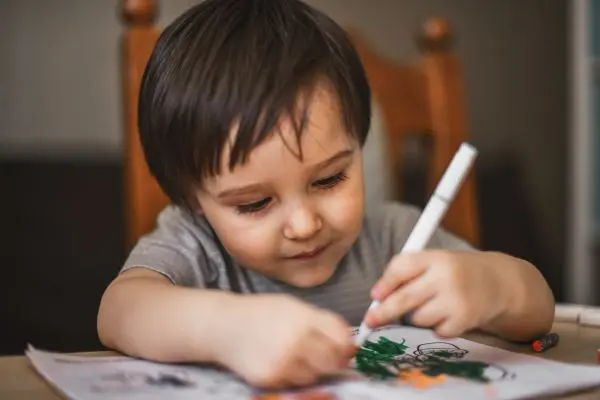
“Punishing a child” is a phrase that often crosses mothers’ minds after their children make a mistake. They stop to consider: What is the appropriate punishment, and how should it be applied? But have you ever considered how that punishment might affect the child psychologically and physically, or whether it is truly useful in parenting?
Disciplining a child is one of the most sensitive aspects of parenting. We all seek to build strong relationships with our children and make every effort to raise them in a way that supports their future psychological well-being. At the same time, we want to teach them values and morals and develop their sense of responsibility for their actions.
This is where the confusion arises. Many mothers unfortunately find themselves caught between methods of punishment that psychologically harm the child by making them feel humiliated or inferior, and other methods that cause the child to lose trust in their mother and her love. Today, however, we present the best ways to discipline your child without harming their psychological or physical health, while highlighting the most important information to know before taking any action toward a child who has made a mistake.
Things to understand before disciplining your child
Before looking for an appropriate punishment after your child makes a mistake, there are many things you need to understand, including the following:
1. Children may not understand what seems obvious
One fact we often overlook when dealing with children is that they are still learning. According to education experts, children under the age of four do not understand many things that adults consider obvious.
A child does not know that electricity is dangerous or that certain words must not be used. We should therefore guide the child instead of looking for a punishment when they do something without understanding its danger or whether it is compatible with public morals.
2. Not everything your friends tell you is correct
Mothers live under considerable pressure these days. Everyone follows social media pages and websites, and anyone who watches a few parenting videos may consider themselves an expert. In gatherings of mothers, some frequently repeat statements and pass judgments as though they were proven, indisputable instructions. This places pressure on other mothers, who may find themselves treating their children coldly without any genuine reason for such harshness or punishment.
3. Some mistakes teach lessons
Let me ask you a question: Would you have reached where you are today without the mistakes you made in the past? Of course not. People learn most from the mistakes they make and from seeing their consequences firsthand, after which they change course. Why, then, should children be denied this experience?
Of course, I am not suggesting that we allow a child to play with fire or try to touch electricity. But children make hundreds of everyday mistakes and then learn from them. The point here is to guide the child so that they learn from their mistakes.
4. Explain the mistake to your child first, and discipline them if they persist
You need to explain the mistake to your child first. A child is not born knowing what is wrong or understanding general rules. You should introduce these things at the beginning, after which you can agree with the child on an appropriate consequence if they do not follow them.
Imagine the shock in your child’s eyes if you punish them for something they do not even understand is unacceptable.
When you keep these points in mind, your reaction will be calmer if your child makes a mistake or behaves unethically. You will stay away from unacceptable methods of punishment and think carefully about an appropriate way to discipline your child. We will now present some methods of punishment that education experts reject.
Prohibited punishments for children: stop using them immediately
Certain punishments are rejected by all parenting approaches despite being widely used, because of their psychological effects on children. These methods should be stopped immediately and include the following:
1. Hitting
Hitting is at the top of the list of punishments that must never be used, regardless of your child’s mistake, for several reasons, including:
A child should grow up knowing that their body belongs to them and that no one may violate it by hitting or touching them, even if they make mistakes. Their parents should help establish this principle. If someone hits the child, it undermines this sense of bodily inviolability and gives them the impression that there are exceptions in which their body may be touched.
Hitting reduces a child’s self-confidence and sense of worth, which can cause many psychological struggles in how the child sees themselves.
2. Shouting
Imagine your young child making a mistake and then seeing you, towering over them, shouting one word after another with an angry face. Can you imagine how they feel?
The child will naturally come to see this as the ideal way to object to anything because children learn through imitation. In other words, a child follows what they see you do, not what they hear you say.
Education experts have also found a strong connection between children who are constantly subjected to shouting and verbal abuse and higher rates of lying. The more often children are shouted at, the more likely they are to lie.
This can be explained by the way these children resort to lying and refusing to admit their mistakes to defend themselves against such episodes of shouting.
3. Confinement in a dark room
One of the instinctive desires children are born with is the need to feel unconditionally loved and to know that their mother and father are sources of safety to whom they can turn, even when they make mistakes.
Isolating your child in a dark room away from you completely removes that feeling. It sends the child the message: If you make a mistake or cause us any inconvenience, we will deprive you of love, care, and attention, and you will become as though you do not exist.
This method negatively affects the child’s psychological stability, as the mother from whom they should feel constant love may abandon them if they make any mistake.
4. Comparing the child with others
One of the most important things parents should focus on when building a child’s character is strengthening the child’s ability to value themselves, recognize their true worth, and avoid feelings of inferiority.
Comparing a child with others and telling them that others are better and do not make the same mistakes causes the child to feel inferior. That feeling may extend to everything they do in life.
5. Threats
Threatening your child is one of the worst responses you can direct toward them, as you are their ultimate source of safety. Instead of making threats, you can tell your child firmly—but not harshly—that what they did is completely unacceptable and explain the consequences.
I can almost hear you asking: What method of discipline should we use if a child makes a mistake or does something we have repeatedly explained is wrong?
Permissible ways to discipline children
Before explaining several permissible ways to discipline a child, you need to understand that their main purpose is to guide the child, correct their behavior, prevent certain moral mistakes, and, most importantly, help them bear the consequences of their actions.
Now, let us explore the permissible methods of discipline and the correct ways to apply them:
1. Give the child time to think about correcting the mistake
Some mistakes a child makes can be corrected, as the child may have acted impulsively and without thinking.
The child may realize that they have made a mistake. In this case, the consequence can be to allow them to correct it. For example, ask them to apologize to the person they wronged, try to repair what they damaged at home, or apologize to you for what they did.
2. Withdraw some privileges from the child
Privileges are things the child enjoys but can do without. For example, if your child plays electronic games for fifteen minutes each day, you can take away that time as a consequence for a specific mistake.
Remember, however, not to deprive your child of your embrace or withhold your expression of love. These feelings are not privileges; they are essentials.
3. Teach the child to take responsibility for mistakes
Suppose you agree in advance with your child that play will be limited to a particular room, where they can play as they wish, but then find their toys scattered throughout the house. Do not hit or shout at the child. Speak to them directly, remind them of your agreement, and ask them to collect the toys so that they bear the consequences of their actions.
All of the methods mentioned are permissible ways to discipline a child, but always remember that none should be used if the child does not know that what they did was wrong.
It makes no sense for your child to do something without realizing that it is unacceptable and then be punished for it. This can undermine the child’s confidence and cause them to avoid doing anything for fear of being punished over something they did not know was wrong.
How to determine the appropriate consequence for a child
Choosing an appropriate method of discipline depends on many factors, including the child’s age and temperament and the seriousness of the mistake.
You therefore need to pay close attention before choosing a method. Even if certain methods are permissible, that does not mean they are all suitable for every child.
Finally, remember that a child should not be punished before the age of four. They are still unable to distinguish between many things and are still discovering the life around them.
A child’s actions are often connected to childhood innocence, and children usually do not intend what they do, however serious the mistake may be. It is therefore unreasonable to respond to your child continually with aggression and harshness that damage your relationship over time. It is always better to make the child responsible for their actions and, according to their age, choose a peaceful method of discipline that instills responsibility without harming them psychologically or physically.
Content writer and researcher at Tatmeen, writing in Arabic and English on mental health and everyday life topics, including relationships, stress, work, habits, and family.
Every Tatmeen article is reviewed by care providers licensed by the Saudi Commission for Health Specialties, so what you read is accurate and trustworthy.
This article builds understanding and does not replace a licensed care provider.
Need someone to talk to?
Tatmeen's licensed care providers are available around the clock, and the app's urgent consultation connects you with one within minutes.
Download Tatmeen to explore care providers and booking options.
Smart matchingFour quick questions suggest the right care provider
Urgent consultationTalk to an available care provider within minutes
Free psychological measuresMore than 20 tests to understand how you are doing
Scan to download
{"data":{"id":"eb923e98-9f69-4e08-96fe-1219421306ea","slug":"How-to-discipline-your-child-effectively","arTitle":"كيف تعاقبين طفلك بطريقة صحيحة؟","enTitle":"How to Discipline Your Child the Right Way","thumbnailAltText":"Adult points toward a child while holding the child's hand","estimatedReadingTime":5,"likesCount":933,"writer":{"id":"c7b27cce-cc91-45c8-9ba1-1d194830c654","arBio":"كاتبة وباحثة محتوى في تطمين، تكتب بالعربية والإنجليزية في موضوعات الصحة النفسية والحياة اليومية، بما يشمل العلاقات، الضغوط، العمل، العادات، والأسرة.","enBio":"Content writer and researcher at Tatmeen, writing in Arabic and English on mental health and everyday life topics, including relationships, stress, work, habits, and family.","user":{"slug":"alanoud-alturki","arFullName":"العنود التركي","enFullName":"Alanoud Alturki","publicProfileImageUrl":"https://cdn.tatmeen.sa/public/profile-images/78d20741-cf98-483e-9055-2f0ca0ab3bd5/4e190bf082a179be202f7a2618844e0dd134e14126b74d947c78eec35b7e390e.webp","publicProfileImage96Url":"https://cdn.tatmeen.sa/public/profile-images/78d20741-cf98-483e-9055-2f0ca0ab3bd5/4e190bf082a179be202f7a2618844e0dd134e14126b74d947c78eec35b7e390e-w96.webp","publicProfileImage192Url":"https://cdn.tatmeen.sa/public/profile-images/78d20741-cf98-483e-9055-2f0ca0ab3bd5/4e190bf082a179be202f7a2618844e0dd134e14126b74d947c78eec35b7e390e-w192.webp"}},"arContent":"","enContent":"","productionDocument":{"headings":[{"id":"article-section-things-to-understand-before-disciplining-your-child","text":"Things to understand before disciplining your child"},{"id":"article-section-prohibited-punishments-for-children-stop-using-them-immediately","text":"Prohibited punishments for children: stop using them immediately"},{"id":"article-section-permissible-ways-to-discipline-children","text":"Permissible ways to discipline children"},{"id":"article-section-how-to-determine-the-appropriate-consequence-for-a-child","text":"How to determine the appropriate consequence for a child"}],"faqs":[],"beforeSourcesHtml":"","sources":[],"afterSourcesHtml":"","blocks":[{"type":"html","html":"<p class=\"ql-align-right ql-direction-rtl\">“Punishing a child” is a phrase that often crosses mothers’ minds after their children make a mistake. They stop to consider: What is the appropriate punishment, and how should it be applied? But have you ever considered how that punishment might affect the child psychologically and physically, or whether it is truly useful in parenting?</p><p class=\"ql-align-right ql-direction-rtl\">Disciplining a child is one of the most sensitive aspects of parenting. We all seek to build strong relationships with our children and make every effort to raise them in a way that supports their future psychological well-being. At the same time, we want to teach them values and morals and develop their sense of responsibility for their actions.</p><p class=\"ql-align-right ql-direction-rtl\">This is where the confusion arises. Many mothers unfortunately find themselves caught between methods of punishment that psychologically harm the child by making them feel humiliated or inferior, and other methods that cause the child to lose trust in their mother and her love. Today, however, we present the best ways to discipline your child without harming their psychological or physical health, while highlighting the most important information to know before taking any action toward a child who has made a mistake.</p><h2 class=\"ql-align-right ql-direction-rtl\" id=\"article-section-things-to-understand-before-disciplining-your-child\" data-toc-heading tabindex=\"-1\"><span id=\"things-to-understand-before-disciplining-your-child-1\" aria-hidden=\"true\"></span><strong>Things to understand before disciplining your child</strong></h2><p class=\"ql-align-right ql-direction-rtl\">Before looking for an appropriate punishment after your child makes a mistake, there are many things you need to understand, including the following:</p><h3 class=\"ql-align-right ql-direction-rtl\">1. Children may not understand what seems obvious</h3><p class=\"ql-align-right ql-direction-rtl\">One fact we often overlook when dealing with children is that they are still learning. According to education experts, children under the age of four do not understand many things that adults consider obvious.</p><p class=\"ql-align-right ql-direction-rtl\">A child does not know that electricity is dangerous or that certain words must not be used. We should therefore guide the child instead of looking for a punishment when they do something without understanding its danger or whether it is compatible with public morals.</p><h3 class=\"ql-align-right ql-direction-rtl\">2. Not everything your friends tell you is correct</h3><p class=\"ql-align-right ql-direction-rtl\">Mothers live under considerable pressure these days. Everyone follows social media pages and websites, and anyone who watches a few parenting videos may consider themselves an expert. In gatherings of mothers, some frequently repeat statements and pass judgments as though they were proven, indisputable instructions. This places pressure on other mothers, who may find themselves treating their children coldly without any genuine reason for such harshness or punishment.</p><h3 class=\"ql-align-right ql-direction-rtl\">3. Some mistakes teach lessons</h3><p class=\"ql-align-right ql-direction-rtl\">Let me ask you a question: Would you have reached where you are today without the mistakes you made in the past? Of course not. People learn most from the mistakes they make and from seeing their consequences firsthand, after which they change course. Why, then, should children be denied this experience?</p><p class=\"ql-align-right ql-direction-rtl\">Of course, I am not suggesting that we allow a child to play with fire or try to touch electricity. But children make hundreds of everyday mistakes and then learn from them. The point here is to guide the child so that they learn from their mistakes.</p><h3 class=\"ql-align-right ql-direction-rtl\">4. Explain the mistake to your child first, and discipline them if they persist</h3><p class=\"ql-align-right ql-direction-rtl\">You need to explain the mistake to your child first. A child is not born knowing what is wrong or understanding general rules. You should introduce these things at the beginning, after which you can agree with the child on an appropriate consequence if they do not follow them.</p><p class=\"ql-align-right ql-direction-rtl\">Imagine the shock in your child’s eyes if you punish them for something they do not even understand is unacceptable.</p><p class=\"ql-align-right ql-direction-rtl\">When you keep these points in mind, your reaction will be calmer if your child makes a mistake or behaves unethically. You will stay away from unacceptable methods of punishment and think carefully about an appropriate way to discipline your child. We will now present some methods of punishment that education experts reject.</p><h2 class=\"ql-align-right ql-direction-rtl\" id=\"article-section-prohibited-punishments-for-children-stop-using-them-immediately\" data-toc-heading tabindex=\"-1\"><span id=\"prohibited-punishments-for-children-stop-using-them-immediately-2\" aria-hidden=\"true\"></span><strong>Prohibited punishments for children: stop using them immediately</strong></h2><p class=\"ql-align-right ql-direction-rtl\">Certain punishments are rejected by all parenting approaches despite being widely used, because of their psychological effects on children. These methods should be stopped immediately and include the following:</p><h3 class=\"ql-align-right ql-direction-rtl\">1. Hitting</h3><p class=\"ql-align-right ql-direction-rtl\">Hitting is at the top of the list of punishments that must never be used, regardless of your child’s mistake, for several reasons, including:</p><ul><li class=\"ql-align-right ql-direction-rtl\">A child should grow up knowing that their body belongs to them and that no one may violate it by hitting or touching them, even if they make mistakes. Their parents should help establish this principle. If someone hits the child, it undermines this sense of bodily inviolability and gives them the impression that there are exceptions in which their body may be touched.</li><li class=\"ql-align-right ql-direction-rtl\">Hitting reduces a child’s self-confidence and sense of worth, which can cause many psychological struggles in how the child sees themselves.</li></ul><h3 class=\"ql-align-right ql-direction-rtl\">2. Shouting</h3><p class=\"ql-align-right ql-direction-rtl\">Imagine your young child making a mistake and then seeing you, towering over them, shouting one word after another with an angry face. Can you imagine how they feel?</p><p class=\"ql-align-right ql-direction-rtl\">The child will naturally come to see this as the ideal way to object to anything because children learn through imitation. In other words, a child follows what they see you do, not what they hear you say.</p><p class=\"ql-align-right ql-direction-rtl\">Education experts have also found a strong connection between children who are constantly subjected to shouting and verbal abuse and higher rates of lying. The more often children are shouted at, the more likely they are to lie.</p><p class=\"ql-align-right ql-direction-rtl\">This can be explained by the way these children resort to lying and refusing to admit their mistakes to defend themselves against such episodes of shouting.</p><h3 class=\"ql-align-right ql-direction-rtl\">3. Confinement in a dark room</h3><p class=\"ql-align-right ql-direction-rtl\">One of the instinctive desires children are born with is the need to feel unconditionally loved and to know that their mother and father are sources of safety to whom they can turn, even when they make mistakes.</p><p class=\"ql-align-right ql-direction-rtl\">Isolating your child in a dark room away from you completely removes that feeling. It sends the child the message: If you make a mistake or cause us any inconvenience, we will deprive you of love, care, and attention, and you will become as though you do not exist.</p><p class=\"ql-align-right ql-direction-rtl\">This method negatively affects the child’s psychological stability, as the mother from whom they should feel constant love may abandon them if they make any mistake.</p><h3 class=\"ql-align-right ql-direction-rtl\">4. Comparing the child with others</h3><p class=\"ql-align-right ql-direction-rtl\">One of the most important things parents should focus on when building a child’s character is strengthening the child’s ability to value themselves, recognize their true worth, and avoid feelings of inferiority.</p><p class=\"ql-align-right ql-direction-rtl\">Comparing a child with others and telling them that others are better and do not make the same mistakes causes the child to feel inferior. That feeling may extend to everything they do in life.</p><h3 class=\"ql-align-right ql-direction-rtl\">5. Threats</h3><p class=\"ql-align-right ql-direction-rtl\">Threatening your child is one of the worst responses you can direct toward them, as you are their ultimate source of safety. Instead of making threats, you can tell your child firmly—but not harshly—that what they did is completely unacceptable and explain the consequences.</p><p class=\"ql-align-right ql-direction-rtl\">I can almost hear you asking: What method of discipline should we use if a child makes a mistake or does something we have repeatedly explained is wrong?</p><h2 class=\"ql-align-right ql-direction-rtl\" id=\"article-section-permissible-ways-to-discipline-children\" data-toc-heading tabindex=\"-1\"><span id=\"permissible-ways-to-discipline-children-3\" aria-hidden=\"true\"></span><strong>Permissible ways to discipline children</strong></h2><p class=\"ql-align-right ql-direction-rtl\">Before explaining several permissible ways to discipline a child, you need to understand that their main purpose is to guide the child, correct their behavior, prevent certain moral mistakes, and, most importantly, help them bear the consequences of their actions.</p><p class=\"ql-align-right ql-direction-rtl\">Now, let us explore the permissible methods of discipline and the correct ways to apply them:</p><h3 class=\"ql-align-right ql-direction-rtl\">1. Give the child time to think about correcting the mistake</h3><p class=\"ql-align-right ql-direction-rtl\">Some mistakes a child makes can be corrected, as the child may have acted impulsively and without thinking.</p><p class=\"ql-align-right ql-direction-rtl\">The child may realize that they have made a mistake. In this case, the consequence can be to allow them to correct it. For example, ask them to apologize to the person they wronged, try to repair what they damaged at home, or apologize to you for what they did.</p><h3 class=\"ql-align-right ql-direction-rtl\">2. Withdraw some privileges from the child</h3><p class=\"ql-align-right ql-direction-rtl\">Privileges are things the child enjoys but can do without. For example, if your child plays electronic games for fifteen minutes each day, you can take away that time as a consequence for a specific mistake.</p><p class=\"ql-align-right ql-direction-rtl\">Remember, however, not to deprive your child of your embrace or withhold your expression of love. These feelings are not privileges; they are essentials.</p><h3 class=\"ql-align-right ql-direction-rtl\">3. Teach the child to take responsibility for mistakes</h3><p class=\"ql-align-right ql-direction-rtl\">Suppose you agree in advance with your child that play will be limited to a particular room, where they can play as they wish, but then find their toys scattered throughout the house. Do not hit or shout at the child. Speak to them directly, remind them of your agreement, and ask them to collect the toys so that they bear the consequences of their actions.</p><p class=\"ql-align-right ql-direction-rtl\">All of the methods mentioned are permissible ways to discipline a child, but always remember that none should be used if the child does not know that what they did was wrong.</p><p class=\"ql-align-right ql-direction-rtl\">It makes no sense for your child to do something without realizing that it is unacceptable and then be punished for it. This can undermine the child’s confidence and cause them to avoid doing anything for fear of being punished over something they did not know was wrong.</p><h2 class=\"ql-align-right ql-direction-rtl\" id=\"article-section-how-to-determine-the-appropriate-consequence-for-a-child\" data-toc-heading tabindex=\"-1\"><span id=\"how-to-determine-the-appropriate-consequence-for-a-child-4\" aria-hidden=\"true\"></span><strong>How to determine the appropriate consequence for a child</strong></h2><p class=\"ql-align-right ql-direction-rtl\">Choosing an appropriate method of discipline depends on many factors, including the child’s age and temperament and the seriousness of the mistake.</p><p class=\"ql-align-right ql-direction-rtl\">You therefore need to pay close attention before choosing a method. Even if certain methods are permissible, that does not mean they are all suitable for every child.</p><p class=\"ql-align-right ql-direction-rtl\">Finally, remember that a child should not be punished before the age of four. They are still unable to distinguish between many things and are still discovering the life around them.</p><p class=\"ql-align-right ql-direction-rtl\">A child’s actions are often connected to childhood innocence, and children usually do not intend what they do, however serious the mistake may be. It is therefore unreasonable to respond to your child continually with aggression and harshness that damage your relationship over time. It is always better to make the child responsible for their actions and, according to their age, choose a peaceful method of discipline that instills responsibility without harming them psychologically or physically.</p><p><br /></p>"}],"inlineCtaSignatures":[],"_experienceAliases":{"v":1,"fields":["html","bodyHtml"]}},"createdAt":"2024-01-02T21:00:00.000Z","updatedAt":"2026-08-11T04:45:02.303Z","disorderGroups":[{"id":"9fbda432-3713-400a-987b-3d56754a113e","slug":"children-and-adolescents","arName":"الأطفال والمراهقين","enName":"Children & Adolescents"}],"reviewer":{"arFullName":"فريق تطمين","enFullName":"Tatmeen team","slug":"tatmeen-team","kind":"organization"},"productionArticle":true,"promotionAllowed":true,"preparedCover":{"src":"https://cdn.tatmeen.sa/public/article-lcp/article-lcp-v2/sha256-f5ba9767fb1146b165798fd99f2ac461262582778a8f219c689eb8e0f1b7f39f/800-da738345f7c88203777db68ec95a076987476e0ba317c2798c66e1b0c67a5331.avif","fallback":"https://cdn.tatmeen.sa/public/article-lcp/article-lcp-v2/sha256-f5ba9767fb1146b165798fd99f2ac461262582778a8f219c689eb8e0f1b7f39f/800-b92f595efb9d00a59a26c03e73508a0b575143ba2c78dadec89a9f6f5bf9764a.webp","directUrl":"https://cdn.tatmeen.sa/blog-cover/1704370708920-childddd.jpeg","isGolden":true,"avifSrcset":"https://cdn.tatmeen.sa/public/article-lcp/article-lcp-v2/sha256-f5ba9767fb1146b165798fd99f2ac461262582778a8f219c689eb8e0f1b7f39f/400-0d96e658cbedd8618d2729f0fe4193e2f906c2d81d2fbb6fb7728bef3e798e08.avif 400w, https://cdn.tatmeen.sa/public/article-lcp/article-lcp-v2/sha256-f5ba9767fb1146b165798fd99f2ac461262582778a8f219c689eb8e0f1b7f39f/640-08c4ff11a31f1023b30b1788ab24d576e0d1e5c7ddaac57271dcab407e7ad4b1.avif 640w, https://cdn.tatmeen.sa/public/article-lcp/article-lcp-v2/sha256-f5ba9767fb1146b165798fd99f2ac461262582778a8f219c689eb8e0f1b7f39f/800-da738345f7c88203777db68ec95a076987476e0ba317c2798c66e1b0c67a5331.avif 800w","webpSrcset":"https://cdn.tatmeen.sa/public/article-lcp/article-lcp-v2/sha256-f5ba9767fb1146b165798fd99f2ac461262582778a8f219c689eb8e0f1b7f39f/400-40393421762f8949ea11af68702e12269b896bc2d3e53fcf5b9e5fdd78b74a01.webp 400w, https://cdn.tatmeen.sa/public/article-lcp/article-lcp-v2/sha256-f5ba9767fb1146b165798fd99f2ac461262582778a8f219c689eb8e0f1b7f39f/640-83c5553480ce74ebdf9bc463a51e3bfd266b1467ef5f21c23f62a559696613fb.webp 640w, https://cdn.tatmeen.sa/public/article-lcp/article-lcp-v2/sha256-f5ba9767fb1146b165798fd99f2ac461262582778a8f219c689eb8e0f1b7f39f/800-b92f595efb9d00a59a26c03e73508a0b575143ba2c78dadec89a9f6f5bf9764a.webp 800w","phoneAvifSrcset":"https://cdn.tatmeen.sa/public/article-lcp/article-lcp-v2/sha256-f5ba9767fb1146b165798fd99f2ac461262582778a8f219c689eb8e0f1b7f39f/400-0d96e658cbedd8618d2729f0fe4193e2f906c2d81d2fbb6fb7728bef3e798e08.avif 400w, https://cdn.tatmeen.sa/public/article-lcp/article-lcp-v2/sha256-f5ba9767fb1146b165798fd99f2ac461262582778a8f219c689eb8e0f1b7f39f/640-08c4ff11a31f1023b30b1788ab24d576e0d1e5c7ddaac57271dcab407e7ad4b1.avif 640w, https://cdn.tatmeen.sa/public/article-lcp/article-lcp-v2/sha256-f5ba9767fb1146b165798fd99f2ac461262582778a8f219c689eb8e0f1b7f39f/800-da738345f7c88203777db68ec95a076987476e0ba317c2798c66e1b0c67a5331.avif 800w","phoneWebpSrcset":"https://cdn.tatmeen.sa/public/article-lcp/article-lcp-v2/sha256-f5ba9767fb1146b165798fd99f2ac461262582778a8f219c689eb8e0f1b7f39f/400-40393421762f8949ea11af68702e12269b896bc2d3e53fcf5b9e5fdd78b74a01.webp 400w, https://cdn.tatmeen.sa/public/article-lcp/article-lcp-v2/sha256-f5ba9767fb1146b165798fd99f2ac461262582778a8f219c689eb8e0f1b7f39f/640-83c5553480ce74ebdf9bc463a51e3bfd266b1467ef5f21c23f62a559696613fb.webp 640w, https://cdn.tatmeen.sa/public/article-lcp/article-lcp-v2/sha256-f5ba9767fb1146b165798fd99f2ac461262582778a8f219c689eb8e0f1b7f39f/800-b92f595efb9d00a59a26c03e73508a0b575143ba2c78dadec89a9f6f5bf9764a.webp 800w","width":800,"height":534},"previewTaxonomy":{"groups":[{"id":"9fbda432-3713-400a-987b-3d56754a113e","slug":"children-and-adolescents","arName":"الأطفال والمراهقين","enName":"Children & Adolescents"}],"topics":[{"id":"aa57ccb9-d146-4629-8aa1-8b6d36c4c9ee","slug":"parenting-skills","arName":"تربية الأطفال","enName":"Parenting Skills","groupSlug":"children-and-adolescents","href":"/blog/category/children-and-adolescents/parenting-skills/"}],"tags":[{"id":"52aa8812-914e-495a-9ed5-13bec6c39a93","slug":"parents-children","arName":"الآباء والأطفال","enName":"Parents & Children"},{"id":"d58e6187-021b-44a5-882c-245bccd77611","slug":"self-help-howto","arName":"مساعدة ذاتية / خطوات عملية","enName":"Self-Help / How-To"}]},"previewProviderRecommendations":[{"id":"025d770d-f6d4-405b-be1c-d45dde63fbf7","slug":"akila-alomran-7545","arFullName":"عقيله العمران","enFullName":"Akila Alomran","publicProfileImageUrl":"https://cdn.tatmeen.sa/public/profile-images/025d770d-f6d4-405b-be1c-d45dde63fbf7/44a990b9294f02c9810c69a68b8913a6afac0eb30d1b7494155f31b6dde9378b.webp","publicProfileImage96Url":"https://cdn.tatmeen.sa/public/profile-images/025d770d-f6d4-405b-be1c-d45dde63fbf7/44a990b9294f02c9810c69a68b8913a6afac0eb30d1b7494155f31b6dde9378b-w96.webp","publicProfileImage192Url":"https://cdn.tatmeen.sa/public/profile-images/025d770d-f6d4-405b-be1c-d45dde63fbf7/44a990b9294f02c9810c69a68b8913a6afac0eb30d1b7494155f31b6dde9378b-w192.webp","specialization":{"arName":"أخصائي نفسي","enName":"Psychologist"},"profileImageUrl":"https://cdn.tatmeen.sa/public/profile-images/025d770d-f6d4-405b-be1c-d45dde63fbf7/44a990b9294f02c9810c69a68b8913a6afac0eb30d1b7494155f31b6dde9378b-w192.webp","experienceYears":3,"consultantInfo":{"averageRating":{"average":5},"specialization":{"arGeneralName":"أخصائي نفسي","enGeneralName":"Psychologist"}}},{"id":"94765496-dbdf-4631-a01b-7df5f788668d","slug":"abdullrahman-alhamoudi-3045","arFullName":"عبدالرحمن الحمودي","enFullName":"Abdulrahman Alhamoudi","publicProfileImageUrl":"https://cdn.tatmeen.sa/public/profile-images/94765496-dbdf-4631-a01b-7df5f788668d/2d49f6b6493c564afb6f50b6c3634231dff3a5cf8353acfab393d1b2a88037d1.webp","publicProfileImage96Url":"https://cdn.tatmeen.sa/public/profile-images/94765496-dbdf-4631-a01b-7df5f788668d/2d49f6b6493c564afb6f50b6c3634231dff3a5cf8353acfab393d1b2a88037d1-w96.webp","publicProfileImage192Url":"https://cdn.tatmeen.sa/public/profile-images/94765496-dbdf-4631-a01b-7df5f788668d/2d49f6b6493c564afb6f50b6c3634231dff3a5cf8353acfab393d1b2a88037d1-w192.webp","specialization":{"arName":"أخصائي نفسي","enName":"Psychologist"},"profileImageUrl":"https://cdn.tatmeen.sa/public/profile-images/94765496-dbdf-4631-a01b-7df5f788668d/2d49f6b6493c564afb6f50b6c3634231dff3a5cf8353acfab393d1b2a88037d1-w192.webp","experienceYears":9,"consultantInfo":{"averageRating":{"average":5},"specialization":{"arGeneralName":"أخصائي نفسي","enGeneralName":"Psychologist"}}},{"id":"a9bf0ab8-d918-417d-ae3f-6e171342f099","slug":"munirah-al-rawkan-3334","arFullName":"منيره الروكان","enFullName":"Munirah Al Rawkan","publicProfileImageUrl":"https://cdn.tatmeen.sa/public/profile-images/a9bf0ab8-d918-417d-ae3f-6e171342f099/7c3dce1df8936b38c25b49b16394d0a8ad0ccc284b275320f168f02b31fa0e11.webp","publicProfileImage96Url":"https://cdn.tatmeen.sa/public/profile-images/a9bf0ab8-d918-417d-ae3f-6e171342f099/7c3dce1df8936b38c25b49b16394d0a8ad0ccc284b275320f168f02b31fa0e11-w96.webp","publicProfileImage192Url":"https://cdn.tatmeen.sa/public/profile-images/a9bf0ab8-d918-417d-ae3f-6e171342f099/7c3dce1df8936b38c25b49b16394d0a8ad0ccc284b275320f168f02b31fa0e11-w192.webp","specialization":{"arName":"أخصائي نفسي","enName":"Psychologist"},"profileImageUrl":"https://cdn.tatmeen.sa/public/profile-images/a9bf0ab8-d918-417d-ae3f-6e171342f099/7c3dce1df8936b38c25b49b16394d0a8ad0ccc284b275320f168f02b31fa0e11-w192.webp","experienceYears":7,"consultantInfo":{"averageRating":{"average":0},"specialization":{"arGeneralName":"أخصائي نفسي","enGeneralName":"Psychologist"}}}],"previewCareProviders":[{"id":"09364052-c2a9-4c52-9717-7ce2093b8d0a","slug":"kholoud-alharbi-5221","arFullName":"خلود الحربي","enFullName":"Kholoud Alharbi","publicProfileImageUrl":"https://cdn.tatmeen.sa/public/profile-images/09364052-c2a9-4c52-9717-7ce2093b8d0a/4a0aeb81619e351b77f4323e3605a0a00acc7ca3c82ee7cc5ca2c9e8ef716049.webp","publicProfileImage96Url":"https://cdn.tatmeen.sa/public/profile-images/09364052-c2a9-4c52-9717-7ce2093b8d0a/4a0aeb81619e351b77f4323e3605a0a00acc7ca3c82ee7cc5ca2c9e8ef716049-w96.webp","publicProfileImage192Url":"https://cdn.tatmeen.sa/public/profile-images/09364052-c2a9-4c52-9717-7ce2093b8d0a/4a0aeb81619e351b77f4323e3605a0a00acc7ca3c82ee7cc5ca2c9e8ef716049-w192.webp","gender":"FEMALE","specialization":{"arName":"أخصائي نفسي","enName":"Psychologist"}},{"id":"6f037535-1dca-4b50-a8b2-5974b7323286","slug":"salah-althobaiti-9053","arFullName":"صلاح الثبيتي","enFullName":"Salah Althobaiti","publicProfileImageUrl":"https://cdn.tatmeen.sa/public/profile-images/6f037535-1dca-4b50-a8b2-5974b7323286/35b6bd7fad9b1e004c1835803eb9c1b56dcacd380685ec8bff141f0fb888005c.webp","publicProfileImage96Url":"https://cdn.tatmeen.sa/public/profile-images/6f037535-1dca-4b50-a8b2-5974b7323286/35b6bd7fad9b1e004c1835803eb9c1b56dcacd380685ec8bff141f0fb888005c-w96.webp","publicProfileImage192Url":"https://cdn.tatmeen.sa/public/profile-images/6f037535-1dca-4b50-a8b2-5974b7323286/35b6bd7fad9b1e004c1835803eb9c1b56dcacd380685ec8bff141f0fb888005c-w192.webp","gender":"MALE","specialization":{"arName":"أخصائي نفسي","enName":"Psychologist"}},{"id":"3cc806e8-616b-4884-9f21-a75b378580a2","slug":"aisha-al-hashim-8667","arFullName":"عائشة ال هاشم","enFullName":"Aisha Al Hashim","publicProfileImageUrl":"https://cdn.tatmeen.sa/public/profile-images/3cc806e8-616b-4884-9f21-a75b378580a2/27f523d03be4dcfa1f6a79f70c1773887434e698990d214cd990caec56a44798.webp","publicProfileImage96Url":"https://cdn.tatmeen.sa/public/profile-images/3cc806e8-616b-4884-9f21-a75b378580a2/27f523d03be4dcfa1f6a79f70c1773887434e698990d214cd990caec56a44798-w96.webp","publicProfileImage192Url":"https://cdn.tatmeen.sa/public/profile-images/3cc806e8-616b-4884-9f21-a75b378580a2/27f523d03be4dcfa1f6a79f70c1773887434e698990d214cd990caec56a44798-w192.webp","gender":"FEMALE","specialization":{"arName":"أخصائي نفسي","enName":"Psychologist"}},{"id":"db2ce1a0-9325-4471-b7ce-eb2e811c30a3","slug":"amer-qutub-2441","arFullName":"عامر قطب","enFullName":"Amer Qutub","publicProfileImageUrl":"https://cdn.tatmeen.sa/public/profile-images/db2ce1a0-9325-4471-b7ce-eb2e811c30a3/80580f99bfd7fe2b2a9cf8eed73ab532f5086d1efe053b0aa57358c1ce004261.webp","publicProfileImage96Url":"https://cdn.tatmeen.sa/public/profile-images/db2ce1a0-9325-4471-b7ce-eb2e811c30a3/80580f99bfd7fe2b2a9cf8eed73ab532f5086d1efe053b0aa57358c1ce004261-w96.webp","publicProfileImage192Url":"https://cdn.tatmeen.sa/public/profile-images/db2ce1a0-9325-4471-b7ce-eb2e811c30a3/80580f99bfd7fe2b2a9cf8eed73ab532f5086d1efe053b0aa57358c1ce004261-w192.webp","gender":"MALE","specialization":{"arName":"أخصائي نفسي","enName":"Psychologist"}},{"id":"94765496-dbdf-4631-a01b-7df5f788668d","slug":"abdullrahman-alhamoudi-3045","arFullName":"عبدالرحمن الحمودي","enFullName":"Abdulrahman Alhamoudi","publicProfileImageUrl":"https://cdn.tatmeen.sa/public/profile-images/94765496-dbdf-4631-a01b-7df5f788668d/2d49f6b6493c564afb6f50b6c3634231dff3a5cf8353acfab393d1b2a88037d1.webp","publicProfileImage96Url":"https://cdn.tatmeen.sa/public/profile-images/94765496-dbdf-4631-a01b-7df5f788668d/2d49f6b6493c564afb6f50b6c3634231dff3a5cf8353acfab393d1b2a88037d1-w96.webp","publicProfileImage192Url":"https://cdn.tatmeen.sa/public/profile-images/94765496-dbdf-4631-a01b-7df5f788668d/2d49f6b6493c564afb6f50b6c3634231dff3a5cf8353acfab393d1b2a88037d1-w192.webp","gender":"MALE","specialization":{"arName":"أخصائي نفسي","enName":"Psychologist"}},{"id":"618dba89-5b70-4b46-8304-741b7ac8ecd3","slug":"abdullah-mari-1311","arFullName":"عبدالله مرعي","enFullName":"Abdullah Mari","publicProfileImageUrl":"https://cdn.tatmeen.sa/public/profile-images/618dba89-5b70-4b46-8304-741b7ac8ecd3/6b4a3bfb59f8a304ca79083b32859b46baad2e1d692974a47c02c1f66bd11129.webp","publicProfileImage96Url":"https://cdn.tatmeen.sa/public/profile-images/618dba89-5b70-4b46-8304-741b7ac8ecd3/6b4a3bfb59f8a304ca79083b32859b46baad2e1d692974a47c02c1f66bd11129-w96.webp","publicProfileImage192Url":"https://cdn.tatmeen.sa/public/profile-images/618dba89-5b70-4b46-8304-741b7ac8ecd3/6b4a3bfb59f8a304ca79083b32859b46baad2e1d692974a47c02c1f66bd11129-w192.webp","gender":"MALE","specialization":{"arName":"أخصائي نفسي","enName":"Psychologist"}},{"id":"3b50a5d5-e795-407f-8676-fd7f0e1bb7a0","slug":"abdulaziz-bin-hudayan-4940","arFullName":"عبدالعزيز بن هديان","enFullName":"Abdulaziz Bin Hudayan","publicProfileImageUrl":"https://cdn.tatmeen.sa/public/profile-images/3b50a5d5-e795-407f-8676-fd7f0e1bb7a0/710ff0fe1fb00cdb5042092e27b7910b480a439b02251ecded62d7758eefce95.webp","publicProfileImage96Url":"https://cdn.tatmeen.sa/public/profile-images/3b50a5d5-e795-407f-8676-fd7f0e1bb7a0/710ff0fe1fb00cdb5042092e27b7910b480a439b02251ecded62d7758eefce95-w96.webp","publicProfileImage192Url":"https://cdn.tatmeen.sa/public/profile-images/3b50a5d5-e795-407f-8676-fd7f0e1bb7a0/710ff0fe1fb00cdb5042092e27b7910b480a439b02251ecded62d7758eefce95-w192.webp","gender":"MALE","specialization":{"arName":"أخصائي نفسي","enName":"Psychologist"}}],"previewDownload":{"href":"/download","title":{"ar":"خطوة واحدة لأجلك، ابدأ الآن","en":"One step for you, start now"},"description":{"ar":"حمّل تطبيق تطمين لاستكشاف مقدمي الرعاية وخيارات الحجز.","en":"Download Tatmeen to explore care providers and booking options."},"posterSrc":"/images/home/cta-ar-new-1.webp","videoSrc":"/images/home/cta-ar-new-1.mp4","videoPosterSrc":"/images/home/cta-ar-new-1.webp","videoPosterEnSrc":"/images/home/cta-en-new-1.webp","videoType":"video/mp4","appStoreHref":"https://apps.apple.com/us/app/tatmeen-%D8%AA%D8%B7%D9%85%D9%8A%D9%86/id6473836983","googlePlayHref":"https://play.google.com/store/apps/details?id=com.TatmeenApp.user&hl=en"},"previewRelatedArticles":[{"id":"83c89c14-8982-408f-aa70-2e75aea60639","slug":"The-parent-child-relationship","route":"/blog/The-parent-child-relationship/","title":{"ar":"العلاقة بين الوالدين والطفل - ما تأثيرها على العلاقة الزوجية","en":"How Parent-Child Relationships Shape Adult Marriage"},"image":"https://cdn.tatmeen.sa/public/article-lcp/article-lcp-v2/sha256-68173fcd57ef7986b63405add3ccb359685581eca8f0ec19f2b1d2b53560ef7c/600-949699ef85057f63ff97223413dce88ea91445ec41ddf9d8b41ef3515da13cc7.webp","directImageFallback":"https://cdn.tatmeen.sa/blog-cover/1704643655055-Tatmeen-img-504","arThumbnailAltText":"A person holds their head while another gestures behind them on a sidewalk","thumbnailAltText":"A person holds their head while another gestures behind them on a sidewalk","topic":{"label":{"ar":"الأطفال والمراهقين","en":"Children & Adolescents"}},"readingTimeMinutes":5},{"id":"1ab2549b-990a-4b2d-accb-6c37afe6d7fb","slug":"Why-do-children-draw","route":"/blog/Why-do-children-draw/","title":{"ar":"رسم الاطفال: لماذا يرسم الطفل؟","en":"Why Do Children Draw?"},"image":"https://cdn.tatmeen.sa/public/article-lcp/article-lcp-v2/sha256-249be2b864cea065f6926396670e2141d782a935d39d0fd82cef9a23c564f644/600-9aa24ebeaef261bb00af3e1851ad84f1bf6bf4a58b4975332bf72e1cea5049b4.webp","directImageFallback":"https://cdn.tatmeen.sa/blog-cover/1704643107139-Tatmeen-img-261","arThumbnailAltText":"Child drawing on paper with a marker at a table","thumbnailAltText":"Child drawing on paper with a marker at a table","topic":{"label":{"ar":"الأطفال والمراهقين","en":"Children & Adolescents"}},"readingTimeMinutes":5},{"id":"dd422e6b-35c9-40a6-bf11-c32b0f5320d8","slug":"How-to-prevent-my-child-from-becoming-spoiled","route":"/blog/How-to-prevent-my-child-from-becoming-spoiled/","title":{"ar":"كيف أجعل طفلي غير مدلل؟","en":"How Can I Keep My Child from Becoming Spoiled?"},"image":"https://cdn.tatmeen.sa/public/article-lcp/article-lcp-v2/sha256-e649684578bc55d79bae64f68c7e31d046f6db627e9caed1988873b6e67357eb/600-0cf5a769f2e2468ee910f7581e928371d4c3d4aa83031f1652dd5345e22a5e71.webp","directImageFallback":"https://cdn.tatmeen.sa/blog-cover/1704640464652-Tatmeen-img-828","arThumbnailAltText":"Drawn adult and child walk beside a building, with the child reaching up","thumbnailAltText":"Drawn adult and child walk beside a building, with the child reaching up","topic":{"label":{"ar":"الأطفال والمراهقين","en":"Children & Adolescents"}},"readingTimeMinutes":5},{"id":"dccae61c-74fc-4389-b634-a05cce1a0ffc","slug":"Co-Parenting-After-Divorce-14-Tips","route":"/blog/Co-Parenting-After-Divorce-14-Tips/","title":{"ar":"كيف يمكن تربية الاطفال بعد الطلاق ١٤ نصيحة","en":"Co-Parenting After Divorce: 14 Tips"},"image":"https://cdn.tatmeen.sa/public/article-lcp/article-lcp-v2/sha256-61356196e13cd93ff111c4d0d8ba076e7d832bb2af2a019f62540ac82f24551a/709-86b3b0bf9b577e1b1229d48e4ad5b6324fb39e80720ce59c3df68fd24885e720.webp","directImageFallback":"https://cdn.tatmeen.sa/blog-cover/1706455743256-Tatmeen-293.jpg","arThumbnailAltText":"Child holds a sneaker's laces while two adults sit apart behind them","thumbnailAltText":"Child holds a sneaker's laces while two adults sit apart behind them","topic":{"label":{"ar":"الأطفال والمراهقين","en":"Children & Adolescents"}},"readingTimeMinutes":5}],"previewRelatedReadStates":{}},"locale":"en","device":"desktop","path":"/en/blog/How-to-discipline-your-child-effectively/","readingControls":false,"config":{"public":{"BUCKET_URL":"https://cdn.tatmeen.sa/","APP_BASE_URL":"https://tatmeen.sa","intercomAppId":"ppcnu9e3"}}}