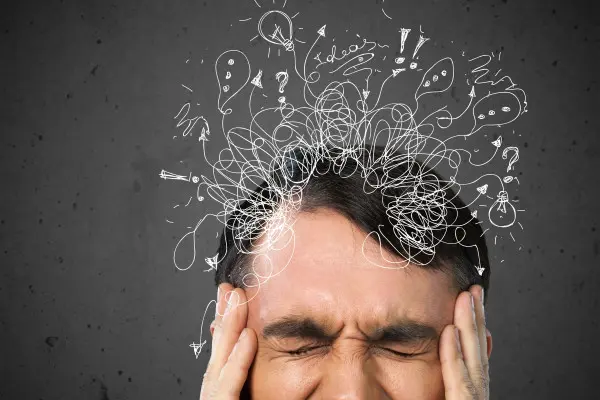
People naturally want to attain as much happiness and balance as possible across every area of life as they seek to satisfy their needs. They therefore pay attention to their diet, exercise, and other practices that help maintain physical health, prevent illness, and strengthen their overall health and vitality. They also care about the spiritual dimension, such as observing religious practices in accordance with their beliefs, to attain spiritual comfort and happiness, which form an essential part of human life.
Perhaps one of the most important aspects that everyone must attend to is their "psychological state." Life will not stop bringing further pressures and troubles day after day. This is the nature of life, of which our Lord, Almighty and Exalted, says in His Noble Book: "We have certainly created humankind into hardship." In other words, it is natural for us to encounter hardship and difficulties in life, especially since we have the capacity to deal appropriately with and withstand every responsibility in life. Allah, Almighty and Exalted, says in Surat Al-Baqarah: "Allah does not burden a soul beyond its capacity."
Unfortunately, many people may be unaware of these truths and become resentful over even the slightest pressures instead of dealing with and confronting them using the "capacity" Allah has granted us. Consequently, pressures accumulate and increase until the person develops psychological stress. In this article, we therefore take you on an engaging journey of discovery in which we learn about psychological stress and its nature and examine its most common causes and symptoms. We also explain the best advice for strengthening everyone's ability to withstand any pressure and address it effectively.
Life's Difficulties Are Normal Unless They Intensify
On life's journey, no one is safe from pressures and problems. They are a fundamental feature of life and help us acquire skills and develop our ability to face difficulties. Education specialists even find that exposing a child to some obstacles and problems helps strengthen the child's ability to deal with life normally.
However, when these pressures exceed their normal levels and the individual does not deal with them correctly, this may cause severe psychological stress and theserious risks it may pose to the individual's life..
What Is Psychological Stress?
Psychological stress is an excessive, persistent feeling of strain, exhaustion, and tension over a period of time as a result of experiencing many pressures in life, whether mental, emotional, or physical. It goes beyond the usual feeling that may accompany work pressures or life in general.
Types of Psychological Stress
Psychological stress can be divided into several types according to different criteria. The best-known types include:
Types of Psychological Stress Based on How It Occurs
1. Accumulated Psychological Stress
This type of psychological stress arises from routine and continues without interruption for a long period.
2. Sudden Psychological Stress
This type occurs without warning. The person experiences it suddenly after encountering a problem such as losing a job, separating from a wife, or another similar event.
3. Trauma-Related Psychological Stress
This type follows a major trauma in the person's life that negatively affects their psychological health in general.
Types of Psychological Stress Based on Duration
Based on how long psychological stress lasts, it can be divided into:
1. Continuous Psychological Stress
This type may continue throughout life unless treated. It results from a real cause that persists, such as having a chronic illness that is difficult to treat or losing a loved one or a large fortune.
2. Temporary Psychological Stress
This is a normal type of psychological stress that anyone may experience and that does not require treatment. It is linked to a particular cause and disappears when that cause is gone, such asexam stressexperienced by adolescents, or the anxiety and tension that accompany attending a job interview for the first time.
Types of Psychological Stress Based on Its Effects
You may be surprised that there is such a thing as beneficial psychological stress, but this is normal. Like many other things, a certain amount of stress may be positive, although an increase will, of course, become intolerable to the human mind. The two types are:
Positive Psychological Stress
By human nature, most people need someone to guide them and need to be under pressure to complete required tasks. This type can be illustrated simply by the To Do List you are expected to organize at the start of each day to define your daily tasks. It will naturally affect you and keep the tasks that you must complete during the day in view. However, it does not create pressures so great that they make you ill; its main purpose is simply motivation and commitment.
Negative Psychological Stress
As mentioned, anything that exceeds its proper limit is undoubtedly harmful. Here, pressure has increased so much that it prevents the person from handling the situation effectively and limits their ability to make the best use of their capabilities. A persistent sense of failure takes control even before the person attempts to complete the tasks. Such pressures must be avoided entirely, as they are a path to ruin.
The Main Causes That Lead to Psychological Stress
Psychological stress does not arise overnight. It develops through the accumulation of many situations that are not handled appropriately as they occur, such as persistent, severe family problems continuing for some time without any means of addressing or resolving them.
People naturally differ in their susceptibility to psychological stress. Some may develop it after encountering only a few problems, while others struggle for years before symptoms of illness appear. Several factors also influence the development of psychological stress. The most notable include:
1. Genetics and Upbringing
Genetics play a role in determining how susceptible we are to psychological stress. A young person raised by a father or mother with a stress- or anxiety-related disorder is likely to experience psychological stress more quickly than peers.
Upbringing also has an influential role. Many children are raised in homes where they are constantly pressured to achieve particular results, whether at school or in life, leading them to regard that stressful situation as the normal and ideal way to live.
2. Difficulties in Professional or Personal Life
We have probably all encountered a situation in which we heard about a girl who became ill after separating from her boyfriend. Strangely, the doctor suggested at the time that all her physical symptoms had a psychological cause and resulted from psychological stress. The same applies to a young man whose behavior deteriorated after he suddenly left his job under the influence of those pressures. Our lives and their many problems greatly affect the likelihood of experiencing psychological stress.
3. Sudden Life Changes
A person does not experience psychological stress only when difficult or painful events occur. It can also result from sudden events, such as moving to a new job or a mother having a baby and finding herself fully responsible for the child, which causes her to feel considerable pressure. There are many other causes as well. In general, a sudden change in lifestyle and routine can increase a person's feelings of anxiety and tension.
4. Limited Finances and Rising Prices
Limited financial means are currently among the most common causes of increased psychological stress among people worldwide. Economic problems place greater pressure on a person because of the difficulty of reconciling their income with what they actually need to provide a decent life for themselves and their family. This is especially true amid the wave of rising prices that everyone around the world has experienced alongside the war between Russia and Ukraine and after emerging from the coronavirus pandemic, which devastated the economies of even the largest countries and populations.
5. Health Problems
Some people may aspire to money and fame more than others, but everyone agrees on the importance of health and well-being, particularly when a person experiences a hardship that negatively affects their health and teaches them its true value. Such hardships do not affect physical health alone; they usually have a direct negative effect on psychological health as well. Most patients experience profound sadness and ongoing anxiety about what fate may hold for them. Although this appears natural, and every person has the right to worry about their most precious possession—their health—some may become so overwhelmed by sadness that they experience psychological pressures that worsen the effects of illness and also reduce the chances of recovery. Psychological well-being and physical illness are closely connected, which explains why most optimistic people recover quickly; it is enough that they expect goodness from their Lord, Almighty and Exalted.
Symptoms of Psychological Stress
Under ordinary circumstances, the human body releases certain hormones—adrenaline and noradrenaline—during tension and anxiety. Their levels then return to normal once the cause of the anxiety is removed. In cases of psychological stress, however, the levels of these hormones remain continuously elevated, leading to physical, psychological, and behavioral changes.
Physical Symptoms of Psychological Stress:
Persistent headaches without an apparent cause.
Feeling tired and fatigued.
A noticeable reduction in sexual desire.
Elevated blood sugar.
Digestive problems such as vomiting and nausea.
An elevated heart rate.
High blood pressure.
Chest pain.
Mental Symptoms of Psychological Stress:
Problems concentrating.
Feeling exhausted without making any effort.
Persistent anxiety.
Forgetfulness.
Difficulty making decisions.
Thinking negatively all the time.
Lacking self-confidence.
Emotional Changes Related to Psychological Stress:
Severe changes in mood.
A tendency toward sadness.
An inability to relax and a feeling of constantly being on edge.
An inability to control emotions normally.
Feeling hopeless and frustrated about every event in life.
Behavioral Changes Associated with Psychological Stress:
A noticeable, sudden change in eating patterns, such as avoiding food or overeating.
Sleep disturbances.
Engaging in problematic behaviors that indicate tension, such as biting the nails.
Consuming large amounts of sedative medications or stimulants such as tea and coffee.
A noticeable decline at work or school, delayed results, and an inability to achieve tasks.
In some advanced cases, the person may begin using drugs and alcohol.
Effective Ways to Manage Psychological Stress and Reduce Its Effects
Some recommendations may help reduce the effects of psychological stress. The most important include:
1. Exercise and Different Activities
Any physical activity helps reduce tension because it raises the levels of hormones associated with happiness and relaxation in the body. Many people have felt less tense after walking for half an hour.
This does not depend on practicing a particular sport, nor does your body need to be athletic. It is enough to do some simple exercises, which you can even perform at home and learn through videos shared on social media platforms such as YouTube and others.
2. Follow a Healthy, Balanced Diet
Healthy foods such as vegetables and fruit help strengthen physical health and provide the necessary vitamins and minerals, supporting mental health and the ability to think carefully and clearly.
Conversely, fast foods filled with unhealthy hydrogenated oils negatively affect your psychological well-being. The stomach is the home of illness: when it is harmed, the other bodily systems suffer and psychological well-being deteriorates. Always try to avoid increasing your psychological stress through poor choices related to food or anything else.
3. Stay Away from Unhealthy Habits
Some people try to relieve psychological stress in the wrong way by turning to stimulants or medications. This negatively affects their psychological health and makes matters worse. Try to avoid any harmful action when feeling psychologically stressed, and be certain that it will not reduce the pressure but will increase it over the long term, as you will soon regret it afterward.
4. Ask for Support from Those Who Love You
When facing pressure, seek support from family, friends, and anyone else you trust and know cares about you. Simply sharing your experience and feeling that others care about your situation may significantly reduce your psychological stress. It strengthens feelings of love, affection, goodness, and everything positive within you while reducing the effect of any negative influence that caused your stress.
5. Practice Some Favorite Hobbies
Handicrafts and hobbies in general help people relieve tension and draw their thoughts into an enjoyable space, away from life's troubles. Practicing them during times of psychological stress may therefore reduce its effects. Try to find a hobby you enjoy and take pleasure in practicing it every day. You could read novels regularly, set aside time to enjoy cooking foods you like, plant flowers and herbs on your balcony, or learn different forms of drawing and give your imagination free rein to create wonderful pictures. It would also be good to maintain a daily portion of Qur'an recitation to protect you from every harm.
6. Peaceful, Restful Sleep
Psychological stress commonly affects normal sleep and causes insomnia. The person finds it genuinely difficult to obtain enough peaceful sleep, which leaves them uncomfortable and increases their psychological stress.
It is therefore important to pay attention to sleep and use every method that strengthens our ability to sleep peacefully and comfortably. For example, you can take a warm bath before bed and prepare the room by adjusting its scent and lighting. Make sure to eat a light evening meal that is comfortable for the stomach and easy to digest. Avoid all distractions and stay completely away from your phone.
7. Write Down Your Feelings Regularly
Writing down your feelings every day helps relieve tension by clearing the clutter of thoughts from your mind and creating space to think clearly, which often helps you find appropriate solutions.
8. Laugh Often
A cheerful disposition is a way to treat and prevent psychological stress, as well as one of the most important ways of communicating with others. Instead of being constantly angry and treating people harshly, try greeting everyone you deal with using a smile. Whenever the opportunity and situation allow, laugh heartily without concern. Laughter is one of the most effective ways to release negative energy and one of the principal supports for strengthening and stabilizing your psychological well-being. It reduces your sensitivity to situations, helps you become accustomed to daily pressures, and protects you from their harmful accumulation and effects.
Some degrees of psychological stress require consulting a specialist physician to obtain advice and an appropriate method of treatment. Tension and depression may reach a level requiring a treatment protocol to bring them under effective control. If you do not feel better despite following all the preceding advice, consult a doctor immediately.
Ultimately, there is no one on Earth who has not experienced pressures in life, whether in their professional life, work, studies, or even personal life. Everyone may go through periods that have a direct negative effect on their psychological well-being. All of this can increase the psychological disturbances that may cause pathological psychological stress, requiring prompt, appropriate treatment to prevent the situation and its negative effects from worsening. Try to follow the advice we have provided, and do not hesitate to consult apsychiatristwith relevant expertise whenever necessary. We wish you a happy, comfortable life free from pressures and filled with peace and reassurance.
Content writer and researcher at Tatmeen, writing in Arabic and English about mental health and everyday life, from relationships and stress to work, habits, and family.
Every Tatmeen article is reviewed by care providers licensed by the Saudi Commission for Health Specialties, so what you read is accurate and trustworthy.
This article builds understanding and does not replace a licensed care provider.
Need someone to talk to?
Tatmeen's licensed care providers are available around the clock, and the app's urgent consultation connects you with one within minutes.
Download Tatmeen to explore care providers and booking options.
Smart matchingFour quick questions suggest the right care provider
Urgent consultationTalk to an available care provider within minutes
Free psychological measuresMore than 20 tests to understand how you are doing
Scan to download
{"data":{"id":"2ecc93fd-65f4-4a04-9b39-09ae02733769","slug":"Common-symptoms-and-causes-of-psychological-stress","arTitle":"أشهر أعراض وأسباب الضغط النفسي وأفضل طرق العلاج الأكثر فاعلية","enTitle":"Common Symptoms, Causes, and Treatments for Psychological Stress","thumbnailAltText":"Person presses both temples beneath tangled question marks and chalk-like doodles","estimatedReadingTime":5,"likesCount":965,"writer":{"id":"d3defdb6-4a23-4b03-aad9-a1ecc054aae5","arBio":"كاتب وباحث محتوى في تطمين، يكتب بالعربية والإنجليزية عن الصحة النفسية والحياة اليومية، من العلاقات والضغوط إلى العمل والعادات والأسرة.\n","enBio":"Content writer and researcher at Tatmeen, writing in Arabic and English about mental health and everyday life, from relationships and stress to work, habits, and family.","user":{"slug":"fahad-almalik","arFullName":"فهد المالك","enFullName":"Fahad Almalik","publicProfileImageUrl":"https://cdn.tatmeen.sa/public/profile-images/a34c8028-5847-45de-ab83-a014942bb7d3/675415e988c16442a04af5d3b8899242613a955c44e0364314cc3ff74cbad082.webp","publicProfileImage96Url":"https://cdn.tatmeen.sa/public/profile-images/a34c8028-5847-45de-ab83-a014942bb7d3/675415e988c16442a04af5d3b8899242613a955c44e0364314cc3ff74cbad082-w96.webp","publicProfileImage192Url":"https://cdn.tatmeen.sa/public/profile-images/a34c8028-5847-45de-ab83-a014942bb7d3/675415e988c16442a04af5d3b8899242613a955c44e0364314cc3ff74cbad082-w192.webp"}},"arContent":"","enContent":"","productionDocument":{"headings":[{"id":"article-section-life-s-difficulties-are-normal-unless-they-intensify","text":"Life's Difficulties Are Normal Unless They Intensify"},{"id":"article-section-what-is-psychological-stress","text":"What Is Psychological Stress?"},{"id":"article-section-types-of-psychological-stress","text":"Types of Psychological Stress"},{"id":"article-section-the-main-causes-that-lead-to-psychological-stress","text":"The Main Causes That Lead to Psychological Stress"},{"id":"article-section-symptoms-of-psychological-stress","text":"Symptoms of Psychological Stress"},{"id":"article-section-effective-ways-to-manage-psychological-stress-and-reduce-its-effects","text":"Effective Ways to Manage Psychological Stress and Reduce Its Effects"}],"faqs":[],"beforeSourcesHtml":"","sources":[],"afterSourcesHtml":"","blocks":[{"type":"html","html":"<p class=\"ql-align-right ql-direction-rtl\">People naturally want to attain as much happiness and balance as possible across every area of life as they seek to satisfy their needs. They therefore pay attention to their diet, exercise, and other practices that help maintain physical health, prevent illness, and strengthen their overall health and vitality. They also care about the spiritual dimension, such as observing religious practices in accordance with their beliefs, to attain spiritual comfort and happiness, which form an essential part of human life.</p><p class=\"ql-align-right ql-direction-rtl\">Perhaps one of the most important aspects that everyone must attend to is their \"psychological state.\" Life will not stop bringing further pressures and troubles day after day. This is the nature of life, of which our Lord, Almighty and Exalted, says in His Noble Book: \"We have certainly created humankind into hardship.\" In other words, it is natural for us to encounter hardship and difficulties in life, especially since we have the capacity to deal appropriately with and withstand every responsibility in life. Allah, Almighty and Exalted, says in Surat Al-Baqarah: \"Allah does not burden a soul beyond its capacity.\"</p><p class=\"ql-align-right ql-direction-rtl\">Unfortunately, many people may be unaware of these truths and become resentful over even the slightest pressures instead of dealing with and confronting them using the \"capacity\" Allah has granted us. Consequently, pressures accumulate and increase until the person develops psychological stress. In this article, we therefore take you on an engaging journey of discovery in which we learn about psychological stress and its nature and examine its most common causes and symptoms. We also explain the best advice for strengthening everyone's ability to withstand any pressure and address it effectively.</p><h2 class=\"ql-align-right ql-direction-rtl\" id=\"article-section-life-s-difficulties-are-normal-unless-they-intensify\" data-toc-heading tabindex=\"-1\"><span id=\"life-s-difficulties-are-normal-unless-they-intensify-1\" aria-hidden=\"true\"></span><strong>Life's Difficulties Are Normal Unless They Intensify</strong></h2><p class=\"ql-align-right ql-direction-rtl\">On life's journey, no one is safe from pressures and problems. They are a fundamental feature of life and help us acquire skills and develop our ability to face difficulties. Education specialists even find that exposing a child to some obstacles and problems helps strengthen the child's ability to deal with life normally.</p><p class=\"ql-align-right ql-direction-rtl\">However, when these pressures exceed their normal levels and the individual does not deal with them correctly, this may cause severe psychological stress and the<a style=\"background-color:transparent\" href=\"https://www.hakini.net/article/%D8%A5%D9%84%D9%89-%D9%85%D8%A7%D8%B0%D8%A7-%D9%8A%D8%A4%D8%AF%D9%8A-%D8%A7%D9%84%D8%B6%D8%BA%D8%B7-%D8%A7%D9%84%D9%86%D9%81%D8%B3%D9%8A\" target=\"_blank\" rel=\"noopener noreferrer\">serious risks it may pose to the individual's life.</a>.</p><h2 class=\"ql-align-right ql-direction-rtl\" id=\"article-section-what-is-psychological-stress\" data-toc-heading tabindex=\"-1\"><span id=\"what-is-psychological-stress-2\" aria-hidden=\"true\"></span><strong>What Is Psychological Stress?</strong></h2><p class=\"ql-align-right ql-direction-rtl\">Psychological stress is an excessive, persistent feeling of strain, exhaustion, and tension over a period of time as a result of experiencing many pressures in life, whether mental, emotional, or physical. It goes beyond the usual feeling that may accompany work pressures or life in general.</p><h2 class=\"ql-align-right ql-direction-rtl\" id=\"article-section-types-of-psychological-stress\" data-toc-heading tabindex=\"-1\"><span id=\"types-of-psychological-stress-3\" aria-hidden=\"true\"></span><strong>Types of Psychological Stress</strong></h2><p class=\"ql-align-right ql-direction-rtl\">Psychological stress can be divided into several types according to different criteria. The best-known types include:</p><h3 class=\"ql-align-right ql-direction-rtl\">Types of Psychological Stress Based on How It Occurs</h3><p class=\"ql-align-right ql-direction-rtl\">1. Accumulated Psychological Stress</p><p class=\"ql-align-right ql-direction-rtl\">This type of psychological stress arises from routine and continues without interruption for a long period.</p><p class=\"ql-align-right ql-direction-rtl\">2. Sudden Psychological Stress</p><p class=\"ql-align-right ql-direction-rtl\">This type occurs without warning. The person experiences it suddenly after encountering a problem such as losing a job, separating from a wife, or another similar event.</p><p class=\"ql-align-right ql-direction-rtl\">3. Trauma-Related Psychological Stress</p><p class=\"ql-align-right ql-direction-rtl\">This type follows a major trauma in the person's life that negatively affects their psychological health in general.</p><h3 class=\"ql-align-right ql-direction-rtl\"><strong>Types of Psychological Stress Based on Duration</strong></h3><p class=\"ql-align-right ql-direction-rtl\">Based on how long psychological stress lasts, it can be divided into:</p><p class=\"ql-align-right ql-direction-rtl\">1. Continuous Psychological Stress</p><p class=\"ql-align-right ql-direction-rtl\">This type may continue throughout life unless treated. It results from a real cause that persists, such as having a chronic illness that is difficult to treat or losing a loved one or a large fortune.</p><p class=\"ql-align-right ql-direction-rtl\">2. Temporary Psychological Stress</p><p class=\"ql-align-right ql-direction-rtl\">This is a normal type of psychological stress that anyone may experience and that does not require treatment. It is linked to a particular cause and disappears when that cause is gone, such as<a style=\"background-color:transparent\" href=\"https://www.hakini.net/article/%D8%B6%D8%BA%D8%B7-%D8%A7%D9%84%D8%A7%D9%85%D8%AA%D8%AD%D8%A7%D9%86%D8%A7%D8%AA-%D9%83%D9%8A%D9%81%D9%8A%D8%A9-%D8%AA%D8%B9%D8%A7%D9%85%D9%84-%D8%A7%D9%84%D8%A7%D9%87%D9%84-%D9%88-%D8%A7%D9%84%D8%B7%D9%84%D8%A7%D8%A8-%D9%85%D8%B9-%D9%82%D9%84%D9%82-%D8%A7%D9%84%D8%A7%D9%85%D8%AA%D8%AD%D8%A7%D9%86%D8%A7%D8%AA\" target=\"_blank\" rel=\"noopener noreferrer\">exam stress</a>experienced by adolescents, or the anxiety and tension that accompany attending a job interview for the first time.</p><h3 class=\"ql-align-right ql-direction-rtl\"><strong>Types of Psychological Stress Based on Its Effects</strong></h3><p class=\"ql-align-right ql-direction-rtl\">You may be surprised that there is such a thing as beneficial psychological stress, but this is normal. Like many other things, a certain amount of stress may be positive, although an increase will, of course, become intolerable to the human mind. The two types are:</p><p class=\"ql-align-right ql-direction-rtl\"><strong>Positive Psychological Stress</strong></p><p class=\"ql-align-right ql-direction-rtl\">By human nature, most people need someone to guide them and need to be under pressure to complete required tasks. This type can be illustrated simply by the To Do List you are expected to organize at the start of each day to define your daily tasks. It will naturally affect you and keep the tasks that you must complete during the day in view. However, it does not create pressures so great that they make you ill; its main purpose is simply motivation and commitment.</p><p class=\"ql-align-right ql-direction-rtl\"><strong>Negative Psychological Stress</strong></p><p class=\"ql-align-right ql-direction-rtl\">As mentioned, anything that exceeds its proper limit is undoubtedly harmful. Here, pressure has increased so much that it prevents the person from handling the situation effectively and limits their ability to make the best use of their capabilities. A persistent sense of failure takes control even before the person attempts to complete the tasks. Such pressures must be avoided entirely, as they are a path to ruin.</p><h2 class=\"ql-align-right ql-direction-rtl\" id=\"article-section-the-main-causes-that-lead-to-psychological-stress\" data-toc-heading tabindex=\"-1\"><span id=\"the-main-causes-that-lead-to-psychological-stress-4\" aria-hidden=\"true\"></span><strong>The Main Causes That Lead to Psychological Stress</strong></h2><p class=\"ql-align-right ql-direction-rtl\">Psychological stress does not arise overnight. It develops through the accumulation of many situations that are not handled appropriately as they occur, such as persistent, severe family problems continuing for some time without any means of addressing or resolving them.</p><p class=\"ql-align-right ql-direction-rtl\">People naturally differ in their susceptibility to psychological stress. Some may develop it after encountering only a few problems, while others struggle for years before symptoms of illness appear. Several factors also influence the development of psychological stress. The most notable include:</p><h3 class=\"ql-align-right ql-direction-rtl\"><strong>1. Genetics and Upbringing</strong></h3><p class=\"ql-align-right ql-direction-rtl\">Genetics play a role in determining how susceptible we are to psychological stress. A young person raised by a father or mother with a stress- or anxiety-related disorder is likely to experience psychological stress more quickly than peers.</p><p class=\"ql-align-right ql-direction-rtl\">Upbringing also has an influential role. Many children are raised in homes where they are constantly pressured to achieve particular results, whether at school or in life, leading them to regard that stressful situation as the normal and ideal way to live.</p><h3 class=\"ql-align-right ql-direction-rtl\"><strong>2. Difficulties in Professional or Personal Life</strong></h3><p class=\"ql-align-right ql-direction-rtl\">We have probably all encountered a situation in which we heard about a girl who became ill after separating from her boyfriend. Strangely, the doctor suggested at the time that all her physical symptoms had a psychological cause and resulted from psychological stress. The same applies to a young man whose behavior deteriorated after he suddenly left his job under the influence of those pressures. Our lives and their many problems greatly affect the likelihood of experiencing psychological stress.</p><h3 class=\"ql-align-right ql-direction-rtl\"><strong>3. Sudden Life Changes</strong></h3><p class=\"ql-align-right ql-direction-rtl\">A person does not experience psychological stress only when difficult or painful events occur. It can also result from sudden events, such as moving to a new job or a mother having a baby and finding herself fully responsible for the child, which causes her to feel considerable pressure. There are many other causes as well. In general, a sudden change in lifestyle and routine can increase a person's feelings of anxiety and tension.</p><h3 class=\"ql-align-right ql-direction-rtl\"><strong>4. Limited Finances and Rising Prices</strong></h3><p class=\"ql-align-right ql-direction-rtl\">Limited financial means are currently among the most common causes of increased psychological stress among people worldwide. Economic problems place greater pressure on a person because of the difficulty of reconciling their income with what they actually need to provide a decent life for themselves and their family. This is especially true amid the wave of rising prices that everyone around the world has experienced alongside the war between Russia and Ukraine and after emerging from the coronavirus pandemic, which devastated the economies of even the largest countries and populations.</p><h3 class=\"ql-align-right ql-direction-rtl\"><strong>5. Health Problems</strong></h3><p class=\"ql-align-right ql-direction-rtl\">Some people may aspire to money and fame more than others, but everyone agrees on the importance of health and well-being, particularly when a person experiences a hardship that negatively affects their health and teaches them its true value. Such hardships do not affect physical health alone; they usually have a direct negative effect on psychological health as well. Most patients experience profound sadness and ongoing anxiety about what fate may hold for them. Although this appears natural, and every person has the right to worry about their most precious possession—their health—some may become so overwhelmed by sadness that they experience psychological pressures that worsen the effects of illness and also reduce the chances of recovery. Psychological well-being and physical illness are closely connected, which explains why most optimistic people recover quickly; it is enough that they expect goodness from their Lord, Almighty and Exalted.</p><h2 class=\"ql-align-right ql-direction-rtl\" id=\"article-section-symptoms-of-psychological-stress\" data-toc-heading tabindex=\"-1\"><span id=\"symptoms-of-psychological-stress-5\" aria-hidden=\"true\"></span><strong>Symptoms of Psychological Stress</strong></h2><p class=\"ql-align-right ql-direction-rtl\">Under ordinary circumstances, the human body releases certain hormones—adrenaline and noradrenaline—during tension and anxiety. Their levels then return to normal once the cause of the anxiety is removed. In cases of psychological stress, however, the levels of these hormones remain continuously elevated, leading to physical, psychological, and behavioral changes.</p><h3 class=\"ql-align-right ql-direction-rtl\"><strong>Physical Symptoms of Psychological Stress:</strong></h3><ol><li class=\"ql-align-right ql-direction-rtl\">Persistent headaches without an apparent cause.</li><li class=\"ql-align-right ql-direction-rtl\">Feeling tired and fatigued.</li><li class=\"ql-align-right ql-direction-rtl\">A noticeable reduction in sexual desire.</li><li class=\"ql-align-right ql-direction-rtl\">Elevated blood sugar.</li><li class=\"ql-align-right ql-direction-rtl\">Digestive problems such as vomiting and nausea.</li><li class=\"ql-align-right ql-direction-rtl\">An elevated heart rate.</li><li class=\"ql-align-right ql-direction-rtl\">High blood pressure.</li><li class=\"ql-align-right ql-direction-rtl\">Chest pain.</li></ol><h3 class=\"ql-align-right ql-direction-rtl\"><strong>Mental Symptoms of Psychological Stress:</strong></h3><ol><li class=\"ql-align-right ql-direction-rtl\">Problems concentrating.</li><li class=\"ql-align-right ql-direction-rtl\">Feeling exhausted without making any effort.</li><li class=\"ql-align-right ql-direction-rtl\">Persistent anxiety.</li><li class=\"ql-align-right ql-direction-rtl\">Forgetfulness.</li><li class=\"ql-align-right ql-direction-rtl\">Difficulty making decisions.</li><li class=\"ql-align-right ql-direction-rtl\">Thinking negatively all the time.</li><li class=\"ql-align-right ql-direction-rtl\">Lacking self-confidence.</li></ol><h3 class=\"ql-align-right ql-direction-rtl\"><strong>Emotional Changes Related to Psychological Stress</strong>:</h3><ol><li class=\"ql-align-right ql-direction-rtl\">Severe changes in mood.</li><li class=\"ql-align-right ql-direction-rtl\">A tendency toward sadness.</li><li class=\"ql-align-right ql-direction-rtl\">An inability to relax and a feeling of constantly being on edge.</li><li class=\"ql-align-right ql-direction-rtl\">An inability to control emotions normally.</li><li class=\"ql-align-right ql-direction-rtl\">Feeling hopeless and frustrated about every event in life.</li></ol><h3 class=\"ql-align-right ql-direction-rtl\"><strong>Behavioral Changes Associated with Psychological Stress:</strong></h3><ol><li class=\"ql-align-right ql-direction-rtl\">A noticeable, sudden change in eating patterns, such as avoiding food or overeating.</li><li class=\"ql-align-right ql-direction-rtl\">Sleep disturbances.</li><li class=\"ql-align-right ql-direction-rtl\">Engaging in problematic behaviors that indicate tension, such as biting the nails.</li><li class=\"ql-align-right ql-direction-rtl\">Consuming large amounts of sedative medications or stimulants such as tea and coffee.</li><li class=\"ql-align-right ql-direction-rtl\">A noticeable decline at work or school, delayed results, and an inability to achieve tasks.</li><li class=\"ql-align-right ql-direction-rtl\">In some advanced cases, the person may begin using drugs and alcohol.</li></ol><h2 class=\"ql-align-right ql-direction-rtl\" id=\"article-section-effective-ways-to-manage-psychological-stress-and-reduce-its-effects\" data-toc-heading tabindex=\"-1\"><span id=\"effective-ways-to-manage-psychological-stress-and-reduce-its-effects-6\" aria-hidden=\"true\"></span><strong>Effective Ways to Manage Psychological Stress and Reduce Its Effects</strong></h2><p class=\"ql-align-right ql-direction-rtl\">Some recommendations may help reduce the effects of psychological stress. The most important include:</p><h3 class=\"ql-align-right ql-direction-rtl\"><strong>1. Exercise and Different Activities</strong></h3><p class=\"ql-align-right ql-direction-rtl\">Any physical activity helps reduce tension because it raises the levels of hormones associated with happiness and relaxation in the body. Many people have felt less tense after walking for half an hour.</p><p class=\"ql-align-right ql-direction-rtl\">This does not depend on practicing a particular sport, nor does your body need to be athletic. It is enough to do some simple exercises, which you can even perform at home and learn through videos shared on social media platforms such as YouTube and others.</p><h3 class=\"ql-align-right ql-direction-rtl\"><strong>2. Follow a Healthy, Balanced Diet</strong></h3><p class=\"ql-align-right ql-direction-rtl\">Healthy foods such as vegetables and fruit help strengthen physical health and provide the necessary vitamins and minerals, supporting mental health and the ability to think carefully and clearly.</p><p class=\"ql-align-right ql-direction-rtl\">Conversely, fast foods filled with unhealthy hydrogenated oils negatively affect your psychological well-being. The stomach is the home of illness: when it is harmed, the other bodily systems suffer and psychological well-being deteriorates. Always try to avoid increasing your psychological stress through poor choices related to food or anything else.</p><h3 class=\"ql-align-right ql-direction-rtl\"><strong>3. Stay Away from Unhealthy Habits</strong></h3><p class=\"ql-align-right ql-direction-rtl\">Some people try to relieve psychological stress in the wrong way by turning to stimulants or medications. This negatively affects their psychological health and makes matters worse. Try to avoid any harmful action when feeling psychologically stressed, and be certain that it will not reduce the pressure but will increase it over the long term, as you will soon regret it afterward.</p><h3 class=\"ql-align-right ql-direction-rtl\"><strong>4. Ask for Support from Those Who Love You</strong></h3><p class=\"ql-align-right ql-direction-rtl\">When facing pressure, seek support from family, friends, and anyone else you trust and know cares about you. Simply sharing your experience and feeling that others care about your situation may significantly reduce your psychological stress. It strengthens feelings of love, affection, goodness, and everything positive within you while reducing the effect of any negative influence that caused your stress.</p><h3 class=\"ql-align-right ql-direction-rtl\"><strong>5. Practice Some Favorite Hobbies</strong></h3><p class=\"ql-align-right ql-direction-rtl\">Handicrafts and hobbies in general help people relieve tension and draw their thoughts into an enjoyable space, away from life's troubles. Practicing them during times of psychological stress may therefore reduce its effects. Try to find a hobby you enjoy and take pleasure in practicing it every day. You could read novels regularly, set aside time to enjoy cooking foods you like, plant flowers and herbs on your balcony, or learn different forms of drawing and give your imagination free rein to create wonderful pictures. It would also be good to maintain a daily portion of Qur'an recitation to protect you from every harm.</p><h3 class=\"ql-align-right ql-direction-rtl\"><strong>6. Peaceful, Restful Sleep</strong></h3><p class=\"ql-align-right ql-direction-rtl\">Psychological stress commonly affects normal sleep and causes insomnia. The person finds it genuinely difficult to obtain enough peaceful sleep, which leaves them uncomfortable and increases their psychological stress.</p><p class=\"ql-align-right ql-direction-rtl\">It is therefore important to pay attention to sleep and use every method that strengthens our ability to sleep peacefully and comfortably. For example, you can take a warm bath before bed and prepare the room by adjusting its scent and lighting. Make sure to eat a light evening meal that is comfortable for the stomach and easy to digest. Avoid all distractions and stay completely away from your phone.</p><h3 class=\"ql-align-right ql-direction-rtl\"><strong>7. Write Down Your Feelings Regularly</strong></h3><p class=\"ql-align-right ql-direction-rtl\">Writing down your feelings every day helps relieve tension by clearing the clutter of thoughts from your mind and creating space to think clearly, which often helps you find appropriate solutions.</p><h3 class=\"ql-align-right ql-direction-rtl\"><strong>8. Laugh Often</strong></h3><p class=\"ql-align-right ql-direction-rtl\">A cheerful disposition is a way to treat and prevent psychological stress, as well as one of the most important ways of communicating with others. Instead of being constantly angry and treating people harshly, try greeting everyone you deal with using a smile. Whenever the opportunity and situation allow, laugh heartily without concern. Laughter is one of the most effective ways to release negative energy and one of the principal supports for strengthening and stabilizing your psychological well-being. It reduces your sensitivity to situations, helps you become accustomed to daily pressures, and protects you from their harmful accumulation and effects.</p><h3 class=\"ql-align-right ql-direction-rtl\"><strong>9. Consult a</strong><a style=\"background-color:transparent\" href=\"https://apps.apple.com/us/app/hakini/id1618923800\" target=\"_blank\" rel=\"noopener noreferrer\"><strong>Specialist Physician</strong></a></h3><p class=\"ql-align-right ql-direction-rtl\">Some degrees of psychological stress require consulting a specialist physician to obtain advice and an appropriate method of treatment. Tension and depression may reach a level requiring a treatment protocol to bring them under effective control. If you do not feel better despite following all the preceding advice, consult a doctor immediately.</p><p class=\"ql-align-right ql-direction-rtl\">Ultimately, there is no one on Earth who has not experienced pressures in life, whether in their professional life, work, studies, or even personal life. Everyone may go through periods that have a direct negative effect on their psychological well-being. All of this can increase the psychological disturbances that may cause pathological psychological stress, requiring prompt, appropriate treatment to prevent the situation and its negative effects from worsening. Try to follow the advice we have provided, and do not hesitate to consult a<a style=\"background-color:transparent\" href=\"https://play.google.com/store/apps/details?id=com.hakiniapp\" target=\"_blank\" rel=\"noopener noreferrer\">psychiatrist</a>with relevant expertise whenever necessary. We wish you a happy, comfortable life free from pressures and filled with peace and reassurance.</p><p><br /></p>"}],"inlineCtaSignatures":[],"_experienceAliases":{"v":1,"fields":["html","bodyHtml"]}},"createdAt":"2024-01-08T21:00:00.000Z","updatedAt":"2026-08-11T04:45:02.303Z","disorderGroups":[{"id":"4499a52a-06f8-4022-a64d-304e5eca51cc","slug":"life-challenges-and-stress","arName":"تحديات الحياة والضغوط","enName":"Life Challenges & Stress"}],"reviewer":{"arFullName":"فريق تطمين","enFullName":"Tatmeen team","slug":"tatmeen-team","kind":"organization"},"productionArticle":true,"promotionAllowed":true,"preparedCover":{"src":"https://cdn.tatmeen.sa/public/article-lcp/article-lcp-v2/sha256-b3ac2210637a8d95d751b1a7af60a416ccecd6955680d9f5226b2de556d5dd39/600-b14480a599d41f1ca9b40cdc3470d25f02f983cf0cfb79d9b12a396a90928d90.avif","fallback":"https://cdn.tatmeen.sa/public/article-lcp/article-lcp-v2/sha256-b3ac2210637a8d95d751b1a7af60a416ccecd6955680d9f5226b2de556d5dd39/600-a892e248ea63aae702446239e33518bfa70deccb254de670fd3e8a8448595e9a.webp","directUrl":"https://cdn.tatmeen.sa/blog-cover/1704817068175-Tatmeen-img-975","isGolden":true,"avifSrcset":"https://cdn.tatmeen.sa/public/article-lcp/article-lcp-v2/sha256-b3ac2210637a8d95d751b1a7af60a416ccecd6955680d9f5226b2de556d5dd39/400-85962e643b3626ab0fb6cbc8e340da7306bb593d644db08f54b778be9a0e84b7.avif 400w, https://cdn.tatmeen.sa/public/article-lcp/article-lcp-v2/sha256-b3ac2210637a8d95d751b1a7af60a416ccecd6955680d9f5226b2de556d5dd39/600-b14480a599d41f1ca9b40cdc3470d25f02f983cf0cfb79d9b12a396a90928d90.avif 600w","webpSrcset":"https://cdn.tatmeen.sa/public/article-lcp/article-lcp-v2/sha256-b3ac2210637a8d95d751b1a7af60a416ccecd6955680d9f5226b2de556d5dd39/400-cb5d7776207fafb5013fba72b4fa37fa18fe702d7eb0545d2a7a3d33237a2907.webp 400w, https://cdn.tatmeen.sa/public/article-lcp/article-lcp-v2/sha256-b3ac2210637a8d95d751b1a7af60a416ccecd6955680d9f5226b2de556d5dd39/600-a892e248ea63aae702446239e33518bfa70deccb254de670fd3e8a8448595e9a.webp 600w","phoneAvifSrcset":"https://cdn.tatmeen.sa/public/article-lcp/article-lcp-v2/sha256-b3ac2210637a8d95d751b1a7af60a416ccecd6955680d9f5226b2de556d5dd39/400-85962e643b3626ab0fb6cbc8e340da7306bb593d644db08f54b778be9a0e84b7.avif 400w, https://cdn.tatmeen.sa/public/article-lcp/article-lcp-v2/sha256-b3ac2210637a8d95d751b1a7af60a416ccecd6955680d9f5226b2de556d5dd39/600-b14480a599d41f1ca9b40cdc3470d25f02f983cf0cfb79d9b12a396a90928d90.avif 600w","phoneWebpSrcset":"https://cdn.tatmeen.sa/public/article-lcp/article-lcp-v2/sha256-b3ac2210637a8d95d751b1a7af60a416ccecd6955680d9f5226b2de556d5dd39/400-cb5d7776207fafb5013fba72b4fa37fa18fe702d7eb0545d2a7a3d33237a2907.webp 400w, https://cdn.tatmeen.sa/public/article-lcp/article-lcp-v2/sha256-b3ac2210637a8d95d751b1a7af60a416ccecd6955680d9f5226b2de556d5dd39/600-a892e248ea63aae702446239e33518bfa70deccb254de670fd3e8a8448595e9a.webp 600w","width":600,"height":400},"previewTaxonomy":{"groups":[{"id":"4499a52a-06f8-4022-a64d-304e5eca51cc","slug":"life-challenges-and-stress","arName":"تحديات الحياة والضغوط","enName":"Life Challenges & Stress"}],"topics":[],"tags":[{"id":"9d6e68c1-9bb5-4364-a082-963aaf55f77f","slug":"burnout-stress","arName":"الاحتراق والإرهاق والضغط النفسي","enName":"Burnout Fatigue & Stress"},{"id":"c2a6e8d3-de9c-435f-8c95-9727e7db14cc","slug":"explainer-awareness","arName":"دليل توعوي / شرح","enName":"Explainer / Awareness Guide"}]},"previewProviderRecommendations":[{"id":"88c2def6-197e-422e-8a2d-4a9a7f9c65e3","slug":"riaydh-almalki-8844","arFullName":"رياض المالكي","enFullName":"Riaydh Almalki","publicProfileImageUrl":"https://cdn.tatmeen.sa/public/profile-images/88c2def6-197e-422e-8a2d-4a9a7f9c65e3/52289ca22f8c6c3aa086d10d78c0a7a93b50887333e87e08397bbfa65be007e0.webp","publicProfileImage96Url":"https://cdn.tatmeen.sa/public/profile-images/88c2def6-197e-422e-8a2d-4a9a7f9c65e3/52289ca22f8c6c3aa086d10d78c0a7a93b50887333e87e08397bbfa65be007e0-w96.webp","publicProfileImage192Url":"https://cdn.tatmeen.sa/public/profile-images/88c2def6-197e-422e-8a2d-4a9a7f9c65e3/52289ca22f8c6c3aa086d10d78c0a7a93b50887333e87e08397bbfa65be007e0-w192.webp","specialization":{"arName":"أخصائي نفسي","enName":"Psychologist"},"profileImageUrl":"https://cdn.tatmeen.sa/public/profile-images/88c2def6-197e-422e-8a2d-4a9a7f9c65e3/52289ca22f8c6c3aa086d10d78c0a7a93b50887333e87e08397bbfa65be007e0-w192.webp","experienceYears":5,"consultantInfo":{"averageRating":{"average":0},"specialization":{"arGeneralName":"أخصائي نفسي","enGeneralName":"Psychologist"}}},{"id":"e8612105-064a-4ac1-9851-b14e644e0672","slug":"razan-aba-alkhail-1756","arFullName":"رزان أبا الخيل","enFullName":"Razan Aba Alkhail","publicProfileImageUrl":"","publicProfileImage96Url":"","publicProfileImage192Url":"","specialization":{"arName":"أخصائي نفسي","enName":"Psychologist"},"profileImageUrl":"","experienceYears":7,"consultantInfo":{"averageRating":{"average":5},"specialization":{"arGeneralName":"أخصائي نفسي","enGeneralName":"Psychologist"}}},{"id":"a9bf0ab8-d918-417d-ae3f-6e171342f099","slug":"munirah-al-rawkan-3334","arFullName":"منيره الروكان","enFullName":"Munirah Al Rawkan","publicProfileImageUrl":"https://cdn.tatmeen.sa/public/profile-images/a9bf0ab8-d918-417d-ae3f-6e171342f099/7c3dce1df8936b38c25b49b16394d0a8ad0ccc284b275320f168f02b31fa0e11.webp","publicProfileImage96Url":"https://cdn.tatmeen.sa/public/profile-images/a9bf0ab8-d918-417d-ae3f-6e171342f099/7c3dce1df8936b38c25b49b16394d0a8ad0ccc284b275320f168f02b31fa0e11-w96.webp","publicProfileImage192Url":"https://cdn.tatmeen.sa/public/profile-images/a9bf0ab8-d918-417d-ae3f-6e171342f099/7c3dce1df8936b38c25b49b16394d0a8ad0ccc284b275320f168f02b31fa0e11-w192.webp","specialization":{"arName":"أخصائي نفسي","enName":"Psychologist"},"profileImageUrl":"https://cdn.tatmeen.sa/public/profile-images/a9bf0ab8-d918-417d-ae3f-6e171342f099/7c3dce1df8936b38c25b49b16394d0a8ad0ccc284b275320f168f02b31fa0e11-w192.webp","experienceYears":7,"consultantInfo":{"averageRating":{"average":0},"specialization":{"arGeneralName":"أخصائي نفسي","enGeneralName":"Psychologist"}}}],"previewCareProviders":[{"id":"09364052-c2a9-4c52-9717-7ce2093b8d0a","slug":"kholoud-alharbi-5221","arFullName":"خلود الحربي","enFullName":"Kholoud Alharbi","publicProfileImageUrl":"https://cdn.tatmeen.sa/public/profile-images/09364052-c2a9-4c52-9717-7ce2093b8d0a/4a0aeb81619e351b77f4323e3605a0a00acc7ca3c82ee7cc5ca2c9e8ef716049.webp","publicProfileImage96Url":"https://cdn.tatmeen.sa/public/profile-images/09364052-c2a9-4c52-9717-7ce2093b8d0a/4a0aeb81619e351b77f4323e3605a0a00acc7ca3c82ee7cc5ca2c9e8ef716049-w96.webp","publicProfileImage192Url":"https://cdn.tatmeen.sa/public/profile-images/09364052-c2a9-4c52-9717-7ce2093b8d0a/4a0aeb81619e351b77f4323e3605a0a00acc7ca3c82ee7cc5ca2c9e8ef716049-w192.webp","gender":"FEMALE","specialization":{"arName":"أخصائي نفسي","enName":"Psychologist"}},{"id":"6f037535-1dca-4b50-a8b2-5974b7323286","slug":"salah-althobaiti-9053","arFullName":"صلاح الثبيتي","enFullName":"Salah Althobaiti","publicProfileImageUrl":"https://cdn.tatmeen.sa/public/profile-images/6f037535-1dca-4b50-a8b2-5974b7323286/35b6bd7fad9b1e004c1835803eb9c1b56dcacd380685ec8bff141f0fb888005c.webp","publicProfileImage96Url":"https://cdn.tatmeen.sa/public/profile-images/6f037535-1dca-4b50-a8b2-5974b7323286/35b6bd7fad9b1e004c1835803eb9c1b56dcacd380685ec8bff141f0fb888005c-w96.webp","publicProfileImage192Url":"https://cdn.tatmeen.sa/public/profile-images/6f037535-1dca-4b50-a8b2-5974b7323286/35b6bd7fad9b1e004c1835803eb9c1b56dcacd380685ec8bff141f0fb888005c-w192.webp","gender":"MALE","specialization":{"arName":"أخصائي نفسي","enName":"Psychologist"}},{"id":"3cc806e8-616b-4884-9f21-a75b378580a2","slug":"aisha-al-hashim-8667","arFullName":"عائشة ال هاشم","enFullName":"Aisha Al Hashim","publicProfileImageUrl":"https://cdn.tatmeen.sa/public/profile-images/3cc806e8-616b-4884-9f21-a75b378580a2/27f523d03be4dcfa1f6a79f70c1773887434e698990d214cd990caec56a44798.webp","publicProfileImage96Url":"https://cdn.tatmeen.sa/public/profile-images/3cc806e8-616b-4884-9f21-a75b378580a2/27f523d03be4dcfa1f6a79f70c1773887434e698990d214cd990caec56a44798-w96.webp","publicProfileImage192Url":"https://cdn.tatmeen.sa/public/profile-images/3cc806e8-616b-4884-9f21-a75b378580a2/27f523d03be4dcfa1f6a79f70c1773887434e698990d214cd990caec56a44798-w192.webp","gender":"FEMALE","specialization":{"arName":"أخصائي نفسي","enName":"Psychologist"}},{"id":"db2ce1a0-9325-4471-b7ce-eb2e811c30a3","slug":"amer-qutub-2441","arFullName":"عامر قطب","enFullName":"Amer Qutub","publicProfileImageUrl":"https://cdn.tatmeen.sa/public/profile-images/db2ce1a0-9325-4471-b7ce-eb2e811c30a3/80580f99bfd7fe2b2a9cf8eed73ab532f5086d1efe053b0aa57358c1ce004261.webp","publicProfileImage96Url":"https://cdn.tatmeen.sa/public/profile-images/db2ce1a0-9325-4471-b7ce-eb2e811c30a3/80580f99bfd7fe2b2a9cf8eed73ab532f5086d1efe053b0aa57358c1ce004261-w96.webp","publicProfileImage192Url":"https://cdn.tatmeen.sa/public/profile-images/db2ce1a0-9325-4471-b7ce-eb2e811c30a3/80580f99bfd7fe2b2a9cf8eed73ab532f5086d1efe053b0aa57358c1ce004261-w192.webp","gender":"MALE","specialization":{"arName":"أخصائي نفسي","enName":"Psychologist"}},{"id":"94765496-dbdf-4631-a01b-7df5f788668d","slug":"abdullrahman-alhamoudi-3045","arFullName":"عبدالرحمن الحمودي","enFullName":"Abdulrahman Alhamoudi","publicProfileImageUrl":"https://cdn.tatmeen.sa/public/profile-images/94765496-dbdf-4631-a01b-7df5f788668d/2d49f6b6493c564afb6f50b6c3634231dff3a5cf8353acfab393d1b2a88037d1.webp","publicProfileImage96Url":"https://cdn.tatmeen.sa/public/profile-images/94765496-dbdf-4631-a01b-7df5f788668d/2d49f6b6493c564afb6f50b6c3634231dff3a5cf8353acfab393d1b2a88037d1-w96.webp","publicProfileImage192Url":"https://cdn.tatmeen.sa/public/profile-images/94765496-dbdf-4631-a01b-7df5f788668d/2d49f6b6493c564afb6f50b6c3634231dff3a5cf8353acfab393d1b2a88037d1-w192.webp","gender":"MALE","specialization":{"arName":"أخصائي نفسي","enName":"Psychologist"}},{"id":"618dba89-5b70-4b46-8304-741b7ac8ecd3","slug":"abdullah-mari-1311","arFullName":"عبدالله مرعي","enFullName":"Abdullah Mari","publicProfileImageUrl":"https://cdn.tatmeen.sa/public/profile-images/618dba89-5b70-4b46-8304-741b7ac8ecd3/6b4a3bfb59f8a304ca79083b32859b46baad2e1d692974a47c02c1f66bd11129.webp","publicProfileImage96Url":"https://cdn.tatmeen.sa/public/profile-images/618dba89-5b70-4b46-8304-741b7ac8ecd3/6b4a3bfb59f8a304ca79083b32859b46baad2e1d692974a47c02c1f66bd11129-w96.webp","publicProfileImage192Url":"https://cdn.tatmeen.sa/public/profile-images/618dba89-5b70-4b46-8304-741b7ac8ecd3/6b4a3bfb59f8a304ca79083b32859b46baad2e1d692974a47c02c1f66bd11129-w192.webp","gender":"MALE","specialization":{"arName":"أخصائي نفسي","enName":"Psychologist"}},{"id":"d8fb937b-ad65-4b6f-a65b-276ad8258fed","slug":"azza-alharbi-7286","arFullName":"عزه الحربي","enFullName":"Azza Alharbi","publicProfileImageUrl":"https://cdn.tatmeen.sa/public/profile-images/d8fb937b-ad65-4b6f-a65b-276ad8258fed/378a8ab30f4087833263c41fb2c3102028cbe6bb9655172d7b3439ee1d6b0800.webp","publicProfileImage96Url":"https://cdn.tatmeen.sa/public/profile-images/d8fb937b-ad65-4b6f-a65b-276ad8258fed/378a8ab30f4087833263c41fb2c3102028cbe6bb9655172d7b3439ee1d6b0800-w96.webp","publicProfileImage192Url":"https://cdn.tatmeen.sa/public/profile-images/d8fb937b-ad65-4b6f-a65b-276ad8258fed/378a8ab30f4087833263c41fb2c3102028cbe6bb9655172d7b3439ee1d6b0800-w192.webp","gender":"FEMALE","specialization":{"arName":"أخصائي نفسي","enName":"Psychologist"}}],"previewDownload":{"href":"/download","title":{"ar":"خطوة واحدة لأجلك، ابدأ الآن","en":"One step for you, start now"},"description":{"ar":"حمّل تطبيق تطمين لاستكشاف مقدمي الرعاية وخيارات الحجز.","en":"Download Tatmeen to explore care providers and booking options."},"posterSrc":"/images/home/cta-ar-new-1.webp","videoSrc":"/images/home/cta-ar-new-1.mp4","videoPosterSrc":"/images/home/cta-ar-new-1.webp","videoPosterEnSrc":"/images/home/cta-en-new-1.webp","videoType":"video/mp4","appStoreHref":"https://apps.apple.com/us/app/tatmeen-%D8%AA%D8%B7%D9%85%D9%8A%D9%86/id6473836983","googlePlayHref":"https://play.google.com/store/apps/details?id=com.TatmeenApp.user&hl=en"},"previewRelatedArticles":[{"id":"a8f50118-5cee-4f60-b6ad-8c7fecc20d09","slug":"How-do-we-recover-from-the-shock-of-betrayal","route":"/blog/How-do-we-recover-from-the-shock-of-betrayal/","title":{"ar":"الخيانة - كيف نتشافى من صدمة الخيانة؟","en":"How Do We Heal from the Shock of Betrayal?"},"image":"https://cdn.tatmeen.sa/public/article-lcp/article-lcp-v2/sha256-87aaece6cb8ac23f7f80b87d7ff73ef07715efc98c6edf944b25e0ee11302122/600-7380eb203f6339325e2c3b8ab3eaab5b6fb737e097afaa5b1d365e07973f1616.webp","directImageFallback":"https://cdn.tatmeen.sa/blog-cover/1706455597228-Tatmeen-945.jpg","arThumbnailAltText":"Person crosses their fingers behind their back while holding another hand","thumbnailAltText":"Person crosses their fingers behind their back while holding another hand","topic":{"label":{"ar":"تحديات الحياة والضغوط","en":"Life Challenges & Stress"}},"readingTimeMinutes":5},{"id":"aaa19bac-c707-4912-83e7-37838a1c7262","slug":"victim-responsibility-hard-truth-moving-forward","route":"/blog/victim-responsibility-hard-truth-moving-forward/","title":{"ar":"حقيقة الحياة الصعبة: قد تكون ضحية ولكن مسؤوليتك أن تمضي قدماً","en":"The Hard Truth: You May Be a Victim, but Your Responsibility is Moving Forward"},"image":"https://cdn.tatmeen.sa/public/article-lcp/article-lcp-v2/sha256-76a2043d8ffaeaadd5f1650b1cf48f0f11fda333d11c95c81fbfeb287c27d41d/800-f3cd7a114d93b403712b6360e514519b63e9bdb8a7020e7558d9f9ccab907734.webp","directImageFallback":"https://cdn.tatmeen.sa/blog-cover/Tatmeen-1776965620501.webp","arThumbnailAltText":"شخص يقوم من الظلام نحو أفق مضيء يرمز لتجاوز دور الضحية والمضي قدماً","thumbnailAltText":"شخص يقوم من الظلام نحو أفق مضيء يرمز لتجاوز دور الضحية والمضي قدماً","topic":{"label":{"ar":"تحديات الحياة والضغوط","en":"Life Challenges & Stress"}},"readingTimeMinutes":5},{"id":"704f5dc0-fcc4-488b-a311-cc070ec7421b","slug":"loneliness-no-one-to-share-your-day","route":"/blog/loneliness-no-one-to-share-your-day/","title":{"ar":"الوحدة حين لا تجد من يشاركك يومك","en":"Loneliness When You Have No One to Share Your Day With"},"image":"https://cdn.tatmeen.sa/public/article-lcp/article-lcp-v2/sha256-f11e5cb7f619a6fd14462a0a6f11962ebf4b01ed67f96b9f8d6e6eaa230e1014/800-03c2f4ed37588b78534a26f5a2b0976291ed25130c5d8a55b586fc8485720eea.webp","directImageFallback":"https://cdn.tatmeen.sa/blog-cover/Tatmeen-1784133475378.webp","arThumbnailAltText":"A lone person sits on a bench under a streetlight in a dark, empty park","thumbnailAltText":"A lone person sits on a bench under a streetlight in a dark, empty park","topic":{"label":{"ar":"تحديات الحياة والضغوط","en":"Life Challenges & Stress"}},"readingTimeMinutes":5},{"id":"80790026-fe45-4150-9aad-1f9638a97682","slug":"What-are-the-types-of-psychological-trauma","route":"/blog/What-are-the-types-of-psychological-trauma/","title":{"ar":"ما هي أنواع الصدمات النفسية؟","en":"What Are the Types of Psychological Trauma?"},"image":"https://cdn.tatmeen.sa/public/article-lcp/article-lcp-v2/sha256-a7c5d4d79dd46b44f8107388b4e544355493f679782a978775a780a91ebfcfd4/600-87c13ddd733d7711ece3da33f8faa259c2e466380d351546d247792cd81a6829.webp","directImageFallback":"https://cdn.tatmeen.sa/blog-cover/1706456048896-Tatmeen-768.jpg","arThumbnailAltText":"Person sits in dim light with their head lowered and held in both hands","thumbnailAltText":"Person sits in dim light with their head lowered and held in both hands","topic":{"label":{"ar":"تحديات الحياة والضغوط","en":"Life Challenges & Stress"}},"readingTimeMinutes":5}],"previewRelatedReadStates":{}},"locale":"en","device":"desktop","path":"/en/blog/Common-symptoms-and-causes-of-psychological-stress/","readingControls":false,"config":{"public":{"BUCKET_URL":"https://cdn.tatmeen.sa/","APP_BASE_URL":"https://tatmeen.sa","intercomAppId":"ppcnu9e3"}}}