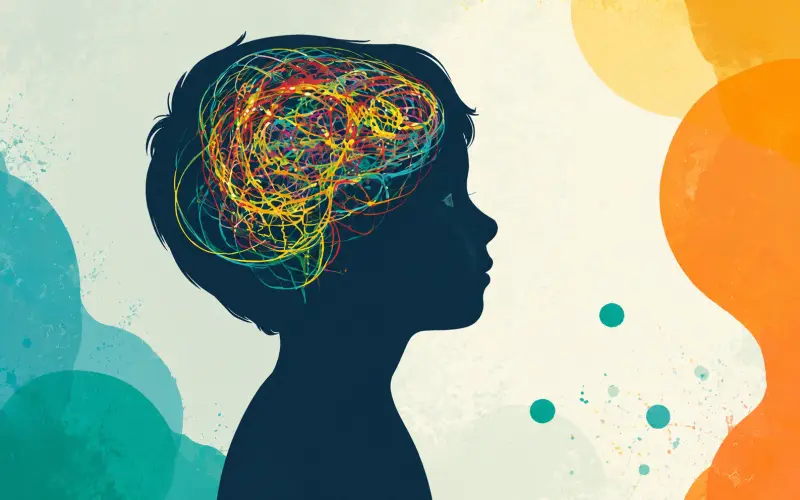
Attention-deficit/hyperactivity disorder is a neurodevelopmental disorder. This type of disorder usually begins in childhood, but it may continue into adulthood. ADHD is characterized by an ongoing pattern of inattention, hyperactivity, impulsivity, or a combination of all three that interferes with a person’s daily functioning and relationships with those around them.
Let us begin by discussing some key points related to attention-deficit/hyperactivity disorder:
Types of attention-deficit/hyperactivity disorder:
There are three types of attention-deficit/hyperactivity disorder:
Attention deficit disorder (ADD): This type predominantly involves symptoms of inattention. People with it find it difficult to maintain attention, follow routines, and continue working on tasks.
Hyperactivity and impulsivity disorder (HD): This type predominantly involves hyperactivity and impulsivity. People with it may be restless, constantly fidgety, talkative, and inclined to act without thinking first.
Attention-deficit/hyperactivity disorder (ADHD): This type involves both hyperactivity and inattention. People with it experience symptoms of inattention, hyperactivity, and impulsivity at the same time.
General symptoms of attention-deficit/hyperactivity disorder:
ADHD symptoms may vary depending on its type and the person affected. Symptoms associated with ADHD can be divided into three main categories: inattention, hyperactivity, and impulsivity.
Inattention: Distractibility, inability to organize tasks, repeated mistakes, and forgetfulness.
Hyperactivity: Excessive physical restlessness, mental restlessness, and difficulty remaining in one place.
Impulsivity: Acting without thinking, interrupting others, and impatience.
Symptoms of inattention may include the following:
Difficulty paying attention to details and repeatedly making careless mistakes despite being corrected.
Forgetting appointments, dates, or commitments.
Difficulty maintaining attention during tasks or activities, especially those that are not stimulating or interesting.
Frequently moving from one unfinished task to another.
Difficulty organizing tasks and belongings.
Difficulty following instructions and completing tasks, especially those requiring mental effort.
Avoiding or disliking tasks that require repeated or sustained mental effort.
Symptoms of hyperactivity may include the following:
Constant fidgeting or restlessness.
Getting up when the person is expected to remain seated.
Excessive physical activity and movement, with or without a reason.
Difficulty remaining calm.
Talkativeness or excessive talking.
Difficulty waiting for one’s turn in conversations or activities.
ADHD is a brain disorder characterized by a recurring pattern of inattention or excessive activity that interferes with a person’s development and normal interactions. It affects the person’s ability to stay focused and organized, leading them to move constantly, struggle to complete tasks, and lack persistence in study or work. ADHD often affects children more than adults.
ADHD is diagnosed according to specific criteria found in the Diagnostic and Statistical Manual of Mental Disorders (DSM-5). Diagnosis involves a comprehensive assessment by a qualified healthcare professional who considers the symptoms and their effect on daily life while ruling out other possible causes.
General causes of attention-deficit/hyperactivity disorder:
The causes of ADHD are not fully understood, but research suggests that it may result from a combination of genetic, neurological, and environmental factors.
Brain anatomy and function: Lower activity levels in parts of the brain that control attention and activity levels may be associated with attention-deficit/hyperactivity disorder.
Genetic factors: ADHD frequently runs in families. Sometimes, a parent is diagnosed with ADHD at the same time as their child.
Serious head injuries may cause ADHD in some cases.
Premature birth increases the risk of developing ADHD.
Fetal exposure to toxic substances in the environment increases the risk of ADHD.
There is no evidence that ADHD is related to the following:
Consuming large amounts of sugar
Food additives
Allergies
Vaccination
It is important to note that ADHD is a complex disorder and does not necessarily have a single cause. A combination of genetic factors and environmental influences may contribute to its development. Research is still underway to understand the causes of ADHD fully and identify additional contributing factors.
General treatment of attention-deficit/hyperactivity disorder:
ADHD is a chronic condition, but effective treatments are available to manage its symptoms and improve the functioning of people with it. It is important to note that ADHD is a highly individual disorder, and its symptoms can vary from one person to another. If you suspect that you, your child, or someone you know may have ADHD, it is advisable to consult a psychiatrist for an appropriate diagnosis and guidance.
Symptoms of attention-deficit/hyperactivity disorder in children
ADHD symptoms may appear differently in children than in adults. In children, ADHD symptoms often manifest as a combination of inattention, hyperactivity, and impulsivity. The following are some common ADHD symptoms in children:
Symptoms of inattention:
Forgetfulness involving even the simplest daily activities, such as household tasks or schoolwork.
Difficulty focusing on details and making unintentional but repeated mistakes in or outside the classroom despite a sincere desire to stop making them.
An inability to concentrate while completing tasks or even during recreation and play.
An inability to continue following or complete instructions without being compelled or reminded.
Ceasing to listen to and engage with what others say after a short time, for no apparent reason.
Being easily distracted by external stimuli, such as sounds or movement.
Frequently losing belongings, toys, school supplies, or other items.
Symptoms of hyperactivity:
Constant restlessness or fidgeting and difficulty remaining seated in one place.
Excessive running, climbing, or jumping, even at inappropriate times.
An unwillingness to take part in activities requiring calm and stillness, such as embroidery, reading, or even video games.
Always being ready to move, feeling uncomfortable, or being unable to relax.
Symptoms of impulsivity:
Talking excessively and being unable to observe conversational etiquette and show respect to others.
Difficulty waiting for one’s turn during games or group activities.
Tending to answer before hearing the full question or saying too much before settling on a single answer.
Being unable to wait patiently or delay the satisfaction of desires.
Engaging in reckless behaviors without first considering the possible consequences.
It is worth noting that ADHD symptoms can vary from one child to another. Some children may experience mainly symptoms of inattention, while others may show more noticeable symptoms of hyperactivity and impulsivity. Symptoms can also change over time and be affected by children’s rate of development.
It is therefore important to note that these symptoms must be persistent and recurrent and must significantly impair the child in several settings, such as home and school, before they can support a diagnosis of ADHD. Moreover, this information should not be used as a substitute for medical care and advice from your child’s pediatrician.
Causes of attention-deficit/hyperactivity disorder in children
The causes of ADHD in children are still being studied, but research suggests that it results from the interaction of several factors. The following are some factors believed to contribute to the development of ADHD:
Genetic factors: ADHD tends to run in families, suggesting that it has a genetic component. Studies have shown that genes play a role in the development and regulation of neurotransmitters such as dopamine and noradrenaline, which affect the ability to maintain attention and control impulses. Some genetic variations may therefore increase the likelihood of developing ADHD.
Neurological factors: MRI images of the brains of some people with ADHD have revealed structural and functional differences compared with other people’s brains. Certain areas of the brain are responsible for executive functions and may operate differently in people with ADHD. These differences suggest that abnormalities in brain development and function may contribute to the emergence of ADHD symptoms.
Chemical balance: ADHD is associated with imbalances in certain chemicals in the brain, particularly dopamine and norepinephrine. These chemicals play an important role in regulating concentration, impulse control, and activity. Disruptions in the transmission and availability of these chemicals are believed to contribute to ADHD symptoms.
Environmental factors: Although genetics play an important role, environmental factors may also contribute to the development of ADHD or worsen its symptoms. Possible environmental factors include:
A child’s exposure to toxins such as lead during pregnancy or early childhood.
The mother smoking or using alcohol or drugs during pregnancy.
Premature birth or low birth weight.
A child’s exposure to trauma or chronic stress during the early stages of development.
Certain prenatal and related complications.
It is also worth noting that ADHD is not caused by factors such as parental neglect, spending a long time using a mobile phone or watching television, or other misconceptions common among non-specialists. Although these factors may affect a child’s behavior and attention in the short term, they do not directly cause ADHD.
If you suspect that your child has ADHD, it is wise to consult a pediatrician or child psychologist for a comprehensive assessment and accurate diagnosis. Proper identification and early management of ADHD can significantly improve a child’s academic performance, social interactions, and overall quality of life.
Treatment of attention-deficit/hyperactivity disorder
Unfortunately, there is currently no known cure for ADHD. However, several effective treatments and strategies can help manage symptoms and enable people with ADHD to improve their mental health and well-being. The following are some common approaches used to treat ADHD:
Skill-building strategies: Various strategies can help people with ADHD improve their lifestyle, manage their time, and strengthen their academic skills. Examples include establishing a daily routine, breaking tasks into smaller, manageable steps, using visual aids or audio reminders, setting goals, and using digital applications. In addition, learning relaxation techniques and stress-management strategies and practicing self-care can begenerally beneficial.
Education and psychoeducation: People with ADHD and their family members should be educated about the condition. Understanding the nature of ADHD and its effect on daily life can help them manage symptoms effectively. Psychoeducation may also include emotional support and attention to related challenges, such as learning difficulties or underlying disorders such as anxiety and depression.
Behavioral therapy: Behavioral therapy, particularly cognitive behavioral therapy (CBT), is an effective way to manage ADHD symptoms. It focuses on teaching specific skills for addressing challenges involving concentration, organization, time management, and impulse control. Behavioral therapy can also help develop coping mechanisms, improve self-esteem, and regulate emotions. It may involve individual, group, or family sessions.
A supportive environment: Creating a supportive and understanding environment is essential for people with ADHD. This may include providing clear and consistent instructions, positively reinforcing desired behaviors without coercion or intimidation, and offering appropriate assistance at school or in the workplace. Support groups or networks may also benefit people with ADHD and their families by providing an opportunity to connect with others facing similar challenges.
Medications: Psychiatric medications are often prescribed to help manage ADHD symptoms. The most common are stimulants such as methylphenidate (Ritalin) and amphetamines (Adderall). These medications work by increasing the availability of neurotransmitters in the brain, improving attention, and reducing hyperactivity. Non-stimulant medications such as atomoxetine (Strattera) and guanfacine (Intuniv) are sometimes used. In every case, however, medication should only be taken when prescribed and monitored by a specialist physician.
Most importantly, ADHD treatment should be tailored to each person’s needs. The effectiveness of different strategies may vary from one person to another, and several approaches are often used to achieve the best results. Consulting a psychiatrist or psychologist who specializes in ADHD can help determine the most appropriate treatment plan and support options.
Download the Tatmeen app for online psychological and family consultations from the App Store or Google Play. You can also register on the Tatmeen mental health website to access valuable information and practical tools for supporting your mental and family well-being.
Content writer and researcher at Tatmeen, writing in Arabic and English on mental health and everyday life topics, including relationships, stress, work, habits, and family.
Every Tatmeen article is reviewed by care providers licensed by the Saudi Commission for Health Specialties, so what you read is accurate and trustworthy.
This article builds understanding and does not replace a licensed care provider.
Need someone to talk to?
Tatmeen's licensed care providers are available around the clock, and the app's urgent consultation connects you with one within minutes.
Download Tatmeen to explore care providers and booking options.
Smart matchingFour quick questions suggest the right care provider
Urgent consultationTalk to an available care provider within minutes
Free psychological measuresMore than 20 tests to understand how you are doing
Scan to download
{"data":{"id":"4a25c852-4b9d-4c6a-a74b-0ded9c1d56d0","slug":"ADHD-Symptoms-Causes-Treatment","arTitle":"فرط الحركة وتشتت الانتباه – أعراض و أسباب و علاج","enTitle":"ADHD: Symptoms, Causes, and Treatment","thumbnailAltText":"Adult holding their forehead while seated on a sofa as a child moves behind them","estimatedReadingTime":5,"likesCount":938,"writer":{"id":"c7b27cce-cc91-45c8-9ba1-1d194830c654","arBio":"كاتبة وباحثة محتوى في تطمين، تكتب بالعربية والإنجليزية في موضوعات الصحة النفسية والحياة اليومية، بما يشمل العلاقات، الضغوط، العمل، العادات، والأسرة.","enBio":"Content writer and researcher at Tatmeen, writing in Arabic and English on mental health and everyday life topics, including relationships, stress, work, habits, and family.","user":{"slug":"alanoud-alturki","arFullName":"العنود التركي","enFullName":"Alanoud Alturki","publicProfileImageUrl":"https://cdn.tatmeen.sa/public/profile-images/78d20741-cf98-483e-9055-2f0ca0ab3bd5/4e190bf082a179be202f7a2618844e0dd134e14126b74d947c78eec35b7e390e.webp","publicProfileImage96Url":"https://cdn.tatmeen.sa/public/profile-images/78d20741-cf98-483e-9055-2f0ca0ab3bd5/4e190bf082a179be202f7a2618844e0dd134e14126b74d947c78eec35b7e390e-w96.webp","publicProfileImage192Url":"https://cdn.tatmeen.sa/public/profile-images/78d20741-cf98-483e-9055-2f0ca0ab3bd5/4e190bf082a179be202f7a2618844e0dd134e14126b74d947c78eec35b7e390e-w192.webp"}},"arContent":"","enContent":"","productionDocument":{"headings":[{"id":"article-section-what-is-attention-deficit-hyperactivity-disorder","text":"What is attention-deficit/hyperactivity disorder?"},{"id":"article-section-symptoms-of-attention-deficit-hyperactivity-disorder-in-children","text":"Symptoms of attention-deficit/hyperactivity disorder in children"},{"id":"article-section-causes-of-attention-deficit-hyperactivity-disorder-in-children","text":"Causes of attention-deficit/hyperactivity disorder in children"},{"id":"article-section-treatment-of-attention-deficit-hyperactivity-disorder","text":"Treatment of attention-deficit/hyperactivity disorder"}],"faqs":[],"beforeSourcesHtml":"","sources":[],"afterSourcesHtml":"","blocks":[{"type":"html","html":"<h2 class=\"ql-align-right ql-direction-rtl\" id=\"article-section-what-is-attention-deficit-hyperactivity-disorder\" data-toc-heading tabindex=\"-1\"><span id=\"what-is-attention-deficit-hyperactivity-disorder-1\" aria-hidden=\"true\"></span><strong>What is attention-deficit/hyperactivity disorder?</strong></h2><p class=\"ql-align-right ql-direction-rtl\">Attention-deficit/hyperactivity disorder is a neurodevelopmental disorder. This type of disorder usually begins in childhood, but it may continue into adulthood. ADHD is characterized by an ongoing pattern of inattention, hyperactivity, impulsivity, or a combination of all three that interferes with a person’s daily functioning and relationships with those around them.</p><p class=\"ql-align-right ql-direction-rtl\">Let us begin by discussing some key points related to attention-deficit/hyperactivity disorder:</p><h3 class=\"ql-align-right ql-direction-rtl\">Types of attention-deficit/hyperactivity disorder:</h3><p class=\"ql-align-right ql-direction-rtl\">There are three types of attention-deficit/hyperactivity disorder:</p><ul><li class=\"ql-align-right ql-direction-rtl\"><strong>Attention deficit disorder (ADD)</strong>: This type predominantly involves symptoms of inattention. People with it find it difficult to maintain attention, follow routines, and continue working on tasks.</li><li class=\"ql-align-right ql-direction-rtl\"><strong>Hyperactivity and impulsivity disorder (HD):</strong> This type predominantly involves hyperactivity and impulsivity. People with it may be restless, constantly fidgety, talkative, and inclined to act without thinking first.</li><li class=\"ql-align-right ql-direction-rtl\"><strong>Attention-deficit/hyperactivity disorder (ADHD): </strong>This type involves both hyperactivity and inattention. People with it experience symptoms of inattention, hyperactivity, and impulsivity at the same time.</li></ul><h3 class=\"ql-align-right ql-direction-rtl\">General symptoms of attention-deficit/hyperactivity disorder:</h3><p class=\"ql-align-right ql-direction-rtl\">ADHD symptoms may vary depending on its type and the person affected. Symptoms associated with ADHD can be divided into three main categories: inattention, hyperactivity, and impulsivity.</p><ul><li class=\"ql-align-right ql-direction-rtl\"><strong>Inattention:</strong> Distractibility, inability to organize tasks, repeated mistakes, and forgetfulness.</li><li class=\"ql-align-right ql-direction-rtl\"><strong>Hyperactivity:</strong> Excessive physical restlessness, mental restlessness, and difficulty remaining in one place.</li><li class=\"ql-align-right ql-direction-rtl\"><strong>Impulsivity:</strong> Acting without thinking, interrupting others, and impatience.</li></ul><p class=\"ql-align-right ql-direction-rtl\">Symptoms of inattention may include the following:</p><ul><li class=\"ql-align-right ql-direction-rtl\">Difficulty paying attention to details and repeatedly making careless mistakes despite being corrected.</li><li class=\"ql-align-right ql-direction-rtl\">Forgetting appointments, dates, or commitments.</li><li class=\"ql-align-right ql-direction-rtl\">Difficulty maintaining attention during tasks or activities, especially those that are not stimulating or interesting.</li><li class=\"ql-align-right ql-direction-rtl\">Frequently moving from one unfinished task to another.</li><li class=\"ql-align-right ql-direction-rtl\">Difficulty organizing tasks and belongings.</li><li class=\"ql-align-right ql-direction-rtl\">Difficulty following instructions and completing tasks, especially those requiring mental effort.</li><li class=\"ql-align-right ql-direction-rtl\">Avoiding or disliking tasks that require repeated or sustained mental effort.</li></ul><p class=\"ql-align-right ql-direction-rtl\">Symptoms of hyperactivity may include the following:</p><ul><li class=\"ql-align-right ql-direction-rtl\">Constant fidgeting or restlessness.</li><li class=\"ql-align-right ql-direction-rtl\">Getting up when the person is expected to remain seated.</li><li class=\"ql-align-right ql-direction-rtl\">Excessive physical activity and movement, with or without a reason.</li><li class=\"ql-align-right ql-direction-rtl\">Difficulty remaining calm.</li><li class=\"ql-align-right ql-direction-rtl\">Talkativeness or excessive talking.</li><li class=\"ql-align-right ql-direction-rtl\">Difficulty waiting for one’s turn in conversations or activities.</li></ul><h3 class=\"ql-align-right ql-direction-rtl\">Diagnosing attention-deficit/hyperactivity disorder:</h3><p class=\"ql-align-right ql-direction-rtl\">ADHD is a brain disorder characterized by a recurring pattern of inattention or excessive activity that interferes with a person’s development and normal interactions. It affects the person’s ability to stay focused and organized, leading them to move constantly, struggle to complete tasks, and lack persistence in study or work. ADHD often affects children more than adults.</p><p class=\"ql-align-right ql-direction-rtl\">ADHD is diagnosed according to specific criteria found in the Diagnostic and Statistical Manual of Mental Disorders (DSM-5). Diagnosis involves a comprehensive assessment by a qualified healthcare professional who considers the symptoms and their effect on daily life while ruling out other possible causes.</p><h3 class=\"ql-align-right ql-direction-rtl\">General causes of attention-deficit/hyperactivity disorder:</h3><p class=\"ql-align-right ql-direction-rtl\">The causes of ADHD are not fully understood, but research suggests that it may result from a combination of genetic, neurological, and environmental factors.</p><ul><li class=\"ql-align-right ql-direction-rtl\"><strong>Brain anatomy and function:</strong> Lower activity levels in parts of the brain that control attention and activity levels may be associated with attention-deficit/hyperactivity disorder.</li><li class=\"ql-align-right ql-direction-rtl\"><strong> Genetic factors:</strong> ADHD frequently runs in families. Sometimes, a parent is diagnosed with ADHD at the same time as their child.</li><li class=\"ql-align-right ql-direction-rtl\">Serious head injuries may cause ADHD in some cases.</li><li class=\"ql-align-right ql-direction-rtl\">Premature birth increases the risk of developing ADHD.</li><li class=\"ql-align-right ql-direction-rtl\">Fetal exposure to toxic substances in the environment increases the risk of ADHD.</li></ul><p class=\"ql-align-right ql-direction-rtl\">There is no evidence that ADHD is related to the following:</p><ul><li class=\"ql-align-right ql-direction-rtl\">Consuming large amounts of sugar</li><li class=\"ql-align-right ql-direction-rtl\">Food additives</li><li class=\"ql-align-right ql-direction-rtl\">Allergies</li><li class=\"ql-align-right ql-direction-rtl\">Vaccination</li></ul><p class=\"ql-align-right ql-direction-rtl\">It is important to note that ADHD is a complex disorder and does not necessarily have a single cause. A combination of genetic factors and environmental influences may contribute to its development. Research is still underway to understand the causes of ADHD fully and identify additional contributing factors.</p><h3 class=\"ql-align-right ql-direction-rtl\">General treatment of attention-deficit/hyperactivity disorder:</h3><p class=\"ql-align-right ql-direction-rtl\">ADHD is a chronic condition, but effective treatments are available to manage its symptoms and improve the functioning of people with it. It is important to note that ADHD is a highly individual disorder, and its symptoms can vary from one person to another. If you suspect that you, your child, or someone you know may have ADHD, it is advisable to consult a psychiatrist for an appropriate diagnosis and guidance.</p><h2 class=\"ql-align-right ql-direction-rtl\" id=\"article-section-symptoms-of-attention-deficit-hyperactivity-disorder-in-children\" data-toc-heading tabindex=\"-1\"><span id=\"symptoms-of-attention-deficit-hyperactivity-disorder-in-children-2\" aria-hidden=\"true\"></span><strong>Symptoms of attention-deficit/hyperactivity disorder in children</strong></h2><p class=\"ql-align-right ql-direction-rtl\">ADHD symptoms may appear differently in children than in adults. In children, ADHD symptoms often manifest as a combination of inattention, hyperactivity, and impulsivity. The following are some common ADHD symptoms in children:</p><p class=\"ql-align-right ql-direction-rtl\">Symptoms of inattention:</p><ul><li class=\"ql-align-right ql-direction-rtl\">Forgetfulness involving even the simplest daily activities, such as household tasks or schoolwork.</li><li class=\"ql-align-right ql-direction-rtl\">Difficulty focusing on details and making unintentional but repeated mistakes in or outside the classroom despite a sincere desire to stop making them.</li><li class=\"ql-align-right ql-direction-rtl\">An inability to concentrate while completing tasks or even during recreation and play.</li><li class=\"ql-align-right ql-direction-rtl\">An inability to continue following or complete instructions without being compelled or reminded.</li><li class=\"ql-align-right ql-direction-rtl\">Ceasing to listen to and engage with what others say after a short time, for no apparent reason.</li><li class=\"ql-align-right ql-direction-rtl\">Being easily distracted by external stimuli, such as sounds or movement.</li><li class=\"ql-align-right ql-direction-rtl\">Frequently losing belongings, toys, school supplies, or other items.</li></ul><p class=\"ql-align-right ql-direction-rtl\">Symptoms of hyperactivity:</p><ul><li class=\"ql-align-right ql-direction-rtl\">Constant restlessness or fidgeting and difficulty remaining seated in one place.</li><li class=\"ql-align-right ql-direction-rtl\"> Excessive running, climbing, or jumping, even at inappropriate times.</li><li class=\"ql-align-right ql-direction-rtl\"> An unwillingness to take part in activities requiring calm and stillness, such as embroidery, reading, or even video games.</li><li class=\"ql-align-right ql-direction-rtl\"> Always being ready to move, feeling uncomfortable, or being unable to relax.</li></ul><p class=\"ql-align-right ql-direction-rtl\">Symptoms of impulsivity:</p><ul><li class=\"ql-align-right ql-direction-rtl\">Talking excessively and being unable to observe conversational etiquette and show respect to others.</li><li class=\"ql-align-right ql-direction-rtl\">Difficulty waiting for one’s turn during games or group activities.</li><li class=\"ql-align-right ql-direction-rtl\">Tending to answer before hearing the full question or saying too much before settling on a single answer.</li><li class=\"ql-align-right ql-direction-rtl\">Being unable to wait patiently or delay the satisfaction of desires.</li><li class=\"ql-align-right ql-direction-rtl\">Engaging in reckless behaviors without first considering the possible consequences.</li></ul><p class=\"ql-align-right ql-direction-rtl\">It is worth noting that ADHD symptoms can vary from one child to another. Some children may experience mainly symptoms of inattention, while others may show more noticeable symptoms of hyperactivity and impulsivity. Symptoms can also change over time and be affected by children’s rate of development.</p><p class=\"ql-align-right ql-direction-rtl\">It is therefore important to note that these symptoms must be persistent and recurrent and must significantly impair the child in several settings, such as home and school, before they can support a diagnosis of ADHD. Moreover, this information should not be used as a substitute for medical care and advice from your child’s pediatrician.</p><h2 class=\"ql-align-right ql-direction-rtl\" id=\"article-section-causes-of-attention-deficit-hyperactivity-disorder-in-children\" data-toc-heading tabindex=\"-1\"><span id=\"causes-of-attention-deficit-hyperactivity-disorder-in-children-3\" aria-hidden=\"true\"></span><strong>Causes of attention-deficit/hyperactivity disorder in children</strong></h2><p class=\"ql-align-right ql-direction-rtl\">The causes of ADHD in children are still being studied, but research suggests that it results from the interaction of several factors. The following are some factors believed to contribute to the development of ADHD:</p><ul><li class=\"ql-align-right ql-direction-rtl\"><strong>Genetic factors:</strong> ADHD tends to run in families, suggesting that it has a genetic component. Studies have shown that genes play a role in the development and regulation of neurotransmitters such as dopamine and noradrenaline, which affect the ability to maintain attention and control impulses. Some genetic variations may therefore increase the likelihood of developing ADHD.</li><li class=\"ql-align-right ql-direction-rtl\"><strong>Neurological factors:</strong> MRI images of the brains of some people with ADHD have revealed structural and functional differences compared with other people’s brains. Certain areas of the brain are responsible for executive functions and may operate differently in people with ADHD. These differences suggest that abnormalities in brain development and function may contribute to the emergence of ADHD symptoms.</li><li class=\"ql-align-right ql-direction-rtl\"><strong>Chemical balance:</strong> ADHD is associated with imbalances in certain chemicals in the brain, particularly dopamine and norepinephrine. These chemicals play an important role in regulating concentration, impulse control, and activity. Disruptions in the transmission and availability of these chemicals are believed to contribute to ADHD symptoms.</li><li class=\"ql-align-right ql-direction-rtl\"><strong>Environmental factors:</strong> Although genetics play an important role, environmental factors may also contribute to the development of ADHD or worsen its symptoms. Possible environmental factors include:</li><li class=\"ql-align-right ql-direction-rtl\">A child’s exposure to toxins such as lead during pregnancy or early childhood.</li><li class=\"ql-align-right ql-direction-rtl\">The mother smoking or using alcohol or drugs during pregnancy.</li><li class=\"ql-align-right ql-direction-rtl\">Premature birth or low birth weight.</li><li class=\"ql-align-right ql-direction-rtl\">A child’s exposure to trauma or chronic stress during the early stages of development.</li><li class=\"ql-align-right ql-direction-rtl\">Certain prenatal and related complications.</li></ul><p class=\"ql-align-right ql-direction-rtl\">It is also worth noting that ADHD is not caused by factors such as parental neglect, spending a long time using a mobile phone or watching television, or other misconceptions common among non-specialists. Although these factors may affect a child’s behavior and attention in the short term, they do not directly cause ADHD.</p><p class=\"ql-align-right ql-direction-rtl\">If you suspect that your child has ADHD, it is wise to consult a pediatrician or child psychologist for a comprehensive assessment and accurate diagnosis. Proper identification and early management of ADHD can significantly improve a child’s academic performance, social interactions, and overall quality of life.</p><h2 class=\"ql-align-right ql-direction-rtl\" id=\"article-section-treatment-of-attention-deficit-hyperactivity-disorder\" data-toc-heading tabindex=\"-1\"><span id=\"treatment-of-attention-deficit-hyperactivity-disorder-4\" aria-hidden=\"true\"></span><strong>Treatment of attention-deficit/hyperactivity disorder</strong></h2><p class=\"ql-align-right ql-direction-rtl\">Unfortunately, there is currently no known cure for ADHD. However, several effective treatments and strategies can help manage symptoms and enable people with ADHD to improve their mental health and well-being. The following are some common approaches used to treat ADHD:</p><ol><li class=\"ql-align-right ql-direction-rtl\"><strong>Skill-building strategies:</strong> Various strategies can help people with ADHD improve their lifestyle, manage their time, and strengthen their academic skills. Examples include establishing a daily routine, breaking tasks into smaller, manageable steps, using visual aids or audio reminders, setting goals, and using digital applications. In addition, learning relaxation techniques and stress-management strategies and practicing self-care can be<a style=\"background-color:transparent\" href=\"http://www.hakini.net/article/%D8%B1%D8%B9%D8%A7%D9%8A%D8%A9-%D8%B0%D8%A7%D8%AA%D9%8A%D8%A9-%D9%85%D8%A7-%D9%85%D8%B9%D9%86%D9%89-%D8%A7%D9%84%D8%B1%D8%B9%D8%A7%D9%8A%D8%A9-%D8%A7%D9%84%D8%B0%D8%A7%D8%AA%D9%8A%D8%A9-%D9%88%D9%85%D8%A7-%D8%A3%D9%87%D9%85%D9%8A%D8%AA%D9%87%D8%A7\" target=\"_blank\" rel=\"noopener noreferrer\"> </a>generally beneficial.</li><li class=\"ql-align-right ql-direction-rtl\"><strong>Education and psychoeducation:</strong> People with ADHD and their family members should be educated about the condition. Understanding the nature of ADHD and its effect on daily life can help them manage symptoms effectively. Psychoeducation may also include emotional support and attention to related challenges, such as learning difficulties or underlying disorders such as anxiety and depression.</li><li class=\"ql-align-right ql-direction-rtl\"><strong>Behavioral therapy:</strong> Behavioral therapy, particularly cognitive behavioral therapy (CBT), is an effective way to manage ADHD symptoms. It focuses on teaching specific skills for addressing challenges involving concentration, organization, time management, and impulse control. Behavioral therapy can also help develop coping mechanisms, improve self-esteem, and regulate emotions. It may involve individual, group, or family sessions.</li><li class=\"ql-align-right ql-direction-rtl\"><strong>A supportive environment:</strong> Creating a supportive and understanding environment is essential for people with ADHD. This may include providing clear and consistent instructions, positively reinforcing desired behaviors without coercion or intimidation, and offering appropriate assistance at school or in the workplace. Support groups or networks may also benefit people with ADHD and their families by providing an opportunity to connect with others facing similar challenges.</li><li class=\"ql-align-right ql-direction-rtl\">Medications<strong>: </strong>Psychiatric medications are often prescribed to help manage ADHD symptoms. The most common are stimulants such as methylphenidate (Ritalin) and amphetamines (Adderall). These medications work by increasing the availability of neurotransmitters in the brain, improving attention, and reducing hyperactivity. Non-stimulant medications such as atomoxetine (Strattera) and guanfacine (Intuniv) are sometimes used. In every case, however, medication should only be taken when prescribed and monitored by a specialist physician.</li></ol><p class=\"ql-align-right ql-direction-rtl\">Most importantly, ADHD treatment should be tailored to each person’s needs. The effectiveness of different strategies may vary from one person to another, and several approaches are often used to achieve the best results. Consulting a psychiatrist or psychologist who specializes in ADHD can help determine the most appropriate treatment plan and support options.</p><p class=\"ql-align-right ql-direction-rtl\"><br /></p><p class=\"ql-direction-rtl ql-align-justify\">Download the Tatmeen app for online psychological and family consultations from the App Store or Google Play. You can also register on the Tatmeen mental health website to access valuable information and practical tools for supporting your mental and family well-being.</p><p class=\"ql-direction-rtl ql-align-right\"><br /></p><p class=\"ql-align-right ql-direction-rtl\"><br /></p><p class=\"ql-align-right ql-direction-rtl\"><br /></p><p><br /></p>"}],"inlineCtaSignatures":[],"_experienceAliases":{"v":1,"fields":["html","bodyHtml"]}},"createdAt":"2024-01-08T21:00:00.000Z","updatedAt":"2026-08-11T04:45:02.303Z","disorderGroups":[{"id":"9fbda432-3713-400a-987b-3d56754a113e","slug":"children-and-adolescents","arName":"الأطفال والمراهقين","enName":"Children & Adolescents"}],"reviewer":{"arFullName":"فريق تطمين","enFullName":"Tatmeen team","slug":"tatmeen-team","kind":"organization"},"productionArticle":true,"promotionAllowed":true,"preparedCover":{"src":"https://cdn.tatmeen.sa/public/article-lcp/article-lcp-v2/sha256-39f606ddb037c536660281511fa13148a740724773eecf6661bca01b82593051/600-54c4ccd505f0b0a637fb2dcf5f7705d73b7217781cb2499d1dd3a87cf5e5008e.avif","fallback":"https://cdn.tatmeen.sa/public/article-lcp/article-lcp-v2/sha256-39f606ddb037c536660281511fa13148a740724773eecf6661bca01b82593051/600-e7d75e35fd9253c53c5b0501b506e446d7595ba291234d92375919cd9465be6d.webp","directUrl":"https://cdn.tatmeen.sa/blog-cover/1706463433603-Tatmeen-695.jpg","isGolden":true,"avifSrcset":"https://cdn.tatmeen.sa/public/article-lcp/article-lcp-v2/sha256-39f606ddb037c536660281511fa13148a740724773eecf6661bca01b82593051/400-fba2e5ca45ee25a5883b97c36fb2fc56d377a4494cada2963b6987c1f54247f6.avif 400w, https://cdn.tatmeen.sa/public/article-lcp/article-lcp-v2/sha256-39f606ddb037c536660281511fa13148a740724773eecf6661bca01b82593051/600-54c4ccd505f0b0a637fb2dcf5f7705d73b7217781cb2499d1dd3a87cf5e5008e.avif 600w","webpSrcset":"https://cdn.tatmeen.sa/public/article-lcp/article-lcp-v2/sha256-39f606ddb037c536660281511fa13148a740724773eecf6661bca01b82593051/400-0deb9747dea74c438cbda54d7c4f697ad8fcc392bd7656abaac156075cf73733.webp 400w, https://cdn.tatmeen.sa/public/article-lcp/article-lcp-v2/sha256-39f606ddb037c536660281511fa13148a740724773eecf6661bca01b82593051/600-e7d75e35fd9253c53c5b0501b506e446d7595ba291234d92375919cd9465be6d.webp 600w","phoneAvifSrcset":"https://cdn.tatmeen.sa/public/article-lcp/article-lcp-v2/sha256-39f606ddb037c536660281511fa13148a740724773eecf6661bca01b82593051/400-fba2e5ca45ee25a5883b97c36fb2fc56d377a4494cada2963b6987c1f54247f6.avif 400w, https://cdn.tatmeen.sa/public/article-lcp/article-lcp-v2/sha256-39f606ddb037c536660281511fa13148a740724773eecf6661bca01b82593051/600-54c4ccd505f0b0a637fb2dcf5f7705d73b7217781cb2499d1dd3a87cf5e5008e.avif 600w","phoneWebpSrcset":"https://cdn.tatmeen.sa/public/article-lcp/article-lcp-v2/sha256-39f606ddb037c536660281511fa13148a740724773eecf6661bca01b82593051/400-0deb9747dea74c438cbda54d7c4f697ad8fcc392bd7656abaac156075cf73733.webp 400w, https://cdn.tatmeen.sa/public/article-lcp/article-lcp-v2/sha256-39f606ddb037c536660281511fa13148a740724773eecf6661bca01b82593051/600-e7d75e35fd9253c53c5b0501b506e446d7595ba291234d92375919cd9465be6d.webp 600w","width":600,"height":400},"previewTaxonomy":{"groups":[{"id":"9fbda432-3713-400a-987b-3d56754a113e","slug":"children-and-adolescents","arName":"الأطفال والمراهقين","enName":"Children & Adolescents"}],"topics":[{"id":"0ed9a679-cd0e-4310-b31c-3b1b7130a37c","slug":"adhd","arName":"فرط الحركة وتشتت الانتباه","enName":"ADHD","groupSlug":"children-and-adolescents","href":"/blog/category/children-and-adolescents/adhd/"}],"tags":[{"id":"94df68f6-f3b0-4254-98e1-6522ffcfffdf","slug":"neurodevelopmental-adhd-autism","arName":"اضطرابات النمو العصبي","enName":"Neurodevelopmental (ADHD/Autism)"},{"id":"c2a6e8d3-de9c-435f-8c95-9727e7db14cc","slug":"explainer-awareness","arName":"دليل توعوي / شرح","enName":"Explainer / Awareness Guide"}]},"previewProviderRecommendations":[{"id":"09364052-c2a9-4c52-9717-7ce2093b8d0a","slug":"kholoud-alharbi-5221","arFullName":"خلود الحربي","enFullName":"Kholoud Alharbi","publicProfileImageUrl":"https://cdn.tatmeen.sa/public/profile-images/09364052-c2a9-4c52-9717-7ce2093b8d0a/4a0aeb81619e351b77f4323e3605a0a00acc7ca3c82ee7cc5ca2c9e8ef716049.webp","publicProfileImage96Url":"https://cdn.tatmeen.sa/public/profile-images/09364052-c2a9-4c52-9717-7ce2093b8d0a/4a0aeb81619e351b77f4323e3605a0a00acc7ca3c82ee7cc5ca2c9e8ef716049-w96.webp","publicProfileImage192Url":"https://cdn.tatmeen.sa/public/profile-images/09364052-c2a9-4c52-9717-7ce2093b8d0a/4a0aeb81619e351b77f4323e3605a0a00acc7ca3c82ee7cc5ca2c9e8ef716049-w192.webp","specialization":{"arName":"أخصائي نفسي","enName":"Psychologist"},"profileImageUrl":"https://cdn.tatmeen.sa/public/profile-images/09364052-c2a9-4c52-9717-7ce2093b8d0a/4a0aeb81619e351b77f4323e3605a0a00acc7ca3c82ee7cc5ca2c9e8ef716049-w192.webp","experienceYears":10,"consultantInfo":{"averageRating":{"average":5},"specialization":{"arGeneralName":"أخصائي نفسي","enGeneralName":"Psychologist"}}},{"id":"6f037535-1dca-4b50-a8b2-5974b7323286","slug":"salah-althobaiti-9053","arFullName":"صلاح الثبيتي","enFullName":"Salah Althobaiti","publicProfileImageUrl":"https://cdn.tatmeen.sa/public/profile-images/6f037535-1dca-4b50-a8b2-5974b7323286/35b6bd7fad9b1e004c1835803eb9c1b56dcacd380685ec8bff141f0fb888005c.webp","publicProfileImage96Url":"https://cdn.tatmeen.sa/public/profile-images/6f037535-1dca-4b50-a8b2-5974b7323286/35b6bd7fad9b1e004c1835803eb9c1b56dcacd380685ec8bff141f0fb888005c-w96.webp","publicProfileImage192Url":"https://cdn.tatmeen.sa/public/profile-images/6f037535-1dca-4b50-a8b2-5974b7323286/35b6bd7fad9b1e004c1835803eb9c1b56dcacd380685ec8bff141f0fb888005c-w192.webp","specialization":{"arName":"أخصائي نفسي","enName":"Psychologist"},"profileImageUrl":"https://cdn.tatmeen.sa/public/profile-images/6f037535-1dca-4b50-a8b2-5974b7323286/35b6bd7fad9b1e004c1835803eb9c1b56dcacd380685ec8bff141f0fb888005c-w192.webp","experienceYears":6,"consultantInfo":{"averageRating":{"average":4.98936170212766},"specialization":{"arGeneralName":"أخصائي نفسي","enGeneralName":"Psychologist"}}},{"id":"3cc806e8-616b-4884-9f21-a75b378580a2","slug":"aisha-al-hashim-8667","arFullName":"عائشة ال هاشم","enFullName":"Aisha Al Hashim","publicProfileImageUrl":"https://cdn.tatmeen.sa/public/profile-images/3cc806e8-616b-4884-9f21-a75b378580a2/27f523d03be4dcfa1f6a79f70c1773887434e698990d214cd990caec56a44798.webp","publicProfileImage96Url":"https://cdn.tatmeen.sa/public/profile-images/3cc806e8-616b-4884-9f21-a75b378580a2/27f523d03be4dcfa1f6a79f70c1773887434e698990d214cd990caec56a44798-w96.webp","publicProfileImage192Url":"https://cdn.tatmeen.sa/public/profile-images/3cc806e8-616b-4884-9f21-a75b378580a2/27f523d03be4dcfa1f6a79f70c1773887434e698990d214cd990caec56a44798-w192.webp","specialization":{"arName":"أخصائي نفسي","enName":"Psychologist"},"profileImageUrl":"https://cdn.tatmeen.sa/public/profile-images/3cc806e8-616b-4884-9f21-a75b378580a2/27f523d03be4dcfa1f6a79f70c1773887434e698990d214cd990caec56a44798-w192.webp","experienceYears":2,"consultantInfo":{"averageRating":{"average":4.990909090909091},"specialization":{"arGeneralName":"أخصائي نفسي","enGeneralName":"Psychologist"}}}],"previewCareProviders":[{"id":"09364052-c2a9-4c52-9717-7ce2093b8d0a","slug":"kholoud-alharbi-5221","arFullName":"خلود الحربي","enFullName":"Kholoud Alharbi","publicProfileImageUrl":"https://cdn.tatmeen.sa/public/profile-images/09364052-c2a9-4c52-9717-7ce2093b8d0a/4a0aeb81619e351b77f4323e3605a0a00acc7ca3c82ee7cc5ca2c9e8ef716049.webp","publicProfileImage96Url":"https://cdn.tatmeen.sa/public/profile-images/09364052-c2a9-4c52-9717-7ce2093b8d0a/4a0aeb81619e351b77f4323e3605a0a00acc7ca3c82ee7cc5ca2c9e8ef716049-w96.webp","publicProfileImage192Url":"https://cdn.tatmeen.sa/public/profile-images/09364052-c2a9-4c52-9717-7ce2093b8d0a/4a0aeb81619e351b77f4323e3605a0a00acc7ca3c82ee7cc5ca2c9e8ef716049-w192.webp","gender":"FEMALE","specialization":{"arName":"أخصائي نفسي","enName":"Psychologist"}},{"id":"6f037535-1dca-4b50-a8b2-5974b7323286","slug":"salah-althobaiti-9053","arFullName":"صلاح الثبيتي","enFullName":"Salah Althobaiti","publicProfileImageUrl":"https://cdn.tatmeen.sa/public/profile-images/6f037535-1dca-4b50-a8b2-5974b7323286/35b6bd7fad9b1e004c1835803eb9c1b56dcacd380685ec8bff141f0fb888005c.webp","publicProfileImage96Url":"https://cdn.tatmeen.sa/public/profile-images/6f037535-1dca-4b50-a8b2-5974b7323286/35b6bd7fad9b1e004c1835803eb9c1b56dcacd380685ec8bff141f0fb888005c-w96.webp","publicProfileImage192Url":"https://cdn.tatmeen.sa/public/profile-images/6f037535-1dca-4b50-a8b2-5974b7323286/35b6bd7fad9b1e004c1835803eb9c1b56dcacd380685ec8bff141f0fb888005c-w192.webp","gender":"MALE","specialization":{"arName":"أخصائي نفسي","enName":"Psychologist"}},{"id":"3cc806e8-616b-4884-9f21-a75b378580a2","slug":"aisha-al-hashim-8667","arFullName":"عائشة ال هاشم","enFullName":"Aisha Al Hashim","publicProfileImageUrl":"https://cdn.tatmeen.sa/public/profile-images/3cc806e8-616b-4884-9f21-a75b378580a2/27f523d03be4dcfa1f6a79f70c1773887434e698990d214cd990caec56a44798.webp","publicProfileImage96Url":"https://cdn.tatmeen.sa/public/profile-images/3cc806e8-616b-4884-9f21-a75b378580a2/27f523d03be4dcfa1f6a79f70c1773887434e698990d214cd990caec56a44798-w96.webp","publicProfileImage192Url":"https://cdn.tatmeen.sa/public/profile-images/3cc806e8-616b-4884-9f21-a75b378580a2/27f523d03be4dcfa1f6a79f70c1773887434e698990d214cd990caec56a44798-w192.webp","gender":"FEMALE","specialization":{"arName":"أخصائي نفسي","enName":"Psychologist"}},{"id":"db2ce1a0-9325-4471-b7ce-eb2e811c30a3","slug":"amer-qutub-2441","arFullName":"عامر قطب","enFullName":"Amer Qutub","publicProfileImageUrl":"https://cdn.tatmeen.sa/public/profile-images/db2ce1a0-9325-4471-b7ce-eb2e811c30a3/80580f99bfd7fe2b2a9cf8eed73ab532f5086d1efe053b0aa57358c1ce004261.webp","publicProfileImage96Url":"https://cdn.tatmeen.sa/public/profile-images/db2ce1a0-9325-4471-b7ce-eb2e811c30a3/80580f99bfd7fe2b2a9cf8eed73ab532f5086d1efe053b0aa57358c1ce004261-w96.webp","publicProfileImage192Url":"https://cdn.tatmeen.sa/public/profile-images/db2ce1a0-9325-4471-b7ce-eb2e811c30a3/80580f99bfd7fe2b2a9cf8eed73ab532f5086d1efe053b0aa57358c1ce004261-w192.webp","gender":"MALE","specialization":{"arName":"أخصائي نفسي","enName":"Psychologist"}},{"id":"94765496-dbdf-4631-a01b-7df5f788668d","slug":"abdullrahman-alhamoudi-3045","arFullName":"عبدالرحمن الحمودي","enFullName":"Abdulrahman Alhamoudi","publicProfileImageUrl":"https://cdn.tatmeen.sa/public/profile-images/94765496-dbdf-4631-a01b-7df5f788668d/2d49f6b6493c564afb6f50b6c3634231dff3a5cf8353acfab393d1b2a88037d1.webp","publicProfileImage96Url":"https://cdn.tatmeen.sa/public/profile-images/94765496-dbdf-4631-a01b-7df5f788668d/2d49f6b6493c564afb6f50b6c3634231dff3a5cf8353acfab393d1b2a88037d1-w96.webp","publicProfileImage192Url":"https://cdn.tatmeen.sa/public/profile-images/94765496-dbdf-4631-a01b-7df5f788668d/2d49f6b6493c564afb6f50b6c3634231dff3a5cf8353acfab393d1b2a88037d1-w192.webp","gender":"MALE","specialization":{"arName":"أخصائي نفسي","enName":"Psychologist"}},{"id":"618dba89-5b70-4b46-8304-741b7ac8ecd3","slug":"abdullah-mari-1311","arFullName":"عبدالله مرعي","enFullName":"Abdullah Mari","publicProfileImageUrl":"https://cdn.tatmeen.sa/public/profile-images/618dba89-5b70-4b46-8304-741b7ac8ecd3/6b4a3bfb59f8a304ca79083b32859b46baad2e1d692974a47c02c1f66bd11129.webp","publicProfileImage96Url":"https://cdn.tatmeen.sa/public/profile-images/618dba89-5b70-4b46-8304-741b7ac8ecd3/6b4a3bfb59f8a304ca79083b32859b46baad2e1d692974a47c02c1f66bd11129-w96.webp","publicProfileImage192Url":"https://cdn.tatmeen.sa/public/profile-images/618dba89-5b70-4b46-8304-741b7ac8ecd3/6b4a3bfb59f8a304ca79083b32859b46baad2e1d692974a47c02c1f66bd11129-w192.webp","gender":"MALE","specialization":{"arName":"أخصائي نفسي","enName":"Psychologist"}},{"id":"d4ffcb6b-90a7-45b6-b941-964866f4564b","slug":"dhaifallah-alhumaidi-1092","arFullName":"ضيف الله الحميدي","enFullName":"Dhaifallah Alhumaidi","publicProfileImageUrl":"https://cdn.tatmeen.sa/public/profile-images/d4ffcb6b-90a7-45b6-b941-964866f4564b/1817171c5828a9b57d6c30d12332cf154e335272548bc90a6e8456d74d356956.webp","publicProfileImage96Url":"https://cdn.tatmeen.sa/public/profile-images/d4ffcb6b-90a7-45b6-b941-964866f4564b/1817171c5828a9b57d6c30d12332cf154e335272548bc90a6e8456d74d356956-w96.webp","publicProfileImage192Url":"https://cdn.tatmeen.sa/public/profile-images/d4ffcb6b-90a7-45b6-b941-964866f4564b/1817171c5828a9b57d6c30d12332cf154e335272548bc90a6e8456d74d356956-w192.webp","gender":"MALE","specialization":{"arName":"أخصائي نفسي","enName":"Psychologist"}},{"id":"d8fb937b-ad65-4b6f-a65b-276ad8258fed","slug":"azza-alharbi-7286","arFullName":"عزه الحربي","enFullName":"Azza Alharbi","publicProfileImageUrl":"https://cdn.tatmeen.sa/public/profile-images/d8fb937b-ad65-4b6f-a65b-276ad8258fed/378a8ab30f4087833263c41fb2c3102028cbe6bb9655172d7b3439ee1d6b0800.webp","publicProfileImage96Url":"https://cdn.tatmeen.sa/public/profile-images/d8fb937b-ad65-4b6f-a65b-276ad8258fed/378a8ab30f4087833263c41fb2c3102028cbe6bb9655172d7b3439ee1d6b0800-w96.webp","publicProfileImage192Url":"https://cdn.tatmeen.sa/public/profile-images/d8fb937b-ad65-4b6f-a65b-276ad8258fed/378a8ab30f4087833263c41fb2c3102028cbe6bb9655172d7b3439ee1d6b0800-w192.webp","gender":"FEMALE","specialization":{"arName":"أخصائي نفسي","enName":"Psychologist"}}],"previewDownload":{"href":"/download","title":{"ar":"خطوة واحدة لأجلك، ابدأ الآن","en":"One step for you, start now"},"description":{"ar":"حمّل تطبيق تطمين لاستكشاف مقدمي الرعاية وخيارات الحجز.","en":"Download Tatmeen to explore care providers and booking options."},"posterSrc":"/images/home/cta-ar-new-1.webp","videoSrc":"/images/home/cta-ar-new-1.mp4","videoPosterSrc":"/images/home/cta-ar-new-1.webp","videoPosterEnSrc":"/images/home/cta-en-new-1.webp","videoType":"video/mp4","appStoreHref":"https://apps.apple.com/us/app/tatmeen-%D8%AA%D8%B7%D9%85%D9%8A%D9%86/id6473836983","googlePlayHref":"https://play.google.com/store/apps/details?id=com.TatmeenApp.user&hl=en"},"previewRelatedArticles":[{"id":"d18a90bd-0eda-405e-ad89-838bb3407358","slug":"adhd-simple-explanation-symptoms-causes-support","route":"/blog/adhd-simple-explanation-symptoms-causes-support/","title":{"ar":"شرح بسيط لاضطراب فرط الحركة ونقص الانتباه (ADHD)","en":"A Simple Explanation of ADHD (Attention Deficit Hyperactivity Disorder)"},"image":"https://cdn.tatmeen.sa/public/article-lcp/article-lcp-v2/sha256-a6a09c932915d0f75363ea369263c9f7adc627be73f8ec7b5b96263c3fd41223/800-a99da4c414e9c84e801e4e44cc21462aa9c64b4f4eacc26e917c175fddb7cf47.webp","directImageFallback":"https://cdn.tatmeen.sa/blog-cover/Tatmeen-1779293472130.webp","arThumbnailAltText":"شرح بسيط لاضطراب فرط الحركة ونقص الانتباه ADHD عند الأطفال","thumbnailAltText":"شرح بسيط لاضطراب فرط الحركة ونقص الانتباه ADHD عند الأطفال","topic":{"label":{"ar":"الأطفال والمراهقين","en":"Children & Adolescents"}},"readingTimeMinutes":5},{"id":"9d39a83c-cccc-4e45-af1e-f89c66f74a60","slug":"adhd-adults-signs-coping","route":"/blog/adhd-adults-signs-coping/","title":{"ar":"علامات فرط الحركة وتشتت الانتباه عند البالغين: متى تحتاج تقييمًا وكيف تتعامل؟","en":"Signs of ADHD in Adults: When to Seek Evaluation and How to Cope"},"image":"https://cdn.tatmeen.sa/public/article-lcp/article-lcp-v2/sha256-df3d2478cc52d589131afeac2cf0726b5525bdce679056079beae41e8a7f33ee/800-8520b465ff34d10399e80a9170ac117b56ff08bd3d93cff39a32c05034897300.webp","directImageFallback":"https://cdn.tatmeen.sa/blog-cover/Tatmeen-1781547998250.webp","arThumbnailAltText":"Person balancing tasks on a tightrope, illustrating ADHD challenges and daily focus management.","thumbnailAltText":"Person balancing tasks on a tightrope, illustrating ADHD challenges and daily focus management.","topic":{"label":{"ar":"الأطفال والمراهقين","en":"Children & Adolescents"}},"readingTimeMinutes":5},{"id":"2e10a20c-058a-44ea-a72c-08b7d3d3220c","slug":"Child-and-adolescent-suicide","route":"/blog/Child-and-adolescent-suicide/","title":{"ar":"انتحار الأطفال والمراهقين","en":"Suicide in Children and Adolescents"},"image":"https://cdn.tatmeen.sa/public/article-lcp/article-lcp-v2/sha256-eb4e8dd72469336656c66662d9cdebc85f07c88c06a74c97fc28fb0d8fae27f7/600-4b0621c3495ff206040e35eb3c7674dacfc1120242e2285a3495341c331d0ca3.webp","directImageFallback":"https://cdn.tatmeen.sa/blog-cover/1704637210117-Tatmeen-img-111","arThumbnailAltText":"Seated person surrounded by reaching hands beneath a suicide prevention message","thumbnailAltText":"Seated person surrounded by reaching hands beneath a suicide prevention message","topic":{"label":{"ar":"الأطفال والمراهقين","en":"Children & Adolescents"}},"readingTimeMinutes":5},{"id":"d44f2417-6860-417e-a198-250501ea55ef","slug":"Childhood-depression","route":"/blog/Childhood-depression/","title":{"ar":"اكتئاب الاطفال - كيف أعرف اذا كان طفلي مكتئب؟","en":"Childhood Depression: Causes, Signs, and Treatment"},"image":"https://cdn.tatmeen.sa/public/article-lcp/article-lcp-v2/sha256-b7eb88cbc6e321d2783e6f98bfcca5845b7ac4658505844f7a6d1603550dec74/600-be0031bd7e652d7b9c6563c2999281305371bec75250abf0168b4936cdad94c0.webp","directImageFallback":"https://cdn.tatmeen.sa/blog-cover/1704641832389-Tatmeen-img-584","arThumbnailAltText":"Child sitting with knees drawn up beside a stuffed dog against a blue backdrop","thumbnailAltText":"Child sitting with knees drawn up beside a stuffed dog against a blue backdrop","topic":{"label":{"ar":"الأطفال والمراهقين","en":"Children & Adolescents"}},"readingTimeMinutes":5}],"previewRelatedReadStates":{}},"locale":"en","device":"desktop","path":"/en/blog/ADHD-Symptoms-Causes-Treatment/","readingControls":false,"config":{"public":{"BUCKET_URL":"https://cdn.tatmeen.sa/","APP_BASE_URL":"https://tatmeen.sa","intercomAppId":"ppcnu9e3"}}}