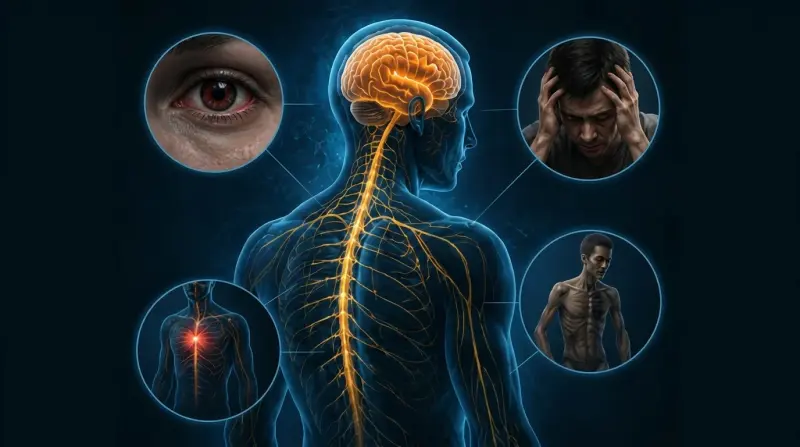
Methamphetamine is one of the most dangerous drugs, leaving severe and often devastating impacts on brain function and the nervous system. Users might initially experience a sudden surge of energy and elevated mood, but the long-term damage can be catastrophic. Over time, it disrupts the brain’s reward circuits and control mechanisms. This article, provided by Tatmeen , explains how methamphetamine works, the harmful effects it has on the brain, and practical approaches to avoid its dangers.
What Is Methamphetamine and How Does It Work in the Brain?
Methamphetamine is a powerful stimulant that primarily targets the brain’s pleasure centers. Its danger lies in its ability to dramatically increase dopamine levels, creating an immediate feeling of euphoria and tremendous energy. However, this intense sensation often leads to emotional and physical collapse.
The Role of Dopamine: Dopamine is a critical neurotransmitter associated with feelings of reward and motivation. When methamphetamine is used, it triggers an abnormally high release of dopamine, far surpassing what normal daily activities produce. This results in a euphoric rush but conditions the brain to rely on these elevated dopamine levels, making natural stimuli seem unsatisfying.
Effects of Methamphetamine on the Central Nervous System
Methamphetamine directly affects the central nervous system, which includes the brain and spinal cord. Its chemicals accelerate communication between nerve cells, causing overactivity in the nerves. Initially, this can appear as heightened energy and a boosted mood, but it quickly transitions into mental and emotional instability.
Increased Heart Rate: Methamphetamine stresses the nerves that regulate heartbeats, posing serious cardiac risks.
Nervous Exhaustion: Overstimulation leads to insomnia, anxiety, and, in many cases, paranoia or aggressive behavior.
Declined Concentration and Attention: Over time, the nervous system becomes overwhelmed, resulting in diminished focus and impaired day-to-day performance.
The Role of the Amygdala and Prefrontal Cortex
The amygdala is associated with emotional responses, while the prefrontal cortex governs decision-making. Methamphetamine throws this balance off-kilter: emotional reactions become more intense, and executive functions weaken, making users less able to control impulses and more prone to reckless behavior.
Long-Term Effects on the Brain
Some might believe the damage is limited to periods of active use, but methamphetamine leaves lasting imprints on neural structures and cognitive functions:
Loss of Focus and Concentration: Chronic use exhausts the neural circuits responsible for attention and analysis.
Mood Disorders: Persistent depression and anxiety develop as natural dopamine production becomes disrupted, with normal brain function taking months to recover, if at all.
Memory and Learning Impairments: Methamphetamine adversely affects memory centers, diminishing the user’s ability to retain or recall information.
Why Is Methamphetamine So Destructive to Health?
Compulsive Dependence: Users quickly feel an overwhelming need to continue using in order to maintain the false sense of pleasure. This creates a cycle that is difficult to break.
Overdosing Risks: Over time, users often increase their dosage to achieve the same effects, escalating the danger of overdosing and life-threatening complications.
Reckless Behavior: Methamphetamine weakens risk assessment abilities, leading to increased accidents, impulsive actions, and aggressive conduct.
How Can Methamphetamine Addiction Be Treated?
Despite the powerful grip of methamphetamine and its devastating consequences, recovery is possible through a comprehensive treatment plan that includes:
Online Therapy Sessions: These provide a flexible and convenient way for patients to connect with specialists from the comfort of their homes. This option eliminates the stigma of in-person visits, encouraging more people to seek help. Book your session with Tatmeen today to receive expert care from the best doctors and specialists.
Cognitive Behavioral Therapy (CBT): This approach helps dismantle distorted thoughts and triggers that drive methamphetamine use.
Group Support: Support groups allow individuals to share experiences and draw motivation from others’ progress.
Medication Support: While there is no specific drug for methamphetamine addiction, some medications may be prescribed to alleviate side effects or co-occurring issues like anxiety and depression.
Methamphetamine radically alters brain function, flooding the reward circuits with excessive dopamine and leaving users trapped in a destructive cycle of craving and turmoil. Despite these dangers, there is hope. With a comprehensive treatment approach, supported by family and community, individuals can regain control and break free from addiction. Schedule your session with Tatmeen today and embark on a life free from drugs.
Frequently Asked Questions
What are the early signs of methamphetamine addiction?
Early indications may include heightened nervousness, prolonged wakefulness, rapid weight loss, and sudden changes in behavior and mood. If these symptoms accompany declining work or academic performance, they may signal the onset of addiction.
Can the brain fully recover from methamphetamine damage?
Some brain functions may improve over time with proper treatment, but certain effects can persist. The key is consistent psychological and behavioral therapy to help partially restore balance in the brain and reduce the risk of relapse.
How can I help someone I suspect is addicted to methamphetamine?
Start by calmly expressing concern for their well-being, and suggest they consult a specialist through Tatmeen or a treatment center. Avoid confrontation or harsh language, as this may cause them to withdraw and deny the problem.
A writer and researcher specializing in psychiatry, she focuses on mental health and the human emotions we experience but cannot always find the words to name. She writes about us—about humanity and the human experience—and simplifies complex topics to offer content that helps us better understand ourselves and life, ultimately making us feel less alone.
Every Tatmeen article is reviewed by care providers licensed by the Saudi Commission for Health Specialties, so what you read is accurate and trustworthy.
This article builds understanding and does not replace a licensed care provider.
Need someone to talk to?
Tatmeen's licensed care providers are available around the clock, and the app's urgent consultation connects you with one within minutes.
Download Tatmeen to explore care providers and booking options.
Smart matchingFour quick questions suggest the right care provider
Urgent consultationTalk to an available care provider within minutes
Free psychological measuresMore than 20 tests to understand how you are doing
Scan to download
{"data":{"id":"37279951-328a-41d7-a114-e9a0f4e23695","slug":"shabu-meth-effect-brain-nervous-system","arTitle":"كيف يؤثر مخدر الشبو على الدماغ والجهاز العصبي؟","enTitle":"How Does Shabu (Meth) Affect the Brain and Nervous System?","thumbnailAltText":"Illustration of a human brain with fractures and electrical pulses showing neurological damage","estimatedReadingTime":5,"likesCount":338,"writer":{"id":"3ab72b74-f26f-4337-9b47-3114b0f90de5","arBio":"كاتبة وباحثة متخصصة في مجال الطب النفسي، تهتم بموضوعات الصحة النفسية وبالمشاعر الإنسانية التي نختبرها ولا نجد دائمًا الكلمات لتسميتها. تكتب عنّا؛ عن الإنسان وتجربته، وتبسّط الموضوعات المعقّدة لتقدّم محتوى يساعدنا على فهم ذواتنا والحياة أكثر، ويجعلنا نشعر بأننا بوحدة أقل.","enBio":"A writer and researcher specializing in psychiatry, she focuses on mental health and the human emotions we experience but cannot always find the words to name. She writes about us—about humanity and the human experience—and simplifies complex topics to offer content that helps us better understand ourselves and life, ultimately making us feel less alone.","user":{"slug":"ayat-alnajar","arFullName":"آيات النجار","enFullName":"Ayat Al-Najjar","publicProfileImageUrl":"https://cdn.tatmeen.sa/public/profile-images/02384455-68fa-40b6-ad05-609fde65cafa/21b9a610dde5dfc6d37af110c23e9c7ab3946be080c281beb000debf4f7d31a6.webp","publicProfileImage96Url":"https://cdn.tatmeen.sa/public/profile-images/02384455-68fa-40b6-ad05-609fde65cafa/21b9a610dde5dfc6d37af110c23e9c7ab3946be080c281beb000debf4f7d31a6-w96.webp","publicProfileImage192Url":"https://cdn.tatmeen.sa/public/profile-images/02384455-68fa-40b6-ad05-609fde65cafa/21b9a610dde5dfc6d37af110c23e9c7ab3946be080c281beb000debf4f7d31a6-w192.webp"}},"arContent":"","enContent":"","productionDocument":{"headings":[],"faqs":[{"question":"What are the early signs of methamphetamine addiction?","answer":"<p><span style=\"color:#000000\">Early indications may include heightened nervousness, prolonged wakefulness, rapid weight loss, and sudden changes in behavior and mood. If these symptoms accompany declining work or academic performance, they may signal the onset of addiction.</span></p>"},{"question":"Can the brain fully recover from methamphetamine damage?","answer":"<p><span style=\"color:#000000\">Some brain functions may improve over time with proper treatment, but certain effects can persist. The key is consistent psychological and behavioral therapy to help partially restore balance in the brain and reduce the risk of relapse.</span></p>"},{"question":"How can I help someone I suspect is addicted to methamphetamine?","answer":"<p><span style=\"color:#000000\">Start by calmly expressing concern for their well-being, and suggest they <strong>consult a specialist through Tatmeen</strong> or a treatment center. Avoid confrontation or harsh language, as this may cause them to withdraw and deny the problem.</span></p>"}],"beforeSourcesHtml":"<p></p>","sources":[],"afterSourcesHtml":"","blocks":[{"type":"html","html":"<p><span style=\"color:#000000\">Methamphetamine is one of the most dangerous drugs, leaving severe and often devastating impacts on brain function and the nervous system. Users might initially experience a sudden surge of energy and elevated mood, but the long-term damage can be catastrophic. Over time, it disrupts the brain’s reward circuits and control mechanisms. This article, provided by <strong>Tatmeen </strong>, explains how methamphetamine works, the harmful effects it has on the brain, and practical approaches to avoid its dangers.</span></p><p><span style=\"color:#000000\"><strong>What Is Methamphetamine and How Does It Work in the Brain?</strong></span></p><p><span style=\"color:#000000\">Methamphetamine is a powerful stimulant that primarily targets the brain’s pleasure centers. Its danger lies in its ability to dramatically increase dopamine levels, creating an immediate feeling of euphoria and tremendous energy. However, this intense sensation often leads to emotional and physical collapse.</span></p><ul><li><p><span style=\"color:#000000\"><strong>The Role of Dopamine:</strong> Dopamine is a critical neurotransmitter associated with feelings of reward and motivation. When methamphetamine is used, it triggers an abnormally high release of dopamine, far surpassing what normal daily activities produce. This results in a euphoric rush but conditions the brain to rely on these elevated dopamine levels, making natural stimuli seem unsatisfying.</span></p></li></ul><p><span style=\"color:#000000\"><strong>Effects of Methamphetamine on the Central Nervous System</strong></span></p><p><span style=\"color:#000000\">Methamphetamine directly affects the central nervous system, which includes the brain and spinal cord. Its chemicals accelerate communication between nerve cells, causing overactivity in the nerves. Initially, this can appear as heightened energy and a boosted mood, but it quickly transitions into mental and emotional instability.</span></p><ul><li><p><span style=\"color:#000000\"><strong>Increased Heart Rate:</strong> Methamphetamine stresses the nerves that regulate heartbeats, posing serious cardiac risks.<br /></span></p></li><li><p><span style=\"color:#000000\"><strong>Nervous Exhaustion:</strong> Overstimulation leads to insomnia, anxiety, and, in many cases, paranoia or aggressive behavior.<br /></span></p></li><li><p><span style=\"color:#000000\"><strong>Declined Concentration and Attention:</strong> Over time, the nervous system becomes overwhelmed, resulting in diminished focus and impaired day-to-day performance.<br /></span></p></li></ul><p><span style=\"color:#000000\"><strong>The Role of the Amygdala and Prefrontal Cortex</strong></span></p><p><span style=\"color:#000000\">The amygdala is associated with emotional responses, while the prefrontal cortex governs decision-making. Methamphetamine throws this balance off-kilter: emotional reactions become more intense, and executive functions weaken, making users less able to control impulses and more prone to reckless behavior.</span></p><p><span style=\"color:#000000\"><strong>Long-Term Effects on the Brain</strong></span></p><p><span style=\"color:#000000\">Some might believe the damage is limited to periods of active use, but methamphetamine leaves lasting imprints on neural structures and cognitive functions:</span></p><ul><li><p><span style=\"color:#000000\"><strong>Loss of Focus and Concentration:</strong> Chronic use exhausts the neural circuits responsible for attention and analysis.<br /></span></p></li><li><p><span style=\"color:#000000\"><strong>Mood Disorders:</strong> Persistent depression and anxiety develop as natural dopamine production becomes disrupted, with normal brain function taking months to recover, if at all.<br /></span></p></li><li><p><span style=\"color:#000000\"><strong>Memory and Learning Impairments:</strong> Methamphetamine adversely affects memory centers, diminishing the user’s ability to retain or recall information.<br /></span></p></li></ul><p><span style=\"color:#000000\"><strong>Why Is Methamphetamine So Destructive to Health?</strong></span></p><ul><li><p><span style=\"color:#000000\"><strong>Compulsive Dependence:</strong> Users quickly feel an overwhelming need to continue using in order to maintain the false sense of pleasure. This creates a cycle that is difficult to break.<br /></span></p></li><li><p><span style=\"color:#000000\"><strong>Overdosing Risks:</strong> Over time, users often increase their dosage to achieve the same effects, escalating the danger of overdosing and life-threatening complications.<br /></span></p></li><li><p><span style=\"color:#000000\"><strong>Reckless Behavior:</strong> Methamphetamine weakens risk assessment abilities, leading to increased accidents, impulsive actions, and aggressive conduct.<br /></span></p></li></ul><p><span style=\"color:#000000\"><strong>How Can Methamphetamine Addiction Be Treated?</strong></span></p><p><span style=\"color:#000000\">Despite the powerful grip of methamphetamine and its devastating consequences, recovery is possible through a comprehensive treatment plan that includes:</span></p><ul><li><p><span style=\"color:#000000\"><strong>Online Therapy Sessions:</strong> These provide a flexible and convenient way for patients to connect with specialists from the comfort of their homes. This option eliminates the stigma of in-person visits, encouraging more people to seek help.<strong> Book your session with Tatmeen today</strong> to receive expert care from the best doctors and specialists.<br /></span></p></li><li><p><span style=\"color:#000000\"><strong>Cognitive Behavioral Therapy (CBT):</strong> This approach helps dismantle distorted thoughts and triggers that drive methamphetamine use.<br /></span></p></li><li><p><span style=\"color:#000000\"><strong>Group Support:</strong> Support groups allow individuals to share experiences and draw motivation from others’ progress.<br /></span></p></li><li><p><span style=\"color:#000000\"><strong>Medication Support:</strong> While there is no specific drug for methamphetamine addiction, some medications may be prescribed to alleviate side effects or co-occurring issues like anxiety and depression.<br /></span></p></li></ul><p><span style=\"color:#000000\">Methamphetamine radically alters brain function, flooding the reward circuits with excessive dopamine and leaving users trapped in a destructive cycle of craving and turmoil. Despite these dangers, there is hope. With a comprehensive treatment approach, supported by family and community, individuals can regain control and break free from addiction. <strong>Schedule your session with Tatmeen today</strong> and embark on a life free from drugs.</span></p>"}],"inlineCtaSignatures":[],"_experienceAliases":{"v":1,"fields":["html","bodyHtml"],"faqs":[0,1,2]}},"createdAt":"2026-05-15T21:00:00.000Z","updatedAt":"2026-06-24T23:50:22.439Z","disorderGroups":[{"id":"04bd234d-c176-4ba1-afb3-9e9c05d0e648","slug":"addictions-and-compulsive-behaviors","arName":"الإدمان والسلوكيات القهرية","enName":"Addictions & Compulsive Behaviors"}],"reviewer":{"arFullName":"فريق تطمين","enFullName":"Tatmeen team","slug":"tatmeen-team","kind":"organization"},"productionArticle":true,"promotionAllowed":true,"preparedCover":{"src":"https://cdn.tatmeen.sa/public/article-lcp/article-lcp-v2/sha256-5415823e8a5f7a9e98b22f9f0f56dc9923dcabf3c06dd349c9a9290eec2c22ea/800-34414464a6598f565c521fb93cd9d77f5a30a49fb420f2b443319a4bfcc36292.avif","fallback":"https://cdn.tatmeen.sa/public/article-lcp/article-lcp-v2/sha256-5415823e8a5f7a9e98b22f9f0f56dc9923dcabf3c06dd349c9a9290eec2c22ea/800-1c8fefcab7dad79f5b6257836d6f59777971999956191dc1ad9f9ee894ce9474.webp","directUrl":"https://cdn.tatmeen.sa/blog-cover/Tatmeen-1778956500769.webp","isGolden":true,"avifSrcset":"https://cdn.tatmeen.sa/public/article-lcp/article-lcp-v2/sha256-5415823e8a5f7a9e98b22f9f0f56dc9923dcabf3c06dd349c9a9290eec2c22ea/400-3ed79f050a04af6e795935930abb042554122e3b9c915802e8e675897dd44aba.avif 400w, https://cdn.tatmeen.sa/public/article-lcp/article-lcp-v2/sha256-5415823e8a5f7a9e98b22f9f0f56dc9923dcabf3c06dd349c9a9290eec2c22ea/640-6eb5baf91b2bd76d86649885196a030be8d1230215cdf91cf05f1f2c213b1ca9.avif 640w, https://cdn.tatmeen.sa/public/article-lcp/article-lcp-v2/sha256-5415823e8a5f7a9e98b22f9f0f56dc9923dcabf3c06dd349c9a9290eec2c22ea/800-34414464a6598f565c521fb93cd9d77f5a30a49fb420f2b443319a4bfcc36292.avif 800w, https://cdn.tatmeen.sa/public/article-lcp/article-lcp-v2/sha256-5415823e8a5f7a9e98b22f9f0f56dc9923dcabf3c06dd349c9a9290eec2c22ea/1200-e6f30650f04c86309a40b96f4f9d150aec778b1333f74bed44f76ea1979834db.avif 1200w","webpSrcset":"https://cdn.tatmeen.sa/public/article-lcp/article-lcp-v2/sha256-5415823e8a5f7a9e98b22f9f0f56dc9923dcabf3c06dd349c9a9290eec2c22ea/400-03975bf164b41fd18157748cade85fa3539da1ae7abecb75999f805634cf0176.webp 400w, https://cdn.tatmeen.sa/public/article-lcp/article-lcp-v2/sha256-5415823e8a5f7a9e98b22f9f0f56dc9923dcabf3c06dd349c9a9290eec2c22ea/640-d7f926f07e6269fc21fcdb6a92157e81d0d4d75a02395895fb477a5684f1e329.webp 640w, https://cdn.tatmeen.sa/public/article-lcp/article-lcp-v2/sha256-5415823e8a5f7a9e98b22f9f0f56dc9923dcabf3c06dd349c9a9290eec2c22ea/800-1c8fefcab7dad79f5b6257836d6f59777971999956191dc1ad9f9ee894ce9474.webp 800w, https://cdn.tatmeen.sa/public/article-lcp/article-lcp-v2/sha256-5415823e8a5f7a9e98b22f9f0f56dc9923dcabf3c06dd349c9a9290eec2c22ea/1200-04e263a464170e118e87578d1958c0e1749f5941f03d50e4b2b6e14553a7c44f.webp 1200w","phoneAvifSrcset":"https://cdn.tatmeen.sa/public/article-lcp/article-lcp-v2/sha256-5415823e8a5f7a9e98b22f9f0f56dc9923dcabf3c06dd349c9a9290eec2c22ea/400-3ed79f050a04af6e795935930abb042554122e3b9c915802e8e675897dd44aba.avif 400w, https://cdn.tatmeen.sa/public/article-lcp/article-lcp-v2/sha256-5415823e8a5f7a9e98b22f9f0f56dc9923dcabf3c06dd349c9a9290eec2c22ea/640-6eb5baf91b2bd76d86649885196a030be8d1230215cdf91cf05f1f2c213b1ca9.avif 640w, https://cdn.tatmeen.sa/public/article-lcp/article-lcp-v2/sha256-5415823e8a5f7a9e98b22f9f0f56dc9923dcabf3c06dd349c9a9290eec2c22ea/800-34414464a6598f565c521fb93cd9d77f5a30a49fb420f2b443319a4bfcc36292.avif 800w","phoneWebpSrcset":"https://cdn.tatmeen.sa/public/article-lcp/article-lcp-v2/sha256-5415823e8a5f7a9e98b22f9f0f56dc9923dcabf3c06dd349c9a9290eec2c22ea/400-03975bf164b41fd18157748cade85fa3539da1ae7abecb75999f805634cf0176.webp 400w, https://cdn.tatmeen.sa/public/article-lcp/article-lcp-v2/sha256-5415823e8a5f7a9e98b22f9f0f56dc9923dcabf3c06dd349c9a9290eec2c22ea/640-d7f926f07e6269fc21fcdb6a92157e81d0d4d75a02395895fb477a5684f1e329.webp 640w, https://cdn.tatmeen.sa/public/article-lcp/article-lcp-v2/sha256-5415823e8a5f7a9e98b22f9f0f56dc9923dcabf3c06dd349c9a9290eec2c22ea/800-1c8fefcab7dad79f5b6257836d6f59777971999956191dc1ad9f9ee894ce9474.webp 800w","width":800,"height":447},"previewTaxonomy":{"groups":[{"id":"04bd234d-c176-4ba1-afb3-9e9c05d0e648","slug":"addictions-and-compulsive-behaviors","arName":"الإدمان والسلوكيات القهرية","enName":"Addictions & Compulsive Behaviors"}],"topics":[{"id":"6d85534a-2f69-44f0-8697-46aa4b20e04a","slug":"drug-addiction","arName":"إدمان المخدرات","enName":"Drug Addiction","groupSlug":"addictions-and-compulsive-behaviors","href":"/blog/category/addictions-and-compulsive-behaviors/drug-addiction/"}],"tags":[{"id":"fc7f1b3f-9b61-4cb9-9b2e-dbeac57e2ade","slug":"substance-smoking","arName":"المخدرات والتدخين","enName":"Substance Use & Smoking"},{"id":"c2a6e8d3-de9c-435f-8c95-9727e7db14cc","slug":"explainer-awareness","arName":"دليل توعوي / شرح","enName":"Explainer / Awareness Guide"},{"id":"b897e937-ea28-464a-8ff7-12db934a625c","slug":"mind-body-connection","arName":"العلاقة بين الجسد والنفس","enName":"Mind-Body Connection"}]},"previewProviderRecommendations":[{"id":"889eb390-e2b1-4717-8268-ad71e7348114","slug":"dr-ahmed-alkhathami-7737","arFullName":"د. أحمد الخثعمي","enFullName":"Dr. Ahmed Alkhathami","publicProfileImageUrl":"https://cdn.tatmeen.sa/public/profile-images/889eb390-e2b1-4717-8268-ad71e7348114/ab2a8de667bf91e13543f7663d3681d9f40de45f6b0fb39beca5fb74f98e101d.webp","publicProfileImage96Url":"https://cdn.tatmeen.sa/public/profile-images/889eb390-e2b1-4717-8268-ad71e7348114/ab2a8de667bf91e13543f7663d3681d9f40de45f6b0fb39beca5fb74f98e101d-w96.webp","publicProfileImage192Url":"https://cdn.tatmeen.sa/public/profile-images/889eb390-e2b1-4717-8268-ad71e7348114/ab2a8de667bf91e13543f7663d3681d9f40de45f6b0fb39beca5fb74f98e101d-w192.webp","specialization":{"arName":"طبيب أسرة","enName":"Family Physician"},"profileImageUrl":"https://cdn.tatmeen.sa/public/profile-images/889eb390-e2b1-4717-8268-ad71e7348114/ab2a8de667bf91e13543f7663d3681d9f40de45f6b0fb39beca5fb74f98e101d-w192.webp","experienceYears":7,"consultantInfo":{"averageRating":{"average":0},"specialization":{"arGeneralName":"طبيب أسرة","enGeneralName":"Family Physician"}}},{"id":"c4fa0501-eff5-45c4-b6a2-8397525c82dc","slug":"modhi-almalko-2478","arFullName":"موضي المالكي","enFullName":"Moudhi Almalki","publicProfileImageUrl":"https://cdn.tatmeen.sa/public/profile-images/c4fa0501-eff5-45c4-b6a2-8397525c82dc/2a762b0b4a03efb41a4f7f9dd4e374641dff71b576f9c50003f6d4a417875721.webp","publicProfileImage96Url":"https://cdn.tatmeen.sa/public/profile-images/c4fa0501-eff5-45c4-b6a2-8397525c82dc/2a762b0b4a03efb41a4f7f9dd4e374641dff71b576f9c50003f6d4a417875721-w96.webp","publicProfileImage192Url":"https://cdn.tatmeen.sa/public/profile-images/c4fa0501-eff5-45c4-b6a2-8397525c82dc/2a762b0b4a03efb41a4f7f9dd4e374641dff71b576f9c50003f6d4a417875721-w192.webp","specialization":{"arName":"أخصائي نفسي","enName":"Psychologist"},"profileImageUrl":"https://cdn.tatmeen.sa/public/profile-images/c4fa0501-eff5-45c4-b6a2-8397525c82dc/2a762b0b4a03efb41a4f7f9dd4e374641dff71b576f9c50003f6d4a417875721-w192.webp","experienceYears":3,"consultantInfo":{"averageRating":{"average":0},"specialization":{"arGeneralName":"أخصائي نفسي","enGeneralName":"Psychologist"}}},{"id":"f284ca65-0da4-418f-96db-43afa06f5c59","slug":"turki-alsharif-4926","arFullName":"تركي الشريف","enFullName":"Turki Alsharif","publicProfileImageUrl":"https://cdn.tatmeen.sa/public/profile-images/f284ca65-0da4-418f-96db-43afa06f5c59/d1e248200d9d35f2359dca7d2d3f7b67f6e62eeded414b2d5ae7746e4da43ca0.webp","publicProfileImage96Url":"https://cdn.tatmeen.sa/public/profile-images/f284ca65-0da4-418f-96db-43afa06f5c59/d1e248200d9d35f2359dca7d2d3f7b67f6e62eeded414b2d5ae7746e4da43ca0-w96.webp","publicProfileImage192Url":"https://cdn.tatmeen.sa/public/profile-images/f284ca65-0da4-418f-96db-43afa06f5c59/d1e248200d9d35f2359dca7d2d3f7b67f6e62eeded414b2d5ae7746e4da43ca0-w192.webp","specialization":{"arName":"أخصائي نفسي","enName":"Psychologist"},"profileImageUrl":"https://cdn.tatmeen.sa/public/profile-images/f284ca65-0da4-418f-96db-43afa06f5c59/d1e248200d9d35f2359dca7d2d3f7b67f6e62eeded414b2d5ae7746e4da43ca0-w192.webp","experienceYears":12,"consultantInfo":{"averageRating":{"average":0},"specialization":{"arGeneralName":"أخصائي نفسي","enGeneralName":"Psychologist"}}}],"previewCareProviders":[{"id":"09364052-c2a9-4c52-9717-7ce2093b8d0a","slug":"kholoud-alharbi-5221","arFullName":"خلود الحربي","enFullName":"Kholoud Alharbi","publicProfileImageUrl":"https://cdn.tatmeen.sa/public/profile-images/09364052-c2a9-4c52-9717-7ce2093b8d0a/4a0aeb81619e351b77f4323e3605a0a00acc7ca3c82ee7cc5ca2c9e8ef716049.webp","publicProfileImage96Url":"https://cdn.tatmeen.sa/public/profile-images/09364052-c2a9-4c52-9717-7ce2093b8d0a/4a0aeb81619e351b77f4323e3605a0a00acc7ca3c82ee7cc5ca2c9e8ef716049-w96.webp","publicProfileImage192Url":"https://cdn.tatmeen.sa/public/profile-images/09364052-c2a9-4c52-9717-7ce2093b8d0a/4a0aeb81619e351b77f4323e3605a0a00acc7ca3c82ee7cc5ca2c9e8ef716049-w192.webp","gender":"FEMALE","specialization":{"arName":"أخصائي نفسي","enName":"Psychologist"}},{"id":"6f037535-1dca-4b50-a8b2-5974b7323286","slug":"salah-althobaiti-9053","arFullName":"صلاح الثبيتي","enFullName":"Salah Althobaiti","publicProfileImageUrl":"https://cdn.tatmeen.sa/public/profile-images/6f037535-1dca-4b50-a8b2-5974b7323286/35b6bd7fad9b1e004c1835803eb9c1b56dcacd380685ec8bff141f0fb888005c.webp","publicProfileImage96Url":"https://cdn.tatmeen.sa/public/profile-images/6f037535-1dca-4b50-a8b2-5974b7323286/35b6bd7fad9b1e004c1835803eb9c1b56dcacd380685ec8bff141f0fb888005c-w96.webp","publicProfileImage192Url":"https://cdn.tatmeen.sa/public/profile-images/6f037535-1dca-4b50-a8b2-5974b7323286/35b6bd7fad9b1e004c1835803eb9c1b56dcacd380685ec8bff141f0fb888005c-w192.webp","gender":"MALE","specialization":{"arName":"أخصائي نفسي","enName":"Psychologist"}},{"id":"3cc806e8-616b-4884-9f21-a75b378580a2","slug":"aisha-al-hashim-8667","arFullName":"عائشة ال هاشم","enFullName":"Aisha Al Hashim","publicProfileImageUrl":"https://cdn.tatmeen.sa/public/profile-images/3cc806e8-616b-4884-9f21-a75b378580a2/27f523d03be4dcfa1f6a79f70c1773887434e698990d214cd990caec56a44798.webp","publicProfileImage96Url":"https://cdn.tatmeen.sa/public/profile-images/3cc806e8-616b-4884-9f21-a75b378580a2/27f523d03be4dcfa1f6a79f70c1773887434e698990d214cd990caec56a44798-w96.webp","publicProfileImage192Url":"https://cdn.tatmeen.sa/public/profile-images/3cc806e8-616b-4884-9f21-a75b378580a2/27f523d03be4dcfa1f6a79f70c1773887434e698990d214cd990caec56a44798-w192.webp","gender":"FEMALE","specialization":{"arName":"أخصائي نفسي","enName":"Psychologist"}},{"id":"db2ce1a0-9325-4471-b7ce-eb2e811c30a3","slug":"amer-qutub-2441","arFullName":"عامر قطب","enFullName":"Amer Qutub","publicProfileImageUrl":"https://cdn.tatmeen.sa/public/profile-images/db2ce1a0-9325-4471-b7ce-eb2e811c30a3/80580f99bfd7fe2b2a9cf8eed73ab532f5086d1efe053b0aa57358c1ce004261.webp","publicProfileImage96Url":"https://cdn.tatmeen.sa/public/profile-images/db2ce1a0-9325-4471-b7ce-eb2e811c30a3/80580f99bfd7fe2b2a9cf8eed73ab532f5086d1efe053b0aa57358c1ce004261-w96.webp","publicProfileImage192Url":"https://cdn.tatmeen.sa/public/profile-images/db2ce1a0-9325-4471-b7ce-eb2e811c30a3/80580f99bfd7fe2b2a9cf8eed73ab532f5086d1efe053b0aa57358c1ce004261-w192.webp","gender":"MALE","specialization":{"arName":"أخصائي نفسي","enName":"Psychologist"}},{"id":"94765496-dbdf-4631-a01b-7df5f788668d","slug":"abdullrahman-alhamoudi-3045","arFullName":"عبدالرحمن الحمودي","enFullName":"Abdulrahman Alhamoudi","publicProfileImageUrl":"https://cdn.tatmeen.sa/public/profile-images/94765496-dbdf-4631-a01b-7df5f788668d/2d49f6b6493c564afb6f50b6c3634231dff3a5cf8353acfab393d1b2a88037d1.webp","publicProfileImage96Url":"https://cdn.tatmeen.sa/public/profile-images/94765496-dbdf-4631-a01b-7df5f788668d/2d49f6b6493c564afb6f50b6c3634231dff3a5cf8353acfab393d1b2a88037d1-w96.webp","publicProfileImage192Url":"https://cdn.tatmeen.sa/public/profile-images/94765496-dbdf-4631-a01b-7df5f788668d/2d49f6b6493c564afb6f50b6c3634231dff3a5cf8353acfab393d1b2a88037d1-w192.webp","gender":"MALE","specialization":{"arName":"أخصائي نفسي","enName":"Psychologist"}},{"id":"618dba89-5b70-4b46-8304-741b7ac8ecd3","slug":"abdullah-mari-1311","arFullName":"عبدالله مرعي","enFullName":"Abdullah Mari","publicProfileImageUrl":"https://cdn.tatmeen.sa/public/profile-images/618dba89-5b70-4b46-8304-741b7ac8ecd3/6b4a3bfb59f8a304ca79083b32859b46baad2e1d692974a47c02c1f66bd11129.webp","publicProfileImage96Url":"https://cdn.tatmeen.sa/public/profile-images/618dba89-5b70-4b46-8304-741b7ac8ecd3/6b4a3bfb59f8a304ca79083b32859b46baad2e1d692974a47c02c1f66bd11129-w96.webp","publicProfileImage192Url":"https://cdn.tatmeen.sa/public/profile-images/618dba89-5b70-4b46-8304-741b7ac8ecd3/6b4a3bfb59f8a304ca79083b32859b46baad2e1d692974a47c02c1f66bd11129-w192.webp","gender":"MALE","specialization":{"arName":"أخصائي نفسي","enName":"Psychologist"}},{"id":"d8fb937b-ad65-4b6f-a65b-276ad8258fed","slug":"azza-alharbi-7286","arFullName":"عزه الحربي","enFullName":"Azza Alharbi","publicProfileImageUrl":"https://cdn.tatmeen.sa/public/profile-images/d8fb937b-ad65-4b6f-a65b-276ad8258fed/378a8ab30f4087833263c41fb2c3102028cbe6bb9655172d7b3439ee1d6b0800.webp","publicProfileImage96Url":"https://cdn.tatmeen.sa/public/profile-images/d8fb937b-ad65-4b6f-a65b-276ad8258fed/378a8ab30f4087833263c41fb2c3102028cbe6bb9655172d7b3439ee1d6b0800-w96.webp","publicProfileImage192Url":"https://cdn.tatmeen.sa/public/profile-images/d8fb937b-ad65-4b6f-a65b-276ad8258fed/378a8ab30f4087833263c41fb2c3102028cbe6bb9655172d7b3439ee1d6b0800-w192.webp","gender":"FEMALE","specialization":{"arName":"أخصائي نفسي","enName":"Psychologist"}},{"id":"d4ffcb6b-90a7-45b6-b941-964866f4564b","slug":"dhaifallah-alhumaidi-1092","arFullName":"ضيف الله الحميدي","enFullName":"Dhaifallah Alhumaidi","publicProfileImageUrl":"https://cdn.tatmeen.sa/public/profile-images/d4ffcb6b-90a7-45b6-b941-964866f4564b/1817171c5828a9b57d6c30d12332cf154e335272548bc90a6e8456d74d356956.webp","publicProfileImage96Url":"https://cdn.tatmeen.sa/public/profile-images/d4ffcb6b-90a7-45b6-b941-964866f4564b/1817171c5828a9b57d6c30d12332cf154e335272548bc90a6e8456d74d356956-w96.webp","publicProfileImage192Url":"https://cdn.tatmeen.sa/public/profile-images/d4ffcb6b-90a7-45b6-b941-964866f4564b/1817171c5828a9b57d6c30d12332cf154e335272548bc90a6e8456d74d356956-w192.webp","gender":"MALE","specialization":{"arName":"أخصائي نفسي","enName":"Psychologist"}}],"previewDownload":{"href":"/download","title":{"ar":"خطوة واحدة لأجلك، ابدأ الآن","en":"One step for you, start now"},"description":{"ar":"حمّل تطبيق تطمين لاستكشاف مقدمي الرعاية وخيارات الحجز.","en":"Download Tatmeen to explore care providers and booking options."},"posterSrc":"/images/home/cta-ar-new-1.webp","videoSrc":"/images/home/cta-ar-new-1.mp4","videoPosterSrc":"/images/home/cta-ar-new-1.webp","videoPosterEnSrc":"/images/home/cta-en-new-1.webp","videoType":"video/mp4","appStoreHref":"https://apps.apple.com/us/app/tatmeen-%D8%AA%D8%B7%D9%85%D9%8A%D9%86/id6473836983","googlePlayHref":"https://play.google.com/store/apps/details?id=com.TatmeenApp.user&hl=en"},"previewRelatedArticles":[{"id":"e6bea74c-deaa-4d2c-9a50-5f831ed35383","slug":"behavioral-addiction-symptoms-you-may-not-know","route":"/blog/behavioral-addiction-symptoms-you-may-not-know/","title":{"ar":"قد تكون مدمنًا دون أن تدرك: الإدمان السلوكي وأعراضه","en":"You May Be Addicted Without Knowing It: Behavioral Addiction and Its Symptoms"},"image":"https://cdn.tatmeen.sa/public/article-lcp/article-lcp-v2/sha256-5ed8c6a3519251428d18dfd80d9898d5ba2b2db4ef7fe189df8737b2f09543b7/800-cea739664ad9cef98996f0e64bdd9ed2c267e045dbd2337c1504754b56f06f72.webp","directImageFallback":"https://cdn.tatmeen.sa/blog-cover/Tatmeen-1776391892780.webp","arThumbnailAltText":"Man suffering from digital addiction","thumbnailAltText":"Man suffering from digital addiction","topic":{"label":{"ar":"الإدمان والسلوكيات القهرية","en":"Addictions & Compulsive Behaviors"}},"readingTimeMinutes":5},{"id":"1cd72997-1bdd-4183-ab72-10e6bcacca52","slug":"digital-addiction-reduce-screen-time-smart","route":"/blog/digital-addiction-reduce-screen-time-smart/","title":{"ar":"الإدمان الرقمي: تقليل وقت الشاشة بدون ديتوكس قاس","en":"Digital Addiction: Reducing Screen Time Without Harsh Detox"},"image":"https://cdn.tatmeen.sa/public/article-lcp/article-lcp-v2/sha256-58c769e9506275a2f9b3a5c937960358a049aa6b386ef78827e2e066dcda02e8/800-1c22ac9cdeecdab8aa816c9eaa3064d960c43c41e13d10de031b6631c8e76fed.webp","directImageFallback":"https://cdn.tatmeen.sa/blog-cover/Tatmeen-1779128117861.webp","arThumbnailAltText":"Digital painting of a person escaping from digital addiction","thumbnailAltText":"Digital painting of a person escaping from digital addiction","topic":{"label":{"ar":"الإدمان والسلوكيات القهرية","en":"Addictions & Compulsive Behaviors"}},"readingTimeMinutes":5},{"id":"347c2811-bc22-475f-bd27-f79863232909","slug":"-effects-of-pornography-on-brain-mood-relationships","route":"/blog/-effects-of-pornography-on-brain-mood-relationships/","title":{"ar":" اختطاف الدوبامين مع الإباحية وكيف تستعيد التوازن","en":" Dopamine Hijacking With Pornography and How to Restore Balance"},"image":"https://cdn.tatmeen.sa/public/article-lcp/article-lcp-v2/sha256-eb5c485471e1880f339c79d43427fef858f66c275dd20cd1bfdf4247cbe11e47/800-96cc3bcc6b007d2ef11fe1d82341a5d9cd58362b3807e25c9e508a7e50a53f8b.webp","directImageFallback":"https://cdn.tatmeen.sa/blog-cover/Tatmeen-1781115344993.webp","arThumbnailAltText":"\"Person chained before a glowing screen, symbolizing compulsive digital reward seeking.\"","thumbnailAltText":"\"Person chained before a glowing screen, symbolizing compulsive digital reward seeking.\"","topic":{"label":{"ar":"الإدمان والسلوكيات القهرية","en":"Addictions & Compulsive Behaviors"}},"readingTimeMinutes":5},{"id":"af0f703d-a9df-4144-9df2-d955809bdd2b","slug":"pornography-marriage-rebuild-trust-reduce-conflict","route":"/blog/pornography-marriage-rebuild-trust-reduce-conflict/","title":{"ar":" اكتشاف الإباحية في العلاقة: ترميم الثقة وتقليل الصراع","en":"Discovering Pornography in a Relationship: Repairing Trust and Reducing Conflict"},"image":"https://cdn.tatmeen.sa/public/article-lcp/article-lcp-v2/sha256-1266000c02b000e4f08cc478cd10f5f49724212cd3a8574bb304c2696a041af2/800-af9b3bff79a7594d9811a13f095b47254660c69820a9d2a01405aefabccb7a28.webp","directImageFallback":"https://cdn.tatmeen.sa/blog-cover/Tatmeen-1781114508554.webp","arThumbnailAltText":"Couple in a calm counseling conversation, rebuilding trust through open communication.","thumbnailAltText":"Couple in a calm counseling conversation, rebuilding trust through open communication.","topic":{"label":{"ar":"الإدمان والسلوكيات القهرية","en":"Addictions & Compulsive Behaviors"}},"readingTimeMinutes":5}],"previewRelatedReadStates":{}},"locale":"en","device":"desktop","path":"/en/blog/shabu-meth-effect-brain-nervous-system/","readingControls":false,"config":{"public":{"BUCKET_URL":"https://cdn.tatmeen.sa/","APP_BASE_URL":"https://tatmeen.sa","intercomAppId":"ppcnu9e3"}}}