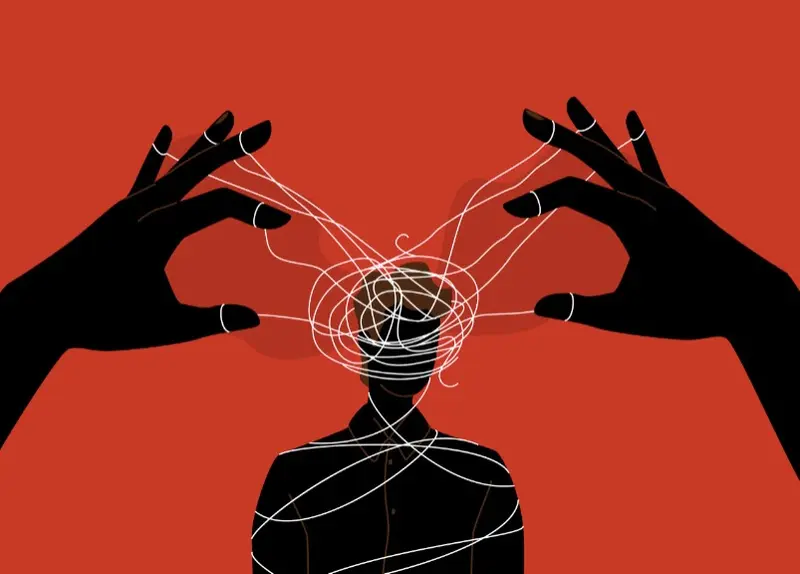
Schizophrenia is a mental health condition that can affect thinking, perception, emotions and everyday functioning1. A person may experience hallucinations or beliefs they find difficult to reconsider. They may also struggle to organize their speech or start daily tasks. Schizophrenia does not mean having two personalities, and an unusual behavior or a single symptom cannot establish the diagnosis. Treatment and support can reduce symptoms and help people regain greater independence2.
If you notice a change in yourself or someone close to you, start by describing what is happening and seeking an appropriate assessment. You do not need to settle the name of the condition before asking for help.
When is help urgent?
What is happening now?
What to do
Immediate danger to life or inability to maintain safety, wanting to harm yourself or someone else, voices telling someone to cause harm, severe agitation, rapidly worsening hallucinations, sudden confusion, or speech that does not make sense
Get immediate medical help. In Saudi Arabia, call 997 for an ambulance, or ask someone else to take you to an emergency department if it is safe to do so. Do not drive yourself.
New or unexplained hallucinations, new intense or persistent beliefs that cause concern or affect daily life, or a clear change in thinking and functioning, while safety can be maintained
Seek a prompt medical assessment, especially if this is the first episode. A doctor or health center can help arrange specialist assessment. If you do not know where to go or cannot reach your team, call 937 for guidance on finding an available medical assessment service. Do not put this off until a routine follow-up appointment.
A known diagnosis and a stable condition, or early signs that symptoms are returning
Follow the care plan and contact the treating team about changes. If symptoms become severe or safety cannot be maintained, get immediate help.
Changes in perception and thinking: hearing voices other people cannot hear, feeling that ordinary messages are directed specifically at you, or firmly believing someone is watching7 or wants to harm you. Organizing thoughts and speech may also become difficult. These are examples of experiences that can be psychotic symptoms; a person's fears or opinions are not automatically signs of illness. Differing opinions or beliefs shared within the person's culture12 do not by themselves establish illness.
Reduced motivation and engagement: less initiative or speech, less interest in activities, withdrawal or difficulty expressing emotions. Clinicians call some of these “negative symptoms” because usual abilities or responses are reduced. The term does not mean the person is bad or deliberately lazy.
Problems with attention and memory: following a conversation, remembering an appointment or organizing a task with several steps may be difficult. These problems deserve support even when hallucinations improve.
Withdrawal, poor sleep or low motivation alone do not establish schizophrenia. Hallucinations and psychosis can occur with other conditions7, including bipolar disorder and severe depression, or with some physical illnesses, medicines and substances. A clinician needs the full picture.
What does assessment involve?
There is no single blood test or home test that confirms schizophrenia. Diagnosis involves specialist assessment of symptoms, their course and their impact, while considering other possible causes. Follow-up may be needed8 before the diagnosis becomes clear; seeking help does not mean a specific diagnosis will be settled at the first visit.
You can prepare a few short notes:
When did the change begin? What specific example did you notice, beyond saying “their behavior is strange”?
How have sleep, eating, study or work, and self-care changed?
Have there been clear episodes of unusually elevated mood and energy, or severe depression?
What medicines or substances have been used, and have these changed recently?
What troubles the person most, and what help are they willing to accept now?
No single cause has been identified. Research points to an interaction between genetic and environmental factors1 and life experiences. Having a relative with schizophrenia does not mean other family members will develop it. Heavy cannabis use2 is also associated with increased risk. These are factors that help explain risk, not a way to blame the person or their family or diagnose an individual.
Treatment: reducing symptoms and returning to everyday life
A care plan is built around the person's needs and goals. It may combine medication, psychological treatment9, and family and social support. Care does not end when hallucinations settle. Returning to study or work2, organizing the day and maintaining relationships also deserve attention.
Antipsychotic medicines can reduce the intensity and frequency of psychotic symptoms. The doctor discusses benefits and side effects with the person, chooses treatment and monitors their response. Report drowsiness, weight gain, restlessness9 or any other troublesome effect. Ask about physical health monitoring, including weight, blood glucose and lipids as appropriate to the care plan. Do not stop medication or change the dose on your own1; the team can adjust the plan when needed.
If taking medication becomes difficult, start without blame: “What has made it hard to continue?” The reason may be a side effect, fear about medication, feeling it is no longer needed, forgotten doses or difficulty obtaining it. Tell the clinician and agree on support that addresses the reason11: discussing concerns, reminders the person wants, or help with access. Family can help with their agreement; support should not become surveillance or unsupervised dose changes.
Psychological treatment and rehabilitation help with distressing experiences and everyday difficulties. Care may include cognitive behavioral therapy adapted for psychosis9, skills training, support with study or work, education about the condition and family intervention2. Ask what is available and suitable for you. Psychological treatment and medication can be complementary.
Recovery follows different paths2. Symptoms may improve greatly, return at times, or leave some difficulties that need continuing support. It is not reasonable to promise one outcome or assume that the diagnosis has already determined someone's future.
How do you talk to someone who hears voices or feels threatened?
For example, if they say, “Someone is watching me,” you could respond:
“I understand that this worries you. I can't confirm that someone is watching you, but I want you to be safe. Would you be willing to speak to a doctor, and have me come with you?”
Focus on a step they can accept10: help with sleep or fear, a call to the doctor, or going with someone they trust. If they refuse help1, ask the treating team or a medical consultation service for guidance about the next step, describing what is happening. Danger or severe deterioration calls for urgent help3 whatever the diagnosis. Being respectful does not require tolerating threats or remaining in an unsafe situation.
Agree with the person and team on support they find useful. They may want an appointment reminder, help preparing their questions and what they need to bring, or support returning gradually to an activity that matters to them. Respect their privacy and ask whom they want involved in care.
Request a clear plan for returning symptoms9: what changes should prompt a call, whom to contact and what to do in a crisis. Ask for family support1 too. Sharing responsibilities and getting understandable information can make support more sustainable.
If a child or teenager has possible psychotic experiences, seek prompt assessment from a professional8 experienced in working with their age group. Do not use adult examples to diagnose them.
Frequently Asked Questions
What is schizophrenia, and does it mean having two personalities?
Schizophrenia is a mental health condition that can affect thinking, perception, emotions and everyday functioning. It does not mean having two personalities. A person may experience hallucinations or beliefs they find difficult to reconsider, and may struggle to organize their speech or start daily tasks. An unusual behavior or a single symptom cannot establish the diagnosis.
What are the symptoms of schizophrenia?
Experiences vary from person to person, but three groups of difficulties are useful to understand: changes in perception and thinking, such as hearing voices other people cannot hear or firmly believing someone is watching you; reduced motivation and engagement, such as less initiative or withdrawal; and problems with attention and memory. Withdrawal, poor sleep or low motivation alone do not establish schizophrenia, and no single blood test confirms it. A clinician needs the full picture.
Can schizophrenia be treated?
Treatment and support can reduce symptoms and help people regain greater independence. A care plan may combine antipsychotic medicines, which can reduce the intensity and frequency of psychotic symptoms, with psychological treatment, rehabilitation, and family and social support. Recovery follows different paths: symptoms may improve greatly, return at times, or leave some difficulties that need continuing support. Do not stop medication or change the dose on your own; the team can adjust the plan when needed.
How should I talk to someone who hears voices or feels watched?
Speak calmly, use clear sentences and listen to what troubles them without ridicule or a long interrogation; the experience may feel very real to them. You do not need to confirm the belief or prove them wrong. You could say: “I understand that this worries you. I can't confirm that someone is watching you, but I want you to be safe.” Then focus on a step they can accept, such as a call to the doctor or going with someone they trust.
When are hallucinations or other schizophrenia symptoms an emergency?
Get immediate medical help for immediate danger to life or inability to maintain safety, wanting to harm yourself or someone else, voices telling someone to cause harm, severe agitation, rapidly worsening hallucinations, sudden confusion, or speech that does not make sense. In Saudi Arabia, call 997 for an ambulance, or ask someone else to take you to an emergency department if it is safe to do so. Do not drive yourself. 937 provides consultation while safety can be maintained; do not use it to delay an emergency ambulance call.
Content writer and researcher at Tatmeen, writing in Arabic and English on mental health and everyday life topics, including relationships, stress, work, habits, and family.
Every Tatmeen article is reviewed by care providers licensed by the Saudi Commission for Health Specialties, so what you read is accurate and trustworthy.
This article builds understanding and does not replace a licensed care provider.
Need someone to talk to?
Tatmeen's licensed care providers are available around the clock, and the app's urgent consultation connects you with one within minutes.
Download Tatmeen to explore care providers and booking options.
Smart matchingFour quick questions suggest the right care provider
Urgent consultationTalk to an available care provider within minutes
Free psychological measuresMore than 20 tests to understand how you are doing
Scan to download
{"data":{"id":"dd48a28a-853f-4395-a8cf-f673bd79bdf1","slug":"schizophrenia","arTitle":"الفصام: الأعراض والعلاج وكيف تساعد الأسرة","enTitle":"Schizophrenia: symptoms, treatment and family support","thumbnailAltText":"يدان تمسكان قائمة مصورة، وبجانبها علبة أدوية مقسمة وتقويم وصورة أسرة على خلفية زرقاء.","estimatedReadingTime":9,"likesCount":951,"writer":{"id":"c7b27cce-cc91-45c8-9ba1-1d194830c654","arBio":"كاتبة وباحثة محتوى في تطمين، تكتب بالعربية والإنجليزية في موضوعات الصحة النفسية والحياة اليومية، بما يشمل العلاقات، الضغوط، العمل، العادات، والأسرة.","enBio":"Content writer and researcher at Tatmeen, writing in Arabic and English on mental health and everyday life topics, including relationships, stress, work, habits, and family.","user":{"slug":"alanoud-alturki","arFullName":"العنود التركي","enFullName":"Alanoud Alturki","publicProfileImageUrl":"https://cdn.tatmeen.sa/public/profile-images/78d20741-cf98-483e-9055-2f0ca0ab3bd5/4e190bf082a179be202f7a2618844e0dd134e14126b74d947c78eec35b7e390e.webp","publicProfileImage96Url":"https://cdn.tatmeen.sa/public/profile-images/78d20741-cf98-483e-9055-2f0ca0ab3bd5/4e190bf082a179be202f7a2618844e0dd134e14126b74d947c78eec35b7e390e-w96.webp","publicProfileImage192Url":"https://cdn.tatmeen.sa/public/profile-images/78d20741-cf98-483e-9055-2f0ca0ab3bd5/4e190bf082a179be202f7a2618844e0dd134e14126b74d947c78eec35b7e390e-w192.webp"}},"arContent":"","enContent":"","productionDocument":{"headings":[{"id":"article-section-when-is-help-urgent","text":"When is help urgent?"},{"id":"article-section-what-symptoms-will-a-clinician-ask-about","text":"What symptoms will a clinician ask about?"},{"id":"article-section-what-does-assessment-involve","text":"What does assessment involve?"},{"id":"article-section-what-causes-schizophrenia","text":"What causes schizophrenia?"},{"id":"article-section-treatment-reducing-symptoms-and-returning-to-everyday-life","text":"Treatment: reducing symptoms and returning to everyday life"},{"id":"article-section-how-do-you-talk-to-someone-who-hears-voices-or-feels-threatened","text":"How do you talk to someone who hears voices or feels threatened?"},{"id":"article-section-what-helps-families-with-continuing-care","text":"What helps families with continuing care?"}],"faqs":[{"question":"What is schizophrenia, and does it mean having two personalities?","answer":"<p>Schizophrenia is a mental health condition that can affect thinking, perception, emotions and everyday functioning. It does not mean having two personalities. A person may experience hallucinations or beliefs they find difficult to reconsider, and may struggle to organize their speech or start daily tasks. An unusual behavior or a single symptom cannot establish the diagnosis.</p>"},{"question":"What are the symptoms of schizophrenia?","answer":"<p>Experiences vary from person to person, but three groups of difficulties are useful to understand: changes in perception and thinking, such as hearing voices other people cannot hear or firmly believing someone is watching you; reduced motivation and engagement, such as less initiative or withdrawal; and problems with attention and memory. Withdrawal, poor sleep or low motivation alone do not establish schizophrenia, and no single blood test confirms it. A clinician needs the full picture.</p>"},{"question":"Can schizophrenia be treated?","answer":"<p>Treatment and support can reduce symptoms and help people regain greater independence. A care plan may combine antipsychotic medicines, which can reduce the intensity and frequency of psychotic symptoms, with psychological treatment, rehabilitation, and family and social support. Recovery follows different paths: symptoms may improve greatly, return at times, or leave some difficulties that need continuing support. Do not stop medication or change the dose on your own; the team can adjust the plan when needed.</p>"},{"question":"How should I talk to someone who hears voices or feels watched?","answer":"<p>Speak calmly, use clear sentences and listen to what troubles them without ridicule or a long interrogation; the experience may feel very real to them. You do not need to confirm the belief or prove them wrong. You could say: “I understand that this worries you. I can't confirm that someone is watching you, but I want you to be safe.” Then focus on a step they can accept, such as a call to the doctor or going with someone they trust.</p>"},{"question":"When are hallucinations or other schizophrenia symptoms an emergency?","answer":"<p>Get immediate medical help for immediate danger to life or inability to maintain safety, wanting to harm yourself or someone else, voices telling someone to cause harm, severe agitation, rapidly worsening hallucinations, sudden confusion, or speech that does not make sense. In Saudi Arabia, call 997 for an ambulance, or ask someone else to take you to an emergency department if it is safe to do so. Do not drive yourself. 937 provides consultation while safety can be maintained; do not use it to delay an emergency ambulance call.</p>"}],"beforeSourcesHtml":"\n","sources":[{"title":"National Institute of Mental Health: Schizophrenia","href":"https://www.nimh.nih.gov/health/publications/schizophrenia","hostname":"nimh.nih.gov"},{"title":"World Health Organization: Schizophrenia","href":"https://www.who.int/news-room/fact-sheets/detail/schizophrenia","hostname":"who.int"},{"title":"NHS: Hallucinations and hearing voices","href":"https://www.nhs.uk/mental-health/feelings-symptoms-behaviours/feelings-and-symptoms/hallucinations-hearing-voices/","hostname":"nhs.uk"},{"title":"NHS: Sudden confusion","href":"https://www.nhs.uk/symptoms/confusion/","hostname":"nhs.uk"},{"title":"Saudi Red Crescent Authority: Contact information and ambulance number 997","href":"https://www.srca.gov.sa/en/contact-us/","hostname":"srca.gov.sa"},{"title":"Saudi Ministry of Health: Telemedicine and 937","href":"https://www.moh.gov.sa/en/ministry/information-and-services/pages/telemedicine.aspx","hostname":"moh.gov.sa"},{"title":"National Institute of Mental Health: Understanding Psychosis","href":"https://www.nimh.nih.gov/health/publications/understanding-psychosis","hostname":"nimh.nih.gov"},{"title":"NHS: Schizophrenia diagnosis","href":"https://www.nhs.uk/mental-health/conditions/schizophrenia/diagnosis/","hostname":"nhs.uk"},{"title":"NHS: Schizophrenia treatment","href":"https://www.nhs.uk/mental-health/conditions/schizophrenia/treatment/","hostname":"nhs.uk"},{"title":"Hampshire and Isle of Wight Healthcare: Relationship with a loved one","href":"https://hiowhealthcare.nhs.uk/carers-families/advice-and-information-carers/psychological-support-carers/chapter-4-relationship-loved-one","hostname":"hiowhealthcare.nhs.uk"},{"title":"NICE: Involving patients in medicine decisions and supporting adherence, CG76","href":"https://www.nice.org.uk/guidance/cg76/chapter/Recommendations","hostname":"nice.org.uk"},{"title":"NICE: Psychosis and schizophrenia in adults and culturally informed assessment, CG178","href":"https://www.nice.org.uk/guidance/cg178/chapter/recommendations","hostname":"nice.org.uk"},{"title":"NHS: Where to get urgent help for mental health","href":"https://www.nhs.uk/nhs-services/mental-health-services/where-to-get-urgent-help-for-mental-health/","hostname":"nhs.uk"}],"afterSourcesHtml":"\n","blocks":[{"type":"html","html":"<p>Schizophrenia is a mental health condition that can affect thinking, <a href=\"https://www.nimh.nih.gov/health/publications/schizophrenia\" target=\"_blank\" rel=\"noopener noreferrer\">perception, emotions and everyday functioning</a>. A person may experience hallucinations or beliefs they find difficult to reconsider. They may also struggle to organize their speech or start daily tasks. Schizophrenia does not mean having two personalities, and an unusual behavior or a single symptom cannot establish the diagnosis. Treatment and support can reduce symptoms and <a href=\"https://www.who.int/news-room/fact-sheets/detail/schizophrenia\" target=\"_blank\" rel=\"noopener noreferrer\">help people regain greater independence</a>.</p>\n<p>If you notice a change in yourself or someone close to you, start by describing what is happening and seeking an appropriate assessment. You do not need to settle the name of the condition before asking for help.</p>\n<h2 id=\"article-section-when-is-help-urgent\" data-toc-heading tabindex=\"-1\"><span id=\"when-is-help-urgent-1\" aria-hidden=\"true\"></span>When is help urgent?</h2>\n<div class=\"table-block\"><table>\n<thead>\n<tr>\n<th>What is happening now?</th>\n<th>What to do</th>\n</tr>\n</thead>\n<tbody>\n<tr>\n<td>Immediate danger to life or inability to maintain safety, wanting to harm yourself or someone else, voices telling someone to cause harm, severe agitation, rapidly worsening hallucinations, sudden confusion, or speech that does not make sense</td>\n<td>Get immediate medical help. In Saudi Arabia, call <strong>997</strong> for an ambulance, or ask someone else to take you to an emergency department if it is safe to do so. Do not drive yourself.</td>\n</tr>\n<tr>\n<td>New or unexplained hallucinations, new intense or persistent beliefs that cause concern or affect daily life, or a clear change in thinking and functioning, while safety can be maintained</td>\n<td>Seek a prompt medical assessment, especially if this is the first episode. A doctor or health center can help arrange specialist assessment. If you do not know where to go or cannot reach your team, call <strong>937</strong> for guidance on finding an available medical assessment service. Do not put this off until a routine follow-up appointment.</td>\n</tr>\n<tr>\n<td>A known diagnosis and a stable condition, or early signs that symptoms are returning</td>\n<td>Follow the care plan and contact the treating team about changes. If symptoms become severe or safety cannot be maintained, get immediate help.</td>\n</tr>\n</tbody>\n</table></div>\n<p>Sudden confusion can result from an acute physical illness; it is not necessarily schizophrenia. Do not wait for a routine mental health appointment to have it assessed. <strong>937</strong> <a href=\"https://www.moh.gov.sa/en/ministry/information-and-services/pages/telemedicine.aspx\" target=\"_blank\" rel=\"noopener noreferrer\">provides consultation</a> while safety can be maintained. <a href=\"https://www.srca.gov.sa/en/contact-us/\" target=\"_blank\" rel=\"noopener noreferrer\">Do not use it to delay an emergency ambulance call</a>.</p>\n<h2 id=\"article-section-what-symptoms-will-a-clinician-ask-about\" data-toc-heading tabindex=\"-1\"><span id=\"what-symptoms-will-a-clinician-ask-about-2\" aria-hidden=\"true\"></span>What symptoms will a clinician ask about?</h2>\n<p>Experiences vary from person to person. <a href=\"https://www.nimh.nih.gov/health/publications/schizophrenia\" target=\"_blank\" rel=\"noopener noreferrer\">Three groups of difficulties</a> are useful to understand:</p>\n<ul>\n<li><strong>Changes in perception and thinking:</strong> hearing voices other people cannot hear, feeling that ordinary messages are directed specifically at you, or <a href=\"https://www.nimh.nih.gov/health/publications/understanding-psychosis\" target=\"_blank\" rel=\"noopener noreferrer\">firmly believing someone is watching</a> or wants to harm you. Organizing thoughts and speech may also become difficult. These are examples of experiences that can be psychotic symptoms; a person's fears or opinions are not automatically signs of illness. Differing opinions or <a href=\"https://www.nice.org.uk/guidance/cg178/chapter/recommendations\" target=\"_blank\" rel=\"noopener noreferrer\">beliefs shared within the person's culture</a> do not by themselves establish illness.</li>\n<li><strong>Reduced motivation and engagement:</strong> less initiative or speech, less interest in activities, withdrawal or difficulty expressing emotions. Clinicians call some of these “negative symptoms” because usual abilities or responses are reduced. The term does not mean the person is bad or deliberately lazy.</li>\n<li><strong>Problems with attention and memory:</strong> following a conversation, remembering an appointment or organizing a task with several steps may be difficult. These problems deserve support even when hallucinations improve.</li>\n</ul>\n<p>Withdrawal, poor sleep or low motivation alone do not establish schizophrenia. Hallucinations and <a href=\"https://www.nimh.nih.gov/health/publications/understanding-psychosis\" target=\"_blank\" rel=\"noopener noreferrer\">psychosis can occur with other conditions</a>, including bipolar disorder and severe depression, or with some physical illnesses, medicines and substances. A clinician needs the full picture.</p>\n<h2 id=\"article-section-what-does-assessment-involve\" data-toc-heading tabindex=\"-1\"><span id=\"what-does-assessment-involve-3\" aria-hidden=\"true\"></span>What does assessment involve?</h2>\n<p>There is no single blood test or home test that confirms schizophrenia. Diagnosis involves specialist assessment of symptoms, their course and their impact, while considering other possible causes. <a href=\"https://www.nhs.uk/mental-health/conditions/schizophrenia/diagnosis/\" target=\"_blank\" rel=\"noopener noreferrer\">Follow-up may be needed</a> before the diagnosis becomes clear; seeking help does not mean a specific diagnosis will be settled at the first visit.</p>\n<p>You can prepare a few short notes:</p>\n<ul>\n<li>When did the change begin? What specific example did you notice, beyond saying “their behavior is strange”?</li>\n<li>How have sleep, eating, study or work, and self-care changed?</li>\n<li>Have there been clear episodes of unusually elevated mood and energy, or severe depression?</li>\n<li>What medicines or substances have been used, and have these changed recently?</li>\n<li>What troubles the person most, and what help are they willing to accept now?</li>\n</ul>\n<p>Assessment covers physical and mental health. The <a href=\"https://www.nhs.uk/mental-health/conditions/schizophrenia/diagnosis/\" target=\"_blank\" rel=\"noopener noreferrer\">clinician may request tests</a> according to the situation. Be open about <a href=\"https://www.nimh.nih.gov/health/publications/understanding-psychosis\" target=\"_blank\" rel=\"noopener noreferrer\">medicines and substance use</a>; this information helps identify the cause and choose care safely.</p>\n<h2 id=\"article-section-what-causes-schizophrenia\" data-toc-heading tabindex=\"-1\"><span id=\"what-causes-schizophrenia-4\" aria-hidden=\"true\"></span>What causes schizophrenia?</h2>\n<p>No single cause has been identified. Research points to an interaction between <a href=\"https://www.nimh.nih.gov/health/publications/schizophrenia\" target=\"_blank\" rel=\"noopener noreferrer\">genetic and environmental factors</a> and life experiences. Having a relative with schizophrenia does not mean other family members will develop it. <a href=\"https://www.who.int/news-room/fact-sheets/detail/schizophrenia\" target=\"_blank\" rel=\"noopener noreferrer\">Heavy cannabis use</a> is also associated with increased risk. These are factors that help explain risk, not a way to blame the person or their family or diagnose an individual.</p>\n<h2 id=\"article-section-treatment-reducing-symptoms-and-returning-to-everyday-life\" data-toc-heading tabindex=\"-1\"><span id=\"treatment-reducing-symptoms-and-returning-to-everyday-life-5\" aria-hidden=\"true\"></span>Treatment: reducing symptoms and returning to everyday life</h2>\n<p>A care plan is built around the person's needs and goals. It may combine <a href=\"https://www.nhs.uk/mental-health/conditions/schizophrenia/treatment/\" target=\"_blank\" rel=\"noopener noreferrer\">medication, psychological treatment</a>, and family and social support. Care does not end when hallucinations settle. <a href=\"https://www.who.int/news-room/fact-sheets/detail/schizophrenia\" target=\"_blank\" rel=\"noopener noreferrer\">Returning to study or work</a>, organizing the day and maintaining relationships also deserve attention.</p>\n<p><strong>Antipsychotic medicines</strong> can reduce the intensity and frequency of psychotic symptoms. The doctor discusses benefits and side effects with the person, chooses treatment and monitors their response. Report <a href=\"https://www.nhs.uk/mental-health/conditions/schizophrenia/treatment/\" target=\"_blank\" rel=\"noopener noreferrer\">drowsiness, weight gain, restlessness</a> or any other troublesome effect. Ask about physical health monitoring, including weight, blood glucose and lipids as appropriate to the care plan. <a href=\"https://www.nimh.nih.gov/health/publications/schizophrenia\" target=\"_blank\" rel=\"noopener noreferrer\">Do not stop medication or change the dose on your own</a>; the team can adjust the plan when needed.</p>\n<p>If taking medication becomes difficult, start without blame: “What has made it hard to continue?” The reason may be a side effect, fear about medication, feeling it is no longer needed, forgotten doses or difficulty obtaining it. Tell the clinician and agree on <a href=\"https://www.nice.org.uk/guidance/cg76/chapter/Recommendations\" target=\"_blank\" rel=\"noopener noreferrer\">support that addresses the reason</a>: discussing concerns, reminders the person wants, or help with access. Family can help with their agreement; support should not become surveillance or unsupervised dose changes.</p>\n<p><strong>Psychological treatment and rehabilitation</strong> help with distressing experiences and everyday difficulties. Care may include <a href=\"https://www.nhs.uk/mental-health/conditions/schizophrenia/treatment/\" target=\"_blank\" rel=\"noopener noreferrer\">cognitive behavioral therapy adapted for psychosis</a>, skills training, support with study or work, education about the condition and <a href=\"https://www.who.int/news-room/fact-sheets/detail/schizophrenia\" target=\"_blank\" rel=\"noopener noreferrer\">family intervention</a>. Ask what is available and suitable for you. Psychological treatment and medication can be complementary.</p>\n<p><a href=\"https://www.who.int/news-room/fact-sheets/detail/schizophrenia\" target=\"_blank\" rel=\"noopener noreferrer\">Recovery follows different paths</a>. Symptoms may improve greatly, return at times, or leave some difficulties that need continuing support. It is not reasonable to promise one outcome or assume that the diagnosis has already determined someone's future.</p>\n<h2 id=\"article-section-how-do-you-talk-to-someone-who-hears-voices-or-feels-threatened\" data-toc-heading tabindex=\"-1\"><span id=\"how-do-you-talk-to-someone-who-hears-voices-or-feels-threatened-6\" aria-hidden=\"true\"></span>How do you talk to someone who hears voices or feels threatened?</h2>\n<p>Their experience may feel very real to them. Speak calmly, use clear sentences and listen to what troubles them without ridicule or a long interrogation. You <a href=\"https://hiowhealthcare.nhs.uk/carers-families/advice-and-information-carers/psychological-support-carers/chapter-4-relationship-loved-one\" target=\"_blank\" rel=\"noopener noreferrer\">do not need to confirm the belief or turn the conversation into a battle to prove them wrong</a>.</p>\n<p>For example, if they say, “Someone is watching me,” you could respond:</p>\n<blockquote>\n<p>“I understand that this worries you. I can't confirm that someone is watching you, but I want you to be safe. Would you be willing to speak to a doctor, and have me come with you?”</p>\n</blockquote>\n<p>Focus on a <a href=\"https://hiowhealthcare.nhs.uk/carers-families/advice-and-information-carers/psychological-support-carers/chapter-4-relationship-loved-one\" target=\"_blank\" rel=\"noopener noreferrer\">step they can accept</a>: help with sleep or fear, a call to the doctor, or going with someone they trust. If they <a href=\"https://www.nimh.nih.gov/health/publications/schizophrenia\" target=\"_blank\" rel=\"noopener noreferrer\">refuse help</a>, ask the treating team or a medical consultation service for guidance about the next step, describing what is happening. Danger or <a href=\"https://www.nhs.uk/mental-health/feelings-symptoms-behaviours/feelings-and-symptoms/hallucinations-hearing-voices/\" target=\"_blank\" rel=\"noopener noreferrer\">severe deterioration calls for urgent help</a> whatever the diagnosis. Being respectful does not require tolerating threats or remaining in an unsafe situation.</p>\n<p>Most <a href=\"https://www.nimh.nih.gov/health/publications/schizophrenia\" target=\"_blank\" rel=\"noopener noreferrer\">people with schizophrenia are not violent</a>. Assess safety according to what is actually happening, rather than the stigma attached to the diagnosis.</p>\n<h2 id=\"article-section-what-helps-families-with-continuing-care\" data-toc-heading tabindex=\"-1\"><span id=\"what-helps-families-with-continuing-care-7\" aria-hidden=\"true\"></span>What helps families with continuing care?</h2>\n<p>Agree with the person and team on support they find useful. They may want an appointment reminder, help preparing their questions and what they need to bring, or support returning gradually to an activity that matters to them. Respect their privacy and ask whom they want involved in care.</p>\n<p>Request a <a href=\"https://www.nhs.uk/mental-health/conditions/schizophrenia/treatment/\" target=\"_blank\" rel=\"noopener noreferrer\">clear plan for returning symptoms</a>: what changes should prompt a call, whom to contact and what to do in a crisis. Ask for <a href=\"https://www.nimh.nih.gov/health/publications/schizophrenia\" target=\"_blank\" rel=\"noopener noreferrer\">family support</a> too. Sharing responsibilities and getting understandable information can make support more sustainable.</p>\n<p>For the distinction between “mental” and “psychological,” and the confusion with multiple personalities, read <a href=\"https://tatmeen.sa/en/blog/Is-schizophrenia-mental-or-psychological-disorder/\">Schizophrenia: understanding the diagnosis and Arabic terminology</a>.</p>\n<p>If a child or teenager has possible psychotic experiences, <a href=\"https://www.nhs.uk/mental-health/conditions/schizophrenia/diagnosis/\" target=\"_blank\" rel=\"noopener noreferrer\">seek prompt assessment from a professional</a> experienced in working with their age group. Do not use adult examples to diagnose them.</p>\n"}],"inlineCtaSignatures":[],"_experienceAliases":{"v":1,"fields":["html","bodyHtml"],"faqs":[0,1,2,3,4]}},"createdAt":"2024-01-02T21:00:00.000Z","updatedAt":"2026-10-30T18:59:08.070Z","disorderGroups":[{"id":"1e82772d-a1a7-4d29-b475-be9d6b67ae02","slug":"common-mental-issues","arName":"اضطرابات نفسية شائعة","enName":"Common Mental Issues"}],"reviewer":{"arFullName":"فريق تطمين","enFullName":"Tatmeen team","slug":"tatmeen-team","kind":"organization"},"productionArticle":true,"promotionAllowed":true,"preparedCover":{"src":"https://cdn.tatmeen.sa/public/article-lcp/article-lcp-v2/sha256-2bd9a37bdecc1a033b05c348dc59ae8b63200d6dd06dd12668e0975cccce0484/800-b051ef3b5f7c8e67b3b8f74d2843f2c6e484b1d39f411a14c5b566bd69e36f3c.avif","fallback":"https://cdn.tatmeen.sa/public/article-lcp/article-lcp-v2/sha256-2bd9a37bdecc1a033b05c348dc59ae8b63200d6dd06dd12668e0975cccce0484/800-d9f77d4d512b3e0e39927dfe4f947d228c3dcdfc88af04b4f509c102db282190.webp","directUrl":"https://cdn.tatmeen.sa/blog-cover/8443b361-d505-44e6-ab08-7b8cfb97be40.png","isGolden":true,"avifSrcset":"https://cdn.tatmeen.sa/public/article-lcp/article-lcp-v2/sha256-2bd9a37bdecc1a033b05c348dc59ae8b63200d6dd06dd12668e0975cccce0484/400-157f077a6e6ba3e2c2225c157a1b495e9598b381ce1dc110ee2a5a45bae8ee8c.avif 400w, https://cdn.tatmeen.sa/public/article-lcp/article-lcp-v2/sha256-2bd9a37bdecc1a033b05c348dc59ae8b63200d6dd06dd12668e0975cccce0484/640-0c6574c98737f39031c9246d6695a1773b282cb87604fab90f42c148508ed18d.avif 640w, https://cdn.tatmeen.sa/public/article-lcp/article-lcp-v2/sha256-2bd9a37bdecc1a033b05c348dc59ae8b63200d6dd06dd12668e0975cccce0484/800-b051ef3b5f7c8e67b3b8f74d2843f2c6e484b1d39f411a14c5b566bd69e36f3c.avif 800w, https://cdn.tatmeen.sa/public/article-lcp/article-lcp-v2/sha256-2bd9a37bdecc1a033b05c348dc59ae8b63200d6dd06dd12668e0975cccce0484/1200-1f5132ca8346ad065fd59995f7e987f0e322e3e6cb1513e8c63c826f815817c6.avif 1200w","webpSrcset":"https://cdn.tatmeen.sa/public/article-lcp/article-lcp-v2/sha256-2bd9a37bdecc1a033b05c348dc59ae8b63200d6dd06dd12668e0975cccce0484/400-55b610153f3f96f2511b0f33bcf6c077abe874700fb34328a2d0a6a33e9e99fe.webp 400w, https://cdn.tatmeen.sa/public/article-lcp/article-lcp-v2/sha256-2bd9a37bdecc1a033b05c348dc59ae8b63200d6dd06dd12668e0975cccce0484/640-4a4957137266f4acf9ac9f2d685b17ab2166de6cd5bec58db75e85fa74def9fe.webp 640w, https://cdn.tatmeen.sa/public/article-lcp/article-lcp-v2/sha256-2bd9a37bdecc1a033b05c348dc59ae8b63200d6dd06dd12668e0975cccce0484/800-d9f77d4d512b3e0e39927dfe4f947d228c3dcdfc88af04b4f509c102db282190.webp 800w, https://cdn.tatmeen.sa/public/article-lcp/article-lcp-v2/sha256-2bd9a37bdecc1a033b05c348dc59ae8b63200d6dd06dd12668e0975cccce0484/1200-ecd5a20f20fd03b185b6d4b1b59bff8053b3f86a8ed26c30fe255dc1e764adc9.webp 1200w","phoneAvifSrcset":"https://cdn.tatmeen.sa/public/article-lcp/article-lcp-v2/sha256-2bd9a37bdecc1a033b05c348dc59ae8b63200d6dd06dd12668e0975cccce0484/400-157f077a6e6ba3e2c2225c157a1b495e9598b381ce1dc110ee2a5a45bae8ee8c.avif 400w, https://cdn.tatmeen.sa/public/article-lcp/article-lcp-v2/sha256-2bd9a37bdecc1a033b05c348dc59ae8b63200d6dd06dd12668e0975cccce0484/640-0c6574c98737f39031c9246d6695a1773b282cb87604fab90f42c148508ed18d.avif 640w, https://cdn.tatmeen.sa/public/article-lcp/article-lcp-v2/sha256-2bd9a37bdecc1a033b05c348dc59ae8b63200d6dd06dd12668e0975cccce0484/800-b051ef3b5f7c8e67b3b8f74d2843f2c6e484b1d39f411a14c5b566bd69e36f3c.avif 800w","phoneWebpSrcset":"https://cdn.tatmeen.sa/public/article-lcp/article-lcp-v2/sha256-2bd9a37bdecc1a033b05c348dc59ae8b63200d6dd06dd12668e0975cccce0484/400-55b610153f3f96f2511b0f33bcf6c077abe874700fb34328a2d0a6a33e9e99fe.webp 400w, https://cdn.tatmeen.sa/public/article-lcp/article-lcp-v2/sha256-2bd9a37bdecc1a033b05c348dc59ae8b63200d6dd06dd12668e0975cccce0484/640-4a4957137266f4acf9ac9f2d685b17ab2166de6cd5bec58db75e85fa74def9fe.webp 640w, https://cdn.tatmeen.sa/public/article-lcp/article-lcp-v2/sha256-2bd9a37bdecc1a033b05c348dc59ae8b63200d6dd06dd12668e0975cccce0484/800-d9f77d4d512b3e0e39927dfe4f947d228c3dcdfc88af04b4f509c102db282190.webp 800w","width":800,"height":533},"previewTaxonomy":{"groups":[{"id":"1e82772d-a1a7-4d29-b475-be9d6b67ae02","slug":"common-mental-issues","arName":"اضطرابات نفسية شائعة","enName":"Common Mental Issues"}],"topics":[{"id":"cbe27b78-4467-4df2-9ebc-16d25f8438a1","slug":"schizophrenia","arName":"الفصام","enName":"Schizophrenia","groupSlug":"common-mental-issues","href":"/blog/category/common-mental-issues/schizophrenia/"}],"tags":[{"id":"4c707d91-ad6d-4b38-ad97-78df767b3283","slug":"schizophrenia-psychosis","arName":"الفصام والذهان","enName":"Schizophrenia & Psychosis"},{"id":"c2a6e8d3-de9c-435f-8c95-9727e7db14cc","slug":"explainer-awareness","arName":"دليل توعوي / شرح","enName":"Explainer / Awareness Guide"},{"id":"a7a7391b-bc2c-41de-91b1-7d701f1675b7","slug":"supporting-others","arName":"دعم شخص آخر","enName":"Supporting Someone Else"}]},"previewProviderRecommendations":[{"id":"64f18815-de2d-4515-8a7a-cbfb541976ae","slug":"dr-amer-alanazi-9964","arFullName":"د. عامر العنزي","enFullName":"Dr. Amer Alanazi","publicProfileImageUrl":"https://cdn.tatmeen.sa/public/profile-images/64f18815-de2d-4515-8a7a-cbfb541976ae/6a36fee9388645bf5848f119c0927c429246cc9abd7bcf4d6b004ab6db3624a4.webp","publicProfileImage96Url":"https://cdn.tatmeen.sa/public/profile-images/64f18815-de2d-4515-8a7a-cbfb541976ae/6a36fee9388645bf5848f119c0927c429246cc9abd7bcf4d6b004ab6db3624a4-w96.webp","publicProfileImage192Url":"https://cdn.tatmeen.sa/public/profile-images/64f18815-de2d-4515-8a7a-cbfb541976ae/6a36fee9388645bf5848f119c0927c429246cc9abd7bcf4d6b004ab6db3624a4-w192.webp","specialization":{"arName":"طبيب أسرة","enName":"Family Physician"},"profileImageUrl":"https://cdn.tatmeen.sa/public/profile-images/64f18815-de2d-4515-8a7a-cbfb541976ae/6a36fee9388645bf5848f119c0927c429246cc9abd7bcf4d6b004ab6db3624a4-w192.webp","experienceYears":7,"consultantInfo":{"averageRating":{"average":0},"specialization":{"arGeneralName":"طبيب أسرة","enGeneralName":"Family Physician"}}},{"id":"4377737a-0bbd-4ec6-9438-a2a04b384759","slug":"dr-amro-bokhari-9680","arFullName":"د. عمرو بخاري","enFullName":"Dr. Amro Bokhari","publicProfileImageUrl":"https://cdn.tatmeen.sa/public/profile-images/4377737a-0bbd-4ec6-9438-a2a04b384759/0cfd4c08700d691181fa9a7a88a5e744567633a9124e6db6e29cbb8eb560f3d7.webp","publicProfileImage96Url":"https://cdn.tatmeen.sa/public/profile-images/4377737a-0bbd-4ec6-9438-a2a04b384759/0cfd4c08700d691181fa9a7a88a5e744567633a9124e6db6e29cbb8eb560f3d7-w96.webp","publicProfileImage192Url":"https://cdn.tatmeen.sa/public/profile-images/4377737a-0bbd-4ec6-9438-a2a04b384759/0cfd4c08700d691181fa9a7a88a5e744567633a9124e6db6e29cbb8eb560f3d7-w192.webp","specialization":{"arName":"طبيب أسرة","enName":"Family Physician"},"profileImageUrl":"https://cdn.tatmeen.sa/public/profile-images/4377737a-0bbd-4ec6-9438-a2a04b384759/0cfd4c08700d691181fa9a7a88a5e744567633a9124e6db6e29cbb8eb560f3d7-w192.webp","experienceYears":8,"consultantInfo":{"averageRating":{"average":4.980769230769231},"specialization":{"arGeneralName":"طبيب أسرة","enGeneralName":"Family Physician"}}},{"id":"dfe7323b-e45a-4544-8c1c-418524ea1336","slug":"dr-hamzah-alqadi-6404","arFullName":"د. حمزة الزهراني","enFullName":"Dr. Hamzah Alzahrani","publicProfileImageUrl":"https://cdn.tatmeen.sa/public/profile-images/dfe7323b-e45a-4544-8c1c-418524ea1336/d080c9b252f6f6357f1581f4cde2428c84997965cf0fd943b4102be6f66d4df8.webp","publicProfileImage96Url":"https://cdn.tatmeen.sa/public/profile-images/dfe7323b-e45a-4544-8c1c-418524ea1336/d080c9b252f6f6357f1581f4cde2428c84997965cf0fd943b4102be6f66d4df8-w96.webp","publicProfileImage192Url":"https://cdn.tatmeen.sa/public/profile-images/dfe7323b-e45a-4544-8c1c-418524ea1336/d080c9b252f6f6357f1581f4cde2428c84997965cf0fd943b4102be6f66d4df8-w192.webp","specialization":{"arName":"طبيب أسرة","enName":"Family Physician"},"profileImageUrl":"https://cdn.tatmeen.sa/public/profile-images/dfe7323b-e45a-4544-8c1c-418524ea1336/d080c9b252f6f6357f1581f4cde2428c84997965cf0fd943b4102be6f66d4df8-w192.webp","experienceYears":7,"consultantInfo":{"averageRating":{"average":4.444444444444445},"specialization":{"arGeneralName":"طبيب أسرة","enGeneralName":"Family Physician"}}}],"previewCareProviders":[{"id":"09364052-c2a9-4c52-9717-7ce2093b8d0a","slug":"kholoud-alharbi-5221","arFullName":"خلود الحربي","enFullName":"Kholoud Alharbi","publicProfileImageUrl":"https://cdn.tatmeen.sa/public/profile-images/09364052-c2a9-4c52-9717-7ce2093b8d0a/4a0aeb81619e351b77f4323e3605a0a00acc7ca3c82ee7cc5ca2c9e8ef716049.webp","publicProfileImage96Url":"https://cdn.tatmeen.sa/public/profile-images/09364052-c2a9-4c52-9717-7ce2093b8d0a/4a0aeb81619e351b77f4323e3605a0a00acc7ca3c82ee7cc5ca2c9e8ef716049-w96.webp","publicProfileImage192Url":"https://cdn.tatmeen.sa/public/profile-images/09364052-c2a9-4c52-9717-7ce2093b8d0a/4a0aeb81619e351b77f4323e3605a0a00acc7ca3c82ee7cc5ca2c9e8ef716049-w192.webp","gender":"FEMALE","specialization":{"arName":"أخصائي نفسي","enName":"Psychologist"}},{"id":"6f037535-1dca-4b50-a8b2-5974b7323286","slug":"salah-althobaiti-9053","arFullName":"صلاح الثبيتي","enFullName":"Salah Althobaiti","publicProfileImageUrl":"https://cdn.tatmeen.sa/public/profile-images/6f037535-1dca-4b50-a8b2-5974b7323286/35b6bd7fad9b1e004c1835803eb9c1b56dcacd380685ec8bff141f0fb888005c.webp","publicProfileImage96Url":"https://cdn.tatmeen.sa/public/profile-images/6f037535-1dca-4b50-a8b2-5974b7323286/35b6bd7fad9b1e004c1835803eb9c1b56dcacd380685ec8bff141f0fb888005c-w96.webp","publicProfileImage192Url":"https://cdn.tatmeen.sa/public/profile-images/6f037535-1dca-4b50-a8b2-5974b7323286/35b6bd7fad9b1e004c1835803eb9c1b56dcacd380685ec8bff141f0fb888005c-w192.webp","gender":"MALE","specialization":{"arName":"أخصائي نفسي","enName":"Psychologist"}},{"id":"3cc806e8-616b-4884-9f21-a75b378580a2","slug":"aisha-al-hashim-8667","arFullName":"عائشة ال هاشم","enFullName":"Aisha Al Hashim","publicProfileImageUrl":"https://cdn.tatmeen.sa/public/profile-images/3cc806e8-616b-4884-9f21-a75b378580a2/27f523d03be4dcfa1f6a79f70c1773887434e698990d214cd990caec56a44798.webp","publicProfileImage96Url":"https://cdn.tatmeen.sa/public/profile-images/3cc806e8-616b-4884-9f21-a75b378580a2/27f523d03be4dcfa1f6a79f70c1773887434e698990d214cd990caec56a44798-w96.webp","publicProfileImage192Url":"https://cdn.tatmeen.sa/public/profile-images/3cc806e8-616b-4884-9f21-a75b378580a2/27f523d03be4dcfa1f6a79f70c1773887434e698990d214cd990caec56a44798-w192.webp","gender":"FEMALE","specialization":{"arName":"أخصائي نفسي","enName":"Psychologist"}},{"id":"db2ce1a0-9325-4471-b7ce-eb2e811c30a3","slug":"amer-qutub-2441","arFullName":"عامر قطب","enFullName":"Amer Qutub","publicProfileImageUrl":"https://cdn.tatmeen.sa/public/profile-images/db2ce1a0-9325-4471-b7ce-eb2e811c30a3/80580f99bfd7fe2b2a9cf8eed73ab532f5086d1efe053b0aa57358c1ce004261.webp","publicProfileImage96Url":"https://cdn.tatmeen.sa/public/profile-images/db2ce1a0-9325-4471-b7ce-eb2e811c30a3/80580f99bfd7fe2b2a9cf8eed73ab532f5086d1efe053b0aa57358c1ce004261-w96.webp","publicProfileImage192Url":"https://cdn.tatmeen.sa/public/profile-images/db2ce1a0-9325-4471-b7ce-eb2e811c30a3/80580f99bfd7fe2b2a9cf8eed73ab532f5086d1efe053b0aa57358c1ce004261-w192.webp","gender":"MALE","specialization":{"arName":"أخصائي نفسي","enName":"Psychologist"}},{"id":"6043a2b2-c41b-42c8-92bb-881f36083293","slug":"rehab-alharbi-3670","arFullName":"رحاب المعبدي","enFullName":"Rehab Almabadi","publicProfileImageUrl":"https://cdn.tatmeen.sa/public/profile-images/6043a2b2-c41b-42c8-92bb-881f36083293/9f25728f77c844fac517d39615495fdec1cf4c590360b466419ece1bdeb66c2e.webp","publicProfileImage96Url":"https://cdn.tatmeen.sa/public/profile-images/6043a2b2-c41b-42c8-92bb-881f36083293/9f25728f77c844fac517d39615495fdec1cf4c590360b466419ece1bdeb66c2e-w96.webp","publicProfileImage192Url":"https://cdn.tatmeen.sa/public/profile-images/6043a2b2-c41b-42c8-92bb-881f36083293/9f25728f77c844fac517d39615495fdec1cf4c590360b466419ece1bdeb66c2e-w192.webp","gender":"FEMALE","specialization":{"arName":"أخصائي نفسي","enName":"Psychologist"}},{"id":"618dba89-5b70-4b46-8304-741b7ac8ecd3","slug":"abdullah-mari-1311","arFullName":"عبدالله مرعي","enFullName":"Abdullah Mari","publicProfileImageUrl":"https://cdn.tatmeen.sa/public/profile-images/618dba89-5b70-4b46-8304-741b7ac8ecd3/6b4a3bfb59f8a304ca79083b32859b46baad2e1d692974a47c02c1f66bd11129.webp","publicProfileImage96Url":"https://cdn.tatmeen.sa/public/profile-images/618dba89-5b70-4b46-8304-741b7ac8ecd3/6b4a3bfb59f8a304ca79083b32859b46baad2e1d692974a47c02c1f66bd11129-w96.webp","publicProfileImage192Url":"https://cdn.tatmeen.sa/public/profile-images/618dba89-5b70-4b46-8304-741b7ac8ecd3/6b4a3bfb59f8a304ca79083b32859b46baad2e1d692974a47c02c1f66bd11129-w192.webp","gender":"MALE","specialization":{"arName":"أخصائي نفسي","enName":"Psychologist"}},{"id":"94765496-dbdf-4631-a01b-7df5f788668d","slug":"abdullrahman-alhamoudi-3045","arFullName":"عبدالرحمن الحمودي","enFullName":"Abdulrahman Alhamoudi","publicProfileImageUrl":"https://cdn.tatmeen.sa/public/profile-images/94765496-dbdf-4631-a01b-7df5f788668d/2d49f6b6493c564afb6f50b6c3634231dff3a5cf8353acfab393d1b2a88037d1.webp","publicProfileImage96Url":"https://cdn.tatmeen.sa/public/profile-images/94765496-dbdf-4631-a01b-7df5f788668d/2d49f6b6493c564afb6f50b6c3634231dff3a5cf8353acfab393d1b2a88037d1-w96.webp","publicProfileImage192Url":"https://cdn.tatmeen.sa/public/profile-images/94765496-dbdf-4631-a01b-7df5f788668d/2d49f6b6493c564afb6f50b6c3634231dff3a5cf8353acfab393d1b2a88037d1-w192.webp","gender":"MALE","specialization":{"arName":"أخصائي نفسي","enName":"Psychologist"}},{"id":"3b50a5d5-e795-407f-8676-fd7f0e1bb7a0","slug":"abdulaziz-bin-hudayan-4940","arFullName":"عبدالعزيز بن هديان","enFullName":"Abdulaziz Bin Hudayan","publicProfileImageUrl":"https://cdn.tatmeen.sa/public/profile-images/3b50a5d5-e795-407f-8676-fd7f0e1bb7a0/710ff0fe1fb00cdb5042092e27b7910b480a439b02251ecded62d7758eefce95.webp","publicProfileImage96Url":"https://cdn.tatmeen.sa/public/profile-images/3b50a5d5-e795-407f-8676-fd7f0e1bb7a0/710ff0fe1fb00cdb5042092e27b7910b480a439b02251ecded62d7758eefce95-w96.webp","publicProfileImage192Url":"https://cdn.tatmeen.sa/public/profile-images/3b50a5d5-e795-407f-8676-fd7f0e1bb7a0/710ff0fe1fb00cdb5042092e27b7910b480a439b02251ecded62d7758eefce95-w192.webp","gender":"MALE","specialization":{"arName":"أخصائي نفسي","enName":"Psychologist"}},{"id":"d4ffcb6b-90a7-45b6-b941-964866f4564b","slug":"dhaifallah-alhumaidi-1092","arFullName":"ضيف الله الحميدي","enFullName":"Dhaifallah Alhumaidi","publicProfileImageUrl":"https://cdn.tatmeen.sa/public/profile-images/d4ffcb6b-90a7-45b6-b941-964866f4564b/1817171c5828a9b57d6c30d12332cf154e335272548bc90a6e8456d74d356956.webp","publicProfileImage96Url":"https://cdn.tatmeen.sa/public/profile-images/d4ffcb6b-90a7-45b6-b941-964866f4564b/1817171c5828a9b57d6c30d12332cf154e335272548bc90a6e8456d74d356956-w96.webp","publicProfileImage192Url":"https://cdn.tatmeen.sa/public/profile-images/d4ffcb6b-90a7-45b6-b941-964866f4564b/1817171c5828a9b57d6c30d12332cf154e335272548bc90a6e8456d74d356956-w192.webp","gender":"MALE","specialization":{"arName":"أخصائي نفسي","enName":"Psychologist"}}],"previewDownload":{"href":"/download","title":{"ar":"خطوة واحدة لأجلك، ابدأ الآن","en":"One step for you, start now"},"description":{"ar":"حمّل تطبيق تطمين لاستكشاف مقدمي الرعاية وخيارات الحجز.","en":"Download Tatmeen to explore care providers and booking options."},"posterSrc":"/images/home/cta-ar-new-1.webp","videoSrc":"/images/home/cta-ar-new-1.mp4","videoPosterSrc":"/images/home/cta-ar-new-1.webp","videoPosterEnSrc":"/images/home/cta-en-new-1.webp","videoType":"video/mp4","appStoreHref":"https://apps.apple.com/us/app/tatmeen-%D8%AA%D8%B7%D9%85%D9%8A%D9%86/id6473836983","googlePlayHref":"https://play.google.com/store/apps/details?id=com.TatmeenApp.user&hl=en"},"previewRelatedArticles":[{"id":"69a66f7d-5fc4-4796-a070-5139ed0293d9","slug":"narcissistic-supply-hidden-fuel-narcissist","route":"/blog/narcissistic-supply-hidden-fuel-narcissist/","title":{"ar":"الإمداد النرجسي: الوقود الخفي الذي يغذّي النرجسي","en":"Narcissistic Supply: The Hidden Fuel That Powers the Narcissist"},"image":"https://cdn.tatmeen.sa/public/article-lcp/article-lcp-v2/sha256-08a605441621a020131047cd06a54f33d7a52376a742a86c5924b71b25e7ef24/800-5a3565782fd5b6d7f27c7b296779ec7ff474b154c2ce1266635566947e1defdc.webp","directImageFallback":"https://cdn.tatmeen.sa/blog-cover/Tatmeen-1775750820077.webp","arThumbnailAltText":"مصدر طاقة دافئ ينبعث توهجًا خفيًا نحو شكل مظلم بارد","thumbnailAltText":"مصدر طاقة دافئ ينبعث توهجًا خفيًا نحو شكل مظلم بارد","topic":{"label":{"ar":"اضطرابات نفسية شائعة","en":"Common Mental Issues"}},"readingTimeMinutes":5},{"id":"a7fc5f12-f652-4009-b428-bfd649980e28","slug":"overthinking-vs-ocd-calm-your-mind","route":"/blog/overthinking-vs-ocd-calm-your-mind/","title":{"ar":"التفكير الزائد أو الوسواس: كيف يهدأ الذهن؟","en":"Overthinking or OCD: How Does the Mind Calm Down?"},"image":"https://cdn.tatmeen.sa/public/article-lcp/article-lcp-v2/sha256-5b9a98925d1eec4f8f8208face57a7cc17267979327faf4257041785bdbbecde/800-9c6270cf46c99d5074d33dcdadaf71690223cc502c429e705a8cf9a864d23fdb.webp","directImageFallback":"https://cdn.tatmeen.sa/blog-cover/Tatmeen-1783271203808.webp","arThumbnailAltText":"Woman in profile with chaotic scribbles around her head, symbolizing anxious thoughts","thumbnailAltText":"Woman in profile with chaotic scribbles around her head, symbolizing anxious thoughts","topic":{"label":{"ar":"اضطرابات نفسية شائعة","en":"Common Mental Issues"}},"readingTimeMinutes":5},{"id":"9b361bc6-0a01-45a9-9ffb-c4509a47ec71","slug":"The-impact-of-narcissism-on-romantic-relationships","route":"/blog/The-impact-of-narcissism-on-romantic-relationships/","title":{"ar":"ما تأثير النرجسية على العلاقات العاطفية؟","en":"How Does Narcissism Affect Romantic Relationships?"},"image":"https://cdn.tatmeen.sa/public/article-lcp/article-lcp-v2/sha256-d5e36458ba766ca2aa0361d30a87d51f94e8788e29141b89c59979f829608a2c/800-9e06de34fd0dde78a1533a75c9f435152d04d0e5dac15ee1dc9322dae1e9c564.webp","directImageFallback":"https://cdn.tatmeen.sa/blog-cover/1706455529008-Tatmeen-568.jpg","arThumbnailAltText":"Oversized silhouetted hands hold white strings tangled around a central figure's head","thumbnailAltText":"Oversized silhouetted hands hold white strings tangled around a central figure's head","topic":{"label":{"ar":"اضطرابات نفسية شائعة","en":"Common Mental Issues"}},"readingTimeMinutes":5},{"id":"edfa8a9c-629a-4257-8561-95632f85d2ed","slug":"choosing_partners_with_mental_disorders","route":"/blog/choosing_partners_with_mental_disorders/","title":{"ar":"لماذا يتكرر دور المساند في علاقاتك؟","en":"Why do you keep taking on the helper role in relationships?"},"image":"https://cdn.tatmeen.sa/public/article-lcp/article-lcp-v2/sha256-5efd6d4ddda4be89a553cb695b614af9faabbe6555aa97256ac1feb51fa0c529/800-3f3e8bb8b0ed2b8bb43f5977c500fb1af6d0df5f5cd89479a4dba745934eb493.webp","directImageFallback":"https://cdn.tatmeen.sa/blog-cover/441e7598-a39a-4796-b206-5a5332a9587b.png","arThumbnailAltText":"رجل منحني الظهر يحمل قلبًا أحمر كبيرًا فوق كتفيه على خلفية زرقاء فاتحة.","thumbnailAltText":"رجل منحني الظهر يحمل قلبًا أحمر كبيرًا فوق كتفيه على خلفية زرقاء فاتحة.","topic":{"label":{"ar":"تنمية الذات","en":"Self-Development"}},"readingTimeMinutes":7}],"previewRelatedReadStates":{}},"locale":"en","device":"desktop","path":"/en/blog/schizophrenia/","readingControls":false,"config":{"public":{"BUCKET_URL":"https://cdn.tatmeen.sa/","APP_BASE_URL":"https://tatmeen.sa","intercomAppId":"ppcnu9e3"}}}