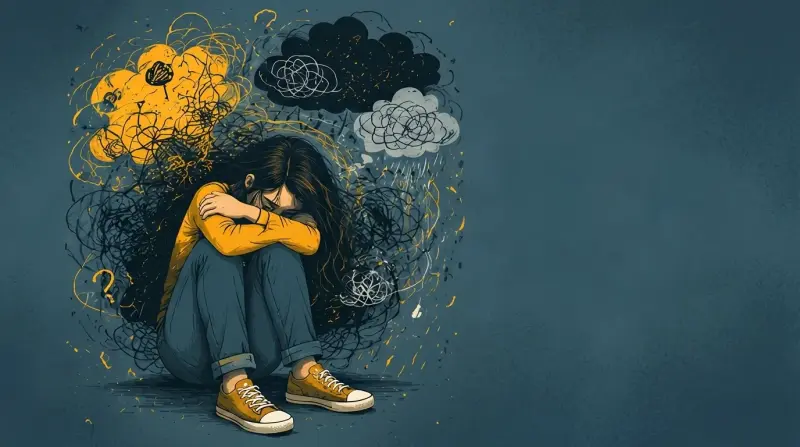
Maternal burnout is not a sign of weakness or a lack of love—it’s an honest signal that the load has grown heavier than your resources. Acknowledging this burnout, instead of resisting it or blaming yourself, is the fastest path back to balance. In the lines below, you’ll find practical understanding and actionable tips that reflect the realities of mothers in the Kingdom, the culture of extended-family homes, and the responsibilities of work and study.
What Is Maternal Burnout? Different from Everyday Fatigue
Maternal burnout is a state of emotional and physical exhaustion tied specifically to the role of being a mother. It comes with feelings of depletion, reduced enjoyment in motherhood, and sometimes a desire to step back temporarily from responsibilities. Psychological research shows maternal burnout arises when chronic pressures outweigh resources and support.
Why Does Maternal Burnout Happen?
Multiple factors converge: unrealistic, idealized expectations (“I’m not allowed to get tired”), juggling many roles (mother, spouse, employee), interrupted sleep, limited support, and draining comparisons on social platforms. Culturally, many mothers tend to shoulder responsibility alone for fear of burdening family, so resources erode slowly. According to specialists at the Tatmeen platform, improvement begins when we notice the daily equation: What drains my energy? And what replenishes it? And when we add small—but consistent—doses of rest and support to our day.
Warning Signs Not to Ignore
If you notice your patience running out faster than usual, your sleep worsening despite fatigue, or guilt becoming chronic, these are signals worth your attention. Remember that burnout differs from postpartum depression; depression typically includes persistent sadness, a general loss of pleasure, and negative thoughts about oneself that may require medical evaluation and targeted treatment.
Practical Tips to Restore Your Balance
Reset Your Daily Rhythm
Start with the simplest point: sleep. Set a “regular bedtime and wake time” as much as possible, and ask your spouse or a family member for rotating night shifts—even once or twice a week. A few extra minutes of sleep can lower irritability throughout the day.
Diaphragmatic Breathing
Before crying spells or after stressful moments, take 5 breathing cycles: inhale through the nose for 4 seconds, exhale slowly for 6–8 seconds. This calms the nervous system and gives you better decision space with your child.
A Realistic Support Network
Make a list of “who I can ask for help” for specific tasks: rides, a cooked meal, an hour sitting with the little one. Asking for help is a mothering skill, not a sign of falling short. In extended-family homes, dividing tasks helps everyone stay kind.
Delegation Without Guilt
Choose tasks you don’t have to do yourself (deep cleaning, weekly supplies, recurring errands) and delegate them—paid or family-based. Save your energy for moments when your presence can’t be replaced: a hug, a story, or a calm bath time.
Gentle Self-Talk
Notice the tone of inner criticism: “I always fall short.” Trade it for realistic, compassionate statements: “I’m a hardworking mom who needs a break right now,” “Fatigue doesn’t erase my love.” This isn’t linguistic fluff; it’s medicine that lowers stress and restores your capacity for calm connection.
Short “Me First” Minutes
Add small stations to your day: a glass of water, a brief sun walk, a check-in with a friend, or three minutes of prayer and reflection. The small and steady beats the ideal that keeps getting delayed.
When Should I Seek Professional Help?
Seek a professional assessment if burnout lasts for consecutive weeks, affects your sleep or your bond with your child, or comes with thoughts of despair or harsh self-blame. At this stage, the Tatmeen platform can help by booking an initial evaluation session—confidential and flexible (text, audio, or video)—to set a realistic plan: stress management, rebuilding routine, breathing training and cognitive reframing, or medical referral when needed. Early support prevents deterioration and gradually brings you back to a calmer version of yourself.
How Do We Protect Our Relationship with the Child During Burnout?
A child doesn’t need a perfect mother; they need a mother who is present with what’s available. Tell them simply: “Mama is tired now and will rest for five minutes, then we’ll play.” With a reassuring tone, they’ll learn to wait their turn, and you’ll preserve your emotional presence when you return. Remember, children benefit from seeing adults care for themselves; it’s a life skill passed on by example.
Finally…
Maternal burnout is a sensible message, not a flaw. Small steps—better sleep, breathing, delegation, and a support network—let tension unwind and warmth return to your day’s details. And if the path feels scattered, book your session now with Tatmeen. The beginning doesn’t require perfection; only a sincere desire and a simple step from where you are, with a specialist who walks beside you, step by step.
Frequently Asked Questions
How do I tell the difference between maternal burnout and postpartum depression?
Burnout shows up as depletion and a temporary urge to avoid tasks, while depression includes persistent sadness, loss of pleasure, and sometimes chronic negative thoughts. If depressive symptoms arise, get a prompt professional evaluation—you can start with a session on Tatmeen.
I’m a working mother… How do I balance without constant guilt?
Begin with clear boundaries at work and home, simple delivery timelines, and ask for specific support. Guilt softens when you align what is “possible now” with what you “wish for.” Short-term therapy trains you to soothe the inner critic.
What if I don’t have family support?
Look for alternative support: a friend, another mom in the neighborhood, mothers’ groups, or brief sessions with a specialist. A small, repeatable plan—even without family support—is better than waiting for perfect conditions that may not come.
A writer and researcher specializing in psychiatry, she focuses on mental health and the human emotions we experience but cannot always find the words to name. She writes about us—about humanity and the human experience—and simplifies complex topics to offer content that helps us better understand ourselves and life, ultimately making us feel less alone.
Every Tatmeen article is reviewed by care providers licensed by the Saudi Commission for Health Specialties, so what you read is accurate and trustworthy.
This article builds understanding and does not replace a licensed care provider.
Need someone to talk to?
Tatmeen's licensed care providers are available around the clock, and the app's urgent consultation connects you with one within minutes.
Download Tatmeen to explore care providers and booking options.
Smart matchingFour quick questions suggest the right care provider
Urgent consultationTalk to an available care provider within minutes
Free psychological measuresMore than 20 tests to understand how you are doing
Scan to download
{"data":{"id":"1e9d1f50-4477-4d6b-96e3-7f5ad2cfba28","slug":"maternal-burnout-tips-coping-calmly","arTitle":"نصائح للتعامل مع الإرهاق الأمومي بذكاء وهدوء","enTitle":"Tips for Managing Maternal Burnout with Grace and Calm","thumbnailAltText":"Young mother sitting quietly on a sofa with a sleeping child taking a peaceful moment to breathe","estimatedReadingTime":5,"likesCount":340,"writer":{"id":"3ab72b74-f26f-4337-9b47-3114b0f90de5","arBio":"كاتبة وباحثة متخصصة في مجال الطب النفسي، تهتم بموضوعات الصحة النفسية وبالمشاعر الإنسانية التي نختبرها ولا نجد دائمًا الكلمات لتسميتها. تكتب عنّا؛ عن الإنسان وتجربته، وتبسّط الموضوعات المعقّدة لتقدّم محتوى يساعدنا على فهم ذواتنا والحياة أكثر، ويجعلنا نشعر بأننا بوحدة أقل.","enBio":"A writer and researcher specializing in psychiatry, she focuses on mental health and the human emotions we experience but cannot always find the words to name. She writes about us—about humanity and the human experience—and simplifies complex topics to offer content that helps us better understand ourselves and life, ultimately making us feel less alone.","user":{"slug":"ayat-alnajar","arFullName":"آيات النجار","enFullName":"Ayat Al-Najjar","publicProfileImageUrl":"https://cdn.tatmeen.sa/public/profile-images/02384455-68fa-40b6-ad05-609fde65cafa/21b9a610dde5dfc6d37af110c23e9c7ab3946be080c281beb000debf4f7d31a6.webp","publicProfileImage96Url":"https://cdn.tatmeen.sa/public/profile-images/02384455-68fa-40b6-ad05-609fde65cafa/21b9a610dde5dfc6d37af110c23e9c7ab3946be080c281beb000debf4f7d31a6-w96.webp","publicProfileImage192Url":"https://cdn.tatmeen.sa/public/profile-images/02384455-68fa-40b6-ad05-609fde65cafa/21b9a610dde5dfc6d37af110c23e9c7ab3946be080c281beb000debf4f7d31a6-w192.webp"}},"arContent":"","enContent":"","productionDocument":{"headings":[{"id":"article-section-what-is-maternal-burnout-different-from-everyday-fatigue","text":"What Is Maternal Burnout? Different from Everyday Fatigue"},{"id":"article-section-why-does-maternal-burnout-happen","text":"Why Does Maternal Burnout Happen?"},{"id":"article-section-warning-signs-not-to-ignore","text":"Warning Signs Not to Ignore"},{"id":"article-section-practical-tips-to-restore-your-balance","text":"Practical Tips to Restore Your Balance"},{"id":"article-section-when-should-i-seek-professional-help","text":"When Should I Seek Professional Help?"},{"id":"article-section-how-do-we-protect-our-relationship-with-the-child-during-burnout","text":"How Do We Protect Our Relationship with the Child During Burnout?"},{"id":"article-section-finally","text":"Finally…"}],"faqs":[{"question":"How do I tell the difference between maternal burnout and postpartum depression?","answer":"<p><span style=\"color:#000000\">Burnout shows up as depletion and a temporary urge to avoid tasks, while depression includes persistent sadness, loss of pleasure, and sometimes chronic negative thoughts. If depressive symptoms arise, get a prompt professional evaluation—you can start with a session on Tatmeen.</span></p>"},{"question":"I’m a working mother… How do I balance without constant guilt?","answer":"<p><span style=\"color:#000000\">Begin with clear boundaries at work and home, simple delivery timelines, and ask for specific support. Guilt softens when you align what is “possible now” with what you “wish for.” Short-term therapy trains you to soothe the inner critic.</span></p>"},{"question":"What if I don’t have family support?","answer":"<p><span style=\"color:#000000\">Look for alternative support: a friend, another mom in the neighborhood, mothers’ groups, or brief sessions with a specialist. A small, repeatable plan—even without family support—is better than waiting for perfect conditions that may not come.</span></p>"}],"beforeSourcesHtml":"<p></p>","sources":[],"afterSourcesHtml":"","blocks":[{"type":"html","html":"<p><span style=\"color:#000000\">Maternal burnout is not a sign of weakness or a lack of love—it’s an honest signal that the load has grown heavier than your resources. Acknowledging this burnout, instead of resisting it or blaming yourself, is the fastest path back to balance. In the lines below, you’ll find practical understanding and actionable tips that reflect the realities of mothers in the Kingdom, the culture of extended-family homes, and the responsibilities of work and study.</span></p><h2 id=\"article-section-what-is-maternal-burnout-different-from-everyday-fatigue\" data-toc-heading tabindex=\"-1\"><span id=\"what-is-maternal-burnout-different-from-everyday-fatigue-1\" aria-hidden=\"true\"></span><span style=\"color:#000000\"><strong>What Is Maternal Burnout? Different from Everyday Fatigue</strong></span></h2><p><span style=\"color:#000000\">Maternal burnout is a state of emotional and physical exhaustion tied specifically to the role of being a mother. It comes with feelings of depletion, reduced enjoyment in motherhood, and sometimes a desire to step back temporarily from responsibilities. Psychological research shows maternal burnout arises when chronic pressures outweigh resources and support.</span></p><h2 id=\"article-section-why-does-maternal-burnout-happen\" data-toc-heading tabindex=\"-1\"><span id=\"why-does-maternal-burnout-happen-2\" aria-hidden=\"true\"></span><span style=\"color:#000000\"><strong>Why Does Maternal Burnout Happen?</strong></span></h2><p><span style=\"color:#000000\">Multiple factors converge: unrealistic, idealized expectations (“I’m not allowed to get tired”), juggling many roles (mother, spouse, employee), interrupted sleep, limited support, and draining comparisons on social platforms. Culturally, many mothers tend to shoulder responsibility alone for fear of burdening family, so resources erode slowly. According to specialists at the Tatmeen platform, improvement begins when we notice the daily equation: What drains my energy? And what replenishes it? And when we add small—but consistent—doses of rest and support to our day.</span></p><h2 id=\"article-section-warning-signs-not-to-ignore\" data-toc-heading tabindex=\"-1\"><span id=\"warning-signs-not-to-ignore-3\" aria-hidden=\"true\"></span><span style=\"color:#000000\"><strong>Warning Signs Not to Ignore</strong></span></h2><p><span style=\"color:#000000\">If you notice your patience running out faster than usual, your sleep worsening despite fatigue, or guilt becoming chronic, these are signals worth your attention. Remember that burnout differs from postpartum depression; depression typically includes persistent sadness, a general loss of pleasure, and negative thoughts about oneself that may require medical evaluation and targeted treatment.</span></p><h2 id=\"article-section-practical-tips-to-restore-your-balance\" data-toc-heading tabindex=\"-1\"><span id=\"practical-tips-to-restore-your-balance-4\" aria-hidden=\"true\"></span><span style=\"color:#000000\"><strong>Practical Tips to Restore Your Balance</strong></span></h2><h3><span style=\"color:#000000\"><strong>Reset Your Daily Rhythm</strong></span></h3><p><span style=\"color:#000000\">Start with the simplest point: sleep. Set a “regular bedtime and wake time” as much as possible, and ask your spouse or a family member for rotating night shifts—even once or twice a week. A few extra minutes of sleep can lower irritability throughout the day.</span></p><h3><span style=\"color:#000000\"><strong>Diaphragmatic Breathing</strong></span></h3><p><span style=\"color:#000000\">Before crying spells or after stressful moments, take 5 breathing cycles: inhale through the nose for 4 seconds, exhale slowly for 6–8 seconds. This calms the nervous system and gives you better decision space with your child.</span></p><h3><span style=\"color:#000000\"><strong>A Realistic Support Network</strong></span></h3><p><span style=\"color:#000000\">Make a list of “who I can ask for help” for specific tasks: rides, a cooked meal, an hour sitting with the little one. Asking for help is a mothering skill, not a sign of falling short. In extended-family homes, dividing tasks helps everyone stay kind.</span></p><h3><span style=\"color:#000000\"><strong>Delegation Without Guilt</strong></span></h3><p><span style=\"color:#000000\">Choose tasks you don’t have to do yourself (deep cleaning, weekly supplies, recurring errands) and delegate them—paid or family-based. Save your energy for moments when your presence can’t be replaced: a hug, a story, or a calm bath time.</span></p><h3><span style=\"color:#000000\"><strong>Gentle Self-Talk</strong></span></h3><p><span style=\"color:#000000\">Notice the tone of inner criticism: “I always fall short.” Trade it for realistic, compassionate statements: “I’m a hardworking mom who needs a break right now,” “Fatigue doesn’t erase my love.” This isn’t linguistic fluff; it’s medicine that lowers stress and restores your capacity for calm connection.</span></p><h3><span style=\"color:#000000\"><strong>Short “Me First” Minutes</strong></span></h3><p><span style=\"color:#000000\">Add small stations to your day: a glass of water, a brief sun walk, a check-in with a friend, or three minutes of prayer and reflection. The small and steady beats the ideal that keeps getting delayed.</span></p><h2 id=\"article-section-when-should-i-seek-professional-help\" data-toc-heading tabindex=\"-1\"><span id=\"when-should-i-seek-professional-help-5\" aria-hidden=\"true\"></span><span style=\"color:#000000\"><strong>When Should I Seek Professional Help?</strong></span></h2><p><span style=\"color:#000000\">Seek a professional assessment if burnout lasts for consecutive weeks, affects your sleep or your bond with your child, or comes with thoughts of despair or harsh self-blame. At this stage, the Tatmeen platform can help by booking an initial evaluation session—confidential and flexible (text, audio, or video)—to set a realistic plan: stress management, rebuilding routine, breathing training and cognitive reframing, or medical referral when needed. Early support prevents deterioration and gradually brings you back to a calmer version of yourself.</span></p><h2 id=\"article-section-how-do-we-protect-our-relationship-with-the-child-during-burnout\" data-toc-heading tabindex=\"-1\"><span id=\"how-do-we-protect-our-relationship-with-the-child-during-burnout-6\" aria-hidden=\"true\"></span><span style=\"color:#000000\"><strong>How Do We Protect Our Relationship with the Child During Burnout?</strong></span></h2><p><span style=\"color:#000000\">A child doesn’t need a perfect mother; they need a mother who is present with what’s available. Tell them simply: “Mama is tired now and will rest for five minutes, then we’ll play.” With a reassuring tone, they’ll learn to wait their turn, and you’ll preserve your emotional presence when you return. Remember, children benefit from seeing adults care for themselves; it’s a life skill passed on by example.</span></p><h2 id=\"article-section-finally\" data-toc-heading tabindex=\"-1\"><span id=\"finally-7\" aria-hidden=\"true\"></span><span style=\"color:#000000\"><strong>Finally…</strong></span></h2><p><span style=\"color:#000000\">Maternal burnout is a sensible message, not a flaw. Small steps—better sleep, breathing, delegation, and a support network—let tension unwind and warmth return to your day’s details. And if the path feels scattered, <u>book your session now</u> with <strong>Tatmeen</strong>. The beginning doesn’t require perfection; only a sincere desire and a simple step from where you are, with a specialist who walks beside you, step by step.</span></p>"}],"inlineCtaSignatures":[],"_experienceAliases":{"v":1,"fields":["html","bodyHtml"],"faqs":[0,1,2]}},"createdAt":"2026-05-11T21:00:00.000Z","updatedAt":"2026-10-07T21:05:00.028Z","disorderGroups":[{"id":"4499a52a-06f8-4022-a64d-304e5eca51cc","slug":"life-challenges-and-stress","arName":"تحديات الحياة والضغوط","enName":"Life Challenges & Stress"},{"id":"de5b4ba2-cdd3-4192-8b0e-fb462fe49e17","slug":"womens-mental-health","arName":"صحة المرأة","enName":"Women’s Mental Health"}],"reviewer":{"arFullName":"فريق تطمين","enFullName":"Tatmeen team","slug":"tatmeen-team","kind":"organization"},"productionArticle":true,"promotionAllowed":true,"preparedCover":{"src":"https://cdn.tatmeen.sa/public/article-lcp/article-lcp-v2/sha256-c7708faa0c3fca35178fd226199147a69071dad2501ed51de084d5b8c30f779e/800-a5bdb2c1aa33c53b619cf66d3c4df7781815ad08f94455057538766b75d9f843.avif","fallback":"https://cdn.tatmeen.sa/public/article-lcp/article-lcp-v2/sha256-c7708faa0c3fca35178fd226199147a69071dad2501ed51de084d5b8c30f779e/800-99c9de447efeefe89bec8e7ea1ca1ab6945c25fc1597504daf00bde0df31aff4.webp","directUrl":"https://cdn.tatmeen.sa/blog-cover/Tatmeen-1778607499924.webp","isGolden":true,"avifSrcset":"https://cdn.tatmeen.sa/public/article-lcp/article-lcp-v2/sha256-c7708faa0c3fca35178fd226199147a69071dad2501ed51de084d5b8c30f779e/400-7c5c29cc8bc58bba8a2e94c68f6c2fffbb8a662117af6586777d8e34cf621711.avif 400w, https://cdn.tatmeen.sa/public/article-lcp/article-lcp-v2/sha256-c7708faa0c3fca35178fd226199147a69071dad2501ed51de084d5b8c30f779e/640-84ba1adfe44af3357b0342867cbca6ca9f818d13c7b12fcdfa4db1e17283576d.avif 640w, https://cdn.tatmeen.sa/public/article-lcp/article-lcp-v2/sha256-c7708faa0c3fca35178fd226199147a69071dad2501ed51de084d5b8c30f779e/800-a5bdb2c1aa33c53b619cf66d3c4df7781815ad08f94455057538766b75d9f843.avif 800w, https://cdn.tatmeen.sa/public/article-lcp/article-lcp-v2/sha256-c7708faa0c3fca35178fd226199147a69071dad2501ed51de084d5b8c30f779e/1200-12132d73d37a0160863c2802eb536ac9f360ae2847e823a895b7e03dd06345c4.avif 1200w","webpSrcset":"https://cdn.tatmeen.sa/public/article-lcp/article-lcp-v2/sha256-c7708faa0c3fca35178fd226199147a69071dad2501ed51de084d5b8c30f779e/400-689d6ec834b09e7beb14d47e6ff355fffeb0c9f3ccfd9d2fe1d927101d60016b.webp 400w, https://cdn.tatmeen.sa/public/article-lcp/article-lcp-v2/sha256-c7708faa0c3fca35178fd226199147a69071dad2501ed51de084d5b8c30f779e/640-07ab1f7b4e8d40fd737632608f83fee0f0895ed5bd6cc76bee4101e1b4c36241.webp 640w, https://cdn.tatmeen.sa/public/article-lcp/article-lcp-v2/sha256-c7708faa0c3fca35178fd226199147a69071dad2501ed51de084d5b8c30f779e/800-99c9de447efeefe89bec8e7ea1ca1ab6945c25fc1597504daf00bde0df31aff4.webp 800w, https://cdn.tatmeen.sa/public/article-lcp/article-lcp-v2/sha256-c7708faa0c3fca35178fd226199147a69071dad2501ed51de084d5b8c30f779e/1200-838e61c74c384a7e466afeb980c005a7c9367fb80fba7a547ae72249a384ca91.webp 1200w","phoneAvifSrcset":"https://cdn.tatmeen.sa/public/article-lcp/article-lcp-v2/sha256-c7708faa0c3fca35178fd226199147a69071dad2501ed51de084d5b8c30f779e/400-7c5c29cc8bc58bba8a2e94c68f6c2fffbb8a662117af6586777d8e34cf621711.avif 400w, https://cdn.tatmeen.sa/public/article-lcp/article-lcp-v2/sha256-c7708faa0c3fca35178fd226199147a69071dad2501ed51de084d5b8c30f779e/640-84ba1adfe44af3357b0342867cbca6ca9f818d13c7b12fcdfa4db1e17283576d.avif 640w, https://cdn.tatmeen.sa/public/article-lcp/article-lcp-v2/sha256-c7708faa0c3fca35178fd226199147a69071dad2501ed51de084d5b8c30f779e/800-a5bdb2c1aa33c53b619cf66d3c4df7781815ad08f94455057538766b75d9f843.avif 800w","phoneWebpSrcset":"https://cdn.tatmeen.sa/public/article-lcp/article-lcp-v2/sha256-c7708faa0c3fca35178fd226199147a69071dad2501ed51de084d5b8c30f779e/400-689d6ec834b09e7beb14d47e6ff355fffeb0c9f3ccfd9d2fe1d927101d60016b.webp 400w, https://cdn.tatmeen.sa/public/article-lcp/article-lcp-v2/sha256-c7708faa0c3fca35178fd226199147a69071dad2501ed51de084d5b8c30f779e/640-07ab1f7b4e8d40fd737632608f83fee0f0895ed5bd6cc76bee4101e1b4c36241.webp 640w, https://cdn.tatmeen.sa/public/article-lcp/article-lcp-v2/sha256-c7708faa0c3fca35178fd226199147a69071dad2501ed51de084d5b8c30f779e/800-99c9de447efeefe89bec8e7ea1ca1ab6945c25fc1597504daf00bde0df31aff4.webp 800w","width":800,"height":447},"previewTaxonomy":{"groups":[{"id":"4499a52a-06f8-4022-a64d-304e5eca51cc","slug":"life-challenges-and-stress","arName":"تحديات الحياة والضغوط","enName":"Life Challenges & Stress"},{"id":"de5b4ba2-cdd3-4192-8b0e-fb462fe49e17","slug":"womens-mental-health","arName":"صحة المرأة","enName":"Women’s Mental Health"}],"topics":[{"id":"131e5bf5-c5d3-44fc-a1a6-ce43af922c50","slug":"pressure-on-women","arName":"الضغوط المجتمعية على المرأة","enName":"Pressure on Women","groupSlug":"womens-mental-health","href":"/blog/category/womens-mental-health/pressure-on-women/"}],"tags":[{"id":"9d6e68c1-9bb5-4364-a082-963aaf55f77f","slug":"burnout-stress","arName":"الاحتراق والإرهاق والضغط النفسي","enName":"Burnout Fatigue & Stress"},{"id":"b2671a14-7beb-4858-86ac-0945b7a87c2f","slug":"women-mothers","arName":"المرأة والأمومة","enName":"Women & Mothers"},{"id":"d58e6187-021b-44a5-882c-245bccd77611","slug":"self-help-howto","arName":"مساعدة ذاتية / خطوات عملية","enName":"Self-Help / How-To"}]},"previewProviderRecommendations":[{"id":"94765496-dbdf-4631-a01b-7df5f788668d","slug":"abdullrahman-alhamoudi-3045","arFullName":"عبدالرحمن الحمودي","enFullName":"Abdulrahman Alhamoudi","publicProfileImageUrl":"https://cdn.tatmeen.sa/public/profile-images/94765496-dbdf-4631-a01b-7df5f788668d/2d49f6b6493c564afb6f50b6c3634231dff3a5cf8353acfab393d1b2a88037d1.webp","publicProfileImage96Url":"https://cdn.tatmeen.sa/public/profile-images/94765496-dbdf-4631-a01b-7df5f788668d/2d49f6b6493c564afb6f50b6c3634231dff3a5cf8353acfab393d1b2a88037d1-w96.webp","publicProfileImage192Url":"https://cdn.tatmeen.sa/public/profile-images/94765496-dbdf-4631-a01b-7df5f788668d/2d49f6b6493c564afb6f50b6c3634231dff3a5cf8353acfab393d1b2a88037d1-w192.webp","specialization":{"arName":"أخصائي نفسي","enName":"Psychologist"},"profileImageUrl":"https://cdn.tatmeen.sa/public/profile-images/94765496-dbdf-4631-a01b-7df5f788668d/2d49f6b6493c564afb6f50b6c3634231dff3a5cf8353acfab393d1b2a88037d1-w192.webp","experienceYears":9,"consultantInfo":{"averageRating":{"average":5},"specialization":{"arGeneralName":"أخصائي نفسي","enGeneralName":"Psychologist"}}},{"id":"6f037535-1dca-4b50-a8b2-5974b7323286","slug":"salah-althobaiti-9053","arFullName":"صلاح الثبيتي","enFullName":"Salah Althobaiti","publicProfileImageUrl":"https://cdn.tatmeen.sa/public/profile-images/6f037535-1dca-4b50-a8b2-5974b7323286/35b6bd7fad9b1e004c1835803eb9c1b56dcacd380685ec8bff141f0fb888005c.webp","publicProfileImage96Url":"https://cdn.tatmeen.sa/public/profile-images/6f037535-1dca-4b50-a8b2-5974b7323286/35b6bd7fad9b1e004c1835803eb9c1b56dcacd380685ec8bff141f0fb888005c-w96.webp","publicProfileImage192Url":"https://cdn.tatmeen.sa/public/profile-images/6f037535-1dca-4b50-a8b2-5974b7323286/35b6bd7fad9b1e004c1835803eb9c1b56dcacd380685ec8bff141f0fb888005c-w192.webp","specialization":{"arName":"أخصائي نفسي","enName":"Psychologist"},"profileImageUrl":"https://cdn.tatmeen.sa/public/profile-images/6f037535-1dca-4b50-a8b2-5974b7323286/35b6bd7fad9b1e004c1835803eb9c1b56dcacd380685ec8bff141f0fb888005c-w192.webp","experienceYears":6,"consultantInfo":{"averageRating":{"average":4.98876404494382},"specialization":{"arGeneralName":"أخصائي نفسي","enGeneralName":"Psychologist"}}},{"id":"ef9ee02f-1e3c-448b-bb17-130a7010e75a","slug":"mutib-alotaibi-3262","arFullName":"متعب العتيبي","enFullName":"Mutib Alotaibi","publicProfileImageUrl":"https://cdn.tatmeen.sa/public/profile-images/ef9ee02f-1e3c-448b-bb17-130a7010e75a/090319abda1d037060a78082f4f9d61709ae0b90ea8bcab1b912116921fd8ac1.webp","publicProfileImage96Url":"https://cdn.tatmeen.sa/public/profile-images/ef9ee02f-1e3c-448b-bb17-130a7010e75a/090319abda1d037060a78082f4f9d61709ae0b90ea8bcab1b912116921fd8ac1-w96.webp","publicProfileImage192Url":"https://cdn.tatmeen.sa/public/profile-images/ef9ee02f-1e3c-448b-bb17-130a7010e75a/090319abda1d037060a78082f4f9d61709ae0b90ea8bcab1b912116921fd8ac1-w192.webp","specialization":{"arName":"أخصائي نفسي","enName":"Psychologist"},"profileImageUrl":"https://cdn.tatmeen.sa/public/profile-images/ef9ee02f-1e3c-448b-bb17-130a7010e75a/090319abda1d037060a78082f4f9d61709ae0b90ea8bcab1b912116921fd8ac1-w192.webp","experienceYears":15,"consultantInfo":{"averageRating":{"average":5},"specialization":{"arGeneralName":"أخصائي نفسي","enGeneralName":"Psychologist"}}}],"previewCareProviders":[{"id":"09364052-c2a9-4c52-9717-7ce2093b8d0a","slug":"kholoud-alharbi-5221","arFullName":"خلود الحربي","enFullName":"Kholoud Alharbi","publicProfileImageUrl":"https://cdn.tatmeen.sa/public/profile-images/09364052-c2a9-4c52-9717-7ce2093b8d0a/4a0aeb81619e351b77f4323e3605a0a00acc7ca3c82ee7cc5ca2c9e8ef716049.webp","publicProfileImage96Url":"https://cdn.tatmeen.sa/public/profile-images/09364052-c2a9-4c52-9717-7ce2093b8d0a/4a0aeb81619e351b77f4323e3605a0a00acc7ca3c82ee7cc5ca2c9e8ef716049-w96.webp","publicProfileImage192Url":"https://cdn.tatmeen.sa/public/profile-images/09364052-c2a9-4c52-9717-7ce2093b8d0a/4a0aeb81619e351b77f4323e3605a0a00acc7ca3c82ee7cc5ca2c9e8ef716049-w192.webp","gender":"FEMALE","specialization":{"arName":"أخصائي نفسي","enName":"Psychologist"}},{"id":"6f037535-1dca-4b50-a8b2-5974b7323286","slug":"salah-althobaiti-9053","arFullName":"صلاح الثبيتي","enFullName":"Salah Althobaiti","publicProfileImageUrl":"https://cdn.tatmeen.sa/public/profile-images/6f037535-1dca-4b50-a8b2-5974b7323286/35b6bd7fad9b1e004c1835803eb9c1b56dcacd380685ec8bff141f0fb888005c.webp","publicProfileImage96Url":"https://cdn.tatmeen.sa/public/profile-images/6f037535-1dca-4b50-a8b2-5974b7323286/35b6bd7fad9b1e004c1835803eb9c1b56dcacd380685ec8bff141f0fb888005c-w96.webp","publicProfileImage192Url":"https://cdn.tatmeen.sa/public/profile-images/6f037535-1dca-4b50-a8b2-5974b7323286/35b6bd7fad9b1e004c1835803eb9c1b56dcacd380685ec8bff141f0fb888005c-w192.webp","gender":"MALE","specialization":{"arName":"أخصائي نفسي","enName":"Psychologist"}},{"id":"3cc806e8-616b-4884-9f21-a75b378580a2","slug":"aisha-al-hashim-8667","arFullName":"عائشة ال هاشم","enFullName":"Aisha Al Hashim","publicProfileImageUrl":"https://cdn.tatmeen.sa/public/profile-images/3cc806e8-616b-4884-9f21-a75b378580a2/27f523d03be4dcfa1f6a79f70c1773887434e698990d214cd990caec56a44798.webp","publicProfileImage96Url":"https://cdn.tatmeen.sa/public/profile-images/3cc806e8-616b-4884-9f21-a75b378580a2/27f523d03be4dcfa1f6a79f70c1773887434e698990d214cd990caec56a44798-w96.webp","publicProfileImage192Url":"https://cdn.tatmeen.sa/public/profile-images/3cc806e8-616b-4884-9f21-a75b378580a2/27f523d03be4dcfa1f6a79f70c1773887434e698990d214cd990caec56a44798-w192.webp","gender":"FEMALE","specialization":{"arName":"أخصائي نفسي","enName":"Psychologist"}},{"id":"db2ce1a0-9325-4471-b7ce-eb2e811c30a3","slug":"amer-qutub-2441","arFullName":"عامر قطب","enFullName":"Amer Qutub","publicProfileImageUrl":"https://cdn.tatmeen.sa/public/profile-images/db2ce1a0-9325-4471-b7ce-eb2e811c30a3/80580f99bfd7fe2b2a9cf8eed73ab532f5086d1efe053b0aa57358c1ce004261.webp","publicProfileImage96Url":"https://cdn.tatmeen.sa/public/profile-images/db2ce1a0-9325-4471-b7ce-eb2e811c30a3/80580f99bfd7fe2b2a9cf8eed73ab532f5086d1efe053b0aa57358c1ce004261-w96.webp","publicProfileImage192Url":"https://cdn.tatmeen.sa/public/profile-images/db2ce1a0-9325-4471-b7ce-eb2e811c30a3/80580f99bfd7fe2b2a9cf8eed73ab532f5086d1efe053b0aa57358c1ce004261-w192.webp","gender":"MALE","specialization":{"arName":"أخصائي نفسي","enName":"Psychologist"}},{"id":"94765496-dbdf-4631-a01b-7df5f788668d","slug":"abdullrahman-alhamoudi-3045","arFullName":"عبدالرحمن الحمودي","enFullName":"Abdulrahman Alhamoudi","publicProfileImageUrl":"https://cdn.tatmeen.sa/public/profile-images/94765496-dbdf-4631-a01b-7df5f788668d/2d49f6b6493c564afb6f50b6c3634231dff3a5cf8353acfab393d1b2a88037d1.webp","publicProfileImage96Url":"https://cdn.tatmeen.sa/public/profile-images/94765496-dbdf-4631-a01b-7df5f788668d/2d49f6b6493c564afb6f50b6c3634231dff3a5cf8353acfab393d1b2a88037d1-w96.webp","publicProfileImage192Url":"https://cdn.tatmeen.sa/public/profile-images/94765496-dbdf-4631-a01b-7df5f788668d/2d49f6b6493c564afb6f50b6c3634231dff3a5cf8353acfab393d1b2a88037d1-w192.webp","gender":"MALE","specialization":{"arName":"أخصائي نفسي","enName":"Psychologist"}},{"id":"618dba89-5b70-4b46-8304-741b7ac8ecd3","slug":"abdullah-mari-1311","arFullName":"عبدالله مرعي","enFullName":"Abdullah Mari","publicProfileImageUrl":"https://cdn.tatmeen.sa/public/profile-images/618dba89-5b70-4b46-8304-741b7ac8ecd3/6b4a3bfb59f8a304ca79083b32859b46baad2e1d692974a47c02c1f66bd11129.webp","publicProfileImage96Url":"https://cdn.tatmeen.sa/public/profile-images/618dba89-5b70-4b46-8304-741b7ac8ecd3/6b4a3bfb59f8a304ca79083b32859b46baad2e1d692974a47c02c1f66bd11129-w96.webp","publicProfileImage192Url":"https://cdn.tatmeen.sa/public/profile-images/618dba89-5b70-4b46-8304-741b7ac8ecd3/6b4a3bfb59f8a304ca79083b32859b46baad2e1d692974a47c02c1f66bd11129-w192.webp","gender":"MALE","specialization":{"arName":"أخصائي نفسي","enName":"Psychologist"}},{"id":"3b50a5d5-e795-407f-8676-fd7f0e1bb7a0","slug":"abdulaziz-bin-hudayan-4940","arFullName":"عبدالعزيز بن هديان","enFullName":"Abdulaziz Bin Hudayan","publicProfileImageUrl":"https://cdn.tatmeen.sa/public/profile-images/3b50a5d5-e795-407f-8676-fd7f0e1bb7a0/710ff0fe1fb00cdb5042092e27b7910b480a439b02251ecded62d7758eefce95.webp","publicProfileImage96Url":"https://cdn.tatmeen.sa/public/profile-images/3b50a5d5-e795-407f-8676-fd7f0e1bb7a0/710ff0fe1fb00cdb5042092e27b7910b480a439b02251ecded62d7758eefce95-w96.webp","publicProfileImage192Url":"https://cdn.tatmeen.sa/public/profile-images/3b50a5d5-e795-407f-8676-fd7f0e1bb7a0/710ff0fe1fb00cdb5042092e27b7910b480a439b02251ecded62d7758eefce95-w192.webp","gender":"MALE","specialization":{"arName":"أخصائي نفسي","enName":"Psychologist"}}],"previewDownload":{"href":"/download","title":{"ar":"خطوة واحدة لأجلك، ابدأ الآن","en":"One step for you, start now"},"description":{"ar":"حمّل تطبيق تطمين لاستكشاف مقدمي الرعاية وخيارات الحجز.","en":"Download Tatmeen to explore care providers and booking options."},"posterSrc":"/images/home/cta-ar-new-1.webp","videoSrc":"/images/home/cta-ar-new-1.mp4","videoPosterSrc":"/images/home/cta-ar-new-1.webp","videoPosterEnSrc":"/images/home/cta-en-new-1.webp","videoType":"video/mp4","appStoreHref":"https://apps.apple.com/us/app/tatmeen-%D8%AA%D8%B7%D9%85%D9%8A%D9%86/id6473836983","googlePlayHref":"https://play.google.com/store/apps/details?id=com.TatmeenApp.user&hl=en"},"previewRelatedArticles":[{"id":"c7f5e2be-3039-4f47-bd90-25892a366775","slug":"saudi-mental-health-platform-women-family-youth","route":"/blog/saudi-mental-health-platform-women-family-youth/","title":{"ar":"الصحة النفسية للمرأة والأسرة والشباب: كيف يواكب تطمين أولويات المجتمع الجديد؟","en":"Tatmeen - Mental Health for Women, Families, and Young People"},"image":"https://cdn.tatmeen.sa/public/article-lcp/article-lcp-v2/sha256-2f5e6e9c5f782b161edf5753038ed1931985d3c3baf0a02b85f97f60abfaba76/800-e2148848eedafdb98b891e94080bd9623d3a8fad23bc73730508964122779f00.webp","directImageFallback":"https://cdn.tatmeen.sa/blog-cover/Tatmeen-1778979469917.webp","arThumbnailAltText":"Youth, Women and family saudi arabia ","thumbnailAltText":"Youth, Women and family saudi arabia ","topic":{"label":{"ar":"الأطفال والمراهقين","en":"Children & Adolescents"}},"readingTimeMinutes":5},{"id":"af904b56-631b-40d5-8a89-c6abf387235a","slug":"How-to-treat-anxiety-and-fear","route":"/blog/How-to-treat-anxiety-and-fear/","title":{"ar":"كيفية علاج القلق والخوف؟","en":"How to Treat Anxiety and Fear"},"image":"https://cdn.tatmeen.sa/public/article-lcp/article-lcp-v2/sha256-931de9b7b43c4633adaec24c0c8cf9efb725ada1d97ffc76d1aef5e51d9e139f/630-ac596fd9d80670a5122493befe493613483a9038c4cf168208d84bab6de3440b.webp","directImageFallback":"https://cdn.tatmeen.sa/blog-cover/1704726770215-Tatmeen-img-812","arThumbnailAltText":"Person grips their hair with both hands and looks ahead with wide eyes","thumbnailAltText":"Person grips their hair with both hands and looks ahead with wide eyes","topic":{"label":{"ar":"اضطرابات نفسية شائعة","en":"Common Mental Issues"}},"readingTimeMinutes":5},{"id":"a7b62173-1789-46bf-a7ce-f440f8a811b1","slug":"psychologically-shattered-when-to-seek-help","route":"/blog/psychologically-shattered-when-to-seek-help/","title":{"ar":"هل تشعر أنك مدمر نفسيًا وتحتاج إلى المساعدة؟","en":"Do You Feel Psychologically Shattered and in Need of Help?"},"image":"https://cdn.tatmeen.sa/public/article-lcp/article-lcp-v2/sha256-d7dcaa60188f389a65e1bce5c02e26f792f6822cdb952d88f177fa0d6b4ccd84/800-cd8aa8b15efa341d1ea33a7a5bb6aa43fb9b1d017372d6afefe8ebac2204a406.webp","directImageFallback":"https://cdn.tatmeen.sa/blog-cover/Tatmeen-1783442237081.webp","arThumbnailAltText":"Person curled up, surrounded by chaotic scribbles and storm-like thoughts closing in","thumbnailAltText":"Person curled up, surrounded by chaotic scribbles and storm-like thoughts closing in","topic":{"label":{"ar":"اضطرابات نفسية شائعة","en":"Common Mental Issues"}},"readingTimeMinutes":5},{"id":"c0724b49-f122-40fe-b313-b3843e493986","slug":"When-is-talk-therapy-used","route":"/blog/When-is-talk-therapy-used/","title":{"ar":"هل العلاج النفسي ضروري في حياتنا؟","en":"Is Psychotherapy Necessary in Our Lives?"},"image":"https://cdn.tatmeen.sa/public/article-lcp/article-lcp-v2/sha256-dc5c81316fa422fede5cf3bb187aec9aef3ee4d55a8a64ad2ddd2c1c631c91b7/800-e450da8380fb1328dec604d7479b25bf2989c5b3e0b2d0783375442061e05e30.webp","directImageFallback":"https://cdn.tatmeen.sa/blog-cover/Tatmeen-1782926294893.webp","arThumbnailAltText":"Two women in a calm, cozy therapy session, seated across from each other in soft natural light.","thumbnailAltText":"Two women in a calm, cozy therapy session, seated across from each other in soft natural light.","topic":{"label":{"ar":"اضطرابات نفسية شائعة","en":"Common Mental Issues"}},"readingTimeMinutes":5}],"previewRelatedReadStates":{}},"locale":"en","device":"desktop","path":"/en/blog/maternal-burnout-tips-coping-calmly/","readingControls":false,"config":{"public":{"BUCKET_URL":"https://cdn.tatmeen.sa/","APP_BASE_URL":"https://tatmeen.sa","intercomAppId":"ppcnu9e3"}}}