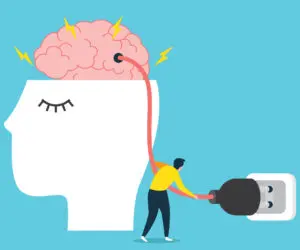
Are you wondering how to stop thinking about someone? Why can you not stop yourself from thinking about them even though they broke your heart or drove you mad?
Is something wrong with me?
You are far fromalone in being unable to stop thinking about someone who interests you romantically, an old friend, or someone you admire.
A broad review of addiction research, based on data from 83 studies, found that love addiction is believed to affect 26% of the adult population.
Why can I not stop thinking about him or her?
We live in a society that encourages unhealthy ways of building relationships.Social media, films, and television programs present us with an endless stream of addictive behaviors labeled as “love” and a complex dependency called “friendship.”
These misconceptions would not have had such a significant effect if we had learned about healthy relationships during childhood from the adults around us and had enjoyed a secure childhood. We would simply have known better.
But we may be susceptible to these damaging ideas about relationships if any of the following applies:
An unstable childhood
Parents whose relationships were volatile
Not receiving the unconditional, consistent, and secure love a child needs to grow well
Childhood trauma
The first step toward stopping thinking about someone is therefore to understand the real problem, which is rarely related to the other person.
1. You never learned what healthy relationships are
“Role modeling” is a term for the way children learn behaviors from what they see around them.Examples of poor modeling may include parents, or a mother or father, who:
Always fought more than they reconciled, teaching you that love is intense and turbulent
Was dishonest, with one parent obsessed with the other's whereabouts, teaching you that love means anxiety and overthinking
Repeatedly had intense, short-lived romantic relationships that left them devastated and obsessed afterward, teaching you that love is obsession.
2. You have attachment problems
As we grow older, we naturally question the behaviors we learnedfrom our parents and begin developing our own behavior.
What does not change easily, however, is the belief about love that we learned through our direct relationship with our primary caregiver.
If you were loved only when you behaved “well”, or had a moody, inconsistent parent or caregiver who loved you only when it suited them—or did not love you at all—
If you cannot stop thinking about someone, you may have“anxious attachment”. You may be inconsistent in relationships, moving closer and then pulling away to get relief from the anxiety they cause you. But if the other person leaves, you panic.
3. You are addicted to love and relationships
When things were going well with the person you cannot stop thinking about, did you experience a wonderful, euphoric feeling?
When you came down from that feeling or argued with the person, did you feel so low that you found it difficult to leave the house?
Or do your thoughts about this person interfere with the rest of your life?
Do they affect your performance at work or in your studies, leave you confused and forgetting important things, or even affect your sleep and eating?
If so, you may have a problem involving one of the different forms of relationship addiction, which could be love addiction, romance addiction, or simply an addiction to people.
4. You experienced childhood trauma
Trauma during childhood, such as sexual abuse, can shatter our sense of self. As adults, we may have low self-esteem, cling to other people as a way of feeling that we have value, and become addicted to their attention.
5. You have borderline personality disorder
More specifically called “emotionally unstable personality disorder,”it means that you are deeply afraid of rejection.
The spiral triggered by feeling abandoned may include obsessing over the other person and doing everything in your power to regain control over them.
How to stop thinking about someone
It may be helpful to approach your obsession with the other person as you would an addiction.
1. Recognize that thoughts are only thoughts, not facts
If you were recoveringfrom a drug addiction, you would question any thought about how wonderful the drug was or how much you needed to return to that lifestyle.
When another person is involved, we may try to convince ourselves that the situation is different.But it is not. You need to question every thought you have about them.
Your obsessive thoughts about the other person are often inaccurate, romanticizing what happened or giving you false beliefs such as “you cannot live without them.” You can live without them, and you will.
2. Do not feed the thoughts
This means that you should stop talking about the situation with anyone and everyone who will listen.Constantly talking about it feeds the addiction because you receive attention for playing the victim.
Also stop spending time with peoplewho exploit the fact that you are addicted to someone. They may also be addicted to people, which makes them feel less alone. Or they may draw energy from appearing to “help” others.
Instead, speak to a therapist. The difference is that a mental health professional will not let you fall into a black hole of negative stories. They are well trained to ask the right questions, helping you see perspectives you may have overlooked so that you can find a way forward.
Try this:Journal with a purpose—for example, write down all your thoughts without correcting any mistakes, then tear up the paper. Alternatively, find a private place, set a timer for 5 minutes, and make yourself talk about the other person until the time is up. If you are brave enough, record yourself and then listen to the recording.
3. Give your feelings attention
We often have obsessive thoughts when we handle our feelings in the wrong way.Instead of feeling them and accepting what they are trying to tell us, we hide from them through obsession—thinking about the other person—anger, agitation, and sorrow. If we actually work with our feelings instead, the frantic thoughts can pass.
Try this:The next time you find yourself thinking about the other person, find a quiet place, sit still, close your eyes, and bring mindful awareness to the situation. What are you feeling at that moment? Rejection? Loneliness? Anger? Sit with the feeling quietly, without judgment or analysis. What does it feel like? Is it hot, cold, heavy, or dizzying? Where do you feel it in your body? Allow it to shift into another feeling, such as sadness, if it wants to.
4. Practice substitution
Take up a hobby, exercise, or start a new job. The aim is to find a healthy alternative and immerse yourself in it.
Try this:Identify a dream or goal that you postponed when the other person appeared. Sit down and divide the goal into steps for achieving it. Use the SMART goal-setting method, making the goal specific, measurable, achievable, realistic, and time-bound. Then schedule the initial steps in your diary and begin working on them.
5. Seek psychotherapy for relationship addiction
Hypnotherapy helps loosen the other person's hold on your mind.
Cognitive behavioral therapy helps you identify and question your thoughts and replace them with more balanced thinking.
Compassion-focused therapy may help you build your self-esteem and release your anger.
Trauma-specific therapies are recommended if you have been through difficult experiences, as other therapies may sometimes have the opposite effect. If you think you have borderline personality disorder, it is important to try one of the therapies designed specifically for this disorder.
Content writer and researcher at Tatmeen, writing in Arabic and English on mental health and everyday life topics, including relationships, stress, work, habits, and family.
Every Tatmeen article is reviewed by care providers licensed by the Saudi Commission for Health Specialties, so what you read is accurate and trustworthy.
This article builds understanding and does not replace a licensed care provider.
Need someone to talk to?
Tatmeen's licensed care providers are available around the clock, and the app's urgent consultation connects you with one within minutes.
Download Tatmeen to explore care providers and booking options.
Smart matchingFour quick questions suggest the right care provider
Urgent consultationTalk to an available care provider within minutes
Free psychological measuresMore than 20 tests to understand how you are doing
Scan to download
{"data":{"id":"dfe16b70-881a-427a-b774-9718a5eb9e0a","slug":"how_to_stop_thinking_about_someone","arTitle":"كيف تتوقف عن التفكير في شخص ما","enTitle":"How to Stop Thinking About Someone","thumbnailAltText":"Small figure pulls a cable linking an exposed brain to a wall plug","estimatedReadingTime":5,"likesCount":6,"writer":{"id":"c7b27cce-cc91-45c8-9ba1-1d194830c654","arBio":"كاتبة وباحثة محتوى في تطمين، تكتب بالعربية والإنجليزية في موضوعات الصحة النفسية والحياة اليومية، بما يشمل العلاقات، الضغوط، العمل، العادات، والأسرة.","enBio":"Content writer and researcher at Tatmeen, writing in Arabic and English on mental health and everyday life topics, including relationships, stress, work, habits, and family.","user":{"slug":"alanoud-alturki","arFullName":"العنود التركي","enFullName":"Alanoud Alturki","publicProfileImageUrl":"https://cdn.tatmeen.sa/public/profile-images/78d20741-cf98-483e-9055-2f0ca0ab3bd5/4e190bf082a179be202f7a2618844e0dd134e14126b74d947c78eec35b7e390e.webp","publicProfileImage96Url":"https://cdn.tatmeen.sa/public/profile-images/78d20741-cf98-483e-9055-2f0ca0ab3bd5/4e190bf082a179be202f7a2618844e0dd134e14126b74d947c78eec35b7e390e-w96.webp","publicProfileImage192Url":"https://cdn.tatmeen.sa/public/profile-images/78d20741-cf98-483e-9055-2f0ca0ab3bd5/4e190bf082a179be202f7a2618844e0dd134e14126b74d947c78eec35b7e390e-w192.webp"}},"arContent":"","enContent":"","productionDocument":{"headings":[{"id":"article-section-1-you-never-learned-what-healthy-relationships-are","text":"1. You never learned what healthy relationships are"},{"id":"article-section-2-you-have-attachment-problems","text":"2. You have attachment problems"},{"id":"article-section-3-you-are-addicted-to-love-and-relationships","text":"3. You are addicted to love and relationships"},{"id":"article-section-4-you-experienced-childhood-trauma","text":"4. You experienced childhood trauma"},{"id":"article-section-5-you-have-borderline-personality-disorder","text":"5. You have borderline personality disorder"},{"id":"article-section-how-to-stop-thinking-about-someone","text":"How to stop thinking about someone"},{"id":"article-section-1-recognize-that-thoughts-are-only-thoughts-not-facts","text":"1. Recognize that thoughts are only thoughts, not facts"},{"id":"article-section-2-do-not-feed-the-thoughts","text":"2. Do not feed the thoughts"},{"id":"article-section-3-give-your-feelings-attention","text":"3. Give your feelings attention"},{"id":"article-section-4-practice-substitution","text":"4. Practice substitution"},{"id":"article-section-5-seek-psychotherapy-for-relationship-addiction","text":"5. Seek psychotherapy for relationship addiction"}],"faqs":[],"beforeSourcesHtml":"","sources":[],"afterSourcesHtml":"","blocks":[{"type":"html","html":"<p class=\"ql-align-right ql-direction-rtl\">Are you wondering how to stop thinking about someone? Why can you not stop yourself from thinking about them even though they broke your heart or drove you mad?</p><h3 class=\"ql-align-right ql-direction-rtl\">Is something wrong with me?</h3><p class=\"ql-align-right ql-direction-rtl\"><strong>You are far from</strong>alone in being unable to stop thinking about someone who interests you romantically, an old friend, or someone you admire.</p><p class=\"ql-align-right ql-direction-rtl\">A broad review of addiction research, based on data from 83 studies, found that love addiction is believed to affect 26% of the adult population.</p><h3 class=\"ql-align-right ql-direction-rtl\">Why can I not stop thinking about him or her?</h3><p class=\"ql-align-right ql-direction-rtl\"><strong>We live in a society that encourages unhealthy ways of building relationships.</strong>Social media, films, and television programs present us with an endless stream of addictive behaviors labeled as “love” and a complex dependency called “friendship.”</p><p class=\"ql-align-right ql-direction-rtl\">These misconceptions would not have had such a significant effect if we had learned about healthy relationships during childhood from the adults around us and had enjoyed a secure childhood. We would simply have known better.</p><p class=\"ql-align-right ql-direction-rtl\"><strong>But we may be susceptible to these damaging ideas about relationships if any of the following applies:</strong></p><ul><li class=\"ql-align-right ql-direction-rtl\">An unstable childhood</li><li class=\"ql-align-right ql-direction-rtl\">Parents whose relationships were volatile</li><li class=\"ql-align-right ql-direction-rtl\">Not receiving the unconditional, consistent, and secure love a child needs to grow well</li><li class=\"ql-align-right ql-direction-rtl\">Childhood trauma</li></ul><p class=\"ql-align-right ql-direction-rtl\"><strong>The first step toward stopping thinking about someone is therefore to understand the real problem, which is rarely related to the other person.</strong></p><h2 class=\"ql-align-right ql-direction-rtl\" id=\"article-section-1-you-never-learned-what-healthy-relationships-are\" data-toc-heading tabindex=\"-1\"><span id=\"1-you-never-learned-what-healthy-relationships-are-1\" aria-hidden=\"true\"></span>1. You never learned what healthy relationships are</h2><p class=\"ql-align-right ql-direction-rtl\"><strong>“Role modeling” is a term for the way children learn behaviors from what they see around them.</strong>Examples of poor modeling may include parents, or a mother or father, who:</p><ul><li class=\"ql-align-right ql-direction-rtl\">Always fought more than they reconciled, teaching you that love is intense and turbulent</li><li class=\"ql-align-right ql-direction-rtl\">Was dishonest, with one parent obsessed with the other's whereabouts, teaching you that love means anxiety and overthinking</li><li class=\"ql-align-right ql-direction-rtl\">Repeatedly had intense, short-lived romantic relationships that left them devastated and obsessed afterward, teaching you that love is obsession.</li></ul><h2 class=\"ql-align-right ql-direction-rtl\" id=\"article-section-2-you-have-attachment-problems\" data-toc-heading tabindex=\"-1\"><span id=\"2-you-have-attachment-problems-2\" aria-hidden=\"true\"></span>2. You have attachment problems</h2><p class=\"ql-align-right ql-direction-rtl\"><strong>As we grow older, we naturally question the behaviors we learned</strong>from our parents and begin developing our own behavior.</p><p class=\"ql-align-right ql-direction-rtl\">What does not change easily, however, is the belief about love that we learned through our direct relationship with our primary caregiver.</p><p class=\"ql-align-right ql-direction-rtl\"><strong>If you were loved only when you behaved “well”</strong>, or had a moody, inconsistent parent or caregiver who loved you only when it suited them—or did not love you at all—</p><p class=\"ql-align-right ql-direction-rtl\"><strong>you are very likely to grow into an adult who experiences what are known as</strong> <a style=\"background-color:transparent\" href=\"http://sehanafsia.com/ar/%D9%86%D8%B8%D8%B1%D9%8A%D8%A9-%D8%A7%D9%84%D8%AA%D8%B9%D9%84%D9%82-%D9%87%D9%8A-%D8%BA%D9%84%D8%B7%D8%A9-%D9%88%D8%A7%D9%84%D8%AF%D9%8A-%D8%A8%D8%A7%D9%84%D9%83%D8%A7%D9%85%D9%84-%D8%A5%D8%B0%D8%A7/\" target=\"_blank\" rel=\"noopener noreferrer\">“attachment difficulties.”</a>.</p><p class=\"ql-align-right ql-direction-rtl\"><strong>If you cannot stop thinking about someone, you may have</strong> <a style=\"background-color:transparent\" href=\"http://sehanafsia.com/ar/%D9%86%D8%B8%D8%B1%D9%8A%D8%A9-%D8%A7%D9%84%D8%AA%D8%B9%D9%84%D9%82-%D9%87%D9%8A-%D8%BA%D9%84%D8%B7%D8%A9-%D9%88%D8%A7%D9%84%D8%AF%D9%8A-%D8%A8%D8%A7%D9%84%D9%83%D8%A7%D9%85%D9%84-%D8%A5%D8%B0%D8%A7/\" target=\"_blank\" rel=\"noopener noreferrer\">“anxious attachment”</a>. You may be inconsistent in relationships, moving closer and then pulling away to get relief from the anxiety they cause you. But if the other person leaves, you panic.</p><h2 class=\"ql-align-right ql-direction-rtl\" id=\"article-section-3-you-are-addicted-to-love-and-relationships\" data-toc-heading tabindex=\"-1\"><span id=\"3-you-are-addicted-to-love-and-relationships-3\" aria-hidden=\"true\"></span>3. You are addicted to love and relationships</h2><ul><li class=\"ql-align-right ql-direction-rtl\">When things were going well with the person you cannot stop thinking about, did you experience a wonderful, euphoric feeling?</li><li class=\"ql-align-right ql-direction-rtl\">When you came down from that feeling or argued with the person, did you feel so low that you found it difficult to leave the house?</li><li class=\"ql-align-right ql-direction-rtl\">Or do your thoughts about this person interfere with the rest of your life?</li><li class=\"ql-align-right ql-direction-rtl\">Do they affect your performance at work or in your studies, leave you confused and forgetting important things, or even affect your sleep and eating?</li></ul><p class=\"ql-align-right ql-direction-rtl\"><strong>If so, you may have a problem involving one of the different forms of relationship addiction</strong>, which could be love addiction, romance addiction, or simply an addiction to people.</p><h2 class=\"ql-align-right ql-direction-rtl\" id=\"article-section-4-you-experienced-childhood-trauma\" data-toc-heading tabindex=\"-1\"><span id=\"4-you-experienced-childhood-trauma-4\" aria-hidden=\"true\"></span>4. You experienced childhood trauma</h2><p class=\"ql-align-right ql-direction-rtl\">Trauma during childhood, such as sexual abuse, can shatter our sense of self. As adults, we may have low self-esteem, cling to other people as a way of feeling that we have value, and become addicted to their attention.</p><h2 class=\"ql-align-right ql-direction-rtl\" id=\"article-section-5-you-have-borderline-personality-disorder\" data-toc-heading tabindex=\"-1\"><span id=\"5-you-have-borderline-personality-disorder-5\" aria-hidden=\"true\"></span>5. You have borderline personality disorder</h2><p class=\"ql-align-right ql-direction-rtl\"><strong>More specifically called “emotionally unstable personality disorder,”</strong>it means that you are deeply afraid of rejection.</p><p class=\"ql-align-right ql-direction-rtl\">The spiral triggered by feeling abandoned may include obsessing over the other person and doing everything in your power to regain control over them.</p><p class=\"ql-align-right ql-direction-rtl\"> </p><h2 class=\"ql-align-right ql-direction-rtl\" id=\"article-section-how-to-stop-thinking-about-someone\" data-toc-heading tabindex=\"-1\"><span id=\"how-to-stop-thinking-about-someone-6\" aria-hidden=\"true\"></span><strong>How to stop thinking about someone</strong></h2><p class=\"ql-align-right ql-direction-rtl\"> </p><p class=\"ql-align-right ql-direction-rtl\">It may be helpful to approach your obsession with the other person as you would an addiction.</p><h2 class=\"ql-align-right ql-direction-rtl\" id=\"article-section-1-recognize-that-thoughts-are-only-thoughts-not-facts\" data-toc-heading tabindex=\"-1\"><span id=\"1-recognize-that-thoughts-are-only-thoughts-not-facts-7\" aria-hidden=\"true\"></span>1. Recognize that thoughts are only thoughts, not facts</h2><p class=\"ql-align-right ql-direction-rtl\"><strong>If you were recovering</strong>from a drug addiction, you would question any thought about how wonderful the drug was or how much you needed to return to that lifestyle.</p><p class=\"ql-align-right ql-direction-rtl\"><strong>When another person is involved, we may try to convince ourselves that the situation is different.</strong>But it is not. You need to question every thought you have about them.</p><p class=\"ql-align-right ql-direction-rtl\">Your obsessive thoughts about the other person are often inaccurate, romanticizing what happened or giving you false beliefs such as “you cannot live without them.” You can live without them, and you will.</p><p class=\"ql-align-right ql-direction-rtl\"><img height=\"307\" width=\"490\" loading=\"lazy\" decoding=\"async\" alt=\"\" /></p><h2 class=\"ql-align-right ql-direction-rtl\" id=\"article-section-2-do-not-feed-the-thoughts\" data-toc-heading tabindex=\"-1\"><span id=\"2-do-not-feed-the-thoughts-8\" aria-hidden=\"true\"></span>2. Do not feed the thoughts</h2><p class=\"ql-align-right ql-direction-rtl\"><strong>This means that you should stop talking about the situation with anyone and everyone who will listen.</strong>Constantly talking about it feeds the addiction because you receive attention for playing the victim.</p><p class=\"ql-align-right ql-direction-rtl\"><strong>Also stop spending time with people</strong>who exploit the fact that you are addicted to someone. They may also be addicted to people, which makes them feel less alone. Or they may draw energy from appearing to “help” others.</p><p class=\"ql-align-right ql-direction-rtl\">Instead, speak to a therapist. The difference is that a mental health professional will not let you fall into a black hole of negative stories. They are well trained to ask the right questions, helping you see perspectives you may have overlooked so that you can find a way forward.</p><p class=\"ql-align-right ql-direction-rtl\"><strong>Try this:</strong>Journal with a purpose—for example, write down all your thoughts without correcting any mistakes, then tear up the paper. Alternatively, find a private place, set a timer for 5 minutes, and make yourself talk about the other person until the time is up. If you are brave enough, record yourself and then listen to the recording.</p><h2 class=\"ql-align-right ql-direction-rtl\" id=\"article-section-3-give-your-feelings-attention\" data-toc-heading tabindex=\"-1\"><span id=\"3-give-your-feelings-attention-9\" aria-hidden=\"true\"></span>3. Give your feelings attention</h2><p class=\"ql-align-right ql-direction-rtl\"><strong>We often have obsessive thoughts when we handle our feelings in the wrong way.</strong>Instead of feeling them and accepting what they are trying to tell us, we hide from them through obsession—thinking about the other person—anger, agitation, and sorrow. If we actually work with our feelings instead, the frantic thoughts can pass.</p><p class=\"ql-align-right ql-direction-rtl\"><strong>Try this:</strong>The next time you find yourself thinking about the other person, find a quiet place, sit still, close your eyes, and bring mindful awareness to the situation. What are you feeling at that moment? Rejection? Loneliness? Anger? Sit with the feeling quietly, without judgment or analysis. What does it feel like? Is it hot, cold, heavy, or dizzying? Where do you feel it in your body? Allow it to shift into another feeling, such as sadness, if it wants to.</p><h2 class=\"ql-align-right ql-direction-rtl\" id=\"article-section-4-practice-substitution\" data-toc-heading tabindex=\"-1\"><span id=\"4-practice-substitution-10\" aria-hidden=\"true\"></span>4. Practice substitution</h2><p class=\"ql-align-right ql-direction-rtl\">Take up a hobby, exercise, or start a new job. The aim is to find a healthy alternative and immerse yourself in it.</p><p class=\"ql-align-right ql-direction-rtl\"><strong>Try this:</strong>Identify a dream or goal that you postponed when the other person appeared. Sit down and divide the goal into steps for achieving it. Use the SMART goal-setting method, making the goal specific, measurable, achievable, realistic, and time-bound. Then schedule the initial steps in your diary and begin working on them.</p><h2 class=\"ql-align-right ql-direction-rtl\" id=\"article-section-5-seek-psychotherapy-for-relationship-addiction\" data-toc-heading tabindex=\"-1\"><span id=\"5-seek-psychotherapy-for-relationship-addiction-11\" aria-hidden=\"true\"></span>5. Seek psychotherapy for relationship addiction</h2><p class=\"ql-align-right ql-direction-rtl\">Hypnotherapy helps loosen the other person's hold on your mind.</p><p class=\"ql-align-right ql-direction-rtl\">Cognitive behavioral therapy helps you identify and question your thoughts and replace them with more balanced thinking.</p><p class=\"ql-align-right ql-direction-rtl\">Compassion-focused therapy may help you build your self-esteem and release your anger.</p><p class=\"ql-align-right ql-direction-rtl\">Trauma-specific therapies are recommended if you have been through difficult experiences, as other therapies may sometimes have the opposite effect. If you think you have borderline personality disorder, it is important to try one of the therapies designed specifically for this disorder.</p><p class=\"ql-align-right ql-direction-rtl\"><br /></p><p class=\"ql-align-right ql-direction-rtl\">Source:<a style=\"background-color:transparent\" href=\"https://www.harleytherapy.co.uk/counselling/how-to-stop-thinking-about-someone.htm\" target=\"_blank\" rel=\"noopener noreferrer\">Harley Therapy Blog</a></p><p class=\"ql-align-right ql-direction-rtl\">Image 1:<a style=\"background-color:transparent\" href=\"https://www.vecteezy.com/free-vector/mind\" target=\"_blank\" rel=\"noopener noreferrer\">vecteezy</a></p><p class=\"ql-align-right ql-direction-rtl\">Image 2:<a style=\"background-color:transparent\" href=\"https://www.vecteezy.com/free-vector/human\" target=\"_blank\" rel=\"noopener noreferrer\">vecteezy</a></p>"}],"inlineCtaSignatures":[],"_experienceAliases":{"v":1,"fields":["html","bodyHtml"]}},"createdAt":"2023-12-31T21:00:00.000Z","updatedAt":"2026-08-11T04:45:02.303Z","disorderGroups":[{"id":"1e82772d-a1a7-4d29-b475-be9d6b67ae02","slug":"common-mental-issues","arName":"اضطرابات نفسية شائعة","enName":"Common Mental Issues"}],"reviewer":{"arFullName":"فريق تطمين","enFullName":"Tatmeen team","slug":"tatmeen-team","kind":"organization"},"productionArticle":true,"promotionAllowed":true,"preparedCover":{"src":"https://cdn.tatmeen.sa/public/article-lcp/article-lcp-v2/sha256-e5af53264fd1163fa670e22672f2f97295f509cd14cc71a1bac71933e7bd7f71/300-b5faf65c74619e4179048b7563363b73d7d28df5347d8971d78efc6150018ef5.avif","fallback":"https://cdn.tatmeen.sa/public/article-lcp/article-lcp-v2/sha256-e5af53264fd1163fa670e22672f2f97295f509cd14cc71a1bac71933e7bd7f71/300-0d1fe28c71e0de5295236524f8dc2bc60b1a747ef92f57fe69ee79c80456d8ad.webp","directUrl":"https://cdn.tatmeen.sa/blog-cover/1704200955653-Charge-The-Brain-300x250.jpeg","isGolden":true,"avifSrcset":"https://cdn.tatmeen.sa/public/article-lcp/article-lcp-v2/sha256-e5af53264fd1163fa670e22672f2f97295f509cd14cc71a1bac71933e7bd7f71/300-b5faf65c74619e4179048b7563363b73d7d28df5347d8971d78efc6150018ef5.avif 300w","webpSrcset":"https://cdn.tatmeen.sa/public/article-lcp/article-lcp-v2/sha256-e5af53264fd1163fa670e22672f2f97295f509cd14cc71a1bac71933e7bd7f71/300-0d1fe28c71e0de5295236524f8dc2bc60b1a747ef92f57fe69ee79c80456d8ad.webp 300w","phoneAvifSrcset":"https://cdn.tatmeen.sa/public/article-lcp/article-lcp-v2/sha256-e5af53264fd1163fa670e22672f2f97295f509cd14cc71a1bac71933e7bd7f71/300-b5faf65c74619e4179048b7563363b73d7d28df5347d8971d78efc6150018ef5.avif 300w","phoneWebpSrcset":"https://cdn.tatmeen.sa/public/article-lcp/article-lcp-v2/sha256-e5af53264fd1163fa670e22672f2f97295f509cd14cc71a1bac71933e7bd7f71/300-0d1fe28c71e0de5295236524f8dc2bc60b1a747ef92f57fe69ee79c80456d8ad.webp 300w","width":300,"height":250},"previewTaxonomy":{"groups":[{"id":"1e82772d-a1a7-4d29-b475-be9d6b67ae02","slug":"common-mental-issues","arName":"اضطرابات نفسية شائعة","enName":"Common Mental Issues"}],"topics":[{"id":"50c2f23c-d5ee-4f58-9a90-db2b071c9bfb","slug":"unhealthy-attachment","arName":"التعلّق المرضي","enName":"Unhealthy Attachment","groupSlug":"common-mental-issues","href":"/blog/category/common-mental-issues/unhealthy-attachment/"}],"tags":[{"id":"67a4f7e8-5c58-4421-870b-17497c68d635","slug":"grief-loss","arName":"الحزن والفقد والحداد","enName":"Grief Loss & Sadness"},{"id":"dbd6cf9d-e555-43d4-9205-05dcf3b84eb3","slug":"emotional-regulation","arName":"تنظيم المشاعر والذكاء العاطفي","enName":"Emotional Regulation"},{"id":"d58e6187-021b-44a5-882c-245bccd77611","slug":"self-help-howto","arName":"مساعدة ذاتية / خطوات عملية","enName":"Self-Help / How-To"}]},"previewProviderRecommendations":[{"id":"025d770d-f6d4-405b-be1c-d45dde63fbf7","slug":"akila-alomran-7545","arFullName":"عقيله العمران","enFullName":"Akila Alomran","publicProfileImageUrl":"https://cdn.tatmeen.sa/public/profile-images/025d770d-f6d4-405b-be1c-d45dde63fbf7/44a990b9294f02c9810c69a68b8913a6afac0eb30d1b7494155f31b6dde9378b.webp","publicProfileImage96Url":"https://cdn.tatmeen.sa/public/profile-images/025d770d-f6d4-405b-be1c-d45dde63fbf7/44a990b9294f02c9810c69a68b8913a6afac0eb30d1b7494155f31b6dde9378b-w96.webp","publicProfileImage192Url":"https://cdn.tatmeen.sa/public/profile-images/025d770d-f6d4-405b-be1c-d45dde63fbf7/44a990b9294f02c9810c69a68b8913a6afac0eb30d1b7494155f31b6dde9378b-w192.webp","specialization":{"arName":"أخصائي نفسي","enName":"Psychologist"},"profileImageUrl":"https://cdn.tatmeen.sa/public/profile-images/025d770d-f6d4-405b-be1c-d45dde63fbf7/44a990b9294f02c9810c69a68b8913a6afac0eb30d1b7494155f31b6dde9378b-w192.webp","experienceYears":3,"consultantInfo":{"averageRating":{"average":5},"specialization":{"arGeneralName":"أخصائي نفسي","enGeneralName":"Psychologist"}}},{"id":"798526a5-3457-41bc-9825-35c7fd1bcd0b","slug":"dr-maeed-algarny-9986","arFullName":"د. معيض القرني","enFullName":"Dr. Maeed Algarny","publicProfileImageUrl":"https://cdn.tatmeen.sa/public/profile-images/798526a5-3457-41bc-9825-35c7fd1bcd0b/8a9d8aa7bd91280f7ac6f9d4e7d75c42a847cbd8896e108e40e4231760a567f4.webp","publicProfileImage96Url":"https://cdn.tatmeen.sa/public/profile-images/798526a5-3457-41bc-9825-35c7fd1bcd0b/8a9d8aa7bd91280f7ac6f9d4e7d75c42a847cbd8896e108e40e4231760a567f4-w96.webp","publicProfileImage192Url":"https://cdn.tatmeen.sa/public/profile-images/798526a5-3457-41bc-9825-35c7fd1bcd0b/8a9d8aa7bd91280f7ac6f9d4e7d75c42a847cbd8896e108e40e4231760a567f4-w192.webp","specialization":{"arName":"طبيب أسرة","enName":"Family Physician"},"profileImageUrl":"https://cdn.tatmeen.sa/public/profile-images/798526a5-3457-41bc-9825-35c7fd1bcd0b/8a9d8aa7bd91280f7ac6f9d4e7d75c42a847cbd8896e108e40e4231760a567f4-w192.webp","experienceYears":16,"consultantInfo":{"averageRating":{"average":0},"specialization":{"arGeneralName":"طبيب أسرة","enGeneralName":"Family Physician"}}},{"id":"94765496-dbdf-4631-a01b-7df5f788668d","slug":"abdullrahman-alhamoudi-3045","arFullName":"عبدالرحمن الحمودي","enFullName":"Abdulrahman Alhamoudi","publicProfileImageUrl":"https://cdn.tatmeen.sa/public/profile-images/94765496-dbdf-4631-a01b-7df5f788668d/2d49f6b6493c564afb6f50b6c3634231dff3a5cf8353acfab393d1b2a88037d1.webp","publicProfileImage96Url":"https://cdn.tatmeen.sa/public/profile-images/94765496-dbdf-4631-a01b-7df5f788668d/2d49f6b6493c564afb6f50b6c3634231dff3a5cf8353acfab393d1b2a88037d1-w96.webp","publicProfileImage192Url":"https://cdn.tatmeen.sa/public/profile-images/94765496-dbdf-4631-a01b-7df5f788668d/2d49f6b6493c564afb6f50b6c3634231dff3a5cf8353acfab393d1b2a88037d1-w192.webp","specialization":{"arName":"أخصائي نفسي","enName":"Psychologist"},"profileImageUrl":"https://cdn.tatmeen.sa/public/profile-images/94765496-dbdf-4631-a01b-7df5f788668d/2d49f6b6493c564afb6f50b6c3634231dff3a5cf8353acfab393d1b2a88037d1-w192.webp","experienceYears":9,"consultantInfo":{"averageRating":{"average":5},"specialization":{"arGeneralName":"أخصائي نفسي","enGeneralName":"Psychologist"}}}],"previewCareProviders":[{"id":"09364052-c2a9-4c52-9717-7ce2093b8d0a","slug":"kholoud-alharbi-5221","arFullName":"خلود الحربي","enFullName":"Kholoud Alharbi","publicProfileImageUrl":"https://cdn.tatmeen.sa/public/profile-images/09364052-c2a9-4c52-9717-7ce2093b8d0a/4a0aeb81619e351b77f4323e3605a0a00acc7ca3c82ee7cc5ca2c9e8ef716049.webp","publicProfileImage96Url":"https://cdn.tatmeen.sa/public/profile-images/09364052-c2a9-4c52-9717-7ce2093b8d0a/4a0aeb81619e351b77f4323e3605a0a00acc7ca3c82ee7cc5ca2c9e8ef716049-w96.webp","publicProfileImage192Url":"https://cdn.tatmeen.sa/public/profile-images/09364052-c2a9-4c52-9717-7ce2093b8d0a/4a0aeb81619e351b77f4323e3605a0a00acc7ca3c82ee7cc5ca2c9e8ef716049-w192.webp","gender":"FEMALE","specialization":{"arName":"أخصائي نفسي","enName":"Psychologist"}},{"id":"6f037535-1dca-4b50-a8b2-5974b7323286","slug":"salah-althobaiti-9053","arFullName":"صلاح الثبيتي","enFullName":"Salah Althobaiti","publicProfileImageUrl":"https://cdn.tatmeen.sa/public/profile-images/6f037535-1dca-4b50-a8b2-5974b7323286/35b6bd7fad9b1e004c1835803eb9c1b56dcacd380685ec8bff141f0fb888005c.webp","publicProfileImage96Url":"https://cdn.tatmeen.sa/public/profile-images/6f037535-1dca-4b50-a8b2-5974b7323286/35b6bd7fad9b1e004c1835803eb9c1b56dcacd380685ec8bff141f0fb888005c-w96.webp","publicProfileImage192Url":"https://cdn.tatmeen.sa/public/profile-images/6f037535-1dca-4b50-a8b2-5974b7323286/35b6bd7fad9b1e004c1835803eb9c1b56dcacd380685ec8bff141f0fb888005c-w192.webp","gender":"MALE","specialization":{"arName":"أخصائي نفسي","enName":"Psychologist"}},{"id":"3cc806e8-616b-4884-9f21-a75b378580a2","slug":"aisha-al-hashim-8667","arFullName":"عائشة ال هاشم","enFullName":"Aisha Al Hashim","publicProfileImageUrl":"https://cdn.tatmeen.sa/public/profile-images/3cc806e8-616b-4884-9f21-a75b378580a2/27f523d03be4dcfa1f6a79f70c1773887434e698990d214cd990caec56a44798.webp","publicProfileImage96Url":"https://cdn.tatmeen.sa/public/profile-images/3cc806e8-616b-4884-9f21-a75b378580a2/27f523d03be4dcfa1f6a79f70c1773887434e698990d214cd990caec56a44798-w96.webp","publicProfileImage192Url":"https://cdn.tatmeen.sa/public/profile-images/3cc806e8-616b-4884-9f21-a75b378580a2/27f523d03be4dcfa1f6a79f70c1773887434e698990d214cd990caec56a44798-w192.webp","gender":"FEMALE","specialization":{"arName":"أخصائي نفسي","enName":"Psychologist"}},{"id":"db2ce1a0-9325-4471-b7ce-eb2e811c30a3","slug":"amer-qutub-2441","arFullName":"عامر قطب","enFullName":"Amer Qutub","publicProfileImageUrl":"https://cdn.tatmeen.sa/public/profile-images/db2ce1a0-9325-4471-b7ce-eb2e811c30a3/80580f99bfd7fe2b2a9cf8eed73ab532f5086d1efe053b0aa57358c1ce004261.webp","publicProfileImage96Url":"https://cdn.tatmeen.sa/public/profile-images/db2ce1a0-9325-4471-b7ce-eb2e811c30a3/80580f99bfd7fe2b2a9cf8eed73ab532f5086d1efe053b0aa57358c1ce004261-w96.webp","publicProfileImage192Url":"https://cdn.tatmeen.sa/public/profile-images/db2ce1a0-9325-4471-b7ce-eb2e811c30a3/80580f99bfd7fe2b2a9cf8eed73ab532f5086d1efe053b0aa57358c1ce004261-w192.webp","gender":"MALE","specialization":{"arName":"أخصائي نفسي","enName":"Psychologist"}},{"id":"94765496-dbdf-4631-a01b-7df5f788668d","slug":"abdullrahman-alhamoudi-3045","arFullName":"عبدالرحمن الحمودي","enFullName":"Abdulrahman Alhamoudi","publicProfileImageUrl":"https://cdn.tatmeen.sa/public/profile-images/94765496-dbdf-4631-a01b-7df5f788668d/2d49f6b6493c564afb6f50b6c3634231dff3a5cf8353acfab393d1b2a88037d1.webp","publicProfileImage96Url":"https://cdn.tatmeen.sa/public/profile-images/94765496-dbdf-4631-a01b-7df5f788668d/2d49f6b6493c564afb6f50b6c3634231dff3a5cf8353acfab393d1b2a88037d1-w96.webp","publicProfileImage192Url":"https://cdn.tatmeen.sa/public/profile-images/94765496-dbdf-4631-a01b-7df5f788668d/2d49f6b6493c564afb6f50b6c3634231dff3a5cf8353acfab393d1b2a88037d1-w192.webp","gender":"MALE","specialization":{"arName":"أخصائي نفسي","enName":"Psychologist"}},{"id":"618dba89-5b70-4b46-8304-741b7ac8ecd3","slug":"abdullah-mari-1311","arFullName":"عبدالله مرعي","enFullName":"Abdullah Mari","publicProfileImageUrl":"https://cdn.tatmeen.sa/public/profile-images/618dba89-5b70-4b46-8304-741b7ac8ecd3/6b4a3bfb59f8a304ca79083b32859b46baad2e1d692974a47c02c1f66bd11129.webp","publicProfileImage96Url":"https://cdn.tatmeen.sa/public/profile-images/618dba89-5b70-4b46-8304-741b7ac8ecd3/6b4a3bfb59f8a304ca79083b32859b46baad2e1d692974a47c02c1f66bd11129-w96.webp","publicProfileImage192Url":"https://cdn.tatmeen.sa/public/profile-images/618dba89-5b70-4b46-8304-741b7ac8ecd3/6b4a3bfb59f8a304ca79083b32859b46baad2e1d692974a47c02c1f66bd11129-w192.webp","gender":"MALE","specialization":{"arName":"أخصائي نفسي","enName":"Psychologist"}},{"id":"3b50a5d5-e795-407f-8676-fd7f0e1bb7a0","slug":"abdulaziz-bin-hudayan-4940","arFullName":"عبدالعزيز بن هديان","enFullName":"Abdulaziz Bin Hudayan","publicProfileImageUrl":"https://cdn.tatmeen.sa/public/profile-images/3b50a5d5-e795-407f-8676-fd7f0e1bb7a0/710ff0fe1fb00cdb5042092e27b7910b480a439b02251ecded62d7758eefce95.webp","publicProfileImage96Url":"https://cdn.tatmeen.sa/public/profile-images/3b50a5d5-e795-407f-8676-fd7f0e1bb7a0/710ff0fe1fb00cdb5042092e27b7910b480a439b02251ecded62d7758eefce95-w96.webp","publicProfileImage192Url":"https://cdn.tatmeen.sa/public/profile-images/3b50a5d5-e795-407f-8676-fd7f0e1bb7a0/710ff0fe1fb00cdb5042092e27b7910b480a439b02251ecded62d7758eefce95-w192.webp","gender":"MALE","specialization":{"arName":"أخصائي نفسي","enName":"Psychologist"}}],"previewDownload":{"href":"/download","title":{"ar":"خطوة واحدة لأجلك، ابدأ الآن","en":"One step for you, start now"},"description":{"ar":"حمّل تطبيق تطمين لاستكشاف مقدمي الرعاية وخيارات الحجز.","en":"Download Tatmeen to explore care providers and booking options."},"posterSrc":"/images/home/cta-ar-new-1.webp","videoSrc":"/images/home/cta-ar-new-1.mp4","videoPosterSrc":"/images/home/cta-ar-new-1.webp","videoPosterEnSrc":"/images/home/cta-en-new-1.webp","videoType":"video/mp4","appStoreHref":"https://apps.apple.com/us/app/tatmeen-%D8%AA%D8%B7%D9%85%D9%8A%D9%86/id6473836983","googlePlayHref":"https://play.google.com/store/apps/details?id=com.TatmeenApp.user&hl=en"},"previewRelatedArticles":[{"id":"9b3f1411-cbb5-430f-a430-6cc5ba9ec2a9","slug":"fearful-avoidant-attachment-roots-solutions","route":"/blog/fearful-avoidant-attachment-roots-solutions/","title":{"ar":"نمط التعلّق التجنّبي الخائف: فهم جذوره والبحث عن الحلول","en":"Fearful-Avoidant Attachment Style: Understanding Its Roots and Finding Solutions"},"image":"https://cdn.tatmeen.sa/public/article-lcp/article-lcp-v2/sha256-fed015c99dd20c16b82efcbc3ac4da5bf898f425b6ad5813709ae3be86ef1676/800-e1d316b3152f3b6c43544dbdba4d10af6fb963095e9dec57cef30004e52d1a9a.webp","directImageFallback":"https://cdn.tatmeen.sa/blog-cover/Tatmeen-1777737290741.webp","arThumbnailAltText":"Person reaching toward an outstretched hand but pulling back at the last second","thumbnailAltText":"Person reaching toward an outstretched hand but pulling back at the last second","topic":{"label":{"ar":"اضطرابات نفسية شائعة","en":"Common Mental Issues"}},"readingTimeMinutes":5},{"id":"632e0968-cb63-4ef1-a052-8c790e6e2bc5","slug":"mother-wound-men-enmeshment-absent-maternal-support","route":"/blog/mother-wound-men-enmeshment-absent-maternal-support/","title":{"ar":"جرح الأم لدى الذكور: تجاوز التعلّق المفرط وغياب الدعم الأمومي","en":"Mother Wound in Men: Overcoming Enmeshment and Absent Maternal Support"},"image":"https://cdn.tatmeen.sa/public/article-lcp/article-lcp-v2/sha256-68d0d7ef8edfc686b975f67b48c9d891a461201ff20d77cc7accd90e77e42a50/800-49d012167fe993d1e567e50d73721181f9e23e16554b071e2fdc767f40dd1b09.webp","directImageFallback":"https://cdn.tatmeen.sa/blog-cover/Tatmeen-1777382972280.webp","arThumbnailAltText":"a man looking forward and behind him is the shadow of his mother","thumbnailAltText":"a man looking forward and behind him is the shadow of his mother","topic":{"label":{"ar":"اضطرابات نفسية شائعة","en":"Common Mental Issues"}},"readingTimeMinutes":5},{"id":"a8e5648d-0d83-4bfb-b5db-a309f658d328","slug":"dismissive-avoidant-attachment-signs-change","route":"/blog/dismissive-avoidant-attachment-signs-change/","title":{"ar":"نمط التعلّق التجنّبي المُتحفِّظ: العلامات وطرق تغييره","en":"Dismissive-Avoidant Attachment Style: Signs and How to Change It"},"image":"https://cdn.tatmeen.sa/public/article-lcp/article-lcp-v2/sha256-69192dd217235c08fb0a9ed4fc034e38366095e2fa8609413c38a452ad895caa/800-c6a66c78051da58e39eddddcd9a31cd1c1b2f0dc63fb8a352eaf248e7a898c3c.webp","directImageFallback":"https://cdn.tatmeen.sa/blog-cover/Tatmeen-1777738043828.webp","arThumbnailAltText":"person sitting inside a transparent room while others are trying to reach out to him","thumbnailAltText":"person sitting inside a transparent room while others are trying to reach out to him","topic":{"label":{"ar":"اضطرابات نفسية شائعة","en":"Common Mental Issues"}},"readingTimeMinutes":5},{"id":"519c7517-f1bb-431f-ab97-5767eb22abf6","slug":"attachment-in-children","route":"/blog/attachment-in-children/","title":{"ar":"التعلق عند الأطفال - الأسباب والأعراض","en":"Attachment in Children: Causes and Symptoms"},"image":"https://cdn.tatmeen.sa/public/article-lcp/article-lcp-v2/sha256-010601a7cd298510111ab9f44d480581e34898cdc07a0ae2d9c027ca0d71d250/600-41530371ad65c59baad3a64164bf35b04d342f958c6f59896a08fff0fdf51342.webp","directImageFallback":"https://cdn.tatmeen.sa/blog-cover/1704372111135-%C3%98%C2%A7%C3%98%C2%B6%C3%98%C2%B7%C3%98%C2%B1%C3%98%C2%A7%C3%98%C2%A8-%C3%98%C2%A7%C3%99%C2%84%C3%98%C2%AA%C3%98%C2%B9%C3%99%C2%84%C3%99%C2%82-%C3%98%C2%B9%C3%99%C2%86%C3%98%C2%AF-%C3%98%C2%A7%C3%99%C2%84%C3%98%C2%A7%C3%99%C2%94%C3%98%C2%B7%C3%99%C2%81%C3%98%C2%A7%C3%99%C2%84-600x400.jpeg","arThumbnailAltText":"Adult holds a smiling baby against their shoulder in a bright room","thumbnailAltText":"Adult holds a smiling baby against their shoulder in a bright room","topic":{"label":{"ar":"الأطفال والمراهقين","en":"Children & Adolescents"}},"readingTimeMinutes":5}],"previewRelatedReadStates":{}},"locale":"en","device":"desktop","path":"/en/blog/how_to_stop_thinking_about_someone/","readingControls":false,"config":{"public":{"BUCKET_URL":"https://cdn.tatmeen.sa/","APP_BASE_URL":"https://tatmeen.sa","intercomAppId":"ppcnu9e3"}}}