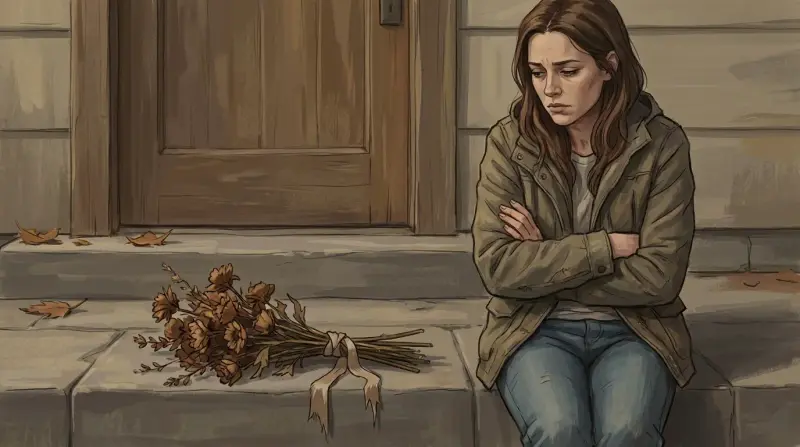
The effects of being raised by parents with narcissistic traits may show up in your life as constant tension, sharp sensitivity to criticism, or a feeling that you must please everyone in order to be accepted. What’s painful is that these effects can continue even after you grow up and become outwardly independent, while inside you are still searching for a safety that never fully formed. Recovery here does not mean declaring war on your family or diagnosing them from a distance. It means understanding what happened, calming the old alarm inside you, and building boundaries that protect you without turning your whole life into conflict.
Understand What Happened Without Putting Yourself on Trial
One article cannot diagnose a parent with narcissistic personality disorder. What we mean here is repeated narcissistic or harmful behavior, such as minimizing feelings, control, using guilt, or making the parent's needs the center of the relationship. Minimizing or controlling may happen intentionally or without awareness, but the impact on you still matters and deserves understanding and support, without diagnosing the parent or reducing the entire relationship to one label.
This type of upbringing can leave hidden messages: your worth is in your achievements, their satisfaction matters more than your needs, and mistakes mean shame. Over time, your inner voice can become sharp and harsh because it learned that safety comes from perfection or from avoiding anger.
How Do the Effects Show Up in Your Day?
Many people describe a feeling of being watched even when they are alone: hesitation in making decisions, fear of being misunderstood, or difficulty asking for help. It may also show up as swinging between people-pleasing and sudden withdrawal when the pressure becomes too heavy. These are understandable reactions for someone who grew up in an environment where emotions were minimized—or used against them.
Emotional abuse and neglect can be linked, for some people, to long-term psychological effects such as anxiety, depression, or post-traumatic stress. This doesn’t mean that everyone who went through a difficult experience will develop a disorder, but it helps explain why your body and mind may need time and skills to settle.
Start by Calming the Inside Before Changing the Outside
Sometimes we want to set boundaries immediately, but the body is still in defense mode: a racing heart, tension, or an urge to justify yourself constantly. Calming that state is not a luxury—it’s a foundation for independence. Try asking yourself in any difficult moment: What am I trying to protect right now? My dignity, my safety, or my peace?
Having a support network helps restore a sense of safety. You can do this simply: a friend you trust, a quick journal note about what you felt, or a few minutes of slow breathing before responding to a provoking message.
Respectful Boundaries Without Harshness or Excessive Justification
Boundaries are not punishment for your parents; they are protection for you, so you can be calmer and closer. The idea is to be clear with yourself first: What do I accept? And what do I not accept? Then communicate with short, non-defensive sentences, and repeat them calmly when needed. If there is violence, threats, confinement, blackmail, control over money or your phone, or fear of a harmful reaction when you set boundaries, the priority is safety, not confrontation. Move to a safe place if possible and contact someone you trust. These examples may help you start:
I’ll think about it and respond later.
I’d rather not discuss this now.
I appreciate your opinion, and my decision is different.
If voices get raised, I will stop talking and we’ll continue later.
Their response may not change quickly, so focus on what you can control: the length of the call, the topic, and a safe distance when things escalate. If the situation includes violence, threats, coercion, stalking, financial control, or pressure that makes you unsafe, the priority is protection and trusted support, not forcing a calm conversation. Over time, you’ll notice your calm becomes a stronger message than any long explanation.
Building Independence Calmly, Step by Step
Independence isn’t one decision—it’s a series of small steps that give you your right to choose back. Start with one area: managing your expenses, organizing your sleep, or setting a weekly plan for what you want to learn or accomplish. Each step tells your mind: I can do this—even if I get confused sometimes.
Many people struggle with independence because they jump from dependence to direct confrontation without first building an inner sense that they are allowed to choose. That’s why it helps to connect independence to meaning, not rebellion: I’m becoming independent to live more calmly, not to prove something to anyone. If communication with family is draining, try making your independence quiet: your decisions don’t always need an announcement, and your boundaries don’t require long justifications.
What About Guilt and Being Dutiful to Parents?
In our culture, honoring parents is a great value, and it’s natural to feel afraid that boundaries will be misunderstood as disobedience. But honoring parents does not mean erasing yourself, and it does not mean accepting insults or belittlement. You can respect your parents, visit them, and pray for them—and at the same time protect your mental health from hurtful words or excessive intrusion.
Help yourself with a simple distinction: you are responsible for your manners; you are not responsible for their reaction. When guilt rises, ask: Am I setting a limit on harmful behavior, or am I cutting off the relationship? Often you’ll discover you’re simply trying to live with dignity and calm.
Rebuilding Your Self-Image
One of the hardest effects of this kind of upbringing is that you may measure your worth through their eyes: if they approve, you’re good; if they’re angry, you’re wrong. Rebuilding begins by reclaiming your definition of yourself: What do I value in myself beyond performance? What values do I want to live by—mercy, honesty, diligence, privacy, or serving those you love?
Set one goal for your relationship with yourself: to be a guide, not a judge. When you make a mistake, instead of self-punishment, try a simple sentence: I stumbled because I’m tired, and I will try again with a smaller step.
Finally…
Healing from the impact of parenting with narcissistic traits is not an open confrontation. It is a gradual return to your right to safety, choice, and a kinder inner voice. These steps do not erase the past or fit every situation, but they may gradually help you reduce the impact of the experience and build a calmer relationship with yourself. If this experience is affecting your sleep, confidence, or relationships, you can start a private session through Tatmeen with a specialist who helps you understand the impact and set boundaries that fit your situation. If memories or pressure lead to thoughts of harming yourself, feeling you may harm someone else, or feeling unable to stay safe, seek urgent help now: go to the nearest emergency department or call emergency services in your country. In Saudi Arabia, you can call 999 or 997, and for health consultation 937. Tatmeen is not a substitute for emergency or urgent protection services.
Frequently Asked Questions
Can I set boundaries with my parents without cutting off the relationship?
Yes. Boundaries can make the relationship more stable. Start with one clear limit—like a topic you won’t discuss or a fixed call time—and repeat your sentence calmly. Over time, the other person learns your new pattern even if they don’t like it.
Why do I feel small in front of them even though I’m an adult?
Because the brain links certain tones or phrases to old memories of fear or belittlement. When that happens, remind yourself of your reality now: you are an adult, you have choices, and you can delay your response until you calm down. Consistent practice reduces this effect.
How do I handle belittling my achievements or comparing me to my siblings?
Keep the conversation short and don’t enter a competition to prove yourself. You can say you hear their opinion and then change the subject—or end the conversation if it turns into an insult. After that, focus on your own standard of success, and celebrate your progress even if it is small.
A writer and researcher specializing in psychiatry, she focuses on mental health and the human emotions we experience but cannot always find the words to name. She writes about us—about humanity and the human experience—and simplifies complex topics to offer content that helps us better understand ourselves and life, ultimately making us feel less alone.
Every Tatmeen article is reviewed by care providers licensed by the Saudi Commission for Health Specialties, so what you read is accurate and trustworthy.
This article builds understanding and does not replace a licensed care provider.
Need someone to talk to?
Tatmeen's licensed care providers are available around the clock, and the app's urgent consultation connects you with one within minutes.
Download Tatmeen to explore care providers and booking options.
Smart matchingFour quick questions suggest the right care provider
Urgent consultationTalk to an available care provider within minutes
Free psychological measuresMore than 20 tests to understand how you are doing
Scan to download
{"data":{"id":"c6675444-7b14-4782-8d7b-9844eeeb141e","slug":"healing-from-narcissistic-parenting-effects","arTitle":"التعافي من آثار تربية والدين بسمات نرجسية","enTitle":"Healing from the Impact of Parenting with Narcissistic Traits","thumbnailAltText":"a person surrounded by flowers appears to be moving on from her past traumatic parenting experience","estimatedReadingTime":5,"likesCount":297,"writer":{"id":"3ab72b74-f26f-4337-9b47-3114b0f90de5","arBio":"كاتبة وباحثة متخصصة في مجال الطب النفسي، تهتم بموضوعات الصحة النفسية وبالمشاعر الإنسانية التي نختبرها ولا نجد دائمًا الكلمات لتسميتها. تكتب عنّا؛ عن الإنسان وتجربته، وتبسّط الموضوعات المعقّدة لتقدّم محتوى يساعدنا على فهم ذواتنا والحياة أكثر، ويجعلنا نشعر بأننا بوحدة أقل.","enBio":"A writer and researcher specializing in psychiatry, she focuses on mental health and the human emotions we experience but cannot always find the words to name. She writes about us—about humanity and the human experience—and simplifies complex topics to offer content that helps us better understand ourselves and life, ultimately making us feel less alone.","user":{"slug":"ayat-alnajar","arFullName":"آيات النجار","enFullName":"Ayat Al-Najjar","publicProfileImageUrl":"https://cdn.tatmeen.sa/public/profile-images/02384455-68fa-40b6-ad05-609fde65cafa/21b9a610dde5dfc6d37af110c23e9c7ab3946be080c281beb000debf4f7d31a6.webp","publicProfileImage96Url":"https://cdn.tatmeen.sa/public/profile-images/02384455-68fa-40b6-ad05-609fde65cafa/21b9a610dde5dfc6d37af110c23e9c7ab3946be080c281beb000debf4f7d31a6-w96.webp","publicProfileImage192Url":"https://cdn.tatmeen.sa/public/profile-images/02384455-68fa-40b6-ad05-609fde65cafa/21b9a610dde5dfc6d37af110c23e9c7ab3946be080c281beb000debf4f7d31a6-w192.webp"}},"arContent":"","enContent":"","productionDocument":{"headings":[{"id":"article-section-understand-what-happened-without-putting-yourself-on-trial","text":"Understand What Happened Without Putting Yourself on Trial"},{"id":"article-section-how-do-the-effects-show-up-in-your-day","text":"How Do the Effects Show Up in Your Day?"},{"id":"article-section-start-by-calming-the-inside-before-changing-the-outside","text":"Start by Calming the Inside Before Changing the Outside"},{"id":"article-section-respectful-boundaries-without-harshness-or-excessive-justification","text":"Respectful Boundaries Without Harshness or Excessive Justification"},{"id":"article-section-building-independence-calmly-step-by-step","text":"Building Independence Calmly, Step by Step"},{"id":"article-section-what-about-guilt-and-being-dutiful-to-parents","text":"What About Guilt and Being Dutiful to Parents?"},{"id":"article-section-rebuilding-your-self-image","text":"Rebuilding Your Self-Image"},{"id":"article-section-finally","text":"Finally…"}],"faqs":[{"question":"Can I set boundaries with my parents without cutting off the relationship?","answer":"<p><span style=\"color:#000000\">Yes. Boundaries can make the relationship more stable. Start with one clear limit—like a topic you won’t discuss or a fixed call time—and repeat your sentence calmly. Over time, the other person learns your new pattern even if they don’t like it.</span></p>"},{"question":"Why do I feel small in front of them even though I’m an adult?","answer":"<p><span style=\"color:#000000\">Because the brain links certain tones or phrases to old memories of fear or belittlement. When that happens, remind yourself of your reality now: you are an adult, you have choices, and you can delay your response until you calm down. Consistent practice reduces this effect.</span></p>"},{"question":"How do I handle belittling my achievements or comparing me to my siblings?","answer":"<p><span style=\"color:#000000\">Keep the conversation short and don’t enter a competition to prove yourself. You can say you hear their opinion and then change the subject—or end the conversation if it turns into an insult. After that, focus on your own standard of success, and celebrate your progress even if it is small.</span></p>"}],"beforeSourcesHtml":"<p></p>","sources":[],"afterSourcesHtml":"","blocks":[{"type":"html","html":"<p><span style=\"color:#000000\">The effects of being raised by parents with narcissistic traits may show up in your life as constant tension, sharp sensitivity to criticism, or a feeling that you must please everyone in order to be accepted. What’s painful is that these effects can continue even after you grow up and become outwardly independent, while inside you are still searching for a safety that never fully formed. Recovery here does not mean declaring war on your family or diagnosing them from a distance. It means understanding what happened, calming the old alarm inside you, and building boundaries that protect you without turning your whole life into conflict.</span></p><h2 id=\"article-section-understand-what-happened-without-putting-yourself-on-trial\" data-toc-heading tabindex=\"-1\"><span id=\"understand-what-happened-without-putting-yourself-on-trial-1\" aria-hidden=\"true\"></span><span style=\"color:#000000\"><strong>Understand What Happened Without Putting Yourself on Trial</strong></span></h2><p><span style=\"color:#000000\">One article cannot diagnose a parent with narcissistic personality disorder. What we mean here is repeated narcissistic or harmful behavior, such as minimizing feelings, control, using guilt, or making the parent's needs the center of the relationship. Minimizing or controlling may happen intentionally or without awareness, but the impact on you still matters and deserves understanding and support, without diagnosing the parent or reducing the entire relationship to one label.</span></p><p><span style=\"color:#000000\">This type of upbringing can leave hidden messages: your worth is in your achievements, their satisfaction matters more than your needs, and mistakes mean shame. Over time, your inner voice can become sharp and harsh because it learned that safety comes from perfection or from avoiding anger.</span></p><h2 id=\"article-section-how-do-the-effects-show-up-in-your-day\" data-toc-heading tabindex=\"-1\"><span id=\"how-do-the-effects-show-up-in-your-day-2\" aria-hidden=\"true\"></span><span style=\"color:#000000\"><strong>How Do the Effects Show Up in Your Day?</strong></span></h2><p><span style=\"color:#000000\">Many people describe a feeling of being watched even when they are alone: hesitation in making decisions, fear of being misunderstood, or difficulty asking for help. It may also show up as swinging between people-pleasing and sudden withdrawal when the pressure becomes too heavy. These are understandable reactions for someone who grew up in an environment where emotions were minimized—or used against them.</span></p><p><span style=\"color:#000000\">Emotional abuse and neglect can be linked, for some people, to long-term psychological effects such as anxiety, depression, or post-traumatic stress. This doesn’t mean that everyone who went through a difficult experience will develop a disorder, but it helps explain why your body and mind may need time and skills to settle.</span></p><h2 id=\"article-section-start-by-calming-the-inside-before-changing-the-outside\" data-toc-heading tabindex=\"-1\"><span id=\"start-by-calming-the-inside-before-changing-the-outside-3\" aria-hidden=\"true\"></span><span style=\"color:#000000\"><strong>Start by Calming the Inside Before Changing the Outside</strong></span></h2><p><span style=\"color:#000000\">Sometimes we want to set boundaries immediately, but the body is still in defense mode: a racing heart, tension, or an urge to justify yourself constantly. Calming that state is not a luxury—it’s a foundation for independence. Try asking yourself in any difficult moment: What am I trying to protect right now? My dignity, my safety, or my peace?</span></p><p><span style=\"color:#000000\">Having a support network helps restore a sense of safety. You can do this simply: a friend you trust, a quick journal note about what you felt, or a few minutes of slow breathing before responding to a provoking message.</span></p><h2 id=\"article-section-respectful-boundaries-without-harshness-or-excessive-justification\" data-toc-heading tabindex=\"-1\"><span id=\"respectful-boundaries-without-harshness-or-excessive-justification-4\" aria-hidden=\"true\"></span><span style=\"color:#000000\"><strong>Respectful Boundaries Without Harshness or Excessive Justification</strong></span></h2><p><span style=\"color:#000000\">Boundaries are not punishment for your parents; they are protection for you, so you can be calmer and closer. The idea is to be clear with yourself first: What do I accept? And what do I not accept? Then communicate with short, non-defensive sentences, and repeat them calmly when needed. If there is violence, threats, confinement, blackmail, control over money or your phone, or fear of a harmful reaction when you set boundaries, the priority is safety, not confrontation. Move to a safe place if possible and contact someone you trust. These examples may help you start:</span></p><ul><li><p><span style=\"color:#000000\">I’ll think about it and respond later.</span></p></li><li><p><span style=\"color:#000000\">I’d rather not discuss this now.</span></p></li><li><p><span style=\"color:#000000\">I appreciate your opinion, and my decision is different.</span></p></li><li><p><span style=\"color:#000000\">If voices get raised, I will stop talking and we’ll continue later.</span></p></li></ul><p><span style=\"color:#000000\">Their response may not change quickly, so focus on what you can control: the length of the call, the topic, and a safe distance when things escalate. If the situation includes violence, threats, coercion, stalking, financial control, or pressure that makes you unsafe, the priority is protection and trusted support, not forcing a calm conversation. Over time, you’ll notice your calm becomes a stronger message than any long explanation.</span></p><h2 id=\"article-section-building-independence-calmly-step-by-step\" data-toc-heading tabindex=\"-1\"><span id=\"building-independence-calmly-step-by-step-5\" aria-hidden=\"true\"></span><span style=\"color:#000000\"><strong>Building Independence Calmly, Step by Step</strong></span></h2><p><span style=\"color:#000000\">Independence isn’t one decision—it’s a series of small steps that give you your right to choose back. Start with one area: managing your expenses, organizing your sleep, or setting a weekly plan for what you want to learn or accomplish. Each step tells your mind: I can do this—even if I get confused sometimes.</span></p><p><span style=\"color:#000000\">Many people struggle with independence because they jump from dependence to direct confrontation without first building an inner sense that they are allowed to choose. That’s why it helps to connect independence to meaning, not rebellion: I’m becoming independent to live more calmly, not to prove something to anyone. If communication with family is draining, try making your independence quiet: your decisions don’t always need an announcement, and your boundaries don’t require long justifications.</span></p><h2 id=\"article-section-what-about-guilt-and-being-dutiful-to-parents\" data-toc-heading tabindex=\"-1\"><span id=\"what-about-guilt-and-being-dutiful-to-parents-6\" aria-hidden=\"true\"></span><span style=\"color:#000000\"><strong>What About Guilt and Being Dutiful to Parents?</strong></span></h2><p><span style=\"color:#000000\">In our culture, honoring parents is a great value, and it’s natural to feel afraid that boundaries will be misunderstood as disobedience. But honoring parents does not mean erasing yourself, and it does not mean accepting insults or belittlement. You can respect your parents, visit them, and pray for them—and at the same time protect your mental health from hurtful words or excessive intrusion.</span></p><p><span style=\"color:#000000\">Help yourself with a simple distinction: you are responsible for your manners; you are not responsible for their reaction. When guilt rises, ask: Am I setting a limit on harmful behavior, or am I cutting off the relationship? Often you’ll discover you’re simply trying to live with dignity and calm.</span></p><h2 id=\"article-section-rebuilding-your-self-image\" data-toc-heading tabindex=\"-1\"><span id=\"rebuilding-your-self-image-7\" aria-hidden=\"true\"></span><span style=\"color:#000000\"><strong>Rebuilding Your Self-Image</strong></span></h2><p><span style=\"color:#000000\">One of the hardest effects of this kind of upbringing is that you may measure your worth through their eyes: if they approve, you’re good; if they’re angry, you’re wrong. Rebuilding begins by reclaiming your definition of yourself: What do I value in myself beyond performance? What values do I want to live by—mercy, honesty, diligence, privacy, or serving those you love?</span></p><p><span style=\"color:#000000\">Set one goal for your relationship with yourself: to be a guide, not a judge. When you make a mistake, instead of self-punishment, try a simple sentence: I stumbled because I’m tired, and I will try again with a smaller step.</span></p><h2 id=\"article-section-finally\" data-toc-heading tabindex=\"-1\"><span id=\"finally-8\" aria-hidden=\"true\"></span><span style=\"color:#000000\"><strong>Finally…</strong></span></h2><p><span style=\"color:#000000\">Healing from the impact of parenting with narcissistic traits is not an open confrontation. It is a gradual return to your right to safety, choice, and a kinder inner voice. These steps do not erase the past or fit every situation, but they may gradually help you reduce the impact of the experience and build a calmer relationship with yourself. If this experience is affecting your sleep, confidence, or relationships, you can start a private session through Tatmeen with a specialist who helps you understand the impact and set boundaries that fit your situation. If memories or pressure lead to thoughts of harming yourself, feeling you may harm someone else, or feeling unable to stay safe, seek urgent help now: go to the nearest emergency department or call emergency services in your country. In Saudi Arabia, you can call 999 or 997, and for health consultation 937. Tatmeen is not a substitute for emergency or urgent protection services.</span></p>"}],"inlineCtaSignatures":[],"_experienceAliases":{"v":1,"fields":["html","bodyHtml"],"faqs":[0,1,2]}},"createdAt":"2026-06-02T21:00:00.000Z","updatedAt":"2026-06-10T23:43:53.483Z","disorderGroups":[{"id":"1e82772d-a1a7-4d29-b475-be9d6b67ae02","slug":"common-mental-issues","arName":"اضطرابات نفسية شائعة","enName":"Common Mental Issues"},{"id":"d807ea69-44d4-4e81-bee4-0a059fd36645","slug":"self-development","arName":"تنمية الذات","enName":"Self-Development"},{"id":"01b1a587-3584-435b-971a-c40ffce29802","slug":"family-and-marital-relations","arName":"العلاقات الأسرية والزوجية","enName":"Family & Marital Relations"}],"reviewer":{"arFullName":"فريق تطمين","enFullName":"Tatmeen team","slug":"tatmeen-team","kind":"organization"},"productionArticle":true,"promotionAllowed":true,"preparedCover":{"src":"https://cdn.tatmeen.sa/public/article-lcp/article-lcp-v2/sha256-ad05aaccbbe5bbcc6887e92ee58c55bd42469199f9ef42a127f055978075cb5d/800-fd3957922fd5b883b010d5780b589e212e7652eeb1580a84eb17ba9f60932735.avif","fallback":"https://cdn.tatmeen.sa/public/article-lcp/article-lcp-v2/sha256-ad05aaccbbe5bbcc6887e92ee58c55bd42469199f9ef42a127f055978075cb5d/800-2353651ca848a747e44636f83986603a28dcd8c5d817e18a91d5b3d43669ad00.webp","directUrl":"https://cdn.tatmeen.sa/blog-cover/Tatmeen-1780506202079.webp","isGolden":true,"avifSrcset":"https://cdn.tatmeen.sa/public/article-lcp/article-lcp-v2/sha256-ad05aaccbbe5bbcc6887e92ee58c55bd42469199f9ef42a127f055978075cb5d/400-5c13ac531f7900fb3cf52779c39d5c9f5163840ba8f4db62676ff76651b1059c.avif 400w, https://cdn.tatmeen.sa/public/article-lcp/article-lcp-v2/sha256-ad05aaccbbe5bbcc6887e92ee58c55bd42469199f9ef42a127f055978075cb5d/640-8837b30e90613ec691cf9018b7d0f4764d320130155577ecfedd8bac369e5819.avif 640w, https://cdn.tatmeen.sa/public/article-lcp/article-lcp-v2/sha256-ad05aaccbbe5bbcc6887e92ee58c55bd42469199f9ef42a127f055978075cb5d/800-fd3957922fd5b883b010d5780b589e212e7652eeb1580a84eb17ba9f60932735.avif 800w, https://cdn.tatmeen.sa/public/article-lcp/article-lcp-v2/sha256-ad05aaccbbe5bbcc6887e92ee58c55bd42469199f9ef42a127f055978075cb5d/1200-28b9513c1bff6c4a4a76da9dfdd50b910976b070ddad7b2c2fbeda38f4114037.avif 1200w","webpSrcset":"https://cdn.tatmeen.sa/public/article-lcp/article-lcp-v2/sha256-ad05aaccbbe5bbcc6887e92ee58c55bd42469199f9ef42a127f055978075cb5d/400-17bb0106eb93289021ecc938b574a062a1f52ed6fdbbc0d8c2ab6f16df74d8f2.webp 400w, https://cdn.tatmeen.sa/public/article-lcp/article-lcp-v2/sha256-ad05aaccbbe5bbcc6887e92ee58c55bd42469199f9ef42a127f055978075cb5d/640-3ac169297d9d34ed61d6fdb7726c7031f53e6f793fad04328c66443e500ab052.webp 640w, https://cdn.tatmeen.sa/public/article-lcp/article-lcp-v2/sha256-ad05aaccbbe5bbcc6887e92ee58c55bd42469199f9ef42a127f055978075cb5d/800-2353651ca848a747e44636f83986603a28dcd8c5d817e18a91d5b3d43669ad00.webp 800w, https://cdn.tatmeen.sa/public/article-lcp/article-lcp-v2/sha256-ad05aaccbbe5bbcc6887e92ee58c55bd42469199f9ef42a127f055978075cb5d/1200-b9ab0045600da87f2aadfa36c59ed26e0e535ec5887629f2f4163ac809a4b4eb.webp 1200w","phoneAvifSrcset":"https://cdn.tatmeen.sa/public/article-lcp/article-lcp-v2/sha256-ad05aaccbbe5bbcc6887e92ee58c55bd42469199f9ef42a127f055978075cb5d/400-5c13ac531f7900fb3cf52779c39d5c9f5163840ba8f4db62676ff76651b1059c.avif 400w, https://cdn.tatmeen.sa/public/article-lcp/article-lcp-v2/sha256-ad05aaccbbe5bbcc6887e92ee58c55bd42469199f9ef42a127f055978075cb5d/640-8837b30e90613ec691cf9018b7d0f4764d320130155577ecfedd8bac369e5819.avif 640w, https://cdn.tatmeen.sa/public/article-lcp/article-lcp-v2/sha256-ad05aaccbbe5bbcc6887e92ee58c55bd42469199f9ef42a127f055978075cb5d/800-fd3957922fd5b883b010d5780b589e212e7652eeb1580a84eb17ba9f60932735.avif 800w","phoneWebpSrcset":"https://cdn.tatmeen.sa/public/article-lcp/article-lcp-v2/sha256-ad05aaccbbe5bbcc6887e92ee58c55bd42469199f9ef42a127f055978075cb5d/400-17bb0106eb93289021ecc938b574a062a1f52ed6fdbbc0d8c2ab6f16df74d8f2.webp 400w, https://cdn.tatmeen.sa/public/article-lcp/article-lcp-v2/sha256-ad05aaccbbe5bbcc6887e92ee58c55bd42469199f9ef42a127f055978075cb5d/640-3ac169297d9d34ed61d6fdb7726c7031f53e6f793fad04328c66443e500ab052.webp 640w, https://cdn.tatmeen.sa/public/article-lcp/article-lcp-v2/sha256-ad05aaccbbe5bbcc6887e92ee58c55bd42469199f9ef42a127f055978075cb5d/800-2353651ca848a747e44636f83986603a28dcd8c5d817e18a91d5b3d43669ad00.webp 800w","width":800,"height":447},"previewTaxonomy":{"groups":[{"id":"1e82772d-a1a7-4d29-b475-be9d6b67ae02","slug":"common-mental-issues","arName":"اضطرابات نفسية شائعة","enName":"Common Mental Issues"},{"id":"d807ea69-44d4-4e81-bee4-0a059fd36645","slug":"self-development","arName":"تنمية الذات","enName":"Self-Development"},{"id":"01b1a587-3584-435b-971a-c40ffce29802","slug":"family-and-marital-relations","arName":"العلاقات الأسرية والزوجية","enName":"Family & Marital Relations"}],"topics":[{"id":"e135b175-04d3-4f95-bedb-db810907de86","slug":"childhood-trauma","arName":"صدمات الطفولة","enName":"Childhood Trauma","groupSlug":"common-mental-issues","href":"/blog/category/common-mental-issues/childhood-trauma/"},{"id":"e12cd2a1-236e-4ce4-b722-49d7c6db3b8d","slug":"coping-with-narcissism","arName":"التعامل مع النرجسية","enName":"Coping with Narcissism","groupSlug":"common-mental-issues","href":"/blog/category/common-mental-issues/coping-with-narcissism/"},{"id":"785d9b22-1cd8-4f1a-a300-5170c1348b2f","slug":"setting-boundaries","arName":"وضع حدود شخصية","enName":"Setting Boundaries","groupSlug":"self-development","href":"/blog/category/self-development/setting-boundaries/"},{"id":"7795b6e4-e390-47a5-baf0-09243b44e066","slug":"self-compassion","arName":"تعاطف مع الذات","enName":"Self-Compassion","groupSlug":"self-development","href":"/blog/category/self-development/self-compassion/"}],"tags":[{"id":"740f9bdf-f4fe-4be8-a3fb-016b8c5eb5bc","slug":"narcissistic-abuse-recovery","arName":"التعافي من الإساءة النرجسية","enName":"Narcissistic Abuse Recovery"},{"id":"7e99b2b9-b043-4918-bc29-d0e88dc92879","slug":"family-of-origin-wounds","arName":"جراح الطفولة والأسرة الأصلية","enName":"Childhood & Family-of-Origin Wounds"},{"id":"d58e6187-021b-44a5-882c-245bccd77611","slug":"self-help-howto","arName":"مساعدة ذاتية / خطوات عملية","enName":"Self-Help / How-To"}]},"previewProviderRecommendations":[{"id":"025d770d-f6d4-405b-be1c-d45dde63fbf7","slug":"akila-alomran-7545","arFullName":"عقيله العمران","enFullName":"Akila Alomran","publicProfileImageUrl":"https://cdn.tatmeen.sa/public/profile-images/025d770d-f6d4-405b-be1c-d45dde63fbf7/44a990b9294f02c9810c69a68b8913a6afac0eb30d1b7494155f31b6dde9378b.webp","publicProfileImage96Url":"https://cdn.tatmeen.sa/public/profile-images/025d770d-f6d4-405b-be1c-d45dde63fbf7/44a990b9294f02c9810c69a68b8913a6afac0eb30d1b7494155f31b6dde9378b-w96.webp","publicProfileImage192Url":"https://cdn.tatmeen.sa/public/profile-images/025d770d-f6d4-405b-be1c-d45dde63fbf7/44a990b9294f02c9810c69a68b8913a6afac0eb30d1b7494155f31b6dde9378b-w192.webp","specialization":{"arName":"أخصائي نفسي","enName":"Psychologist"},"profileImageUrl":"https://cdn.tatmeen.sa/public/profile-images/025d770d-f6d4-405b-be1c-d45dde63fbf7/44a990b9294f02c9810c69a68b8913a6afac0eb30d1b7494155f31b6dde9378b-w192.webp","experienceYears":3,"consultantInfo":{"averageRating":{"average":5},"specialization":{"arGeneralName":"أخصائي نفسي","enGeneralName":"Psychologist"}}},{"id":"798526a5-3457-41bc-9825-35c7fd1bcd0b","slug":"dr-maeed-algarny-9986","arFullName":"د. معيض القرني","enFullName":"Dr. Maeed Algarny","publicProfileImageUrl":"https://cdn.tatmeen.sa/public/profile-images/798526a5-3457-41bc-9825-35c7fd1bcd0b/8a9d8aa7bd91280f7ac6f9d4e7d75c42a847cbd8896e108e40e4231760a567f4.webp","publicProfileImage96Url":"https://cdn.tatmeen.sa/public/profile-images/798526a5-3457-41bc-9825-35c7fd1bcd0b/8a9d8aa7bd91280f7ac6f9d4e7d75c42a847cbd8896e108e40e4231760a567f4-w96.webp","publicProfileImage192Url":"https://cdn.tatmeen.sa/public/profile-images/798526a5-3457-41bc-9825-35c7fd1bcd0b/8a9d8aa7bd91280f7ac6f9d4e7d75c42a847cbd8896e108e40e4231760a567f4-w192.webp","specialization":{"arName":"طبيب أسرة","enName":"Family Physician"},"profileImageUrl":"https://cdn.tatmeen.sa/public/profile-images/798526a5-3457-41bc-9825-35c7fd1bcd0b/8a9d8aa7bd91280f7ac6f9d4e7d75c42a847cbd8896e108e40e4231760a567f4-w192.webp","experienceYears":16,"consultantInfo":{"averageRating":{"average":0},"specialization":{"arGeneralName":"طبيب أسرة","enGeneralName":"Family Physician"}}},{"id":"94765496-dbdf-4631-a01b-7df5f788668d","slug":"abdullrahman-alhamoudi-3045","arFullName":"عبدالرحمن الحمودي","enFullName":"Abdulrahman Alhamoudi","publicProfileImageUrl":"https://cdn.tatmeen.sa/public/profile-images/94765496-dbdf-4631-a01b-7df5f788668d/2d49f6b6493c564afb6f50b6c3634231dff3a5cf8353acfab393d1b2a88037d1.webp","publicProfileImage96Url":"https://cdn.tatmeen.sa/public/profile-images/94765496-dbdf-4631-a01b-7df5f788668d/2d49f6b6493c564afb6f50b6c3634231dff3a5cf8353acfab393d1b2a88037d1-w96.webp","publicProfileImage192Url":"https://cdn.tatmeen.sa/public/profile-images/94765496-dbdf-4631-a01b-7df5f788668d/2d49f6b6493c564afb6f50b6c3634231dff3a5cf8353acfab393d1b2a88037d1-w192.webp","specialization":{"arName":"أخصائي نفسي","enName":"Psychologist"},"profileImageUrl":"https://cdn.tatmeen.sa/public/profile-images/94765496-dbdf-4631-a01b-7df5f788668d/2d49f6b6493c564afb6f50b6c3634231dff3a5cf8353acfab393d1b2a88037d1-w192.webp","experienceYears":9,"consultantInfo":{"averageRating":{"average":5},"specialization":{"arGeneralName":"أخصائي نفسي","enGeneralName":"Psychologist"}}}],"previewCareProviders":[{"id":"09364052-c2a9-4c52-9717-7ce2093b8d0a","slug":"kholoud-alharbi-5221","arFullName":"خلود الحربي","enFullName":"Kholoud Alharbi","publicProfileImageUrl":"https://cdn.tatmeen.sa/public/profile-images/09364052-c2a9-4c52-9717-7ce2093b8d0a/4a0aeb81619e351b77f4323e3605a0a00acc7ca3c82ee7cc5ca2c9e8ef716049.webp","publicProfileImage96Url":"https://cdn.tatmeen.sa/public/profile-images/09364052-c2a9-4c52-9717-7ce2093b8d0a/4a0aeb81619e351b77f4323e3605a0a00acc7ca3c82ee7cc5ca2c9e8ef716049-w96.webp","publicProfileImage192Url":"https://cdn.tatmeen.sa/public/profile-images/09364052-c2a9-4c52-9717-7ce2093b8d0a/4a0aeb81619e351b77f4323e3605a0a00acc7ca3c82ee7cc5ca2c9e8ef716049-w192.webp","gender":"FEMALE","specialization":{"arName":"أخصائي نفسي","enName":"Psychologist"}},{"id":"6f037535-1dca-4b50-a8b2-5974b7323286","slug":"salah-althobaiti-9053","arFullName":"صلاح الثبيتي","enFullName":"Salah Althobaiti","publicProfileImageUrl":"https://cdn.tatmeen.sa/public/profile-images/6f037535-1dca-4b50-a8b2-5974b7323286/35b6bd7fad9b1e004c1835803eb9c1b56dcacd380685ec8bff141f0fb888005c.webp","publicProfileImage96Url":"https://cdn.tatmeen.sa/public/profile-images/6f037535-1dca-4b50-a8b2-5974b7323286/35b6bd7fad9b1e004c1835803eb9c1b56dcacd380685ec8bff141f0fb888005c-w96.webp","publicProfileImage192Url":"https://cdn.tatmeen.sa/public/profile-images/6f037535-1dca-4b50-a8b2-5974b7323286/35b6bd7fad9b1e004c1835803eb9c1b56dcacd380685ec8bff141f0fb888005c-w192.webp","gender":"MALE","specialization":{"arName":"أخصائي نفسي","enName":"Psychologist"}},{"id":"3cc806e8-616b-4884-9f21-a75b378580a2","slug":"aisha-al-hashim-8667","arFullName":"عائشة ال هاشم","enFullName":"Aisha Al Hashim","publicProfileImageUrl":"https://cdn.tatmeen.sa/public/profile-images/3cc806e8-616b-4884-9f21-a75b378580a2/27f523d03be4dcfa1f6a79f70c1773887434e698990d214cd990caec56a44798.webp","publicProfileImage96Url":"https://cdn.tatmeen.sa/public/profile-images/3cc806e8-616b-4884-9f21-a75b378580a2/27f523d03be4dcfa1f6a79f70c1773887434e698990d214cd990caec56a44798-w96.webp","publicProfileImage192Url":"https://cdn.tatmeen.sa/public/profile-images/3cc806e8-616b-4884-9f21-a75b378580a2/27f523d03be4dcfa1f6a79f70c1773887434e698990d214cd990caec56a44798-w192.webp","gender":"FEMALE","specialization":{"arName":"أخصائي نفسي","enName":"Psychologist"}},{"id":"db2ce1a0-9325-4471-b7ce-eb2e811c30a3","slug":"amer-qutub-2441","arFullName":"عامر قطب","enFullName":"Amer Qutub","publicProfileImageUrl":"https://cdn.tatmeen.sa/public/profile-images/db2ce1a0-9325-4471-b7ce-eb2e811c30a3/80580f99bfd7fe2b2a9cf8eed73ab532f5086d1efe053b0aa57358c1ce004261.webp","publicProfileImage96Url":"https://cdn.tatmeen.sa/public/profile-images/db2ce1a0-9325-4471-b7ce-eb2e811c30a3/80580f99bfd7fe2b2a9cf8eed73ab532f5086d1efe053b0aa57358c1ce004261-w96.webp","publicProfileImage192Url":"https://cdn.tatmeen.sa/public/profile-images/db2ce1a0-9325-4471-b7ce-eb2e811c30a3/80580f99bfd7fe2b2a9cf8eed73ab532f5086d1efe053b0aa57358c1ce004261-w192.webp","gender":"MALE","specialization":{"arName":"أخصائي نفسي","enName":"Psychologist"}},{"id":"94765496-dbdf-4631-a01b-7df5f788668d","slug":"abdullrahman-alhamoudi-3045","arFullName":"عبدالرحمن الحمودي","enFullName":"Abdulrahman Alhamoudi","publicProfileImageUrl":"https://cdn.tatmeen.sa/public/profile-images/94765496-dbdf-4631-a01b-7df5f788668d/2d49f6b6493c564afb6f50b6c3634231dff3a5cf8353acfab393d1b2a88037d1.webp","publicProfileImage96Url":"https://cdn.tatmeen.sa/public/profile-images/94765496-dbdf-4631-a01b-7df5f788668d/2d49f6b6493c564afb6f50b6c3634231dff3a5cf8353acfab393d1b2a88037d1-w96.webp","publicProfileImage192Url":"https://cdn.tatmeen.sa/public/profile-images/94765496-dbdf-4631-a01b-7df5f788668d/2d49f6b6493c564afb6f50b6c3634231dff3a5cf8353acfab393d1b2a88037d1-w192.webp","gender":"MALE","specialization":{"arName":"أخصائي نفسي","enName":"Psychologist"}},{"id":"618dba89-5b70-4b46-8304-741b7ac8ecd3","slug":"abdullah-mari-1311","arFullName":"عبدالله مرعي","enFullName":"Abdullah Mari","publicProfileImageUrl":"https://cdn.tatmeen.sa/public/profile-images/618dba89-5b70-4b46-8304-741b7ac8ecd3/6b4a3bfb59f8a304ca79083b32859b46baad2e1d692974a47c02c1f66bd11129.webp","publicProfileImage96Url":"https://cdn.tatmeen.sa/public/profile-images/618dba89-5b70-4b46-8304-741b7ac8ecd3/6b4a3bfb59f8a304ca79083b32859b46baad2e1d692974a47c02c1f66bd11129-w96.webp","publicProfileImage192Url":"https://cdn.tatmeen.sa/public/profile-images/618dba89-5b70-4b46-8304-741b7ac8ecd3/6b4a3bfb59f8a304ca79083b32859b46baad2e1d692974a47c02c1f66bd11129-w192.webp","gender":"MALE","specialization":{"arName":"أخصائي نفسي","enName":"Psychologist"}},{"id":"3b50a5d5-e795-407f-8676-fd7f0e1bb7a0","slug":"abdulaziz-bin-hudayan-4940","arFullName":"عبدالعزيز بن هديان","enFullName":"Abdulaziz Bin Hudayan","publicProfileImageUrl":"https://cdn.tatmeen.sa/public/profile-images/3b50a5d5-e795-407f-8676-fd7f0e1bb7a0/710ff0fe1fb00cdb5042092e27b7910b480a439b02251ecded62d7758eefce95.webp","publicProfileImage96Url":"https://cdn.tatmeen.sa/public/profile-images/3b50a5d5-e795-407f-8676-fd7f0e1bb7a0/710ff0fe1fb00cdb5042092e27b7910b480a439b02251ecded62d7758eefce95-w96.webp","publicProfileImage192Url":"https://cdn.tatmeen.sa/public/profile-images/3b50a5d5-e795-407f-8676-fd7f0e1bb7a0/710ff0fe1fb00cdb5042092e27b7910b480a439b02251ecded62d7758eefce95-w192.webp","gender":"MALE","specialization":{"arName":"أخصائي نفسي","enName":"Psychologist"}}],"previewDownload":{"href":"/download","title":{"ar":"خطوة واحدة لأجلك، ابدأ الآن","en":"One step for you, start now"},"description":{"ar":"حمّل تطبيق تطمين لاستكشاف مقدمي الرعاية وخيارات الحجز.","en":"Download Tatmeen to explore care providers and booking options."},"posterSrc":"/images/home/cta-ar-new-1.webp","videoSrc":"/images/home/cta-ar-new-1.mp4","videoPosterSrc":"/images/home/cta-ar-new-1.webp","videoPosterEnSrc":"/images/home/cta-en-new-1.webp","videoType":"video/mp4","appStoreHref":"https://apps.apple.com/us/app/tatmeen-%D8%AA%D8%B7%D9%85%D9%8A%D9%86/id6473836983","googlePlayHref":"https://play.google.com/store/apps/details?id=com.TatmeenApp.user&hl=en"},"previewRelatedArticles":[{"id":"e2ccbd87-9066-4bd0-b798-50e998b7e7a5","slug":"narcissist-at-work-protect-mental-health","route":"/blog/narcissist-at-work-protect-mental-health/","title":{"ar":"الشخص النرجسي في بيئة العمل: طرق تحمي صحتك","en":"The Narcissist at Work: How to Protect Your Mental Health"},"image":"https://cdn.tatmeen.sa/public/article-lcp/article-lcp-v2/sha256-6db9cd14381a60995b4b68a9052fd850b220a094f4ae3ca5b2971586b2e08361/800-65a5c07ae28fc618ff2c5df3677613c5ae8a2b707d1d0ccbe65e79f926bc2f0d.webp","directImageFallback":"https://cdn.tatmeen.sa/blog-cover/Tatmeen-1778099903203.webp","arThumbnailAltText":"Person working calmly at a desk surrounded by a shield deflecting dark arrows resembling protection","thumbnailAltText":"Person working calmly at a desk surrounded by a shield deflecting dark arrows resembling protection","topic":{"label":{"ar":"اضطرابات نفسية شائعة","en":"Common Mental Issues"}},"readingTimeMinutes":5},{"id":"de94b773-3f2d-4cc9-9c02-b3a795b702c1","slug":"narcissist-false-apology-phrases-dodge-accountability","route":"/blog/narcissist-false-apology-phrases-dodge-accountability/","title":{"ar":"الاعتذار الزائف: صيغ شائعة يتهرّب بها النرجسي من المسؤولية","en":"The False Apology: Common Phrases Narcissists Use to Dodge Accountability"},"image":"https://cdn.tatmeen.sa/public/article-lcp/article-lcp-v2/sha256-7cc20b79f62c4dac71b441785f67087914e30577cd6d69badb5e524ed77fa6a5/800-2513a59f77a87001e268ff9f0a8545708978e4d870ae2cf02b0fa56924eb1ab6.webp","directImageFallback":"https://cdn.tatmeen.sa/blog-cover/Tatmeen-1775542395438.webp","arThumbnailAltText":"Stylized mouth forming words that dissolve into smoke drifting back as a shield while a warm hand waits","thumbnailAltText":"Stylized mouth forming words that dissolve into smoke drifting back as a shield while a warm hand waits","topic":{"label":{"ar":"اضطرابات نفسية شائعة","en":"Common Mental Issues"}},"readingTimeMinutes":5},{"id":"88fdc950-246c-497c-bd01-5a68b637528e","slug":"living-with-narcissistic-father-protection-self-care","route":"/blog/living-with-narcissistic-father-protection-self-care/","title":{"ar":"التعايش مع أب نرجسي: سُبُل الحماية والعناية بالنفس","en":"Living with a Narcissistic Father: Paths to Protection and Self-Care"},"image":"https://cdn.tatmeen.sa/public/article-lcp/article-lcp-v2/sha256-3d174c287099f3f62712aef55861b1f2e1d2d0d64f4c10b63b0d0dacd5eda378/800-0abcec68b6b44e8b492edcb0577ccad0e9f45ba4f9d5c7114166d2037509b284.webp","directImageFallback":"https://cdn.tatmeen.sa/blog-cover/Tatmeen-1776107672618.webp","arThumbnailAltText":"Narcissistic Father and daughter","thumbnailAltText":"Narcissistic Father and daughter","topic":{"label":{"ar":"اضطرابات نفسية شائعة","en":"Common Mental Issues"}},"readingTimeMinutes":5},{"id":"f77a6645-ea9e-4cc7-8899-80fbc0a1f484","slug":"narcissistic-jealousy-success-tension","route":"/blog/narcissistic-jealousy-success-tension/","title":{"ar":"الغيرة النرجسية حين يصبح نجاحك مصدر توتر","en":"Narcissistic Jealousy: When Your Success Becomes a Source of Tension"},"image":"https://cdn.tatmeen.sa/public/article-lcp/article-lcp-v2/sha256-a59ec54d321b3aa12e83d423254b88a92fac660cb44a0f1f1a8355bfde2542f1/800-86357bd75b0af914a5089c67e5bed62de974b0f44af37c140d0817f27ffc5eb5.webp","directImageFallback":"https://cdn.tatmeen.sa/blog-cover/Tatmeen-1778100521587.webp","arThumbnailAltText":"person standing holding a lit star and another person reaching to dim it","thumbnailAltText":"person standing holding a lit star and another person reaching to dim it","topic":{"label":{"ar":"اضطرابات نفسية شائعة","en":"Common Mental Issues"}},"readingTimeMinutes":5}],"previewRelatedReadStates":{}},"locale":"en","device":"desktop","path":"/en/blog/healing-from-narcissistic-parenting-effects/","readingControls":false,"config":{"public":{"BUCKET_URL":"https://cdn.tatmeen.sa/","APP_BASE_URL":"https://tatmeen.sa","intercomAppId":"ppcnu9e3"}}}