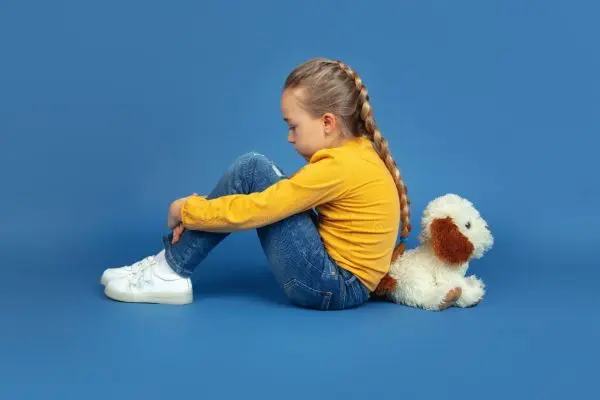
Autism is a neurodevelopmental condition with no cure that lasts throughout life. It affects how autistic people see the world, think and behave, and communicate and interact with others. Simply put, autistic people see, hear, and feel the world differently from others.
Common symptoms of autism include difficulty communicating, repetitive behaviors, and restricted interests or activities. It is usually diagnosed in childhood, but some people may not be diagnosed until adulthood.
Although there is no cure for autism, medical intervention and early treatment can help autistic people improve their condition by helping them develop social and communication skills, improve their behavior and academic performance, and achieve greater independence.
What is the difference between autism and the autism spectrum?
Autism and autism spectrum disorder are the same thing. Autism spectrum disorder (ASD) is simply the clinical term for autism. While some people choose to be described as an “autistic person,” others prefer “a person with autism spectrum disorder.”
Autism is generally a neurological disorder that affects a person's communication and behavior, while the term “autism spectrum” indicates that autism can present in different ways and that the severity and type of symptoms vary considerably among autistic people.
For example, some autistic people may have difficulty with social communication and a tendency toward repetitive behavior, while others may not experience significant difficulty in this area. This means that autistic people may display a variety of symptoms that differ from one person to another.
Put more simply, the “autism spectrum” is a classification encompassing different disorders that share certain symptoms, such as difficulty communicating and interacting socially, repetitive behavior, and restricted interests.
Because it encompasses a variety of symptoms and difficulties, autism treatment differs from one person to another and is determined according to the type and severity of the individual's symptoms.
Types of autism
As noted above, autism spectrum disorder has many forms, which experts have attempted to classify into several types. The main ones include:
Asperger syndrome
Although the term Asperger syndrome was very common before 2013, it is no longer used today by medical specialists.
Since that year, the syndrome has been reclassified as level 1 autism spectrum disorder in the Diagnostic and Statistical Manual of Mental Disorders.
Nevertheless, Asperger syndrome may still be used in informal conversation. In fact, autism communities often tend to use this term more than level 1 autism spectrum disorder.
Rett syndrome
Rett syndrome is a rare neurological disorder observed during childhood. It mostly affects girls, although boys can still be diagnosed with it.
Rett syndrome presents a range of challenges that affect almost every aspect of a child's life. The good news is that, with appropriate care, the child can still enjoy daily life and live a fulfilling life.
Heller syndrome
Heller syndrome, or childhood disintegrative disorder (CDD), also known as disintegrative psychosis, is a neurodevelopmental disorder defined by the delayed onset of problems involving language development, motor skills, or social communication.
A child with this syndrome usually develops normally in these areas, then suddenly experiences a setback between the ages of three and ten and begins losing previously acquired skills.
This developmental regression can be deeply distressing for parents who had no idea that their child had been experiencing autism symptoms all along.
The cause of Heller syndrome remains unknown, although researchers have linked it to the brain's neurobiology.
Unlike the preceding syndrome, Heller syndrome is more common among boys. Of every 10 people with the disorder, nine are male and only one is female.
Kanner syndrome
Kanner syndrome was discovered in 1943 by psychiatrist Leo Kanner of Johns Hopkins University, who described it as infantile autism.
Doctors also describe the condition as classic autistic disorder. Children with Kanner syndrome generally appear perceptive, alert, and intelligent, while also displaying the disorder's core symptoms, such as an inability to form emotional bonds with others, difficulty communicating and interacting, and an obsessive preoccupation with handling objects.
Despite having strong memories and visual skills, people with this syndrome experience significant learning difficulties in other areas.
This disorder is a mild form of autism in which the person displays a range of symptoms, the most common being difficulties with social and language development.
A child may experience delays in developing language, walking, and other motor skills. This type of autism can be identified by observing the child and noting where their difficulty lies, such as in interacting with others.
This disorder is sometimes called “subthreshold autism,” a term used to describe someone who has some, but not all, symptoms of autism.
Symptoms of autism
Symptoms of autism in children vary and include the following:
Impaired communication and social interaction skills
Communication skills can be challenging for autistic children. Examples of communication and social interaction characteristics associated with autism include:
The child avoids direct eye contact or is unable to maintain it.
The child does not respond when called by name by nine months of age.
The child's facial expressions do not convey emotions such as happiness, sadness, anger, or surprise by nine months of age.
The child does not play simple interactive games by 12 months of age.
The child uses few or no gestures by 12 months of age—for example, they do not wave goodbye.
The child does not share their interests with others by 15 months of age—for example, by telling you about something they like.
The child does not show a desire to share something interesting with you by 18 months of age.
The child does not notice when others are hurt or upset by 24 months of age.
The child does not notice other children or join them in play by 36 months of age.
The child does not pretend to be someone else, such as a teacher, doctor, or superhero, while playing by 48 months of age.
The child does not sing, dance, or perform for you by 60 months of age.
Restricted and/or repetitive behaviors or interests
Autistic children may have somewhat unusual behaviors or interests. These behaviors or interests distinguish autism spectrum disorder from conditions defined only by communication and social interaction difficulties. Examples of restricted or repetitive behaviors and interests associated with autism spectrum disorder include:
The child lines up toys or other objects and becomes very upset if the arrangement is changed.
The child repeats words or phrases over and over in a behavior known as echolalia.
The child plays in the same way every time and focuses heavily on parts of objects—for example, the wheels of a car.
The child becomes upset by even minor changes.
The child has obsessive interests.
The child likes to follow particular routines and rituals.
The child repeatedly flaps their hands, stiffens their body, or spins around.
The child has unusual reactions to the way things seem, smell, taste, look, or feel.
Other features and characteristics
Most people with autism spectrum disorder have other related symptoms. These may include:
The person has difficulty making friends or prefers to be alone.
The person appears rude, eccentric, or uninterested in others without intending to.
The person has difficulty identifying what they are feeling.
The person understands language literally—for example, they may not understand sarcasm or common sayings.
The person follows the same routine every day and becomes very distressed if any part of it changes.
The person does not understand social rules, such as disliking gossip and backbiting.
The person avoids direct eye contact, for example while speaking.
The person does not respect other people's personal space or, conversely, becomes very distressed if someone touches them or comes too close.
The person notices small details, subtle patterns, smells, or sounds that others do not notice.
The person has a very strong interest in certain topics or activities.
The person is preoccupied with planning things carefully before doing them.
Autism can also sometimes present differently in women than in men. An autistic woman may:
Learn to hide signs of autism so that she can “fit in,” for example by imitating people who are not autistic.
Remain quiet and hide her feelings.
Appear to adapt better to social situations, so that she shows fewer signs of repetitive behavior.
In general, if an autistic person is female, this means that her autism may be more difficult to diagnose.
Causes of autism
The exact causes of autism are not fully understood, but researchers believe that a combination of genetic and environmental factors may play a role in one way or another.
The following are some possible causes and factors that may increase the risk of autism spectrum disorder:
Genetic factors: Research suggests that genes may play a role in the development of autism. Studies have shown that if one identical twin is autistic, the other twin is likely to be autistic as well. Other studies have identified certain genes that may increase the risk of autism.
Environmental factors: Some studies have suggested that environmental factors, such as exposure to toxins or viruses during pregnancy, may increase the risk of autism. However, the link between these factors and autism is not entirely clear.
Neurological factors: Studies have shown that autistic people have differences in the structure and function of their brains. For example, certain brain regions may be larger or smaller than usual, and there may be differences in how different parts of the brain communicate with one another.
Prenatal factors: Some evidence suggests that certain prenatal factors, such as complications during pregnancy or childbirth, may increase the risk of autism. A mother's use of certain medications or exposure to infections during pregnancy has also been linked to an increased risk of autism.
Postnatal factors:: Some evidence suggests that postnatal environmental factors, such as exposure to certain chemicals or infections, may increase the risk of autism.
It is important to understand, however, that many of these possible causes and risk factors are still being studied, while others remain unclear and their relationship to the development of autism is unknown.
Nevertheless, early diagnosis and effective intervention may help autistic people cope with the disorder to some extent, regardless of the underlying causes of their condition.
Treatment for autism
It is worth noting that autism is a disorder affecting the development of the mind and may affect a person's ability, whether an adult or a child, to communicate and interact with others, as well as their pattern of behavior.
Unfortunately, it is a lifelong condition and cannot be cured completely, as no known cure for autism has been found to date.
Nevertheless, many treatments and interventions can help autistic people improve their communication with others, develop their social skills, and improve their overall quality of life.
Some treatments and interventions that have been shown to be effective in treating autism include:
Applied behavior analysis: (ABA): This therapy focuses on increasing positive behaviors and reducing negative behaviors using reinforcement techniques. It is often used with autistic children to help them learn new skills and behaviors.
Speech therapy: Many autistic people have impaired communication abilities. Speech therapy can help them improve their language skills and, consequently, communicate more effectively.
Motor therapy: Motor therapy can help autistic people improve their motor skills, regulate their senses, and develop other skills needed for daily life.
Social skills training: Social skills training can help autistic people, especially adults, improve their ability to interact with others, make friends, and behave appropriately in social situations.
Medications and drugs: Although there is no specific medication that can put an end to autism, some medications can be used to relieve autism-related symptoms such as anxiety, depression, and hyperactivity.
Most importantly, every autistic person is different, and there is no single approach to autism treatment that works for everyone.
It is therefore advisable for people with autism spectrum disorder to seek help from a team of healthcare specialists to develop a treatment plan tailored to their particular needs and goals.
In summary
Autism, or autism spectrum disorder, is a neurological disorder that affects communication, interaction, and behavior. This means that symptoms can range from mild to severe and vary greatly from one person to another, from children to adults, and between females and males.
In every case, there is no need to panic upon learning that you or someone you love is autistic. Although it cannot be completely cured, a combination of treatments and interventions, along with patience, determination, support, and care, can ease the disorder enough to prevent it from obstructing daily life. Always remember that autistic people are human beings who can think and feel just as we do, only in a slightly different way that does not diminish the affection between us.
Content writer and researcher at Tatmeen, writing in Arabic and English about mental health and everyday life, from relationships and stress to work, habits, and family.
Every Tatmeen article is reviewed by care providers licensed by the Saudi Commission for Health Specialties, so what you read is accurate and trustworthy.
This article builds understanding and does not replace a licensed care provider.
Need someone to talk to?
Tatmeen's licensed care providers are available around the clock, and the app's urgent consultation connects you with one within minutes.
Download Tatmeen to explore care providers and booking options.
Smart matchingFour quick questions suggest the right care provider
Urgent consultationTalk to an available care provider within minutes
Free psychological measuresMore than 20 tests to understand how you are doing
Scan to download
{"data":{"id":"92f8228a-1b65-42f5-8bb8-67bf62d55220","slug":"autism","arTitle":"التوحد - أعراض وأسباب وعلاج وأنواع طيف التوحد","enTitle":"Autism: Symptoms, Causes, Treatment, and Spectrum Types","thumbnailAltText":"Smiling child holding up both hands covered in colorful paint","estimatedReadingTime":5,"likesCount":995,"writer":{"id":"d3defdb6-4a23-4b03-aad9-a1ecc054aae5","arBio":"كاتب وباحث محتوى في تطمين، يكتب بالعربية والإنجليزية عن الصحة النفسية والحياة اليومية، من العلاقات والضغوط إلى العمل والعادات والأسرة.\n","enBio":"Content writer and researcher at Tatmeen, writing in Arabic and English about mental health and everyday life, from relationships and stress to work, habits, and family.","user":{"slug":"fahad-almalik","arFullName":"فهد المالك","enFullName":"Fahad Almalik","publicProfileImageUrl":"https://cdn.tatmeen.sa/public/profile-images/a34c8028-5847-45de-ab83-a014942bb7d3/675415e988c16442a04af5d3b8899242613a955c44e0364314cc3ff74cbad082.webp","publicProfileImage96Url":"https://cdn.tatmeen.sa/public/profile-images/a34c8028-5847-45de-ab83-a014942bb7d3/675415e988c16442a04af5d3b8899242613a955c44e0364314cc3ff74cbad082-w96.webp","publicProfileImage192Url":"https://cdn.tatmeen.sa/public/profile-images/a34c8028-5847-45de-ab83-a014942bb7d3/675415e988c16442a04af5d3b8899242613a955c44e0364314cc3ff74cbad082-w192.webp"}},"arContent":"","enContent":"","productionDocument":{"headings":[{"id":"article-section-what-is-the-difference-between-autism-and-the-autism-spectrum","text":"What is the difference between autism and the autism spectrum?"},{"id":"article-section-types-of-autism","text":"Types of autism"},{"id":"article-section-symptoms-of-autism","text":"Symptoms of autism"},{"id":"article-section-causes-of-autism","text":"Causes of autism"},{"id":"article-section-treatment-for-autism","text":"Treatment for autism"},{"id":"article-section-in-summary","text":"In summary"}],"faqs":[],"beforeSourcesHtml":"","sources":[],"afterSourcesHtml":"","blocks":[{"type":"html","html":"<p class=\"ql-align-right ql-direction-rtl\">Autism is a neurodevelopmental condition with no cure that lasts throughout life. It affects how autistic people see the world, think and behave, and communicate and interact with others. Simply put, autistic people see, hear, and feel the world differently from others.</p><p class=\"ql-align-right ql-direction-rtl\">Common symptoms of autism include difficulty communicating, repetitive behaviors, and restricted interests or activities. It is usually diagnosed in childhood, but some people may not be diagnosed until adulthood.</p><p class=\"ql-align-right ql-direction-rtl\">Although there is no cure for autism, medical intervention and early treatment can help autistic people improve their condition by helping them develop social and communication skills, improve their behavior and academic performance, and achieve greater independence.</p><h2 class=\"ql-align-right ql-direction-rtl\" id=\"article-section-what-is-the-difference-between-autism-and-the-autism-spectrum\" data-toc-heading tabindex=\"-1\"><span id=\"what-is-the-difference-between-autism-and-the-autism-spectrum-1\" aria-hidden=\"true\"></span><strong>What is the difference between autism and the autism spectrum?</strong></h2><p class=\"ql-align-right ql-direction-rtl\">Autism and<a style=\"background-color:transparent\" href=\"http://www.hakini.net/article/%D8%B7%D9%8A%D9%81-%D8%A7%D9%84%D8%AA%D9%88%D8%AD%D8%AF-%D9%85%D8%A7-%D9%87%D9%88-%D8%A7%D8%B6%D8%B7%D8%B1%D8%A7%D8%A8-%D8%B7%D9%8A%D9%81-%D8%A7%D9%84%D8%AA%D9%88%D8%AD%D8%AF\" target=\"_blank\" rel=\"noopener noreferrer\"> autism spectrum disorder</a> are the same thing. Autism spectrum disorder (ASD) is simply the clinical term for autism. While some people choose to be described as an “autistic person,” others prefer “a person with autism spectrum disorder.”</p><p class=\"ql-align-right ql-direction-rtl\">Autism is generally a neurological disorder that affects a person's communication and behavior, while the term “autism spectrum” indicates that autism can present in different ways and that the severity and type of symptoms vary considerably among autistic people.</p><p class=\"ql-align-right ql-direction-rtl\">For example, some autistic people may have difficulty with social communication and a tendency toward repetitive behavior, while others may not experience significant difficulty in this area. This means that autistic people may display a variety of symptoms that differ from one person to another.</p><p class=\"ql-align-right ql-direction-rtl\">Put more simply, the “autism spectrum” is a classification encompassing different disorders that share certain symptoms, such as difficulty communicating and interacting socially, repetitive behavior, and restricted interests.</p><p class=\"ql-align-right ql-direction-rtl\">Because it encompasses a variety of symptoms and difficulties, autism treatment differs from one person to another and is determined according to the type and severity of the individual's symptoms.</p><h2 class=\"ql-align-right ql-direction-rtl\" id=\"article-section-types-of-autism\" data-toc-heading tabindex=\"-1\"><span id=\"types-of-autism-2\" aria-hidden=\"true\"></span><strong>Types of autism</strong></h2><p class=\"ql-align-right ql-direction-rtl\">As noted above, autism spectrum disorder has many forms, which experts have attempted to classify into several types. The main ones include:</p><h3 class=\"ql-align-right ql-direction-rtl\"><strong>Asperger syndrome</strong></h3><p class=\"ql-align-right ql-direction-rtl\">Although the term Asperger syndrome was very common before 2013, it is no longer used today by medical specialists.</p><p class=\"ql-align-right ql-direction-rtl\">Since that year, the syndrome has been reclassified as level 1 autism spectrum disorder in the Diagnostic and Statistical Manual of Mental Disorders.</p><p class=\"ql-align-right ql-direction-rtl\">Nevertheless, Asperger syndrome may still be used in informal conversation. In fact, autism communities often tend to use this term more than level 1 autism spectrum disorder.</p><h3 class=\"ql-align-right ql-direction-rtl\"><strong>Rett syndrome</strong></h3><p class=\"ql-align-right ql-direction-rtl\">Rett syndrome is a rare neurological disorder observed during childhood. It mostly affects girls, although boys can still be diagnosed with it.</p><p class=\"ql-align-right ql-direction-rtl\">Rett syndrome presents a range of challenges that affect almost every aspect of a child's life. The good news is that, with appropriate care, the child can still enjoy daily life and live a fulfilling life.</p><h3 class=\"ql-align-right ql-direction-rtl\"><strong>Heller syndrome</strong></h3><p class=\"ql-align-right ql-direction-rtl\">Heller syndrome, or childhood disintegrative disorder (CDD), also known as disintegrative psychosis, is a neurodevelopmental disorder defined by the delayed onset of problems involving language development, motor skills, or social communication.</p><p class=\"ql-align-right ql-direction-rtl\">A child with this syndrome usually develops normally in these areas, then suddenly experiences a setback between the ages of three and ten and begins losing previously acquired skills.</p><p class=\"ql-align-right ql-direction-rtl\">This developmental regression can be deeply distressing for parents who had no idea that their child had been experiencing autism symptoms all along.</p><p class=\"ql-align-right ql-direction-rtl\">The cause of Heller syndrome remains unknown, although researchers have linked it to the brain's neurobiology.</p><p class=\"ql-align-right ql-direction-rtl\">Unlike the preceding syndrome, Heller syndrome is more common among boys. Of every 10 people with the disorder, nine are male and only one is female.</p><h3 class=\"ql-align-right ql-direction-rtl\"><strong>Kanner syndrome</strong></h3><p class=\"ql-align-right ql-direction-rtl\">Kanner syndrome was discovered in 1943 by psychiatrist Leo Kanner of Johns Hopkins University, who described it as infantile autism.</p><p class=\"ql-align-right ql-direction-rtl\">Doctors also describe the condition as classic autistic disorder. Children with Kanner syndrome generally appear perceptive, alert, and intelligent, while also displaying the disorder's core symptoms, such as an inability to form emotional bonds with others, difficulty communicating and interacting, and an obsessive preoccupation with handling objects.</p><p class=\"ql-align-right ql-direction-rtl\">Despite having strong memories and visual skills, people with this syndrome experience significant learning difficulties in other areas.</p><h3 class=\"ql-align-right ql-direction-rtl\"><strong>Pervasive developmental disorder—not otherwise specified (PDD-NOS)</strong></h3><p class=\"ql-align-right ql-direction-rtl\">This disorder is a mild form of autism in which the person displays a range of symptoms, the most common being difficulties with social and language development.</p><p class=\"ql-align-right ql-direction-rtl\">A child may experience delays in developing language, walking, and other motor skills. This type of autism can be identified by observing the child and noting where their difficulty lies, such as in interacting with others.</p><p class=\"ql-align-right ql-direction-rtl\">This disorder is sometimes called “subthreshold autism,” a term used to describe someone who has some, but not all, symptoms of autism.</p><h2 class=\"ql-align-right ql-direction-rtl\" id=\"article-section-symptoms-of-autism\" data-toc-heading tabindex=\"-1\"><span id=\"symptoms-of-autism-3\" aria-hidden=\"true\"></span><strong>Symptoms of autism</strong></h2><p class=\"ql-align-right ql-direction-rtl\">Symptoms of autism in children vary and include the following:</p><h3 class=\"ql-align-right ql-direction-rtl\"><strong>Impaired communication and social interaction skills</strong></h3><p class=\"ql-align-right ql-direction-rtl\">Communication skills can be challenging for autistic children. Examples of communication and social interaction characteristics associated with autism include:</p><ul><li class=\"ql-align-right ql-direction-rtl\">The child avoids direct eye contact or is unable to maintain it.</li><li class=\"ql-align-right ql-direction-rtl\">The child does not respond when called by name by nine months of age.</li><li class=\"ql-align-right ql-direction-rtl\">The child's facial expressions do not convey emotions such as happiness, sadness, anger, or surprise by nine months of age.</li><li class=\"ql-align-right ql-direction-rtl\">The child does not play simple interactive games by 12 months of age.</li><li class=\"ql-align-right ql-direction-rtl\">The child uses few or no gestures by 12 months of age—for example, they do not wave goodbye.</li><li class=\"ql-align-right ql-direction-rtl\">The child does not share their interests with others by 15 months of age—for example, by telling you about something they like.</li><li class=\"ql-align-right ql-direction-rtl\">The child does not show a desire to share something interesting with you by 18 months of age.</li><li class=\"ql-align-right ql-direction-rtl\">The child does not notice when others are hurt or upset by 24 months of age.</li><li class=\"ql-align-right ql-direction-rtl\">The child does not notice other children or join them in play by 36 months of age.</li><li class=\"ql-align-right ql-direction-rtl\">The child does not pretend to be someone else, such as a teacher, doctor, or superhero, while playing by 48 months of age.</li><li class=\"ql-align-right ql-direction-rtl\">The child does not sing, dance, or perform for you by 60 months of age.</li><li class=\"ql-align-right ql-direction-rtl\">Restricted and/or repetitive behaviors or interests</li></ul><p class=\"ql-align-right ql-direction-rtl\">Autistic children may have somewhat unusual behaviors or interests. These behaviors or interests distinguish autism spectrum disorder from conditions defined only by communication and social interaction difficulties. Examples of restricted or repetitive behaviors and interests associated with autism spectrum disorder include:</p><ul><li class=\"ql-align-right ql-direction-rtl\">The child lines up toys or other objects and becomes very upset if the arrangement is changed.</li><li class=\"ql-align-right ql-direction-rtl\">The child repeats words or phrases over and over in a behavior known as echolalia.</li><li class=\"ql-align-right ql-direction-rtl\">The child plays in the same way every time and focuses heavily on parts of objects—for example, the wheels of a car.</li><li class=\"ql-align-right ql-direction-rtl\">The child becomes upset by even minor changes.</li><li class=\"ql-align-right ql-direction-rtl\">The child has obsessive interests.</li><li class=\"ql-align-right ql-direction-rtl\">The child likes to follow particular routines and rituals.</li><li class=\"ql-align-right ql-direction-rtl\">The child repeatedly flaps their hands, stiffens their body, or spins around.</li><li class=\"ql-align-right ql-direction-rtl\">The child has unusual reactions to the way things seem, smell, taste, look, or feel.</li></ul><h3 class=\"ql-align-right ql-direction-rtl\"><strong>Other features and characteristics</strong></h3><p class=\"ql-align-right ql-direction-rtl\">Most people with autism spectrum disorder have other related symptoms. These may include:</p><ul><li class=\"ql-align-right ql-direction-rtl\">Delayed language skills</li><li class=\"ql-align-right ql-direction-rtl\">Delayed motor skills</li><li class=\"ql-align-right ql-direction-rtl\">Delayed cognitive or learning skills</li><li class=\"ql-align-right ql-direction-rtl\">Hyperactive, impulsive, and/or inattentive behavior</li><li class=\"ql-align-right ql-direction-rtl\">Epilepsy or seizures</li><li class=\"ql-align-right ql-direction-rtl\">Disrupted <a style=\"background-color:transparent\" href=\"https://www.hakini.net/article/%D9%85%D8%A7-%D9%87%D9%88-%D8%A7%D9%84%D8%A7%D9%83%D9%84-%D8%A7%D9%84%D8%B9%D8%A7%D8%B7%D9%81%D9%8A-%D9%88%D9%83%D9%8A%D9%81-%D9%8A%D9%85%D9%83%D9%86-%D8%A7%D9%84%D8%AA%D8%BA%D9%84%D8%A8-%D8%B9%D9%84%D9%8A%D9%87\" target=\"_blank\" rel=\"noopener noreferrer\">eating</a> <a style=\"background-color:transparent\" href=\"https://www.hakini.net/article/%D9%85%D8%A7%D8%B0%D8%A7-%D8%A3%D9%81%D8%B9%D9%84-%D8%A7%D8%B0%D8%A7-%D9%84%D9%85-%D8%A7%D8%B3%D8%AA%D8%B7%D8%B9-%D8%A7%D9%84%D9%86%D9%88%D9%85\" target=\"_blank\" rel=\"noopener noreferrer\"> and sleeping</a> habits</li><li class=\"ql-align-right ql-direction-rtl\">Digestive problems, such as constipation</li><li class=\"ql-align-right ql-direction-rtl\">Unusual moods or emotional reactions</li><li class=\"ql-align-right ql-direction-rtl\">Anxiety and/or stress</li><li class=\"ql-align-right ql-direction-rtl\">A lack of fear or excessive fear</li></ul><p class=\"ql-align-right ql-direction-rtl\">In adults, in addition to some of the signs mentioned above, other common signs of autism after childhood may include:</p><ul><li class=\"ql-align-right ql-direction-rtl\">The person has difficulty understanding what others are thinking or feeling.</li><li class=\"ql-align-right ql-direction-rtl\"><a style=\"background-color:transparent\" href=\"http://www.hakini.net/article/%D8%A7%D8%B6%D8%B7%D8%B1%D8%A7%D8%A8-%D8%A7%D9%84%D9%82%D9%84%D9%82-%D8%A7%D9%84%D8%A7%D8%AC%D8%AA%D9%85%D8%A7%D8%B9%D9%8A-%D8%A7%D9%84%D8%AA%D8%B4%D8%AE%D9%8A%D8%B5-%D9%88%D8%A7%D9%84%D8%B9%D9%84%D8%A7%D8%AC\" target=\"_blank\" rel=\"noopener noreferrer\">Severe anxiety</a> about social situations.</li><li class=\"ql-align-right ql-direction-rtl\">The person has difficulty making friends or prefers to be alone.</li><li class=\"ql-align-right ql-direction-rtl\">The person appears rude, eccentric, or uninterested in others without intending to.</li><li class=\"ql-align-right ql-direction-rtl\">The person has difficulty identifying what they are feeling.</li><li class=\"ql-align-right ql-direction-rtl\">The person understands language literally—for example, they may not understand sarcasm or common sayings.</li><li class=\"ql-align-right ql-direction-rtl\">The person follows <a style=\"background-color:transparent\" href=\"http://www.hakini.net/article/%D9%83%D9%8A%D9%81-%D9%8A%D8%AD%D8%AF%D8%AB-%D8%A7%D9%84%D9%88%D8%B3%D9%88%D8%A7%D8%B3-%D8%A7%D9%84%D9%82%D9%87%D8%B1%D9%8A\" target=\"_blank\" rel=\"noopener noreferrer\">the same routine</a> every day and becomes very distressed if any part of it changes.</li><li class=\"ql-align-right ql-direction-rtl\">The person does not understand social rules, such as disliking gossip and backbiting.</li><li class=\"ql-align-right ql-direction-rtl\">The person avoids direct eye contact, for example while speaking.</li><li class=\"ql-align-right ql-direction-rtl\">The person does not respect other people's personal space or, conversely, becomes very distressed if someone touches them or comes too close.</li><li class=\"ql-align-right ql-direction-rtl\">The person notices small details, subtle patterns, smells, or sounds that others do not notice.</li><li class=\"ql-align-right ql-direction-rtl\">The person has a very strong interest in certain topics or activities.</li><li class=\"ql-align-right ql-direction-rtl\">The person is preoccupied with planning things carefully before doing them.</li></ul><p class=\"ql-align-right ql-direction-rtl\">Autism can also sometimes present differently in women than in men. An autistic woman may:</p><ul><li class=\"ql-align-right ql-direction-rtl\">Learn to hide signs of autism so that she can “fit in,” for example by imitating people who are not autistic.</li><li class=\"ql-align-right ql-direction-rtl\">Remain quiet and hide her feelings.</li><li class=\"ql-align-right ql-direction-rtl\">Appear to adapt better to social situations, so that she shows fewer signs of repetitive behavior.</li></ul><p class=\"ql-align-right ql-direction-rtl\">In general, if an autistic person is female, this means that her autism may be more difficult to diagnose.</p><h2 class=\"ql-align-right ql-direction-rtl\" id=\"article-section-causes-of-autism\" data-toc-heading tabindex=\"-1\"><span id=\"causes-of-autism-4\" aria-hidden=\"true\"></span><strong>Causes of autism</strong></h2><p class=\"ql-align-right ql-direction-rtl\">The exact causes of autism are not fully understood, but researchers believe that a combination of genetic and environmental factors may play a role in one way or another.</p><p class=\"ql-align-right ql-direction-rtl\">The following are some possible causes and factors that may increase the risk of autism spectrum disorder:</p><ul><li class=\"ql-align-right ql-direction-rtl\">Genetic factors: Research suggests that genes may play a role in the development of autism. Studies have shown that if one identical twin is autistic, the other twin is likely to be autistic as well. Other studies have identified certain genes that may increase the risk of autism.</li><li class=\"ql-align-right ql-direction-rtl\">Environmental factors: Some studies have suggested that environmental factors, such as exposure to toxins or viruses during pregnancy, may increase the risk of autism. However, the link between these factors and autism is not entirely clear.</li><li class=\"ql-align-right ql-direction-rtl\">Neurological factors: Studies have shown that autistic people have differences in the structure and function of their brains. For example, certain brain regions may be larger or smaller than usual, and there may be differences in how different parts of the brain communicate with one another.</li><li class=\"ql-align-right ql-direction-rtl\">Prenatal factors: Some evidence suggests that certain prenatal factors, such as complications during pregnancy or childbirth, may increase the risk of autism. A mother's use of certain medications or exposure to infections during pregnancy has also been linked to an increased risk of autism.</li><li class=\"ql-align-right ql-direction-rtl\">Postnatal <a style=\"background-color:transparent\" href=\"http://www.hakini.net/article/%D8%A5%D9%83%D8%AA%D8%A6%D8%A7%D8%A8-%D9%85%D8%A7-%D8%A8%D8%B9%D8%AF-%D8%A7%D9%84%D9%88%D9%84%D8%A7%D8%AF%D8%A9\" target=\"_blank\" rel=\"noopener noreferrer\">factors:</a><strong>:</strong> Some evidence suggests that postnatal environmental factors, such as exposure to certain chemicals or infections, may increase the risk of autism.</li></ul><p class=\"ql-align-right ql-direction-rtl\">It is important to understand, however, that many of these possible causes and risk factors are still being studied, while others remain unclear and their relationship to the development of autism is unknown.</p><p class=\"ql-align-right ql-direction-rtl\">Nevertheless, early diagnosis and effective intervention may help autistic people cope with the disorder to some extent, regardless of the underlying causes of their condition.</p><h2 class=\"ql-align-right ql-direction-rtl\" id=\"article-section-treatment-for-autism\" data-toc-heading tabindex=\"-1\"><span id=\"treatment-for-autism-5\" aria-hidden=\"true\"></span><strong>Treatment for autism</strong></h2><p class=\"ql-align-right ql-direction-rtl\">It is worth noting that autism is a disorder affecting the development of the mind and may affect a person's ability, whether an adult or a child, to communicate and interact with others, as well as their pattern of behavior.</p><p class=\"ql-align-right ql-direction-rtl\">Unfortunately, it is a lifelong condition and cannot be cured completely, as no known cure for autism has been found to date.</p><p class=\"ql-align-right ql-direction-rtl\">Nevertheless, many treatments and interventions can help autistic people improve their communication with others, develop their social skills, and improve their overall quality of life.</p><p class=\"ql-align-right ql-direction-rtl\">Some treatments and interventions that have been shown to be effective in treating autism include:</p><ul><li class=\"ql-align-right ql-direction-rtl\">Applied behavior analysis:<strong> (ABA):</strong> This therapy focuses on increasing positive behaviors and reducing negative behaviors using reinforcement techniques. It is often used with autistic children to help them learn new skills and behaviors.</li><li class=\"ql-align-right ql-direction-rtl\">Speech therapy: Many autistic people have impaired communication abilities. Speech therapy can help them improve their language skills and, consequently, communicate more effectively.</li><li class=\"ql-align-right ql-direction-rtl\">Motor therapy: Motor therapy can help autistic people improve their motor skills, regulate their senses, and develop other skills needed for daily life.</li><li class=\"ql-align-right ql-direction-rtl\">Social skills training: Social skills training can help autistic people, especially adults, improve their ability to interact with others, make friends, and behave appropriately in social situations.</li><li class=\"ql-align-right ql-direction-rtl\">Medications and drugs: Although there is no specific medication that can put an end to autism, some medications can be used to relieve autism-related symptoms such as <a style=\"background-color:transparent\" href=\"https://www.hakini.net/article/%D9%85%D8%A7-%D9%87%D9%8A-%D8%B7%D8%B1%D9%8A%D9%82%D8%A9-%D8%A7%D9%84%D8%AA%D8%AE%D9%84%D8%B5-%D9%85%D9%86-%D8%A7%D9%84%D9%82%D9%84%D9%82-%D9%88%D8%A7%D9%84%D8%AA%D9%88%D8%AA%D8%B1\" target=\"_blank\" rel=\"noopener noreferrer\">anxiety,</a> depression, and hyperactivity.</li></ul><p class=\"ql-align-right ql-direction-rtl\">Most importantly, every autistic person is different, and there is no single approach to autism treatment that works for everyone.</p><p class=\"ql-align-right ql-direction-rtl\">It is therefore advisable for people with autism spectrum disorder to seek help from a team of healthcare specialists to develop a treatment plan tailored to their particular needs and goals.</p><h2 class=\"ql-align-right ql-direction-rtl\" id=\"article-section-in-summary\" data-toc-heading tabindex=\"-1\"><span id=\"in-summary-6\" aria-hidden=\"true\"></span><strong>In summary</strong></h2><p class=\"ql-align-right ql-direction-rtl\">Autism, or autism spectrum disorder, is a neurological disorder that affects communication, interaction, and behavior. This means that symptoms can range from mild to severe and vary greatly from one person to another, from children to adults, and between females and males.</p><p class=\"ql-align-right ql-direction-rtl\">In every case, there is no need to panic upon learning that you or someone you love is autistic. Although it cannot be completely cured, a combination of treatments and interventions, along with patience, determination, support, and care, can ease the disorder enough to prevent it from obstructing daily life. Always remember that autistic people are human beings who can think and feel just as we do, only in a slightly different way that does not diminish the affection between us.</p><p><br /></p>"}],"inlineCtaSignatures":[],"_experienceAliases":{"v":1,"fields":["html","bodyHtml"]}},"createdAt":"2024-01-02T21:00:00.000Z","updatedAt":"2026-08-11T04:45:02.303Z","disorderGroups":[{"id":"9fbda432-3713-400a-987b-3d56754a113e","slug":"children-and-adolescents","arName":"الأطفال والمراهقين","enName":"Children & Adolescents"}],"reviewer":{"arFullName":"فريق تطمين","enFullName":"Tatmeen team","slug":"tatmeen-team","kind":"organization"},"productionArticle":true,"promotionAllowed":true,"preparedCover":{"src":"https://cdn.tatmeen.sa/public/article-lcp/article-lcp-v2/sha256-9cd452acd4e5771b62192c30a8a2f1a94621544a6bcf8cc4dda951072b30afd4/600-5e1ccac0c398fc7d0086668412045c68b1bdee86bda8c45c520481185c91c2ec.avif","fallback":"https://cdn.tatmeen.sa/public/article-lcp/article-lcp-v2/sha256-9cd452acd4e5771b62192c30a8a2f1a94621544a6bcf8cc4dda951072b30afd4/600-79e42dcddca6c8295b3eadb2b5879bdc499db6729fbb199e438e14d18483ed55.webp","directUrl":"https://cdn.tatmeen.sa/blog-cover/1704290556457-%C3%98%C2%A7%C3%99%C2%84%C3%98%C2%AA%C3%99%C2%88%C3%98%C2%AD%C3%98%C2%AF-%C3%98%C2%A7%C3%99%C2%94%C3%98%C2%B9%C3%98%C2%B1%C3%98%C2%A7%C3%98%C2%B6-%C3%99%C2%88%C3%98%C2%A7%C3%99%C2%94%C3%98%C2%B3%C3%98%C2%A8%C3%98%C2%A7%C3%98%C2%A8-%C3%99%C2%88%C3%98%C2%B9%C3%99%C2%84%C3%98%C2%A7%C3%98%C2%AC-%C3%99%C2%88%C3%98%C2%A7%C3%99%C2%94%C3%99%C2%86%C3%99%C2%88%C3%98%C2%A7%C3%98%C2%B9-%C3%98%C2%B7%C3%99%C2%8A%C3%99%C2%81-%C3%98%C2%A7%C3%99%C2%84%C3%98%C2%AA%C3%99%C2%88%C3%98%C2%AD%C3%98%C2%AF-600x400.jpeg","isGolden":true,"avifSrcset":"https://cdn.tatmeen.sa/public/article-lcp/article-lcp-v2/sha256-9cd452acd4e5771b62192c30a8a2f1a94621544a6bcf8cc4dda951072b30afd4/400-965e864a23be06c66cea4e28ac32fd482a1800bedf37880b312a8ae3ce437430.avif 400w, https://cdn.tatmeen.sa/public/article-lcp/article-lcp-v2/sha256-9cd452acd4e5771b62192c30a8a2f1a94621544a6bcf8cc4dda951072b30afd4/600-5e1ccac0c398fc7d0086668412045c68b1bdee86bda8c45c520481185c91c2ec.avif 600w","webpSrcset":"https://cdn.tatmeen.sa/public/article-lcp/article-lcp-v2/sha256-9cd452acd4e5771b62192c30a8a2f1a94621544a6bcf8cc4dda951072b30afd4/400-4ba7561a848b71a87605d693565afb08de2037acdef001c71310dbd5fe95b6bc.webp 400w, https://cdn.tatmeen.sa/public/article-lcp/article-lcp-v2/sha256-9cd452acd4e5771b62192c30a8a2f1a94621544a6bcf8cc4dda951072b30afd4/600-79e42dcddca6c8295b3eadb2b5879bdc499db6729fbb199e438e14d18483ed55.webp 600w","phoneAvifSrcset":"https://cdn.tatmeen.sa/public/article-lcp/article-lcp-v2/sha256-9cd452acd4e5771b62192c30a8a2f1a94621544a6bcf8cc4dda951072b30afd4/400-965e864a23be06c66cea4e28ac32fd482a1800bedf37880b312a8ae3ce437430.avif 400w, https://cdn.tatmeen.sa/public/article-lcp/article-lcp-v2/sha256-9cd452acd4e5771b62192c30a8a2f1a94621544a6bcf8cc4dda951072b30afd4/600-5e1ccac0c398fc7d0086668412045c68b1bdee86bda8c45c520481185c91c2ec.avif 600w","phoneWebpSrcset":"https://cdn.tatmeen.sa/public/article-lcp/article-lcp-v2/sha256-9cd452acd4e5771b62192c30a8a2f1a94621544a6bcf8cc4dda951072b30afd4/400-4ba7561a848b71a87605d693565afb08de2037acdef001c71310dbd5fe95b6bc.webp 400w, https://cdn.tatmeen.sa/public/article-lcp/article-lcp-v2/sha256-9cd452acd4e5771b62192c30a8a2f1a94621544a6bcf8cc4dda951072b30afd4/600-79e42dcddca6c8295b3eadb2b5879bdc499db6729fbb199e438e14d18483ed55.webp 600w","width":600,"height":400},"previewTaxonomy":{"groups":[{"id":"9fbda432-3713-400a-987b-3d56754a113e","slug":"children-and-adolescents","arName":"الأطفال والمراهقين","enName":"Children & Adolescents"}],"topics":[{"id":"0a694159-4503-4787-81f2-936dabebbdb4","slug":"autism","arName":"التوحّد","enName":"Autism","groupSlug":"children-and-adolescents","href":"/blog/category/children-and-adolescents/autism/"}],"tags":[{"id":"94df68f6-f3b0-4254-98e1-6522ffcfffdf","slug":"neurodevelopmental-adhd-autism","arName":"اضطرابات النمو العصبي","enName":"Neurodevelopmental (ADHD/Autism)"},{"id":"c2a6e8d3-de9c-435f-8c95-9727e7db14cc","slug":"explainer-awareness","arName":"دليل توعوي / شرح","enName":"Explainer / Awareness Guide"}]},"previewProviderRecommendations":[{"id":"a4a1f8a4-87a7-4447-8667-0bbf3fae006a","slug":"ghadah-alghamdi-2904","arFullName":"غاده الغامدي","enFullName":"Ghadah Alghamdi","publicProfileImageUrl":"","publicProfileImage96Url":"","publicProfileImage192Url":"","specialization":{"arName":"أخصائي نفسي","enName":"Psychologist"},"profileImageUrl":"","experienceYears":18,"consultantInfo":{"averageRating":{"average":0},"specialization":{"arGeneralName":"أخصائي نفسي","enGeneralName":"Psychologist"}}},{"id":"d754a189-f8c9-4aad-b4aa-a5dbd26c0bd7","slug":"talal-alshowaier-8694","arFullName":"طلال الشويعر","enFullName":"Talal Alshowaier","publicProfileImageUrl":"https://cdn.tatmeen.sa/public/profile-images/d754a189-f8c9-4aad-b4aa-a5dbd26c0bd7/74feb27848a47cf43189f6b5951e06a9b87b08269021d5bab765092fc65fce42.webp","publicProfileImage96Url":"https://cdn.tatmeen.sa/public/profile-images/d754a189-f8c9-4aad-b4aa-a5dbd26c0bd7/74feb27848a47cf43189f6b5951e06a9b87b08269021d5bab765092fc65fce42-w96.webp","publicProfileImage192Url":"https://cdn.tatmeen.sa/public/profile-images/d754a189-f8c9-4aad-b4aa-a5dbd26c0bd7/74feb27848a47cf43189f6b5951e06a9b87b08269021d5bab765092fc65fce42-w192.webp","specialization":{"arName":"أخصائي نفسي","enName":"Psychologist"},"profileImageUrl":"https://cdn.tatmeen.sa/public/profile-images/d754a189-f8c9-4aad-b4aa-a5dbd26c0bd7/74feb27848a47cf43189f6b5951e06a9b87b08269021d5bab765092fc65fce42-w192.webp","experienceYears":3,"consultantInfo":{"averageRating":{"average":5},"specialization":{"arGeneralName":"أخصائي نفسي","enGeneralName":"Psychologist"}}},{"id":"3d7ba28f-13ad-4c7b-926b-23e351d1dc9c","slug":"reyouf-alabdan-7326","arFullName":"ريوف العبدان","enFullName":"Reyouf Alabdan","publicProfileImageUrl":"","publicProfileImage96Url":"","publicProfileImage192Url":"","specialization":{"arName":"أخصائي نفسي","enName":"Psychologist"},"profileImageUrl":"","experienceYears":3,"consultantInfo":{"averageRating":{"average":5},"specialization":{"arGeneralName":"أخصائي نفسي","enGeneralName":"Psychologist"}}}],"previewCareProviders":[{"id":"09364052-c2a9-4c52-9717-7ce2093b8d0a","slug":"kholoud-alharbi-5221","arFullName":"خلود الحربي","enFullName":"Kholoud Alharbi","publicProfileImageUrl":"https://cdn.tatmeen.sa/public/profile-images/09364052-c2a9-4c52-9717-7ce2093b8d0a/4a0aeb81619e351b77f4323e3605a0a00acc7ca3c82ee7cc5ca2c9e8ef716049.webp","publicProfileImage96Url":"https://cdn.tatmeen.sa/public/profile-images/09364052-c2a9-4c52-9717-7ce2093b8d0a/4a0aeb81619e351b77f4323e3605a0a00acc7ca3c82ee7cc5ca2c9e8ef716049-w96.webp","publicProfileImage192Url":"https://cdn.tatmeen.sa/public/profile-images/09364052-c2a9-4c52-9717-7ce2093b8d0a/4a0aeb81619e351b77f4323e3605a0a00acc7ca3c82ee7cc5ca2c9e8ef716049-w192.webp","gender":"FEMALE","specialization":{"arName":"أخصائي نفسي","enName":"Psychologist"}},{"id":"6f037535-1dca-4b50-a8b2-5974b7323286","slug":"salah-althobaiti-9053","arFullName":"صلاح الثبيتي","enFullName":"Salah Althobaiti","publicProfileImageUrl":"https://cdn.tatmeen.sa/public/profile-images/6f037535-1dca-4b50-a8b2-5974b7323286/35b6bd7fad9b1e004c1835803eb9c1b56dcacd380685ec8bff141f0fb888005c.webp","publicProfileImage96Url":"https://cdn.tatmeen.sa/public/profile-images/6f037535-1dca-4b50-a8b2-5974b7323286/35b6bd7fad9b1e004c1835803eb9c1b56dcacd380685ec8bff141f0fb888005c-w96.webp","publicProfileImage192Url":"https://cdn.tatmeen.sa/public/profile-images/6f037535-1dca-4b50-a8b2-5974b7323286/35b6bd7fad9b1e004c1835803eb9c1b56dcacd380685ec8bff141f0fb888005c-w192.webp","gender":"MALE","specialization":{"arName":"أخصائي نفسي","enName":"Psychologist"}},{"id":"3cc806e8-616b-4884-9f21-a75b378580a2","slug":"aisha-al-hashim-8667","arFullName":"عائشة ال هاشم","enFullName":"Aisha Al Hashim","publicProfileImageUrl":"https://cdn.tatmeen.sa/public/profile-images/3cc806e8-616b-4884-9f21-a75b378580a2/27f523d03be4dcfa1f6a79f70c1773887434e698990d214cd990caec56a44798.webp","publicProfileImage96Url":"https://cdn.tatmeen.sa/public/profile-images/3cc806e8-616b-4884-9f21-a75b378580a2/27f523d03be4dcfa1f6a79f70c1773887434e698990d214cd990caec56a44798-w96.webp","publicProfileImage192Url":"https://cdn.tatmeen.sa/public/profile-images/3cc806e8-616b-4884-9f21-a75b378580a2/27f523d03be4dcfa1f6a79f70c1773887434e698990d214cd990caec56a44798-w192.webp","gender":"FEMALE","specialization":{"arName":"أخصائي نفسي","enName":"Psychologist"}},{"id":"db2ce1a0-9325-4471-b7ce-eb2e811c30a3","slug":"amer-qutub-2441","arFullName":"عامر قطب","enFullName":"Amer Qutub","publicProfileImageUrl":"https://cdn.tatmeen.sa/public/profile-images/db2ce1a0-9325-4471-b7ce-eb2e811c30a3/80580f99bfd7fe2b2a9cf8eed73ab532f5086d1efe053b0aa57358c1ce004261.webp","publicProfileImage96Url":"https://cdn.tatmeen.sa/public/profile-images/db2ce1a0-9325-4471-b7ce-eb2e811c30a3/80580f99bfd7fe2b2a9cf8eed73ab532f5086d1efe053b0aa57358c1ce004261-w96.webp","publicProfileImage192Url":"https://cdn.tatmeen.sa/public/profile-images/db2ce1a0-9325-4471-b7ce-eb2e811c30a3/80580f99bfd7fe2b2a9cf8eed73ab532f5086d1efe053b0aa57358c1ce004261-w192.webp","gender":"MALE","specialization":{"arName":"أخصائي نفسي","enName":"Psychologist"}},{"id":"94765496-dbdf-4631-a01b-7df5f788668d","slug":"abdullrahman-alhamoudi-3045","arFullName":"عبدالرحمن الحمودي","enFullName":"Abdulrahman Alhamoudi","publicProfileImageUrl":"https://cdn.tatmeen.sa/public/profile-images/94765496-dbdf-4631-a01b-7df5f788668d/2d49f6b6493c564afb6f50b6c3634231dff3a5cf8353acfab393d1b2a88037d1.webp","publicProfileImage96Url":"https://cdn.tatmeen.sa/public/profile-images/94765496-dbdf-4631-a01b-7df5f788668d/2d49f6b6493c564afb6f50b6c3634231dff3a5cf8353acfab393d1b2a88037d1-w96.webp","publicProfileImage192Url":"https://cdn.tatmeen.sa/public/profile-images/94765496-dbdf-4631-a01b-7df5f788668d/2d49f6b6493c564afb6f50b6c3634231dff3a5cf8353acfab393d1b2a88037d1-w192.webp","gender":"MALE","specialization":{"arName":"أخصائي نفسي","enName":"Psychologist"}},{"id":"618dba89-5b70-4b46-8304-741b7ac8ecd3","slug":"abdullah-mari-1311","arFullName":"عبدالله مرعي","enFullName":"Abdullah Mari","publicProfileImageUrl":"https://cdn.tatmeen.sa/public/profile-images/618dba89-5b70-4b46-8304-741b7ac8ecd3/6b4a3bfb59f8a304ca79083b32859b46baad2e1d692974a47c02c1f66bd11129.webp","publicProfileImage96Url":"https://cdn.tatmeen.sa/public/profile-images/618dba89-5b70-4b46-8304-741b7ac8ecd3/6b4a3bfb59f8a304ca79083b32859b46baad2e1d692974a47c02c1f66bd11129-w96.webp","publicProfileImage192Url":"https://cdn.tatmeen.sa/public/profile-images/618dba89-5b70-4b46-8304-741b7ac8ecd3/6b4a3bfb59f8a304ca79083b32859b46baad2e1d692974a47c02c1f66bd11129-w192.webp","gender":"MALE","specialization":{"arName":"أخصائي نفسي","enName":"Psychologist"}},{"id":"3b50a5d5-e795-407f-8676-fd7f0e1bb7a0","slug":"abdulaziz-bin-hudayan-4940","arFullName":"عبدالعزيز بن هديان","enFullName":"Abdulaziz Bin Hudayan","publicProfileImageUrl":"https://cdn.tatmeen.sa/public/profile-images/3b50a5d5-e795-407f-8676-fd7f0e1bb7a0/710ff0fe1fb00cdb5042092e27b7910b480a439b02251ecded62d7758eefce95.webp","publicProfileImage96Url":"https://cdn.tatmeen.sa/public/profile-images/3b50a5d5-e795-407f-8676-fd7f0e1bb7a0/710ff0fe1fb00cdb5042092e27b7910b480a439b02251ecded62d7758eefce95-w96.webp","publicProfileImage192Url":"https://cdn.tatmeen.sa/public/profile-images/3b50a5d5-e795-407f-8676-fd7f0e1bb7a0/710ff0fe1fb00cdb5042092e27b7910b480a439b02251ecded62d7758eefce95-w192.webp","gender":"MALE","specialization":{"arName":"أخصائي نفسي","enName":"Psychologist"}},{"id":"d4ffcb6b-90a7-45b6-b941-964866f4564b","slug":"dhaifallah-alhumaidi-1092","arFullName":"ضيف الله الحميدي","enFullName":"Dhaifallah Alhumaidi","publicProfileImageUrl":"https://cdn.tatmeen.sa/public/profile-images/d4ffcb6b-90a7-45b6-b941-964866f4564b/1817171c5828a9b57d6c30d12332cf154e335272548bc90a6e8456d74d356956.webp","publicProfileImage96Url":"https://cdn.tatmeen.sa/public/profile-images/d4ffcb6b-90a7-45b6-b941-964866f4564b/1817171c5828a9b57d6c30d12332cf154e335272548bc90a6e8456d74d356956-w96.webp","publicProfileImage192Url":"https://cdn.tatmeen.sa/public/profile-images/d4ffcb6b-90a7-45b6-b941-964866f4564b/1817171c5828a9b57d6c30d12332cf154e335272548bc90a6e8456d74d356956-w192.webp","gender":"MALE","specialization":{"arName":"أخصائي نفسي","enName":"Psychologist"}}],"previewDownload":{"href":"/download","title":{"ar":"خطوة واحدة لأجلك، ابدأ الآن","en":"One step for you, start now"},"description":{"ar":"حمّل تطبيق تطمين لاستكشاف مقدمي الرعاية وخيارات الحجز.","en":"Download Tatmeen to explore care providers and booking options."},"posterSrc":"/images/home/cta-ar-new-1.webp","videoSrc":"/images/home/cta-ar-new-1.mp4","videoPosterSrc":"/images/home/cta-ar-new-1.webp","videoPosterEnSrc":"/images/home/cta-en-new-1.webp","videoType":"video/mp4","appStoreHref":"https://apps.apple.com/us/app/tatmeen-%D8%AA%D8%B7%D9%85%D9%8A%D9%86/id6473836983","googlePlayHref":"https://play.google.com/store/apps/details?id=com.TatmeenApp.user&hl=en"},"previewRelatedArticles":[{"id":"b50109b1-d300-43a1-bc90-8d4a903c8ed8","slug":"autism-spectrum-early-signs-family-support","route":"/blog/autism-spectrum-early-signs-family-support/","title":{"ar":"اضطراب طيف التوحّد: علامات مبكرة ودعم عملي للأسرة","en":"Autism Spectrum Disorder: Early Signs and Practical Family Support"},"image":"https://cdn.tatmeen.sa/public/article-lcp/article-lcp-v2/sha256-6e702acaa10bf7db9f26952940afd43eaa659844dc6ad6ea16bb07fe1878b135/800-029f38a81c1897fec99d33541fbc8c291ea0c67420eb15ecf19f8105974ddb4c.webp","directImageFallback":"https://cdn.tatmeen.sa/blog-cover/Tatmeen-1779295180031.webp","arThumbnailAltText":"Parents and child sitting together on the floor in the living room surrounded by toys","thumbnailAltText":"Parents and child sitting together on the floor in the living room surrounded by toys","topic":{"label":{"ar":"الأطفال والمراهقين","en":"Children & Adolescents"}},"readingTimeMinutes":5},{"id":"c64a9c2a-6293-41bf-a07c-eb2a48c904f9","slug":"autism-in-children","route":"/blog/autism-in-children/","title":{"ar":"التوحد عند الأطفال : علامات و نصائح وكيفية التعامل مع طفل التوحد؟","en":"Autism in Children: Signs, Tips, and Support"},"image":"https://cdn.tatmeen.sa/public/article-lcp/article-lcp-v2/sha256-22b61fa48fcd23b30e5f3f8579ee77264fb4b0b6ade7560deb6f8cf33310e22b/600-307abfd85d4754503efb29c2fff731703ca52946624ec4db9fd4542576bf5aca.webp","directImageFallback":"https://cdn.tatmeen.sa/blog-cover/1704371861556-%C3%98%C2%A7%C3%99%C2%84%C3%98%C2%AA%C3%99%C2%88%C3%98%C2%AD%C3%98%C2%AF-%C3%98%C2%B9%C3%99%C2%86%C3%98%C2%AF-%C3%98%C2%A7%C3%99%C2%84%C3%98%C2%A7%C3%99%C2%94%C3%98%C2%B7%C3%99%C2%81%C3%98%C2%A7%C3%99%C2%84-%C3%99%C2%85%C3%98%C2%A7-%C3%99%C2%87%C3%99%C2%8A-%C3%98%C2%B9%C3%99%C2%84%C3%98%C2%A7%C3%99%C2%85%C3%98%C2%A7%C3%98%C2%AA-%C3%98%C2%A7%C3%99%C2%84%C3%98%C2%AA%C3%99%C2%88%C3%98%C2%AD%C3%98%C2%AF-%C3%98%C2%B9%C3%99%C2%86%C3%98%C2%AF-%C3%98%C2%A7%C3%99%C2%84%C3%98%C2%A7%C3%99%C2%94%C3%98%C2%B7%C3%99%C2%81%C3%98%C2%A7%C3%99%C2%84-600x400.jpeg","arThumbnailAltText":"Child sitting with knees drawn up beside a stuffed dog against a plain backdrop","thumbnailAltText":"Child sitting with knees drawn up beside a stuffed dog against a plain backdrop","topic":{"label":{"ar":"الأطفال والمراهقين","en":"Children & Adolescents"}},"readingTimeMinutes":5},{"id":"bd1a0827-8dfe-4f8c-a1ef-d6e7ce195f59","slug":"Autism-Spectrum-Disorder-ASD","route":"/blog/Autism-Spectrum-Disorder-ASD/","title":{"ar":"طيف التوحد - ما هو اضطراب طيف التوحد","en":"What Is Autism Spectrum Disorder?"},"image":"https://cdn.tatmeen.sa/public/article-lcp/article-lcp-v2/sha256-40163c97fd3f7064d77c6823dd20d177b232fc6de11b4dc47069019f7e48d5bf/600-2b1a1b88680fba570a2f234d7bb52c14819718ac63488b88dd5a9bd2abd3cb2c.webp","directImageFallback":"https://cdn.tatmeen.sa/blog-cover/1704642643934-Tatmeen-img-44","arThumbnailAltText":"Child kneeling with both hands covering their ears against a plain backdrop","thumbnailAltText":"Child kneeling with both hands covering their ears against a plain backdrop","topic":{"label":{"ar":"الأطفال والمراهقين","en":"Children & Adolescents"}},"readingTimeMinutes":5},{"id":"d44f2417-6860-417e-a198-250501ea55ef","slug":"Childhood-depression","route":"/blog/Childhood-depression/","title":{"ar":"اكتئاب الاطفال - كيف أعرف اذا كان طفلي مكتئب؟","en":"Childhood Depression: Causes, Signs, and Treatment"},"image":"https://cdn.tatmeen.sa/public/article-lcp/article-lcp-v2/sha256-b7eb88cbc6e321d2783e6f98bfcca5845b7ac4658505844f7a6d1603550dec74/600-be0031bd7e652d7b9c6563c2999281305371bec75250abf0168b4936cdad94c0.webp","directImageFallback":"https://cdn.tatmeen.sa/blog-cover/1704641832389-Tatmeen-img-584","arThumbnailAltText":"Child sitting with knees drawn up beside a stuffed dog against a blue backdrop","thumbnailAltText":"Child sitting with knees drawn up beside a stuffed dog against a blue backdrop","topic":{"label":{"ar":"الأطفال والمراهقين","en":"Children & Adolescents"}},"readingTimeMinutes":5}],"previewRelatedReadStates":{}},"locale":"en","device":"desktop","path":"/en/blog/autism/","readingControls":false,"config":{"public":{"BUCKET_URL":"https://cdn.tatmeen.sa/","APP_BASE_URL":"https://tatmeen.sa","intercomAppId":"ppcnu9e3"}}}