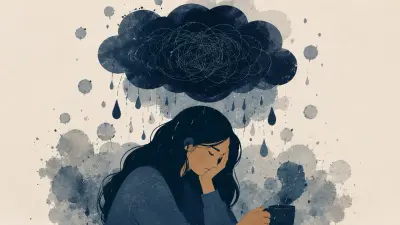
Sadness: possible reasons and practical ways to find support

Reviewed by: Tatmeen Team

You may know what made you sad, such as an argument or a loss. Or your day may pass without an obvious event, yet you feel sad or close to tears. Sadness alone does not mean you have depression, whether or not you know its cause. Poor sleep, life pressures or a health problem may contribute to low mood, but the feeling itself cannot tell you why it is happening.
You can respond to how you feel before finding a complete explanation. What helps you decide on a next step is noticing when it began, whether it recurs and what has changed alongside it—in your sleep, interest in people and activities, or everyday life.
Are there different types of sadness? How does loneliness fit?
You can describe sadness by its circumstances: after a difficult event, alongside a loss, or without a clear reason. These descriptions help you talk about what you are experiencing; they are not separate diagnoses. Circumstances can overlap, and you do not need to choose one “type” before finding support.
| What are you experiencing? | Support that might fit your need |
|---|---|
| An argument or loss you can identify | Someone to listen, and help with a practical part of the situation you can change. |
| The death of someone close | Room for grief and help with everyday needs, without a timetable for getting over the loss. |
| Sadness you cannot explain | Attention to daily needs and a description of recurring changes, rather than an assumed hidden cause. |
| Missing company or conversation, even around people | Contact that better fits what you need, rather than simply more meetings. |
These are possibilities, not a test that identifies the cause. After a death, feelings can vary and a memory may catch you by surprise. Grief need not follow stages in a set order. You can ask for help with a meal or task, or company that leaves room to talk about the person or sit quietly. For more detail, see caring for yourself and responding to self-blame after loss. (NHS)
Loneliness is the feeling that the connection or closeness you want is missing. You can feel sad with support around you, or miss company despite knowing many people. The two may overlap: missing conversation can hurt, while low mood may make replying to a message or arranging a visit harder. This is one possible pattern, not an explanation for every experience of sadness.
If you miss closeness, make a specific request: “I miss hearing about your day. Would Friday evening suit you for a chat?” If you want someone to listen, try, “I'm struggling. Could you listen for a while without giving advice?” Choose someone who respects your boundaries; you do not have to share everything. The loneliness guide linked below offers further options when nobody close is available. Caring for your mood and seeking company can go together.
What might explain sadness without an obvious cause?
Sleep and exhaustion. Too little or disrupted sleep can affect your mood. Low mood can also make sleeping harder.
Pressures and changes in your life. Work stress, money worries, relationship difficulties or a loss may play a part. Even a welcome change, such as moving home or having a baby, can bring distress. There does not need to have been a major event at the moment the sadness began.
Something that needs assessment. Low mood can be part of depression or occur alongside anxiety. Some medicines or physical conditions, such as thyroid problems, may also contribute. Tell your doctor if the change began after starting a medicine or changing its dose, but do not stop or change it yourself.
Does sudden sadness or crying mean depression?
A spell of sadness or crying is not enough to diagnose depression. Depression is one possibility when sadness or loss of interest and pleasure lasts for most of the day, nearly every day, for at least two weeks. Assessment also considers other changes, such as problems with sleep, appetite or concentration, and the distress and effect on your life.
But do not wait two weeks if the distress is severe, worsening or making it hard to care for yourself and manage daily tasks. Knowing a reason does not rule out depression, and being unable to name one does not establish it.
If the sadness comes and goes, mention that too. A moment of relief does not erase recurring distress that affects you. You do not have to look sad all the time for your experience to deserve attention.
What can you do when a wave of sadness arrives?
Start with what you need now, without requiring yourself to solve the cause immediately. If you are exhausted, put off a task that can wait and make time to rest. If you have stepped away from something you enjoy, try a small part of it: a short walk, making a meal or talking to someone you feel comfortable with. Choose what fits your energy and circumstances; these suggestions need not become another list of duties.
You might tell someone you trust: “I'm having a difficult day and I don't know why. Could we talk for a bit? I don't need us to solve everything right now.” You do not have to share more than you want or justify your sadness to ask for support.
If what you are missing is company or room to talk, explore ways to connect that fit your relationships and circumstances, including options when nobody close is available.
If the step does not ease the distress, you have not failed. You may need another kind of support or an assessment if the feeling continues or affects daily life. Avoid using alcohol or drugs to ease it; they can worsen mood problems.
What should you notice if it keeps happening?
Make a brief note when useful, especially if you are arranging an appointment. Focus on things you can describe, rather than trying to explain every moment:
- Timing: When did it begin? Does it last for hours or most of the day? Does it return at particular times or in particular situations?
- Other changes: How are you sleeping and eating? Has your concentration or interest in things changed? Have you started a medicine or had a change in your health?
- Impact: What has become harder—work, studying, staying in touch or caring for yourself?
For example: “For the past two weeks, I've felt sad most evenings. I'm sleeping less, putting off replying to friends and no longer enjoying my hobby. I don't know whether work stress is the reason.” You can start an appointment with a description like this, without a settled explanation.
You do not need to monitor your mood all day or wait until you have filled a diary. If you keep asking “Why?” without learning anything new, you can put the question aside for now and return to what you need or to someone who can help you understand it.
When should you seek help, and where can you start?
Arrange an assessment if low mood lasts around two weeks or longer, recurs in a distressing way or affects your life. Seek help sooner if the distress is severe or increasing. You can start with a family doctor or mental health professional. If you also have physical symptoms or the change seems linked to a medicine, medical assessment can explore these possibilities too.
Tell the professional what you have noticed and about any previous unusual changes in your mood—especially periods of unusually high energy or impulsiveness with little need for sleep.
Urgent help and immediate danger
If you have thoughts of death or harming yourself, contact a doctor or mental health service today. If possible, tell someone you trust who can help you safely. Seek urgent assessment too if your condition is deteriorating quickly or you can no longer eat, drink or manage basic care. If urgent assessment is unavailable, or you cannot wait safely, seek help from an emergency department. You can call 937 in Saudi Arabia for medical advice about the next step; it does not replace an ambulance in an emergency.
If you are thinking about killing yourself right now, seek an immediate professional assessment, even without a plan. Go to an emergency department if an immediate assessment is unavailable or you cannot wait safely.
Call an ambulance on 997 in Saudi Arabia immediately for current danger to life, a current suicidal intention or plan, or being unable to keep yourself safe. Emergency care is also needed for a recent suicide attempt or serious injury that has not been medically assessed, or a suspected harmful overdose or exposure to a poisonous substance. Do not wait for symptoms or certainty about the substance or intention. After assessment, follow the care plan and seek further help for new or continuing danger or an urgent medical need. Outside Saudi Arabia, use local emergency services or the nearest emergency department.
Ask a safe person to stay with you if possible, and move anything that could be used for harm out of reach if this can be done safely. If nobody suitable is available, contact help directly; do not wait for a friend to be present or reply. Do not drive yourself to an emergency department. Ask someone to drive you, or call an ambulance if no safe transport is available.
The feeling itself cannot tell you why it is happening, but several things may contribute. Too little or disrupted sleep can affect your mood. Work stress, money worries, relationship difficulties or a loss may play a part, and even a welcome change, such as moving home or having a baby, can bring distress. Low mood can be part of depression or occur alongside anxiety, and some medicines or physical conditions, such as thyroid problems, may also contribute. If it began after a new medicine, tell your doctor rather than stopping it yourself.
Not necessarily. A spell of sadness or crying is not enough to diagnose depression. Depression is one possibility when sadness or loss of interest and pleasure lasts for most of the day, nearly every day, for at least two weeks, and assessment also considers changes in sleep, appetite or concentration. But do not wait two weeks if the distress is severe, worsening or making it hard to care for yourself and manage daily tasks.
Start with what you need now, without requiring yourself to solve the cause immediately. If you are exhausted, put off a task that can wait and make time to rest. If you have stepped away from something you enjoy, try a small part of it, such as a short walk, making a meal or talking to someone you feel comfortable with. Avoid using alcohol or drugs to ease it; they can worsen mood problems.
Arrange an assessment if low mood lasts around two weeks or longer, recurs in a distressing way or affects your life, and seek help sooner if the distress is severe or increasing. You can start with a family doctor or mental health professional. If you have thoughts of death or harming yourself, contact a doctor or mental health service today and, if possible, tell someone you trust who can help you safely. Seek urgent assessment too if your condition is deteriorating quickly or you can no longer eat, drink or manage basic care. If urgent assessment is unavailable, or you cannot wait safely, seek help from an emergency department.
Seek an immediate professional assessment, even without a plan; if none is available or you cannot wait safely, go to an emergency department. Call an ambulance on 997 in Saudi Arabia immediately for current danger to life, a current suicidal intention or plan, or being unable to keep yourself safe. Outside Saudi Arabia, use local emergency services or the nearest emergency department.
Ask a safe person to stay with you if possible, and safely move anything that could be used for harm out of reach. If nobody suitable is available, contact help directly; do not wait for a friend to be present or reply. Do not drive yourself; ask someone to drive you, or call an ambulance if no safe transport is available.
References
- NHS: Low mood, sadness and depression.
- NHS Every Mind Matters: Low mood and depression.
- National Institute of Mental Health: Depression.
- National Institute of Mental Health: Frequently asked questions about suicide.
- NHS: Poisoning.
- NICE: Depression in adults — recognition and assessment (NG222).
- NHS: Where to get urgent help for mental health.
-
NIMH: Adult outpatient brief suicide safety assessment guide.
- World Health Organization: Social connection.
- NHS: Grief after bereavement or loss.
Start your journey to better mental health with our care providers
Text, voice and video sessions in the Tatmeen app, with complete privacy and confidentiality.
Browse care providers

If you or anyone else needs urgent help, you can reach the relevant emergency numbers in Saudi Arabia via the Emergency Support Center
What is your impression of this article?
Reviewed by
Tatmeen Team
One step for you, start now
Download Tatmeen and find the care provider that’s right for you easly.
Download Tatmeen and join over 10,000 successful recovery stories