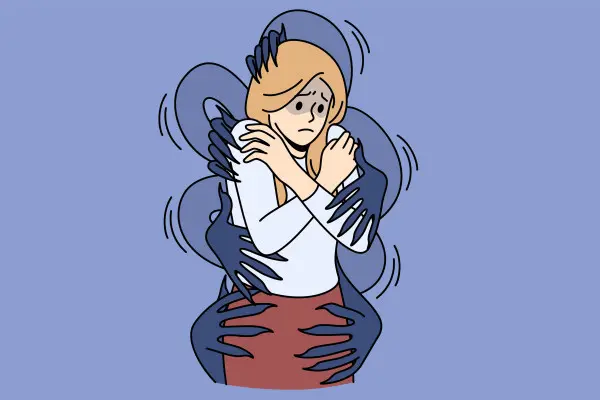
An obsessive fear of death, known globally as thanatophobia, refers to fear of death or the dying process that precedes it. A person with an obsessive fear of death may fear their own death or the death of loved ones. Thanatophobia is characterized by intense, overwhelming, and persistent feelings of fear, anxiety, panic, or dread when thinking about death or dying.
Although many people fear death, that fear does not usually affect their daily lives. It may occupy their thoughts at times—for example, if they are diagnosed with an illness, as they grow older, if someone dear to them dies, or if they witness an accident.
A person with an obsessive fear of death, however, usually has a phobia of dying that may affect their daily routine and behavior. It may sometimes make them afraid to engage in any behavior they consider risky, even if the risk is slight. In some cases, the fear may become so intense that it prevents the person from leaving home. They may even fear situations in which the risk is low.
In this article, we will explore the signs and causes of an obsessive fear of death and ways to overcome it. It is important to understand that self-diagnosis is not a substitute for an evaluation by a professional. If you have concerns about your mental health, it is best to consult a qualified healthcare provider.
What is the best way to know whether I have an obsessive fear of death?
For your fear of death to be classified as an obsession, it must involve the following:
Feelings of fear, panic, or anxiety that are difficult to manage or control, especially when facing or thinking about death or dying.
Engaging in avoidance behaviors—for example, not taking part in activities you consider dangerous or risky or believe could affect your health or well-being. This may include avoiding conversations about death, avoiding certain places associated with death, or even avoiding medical examinations.
Feeling profound sadness, hopelessness, or frustration when thinking about death or dying.
Experiencing physical symptoms such as a rapid heartbeat, excessive sweating, shortness of breath, dizziness, or digestive disturbances when confronted with anything related to death.
Impaired daily functioning, as an obsessive fear of death can interfere with your everyday life and cause difficulties at work, in relationships, or in other areas because of persistent fear or anxiety.
An obsessive fear of death often includes fear of:
Situations or places that could lead to death
A person with an obsessive fear of death may avoid situations or places they consider dangerous or believe could cause their death. For example, they may fear hospitals because they worry about contracting an infection or illness, or they may refuse to swim in the sea for fear of drowning or being attacked by a shark. They may fear any place or situation involving risk, or only certain places and situations.
Other people
Fear of other people may be connected to several concerns, such as:
Fear of getting close to other people and contracting an infection or illness.
Fear of encountering a murderer or serial killer.
Fear of accidentally killing another person.
Fear of witnessing another person die.
Fear of interacting with people who are dying.
Animals
Some people with an obsessive fear of death are afraid of animals because of the threat they believe animals pose to their health and safety. Their fears relating to animals may include:
Fear of being bitten or stung by an animal.
Fear that an animal will spread diseases or viruses or cause contamination in some other way.
Fear of being accidentally killed, for example while riding a horse.
Objects that could lead to death
A person with an obsessive fear of death may be afraid of objects they consider dangerous. These may include objects commonly regarded as dangerous, such as guns and knives, as well as objects that are not usually seen as threatening or are widely used in daily life. For example, someone may fear plants because they could poison them, large signs because they might suddenly fall on them, or cars because they might hit them, and so on.
Superstitions or stories relating to death
A person with an obsessive fear of death may become superstitious and afraid of superstitions involving death. For example, they may believe that a crow is a bad omen and therefore try to avoid it, or refuse to leave slippers or shoes upside down so that no one in their home will die. Superstitions can become such a major part of a person's life that they lead to compulsive behaviors and obsessive-compulsive disorder..
An obsessive fear of death is often described as an existential phobia because it stems from the innate knowledge that every life is destined to end and that everyone dies. Humans have a unique ability to anticipate the future and a heightened awareness of their own mortality. For some people, this can lead to anxiety or an obsessive fear of death.
Remember that everyone feels some degree of fear or anxiety about death, as it is a natural part of life. However, if your fear of death becomes excessive or uncontrollable, it may be helpful to seek professional support from a mental health specialist, such as a psychiatrist. They can provide an appropriate diagnosis and guide you through suitable treatment options, including medication if needed.
What are the underlying reasons for thinking frequently about death?
There may be several reasons why someone thinks excessively about death. Some possible explanations include:
Existential concerns:Thinking about death is often linked to existential questions about the meaning and purpose of life. Some people may contemplate the inevitability of death or feel uncertain about what happens afterward, leading to deep reflection and an increased focus on the subject.
Personal experiences:Traumatic events, such as losing a loved one or surviving imminent danger, can trigger intense thoughts about death. These events may bring a heightened awareness of human vulnerability and the possibility of losing one's life.
Anxiety or fear:Fear of death or anxiety about it can lead to excessive thoughts about death. An obsessive fear of death may arise from an underlying anxiety disorder or a specific phobia associated with death. In these cases, people may think about death as a way of trying to control their fears or avoid the anxiety associated with the subject.
Philosophical or spiritual exploration:Some people engage in philosophical or spiritual reflection that may include contemplating the nature of life, death, and the afterlife. This introspection can lead to prolonged thoughts about death as part of their search for understanding and awareness.
Cultural or religious influences:Cultural or religious beliefs and practices can significantly influence a person's thoughts and attitudes toward death. Some religious or cultural traditions place considerable emphasis on death as part of life, leading followers of these beliefs to think about death frequently.
It is worth noting that occasional thoughts about death are common and can be a natural part of human existence. However, if these thoughts become intrusive, overwhelming, or disruptive to your daily life and well-being, it may be helpful to seek support from a mental health professional who can offer guidance and help you address any underlying concerns.
Certain risk factors may increase your likelihood of developing an obsessive fear of death. These include:
Being diagnosed with a serious illness that is life-threatening or life-limiting, or that leaves you in generally poor health.
Having family members or close friends who are seriously ill, elderly, dying, or have recently died.
Having no religious beliefs or having fragile beliefs—for example, not believing in heaven or an afterlife.
Working in a profession where you regularly see people die in painful or violent ways.
Lacking social support or close family members and friends.
Feeling dissatisfied with or regretful about past actions.
Having another related condition in which fear of death may also be a symptom, such as health anxiety (hypochondria), obsessive-compulsive disorder, or an anxiety disorder.
Having a close family member, such as a parent or sibling, with an obsessive fear of death.
Being subjected to fabricated or induced illness, formerly known as Munchausen syndrome by proxy, especially during childhood or adolescence.
Experiencing fear of death during childhood or adolescence.
Having a history of depression, panic attacks, or anxiety.
Experiencing or witnessing a negative or traumatic event involving death.
How can I get thoughts of death out of my head?
If you find yourself preoccupied with thoughts of death and want to reduce their frequency or intensity, the following strategies may help:
Use mindfulness and grounding techniques:Practicing mindfulness meditation or grounding exercises can help you remain present and focus on the current moment. By directing your attention to your immediate surroundings, you can shift your thoughts away from concerns about death.
Challenge negative thoughts:When thoughts about death arise, try challenging them with more rational and balanced thinking. Ask yourself whether there is evidence supporting your fears or whether there are other, more positive explanations for the situation.
Keep yourself occupied:Take part in activities or hobbies that hold your attention and distract your thoughts. Look for enjoyable, engaging tasks that can direct your mind away from death. This might include reading a book, watching a film, pursuing a creative activity, or spending time with loved ones.
Limit exposure to death-related triggers:If certain triggers, such as news articles, films, or discussions, consistently lead to intrusive thoughts about death, consider reducing your exposure to them. This does not mean avoiding every idea related to death; it means being mindful of the content you consume and choosing to engage with it consciously when you feel ready.
Practice self-care:Engage in self-care activities that promote your overall health, such as exercising, maintaining a healthy diet, getting enough sleep, and doing things that bring you happiness and relaxation. Caring for your physical and emotional health can help reduce anxiety and extreme thoughts.
Seek support from others:Talking about your concerns with a trusted friend, family member, or mental health professional can provide a safe space to express your thoughts and receive support. They can offer different perspectives, guidance, and reassurance to help you work through your fears.
Consider therapy: If intrusive thoughts about death persist and significantly affect your daily life, it may be helpful to seek therapy. A mental health professional can help you explore the underlying reasons for your preoccupation with death and develop strategies to manage and cope with these thoughts effectively.
Remember that these strategies may offer general guidance, but if you are experiencing persistent and distressing thoughts about death, it is important to seek professional help from a qualified mental health specialist.
Treating an obsessive fear of death
Treating an obsessive fear of death or any specific phobia involves a combination of self-help and professional support strategies. The following approaches may be useful:
Psychotherapy:Seek therapy from a qualified mental health professional who specializes in anxiety disorders or phobias. Cognitive behavioral therapy is a commonly used approach that can help you challenge and modify the thoughts and beliefs contributing to your fear of death. Exposure therapy, a form of cognitive behavioral therapy, gradually exposes you to death-related triggers in a controlled and supportive way to reduce fear and anxiety.
Gradual exposure:With guidance from a psychiatrist, gradually expose yourself to thoughts or situations related to death. Begin with less intense triggers and gradually work your way toward more challenging situations. Over time, this exposure can help reduce your sensitivity to the fear of death.
Relaxation techniques:Learn and practice relaxation techniques such as deep breathing, progressive muscle relaxation, or mindfulness meditation. These methods can help you manage anxiety symptoms and promote a sense of calm and relaxation.
Learning and education:Gaining knowledge about death and dying through reliable resources, books, or educational materials can help you understand the nature of life and death, make the subject feel less mysterious, and reduce the fear associated with it.
Support groups:Consider joining support groups or online communities where you can connect with others who share similar concerns. Sharing experiences and ideas with people facing similar challenges can provide a sense of empowerment and support.
Self-help techniques:Using self-help techniques—such as writing down your thoughts and emotions, repeating positive affirmations related to death, or visualizing calm and peaceful scenarios—can help change the way you think and reduce your anxiety.
Medication:In some cases, a psychiatrist may prescribe medication to help manage symptoms of anxiety or phobia. It is best to make this decision in consultation with a healthcare professional who can assess your specific needs.
It is very important to recognize that overcoming an obsessive fear of death is a highly individual process, and what works for one person may not work for another.
Download the Tatmeen app for online psychological and family consultations from the Apple Store or Google Play. You can also register on the Tatmeen mental health website to access valuable information and practical tools for improving your psychological and family well-being.
Content writer and researcher at Tatmeen, working on Arabic and English articles across mental health and everyday life topics, including relationships, stress, work, habits, and family.
Every Tatmeen article is reviewed by care providers licensed by the Saudi Commission for Health Specialties, so what you read is accurate and trustworthy.
This article builds understanding and does not replace a licensed care provider.
Need someone to talk to?
Tatmeen's licensed care providers are available around the clock, and the app's urgent consultation connects you with one within minutes.
Download Tatmeen to explore care providers and booking options.
Smart matchingFour quick questions suggest the right care provider
Urgent consultationTalk to an available care provider within minutes
Free psychological measuresMore than 20 tests to understand how you are doing
Scan to download
{"data":{"id":"5094f1c4-3d92-4f18-90f8-72b85f0e3b46","slug":"Thanatophobia-Fear-of-Death-Obsessions","arTitle":"وسواس الخوف من الموت – أسباب وطرق علاجه ","enTitle":"Thanatophobia: Causes and Treatment of Fear of Death","thumbnailAltText":"Person hugging themselves while shadowy hands surround their body","estimatedReadingTime":5,"likesCount":942,"writer":{"id":"f49e2ee4-e68b-4e04-a40b-01d0b0195161","arBio":"كاتب وباحث محتوى في تطمين، يعمل على مقالات عربية وإنجليزية في موضوعات الصحة النفسية والحياة اليومية، مثل العلاقات، الضغوط، العمل، العادات، والأسرة.","enBio":"Content writer and researcher at Tatmeen, working on Arabic and English articles across mental health and everyday life topics, including relationships, stress, work, habits, and family.","user":{"slug":"sultan-almuhasin","arFullName":"سلطان المحيسن","enFullName":"Sultan Almuhasin","publicProfileImageUrl":"https://cdn.tatmeen.sa/public/profile-images/2494102f-7411-4dda-85b1-0c37a1031b3f/c9d25068aaa97c2c1f80123e2d6a27cc7b5a9b1df6a91493df9411b390a60279.webp","publicProfileImage96Url":"https://cdn.tatmeen.sa/public/profile-images/2494102f-7411-4dda-85b1-0c37a1031b3f/c9d25068aaa97c2c1f80123e2d6a27cc7b5a9b1df6a91493df9411b390a60279-w96.webp","publicProfileImage192Url":"https://cdn.tatmeen.sa/public/profile-images/2494102f-7411-4dda-85b1-0c37a1031b3f/c9d25068aaa97c2c1f80123e2d6a27cc7b5a9b1df6a91493df9411b390a60279-w192.webp"}},"arContent":"","enContent":"","productionDocument":{"headings":[{"id":"article-section-what-is-the-best-way-to-know-whether-i-have-an-obsessive-fear-of-death","text":"What is the best way to know whether I have an obsessive fear of death?"},{"id":"article-section-an-obsessive-fear-of-death-often-includes-fear-of","text":"An obsessive fear of death often includes fear of:"},{"id":"article-section-what-are-the-underlying-reasons-for-thinking-frequently-about-death","text":"What are the underlying reasons for thinking frequently about death?"},{"id":"article-section-how-can-i-get-thoughts-of-death-out-of-my-head","text":"How can I get thoughts of death out of my head?"},{"id":"article-section-treating-an-obsessive-fear-of-death","text":"Treating an obsessive fear of death"}],"faqs":[],"beforeSourcesHtml":"","sources":[],"afterSourcesHtml":"","blocks":[{"type":"html","html":"<p class=\"ql-align-right ql-direction-rtl\">An obsessive fear of death, known globally as thanatophobia, refers to fear of death or the dying process that precedes it. A person with an obsessive fear of death may fear their own death or the death of loved ones. Thanatophobia is characterized by intense, overwhelming, and persistent feelings of fear, anxiety, panic, or dread when thinking about death or dying.</p><p class=\"ql-align-right ql-direction-rtl\">Although many people fear death, that fear does not usually affect their daily lives. It may occupy their thoughts at times—for example, if they are diagnosed with an illness, as they grow older, if someone dear to them dies, or if they witness an accident.</p><p class=\"ql-align-right ql-direction-rtl\">A person with an obsessive fear of death, however, usually has a phobia of dying that may affect their daily routine and behavior. It may sometimes make them afraid to engage in any behavior they consider risky, even if the risk is slight. In some cases, the fear may become so intense that it prevents the person from leaving home. They may even fear situations in which the risk is low.</p><p class=\"ql-align-right ql-direction-rtl\">In this article, we will explore the signs and causes of an obsessive fear of death and ways to overcome it. It is important to understand that self-diagnosis is not a substitute for an evaluation by a professional. If you have concerns about your mental health, it is best to consult a qualified healthcare provider.</p><h2 class=\"ql-align-right ql-direction-rtl\" id=\"article-section-what-is-the-best-way-to-know-whether-i-have-an-obsessive-fear-of-death\" data-toc-heading tabindex=\"-1\"><span id=\"what-is-the-best-way-to-know-whether-i-have-an-obsessive-fear-of-death-1\" aria-hidden=\"true\"></span><strong>What is the best way to know whether I have an obsessive fear of death?</strong></h2><p class=\"ql-align-right ql-direction-rtl\">For your fear of death to be classified as an obsession, it must involve the following:</p><ul><li class=\"ql-align-right ql-direction-rtl\">Feelings of fear, panic, or anxiety that are difficult to manage or control, especially when facing or thinking about death or dying.</li><li class=\"ql-align-right ql-direction-rtl\">Engaging in avoidance behaviors—for example, not taking part in activities you consider dangerous or risky or believe could affect your health or well-being. This may include avoiding conversations about death, avoiding certain places associated with death, or even avoiding medical examinations.</li><li class=\"ql-align-right ql-direction-rtl\">Feeling profound sadness, hopelessness, or frustration when thinking about death or dying.</li><li class=\"ql-align-right ql-direction-rtl\">Experiencing physical symptoms such as a rapid heartbeat, excessive sweating, shortness of breath, dizziness, or digestive disturbances when confronted with anything related to death.</li><li class=\"ql-align-right ql-direction-rtl\">Impaired daily functioning, as an obsessive fear of death can interfere with your everyday life and cause difficulties at work, in relationships, or in other areas because of persistent fear or anxiety.</li></ul><h2 class=\"ql-align-right ql-direction-rtl\" id=\"article-section-an-obsessive-fear-of-death-often-includes-fear-of\" data-toc-heading tabindex=\"-1\"><span id=\"an-obsessive-fear-of-death-often-includes-fear-of-2\" aria-hidden=\"true\"></span><strong>An obsessive fear of death often includes fear of:</strong></h2><ul><li class=\"ql-align-right ql-direction-rtl\"><strong>Situations or places that could lead to death</strong></li></ul><p class=\"ql-align-right ql-direction-rtl\">A person with an obsessive fear of death may avoid situations or places they consider dangerous or believe could cause their death. For example, they may fear hospitals because they worry about contracting an infection or illness, or they may refuse to swim in the sea for fear of drowning or being attacked by a shark. They may fear any place or situation involving risk, or only certain places and situations.</p><ul><li class=\"ql-align-right ql-direction-rtl\"><strong>Other people</strong></li></ul><p class=\"ql-align-right ql-direction-rtl\">Fear of other people may be connected to several concerns, such as:</p><ul><li class=\"ql-align-right ql-direction-rtl\">Fear of getting close to other people and contracting an infection or illness.</li><li class=\"ql-align-right ql-direction-rtl\">Fear of encountering a murderer or serial killer.</li><li class=\"ql-align-right ql-direction-rtl\">Fear of accidentally killing another person.</li><li class=\"ql-align-right ql-direction-rtl\">Fear of witnessing another person die.</li><li class=\"ql-align-right ql-direction-rtl\">Fear of interacting with people who are dying.</li><li class=\"ql-align-right ql-direction-rtl\"><strong>Animals</strong></li></ul><p class=\"ql-align-right ql-direction-rtl\">Some people with an obsessive fear of death are afraid of animals because of the threat they believe animals pose to their health and safety. Their fears relating to animals may include:</p><ul><li class=\"ql-align-right ql-direction-rtl\">Fear of being bitten or stung by an animal.</li><li class=\"ql-align-right ql-direction-rtl\">Fear that an animal will spread diseases or viruses or cause contamination in some other way.</li><li class=\"ql-align-right ql-direction-rtl\">Fear of being accidentally killed, for example while riding a horse.</li></ul><p class=\"ql-align-right ql-direction-rtl\"> </p><ul><li class=\"ql-align-right ql-direction-rtl\"><strong>Objects that could lead to death</strong></li></ul><p class=\"ql-align-right ql-direction-rtl\">A person with an obsessive fear of death may be afraid of objects they consider dangerous. These may include objects commonly regarded as dangerous, such as guns and knives, as well as objects that are not usually seen as threatening or are widely used in daily life. For example, someone may fear plants because they could poison them, large signs because they might suddenly fall on them, or cars because they might hit them, and so on.</p><ul><li class=\"ql-align-right ql-direction-rtl\"><strong>Superstitions or stories relating to death</strong></li></ul><p class=\"ql-align-right ql-direction-rtl\">A person with an obsessive fear of death may become superstitious and afraid of superstitions involving death. For example, they may believe that a crow is a bad omen and therefore try to avoid it, or refuse to leave slippers or shoes upside down so that no one in their home will die. Superstitions can become such a major part of a person's life that they lead to compulsive behaviors and obsessive-compulsive disorder.<a style=\"background-color:transparent\" href=\"http://www.hakini.net/article/%D9%83%D9%8A%D9%81-%D8%AA%D8%B9%D8%B1%D9%81-%D8%A3%D9%86%D9%83-%D9%85%D8%B5%D8%A7%D8%A8-%D8%A8%D8%A7%D9%84%D9%88%D8%B3%D9%88%D8%A7%D8%B3-%D8%A7%D9%84%D9%82%D9%87%D8%B1%D9%8A\" target=\"_blank\" rel=\"noopener noreferrer\">.</a></p><p class=\"ql-align-right ql-direction-rtl\">An obsessive fear of death is often described as an existential phobia because it stems from the innate knowledge that every life is destined to end and that everyone dies. Humans have a unique ability to anticipate the future and a heightened awareness of their own mortality. For some people, this can lead to anxiety or an obsessive fear of death.</p><p class=\"ql-align-right ql-direction-rtl\">Remember that everyone feels some degree of fear or anxiety about death, as it is a natural part of life. However, if your fear of death becomes excessive or uncontrollable, it may be helpful to seek professional support from a mental health specialist, such as a psychiatrist. They can provide an appropriate diagnosis and guide you through suitable treatment options, including medication if needed.</p><h2 class=\"ql-align-right ql-direction-rtl\" id=\"article-section-what-are-the-underlying-reasons-for-thinking-frequently-about-death\" data-toc-heading tabindex=\"-1\"><span id=\"what-are-the-underlying-reasons-for-thinking-frequently-about-death-3\" aria-hidden=\"true\"></span><strong>What are the underlying reasons for thinking frequently about death?</strong></h2><p class=\"ql-align-right ql-direction-rtl\">There may be several reasons why someone thinks excessively about death. Some possible explanations include:</p><ol><li class=\"ql-align-right ql-direction-rtl\"><strong>Existential concerns:</strong>Thinking about death is often linked to existential questions about the meaning and purpose of life. Some people may contemplate the inevitability of death or feel uncertain about what happens afterward, leading to deep reflection and an increased focus on the subject.</li><li class=\"ql-align-right ql-direction-rtl\"><strong>Personal experiences:</strong>Traumatic events, such as losing a loved one or surviving imminent danger, can trigger intense thoughts about death. These events may bring a heightened awareness of human vulnerability and the possibility of losing one's life.</li><li class=\"ql-align-right ql-direction-rtl\"><strong>Anxiety or fear:</strong>Fear of death or anxiety about it can lead to excessive thoughts about death. An obsessive fear of death may arise from an underlying anxiety disorder or a specific phobia associated with death. In these cases, people may think about death as a way of trying to control their fears or avoid the anxiety associated with the subject.</li><li class=\"ql-align-right ql-direction-rtl\"><strong>Philosophical or spiritual exploration:</strong>Some people engage in philosophical or spiritual reflection that may include contemplating the nature of life, death, and the afterlife. This introspection can lead to prolonged thoughts about death as part of their search for understanding and awareness.</li><li class=\"ql-align-right ql-direction-rtl\"><strong>Cultural or religious influences:</strong>Cultural or religious beliefs and practices can significantly influence a person's thoughts and attitudes toward death. Some religious or cultural traditions place considerable emphasis on death as part of life, leading followers of these beliefs to think about death frequently.</li></ol><p class=\"ql-align-right ql-direction-rtl\">It is worth noting that occasional thoughts about death are common and can be a natural part of human existence. However, if these thoughts become intrusive, overwhelming, or disruptive to your daily life and well-being, it may be helpful to seek support from a mental health professional who can offer guidance and help you address any underlying concerns.</p><p class=\"ql-align-right ql-direction-rtl\">Certain risk factors may increase your likelihood of developing an obsessive fear of death. These include:</p><ul><li class=\"ql-align-right ql-direction-rtl\">Being diagnosed with a serious illness that is life-threatening or life-limiting, or that leaves you in generally poor health.</li><li class=\"ql-align-right ql-direction-rtl\">Having family members or close friends who are seriously ill, elderly, dying, or have recently died.</li><li class=\"ql-align-right ql-direction-rtl\">Having no religious beliefs or having fragile beliefs—for example, not believing in heaven or an afterlife.</li><li class=\"ql-align-right ql-direction-rtl\">Working in a profession where you regularly see people die in painful or violent ways.</li><li class=\"ql-align-right ql-direction-rtl\">Lacking social support or close family members and friends.</li><li class=\"ql-align-right ql-direction-rtl\">Feeling dissatisfied with or regretful about past actions.</li><li class=\"ql-align-right ql-direction-rtl\">Having another related condition in which fear of death may also be a symptom, such as health anxiety (hypochondria), obsessive-compulsive disorder, or an anxiety disorder.</li><li class=\"ql-align-right ql-direction-rtl\">Having a close family member, such as a parent or sibling, with an obsessive fear of death.</li><li class=\"ql-align-right ql-direction-rtl\">Being subjected to fabricated or induced illness, formerly known as Munchausen syndrome by proxy, especially during childhood or adolescence.</li><li class=\"ql-align-right ql-direction-rtl\">Experiencing fear of death during childhood or adolescence.</li><li class=\"ql-align-right ql-direction-rtl\">Having a history of depression, panic attacks, or anxiety.</li><li class=\"ql-align-right ql-direction-rtl\">Experiencing or witnessing a negative or traumatic event involving death.</li></ul><h2 class=\"ql-align-right ql-direction-rtl\" id=\"article-section-how-can-i-get-thoughts-of-death-out-of-my-head\" data-toc-heading tabindex=\"-1\"><span id=\"how-can-i-get-thoughts-of-death-out-of-my-head-4\" aria-hidden=\"true\"></span><strong>How can I get thoughts of death out of my head?</strong></h2><p class=\"ql-align-right ql-direction-rtl\">If you find yourself preoccupied with thoughts of death and want to reduce their frequency or intensity, the following strategies may help:</p><ol><li class=\"ql-align-right ql-direction-rtl\"><strong>Use mindfulness and grounding techniques:</strong>Practicing mindfulness meditation or grounding exercises can help you remain present and focus on the current moment. By directing your attention to your immediate surroundings, you can shift your thoughts away from concerns about death.</li><li class=\"ql-align-right ql-direction-rtl\"><strong>Challenge negative thoughts:</strong>When thoughts about death arise, try challenging them with more rational and balanced thinking. Ask yourself whether there is evidence supporting your fears or whether there are other, more positive explanations for the situation.</li><li class=\"ql-align-right ql-direction-rtl\"><strong>Keep yourself occupied:</strong>Take part in activities or hobbies that hold your attention and distract your thoughts. Look for enjoyable, engaging tasks that can direct your mind away from death. This might include reading a book, watching a film, pursuing a creative activity, or spending time with loved ones.</li><li class=\"ql-align-right ql-direction-rtl\"><strong>Limit exposure to death-related triggers:</strong>If certain triggers, such as news articles, films, or discussions, consistently lead to intrusive thoughts about death, consider reducing your exposure to them. This does not mean avoiding every idea related to death; it means being mindful of the content you consume and choosing to engage with it consciously when you feel ready.</li><li class=\"ql-align-right ql-direction-rtl\"><strong>Practice self-care:</strong>Engage in self-care activities that promote your overall health, such as exercising, maintaining a healthy diet, getting enough sleep, and doing things that bring you happiness and relaxation. Caring for your physical and emotional health can help reduce anxiety and extreme thoughts.</li><li class=\"ql-align-right ql-direction-rtl\"><strong>Seek support from others:</strong>Talking about your concerns with a trusted friend, family member, or mental health professional can provide a safe space to express your thoughts and receive support. They can offer different perspectives, guidance, and reassurance to help you work through your fears.</li><li class=\"ql-align-right ql-direction-rtl\"><strong>Consider therapy</strong>: If intrusive thoughts about death persist and significantly affect your daily life, it may be helpful to seek therapy. A mental health professional can help you explore the underlying reasons for your preoccupation with death and develop strategies to manage and cope with these thoughts effectively.</li></ol><p class=\"ql-align-right ql-direction-rtl\">Remember that these strategies may offer general guidance, but if you are experiencing persistent and distressing thoughts about death, it is important to seek professional help from a qualified mental health specialist.</p><h2 class=\"ql-align-right ql-direction-rtl\" id=\"article-section-treating-an-obsessive-fear-of-death\" data-toc-heading tabindex=\"-1\"><span id=\"treating-an-obsessive-fear-of-death-5\" aria-hidden=\"true\"></span><strong>Treating an obsessive fear of death</strong></h2><p class=\"ql-align-right ql-direction-rtl\">Treating an obsessive fear of death or any specific phobia involves a combination of self-help and professional support strategies. The following approaches may be useful:</p><ol><li class=\"ql-align-right ql-direction-rtl\"><strong>Psychotherapy:</strong>Seek therapy from a qualified mental health professional who specializes in anxiety disorders or phobias. Cognitive behavioral therapy is a commonly used approach that can help you challenge and modify the thoughts and beliefs contributing to your fear of death. Exposure therapy, a form of cognitive behavioral therapy, gradually exposes you to death-related triggers in a controlled and supportive way to reduce fear and anxiety.</li><li class=\"ql-align-right ql-direction-rtl\"><strong>Gradual exposure:</strong>With guidance from a psychiatrist, gradually expose yourself to thoughts or situations related to death. Begin with less intense triggers and gradually work your way toward more challenging situations. Over time, this exposure can help reduce your sensitivity to the fear of death.</li><li class=\"ql-align-right ql-direction-rtl\"><strong>Relaxation techniques:</strong>Learn and practice relaxation techniques such as deep breathing, progressive muscle relaxation, or mindfulness meditation. These methods can help you manage anxiety symptoms and promote a sense of calm and relaxation.</li><li class=\"ql-align-right ql-direction-rtl\"><strong>Learning and education:</strong>Gaining knowledge about death and dying through reliable resources, books, or educational materials can help you understand the nature of life and death, make the subject feel less mysterious, and reduce the fear associated with it.</li><li class=\"ql-align-right ql-direction-rtl\"><strong>Support groups:</strong>Consider joining support groups or online communities where you can connect with others who share similar concerns. Sharing experiences and ideas with people facing similar challenges can provide a sense of empowerment and support.</li><li class=\"ql-align-right ql-direction-rtl\"><strong>Self-help techniques:</strong>Using self-help techniques—such as writing down your thoughts and emotions, repeating positive affirmations related to death, or visualizing calm and peaceful scenarios—can help change the way you think and reduce your anxiety.</li><li class=\"ql-align-right ql-direction-rtl\"><strong>Medication:</strong>In some cases, a psychiatrist may prescribe medication to help manage symptoms of anxiety or phobia. It is best to make this decision in consultation with a healthcare professional who can assess your specific needs.</li></ol><p class=\"ql-align-right ql-direction-rtl\">It is very important to recognize that overcoming an obsessive fear of death is a highly individual process, and what works for one person may not work for another.</p><p><br /></p><p class=\"ql-direction-rtl ql-align-justify\">Download the Tatmeen app for online psychological and family consultations from the Apple Store or Google Play. You can also register on the Tatmeen mental health website to access valuable information and practical tools for improving your psychological and family well-being.</p><p><br /></p>"}],"inlineCtaSignatures":[],"_experienceAliases":{"v":1,"fields":["html","bodyHtml"]}},"createdAt":"2024-01-08T21:00:00.000Z","updatedAt":"2026-08-11T04:45:02.303Z","disorderGroups":[{"id":"4499a52a-06f8-4022-a64d-304e5eca51cc","slug":"life-challenges-and-stress","arName":"تحديات الحياة والضغوط","enName":"Life Challenges & Stress"}],"reviewer":{"arFullName":"فريق تطمين","enFullName":"Tatmeen team","slug":"tatmeen-team","kind":"organization"},"productionArticle":true,"promotionAllowed":true,"preparedCover":{"src":"https://cdn.tatmeen.sa/public/article-lcp/article-lcp-v2/sha256-81ff5001f71edfef07881d3dd486106b67b944d9430aa3064ff7bfd0846b2ae6/600-8929be91f5835485042e3672176f3f295dc23789399854041420fee4cfd2c4a6.avif","fallback":"https://cdn.tatmeen.sa/public/article-lcp/article-lcp-v2/sha256-81ff5001f71edfef07881d3dd486106b67b944d9430aa3064ff7bfd0846b2ae6/600-97a4516d1ae2d05e5f494cdd1860cb5c309791daf3cdc942a9c9062ade4e1c6e.webp","directUrl":"https://cdn.tatmeen.sa/blog-cover/1704818286852-Tatmeen-img-528","isGolden":true,"avifSrcset":"https://cdn.tatmeen.sa/public/article-lcp/article-lcp-v2/sha256-81ff5001f71edfef07881d3dd486106b67b944d9430aa3064ff7bfd0846b2ae6/400-ed81539d5644dc5e0eea1e516965375ba7876e5e62b1c50cc9e8a8637ff674fc.avif 400w, https://cdn.tatmeen.sa/public/article-lcp/article-lcp-v2/sha256-81ff5001f71edfef07881d3dd486106b67b944d9430aa3064ff7bfd0846b2ae6/600-8929be91f5835485042e3672176f3f295dc23789399854041420fee4cfd2c4a6.avif 600w","webpSrcset":"https://cdn.tatmeen.sa/public/article-lcp/article-lcp-v2/sha256-81ff5001f71edfef07881d3dd486106b67b944d9430aa3064ff7bfd0846b2ae6/400-936967d45ee9ac908eef2604a2f6ab247ac44c0751d6ec95f56949a73e84e7fc.webp 400w, https://cdn.tatmeen.sa/public/article-lcp/article-lcp-v2/sha256-81ff5001f71edfef07881d3dd486106b67b944d9430aa3064ff7bfd0846b2ae6/600-97a4516d1ae2d05e5f494cdd1860cb5c309791daf3cdc942a9c9062ade4e1c6e.webp 600w","phoneAvifSrcset":"https://cdn.tatmeen.sa/public/article-lcp/article-lcp-v2/sha256-81ff5001f71edfef07881d3dd486106b67b944d9430aa3064ff7bfd0846b2ae6/400-ed81539d5644dc5e0eea1e516965375ba7876e5e62b1c50cc9e8a8637ff674fc.avif 400w, https://cdn.tatmeen.sa/public/article-lcp/article-lcp-v2/sha256-81ff5001f71edfef07881d3dd486106b67b944d9430aa3064ff7bfd0846b2ae6/600-8929be91f5835485042e3672176f3f295dc23789399854041420fee4cfd2c4a6.avif 600w","phoneWebpSrcset":"https://cdn.tatmeen.sa/public/article-lcp/article-lcp-v2/sha256-81ff5001f71edfef07881d3dd486106b67b944d9430aa3064ff7bfd0846b2ae6/400-936967d45ee9ac908eef2604a2f6ab247ac44c0751d6ec95f56949a73e84e7fc.webp 400w, https://cdn.tatmeen.sa/public/article-lcp/article-lcp-v2/sha256-81ff5001f71edfef07881d3dd486106b67b944d9430aa3064ff7bfd0846b2ae6/600-97a4516d1ae2d05e5f494cdd1860cb5c309791daf3cdc942a9c9062ade4e1c6e.webp 600w","width":600,"height":400},"previewTaxonomy":{"groups":[{"id":"4499a52a-06f8-4022-a64d-304e5eca51cc","slug":"life-challenges-and-stress","arName":"تحديات الحياة والضغوط","enName":"Life Challenges & Stress"}],"topics":[{"id":"8733e5eb-b6c9-4166-989e-b0348f177952","slug":"fear-of-death","arName":"الخوف من الموت","enName":"Fear of Death","groupSlug":"life-challenges-and-stress","href":"/blog/category/life-challenges-and-stress/fear-of-death/"}],"tags":[{"id":"6fa255f3-c661-4ced-a12e-3177ef8e654c","slug":"ocd","arName":"الوسواس القهري","enName":"OCD"},{"id":"b17ecf79-93e3-43d7-8e38-1861533199ba","slug":"anxiety-panic-phobia","arName":"القلق والرهاب والهلع","enName":"Anxiety Phobias & Panic"},{"id":"c2a6e8d3-de9c-435f-8c95-9727e7db14cc","slug":"explainer-awareness","arName":"دليل توعوي / شرح","enName":"Explainer / Awareness Guide"}]},"previewProviderRecommendations":[{"id":"94765496-dbdf-4631-a01b-7df5f788668d","slug":"abdullrahman-alhamoudi-3045","arFullName":"عبدالرحمن الحمودي","enFullName":"Abdulrahman Alhamoudi","publicProfileImageUrl":"https://cdn.tatmeen.sa/public/profile-images/94765496-dbdf-4631-a01b-7df5f788668d/2d49f6b6493c564afb6f50b6c3634231dff3a5cf8353acfab393d1b2a88037d1.webp","publicProfileImage96Url":"https://cdn.tatmeen.sa/public/profile-images/94765496-dbdf-4631-a01b-7df5f788668d/2d49f6b6493c564afb6f50b6c3634231dff3a5cf8353acfab393d1b2a88037d1-w96.webp","publicProfileImage192Url":"https://cdn.tatmeen.sa/public/profile-images/94765496-dbdf-4631-a01b-7df5f788668d/2d49f6b6493c564afb6f50b6c3634231dff3a5cf8353acfab393d1b2a88037d1-w192.webp","specialization":{"arName":"أخصائي نفسي","enName":"Psychologist"},"profileImageUrl":"https://cdn.tatmeen.sa/public/profile-images/94765496-dbdf-4631-a01b-7df5f788668d/2d49f6b6493c564afb6f50b6c3634231dff3a5cf8353acfab393d1b2a88037d1-w192.webp","experienceYears":9,"consultantInfo":{"averageRating":{"average":5},"specialization":{"arGeneralName":"أخصائي نفسي","enGeneralName":"Psychologist"}}},{"id":"09364052-c2a9-4c52-9717-7ce2093b8d0a","slug":"kholoud-alharbi-5221","arFullName":"خلود الحربي","enFullName":"Kholoud Alharbi","publicProfileImageUrl":"https://cdn.tatmeen.sa/public/profile-images/09364052-c2a9-4c52-9717-7ce2093b8d0a/4a0aeb81619e351b77f4323e3605a0a00acc7ca3c82ee7cc5ca2c9e8ef716049.webp","publicProfileImage96Url":"https://cdn.tatmeen.sa/public/profile-images/09364052-c2a9-4c52-9717-7ce2093b8d0a/4a0aeb81619e351b77f4323e3605a0a00acc7ca3c82ee7cc5ca2c9e8ef716049-w96.webp","publicProfileImage192Url":"https://cdn.tatmeen.sa/public/profile-images/09364052-c2a9-4c52-9717-7ce2093b8d0a/4a0aeb81619e351b77f4323e3605a0a00acc7ca3c82ee7cc5ca2c9e8ef716049-w192.webp","specialization":{"arName":"أخصائي نفسي","enName":"Psychologist"},"profileImageUrl":"https://cdn.tatmeen.sa/public/profile-images/09364052-c2a9-4c52-9717-7ce2093b8d0a/4a0aeb81619e351b77f4323e3605a0a00acc7ca3c82ee7cc5ca2c9e8ef716049-w192.webp","experienceYears":10,"consultantInfo":{"averageRating":{"average":5},"specialization":{"arGeneralName":"أخصائي نفسي","enGeneralName":"Psychologist"}}},{"id":"6f037535-1dca-4b50-a8b2-5974b7323286","slug":"salah-althobaiti-9053","arFullName":"صلاح الثبيتي","enFullName":"Salah Althobaiti","publicProfileImageUrl":"https://cdn.tatmeen.sa/public/profile-images/6f037535-1dca-4b50-a8b2-5974b7323286/35b6bd7fad9b1e004c1835803eb9c1b56dcacd380685ec8bff141f0fb888005c.webp","publicProfileImage96Url":"https://cdn.tatmeen.sa/public/profile-images/6f037535-1dca-4b50-a8b2-5974b7323286/35b6bd7fad9b1e004c1835803eb9c1b56dcacd380685ec8bff141f0fb888005c-w96.webp","publicProfileImage192Url":"https://cdn.tatmeen.sa/public/profile-images/6f037535-1dca-4b50-a8b2-5974b7323286/35b6bd7fad9b1e004c1835803eb9c1b56dcacd380685ec8bff141f0fb888005c-w192.webp","specialization":{"arName":"أخصائي نفسي","enName":"Psychologist"},"profileImageUrl":"https://cdn.tatmeen.sa/public/profile-images/6f037535-1dca-4b50-a8b2-5974b7323286/35b6bd7fad9b1e004c1835803eb9c1b56dcacd380685ec8bff141f0fb888005c-w192.webp","experienceYears":6,"consultantInfo":{"averageRating":{"average":4.98876404494382},"specialization":{"arGeneralName":"أخصائي نفسي","enGeneralName":"Psychologist"}}}],"previewCareProviders":[{"id":"09364052-c2a9-4c52-9717-7ce2093b8d0a","slug":"kholoud-alharbi-5221","arFullName":"خلود الحربي","enFullName":"Kholoud Alharbi","publicProfileImageUrl":"https://cdn.tatmeen.sa/public/profile-images/09364052-c2a9-4c52-9717-7ce2093b8d0a/4a0aeb81619e351b77f4323e3605a0a00acc7ca3c82ee7cc5ca2c9e8ef716049.webp","publicProfileImage96Url":"https://cdn.tatmeen.sa/public/profile-images/09364052-c2a9-4c52-9717-7ce2093b8d0a/4a0aeb81619e351b77f4323e3605a0a00acc7ca3c82ee7cc5ca2c9e8ef716049-w96.webp","publicProfileImage192Url":"https://cdn.tatmeen.sa/public/profile-images/09364052-c2a9-4c52-9717-7ce2093b8d0a/4a0aeb81619e351b77f4323e3605a0a00acc7ca3c82ee7cc5ca2c9e8ef716049-w192.webp","gender":"FEMALE","specialization":{"arName":"أخصائي نفسي","enName":"Psychologist"}},{"id":"6f037535-1dca-4b50-a8b2-5974b7323286","slug":"salah-althobaiti-9053","arFullName":"صلاح الثبيتي","enFullName":"Salah Althobaiti","publicProfileImageUrl":"https://cdn.tatmeen.sa/public/profile-images/6f037535-1dca-4b50-a8b2-5974b7323286/35b6bd7fad9b1e004c1835803eb9c1b56dcacd380685ec8bff141f0fb888005c.webp","publicProfileImage96Url":"https://cdn.tatmeen.sa/public/profile-images/6f037535-1dca-4b50-a8b2-5974b7323286/35b6bd7fad9b1e004c1835803eb9c1b56dcacd380685ec8bff141f0fb888005c-w96.webp","publicProfileImage192Url":"https://cdn.tatmeen.sa/public/profile-images/6f037535-1dca-4b50-a8b2-5974b7323286/35b6bd7fad9b1e004c1835803eb9c1b56dcacd380685ec8bff141f0fb888005c-w192.webp","gender":"MALE","specialization":{"arName":"أخصائي نفسي","enName":"Psychologist"}},{"id":"3cc806e8-616b-4884-9f21-a75b378580a2","slug":"aisha-al-hashim-8667","arFullName":"عائشة ال هاشم","enFullName":"Aisha Al Hashim","publicProfileImageUrl":"https://cdn.tatmeen.sa/public/profile-images/3cc806e8-616b-4884-9f21-a75b378580a2/27f523d03be4dcfa1f6a79f70c1773887434e698990d214cd990caec56a44798.webp","publicProfileImage96Url":"https://cdn.tatmeen.sa/public/profile-images/3cc806e8-616b-4884-9f21-a75b378580a2/27f523d03be4dcfa1f6a79f70c1773887434e698990d214cd990caec56a44798-w96.webp","publicProfileImage192Url":"https://cdn.tatmeen.sa/public/profile-images/3cc806e8-616b-4884-9f21-a75b378580a2/27f523d03be4dcfa1f6a79f70c1773887434e698990d214cd990caec56a44798-w192.webp","gender":"FEMALE","specialization":{"arName":"أخصائي نفسي","enName":"Psychologist"}},{"id":"db2ce1a0-9325-4471-b7ce-eb2e811c30a3","slug":"amer-qutub-2441","arFullName":"عامر قطب","enFullName":"Amer Qutub","publicProfileImageUrl":"https://cdn.tatmeen.sa/public/profile-images/db2ce1a0-9325-4471-b7ce-eb2e811c30a3/80580f99bfd7fe2b2a9cf8eed73ab532f5086d1efe053b0aa57358c1ce004261.webp","publicProfileImage96Url":"https://cdn.tatmeen.sa/public/profile-images/db2ce1a0-9325-4471-b7ce-eb2e811c30a3/80580f99bfd7fe2b2a9cf8eed73ab532f5086d1efe053b0aa57358c1ce004261-w96.webp","publicProfileImage192Url":"https://cdn.tatmeen.sa/public/profile-images/db2ce1a0-9325-4471-b7ce-eb2e811c30a3/80580f99bfd7fe2b2a9cf8eed73ab532f5086d1efe053b0aa57358c1ce004261-w192.webp","gender":"MALE","specialization":{"arName":"أخصائي نفسي","enName":"Psychologist"}},{"id":"94765496-dbdf-4631-a01b-7df5f788668d","slug":"abdullrahman-alhamoudi-3045","arFullName":"عبدالرحمن الحمودي","enFullName":"Abdulrahman Alhamoudi","publicProfileImageUrl":"https://cdn.tatmeen.sa/public/profile-images/94765496-dbdf-4631-a01b-7df5f788668d/2d49f6b6493c564afb6f50b6c3634231dff3a5cf8353acfab393d1b2a88037d1.webp","publicProfileImage96Url":"https://cdn.tatmeen.sa/public/profile-images/94765496-dbdf-4631-a01b-7df5f788668d/2d49f6b6493c564afb6f50b6c3634231dff3a5cf8353acfab393d1b2a88037d1-w96.webp","publicProfileImage192Url":"https://cdn.tatmeen.sa/public/profile-images/94765496-dbdf-4631-a01b-7df5f788668d/2d49f6b6493c564afb6f50b6c3634231dff3a5cf8353acfab393d1b2a88037d1-w192.webp","gender":"MALE","specialization":{"arName":"أخصائي نفسي","enName":"Psychologist"}},{"id":"618dba89-5b70-4b46-8304-741b7ac8ecd3","slug":"abdullah-mari-1311","arFullName":"عبدالله مرعي","enFullName":"Abdullah Mari","publicProfileImageUrl":"https://cdn.tatmeen.sa/public/profile-images/618dba89-5b70-4b46-8304-741b7ac8ecd3/6b4a3bfb59f8a304ca79083b32859b46baad2e1d692974a47c02c1f66bd11129.webp","publicProfileImage96Url":"https://cdn.tatmeen.sa/public/profile-images/618dba89-5b70-4b46-8304-741b7ac8ecd3/6b4a3bfb59f8a304ca79083b32859b46baad2e1d692974a47c02c1f66bd11129-w96.webp","publicProfileImage192Url":"https://cdn.tatmeen.sa/public/profile-images/618dba89-5b70-4b46-8304-741b7ac8ecd3/6b4a3bfb59f8a304ca79083b32859b46baad2e1d692974a47c02c1f66bd11129-w192.webp","gender":"MALE","specialization":{"arName":"أخصائي نفسي","enName":"Psychologist"}},{"id":"3b50a5d5-e795-407f-8676-fd7f0e1bb7a0","slug":"abdulaziz-bin-hudayan-4940","arFullName":"عبدالعزيز بن هديان","enFullName":"Abdulaziz Bin Hudayan","publicProfileImageUrl":"https://cdn.tatmeen.sa/public/profile-images/3b50a5d5-e795-407f-8676-fd7f0e1bb7a0/710ff0fe1fb00cdb5042092e27b7910b480a439b02251ecded62d7758eefce95.webp","publicProfileImage96Url":"https://cdn.tatmeen.sa/public/profile-images/3b50a5d5-e795-407f-8676-fd7f0e1bb7a0/710ff0fe1fb00cdb5042092e27b7910b480a439b02251ecded62d7758eefce95-w96.webp","publicProfileImage192Url":"https://cdn.tatmeen.sa/public/profile-images/3b50a5d5-e795-407f-8676-fd7f0e1bb7a0/710ff0fe1fb00cdb5042092e27b7910b480a439b02251ecded62d7758eefce95-w192.webp","gender":"MALE","specialization":{"arName":"أخصائي نفسي","enName":"Psychologist"}}],"previewDownload":{"href":"/download","title":{"ar":"خطوة واحدة لأجلك، ابدأ الآن","en":"One step for you, start now"},"description":{"ar":"حمّل تطبيق تطمين لاستكشاف مقدمي الرعاية وخيارات الحجز.","en":"Download Tatmeen to explore care providers and booking options."},"posterSrc":"/images/home/cta-ar-new-1.webp","videoSrc":"/images/home/cta-ar-new-1.mp4","videoPosterSrc":"/images/home/cta-ar-new-1.webp","videoPosterEnSrc":"/images/home/cta-en-new-1.webp","videoType":"video/mp4","appStoreHref":"https://apps.apple.com/us/app/tatmeen-%D8%AA%D8%B7%D9%85%D9%8A%D9%86/id6473836983","googlePlayHref":"https://play.google.com/store/apps/details?id=com.TatmeenApp.user&hl=en"},"previewRelatedArticles":[{"id":"76adc912-eaa8-40ff-95bc-8535105766a7","slug":"passion-fading-boredom-depression-burnout","route":"/blog/passion-fading-boredom-depression-burnout/","title":{"ar":"انطفاء الشغف: التمييز بين الملل والاكتئاب والاحتراق الوظيفي","en":"Passion Fading: Distinguishing Boredom, Depression, and Workplace Burnout"},"image":"https://cdn.tatmeen.sa/public/article-lcp/article-lcp-v2/sha256-d48b595cdd996858bf7837013727d18c398b8b5d5730a99d050ffb01cea6b94e/800-12e7905755697645bf445b8f317643c58835e75959b597c762a6518f1b5c61b0.webp","directImageFallback":"https://cdn.tatmeen.sa/blog-cover/Tatmeen-1780067068783.webp","arThumbnailAltText":"a person sitting in her office feeling exhausted and burnt out","thumbnailAltText":"a person sitting in her office feeling exhausted and burnt out","topic":{"label":{"ar":"اضطرابات نفسية شائعة","en":"Common Mental Issues"}},"readingTimeMinutes":5},{"id":"b1f7275e-e206-4c2e-8621-44b749433448","slug":"Burnout-Syndrome-Symptoms-and-Causes","route":"/blog/Burnout-Syndrome-Symptoms-and-Causes/","title":{"ar":"اضطراب الاحتراق النفسي - أعراض و أسباب","en":"Burnout: Symptoms and Causes"},"image":"https://cdn.tatmeen.sa/public/article-lcp/article-lcp-v2/sha256-dfee71d1c23728ae29c0ad08382c3e15144d1891cc2b1665746d521f1fcc1462/800-d296980707f5fcc86db3f4963a2061c2eaed40a47e5d6b4dded50826779aa1a0.webp","directImageFallback":"https://cdn.tatmeen.sa/blog-cover/1704727329323-Tatmeen-img-611","arThumbnailAltText":"Person resting face-down on folded arms at a table with glasses and a phone","thumbnailAltText":"Person resting face-down on folded arms at a table with glasses and a phone","topic":{"label":{"ar":"تحديات الحياة والضغوط","en":"Life Challenges & Stress"}},"readingTimeMinutes":5},{"id":"b2f7afc1-82e2-4188-a10c-fc9b1b4ac425","slug":"Recognizing-Psychological-Stress","route":"/blog/Recognizing-Psychological-Stress/","title":{"ar":"كيف أعرف أني أعاني من الضغط النفسي","en":"How Do I Know If I Am Under Psychological Stress?"},"image":"https://cdn.tatmeen.sa/public/article-lcp/article-lcp-v2/sha256-f464873cc90273eb06402f59b0bce2c2949fdfba531df6759d001710103e450b/599-801dbcee140dd26d053b319231717e2d4c625fb0ec299434646997b5439e55e5.webp","directImageFallback":"https://cdn.tatmeen.sa/blog-cover/1706456092741-Tatmeen-18.jpg","arThumbnailAltText":"Person at a cluttered desk resting their head on one hand beside a laptop","thumbnailAltText":"Person at a cluttered desk resting their head on one hand beside a laptop","topic":{"label":{"ar":"تحديات الحياة والضغوط","en":"Life Challenges & Stress"}},"readingTimeMinutes":5},{"id":"b4f62a54-5f31-4ae2-b91f-4e4b77bafac3","slug":"prolonged-grief-disorder-vs-normal-grief","route":"/blog/prolonged-grief-disorder-vs-normal-grief/","title":{"ar":" اضطراب الحداد المطوّل والفرق عن الحزن الطبيعي","en":" Prolonged Grief Disorder and How It Differs From Normal Grief"},"image":"https://cdn.tatmeen.sa/public/article-lcp/article-lcp-v2/sha256-0bafede2c393f45fe47f82790fe4f6618c529df75743a253c703fa6a153261fb/800-fc1dc3c02cb38609a1201847fa5a6682c8a87cd64fac3613f7a29c032328c41c.webp","directImageFallback":"https://cdn.tatmeen.sa/blog-cover/Tatmeen-1780667885025.webp","arThumbnailAltText":"Watercolor portrait contrasting prolonged grief and healing through light and shadow.","thumbnailAltText":"Watercolor portrait contrasting prolonged grief and healing through light and shadow.","topic":{"label":{"ar":"تحديات الحياة والضغوط","en":"Life Challenges & Stress"}},"readingTimeMinutes":5}],"previewRelatedReadStates":{}},"locale":"en","device":"desktop","path":"/en/blog/Thanatophobia-Fear-of-Death-Obsessions/","readingControls":false,"config":{"public":{"BUCKET_URL":"https://cdn.tatmeen.sa/","APP_BASE_URL":"https://tatmeen.sa","intercomAppId":"ppcnu9e3"}}}