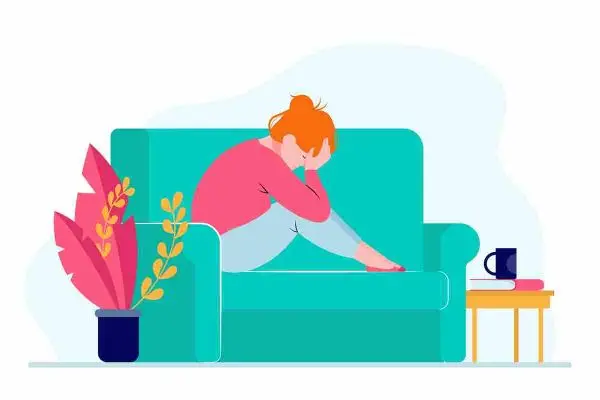
The term depression is now widely used figuratively to describe the changes in mood and emotions that we experience when going through difficult situations and periods, regardless of their duration or form. If we had even a basic understanding of the severe symptoms implied by the word depression—symptoms that a person endures and that worsen over time—we would certainly not use such a serious term to describe the simpler hardships we experience.
We do not offer this introduction to diminish or minimize anyone’s pain, because pain and difficult circumstances remain hard regardless of their extent. Instead, this article aims to build awareness and introduce depression, its symptoms, most severe types, causes, and treatment. This helps us recognize that we may face difficult circumstances, but as some people are able to overcome depression and its symptoms, we too can overcome other difficult circumstances.
What is depression?
Depression is classified as a mental disorder that causes a persistent feeling of sadness and a loss of interest and enthusiasm. It is not a difficult but passing mood or a period of weakness. It is a mental disorder whose symptoms continue for more than two weeks and are accompanied by poor concentration and reduced self-esteem. It affects how a person thinks and lives, leaving them with difficult and troubled emotional, social, and professional relationships.
How do you know whether you have depression?
People with depression often do not acknowledge that they feel depressed, or they may be unaware of its signs and symptoms, leading them to feel that these are part of their nature. They are often ashamed of the symptoms they experience. These can range from severe symptoms that genuinely impair their ability to manage different areas of life to less severe symptoms that leave them feeling unhappy and frustrated without a clear reason.
Here are some symptoms that may help you recognize whether you are experiencing depression:
Symptoms of depression:
Physical symptoms:
Fatigue and exhaustion, even when performing simple tasks that require additional effort.
Changes in appetite, such as reduced appetite and weight loss, or an increased craving for food and weight gain.
Physical pain without a clear cause, such as back pain or headaches.
Experiencing sleep disturbances characterized by excessive sleep or a lack of desire to sleep.
Agitation and restlessness reflected in bodily movements.
Psychological symptoms:
Overwhelming negative emotions, such as sadness, uncontrollable crying, worthlessness, and hopelessness.
Episodes of anger and frustration.
Loss of interest or enthusiasm in completing or pursuing tasks and activities, such as sex, a favorite hobby, or exercise.
Insomnia and anxiety.
Feelings of guilt or worthlessness.
Persistent thoughts about the past and blaming oneself for events and actions for which one is not responsible.
Difficulty thinking, concentrating, making decisions, and remembering things.
Persistent thoughts of death and suicide, or attempting or carrying it out.
Causes of depression:
The exact cause of depression has not been identified, but many factors appear to increase the risk of developing it or make it worse. As with other mental illnesses, various biochemical, genetic, and environmental factors may cause depression.
1. Biochemical factors
Changes in the chemicals found in the human brain affect the function of neurotransmitters associated with mood and may therefore play a role in causing depression. A hormonal imbalance in the body may also contribute to its onset.
The use of modern imaging techniques has recently suggested that physical changes occur in the brains of people with depression. The mechanism through which these changes occur and how serious they are have not yet been determined. Investigating them is important because it may help clarify and identify the causes of depression.
2. Genetic factors
Research is still underway to identify the genes responsible for or associated with depression. What is accepted so far is that having family members with depression doubles the likelihood of developing it, as depression is more common in families with biological relatives who have the condition.
3. Environmental factors
Environmental factors are the conditions in which a person grows up or currently lives, including family, social, emotional, and even professional interactions. Together, they comprise the situations and circumstances a person experiences and faces. These environmental factors include:
Losing a loved one.
Economic and financial problems.
Cases of suicide within the family or among close acquaintances.
A difficult mood in the morning.
Having certain illnesses, such as cancer, heart disease, Alzheimer’s disease, or AIDS.
Long-term, continuous use of certain medications, such as particular types used to treat high blood pressure, sleeping pills, and birth control pills in some cases.
What are the most severe types of depression?
1. Severe depression.
Severe depression is one of the most common and difficult types of depression. Its symptoms may persist for weeks or months and include:
Irregular sleep.
Insomnia and hopelessness.
Changes in eating patterns.
A persistent feeling of sadness.
Exhaustion and fatigue.
Physical pain without a clear cause.
Loss of interest and enthusiasm in things that previously mattered to you.
Reduced concentration and impaired memory.
Low self-confidence that affects the person’s ability to make decisions.
Suicidal thoughts dominate the person’s thinking.
2. Persistent depression.
Also called chronic depression, this is depression that lasts for two years or longer. The symptoms of persistent depression may not be as severe as those of severe depression, but they can still impair a person’s ability to carry out daily activities and leave them feeling persistently tired and exhausted to varying degrees over a long period. Some people may experience episodes of severe depression while they have persistent depression, which is known as double depression.
Because persistent depression lasts for so long, people may begin to feel that the symptoms it causes are simply part of their lives and personalities.
Symptoms of persistent depression include:
Changes in appetite.
Sleep disturbances.
Reduced productivity and achievement.
Low self-esteem.
A lack of desire or enthusiasm to achieve anything.
Also called manic depression, this condition involves a duality in mood and emotions. A person alternates between a period of such intense activity and energy that they may appear not to have depression and another period in which the symptoms of depression intensify. Symptoms of the active period include:
An exaggerated sense of self-esteem.
A reduced need for sleep.
Rapid thinking and a high level of activity.
Pursuing pleasure, such as through excessive spending.
Sometimes feeling as though one is going mad.
This state is usually followed by a depressive period with symptoms including:
Insomnia and anxiety.
Fatigue and lethargy.
Physical pain.
Loss of self-confidence.
Frustration.
Suicidal thoughts, which occur at a higher rate than in other types of depression.
4. Postpartum depression.
It is common for a woman’s emotional state and mood to be unstable after childbirth, making her somewhat emotionally reactive. Whatever form these reactions take, we should recognize that they are natural because they arise from the hormonal changes associated with pregnancy and childbirth. It is important to emphasize that a mother experiencing postpartum emotional changes needs care, understanding, and support from those close to her and from healthcare professionals.
The symptoms of postpartum depression resemble those of other depressive episodes. However, exhaustion, anxiety, and lack of experience may be accompanied by thoughts and fears concerning the baby. These fears may develop into obsessions that drive the mother to harm her child.
There is a fine line between emotional reactivity and mood changes and the onset of depression. This means that a woman’s fluctuating emotional state after childbirth can slowly develop into depression. This development may occur within one year after delivery.
Postpartum depression requires treatment, and self-recovery should not be relied upon. It is therefore important to seek help to recover from it. A woman’s fears and persistent guilt should not be treated as something that will resolve automatically, as this can prevent her from seeking help initially. She may feel unable to disclose her depressive feelings to others because she believes it is shameful not to appear happy about the arrival of her baby. It is therefore important to understand that this depression is a mental disorder unrelated to how much a mother loves her baby, making referral for psychological treatment important.
5. Psychotic depression.
Severe depression and its common symptoms may occur alongside psychotic illnesses such as schizophrenia. This condition is called psychotic depression, and it involves hallucinations and delusions in addition to depressive symptoms, such as seeing or hearing things that are not present in reality. The person may also experience disordered thinking. Psychotic depression is uncommon but serious, and suicide rates are high among people with the condition.
The direct cause of psychotic depression has not been identified, but a combination of factors may lead to its development. These include genetic factors, meaning that a particular group of genes may be responsible for psychotic depression. One group of genes in a family may be associated with depression and another with psychosis, so a person may have a hereditary history of psychosis, depression, or both. This explains why not everyone with depression also develops psychosis. Overall, women are more likely than men to develop psychotic depression, and two-thirds of those affected are women. The reason remains unclear, although it may be attributed to the significant role hormones play in a woman’s body.
Risk factors for psychotic depression:
A disturbance in brain chemistry that causes an imbalance in certain neurotransmitters.
Genetic factors, meaning a family history of depression or psychotic illnesses.
Older age.
Growing up in a harsh environment where abuse is part of child-rearing.
Experiencing trauma, such as the death of a parent or relative.
Life pressures, such as financial and professional difficulties.
Having a chronic or serious illness, such as heart disease or cancer.
When does depression end?
Recovering from depression requires adherence to a treatment plan that includes options and stages aimed at easing its symptoms. More than one treatment option may be combined at the same time. Depression treatment options include:
1. Psychotherapy.
Psychotherapy is one of the main pillars of depression treatment. Psychotherapy sessions that encourage a person to speak with a qualified therapist can help them manage negative emotions more effectively. There are different forms of psychotherapy, including cognitive behavioral therapy. It should be noted that it is preferable for a person to receive psychotherapy alongside family or group therapy sessions.
2. Medication.
Many antidepressant medications are available and are generally used in moderate or severe cases. They include:
Tricyclic antidepressants.
Monoamine oxidase inhibitors.
Selective serotonin reuptake inhibitors.
Serotonin and norepinephrine reuptake inhibitors.
It is important to note that antidepressants may take a long time before their effects become noticeable. They should only be used with a prescription and under the guidance of your psychiatrist. A person should also not stop taking medication without consulting the doctor, to avoid a relapse or side effects that may result from stopping it suddenly.
3. Emotional support from family and friends.
Family members and other close people play an active role in the success of a person’s treatment plan. Treating depression at home and receiving support from family and loved ones is considered the best behavioral treatment because it can provide a safe space where the person can open up and discuss the causes of depression and possible solutions with members of the family.
4. Following a healthy diet.
This may include taking dietary supplements, such as fish oil, that can reduce mood fluctuations. However, consult a doctor before using them to avoid side effects ordrug interactions with other medications the person takes.
5. Exercising regularly.
Exercise helps release endorphins, which improve mood and reduce symptoms. It is advisable to exercise for at least half an hour on three to five days each week.
6. Light therapy.
Exposure to specific doses of white light can help improve a person’s mood and ease symptoms.
Content writer and researcher at Tatmeen, working on Arabic and English articles across mental health and everyday life topics, including relationships, stress, work, habits, and family.
Every Tatmeen article is reviewed by care providers licensed by the Saudi Commission for Health Specialties, so what you read is accurate and trustworthy.
This article builds understanding and does not replace a licensed care provider.
Need someone to talk to?
Tatmeen's licensed care providers are available around the clock, and the app's urgent consultation connects you with one within minutes.
Download Tatmeen to explore care providers and booking options.
Smart matchingFour quick questions suggest the right care provider
Urgent consultationTalk to an available care provider within minutes
Free psychological measuresMore than 20 tests to understand how you are doing
Scan to download
{"data":{"id":"94479df6-dc1f-4f0a-93e8-a8fd7248147e","slug":"Severe-of-depression-Causes-symptoms-and-treatment","arTitle":"ما هي أشد أنواع الاكتئاب - الأسباب والأعراض والعلاج","enTitle":"The Most Severe Types of Depression: Causes, Symptoms, and Treatment","thumbnailAltText":"Person wrapped in a striped blanket sitting outdoors and facing a distant landscape","estimatedReadingTime":5,"likesCount":964,"writer":{"id":"f49e2ee4-e68b-4e04-a40b-01d0b0195161","arBio":"كاتب وباحث محتوى في تطمين، يعمل على مقالات عربية وإنجليزية في موضوعات الصحة النفسية والحياة اليومية، مثل العلاقات، الضغوط، العمل، العادات، والأسرة.","enBio":"Content writer and researcher at Tatmeen, working on Arabic and English articles across mental health and everyday life topics, including relationships, stress, work, habits, and family.","user":{"slug":"sultan-almuhasin","arFullName":"سلطان المحيسن","enFullName":"Sultan Almuhasin","publicProfileImageUrl":"https://cdn.tatmeen.sa/public/profile-images/2494102f-7411-4dda-85b1-0c37a1031b3f/c9d25068aaa97c2c1f80123e2d6a27cc7b5a9b1df6a91493df9411b390a60279.webp","publicProfileImage96Url":"https://cdn.tatmeen.sa/public/profile-images/2494102f-7411-4dda-85b1-0c37a1031b3f/c9d25068aaa97c2c1f80123e2d6a27cc7b5a9b1df6a91493df9411b390a60279-w96.webp","publicProfileImage192Url":"https://cdn.tatmeen.sa/public/profile-images/2494102f-7411-4dda-85b1-0c37a1031b3f/c9d25068aaa97c2c1f80123e2d6a27cc7b5a9b1df6a91493df9411b390a60279-w192.webp"}},"arContent":"","enContent":"","productionDocument":{"headings":[{"id":"article-section-what-is-depression","text":"What is depression?"},{"id":"article-section-how-do-you-know-whether-you-have-depression","text":"How do you know whether you have depression?"},{"id":"article-section-symptoms-of-depression","text":"Symptoms of depression:"},{"id":"article-section-causes-of-depression","text":"Causes of depression:"},{"id":"article-section-what-are-the-most-severe-types-of-depression","text":"What are the most severe types of depression?"},{"id":"article-section-when-does-depression-end","text":"When does depression end?"}],"faqs":[],"beforeSourcesHtml":"","sources":[],"afterSourcesHtml":"","blocks":[{"type":"html","html":"<p class=\"ql-align-right ql-direction-rtl\">The term <a style=\"background-color:transparent\" href=\"https://www.hakini.net/article/%D8%A7%D9%84%D8%A7%D9%83%D8%AA%D8%A6%D8%A7%D8%A8-%D9%85%D8%A7-%D9%87%D9%8A-%D8%A3%D9%86%D9%88%D8%A7%D8%B9-%D8%A7%D9%84%D8%A7%D9%83%D8%AA%D8%A6%D8%A7%D8%A8-%D9%88%D9%85%D8%A7-%D9%87%D9%8A-%D8%A3%D8%B9%D8%B1%D8%A7%D8%B6%D9%87\" target=\"_blank\" rel=\"noopener noreferrer\">depression</a> is now widely used figuratively to describe the changes in mood and emotions that we experience when going through difficult situations and periods, regardless of their duration or form. If we had even a basic understanding of the severe symptoms implied by the word depression—symptoms that a person endures and that worsen over time—we would certainly not use such a serious term to describe the simpler hardships we experience.</p><p class=\"ql-align-right ql-direction-rtl\">We do not offer this introduction to diminish or minimize anyone’s pain, because pain and difficult circumstances remain hard regardless of their extent. Instead, this article aims to build awareness and introduce depression, its <a style=\"background-color:transparent\" href=\"https://www.hakini.net/article/%D8%A3%D8%B9%D8%B1%D8%A7%D8%B6-%D8%A7%D9%84%D8%A7%D9%83%D8%AA%D8%A6%D8%A7%D8%A8-%D9%85%D8%A7-%D9%87%D9%8A-%D8%A3%D9%87%D9%85-%D8%A3%D8%B9%D8%B1%D8%A7%D8%B6-%D8%A7%D9%84%D8%A7%D9%83%D8%AA%D8%A6%D8%A7%D8%A8\" target=\"_blank\" rel=\"noopener noreferrer\">symptoms</a>, most severe types, causes, and <a style=\"background-color:transparent\" href=\"https://www.hakini.net/article/%D9%83%D9%8A%D9%81-%D8%AA%D8%B9%D8%A7%D9%84%D8%AC-%D9%86%D9%81%D8%B3%D9%83-%D8%A8%D9%86%D9%81%D8%B3%D9%83-%D9%85%D9%86-%D8%A7%D9%84%D8%A7%D9%83%D8%AA%D8%A6%D8%A7%D8%A8\" target=\"_blank\" rel=\"noopener noreferrer\">treatment</a>. This helps us recognize that we may face difficult circumstances, but as some people are able to overcome depression and its symptoms, we too can overcome other difficult circumstances.</p><h2 class=\"ql-align-right ql-direction-rtl\" id=\"article-section-what-is-depression\" data-toc-heading tabindex=\"-1\"><span id=\"what-is-depression-1\" aria-hidden=\"true\"></span><strong>What is depression?</strong></h2><p class=\"ql-align-right ql-direction-rtl\">Depression is classified as a mental disorder that causes a persistent feeling of sadness and a loss of interest and enthusiasm. It is not a difficult but passing mood or a period of weakness. It is a mental disorder whose symptoms continue for more than two weeks and are accompanied by poor concentration and reduced self-esteem. It affects how a person thinks and lives, leaving them with difficult and troubled emotional, social, and professional relationships.</p><h2 class=\"ql-align-right ql-direction-rtl\" id=\"article-section-how-do-you-know-whether-you-have-depression\" data-toc-heading tabindex=\"-1\"><span id=\"how-do-you-know-whether-you-have-depression-2\" aria-hidden=\"true\"></span><strong>How do you know whether you have depression?</strong></h2><p class=\"ql-align-right ql-direction-rtl\">People with depression often do not acknowledge that they feel depressed, or they may be unaware of its signs and symptoms, leading them to feel that these are part of their nature. They are often ashamed of the symptoms they experience. These can range from severe symptoms that genuinely impair their ability to manage different areas of life to less severe symptoms that leave them feeling unhappy and frustrated without a clear reason.</p><p class=\"ql-align-right ql-direction-rtl\">Here are some symptoms that may help you recognize whether you are experiencing depression:</p><h2 class=\"ql-align-right ql-direction-rtl\" id=\"article-section-symptoms-of-depression\" data-toc-heading tabindex=\"-1\"><span id=\"symptoms-of-depression-3\" aria-hidden=\"true\"></span><strong>Symptoms of depression:</strong></h2><h3 class=\"ql-align-right ql-direction-rtl\"><strong>Physical symptoms:</strong></h3><ul><li class=\"ql-align-right ql-direction-rtl\">Fatigue and exhaustion, even when performing simple tasks that require additional effort.</li><li class=\"ql-align-right ql-direction-rtl\">Changes in appetite, such as reduced appetite and weight loss, or an increased craving for food and weight gain.</li><li class=\"ql-align-right ql-direction-rtl\">Physical pain without a clear cause, such as back pain or headaches.</li><li class=\"ql-align-right ql-direction-rtl\">Experiencing <a style=\"background-color:transparent\" href=\"https://www.hakini.net/article/%D8%A7%D8%B6%D8%B7%D8%B1%D8%A7%D8%A8%D8%A7%D8%AA-%D8%A7%D9%84%D9%86%D9%88%D9%85-%D8%AA%D8%B9%D8%B1%D9%81-%D8%B9%D9%84%D9%89-%D8%A7%D9%86%D9%88%D8%A7%D8%B9-%D8%A7%D8%B6%D8%B7%D8%B1%D8%A7%D8%A8%D8%A7%D8%AA-%D9%88%D9%85%D8%B4%D8%A7%D9%83%D9%84-%D8%A7%D9%84%D9%86%D9%88%D9%85\" target=\"_blank\" rel=\"noopener noreferrer\">sleep disturbances</a> characterized by excessive sleep or a lack of desire to sleep.</li><li class=\"ql-align-right ql-direction-rtl\">Agitation and restlessness reflected in bodily movements.</li><li class=\"ql-align-right ql-direction-rtl\"> </li></ul><h3 class=\"ql-align-right ql-direction-rtl\"><strong>Psychological symptoms:</strong></h3><ul><li class=\"ql-align-right ql-direction-rtl\">Overwhelming negative emotions, such as sadness, uncontrollable crying, worthlessness, and hopelessness.</li><li class=\"ql-align-right ql-direction-rtl\">Episodes of anger and frustration.</li><li class=\"ql-align-right ql-direction-rtl\">Loss of interest or enthusiasm in completing or pursuing tasks and activities, such as sex, a favorite hobby, or exercise.</li><li class=\"ql-align-right ql-direction-rtl\">Insomnia and anxiety.</li><li class=\"ql-align-right ql-direction-rtl\">Feelings of guilt or worthlessness.</li><li class=\"ql-align-right ql-direction-rtl\">Persistent thoughts about the past and blaming oneself for events and actions for which one is not responsible.</li><li class=\"ql-align-right ql-direction-rtl\">Difficulty thinking, concentrating, making decisions, and remembering things.</li><li class=\"ql-align-right ql-direction-rtl\">Persistent thoughts of death and <a style=\"background-color:transparent\" href=\"https://www.hakini.net/article/%D9%83%D9%8A%D9%81-%D8%AA%D8%B3%D8%A7%D8%B9%D8%AF-%D8%B4%D8%AE%D8%B5-%D9%8A%D8%B1%D9%8A%D8%AF-%D8%A7%D9%84%D8%A7%D9%86%D8%AA%D8%AD%D8%A7%D8%B1\" target=\"_blank\" rel=\"noopener noreferrer\">suicide</a>, or attempting or carrying it out.</li></ul><h2 class=\"ql-align-right ql-direction-rtl\" id=\"article-section-causes-of-depression\" data-toc-heading tabindex=\"-1\"><span id=\"causes-of-depression-4\" aria-hidden=\"true\"></span><strong>Causes of depression:</strong></h2><p class=\"ql-align-right ql-direction-rtl\">The <strong>exact </strong>cause of depression has not been identified, but many factors appear to increase the risk of developing it or make it worse. As with other mental illnesses, various biochemical, genetic, and environmental factors may cause depression.</p><h3 class=\"ql-align-right ql-direction-rtl\"><strong>1. Biochemical factors</strong></h3><p class=\"ql-align-right ql-direction-rtl\">Changes in the chemicals found in the human brain affect the function of neurotransmitters associated with mood and may therefore play a role in causing depression. A hormonal imbalance in the body may also contribute to its onset.</p><p class=\"ql-align-right ql-direction-rtl\">The use of modern imaging techniques has recently suggested that physical changes occur in the brains of people with depression. The mechanism through which these changes occur and how serious they are have not yet been determined. Investigating them is important because it may help clarify and identify the causes of depression.</p><h3 class=\"ql-align-right ql-direction-rtl\"><strong>2. Genetic factors</strong></h3><p class=\"ql-align-right ql-direction-rtl\">Research is still underway to identify the genes responsible for or associated with depression. What is accepted so far is that having family members with depression doubles the likelihood of developing it, as depression is more common in families with biological relatives who have the condition.</p><h3 class=\"ql-align-right ql-direction-rtl\"><strong>3. Environmental factors</strong></h3><p class=\"ql-align-right ql-direction-rtl\">Environmental factors are the conditions in which a person grows up or currently lives, including family, social, emotional, and even professional interactions. Together, they comprise the situations and circumstances a person experiences and faces. These environmental factors include:</p><ul><li class=\"ql-align-right ql-direction-rtl\">Losing a loved one.</li><li class=\"ql-align-right ql-direction-rtl\">Economic and financial problems.</li><li class=\"ql-align-right ql-direction-rtl\">Cases of suicide within the family or among close acquaintances.</li><li class=\"ql-align-right ql-direction-rtl\">A difficult mood in the morning.</li><li class=\"ql-align-right ql-direction-rtl\">Having certain illnesses, such as cancer, heart disease, Alzheimer’s disease, or AIDS.</li><li class=\"ql-align-right ql-direction-rtl\">Long-term, continuous use of certain medications, such as particular types used to treat high blood pressure, sleeping pills, and <a style=\"background-color:transparent\" href=\"https://www.hakini.net/article/%D8%A3%D8%AB%D8%B1-%D8%A7%D9%84%D8%B9%D9%84%D8%A7%D8%AC%D8%A7%D8%AA-%D8%A7%D9%84%D9%87%D8%B1%D9%85%D9%88%D9%86%D9%8A%D8%A9-%D8%B9%D9%84%D9%89-%D8%A7%D9%84%D8%B5%D8%AD%D8%A9-%D8%A7%D9%84%D9%86%D9%81%D8%B3%D9%8A%D8%A9-%D9%84%D9%84%D9%85%D8%B1%D8%A3%D8%A9\" target=\"_blank\" rel=\"noopener noreferrer\">birth control pills</a> in some cases.</li></ul><h2 class=\"ql-align-right ql-direction-rtl\" id=\"article-section-what-are-the-most-severe-types-of-depression\" data-toc-heading tabindex=\"-1\"><span id=\"what-are-the-most-severe-types-of-depression-5\" aria-hidden=\"true\"></span><strong>What are the most severe types of depression?</strong></h2><h3 class=\"ql-align-right ql-direction-rtl\"><strong>1. Severe depression.</strong></h3><p class=\"ql-align-right ql-direction-rtl\">Severe depression is one of the most common and difficult types of depression. Its symptoms may persist for weeks or months and include:</p><ul><li class=\"ql-align-right ql-direction-rtl\">Irregular sleep.</li><li class=\"ql-align-right ql-direction-rtl\">Insomnia and hopelessness.</li><li class=\"ql-align-right ql-direction-rtl\">Changes in eating patterns.</li><li class=\"ql-align-right ql-direction-rtl\">A persistent feeling of sadness.</li><li class=\"ql-align-right ql-direction-rtl\">Exhaustion and fatigue.</li><li class=\"ql-align-right ql-direction-rtl\">Physical pain without a clear cause.</li><li class=\"ql-align-right ql-direction-rtl\">Loss of interest and enthusiasm in things that previously mattered to you.</li><li class=\"ql-align-right ql-direction-rtl\">Reduced concentration and impaired memory.</li><li class=\"ql-align-right ql-direction-rtl\">Low self-confidence that affects the person’s ability to make decisions.</li><li class=\"ql-align-right ql-direction-rtl\">Suicidal thoughts dominate the person’s thinking.</li></ul><h3 class=\"ql-align-right ql-direction-rtl\"><strong>2. Persistent depression.</strong></h3><p class=\"ql-align-right ql-direction-rtl\">Also called chronic depression, this is depression that lasts for two years or longer. The symptoms of persistent depression may not be as severe as those of severe depression, but they can still impair a person’s ability to carry out daily activities and leave them feeling persistently tired and exhausted to varying degrees over a long period. Some people may experience episodes of severe depression while they have persistent depression, which is known as double depression.</p><p class=\"ql-align-right ql-direction-rtl\">Because persistent depression lasts for so long, people may begin to feel that the symptoms it causes are simply part of their lives and personalities.</p><p class=\"ql-align-right ql-direction-rtl\">Symptoms of persistent depression include:</p><ul><li class=\"ql-align-right ql-direction-rtl\">Changes in appetite.</li><li class=\"ql-align-right ql-direction-rtl\">Sleep disturbances.</li><li class=\"ql-align-right ql-direction-rtl\">Reduced productivity and achievement.</li><li class=\"ql-align-right ql-direction-rtl\">Low self-esteem.</li><li class=\"ql-align-right ql-direction-rtl\">A lack of desire or enthusiasm to achieve anything.</li><li class=\"ql-align-right ql-direction-rtl\">Poor concentration.</li><li class=\"ql-align-right ql-direction-rtl\">Weak memory.</li><li class=\"ql-align-right ql-direction-rtl\">An inability to feel joy or happiness.</li><li class=\"ql-align-right ql-direction-rtl\">A tendency toward isolation.</li><li class=\"ql-align-right ql-direction-rtl\">A persistent feeling of sadness most of the time.</li><li class=\"ql-align-right ql-direction-rtl\">An inability to continue working.</li></ul><h3 class=\"ql-align-right ql-direction-rtl\">3. <a style=\"background-color:transparent\" href=\"https://www.hakini.net/article/%D9%83%D9%8A%D9%81-%D8%A7%D8%B9%D8%B1%D9%81-%D8%A3%D9%86%D9%8A-%D8%A3%D8%B9%D8%A7%D9%86%D9%8A-%D9%85%D9%86-%D8%A7%D8%B6%D8%B7%D8%B1%D8%A7%D8%A8-%D8%AB%D9%86%D8%A7%D8%A6%D9%8A-%D8%A7%D9%84%D9%82%D8%B7%D8%A8\" target=\"_blank\" rel=\"noopener noreferrer\"><strong>Bipolar disorder</strong></a><strong>.</strong></h3><p class=\"ql-align-right ql-direction-rtl\">Also called manic depression, this condition involves a duality in mood and emotions. A person alternates between a period of such intense activity and energy that they may appear not to have depression and another period in which the symptoms of depression intensify. Symptoms of the active period include:</p><ul><li class=\"ql-align-right ql-direction-rtl\">An exaggerated sense of self-esteem.</li><li class=\"ql-align-right ql-direction-rtl\">A reduced need for sleep.</li><li class=\"ql-align-right ql-direction-rtl\">Rapid thinking and a high level of activity.</li><li class=\"ql-align-right ql-direction-rtl\">Pursuing pleasure, such as through excessive spending.</li><li class=\"ql-align-right ql-direction-rtl\">Sometimes feeling as though one is going mad.</li></ul><p class=\"ql-align-right ql-direction-rtl\">This state is usually followed by a depressive period with symptoms including:</p><ul><li class=\"ql-align-right ql-direction-rtl\">Insomnia and anxiety.</li><li class=\"ql-align-right ql-direction-rtl\">Fatigue and lethargy.</li><li class=\"ql-align-right ql-direction-rtl\">Physical pain.</li><li class=\"ql-align-right ql-direction-rtl\">Loss of self-confidence.</li><li class=\"ql-align-right ql-direction-rtl\">Frustration.</li><li class=\"ql-align-right ql-direction-rtl\">Suicidal thoughts, which occur at a higher rate than in other types of depression.</li></ul><h3 class=\"ql-align-right ql-direction-rtl\">4. <strong>Postpartum depression.</strong></h3><p class=\"ql-align-right ql-direction-rtl\">It is common for a woman’s emotional state and mood to be unstable after childbirth, making her somewhat emotionally reactive. Whatever form these reactions take, we should recognize that they are natural because they arise from the hormonal changes associated with pregnancy and childbirth. It is important to emphasize that a mother experiencing postpartum emotional changes needs care, understanding, and support from those close to her and from healthcare professionals.</p><p class=\"ql-align-right ql-direction-rtl\">Symptoms of <a style=\"background-color:transparent\" href=\"https://www.hakini.net/article/%D9%85%D8%AA%D9%89-%D9%8A%D9%86%D8%AA%D9%87%D9%8A-%D8%A7%D9%83%D8%AA%D8%A6%D8%A7%D8%A8-%D9%85%D8%A7-%D8%A8%D8%B9%D8%AF-%D8%A7%D9%84%D9%88%D9%84%D8%A7%D8%AF%D8%A9\" target=\"_blank\" rel=\"noopener noreferrer\">postpartum depression</a> include:</p><ol><li class=\"ql-align-right ql-direction-rtl\">Intense and persistent crying.</li><li class=\"ql-align-right ql-direction-rtl\">Mood swings.</li><li class=\"ql-align-right ql-direction-rtl\">Distress.</li><li class=\"ql-align-right ql-direction-rtl\">Sleep and appetite disturbances.</li><li class=\"ql-align-right ql-direction-rtl\">Feeling that her baby is a stranger.</li><li class=\"ql-align-right ql-direction-rtl\">Persistent feelings of guilt.</li></ol><p class=\"ql-align-right ql-direction-rtl\">The symptoms of postpartum depression resemble those of other depressive episodes. However, exhaustion, anxiety, and lack of experience may be accompanied by thoughts and fears concerning the baby. These fears may develop into obsessions that drive the mother to harm her child.</p><p class=\"ql-align-right ql-direction-rtl\">There is a fine line between emotional reactivity and mood changes and the onset of depression. This means that a woman’s fluctuating emotional state after childbirth can slowly develop into depression. This development may occur within one year after delivery.</p><p class=\"ql-align-right ql-direction-rtl\">Postpartum depression requires treatment, and self-recovery should not be relied upon. It is therefore important to seek help to recover from it. A woman’s fears and persistent guilt should not be treated as something that will resolve automatically, as this can prevent her from seeking help initially. She may feel unable to disclose her depressive feelings to others because she believes it is shameful not to appear happy about the arrival of her baby. It is therefore important to understand that this depression is a mental disorder unrelated to how much a mother loves her baby, making referral for psychological treatment important.</p><h3 class=\"ql-align-right ql-direction-rtl\"><strong>5. Psychotic depression.</strong></h3><p class=\"ql-align-right ql-direction-rtl\">Severe depression and its common symptoms may occur alongside psychotic illnesses <a style=\"background-color:transparent\" href=\"https://www.hakini.net/article/%D9%85%D8%A7-%D9%87%D9%8A-%D8%A7%D8%B9%D8%B1%D8%A7%D8%B6-%D9%85%D8%B1%D8%B6-%D8%A7%D9%84%D9%81%D8%B5%D8%A7%D9%85\" target=\"_blank\" rel=\"noopener noreferrer\">such as schizophrenia</a>. This condition is called <strong> </strong>psychotic depression<strong>, and </strong>it involves hallucinations and delusions in addition to depressive symptoms, such as seeing or hearing things that are not present in reality. The person may also experience disordered thinking. Psychotic depression is uncommon but serious, and suicide rates are high among people with the condition.</p><p class=\"ql-align-right ql-direction-rtl\">The direct cause of psychotic depression has not been identified, but a combination of factors may lead to its development. These include genetic factors, meaning that a particular group of genes may be responsible for psychotic depression. One group of genes in a family may be associated with depression and another with psychosis, so a person may have a hereditary history of psychosis, depression, or both. This explains why not everyone with depression also develops psychosis. Overall, women are more likely than men to develop psychotic depression, and two-thirds of those affected are women. The reason remains unclear, although it may be attributed to the significant role hormones play in a woman’s body.</p><p class=\"ql-align-right ql-direction-rtl\"><strong>Risk factors for psychotic depression:</strong></p><ol><li class=\"ql-align-right ql-direction-rtl\">A disturbance in brain chemistry that causes an imbalance in certain neurotransmitters.</li><li class=\"ql-align-right ql-direction-rtl\">Genetic factors, meaning a family history of depression or psychotic illnesses.</li><li class=\"ql-align-right ql-direction-rtl\">Older age.</li><li class=\"ql-align-right ql-direction-rtl\">Growing up in a harsh environment where abuse is part of child-rearing.</li><li class=\"ql-align-right ql-direction-rtl\">Experiencing trauma, such as the death of a parent or relative.</li><li class=\"ql-align-right ql-direction-rtl\">Life pressures, such as financial and professional difficulties.</li><li class=\"ql-align-right ql-direction-rtl\">Having a chronic or serious illness, such as heart disease or cancer.</li></ol><h2 class=\"ql-align-right ql-direction-rtl\" id=\"article-section-when-does-depression-end\" data-toc-heading tabindex=\"-1\"><span id=\"when-does-depression-end-6\" aria-hidden=\"true\"></span><strong>When does depression end?</strong></h2><p class=\"ql-align-right ql-direction-rtl\">Recovering from depression requires adherence to a treatment plan that includes options and stages aimed at easing its symptoms. More than one treatment option may be combined at the same time. Depression treatment options include:</p><h3 class=\"ql-align-right ql-direction-rtl\">1. <strong>Psychotherapy.</strong></h3><p class=\"ql-align-right ql-direction-rtl\">Psychotherapy is one of the main pillars of depression treatment. <a style=\"background-color:transparent\" href=\"https://www.hakini.net/therapists-lists\" target=\"_blank\" rel=\"noopener noreferrer\">Psychotherapy sessions</a> that encourage a person to speak with a qualified therapist can help them manage negative emotions more effectively. There are different forms of psychotherapy, including cognitive behavioral therapy. It should be noted that it is preferable for a person to receive psychotherapy alongside family or group therapy sessions.</p><h3 class=\"ql-align-right ql-direction-rtl\">2. <strong>Medication.</strong></h3><p class=\"ql-align-right ql-direction-rtl\">Many antidepressant medications are available and are generally used in moderate or severe cases. They include:</p><ul><li class=\"ql-align-right ql-direction-rtl\">Tricyclic antidepressants.</li><li class=\"ql-align-right ql-direction-rtl\">Monoamine oxidase inhibitors.</li><li class=\"ql-align-right ql-direction-rtl\">Selective serotonin reuptake inhibitors.</li><li class=\"ql-align-right ql-direction-rtl\">Serotonin and norepinephrine reuptake inhibitors.</li></ul><p class=\"ql-align-right ql-direction-rtl\">It is important to note that antidepressants may take a long time before their effects become noticeable. They should only be used with a prescription and under the guidance of <a style=\"background-color:transparent\" href=\"http://www.hakini.net/\" target=\"_blank\" rel=\"noopener noreferrer\">your psychiatrist</a>. A person should also not stop taking medication without consulting the doctor, to avoid a relapse or side effects that may result from stopping it suddenly.</p><h3 class=\"ql-align-right ql-direction-rtl\">3. <strong>Emotional support from family and friends.</strong></h3><p class=\"ql-align-right ql-direction-rtl\">Family members and other close people play an active role in the success of a person’s treatment plan. Treating depression at home and receiving support from family and loved ones is considered the best behavioral treatment because it can provide a safe space where the person can open up and discuss the causes of depression and possible solutions with members of the family.</p><h3 class=\"ql-align-right ql-direction-rtl\">4. <strong>Following a healthy diet.</strong></h3><p class=\"ql-align-right ql-direction-rtl\">This may include taking dietary supplements, such as fish oil, that can reduce mood fluctuations. However, consult a doctor before using them to avoid side effects or<a style=\"background-color:transparent\" href=\"https://www.hakini.net/article/%D9%85%D8%AA%D9%89-%D9%8A%D9%84%D8%AC%D8%A3-%D8%A7%D9%84%D8%A3%D8%B7%D8%A8%D8%A7%D8%A1-%D9%84%D9%84%D8%A3%D8%AF%D9%88%D9%8A%D8%A9-%D8%A7%D9%84%D9%86%D9%81%D8%B3%D9%8A%D8%A9-%D9%88%D9%85%D8%A7-%D9%85%D8%AF%D9%89-%D9%81%D8%B9%D8%A7%D9%84%D9%8A%D8%AA%D9%87%D8%A7\" target=\"_blank\" rel=\"noopener noreferrer\">drug interactions</a> with other medications the person takes.</p><h3 class=\"ql-align-right ql-direction-rtl\">5. <strong>Exercising regularly.</strong></h3><p class=\"ql-align-right ql-direction-rtl\">Exercise helps release endorphins, which improve mood and reduce symptoms. It is advisable to exercise for at least half an hour on three to five days each week.</p><h3 class=\"ql-align-right ql-direction-rtl\">6. <strong>Light therapy.</strong></h3><p class=\"ql-align-right ql-direction-rtl\">Exposure to specific doses of white light can help improve a person’s mood and ease symptoms.</p><h3 class=\"ql-align-right ql-direction-rtl\">7. <strong>Practicing yoga and </strong><a style=\"background-color:transparent\" href=\"https://www.hakini.net/article/%D9%81%D9%88%D8%A7%D8%A6%D8%AF-%D8%A7%D9%84%D8%AA%D8%A3%D9%85%D9%84-%D9%84%D9%84%D8%B9%D9%82%D9%84-%D9%88%D8%A7%D9%84%D8%AC%D8%B3%D9%85\" target=\"_blank\" rel=\"noopener noreferrer\"><strong>meditation.</strong></a><strong>.</strong></h3><h3 class=\"ql-align-right ql-direction-rtl\">8. <a style=\"background-color:transparent\" href=\"https://www.hakini.net/article/%D8%A7%D9%84%D8%B9%D9%84%D8%A7%D8%AC-%D8%A8%D8%A7%D9%84%D9%81%D9%86%D9%88%D9%86\" target=\"_blank\" rel=\"noopener noreferrer\"><strong>Art therapy</strong></a><strong> or music therapy.</strong></h3><p><br /></p>"}],"inlineCtaSignatures":[],"_experienceAliases":{"v":1,"fields":["html","bodyHtml"]}},"createdAt":"2024-01-08T21:00:00.000Z","updatedAt":"2026-08-11T04:45:02.303Z","disorderGroups":[{"id":"1e82772d-a1a7-4d29-b475-be9d6b67ae02","slug":"common-mental-issues","arName":"اضطرابات نفسية شائعة","enName":"Common Mental Issues"},{"id":"de5b4ba2-cdd3-4192-8b0e-fb462fe49e17","slug":"womens-mental-health","arName":"صحة المرأة","enName":"Women’s Mental Health"}],"reviewer":{"arFullName":"فريق تطمين","enFullName":"Tatmeen team","slug":"tatmeen-team","kind":"organization"},"productionArticle":true,"promotionAllowed":true,"preparedCover":{"src":"https://cdn.tatmeen.sa/public/article-lcp/article-lcp-v2/sha256-b6f63b1020905e37d9fa0efce6e15fd4549ebdac3ffb253ec9edb708b9bf9bcb/600-1ab604498aa9ed4305d3bd90615dc7a56877a235402e3e83a92761a979ea6ad4.avif","fallback":"https://cdn.tatmeen.sa/public/article-lcp/article-lcp-v2/sha256-b6f63b1020905e37d9fa0efce6e15fd4549ebdac3ffb253ec9edb708b9bf9bcb/600-3a289c79f756e3c33b359031ef58db49b02c88a7e83315744c74d4fb228f280d.webp","directUrl":"https://cdn.tatmeen.sa/blog-cover/1706456141437-Tatmeen-472.jpg","isGolden":true,"avifSrcset":"https://cdn.tatmeen.sa/public/article-lcp/article-lcp-v2/sha256-b6f63b1020905e37d9fa0efce6e15fd4549ebdac3ffb253ec9edb708b9bf9bcb/400-448402e74bf521589ba931f3a170de74732ab1e7269ecc371b7d4478fdae56a3.avif 400w, https://cdn.tatmeen.sa/public/article-lcp/article-lcp-v2/sha256-b6f63b1020905e37d9fa0efce6e15fd4549ebdac3ffb253ec9edb708b9bf9bcb/600-1ab604498aa9ed4305d3bd90615dc7a56877a235402e3e83a92761a979ea6ad4.avif 600w","webpSrcset":"https://cdn.tatmeen.sa/public/article-lcp/article-lcp-v2/sha256-b6f63b1020905e37d9fa0efce6e15fd4549ebdac3ffb253ec9edb708b9bf9bcb/400-948e455b76f302b7f01f46235d62877ed4d53e77c84bf20696970389b1c90437.webp 400w, https://cdn.tatmeen.sa/public/article-lcp/article-lcp-v2/sha256-b6f63b1020905e37d9fa0efce6e15fd4549ebdac3ffb253ec9edb708b9bf9bcb/600-3a289c79f756e3c33b359031ef58db49b02c88a7e83315744c74d4fb228f280d.webp 600w","phoneAvifSrcset":"https://cdn.tatmeen.sa/public/article-lcp/article-lcp-v2/sha256-b6f63b1020905e37d9fa0efce6e15fd4549ebdac3ffb253ec9edb708b9bf9bcb/400-448402e74bf521589ba931f3a170de74732ab1e7269ecc371b7d4478fdae56a3.avif 400w, https://cdn.tatmeen.sa/public/article-lcp/article-lcp-v2/sha256-b6f63b1020905e37d9fa0efce6e15fd4549ebdac3ffb253ec9edb708b9bf9bcb/600-1ab604498aa9ed4305d3bd90615dc7a56877a235402e3e83a92761a979ea6ad4.avif 600w","phoneWebpSrcset":"https://cdn.tatmeen.sa/public/article-lcp/article-lcp-v2/sha256-b6f63b1020905e37d9fa0efce6e15fd4549ebdac3ffb253ec9edb708b9bf9bcb/400-948e455b76f302b7f01f46235d62877ed4d53e77c84bf20696970389b1c90437.webp 400w, https://cdn.tatmeen.sa/public/article-lcp/article-lcp-v2/sha256-b6f63b1020905e37d9fa0efce6e15fd4549ebdac3ffb253ec9edb708b9bf9bcb/600-3a289c79f756e3c33b359031ef58db49b02c88a7e83315744c74d4fb228f280d.webp 600w","width":600,"height":400},"previewTaxonomy":{"groups":[{"id":"1e82772d-a1a7-4d29-b475-be9d6b67ae02","slug":"common-mental-issues","arName":"اضطرابات نفسية شائعة","enName":"Common Mental Issues"},{"id":"de5b4ba2-cdd3-4192-8b0e-fb462fe49e17","slug":"womens-mental-health","arName":"صحة المرأة","enName":"Women’s Mental Health"}],"topics":[{"id":"e4c614c2-a8b1-40a7-96d0-3d5dea0f4e1b","slug":"postpartum-depression","arName":"اكتئاب ما بعد الولادة","enName":"Postpartum Depression","groupSlug":"womens-mental-health","href":"/blog/category/womens-mental-health/postpartum-depression/"},{"id":"7a04dceb-8294-4e51-8525-48bda7bdec14","slug":"bipolar-disorder","arName":"اضطراب ثنائي القطب","enName":"Bipolar Disorder","groupSlug":"common-mental-issues","href":"/blog/category/common-mental-issues/bipolar-disorder/"},{"id":"279dbfbb-dda2-465a-93a1-e9b181574318","slug":"depression","arName":"اكتئاب","enName":"Depression","groupSlug":"common-mental-issues","href":"/blog/category/common-mental-issues/depression/"}],"tags":[{"id":"8208dc52-de2b-485d-aa6d-e06ec0bf5e98","slug":"depression","arName":"الاكتئاب","enName":"Depression"},{"id":"c2a6e8d3-de9c-435f-8c95-9727e7db14cc","slug":"explainer-awareness","arName":"دليل توعوي / شرح","enName":"Explainer / Awareness Guide"}]},"previewProviderRecommendations":[{"id":"278d5ac5-30ff-46ad-97be-c67cdd125836","slug":"dr-mohammed-alamari-8085","arFullName":"د. محمد العماري","enFullName":"Dr. Mohammed Alamari","publicProfileImageUrl":"https://cdn.tatmeen.sa/public/profile-images/278d5ac5-30ff-46ad-97be-c67cdd125836/69bdd11cb01784eed010eb9883403fd6ca4e4afcec739dcd6114fd8b85f133a8.webp","publicProfileImage96Url":"https://cdn.tatmeen.sa/public/profile-images/278d5ac5-30ff-46ad-97be-c67cdd125836/69bdd11cb01784eed010eb9883403fd6ca4e4afcec739dcd6114fd8b85f133a8-w96.webp","publicProfileImage192Url":"https://cdn.tatmeen.sa/public/profile-images/278d5ac5-30ff-46ad-97be-c67cdd125836/69bdd11cb01784eed010eb9883403fd6ca4e4afcec739dcd6114fd8b85f133a8-w192.webp","specialization":{"arName":"طبيب أسرة","enName":"Family Physician"},"profileImageUrl":"https://cdn.tatmeen.sa/public/profile-images/278d5ac5-30ff-46ad-97be-c67cdd125836/69bdd11cb01784eed010eb9883403fd6ca4e4afcec739dcd6114fd8b85f133a8-w192.webp","experienceYears":3,"consultantInfo":{"averageRating":{"average":4},"specialization":{"arGeneralName":"طبيب أسرة","enGeneralName":"Family Physician"}}},{"id":"9d7c524c-6438-4762-9cae-47b7fa6541ce","slug":"dr-meshal-alsharif-2699","arFullName":"د. مشعل الشريف","enFullName":"Dr. Meshal Alsharif","publicProfileImageUrl":"https://cdn.tatmeen.sa/public/profile-images/9d7c524c-6438-4762-9cae-47b7fa6541ce/130ec5c2e737a80d4427c284f1cfca522eb2843302f25c16c3084803a4b84724.webp","publicProfileImage96Url":"https://cdn.tatmeen.sa/public/profile-images/9d7c524c-6438-4762-9cae-47b7fa6541ce/130ec5c2e737a80d4427c284f1cfca522eb2843302f25c16c3084803a4b84724-w96.webp","publicProfileImage192Url":"https://cdn.tatmeen.sa/public/profile-images/9d7c524c-6438-4762-9cae-47b7fa6541ce/130ec5c2e737a80d4427c284f1cfca522eb2843302f25c16c3084803a4b84724-w192.webp","specialization":{"arName":"طبيب أسرة","enName":"Family Physician"},"profileImageUrl":"https://cdn.tatmeen.sa/public/profile-images/9d7c524c-6438-4762-9cae-47b7fa6541ce/130ec5c2e737a80d4427c284f1cfca522eb2843302f25c16c3084803a4b84724-w192.webp","experienceYears":3,"consultantInfo":{"averageRating":{"average":5},"specialization":{"arGeneralName":"طبيب أسرة","enGeneralName":"Family Physician"}}},{"id":"b7aa8f1e-fdae-426f-a1bf-589bc39d71b1","slug":"hussain-alsayegh-0835","arFullName":"د. حسين الصايغ","enFullName":"Dr. Hussain Alsayegh","publicProfileImageUrl":"https://cdn.tatmeen.sa/public/profile-images/b7aa8f1e-fdae-426f-a1bf-589bc39d71b1/ae60ba4216e401d2d512719d2b2c8e6a9d4c9570de1c01e34eb22f7ae1c7a106.webp","publicProfileImage96Url":"https://cdn.tatmeen.sa/public/profile-images/b7aa8f1e-fdae-426f-a1bf-589bc39d71b1/ae60ba4216e401d2d512719d2b2c8e6a9d4c9570de1c01e34eb22f7ae1c7a106-w96.webp","publicProfileImage192Url":"https://cdn.tatmeen.sa/public/profile-images/b7aa8f1e-fdae-426f-a1bf-589bc39d71b1/ae60ba4216e401d2d512719d2b2c8e6a9d4c9570de1c01e34eb22f7ae1c7a106-w192.webp","specialization":{"arName":"طبيب أسرة","enName":"Family Physician"},"profileImageUrl":"https://cdn.tatmeen.sa/public/profile-images/b7aa8f1e-fdae-426f-a1bf-589bc39d71b1/ae60ba4216e401d2d512719d2b2c8e6a9d4c9570de1c01e34eb22f7ae1c7a106-w192.webp","experienceYears":3,"consultantInfo":{"averageRating":{"average":5},"specialization":{"arGeneralName":"طبيب أسرة","enGeneralName":"Family Physician"}}}],"previewCareProviders":[{"id":"09364052-c2a9-4c52-9717-7ce2093b8d0a","slug":"kholoud-alharbi-5221","arFullName":"خلود الحربي","enFullName":"Kholoud Alharbi","publicProfileImageUrl":"https://cdn.tatmeen.sa/public/profile-images/09364052-c2a9-4c52-9717-7ce2093b8d0a/4a0aeb81619e351b77f4323e3605a0a00acc7ca3c82ee7cc5ca2c9e8ef716049.webp","publicProfileImage96Url":"https://cdn.tatmeen.sa/public/profile-images/09364052-c2a9-4c52-9717-7ce2093b8d0a/4a0aeb81619e351b77f4323e3605a0a00acc7ca3c82ee7cc5ca2c9e8ef716049-w96.webp","publicProfileImage192Url":"https://cdn.tatmeen.sa/public/profile-images/09364052-c2a9-4c52-9717-7ce2093b8d0a/4a0aeb81619e351b77f4323e3605a0a00acc7ca3c82ee7cc5ca2c9e8ef716049-w192.webp","gender":"FEMALE","specialization":{"arName":"أخصائي نفسي","enName":"Psychologist"}},{"id":"6f037535-1dca-4b50-a8b2-5974b7323286","slug":"salah-althobaiti-9053","arFullName":"صلاح الثبيتي","enFullName":"Salah Althobaiti","publicProfileImageUrl":"https://cdn.tatmeen.sa/public/profile-images/6f037535-1dca-4b50-a8b2-5974b7323286/35b6bd7fad9b1e004c1835803eb9c1b56dcacd380685ec8bff141f0fb888005c.webp","publicProfileImage96Url":"https://cdn.tatmeen.sa/public/profile-images/6f037535-1dca-4b50-a8b2-5974b7323286/35b6bd7fad9b1e004c1835803eb9c1b56dcacd380685ec8bff141f0fb888005c-w96.webp","publicProfileImage192Url":"https://cdn.tatmeen.sa/public/profile-images/6f037535-1dca-4b50-a8b2-5974b7323286/35b6bd7fad9b1e004c1835803eb9c1b56dcacd380685ec8bff141f0fb888005c-w192.webp","gender":"MALE","specialization":{"arName":"أخصائي نفسي","enName":"Psychologist"}},{"id":"3cc806e8-616b-4884-9f21-a75b378580a2","slug":"aisha-al-hashim-8667","arFullName":"عائشة ال هاشم","enFullName":"Aisha Al Hashim","publicProfileImageUrl":"https://cdn.tatmeen.sa/public/profile-images/3cc806e8-616b-4884-9f21-a75b378580a2/27f523d03be4dcfa1f6a79f70c1773887434e698990d214cd990caec56a44798.webp","publicProfileImage96Url":"https://cdn.tatmeen.sa/public/profile-images/3cc806e8-616b-4884-9f21-a75b378580a2/27f523d03be4dcfa1f6a79f70c1773887434e698990d214cd990caec56a44798-w96.webp","publicProfileImage192Url":"https://cdn.tatmeen.sa/public/profile-images/3cc806e8-616b-4884-9f21-a75b378580a2/27f523d03be4dcfa1f6a79f70c1773887434e698990d214cd990caec56a44798-w192.webp","gender":"FEMALE","specialization":{"arName":"أخصائي نفسي","enName":"Psychologist"}},{"id":"94765496-dbdf-4631-a01b-7df5f788668d","slug":"abdullrahman-alhamoudi-3045","arFullName":"عبدالرحمن الحمودي","enFullName":"Abdulrahman Alhamoudi","publicProfileImageUrl":"https://cdn.tatmeen.sa/public/profile-images/94765496-dbdf-4631-a01b-7df5f788668d/2d49f6b6493c564afb6f50b6c3634231dff3a5cf8353acfab393d1b2a88037d1.webp","publicProfileImage96Url":"https://cdn.tatmeen.sa/public/profile-images/94765496-dbdf-4631-a01b-7df5f788668d/2d49f6b6493c564afb6f50b6c3634231dff3a5cf8353acfab393d1b2a88037d1-w96.webp","publicProfileImage192Url":"https://cdn.tatmeen.sa/public/profile-images/94765496-dbdf-4631-a01b-7df5f788668d/2d49f6b6493c564afb6f50b6c3634231dff3a5cf8353acfab393d1b2a88037d1-w192.webp","gender":"MALE","specialization":{"arName":"أخصائي نفسي","enName":"Psychologist"}},{"id":"618dba89-5b70-4b46-8304-741b7ac8ecd3","slug":"abdullah-mari-1311","arFullName":"عبدالله مرعي","enFullName":"Abdullah Mari","publicProfileImageUrl":"https://cdn.tatmeen.sa/public/profile-images/618dba89-5b70-4b46-8304-741b7ac8ecd3/6b4a3bfb59f8a304ca79083b32859b46baad2e1d692974a47c02c1f66bd11129.webp","publicProfileImage96Url":"https://cdn.tatmeen.sa/public/profile-images/618dba89-5b70-4b46-8304-741b7ac8ecd3/6b4a3bfb59f8a304ca79083b32859b46baad2e1d692974a47c02c1f66bd11129-w96.webp","publicProfileImage192Url":"https://cdn.tatmeen.sa/public/profile-images/618dba89-5b70-4b46-8304-741b7ac8ecd3/6b4a3bfb59f8a304ca79083b32859b46baad2e1d692974a47c02c1f66bd11129-w192.webp","gender":"MALE","specialization":{"arName":"أخصائي نفسي","enName":"Psychologist"}},{"id":"d4ffcb6b-90a7-45b6-b941-964866f4564b","slug":"dhaifallah-alhumaidi-1092","arFullName":"ضيف الله الحميدي","enFullName":"Dhaifallah Alhumaidi","publicProfileImageUrl":"https://cdn.tatmeen.sa/public/profile-images/d4ffcb6b-90a7-45b6-b941-964866f4564b/1817171c5828a9b57d6c30d12332cf154e335272548bc90a6e8456d74d356956.webp","publicProfileImage96Url":"https://cdn.tatmeen.sa/public/profile-images/d4ffcb6b-90a7-45b6-b941-964866f4564b/1817171c5828a9b57d6c30d12332cf154e335272548bc90a6e8456d74d356956-w96.webp","publicProfileImage192Url":"https://cdn.tatmeen.sa/public/profile-images/d4ffcb6b-90a7-45b6-b941-964866f4564b/1817171c5828a9b57d6c30d12332cf154e335272548bc90a6e8456d74d356956-w192.webp","gender":"MALE","specialization":{"arName":"أخصائي نفسي","enName":"Psychologist"}},{"id":"d8fb937b-ad65-4b6f-a65b-276ad8258fed","slug":"azza-alharbi-7286","arFullName":"عزه الحربي","enFullName":"Azza Alharbi","publicProfileImageUrl":"https://cdn.tatmeen.sa/public/profile-images/d8fb937b-ad65-4b6f-a65b-276ad8258fed/378a8ab30f4087833263c41fb2c3102028cbe6bb9655172d7b3439ee1d6b0800.webp","publicProfileImage96Url":"https://cdn.tatmeen.sa/public/profile-images/d8fb937b-ad65-4b6f-a65b-276ad8258fed/378a8ab30f4087833263c41fb2c3102028cbe6bb9655172d7b3439ee1d6b0800-w96.webp","publicProfileImage192Url":"https://cdn.tatmeen.sa/public/profile-images/d8fb937b-ad65-4b6f-a65b-276ad8258fed/378a8ab30f4087833263c41fb2c3102028cbe6bb9655172d7b3439ee1d6b0800-w192.webp","gender":"FEMALE","specialization":{"arName":"أخصائي نفسي","enName":"Psychologist"}},{"id":"025d770d-f6d4-405b-be1c-d45dde63fbf7","slug":"akila-alomran-7545","arFullName":"عقيله العمران","enFullName":"Akila Alomran","publicProfileImageUrl":"https://cdn.tatmeen.sa/public/profile-images/025d770d-f6d4-405b-be1c-d45dde63fbf7/44a990b9294f02c9810c69a68b8913a6afac0eb30d1b7494155f31b6dde9378b.webp","publicProfileImage96Url":"https://cdn.tatmeen.sa/public/profile-images/025d770d-f6d4-405b-be1c-d45dde63fbf7/44a990b9294f02c9810c69a68b8913a6afac0eb30d1b7494155f31b6dde9378b-w96.webp","publicProfileImage192Url":"https://cdn.tatmeen.sa/public/profile-images/025d770d-f6d4-405b-be1c-d45dde63fbf7/44a990b9294f02c9810c69a68b8913a6afac0eb30d1b7494155f31b6dde9378b-w192.webp","gender":"FEMALE","specialization":{"arName":"أخصائي نفسي","enName":"Psychologist"}}],"previewDownload":{"href":"/download","title":{"ar":"خطوة واحدة لأجلك، ابدأ الآن","en":"One step for you, start now"},"description":{"ar":"حمّل تطبيق تطمين لاستكشاف مقدمي الرعاية وخيارات الحجز.","en":"Download Tatmeen to explore care providers and booking options."},"posterSrc":"/images/home/cta-ar-new-1.webp","videoSrc":"/images/home/cta-ar-new-1.mp4","videoPosterSrc":"/images/home/cta-ar-new-1.webp","videoPosterEnSrc":"/images/home/cta-en-new-1.webp","videoType":"video/mp4","appStoreHref":"https://apps.apple.com/us/app/tatmeen-%D8%AA%D8%B7%D9%85%D9%8A%D9%86/id6473836983","googlePlayHref":"https://play.google.com/store/apps/details?id=com.TatmeenApp.user&hl=en"},"previewRelatedArticles":[{"id":"e878b4f8-0222-4c73-a369-a41b5f717f07","slug":"Symptoms-of-Depression","route":"/blog/Symptoms-of-Depression/","title":{"ar":"أعراض الاكتئاب","en":"Symptoms of Depression"},"image":"https://cdn.tatmeen.sa/public/article-lcp/article-lcp-v2/sha256-bfe0e86c13b579564f31fd5247cf54c64dc37d689d851acb826784baf21fa131/708-d760848c0c11a02e89f99f03465affa5b1b2230545127254c766ab4d33bc869c.webp","directImageFallback":"https://cdn.tatmeen.sa/blog-cover/1704727871488-Tatmeen-img-209","arThumbnailAltText":"Seated person hugging their knees with their face lowered against them","thumbnailAltText":"Seated person hugging their knees with their face lowered against them","topic":{"label":{"ar":"اضطرابات نفسية شائعة","en":"Common Mental Issues"}},"readingTimeMinutes":5},{"id":"44681ffd-ec8a-42fa-94ee-c0a7b5660d93","slug":"Recognizing-Depression-Symptoms","route":"/blog/Recognizing-Depression-Symptoms/","title":{"ar":"كيف تعرف أنك تعاني من الاكتئاب؟","en":"How Do You Know If You Have Depression?"},"image":"https://cdn.tatmeen.sa/public/article-lcp/article-lcp-v2/sha256-67ad0d74a1af475a72642f6b13cbaf2236e7af74766ed6f9dd9da25caca630e2/600-2b3eaa2baec0713e5037db7597548cab5ac05835f58ecf48ad3a5afba954b471.webp","directImageFallback":"https://cdn.tatmeen.sa/blog-cover/1704732467925-Tatmeen-img-729","arThumbnailAltText":"Person sitting curled up on a sofa with their head resting in one hand","thumbnailAltText":"Person sitting curled up on a sofa with their head resting in one hand","topic":{"label":{"ar":"اضطرابات نفسية شائعة","en":"Common Mental Issues"}},"readingTimeMinutes":5},{"id":"d44f2417-6860-417e-a198-250501ea55ef","slug":"Childhood-depression","route":"/blog/Childhood-depression/","title":{"ar":"اكتئاب الاطفال - كيف أعرف اذا كان طفلي مكتئب؟","en":"Childhood Depression: Causes, Signs, and Treatment"},"image":"https://cdn.tatmeen.sa/public/article-lcp/article-lcp-v2/sha256-b7eb88cbc6e321d2783e6f98bfcca5845b7ac4658505844f7a6d1603550dec74/600-be0031bd7e652d7b9c6563c2999281305371bec75250abf0168b4936cdad94c0.webp","directImageFallback":"https://cdn.tatmeen.sa/blog-cover/1704641832389-Tatmeen-img-584","arThumbnailAltText":"Child sitting with knees drawn up beside a stuffed dog against a blue backdrop","thumbnailAltText":"Child sitting with knees drawn up beside a stuffed dog against a blue backdrop","topic":{"label":{"ar":"الأطفال والمراهقين","en":"Children & Adolescents"}},"readingTimeMinutes":5},{"id":"da560787-e60b-409b-b527-b15223b9ae24","slug":"winter-seasonal-depression-signs-recovery","route":"/blog/winter-seasonal-depression-signs-recovery/","title":{"ar":" الاكتئاب الموسمي في الشتاء: علامات شائعة وطرق للتعافي","en":"Winter Seasonal Depression: Common Signs and Ways to Recover"},"image":"https://cdn.tatmeen.sa/public/article-lcp/article-lcp-v2/sha256-18a088ef4b29c8a5f250fdd1a4c2924e00376330ad4aecacc07931b4eb56638e/800-241f063381feb892daca2a1f3dc7cf73b84b480e380e951d1b9f86ef1c6b9a9d.webp","directImageFallback":"https://cdn.tatmeen.sa/blog-cover/Tatmeen-1780588942532.webp","arThumbnailAltText":"Person sitting by a window on a snowy winter night, reflecting quietly in a blue-toned room.","thumbnailAltText":"Person sitting by a window on a snowy winter night, reflecting quietly in a blue-toned room.","topic":{"label":{"ar":"اضطرابات نفسية شائعة","en":"Common Mental Issues"}},"readingTimeMinutes":5}],"previewRelatedReadStates":{}},"locale":"en","device":"desktop","path":"/en/blog/Severe-of-depression-Causes-symptoms-and-treatment/","readingControls":false,"config":{"public":{"BUCKET_URL":"https://cdn.tatmeen.sa/","APP_BASE_URL":"https://tatmeen.sa","intercomAppId":"ppcnu9e3"}}}