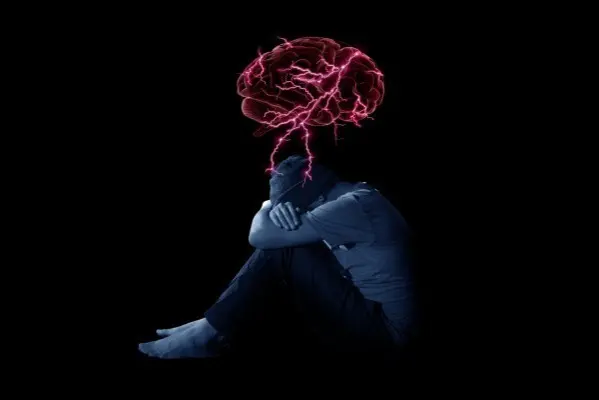
Psychological illness, also referred to as a psychological disorder, is a condition that affects a person’s thoughts, emotions, behaviors, or overall mental functioning, leading to significant distress, impaired daily functioning, or both. Psychological illness is usually diagnosed according to specific criteria listed in the Diagnostic and Statistical Manual of Mental Disorders or the International Classification of Diseases.
Psychological illnesses can vary in nature and severity, and they affect people of all ages, genders, and backgrounds. Some common examples include:
Depression: A mood disorder characterized by persistent feelings of sadness and loss of interest.
Bipolar disorder: A mood disorder characterized by extreme mood swings, including episodes of depression and mania.
Borderline personality disorder: A personality disorder characterized by instability in emotions, relationships, and self-image, often leading to impulsive and self-destructive behaviors.
Schizophrenia: A severe, chronic mental disorder that affects a person’s thoughts, emotions, and behavior, and often involves hallucinations, delusions, and disorganized thinking.
Obsessive-compulsive disorder: An anxiety disorder characterized by unwanted intrusive thoughts, known as obsessions, and repetitive behaviors or compulsions that are usually performed in an attempt to relieve anxiety.
Anxiety disorders: These include conditions such as generalized anxiety disorder, panic attacks, social anxiety disorder, and any phobia involving excessive anxiety or fear.
Post-traumatic stress disorder: An anxiety disorder caused by experiencing or witnessing a traumatic event, leading to nightmares and other symptoms.
Eating disorders: These include conditions such as anorexia nervosa, bulimia, and binge-eating disorder, which are characterized by unhealthy eating patterns and a distorted perception of one’s body.
Attention-deficit/hyperactivity disorder: A neurodevelopmental disorder involving symptoms of inattention, hyperactivity, and impulsivity that interfere with daily functioning.
Addiction: Addiction: A group of conditions involving problematic use of drugs, alcohol, or the internet, or watching pornography in a way that causes significant impairment in different areas of life.
It is important to understand that psychological illnesses are medical conditions, not the result of weakness or character flaws. Most are primarily linked to genetic causes, and their treatment often involves a combination of strategies, medication, and support. If you or someone you know is experiencing symptoms of any of the psychological illnesses listed above or others, seek professional help from a mental health provider as soon as possible.
Signs of psychological illness
The signs of psychological illness vary according to the specific disorder and the person experiencing it. Each person may have different symptoms, and their severity can also vary. In addition, the same symptoms may indicate different psychological illnesses. The following are some common signs that may suggest the presence of psychological illness:
Unusual thoughts or beliefs: Distorted patterns of thinking, believing things that are not real, known as delusions, or sensory perceptions that others do not experience, known as hallucinations, may indicate conditions such as schizophrenia or other psychotic disorders.
Difficulty concentrating: Persistent problems with concentration and attention, as well as memory gaps, may be signs of conditions such as attention-deficit/hyperactivity disorder or other cognitive disorders.
Fear and anxiety: Excessive anxiety, fear, or nervousness that interferes with daily activities, especially when accompanied by physical symptoms such as a rapid heartbeat or excessive sweating, may be signs of an anxiety disorder.
Changes in mood: Persistent feelings of sadness, hopelessness, irritability, or anger may indicate mood disorders such as depression or bipolar disorder.
Changes in behavior: Major behavioral changes, such as increased impulsivity or aggression, withdrawal from social interactions, or neglect of personal hygiene, may be indicators of various psychological disorders.
Changes in eating habits: Significant weight loss or gain, preoccupation with body weight, or irregular eating patterns may be associated with eating disorders.
Sleep disturbances: Recurring insomnia, excessive sleeping, or nightmares may accompany various psychological illnesses.
Suicidal thoughts: Expressing thoughts of self-harm or engaging in self-destructive behaviors may indicate that a person is experiencing severe emotional distress and needs immediate intervention.
It is important to note that the appearance of one or more of these signs does not necessarily mean that a person has a psychological illness. These symptoms may result from other factors, such as psychological stress or temporary life challenges. However, if these signs persist or begin to interfere with daily life, seeking professional help from a psychiatrist is extremely important. Proper diagnosis and early intervention can lead to effective treatment and improved well-being.
Causes of psychological illness
Mental health conditions usually arise from a combination of different factors, including biological, psychological, environmental, social, and medical influences. Below are some of the main factors that may contribute to the onset or development of psychological illnesses:
Biological factors: There is evidence that some psychological illnesses arise from biological foundations, such as genetics, imbalances in brain chemistry or neurotransmitters, structural abnormalities in the brain, or hormonal changes.
Psychological factors: Individual psychological factors can also play a role in the development of mental health disorders. Personality traits, coping mechanisms, cognitive patterns, and ways of thinking may affect a person’s vulnerability under certain circumstances.
Environmental factors: Negative experiences and pressures in a person’s environment may contribute to the onset of psychological illnesses. Childhood trauma, neglect, abuse, loss of a loved one, major life changes, or chronic stress may increase the likelihood of developing mental health problems.
Social factors: Social circumstances, such as socioeconomic status, access to education, and cultural influences, can affect a person’s mental health.
Medical factors: Certain physical health conditions and medications may contribute to the development of psychological illnesses.
Naturally, it is important to recognize that each person’s experience is unique, and the interaction between these factors may differ from one person to another. Moreover, not everyone with risk factors necessarily develops a psychological illness, and some people may experience mental health challenges without displaying any risk factors.
Because mental health is too complex to be diagnosed arbitrarily, specialists use a biopsychosocial model to understand and analyze psychological illnesses. Early detection, appropriate treatment, and ongoing support can significantly improve the condition of people with psychological illnesses.
The difference between psychological illness and mental illness
The terms “psychological illness” and “mental illness” are often used interchangeably, and both refer to a disorder that affects a person’s mental health and well-being. However, there may be subtle differences in how these terms are used and understood:
Psychological illness:
The term “psychological illness” is a broad expression that encompasses any illness or disorder affecting the mind or mental health. It focuses on the psychological aspects of mental health conditions, such as thoughts, emotions, behaviors, and cognitive functions.
Psychological illnesses may include both psychological disorders and other psychological problems that may not meet the criteria for a specific psychological disorder but still affect a person’s psychological well-being. For example, stress, grief, and difficulty adjusting may be considered psychological problems.
The term is sometimes used more broadly in a mental health context and may include problems that are not necessarily diagnosed as psychological disorders.
Mental illness:
The term “mental illness” specifically refers to diagnosable medical conditions or disorders that significantly disrupt a person’s thoughts, emotions, behaviors, and overall functioning.
It is more clinically oriented than the term above and is commonly used in the context of psychiatric and mental health diagnoses described in standard classification systems such as the Diagnostic and Statistical Manual of Mental Disorders or the International Classification of Diseases.
Mental illnesses are known to have specific diagnostic criteria and are classified into different disorders. They often require professional diagnosis, treatment, and ongoing management by mental health specialists.
In summary, “psychological illness” is a broader and less formal term that encompasses any mental health problem affecting a person’s psychological well-being. It may include both diagnosed psychological disorders and other psychological challenges that may not fit specific diagnostic criteria. “Mental illness,” on the other hand, refers specifically to diagnosable and recognized psychological conditions.
The language and terminology used for mental health may vary across contexts and regions. Regardless of the terms used, what matters most is recognizing mental health challenges and addressing them with compassion, understanding, and appropriate professional support.
Is psychological illness dangerous?
The terms “psychological illness” and “mental illness” cover a wide range of conditions, and their effects on a person’s well-being can vary greatly. Some psychological illnesses may be less severe and manageable, while others may be more serious and worsen if left untreated or managed poorly. The following are some points to consider regarding the potential risks associated with psychological illnesses:
Severity of the illness: Some psychological illnesses, such as mild forms of anxiety or depression, may not pose an immediate risk to a person’s life or safety. More severe conditions, such as major depression accompanied by suicidal thoughts or untreated schizophrenia with psychosis, can be extremely serious and require immediate intervention.
Risk of self-harm or suicide: Some psychological illnesses, especially those involving severe depression, bipolar disorder, or borderline personality disorder, may increase the risk of self-harm or suicide. It is essential to take suicidal thoughts or behaviors seriously and seek help immediately.
Impaired functioning: Psychological illnesses can affect a person’s ability to function in daily life, including at work, in education, in relationships, and in self-care. This impairment can lead to difficulties maintaining relationships, employment, or academic performance.
Substance use: People with psychological illnesses may be more likely to use drugs as a way of coping with their emotional pain or symptoms. Drug use can worsen psychological illnesses and create additional risks to physical health.
Co-occurring medical conditions: Some psychological illnesses may increase the risk of physical health problems or worsen them because of changes in behavior or lifestyle factors.
Potential for aggression: In some cases, certain psychological illnesses may lead to aggressive or impulsive behavior, making a person a danger to themselves or others. However, it is important to understand that the vast majority of people with psychological illnesses are not violent and are more likely to be victims of violence than perpetrators.
Shame about seeking care: The stigma surrounding mental health may prevent some people from seeking help, potentially delaying diagnosis and treatment and leading to worsening conditions and greater risks.
It is essential to remember that people with psychological illnesses can recover and live fulfilling, meaningful lives with appropriate treatment and support. If you or someone you know is experiencing mental health challenges, do not hesitate to seek help.
Treatment of psychological illness
Some psychological illnesses may be chronic, meaning they may require ongoing management rather than a “cure” in the traditional sense. However, in every case, many people can feel better with appropriate treatment and support. The following are some common approaches to treating psychological illnesses:
Professional assessment and diagnosis: If you suspect that you or someone you know has a psychological illness, the first step is to seek professional help from a specialist. A comprehensive assessment will help identify the condition and its severity, which is crucial for developing an effective treatment plan.
Psychotherapy: Psychotherapy involves working with a qualified therapist or counselor to explore the thoughts, emotions, and behaviors that contribute to psychological illness. It includes different approaches, such as cognitive behavioral therapy, dialectical behavior therapy, and psychodynamic therapy.
Dual-diagnosis treatment: For people with psychological disorders and other co-occurring disorders, integrated treatment that addresses both problems at the same time is essential for full recovery.
Self-help strategies: Engaging in self-help strategies, such as journaling or relaxation techniques, can complement professional treatment and enhance well-being.
Lifestyle changes: Healthy lifestyle choices, such as regular exercise, balanced nutrition, and adequate sleep, can positively affect mental health and improve mood.
Family therapy: In cases where family dynamics may contribute to psychological illness, family therapy can be helpful.
Support groups: Support groups provide a safe space for people with similar experiences to share their challenges and coping strategies.
Medication: In some cases, medications such as antidepressants, anti-anxiety medications, mood stabilizers, and antipsychotic medications may be prescribed to help manage the symptoms of certain psychological illnesses.
Ongoing care and monitoring: After initial treatment, ongoing support and follow-up with mental health professionals are crucial for monitoring progress and addressing any potential relapses.
Always remember that recovery from psychological illness is a journey that takes time and effort, and it may take several attempts to find the most effective combination of treatments. Seeking help early and adhering to the treatment plan are also essential for achieving the best outcomes.
Download the Tatmeen app for online psychological and family counseling from the Apple App Store or Google Play. You can also register on the Tatmeen mental health website to access valuable information and practical tools for improving your psychological and family well-being.
Content writer and researcher at Tatmeen, working on Arabic and English articles across mental health and everyday life topics, including relationships, stress, work, habits, and family.
Every Tatmeen article is reviewed by care providers licensed by the Saudi Commission for Health Specialties, so what you read is accurate and trustworthy.
This article builds understanding and does not replace a licensed care provider.
Need someone to talk to?
Tatmeen's licensed care providers are available around the clock, and the app's urgent consultation connects you with one within minutes.
Download Tatmeen to explore care providers and booking options.
Smart matchingFour quick questions suggest the right care provider
Urgent consultationTalk to an available care provider within minutes
Free psychological measuresMore than 20 tests to understand how you are doing
Scan to download
{"data":{"id":"183c0c76-1f36-400c-bd02-3aab78bce145","slug":"Psychiatric-Illness-Relationship-to-Mental-illness","arTitle":"المرض النفسي – علاج و أعراض وأسباب وعلاقته بالمرض العقلي","enTitle":"Psychological Illness: Symptoms, Causes, Treatment, and Mental Illness","thumbnailAltText":"Seated figure with knees drawn up beneath a glowing brain graphic","estimatedReadingTime":5,"likesCount":999,"writer":{"id":"f49e2ee4-e68b-4e04-a40b-01d0b0195161","arBio":"كاتب وباحث محتوى في تطمين، يعمل على مقالات عربية وإنجليزية في موضوعات الصحة النفسية والحياة اليومية، مثل العلاقات، الضغوط، العمل، العادات، والأسرة.","enBio":"Content writer and researcher at Tatmeen, working on Arabic and English articles across mental health and everyday life topics, including relationships, stress, work, habits, and family.","user":{"slug":"sultan-almuhasin","arFullName":"سلطان المحيسن","enFullName":"Sultan Almuhasin","publicProfileImageUrl":"https://cdn.tatmeen.sa/public/profile-images/2494102f-7411-4dda-85b1-0c37a1031b3f/c9d25068aaa97c2c1f80123e2d6a27cc7b5a9b1df6a91493df9411b390a60279.webp","publicProfileImage96Url":"https://cdn.tatmeen.sa/public/profile-images/2494102f-7411-4dda-85b1-0c37a1031b3f/c9d25068aaa97c2c1f80123e2d6a27cc7b5a9b1df6a91493df9411b390a60279-w96.webp","publicProfileImage192Url":"https://cdn.tatmeen.sa/public/profile-images/2494102f-7411-4dda-85b1-0c37a1031b3f/c9d25068aaa97c2c1f80123e2d6a27cc7b5a9b1df6a91493df9411b390a60279-w192.webp"}},"arContent":"","enContent":"","productionDocument":{"headings":[{"id":"article-section-signs-of-psychological-illness","text":"Signs of psychological illness"},{"id":"article-section-causes-of-psychological-illness","text":"Causes of psychological illness"},{"id":"article-section-the-difference-between-psychological-illness-and-mental-illness","text":"The difference between psychological illness and mental illness"},{"id":"article-section-is-psychological-illness-dangerous","text":"Is psychological illness dangerous?"},{"id":"article-section-treatment-of-psychological-illness","text":"Treatment of psychological illness"}],"faqs":[],"beforeSourcesHtml":"","sources":[],"afterSourcesHtml":"","blocks":[{"type":"html","html":"<p class=\"ql-align-right ql-direction-rtl\">Psychological illness, also referred to as a psychological disorder, is a condition that affects a person’s thoughts, emotions, behaviors, or overall mental functioning, leading to significant distress, impaired daily functioning, or both. Psychological illness is usually diagnosed according to specific criteria listed in the Diagnostic and Statistical Manual of Mental Disorders or the International Classification of Diseases.</p><p class=\"ql-align-right ql-direction-rtl\">Psychological illnesses can vary in nature and severity, and they affect people of all ages, genders, and backgrounds. Some common examples include:</p><ol><li class=\"ql-align-right ql-direction-rtl\"><strong>Depression:</strong> A mood disorder characterized by persistent feelings of sadness and loss of interest.</li><li class=\"ql-align-right ql-direction-rtl\"><strong>Bipolar disorder:</strong> A mood disorder characterized by extreme mood swings, including episodes of depression and mania.</li><li class=\"ql-align-right ql-direction-rtl\"><strong>Borderline personality disorder:</strong> A personality disorder characterized by instability in emotions, relationships, and self-image, often leading to impulsive and self-destructive behaviors.</li><li class=\"ql-align-right ql-direction-rtl\"><strong>Schizophrenia:</strong> A severe, chronic mental disorder that affects a person’s thoughts, emotions, and behavior, and often involves hallucinations, delusions, and disorganized thinking.</li><li class=\"ql-align-right ql-direction-rtl\"><strong>Obsessive-compulsive disorder: </strong>An anxiety disorder characterized by unwanted intrusive thoughts, known as obsessions, and repetitive behaviors or compulsions that are usually performed in an attempt to relieve anxiety.</li><li class=\"ql-align-right ql-direction-rtl\"><strong>Anxiety disorders: </strong>These include conditions such as generalized anxiety disorder, panic attacks, social anxiety disorder, and any phobia involving excessive anxiety or fear.</li><li class=\"ql-align-right ql-direction-rtl\"><strong>Post-traumatic stress disorder: </strong>An anxiety disorder caused by experiencing or witnessing a traumatic event, leading to nightmares and other symptoms.</li><li class=\"ql-align-right ql-direction-rtl\"><strong>Eating disorders: </strong>These include conditions such as anorexia nervosa, bulimia, and binge-eating disorder, which are characterized by unhealthy eating patterns and a distorted perception of one’s body.</li><li class=\"ql-align-right ql-direction-rtl\"><strong>Attention-deficit/hyperactivity disorder:</strong> A neurodevelopmental disorder involving symptoms of inattention, hyperactivity, and impulsivity that interfere with daily functioning.</li><li class=\"ql-align-right ql-direction-rtl\"><strong>Addiction:</strong> Addiction: A group of conditions involving problematic use of drugs, alcohol, or the internet, or watching pornography in a way that causes significant impairment in different areas of life.</li></ol><p class=\"ql-align-right ql-direction-rtl\">It is important to understand that psychological illnesses are medical conditions, not the result of weakness or character flaws. Most are primarily linked to genetic causes, and their treatment often involves a combination of strategies, medication, and support. If you or someone you know is experiencing symptoms of any of the psychological illnesses listed above or others, seek professional help from a mental health provider as soon as possible.</p><h2 class=\"ql-align-right ql-direction-rtl\" id=\"article-section-signs-of-psychological-illness\" data-toc-heading tabindex=\"-1\"><span id=\"signs-of-psychological-illness-1\" aria-hidden=\"true\"></span><strong>Signs of psychological illness</strong></h2><p class=\"ql-align-right ql-direction-rtl\">The signs of psychological illness vary according to the specific disorder and the person experiencing it. Each person may have different symptoms, and their severity can also vary. In addition, the same symptoms may indicate different psychological illnesses. The following are some common signs that may suggest the presence of psychological illness:</p><ol><li class=\"ql-align-right ql-direction-rtl\"><strong>Unusual thoughts or beliefs: </strong>Distorted patterns of thinking, believing things that are not real, known as delusions, or sensory perceptions that others do not experience, known as hallucinations, may indicate conditions such as schizophrenia or other psychotic disorders.</li><li class=\"ql-align-right ql-direction-rtl\"><strong>Difficulty concentrating:</strong> Persistent problems with concentration and attention, as well as memory gaps, may be signs of conditions such as attention-deficit/hyperactivity disorder or other cognitive disorders.</li><li class=\"ql-align-right ql-direction-rtl\"><strong>Fear and anxiety: </strong>Excessive anxiety, fear, or nervousness that interferes with daily activities, especially when accompanied by physical symptoms such as a rapid heartbeat or excessive sweating, may be signs of an anxiety disorder.</li><li class=\"ql-align-right ql-direction-rtl\"><strong>Changes in mood:</strong> Persistent feelings of sadness, hopelessness, irritability, or anger may indicate mood disorders such as depression or bipolar disorder.</li><li class=\"ql-align-right ql-direction-rtl\"><strong>Changes in behavior:</strong> Major behavioral changes, such as increased impulsivity or aggression, withdrawal from social interactions, or neglect of personal hygiene, may be indicators of various psychological disorders.</li><li class=\"ql-align-right ql-direction-rtl\"><strong>Changes in eating habits: </strong>Significant weight loss or gain, preoccupation with body weight, or irregular eating patterns may be associated with eating disorders.</li><li class=\"ql-align-right ql-direction-rtl\"><strong>Sleep disturbances:</strong> Recurring insomnia, excessive sleeping, or nightmares may accompany various psychological illnesses.</li><li class=\"ql-align-right ql-direction-rtl\"><strong>Suicidal thoughts: </strong>Expressing thoughts of self-harm or engaging in self-destructive behaviors may indicate that a person is experiencing severe emotional distress and needs immediate intervention.</li></ol><p class=\"ql-align-right ql-direction-rtl\">It is important to note that the appearance of one or more of these signs does not necessarily mean that a person has a psychological illness. These symptoms may result from other factors, such as psychological stress or temporary life challenges. However, if these signs persist or begin to interfere with daily life, seeking professional help from a psychiatrist is extremely important. Proper diagnosis and early intervention can lead to effective treatment and improved well-being.</p><h2 class=\"ql-align-right ql-direction-rtl\" id=\"article-section-causes-of-psychological-illness\" data-toc-heading tabindex=\"-1\"><span id=\"causes-of-psychological-illness-2\" aria-hidden=\"true\"></span><strong>Causes of psychological illness</strong></h2><p class=\"ql-align-right ql-direction-rtl\">Mental health conditions usually arise from a combination of different factors, including biological, psychological, environmental, social, and medical influences. Below are some of the main factors that may contribute to the onset or development of psychological illnesses:</p><ol><li class=\"ql-align-right ql-direction-rtl\"><strong>Biological factors:</strong> There is evidence that some psychological illnesses arise from biological foundations, such as genetics, imbalances in brain chemistry or neurotransmitters, structural abnormalities in the brain, or hormonal changes.</li><li class=\"ql-align-right ql-direction-rtl\"><strong>Psychological factors: </strong>Individual psychological factors can also play a role in the development of mental health disorders. Personality traits, coping mechanisms, cognitive patterns, and ways of thinking may affect a person’s vulnerability under certain circumstances.</li><li class=\"ql-align-right ql-direction-rtl\"><strong>Environmental factors:</strong> Negative experiences and pressures in a person’s environment may contribute to the onset of psychological illnesses. Childhood trauma, neglect, abuse, loss of a loved one, major life changes, or chronic stress may increase the likelihood of developing mental health problems.</li><li class=\"ql-align-right ql-direction-rtl\"><strong>Social factors:</strong> Social circumstances, such as socioeconomic status, access to education, and cultural influences, can affect a person’s mental health.</li><li class=\"ql-align-right ql-direction-rtl\"><strong>Medical factors:</strong> Certain physical health conditions and medications may contribute to the development of psychological illnesses.</li></ol><p class=\"ql-align-right ql-direction-rtl\">Naturally, it is important to recognize that each person’s experience is unique, and the interaction between these factors may differ from one person to another. Moreover, not everyone with risk factors necessarily develops a psychological illness, and some people may experience mental health challenges without displaying any risk factors.</p><p class=\"ql-align-right ql-direction-rtl\">Because mental health is too complex to be diagnosed arbitrarily, specialists use a biopsychosocial model to understand and analyze psychological illnesses. Early detection, appropriate treatment, and ongoing support can significantly improve the condition of people with psychological illnesses.</p><h2 class=\"ql-align-right ql-direction-rtl\" id=\"article-section-the-difference-between-psychological-illness-and-mental-illness\" data-toc-heading tabindex=\"-1\"><span id=\"the-difference-between-psychological-illness-and-mental-illness-3\" aria-hidden=\"true\"></span><strong>The difference between psychological illness and mental illness</strong></h2><p class=\"ql-align-right ql-direction-rtl\">The terms “psychological illness” and “mental illness” are often used interchangeably, and both refer to a disorder that affects a person’s mental health and well-being. However, there may be subtle differences in how these terms are used and understood:</p><ul><li class=\"ql-align-right ql-direction-rtl\"><strong>Psychological illness:</strong></li></ul><p class=\"ql-align-right ql-direction-rtl\">The term “psychological illness” is a broad expression that encompasses any illness or disorder affecting the mind or mental health. It focuses on the psychological aspects of mental health conditions, such as thoughts, emotions, behaviors, and cognitive functions.</p><p class=\"ql-align-right ql-direction-rtl\">Psychological illnesses may include both psychological disorders and other psychological problems that may not meet the criteria for a specific psychological disorder but still affect a person’s psychological well-being. For example, stress, grief, and difficulty adjusting may be considered psychological problems.</p><p class=\"ql-align-right ql-direction-rtl\">The term is sometimes used more broadly in a mental health context and may include problems that are not necessarily diagnosed as psychological disorders.</p><ul><li class=\"ql-align-right ql-direction-rtl\"><strong>Mental illness:</strong></li></ul><p class=\"ql-align-right ql-direction-rtl\">The term “mental illness” specifically refers to diagnosable medical conditions or disorders that significantly disrupt a person’s thoughts, emotions, behaviors, and overall functioning.</p><p class=\"ql-align-right ql-direction-rtl\">It is more clinically oriented than the term above and is commonly used in the context of psychiatric and mental health diagnoses described in standard classification systems such as the Diagnostic and Statistical Manual of Mental Disorders or the International Classification of Diseases.</p><p class=\"ql-align-right ql-direction-rtl\">Mental illnesses are known to have specific diagnostic criteria and are classified into different disorders. They often require professional diagnosis, treatment, and ongoing management by mental health specialists.</p><p class=\"ql-align-right ql-direction-rtl\">In summary, “psychological illness” is a broader and less formal term that encompasses any mental health problem affecting a person’s psychological well-being. It may include both diagnosed psychological disorders and other psychological challenges that may not fit specific diagnostic criteria. “Mental illness,” on the other hand, refers specifically to diagnosable and recognized psychological conditions.</p><p class=\"ql-align-right ql-direction-rtl\">The language and terminology used for mental health may vary across contexts and regions. Regardless of the terms used, what matters most is recognizing mental health challenges and addressing them with compassion, understanding, and appropriate professional support.</p><h2 class=\"ql-align-right ql-direction-rtl\" id=\"article-section-is-psychological-illness-dangerous\" data-toc-heading tabindex=\"-1\"><span id=\"is-psychological-illness-dangerous-4\" aria-hidden=\"true\"></span><strong>Is psychological illness dangerous?</strong></h2><p class=\"ql-align-right ql-direction-rtl\">The terms “psychological illness” and “mental illness” cover a wide range of conditions, and their effects on a person’s well-being can vary greatly. Some psychological illnesses may be less severe and manageable, while others may be more serious and worsen if left untreated or managed poorly. The following are some points to consider regarding the potential risks associated with psychological illnesses:</p><ol><li class=\"ql-align-right ql-direction-rtl\"><strong>Severity of the illness:</strong> Some psychological illnesses, such as mild forms of anxiety or depression, may not pose an immediate risk to a person’s life or safety. More severe conditions, such as major depression accompanied by suicidal thoughts or untreated schizophrenia with psychosis, can be extremely serious and require immediate intervention.</li><li class=\"ql-align-right ql-direction-rtl\"><strong>Risk of self-harm or suicide: </strong>Some psychological illnesses, especially those involving severe depression, bipolar disorder, or borderline personality disorder, may increase the risk of self-harm or suicide. It is essential to take suicidal thoughts or behaviors seriously and seek help immediately.</li><li class=\"ql-align-right ql-direction-rtl\"><strong>Impaired functioning: </strong>Psychological illnesses can affect a person’s ability to function in daily life, including at work, in education, in relationships, and in self-care. This impairment can lead to difficulties maintaining relationships, employment, or academic performance.</li><li class=\"ql-align-right ql-direction-rtl\">Substance <strong>use:</strong> People with psychological illnesses may be more likely to use drugs as a way of coping with their emotional pain or symptoms. Drug use can worsen psychological illnesses and create additional risks to physical health.</li><li class=\"ql-align-right ql-direction-rtl\"><strong>Co-occurring medical conditions: </strong>Some psychological illnesses may increase the risk of physical health problems or worsen them because of changes in behavior or lifestyle factors.</li><li class=\"ql-align-right ql-direction-rtl\">Potential for aggression: In some cases, certain psychological illnesses may lead to aggressive or impulsive behavior, making a person a danger to themselves or others. However, it is important to understand that the vast majority of people with psychological illnesses are not violent and are more likely to be victims of violence than perpetrators.</li><li class=\"ql-align-right ql-direction-rtl\"><strong>Shame about seeking care: </strong>The stigma surrounding mental health may prevent some people from seeking help, potentially delaying diagnosis and treatment and leading to worsening conditions and greater risks.</li></ol><p class=\"ql-align-right ql-direction-rtl\">It is essential to remember that people with psychological illnesses can recover and live fulfilling, meaningful lives with appropriate treatment and support. If you or someone you know is experiencing mental health challenges, do not hesitate to seek help.</p><h2 class=\"ql-align-right ql-direction-rtl\" id=\"article-section-treatment-of-psychological-illness\" data-toc-heading tabindex=\"-1\"><span id=\"treatment-of-psychological-illness-5\" aria-hidden=\"true\"></span><strong>Treatment of psychological illness</strong></h2><p class=\"ql-align-right ql-direction-rtl\">Some psychological illnesses may be chronic, meaning they may require ongoing management rather than a “cure” in the traditional sense. However, in every case, many people can feel better with appropriate treatment and support. The following are some common approaches to treating psychological illnesses:</p><ol><li class=\"ql-align-right ql-direction-rtl\"><strong>Professional assessment and diagnosis:</strong> If you suspect that you or someone you know has a psychological illness, the first step is to seek professional help from a specialist. A comprehensive assessment will help identify the condition and its severity, which is crucial for developing an effective treatment plan.</li><li class=\"ql-align-right ql-direction-rtl\">Psychotherapy: Psychotherapy involves working with a qualified therapist or counselor to explore the thoughts, emotions, and behaviors that contribute to psychological illness. It includes different approaches, such as cognitive behavioral therapy, dialectical behavior therapy, and psychodynamic therapy.</li><li class=\"ql-align-right ql-direction-rtl\"><strong>Dual-diagnosis treatment: </strong>For people with psychological disorders and other co-occurring disorders, integrated treatment that addresses both problems at the same time is essential for full recovery.</li><li class=\"ql-align-right ql-direction-rtl\">Self-help strategies: Engaging in self-help strategies, such as journaling or relaxation techniques, can complement professional treatment and enhance well-being.</li><li class=\"ql-align-right ql-direction-rtl\"><strong>Lifestyle changes: </strong>Healthy lifestyle choices, such as regular exercise, balanced nutrition, and adequate sleep, can positively affect mental health and improve mood.</li><li class=\"ql-align-right ql-direction-rtl\"><strong>Family therapy:</strong> In cases where family dynamics may contribute to psychological illness, family therapy can be helpful.</li><li class=\"ql-align-right ql-direction-rtl\"><strong>Support groups: </strong>Support groups provide a safe space for people with similar experiences to share their challenges and coping strategies.</li><li class=\"ql-align-right ql-direction-rtl\"><strong>Medication: </strong>In some cases, medications such as antidepressants, anti-anxiety medications, mood stabilizers, and antipsychotic medications may be prescribed to help manage the symptoms of certain psychological illnesses.</li><li class=\"ql-align-right ql-direction-rtl\"><strong>Ongoing care and monitoring: </strong>After initial treatment, ongoing support and follow-up with mental health professionals are crucial for monitoring progress and addressing any potential relapses.</li></ol><p class=\"ql-align-right ql-direction-rtl\">Always remember that recovery from psychological illness is a journey that takes time and effort, and it may take several attempts to find the most effective combination of treatments. Seeking help early and adhering to the treatment plan are also essential for achieving the best outcomes.</p><p><br /></p><p class=\"ql-align-justify ql-direction-rtl\">Download the Tatmeen app for online psychological and family counseling from the Apple App Store or Google Play. You can also register on the Tatmeen mental health website to access valuable information and practical tools for improving your psychological and family well-being.</p><p><br /></p>"}],"inlineCtaSignatures":[],"_experienceAliases":{"v":1,"fields":["html","bodyHtml"]}},"createdAt":"2024-01-08T21:00:00.000Z","updatedAt":"2026-08-11T04:45:02.303Z","disorderGroups":[{"id":"1e82772d-a1a7-4d29-b475-be9d6b67ae02","slug":"common-mental-issues","arName":"اضطرابات نفسية شائعة","enName":"Common Mental Issues"}],"reviewer":{"arFullName":"فريق تطمين","enFullName":"Tatmeen team","slug":"tatmeen-team","kind":"organization"},"productionArticle":true,"promotionAllowed":true,"preparedCover":{"src":"https://cdn.tatmeen.sa/public/article-lcp/article-lcp-v2/sha256-d30fa57439910b10b1764f8d491e7b00f96927c57d556450e2935f7758c6ad2c/599-8ff8e1833d1cb585c96c9ca14edfef02cbb0b85a280c999f17984267b4cb7222.avif","fallback":"https://cdn.tatmeen.sa/public/article-lcp/article-lcp-v2/sha256-d30fa57439910b10b1764f8d491e7b00f96927c57d556450e2935f7758c6ad2c/599-8567e6e62bfe8feb0ddbabbc46481b10da57eeb96d71424fa9b2612093f72d16.webp","directUrl":"https://cdn.tatmeen.sa/blog-cover/1706456221900-Tatmeen-20.jpg","isGolden":true,"avifSrcset":"https://cdn.tatmeen.sa/public/article-lcp/article-lcp-v2/sha256-d30fa57439910b10b1764f8d491e7b00f96927c57d556450e2935f7758c6ad2c/400-b4c3853ac393c801ca094f9dd6a28bfac3245336a4609e2e7db53f1799345313.avif 400w, https://cdn.tatmeen.sa/public/article-lcp/article-lcp-v2/sha256-d30fa57439910b10b1764f8d491e7b00f96927c57d556450e2935f7758c6ad2c/599-8ff8e1833d1cb585c96c9ca14edfef02cbb0b85a280c999f17984267b4cb7222.avif 599w","webpSrcset":"https://cdn.tatmeen.sa/public/article-lcp/article-lcp-v2/sha256-d30fa57439910b10b1764f8d491e7b00f96927c57d556450e2935f7758c6ad2c/400-4a6e6f235d297aa37660a0416247f1a06c7a5baef4a74ae90cd57487548f9417.webp 400w, https://cdn.tatmeen.sa/public/article-lcp/article-lcp-v2/sha256-d30fa57439910b10b1764f8d491e7b00f96927c57d556450e2935f7758c6ad2c/599-8567e6e62bfe8feb0ddbabbc46481b10da57eeb96d71424fa9b2612093f72d16.webp 599w","phoneAvifSrcset":"https://cdn.tatmeen.sa/public/article-lcp/article-lcp-v2/sha256-d30fa57439910b10b1764f8d491e7b00f96927c57d556450e2935f7758c6ad2c/400-b4c3853ac393c801ca094f9dd6a28bfac3245336a4609e2e7db53f1799345313.avif 400w, https://cdn.tatmeen.sa/public/article-lcp/article-lcp-v2/sha256-d30fa57439910b10b1764f8d491e7b00f96927c57d556450e2935f7758c6ad2c/599-8ff8e1833d1cb585c96c9ca14edfef02cbb0b85a280c999f17984267b4cb7222.avif 599w","phoneWebpSrcset":"https://cdn.tatmeen.sa/public/article-lcp/article-lcp-v2/sha256-d30fa57439910b10b1764f8d491e7b00f96927c57d556450e2935f7758c6ad2c/400-4a6e6f235d297aa37660a0416247f1a06c7a5baef4a74ae90cd57487548f9417.webp 400w, https://cdn.tatmeen.sa/public/article-lcp/article-lcp-v2/sha256-d30fa57439910b10b1764f8d491e7b00f96927c57d556450e2935f7758c6ad2c/599-8567e6e62bfe8feb0ddbabbc46481b10da57eeb96d71424fa9b2612093f72d16.webp 599w","width":599,"height":400},"previewTaxonomy":{"groups":[{"id":"1e82772d-a1a7-4d29-b475-be9d6b67ae02","slug":"common-mental-issues","arName":"اضطرابات نفسية شائعة","enName":"Common Mental Issues"}],"topics":[],"tags":[{"id":"c2a6e8d3-de9c-435f-8c95-9727e7db14cc","slug":"explainer-awareness","arName":"دليل توعوي / شرح","enName":"Explainer / Awareness Guide"}]},"previewProviderRecommendations":[{"id":"278d5ac5-30ff-46ad-97be-c67cdd125836","slug":"dr-mohammed-alamari-8085","arFullName":"د. محمد العماري","enFullName":"Dr. Mohammed Alamari","publicProfileImageUrl":"https://cdn.tatmeen.sa/public/profile-images/278d5ac5-30ff-46ad-97be-c67cdd125836/69bdd11cb01784eed010eb9883403fd6ca4e4afcec739dcd6114fd8b85f133a8.webp","publicProfileImage96Url":"https://cdn.tatmeen.sa/public/profile-images/278d5ac5-30ff-46ad-97be-c67cdd125836/69bdd11cb01784eed010eb9883403fd6ca4e4afcec739dcd6114fd8b85f133a8-w96.webp","publicProfileImage192Url":"https://cdn.tatmeen.sa/public/profile-images/278d5ac5-30ff-46ad-97be-c67cdd125836/69bdd11cb01784eed010eb9883403fd6ca4e4afcec739dcd6114fd8b85f133a8-w192.webp","specialization":{"arName":"طبيب أسرة","enName":"Family Physician"},"profileImageUrl":"https://cdn.tatmeen.sa/public/profile-images/278d5ac5-30ff-46ad-97be-c67cdd125836/69bdd11cb01784eed010eb9883403fd6ca4e4afcec739dcd6114fd8b85f133a8-w192.webp","experienceYears":3,"consultantInfo":{"averageRating":{"average":4},"specialization":{"arGeneralName":"طبيب أسرة","enGeneralName":"Family Physician"}}},{"id":"dc4f4096-c96e-46ad-8e85-55c7104fbbf9","slug":"alya-alasiri-9292","arFullName":"علياء العسيري","enFullName":"Alya Alasiri","publicProfileImageUrl":"","publicProfileImage96Url":"","publicProfileImage192Url":"","specialization":{"arName":"أخصائي نفسي","enName":"Psychologist"},"profileImageUrl":"","experienceYears":4,"consultantInfo":{"averageRating":{"average":0},"specialization":{"arGeneralName":"أخصائي نفسي","enGeneralName":"Psychologist"}}},{"id":"6df31339-a6f5-4131-a603-3a7c7a34c143","slug":"joud-alodhayyani-9014","arFullName":"جود العتيبي","enFullName":"Joud Alotaibi","publicProfileImageUrl":"https://cdn.tatmeen.sa/public/profile-images/6df31339-a6f5-4131-a603-3a7c7a34c143/7bb005ef9d4315296aad2a7d142fb2af2cf89920a40b474fc5139b9530269282.webp","publicProfileImage96Url":"https://cdn.tatmeen.sa/public/profile-images/6df31339-a6f5-4131-a603-3a7c7a34c143/7bb005ef9d4315296aad2a7d142fb2af2cf89920a40b474fc5139b9530269282-w96.webp","publicProfileImage192Url":"https://cdn.tatmeen.sa/public/profile-images/6df31339-a6f5-4131-a603-3a7c7a34c143/7bb005ef9d4315296aad2a7d142fb2af2cf89920a40b474fc5139b9530269282-w192.webp","specialization":{"arName":"أخصائي نفسي","enName":"Psychologist"},"profileImageUrl":"https://cdn.tatmeen.sa/public/profile-images/6df31339-a6f5-4131-a603-3a7c7a34c143/7bb005ef9d4315296aad2a7d142fb2af2cf89920a40b474fc5139b9530269282-w192.webp","experienceYears":2,"consultantInfo":{"averageRating":{"average":3.5},"specialization":{"arGeneralName":"أخصائي نفسي","enGeneralName":"Psychologist"}}}],"previewCareProviders":[{"id":"09364052-c2a9-4c52-9717-7ce2093b8d0a","slug":"kholoud-alharbi-5221","arFullName":"خلود الحربي","enFullName":"Kholoud Alharbi","publicProfileImageUrl":"https://cdn.tatmeen.sa/public/profile-images/09364052-c2a9-4c52-9717-7ce2093b8d0a/4a0aeb81619e351b77f4323e3605a0a00acc7ca3c82ee7cc5ca2c9e8ef716049.webp","publicProfileImage96Url":"https://cdn.tatmeen.sa/public/profile-images/09364052-c2a9-4c52-9717-7ce2093b8d0a/4a0aeb81619e351b77f4323e3605a0a00acc7ca3c82ee7cc5ca2c9e8ef716049-w96.webp","publicProfileImage192Url":"https://cdn.tatmeen.sa/public/profile-images/09364052-c2a9-4c52-9717-7ce2093b8d0a/4a0aeb81619e351b77f4323e3605a0a00acc7ca3c82ee7cc5ca2c9e8ef716049-w192.webp","gender":"FEMALE","specialization":{"arName":"أخصائي نفسي","enName":"Psychologist"}},{"id":"6f037535-1dca-4b50-a8b2-5974b7323286","slug":"salah-althobaiti-9053","arFullName":"صلاح الثبيتي","enFullName":"Salah Althobaiti","publicProfileImageUrl":"https://cdn.tatmeen.sa/public/profile-images/6f037535-1dca-4b50-a8b2-5974b7323286/35b6bd7fad9b1e004c1835803eb9c1b56dcacd380685ec8bff141f0fb888005c.webp","publicProfileImage96Url":"https://cdn.tatmeen.sa/public/profile-images/6f037535-1dca-4b50-a8b2-5974b7323286/35b6bd7fad9b1e004c1835803eb9c1b56dcacd380685ec8bff141f0fb888005c-w96.webp","publicProfileImage192Url":"https://cdn.tatmeen.sa/public/profile-images/6f037535-1dca-4b50-a8b2-5974b7323286/35b6bd7fad9b1e004c1835803eb9c1b56dcacd380685ec8bff141f0fb888005c-w192.webp","gender":"MALE","specialization":{"arName":"أخصائي نفسي","enName":"Psychologist"}},{"id":"3cc806e8-616b-4884-9f21-a75b378580a2","slug":"aisha-al-hashim-8667","arFullName":"عائشة ال هاشم","enFullName":"Aisha Al Hashim","publicProfileImageUrl":"https://cdn.tatmeen.sa/public/profile-images/3cc806e8-616b-4884-9f21-a75b378580a2/27f523d03be4dcfa1f6a79f70c1773887434e698990d214cd990caec56a44798.webp","publicProfileImage96Url":"https://cdn.tatmeen.sa/public/profile-images/3cc806e8-616b-4884-9f21-a75b378580a2/27f523d03be4dcfa1f6a79f70c1773887434e698990d214cd990caec56a44798-w96.webp","publicProfileImage192Url":"https://cdn.tatmeen.sa/public/profile-images/3cc806e8-616b-4884-9f21-a75b378580a2/27f523d03be4dcfa1f6a79f70c1773887434e698990d214cd990caec56a44798-w192.webp","gender":"FEMALE","specialization":{"arName":"أخصائي نفسي","enName":"Psychologist"}},{"id":"94765496-dbdf-4631-a01b-7df5f788668d","slug":"abdullrahman-alhamoudi-3045","arFullName":"عبدالرحمن الحمودي","enFullName":"Abdulrahman Alhamoudi","publicProfileImageUrl":"https://cdn.tatmeen.sa/public/profile-images/94765496-dbdf-4631-a01b-7df5f788668d/2d49f6b6493c564afb6f50b6c3634231dff3a5cf8353acfab393d1b2a88037d1.webp","publicProfileImage96Url":"https://cdn.tatmeen.sa/public/profile-images/94765496-dbdf-4631-a01b-7df5f788668d/2d49f6b6493c564afb6f50b6c3634231dff3a5cf8353acfab393d1b2a88037d1-w96.webp","publicProfileImage192Url":"https://cdn.tatmeen.sa/public/profile-images/94765496-dbdf-4631-a01b-7df5f788668d/2d49f6b6493c564afb6f50b6c3634231dff3a5cf8353acfab393d1b2a88037d1-w192.webp","gender":"MALE","specialization":{"arName":"أخصائي نفسي","enName":"Psychologist"}},{"id":"618dba89-5b70-4b46-8304-741b7ac8ecd3","slug":"abdullah-mari-1311","arFullName":"عبدالله مرعي","enFullName":"Abdullah Mari","publicProfileImageUrl":"https://cdn.tatmeen.sa/public/profile-images/618dba89-5b70-4b46-8304-741b7ac8ecd3/6b4a3bfb59f8a304ca79083b32859b46baad2e1d692974a47c02c1f66bd11129.webp","publicProfileImage96Url":"https://cdn.tatmeen.sa/public/profile-images/618dba89-5b70-4b46-8304-741b7ac8ecd3/6b4a3bfb59f8a304ca79083b32859b46baad2e1d692974a47c02c1f66bd11129-w96.webp","publicProfileImage192Url":"https://cdn.tatmeen.sa/public/profile-images/618dba89-5b70-4b46-8304-741b7ac8ecd3/6b4a3bfb59f8a304ca79083b32859b46baad2e1d692974a47c02c1f66bd11129-w192.webp","gender":"MALE","specialization":{"arName":"أخصائي نفسي","enName":"Psychologist"}},{"id":"d4ffcb6b-90a7-45b6-b941-964866f4564b","slug":"dhaifallah-alhumaidi-1092","arFullName":"ضيف الله الحميدي","enFullName":"Dhaifallah Alhumaidi","publicProfileImageUrl":"https://cdn.tatmeen.sa/public/profile-images/d4ffcb6b-90a7-45b6-b941-964866f4564b/1817171c5828a9b57d6c30d12332cf154e335272548bc90a6e8456d74d356956.webp","publicProfileImage96Url":"https://cdn.tatmeen.sa/public/profile-images/d4ffcb6b-90a7-45b6-b941-964866f4564b/1817171c5828a9b57d6c30d12332cf154e335272548bc90a6e8456d74d356956-w96.webp","publicProfileImage192Url":"https://cdn.tatmeen.sa/public/profile-images/d4ffcb6b-90a7-45b6-b941-964866f4564b/1817171c5828a9b57d6c30d12332cf154e335272548bc90a6e8456d74d356956-w192.webp","gender":"MALE","specialization":{"arName":"أخصائي نفسي","enName":"Psychologist"}},{"id":"d8fb937b-ad65-4b6f-a65b-276ad8258fed","slug":"azza-alharbi-7286","arFullName":"عزه الحربي","enFullName":"Azza Alharbi","publicProfileImageUrl":"https://cdn.tatmeen.sa/public/profile-images/d8fb937b-ad65-4b6f-a65b-276ad8258fed/378a8ab30f4087833263c41fb2c3102028cbe6bb9655172d7b3439ee1d6b0800.webp","publicProfileImage96Url":"https://cdn.tatmeen.sa/public/profile-images/d8fb937b-ad65-4b6f-a65b-276ad8258fed/378a8ab30f4087833263c41fb2c3102028cbe6bb9655172d7b3439ee1d6b0800-w96.webp","publicProfileImage192Url":"https://cdn.tatmeen.sa/public/profile-images/d8fb937b-ad65-4b6f-a65b-276ad8258fed/378a8ab30f4087833263c41fb2c3102028cbe6bb9655172d7b3439ee1d6b0800-w192.webp","gender":"FEMALE","specialization":{"arName":"أخصائي نفسي","enName":"Psychologist"}},{"id":"025d770d-f6d4-405b-be1c-d45dde63fbf7","slug":"akila-alomran-7545","arFullName":"عقيله العمران","enFullName":"Akila Alomran","publicProfileImageUrl":"https://cdn.tatmeen.sa/public/profile-images/025d770d-f6d4-405b-be1c-d45dde63fbf7/44a990b9294f02c9810c69a68b8913a6afac0eb30d1b7494155f31b6dde9378b.webp","publicProfileImage96Url":"https://cdn.tatmeen.sa/public/profile-images/025d770d-f6d4-405b-be1c-d45dde63fbf7/44a990b9294f02c9810c69a68b8913a6afac0eb30d1b7494155f31b6dde9378b-w96.webp","publicProfileImage192Url":"https://cdn.tatmeen.sa/public/profile-images/025d770d-f6d4-405b-be1c-d45dde63fbf7/44a990b9294f02c9810c69a68b8913a6afac0eb30d1b7494155f31b6dde9378b-w192.webp","gender":"FEMALE","specialization":{"arName":"أخصائي نفسي","enName":"Psychologist"}}],"previewDownload":{"href":"/download","title":{"ar":"خطوة واحدة لأجلك، ابدأ الآن","en":"One step for you, start now"},"description":{"ar":"حمّل تطبيق تطمين لاستكشاف مقدمي الرعاية وخيارات الحجز.","en":"Download Tatmeen to explore care providers and booking options."},"posterSrc":"/images/home/cta-ar-new-1.webp","videoSrc":"/images/home/cta-ar-new-1.mp4","videoPosterSrc":"/images/home/cta-ar-new-1.webp","videoPosterEnSrc":"/images/home/cta-en-new-1.webp","videoType":"video/mp4","appStoreHref":"https://apps.apple.com/us/app/tatmeen-%D8%AA%D8%B7%D9%85%D9%8A%D9%86/id6473836983","googlePlayHref":"https://play.google.com/store/apps/details?id=com.TatmeenApp.user&hl=en"},"previewRelatedArticles":[{"id":"e54a1760-4d9f-4ebc-aa47-f526aef44e31","slug":"hypervigilance-hidden-impact-constant-alert-state","route":"/blog/hypervigilance-hidden-impact-constant-alert-state/","title":{"ar":"فرط اليقظة: الأثر الخفي للبقاء في حالة تأهّب مستمر","en":"Hypervigilance: The Hidden Impact of Being in a State of Constant Alert"},"image":"https://cdn.tatmeen.sa/public/article-lcp/article-lcp-v2/sha256-4e8efe5813cdf1650ce6408d3fc082d1e43c5c56f4f1afe4fb6a97740e840ed7/800-73cb3297694a7fe482c37b789c944c3999c6a6dc13b2ca0b9785b67543fb2ce6.webp","directImageFallback":"https://cdn.tatmeen.sa/blog-cover/Tatmeen-1777480042034.webp","arThumbnailAltText":"فرط اليقظة وتأثيره على الصحة النفسية عند البقاء في حالة تأهب دائم","thumbnailAltText":"فرط اليقظة وتأثيره على الصحة النفسية عند البقاء في حالة تأهب دائم","topic":{"label":{"ar":"اضطرابات نفسية شائعة","en":"Common Mental Issues"}},"readingTimeMinutes":5},{"id":"0cc46812-ec85-4177-a366-bf963a49d437","slug":"How-to-deal-with-loss-of-passion-and-interest","route":"/blog/How-to-deal-with-loss-of-passion-and-interest/","title":{"ar":"التعامل مع فقدان الشغف والاهتمام بطريقة واقعية","en":"Dealing with the Loss of Passion and Interest in a Realistic Way"},"image":"https://cdn.tatmeen.sa/public/article-lcp/article-lcp-v2/sha256-d840b4cccfd8a680d47b4d303763ff53cfce04bd352489ef2e8a6165dade49c5/800-663ff5759f77c2e280a456c0f3fb3dc5491a23783957585fe7888ccbecf65fd3.webp","directImageFallback":"https://cdn.tatmeen.sa/blog-cover/Tatmeen-1783528462641.webp","arThumbnailAltText":"Pensive artist sits at cluttered desk, surrounded by paints in soft window light.","thumbnailAltText":"Pensive artist sits at cluttered desk, surrounded by paints in soft window light.","topic":{"label":{"ar":"اضطرابات نفسية شائعة","en":"Common Mental Issues"}},"readingTimeMinutes":5},{"id":"31909dc3-6eb9-4f07-b549-2a2cddbfbc6e","slug":"What-are-the-treatment-methods-mental-disorders","route":"/blog/What-are-the-treatment-methods-mental-disorders/","title":{"ar":"ما هي طرق علاج الاضطرابات النفسية؟","en":"What Are the Treatments for Mental Disorders?"},"image":"https://cdn.tatmeen.sa/public/article-lcp/article-lcp-v2/sha256-425c386d2429804de8a00763aee36ff3af176edcafb9bdf9ee29cba58f520bce/600-2f1f112dd8a02ef8b24980ca4d0f96ed5f2fd9a2cb6da7f1ee2d08169dd6f880.webp","directImageFallback":"https://cdn.tatmeen.sa/blog-cover/1704729682466-Tatmeen-img-95","arThumbnailAltText":"One person rests a hand on another seated on a box, with a cat nearby","thumbnailAltText":"One person rests a hand on another seated on a box, with a cat nearby","topic":{"label":{"ar":"اضطرابات نفسية شائعة","en":"Common Mental Issues"}},"readingTimeMinutes":5},{"id":"b685534d-9f2c-442e-80a0-ccd6acb8ffec","slug":"how-to-make-therapy-sessions-more-effective","route":"/blog/how-to-make-therapy-sessions-more-effective/","title":{"ar":"كيف تجعل جلساتك العلاجية أكثر فعالية؟","en":"How to Make Your Therapy Sessions More Effective?"},"image":"https://cdn.tatmeen.sa/public/article-lcp/article-lcp-v2/sha256-4c0501d4c2f3a4a62b991c316ff518a94dc6499926788fd820464fa77d1589d6/800-f472dde51499ec0daa4342825bdab99e158167daec398b5ac3c613eb3b20d108.webp","directImageFallback":"https://cdn.tatmeen.sa/blog-cover/Tatmeen-1775846056774.webp","arThumbnailAltText":"Note with a pen indicating a new chapter","thumbnailAltText":"Note with a pen indicating a new chapter","topic":{"label":{"ar":"اضطرابات نفسية شائعة","en":"Common Mental Issues"}},"readingTimeMinutes":5}],"previewRelatedReadStates":{}},"locale":"en","device":"desktop","path":"/en/blog/Psychiatric-Illness-Relationship-to-Mental-illness/","readingControls":false,"config":{"public":{"BUCKET_URL":"https://cdn.tatmeen.sa/","APP_BASE_URL":"https://tatmeen.sa","intercomAppId":"ppcnu9e3"}}}