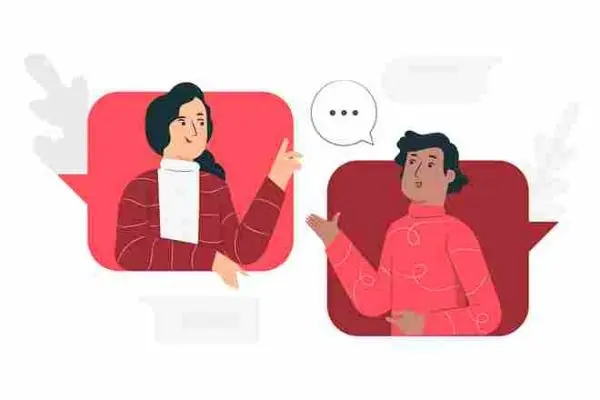
Mental and psychotic disorders can disrupt a patient’s life more than physical illnesses. The problem is that the negative effects of physical illnesses are immediate, prompting the patient to seek treatment and help. By contrast, the effects of a mental or psychotic illness may not be immediate, allowing it to drag the patient down without them realizing that they are ill. Sometimes, the patient may deny the illness and therefore refuse mental health treatment. The more severe the disorder or mental illness becomes, the more the patient withdraws from normal daily activities and refuses mental health treatment.
Many people wonder how to tell someone they care about that they have a mental health problem and should seek treatment.
When should you consider whether someone needs mental health treatment?
1. They show certain signs.
To understand whether someone is experiencing a particular mental disorder or problem and needs help, they should meet one, some, or all of the following criteria:
They neglect themselves, their hygiene, their daily responsibilities, or their relationships with others. In other words, their work, daily functioning, or relationships with those around them are clearly affected.
They are highly sensitive to events around them and may interpret what happens as being directed against them or caused by them.
They think and feel pessimistically and cannot see the good things in their life.
They have problems with sleep, eating, or appetite, or experience pain with no clear source.
Some people may display unusual thoughts or emotions. They may act impulsively or engage in unusual behavior, as well as self-harm or suicide attempts, which are the strongest warning sign.
We should remember that these criteria are not symptoms of a specific disorder, but signs that the person is not in good mental health.These signs should continue for at least two weeks, or sometimes for four or seven days in severe cases that require intervention by a physician or clinical mental health professional.To genuinely help and persuade someone close to us to seek psychological advice and treatment, we should consider the following::
The person’s culture, awareness, and understanding.
How they usually deal with problems.
The nature of our relationship with them. If it is not strong and is filled with criticism and problems, they may not listen to us.
2. Some mental disorders, particularly personality disorders, can cause the patient to deny the illness and refuse to acknowledge it..
They may believe that the people around them are the problem. It is therefore preferable to respond with understanding rather than attacking the patient so that we can persuade them to seek treatment.
How can we persuade someone with a mental illness to seek treatment and understand the need for a psychological consultation?
Speak clearly and directly about the symptoms:“I have noticed that recently you have been feeling [describe the symptoms you have noticed]. I feel that you are not doing well. What do you think about consulting a therapist to make sure everything is all right?”
Tell the patient that we are experiencing symptoms similar to theirs:Ask them what we should do to overcome these symptoms. We can also talk about wanting to see a therapist and mention that other people have sought help and recovered.
Give examples of people who experienced the same difficulties, sought treatment, and recovered.Talk frequently about mental health topics and methods of psychological treatment. The patient may have misconceptions about treatment, so educational materials from trusted people can also be shared with them.
Try to talk with the patient and help them open up and express themselves.Listen to what is happening to them, accept them, and avoid criticism. This will help them recognize their thoughts and emotions and understand that there is a problem. If they ask about solutions, recommend a psychological consultation. Remember to keep encouraging them, stand beside them, and offer support.
Draw attention to the effects of the problem or mental disorder they are experiencing and how it affects them, their work, and their entire life. Remind them of how they used to be cheerful or enjoy going out with friends, how much you miss those days, and that you hope they will return to how they were and recover.
In some cases, the patient may not recognize their illness despite our repeated efforts. At that point, we can try to reach a compromise with them and find a shared solution in cooperation with a physician or mental health professional to arrange a treatment plan. If the patient refuses to visit a psychiatrist because they deny the problem, people close to them can visit the mental health clinic, explain the situation to the physician, and then arrange a plan to involve and treat the patient.
Finally, it is important to understand that trying to persuade someone to receive mental health treatment and caring for them makes you a caregiver who also needs psychological support. Do not overlook the importance of supporting your own mental well-being during this period, especially if you are very close to the patient and involved in their treatment.
Download the Tatmeen app for online mental health and family consultations from the Apple App Store or Google Play. You can also register on the Tatmeen mental health website to access valuable information and practical tools for strengthening your mental and family well-being.
Content writer and researcher at Tatmeen, working on Arabic and English articles across mental health and everyday life topics, including relationships, stress, work, habits, and family.
Every Tatmeen article is reviewed by care providers licensed by the Saudi Commission for Health Specialties, so what you read is accurate and trustworthy.
This article builds understanding and does not replace a licensed care provider.
Need someone to talk to?
Tatmeen's licensed care providers are available around the clock, and the app's urgent consultation connects you with one within minutes.
Download Tatmeen to explore care providers and booking options.
Smart matchingFour quick questions suggest the right care provider
Urgent consultationTalk to an available care provider within minutes
Free psychological measuresMore than 20 tests to understand how you are doing
Scan to download
{"data":{"id":"4b025819-2648-47f7-afee-878a8af0f89c","slug":"How-to-convince-a-psychiatric-patient-to-treatment","arTitle":"كيف أقنع المريض النفسي بالعلاج؟","enTitle":"How to Encourage Someone to Seek Mental Health Treatment","thumbnailAltText":"Two people gesturing toward each other from separate speech bubbles","estimatedReadingTime":5,"likesCount":946,"writer":{"id":"f49e2ee4-e68b-4e04-a40b-01d0b0195161","arBio":"كاتب وباحث محتوى في تطمين، يعمل على مقالات عربية وإنجليزية في موضوعات الصحة النفسية والحياة اليومية، مثل العلاقات، الضغوط، العمل، العادات، والأسرة.","enBio":"Content writer and researcher at Tatmeen, working on Arabic and English articles across mental health and everyday life topics, including relationships, stress, work, habits, and family.","user":{"slug":"sultan-almuhasin","arFullName":"سلطان المحيسن","enFullName":"Sultan Almuhasin","publicProfileImageUrl":"https://cdn.tatmeen.sa/public/profile-images/2494102f-7411-4dda-85b1-0c37a1031b3f/c9d25068aaa97c2c1f80123e2d6a27cc7b5a9b1df6a91493df9411b390a60279.webp","publicProfileImage96Url":"https://cdn.tatmeen.sa/public/profile-images/2494102f-7411-4dda-85b1-0c37a1031b3f/c9d25068aaa97c2c1f80123e2d6a27cc7b5a9b1df6a91493df9411b390a60279-w96.webp","publicProfileImage192Url":"https://cdn.tatmeen.sa/public/profile-images/2494102f-7411-4dda-85b1-0c37a1031b3f/c9d25068aaa97c2c1f80123e2d6a27cc7b5a9b1df6a91493df9411b390a60279-w192.webp"}},"arContent":"","enContent":"","productionDocument":{"headings":[{"id":"article-section-when-should-you-consider-whether-someone-needs-mental-health-treatment","text":"When should you consider whether someone needs mental health treatment?"},{"id":"article-section-how-can-we-persuade-someone-with-a-mental-illness-to-seek-treatment-and-understand-the-need-for-a-psychological-consultation","text":"How can we persuade someone with a mental illness to seek treatment and understand the need for a psychological consultation?"}],"faqs":[],"beforeSourcesHtml":"","sources":[],"afterSourcesHtml":"","blocks":[{"type":"html","html":"<p class=\"ql-align-right ql-direction-rtl\">Mental and psychotic disorders can disrupt a patient’s life more than physical illnesses. The problem is that the negative effects of physical illnesses are immediate, prompting the patient to seek treatment and help. By contrast, the effects of a mental or psychotic illness may not be immediate, allowing it to drag the patient down without them realizing that they are ill. Sometimes, the patient may deny the illness and therefore refuse mental health treatment. The more severe the disorder or mental illness becomes, the more the patient withdraws from normal daily activities and refuses mental health treatment.</p><p class=\"ql-align-right ql-direction-rtl\">Many people wonder how to tell someone they care about that they have a mental health problem and should seek treatment.</p><h2 class=\"ql-align-right ql-direction-rtl\" id=\"article-section-when-should-you-consider-whether-someone-needs-mental-health-treatment\" data-toc-heading tabindex=\"-1\"><span id=\"when-should-you-consider-whether-someone-needs-mental-health-treatment-1\" aria-hidden=\"true\"></span><strong>When should you consider whether someone needs mental health treatment?</strong></h2><h3 class=\"ql-align-right ql-direction-rtl\"><strong>1. They show certain signs</strong>.</h3><p class=\"ql-align-right ql-direction-rtl\">To understand whether someone is experiencing a particular mental disorder or problem and needs help, they should meet one, some, or all of the following criteria:</p><ul><li class=\"ql-align-right ql-direction-rtl\">They neglect themselves, their hygiene, their daily responsibilities, or their relationships with others. In other words, their work, daily functioning, or relationships with those around them are clearly affected.</li><li class=\"ql-align-right ql-direction-rtl\">They are highly sensitive to events around them and may interpret what happens as being directed against them or caused by them.</li><li class=\"ql-align-right ql-direction-rtl\">They think and feel pessimistically and cannot see the good things in their life.</li><li class=\"ql-align-right ql-direction-rtl\">They have problems with sleep, eating, or appetite, or experience pain with no clear source.</li><li class=\"ql-align-right ql-direction-rtl\">Some people may display unusual thoughts or emotions. They may act impulsively or engage in unusual behavior, as well as self-harm or suicide attempts, which are the strongest warning sign.</li></ul><p class=\"ql-align-right ql-direction-rtl\">We should remember that these criteria are not symptoms of a specific disorder, but signs that the person is not in good mental health.<strong>These signs should continue for at least two weeks</strong>, or sometimes for four or seven days in severe cases that require intervention by a physician or clinical mental health professional.<strong>To genuinely help and persuade someone close to us to seek psychological advice and treatment, we should consider the following:</strong>:</p><ul><li class=\"ql-align-right ql-direction-rtl\">The person’s culture, awareness, and understanding.</li><li class=\"ql-align-right ql-direction-rtl\">How they usually deal with problems.</li><li class=\"ql-align-right ql-direction-rtl\">The nature of our relationship with them. If it is not strong and is filled with criticism and problems, they may not listen to us.</li></ul><h3 class=\"ql-align-right ql-direction-rtl\">2. <strong>Some mental disorders, particularly personality disorders, can cause the patient to deny the illness and refuse to acknowledge it.</strong>.</h3><p class=\"ql-align-right ql-direction-rtl\">They may believe that the people around them are the problem. It is therefore preferable to respond with understanding rather than attacking the patient so that we can persuade them to seek treatment.</p><h2 class=\"ql-align-right ql-direction-rtl\" id=\"article-section-how-can-we-persuade-someone-with-a-mental-illness-to-seek-treatment-and-understand-the-need-for-a-psychological-consultation\" data-toc-heading tabindex=\"-1\"><span id=\"how-can-we-persuade-someone-with-a-mental-illness-to-seek-treatment-and-understand-the-need-for-a-psychological-consultation-2\" aria-hidden=\"true\"></span><strong>How can we persuade someone with a mental illness to seek treatment and understand the need for a psychological consultation?</strong></h2><ol><li class=\"ql-align-right ql-direction-rtl\"><strong>Speak clearly and directly about the symptoms:</strong>“I have noticed that recently you have been feeling [describe the symptoms you have noticed]. I feel that you are not doing well. What do you think about consulting a therapist to make sure everything is all right?”</li><li class=\"ql-align-right ql-direction-rtl\"><strong>Tell the patient that we are experiencing symptoms similar to theirs:</strong>Ask them what we should do to overcome these symptoms. We can also talk about wanting to see a therapist and mention that other people have sought help and recovered.</li><li class=\"ql-align-right ql-direction-rtl\"><strong>Give examples of people who experienced the same difficulties, sought treatment, and recovered.</strong>Talk frequently about mental health topics and methods of psychological treatment. The patient may have misconceptions about treatment, so educational materials from trusted people can also be shared with them.</li><li class=\"ql-align-right ql-direction-rtl\"><strong>Try to talk with the patient and help them open up and express themselves.</strong>Listen to what is happening to them, accept them, and avoid criticism. This will help them recognize their thoughts and emotions and understand that there is a problem. If they ask about solutions, recommend a psychological consultation. Remember to keep encouraging them, stand beside them, and offer support.</li><li class=\"ql-align-right ql-direction-rtl\"><strong>Draw attention to the effects of the problem or mental disorder they are experiencing</strong> and how it affects them, their work, and their entire life. Remind them of how they used to be cheerful or enjoy going out with friends, how much you miss those days, and that you hope they will return to how they were and recover.</li><li class=\"ql-align-right ql-direction-rtl\"><strong>In some cases, the patient may not recognize their illness despite our repeated efforts. At that point, we can try to reach a compromise with them</strong> and find a shared solution in cooperation with a physician or mental health professional to arrange a treatment plan. If the patient refuses to visit a psychiatrist because they deny the problem, people close to them can visit the mental health clinic, explain the situation to the physician, and then arrange a plan to involve and treat the patient.</li></ol><p class=\"ql-align-right ql-direction-rtl\">Finally, it is important to understand that trying to persuade someone to receive mental health treatment and caring for them makes you a caregiver who also needs psychological support. Do not overlook the importance of supporting your own mental well-being during this period, especially if you are very close to the patient and involved in their treatment.</p><p class=\"ql-align-right ql-direction-rtl\"><br /></p><p class=\"ql-direction-rtl ql-align-justify\">Download the Tatmeen app for online mental health and family consultations from the Apple App Store or Google Play. You can also register on the Tatmeen mental health website to access valuable information and practical tools for strengthening your mental and family well-being.</p><p class=\"ql-align-right ql-direction-rtl\"><br /></p><p><br /></p>"}],"inlineCtaSignatures":[],"_experienceAliases":{"v":1,"fields":["html","bodyHtml"]}},"createdAt":"2024-01-08T21:00:00.000Z","updatedAt":"2026-08-11T04:45:02.303Z","disorderGroups":[{"id":"1e82772d-a1a7-4d29-b475-be9d6b67ae02","slug":"common-mental-issues","arName":"اضطرابات نفسية شائعة","enName":"Common Mental Issues"}],"reviewer":{"arFullName":"فريق تطمين","enFullName":"Tatmeen team","slug":"tatmeen-team","kind":"organization"},"productionArticle":true,"promotionAllowed":true,"preparedCover":{"src":"https://cdn.tatmeen.sa/public/article-lcp/article-lcp-v2/sha256-266a9e98931318b81f37953d1c92d586f2c61cad6b3079c7b7feab3a0065fe90/600-42cf9a7bc70171421d8f16171ba18615ce3246f224aab5ef5e2d1181d230650b.avif","fallback":"https://cdn.tatmeen.sa/public/article-lcp/article-lcp-v2/sha256-266a9e98931318b81f37953d1c92d586f2c61cad6b3079c7b7feab3a0065fe90/600-4ea6bbcf5598a9df578ab1112c3d55fd1ed0cf72a8de426db7bf790bf97a4e1f.webp","directUrl":"https://cdn.tatmeen.sa/blog-cover/1706456040318-Tatmeen-668.jpg","isGolden":true,"avifSrcset":"https://cdn.tatmeen.sa/public/article-lcp/article-lcp-v2/sha256-266a9e98931318b81f37953d1c92d586f2c61cad6b3079c7b7feab3a0065fe90/400-1c059a1451445cf7a889ecd1a613cd27ede9807c47b048b209063c1f59d061c5.avif 400w, https://cdn.tatmeen.sa/public/article-lcp/article-lcp-v2/sha256-266a9e98931318b81f37953d1c92d586f2c61cad6b3079c7b7feab3a0065fe90/600-42cf9a7bc70171421d8f16171ba18615ce3246f224aab5ef5e2d1181d230650b.avif 600w","webpSrcset":"https://cdn.tatmeen.sa/public/article-lcp/article-lcp-v2/sha256-266a9e98931318b81f37953d1c92d586f2c61cad6b3079c7b7feab3a0065fe90/400-4f0597f1795cad31cc06305dbd42f13f26a4db825ce4412c8457345ce140ed98.webp 400w, https://cdn.tatmeen.sa/public/article-lcp/article-lcp-v2/sha256-266a9e98931318b81f37953d1c92d586f2c61cad6b3079c7b7feab3a0065fe90/600-4ea6bbcf5598a9df578ab1112c3d55fd1ed0cf72a8de426db7bf790bf97a4e1f.webp 600w","phoneAvifSrcset":"https://cdn.tatmeen.sa/public/article-lcp/article-lcp-v2/sha256-266a9e98931318b81f37953d1c92d586f2c61cad6b3079c7b7feab3a0065fe90/400-1c059a1451445cf7a889ecd1a613cd27ede9807c47b048b209063c1f59d061c5.avif 400w, https://cdn.tatmeen.sa/public/article-lcp/article-lcp-v2/sha256-266a9e98931318b81f37953d1c92d586f2c61cad6b3079c7b7feab3a0065fe90/600-42cf9a7bc70171421d8f16171ba18615ce3246f224aab5ef5e2d1181d230650b.avif 600w","phoneWebpSrcset":"https://cdn.tatmeen.sa/public/article-lcp/article-lcp-v2/sha256-266a9e98931318b81f37953d1c92d586f2c61cad6b3079c7b7feab3a0065fe90/400-4f0597f1795cad31cc06305dbd42f13f26a4db825ce4412c8457345ce140ed98.webp 400w, https://cdn.tatmeen.sa/public/article-lcp/article-lcp-v2/sha256-266a9e98931318b81f37953d1c92d586f2c61cad6b3079c7b7feab3a0065fe90/600-4ea6bbcf5598a9df578ab1112c3d55fd1ed0cf72a8de426db7bf790bf97a4e1f.webp 600w","width":600,"height":400},"previewTaxonomy":{"groups":[{"id":"1e82772d-a1a7-4d29-b475-be9d6b67ae02","slug":"common-mental-issues","arName":"اضطرابات نفسية شائعة","enName":"Common Mental Issues"}],"topics":[],"tags":[{"id":"22e81878-b04f-4e67-8dd1-fe64bee6baaf","slug":"therapy-journey","arName":"رحلة العلاج النفسي","enName":"Therapy Journey & Process"},{"id":"a7a7391b-bc2c-41de-91b1-7d701f1675b7","slug":"supporting-others","arName":"دعم شخص آخر","enName":"Supporting Someone Else"},{"id":"82fa58ec-2aa5-4f35-8ae3-e8ec8f3ab069","slug":"caregivers-supporters","arName":"داعمو المريض","enName":"Caregivers & Supporters"}]},"previewProviderRecommendations":[{"id":"278d5ac5-30ff-46ad-97be-c67cdd125836","slug":"dr-mohammed-alamari-8085","arFullName":"د. محمد العماري","enFullName":"Dr. Mohammed Alamari","publicProfileImageUrl":"https://cdn.tatmeen.sa/public/profile-images/278d5ac5-30ff-46ad-97be-c67cdd125836/69bdd11cb01784eed010eb9883403fd6ca4e4afcec739dcd6114fd8b85f133a8.webp","publicProfileImage96Url":"https://cdn.tatmeen.sa/public/profile-images/278d5ac5-30ff-46ad-97be-c67cdd125836/69bdd11cb01784eed010eb9883403fd6ca4e4afcec739dcd6114fd8b85f133a8-w96.webp","publicProfileImage192Url":"https://cdn.tatmeen.sa/public/profile-images/278d5ac5-30ff-46ad-97be-c67cdd125836/69bdd11cb01784eed010eb9883403fd6ca4e4afcec739dcd6114fd8b85f133a8-w192.webp","specialization":{"arName":"طبيب أسرة","enName":"Family Physician"},"profileImageUrl":"https://cdn.tatmeen.sa/public/profile-images/278d5ac5-30ff-46ad-97be-c67cdd125836/69bdd11cb01784eed010eb9883403fd6ca4e4afcec739dcd6114fd8b85f133a8-w192.webp","experienceYears":3,"consultantInfo":{"averageRating":{"average":4},"specialization":{"arGeneralName":"طبيب أسرة","enGeneralName":"Family Physician"}}},{"id":"dc4f4096-c96e-46ad-8e85-55c7104fbbf9","slug":"alya-alasiri-9292","arFullName":"علياء العسيري","enFullName":"Alya Alasiri","publicProfileImageUrl":"","publicProfileImage96Url":"","publicProfileImage192Url":"","specialization":{"arName":"أخصائي نفسي","enName":"Psychologist"},"profileImageUrl":"","experienceYears":4,"consultantInfo":{"averageRating":{"average":0},"specialization":{"arGeneralName":"أخصائي نفسي","enGeneralName":"Psychologist"}}},{"id":"6df31339-a6f5-4131-a603-3a7c7a34c143","slug":"joud-alodhayyani-9014","arFullName":"جود العتيبي","enFullName":"Joud Alotaibi","publicProfileImageUrl":"https://cdn.tatmeen.sa/public/profile-images/6df31339-a6f5-4131-a603-3a7c7a34c143/7bb005ef9d4315296aad2a7d142fb2af2cf89920a40b474fc5139b9530269282.webp","publicProfileImage96Url":"https://cdn.tatmeen.sa/public/profile-images/6df31339-a6f5-4131-a603-3a7c7a34c143/7bb005ef9d4315296aad2a7d142fb2af2cf89920a40b474fc5139b9530269282-w96.webp","publicProfileImage192Url":"https://cdn.tatmeen.sa/public/profile-images/6df31339-a6f5-4131-a603-3a7c7a34c143/7bb005ef9d4315296aad2a7d142fb2af2cf89920a40b474fc5139b9530269282-w192.webp","specialization":{"arName":"أخصائي نفسي","enName":"Psychologist"},"profileImageUrl":"https://cdn.tatmeen.sa/public/profile-images/6df31339-a6f5-4131-a603-3a7c7a34c143/7bb005ef9d4315296aad2a7d142fb2af2cf89920a40b474fc5139b9530269282-w192.webp","experienceYears":2,"consultantInfo":{"averageRating":{"average":3.5},"specialization":{"arGeneralName":"أخصائي نفسي","enGeneralName":"Psychologist"}}}],"previewCareProviders":[{"id":"09364052-c2a9-4c52-9717-7ce2093b8d0a","slug":"kholoud-alharbi-5221","arFullName":"خلود الحربي","enFullName":"Kholoud Alharbi","publicProfileImageUrl":"https://cdn.tatmeen.sa/public/profile-images/09364052-c2a9-4c52-9717-7ce2093b8d0a/4a0aeb81619e351b77f4323e3605a0a00acc7ca3c82ee7cc5ca2c9e8ef716049.webp","publicProfileImage96Url":"https://cdn.tatmeen.sa/public/profile-images/09364052-c2a9-4c52-9717-7ce2093b8d0a/4a0aeb81619e351b77f4323e3605a0a00acc7ca3c82ee7cc5ca2c9e8ef716049-w96.webp","publicProfileImage192Url":"https://cdn.tatmeen.sa/public/profile-images/09364052-c2a9-4c52-9717-7ce2093b8d0a/4a0aeb81619e351b77f4323e3605a0a00acc7ca3c82ee7cc5ca2c9e8ef716049-w192.webp","gender":"FEMALE","specialization":{"arName":"أخصائي نفسي","enName":"Psychologist"}},{"id":"6f037535-1dca-4b50-a8b2-5974b7323286","slug":"salah-althobaiti-9053","arFullName":"صلاح الثبيتي","enFullName":"Salah Althobaiti","publicProfileImageUrl":"https://cdn.tatmeen.sa/public/profile-images/6f037535-1dca-4b50-a8b2-5974b7323286/35b6bd7fad9b1e004c1835803eb9c1b56dcacd380685ec8bff141f0fb888005c.webp","publicProfileImage96Url":"https://cdn.tatmeen.sa/public/profile-images/6f037535-1dca-4b50-a8b2-5974b7323286/35b6bd7fad9b1e004c1835803eb9c1b56dcacd380685ec8bff141f0fb888005c-w96.webp","publicProfileImage192Url":"https://cdn.tatmeen.sa/public/profile-images/6f037535-1dca-4b50-a8b2-5974b7323286/35b6bd7fad9b1e004c1835803eb9c1b56dcacd380685ec8bff141f0fb888005c-w192.webp","gender":"MALE","specialization":{"arName":"أخصائي نفسي","enName":"Psychologist"}},{"id":"3cc806e8-616b-4884-9f21-a75b378580a2","slug":"aisha-al-hashim-8667","arFullName":"عائشة ال هاشم","enFullName":"Aisha Al Hashim","publicProfileImageUrl":"https://cdn.tatmeen.sa/public/profile-images/3cc806e8-616b-4884-9f21-a75b378580a2/27f523d03be4dcfa1f6a79f70c1773887434e698990d214cd990caec56a44798.webp","publicProfileImage96Url":"https://cdn.tatmeen.sa/public/profile-images/3cc806e8-616b-4884-9f21-a75b378580a2/27f523d03be4dcfa1f6a79f70c1773887434e698990d214cd990caec56a44798-w96.webp","publicProfileImage192Url":"https://cdn.tatmeen.sa/public/profile-images/3cc806e8-616b-4884-9f21-a75b378580a2/27f523d03be4dcfa1f6a79f70c1773887434e698990d214cd990caec56a44798-w192.webp","gender":"FEMALE","specialization":{"arName":"أخصائي نفسي","enName":"Psychologist"}},{"id":"94765496-dbdf-4631-a01b-7df5f788668d","slug":"abdullrahman-alhamoudi-3045","arFullName":"عبدالرحمن الحمودي","enFullName":"Abdulrahman Alhamoudi","publicProfileImageUrl":"https://cdn.tatmeen.sa/public/profile-images/94765496-dbdf-4631-a01b-7df5f788668d/2d49f6b6493c564afb6f50b6c3634231dff3a5cf8353acfab393d1b2a88037d1.webp","publicProfileImage96Url":"https://cdn.tatmeen.sa/public/profile-images/94765496-dbdf-4631-a01b-7df5f788668d/2d49f6b6493c564afb6f50b6c3634231dff3a5cf8353acfab393d1b2a88037d1-w96.webp","publicProfileImage192Url":"https://cdn.tatmeen.sa/public/profile-images/94765496-dbdf-4631-a01b-7df5f788668d/2d49f6b6493c564afb6f50b6c3634231dff3a5cf8353acfab393d1b2a88037d1-w192.webp","gender":"MALE","specialization":{"arName":"أخصائي نفسي","enName":"Psychologist"}},{"id":"618dba89-5b70-4b46-8304-741b7ac8ecd3","slug":"abdullah-mari-1311","arFullName":"عبدالله مرعي","enFullName":"Abdullah Mari","publicProfileImageUrl":"https://cdn.tatmeen.sa/public/profile-images/618dba89-5b70-4b46-8304-741b7ac8ecd3/6b4a3bfb59f8a304ca79083b32859b46baad2e1d692974a47c02c1f66bd11129.webp","publicProfileImage96Url":"https://cdn.tatmeen.sa/public/profile-images/618dba89-5b70-4b46-8304-741b7ac8ecd3/6b4a3bfb59f8a304ca79083b32859b46baad2e1d692974a47c02c1f66bd11129-w96.webp","publicProfileImage192Url":"https://cdn.tatmeen.sa/public/profile-images/618dba89-5b70-4b46-8304-741b7ac8ecd3/6b4a3bfb59f8a304ca79083b32859b46baad2e1d692974a47c02c1f66bd11129-w192.webp","gender":"MALE","specialization":{"arName":"أخصائي نفسي","enName":"Psychologist"}},{"id":"d4ffcb6b-90a7-45b6-b941-964866f4564b","slug":"dhaifallah-alhumaidi-1092","arFullName":"ضيف الله الحميدي","enFullName":"Dhaifallah Alhumaidi","publicProfileImageUrl":"https://cdn.tatmeen.sa/public/profile-images/d4ffcb6b-90a7-45b6-b941-964866f4564b/1817171c5828a9b57d6c30d12332cf154e335272548bc90a6e8456d74d356956.webp","publicProfileImage96Url":"https://cdn.tatmeen.sa/public/profile-images/d4ffcb6b-90a7-45b6-b941-964866f4564b/1817171c5828a9b57d6c30d12332cf154e335272548bc90a6e8456d74d356956-w96.webp","publicProfileImage192Url":"https://cdn.tatmeen.sa/public/profile-images/d4ffcb6b-90a7-45b6-b941-964866f4564b/1817171c5828a9b57d6c30d12332cf154e335272548bc90a6e8456d74d356956-w192.webp","gender":"MALE","specialization":{"arName":"أخصائي نفسي","enName":"Psychologist"}},{"id":"d8fb937b-ad65-4b6f-a65b-276ad8258fed","slug":"azza-alharbi-7286","arFullName":"عزه الحربي","enFullName":"Azza Alharbi","publicProfileImageUrl":"https://cdn.tatmeen.sa/public/profile-images/d8fb937b-ad65-4b6f-a65b-276ad8258fed/378a8ab30f4087833263c41fb2c3102028cbe6bb9655172d7b3439ee1d6b0800.webp","publicProfileImage96Url":"https://cdn.tatmeen.sa/public/profile-images/d8fb937b-ad65-4b6f-a65b-276ad8258fed/378a8ab30f4087833263c41fb2c3102028cbe6bb9655172d7b3439ee1d6b0800-w96.webp","publicProfileImage192Url":"https://cdn.tatmeen.sa/public/profile-images/d8fb937b-ad65-4b6f-a65b-276ad8258fed/378a8ab30f4087833263c41fb2c3102028cbe6bb9655172d7b3439ee1d6b0800-w192.webp","gender":"FEMALE","specialization":{"arName":"أخصائي نفسي","enName":"Psychologist"}},{"id":"025d770d-f6d4-405b-be1c-d45dde63fbf7","slug":"akila-alomran-7545","arFullName":"عقيله العمران","enFullName":"Akila Alomran","publicProfileImageUrl":"https://cdn.tatmeen.sa/public/profile-images/025d770d-f6d4-405b-be1c-d45dde63fbf7/44a990b9294f02c9810c69a68b8913a6afac0eb30d1b7494155f31b6dde9378b.webp","publicProfileImage96Url":"https://cdn.tatmeen.sa/public/profile-images/025d770d-f6d4-405b-be1c-d45dde63fbf7/44a990b9294f02c9810c69a68b8913a6afac0eb30d1b7494155f31b6dde9378b-w96.webp","publicProfileImage192Url":"https://cdn.tatmeen.sa/public/profile-images/025d770d-f6d4-405b-be1c-d45dde63fbf7/44a990b9294f02c9810c69a68b8913a6afac0eb30d1b7494155f31b6dde9378b-w192.webp","gender":"FEMALE","specialization":{"arName":"أخصائي نفسي","enName":"Psychologist"}}],"previewDownload":{"href":"/download","title":{"ar":"خطوة واحدة لأجلك، ابدأ الآن","en":"One step for you, start now"},"description":{"ar":"حمّل تطبيق تطمين لاستكشاف مقدمي الرعاية وخيارات الحجز.","en":"Download Tatmeen to explore care providers and booking options."},"posterSrc":"/images/home/cta-ar-new-1.webp","videoSrc":"/images/home/cta-ar-new-1.mp4","videoPosterSrc":"/images/home/cta-ar-new-1.webp","videoPosterEnSrc":"/images/home/cta-en-new-1.webp","videoType":"video/mp4","appStoreHref":"https://apps.apple.com/us/app/tatmeen-%D8%AA%D8%B7%D9%85%D9%8A%D9%86/id6473836983","googlePlayHref":"https://play.google.com/store/apps/details?id=com.TatmeenApp.user&hl=en"},"previewRelatedArticles":[{"id":"376467ea-d5a8-49b5-90d5-228f1ac794ad","slug":"common-types-of-psychological-trauma","route":"/blog/common-types-of-psychological-trauma/","title":{"ar":"أنواع الصدمات النفسية الشائعة وهل تعاني من أي منها؟","en":"Common Types of Psychological Trauma: Do You Suffer from Any of Them?"},"image":"https://cdn.tatmeen.sa/public/article-lcp/article-lcp-v2/sha256-e3a5148b53d4b76973a87725a96c7691b079e9f9bb96febe3c19bb6fba28f39e/800-9ed5302cb6fa6f46085aaaeb7d27bf97a0e876a760f467118e3abbf68d66790f.webp","directImageFallback":"https://cdn.tatmeen.sa/blog-cover/Tatmeen-1777312263606.webp","arThumbnailAltText":"a woman appears to be suffering from multiple psychological traumas","thumbnailAltText":"a woman appears to be suffering from multiple psychological traumas","topic":{"label":{"ar":"اضطرابات نفسية شائعة","en":"Common Mental Issues"}},"readingTimeMinutes":5},{"id":"b0b88730-efe5-41c8-86a1-8db92b901b4a","slug":"what_is_mental_health","route":"/blog/what_is_mental_health/","title":{"ar":"ما هي الصحة النفسية؟","en":"What Is Mental Health?"},"image":"https://cdn.tatmeen.sa/public/article-lcp/article-lcp-v2/sha256-292bc42b173ff207f7ebaafe0bf418c5e8b0861d8bc4e57dab87e2b75b85f11e/300-3253e99c3fb7ff4565ee5fbd040e87df03f449ed754f1b280ae5ec785d81b03c.webp","directImageFallback":"https://cdn.tatmeen.sa/blog-cover/1704124524981-Mental-Health-Vector-300x250.jpeg","arThumbnailAltText":"Stylized person watering leafy plants growing from an open head","thumbnailAltText":"Stylized person watering leafy plants growing from an open head","topic":{"label":{"ar":"اضطرابات نفسية شائعة","en":"Common Mental Issues"}},"readingTimeMinutes":5},{"id":"2ccb4c2c-f5e2-4194-a608-efef5ed9410a","slug":"Is-hallucination-a-mental-disorder","route":"/blog/Is-hallucination-a-mental-disorder/","title":{"ar":"هل الهلوسة مرض نفسي؟","en":"Are Hallucinations a Mental Disorder?"},"image":"https://cdn.tatmeen.sa/public/article-lcp/article-lcp-v2/sha256-04c1383a9e5b22a4750aa76a1b2afac8aeb06a27762f33a24a26dc51b10ab9da/600-122f398f3dc27d740814718b045ffc639109ce368600fa83f533040337d70b98.webp","directImageFallback":"https://cdn.tatmeen.sa/blog-cover/1704733369822-Tatmeen-img-301","arThumbnailAltText":"Seated person with two overlapping, motion-blurred copies of their body","thumbnailAltText":"Seated person with two overlapping, motion-blurred copies of their body","topic":{"label":{"ar":"اضطرابات نفسية شائعة","en":"Common Mental Issues"}},"readingTimeMinutes":5},{"id":"f3b4167d-6d94-41c8-87b5-24bd08478da6","slug":"The-role-of-a-psychiatrist-in-a-patients-life","route":"/blog/The-role-of-a-psychiatrist-in-a-patients-life/","title":{"ar":"دور الطبيب النفسي في حياة المريض","en":"The Psychiatrist’s Role in a Patient’s Life"},"image":"https://cdn.tatmeen.sa/public/article-lcp/article-lcp-v2/sha256-8cf9a7f0315242bff52bff8979cf4e1d9da396d810f9d8cacdc74f8475c0e686/750-364db1f351415151d66dbeec5dc96c232821eab25a7c0ac7279338d774d6c91b.webp","directImageFallback":"https://cdn.tatmeen.sa/blog-cover/1704820622054-Tatmeen-img-396","arThumbnailAltText":"A person with a clipboard faces another person reclining on a couch","thumbnailAltText":"A person with a clipboard faces another person reclining on a couch","topic":{"label":{"ar":"اضطرابات نفسية شائعة","en":"Common Mental Issues"}},"readingTimeMinutes":5}],"previewRelatedReadStates":{}},"locale":"en","device":"desktop","path":"/en/blog/How-to-convince-a-psychiatric-patient-to-treatment/","readingControls":false,"config":{"public":{"BUCKET_URL":"https://cdn.tatmeen.sa/","APP_BASE_URL":"https://tatmeen.sa","intercomAppId":"ppcnu9e3"}}}