

Thyroid Disorders and Mental Health: The Link and Complications

Reviewed by: Tatmeen Team
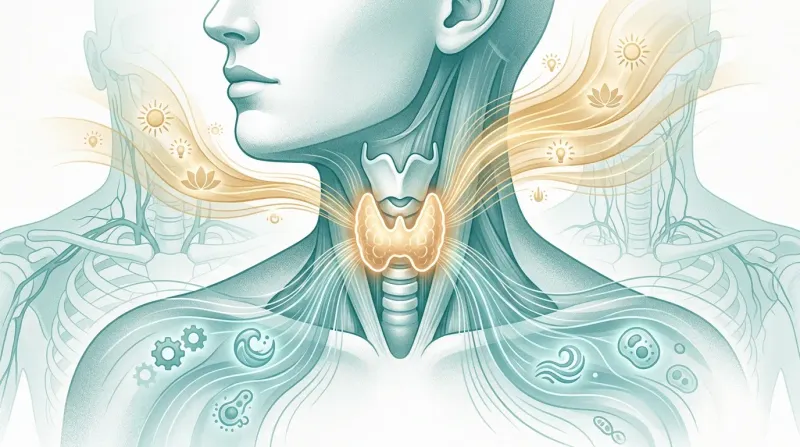
Thyroid disorders—from under‑activity to over‑activity may look like purely hormonal problems, yet they often write their messages on the walls of mood and memory. One in three patients reports troubling psychological symptoms before a thyroid disease is diagnosed. This raises a crucial question: How can a tiny disturbance in this small gland swell into a sweeping wave of anxiety or depression? In this article, Tatmeen uncovers the hidden links and sets out practical solutions to restore balance to both body and mind.
The Hormone–Emotion Axis
The brain and thyroid work within a closed system researchers call the hypothalamic–pituitary–thyroid (HPT) axis. When secretion of the hormones T3 and T4 falters, the chemistry of key neurotransmitters—especially serotonin and dopamine—shifts. A study published by the National Center for Biotechnology Information shows a clear association between hypothyroidism and higher rates of depression and anxiety. This explains the mental fatigue, slowed thinking, and even loss of passion many people describe just before their hormonal imbalance is discovered.
The Most Common Thyroid Disorders and Their Psychological Symptoms
Hypothyroidism
When thyroid hormone production drops, metabolism slows—and so does everything else, from body temperature to zest for life. Depression may be the only symptom in older adults with hypothyroidism. Patients may also experience memory decline, difficulty concentrating, and unexplained bouts of sadness.
Hyperthyroidism
By contrast, metabolism races ahead when the gland overproduces hormones; anxiety, insomnia, irritability, and even panic‑like symptoms emerge. Physicians observe that treating the excess thyroid activity often calms the accompanying psychological disturbance within a few weeks.
The Inflammation–Anxiety Loop
Researchers at the University of Nottingham link elevated thyroid antibodies with a 16 % higher risk of anxiety disorders and a 31 % higher risk of depression, according to a 2024 global data analysis. Chronic immune‑mediated inflammation likely affects brain areas that regulate emotion, creating a “feedback loop” that amplifies physical and psychological symptoms together.
Why Do Psychological Symptoms Worsen When Neglected?
The longer diagnosis is delayed, the wider the hormonal deficit or excess spreads through vital systems:
Lower serotonin swings the door open to depression.
Disrupted sleep cycles intensify nervous tension.
Fear of losing control over weight or rapid heartbeats breeds anticipatory anxiety.
Here lies the importance of regular screening and heightened awareness among both patient and healthcare provider.
Integrated Management Strategies
According to Tathmeen specialists, combining hormonal therapy with psychological support boosts clinical improvement rates by 40 % within three months. Here are the basics:
Precise Hormonal Balance
The doctor prescribes levothyroxine or thyroid‑suppressing agents as needed, monitoring TSH every 6–8 weeks to fine‑tune the dose and prevent mood swings.Cognitive‑Behavioural Therapy via Virtual Clinics
CBT targets dark thoughts and accompanying anxiety, delivered easily through video or text sessions—allowing patients to access specialized help without the burden of travel or stigma.A Thyroid‑Friendly Lifestyle
A fixed sleep schedule realigns the hormone axis.
Moderate aerobic exercise to boost endorphin release.
A diet rich in selenium and iodine (such as sea nuts and eggs) to support thyroid health.
When Should You Seek Immediate Help?
The onset of suicidal thoughts or overwhelming sadness.
Severe heart palpitations or persistent tremor with acute anxiety.
Extreme mood swings that do not respond to medication.
And Finally…
Mental health cannot be explained in isolation from hormonal balance; caring for the thyroid implicitly means caring for the mind. Tathmeen concludes this guide by stressing that a small step—such as a blood test or booking a consultation—can prevent exhausting physical and psychological complications. Book your consultation now through Tathmeen and give yourself the chance to recover.
What is your impression of this article?
Reviewed by

Tatmeen Team
Start your journey to better mental health with our care providers


One step for you, start now
Download Tatmeen and find the care provider that’s right for you easly.
Download Tatmeen and join over 10,000 successful recovery stories

Related articles

We haven’t gotten to share any of our blog posts yet
Join Tatmeen's newsletter
Subscribe to our newsletter to get the latest articles and news