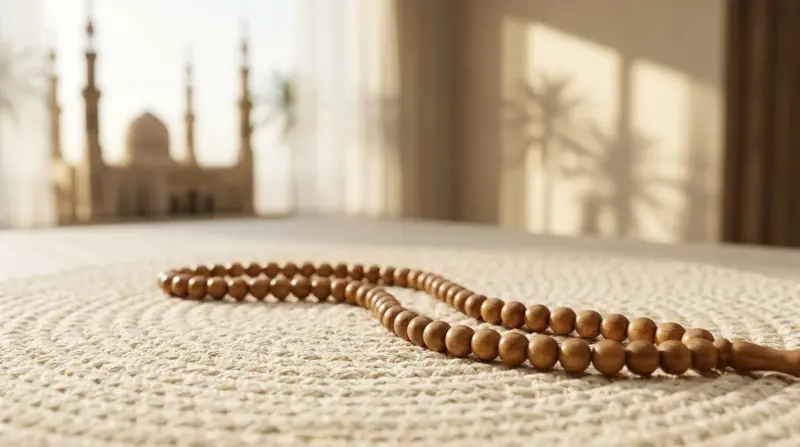
Religious OCD can make you enter worship with a present heart—then leave it weighed down by endless questions: Was my wudu valid? Was my intention fully “complete”? Did I make a mistake in a rak‘ah? And with every attempt to “make sure,” anxiety increases instead of easing. This isn’t proof of weak faith as much as it is a sign of inner exhaustion that needs understanding and tools. At Tatmeen, some people describe it as if worship has turned into a constant exam. Here you’ll find a gentler way to distinguish carefulness from obsession—and practical steps that bring calm back to the soul without battling yourself.
When Worship Turns into an Anxiety Loop
Religious-compulsion OCD often begins with an intrusive thought and a strong surge of discomfort, followed by an automatic response: repeating wudu, repeating the opening takbir, or repeating Dhuhr prayer because doubt appeared mid-prayer. What seems like “precaution” becomes, over time, a ritual that drains you—because the relief it brings is very temporary.
NHS explains that obsessive-compulsive disorder involves persistent, intrusive thoughts and repeated behaviors (or mental acts) that a person feels compelled to do in order to reduce distress. The problem is that the ritual teaches the mind that anxiety will not calm down unless the action is repeated, so it demands the ritual again when doubt returns.
One of the most painful aspects of this type of OCD is that it touches what is sacred to you. Disturbing religious thoughts may come that you don’t want at all; then you fear them, so they become more present. Having the thought doesn’t mean you accept it, and being afraid of it doesn’t mean you are bad. You are trying to be righteous, but OCD exploits that desire and turns it into push-and-pull.
What Distinguishes OCD from Healthy Carefulness in Worship?
Healthy carefulness may lead you to learn the rulings of purification or ask once and then move on with reassurance. OCD, however, raises the standard of certainty to an impossible level: you want 100% certainty as a feeling, and you believe any hesitation means the worship is invalid. Here, worship loses its meaning and becomes a constant inspection for mistakes.
Two signs can help you notice the difference: does repetition noticeably increase during worship? And does it leave you afterward more tense, not more peaceful? If yes, you may be in an OCD loop rather than simple precision. From a general religious perspective, scholars often repeat the meaning that certainty is not removed by doubt, and that ignoring waswas helps treat it. But note something important: frequent fatwa-seeking for momentary reassurance can become part of the problem, because OCD is never satisfied with one answer. If you need a specific ruling, ask a trustworthy person once, then commit to it as a compassionate rule.
Practical Steps to Restore Peace Without Arguing with OCD
Dealing with OCD isn’t about convincing it—because it always has one more question. The calmer approach is learning to tolerate a small amount of uncertainty, then proceed. At first, anxiety may rise, then gradually drop when you stop feeding it with rituals.
Choose one step for the coming week, and stay with it gently:
Label the thought the moment it appears: This is OCD, not a verdict on my worship.
Set a clear limit on repetition: one natural check, then continue.
If you feel an urge to repeat, delay it for just one minute—then two minutes.
Reduce reassurance-seeking from others, and replace it with a short dhikr or slow breathing.
Notice triggers: exhaustion, stress, constant comparison—then address the cause, not only the symptom.
According to Tatmeen specialists, the most decisive shift is changing the question from Am I completely certain? to Can I continue with a reasonable amount of reassurance? This is not carelessness—it is protecting worship from turning into an arena of anxiety.
How Do You Support Your Spirit Without Feeding the Waswas?
OCD feeds on harshness: either perfection or failure. But the soul needs mercy and continuity. Ask yourself: what does worship mean to me? Is it connection and closeness—or an attempt to shut the door of fear? Restoring meaning reduces the space OCD occupies, even if it doesn’t disappear immediately.
It may also help to keep worship simple and steady: a clear routine for purification, less distraction before prayer, and not opening your phone to search for answers every time doubt flashes. And if you make a mistake or get distracted, return calmly without self-punishment; repentance and return don’t require harshness, but a sincere intention and one small step.
Don’t underestimate the body’s impact on anxiety. Poor sleep and chronic pressure make the mind more attached to doubts and less able to be flexible. When you care for sleep, nutrition, and light movement, you’re not escaping the problem—you’re preparing a calmer ground to face it.
Finally…
Religious OCD is not an inevitable fate, nor a sign that something is wrong with you. It is an anxiety pattern that can be understood and untangled step by step. Start today with a compassionate limit on repetition, and allow yourself gradual—not perfect—reassurance, even if doubt returns sometimes. And if you feel stuck and need someone to accompany you with expertise and respect for your spirituality, booking your first session with Tatmeen today may help.
Frequently Asked Questions
Does religious-worship OCD mean weak faith?
No. OCD often attacks what we care about most. Intrusive thoughts do not mean you approve of them, and they do not summarize your relationship with Allah. Reducing compulsive rituals and meeting doubt calmly brings worship back toward tranquility over time.
What do I do with doubt about wudu or prayer without repeating?
Set a steady, practical rule: one natural check, then continue—even if discomfort remains. Avoid chasing perfect certainty. If you need specific religious guidance for your case, consult a trustworthy scholar once and commit to what they recommend for your situation.
When do I know it has gone beyond passing waswas?
If doubts start consuming a lot of time, affecting your day, and pushing you to repeat rituals in order to feel calm, you may be in an OCD loop that needs structured support. Seeking professional help can shorten the road and reduce the strain.
A writer and researcher specializing in psychiatry, she focuses on mental health and the human emotions we experience but cannot always find the words to name. She writes about us—about humanity and the human experience—and simplifies complex topics to offer content that helps us better understand ourselves and life, ultimately making us feel less alone.
Every Tatmeen article is reviewed by care providers licensed by the Saudi Commission for Health Specialties, so what you read is accurate and trustworthy.
This article builds understanding and does not replace a licensed care provider.
Need someone to talk to?
Tatmeen's licensed care providers are available around the clock, and the app's urgent consultation connects you with one within minutes.
Download Tatmeen to explore care providers and booking options.
Smart matchingFour quick questions suggest the right care provider
Urgent consultationTalk to an available care provider within minutes
Free psychological measuresMore than 20 tests to understand how you are doing
Scan to download
{"data":{"id":"4e518bd8-889e-420c-b8cc-65d4c9b6ba63","slug":"religious-ocd-peace-in-worship","arTitle":"الوسواس القهري الديني: استعادة السلام في العبادة","enTitle":"Religious OCD: Restoring Peace in Worship","thumbnailAltText":"prayer beads and a distant mosque","estimatedReadingTime":5,"likesCount":269,"writer":{"id":"3ab72b74-f26f-4337-9b47-3114b0f90de5","arBio":"كاتبة وباحثة متخصصة في مجال الطب النفسي، تهتم بموضوعات الصحة النفسية وبالمشاعر الإنسانية التي نختبرها ولا نجد دائمًا الكلمات لتسميتها. تكتب عنّا؛ عن الإنسان وتجربته، وتبسّط الموضوعات المعقّدة لتقدّم محتوى يساعدنا على فهم ذواتنا والحياة أكثر، ويجعلنا نشعر بأننا بوحدة أقل.","enBio":"A writer and researcher specializing in psychiatry, she focuses on mental health and the human emotions we experience but cannot always find the words to name. She writes about us—about humanity and the human experience—and simplifies complex topics to offer content that helps us better understand ourselves and life, ultimately making us feel less alone.","user":{"slug":"ayat-alnajar","arFullName":"آيات النجار","enFullName":"Ayat Al-Najjar","publicProfileImageUrl":"https://cdn.tatmeen.sa/public/profile-images/02384455-68fa-40b6-ad05-609fde65cafa/21b9a610dde5dfc6d37af110c23e9c7ab3946be080c281beb000debf4f7d31a6.webp","publicProfileImage96Url":"https://cdn.tatmeen.sa/public/profile-images/02384455-68fa-40b6-ad05-609fde65cafa/21b9a610dde5dfc6d37af110c23e9c7ab3946be080c281beb000debf4f7d31a6-w96.webp","publicProfileImage192Url":"https://cdn.tatmeen.sa/public/profile-images/02384455-68fa-40b6-ad05-609fde65cafa/21b9a610dde5dfc6d37af110c23e9c7ab3946be080c281beb000debf4f7d31a6-w192.webp"}},"arContent":"","enContent":"","productionDocument":{"headings":[{"id":"article-section-when-worship-turns-into-an-anxiety-loop","text":"When Worship Turns into an Anxiety Loop"},{"id":"article-section-what-distinguishes-ocd-from-healthy-carefulness-in-worship","text":"What Distinguishes OCD from Healthy Carefulness in Worship?"},{"id":"article-section-practical-steps-to-restore-peace-without-arguing-with-ocd","text":"Practical Steps to Restore Peace Without Arguing with OCD"},{"id":"article-section-how-do-you-support-your-spirit-without-feeding-the-waswas","text":"How Do You Support Your Spirit Without Feeding the Waswas?"},{"id":"article-section-finally","text":"Finally…"}],"faqs":[{"question":"Does religious-worship OCD mean weak faith?","answer":"<p><span style=\"color:#000000\">No. OCD often attacks what we care about most. Intrusive thoughts do not mean you approve of them, and they do not summarize your relationship with Allah. Reducing compulsive rituals and meeting doubt calmly brings worship back toward tranquility over time.</span></p>"},{"question":"What do I do with doubt about wudu or prayer without repeating?","answer":"<p><span style=\"color:#000000\">Set a steady, practical rule: one natural check, then continue—even if discomfort remains. Avoid chasing perfect certainty. If you need specific religious guidance for your case, consult a trustworthy scholar once and commit to what they recommend for your situation.</span></p>"},{"question":"When do I know it has gone beyond passing waswas?","answer":"<p><span style=\"color:#000000\">If doubts start consuming a lot of time, affecting your day, and pushing you to repeat rituals in order to feel calm, you may be in an OCD loop that needs structured support. Seeking professional help can shorten the road and reduce the strain.</span></p>"}],"beforeSourcesHtml":"<p></p>","sources":[],"afterSourcesHtml":"","blocks":[{"type":"html","html":"<p><span style=\"color:#000000\">Religious OCD can make you enter worship with a present heart—then leave it weighed down by endless questions: <em>Was my wudu valid? Was my intention fully “complete”? Did I make a mistake in a rak‘ah?</em> And with every attempt to “make sure,” anxiety increases instead of easing. This isn’t proof of weak faith as much as it is a sign of inner exhaustion that needs understanding and tools. At <strong>Tatmeen</strong>, some people describe it as if worship has turned into a constant exam. Here you’ll find a gentler way to distinguish carefulness from obsession—and practical steps that bring calm back to the soul without battling yourself.</span></p><h2 id=\"article-section-when-worship-turns-into-an-anxiety-loop\" data-toc-heading tabindex=\"-1\"><span id=\"when-worship-turns-into-an-anxiety-loop-1\" aria-hidden=\"true\"></span><span style=\"color:#000000\"><strong>When Worship Turns into an Anxiety Loop</strong></span></h2><p><span style=\"color:#000000\">Religious-compulsion OCD often begins with an intrusive thought and a strong surge of discomfort, followed by an automatic response: repeating wudu, repeating the opening takbir, or repeating Dhuhr prayer because doubt appeared mid-prayer. What seems like “precaution” becomes, over time, a ritual that drains you—because the relief it brings is very temporary.</span></p><p><a href=\"https://www.nhs.uk/mental-health/conditions/obsessive-compulsive-disorder-ocd/overview/\" target=\"_blank\" rel=\"nofollow noopener noreferrer\"><span style=\"color:#1155cc\"><strong><u>NHS</u></strong></span></a><span style=\"color:#000000\"> explains that obsessive-compulsive disorder involves persistent, intrusive thoughts and repeated behaviors (or mental acts) that a person feels compelled to do in order to reduce distress. The problem is that the ritual teaches the mind that anxiety will not calm down unless the action is repeated, so it demands the ritual again when doubt returns.</span></p><p><span style=\"color:#000000\">One of the most painful aspects of this type of OCD is that it touches what is sacred to you. Disturbing religious thoughts may come that you don’t want at all; then you fear them, so they become more present. Having the thought doesn’t mean you accept it, and being afraid of it doesn’t mean you are bad. You are trying to be righteous, but OCD exploits that desire and turns it into push-and-pull.</span></p><h2 id=\"article-section-what-distinguishes-ocd-from-healthy-carefulness-in-worship\" data-toc-heading tabindex=\"-1\"><span id=\"what-distinguishes-ocd-from-healthy-carefulness-in-worship-2\" aria-hidden=\"true\"></span><span style=\"color:#000000\"><strong>What Distinguishes OCD from Healthy Carefulness in Worship?</strong></span></h2><p><span style=\"color:#000000\">Healthy carefulness may lead you to learn the rulings of purification or ask once and then move on with reassurance. OCD, however, raises the standard of certainty to an impossible level: you want 100% certainty <em>as a feeling</em>, and you believe any hesitation means the worship is invalid. Here, worship loses its meaning and becomes a constant inspection for mistakes.</span></p><p><span style=\"color:#000000\">Two signs can help you notice the difference: does repetition noticeably increase during worship? And does it leave you afterward more tense, not more peaceful? If yes, you may be in an OCD loop rather than simple precision. From a general religious perspective, scholars often repeat the meaning that certainty is not removed by doubt, and that ignoring waswas helps treat it. But note something important: frequent fatwa-seeking for momentary reassurance can become part of the problem, because OCD is never satisfied with one answer. If you need a specific ruling, ask a trustworthy person once, then commit to it as a compassionate rule.</span></p><h2 id=\"article-section-practical-steps-to-restore-peace-without-arguing-with-ocd\" data-toc-heading tabindex=\"-1\"><span id=\"practical-steps-to-restore-peace-without-arguing-with-ocd-3\" aria-hidden=\"true\"></span><span style=\"color:#000000\"><strong>Practical Steps to Restore Peace Without Arguing with OCD</strong></span></h2><p><span style=\"color:#000000\">Dealing with OCD isn’t about convincing it—because it always has one more question. The calmer approach is learning to tolerate a small amount of uncertainty, then proceed. At first, anxiety may rise, then gradually drop when you stop feeding it with rituals.</span></p><p><span style=\"color:#000000\">Choose one step for the coming week, and stay with it gently:</span></p><ul><li><p><span style=\"color:#000000\">Label the thought the moment it appears: <em>This is OCD, not a verdict on my worship.</em></span></p></li><li><p><span style=\"color:#000000\">Set a clear limit on repetition: one natural check, then continue.</span></p></li><li><p><span style=\"color:#000000\">If you feel an urge to repeat, delay it for just one minute—then two minutes.</span></p></li><li><p><span style=\"color:#000000\">Reduce reassurance-seeking from others, and replace it with a short dhikr or slow breathing.</span></p></li><li><p><span style=\"color:#000000\">Notice triggers: exhaustion, stress, constant comparison—then address the cause, not only the symptom.</span></p></li></ul><p><span style=\"color:#000000\">According to Tatmeen specialists, the most decisive shift is changing the question from <em>Am I completely certain?</em> to <em>Can I continue with a reasonable amount of reassurance?</em> This is not carelessness—it is protecting worship from turning into an arena of anxiety.</span></p><h2 id=\"article-section-how-do-you-support-your-spirit-without-feeding-the-waswas\" data-toc-heading tabindex=\"-1\"><span id=\"how-do-you-support-your-spirit-without-feeding-the-waswas-4\" aria-hidden=\"true\"></span><span style=\"color:#000000\"><strong>How Do You Support Your Spirit Without Feeding the Waswas?</strong></span></h2><p><span style=\"color:#000000\">OCD feeds on harshness: either perfection or failure. But the soul needs mercy and continuity. Ask yourself: what does worship mean to me? Is it connection and closeness—or an attempt to shut the door of fear? Restoring meaning reduces the space OCD occupies, even if it doesn’t disappear immediately.</span></p><p><span style=\"color:#000000\">It may also help to keep worship simple and steady: a clear routine for purification, less distraction before prayer, and not opening your phone to search for answers every time doubt flashes. And if you make a mistake or get distracted, return calmly without self-punishment; repentance and return don’t require harshness, but a sincere intention and one small step.</span></p><p><span style=\"color:#000000\">Don’t underestimate the body’s impact on anxiety. Poor sleep and chronic pressure make the mind more attached to doubts and less able to be flexible. When you care for sleep, nutrition, and light movement, you’re not escaping the problem—you’re preparing a calmer ground to face it.</span></p><h2 id=\"article-section-finally\" data-toc-heading tabindex=\"-1\"><span id=\"finally-5\" aria-hidden=\"true\"></span><span style=\"color:#000000\"><strong>Finally…</strong></span></h2><p><span style=\"color:#000000\">Religious OCD is not an inevitable fate, nor a sign that something is wrong with you. It is an anxiety pattern that can be understood and untangled step by step. Start today with a compassionate limit on repetition, and allow yourself gradual—not perfect—reassurance, even if doubt returns sometimes. And if you feel stuck and need someone to accompany you with expertise and respect for your spirituality, <u>booking your first session with </u><strong><u>Tatmeen</u></strong> today may help.</span></p>"}],"inlineCtaSignatures":[],"_experienceAliases":{"v":1,"fields":["html","bodyHtml"],"faqs":[0,1,2]}},"createdAt":"2026-05-28T21:00:00.000Z","updatedAt":"2026-06-04T19:52:12.427Z","disorderGroups":[{"id":"04bd234d-c176-4ba1-afb3-9e9c05d0e648","slug":"addictions-and-compulsive-behaviors","arName":"الإدمان والسلوكيات القهرية","enName":"Addictions & Compulsive Behaviors"},{"id":"1e82772d-a1a7-4d29-b475-be9d6b67ae02","slug":"common-mental-issues","arName":"اضطرابات نفسية شائعة","enName":"Common Mental Issues"}],"reviewer":{"arFullName":"فريق تطمين","enFullName":"Tatmeen team","slug":"tatmeen-team","kind":"organization"},"productionArticle":true,"promotionAllowed":true,"preparedCover":{"src":"https://cdn.tatmeen.sa/public/article-lcp/article-lcp-v2/sha256-93bb435bf5fbbc401a7508682631334773eadad767fe7e245263e5829ab389bc/800-91cc2e06e07abfd5625f33f5be8256d13aa17ae18180038133221c4a4cbdd295.avif","fallback":"https://cdn.tatmeen.sa/public/article-lcp/article-lcp-v2/sha256-93bb435bf5fbbc401a7508682631334773eadad767fe7e245263e5829ab389bc/800-d22c1f1b1fcb5f8524f210b917268d962a9226b7f77b0c8f5e0469efd93f4553.webp","directUrl":"https://cdn.tatmeen.sa/blog-cover/Tatmeen-1780066402472.webp","isGolden":true,"avifSrcset":"https://cdn.tatmeen.sa/public/article-lcp/article-lcp-v2/sha256-93bb435bf5fbbc401a7508682631334773eadad767fe7e245263e5829ab389bc/400-70e07afcd898dc833400d6954db91c5474cf7947f4d348ebe14a28c1134e1399.avif 400w, https://cdn.tatmeen.sa/public/article-lcp/article-lcp-v2/sha256-93bb435bf5fbbc401a7508682631334773eadad767fe7e245263e5829ab389bc/640-8030fbce9a3856d740af02e137fe5d8b9b99693da5cef24e8b375c42ee06577e.avif 640w, https://cdn.tatmeen.sa/public/article-lcp/article-lcp-v2/sha256-93bb435bf5fbbc401a7508682631334773eadad767fe7e245263e5829ab389bc/800-91cc2e06e07abfd5625f33f5be8256d13aa17ae18180038133221c4a4cbdd295.avif 800w, https://cdn.tatmeen.sa/public/article-lcp/article-lcp-v2/sha256-93bb435bf5fbbc401a7508682631334773eadad767fe7e245263e5829ab389bc/1200-ff59705e024256df6532603cc8fdd49f85b1fcce11910124688922babd8203c4.avif 1200w","webpSrcset":"https://cdn.tatmeen.sa/public/article-lcp/article-lcp-v2/sha256-93bb435bf5fbbc401a7508682631334773eadad767fe7e245263e5829ab389bc/400-b92fd9572cb5a0b1e6c7913095c88437507233283138d6feab10a4decc1c04b5.webp 400w, https://cdn.tatmeen.sa/public/article-lcp/article-lcp-v2/sha256-93bb435bf5fbbc401a7508682631334773eadad767fe7e245263e5829ab389bc/640-65e2bec97953686eaaa88a580e7324b182236a9f26bae8ba905d38d52c821d6f.webp 640w, https://cdn.tatmeen.sa/public/article-lcp/article-lcp-v2/sha256-93bb435bf5fbbc401a7508682631334773eadad767fe7e245263e5829ab389bc/800-d22c1f1b1fcb5f8524f210b917268d962a9226b7f77b0c8f5e0469efd93f4553.webp 800w, https://cdn.tatmeen.sa/public/article-lcp/article-lcp-v2/sha256-93bb435bf5fbbc401a7508682631334773eadad767fe7e245263e5829ab389bc/1200-962a93184798de8eff7b57623a1509741407c137ef8c909d20419f8d958b39d9.webp 1200w","phoneAvifSrcset":"https://cdn.tatmeen.sa/public/article-lcp/article-lcp-v2/sha256-93bb435bf5fbbc401a7508682631334773eadad767fe7e245263e5829ab389bc/400-70e07afcd898dc833400d6954db91c5474cf7947f4d348ebe14a28c1134e1399.avif 400w, https://cdn.tatmeen.sa/public/article-lcp/article-lcp-v2/sha256-93bb435bf5fbbc401a7508682631334773eadad767fe7e245263e5829ab389bc/640-8030fbce9a3856d740af02e137fe5d8b9b99693da5cef24e8b375c42ee06577e.avif 640w, https://cdn.tatmeen.sa/public/article-lcp/article-lcp-v2/sha256-93bb435bf5fbbc401a7508682631334773eadad767fe7e245263e5829ab389bc/800-91cc2e06e07abfd5625f33f5be8256d13aa17ae18180038133221c4a4cbdd295.avif 800w","phoneWebpSrcset":"https://cdn.tatmeen.sa/public/article-lcp/article-lcp-v2/sha256-93bb435bf5fbbc401a7508682631334773eadad767fe7e245263e5829ab389bc/400-b92fd9572cb5a0b1e6c7913095c88437507233283138d6feab10a4decc1c04b5.webp 400w, https://cdn.tatmeen.sa/public/article-lcp/article-lcp-v2/sha256-93bb435bf5fbbc401a7508682631334773eadad767fe7e245263e5829ab389bc/640-65e2bec97953686eaaa88a580e7324b182236a9f26bae8ba905d38d52c821d6f.webp 640w, https://cdn.tatmeen.sa/public/article-lcp/article-lcp-v2/sha256-93bb435bf5fbbc401a7508682631334773eadad767fe7e245263e5829ab389bc/800-d22c1f1b1fcb5f8524f210b917268d962a9226b7f77b0c8f5e0469efd93f4553.webp 800w","width":800,"height":447},"previewTaxonomy":{"groups":[{"id":"04bd234d-c176-4ba1-afb3-9e9c05d0e648","slug":"addictions-and-compulsive-behaviors","arName":"الإدمان والسلوكيات القهرية","enName":"Addictions & Compulsive Behaviors"},{"id":"1e82772d-a1a7-4d29-b475-be9d6b67ae02","slug":"common-mental-issues","arName":"اضطرابات نفسية شائعة","enName":"Common Mental Issues"}],"topics":[{"id":"da348cb9-4bcb-4470-8f53-c4000c717e8c","slug":"religious-obsessions","arName":"وساوس دينية","enName":"Religious Obsessions","groupSlug":"addictions-and-compulsive-behaviors","href":"/blog/category/addictions-and-compulsive-behaviors/religious-obsessions/"},{"id":"3d6fa799-63d1-4743-a425-670f92e7a1a4","slug":"ocd","arName":"الوسواس القهري","enName":"OCD","groupSlug":"common-mental-issues","href":"/blog/category/common-mental-issues/ocd/"}],"tags":[{"id":"6fa255f3-c661-4ced-a12e-3177ef8e654c","slug":"ocd","arName":"الوسواس القهري","enName":"OCD"},{"id":"c6f3b756-bd7d-4a70-ab6c-fc7a2ce44532","slug":"meditation-mindfulness","arName":"التأمل واليقظة الذهنية","enName":"Meditation & Mindfulness"},{"id":"d58e6187-021b-44a5-882c-245bccd77611","slug":"self-help-howto","arName":"مساعدة ذاتية / خطوات عملية","enName":"Self-Help / How-To"}]},"previewProviderRecommendations":[{"id":"7771d078-cbd9-4acd-aa51-29cc905753c4","slug":"hatim-jafaari-2902","arFullName":"حاتم جعفرى","enFullName":"Hatim Jafaari","publicProfileImageUrl":"https://cdn.tatmeen.sa/public/profile-images/7771d078-cbd9-4acd-aa51-29cc905753c4/874a489ca72b87dacbde76d8496eef84ca341ee8074b9ec54464cd0a56bbdbe6.webp","publicProfileImage96Url":"https://cdn.tatmeen.sa/public/profile-images/7771d078-cbd9-4acd-aa51-29cc905753c4/874a489ca72b87dacbde76d8496eef84ca341ee8074b9ec54464cd0a56bbdbe6-w96.webp","publicProfileImage192Url":"https://cdn.tatmeen.sa/public/profile-images/7771d078-cbd9-4acd-aa51-29cc905753c4/874a489ca72b87dacbde76d8496eef84ca341ee8074b9ec54464cd0a56bbdbe6-w192.webp","specialization":{"arName":"أخصائي نفسي","enName":"Psychologist"},"profileImageUrl":"https://cdn.tatmeen.sa/public/profile-images/7771d078-cbd9-4acd-aa51-29cc905753c4/874a489ca72b87dacbde76d8496eef84ca341ee8074b9ec54464cd0a56bbdbe6-w192.webp","experienceYears":2,"consultantInfo":{"averageRating":{"average":5},"specialization":{"arGeneralName":"أخصائي نفسي","enGeneralName":"Psychologist"}}},{"id":"d754a189-f8c9-4aad-b4aa-a5dbd26c0bd7","slug":"talal-alshowaier-8694","arFullName":"طلال الشويعر","enFullName":"Talal Alshowaier","publicProfileImageUrl":"https://cdn.tatmeen.sa/public/profile-images/d754a189-f8c9-4aad-b4aa-a5dbd26c0bd7/74feb27848a47cf43189f6b5951e06a9b87b08269021d5bab765092fc65fce42.webp","publicProfileImage96Url":"https://cdn.tatmeen.sa/public/profile-images/d754a189-f8c9-4aad-b4aa-a5dbd26c0bd7/74feb27848a47cf43189f6b5951e06a9b87b08269021d5bab765092fc65fce42-w96.webp","publicProfileImage192Url":"https://cdn.tatmeen.sa/public/profile-images/d754a189-f8c9-4aad-b4aa-a5dbd26c0bd7/74feb27848a47cf43189f6b5951e06a9b87b08269021d5bab765092fc65fce42-w192.webp","specialization":{"arName":"أخصائي نفسي","enName":"Psychologist"},"profileImageUrl":"https://cdn.tatmeen.sa/public/profile-images/d754a189-f8c9-4aad-b4aa-a5dbd26c0bd7/74feb27848a47cf43189f6b5951e06a9b87b08269021d5bab765092fc65fce42-w192.webp","experienceYears":3,"consultantInfo":{"averageRating":{"average":5},"specialization":{"arGeneralName":"أخصائي نفسي","enGeneralName":"Psychologist"}}},{"id":"8901fc01-b4d9-45d3-89c5-eaa33bcc0c10","slug":"alosaimi-amirah-8059","arFullName":"أميره العصيمي","enFullName":"Amirah Alosaimi","publicProfileImageUrl":"","publicProfileImage96Url":"","publicProfileImage192Url":"","specialization":{"arName":"أخصائي نفسي","enName":"Psychologist"},"profileImageUrl":"","experienceYears":6,"consultantInfo":{"averageRating":{"average":0},"specialization":{"arGeneralName":"أخصائي نفسي","enGeneralName":"Psychologist"}}}],"previewCareProviders":[{"id":"09364052-c2a9-4c52-9717-7ce2093b8d0a","slug":"kholoud-alharbi-5221","arFullName":"خلود الحربي","enFullName":"Kholoud Alharbi","publicProfileImageUrl":"https://cdn.tatmeen.sa/public/profile-images/09364052-c2a9-4c52-9717-7ce2093b8d0a/4a0aeb81619e351b77f4323e3605a0a00acc7ca3c82ee7cc5ca2c9e8ef716049.webp","publicProfileImage96Url":"https://cdn.tatmeen.sa/public/profile-images/09364052-c2a9-4c52-9717-7ce2093b8d0a/4a0aeb81619e351b77f4323e3605a0a00acc7ca3c82ee7cc5ca2c9e8ef716049-w96.webp","publicProfileImage192Url":"https://cdn.tatmeen.sa/public/profile-images/09364052-c2a9-4c52-9717-7ce2093b8d0a/4a0aeb81619e351b77f4323e3605a0a00acc7ca3c82ee7cc5ca2c9e8ef716049-w192.webp","gender":"FEMALE","specialization":{"arName":"أخصائي نفسي","enName":"Psychologist"}},{"id":"6f037535-1dca-4b50-a8b2-5974b7323286","slug":"salah-althobaiti-9053","arFullName":"صلاح الثبيتي","enFullName":"Salah Althobaiti","publicProfileImageUrl":"https://cdn.tatmeen.sa/public/profile-images/6f037535-1dca-4b50-a8b2-5974b7323286/35b6bd7fad9b1e004c1835803eb9c1b56dcacd380685ec8bff141f0fb888005c.webp","publicProfileImage96Url":"https://cdn.tatmeen.sa/public/profile-images/6f037535-1dca-4b50-a8b2-5974b7323286/35b6bd7fad9b1e004c1835803eb9c1b56dcacd380685ec8bff141f0fb888005c-w96.webp","publicProfileImage192Url":"https://cdn.tatmeen.sa/public/profile-images/6f037535-1dca-4b50-a8b2-5974b7323286/35b6bd7fad9b1e004c1835803eb9c1b56dcacd380685ec8bff141f0fb888005c-w192.webp","gender":"MALE","specialization":{"arName":"أخصائي نفسي","enName":"Psychologist"}},{"id":"3cc806e8-616b-4884-9f21-a75b378580a2","slug":"aisha-al-hashim-8667","arFullName":"عائشة ال هاشم","enFullName":"Aisha Al Hashim","publicProfileImageUrl":"https://cdn.tatmeen.sa/public/profile-images/3cc806e8-616b-4884-9f21-a75b378580a2/27f523d03be4dcfa1f6a79f70c1773887434e698990d214cd990caec56a44798.webp","publicProfileImage96Url":"https://cdn.tatmeen.sa/public/profile-images/3cc806e8-616b-4884-9f21-a75b378580a2/27f523d03be4dcfa1f6a79f70c1773887434e698990d214cd990caec56a44798-w96.webp","publicProfileImage192Url":"https://cdn.tatmeen.sa/public/profile-images/3cc806e8-616b-4884-9f21-a75b378580a2/27f523d03be4dcfa1f6a79f70c1773887434e698990d214cd990caec56a44798-w192.webp","gender":"FEMALE","specialization":{"arName":"أخصائي نفسي","enName":"Psychologist"}},{"id":"db2ce1a0-9325-4471-b7ce-eb2e811c30a3","slug":"amer-qutub-2441","arFullName":"عامر قطب","enFullName":"Amer Qutub","publicProfileImageUrl":"https://cdn.tatmeen.sa/public/profile-images/db2ce1a0-9325-4471-b7ce-eb2e811c30a3/80580f99bfd7fe2b2a9cf8eed73ab532f5086d1efe053b0aa57358c1ce004261.webp","publicProfileImage96Url":"https://cdn.tatmeen.sa/public/profile-images/db2ce1a0-9325-4471-b7ce-eb2e811c30a3/80580f99bfd7fe2b2a9cf8eed73ab532f5086d1efe053b0aa57358c1ce004261-w96.webp","publicProfileImage192Url":"https://cdn.tatmeen.sa/public/profile-images/db2ce1a0-9325-4471-b7ce-eb2e811c30a3/80580f99bfd7fe2b2a9cf8eed73ab532f5086d1efe053b0aa57358c1ce004261-w192.webp","gender":"MALE","specialization":{"arName":"أخصائي نفسي","enName":"Psychologist"}},{"id":"94765496-dbdf-4631-a01b-7df5f788668d","slug":"abdullrahman-alhamoudi-3045","arFullName":"عبدالرحمن الحمودي","enFullName":"Abdulrahman Alhamoudi","publicProfileImageUrl":"https://cdn.tatmeen.sa/public/profile-images/94765496-dbdf-4631-a01b-7df5f788668d/2d49f6b6493c564afb6f50b6c3634231dff3a5cf8353acfab393d1b2a88037d1.webp","publicProfileImage96Url":"https://cdn.tatmeen.sa/public/profile-images/94765496-dbdf-4631-a01b-7df5f788668d/2d49f6b6493c564afb6f50b6c3634231dff3a5cf8353acfab393d1b2a88037d1-w96.webp","publicProfileImage192Url":"https://cdn.tatmeen.sa/public/profile-images/94765496-dbdf-4631-a01b-7df5f788668d/2d49f6b6493c564afb6f50b6c3634231dff3a5cf8353acfab393d1b2a88037d1-w192.webp","gender":"MALE","specialization":{"arName":"أخصائي نفسي","enName":"Psychologist"}},{"id":"618dba89-5b70-4b46-8304-741b7ac8ecd3","slug":"abdullah-mari-1311","arFullName":"عبدالله مرعي","enFullName":"Abdullah Mari","publicProfileImageUrl":"https://cdn.tatmeen.sa/public/profile-images/618dba89-5b70-4b46-8304-741b7ac8ecd3/6b4a3bfb59f8a304ca79083b32859b46baad2e1d692974a47c02c1f66bd11129.webp","publicProfileImage96Url":"https://cdn.tatmeen.sa/public/profile-images/618dba89-5b70-4b46-8304-741b7ac8ecd3/6b4a3bfb59f8a304ca79083b32859b46baad2e1d692974a47c02c1f66bd11129-w96.webp","publicProfileImage192Url":"https://cdn.tatmeen.sa/public/profile-images/618dba89-5b70-4b46-8304-741b7ac8ecd3/6b4a3bfb59f8a304ca79083b32859b46baad2e1d692974a47c02c1f66bd11129-w192.webp","gender":"MALE","specialization":{"arName":"أخصائي نفسي","enName":"Psychologist"}},{"id":"3b50a5d5-e795-407f-8676-fd7f0e1bb7a0","slug":"abdulaziz-bin-hudayan-4940","arFullName":"عبدالعزيز بن هديان","enFullName":"Abdulaziz Bin Hudayan","publicProfileImageUrl":"https://cdn.tatmeen.sa/public/profile-images/3b50a5d5-e795-407f-8676-fd7f0e1bb7a0/710ff0fe1fb00cdb5042092e27b7910b480a439b02251ecded62d7758eefce95.webp","publicProfileImage96Url":"https://cdn.tatmeen.sa/public/profile-images/3b50a5d5-e795-407f-8676-fd7f0e1bb7a0/710ff0fe1fb00cdb5042092e27b7910b480a439b02251ecded62d7758eefce95-w96.webp","publicProfileImage192Url":"https://cdn.tatmeen.sa/public/profile-images/3b50a5d5-e795-407f-8676-fd7f0e1bb7a0/710ff0fe1fb00cdb5042092e27b7910b480a439b02251ecded62d7758eefce95-w192.webp","gender":"MALE","specialization":{"arName":"أخصائي نفسي","enName":"Psychologist"}},{"id":"d4ffcb6b-90a7-45b6-b941-964866f4564b","slug":"dhaifallah-alhumaidi-1092","arFullName":"ضيف الله الحميدي","enFullName":"Dhaifallah Alhumaidi","publicProfileImageUrl":"https://cdn.tatmeen.sa/public/profile-images/d4ffcb6b-90a7-45b6-b941-964866f4564b/1817171c5828a9b57d6c30d12332cf154e335272548bc90a6e8456d74d356956.webp","publicProfileImage96Url":"https://cdn.tatmeen.sa/public/profile-images/d4ffcb6b-90a7-45b6-b941-964866f4564b/1817171c5828a9b57d6c30d12332cf154e335272548bc90a6e8456d74d356956-w96.webp","publicProfileImage192Url":"https://cdn.tatmeen.sa/public/profile-images/d4ffcb6b-90a7-45b6-b941-964866f4564b/1817171c5828a9b57d6c30d12332cf154e335272548bc90a6e8456d74d356956-w192.webp","gender":"MALE","specialization":{"arName":"أخصائي نفسي","enName":"Psychologist"}}],"previewDownload":{"href":"/download","title":{"ar":"خطوة واحدة لأجلك، ابدأ الآن","en":"One step for you, start now"},"description":{"ar":"حمّل تطبيق تطمين لاستكشاف مقدمي الرعاية وخيارات الحجز.","en":"Download Tatmeen to explore care providers and booking options."},"posterSrc":"/images/home/cta-ar-new-1.webp","videoSrc":"/images/home/cta-ar-new-1.mp4","videoPosterSrc":"/images/home/cta-ar-new-1.webp","videoPosterEnSrc":"/images/home/cta-en-new-1.webp","videoType":"video/mp4","appStoreHref":"https://apps.apple.com/us/app/tatmeen-%D8%AA%D8%B7%D9%85%D9%8A%D9%86/id6473836983","googlePlayHref":"https://play.google.com/store/apps/details?id=com.TatmeenApp.user&hl=en"},"previewRelatedArticles":[{"id":"c955dd1f-883f-4d9d-a311-342ae96b9420","slug":"OCD-in-religion-causes-and-treatment-methods","route":"/blog/OCD-in-religion-causes-and-treatment-methods/","title":{"ar":"الوسواس القهري في الدين - الأسباب والعلاج","en":"Religious OCD: Causes and Treatment"},"image":"https://cdn.tatmeen.sa/public/article-lcp/article-lcp-v2/sha256-6684fbb8c6361587487893a1b58006d8d6b7d4a897576282ec3d22418bd52c10/715-901cf2667df77885e32009b31a3c2ced908759582d9e2e1aa00af59800c41308.webp","directImageFallback":"https://cdn.tatmeen.sa/blog-cover/1706455179289-Tatmeen-978.jpg","arThumbnailAltText":"Stylized person touching their neck as a strand of beads circles their head","thumbnailAltText":"Stylized person touching their neck as a strand of beads circles their head","topic":{"label":{"ar":"الإدمان والسلوكيات القهرية","en":"Addictions & Compulsive Behaviors"}},"readingTimeMinutes":5},{"id":"8a61e3ca-c176-4526-9dcf-3db1ca1c914a","slug":"OCD-religion-causes-and-treatment-methods","route":"/blog/OCD-religion-causes-and-treatment-methods/","title":{"ar":"الوسواس القهري في الدين: الأسباب وطرق العلاج","en":"Religious OCD: Causes and Ways to Treat It"},"image":"https://cdn.tatmeen.sa/public/article-lcp/article-lcp-v2/sha256-ede6caad2e4d3ceaaba685a1da96e86f03c46ed118b6de229f333f5bcb1f3909/800-9960981fd6cc1297793e659541319d08fad31df5a09eaa68a07a8a0674c8e2a2.webp","directImageFallback":"https://cdn.tatmeen.sa/blog-cover/Tatmeen-1783874315824.webp","arThumbnailAltText":"Calm man in white thobe praying on rug in soft morning light, peaceful minimalist room","thumbnailAltText":"Calm man in white thobe praying on rug in soft morning light, peaceful minimalist room","topic":{"label":{"ar":"الإدمان والسلوكيات القهرية","en":"Addictions & Compulsive Behaviors"}},"readingTimeMinutes":7},{"id":"0568d64f-6c91-4ff6-833e-21f8ac60810c","slug":"understanding-anxiety-symptoms-causes-treatment","route":"/blog/understanding-anxiety-symptoms-causes-treatment/","title":{"ar":"فهم القلق: الأعراض والأسباب وطرق العلاج","en":"Understanding Anxiety: Symptoms, Causes, and Treatment Methods"},"image":"https://cdn.tatmeen.sa/public/article-lcp/article-lcp-v2/sha256-4eed4f1d126cd3aba4f09886799d5f88594e70340069ee2c1f785bcb1440eadd/800-f85f9a2cc1afd3203d39b71739cdb7aa2e894f1fe18b44a6e670ee1875e93dca.webp","directImageFallback":"https://cdn.tatmeen.sa/blog-cover/Tatmeen-1777481890080.webp","arThumbnailAltText":"فهم القلق وأعراضه وأسبابه وطرق العلاج النفسي الفعّال","thumbnailAltText":"فهم القلق وأعراضه وأسبابه وطرق العلاج النفسي الفعّال","topic":{"label":{"ar":"اضطرابات نفسية شائعة","en":"Common Mental Issues"}},"readingTimeMinutes":5},{"id":"9973f630-f051-4713-bf6b-63fbbbca715f","slug":"ocd-symptoms-causes-treatment-options","route":"/blog/ocd-symptoms-causes-treatment-options/","title":{"ar":"الاضطراب الوسواسي القهري (OCD): الأعراض والأسباب وخيارات العلاج","en":"Obsessive-Compulsive Disorder (OCD): Symptoms, Causes, and Treatment Options"},"image":"https://cdn.tatmeen.sa/public/article-lcp/article-lcp-v2/sha256-d83afcdf98abcc5cf243bf0fc6ba0f34fe942266e03a23811c3a571f4d4a055f/800-4bfd4c51303f7737f0d594216d5fce1f46f7d8f7e5ed53b4fefb7784aa57de95.webp","directImageFallback":"https://cdn.tatmeen.sa/blog-cover/Tatmeen-1775542158431.webp","arThumbnailAltText":"Endless loop of flowing abstract shapes folding back on themselves with a warm amber break point","thumbnailAltText":"Endless loop of flowing abstract shapes folding back on themselves with a warm amber break point","topic":{"label":{"ar":"اضطرابات نفسية شائعة","en":"Common Mental Issues"}},"readingTimeMinutes":5}],"previewRelatedReadStates":{}},"locale":"en","device":"desktop","path":"/en/blog/religious-ocd-peace-in-worship/","readingControls":false,"config":{"public":{"BUCKET_URL":"https://cdn.tatmeen.sa/","APP_BASE_URL":"https://tatmeen.sa","intercomAppId":"ppcnu9e3"}}}