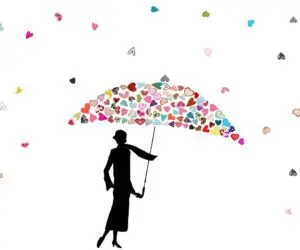
You are surrounded by people and friends, and your social media accounts are crowded… “Why, then, do I feel lonely even though I have friends?”
7 reasons you feel lonely despite being around people
1. You misunderstand what loneliness is.
Loneliness is an emotional state, not a “physical” one. It cannot be prevented simply by having many friends or by never being alone.
Nor can you eliminate loneliness by telling yourself to “just get over it.” Loneliness often arises from things we learned or experienced as children that caused us to behave in certain ways. These ways of living can be difficult to change, especially when connected to childhood psychological trauma.
So, first of all, accept that ending your loneliness is not about filling your social calendar or joining another dating site. It is time to look a little deeper.
2. You need a genuine “connection.”
If there were a magical ingredient for not feeling lonely, it would be the ability to connect emotionally with others. It is not about being able to present yourself attractively or discuss the same subjects another person finds interesting. In fact, these things may both be ways of escaping “connection.”
Emotional “connection” means being with people around whom we feel open and emotionally available, and being able to show our true selves while feeling safe doing so.
Emotional connection involves being yourself in the company of others.But if you have spent your entire life trying to meet the expectations of your friends and family, you will find it difficult to “be yourself.”
You may not even know what your “true self” is.
A lack of self-identity often lies behind persistent loneliness. If we cannot clearly define who we are, we will always feel misunderstood. How can others connect with us if we constantly change how we present ourselves and leave them confused?
This can happen if we spent our childhood trying excessively to please a parent, leaving our true self no opportunity to develop, or if childhood psychological trauma caused us to develop a “false self” to conceal painful feelings.
4. Deep down, you do not trust anyone.
Of course, if you do not trust anyone, how can you relax enough to be yourself? This kind of fear of intimacy creates many inner walls and barriers that prevent others from reaching you—and leave you trapped inside, alone.
5. You have borderline personality disorder.
Sometimes our ability to trust has been so damaged by childhood experiences that maintaining relationships with others becomes impossible, no matter how hard we try.
Are you a highly passionate and charming person who attracts partners and friends easily, only for the people on that list to change quickly? Do you connect with others rapidly, but find that endings are usually dramatic? Have you repeatedly been told that you are highly emotional and reactive?
Borderline personality disorder is not only exhausting; it can also leave you feeling unbearably misunderstood and alone in the world.
6. Your definition of friendship needs reconsideration.
Sometimes loneliness comes down to not understanding the essential elements of friendship in the adult world.
Yes, at school we are drawn to others because we are on the same sports team or like the same music. But when we become adults, independent of our family’s constant support, we instead need to find people who share our personal values.
Personal values are the things that matter most to you in life.
If you lost everything and everyone in your life but still had yourself, what would matter to you then?
As you can see, if you share these core values with someone, it does not matter whether your outward lives—which are always changing—look the same when you are aligned on the inside.
Perhaps this is why social media “friendships” do not end feelings of loneliness. Instead, studies indicate that social media directly increases levels of loneliness. We simply are not honest enough in how we present ourselves in the virtual world. Alongside personal values, genuine friendship is also built on authenticity.
7. You do not know how to receive what others give.
Do you tend to refuse every offer of help and do everything yourself? Do you deflect questions about yourself and insist on discussing only other people’s problems? Do you hide your feelings when you are sad or frustrated and contact your friends only when you are in a good mood?
Connection is a two-way street.
If you build one-sided friendships in which you always give and never receive, you will feel drained instead of loved. At the extreme, this may become a pattern of “codependency” in which you begin linking your self-worth to helping others and lose any sense of your own needs.
Does this sound worryingly familiar?
If you find that you have real difficulty connecting emotionally with others and suspect that your ways of relating to them stem from skills and experiences acquired in childhood, it may be helpful to seek support from a psychological counselor.
Connecting with others is now considered so important to our health that some therapies focus solely on this aspect of our lives.
Content writer and researcher at Tatmeen, writing in Arabic and English about mental health and everyday life, from relationships and stress to work, habits, and family.
Every Tatmeen article is reviewed by care providers licensed by the Saudi Commission for Health Specialties, so what you read is accurate and trustworthy.
This article builds understanding and does not replace a licensed care provider.
Need someone to talk to?
Tatmeen's licensed care providers are available around the clock, and the app's urgent consultation connects you with one within minutes.
Download Tatmeen to explore care providers and booking options.
Smart matchingFour quick questions suggest the right care provider
Urgent consultationTalk to an available care provider within minutes
Free psychological measuresMore than 20 tests to understand how you are doing
Scan to download
{"data":{"id":"6561368a-5ae5-4364-ae74-743cd499916b","slug":"not_feeling_lonely_despite_having_friends","arTitle":"لم أشعر بالوحدة رغم أنه لدي أصدقاء؟","enTitle":"Why Do I Feel Lonely Despite Having Friends?","thumbnailAltText":"Silhouetted figure holds an umbrella formed from many small hearts","estimatedReadingTime":5,"likesCount":1,"writer":{"id":"d3defdb6-4a23-4b03-aad9-a1ecc054aae5","arBio":"كاتب وباحث محتوى في تطمين، يكتب بالعربية والإنجليزية عن الصحة النفسية والحياة اليومية، من العلاقات والضغوط إلى العمل والعادات والأسرة.\n","enBio":"Content writer and researcher at Tatmeen, writing in Arabic and English about mental health and everyday life, from relationships and stress to work, habits, and family.","user":{"slug":"fahad-almalik","arFullName":"فهد المالك","enFullName":"Fahad Almalik","publicProfileImageUrl":"https://cdn.tatmeen.sa/public/profile-images/a34c8028-5847-45de-ab83-a014942bb7d3/675415e988c16442a04af5d3b8899242613a955c44e0364314cc3ff74cbad082.webp","publicProfileImage96Url":"https://cdn.tatmeen.sa/public/profile-images/a34c8028-5847-45de-ab83-a014942bb7d3/675415e988c16442a04af5d3b8899242613a955c44e0364314cc3ff74cbad082-w96.webp","publicProfileImage192Url":"https://cdn.tatmeen.sa/public/profile-images/a34c8028-5847-45de-ab83-a014942bb7d3/675415e988c16442a04af5d3b8899242613a955c44e0364314cc3ff74cbad082-w192.webp"}},"arContent":"","enContent":"","productionDocument":{"headings":[{"id":"article-section-7-reasons-you-feel-lonely-despite-being-around-people","text":"7 reasons you feel lonely despite being around people"},{"id":"article-section-1-you-misunderstand-what-loneliness-is","text":"1. You misunderstand what loneliness is."},{"id":"article-section-2-you-need-a-genuine-connection","text":"2. You need a genuine “connection.”"},{"id":"article-section-3-you-find-it-difficult-to-be-yourself","text":"3. You find it difficult to be yourself."},{"id":"article-section-4-deep-down-you-do-not-trust-anyone","text":"4. Deep down, you do not trust anyone."},{"id":"article-section-5-you-have-borderline-personality-disorder","text":"5. You have borderline personality disorder."},{"id":"article-section-6-your-definition-of-friendship-needs-reconsideration","text":"6. Your definition of friendship needs reconsideration."},{"id":"article-section-7-you-do-not-know-how-to-receive-what-others-give","text":"7. You do not know how to receive what others give."},{"id":"article-section-does-this-sound-worryingly-familiar","text":"Does this sound worryingly familiar?"}],"faqs":[],"beforeSourcesHtml":"","sources":[],"afterSourcesHtml":"","blocks":[{"type":"html","html":"<p class=\"ql-align-right ql-direction-rtl\">You are surrounded by people and friends, and your social media accounts are crowded… “Why, then, do I feel lonely even though I have friends?”</p><p class=\"ql-align-right ql-direction-rtl\"> </p><h2 class=\"ql-align-right ql-direction-rtl\" id=\"article-section-7-reasons-you-feel-lonely-despite-being-around-people\" data-toc-heading tabindex=\"-1\"><span id=\"7-reasons-you-feel-lonely-despite-being-around-people-1\" aria-hidden=\"true\"></span>7 reasons you feel lonely despite being around people</h2><p class=\"ql-align-right ql-direction-rtl\"> </p><h2 class=\"ql-align-right ql-direction-rtl\" id=\"article-section-1-you-misunderstand-what-loneliness-is\" data-toc-heading tabindex=\"-1\"><span id=\"1-you-misunderstand-what-loneliness-is-2\" aria-hidden=\"true\"></span>1. You misunderstand what loneliness is.</h2><p class=\"ql-align-right ql-direction-rtl\"> </p><p class=\"ql-align-right ql-direction-rtl\">Loneliness is an emotional state, not a “physical” one. It cannot be prevented simply by having many friends or by never being alone.</p><p class=\"ql-align-right ql-direction-rtl\"> </p><p class=\"ql-align-right ql-direction-rtl\"><strong>Nor can you eliminate loneliness by telling yourself to “just get over it.” Loneliness often arises from things we learned or experienced as children that caused us to behave in certain ways. These ways of living can be difficult to change, especially when connected to childhood psychological trauma.</strong></p><p class=\"ql-align-right ql-direction-rtl\"> </p><p class=\"ql-align-right ql-direction-rtl\">So, first of all, accept that ending your loneliness is not about filling your social calendar or joining another dating site. It is time to look a little deeper.</p><p class=\"ql-align-right ql-direction-rtl\"> </p><h2 class=\"ql-align-right ql-direction-rtl\" id=\"article-section-2-you-need-a-genuine-connection\" data-toc-heading tabindex=\"-1\"><span id=\"2-you-need-a-genuine-connection-3\" aria-hidden=\"true\"></span>2. You need a genuine “connection.”</h2><p class=\"ql-align-right ql-direction-rtl\"> </p><p class=\"ql-align-right ql-direction-rtl\">If there were a magical ingredient for not feeling lonely, it would be the ability to connect emotionally with others. It is not about being able to present yourself attractively or discuss the same subjects another person finds interesting. In fact, these things may both be ways of escaping “connection.”</p><p class=\"ql-align-right ql-direction-rtl\"> </p><p class=\"ql-align-right ql-direction-rtl\">Emotional “connection” means being with people around whom we feel open and emotionally available, and being able to show our true selves while feeling safe doing so.</p><p class=\"ql-align-right ql-direction-rtl\"> </p><h2 class=\"ql-align-right ql-direction-rtl\" id=\"article-section-3-you-find-it-difficult-to-be-yourself\" data-toc-heading tabindex=\"-1\"><span id=\"3-you-find-it-difficult-to-be-yourself-4\" aria-hidden=\"true\"></span>3. You find it difficult to be yourself.</h2><p class=\"ql-align-right ql-direction-rtl\"><a style=\"background-color:transparent\" href=\"https://www.flickr.com/photos/ilifeinicity/\" target=\"_blank\" rel=\"noopener noreferrer\"><img height=\"278\" width=\"300\" loading=\"lazy\" decoding=\"async\" alt=\"\" /></a></p><p class=\"ql-align-right ql-direction-rtl\">By: <a style=\"background-color:transparent\" href=\"https://www.flickr.com/photos/ilifeinicity/\" target=\"_blank\" rel=\"noopener noreferrer\">Joelle L</a></p><p class=\"ql-align-right ql-direction-rtl\">Emotional connection involves being yourself in the company of others.<strong>But if you have spent your entire life trying to meet the expectations of your friends and family</strong>, you will find it difficult to “be yourself.”</p><p class=\"ql-align-right ql-direction-rtl\"> </p><p class=\"ql-align-right ql-direction-rtl\"><strong>You may not even know what your “true self” is.</strong></p><p class=\"ql-align-right ql-direction-rtl\"> </p><p class=\"ql-align-right ql-direction-rtl\">A lack of self-identity often lies behind persistent loneliness. If we cannot clearly define who we are, we will always feel misunderstood. How can others connect with us if we constantly change how we present ourselves and leave them confused?</p><p class=\"ql-align-right ql-direction-rtl\"> </p><p class=\"ql-align-right ql-direction-rtl\">This can happen if we spent our childhood trying excessively to please a parent, leaving our true self no opportunity to develop, or if childhood psychological trauma caused us to develop a “false self” to conceal painful feelings.</p><p class=\"ql-align-right ql-direction-rtl\"> </p><h2 class=\"ql-align-right ql-direction-rtl\" id=\"article-section-4-deep-down-you-do-not-trust-anyone\" data-toc-heading tabindex=\"-1\"><span id=\"4-deep-down-you-do-not-trust-anyone-5\" aria-hidden=\"true\"></span>4. Deep down, you do not trust anyone.</h2><p class=\"ql-align-right ql-direction-rtl\"> </p><p class=\"ql-align-right ql-direction-rtl\">Of course, if you do not trust anyone, how can you relax enough to be yourself? This kind of fear of intimacy creates many inner walls and barriers that prevent others from reaching you—and leave you trapped inside, alone.</p><p class=\"ql-align-right ql-direction-rtl\"> </p><h2 class=\"ql-align-right ql-direction-rtl\" id=\"article-section-5-you-have-borderline-personality-disorder\" data-toc-heading tabindex=\"-1\"><span id=\"5-you-have-borderline-personality-disorder-6\" aria-hidden=\"true\"></span>5. You have borderline personality disorder.</h2><p class=\"ql-align-right ql-direction-rtl\"> </p><p class=\"ql-align-right ql-direction-rtl\">Sometimes our ability to trust has been so damaged by childhood experiences that maintaining relationships with others becomes impossible, no matter how hard we try.</p><p class=\"ql-align-right ql-direction-rtl\"> </p><p class=\"ql-align-right ql-direction-rtl\">Are you a highly passionate and charming person who attracts partners and friends easily, only for the people on that list to change quickly? Do you connect with others rapidly, but find that endings are usually dramatic? Have you repeatedly been told that you are highly emotional and reactive?</p><p class=\"ql-align-right ql-direction-rtl\"> </p><p class=\"ql-align-right ql-direction-rtl\">Borderline personality disorder is not only exhausting; it can also leave you feeling unbearably misunderstood and alone in the world.</p><p class=\"ql-align-right ql-direction-rtl\"> </p><h2 class=\"ql-align-right ql-direction-rtl\" id=\"article-section-6-your-definition-of-friendship-needs-reconsideration\" data-toc-heading tabindex=\"-1\"><span id=\"6-your-definition-of-friendship-needs-reconsideration-7\" aria-hidden=\"true\"></span>6. Your definition of friendship needs reconsideration.</h2><p class=\"ql-align-right ql-direction-rtl\"> </p><p class=\"ql-align-right ql-direction-rtl\"><strong>Sometimes loneliness comes down to not understanding the essential elements of friendship in the adult world.</strong></p><p class=\"ql-align-right ql-direction-rtl\"> </p><p class=\"ql-align-right ql-direction-rtl\"><strong>Yes, at school we are drawn to others because we are on the same sports team or like the same music. But when we become adults, independent of our family’s constant support, we instead need to find people who share our personal values.</strong></p><p class=\"ql-align-right ql-direction-rtl\"> </p><p class=\"ql-align-right ql-direction-rtl\">Personal values are the things that matter most to you in life.</p><p class=\"ql-align-right ql-direction-rtl\"> </p><p class=\"ql-align-right ql-direction-rtl\"><strong>If you lost everything and everyone in your life but still had yourself, what would matter to you then?</strong></p><p class=\"ql-align-right ql-direction-rtl\">As you can see, if you share these core values with someone, it does not matter whether your outward lives—which are always changing—look the same when you are aligned on the inside.</p><p class=\"ql-align-right ql-direction-rtl\"> </p><p class=\"ql-align-right ql-direction-rtl\">Perhaps this is why social media “friendships” do not end feelings of loneliness. Instead, studies indicate that social media directly increases levels of loneliness. We simply are not honest enough in how we present ourselves in the virtual world. Alongside personal values, genuine friendship is also built on authenticity.</p><p class=\"ql-align-right ql-direction-rtl\"> </p><h2 class=\"ql-align-right ql-direction-rtl\" id=\"article-section-7-you-do-not-know-how-to-receive-what-others-give\" data-toc-heading tabindex=\"-1\"><span id=\"7-you-do-not-know-how-to-receive-what-others-give-8\" aria-hidden=\"true\"></span>7. You do not know how to receive what others give.</h2><p class=\"ql-align-right ql-direction-rtl\"> </p><p class=\"ql-align-right ql-direction-rtl\">Do you tend to refuse every offer of help and do everything yourself? Do you deflect questions about yourself and insist on discussing only other people’s problems? Do you hide your feelings when you are sad or frustrated and contact your friends only when you are in a good mood?</p><p class=\"ql-align-right ql-direction-rtl\">Connection is a two-way street.</p><p class=\"ql-align-right ql-direction-rtl\">If you build one-sided friendships in which you always give and never receive, you will feel drained instead of loved. At the extreme, this may become a pattern of “<a style=\"background-color:transparent\" href=\"https://ar.wikipedia.org/wiki/%D8%A7%D8%B9%D8%AA%D9%85%D8%A7%D8%AF%D9%8A%D8%A9_%D9%85%D8%B4%D8%AA%D8%B1%D9%83%D8%A9_(%D8%B9%D9%84%D9%85_%D9%86%D9%81%D8%B3)\" target=\"_blank\" rel=\"noopener noreferrer\">codependency</a>” in which you begin linking your self-worth to helping others and lose any sense of your own needs.</p><p class=\"ql-align-right ql-direction-rtl\"> </p><h2 class=\"ql-align-right ql-direction-rtl\" id=\"article-section-does-this-sound-worryingly-familiar\" data-toc-heading tabindex=\"-1\"><span id=\"does-this-sound-worryingly-familiar-9\" aria-hidden=\"true\"></span>Does this sound worryingly familiar?</h2><p class=\"ql-align-right ql-direction-rtl\"> </p><p class=\"ql-align-right ql-direction-rtl\">If you find that you have real difficulty connecting emotionally with others and suspect that your ways of relating to them stem from skills and experiences acquired in childhood, it may be helpful to seek support from a psychological counselor.</p><p class=\"ql-align-right ql-direction-rtl\">Connecting with others is now considered so important to our health that some therapies focus solely on this aspect of our lives.</p><p class=\"ql-align-right ql-direction-rtl\"> </p><p class=\"ql-align-right ql-direction-rtl\">Source:<a style=\"background-color:transparent\" href=\"http://www.harleytherapy.co.uk/counselling/i-feel-so-alone.htm\" target=\"_blank\" rel=\"noopener noreferrer\">Harley Therapy</a></p><p class=\"ql-align-right ql-direction-rtl\">Image:<a style=\"background-color:transparent\" href=\"https://pixabay.com/en/users/tealeleFUNt-2833724/\" target=\"_blank\" rel=\"noopener noreferrer\">tealeleFUNT</a> on <a style=\"background-color:transparent\" href=\"https://pixabay.com/\" target=\"_blank\" rel=\"noopener noreferrer\">pixabay</a></p>"}],"inlineCtaSignatures":[],"_experienceAliases":{"v":1,"fields":["html","bodyHtml"]}},"createdAt":"2023-12-31T21:00:00.000Z","updatedAt":"2026-08-11T04:45:02.303Z","disorderGroups":[{"id":"4499a52a-06f8-4022-a64d-304e5eca51cc","slug":"life-challenges-and-stress","arName":"تحديات الحياة والضغوط","enName":"Life Challenges & Stress"}],"reviewer":{"arFullName":"فريق تطمين","enFullName":"Tatmeen team","slug":"tatmeen-team","kind":"organization"},"productionArticle":true,"promotionAllowed":true,"preparedCover":{"src":"https://cdn.tatmeen.sa/public/article-lcp/article-lcp-v2/sha256-a344d61f574fa52f49cf349ab1f2d921491383291cfd9f00570d8f5957f2e663/300-7f1c7ed0a8fae494fe20b3cf4b95b6b5f0ce52b115c74eba819af84b310706c0.avif","fallback":"https://cdn.tatmeen.sa/public/article-lcp/article-lcp-v2/sha256-a344d61f574fa52f49cf349ab1f2d921491383291cfd9f00570d8f5957f2e663/300-3367132de73fa2dad20091a8524cca38e557e0a9c16d612db0bde291118e0110.webp","directUrl":"https://cdn.tatmeen.sa/blog-cover/1704128640092-umbrella-2498195_1280-300x250.jpeg","isGolden":true,"avifSrcset":"https://cdn.tatmeen.sa/public/article-lcp/article-lcp-v2/sha256-a344d61f574fa52f49cf349ab1f2d921491383291cfd9f00570d8f5957f2e663/300-7f1c7ed0a8fae494fe20b3cf4b95b6b5f0ce52b115c74eba819af84b310706c0.avif 300w","webpSrcset":"https://cdn.tatmeen.sa/public/article-lcp/article-lcp-v2/sha256-a344d61f574fa52f49cf349ab1f2d921491383291cfd9f00570d8f5957f2e663/300-3367132de73fa2dad20091a8524cca38e557e0a9c16d612db0bde291118e0110.webp 300w","phoneAvifSrcset":"https://cdn.tatmeen.sa/public/article-lcp/article-lcp-v2/sha256-a344d61f574fa52f49cf349ab1f2d921491383291cfd9f00570d8f5957f2e663/300-7f1c7ed0a8fae494fe20b3cf4b95b6b5f0ce52b115c74eba819af84b310706c0.avif 300w","phoneWebpSrcset":"https://cdn.tatmeen.sa/public/article-lcp/article-lcp-v2/sha256-a344d61f574fa52f49cf349ab1f2d921491383291cfd9f00570d8f5957f2e663/300-3367132de73fa2dad20091a8524cca38e557e0a9c16d612db0bde291118e0110.webp 300w","width":300,"height":250},"previewTaxonomy":{"groups":[{"id":"4499a52a-06f8-4022-a64d-304e5eca51cc","slug":"life-challenges-and-stress","arName":"تحديات الحياة والضغوط","enName":"Life Challenges & Stress"}],"topics":[],"tags":[{"id":"29ff4315-af95-4bb6-85d0-ccad177f83de","slug":"loneliness-belonging","arName":"الوحدة والانتماء","enName":"Loneliness & Belonging"},{"id":"510c3a96-f7ec-45f9-8077-9c7b673f089b","slug":"attachment-styles","arName":"أنماط التعلّق","enName":"Attachment Styles"},{"id":"c2a6e8d3-de9c-435f-8c95-9727e7db14cc","slug":"explainer-awareness","arName":"دليل توعوي / شرح","enName":"Explainer / Awareness Guide"}]},"previewProviderRecommendations":[{"id":"025d770d-f6d4-405b-be1c-d45dde63fbf7","slug":"akila-alomran-7545","arFullName":"عقيله العمران","enFullName":"Akila Alomran","publicProfileImageUrl":"https://cdn.tatmeen.sa/public/profile-images/025d770d-f6d4-405b-be1c-d45dde63fbf7/44a990b9294f02c9810c69a68b8913a6afac0eb30d1b7494155f31b6dde9378b.webp","publicProfileImage96Url":"https://cdn.tatmeen.sa/public/profile-images/025d770d-f6d4-405b-be1c-d45dde63fbf7/44a990b9294f02c9810c69a68b8913a6afac0eb30d1b7494155f31b6dde9378b-w96.webp","publicProfileImage192Url":"https://cdn.tatmeen.sa/public/profile-images/025d770d-f6d4-405b-be1c-d45dde63fbf7/44a990b9294f02c9810c69a68b8913a6afac0eb30d1b7494155f31b6dde9378b-w192.webp","specialization":{"arName":"أخصائي نفسي","enName":"Psychologist"},"profileImageUrl":"https://cdn.tatmeen.sa/public/profile-images/025d770d-f6d4-405b-be1c-d45dde63fbf7/44a990b9294f02c9810c69a68b8913a6afac0eb30d1b7494155f31b6dde9378b-w192.webp","experienceYears":3,"consultantInfo":{"averageRating":{"average":5},"specialization":{"arGeneralName":"أخصائي نفسي","enGeneralName":"Psychologist"}}},{"id":"94765496-dbdf-4631-a01b-7df5f788668d","slug":"abdullrahman-alhamoudi-3045","arFullName":"عبدالرحمن الحمودي","enFullName":"Abdulrahman Alhamoudi","publicProfileImageUrl":"https://cdn.tatmeen.sa/public/profile-images/94765496-dbdf-4631-a01b-7df5f788668d/2d49f6b6493c564afb6f50b6c3634231dff3a5cf8353acfab393d1b2a88037d1.webp","publicProfileImage96Url":"https://cdn.tatmeen.sa/public/profile-images/94765496-dbdf-4631-a01b-7df5f788668d/2d49f6b6493c564afb6f50b6c3634231dff3a5cf8353acfab393d1b2a88037d1-w96.webp","publicProfileImage192Url":"https://cdn.tatmeen.sa/public/profile-images/94765496-dbdf-4631-a01b-7df5f788668d/2d49f6b6493c564afb6f50b6c3634231dff3a5cf8353acfab393d1b2a88037d1-w192.webp","specialization":{"arName":"أخصائي نفسي","enName":"Psychologist"},"profileImageUrl":"https://cdn.tatmeen.sa/public/profile-images/94765496-dbdf-4631-a01b-7df5f788668d/2d49f6b6493c564afb6f50b6c3634231dff3a5cf8353acfab393d1b2a88037d1-w192.webp","experienceYears":9,"consultantInfo":{"averageRating":{"average":5},"specialization":{"arGeneralName":"أخصائي نفسي","enGeneralName":"Psychologist"}}},{"id":"09364052-c2a9-4c52-9717-7ce2093b8d0a","slug":"kholoud-alharbi-5221","arFullName":"خلود الحربي","enFullName":"Kholoud Alharbi","publicProfileImageUrl":"https://cdn.tatmeen.sa/public/profile-images/09364052-c2a9-4c52-9717-7ce2093b8d0a/4a0aeb81619e351b77f4323e3605a0a00acc7ca3c82ee7cc5ca2c9e8ef716049.webp","publicProfileImage96Url":"https://cdn.tatmeen.sa/public/profile-images/09364052-c2a9-4c52-9717-7ce2093b8d0a/4a0aeb81619e351b77f4323e3605a0a00acc7ca3c82ee7cc5ca2c9e8ef716049-w96.webp","publicProfileImage192Url":"https://cdn.tatmeen.sa/public/profile-images/09364052-c2a9-4c52-9717-7ce2093b8d0a/4a0aeb81619e351b77f4323e3605a0a00acc7ca3c82ee7cc5ca2c9e8ef716049-w192.webp","specialization":{"arName":"أخصائي نفسي","enName":"Psychologist"},"profileImageUrl":"https://cdn.tatmeen.sa/public/profile-images/09364052-c2a9-4c52-9717-7ce2093b8d0a/4a0aeb81619e351b77f4323e3605a0a00acc7ca3c82ee7cc5ca2c9e8ef716049-w192.webp","experienceYears":10,"consultantInfo":{"averageRating":{"average":5},"specialization":{"arGeneralName":"أخصائي نفسي","enGeneralName":"Psychologist"}}}],"previewCareProviders":[{"id":"09364052-c2a9-4c52-9717-7ce2093b8d0a","slug":"kholoud-alharbi-5221","arFullName":"خلود الحربي","enFullName":"Kholoud Alharbi","publicProfileImageUrl":"https://cdn.tatmeen.sa/public/profile-images/09364052-c2a9-4c52-9717-7ce2093b8d0a/4a0aeb81619e351b77f4323e3605a0a00acc7ca3c82ee7cc5ca2c9e8ef716049.webp","publicProfileImage96Url":"https://cdn.tatmeen.sa/public/profile-images/09364052-c2a9-4c52-9717-7ce2093b8d0a/4a0aeb81619e351b77f4323e3605a0a00acc7ca3c82ee7cc5ca2c9e8ef716049-w96.webp","publicProfileImage192Url":"https://cdn.tatmeen.sa/public/profile-images/09364052-c2a9-4c52-9717-7ce2093b8d0a/4a0aeb81619e351b77f4323e3605a0a00acc7ca3c82ee7cc5ca2c9e8ef716049-w192.webp","gender":"FEMALE","specialization":{"arName":"أخصائي نفسي","enName":"Psychologist"}},{"id":"6f037535-1dca-4b50-a8b2-5974b7323286","slug":"salah-althobaiti-9053","arFullName":"صلاح الثبيتي","enFullName":"Salah Althobaiti","publicProfileImageUrl":"https://cdn.tatmeen.sa/public/profile-images/6f037535-1dca-4b50-a8b2-5974b7323286/35b6bd7fad9b1e004c1835803eb9c1b56dcacd380685ec8bff141f0fb888005c.webp","publicProfileImage96Url":"https://cdn.tatmeen.sa/public/profile-images/6f037535-1dca-4b50-a8b2-5974b7323286/35b6bd7fad9b1e004c1835803eb9c1b56dcacd380685ec8bff141f0fb888005c-w96.webp","publicProfileImage192Url":"https://cdn.tatmeen.sa/public/profile-images/6f037535-1dca-4b50-a8b2-5974b7323286/35b6bd7fad9b1e004c1835803eb9c1b56dcacd380685ec8bff141f0fb888005c-w192.webp","gender":"MALE","specialization":{"arName":"أخصائي نفسي","enName":"Psychologist"}},{"id":"3cc806e8-616b-4884-9f21-a75b378580a2","slug":"aisha-al-hashim-8667","arFullName":"عائشة ال هاشم","enFullName":"Aisha Al Hashim","publicProfileImageUrl":"https://cdn.tatmeen.sa/public/profile-images/3cc806e8-616b-4884-9f21-a75b378580a2/27f523d03be4dcfa1f6a79f70c1773887434e698990d214cd990caec56a44798.webp","publicProfileImage96Url":"https://cdn.tatmeen.sa/public/profile-images/3cc806e8-616b-4884-9f21-a75b378580a2/27f523d03be4dcfa1f6a79f70c1773887434e698990d214cd990caec56a44798-w96.webp","publicProfileImage192Url":"https://cdn.tatmeen.sa/public/profile-images/3cc806e8-616b-4884-9f21-a75b378580a2/27f523d03be4dcfa1f6a79f70c1773887434e698990d214cd990caec56a44798-w192.webp","gender":"FEMALE","specialization":{"arName":"أخصائي نفسي","enName":"Psychologist"}},{"id":"db2ce1a0-9325-4471-b7ce-eb2e811c30a3","slug":"amer-qutub-2441","arFullName":"عامر قطب","enFullName":"Amer Qutub","publicProfileImageUrl":"https://cdn.tatmeen.sa/public/profile-images/db2ce1a0-9325-4471-b7ce-eb2e811c30a3/80580f99bfd7fe2b2a9cf8eed73ab532f5086d1efe053b0aa57358c1ce004261.webp","publicProfileImage96Url":"https://cdn.tatmeen.sa/public/profile-images/db2ce1a0-9325-4471-b7ce-eb2e811c30a3/80580f99bfd7fe2b2a9cf8eed73ab532f5086d1efe053b0aa57358c1ce004261-w96.webp","publicProfileImage192Url":"https://cdn.tatmeen.sa/public/profile-images/db2ce1a0-9325-4471-b7ce-eb2e811c30a3/80580f99bfd7fe2b2a9cf8eed73ab532f5086d1efe053b0aa57358c1ce004261-w192.webp","gender":"MALE","specialization":{"arName":"أخصائي نفسي","enName":"Psychologist"}},{"id":"94765496-dbdf-4631-a01b-7df5f788668d","slug":"abdullrahman-alhamoudi-3045","arFullName":"عبدالرحمن الحمودي","enFullName":"Abdulrahman Alhamoudi","publicProfileImageUrl":"https://cdn.tatmeen.sa/public/profile-images/94765496-dbdf-4631-a01b-7df5f788668d/2d49f6b6493c564afb6f50b6c3634231dff3a5cf8353acfab393d1b2a88037d1.webp","publicProfileImage96Url":"https://cdn.tatmeen.sa/public/profile-images/94765496-dbdf-4631-a01b-7df5f788668d/2d49f6b6493c564afb6f50b6c3634231dff3a5cf8353acfab393d1b2a88037d1-w96.webp","publicProfileImage192Url":"https://cdn.tatmeen.sa/public/profile-images/94765496-dbdf-4631-a01b-7df5f788668d/2d49f6b6493c564afb6f50b6c3634231dff3a5cf8353acfab393d1b2a88037d1-w192.webp","gender":"MALE","specialization":{"arName":"أخصائي نفسي","enName":"Psychologist"}},{"id":"618dba89-5b70-4b46-8304-741b7ac8ecd3","slug":"abdullah-mari-1311","arFullName":"عبدالله مرعي","enFullName":"Abdullah Mari","publicProfileImageUrl":"https://cdn.tatmeen.sa/public/profile-images/618dba89-5b70-4b46-8304-741b7ac8ecd3/6b4a3bfb59f8a304ca79083b32859b46baad2e1d692974a47c02c1f66bd11129.webp","publicProfileImage96Url":"https://cdn.tatmeen.sa/public/profile-images/618dba89-5b70-4b46-8304-741b7ac8ecd3/6b4a3bfb59f8a304ca79083b32859b46baad2e1d692974a47c02c1f66bd11129-w96.webp","publicProfileImage192Url":"https://cdn.tatmeen.sa/public/profile-images/618dba89-5b70-4b46-8304-741b7ac8ecd3/6b4a3bfb59f8a304ca79083b32859b46baad2e1d692974a47c02c1f66bd11129-w192.webp","gender":"MALE","specialization":{"arName":"أخصائي نفسي","enName":"Psychologist"}},{"id":"3b50a5d5-e795-407f-8676-fd7f0e1bb7a0","slug":"abdulaziz-bin-hudayan-4940","arFullName":"عبدالعزيز بن هديان","enFullName":"Abdulaziz Bin Hudayan","publicProfileImageUrl":"https://cdn.tatmeen.sa/public/profile-images/3b50a5d5-e795-407f-8676-fd7f0e1bb7a0/710ff0fe1fb00cdb5042092e27b7910b480a439b02251ecded62d7758eefce95.webp","publicProfileImage96Url":"https://cdn.tatmeen.sa/public/profile-images/3b50a5d5-e795-407f-8676-fd7f0e1bb7a0/710ff0fe1fb00cdb5042092e27b7910b480a439b02251ecded62d7758eefce95-w96.webp","publicProfileImage192Url":"https://cdn.tatmeen.sa/public/profile-images/3b50a5d5-e795-407f-8676-fd7f0e1bb7a0/710ff0fe1fb00cdb5042092e27b7910b480a439b02251ecded62d7758eefce95-w192.webp","gender":"MALE","specialization":{"arName":"أخصائي نفسي","enName":"Psychologist"}}],"previewDownload":{"href":"/download","title":{"ar":"خطوة واحدة لأجلك، ابدأ الآن","en":"One step for you, start now"},"description":{"ar":"حمّل تطبيق تطمين لاستكشاف مقدمي الرعاية وخيارات الحجز.","en":"Download Tatmeen to explore care providers and booking options."},"posterSrc":"/images/home/cta-ar-new-1.webp","videoSrc":"/images/home/cta-ar-new-1.mp4","videoPosterSrc":"/images/home/cta-ar-new-1.webp","videoPosterEnSrc":"/images/home/cta-en-new-1.webp","videoType":"video/mp4","appStoreHref":"https://apps.apple.com/us/app/tatmeen-%D8%AA%D8%B7%D9%85%D9%8A%D9%86/id6473836983","googlePlayHref":"https://play.google.com/store/apps/details?id=com.TatmeenApp.user&hl=en"},"previewRelatedArticles":[{"id":"76adc912-eaa8-40ff-95bc-8535105766a7","slug":"passion-fading-boredom-depression-burnout","route":"/blog/passion-fading-boredom-depression-burnout/","title":{"ar":"انطفاء الشغف: التمييز بين الملل والاكتئاب والاحتراق الوظيفي","en":"Passion Fading: Distinguishing Boredom, Depression, and Workplace Burnout"},"image":"https://cdn.tatmeen.sa/public/article-lcp/article-lcp-v2/sha256-d48b595cdd996858bf7837013727d18c398b8b5d5730a99d050ffb01cea6b94e/800-12e7905755697645bf445b8f317643c58835e75959b597c762a6518f1b5c61b0.webp","directImageFallback":"https://cdn.tatmeen.sa/blog-cover/Tatmeen-1780067068783.webp","arThumbnailAltText":"a person sitting in her office feeling exhausted and burnt out","thumbnailAltText":"a person sitting in her office feeling exhausted and burnt out","topic":{"label":{"ar":"اضطرابات نفسية شائعة","en":"Common Mental Issues"}},"readingTimeMinutes":5},{"id":"b2f7afc1-82e2-4188-a10c-fc9b1b4ac425","slug":"Recognizing-Psychological-Stress","route":"/blog/Recognizing-Psychological-Stress/","title":{"ar":"كيف أعرف أني أعاني من الضغط النفسي","en":"How Do I Know If I Am Under Psychological Stress?"},"image":"https://cdn.tatmeen.sa/public/article-lcp/article-lcp-v2/sha256-f464873cc90273eb06402f59b0bce2c2949fdfba531df6759d001710103e450b/599-801dbcee140dd26d053b319231717e2d4c625fb0ec299434646997b5439e55e5.webp","directImageFallback":"https://cdn.tatmeen.sa/blog-cover/1706456092741-Tatmeen-18.jpg","arThumbnailAltText":"Person at a cluttered desk resting their head on one hand beside a laptop","thumbnailAltText":"Person at a cluttered desk resting their head on one hand beside a laptop","topic":{"label":{"ar":"تحديات الحياة والضغوط","en":"Life Challenges & Stress"}},"readingTimeMinutes":5},{"id":"b1f7275e-e206-4c2e-8621-44b749433448","slug":"Burnout-Syndrome-Symptoms-and-Causes","route":"/blog/Burnout-Syndrome-Symptoms-and-Causes/","title":{"ar":"اضطراب الاحتراق النفسي - أعراض و أسباب","en":"Burnout: Symptoms and Causes"},"image":"https://cdn.tatmeen.sa/public/article-lcp/article-lcp-v2/sha256-dfee71d1c23728ae29c0ad08382c3e15144d1891cc2b1665746d521f1fcc1462/800-d296980707f5fcc86db3f4963a2061c2eaed40a47e5d6b4dded50826779aa1a0.webp","directImageFallback":"https://cdn.tatmeen.sa/blog-cover/1704727329323-Tatmeen-img-611","arThumbnailAltText":"Person resting face-down on folded arms at a table with glasses and a phone","thumbnailAltText":"Person resting face-down on folded arms at a table with glasses and a phone","topic":{"label":{"ar":"تحديات الحياة والضغوط","en":"Life Challenges & Stress"}},"readingTimeMinutes":5},{"id":"b8768ec0-deaf-426d-bfd2-c0e1df4b84ce","slug":"overcoming_loneliness-what_you_should_do","route":"/blog/overcoming_loneliness-what_you_should_do/","title":{"ar":"شعور الوحدة - ما يجب عليك فعله لتجاوزه؟","en":"Feeling Lonely: What Can You Do About It?"},"image":"https://cdn.tatmeen.sa/public/article-lcp/article-lcp-v2/sha256-9c139501185b1afedd92e3cb9c71b43ec9e5b334f90e646a4035d1ee0e45b29a/300-9d6c43a0ba12f8c2f1e29cd48394a32a1c8961b75a0df853eb071e3fcb701bf5.webp","directImageFallback":"https://cdn.tatmeen.sa/blog-cover/1704125813971-bryan-minear-317365-unsplash-300x250.jpeg","arThumbnailAltText":"Silhouetted hand raised among grasses against a pink and purple sky","thumbnailAltText":"Silhouetted hand raised among grasses against a pink and purple sky","topic":{"label":{"ar":"تحديات الحياة والضغوط","en":"Life Challenges & Stress"}},"readingTimeMinutes":5}],"previewRelatedReadStates":{}},"locale":"en","device":"desktop","path":"/en/blog/not_feeling_lonely_despite_having_friends/","readingControls":false,"config":{"public":{"BUCKET_URL":"https://cdn.tatmeen.sa/","APP_BASE_URL":"https://tatmeen.sa","intercomAppId":"ppcnu9e3"}}}