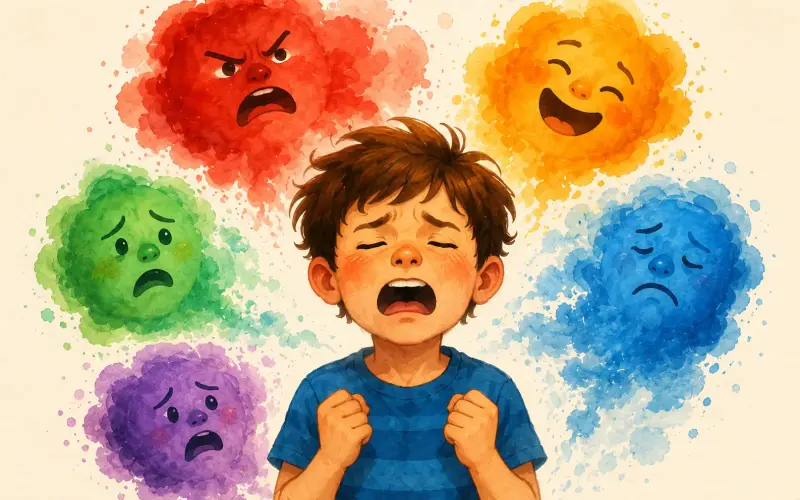
In many societies, there is a mistaken belief that fulfilling a child’s basic needs is enough to ensure healthy growth, yet this view significantly overlooks their true emotional needs. Parents may hesitate to listen to their children or encourage them to express themselves, causing them to suppress their emotions and struggle with articulating their feelings as they grow older—a challenge that negatively affects their social relationships.
Amid the rapid pace of life and the heavy pressure it places on families, Tatmeen’s Mental Health Platform aims to spotlight this vital issue to raise parents’ awareness and support them in creating a psychologically healthy home environment. In this article, we highlight the importance of giving children a safe space to express their emotions, and present practical steps to foster their emotional maturity before it’s too late.
Why Is Emotional Expression Essential for Your Child’s Growth?
Building Self-Confidence When a child feels that their parents are listening without judging, their self-confidence grows. They learn that their thoughts and feelings deserve attention, which fosters a sense of self-worth. According to the American Psychological Association, children who are given opportunities for open expression often display greater resilience under pressure later on, because they’ve learned to reach out for support without shame.
Developing Communication Skills The importance of talking about emotions goes beyond the psychological aspect and extends to a child’s social abilities. When they learn to express anger or frustration in a healthy way, they become better able to resolve conflicts consciously. Conversely, a child who suppresses emotions may have outbursts in unexpected situations, simply because they haven’t learned calm expression.
Preventing Negative Behaviors Bottling up emotions can lead to concerning behaviors in adolescence or adulthood, such as aggression, excessive isolation, or resorting to risky actions as a means of releasing tension. A significant number of emotional disorders in young people are linked to a lack of emotional awareness during childhood and not being given the right tools to handle their feelings.
How Do We Help Children Express Their Emotions?
Active, Non-Judgmental Listening Sometimes a child tries to open up but encounters immediate criticism, such as “Don’t cry like a baby” or “There’s no need to worry.” These phrases can make them feel that their emotions are unjustified or wrong. The best approach is gentle listening: lower yourself to their eye level, look them in the eye, and show genuine presence and empathy. Repeat their words to confirm understanding, for example: “So you feel upset because your friend didn’t invite you to play, right?”
Providing Words and Frameworks for Their Emotions Children don’t always know how to describe their feelings accurately. They might express sadness through angry behavior or hide away in a corner of the room. Parents can offer linguistic tools or guiding questions, like “Are you feeling angry or sad right now? Do you feel a knot in your stomach when you’re nervous?” Such methods help them distinguish and label their emotions. Teaching children emotional vocabulary reduces frustration and improves their communication skills.
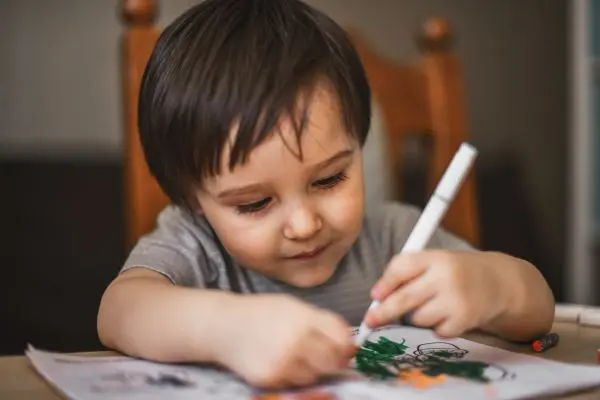
Play and Creative Activities For young children, drawing a picture or acting out a short play can be easier ways to express their feelings than direct conversation. Try asking your child, “Do you want to draw what you look like when you’re angry?” or “Tell me a little story about your imaginary friend—are they happy or sad?” Through play, children project their emotions onto make-believe characters, allowing them to express themselves freely without fear of judgment.
Dealing Calmly With Negative Outbursts If a child has a tantrum or cries uncontrollably, avoid rushing to silence them with punishment or verbal attacks. Stay calm and try to understand the root cause of the behavior. They may be tired, jealous, or anxious. Tell them, “I understand you’re angry, and I’ll stay with you until you feel better.” Remember, the goal isn’t to suppress emotions, but to help them act wisely while experiencing them.
The Parent’s Role in Fostering a Culture of Expression
Being a Positive Emotional Role Model Children learn from their parents’ behavior before they learn from their words. If, for example, a mother apologizes when she’s upset and explains that she felt “stressed” but is trying to calm herself, the child will naturally adopt the same approach. Similarly, a father’s response to daily situations can teach a child that emotions are a normal part of life.
Setting Aside Daily Time for Communication Devote 10 to 15 minutes a day to talk with your child away from any electronic distractions. Ask about their day, what made them happy or sad, or anything new they learned. Let them feel that this time is entirely theirs to express themselves, ask questions, or even joke around. These simple sessions—often called “quality time”—strengthen the emotional bond between you and foster a sense of safety in sharing.
Accepting Children’s Different Personalities Not all children are naturally open about their feelings; some speak easily while others need more time to open up. Be patient and offer gentle encouragement without sudden pressure. If they don’t respond today, they might find the courage to talk tomorrow. Research by Tatmeen’s platform underscores the importance of respecting individual differences and supporting each child in a way that suits their nature rather than clashes with it.
Seeking Professional Help When Needed If you notice your child suffering from excessive anxiety or depression, or deliberately avoiding family and social interaction, it might be helpful to consult a mental health professional. Children may go through traumatic experiences or school-related stress they can’t easily share.Book your therapy session via Tatmeen, where trained therapists use play and interactive sessions to uncover deeper emotional issues and develop a tailored support plan.
What Happens If We Ignore Our Children’s Feelings?
Accumulated Anger or Sadness When a child has no outlet to express their distress, they may develop a sense of injustice or neglect. This can later show up as aggressive behavior or a lack of motivation. In some cases, they become withdrawn and stop expecting anything from others, which affects the quality of their future relationships.
Adolescent Challenges Teenagers often develop their own coping mechanisms for stress. If they grew up denying their emotions or viewing them as “unacceptable,” they may withdraw from their family or turn to unhealthy friendships to escape reality. They might also struggle to form a clear sense of identity because they don’t fully understand their own feelings or desires.
Low Self-Esteem A child who feels unheard grows up believing their opinions and emotions have no value. This can lead to weak self-confidence and difficulty making important decisions later on. They remain stuck in the fear of rejection, constantly wondering whether they deserve attention or acceptance.
Small Steps You Can Take Today
Create an “Emotion Corner” Set aside a space at home with cards labeled with various emotions (joy, sadness, anger, fear, etc.). Ask your child to pick the card that best reflects how they feel at that moment, and talk in detail about that feeling.
Emotional Rewards When your child expresses themselves honestly and respectfully, give them praise and show pride in them, so they understand the value of constructive communication.
Joint Storytelling Suggest that they write or tell a short story about a child going through a similar experience. This indirect approach often helps them express ideas they’re hesitant to share directly.
Warm Communication Be patient if their feelings seem unclear or fluctuate. Encourage them to clarify using simple words, and help them connect events to emotions.
According to experts at Tatmeen, such steps—though seemingly simple—have a cumulative and profound effect on developing emotional intelligence and strengthening family bonds.
And finally… Allowing your child to express their feelings before it’s too late makes an enormous difference to their personality and future emotional well-being. By actively listening and giving them space for free expression, you create a home environment that welcomes their feelings and choices. Begin your therapeutic journey and book an online mental health consultation with doctors and mental health specialists through Tatmeen, because the right support at the right time can have a positive impact on everyone in the family.
Frequently Asked Questions
How should I handle my child who cries over trivial matters?
Keep in mind that crying may be their way of releasing built-up stress at a young age. Stay calm and gently ask what’s bothering them. Use encouraging phrases like, “I understand how you feel—tell me more.” They might need to express themselves before you can fully grasp what’s causing the tears.
Does expressing emotions weaken a child’s character?
On the contrary, healthy expression of emotions promotes maturity and strength. A child learns to identify their needs and ask for help when necessary. This makes them more capable of solving social problems and communicating confidently, instead of hiding their stress.
When do I need to consult a mental health professional for my child?
If your child frequently shows troubling behaviors, excessive withdrawal, or clear signs of anxiety or depression, consulting a specialist may be crucial. A therapist can provide the right tools to diagnose issues and offer practical guidance.
A writer and researcher specializing in psychiatry, she focuses on mental health and the human emotions we experience but cannot always find the words to name. She writes about us—about humanity and the human experience—and simplifies complex topics to offer content that helps us better understand ourselves and life, ultimately making us feel less alone.
Every Tatmeen article is reviewed by care providers licensed by the Saudi Commission for Health Specialties, so what you read is accurate and trustworthy.
This article builds understanding and does not replace a licensed care provider.
Need someone to talk to?
Tatmeen's licensed care providers are available around the clock, and the app's urgent consultation connects you with one within minutes.
Download Tatmeen to explore care providers and booking options.
Smart matchingFour quick questions suggest the right care provider
Urgent consultationTalk to an available care provider within minutes
Free psychological measuresMore than 20 tests to understand how you are doing
Scan to download
{"data":{"id":"e0b7a4ea-1546-4629-9205-7c5e03d51cf6","slug":"let-your-child-express-feelings-before-too-late","arTitle":"دع طفلك يعبّر عن مشاعره قبل فوات الأوان","enTitle":"Let Your Child Express Their Feelings Before It's Too Late","thumbnailAltText":"a child surrounded by multiple bubbles representing different feelings","estimatedReadingTime":5,"likesCount":142,"writer":{"id":"3ab72b74-f26f-4337-9b47-3114b0f90de5","arBio":"كاتبة وباحثة متخصصة في مجال الطب النفسي، تهتم بموضوعات الصحة النفسية وبالمشاعر الإنسانية التي نختبرها ولا نجد دائمًا الكلمات لتسميتها. تكتب عنّا؛ عن الإنسان وتجربته، وتبسّط الموضوعات المعقّدة لتقدّم محتوى يساعدنا على فهم ذواتنا والحياة أكثر، ويجعلنا نشعر بأننا بوحدة أقل.","enBio":"A writer and researcher specializing in psychiatry, she focuses on mental health and the human emotions we experience but cannot always find the words to name. She writes about us—about humanity and the human experience—and simplifies complex topics to offer content that helps us better understand ourselves and life, ultimately making us feel less alone.","user":{"slug":"ayat-alnajar","arFullName":"آيات النجار","enFullName":"Ayat Al-Najjar","publicProfileImageUrl":"https://cdn.tatmeen.sa/public/profile-images/02384455-68fa-40b6-ad05-609fde65cafa/21b9a610dde5dfc6d37af110c23e9c7ab3946be080c281beb000debf4f7d31a6.webp","publicProfileImage96Url":"https://cdn.tatmeen.sa/public/profile-images/02384455-68fa-40b6-ad05-609fde65cafa/21b9a610dde5dfc6d37af110c23e9c7ab3946be080c281beb000debf4f7d31a6-w96.webp","publicProfileImage192Url":"https://cdn.tatmeen.sa/public/profile-images/02384455-68fa-40b6-ad05-609fde65cafa/21b9a610dde5dfc6d37af110c23e9c7ab3946be080c281beb000debf4f7d31a6-w192.webp"}},"arContent":"","enContent":"","productionDocument":{"headings":[],"faqs":[{"question":"How should I handle my child who cries over trivial matters?","answer":"<p><span style=\"color:#000000\">Keep in mind that crying may be their way of releasing built-up stress at a young age. Stay calm and gently ask what’s bothering them. Use encouraging phrases like, “I understand how you feel—tell me more.” They might need to express themselves before you can fully grasp what’s causing the tears.</span></p>"},{"question":"Does expressing emotions weaken a child’s character?","answer":"<p><span style=\"color:#000000\">On the contrary, healthy expression of emotions promotes maturity and strength. A child learns to identify their needs and ask for help when necessary. This makes them more capable of solving social problems and communicating confidently, instead of hiding their stress.</span></p>"},{"question":"When do I need to consult a mental health professional for my child?","answer":"<p><span style=\"color:#000000\">If your child frequently shows troubling behaviors, excessive withdrawal, or clear signs of anxiety or depression, consulting a specialist may be crucial. A therapist can provide the right tools to diagnose issues and offer practical guidance.</span></p>"}],"beforeSourcesHtml":"<p></p>","sources":[],"afterSourcesHtml":"","blocks":[{"type":"html","html":"<p><span style=\"color:#000000\">In many societies, there is a mistaken belief that fulfilling a child’s basic needs is enough to ensure healthy growth, yet this view significantly overlooks their true emotional needs. Parents may hesitate to listen to their children or encourage them to express themselves, causing them to suppress their emotions and struggle with articulating their feelings as they grow older—a challenge that negatively affects their social relationships.</span></p><p><span style=\"color:#000000\">Amid the rapid pace of life and the heavy pressure it places on families, <strong>Tatmeen’s Mental Health Platform</strong> aims to spotlight this vital issue to raise parents’ awareness and support them in creating a psychologically healthy home environment. In this article, we highlight the importance of giving children a safe space to express their emotions, and present practical steps to foster their emotional maturity before it’s too late.</span></p><h3><span style=\"color:#000000\"><strong>Why Is Emotional Expression Essential for Your Child’s Growth?</strong></span></h3><ol><li><p><span style=\"color:#000000\"><strong>Building Self-Confidence<br /></strong> When a child feels that their parents are listening without judging, their self-confidence grows. They learn that their thoughts and feelings deserve attention, which fosters a sense of self-worth. According to the</span><a href=\"https://www.apa.org/\" target=\"_blank\" rel=\"nofollow noopener noreferrer\"><span style=\"color:#1155cc\"><u> American Psychological Association</u></span></a><span style=\"color:#000000\">, children who are given opportunities for open expression often display greater resilience under pressure later on, because they’ve learned to reach out for support without shame.</span></p></li><li><p><span style=\"color:#000000\"><strong>Developing Communication Skills<br /></strong> The importance of talking about emotions goes beyond the psychological aspect and extends to a child’s social abilities. When they learn to express anger or frustration in a healthy way, they become better able to resolve conflicts consciously. Conversely, a child who suppresses emotions may have outbursts in unexpected situations, simply because they haven’t learned calm expression.</span></p></li><li><p><span style=\"color:#000000\"><strong>Preventing Negative Behaviors<br /></strong> Bottling up emotions can lead to concerning behaviors in adolescence or adulthood, such as aggression, excessive isolation, or resorting to risky actions as a means of releasing tension. A significant number of emotional disorders in young people are linked to a lack of emotional awareness during childhood and not being given the right tools to handle their feelings.</span></p></li></ol><h3><span style=\"color:#000000\"><strong>How Do We Help Children Express Their Emotions?</strong></span></h3><ol><li><p><span style=\"color:#000000\"><strong>Active, Non-Judgmental Listening<br /></strong> Sometimes a child tries to open up but encounters immediate criticism, such as “Don’t cry like a baby” or “There’s no need to worry.” These phrases can make them feel that their emotions are unjustified or wrong. The best approach is gentle listening: lower yourself to their eye level, look them in the eye, and show genuine presence and empathy. Repeat their words to confirm understanding, for example: “So you feel upset because your friend didn’t invite you to play, right?”</span></p></li><li><p><span style=\"color:#000000\"><strong>Providing Words and Frameworks for Their Emotions<br /></strong> Children don’t always know how to describe their feelings accurately. They might express sadness through angry behavior or hide away in a corner of the room. Parents can offer linguistic tools or guiding questions, like “Are you feeling angry or sad right now? Do you feel a knot in your stomach when you’re nervous?” Such methods help them distinguish and label their emotions. Teaching children emotional vocabulary reduces frustration and improves their communication skills.</span></p></li><li><p><span style=\"color:#000000\"><strong>Play and Creative Activities<br /></strong> For young children, drawing a picture or acting out a short play can be easier ways to express their feelings than direct conversation. Try asking your child, “Do you want to draw what you look like when you’re angry?” or “Tell me a little story about your imaginary friend—are they happy or sad?” Through play, children project their emotions onto make-believe characters, allowing them to express themselves freely without fear of judgment.</span></p></li><li><p><span style=\"color:#000000\"><strong>Dealing Calmly With Negative Outbursts<br /></strong> If a child has a tantrum or cries uncontrollably, avoid rushing to silence them with punishment or verbal attacks. Stay calm and try to understand the root cause of the behavior. They may be tired, jealous, or anxious. Tell them, “I understand you’re angry, and I’ll stay with you until you feel better.” Remember, the goal isn’t to suppress emotions, but to help them act wisely while experiencing them.</span></p></li></ol><h3><span style=\"color:#000000\"><strong>The Parent’s Role in Fostering a Culture of Expression</strong></span></h3><ol><li><p><span style=\"color:#000000\"><strong>Being a Positive Emotional Role Model<br /></strong> Children learn from their parents’ behavior before they learn from their words. If, for example, a mother apologizes when she’s upset and explains that she felt “stressed” but is trying to calm herself, the child will naturally adopt the same approach. Similarly, a father’s response to daily situations can teach a child that emotions are a normal part of life.</span></p></li><li><p><span style=\"color:#000000\"><strong>Setting Aside Daily Time for Communication<br /></strong> Devote 10 to 15 minutes a day to talk with your child away from any electronic distractions. Ask about their day, what made them happy or sad, or anything new they learned. Let them feel that this time is entirely theirs to express themselves, ask questions, or even joke around. These simple sessions—often called “quality time”—strengthen the emotional bond between you and foster a sense of safety in sharing.</span></p></li><li><p><span style=\"color:#000000\"><strong>Accepting Children’s Different Personalities<br /></strong> Not all children are naturally open about their feelings; some speak easily while others need more time to open up. Be patient and offer gentle encouragement without sudden pressure. If they don’t respond today, they might find the courage to talk tomorrow. Research by Tatmeen’s platform underscores the importance of respecting individual differences and supporting each child in a way that suits their nature rather than clashes with it.</span></p></li><li><p><span style=\"color:#000000\"><strong>Seeking Professional Help When Needed<br /></strong> If you notice your child suffering from excessive anxiety or depression, or deliberately avoiding family and social interaction, it might be helpful to consult a mental health professional. Children may go through traumatic experiences or school-related stress they can’t easily share.<strong> <u>Book your therapy session via Tatmeen</u></strong>, where trained therapists use play and interactive sessions to uncover deeper emotional issues and develop a tailored support plan.</span></p></li></ol><h3><span style=\"color:#000000\"><strong>What Happens If We Ignore Our Children’s Feelings?</strong></span></h3><ol><li><p><span style=\"color:#000000\"><strong>Accumulated Anger or Sadness<br /></strong> When a child has no outlet to express their distress, they may develop a sense of injustice or neglect. This can later show up as aggressive behavior or a lack of motivation. In some cases, they become withdrawn and stop expecting anything from others, which affects the quality of their future relationships.</span></p></li><li><p><span style=\"color:#000000\"><strong>Adolescent Challenges<br /></strong> Teenagers often develop their own coping mechanisms for stress. If they grew up denying their emotions or viewing them as “unacceptable,” they may withdraw from their family or turn to unhealthy friendships to escape reality. They might also struggle to form a clear sense of identity because they don’t fully understand their own feelings or desires.</span></p></li><li><p><span style=\"color:#000000\"><strong>Low Self-Esteem<br /></strong> A child who feels unheard grows up believing their opinions and emotions have no value. This can lead to weak self-confidence and difficulty making important decisions later on. They remain stuck in the fear of rejection, constantly wondering whether they deserve attention or acceptance.</span></p></li></ol><h3><span style=\"color:#000000\"><strong>Small Steps You Can Take Today</strong></span></h3><ul><li><p><span style=\"color:#000000\"><strong>Create an “Emotion Corner”<br /></strong> Set aside a space at home with cards labeled with various emotions (joy, sadness, anger, fear, etc.). Ask your child to pick the card that best reflects how they feel at that moment, and talk in detail about that feeling.</span></p></li><li><p><span style=\"color:#000000\"><strong>Emotional Rewards<br /></strong> When your child expresses themselves honestly and respectfully, give them praise and show pride in them, so they understand the value of constructive communication.</span></p></li><li><p><span style=\"color:#000000\"><strong>Joint Storytelling<br /></strong> Suggest that they write or tell a short story about a child going through a similar experience. This indirect approach often helps them express ideas they’re hesitant to share directly.</span></p></li><li><p><span style=\"color:#000000\"><strong>Warm Communication<br /></strong> Be patient if their feelings seem unclear or fluctuate. Encourage them to clarify using simple words, and help them connect events to emotions.</span></p></li></ul><p><span style=\"color:#000000\">According to experts at Tatmeen, such steps—though seemingly simple—have a cumulative and profound effect on developing emotional intelligence and strengthening family bonds.</span></p><p><br /><span style=\"color:#000000\"><strong>And finally…<br /></strong> Allowing your child to express their feelings before it’s too late makes an enormous difference to their personality and future emotional well-being. By actively listening and giving them space for free expression, you create a home environment that welcomes their feelings and choices. Begin your therapeutic journey and book an online mental health consultation with doctors and mental health specialists through Tatmeen, because the right support at the right time can have a positive impact on everyone in the family.</span></p>"}],"inlineCtaSignatures":[],"_experienceAliases":{"v":1,"fields":["html","bodyHtml"],"faqs":[0,1,2]}},"createdAt":"2026-05-19T21:00:00.000Z","updatedAt":"2026-09-10T21:05:00.049Z","disorderGroups":[{"id":"9fbda432-3713-400a-987b-3d56754a113e","slug":"children-and-adolescents","arName":"الأطفال والمراهقين","enName":"Children & Adolescents"}],"reviewer":{"arFullName":"فريق تطمين","enFullName":"Tatmeen team","slug":"tatmeen-team","kind":"organization"},"productionArticle":true,"promotionAllowed":true,"preparedCover":{"src":"https://cdn.tatmeen.sa/public/article-lcp/article-lcp-v2/sha256-b68da0e40c4d0800e04c9e44bf3469b3c845427076655f669e51f74bbf1d1751/800-e669abe547c801cb6d63f148e53063b261622d30309a1d0ffcb52c005884c23b.avif","fallback":"https://cdn.tatmeen.sa/public/article-lcp/article-lcp-v2/sha256-b68da0e40c4d0800e04c9e44bf3469b3c845427076655f669e51f74bbf1d1751/800-b77f83cea8be51a1dedf8632e8071d5cf1633fd93745673b3b3c954831f80403.webp","directUrl":"https://cdn.tatmeen.sa/blog-cover/Tatmeen-1779292725156.webp","isGolden":true,"avifSrcset":"https://cdn.tatmeen.sa/public/article-lcp/article-lcp-v2/sha256-b68da0e40c4d0800e04c9e44bf3469b3c845427076655f669e51f74bbf1d1751/400-14a7c5237015dcad7db7e66b984f9267e294c0ab5fdafb4a15cf725689ab8886.avif 400w, https://cdn.tatmeen.sa/public/article-lcp/article-lcp-v2/sha256-b68da0e40c4d0800e04c9e44bf3469b3c845427076655f669e51f74bbf1d1751/640-aac9e060986bd99cabc421f4ce78765be88d6619e94c7717bacb12c452ae5ca6.avif 640w, https://cdn.tatmeen.sa/public/article-lcp/article-lcp-v2/sha256-b68da0e40c4d0800e04c9e44bf3469b3c845427076655f669e51f74bbf1d1751/800-e669abe547c801cb6d63f148e53063b261622d30309a1d0ffcb52c005884c23b.avif 800w, https://cdn.tatmeen.sa/public/article-lcp/article-lcp-v2/sha256-b68da0e40c4d0800e04c9e44bf3469b3c845427076655f669e51f74bbf1d1751/1200-ca2ef67b80370ce97af3afd6e7ef4fda1b23facb0bb35570819381b87df507e7.avif 1200w","webpSrcset":"https://cdn.tatmeen.sa/public/article-lcp/article-lcp-v2/sha256-b68da0e40c4d0800e04c9e44bf3469b3c845427076655f669e51f74bbf1d1751/400-033d864e5f023dba2e1ec757999f5461a47c8bc27cd5fea3d0c9fdd9e1754a1d.webp 400w, https://cdn.tatmeen.sa/public/article-lcp/article-lcp-v2/sha256-b68da0e40c4d0800e04c9e44bf3469b3c845427076655f669e51f74bbf1d1751/640-8cc8b8bb26db3c4f387fa5ff636a134a7b94f9c5d31b5a8706ccccab9c3b239d.webp 640w, https://cdn.tatmeen.sa/public/article-lcp/article-lcp-v2/sha256-b68da0e40c4d0800e04c9e44bf3469b3c845427076655f669e51f74bbf1d1751/800-b77f83cea8be51a1dedf8632e8071d5cf1633fd93745673b3b3c954831f80403.webp 800w, https://cdn.tatmeen.sa/public/article-lcp/article-lcp-v2/sha256-b68da0e40c4d0800e04c9e44bf3469b3c845427076655f669e51f74bbf1d1751/1200-6e0b71a7323510039057f90a6f6b9056dfa9f97ed886a053f1e15d70e76a3f2c.webp 1200w","phoneAvifSrcset":"https://cdn.tatmeen.sa/public/article-lcp/article-lcp-v2/sha256-b68da0e40c4d0800e04c9e44bf3469b3c845427076655f669e51f74bbf1d1751/400-14a7c5237015dcad7db7e66b984f9267e294c0ab5fdafb4a15cf725689ab8886.avif 400w, https://cdn.tatmeen.sa/public/article-lcp/article-lcp-v2/sha256-b68da0e40c4d0800e04c9e44bf3469b3c845427076655f669e51f74bbf1d1751/640-aac9e060986bd99cabc421f4ce78765be88d6619e94c7717bacb12c452ae5ca6.avif 640w, https://cdn.tatmeen.sa/public/article-lcp/article-lcp-v2/sha256-b68da0e40c4d0800e04c9e44bf3469b3c845427076655f669e51f74bbf1d1751/800-e669abe547c801cb6d63f148e53063b261622d30309a1d0ffcb52c005884c23b.avif 800w","phoneWebpSrcset":"https://cdn.tatmeen.sa/public/article-lcp/article-lcp-v2/sha256-b68da0e40c4d0800e04c9e44bf3469b3c845427076655f669e51f74bbf1d1751/400-033d864e5f023dba2e1ec757999f5461a47c8bc27cd5fea3d0c9fdd9e1754a1d.webp 400w, https://cdn.tatmeen.sa/public/article-lcp/article-lcp-v2/sha256-b68da0e40c4d0800e04c9e44bf3469b3c845427076655f669e51f74bbf1d1751/640-8cc8b8bb26db3c4f387fa5ff636a134a7b94f9c5d31b5a8706ccccab9c3b239d.webp 640w, https://cdn.tatmeen.sa/public/article-lcp/article-lcp-v2/sha256-b68da0e40c4d0800e04c9e44bf3469b3c845427076655f669e51f74bbf1d1751/800-b77f83cea8be51a1dedf8632e8071d5cf1633fd93745673b3b3c954831f80403.webp 800w","width":800,"height":500},"previewTaxonomy":{"groups":[{"id":"9fbda432-3713-400a-987b-3d56754a113e","slug":"children-and-adolescents","arName":"الأطفال والمراهقين","enName":"Children & Adolescents"}],"topics":[{"id":"aa57ccb9-d146-4629-8aa1-8b6d36c4c9ee","slug":"parenting-skills","arName":"تربية الأطفال","enName":"Parenting Skills","groupSlug":"children-and-adolescents","href":"/blog/category/children-and-adolescents/parenting-skills/"}],"tags":[{"id":"52aa8812-914e-495a-9ed5-13bec6c39a93","slug":"parents-children","arName":"الآباء والأطفال","enName":"Parents & Children"},{"id":"dbd6cf9d-e555-43d4-9205-05dcf3b84eb3","slug":"emotional-regulation","arName":"تنظيم المشاعر والذكاء العاطفي","enName":"Emotional Regulation"},{"id":"d58e6187-021b-44a5-882c-245bccd77611","slug":"self-help-howto","arName":"مساعدة ذاتية / خطوات عملية","enName":"Self-Help / How-To"}]},"previewProviderRecommendations":[{"id":"d754a189-f8c9-4aad-b4aa-a5dbd26c0bd7","slug":"talal-alshowaier-8694","arFullName":"طلال الشويعر","enFullName":"Talal Alshowaier","publicProfileImageUrl":"https://cdn.tatmeen.sa/public/profile-images/d754a189-f8c9-4aad-b4aa-a5dbd26c0bd7/74feb27848a47cf43189f6b5951e06a9b87b08269021d5bab765092fc65fce42.webp","publicProfileImage96Url":"https://cdn.tatmeen.sa/public/profile-images/d754a189-f8c9-4aad-b4aa-a5dbd26c0bd7/74feb27848a47cf43189f6b5951e06a9b87b08269021d5bab765092fc65fce42-w96.webp","publicProfileImage192Url":"https://cdn.tatmeen.sa/public/profile-images/d754a189-f8c9-4aad-b4aa-a5dbd26c0bd7/74feb27848a47cf43189f6b5951e06a9b87b08269021d5bab765092fc65fce42-w192.webp","specialization":{"arName":"أخصائي نفسي","enName":"Psychologist"},"profileImageUrl":"https://cdn.tatmeen.sa/public/profile-images/d754a189-f8c9-4aad-b4aa-a5dbd26c0bd7/74feb27848a47cf43189f6b5951e06a9b87b08269021d5bab765092fc65fce42-w192.webp","experienceYears":3,"consultantInfo":{"averageRating":{"average":5},"specialization":{"arGeneralName":"أخصائي نفسي","enGeneralName":"Psychologist"}}},{"id":"ff3dc90b-f245-48f9-aec5-d554edc279d4","slug":"fatimah-aseeid-7510","arFullName":"فاطمة أسعيد","enFullName":"Fatimah Aseeid","publicProfileImageUrl":"https://cdn.tatmeen.sa/public/profile-images/ff3dc90b-f245-48f9-aec5-d554edc279d4/88129d9c16f4d2901428bc8ccca825349328f1786ea2d2478307e39e68f5a7dc.webp","publicProfileImage96Url":"https://cdn.tatmeen.sa/public/profile-images/ff3dc90b-f245-48f9-aec5-d554edc279d4/88129d9c16f4d2901428bc8ccca825349328f1786ea2d2478307e39e68f5a7dc-w96.webp","publicProfileImage192Url":"https://cdn.tatmeen.sa/public/profile-images/ff3dc90b-f245-48f9-aec5-d554edc279d4/88129d9c16f4d2901428bc8ccca825349328f1786ea2d2478307e39e68f5a7dc-w192.webp","specialization":{"arName":"أخصائي نفسي","enName":"Psychologist"},"profileImageUrl":"https://cdn.tatmeen.sa/public/profile-images/ff3dc90b-f245-48f9-aec5-d554edc279d4/88129d9c16f4d2901428bc8ccca825349328f1786ea2d2478307e39e68f5a7dc-w192.webp","experienceYears":16,"consultantInfo":{"averageRating":{"average":0},"specialization":{"arGeneralName":"أخصائي نفسي","enGeneralName":"Psychologist"}}},{"id":"3d7ba28f-13ad-4c7b-926b-23e351d1dc9c","slug":"reyouf-alabdan-7326","arFullName":"ريوف العبدان","enFullName":"Reyouf Alabdan","publicProfileImageUrl":"","publicProfileImage96Url":"","publicProfileImage192Url":"","specialization":{"arName":"أخصائي نفسي","enName":"Psychologist"},"profileImageUrl":"","experienceYears":3,"consultantInfo":{"averageRating":{"average":5},"specialization":{"arGeneralName":"أخصائي نفسي","enGeneralName":"Psychologist"}}}],"previewCareProviders":[{"id":"09364052-c2a9-4c52-9717-7ce2093b8d0a","slug":"kholoud-alharbi-5221","arFullName":"خلود الحربي","enFullName":"Kholoud Alharbi","publicProfileImageUrl":"https://cdn.tatmeen.sa/public/profile-images/09364052-c2a9-4c52-9717-7ce2093b8d0a/4a0aeb81619e351b77f4323e3605a0a00acc7ca3c82ee7cc5ca2c9e8ef716049.webp","publicProfileImage96Url":"https://cdn.tatmeen.sa/public/profile-images/09364052-c2a9-4c52-9717-7ce2093b8d0a/4a0aeb81619e351b77f4323e3605a0a00acc7ca3c82ee7cc5ca2c9e8ef716049-w96.webp","publicProfileImage192Url":"https://cdn.tatmeen.sa/public/profile-images/09364052-c2a9-4c52-9717-7ce2093b8d0a/4a0aeb81619e351b77f4323e3605a0a00acc7ca3c82ee7cc5ca2c9e8ef716049-w192.webp","gender":"FEMALE","specialization":{"arName":"أخصائي نفسي","enName":"Psychologist"}},{"id":"6f037535-1dca-4b50-a8b2-5974b7323286","slug":"salah-althobaiti-9053","arFullName":"صلاح الثبيتي","enFullName":"Salah Althobaiti","publicProfileImageUrl":"https://cdn.tatmeen.sa/public/profile-images/6f037535-1dca-4b50-a8b2-5974b7323286/35b6bd7fad9b1e004c1835803eb9c1b56dcacd380685ec8bff141f0fb888005c.webp","publicProfileImage96Url":"https://cdn.tatmeen.sa/public/profile-images/6f037535-1dca-4b50-a8b2-5974b7323286/35b6bd7fad9b1e004c1835803eb9c1b56dcacd380685ec8bff141f0fb888005c-w96.webp","publicProfileImage192Url":"https://cdn.tatmeen.sa/public/profile-images/6f037535-1dca-4b50-a8b2-5974b7323286/35b6bd7fad9b1e004c1835803eb9c1b56dcacd380685ec8bff141f0fb888005c-w192.webp","gender":"MALE","specialization":{"arName":"أخصائي نفسي","enName":"Psychologist"}},{"id":"3cc806e8-616b-4884-9f21-a75b378580a2","slug":"aisha-al-hashim-8667","arFullName":"عائشة ال هاشم","enFullName":"Aisha Al Hashim","publicProfileImageUrl":"https://cdn.tatmeen.sa/public/profile-images/3cc806e8-616b-4884-9f21-a75b378580a2/27f523d03be4dcfa1f6a79f70c1773887434e698990d214cd990caec56a44798.webp","publicProfileImage96Url":"https://cdn.tatmeen.sa/public/profile-images/3cc806e8-616b-4884-9f21-a75b378580a2/27f523d03be4dcfa1f6a79f70c1773887434e698990d214cd990caec56a44798-w96.webp","publicProfileImage192Url":"https://cdn.tatmeen.sa/public/profile-images/3cc806e8-616b-4884-9f21-a75b378580a2/27f523d03be4dcfa1f6a79f70c1773887434e698990d214cd990caec56a44798-w192.webp","gender":"FEMALE","specialization":{"arName":"أخصائي نفسي","enName":"Psychologist"}},{"id":"db2ce1a0-9325-4471-b7ce-eb2e811c30a3","slug":"amer-qutub-2441","arFullName":"عامر قطب","enFullName":"Amer Qutub","publicProfileImageUrl":"https://cdn.tatmeen.sa/public/profile-images/db2ce1a0-9325-4471-b7ce-eb2e811c30a3/80580f99bfd7fe2b2a9cf8eed73ab532f5086d1efe053b0aa57358c1ce004261.webp","publicProfileImage96Url":"https://cdn.tatmeen.sa/public/profile-images/db2ce1a0-9325-4471-b7ce-eb2e811c30a3/80580f99bfd7fe2b2a9cf8eed73ab532f5086d1efe053b0aa57358c1ce004261-w96.webp","publicProfileImage192Url":"https://cdn.tatmeen.sa/public/profile-images/db2ce1a0-9325-4471-b7ce-eb2e811c30a3/80580f99bfd7fe2b2a9cf8eed73ab532f5086d1efe053b0aa57358c1ce004261-w192.webp","gender":"MALE","specialization":{"arName":"أخصائي نفسي","enName":"Psychologist"}},{"id":"94765496-dbdf-4631-a01b-7df5f788668d","slug":"abdullrahman-alhamoudi-3045","arFullName":"عبدالرحمن الحمودي","enFullName":"Abdulrahman Alhamoudi","publicProfileImageUrl":"https://cdn.tatmeen.sa/public/profile-images/94765496-dbdf-4631-a01b-7df5f788668d/2d49f6b6493c564afb6f50b6c3634231dff3a5cf8353acfab393d1b2a88037d1.webp","publicProfileImage96Url":"https://cdn.tatmeen.sa/public/profile-images/94765496-dbdf-4631-a01b-7df5f788668d/2d49f6b6493c564afb6f50b6c3634231dff3a5cf8353acfab393d1b2a88037d1-w96.webp","publicProfileImage192Url":"https://cdn.tatmeen.sa/public/profile-images/94765496-dbdf-4631-a01b-7df5f788668d/2d49f6b6493c564afb6f50b6c3634231dff3a5cf8353acfab393d1b2a88037d1-w192.webp","gender":"MALE","specialization":{"arName":"أخصائي نفسي","enName":"Psychologist"}},{"id":"618dba89-5b70-4b46-8304-741b7ac8ecd3","slug":"abdullah-mari-1311","arFullName":"عبدالله مرعي","enFullName":"Abdullah Mari","publicProfileImageUrl":"https://cdn.tatmeen.sa/public/profile-images/618dba89-5b70-4b46-8304-741b7ac8ecd3/6b4a3bfb59f8a304ca79083b32859b46baad2e1d692974a47c02c1f66bd11129.webp","publicProfileImage96Url":"https://cdn.tatmeen.sa/public/profile-images/618dba89-5b70-4b46-8304-741b7ac8ecd3/6b4a3bfb59f8a304ca79083b32859b46baad2e1d692974a47c02c1f66bd11129-w96.webp","publicProfileImage192Url":"https://cdn.tatmeen.sa/public/profile-images/618dba89-5b70-4b46-8304-741b7ac8ecd3/6b4a3bfb59f8a304ca79083b32859b46baad2e1d692974a47c02c1f66bd11129-w192.webp","gender":"MALE","specialization":{"arName":"أخصائي نفسي","enName":"Psychologist"}},{"id":"3b50a5d5-e795-407f-8676-fd7f0e1bb7a0","slug":"abdulaziz-bin-hudayan-4940","arFullName":"عبدالعزيز بن هديان","enFullName":"Abdulaziz Bin Hudayan","publicProfileImageUrl":"https://cdn.tatmeen.sa/public/profile-images/3b50a5d5-e795-407f-8676-fd7f0e1bb7a0/710ff0fe1fb00cdb5042092e27b7910b480a439b02251ecded62d7758eefce95.webp","publicProfileImage96Url":"https://cdn.tatmeen.sa/public/profile-images/3b50a5d5-e795-407f-8676-fd7f0e1bb7a0/710ff0fe1fb00cdb5042092e27b7910b480a439b02251ecded62d7758eefce95-w96.webp","publicProfileImage192Url":"https://cdn.tatmeen.sa/public/profile-images/3b50a5d5-e795-407f-8676-fd7f0e1bb7a0/710ff0fe1fb00cdb5042092e27b7910b480a439b02251ecded62d7758eefce95-w192.webp","gender":"MALE","specialization":{"arName":"أخصائي نفسي","enName":"Psychologist"}},{"id":"d4ffcb6b-90a7-45b6-b941-964866f4564b","slug":"dhaifallah-alhumaidi-1092","arFullName":"ضيف الله الحميدي","enFullName":"Dhaifallah Alhumaidi","publicProfileImageUrl":"https://cdn.tatmeen.sa/public/profile-images/d4ffcb6b-90a7-45b6-b941-964866f4564b/1817171c5828a9b57d6c30d12332cf154e335272548bc90a6e8456d74d356956.webp","publicProfileImage96Url":"https://cdn.tatmeen.sa/public/profile-images/d4ffcb6b-90a7-45b6-b941-964866f4564b/1817171c5828a9b57d6c30d12332cf154e335272548bc90a6e8456d74d356956-w96.webp","publicProfileImage192Url":"https://cdn.tatmeen.sa/public/profile-images/d4ffcb6b-90a7-45b6-b941-964866f4564b/1817171c5828a9b57d6c30d12332cf154e335272548bc90a6e8456d74d356956-w192.webp","gender":"MALE","specialization":{"arName":"أخصائي نفسي","enName":"Psychologist"}}],"previewDownload":{"href":"/download","title":{"ar":"خطوة واحدة لأجلك، ابدأ الآن","en":"One step for you, start now"},"description":{"ar":"حمّل تطبيق تطمين لاستكشاف مقدمي الرعاية وخيارات الحجز.","en":"Download Tatmeen to explore care providers and booking options."},"posterSrc":"/images/home/cta-ar-new-1.webp","videoSrc":"/images/home/cta-ar-new-1.mp4","videoPosterSrc":"/images/home/cta-ar-new-1.webp","videoPosterEnSrc":"/images/home/cta-en-new-1.webp","videoType":"video/mp4","appStoreHref":"https://apps.apple.com/us/app/tatmeen-%D8%AA%D8%B7%D9%85%D9%8A%D9%86/id6473836983","googlePlayHref":"https://play.google.com/store/apps/details?id=com.TatmeenApp.user&hl=en"},"previewRelatedArticles":[{"id":"1ab2549b-990a-4b2d-accb-6c37afe6d7fb","slug":"Why-do-children-draw","route":"/blog/Why-do-children-draw/","title":{"ar":"رسم الاطفال: لماذا يرسم الطفل؟","en":"Why Do Children Draw?"},"image":"https://cdn.tatmeen.sa/public/article-lcp/article-lcp-v2/sha256-249be2b864cea065f6926396670e2141d782a935d39d0fd82cef9a23c564f644/600-9aa24ebeaef261bb00af3e1851ad84f1bf6bf4a58b4975332bf72e1cea5049b4.webp","directImageFallback":"https://cdn.tatmeen.sa/blog-cover/1704643107139-Tatmeen-img-261","arThumbnailAltText":"Child drawing on paper with a marker at a table","thumbnailAltText":"Child drawing on paper with a marker at a table","topic":{"label":{"ar":"الأطفال والمراهقين","en":"Children & Adolescents"}},"readingTimeMinutes":5},{"id":"83c89c14-8982-408f-aa70-2e75aea60639","slug":"The-parent-child-relationship","route":"/blog/The-parent-child-relationship/","title":{"ar":"العلاقة بين الوالدين والطفل - ما تأثيرها على العلاقة الزوجية","en":"How Parent-Child Relationships Shape Adult Marriage"},"image":"https://cdn.tatmeen.sa/public/article-lcp/article-lcp-v2/sha256-68173fcd57ef7986b63405add3ccb359685581eca8f0ec19f2b1d2b53560ef7c/600-949699ef85057f63ff97223413dce88ea91445ec41ddf9d8b41ef3515da13cc7.webp","directImageFallback":"https://cdn.tatmeen.sa/blog-cover/1704643655055-Tatmeen-img-504","arThumbnailAltText":"A person holds their head while another gestures behind them on a sidewalk","thumbnailAltText":"A person holds their head while another gestures behind them on a sidewalk","topic":{"label":{"ar":"الأطفال والمراهقين","en":"Children & Adolescents"}},"readingTimeMinutes":5},{"id":"df86d3e4-a549-41ae-86fb-acaa677893d6","slug":"childrens-behavior","route":"/blog/childrens-behavior/","title":{"ar":"سلوك الأطفال - كيف اعرف أن طفلي يحتاج لتعديل سلوك ؟","en":"Children’s Behavior: Does My Child Need Behavior Modification?"},"image":"https://cdn.tatmeen.sa/public/article-lcp/article-lcp-v2/sha256-1bef17deaab7720d943ff943186ed946d57efaa378efbd835f43c14485fb1667/600-0306b9b3df8dfc146785445bed32253adb16a212c5b2b052cc39dff225b4d47b.webp","directImageFallback":"https://cdn.tatmeen.sa/blog-cover/1704291450579-%C3%99%C2%83%C3%99%C2%8A%C3%99%C2%81-%C3%98%C2%A7%C3%98%C2%B9%C3%98%C2%B1%C3%99%C2%81-%C3%98%C2%A7%C3%99%C2%94%C3%99%C2%86-%C3%98%C2%B7%C3%99%C2%81%C3%99%C2%84%C3%99%C2%8A-%C3%99%C2%8A%C3%98%C2%AD%C3%98%C2%AA%C3%98%C2%A7%C3%98%C2%AC-%C3%99%C2%84%C3%98%C2%AA%C3%98%C2%B9%C3%98%C2%AF%C3%99%C2%8A%C3%99%C2%84-%C3%98%C2%B3%C3%99%C2%84%C3%99%C2%88%C3%99%C2%83-%C3%98%C2%AA%C3%98%C2%B9%C3%98%C2%AF%C3%99%C2%8A%C3%99%C2%84-%C3%98%C2%A7%C3%99%C2%84%C3%98%C2%B3%C3%99%C2%84%C3%99%C2%88%C3%99%C2%83-%C3%98%C2%A7%C3%99%C2%84%C3%98%C2%A7%C3%99%C2%94%C3%98%C2%B7%C3%99%C2%81-7tzui-600x400.jpeg","arThumbnailAltText":"Child frowning with arms crossed against a white background","thumbnailAltText":"Child frowning with arms crossed against a white background","topic":{"label":{"ar":"الأطفال والمراهقين","en":"Children & Adolescents"}},"readingTimeMinutes":5},{"id":"dd422e6b-35c9-40a6-bf11-c32b0f5320d8","slug":"How-to-prevent-my-child-from-becoming-spoiled","route":"/blog/How-to-prevent-my-child-from-becoming-spoiled/","title":{"ar":"كيف أجعل طفلي غير مدلل؟","en":"How Can I Keep My Child from Becoming Spoiled?"},"image":"https://cdn.tatmeen.sa/public/article-lcp/article-lcp-v2/sha256-e649684578bc55d79bae64f68c7e31d046f6db627e9caed1988873b6e67357eb/600-0cf5a769f2e2468ee910f7581e928371d4c3d4aa83031f1652dd5345e22a5e71.webp","directImageFallback":"https://cdn.tatmeen.sa/blog-cover/1704640464652-Tatmeen-img-828","arThumbnailAltText":"Drawn adult and child walk beside a building, with the child reaching up","thumbnailAltText":"Drawn adult and child walk beside a building, with the child reaching up","topic":{"label":{"ar":"الأطفال والمراهقين","en":"Children & Adolescents"}},"readingTimeMinutes":5}],"previewRelatedReadStates":{}},"locale":"en","device":"desktop","path":"/en/blog/let-your-child-express-feelings-before-too-late/","readingControls":false,"config":{"public":{"BUCKET_URL":"https://cdn.tatmeen.sa/","APP_BASE_URL":"https://tatmeen.sa","intercomAppId":"ppcnu9e3"}}}