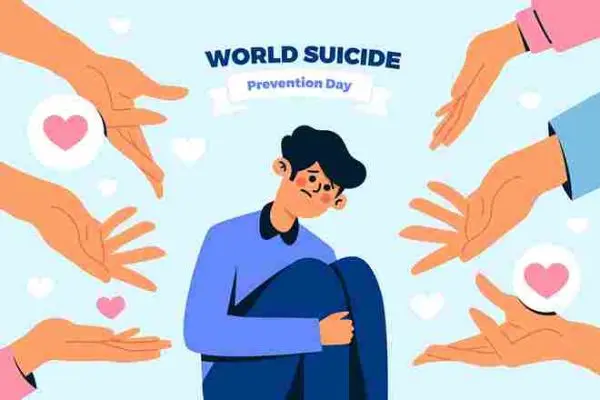
The most important thing a person with suicidal thoughts needs is sincere listening—not a long speech, not ready-made advice, and not scolding their conscience. When someone hints that they can’t take it anymore, you may feel fear and confusion, and perhaps guilt because you don’t know what to say. That’s why this article gives you calmer language to understand what’s behind the thought, notice the signs worth pausing for, and communicate in a way that protects their dignity and eases their isolation.
Why Might Someone Reach the Point of Thinking About Suicide?
Most often, the desire to die by suicide isn’t a love of death—it’s a search for an end to pain that feels like it has no exit. Psychological pressure may accumulate, or options may narrow in the person’s eyes, until they feel their existence is a burden and the future is only a repetition of suffering. Your core role here is to remember: the thought may be an expression of intense despair, not a final verdict on life.
The World Health Organization notes that the causes of suicide are multiple and intertwined; psychological, social, cultural, and environmental factors overlap across the stages of life. Sometimes it is preceded by a major loss, a relationship crisis, financial pressures, a harsh experience, or a long-standing sense of loneliness. There may also be ongoing psychological suffering, sleep disruption, or heavy use of substances that increase impulsivity—without that meaning the matter is simple or can be reduced to a single cause.
It is also helpful to pay attention to protective factors: one safe relationship, a spiritual meaning that brings reassurance, a routine that supports stability, or the feeling of being heard. Your support may be one of these factors, even if it doesn’t look that way in the moment.
Signs Worth Noticing Without Panic
Warning signs aren’t a fixed checklist, and some people go through hard days without being in immediate danger. But a noticeable change, repeated talk of hopelessness, or increasing isolation are all signals that invite you to come closer—gently.
Signs that may appear together or separately:
Repeated talk about death, wishing to disappear, or feeling that life is pointless.
Intense hopelessness, guilt, or feeling like a burden on others.
Clear withdrawal from family and friends, or losing interest in what used to bring joy.
Marked changes in sleep, appetite, or concentration, or a persistent inability to feel calm.
Sharp mood swings, unusual irritability, or impulsive harmful decisions.
A sudden organizing of personal affairs, or saying goodbye in an unfamiliar way.
Note that one sign alone isn’t enough to judge, but ignoring a repeated pattern can leave the person alone with the thought. A safer rule: move closer and ask, rather than stepping back and assuming.
How Do You Start the Conversation in a Safe and Respectful Way?
Start from what you’ve noticed, not from accusation. For example: “I’ve noticed you seem exhausted and withdrawn, and I care about you.” Then ask an open question that helps them speak: What has been weighing on you these days? What do you feel when the thoughts intensify? Keep your voice low and your presence steady, and avoid interrogating or demanding details that may increase their tension.
Some people hesitate to ask a direct question about suicidal thoughts out of fear of upsetting the person. But many practical guidelines encourage asking clearly and gently because it opens a door to safety rather than guesswork. If they answer “yes,” don’t panic and don’t minimize it; focus on listening and understanding what makes them feel there is no way out.
According to specialists at Tatmeen, what most reduces the intensity of the thought at its beginning is the person’s sense that they are understood and not condemned—and that someone can hear the truth with them without disappearing or blaming them. You may not have the solution, but your steady presence may give them precious minutes of safety.
What Helps to Say—and What Is Better to Avoid?
Try to make your main message: You are not alone, and I’m here with you now. Simple phrases can help, such as: “I appreciate your courage for speaking,” “I want to understand more,” and “Let’s look for one small step today.” On the other hand, avoid sentences that cut off communication, such as: “You’re exaggerating,” “Shame on you,” “How could you think that?” or comparing them to others. Also, arguing in religious or moral terms at the peak of pain may not help; it’s better to make space for mercy first, then support meaning gently when they are calmer.
If the person is close to you, you can also help them bring some order to their day: a meal, sleep, a short outing, or one simple task. Small details don’t treat the root by themselves, but they ease the feeling of suffocation and restore some sense of control.
How Do You Keep Supporting Them Without Becoming Drained?
After the first conversation, you may feel exhausted or anxious. It’s normal to be affected, but remember: you are not solely responsible for saving someone. Keep regular human contact: a reassuring message, a check-in, suggesting a short meet-up. At the same time, allow yourself to ask for support from a trusted person or a professional if your emotions become heavy.
Maintain clear boundaries: don’t promise what you cannot do, and don’t carry the secret alone if you feel the situation is worsening. You can say calmly that you care enough not to leave them suffering without additional support, and that involving a health service or a trusted adult is a protective step—not a betrayal of trust.
Finally…
Helping someone who is thinking about suicide is not a loud heroism—it is compassionate closeness, honest words, and small steps that protect life from collapse. If you sense an immediate danger, seeking urgent help from emergency services or the nearest emergency department in Saudi Arabia is a brave and important step. To reduce the burden on you and on them, booking a session with a licensed specialist may be practical support through Tatmeen.
Frequently Asked Questions
Could talking about suicide with someone close make things worse?
Silence is often what increases isolation. A calm conversation that begins with care and leaves room for feelings helps reduce intensity. Focus on listening without judgment, and ask clearly and gently about how they’re doing instead of guessing.
What do I do if they deny everything but seem to be falling apart?
Respect their denial without withdrawing. Say you’ve noticed a change and you want to check in, and suggest a short meeting or regular check-ins. Sometimes a person needs time to feel safe before they speak—steadiness matters more than pressure.
How do I protect myself from burnout while supporting them?
Set realistic boundaries, and avoid being the only supporter. Share your concern with someone trustworthy, and make time for your body’s rest and sleep. When you care for yourself, you become more able to offer calm, steady support without breaking down.
A writer and researcher specializing in psychiatry, she focuses on mental health and the human emotions we experience but cannot always find the words to name. She writes about us—about humanity and the human experience—and simplifies complex topics to offer content that helps us better understand ourselves and life, ultimately making us feel less alone.
Every Tatmeen article is reviewed by care providers licensed by the Saudi Commission for Health Specialties, so what you read is accurate and trustworthy.
This article builds understanding and does not replace a licensed care provider.
Need someone to talk to?
Tatmeen's licensed care providers are available around the clock, and the app's urgent consultation connects you with one within minutes.
Download Tatmeen to explore care providers and booking options.
Smart matchingFour quick questions suggest the right care provider
Urgent consultationTalk to an available care provider within minutes
Free psychological measuresMore than 20 tests to understand how you are doing
Scan to download
{"data":{"id":"e0acc23e-1d48-4947-a4e5-d7a77e130aee","slug":"how-to-support-someone-with-suicidal-thoughts","arTitle":"كيف تساعد شخصًا يريد الانتحار بفهم الأسباب والعلامات","enTitle":"How to Help Someone Having Suicidal Thoughts: Understanding the Reasons","thumbnailAltText":"a patient seeking help from her friend about her suicidal thoughts","estimatedReadingTime":5,"likesCount":297,"writer":{"id":"3ab72b74-f26f-4337-9b47-3114b0f90de5","arBio":"كاتبة وباحثة متخصصة في مجال الطب النفسي، تهتم بموضوعات الصحة النفسية وبالمشاعر الإنسانية التي نختبرها ولا نجد دائمًا الكلمات لتسميتها. تكتب عنّا؛ عن الإنسان وتجربته، وتبسّط الموضوعات المعقّدة لتقدّم محتوى يساعدنا على فهم ذواتنا والحياة أكثر، ويجعلنا نشعر بأننا بوحدة أقل.","enBio":"A writer and researcher specializing in psychiatry, she focuses on mental health and the human emotions we experience but cannot always find the words to name. She writes about us—about humanity and the human experience—and simplifies complex topics to offer content that helps us better understand ourselves and life, ultimately making us feel less alone.","user":{"slug":"ayat-alnajar","arFullName":"آيات النجار","enFullName":"Ayat Al-Najjar","publicProfileImageUrl":"https://cdn.tatmeen.sa/public/profile-images/02384455-68fa-40b6-ad05-609fde65cafa/21b9a610dde5dfc6d37af110c23e9c7ab3946be080c281beb000debf4f7d31a6.webp","publicProfileImage96Url":"https://cdn.tatmeen.sa/public/profile-images/02384455-68fa-40b6-ad05-609fde65cafa/21b9a610dde5dfc6d37af110c23e9c7ab3946be080c281beb000debf4f7d31a6-w96.webp","publicProfileImage192Url":"https://cdn.tatmeen.sa/public/profile-images/02384455-68fa-40b6-ad05-609fde65cafa/21b9a610dde5dfc6d37af110c23e9c7ab3946be080c281beb000debf4f7d31a6-w192.webp"}},"arContent":"","enContent":"","productionDocument":{"headings":[{"id":"article-section-why-might-someone-reach-the-point-of-thinking-about-suicide","text":"Why Might Someone Reach the Point of Thinking About Suicide?"},{"id":"article-section-signs-worth-noticing-without-panic","text":"Signs Worth Noticing Without Panic"},{"id":"article-section-how-do-you-start-the-conversation-in-a-safe-and-respectful-way","text":"How Do You Start the Conversation in a Safe and Respectful Way?"},{"id":"article-section-what-helps-to-say-and-what-is-better-to-avoid","text":"What Helps to Say—and What Is Better to Avoid?"},{"id":"article-section-how-do-you-keep-supporting-them-without-becoming-drained","text":"How Do You Keep Supporting Them Without Becoming Drained?"},{"id":"article-section-finally","text":"Finally…"}],"faqs":[{"question":"Could talking about suicide with someone close make things worse?","answer":"<p><span style=\"color:#000000\">Silence is often what increases isolation. A calm conversation that begins with care and leaves room for feelings helps reduce intensity. Focus on listening without judgment, and ask clearly and gently about how they’re doing instead of guessing.</span></p>"},{"question":"What do I do if they deny everything but seem to be falling apart?","answer":"<p><span style=\"color:#000000\">Respect their denial without withdrawing. Say you’ve noticed a change and you want to check in, and suggest a short meeting or regular check-ins. Sometimes a person needs time to feel safe before they speak—steadiness matters more than pressure.</span></p>"},{"question":"How do I protect myself from burnout while supporting them?","answer":"<p><span style=\"color:#000000\">Set realistic boundaries, and avoid being the only supporter. Share your concern with someone trustworthy, and make time for your body’s rest and sleep. When you care for yourself, you become more able to offer calm, steady support without breaking down.</span></p>"}],"beforeSourcesHtml":"<p></p>","sources":[],"afterSourcesHtml":"","blocks":[{"type":"html","html":"<p><span style=\"color:#000000\">The most important thing a person with suicidal thoughts needs is sincere listening—not a long speech, not ready-made advice, and not scolding their conscience. When someone hints that they can’t take it anymore, you may feel fear and confusion, and perhaps guilt because you don’t know what to say. That’s why this article gives you calmer language to understand what’s behind the thought, notice the signs worth pausing for, and communicate in a way that protects their dignity and eases their isolation.</span></p><h2 id=\"article-section-why-might-someone-reach-the-point-of-thinking-about-suicide\" data-toc-heading tabindex=\"-1\"><span id=\"why-might-someone-reach-the-point-of-thinking-about-suicide-1\" aria-hidden=\"true\"></span><span style=\"color:#000000\"><strong>Why Might Someone Reach the Point of Thinking About Suicide?</strong></span></h2><p><span style=\"color:#000000\">Most often, the desire to die by suicide isn’t a love of death—it’s a search for an end to pain that feels like it has no exit. Psychological pressure may accumulate, or options may narrow in the person’s eyes, until they feel their existence is a burden and the future is only a repetition of suffering. Your core role here is to remember: the thought may be an expression of intense despair, not a final verdict on life.</span></p><p><a href=\"https://www.who.int/news-room/fact-sheets/detail/suicide\" target=\"_blank\" rel=\"nofollow noopener noreferrer\"><span style=\"color:#1155cc\"><u>The World Health Organization</u></span></a><span style=\"color:#000000\"> notes that the causes of suicide are multiple and intertwined; psychological, social, cultural, and environmental factors overlap across the stages of life. Sometimes it is preceded by a major loss, a relationship crisis, financial pressures, a harsh experience, or a long-standing sense of loneliness. There may also be ongoing psychological suffering, sleep disruption, or heavy use of substances that increase impulsivity—without that meaning the matter is simple or can be reduced to a single cause.</span></p><p><span style=\"color:#000000\">It is also helpful to pay attention to protective factors: one safe relationship, a spiritual meaning that brings reassurance, a routine that supports stability, or the feeling of being heard. Your support may be one of these factors, even if it doesn’t look that way in the moment.</span></p><h2 id=\"article-section-signs-worth-noticing-without-panic\" data-toc-heading tabindex=\"-1\"><span id=\"signs-worth-noticing-without-panic-2\" aria-hidden=\"true\"></span><span style=\"color:#000000\"><strong>Signs Worth Noticing Without Panic</strong></span></h2><p><span style=\"color:#000000\">Warning signs aren’t a fixed checklist, and some people go through hard days without being in immediate danger. But a noticeable change, repeated talk of hopelessness, or increasing isolation are all signals that invite you to come closer—gently.</span></p><p><span style=\"color:#000000\">Signs that may appear together or separately:</span></p><ul><li><p><span style=\"color:#000000\">Repeated talk about death, wishing to disappear, or feeling that life is pointless.</span></p></li><li><p><span style=\"color:#000000\">Intense hopelessness, guilt, or feeling like a burden on others.</span></p></li><li><p><span style=\"color:#000000\">Clear withdrawal from family and friends, or losing interest in what used to bring joy.</span></p></li><li><p><span style=\"color:#000000\">Marked changes in sleep, appetite, or concentration, or a persistent inability to feel calm.</span></p></li><li><p><span style=\"color:#000000\">Sharp mood swings, unusual irritability, or impulsive harmful decisions.</span></p></li><li><p><span style=\"color:#000000\">A sudden organizing of personal affairs, or saying goodbye in an unfamiliar way.</span></p></li></ul><p><span style=\"color:#000000\">Note that one sign alone isn’t enough to judge, but ignoring a repeated pattern can leave the person alone with the thought. A safer rule: move closer and ask, rather than stepping back and assuming.</span></p><h2 id=\"article-section-how-do-you-start-the-conversation-in-a-safe-and-respectful-way\" data-toc-heading tabindex=\"-1\"><span id=\"how-do-you-start-the-conversation-in-a-safe-and-respectful-way-3\" aria-hidden=\"true\"></span><span style=\"color:#000000\"><strong>How Do You Start the Conversation in a Safe and Respectful Way?</strong></span></h2><p><span style=\"color:#000000\">Start from what you’ve noticed, not from accusation. For example: “I’ve noticed you seem exhausted and withdrawn, and I care about you.” Then ask an open question that helps them speak: What has been weighing on you these days? What do you feel when the thoughts intensify? Keep your voice low and your presence steady, and avoid interrogating or demanding details that may increase their tension.</span></p><p><span style=\"color:#000000\">Some people hesitate to ask a direct question about suicidal thoughts out of fear of upsetting the person. But many practical guidelines encourage asking clearly and gently because it opens a door to safety rather than guesswork. If they answer “yes,” don’t panic and don’t minimize it; focus on listening and understanding what makes them feel there is no way out.</span></p><p><span style=\"color:#000000\">According to specialists at Tatmeen, what most reduces the intensity of the thought at its beginning is the person’s sense that they are understood and not condemned—and that someone can hear the truth with them without disappearing or blaming them. You may not have the solution, but your steady presence may give them precious minutes of safety.</span></p><h2 id=\"article-section-what-helps-to-say-and-what-is-better-to-avoid\" data-toc-heading tabindex=\"-1\"><span id=\"what-helps-to-say-and-what-is-better-to-avoid-4\" aria-hidden=\"true\"></span><span style=\"color:#000000\"><strong>What Helps to Say—and What Is Better to Avoid?</strong></span></h2><p><span style=\"color:#000000\">Try to make your main message: You are not alone, and I’m here with you now. Simple phrases can help, such as: “I appreciate your courage for speaking,” “I want to understand more,” and “Let’s look for one small step today.” On the other hand, avoid sentences that cut off communication, such as: “You’re exaggerating,” “Shame on you,” “How could you think that?” or comparing them to others. Also, arguing in religious or moral terms at the peak of pain may not help; it’s better to make space for mercy first, then support meaning gently when they are calmer.</span></p><p><span style=\"color:#000000\">If the person is close to you, you can also help them bring some order to their day: a meal, sleep, a short outing, or one simple task. Small details don’t treat the root by themselves, but they ease the feeling of suffocation and restore some sense of control.</span></p><h2 id=\"article-section-how-do-you-keep-supporting-them-without-becoming-drained\" data-toc-heading tabindex=\"-1\"><span id=\"how-do-you-keep-supporting-them-without-becoming-drained-5\" aria-hidden=\"true\"></span><span style=\"color:#000000\"><strong>How Do You Keep Supporting Them Without Becoming Drained?</strong></span></h2><p><span style=\"color:#000000\">After the first conversation, you may feel exhausted or anxious. It’s normal to be affected, but remember: you are not solely responsible for saving someone. Keep regular human contact: a reassuring message, a check-in, suggesting a short meet-up. At the same time, allow yourself to ask for support from a trusted person or a professional if your emotions become heavy.</span></p><p><span style=\"color:#000000\">Maintain clear boundaries: don’t promise what you cannot do, and don’t carry the secret alone if you feel the situation is worsening. You can say calmly that you care enough not to leave them suffering without additional support, and that involving a health service or a trusted adult is a protective step—not a betrayal of trust.</span></p><h2 id=\"article-section-finally\" data-toc-heading tabindex=\"-1\"><span id=\"finally-6\" aria-hidden=\"true\"></span><span style=\"color:#000000\"><strong>Finally…</strong></span></h2><p><span style=\"color:#000000\">Helping someone who is thinking about suicide is not a loud heroism—it is compassionate closeness, honest words, and small steps that protect life from collapse. If you sense an immediate danger, seeking urgent help from emergency services or the nearest emergency department in Saudi Arabia is a brave and important step. To reduce the burden on you and on them, <u>booking a session</u> with a licensed specialist may be practical support through Tatmeen.</span></p>"}],"inlineCtaSignatures":[],"_experienceAliases":{"v":1,"fields":["html","bodyHtml"],"faqs":[0,1,2]}},"createdAt":"2026-05-27T21:00:00.000Z","updatedAt":"2026-06-06T15:05:23.063Z","disorderGroups":[{"id":"1e82772d-a1a7-4d29-b475-be9d6b67ae02","slug":"common-mental-issues","arName":"اضطرابات نفسية شائعة","enName":"Common Mental Issues"}],"reviewer":{"arFullName":"فريق تطمين","enFullName":"Tatmeen team","slug":"tatmeen-team","kind":"organization"},"productionArticle":true,"promotionAllowed":true,"preparedCover":{"src":"https://cdn.tatmeen.sa/public/article-lcp/article-lcp-v2/sha256-6bb64aef17d89c95f586f6d005deec7824f186cb54feec5fc8ecdbdb99bcf457/800-2f3d75f5880d5ab06b923d20d7d0fdf808d4b61a27b731d716dba3f49a5ca00f.avif","fallback":"https://cdn.tatmeen.sa/public/article-lcp/article-lcp-v2/sha256-6bb64aef17d89c95f586f6d005deec7824f186cb54feec5fc8ecdbdb99bcf457/800-7e21ffaee0968839165b2a68e4c726b4e206de26e001e8cc17f429c9ec9ecf5a.webp","directUrl":"https://cdn.tatmeen.sa/blog-cover/Tatmeen-1780666050535.webp","isGolden":true,"avifSrcset":"https://cdn.tatmeen.sa/public/article-lcp/article-lcp-v2/sha256-6bb64aef17d89c95f586f6d005deec7824f186cb54feec5fc8ecdbdb99bcf457/400-a3cec70fc1837b4851b7cb795e401d9ca713f8fe9ec8670ad59c241016a774c8.avif 400w, https://cdn.tatmeen.sa/public/article-lcp/article-lcp-v2/sha256-6bb64aef17d89c95f586f6d005deec7824f186cb54feec5fc8ecdbdb99bcf457/640-2b175ccfe77d50afaae7be1e29cc8cbd27c5f97c291bfdf039350a5c81d48017.avif 640w, https://cdn.tatmeen.sa/public/article-lcp/article-lcp-v2/sha256-6bb64aef17d89c95f586f6d005deec7824f186cb54feec5fc8ecdbdb99bcf457/800-2f3d75f5880d5ab06b923d20d7d0fdf808d4b61a27b731d716dba3f49a5ca00f.avif 800w, https://cdn.tatmeen.sa/public/article-lcp/article-lcp-v2/sha256-6bb64aef17d89c95f586f6d005deec7824f186cb54feec5fc8ecdbdb99bcf457/1200-681c26b56cf9767ab09db41c8a7ea006bc24d3ca8aa77f4470ac970c1011f2fd.avif 1200w","webpSrcset":"https://cdn.tatmeen.sa/public/article-lcp/article-lcp-v2/sha256-6bb64aef17d89c95f586f6d005deec7824f186cb54feec5fc8ecdbdb99bcf457/400-ea7863aa37eab5f7f1526805b3c4e43904438f54c4bbcbc23ce9c588490abc83.webp 400w, https://cdn.tatmeen.sa/public/article-lcp/article-lcp-v2/sha256-6bb64aef17d89c95f586f6d005deec7824f186cb54feec5fc8ecdbdb99bcf457/640-34f201654569c48b128f4993631a4435d449bfb1d900508a31a4ec164ce004b3.webp 640w, https://cdn.tatmeen.sa/public/article-lcp/article-lcp-v2/sha256-6bb64aef17d89c95f586f6d005deec7824f186cb54feec5fc8ecdbdb99bcf457/800-7e21ffaee0968839165b2a68e4c726b4e206de26e001e8cc17f429c9ec9ecf5a.webp 800w, https://cdn.tatmeen.sa/public/article-lcp/article-lcp-v2/sha256-6bb64aef17d89c95f586f6d005deec7824f186cb54feec5fc8ecdbdb99bcf457/1200-f1178c96df7ecddc797e9a1daaa75c93085c49460ccd047129dfeb4cc4a49439.webp 1200w","phoneAvifSrcset":"https://cdn.tatmeen.sa/public/article-lcp/article-lcp-v2/sha256-6bb64aef17d89c95f586f6d005deec7824f186cb54feec5fc8ecdbdb99bcf457/400-a3cec70fc1837b4851b7cb795e401d9ca713f8fe9ec8670ad59c241016a774c8.avif 400w, https://cdn.tatmeen.sa/public/article-lcp/article-lcp-v2/sha256-6bb64aef17d89c95f586f6d005deec7824f186cb54feec5fc8ecdbdb99bcf457/640-2b175ccfe77d50afaae7be1e29cc8cbd27c5f97c291bfdf039350a5c81d48017.avif 640w, https://cdn.tatmeen.sa/public/article-lcp/article-lcp-v2/sha256-6bb64aef17d89c95f586f6d005deec7824f186cb54feec5fc8ecdbdb99bcf457/800-2f3d75f5880d5ab06b923d20d7d0fdf808d4b61a27b731d716dba3f49a5ca00f.avif 800w","phoneWebpSrcset":"https://cdn.tatmeen.sa/public/article-lcp/article-lcp-v2/sha256-6bb64aef17d89c95f586f6d005deec7824f186cb54feec5fc8ecdbdb99bcf457/400-ea7863aa37eab5f7f1526805b3c4e43904438f54c4bbcbc23ce9c588490abc83.webp 400w, https://cdn.tatmeen.sa/public/article-lcp/article-lcp-v2/sha256-6bb64aef17d89c95f586f6d005deec7824f186cb54feec5fc8ecdbdb99bcf457/640-34f201654569c48b128f4993631a4435d449bfb1d900508a31a4ec164ce004b3.webp 640w, https://cdn.tatmeen.sa/public/article-lcp/article-lcp-v2/sha256-6bb64aef17d89c95f586f6d005deec7824f186cb54feec5fc8ecdbdb99bcf457/800-7e21ffaee0968839165b2a68e4c726b4e206de26e001e8cc17f429c9ec9ecf5a.webp 800w","width":800,"height":447},"previewTaxonomy":{"groups":[{"id":"1e82772d-a1a7-4d29-b475-be9d6b67ae02","slug":"common-mental-issues","arName":"اضطرابات نفسية شائعة","enName":"Common Mental Issues"}],"topics":[{"id":"b9c18ec9-c4d0-4267-b11d-512d595c72ea","slug":"suicidal-thoughts","arName":"أفكار انتحارية","enName":"Suicidal Thoughts","groupSlug":"common-mental-issues","href":"/blog/category/common-mental-issues/suicidal-thoughts/"}],"tags":[{"id":"72770eb1-714a-4d83-92af-65f783bc30b5","slug":"suicide-prevention","arName":"الوقاية من الانتحار","enName":"Suicide Prevention"},{"id":"82fa58ec-2aa5-4f35-8ae3-e8ec8f3ab069","slug":"caregivers-supporters","arName":"داعمو المريض","enName":"Caregivers & Supporters"},{"id":"a7a7391b-bc2c-41de-91b1-7d701f1675b7","slug":"supporting-others","arName":"دعم شخص آخر","enName":"Supporting Someone Else"}]},"previewProviderRecommendations":[{"id":"278d5ac5-30ff-46ad-97be-c67cdd125836","slug":"dr-mohammed-alamari-8085","arFullName":"د. محمد العماري","enFullName":"Dr. Mohammed Alamari","publicProfileImageUrl":"https://cdn.tatmeen.sa/public/profile-images/278d5ac5-30ff-46ad-97be-c67cdd125836/69bdd11cb01784eed010eb9883403fd6ca4e4afcec739dcd6114fd8b85f133a8.webp","publicProfileImage96Url":"https://cdn.tatmeen.sa/public/profile-images/278d5ac5-30ff-46ad-97be-c67cdd125836/69bdd11cb01784eed010eb9883403fd6ca4e4afcec739dcd6114fd8b85f133a8-w96.webp","publicProfileImage192Url":"https://cdn.tatmeen.sa/public/profile-images/278d5ac5-30ff-46ad-97be-c67cdd125836/69bdd11cb01784eed010eb9883403fd6ca4e4afcec739dcd6114fd8b85f133a8-w192.webp","specialization":{"arName":"طبيب أسرة","enName":"Family Physician"},"profileImageUrl":"https://cdn.tatmeen.sa/public/profile-images/278d5ac5-30ff-46ad-97be-c67cdd125836/69bdd11cb01784eed010eb9883403fd6ca4e4afcec739dcd6114fd8b85f133a8-w192.webp","experienceYears":3,"consultantInfo":{"averageRating":{"average":4},"specialization":{"arGeneralName":"طبيب أسرة","enGeneralName":"Family Physician"}}},{"id":"1e93f151-9ec1-41f7-9520-4b12b222b099","slug":"dr-salman-alomran-1113","arFullName":"د. سلمان العمران","enFullName":"Dr. Salman Alomran","publicProfileImageUrl":"https://cdn.tatmeen.sa/public/profile-images/1e93f151-9ec1-41f7-9520-4b12b222b099/76ceec12653e1ac67216d57509306d0262e70d3569bf22e140e14914b1e0c32c.webp","publicProfileImage96Url":"https://cdn.tatmeen.sa/public/profile-images/1e93f151-9ec1-41f7-9520-4b12b222b099/76ceec12653e1ac67216d57509306d0262e70d3569bf22e140e14914b1e0c32c-w96.webp","publicProfileImage192Url":"https://cdn.tatmeen.sa/public/profile-images/1e93f151-9ec1-41f7-9520-4b12b222b099/76ceec12653e1ac67216d57509306d0262e70d3569bf22e140e14914b1e0c32c-w192.webp","specialization":{"arName":"طبيب أسرة","enName":"Family Physician"},"profileImageUrl":"https://cdn.tatmeen.sa/public/profile-images/1e93f151-9ec1-41f7-9520-4b12b222b099/76ceec12653e1ac67216d57509306d0262e70d3569bf22e140e14914b1e0c32c-w192.webp","experienceYears":4,"consultantInfo":{"averageRating":{"average":5},"specialization":{"arGeneralName":"طبيب أسرة","enGeneralName":"Family Physician"}}},{"id":"7d102bdf-e3ae-4ab2-84fa-eddca3ae349f","slug":"dr-faisal-aldossary-4026","arFullName":"د. فيصل الدوسري","enFullName":"Dr. Faisal AlDossary","publicProfileImageUrl":"https://cdn.tatmeen.sa/public/profile-images/7d102bdf-e3ae-4ab2-84fa-eddca3ae349f/3651ae54edce0c048ac6e2217ddbdd641a13901f7df8838a7349832269e13941.webp","publicProfileImage96Url":"https://cdn.tatmeen.sa/public/profile-images/7d102bdf-e3ae-4ab2-84fa-eddca3ae349f/3651ae54edce0c048ac6e2217ddbdd641a13901f7df8838a7349832269e13941-w96.webp","publicProfileImage192Url":"https://cdn.tatmeen.sa/public/profile-images/7d102bdf-e3ae-4ab2-84fa-eddca3ae349f/3651ae54edce0c048ac6e2217ddbdd641a13901f7df8838a7349832269e13941-w192.webp","specialization":{"arName":"طبيب أسرة","enName":"Family Physician"},"profileImageUrl":"https://cdn.tatmeen.sa/public/profile-images/7d102bdf-e3ae-4ab2-84fa-eddca3ae349f/3651ae54edce0c048ac6e2217ddbdd641a13901f7df8838a7349832269e13941-w192.webp","experienceYears":5,"consultantInfo":{"averageRating":{"average":5},"specialization":{"arGeneralName":"طبيب أسرة","enGeneralName":"Family Physician"}}}],"previewCareProviders":[{"id":"09364052-c2a9-4c52-9717-7ce2093b8d0a","slug":"kholoud-alharbi-5221","arFullName":"خلود الحربي","enFullName":"Kholoud Alharbi","publicProfileImageUrl":"https://cdn.tatmeen.sa/public/profile-images/09364052-c2a9-4c52-9717-7ce2093b8d0a/4a0aeb81619e351b77f4323e3605a0a00acc7ca3c82ee7cc5ca2c9e8ef716049.webp","publicProfileImage96Url":"https://cdn.tatmeen.sa/public/profile-images/09364052-c2a9-4c52-9717-7ce2093b8d0a/4a0aeb81619e351b77f4323e3605a0a00acc7ca3c82ee7cc5ca2c9e8ef716049-w96.webp","publicProfileImage192Url":"https://cdn.tatmeen.sa/public/profile-images/09364052-c2a9-4c52-9717-7ce2093b8d0a/4a0aeb81619e351b77f4323e3605a0a00acc7ca3c82ee7cc5ca2c9e8ef716049-w192.webp","gender":"FEMALE","specialization":{"arName":"أخصائي نفسي","enName":"Psychologist"}},{"id":"6f037535-1dca-4b50-a8b2-5974b7323286","slug":"salah-althobaiti-9053","arFullName":"صلاح الثبيتي","enFullName":"Salah Althobaiti","publicProfileImageUrl":"https://cdn.tatmeen.sa/public/profile-images/6f037535-1dca-4b50-a8b2-5974b7323286/35b6bd7fad9b1e004c1835803eb9c1b56dcacd380685ec8bff141f0fb888005c.webp","publicProfileImage96Url":"https://cdn.tatmeen.sa/public/profile-images/6f037535-1dca-4b50-a8b2-5974b7323286/35b6bd7fad9b1e004c1835803eb9c1b56dcacd380685ec8bff141f0fb888005c-w96.webp","publicProfileImage192Url":"https://cdn.tatmeen.sa/public/profile-images/6f037535-1dca-4b50-a8b2-5974b7323286/35b6bd7fad9b1e004c1835803eb9c1b56dcacd380685ec8bff141f0fb888005c-w192.webp","gender":"MALE","specialization":{"arName":"أخصائي نفسي","enName":"Psychologist"}},{"id":"3cc806e8-616b-4884-9f21-a75b378580a2","slug":"aisha-al-hashim-8667","arFullName":"عائشة ال هاشم","enFullName":"Aisha Al Hashim","publicProfileImageUrl":"https://cdn.tatmeen.sa/public/profile-images/3cc806e8-616b-4884-9f21-a75b378580a2/27f523d03be4dcfa1f6a79f70c1773887434e698990d214cd990caec56a44798.webp","publicProfileImage96Url":"https://cdn.tatmeen.sa/public/profile-images/3cc806e8-616b-4884-9f21-a75b378580a2/27f523d03be4dcfa1f6a79f70c1773887434e698990d214cd990caec56a44798-w96.webp","publicProfileImage192Url":"https://cdn.tatmeen.sa/public/profile-images/3cc806e8-616b-4884-9f21-a75b378580a2/27f523d03be4dcfa1f6a79f70c1773887434e698990d214cd990caec56a44798-w192.webp","gender":"FEMALE","specialization":{"arName":"أخصائي نفسي","enName":"Psychologist"}},{"id":"db2ce1a0-9325-4471-b7ce-eb2e811c30a3","slug":"amer-qutub-2441","arFullName":"عامر قطب","enFullName":"Amer Qutub","publicProfileImageUrl":"https://cdn.tatmeen.sa/public/profile-images/db2ce1a0-9325-4471-b7ce-eb2e811c30a3/80580f99bfd7fe2b2a9cf8eed73ab532f5086d1efe053b0aa57358c1ce004261.webp","publicProfileImage96Url":"https://cdn.tatmeen.sa/public/profile-images/db2ce1a0-9325-4471-b7ce-eb2e811c30a3/80580f99bfd7fe2b2a9cf8eed73ab532f5086d1efe053b0aa57358c1ce004261-w96.webp","publicProfileImage192Url":"https://cdn.tatmeen.sa/public/profile-images/db2ce1a0-9325-4471-b7ce-eb2e811c30a3/80580f99bfd7fe2b2a9cf8eed73ab532f5086d1efe053b0aa57358c1ce004261-w192.webp","gender":"MALE","specialization":{"arName":"أخصائي نفسي","enName":"Psychologist"}},{"id":"94765496-dbdf-4631-a01b-7df5f788668d","slug":"abdullrahman-alhamoudi-3045","arFullName":"عبدالرحمن الحمودي","enFullName":"Abdulrahman Alhamoudi","publicProfileImageUrl":"https://cdn.tatmeen.sa/public/profile-images/94765496-dbdf-4631-a01b-7df5f788668d/2d49f6b6493c564afb6f50b6c3634231dff3a5cf8353acfab393d1b2a88037d1.webp","publicProfileImage96Url":"https://cdn.tatmeen.sa/public/profile-images/94765496-dbdf-4631-a01b-7df5f788668d/2d49f6b6493c564afb6f50b6c3634231dff3a5cf8353acfab393d1b2a88037d1-w96.webp","publicProfileImage192Url":"https://cdn.tatmeen.sa/public/profile-images/94765496-dbdf-4631-a01b-7df5f788668d/2d49f6b6493c564afb6f50b6c3634231dff3a5cf8353acfab393d1b2a88037d1-w192.webp","gender":"MALE","specialization":{"arName":"أخصائي نفسي","enName":"Psychologist"}},{"id":"618dba89-5b70-4b46-8304-741b7ac8ecd3","slug":"abdullah-mari-1311","arFullName":"عبدالله مرعي","enFullName":"Abdullah Mari","publicProfileImageUrl":"https://cdn.tatmeen.sa/public/profile-images/618dba89-5b70-4b46-8304-741b7ac8ecd3/6b4a3bfb59f8a304ca79083b32859b46baad2e1d692974a47c02c1f66bd11129.webp","publicProfileImage96Url":"https://cdn.tatmeen.sa/public/profile-images/618dba89-5b70-4b46-8304-741b7ac8ecd3/6b4a3bfb59f8a304ca79083b32859b46baad2e1d692974a47c02c1f66bd11129-w96.webp","publicProfileImage192Url":"https://cdn.tatmeen.sa/public/profile-images/618dba89-5b70-4b46-8304-741b7ac8ecd3/6b4a3bfb59f8a304ca79083b32859b46baad2e1d692974a47c02c1f66bd11129-w192.webp","gender":"MALE","specialization":{"arName":"أخصائي نفسي","enName":"Psychologist"}},{"id":"3b50a5d5-e795-407f-8676-fd7f0e1bb7a0","slug":"abdulaziz-bin-hudayan-4940","arFullName":"عبدالعزيز بن هديان","enFullName":"Abdulaziz Bin Hudayan","publicProfileImageUrl":"https://cdn.tatmeen.sa/public/profile-images/3b50a5d5-e795-407f-8676-fd7f0e1bb7a0/710ff0fe1fb00cdb5042092e27b7910b480a439b02251ecded62d7758eefce95.webp","publicProfileImage96Url":"https://cdn.tatmeen.sa/public/profile-images/3b50a5d5-e795-407f-8676-fd7f0e1bb7a0/710ff0fe1fb00cdb5042092e27b7910b480a439b02251ecded62d7758eefce95-w96.webp","publicProfileImage192Url":"https://cdn.tatmeen.sa/public/profile-images/3b50a5d5-e795-407f-8676-fd7f0e1bb7a0/710ff0fe1fb00cdb5042092e27b7910b480a439b02251ecded62d7758eefce95-w192.webp","gender":"MALE","specialization":{"arName":"أخصائي نفسي","enName":"Psychologist"}},{"id":"d4ffcb6b-90a7-45b6-b941-964866f4564b","slug":"dhaifallah-alhumaidi-1092","arFullName":"ضيف الله الحميدي","enFullName":"Dhaifallah Alhumaidi","publicProfileImageUrl":"https://cdn.tatmeen.sa/public/profile-images/d4ffcb6b-90a7-45b6-b941-964866f4564b/1817171c5828a9b57d6c30d12332cf154e335272548bc90a6e8456d74d356956.webp","publicProfileImage96Url":"https://cdn.tatmeen.sa/public/profile-images/d4ffcb6b-90a7-45b6-b941-964866f4564b/1817171c5828a9b57d6c30d12332cf154e335272548bc90a6e8456d74d356956-w96.webp","publicProfileImage192Url":"https://cdn.tatmeen.sa/public/profile-images/d4ffcb6b-90a7-45b6-b941-964866f4564b/1817171c5828a9b57d6c30d12332cf154e335272548bc90a6e8456d74d356956-w192.webp","gender":"MALE","specialization":{"arName":"أخصائي نفسي","enName":"Psychologist"}}],"previewDownload":{"href":"/download","title":{"ar":"خطوة واحدة لأجلك، ابدأ الآن","en":"One step for you, start now"},"description":{"ar":"حمّل تطبيق تطمين لاستكشاف مقدمي الرعاية وخيارات الحجز.","en":"Download Tatmeen to explore care providers and booking options."},"posterSrc":"/images/home/cta-ar-new-1.webp","videoSrc":"/images/home/cta-ar-new-1.mp4","videoPosterSrc":"/images/home/cta-ar-new-1.webp","videoPosterEnSrc":"/images/home/cta-en-new-1.webp","videoType":"video/mp4","appStoreHref":"https://apps.apple.com/us/app/tatmeen-%D8%AA%D8%B7%D9%85%D9%8A%D9%86/id6473836983","googlePlayHref":"https://play.google.com/store/apps/details?id=com.TatmeenApp.user&hl=en"},"previewRelatedArticles":[{"id":"2266137d-0904-4090-a665-8c0aa1e6f4bb","slug":"World-Suicide-Prevention-Day","route":"/blog/World-Suicide-Prevention-Day/","title":{"ar":"اليوم العالمي للوقاية من الانتحار","en":"World Suicide Prevention Day"},"image":"https://cdn.tatmeen.sa/public/article-lcp/article-lcp-v2/sha256-d2ceeb4ae3ba8ad5a09e29588d718c1bc09a30a07e76b2260da76c649b390a97/600-bca38fe6f49887add58c76ce9f1079699d2a54024e2bd392650aaf95b19dc767.webp","directImageFallback":"https://cdn.tatmeen.sa/blog-cover/1705000095502-Tatmeen-img-964","arThumbnailAltText":"People seated in a circle holding hands","thumbnailAltText":"People seated in a circle holding hands","topic":{"label":{"ar":"اضطرابات نفسية شائعة","en":"Common Mental Issues"}},"readingTimeMinutes":5},{"id":"e1078517-82c9-430d-9e92-a1a875ca3cd8","slug":"world-suicide-prevention-day-why-it-matters","route":"/blog/world-suicide-prevention-day-why-it-matters/","title":{"ar":"اليوم العالمي للوقاية من الانتحار ولماذا يهم","en":"World Suicide Prevention Day and Why It Matters"},"image":"https://cdn.tatmeen.sa/public/article-lcp/article-lcp-v2/sha256-394e0b91b1f7430164f93f60908e2a5cb1d05d20562cd053ce5bbb4d78db9af2/800-c607ed476a6fcd7e9b86a3bb7c7eb101564ae9815dbf1b4f0f71f39f59392984.webp","directImageFallback":"https://cdn.tatmeen.sa/blog-cover/Tatmeen-1782670885006.webp","arThumbnailAltText":"Golden awareness ribbon with linked paper figures symbolizing unity and support","thumbnailAltText":"Golden awareness ribbon with linked paper figures symbolizing unity and support","topic":{"label":{"ar":"اضطرابات نفسية شائعة","en":"Common Mental Issues"}},"readingTimeMinutes":5},{"id":"2e10a20c-058a-44ea-a72c-08b7d3d3220c","slug":"Child-and-adolescent-suicide","route":"/blog/Child-and-adolescent-suicide/","title":{"ar":"انتحار الأطفال والمراهقين","en":"Suicide in Children and Adolescents"},"image":"https://cdn.tatmeen.sa/public/article-lcp/article-lcp-v2/sha256-eb4e8dd72469336656c66662d9cdebc85f07c88c06a74c97fc28fb0d8fae27f7/600-4b0621c3495ff206040e35eb3c7674dacfc1120242e2285a3495341c331d0ca3.webp","directImageFallback":"https://cdn.tatmeen.sa/blog-cover/1704637210117-Tatmeen-img-111","arThumbnailAltText":"Seated person surrounded by reaching hands beneath a suicide prevention message","thumbnailAltText":"Seated person surrounded by reaching hands beneath a suicide prevention message","topic":{"label":{"ar":"الأطفال والمراهقين","en":"Children & Adolescents"}},"readingTimeMinutes":5},{"id":"2ed1784a-d8a4-4d2d-9a0f-d0f46d49a85a","slug":"suicide-prevention-support-suicidal-thoughts","route":"/blog/suicide-prevention-support-suicidal-thoughts/","title":{"ar":"الوقاية من الانتحار: خطوات عملية لدعم من تراوده أفكار انتحارية","en":"Suicide Prevention: Practical Steps to Support Someone with Suicidal Thoughts"},"image":"https://cdn.tatmeen.sa/public/article-lcp/article-lcp-v2/sha256-9e6a5836ac0616b1f5f97c4f9ffa9491ea5cdf2e6f1bfaf996bab6615f1ac9cc/800-f3902cc6d9ff93fd185affc239153f1aea89ba7ad4d31afce8755d81301f0229.webp","directImageFallback":"https://cdn.tatmeen.sa/blog-cover/Tatmeen-1775747504200.webp","arThumbnailAltText":"شخصيتان مجرّدتان — إحداهما جالسة في ضيق، والأخرى تميل قريبًا تمدّ يدها بكرة ضوء دافئة — ترمزان إلى دعم الوقاية من الانتحار.","thumbnailAltText":"شخصيتان مجرّدتان — إحداهما جالسة في ضيق، والأخرى تميل قريبًا تمدّ يدها بكرة ضوء دافئة — ترمزان إلى دعم الوقاية من الانتحار.","topic":{"label":{"ar":"اضطرابات نفسية شائعة","en":"Common Mental Issues"}},"readingTimeMinutes":5}],"previewRelatedReadStates":{}},"locale":"en","device":"desktop","path":"/en/blog/how-to-support-someone-with-suicidal-thoughts/","readingControls":false,"config":{"public":{"BUCKET_URL":"https://cdn.tatmeen.sa/","APP_BASE_URL":"https://tatmeen.sa","intercomAppId":"ppcnu9e3"}}}