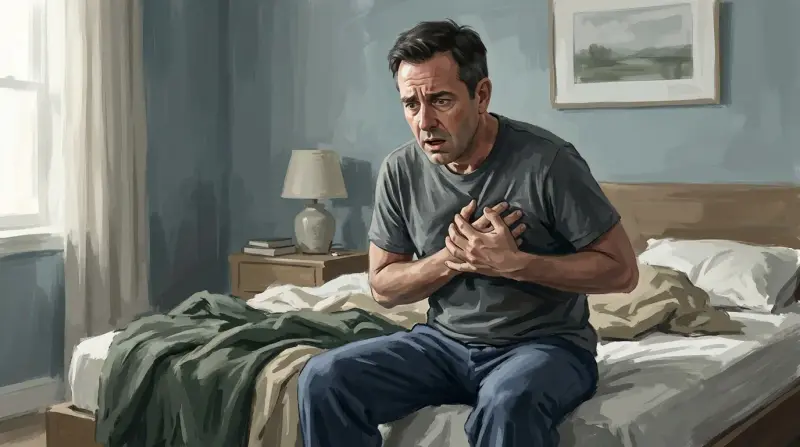
Indeed, one of the most important things you can offer a loved one is your presence and support during their difficult moments. More importantly, investing some effort in learning how to help them overcome such challenging times can make a world of difference. Effectively dealing with a panic attack requires a deep understanding of the issue and well-thought-out steps for providing support. In this article, we will discuss the most prominent signs and symptoms of a panic attack, as well as quick and practical strategies to restore balance. If you ever encounter a similar situation, remember that your presence and interaction may have a significant impact in moments like these.
Signs and Symptoms of a Panic Attack
A panic attack can suddenly appear in anyone and may be an exaggerated response to psychological pressure or a stressful event. Physical and mental symptoms of a panic attack often resemble those of serious health problems, intensifying the fear in the affected person. In this section, we’ll explore the most common indicators so that we can help those who experience them.
Exhausting Physical Symptoms When a panic attack starts, the person may feel their heart rate speed up, notice excessive sweating, and experience trembling or shaking in the hands and body. Some might feel breathing difficulties or tightness in the chest, while others experience sudden stomach pain or a strong urge to vomit. This acute tension usually leads to a general sense of physical weakness. It is important to remind the individual that these symptoms won’t last long and that they can gradually regain their calm. Most panic attacks subside within minutes, leaving plenty of room for prompt intervention and support.
Negative Thoughts and Sudden Fear A panic attack isn’t limited to physical symptoms; it is also accompanied by dark thoughts and a terrifying sense of imminent danger. In the midst of this episode, a person might feel that they are going to die, lose control, or “go crazy.” These thoughts intensify the sense of fear and can trigger a cycle of escalating anxiety. Upon noticing signs like panic in their eyes or frantic behavior, you should quickly offer emotional reassurance. Simple supportive words—such as “We are safe, and everything is under control”—can help calm their negative thoughts.
The Urgent Desire to Escape A defining characteristic of a panic attack is a powerful urge to leave the place immediately or run away from what the person believes to be a dangerous situation. This behavior emerges suddenly, and the individual may become agitated and try to get away. At this stage, quietly staying with them can bring reassurance and encourage them not to leave the location unless there is an actual threat; leaving at that moment can allow the panic to intensify. Offering your support, holding their hand, or speaking gently can reduce their impulse to withdraw. Having a trusted companion lessens the feeling that they’re facing the perceived danger alone.
Best Immediate Calming and Support Techniques
When you notice someone experiencing a panic attack, the most important step is to respond wisely, ensuring a comfortable environment that alleviates the severity of the symptoms. Here are some essential measures to help contain the situation and calm the affected person.
Stay Calm and Use a Reassuring Tone
In the beginning, you too might feel confused or anxious upon seeing someone you care about overwhelmed by intense fear. However, your calmness is a critical factor in reducing their stress level. Use a soft, gentle tone, saying something like, “I’m here beside you, and I won’t leave you alone,” which can reassure the person experiencing the attack. Try to keep your facial expressions as reassuring as possible, and maintain unobtrusive eye contact without being forceful or alarming. In this simple way, the person will begin to feel safe.
Teaching Deep Breathing
One of the most effective ways to lessen the intensity of a panic attack is to help the person regulate their breathing. Ask them to slowly inhale through the nose over a few seconds, hold their breath briefly, then exhale slowly through the mouth. This process can help calm their heart rate and reduce muscle tension. You can demonstrate by taking a deep breath yourself—inhale deeply for a count of four, hold it for a moment, then exhale slowly as you count again to four. This pattern refocuses the individual’s attention on their breathing instead of the fear-inducing thoughts.
Progressive Muscle Relaxation
A common method for managing anxiety and panic attacks is progressive muscle relaxation. This technique involves tensing the body’s muscles for a few seconds and then fully releasing them. The process usually starts at the toes and moves upward toward the head, or vice versa. While guiding the affected person through this technique, remind them to focus on the contrast between tension and relaxation. This helps redirect their thoughts away from anxious ideas and gradually decreases the severity of the panic attack.
Using Reassuring Words
During a panic attack, negative thoughts are at their peak. The individual may interpret sounds in the environment and tones of voice in a way that heightens their distress. Thus, it’s vital to choose words carefully that can alleviate the panic. Tell them things like, “I understand you’re scared, but these moments will pass quickly,” or “You’re safe, and I’m breathing here with you.” While such assurances may seem basic, they help disperse fears and provide comfort and empathy.
Distracting with Simple Tasks
Positive distraction can be an effective way to reduce tension. You can direct the affected person to concentrate on something in their surroundings, such as describing the colors around them or listening closely to a specific sound. Some people also use a rubber ball to squeeze and release tension. The effectiveness of this strategy lies in halting the recurring cycle of anxious thoughts by giving the mind a small task that allows them to catch their breath and organize their thoughts.
Maintain an Appropriate Distance
Although you may want to get close and reassure the person, you must consider their need for personal space. Some people may feel uncomfortable or pressured by very close contact, especially if they sense they’re being forced to calm down right away. The best approach is to keep a suitable distance that allows calm eye contact and conversation, while giving them room to breathe and move without discomfort.
Use Positive Phrases
Do not make the affected person feel guilty or weak for being in a difficult situation. Instead, repeat supportive remarks like, “You’re doing a great job keeping yourself under control,” or “I’m proud of how brave you are in facing this fear.” Such simple phrases can greatly build confidence and motivate the individual to continue overcoming their challenge.
Provide Various Options
Not everyone responds to reassurance in the same way. Some might find comfort in silence, while others may need to talk. Ask what the person needs: “Would you like to talk? Or do you want some quiet time?” This offers them a sense of control over the situation and lessens any sense of helplessness.
Encourage Seeking Professional Help
When panic attacks repeat frequently and impact someone’s daily life, consulting a psychiatrist or a specialized therapist is vital. Professional support provides customized treatment plans and an accurate evaluation of the condition. Remember that you can help by booking a session through Tatmeen, which offers a team of licensed doctors and specialists committed to serving people in the best possible ways, with safe and confidential methods.
How to Address Persistent Fear and Prevent Recurrence
After moving past a panic attack, a person may remain anxious about the possibility of it happening again. The solution often lies in adopting carefully planned methods to ensure prevention whenever possible and addressing the underlying reasons behind panic attacks.
Identifying and Addressing Triggers The causes of panic attacks differ from one person to another. They may be linked to social pressures, personal struggles, or stressful life events. The first step is to identify these triggers and make note of them. By understanding the nature of these stressors, you can adopt preventive strategies to avoid their buildup. Some people may consult a specialized therapist who can help them track negative behavior patterns and thoughts, paving the way for modifying those thoughts and reducing their harmful effects.
Specialized Psychological Treatments Cognitive Behavioral Therapy (CBT) is considered one of the most effective methods used to treat anxiety and panic attacks. Its goal is to help individuals recognize exaggerated thoughts associated with the attack and replace them with more realistic, balanced thinking. It also teaches deeper relaxation methods and breathing techniques. According to trustworthy sources such as Mayo Clinic, CBT can significantly reduce the recurrence of panic attacks. Additionally, drug therapy supervised by a psychiatrist may be considered in certain cases that warrant it.
Emotional and Social Support Encourage them to share their experiences of anxiety and panic with close friends or family members. Having emotional support from loved ones often helps in coping with crises and relieving persistent fear. Urge them to speak openly about what they’re going through, helping those around them offer immediate assistance when needed.
Adopting a Healthy Lifestyle Getting regular sleep, eating a balanced diet, and exercising regularly form the foundation of preventing excessive stress. Daily exercise releases “happy” hormones like endorphins, which have a positive effect on mental well-being and reduce the likelihood of experiencing panic attacks. Moreover, it’s essential to limit the consumption of stimulants like caffeine and soft drinks, as they can irritate the nervous system and make you more prone to anxiety. Remember that managing stress effectively requires a variety of efforts, starting with everyday habits, continuing with psychological support, and including commitment to specialized treatment plans.
Helping someone having a panic attack requires a precise understanding of the symptoms and quick methods for de-escalation. Simple actions, such as deep breathing and reassuring words, can have a profound calming effect—particularly when coupled with genuine empathy and willingness to listen. To maintain the long-term mental well-being of the individual, it’s important to pay attention to follow-up therapy and preventive strategies. Always remember that you can encourage booking a session through Tatmeen; expert support and professional consultations are crucial steps toward managing panic attacks and restoring a calmer life.
Frequently Asked Questions
How can I distinguish a panic attack from ordinary anxiety?
A panic attack tends to be more intense and sudden, often accompanied by physical symptoms like excessive sweating, trembling, and a racing heartbeat. General anxiety typically builds gradually over time. If you experience a sudden, overwhelming sense of fear, along with tightness in your chest and catastrophic thoughts, you’re likely dealing with a panic attack.
Can a panic attack lead to serious health complications?
A single panic attack doesn’t cause long-term physical harm, but it can increase stress levels over time. Repeated attacks may elevate the risk of issues like depression or social phobia. Early treatment and consistent follow-up are advised to minimize any long-term effects.
Is it possible to manage panic attacks without medication?
Yes. Many people improve through therapeutic methods such as Cognitive Behavioral Therapy, as well as relaxation and deep-breathing exercises. You can consult a mental health professional through platforms like Tatmeen for personalized guidance. In some cases, medication may be recommended for more frequent or severe episodes.
When should I see a doctor or therapist?
If panic attacks become recurrent and start affecting your daily routines or social life, it’s a strong sign that you should see a mental health professional. The earlier you seek help, the faster you can recover and avoid potential long-term complications.
Does changing my lifestyle help in controlling panic attacks?
Absolutely. Regular exercise, proper sleep, and a balanced diet can significantly lower stress levels. Reducing stimulants like caffeine and alcohol is also beneficial. Combined with professional advice and therapy, these lifestyle changes can greatly improve overall quality of life and help control panic attacks.
A writer and researcher specializing in psychiatry, she focuses on mental health and the human emotions we experience but cannot always find the words to name. She writes about us—about humanity and the human experience—and simplifies complex topics to offer content that helps us better understand ourselves and life, ultimately making us feel less alone.
Every Tatmeen article is reviewed by care providers licensed by the Saudi Commission for Health Specialties, so what you read is accurate and trustworthy.
This article builds understanding and does not replace a licensed care provider.
Need someone to talk to?
Tatmeen's licensed care providers are available around the clock, and the app's urgent consultation connects you with one within minutes.
Download Tatmeen to explore care providers and booking options.
Smart matchingFour quick questions suggest the right care provider
Urgent consultationTalk to an available care provider within minutes
Free psychological measuresMore than 20 tests to understand how you are doing
Scan to download
{"data":{"id":"9ed4f30e-41fa-45be-8e1b-8e551981423c","slug":"how-to-help-someone-having-panic-attack","arTitle":"كيف تساعد شخصًا يعاني من نوبة هلع","enTitle":"How to Help Someone Having a Panic Attack","thumbnailAltText":"كيف تساعد شخصاً يعاني من نوبة هلع بطريقة صحيحة وفعّالة","estimatedReadingTime":5,"likesCount":321,"writer":{"id":"3ab72b74-f26f-4337-9b47-3114b0f90de5","arBio":"كاتبة وباحثة متخصصة في مجال الطب النفسي، تهتم بموضوعات الصحة النفسية وبالمشاعر الإنسانية التي نختبرها ولا نجد دائمًا الكلمات لتسميتها. تكتب عنّا؛ عن الإنسان وتجربته، وتبسّط الموضوعات المعقّدة لتقدّم محتوى يساعدنا على فهم ذواتنا والحياة أكثر، ويجعلنا نشعر بأننا بوحدة أقل.","enBio":"A writer and researcher specializing in psychiatry, she focuses on mental health and the human emotions we experience but cannot always find the words to name. She writes about us—about humanity and the human experience—and simplifies complex topics to offer content that helps us better understand ourselves and life, ultimately making us feel less alone.","user":{"slug":"ayat-alnajar","arFullName":"آيات النجار","enFullName":"Ayat Al-Najjar","publicProfileImageUrl":"https://cdn.tatmeen.sa/public/profile-images/02384455-68fa-40b6-ad05-609fde65cafa/21b9a610dde5dfc6d37af110c23e9c7ab3946be080c281beb000debf4f7d31a6.webp","publicProfileImage96Url":"https://cdn.tatmeen.sa/public/profile-images/02384455-68fa-40b6-ad05-609fde65cafa/21b9a610dde5dfc6d37af110c23e9c7ab3946be080c281beb000debf4f7d31a6-w96.webp","publicProfileImage192Url":"https://cdn.tatmeen.sa/public/profile-images/02384455-68fa-40b6-ad05-609fde65cafa/21b9a610dde5dfc6d37af110c23e9c7ab3946be080c281beb000debf4f7d31a6-w192.webp"}},"arContent":"","enContent":"","productionDocument":{"headings":[],"faqs":[{"question":"How can I distinguish a panic attack from ordinary anxiety?","answer":"<p><span style=\"color:#000000\">A panic attack tends to be more intense and sudden, often accompanied by physical symptoms like excessive sweating, trembling, and a racing heartbeat. General anxiety typically builds gradually over time. If you experience a sudden, overwhelming sense of fear, along with tightness in your chest and catastrophic thoughts, you’re likely dealing with a panic attack.</span></p>"},{"question":"Can a panic attack lead to serious health complications?","answer":"<p><span style=\"color:#000000\">A single panic attack doesn’t cause long-term physical harm, but it can increase stress levels over time. Repeated attacks may elevate the risk of issues like depression or social phobia. Early treatment and consistent follow-up are advised to minimize any long-term effects.</span></p>"},{"question":"Is it possible to manage panic attacks without medication?","answer":"<p><span style=\"color:#000000\">Yes. Many people improve through therapeutic methods such as Cognitive Behavioral Therapy, as well as relaxation and deep-breathing exercises. You can consult a mental health professional through platforms like Tatmeen for personalized guidance. In some cases, medication may be recommended for more frequent or severe episodes.</span></p>"},{"question":"When should I see a doctor or therapist?","answer":"<p><span style=\"color:#000000\">If panic attacks become recurrent and start affecting your daily routines or social life, it’s a strong sign that you should see a mental health professional. The earlier you seek help, the faster you can recover and avoid potential long-term complications.</span></p>"},{"question":"Does changing my lifestyle help in controlling panic attacks?","answer":"<p><span style=\"color:#000000\">Absolutely. Regular exercise, proper sleep, and a balanced diet can significantly lower stress levels. Reducing stimulants like caffeine and alcohol is also beneficial. Combined with professional advice and therapy, these lifestyle changes can greatly improve overall quality of life and help control panic attacks.</span></p>"}],"beforeSourcesHtml":"<p></p>","sources":[],"afterSourcesHtml":"","blocks":[{"type":"html","html":"<p><span style=\"color:#000000\">Indeed, one of the most important things you can offer a loved one is your presence and support during their difficult moments. More importantly, investing some effort in learning how to help them overcome such challenging times can make a world of difference. Effectively dealing with a panic attack requires a deep understanding of the issue and well-thought-out steps for providing support. In this article, we will discuss the most prominent signs and symptoms of a panic attack, as well as quick and practical strategies to restore balance. If you ever encounter a similar situation, remember that your presence and interaction may have a significant impact in moments like these.</span></p><h3><span style=\"color:#000000\"><strong>Signs and Symptoms of a Panic Attack</strong></span></h3><p><span style=\"color:#000000\"><strong><br /></strong> A panic attack can suddenly appear in anyone and may be an exaggerated response to psychological pressure or a stressful event. Physical and mental symptoms of a panic attack often resemble those of serious health problems, intensifying the fear in the affected person. In this section, we’ll explore the most common indicators so that we can help those who experience them.</span></p><ol><li><p><span style=\"color:#000000\"><strong>Exhausting Physical Symptoms<br /></strong> When a panic attack starts, the person may feel their heart rate speed up, notice excessive sweating, and experience trembling or shaking in the hands and body. Some might feel breathing difficulties or tightness in the chest, while others experience sudden stomach pain or a strong urge to vomit. This acute tension usually leads to a general sense of physical weakness.<br /> It is important to remind the individual that these symptoms won’t last long and that they can gradually regain their calm. Most panic attacks subside within minutes, leaving plenty of room for prompt intervention and support.<br /></span></p></li><li><p><span style=\"color:#000000\"><strong>Negative Thoughts and Sudden Fear<br /></strong> A panic attack isn’t limited to physical symptoms; it is also accompanied by dark thoughts and a terrifying sense of imminent danger. In the midst of this episode, a person might feel that they are going to die, lose control, or “go crazy.” These thoughts intensify the sense of fear and can trigger a cycle of escalating anxiety.<br /> Upon noticing signs like panic in their eyes or frantic behavior, you should quickly offer emotional reassurance. Simple supportive words—such as “We are safe, and everything is under control”—can help calm their negative thoughts.<br /></span></p></li><li><p><span style=\"color:#000000\"><strong>The Urgent Desire to Escape<br /></strong> A defining characteristic of a panic attack is a powerful urge to leave the place immediately or run away from what the person believes to be a dangerous situation. This behavior emerges suddenly, and the individual may become agitated and try to get away. At this stage, quietly staying with them can bring reassurance and encourage them not to leave the location unless there is an actual threat; leaving at that moment can allow the panic to intensify. Offering your support, holding their hand, or speaking gently can reduce their impulse to withdraw. Having a trusted companion lessens the feeling that they’re facing the perceived danger alone.<br /></span></p></li></ol><h3><span style=\"color:#000000\"><strong>Best Immediate Calming and Support Techniques</strong></span></h3><p><span style=\"color:#000000\"><strong><br /></strong> When you notice someone experiencing a panic attack, the most important step is to respond wisely, ensuring a comfortable environment that alleviates the severity of the symptoms. Here are some essential measures to help contain the situation and calm the affected person.</span></p><p></p><h3><span style=\"color:#000000\"><strong>Stay Calm and Use a Reassuring Tone</strong></span></h3><p><span style=\"color:#000000\"><strong><br /></strong> In the beginning, you too might feel confused or anxious upon seeing someone you care about overwhelmed by intense fear. However, your calmness is a critical factor in reducing their stress level. Use a soft, gentle tone, saying something like, “I’m here beside you, and I won’t leave you alone,” which can reassure the person experiencing the attack.<br /> Try to keep your facial expressions as reassuring as possible, and maintain unobtrusive eye contact without being forceful or alarming. In this simple way, the person will begin to feel safe.</span></p><p></p><h3><span style=\"color:#000000\"><strong>Teaching Deep Breathing</strong></span></h3><p><span style=\"color:#000000\"><strong><br /></strong> One of the most effective ways to lessen the intensity of a panic attack is to help the person regulate their breathing. Ask them to slowly inhale through the nose over a few seconds, hold their breath briefly, then exhale slowly through the mouth. This process can help calm their heart rate and reduce muscle tension.<br /> You can demonstrate by taking a deep breath yourself—inhale deeply for a count of four, hold it for a moment, then exhale slowly as you count again to four. This pattern refocuses the individual’s attention on their breathing instead of the fear-inducing thoughts.</span></p><p></p><h3><span style=\"color:#000000\"><strong>Progressive Muscle Relaxation</strong></span></h3><p><span style=\"color:#000000\"><strong><br /></strong> A common method for managing anxiety and panic attacks is progressive muscle relaxation. This technique involves tensing the body’s muscles for a few seconds and then fully releasing them. The process usually starts at the toes and moves upward toward the head, or vice versa.<br /> While guiding the affected person through this technique, remind them to focus on the contrast between tension and relaxation. This helps redirect their thoughts away from anxious ideas and gradually decreases the severity of the panic attack.</span></p><p></p><h3><span style=\"color:#000000\"><strong>Using Reassuring Words</strong></span></h3><p><span style=\"color:#000000\"><strong><br /></strong> During a panic attack, negative thoughts are at their peak. The individual may interpret sounds in the environment and tones of voice in a way that heightens their distress. Thus, it’s vital to choose words carefully that can alleviate the panic.<br /> Tell them things like, “I understand you’re scared, but these moments will pass quickly,” or “You’re safe, and I’m breathing here with you.” While such assurances may seem basic, they help disperse fears and provide comfort and empathy.</span></p><p></p><h3><span style=\"color:#000000\"><strong>Distracting with Simple Tasks</strong></span></h3><p><span style=\"color:#000000\"><strong><br /></strong> Positive distraction can be an effective way to reduce tension. You can direct the affected person to concentrate on something in their surroundings, such as describing the colors around them or listening closely to a specific sound. Some people also use a rubber ball to squeeze and release tension.<br /> The effectiveness of this strategy lies in halting the recurring cycle of anxious thoughts by giving the mind a small task that allows them to catch their breath and organize their thoughts.</span></p><p></p><h3><span style=\"color:#000000\"><strong>Maintain an Appropriate Distance</strong></span></h3><p><span style=\"color:#000000\"><strong><br /></strong> Although you may want to get close and reassure the person, you must consider their need for personal space. Some people may feel uncomfortable or pressured by very close contact, especially if they sense they’re being forced to calm down right away. The best approach is to keep a suitable distance that allows calm eye contact and conversation, while giving them room to breathe and move without discomfort.</span></p><p></p><h3><span style=\"color:#000000\"><strong>Use Positive Phrases</strong></span></h3><p><span style=\"color:#000000\"><strong><br /></strong> Do not make the affected person feel guilty or weak for being in a difficult situation. Instead, repeat supportive remarks like, “You’re doing a great job keeping yourself under control,” or “I’m proud of how brave you are in facing this fear.” Such simple phrases can greatly build confidence and motivate the individual to continue overcoming their challenge.</span></p><p></p><h3><span style=\"color:#000000\"><strong>Provide Various Options</strong></span></h3><p><span style=\"color:#000000\"><strong><br /></strong> Not everyone responds to reassurance in the same way. Some might find comfort in silence, while others may need to talk. Ask what the person needs: “Would you like to talk? Or do you want some quiet time?” This offers them a sense of control over the situation and lessens any sense of helplessness.</span></p><p></p><h3><span style=\"color:#000000\"><strong>Encourage Seeking Professional Help</strong></span></h3><p><span style=\"color:#000000\"><strong><br /></strong> When panic attacks repeat frequently and impact someone’s daily life, consulting a psychiatrist or a specialized therapist is vital. Professional support provides customized treatment plans and an accurate evaluation of the condition. Remember that you can help by booking a session through Tatmeen, which offers a team of licensed doctors and specialists committed to serving people in the best possible ways, with safe and confidential methods.</span></p><p></p><h3><span style=\"color:#000000\"><strong>How to Address Persistent Fear and Prevent Recurrence</strong></span></h3><p><span style=\"color:#000000\"><strong><br /></strong> After moving past a panic attack, a person may remain anxious about the possibility of it happening again. The solution often lies in adopting carefully planned methods to ensure prevention whenever possible and addressing the underlying reasons behind panic attacks.</span></p><ol><li><p><span style=\"color:#000000\"><strong>Identifying and Addressing Triggers<br /></strong> The causes of panic attacks differ from one person to another. They may be linked to social pressures, personal struggles, or stressful life events. The first step is to identify these triggers and make note of them. By understanding the nature of these stressors, you can adopt preventive strategies to avoid their buildup.<br /> Some people may consult a specialized therapist who can help them track negative behavior patterns and thoughts, paving the way for modifying those thoughts and reducing their harmful effects.<br /></span></p></li><li><p><span style=\"color:#000000\"><strong>Specialized Psychological Treatments<br /></strong> Cognitive Behavioral Therapy (CBT) is considered one of the most effective methods used to treat anxiety and panic attacks. Its goal is to help individuals recognize exaggerated thoughts associated with the attack and replace them with more realistic, balanced thinking. It also teaches deeper relaxation methods and breathing techniques.<br /> According to trustworthy sources such as Mayo Clinic, CBT can significantly reduce the recurrence of panic attacks. Additionally, drug therapy supervised by a psychiatrist may be considered in certain cases that warrant it.<br /></span></p></li><li><p><span style=\"color:#000000\"><strong>Emotional and Social Support<br /></strong> Encourage them to share their experiences of anxiety and panic with close friends or family members. Having emotional support from loved ones often helps in coping with crises and relieving persistent fear. Urge them to speak openly about what they’re going through, helping those around them offer immediate assistance when needed.<br /></span></p></li><li><p><span style=\"color:#000000\"><strong>Adopting a Healthy Lifestyle<br /></strong> Getting regular sleep, eating a balanced diet, and exercising regularly form the foundation of preventing excessive stress. Daily exercise releases “happy” hormones like endorphins, which have a positive effect on mental well-being and reduce the likelihood of experiencing panic attacks.<br /> Moreover, it’s essential to limit the consumption of stimulants like caffeine and soft drinks, as they can irritate the nervous system and make you more prone to anxiety. Remember that managing stress effectively requires a variety of efforts, starting with everyday habits, continuing with psychological support, and including commitment to specialized treatment plans.<br /></span></p></li></ol><p><span style=\"color:#000000\">Helping someone having a panic attack requires a precise understanding of the symptoms and quick methods for de-escalation. Simple actions, such as deep breathing and reassuring words, can have a profound calming effect—particularly when coupled with genuine empathy and willingness to listen. To maintain the long-term mental well-being of the individual, it’s important to pay attention to follow-up therapy and preventive strategies. Always remember that you can encourage booking a session through Tatmeen; expert support and professional consultations are crucial steps toward managing panic attacks and restoring a calmer life.</span></p>"}],"inlineCtaSignatures":[],"_experienceAliases":{"v":1,"fields":["html","bodyHtml"],"faqs":[0,1,2,3,4]}},"createdAt":"2026-04-29T21:00:00.000Z","updatedAt":"2026-06-24T23:50:58.403Z","disorderGroups":[{"id":"1e82772d-a1a7-4d29-b475-be9d6b67ae02","slug":"common-mental-issues","arName":"اضطرابات نفسية شائعة","enName":"Common Mental Issues"}],"reviewer":{"arFullName":"فريق تطمين","enFullName":"Tatmeen team","slug":"tatmeen-team","kind":"organization"},"productionArticle":true,"promotionAllowed":true,"preparedCover":{"src":"https://cdn.tatmeen.sa/public/article-lcp/article-lcp-v2/sha256-5a7cdacfec5991533702856527d63469a54086a1708d6cad23004bb58be9ba2a/800-967c8cda4e9b381c8b56ce6b70ad7ea885f1719a6f3bd9b42dd6a34801d3dad5.avif","fallback":"https://cdn.tatmeen.sa/public/article-lcp/article-lcp-v2/sha256-5a7cdacfec5991533702856527d63469a54086a1708d6cad23004bb58be9ba2a/800-502e3c76ed240565920e9fb07dc6a1925639fbf4b4028a015b6998f8a321f600.webp","directUrl":"https://cdn.tatmeen.sa/blog-cover/Tatmeen-1777569385175.webp","isGolden":true,"avifSrcset":"https://cdn.tatmeen.sa/public/article-lcp/article-lcp-v2/sha256-5a7cdacfec5991533702856527d63469a54086a1708d6cad23004bb58be9ba2a/400-c4a60f2dfcbb20ef7e1b7ced0a0a147da544969e7f35004661e660889a359857.avif 400w, https://cdn.tatmeen.sa/public/article-lcp/article-lcp-v2/sha256-5a7cdacfec5991533702856527d63469a54086a1708d6cad23004bb58be9ba2a/640-3bac79055616c901f7461f04c847548ee2cf21845d64273ff4eef51591f6d9fb.avif 640w, https://cdn.tatmeen.sa/public/article-lcp/article-lcp-v2/sha256-5a7cdacfec5991533702856527d63469a54086a1708d6cad23004bb58be9ba2a/800-967c8cda4e9b381c8b56ce6b70ad7ea885f1719a6f3bd9b42dd6a34801d3dad5.avif 800w, https://cdn.tatmeen.sa/public/article-lcp/article-lcp-v2/sha256-5a7cdacfec5991533702856527d63469a54086a1708d6cad23004bb58be9ba2a/1200-96d9daeb712874491aaad8cadda9568e70d19e2a3c73c272f587369266557959.avif 1200w","webpSrcset":"https://cdn.tatmeen.sa/public/article-lcp/article-lcp-v2/sha256-5a7cdacfec5991533702856527d63469a54086a1708d6cad23004bb58be9ba2a/400-bb79ecb58e0b75bb22d80f7bc0bcb7a6aff2e1fadd3d04911f0b8f6d837fbbb0.webp 400w, https://cdn.tatmeen.sa/public/article-lcp/article-lcp-v2/sha256-5a7cdacfec5991533702856527d63469a54086a1708d6cad23004bb58be9ba2a/640-8d9ede4bd1609bfaee6c33c9d93d22a5abb70913a954f3a15de85cc8ff456122.webp 640w, https://cdn.tatmeen.sa/public/article-lcp/article-lcp-v2/sha256-5a7cdacfec5991533702856527d63469a54086a1708d6cad23004bb58be9ba2a/800-502e3c76ed240565920e9fb07dc6a1925639fbf4b4028a015b6998f8a321f600.webp 800w, https://cdn.tatmeen.sa/public/article-lcp/article-lcp-v2/sha256-5a7cdacfec5991533702856527d63469a54086a1708d6cad23004bb58be9ba2a/1200-2f08162eb830d843bdd1b40ad5766d39d477e3f2b5ebf242d15584dfad568302.webp 1200w","phoneAvifSrcset":"https://cdn.tatmeen.sa/public/article-lcp/article-lcp-v2/sha256-5a7cdacfec5991533702856527d63469a54086a1708d6cad23004bb58be9ba2a/400-c4a60f2dfcbb20ef7e1b7ced0a0a147da544969e7f35004661e660889a359857.avif 400w, https://cdn.tatmeen.sa/public/article-lcp/article-lcp-v2/sha256-5a7cdacfec5991533702856527d63469a54086a1708d6cad23004bb58be9ba2a/640-3bac79055616c901f7461f04c847548ee2cf21845d64273ff4eef51591f6d9fb.avif 640w, https://cdn.tatmeen.sa/public/article-lcp/article-lcp-v2/sha256-5a7cdacfec5991533702856527d63469a54086a1708d6cad23004bb58be9ba2a/800-967c8cda4e9b381c8b56ce6b70ad7ea885f1719a6f3bd9b42dd6a34801d3dad5.avif 800w","phoneWebpSrcset":"https://cdn.tatmeen.sa/public/article-lcp/article-lcp-v2/sha256-5a7cdacfec5991533702856527d63469a54086a1708d6cad23004bb58be9ba2a/400-bb79ecb58e0b75bb22d80f7bc0bcb7a6aff2e1fadd3d04911f0b8f6d837fbbb0.webp 400w, https://cdn.tatmeen.sa/public/article-lcp/article-lcp-v2/sha256-5a7cdacfec5991533702856527d63469a54086a1708d6cad23004bb58be9ba2a/640-8d9ede4bd1609bfaee6c33c9d93d22a5abb70913a954f3a15de85cc8ff456122.webp 640w, https://cdn.tatmeen.sa/public/article-lcp/article-lcp-v2/sha256-5a7cdacfec5991533702856527d63469a54086a1708d6cad23004bb58be9ba2a/800-502e3c76ed240565920e9fb07dc6a1925639fbf4b4028a015b6998f8a321f600.webp 800w","width":800,"height":500},"previewTaxonomy":{"groups":[{"id":"1e82772d-a1a7-4d29-b475-be9d6b67ae02","slug":"common-mental-issues","arName":"اضطرابات نفسية شائعة","enName":"Common Mental Issues"}],"topics":[{"id":"d7bfad62-65b5-4343-9647-fcfd9a6a977a","slug":"panic-attacks","arName":"نوبات الهلع","enName":"Panic Attacks","groupSlug":"common-mental-issues","href":"/blog/category/common-mental-issues/panic-attacks/"}],"tags":[{"id":"b17ecf79-93e3-43d7-8e38-1861533199ba","slug":"anxiety-panic-phobia","arName":"القلق والرهاب والهلع","enName":"Anxiety Phobias & Panic"},{"id":"82fa58ec-2aa5-4f35-8ae3-e8ec8f3ab069","slug":"caregivers-supporters","arName":"داعمو المريض","enName":"Caregivers & Supporters"},{"id":"a7a7391b-bc2c-41de-91b1-7d701f1675b7","slug":"supporting-others","arName":"دعم شخص آخر","enName":"Supporting Someone Else"}]},"previewProviderRecommendations":[{"id":"278d5ac5-30ff-46ad-97be-c67cdd125836","slug":"dr-mohammed-alamari-8085","arFullName":"د. محمد العماري","enFullName":"Dr. Mohammed Alamari","publicProfileImageUrl":"https://cdn.tatmeen.sa/public/profile-images/278d5ac5-30ff-46ad-97be-c67cdd125836/69bdd11cb01784eed010eb9883403fd6ca4e4afcec739dcd6114fd8b85f133a8.webp","publicProfileImage96Url":"https://cdn.tatmeen.sa/public/profile-images/278d5ac5-30ff-46ad-97be-c67cdd125836/69bdd11cb01784eed010eb9883403fd6ca4e4afcec739dcd6114fd8b85f133a8-w96.webp","publicProfileImage192Url":"https://cdn.tatmeen.sa/public/profile-images/278d5ac5-30ff-46ad-97be-c67cdd125836/69bdd11cb01784eed010eb9883403fd6ca4e4afcec739dcd6114fd8b85f133a8-w192.webp","specialization":{"arName":"طبيب أسرة","enName":"Family Physician"},"profileImageUrl":"https://cdn.tatmeen.sa/public/profile-images/278d5ac5-30ff-46ad-97be-c67cdd125836/69bdd11cb01784eed010eb9883403fd6ca4e4afcec739dcd6114fd8b85f133a8-w192.webp","experienceYears":3,"consultantInfo":{"averageRating":{"average":4},"specialization":{"arGeneralName":"طبيب أسرة","enGeneralName":"Family Physician"}}},{"id":"dc4f4096-c96e-46ad-8e85-55c7104fbbf9","slug":"alya-alasiri-9292","arFullName":"علياء العسيري","enFullName":"Alya Alasiri","publicProfileImageUrl":"","publicProfileImage96Url":"","publicProfileImage192Url":"","specialization":{"arName":"أخصائي نفسي","enName":"Psychologist"},"profileImageUrl":"","experienceYears":4,"consultantInfo":{"averageRating":{"average":0},"specialization":{"arGeneralName":"أخصائي نفسي","enGeneralName":"Psychologist"}}},{"id":"6df31339-a6f5-4131-a603-3a7c7a34c143","slug":"joud-alodhayyani-9014","arFullName":"جود العتيبي","enFullName":"Joud Alotaibi","publicProfileImageUrl":"https://cdn.tatmeen.sa/public/profile-images/6df31339-a6f5-4131-a603-3a7c7a34c143/7bb005ef9d4315296aad2a7d142fb2af2cf89920a40b474fc5139b9530269282.webp","publicProfileImage96Url":"https://cdn.tatmeen.sa/public/profile-images/6df31339-a6f5-4131-a603-3a7c7a34c143/7bb005ef9d4315296aad2a7d142fb2af2cf89920a40b474fc5139b9530269282-w96.webp","publicProfileImage192Url":"https://cdn.tatmeen.sa/public/profile-images/6df31339-a6f5-4131-a603-3a7c7a34c143/7bb005ef9d4315296aad2a7d142fb2af2cf89920a40b474fc5139b9530269282-w192.webp","specialization":{"arName":"أخصائي نفسي","enName":"Psychologist"},"profileImageUrl":"https://cdn.tatmeen.sa/public/profile-images/6df31339-a6f5-4131-a603-3a7c7a34c143/7bb005ef9d4315296aad2a7d142fb2af2cf89920a40b474fc5139b9530269282-w192.webp","experienceYears":2,"consultantInfo":{"averageRating":{"average":3.5},"specialization":{"arGeneralName":"أخصائي نفسي","enGeneralName":"Psychologist"}}}],"previewCareProviders":[{"id":"09364052-c2a9-4c52-9717-7ce2093b8d0a","slug":"kholoud-alharbi-5221","arFullName":"خلود الحربي","enFullName":"Kholoud Alharbi","publicProfileImageUrl":"https://cdn.tatmeen.sa/public/profile-images/09364052-c2a9-4c52-9717-7ce2093b8d0a/4a0aeb81619e351b77f4323e3605a0a00acc7ca3c82ee7cc5ca2c9e8ef716049.webp","publicProfileImage96Url":"https://cdn.tatmeen.sa/public/profile-images/09364052-c2a9-4c52-9717-7ce2093b8d0a/4a0aeb81619e351b77f4323e3605a0a00acc7ca3c82ee7cc5ca2c9e8ef716049-w96.webp","publicProfileImage192Url":"https://cdn.tatmeen.sa/public/profile-images/09364052-c2a9-4c52-9717-7ce2093b8d0a/4a0aeb81619e351b77f4323e3605a0a00acc7ca3c82ee7cc5ca2c9e8ef716049-w192.webp","gender":"FEMALE","specialization":{"arName":"أخصائي نفسي","enName":"Psychologist"}},{"id":"6f037535-1dca-4b50-a8b2-5974b7323286","slug":"salah-althobaiti-9053","arFullName":"صلاح الثبيتي","enFullName":"Salah Althobaiti","publicProfileImageUrl":"https://cdn.tatmeen.sa/public/profile-images/6f037535-1dca-4b50-a8b2-5974b7323286/35b6bd7fad9b1e004c1835803eb9c1b56dcacd380685ec8bff141f0fb888005c.webp","publicProfileImage96Url":"https://cdn.tatmeen.sa/public/profile-images/6f037535-1dca-4b50-a8b2-5974b7323286/35b6bd7fad9b1e004c1835803eb9c1b56dcacd380685ec8bff141f0fb888005c-w96.webp","publicProfileImage192Url":"https://cdn.tatmeen.sa/public/profile-images/6f037535-1dca-4b50-a8b2-5974b7323286/35b6bd7fad9b1e004c1835803eb9c1b56dcacd380685ec8bff141f0fb888005c-w192.webp","gender":"MALE","specialization":{"arName":"أخصائي نفسي","enName":"Psychologist"}},{"id":"3cc806e8-616b-4884-9f21-a75b378580a2","slug":"aisha-al-hashim-8667","arFullName":"عائشة ال هاشم","enFullName":"Aisha Al Hashim","publicProfileImageUrl":"https://cdn.tatmeen.sa/public/profile-images/3cc806e8-616b-4884-9f21-a75b378580a2/27f523d03be4dcfa1f6a79f70c1773887434e698990d214cd990caec56a44798.webp","publicProfileImage96Url":"https://cdn.tatmeen.sa/public/profile-images/3cc806e8-616b-4884-9f21-a75b378580a2/27f523d03be4dcfa1f6a79f70c1773887434e698990d214cd990caec56a44798-w96.webp","publicProfileImage192Url":"https://cdn.tatmeen.sa/public/profile-images/3cc806e8-616b-4884-9f21-a75b378580a2/27f523d03be4dcfa1f6a79f70c1773887434e698990d214cd990caec56a44798-w192.webp","gender":"FEMALE","specialization":{"arName":"أخصائي نفسي","enName":"Psychologist"}},{"id":"94765496-dbdf-4631-a01b-7df5f788668d","slug":"abdullrahman-alhamoudi-3045","arFullName":"عبدالرحمن الحمودي","enFullName":"Abdulrahman Alhamoudi","publicProfileImageUrl":"https://cdn.tatmeen.sa/public/profile-images/94765496-dbdf-4631-a01b-7df5f788668d/2d49f6b6493c564afb6f50b6c3634231dff3a5cf8353acfab393d1b2a88037d1.webp","publicProfileImage96Url":"https://cdn.tatmeen.sa/public/profile-images/94765496-dbdf-4631-a01b-7df5f788668d/2d49f6b6493c564afb6f50b6c3634231dff3a5cf8353acfab393d1b2a88037d1-w96.webp","publicProfileImage192Url":"https://cdn.tatmeen.sa/public/profile-images/94765496-dbdf-4631-a01b-7df5f788668d/2d49f6b6493c564afb6f50b6c3634231dff3a5cf8353acfab393d1b2a88037d1-w192.webp","gender":"MALE","specialization":{"arName":"أخصائي نفسي","enName":"Psychologist"}},{"id":"618dba89-5b70-4b46-8304-741b7ac8ecd3","slug":"abdullah-mari-1311","arFullName":"عبدالله مرعي","enFullName":"Abdullah Mari","publicProfileImageUrl":"https://cdn.tatmeen.sa/public/profile-images/618dba89-5b70-4b46-8304-741b7ac8ecd3/6b4a3bfb59f8a304ca79083b32859b46baad2e1d692974a47c02c1f66bd11129.webp","publicProfileImage96Url":"https://cdn.tatmeen.sa/public/profile-images/618dba89-5b70-4b46-8304-741b7ac8ecd3/6b4a3bfb59f8a304ca79083b32859b46baad2e1d692974a47c02c1f66bd11129-w96.webp","publicProfileImage192Url":"https://cdn.tatmeen.sa/public/profile-images/618dba89-5b70-4b46-8304-741b7ac8ecd3/6b4a3bfb59f8a304ca79083b32859b46baad2e1d692974a47c02c1f66bd11129-w192.webp","gender":"MALE","specialization":{"arName":"أخصائي نفسي","enName":"Psychologist"}},{"id":"d4ffcb6b-90a7-45b6-b941-964866f4564b","slug":"dhaifallah-alhumaidi-1092","arFullName":"ضيف الله الحميدي","enFullName":"Dhaifallah Alhumaidi","publicProfileImageUrl":"https://cdn.tatmeen.sa/public/profile-images/d4ffcb6b-90a7-45b6-b941-964866f4564b/1817171c5828a9b57d6c30d12332cf154e335272548bc90a6e8456d74d356956.webp","publicProfileImage96Url":"https://cdn.tatmeen.sa/public/profile-images/d4ffcb6b-90a7-45b6-b941-964866f4564b/1817171c5828a9b57d6c30d12332cf154e335272548bc90a6e8456d74d356956-w96.webp","publicProfileImage192Url":"https://cdn.tatmeen.sa/public/profile-images/d4ffcb6b-90a7-45b6-b941-964866f4564b/1817171c5828a9b57d6c30d12332cf154e335272548bc90a6e8456d74d356956-w192.webp","gender":"MALE","specialization":{"arName":"أخصائي نفسي","enName":"Psychologist"}},{"id":"d8fb937b-ad65-4b6f-a65b-276ad8258fed","slug":"azza-alharbi-7286","arFullName":"عزه الحربي","enFullName":"Azza Alharbi","publicProfileImageUrl":"https://cdn.tatmeen.sa/public/profile-images/d8fb937b-ad65-4b6f-a65b-276ad8258fed/378a8ab30f4087833263c41fb2c3102028cbe6bb9655172d7b3439ee1d6b0800.webp","publicProfileImage96Url":"https://cdn.tatmeen.sa/public/profile-images/d8fb937b-ad65-4b6f-a65b-276ad8258fed/378a8ab30f4087833263c41fb2c3102028cbe6bb9655172d7b3439ee1d6b0800-w96.webp","publicProfileImage192Url":"https://cdn.tatmeen.sa/public/profile-images/d8fb937b-ad65-4b6f-a65b-276ad8258fed/378a8ab30f4087833263c41fb2c3102028cbe6bb9655172d7b3439ee1d6b0800-w192.webp","gender":"FEMALE","specialization":{"arName":"أخصائي نفسي","enName":"Psychologist"}},{"id":"025d770d-f6d4-405b-be1c-d45dde63fbf7","slug":"akila-alomran-7545","arFullName":"عقيله العمران","enFullName":"Akila Alomran","publicProfileImageUrl":"https://cdn.tatmeen.sa/public/profile-images/025d770d-f6d4-405b-be1c-d45dde63fbf7/44a990b9294f02c9810c69a68b8913a6afac0eb30d1b7494155f31b6dde9378b.webp","publicProfileImage96Url":"https://cdn.tatmeen.sa/public/profile-images/025d770d-f6d4-405b-be1c-d45dde63fbf7/44a990b9294f02c9810c69a68b8913a6afac0eb30d1b7494155f31b6dde9378b-w96.webp","publicProfileImage192Url":"https://cdn.tatmeen.sa/public/profile-images/025d770d-f6d4-405b-be1c-d45dde63fbf7/44a990b9294f02c9810c69a68b8913a6afac0eb30d1b7494155f31b6dde9378b-w192.webp","gender":"FEMALE","specialization":{"arName":"أخصائي نفسي","enName":"Psychologist"}}],"previewDownload":{"href":"/download","title":{"ar":"خطوة واحدة لأجلك، ابدأ الآن","en":"One step for you, start now"},"description":{"ar":"حمّل تطبيق تطمين لاستكشاف مقدمي الرعاية وخيارات الحجز.","en":"Download Tatmeen to explore care providers and booking options."},"posterSrc":"/images/home/cta-ar-new-1.webp","videoSrc":"/images/home/cta-ar-new-1.mp4","videoPosterSrc":"/images/home/cta-ar-new-1.webp","videoPosterEnSrc":"/images/home/cta-en-new-1.webp","videoType":"video/mp4","appStoreHref":"https://apps.apple.com/us/app/tatmeen-%D8%AA%D8%B7%D9%85%D9%8A%D9%86/id6473836983","googlePlayHref":"https://play.google.com/store/apps/details?id=com.TatmeenApp.user&hl=en"},"previewRelatedArticles":[{"id":"b14644f9-ea58-4e91-9e76-3d6899fbbe95","slug":"Panic-Attacks-Symptoms-and-Facts","route":"/blog/Panic-Attacks-Symptoms-and-Facts/","title":{"ar":"نوبة الهلع - أعراض وحقائق عن اضطراب الهلع (الذعر)","en":"Panic Attacks: Symptoms and Facts About Panic Disorder"},"image":"https://cdn.tatmeen.sa/public/article-lcp/article-lcp-v2/sha256-a2e3d057362d5affb8c7664bdc2472a4d6d99174b5be9d4d9569262d4a031291/774-9323698555733a3f5e73a2acb489227879438c35a6fdaf553865f90e046dbe5c.webp","directImageFallback":"https://cdn.tatmeen.sa/blog-cover/1704726444710-Tatmeen-img-299","arThumbnailAltText":"Person in a white shirt pressing both hands against their temples","thumbnailAltText":"Person in a white shirt pressing both hands against their temples","topic":{"label":{"ar":"اضطرابات نفسية شائعة","en":"Common Mental Issues"}},"readingTimeMinutes":5},{"id":"ab8d71dd-3f5e-4598-b088-5cfbc3570224","slug":"panic-disorder-vs-generalized-anxiety-differences","route":"/blog/panic-disorder-vs-generalized-anxiety-differences/","title":{"ar":"اضطراب الهلع مقابل القلق العام: كيف تميّز بينهما؟","en":"Panic Disorder vs. Generalized Anxiety: How to Tell the Difference"},"image":"https://cdn.tatmeen.sa/public/article-lcp/article-lcp-v2/sha256-c1bf322023605852315597cb786d0c11e1e4af3224a81593d9d6551645accb46/800-266c82111f9f0996b58e08b668e6411bf3285ddd5e329734ca6dbbe28332b6b9.webp","directImageFallback":"https://cdn.tatmeen.sa/blog-cover/Tatmeen-1775539471424.webp","arThumbnailAltText":"Two geometric zones contrasting sharp electric panic bursts with a steady foggy anxiety haze in blue tones","thumbnailAltText":"Two geometric zones contrasting sharp electric panic bursts with a steady foggy anxiety haze in blue tones","topic":{"label":{"ar":"اضطرابات نفسية شائعة","en":"Common Mental Issues"}},"readingTimeMinutes":5},{"id":"b2768503-5375-4af2-bf18-6b5cc22ea793","slug":"dealing-with-panic-attacks","route":"/blog/dealing-with-panic-attacks/","title":{"ar":"التعامل مع نوبات الهلع: الأسباب والأعراض واستراتيجيات التخفيف","en":"Dealing with Panic Attacks: Causes, Symptoms, and Effective Coping Strategies"},"image":"https://cdn.tatmeen.sa/public/article-lcp/article-lcp-v2/sha256-c730d8bb01711764c45e73a2cc683da9e0b96020a94de51b142a8cc9a8de5eda/800-fe73cc41688443d3c63fddcc2d3d378014cc124dbe30b7a85a1b61c060c44620.webp","directImageFallback":"https://cdn.tatmeen.sa/blog-cover/Tatmeen-1776109533326.webp","arThumbnailAltText":"Abstract watercolor of turbulent waves calming into still water beneath a warm light, symbolizing overcoming panic attacks.","thumbnailAltText":"Abstract watercolor of turbulent waves calming into still water beneath a warm light, symbolizing overcoming panic attacks.","topic":{"label":{"ar":"اضطرابات نفسية شائعة","en":"Common Mental Issues"}},"readingTimeMinutes":5},{"id":"e30797eb-7ea0-4647-9219-504161122d4e","slug":"Self-Care-for-Managing-Panic-Attacks-and-Anxiety","route":"/blog/Self-Care-for-Managing-Panic-Attacks-and-Anxiety/","title":{"ar":"الرعاية الذاتية للتخلص من نوبات الهلع و القلق","en":"Self-Care for Managing Panic Attacks and Anxiety"},"image":"https://cdn.tatmeen.sa/public/article-lcp/article-lcp-v2/sha256-9a7052ae0058b5ebc09d53053f010e11b548c64e8bf61170fd846c63959bb0e0/600-8ecfc9449cab2416f3dec93547c60a30c00f733fc8e6e49a13df2a56ee7a4e0a.webp","directImageFallback":"https://cdn.tatmeen.sa/blog-cover/1704728303457-Tatmeen-img-459","arThumbnailAltText":"Seated adult leans forward with one hand resting on the neck","thumbnailAltText":"Seated adult leans forward with one hand resting on the neck","topic":{"label":{"ar":"اضطرابات نفسية شائعة","en":"Common Mental Issues"}},"readingTimeMinutes":5}],"previewRelatedReadStates":{}},"locale":"en","device":"desktop","path":"/en/blog/how-to-help-someone-having-panic-attack/","readingControls":false,"config":{"public":{"BUCKET_URL":"https://cdn.tatmeen.sa/","APP_BASE_URL":"https://tatmeen.sa","intercomAppId":"ppcnu9e3"}}}