

Hormones and Mental Health: Understanding the Connection

Reviewed by: Tatmeen Team
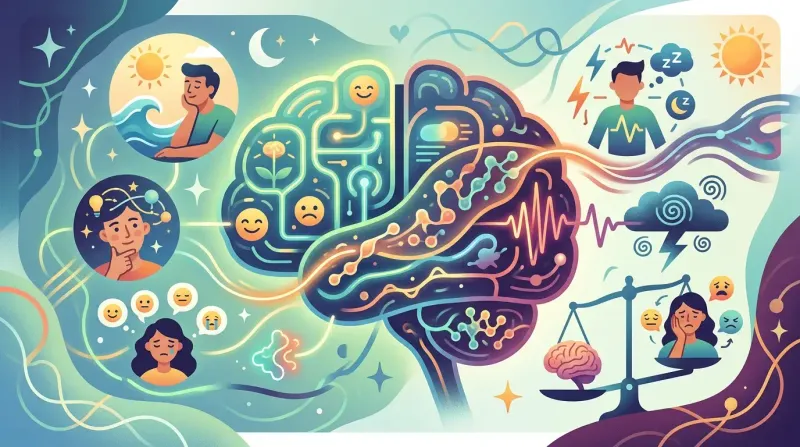
Hormones and mental health are two sides of the same coin. From the moment glands release a drop of a hormone, the brain and mood are directly affected. Imagine that a slight rise in cortisol can make your heart race and leave you anxious for no apparent reason. Understanding these connections opens the door to a deeper and faster healing journey. In this article, Tatmeen explains how hormonal fluctuations can color your emotional world — and what you can do to restore balance.
What Are Hormones and How Do They Communicate with the Brain?
Hormones are like chemical postal messages: written by your endocrine system and delivered to the brain through the bloodstream. The brain translates these messages into emotions and behaviors. A surge of adrenaline makes you feel alert, while a drop in serotonin can lead to transient or persistent low mood. This complex mechanism means that any disruption in production or reception can immediately affect your psychological state.
The Four Mood Hormones
Harvard University labeled serotonin, dopamine, oxytocin, and endorphin the "happiness hormones" for their central role in generating feelings of satisfaction and pleasure. Harvard Health outlines the following:
Serotonin — provides a sense of calm and reassurance.
Dopamine — fuels motivation and the drive to achieve.
Oxytocin — nurtures trust and social bonding.
Endorphin — reduces pain and enhances feelings of euphoria.
When any of these falls out of balance, early signs of anxiety, emotional numbness, or social withdrawal can appear.
The Stress Axis: Cortisol and Chronic Tension
Cortisol is the early-warning hormone. Its job is to rescue you in moments of danger — but when its levels remain chronically elevated, it exhausts the nervous system and locks you in a state of perpetual psychological flight. Prolonged exposure to stress can lead to depression and anxiety disorders. In light of this, Tatmeen affirms that cognitive behavioral therapy sessions or regular mindfulness training help re-program the hormonal stress response.
The Thyroid Gland and Emotional Fluctuations
Mood swings can seem to come from nowhere, but they are often driven by an overactive or underactive thyroid. Mayo Clinic explains that hyperthyroidism leads to nervousness and anxiety, while hypothyroidism can cause lethargy and depression. A simple blood test can spare months of unexplained suffering.
Sensitive Periods: Adolescence, Pregnancy, and Menopause
During adolescence, estrogen and testosterone levels fluctuate rapidly, making emotions feel overwhelming and difficult for parents to interpret. During pregnancy, progesterone and estrogen increase by around 300%, producing an emotional whirlwind that can range from unexplained crying to sudden bursts of laughter. As menopause approaches, estrogen gradually declines and the rate of depression can rise by up to 20%. Tatmeen's experts recommend an early psychological support plan that includes individual or group counseling sessions — especially where there is a prior history of mood disorders.
How to Support Hormonal Balance for Better Mental Health
1. Regular Physical Activity
A brisk 30-minute daily walk raises serotonin and lowers cortisol.
2. A Diet Rich in Protein and Omega-3
Tryptophan found in chickpeas and eggs contributes to serotonin synthesis, while omega-3 supports the flexibility of neural membranes.
3. Deep, Regular Sleep
Switching off devices an hour before bed doubles melatonin secretion and resets your biological clock.
4. Relaxation Techniques
Mindfulness meditation or deep-breathing exercises for five minutes each morning and evening calms the sympathetic nervous system.
5. Seeking Specialist Help
If low mood persists for more than two weeks, or dark thoughts arise, do not hesitate to book a session with Tatmeen, where you can speak by text or voice in a completely safe environment.
Hormones may be invisible to the eye, but their impact on your inner world is felt every single day. Between the rigor of science and the warmth of human compassion lies a solution available to everyone. If you feel your body's chemistry is weighing you down, remember that restoring balance is possible — and the Tatmeen team is ready to support you with flexible, accredited therapeutic options.
Frequently Asked Questions
How do I know if my mood disorder is hormonal or purely psychological?
There is no single definitive test, but combining a blood test for the thyroid or cortisol with a clinical assessment by a therapist helps pinpoint the cause accurately and develop a comprehensive intervention plan.
Can hormones be adjusted naturally without medication?
Yes — regular physical training, a balanced diet, adequate sleep, and relaxation techniques gradually lower cortisol and raise serotonin. However, in moderate-to-severe cases, temporary medication under specialist supervision may be necessary.
When should I see a specialist?
If feelings of sadness or tension persist for more than two weeks, sudden changes in weight or sleep appear, or thoughts of self-harm arise, an urgent medical consultation is essential — and it can be booked within minutes through the Tatmeen app.
What is your impression of this article?
Reviewed by

Tatmeen Team
Start your journey to better mental health with our care providers


One step for you, start now
Download Tatmeen and find the care provider that’s right for you easly.
Download Tatmeen and join over 10,000 successful recovery stories

Related articles

We haven’t gotten to share any of our blog posts yet
Join Tatmeen's newsletter
Subscribe to our newsletter to get the latest articles and news