

High Blood Pressure: Symptoms, Causes, and Treatment Methods

Reviewed by: Tatmeen Team
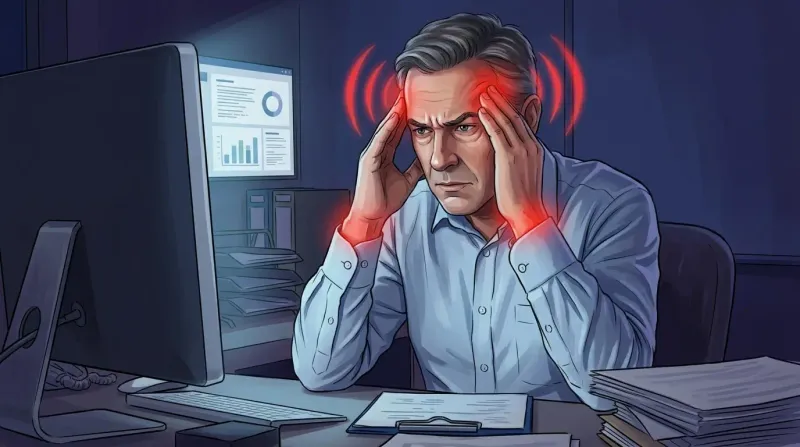
High blood pressure is the silent guest that can live in the arteries for years before it sounds its first alarm. Research from Tatmeen Platform indicates that early detection lowers the risk of stroke by 30% compared with those whose condition is discovered late. What makes this disorder so common, and how can we stop its physical and psychological complications before they start?
What Is High Blood Pressure?
High blood pressure is defined as a systolic reading of 140 mm Hg, a diastolic reading of 90 mm Hg, or both. It is classified into:
Primary (essential) hypertension: Represents 90% of cases and develops gradually due to age and lifestyle factors.
Secondary hypertension: Results from specific diseases or medications, such as adrenal-gland disorders or the use of decongestants.
Why Is It Called the Silent Killer?
Because most patients feel no clear symptom—yet the blood vessels continue to harden and narrow, overworking the heart, kidneys, and brain.
Causes and Risk Factors
Lifestyle Factors
Eating large amounts of sodium and saturated fats. Physical inactivity and weight gain. Smoking and alcohol consumption.
According to the Tatmeen team, reducing salt by just one teaspoon per day lowers systolic pressure by an average of 5 mm Hg.
Genetic and Medical Factors
Family history of hypertension. Diabetes or high cholesterol. Chronic kidney disease and sleep apnea.
The WHO reports that high blood pressure affects more than one billion people worldwide and is a leading cause of premature death.
Symptoms Not to Ignore
Although the condition is often symptom-free, certain signs warrant immediate testing: throbbing morning headache, blurred vision or "flashing" lights, recurrent unexplained nosebleeds, chest palpitations or shortness of breath with minimal effort.
Diagnosis: A Reading That Could Save a Life
Blood pressure is measured with a digital or manual device after five minutes of rest, with the arm kept at heart level. Doctors recommend recording at least two readings on separate visits before confirming the diagnosis, and using a calibrated home monitor for daily follow-up.
Treatment and Control Methods
Lifestyle Modifications
Combining the DASH diet (rich in vegetables, fruits, and whole grains) with 150 minutes of walking per week can lower blood pressure by an average of 11 mm Hg. Add to that: drinking 2 litres of water daily to support vessel elasticity, and losing 5% of body weight if BMI exceeds 25.
Medications
Specialists choose therapy based on age and overall health: thiazide diuretics to reduce blood volume, ACE inhibitors or angiotensin-receptor blockers to dilate vessels, beta-blockers to slow the heartbeat, especially with coronary artery disease. Re-evaluation every two months is essential to adjust doses and prevent side effects.
Stress Management and Psychological Support
Slow-breathing exercises reduce systolic pressure by 3–6 mm Hg, a result comparable to some antihypertensive drugs. Through Tatmeen's virtual clinics, patients learn mindful-meditation techniques and coping skills for work and family stress, boosting medication adherence and improving sleep quality.
High Blood Pressure and Mental Health
The body is not the only one that pays the price; hypertension is linked to poor attention and mood swings. Chronic elevations in cortisol raise anxiety levels, while fear of cardiac complications can trigger panic attacks. Cognitive-behavioural therapy (CBT) helps reframe catastrophic thoughts and restores a renewed sense of control.
Potential Complications if Left Untreated
Stroke: Rupture or blockage of a brain vessel. Myocardial infarction: Coronary-artery narrowing from atherosclerosis. Kidney failure: Damage to the kidney's tiny vessels. Retinopathy: Bleeding and vessel damage in the eye's retina.
CDC reports show that keeping blood pressure below 130/80 mm Hg reduces these complications by more than 50%.
When to Seek Emergency Help?
A reading above 180/120 mm Hg accompanied by headache or chest pain. Sudden numbness of the face or arm. Severe eye pain or slurred speech. Booking an urgent consultation through the Tatmeen app links you to a doctor within minutes—potentially saving a life.
And Finally…
High blood pressure is not an inescapable fate; it is a condition that can be managed with knowledge, commitment, and specialized support. Tatmeen recommends one simple first step: check your pressure today, then craft a plan of nutrition, exercise, and psychological care alongside diligent monitoring. Reclaim control over your heartbeat—and let every beat tell a story of health and serenity.
Frequently Asked Questions
How often should someone newly diagnosed measure their pressure?
Guidelines advise home monitoring twice daily in the first week, then gradually reducing to 3–4 readings per week after numbers stabilize, with monthly physician visits to fine-tune the treatment plan.
Can I stop medication if my pressure returns to normal?
No—consult your doctor first; control may be the medication's effect. Abrupt cessation can cause a dangerous rebound. The goal is to taper doses slowly after sustained healthy habits.
What is the best breathing exercise for rapid pressure reduction?
Slow diaphragmatic breathing for 5 minutes (6–8 breaths per minute) has shown notable effectiveness in lowering systolic pressure by several millimetres, especially when practiced twice daily on a regular basis.
What is your impression of this article?
Reviewed by

Tatmeen Team
Start your journey to better mental health with our care providers


One step for you, start now
Download Tatmeen and find the care provider that’s right for you easly.
Download Tatmeen and join over 10,000 successful recovery stories

Related articles

We haven’t gotten to share any of our blog posts yet
Join Tatmeen's newsletter
Subscribe to our newsletter to get the latest articles and news