If you or someone else is in immediate danger of self-harm, or an attempt or injury has occurred, call an ambulance on 997 in Saudi Arabia and follow the dispatcher's instructions. If you are with the person, stay with them if you can do so safely and seek help immediately. The Ministry of Health's 937 service provides medical consultation and guidance around the clock. Do not delay calling an ambulance in immediate danger1 while waiting for a consultation or appointment.
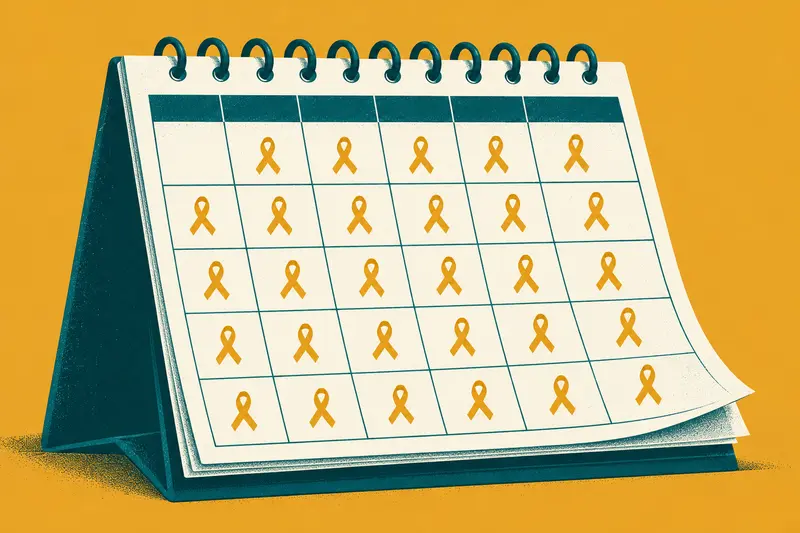
World Suicide Prevention Day takes place on 10 September each year. Its theme for 2024–20263 is “Changing the Narrative on Suicide”: moving from silence and stigma towards understanding and support, while giving prevention a place in policy and making care accessible.
The day's value also lies in what remains afterwards. An awareness event can end while an employee still does not know how to seek confidential help, or a student has no clear person to contact during a crisis. Prevention therefore involves clear responsibilities and services, alongside the words we use.
Do not reduce someone's life to one cause
WHO describes suicide as influenced by interacting social, cultural, biological, psychological and environmental factors. Experiences such as violence, loss, isolation and life stresses are associated with suicidal behaviour4, but none alone explains what a particular person is going through.
We can discuss poverty, unemployment or conflict as conditions that deserve action without attributing an assumed wish to die to people affected by them. A mental-health diagnosis is not an inevitable prediction either. Knowing a risk factor does not let us read an individual's intentions or summarize their story.
A person may find important support in family, community or faith and also need professional care. If they disclose suicidal thoughts, take their distress seriously and help them reach care without blame or questioning their faith.
What can institutions do?
WHO's LIVE LIFE initiative includes identifying, assessing, caring for and following up people who need help; developing adolescents' social and emotional skills; responsible media reporting; and policies and environments that limit access to means of harm. These approaches require collaboration, funding and monitoring across sectors4.
The following are practical examples institutions can discuss when turning awareness into action. They are not an individual risk checklist or a substitute for professional assessment:
Setting
Work that can be organized and followed up
Health service
Explain how to seek help, who is responsible for referral and follow-up after a crisis, and what happens outside normal hours.
School or university
Identify a service students can reach, train relevant staff in referral, and review responses to bullying and violence.
Workplace
Provide a confidential support route, explain how urgent concerns are handled, and address harmful working conditions rather than relying only on messages telling staff to cope.
Help people access available support and coordinate assistance for violence or financial crises, without making the family solely responsible.
Shared responsibility does not turn a school or workplace manager into a therapist. Their role is to understand the limits of their task, listen without blame, connect someone with appropriate help and call emergency services in immediate danger.
What makes an awareness campaign trustworthy?
Before publishing a message or arranging an event, a team can ask three questions:
Where will we direct someone who asks for help? The service and access route should be clear, with consultation or appointments distinguished from immediate emergency action.
What will happen if someone discloses distress? Identify who responds, the limits of confidentiality and the referral pathway. Do not promise absolute confidentiality that the campaign cannot provide.
What change will we review afterwards? It might be staff knowledge of referral routes or the removal of a specific access barrier. Views alone do not demonstrate reduced risk or successful prevention.
A campaign does not need public personal stories to prove that an institution cares. People with lived experience can be heard voluntarily and in ways that protect their privacy, without disclosure becoming a condition of participation or pressure to speak for others.
How can everyday conversations change?
Someone may say they cannot bear what they are going through any longer. A helpful response begins by taking their words seriously, allowing space to talk and looking for help with them, rather than judging them or demanding gratitude. A short awareness message can say, “You can ask for help, and here is how to reach it,” without promising that everything will quickly disappear.
Changing the narrative also means recognizing what we know and what we do not. We should not speak for someone about their motives, assign blame to a family without evidence, or promise that one activity will prevent every crisis.
For World Suicide Prevention Day, an institution can choose a specific step that continues beyond the occasion: a published help pathway, referrals that are followed up, training its team needs, or an access barrier it will address. Someone who needs support then has a clearer route, and awareness becomes part of an ongoing responsibility.
Frequently Asked Questions
When is World Suicide Prevention Day?
World Suicide Prevention Day takes place on 10 September each year. Its theme for 2024–2026 is “Changing the Narrative on Suicide”: moving from silence and stigma towards understanding and support, while giving prevention a place in policy and making care accessible. The day's value also lies in what remains afterwards, such as a published help pathway or referrals that are followed up.
What should I do if someone is in immediate danger of self-harm?
If you or someone else is in immediate danger of self-harm, or an attempt or injury has occurred, call an ambulance on 997 in Saudi Arabia and follow the dispatcher's instructions. If you are with the person, stay with them if you can do so safely and seek help immediately. The Ministry of Health's 937 service provides medical consultation and guidance around the clock, but do not delay calling an ambulance in immediate danger while waiting for a consultation or appointment.
How should I respond when someone says they cannot bear it any longer?
A helpful response begins by taking their words seriously, allowing space to talk and looking for help with them, rather than judging them or demanding gratitude. If they disclose suicidal thoughts, take their distress seriously and help them reach care without blame or questioning their faith. If they are in immediate danger of self-harm, or an attempt or injury has occurred, call an ambulance on 997 in Saudi Arabia and follow the dispatcher's instructions. Stay with them if you can do so safely and seek help immediately. Do not delay calling an ambulance while waiting for a consultation or appointment.
What can schools and workplaces do to prevent suicide?
An institution can choose a specific step that continues beyond the occasion. A school or university can identify a service students can reach and train relevant staff in referral. A workplace can provide a confidential support route and address harmful working conditions rather than relying only on messages telling staff to cope. A manager does not become a therapist: their role is to listen without blame, connect someone with appropriate help and call emergency services in immediate danger.
Is there a single cause of suicide?
No. WHO describes suicide as influenced by interacting social, cultural, biological, psychological and environmental factors. Experiences such as violence, loss, isolation and life stresses are associated with suicidal behaviour, but none alone explains what a particular person is going through. A mental-health diagnosis is not an inevitable prediction, and knowing a risk factor does not let us read an individual's intentions or summarize their story.
Content writer and researcher at Tatmeen, working on Arabic and English articles across mental health and everyday life topics, including relationships, stress, work, habits, and family.
Every Tatmeen article is reviewed by care providers licensed by the Saudi Commission for Health Specialties, so what you read is accurate and trustworthy.
This article builds understanding and does not replace a licensed care provider.
Need someone to talk to?
Tatmeen's licensed care providers are available around the clock, and the app's urgent consultation connects you with one within minutes.
Download Tatmeen to explore care providers and booking options.
Smart matchingFour quick questions suggest the right care provider
Urgent consultationTalk to an available care provider within minutes
Free psychological measuresMore than 20 tests to understand how you are doing
Scan to download
{"data":{"id":"2266137d-0904-4090-a665-8c0aa1e6f4bb","slug":"World-Suicide-Prevention-Day","arTitle":"اليوم العالمي للوقاية من الانتحار: كيف تتحول التوعية إلى عمل؟","enTitle":"World Suicide Prevention Day: turning awareness into action","thumbnailAltText":"تقويم مكتبي بلون أخضر داكن، تملأ مربعاته شرائط صفراء معقودة على خلفية صفراء.","estimatedReadingTime":6,"likesCount":982,"writer":{"id":"f49e2ee4-e68b-4e04-a40b-01d0b0195161","arBio":"كاتب وباحث محتوى في تطمين، يعمل على مقالات عربية وإنجليزية في موضوعات الصحة النفسية والحياة اليومية، مثل العلاقات، الضغوط، العمل، العادات، والأسرة.","enBio":"Content writer and researcher at Tatmeen, working on Arabic and English articles across mental health and everyday life topics, including relationships, stress, work, habits, and family.","user":{"slug":"sultan-almuhasin","arFullName":"سلطان المحيسن","enFullName":"Sultan Almuhasin","publicProfileImageUrl":"https://cdn.tatmeen.sa/public/profile-images/2494102f-7411-4dda-85b1-0c37a1031b3f/c9d25068aaa97c2c1f80123e2d6a27cc7b5a9b1df6a91493df9411b390a60279.webp","publicProfileImage96Url":"https://cdn.tatmeen.sa/public/profile-images/2494102f-7411-4dda-85b1-0c37a1031b3f/c9d25068aaa97c2c1f80123e2d6a27cc7b5a9b1df6a91493df9411b390a60279-w96.webp","publicProfileImage192Url":"https://cdn.tatmeen.sa/public/profile-images/2494102f-7411-4dda-85b1-0c37a1031b3f/c9d25068aaa97c2c1f80123e2d6a27cc7b5a9b1df6a91493df9411b390a60279-w192.webp"}},"arContent":"","enContent":"","productionDocument":{"headings":[{"id":"article-section-do-not-reduce-someone-s-life-to-one-cause","text":"Do not reduce someone's life to one cause"},{"id":"article-section-what-can-institutions-do","text":"What can institutions do?"},{"id":"article-section-what-makes-an-awareness-campaign-trustworthy","text":"What makes an awareness campaign trustworthy?"},{"id":"article-section-how-can-everyday-conversations-change","text":"How can everyday conversations change?"}],"faqs":[{"question":"When is World Suicide Prevention Day?","answer":"<p>World Suicide Prevention Day takes place on 10 September each year. Its theme for 2024–2026 is “Changing the Narrative on Suicide”: moving from silence and stigma towards understanding and support, while giving prevention a place in policy and making care accessible. The day's value also lies in what remains afterwards, such as a published help pathway or referrals that are followed up.</p>"},{"question":"What should I do if someone is in immediate danger of self-harm?","answer":"<p>If you or someone else is in immediate danger of self-harm, or an attempt or injury has occurred, call an ambulance on 997 in Saudi Arabia and follow the dispatcher's instructions. If you are with the person, stay with them if you can do so safely and seek help immediately. The Ministry of Health's 937 service provides medical consultation and guidance around the clock, but do not delay calling an ambulance in immediate danger while waiting for a consultation or appointment.</p>"},{"question":"How should I respond when someone says they cannot bear it any longer?","answer":"<p>A helpful response begins by taking their words seriously, allowing space to talk and looking for help with them, rather than judging them or demanding gratitude. If they disclose suicidal thoughts, take their distress seriously and help them reach care without blame or questioning their faith. If they are in immediate danger of self-harm, or an attempt or injury has occurred, call an ambulance on 997 in Saudi Arabia and follow the dispatcher's instructions. Stay with them if you can do so safely and seek help immediately. Do not delay calling an ambulance while waiting for a consultation or appointment.</p>"},{"question":"What can schools and workplaces do to prevent suicide?","answer":"<p>An institution can choose a specific step that continues beyond the occasion. A school or university can identify a service students can reach and train relevant staff in referral. A workplace can provide a confidential support route and address harmful working conditions rather than relying only on messages telling staff to cope. A manager does not become a therapist: their role is to listen without blame, connect someone with appropriate help and call emergency services in immediate danger.</p>"},{"question":"Is there a single cause of suicide?","answer":"<p>No. WHO describes suicide as influenced by interacting social, cultural, biological, psychological and environmental factors. Experiences such as violence, loss, isolation and life stresses are associated with suicidal behaviour, but none alone explains what a particular person is going through. A mental-health diagnosis is not an inevitable prediction, and knowing a risk factor does not let us read an individual's intentions or summarize their story.</p>"}],"beforeSourcesHtml":"\n","sources":[{"title":"Saudi Red Crescent Authority: Contact Us and ambulance number 997","href":"https://www.srca.gov.sa/en/contact-us/","hostname":"srca.gov.sa"},{"title":"WHO: Preventing suicide — a community engagement toolkit, 2018","href":"https://iris.who.int/bitstream/handle/10665/272860/9789241513791-eng.pdf?sequence=1","hostname":"iris.who.int"},{"title":"WHO: World Suicide Prevention Day and the 2024–2026 theme","href":"https://www.who.int/campaigns/world-suicide-prevention-day/world-suicide-prevention-day-2024","hostname":"who.int"},{"title":"WHO: Suicide and prevention approaches, 28 August 2026","href":"https://www.who.int/en/news-room/fact-sheets/detail/suicide","hostname":"who.int"},{"title":"Saudi Ministry of Health: 937 services","href":"https://www.moh.gov.sa/937/pages/default.aspx","hostname":"moh.gov.sa"},{"title":"WHO: Quick reference guide — responsible reporting on suicide, 2023","href":"https://cdn.who.int/media/docs/default-source/mental-health/suicide/responsible-reporting-on-suicide.pdf","hostname":"cdn.who.int"}],"afterSourcesHtml":"\n","blocks":[{"type":"html","html":"<p><strong>If you or someone else is in immediate danger of self-harm, or an attempt or injury has occurred, call an ambulance on 997 in Saudi Arabia and follow the dispatcher's instructions. If you are with the person, stay with them if you can do so safely and seek help immediately.</strong> The Ministry of Health's 937 service provides medical consultation and guidance around the clock. <a href=\"https://www.srca.gov.sa/en/contact-us/\" target=\"_blank\" rel=\"noopener noreferrer\">Do not delay calling an ambulance in immediate danger</a> while waiting for a consultation or appointment.</p>\n<p>World Suicide Prevention Day takes place on 10 September each year. Its <a href=\"https://www.who.int/campaigns/world-suicide-prevention-day/world-suicide-prevention-day-2024\" target=\"_blank\" rel=\"noopener noreferrer\">theme for 2024–2026</a> is “Changing the Narrative on Suicide”: moving from silence and stigma towards understanding and support, while giving prevention a place in policy and making care accessible.</p>\n<p>The day's value also lies in what remains afterwards. An awareness event can end while an employee still does not know how to seek confidential help, or a student has no clear person to contact during a crisis. Prevention therefore involves clear responsibilities and services, alongside the words we use.</p>\n<h2 id=\"article-section-do-not-reduce-someone-s-life-to-one-cause\" data-toc-heading tabindex=\"-1\"><span id=\"do-not-reduce-someone-s-life-to-one-cause-1\" aria-hidden=\"true\"></span>Do not reduce someone's life to one cause</h2>\n<p>WHO describes suicide as influenced by interacting social, cultural, biological, psychological and environmental factors. Experiences such as violence, loss, isolation and life stresses are <a href=\"https://www.who.int/en/news-room/fact-sheets/detail/suicide\" target=\"_blank\" rel=\"noopener noreferrer\">associated with suicidal behaviour</a>, but none alone explains what a particular person is going through.</p>\n<p>We can discuss poverty, unemployment or conflict as conditions that deserve action without attributing an assumed wish to die to people affected by them. A mental-health diagnosis is not an inevitable prediction either. Knowing a risk factor does not let us read an individual's intentions or summarize their story.</p>\n<p>A person may find important support in family, community or faith and also need professional care. If they disclose suicidal thoughts, take their distress seriously and help them reach care without blame or questioning their faith.</p>\n<h2 id=\"article-section-what-can-institutions-do\" data-toc-heading tabindex=\"-1\"><span id=\"what-can-institutions-do-2\" aria-hidden=\"true\"></span>What can institutions do?</h2>\n<p>WHO's LIVE LIFE initiative includes identifying, assessing, caring for and following up people who need help; developing adolescents' social and emotional skills; responsible media reporting; and policies and environments that limit access to means of harm. These approaches require <a href=\"https://www.who.int/en/news-room/fact-sheets/detail/suicide\" target=\"_blank\" rel=\"noopener noreferrer\">collaboration, funding and monitoring across sectors</a>.</p>\n<p>The following are practical examples institutions can discuss when turning awareness into action. They are not an individual risk checklist or a substitute for professional assessment:</p>\n<div class=\"table-block\"><table>\n<thead>\n<tr>\n<th>Setting</th>\n<th>Work that can be organized and followed up</th>\n</tr>\n</thead>\n<tbody>\n<tr>\n<td>Health service</td>\n<td>Explain how to seek help, who is responsible for referral and follow-up after a crisis, and what happens outside normal hours.</td>\n</tr>\n<tr>\n<td>School or university</td>\n<td>Identify a service students can reach, train relevant staff in referral, and review responses to bullying and violence.</td>\n</tr>\n<tr>\n<td>Workplace</td>\n<td>Provide a confidential support route, explain how urgent concerns are handled, and address harmful working conditions rather than relying only on messages telling staff to cope.</td>\n</tr>\n<tr>\n<td>Newsroom or content team</td>\n<td>Review headlines, images and language; <a href=\"https://cdn.who.int/media/docs/default-source/mental-health/suicide/responsible-reporting-on-suicide.pdf\" target=\"_blank\" rel=\"noopener noreferrer\">avoid sensationalism, descriptions of methods</a> and single-cause explanations; include reliable help information.</td>\n</tr>\n<tr>\n<td>Social or community service</td>\n<td>Help people access available support and coordinate assistance for violence or financial crises, without making the family solely responsible.</td>\n</tr>\n</tbody>\n</table></div>\n<p>Shared responsibility does not turn a school or workplace manager into a therapist. Their role is to understand the limits of their task, listen without blame, connect someone with appropriate help and call emergency services in immediate danger.</p>\n<h2 id=\"article-section-what-makes-an-awareness-campaign-trustworthy\" data-toc-heading tabindex=\"-1\"><span id=\"what-makes-an-awareness-campaign-trustworthy-3\" aria-hidden=\"true\"></span>What makes an awareness campaign trustworthy?</h2>\n<p>Before publishing a message or arranging an event, a team can ask three questions:</p>\n<ol>\n<li><strong>Where will we direct someone who asks for help?</strong> The service and access route should be clear, with consultation or appointments distinguished from immediate emergency action.</li>\n<li><strong>What will happen if someone discloses distress?</strong> Identify who responds, the limits of confidentiality and the referral pathway. Do not promise absolute confidentiality that the campaign cannot provide.</li>\n<li><strong>What change will we review afterwards?</strong> It might be staff knowledge of referral routes or the removal of a specific access barrier. Views alone do not demonstrate reduced risk or successful prevention.</li>\n</ol>\n<p>A campaign does not need public personal stories to prove that an institution cares. People with lived experience can be heard voluntarily and in ways that protect their privacy, without disclosure becoming a condition of participation or pressure to speak for others.</p>\n<h2 id=\"article-section-how-can-everyday-conversations-change\" data-toc-heading tabindex=\"-1\"><span id=\"how-can-everyday-conversations-change-4\" aria-hidden=\"true\"></span>How can everyday conversations change?</h2>\n<p>Someone may say they cannot bear what they are going through any longer. A helpful response begins by taking their words seriously, allowing space to talk and looking for help with them, rather than judging them or demanding gratitude. A short awareness message can say, “You can ask for help, and here is how to reach it,” without promising that everything will quickly disappear.</p>\n<p>Changing the narrative also means recognizing what we know and what we do not. We should not speak for someone about their motives, assign blame to a family without evidence, or promise that one activity will prevent every crisis.</p>\n<p>For World Suicide Prevention Day, an institution can choose a specific step that continues beyond the occasion: a published help pathway, referrals that are followed up, training its team needs, or an access barrier it will address. Someone who needs support then has a clearer route, and awareness becomes part of an ongoing responsibility.</p>\n"}],"inlineCtaSignatures":[],"_experienceAliases":{"v":1,"fields":["html","bodyHtml"],"faqs":[0,1,2,3,4]}},"createdAt":"2024-01-10T21:00:00.000Z","updatedAt":"2026-10-30T21:05:52.754Z","disorderGroups":[{"id":"ebb11477-95c3-4773-ad1b-c53ca45cb6f7","slug":"general-health","arName":"صحة عامة","enName":"General Health"}],"reviewer":{"arFullName":"فريق تطمين","enFullName":"Tatmeen team","slug":"tatmeen-team","kind":"organization"},"productionArticle":true,"promotionAllowed":true,"preparedCover":{"src":"https://cdn.tatmeen.sa/public/article-lcp/article-lcp-v2/sha256-b9efbf8febf1508030711ef16ae5fd1917f1487c5c2cfa18d9f6c8822c5f1ead/800-ce80cd3f08be73fdfb9804876fd7330523abc1311d92a00162237de6bc52f3e7.avif","fallback":"https://cdn.tatmeen.sa/public/article-lcp/article-lcp-v2/sha256-b9efbf8febf1508030711ef16ae5fd1917f1487c5c2cfa18d9f6c8822c5f1ead/800-ede5f77cdb84451ebdbb5845aebb5e5f700c270bc534ebf4890368f3ce594eec.webp","directUrl":"https://cdn.tatmeen.sa/blog-cover/0fa1deb5-8a82-43be-8b84-787a65923671.png","isGolden":true,"avifSrcset":"https://cdn.tatmeen.sa/public/article-lcp/article-lcp-v2/sha256-b9efbf8febf1508030711ef16ae5fd1917f1487c5c2cfa18d9f6c8822c5f1ead/400-d2d32db852ce4e49ca75b08c14c559784cb77973f4c93b5e36dd815d4e3d0a10.avif 400w, https://cdn.tatmeen.sa/public/article-lcp/article-lcp-v2/sha256-b9efbf8febf1508030711ef16ae5fd1917f1487c5c2cfa18d9f6c8822c5f1ead/640-ddb797a8290a123d3bfda42778df37436f98cb263fcd7754d47e7781f91bb15b.avif 640w, https://cdn.tatmeen.sa/public/article-lcp/article-lcp-v2/sha256-b9efbf8febf1508030711ef16ae5fd1917f1487c5c2cfa18d9f6c8822c5f1ead/800-ce80cd3f08be73fdfb9804876fd7330523abc1311d92a00162237de6bc52f3e7.avif 800w, https://cdn.tatmeen.sa/public/article-lcp/article-lcp-v2/sha256-b9efbf8febf1508030711ef16ae5fd1917f1487c5c2cfa18d9f6c8822c5f1ead/1200-2c1da21da6b5ea099fe0d86411b2ed371859381672fd73faca7a88a329c7b237.avif 1200w","webpSrcset":"https://cdn.tatmeen.sa/public/article-lcp/article-lcp-v2/sha256-b9efbf8febf1508030711ef16ae5fd1917f1487c5c2cfa18d9f6c8822c5f1ead/400-bef2f335218e7ff6fddaffe32b1657c12507e3c00bdf1708c396babcc79732b5.webp 400w, https://cdn.tatmeen.sa/public/article-lcp/article-lcp-v2/sha256-b9efbf8febf1508030711ef16ae5fd1917f1487c5c2cfa18d9f6c8822c5f1ead/640-54310a69f47b4bda0953c20313537f4de86531e5212f7d6111bd716088241005.webp 640w, https://cdn.tatmeen.sa/public/article-lcp/article-lcp-v2/sha256-b9efbf8febf1508030711ef16ae5fd1917f1487c5c2cfa18d9f6c8822c5f1ead/800-ede5f77cdb84451ebdbb5845aebb5e5f700c270bc534ebf4890368f3ce594eec.webp 800w, https://cdn.tatmeen.sa/public/article-lcp/article-lcp-v2/sha256-b9efbf8febf1508030711ef16ae5fd1917f1487c5c2cfa18d9f6c8822c5f1ead/1200-60d0889d99bd718024f8116211302b64d1cf2781e9675a78105658c50a36077b.webp 1200w","phoneAvifSrcset":"https://cdn.tatmeen.sa/public/article-lcp/article-lcp-v2/sha256-b9efbf8febf1508030711ef16ae5fd1917f1487c5c2cfa18d9f6c8822c5f1ead/400-d2d32db852ce4e49ca75b08c14c559784cb77973f4c93b5e36dd815d4e3d0a10.avif 400w, https://cdn.tatmeen.sa/public/article-lcp/article-lcp-v2/sha256-b9efbf8febf1508030711ef16ae5fd1917f1487c5c2cfa18d9f6c8822c5f1ead/640-ddb797a8290a123d3bfda42778df37436f98cb263fcd7754d47e7781f91bb15b.avif 640w, https://cdn.tatmeen.sa/public/article-lcp/article-lcp-v2/sha256-b9efbf8febf1508030711ef16ae5fd1917f1487c5c2cfa18d9f6c8822c5f1ead/800-ce80cd3f08be73fdfb9804876fd7330523abc1311d92a00162237de6bc52f3e7.avif 800w","phoneWebpSrcset":"https://cdn.tatmeen.sa/public/article-lcp/article-lcp-v2/sha256-b9efbf8febf1508030711ef16ae5fd1917f1487c5c2cfa18d9f6c8822c5f1ead/400-bef2f335218e7ff6fddaffe32b1657c12507e3c00bdf1708c396babcc79732b5.webp 400w, https://cdn.tatmeen.sa/public/article-lcp/article-lcp-v2/sha256-b9efbf8febf1508030711ef16ae5fd1917f1487c5c2cfa18d9f6c8822c5f1ead/640-54310a69f47b4bda0953c20313537f4de86531e5212f7d6111bd716088241005.webp 640w, https://cdn.tatmeen.sa/public/article-lcp/article-lcp-v2/sha256-b9efbf8febf1508030711ef16ae5fd1917f1487c5c2cfa18d9f6c8822c5f1ead/800-ede5f77cdb84451ebdbb5845aebb5e5f700c270bc534ebf4890368f3ce594eec.webp 800w","width":800,"height":533},"previewTaxonomy":{"groups":[{"id":"ebb11477-95c3-4773-ad1b-c53ca45cb6f7","slug":"general-health","arName":"صحة عامة","enName":"General Health"}],"topics":[{"id":"b9c18ec9-c4d0-4267-b11d-512d595c72ea","slug":"suicidal-thoughts","arName":"أفكار انتحارية","enName":"Suicidal Thoughts","groupSlug":"common-mental-issues","href":"/blog/category/common-mental-issues/suicidal-thoughts/"}],"tags":[{"id":"72770eb1-714a-4d83-92af-65f783bc30b5","slug":"suicide-prevention","arName":"الوقاية من الانتحار","enName":"Suicide Prevention"},{"id":"48e11a56-af5a-432b-b052-54094c9f9f4d","slug":"mental-health-policy","arName":"سياسات الصحة النفسية","enName":"Mental health policy"},{"id":"5e6c464b-3edb-42c8-aa66-cd975d820a76","slug":"responsible-mental-health-communication","arName":"التواصل المسؤول عن الصحة النفسية","enName":"Responsible mental health communication"},{"id":"c2a6e8d3-de9c-435f-8c95-9727e7db14cc","slug":"explainer-awareness","arName":"دليل توعوي / شرح","enName":"Explainer / Awareness Guide"}]},"previewProviderRecommendations":[{"id":"64f18815-de2d-4515-8a7a-cbfb541976ae","slug":"dr-amer-alanazi-9964","arFullName":"د. عامر العنزي","enFullName":"Dr. Amer Alanazi","publicProfileImageUrl":"https://cdn.tatmeen.sa/public/profile-images/64f18815-de2d-4515-8a7a-cbfb541976ae/6a36fee9388645bf5848f119c0927c429246cc9abd7bcf4d6b004ab6db3624a4.webp","publicProfileImage96Url":"https://cdn.tatmeen.sa/public/profile-images/64f18815-de2d-4515-8a7a-cbfb541976ae/6a36fee9388645bf5848f119c0927c429246cc9abd7bcf4d6b004ab6db3624a4-w96.webp","publicProfileImage192Url":"https://cdn.tatmeen.sa/public/profile-images/64f18815-de2d-4515-8a7a-cbfb541976ae/6a36fee9388645bf5848f119c0927c429246cc9abd7bcf4d6b004ab6db3624a4-w192.webp","specialization":{"arName":"طبيب أسرة","enName":"Family Physician"},"profileImageUrl":"https://cdn.tatmeen.sa/public/profile-images/64f18815-de2d-4515-8a7a-cbfb541976ae/6a36fee9388645bf5848f119c0927c429246cc9abd7bcf4d6b004ab6db3624a4-w192.webp","experienceYears":7,"consultantInfo":{"averageRating":{"average":0},"specialization":{"arGeneralName":"طبيب أسرة","enGeneralName":"Family Physician"}}},{"id":"4377737a-0bbd-4ec6-9438-a2a04b384759","slug":"dr-amro-bokhari-9680","arFullName":"د. عمرو بخاري","enFullName":"Dr. Amro Bokhari","publicProfileImageUrl":"https://cdn.tatmeen.sa/public/profile-images/4377737a-0bbd-4ec6-9438-a2a04b384759/0cfd4c08700d691181fa9a7a88a5e744567633a9124e6db6e29cbb8eb560f3d7.webp","publicProfileImage96Url":"https://cdn.tatmeen.sa/public/profile-images/4377737a-0bbd-4ec6-9438-a2a04b384759/0cfd4c08700d691181fa9a7a88a5e744567633a9124e6db6e29cbb8eb560f3d7-w96.webp","publicProfileImage192Url":"https://cdn.tatmeen.sa/public/profile-images/4377737a-0bbd-4ec6-9438-a2a04b384759/0cfd4c08700d691181fa9a7a88a5e744567633a9124e6db6e29cbb8eb560f3d7-w192.webp","specialization":{"arName":"طبيب أسرة","enName":"Family Physician"},"profileImageUrl":"https://cdn.tatmeen.sa/public/profile-images/4377737a-0bbd-4ec6-9438-a2a04b384759/0cfd4c08700d691181fa9a7a88a5e744567633a9124e6db6e29cbb8eb560f3d7-w192.webp","experienceYears":8,"consultantInfo":{"averageRating":{"average":4.980769230769231},"specialization":{"arGeneralName":"طبيب أسرة","enGeneralName":"Family Physician"}}},{"id":"54ccedde-16bf-4c68-b1fc-a7b214b2008f","slug":"dr-aljouharah-alanazi-1705","arFullName":"د. د. الجوهرة العنزي","enFullName":"Dr. Dr. Aljouharah Alanazi","publicProfileImageUrl":"https://cdn.tatmeen.sa/public/profile-images/54ccedde-16bf-4c68-b1fc-a7b214b2008f/d5c65313fc71787f5cac4c91230b143748abebe23636baddfa1451fed2056b2c.webp","publicProfileImage96Url":"https://cdn.tatmeen.sa/public/profile-images/54ccedde-16bf-4c68-b1fc-a7b214b2008f/d5c65313fc71787f5cac4c91230b143748abebe23636baddfa1451fed2056b2c-w96.webp","publicProfileImage192Url":"https://cdn.tatmeen.sa/public/profile-images/54ccedde-16bf-4c68-b1fc-a7b214b2008f/d5c65313fc71787f5cac4c91230b143748abebe23636baddfa1451fed2056b2c-w192.webp","specialization":{"arName":"طبيب أسرة","enName":"Family Physician"},"profileImageUrl":"https://cdn.tatmeen.sa/public/profile-images/54ccedde-16bf-4c68-b1fc-a7b214b2008f/d5c65313fc71787f5cac4c91230b143748abebe23636baddfa1451fed2056b2c-w192.webp","experienceYears":3,"consultantInfo":{"averageRating":{"average":0},"specialization":{"arGeneralName":"طبيب أسرة","enGeneralName":"Family Physician"}}}],"previewCareProviders":[{"id":"09364052-c2a9-4c52-9717-7ce2093b8d0a","slug":"kholoud-alharbi-5221","arFullName":"خلود الحربي","enFullName":"Kholoud Alharbi","publicProfileImageUrl":"https://cdn.tatmeen.sa/public/profile-images/09364052-c2a9-4c52-9717-7ce2093b8d0a/4a0aeb81619e351b77f4323e3605a0a00acc7ca3c82ee7cc5ca2c9e8ef716049.webp","publicProfileImage96Url":"https://cdn.tatmeen.sa/public/profile-images/09364052-c2a9-4c52-9717-7ce2093b8d0a/4a0aeb81619e351b77f4323e3605a0a00acc7ca3c82ee7cc5ca2c9e8ef716049-w96.webp","publicProfileImage192Url":"https://cdn.tatmeen.sa/public/profile-images/09364052-c2a9-4c52-9717-7ce2093b8d0a/4a0aeb81619e351b77f4323e3605a0a00acc7ca3c82ee7cc5ca2c9e8ef716049-w192.webp","gender":"FEMALE","specialization":{"arName":"أخصائي نفسي","enName":"Psychologist"}},{"id":"6f037535-1dca-4b50-a8b2-5974b7323286","slug":"salah-althobaiti-9053","arFullName":"صلاح الثبيتي","enFullName":"Salah Althobaiti","publicProfileImageUrl":"https://cdn.tatmeen.sa/public/profile-images/6f037535-1dca-4b50-a8b2-5974b7323286/35b6bd7fad9b1e004c1835803eb9c1b56dcacd380685ec8bff141f0fb888005c.webp","publicProfileImage96Url":"https://cdn.tatmeen.sa/public/profile-images/6f037535-1dca-4b50-a8b2-5974b7323286/35b6bd7fad9b1e004c1835803eb9c1b56dcacd380685ec8bff141f0fb888005c-w96.webp","publicProfileImage192Url":"https://cdn.tatmeen.sa/public/profile-images/6f037535-1dca-4b50-a8b2-5974b7323286/35b6bd7fad9b1e004c1835803eb9c1b56dcacd380685ec8bff141f0fb888005c-w192.webp","gender":"MALE","specialization":{"arName":"أخصائي نفسي","enName":"Psychologist"}},{"id":"3cc806e8-616b-4884-9f21-a75b378580a2","slug":"aisha-al-hashim-8667","arFullName":"عائشة ال هاشم","enFullName":"Aisha Al Hashim","publicProfileImageUrl":"https://cdn.tatmeen.sa/public/profile-images/3cc806e8-616b-4884-9f21-a75b378580a2/27f523d03be4dcfa1f6a79f70c1773887434e698990d214cd990caec56a44798.webp","publicProfileImage96Url":"https://cdn.tatmeen.sa/public/profile-images/3cc806e8-616b-4884-9f21-a75b378580a2/27f523d03be4dcfa1f6a79f70c1773887434e698990d214cd990caec56a44798-w96.webp","publicProfileImage192Url":"https://cdn.tatmeen.sa/public/profile-images/3cc806e8-616b-4884-9f21-a75b378580a2/27f523d03be4dcfa1f6a79f70c1773887434e698990d214cd990caec56a44798-w192.webp","gender":"FEMALE","specialization":{"arName":"أخصائي نفسي","enName":"Psychologist"}},{"id":"db2ce1a0-9325-4471-b7ce-eb2e811c30a3","slug":"amer-qutub-2441","arFullName":"عامر قطب","enFullName":"Amer Qutub","publicProfileImageUrl":"https://cdn.tatmeen.sa/public/profile-images/db2ce1a0-9325-4471-b7ce-eb2e811c30a3/80580f99bfd7fe2b2a9cf8eed73ab532f5086d1efe053b0aa57358c1ce004261.webp","publicProfileImage96Url":"https://cdn.tatmeen.sa/public/profile-images/db2ce1a0-9325-4471-b7ce-eb2e811c30a3/80580f99bfd7fe2b2a9cf8eed73ab532f5086d1efe053b0aa57358c1ce004261-w96.webp","publicProfileImage192Url":"https://cdn.tatmeen.sa/public/profile-images/db2ce1a0-9325-4471-b7ce-eb2e811c30a3/80580f99bfd7fe2b2a9cf8eed73ab532f5086d1efe053b0aa57358c1ce004261-w192.webp","gender":"MALE","specialization":{"arName":"أخصائي نفسي","enName":"Psychologist"}},{"id":"6043a2b2-c41b-42c8-92bb-881f36083293","slug":"rehab-alharbi-3670","arFullName":"رحاب المعبدي","enFullName":"Rehab Almabadi","publicProfileImageUrl":"https://cdn.tatmeen.sa/public/profile-images/6043a2b2-c41b-42c8-92bb-881f36083293/9f25728f77c844fac517d39615495fdec1cf4c590360b466419ece1bdeb66c2e.webp","publicProfileImage96Url":"https://cdn.tatmeen.sa/public/profile-images/6043a2b2-c41b-42c8-92bb-881f36083293/9f25728f77c844fac517d39615495fdec1cf4c590360b466419ece1bdeb66c2e-w96.webp","publicProfileImage192Url":"https://cdn.tatmeen.sa/public/profile-images/6043a2b2-c41b-42c8-92bb-881f36083293/9f25728f77c844fac517d39615495fdec1cf4c590360b466419ece1bdeb66c2e-w192.webp","gender":"FEMALE","specialization":{"arName":"أخصائي نفسي","enName":"Psychologist"}},{"id":"618dba89-5b70-4b46-8304-741b7ac8ecd3","slug":"abdullah-mari-1311","arFullName":"عبدالله مرعي","enFullName":"Abdullah Mari","publicProfileImageUrl":"https://cdn.tatmeen.sa/public/profile-images/618dba89-5b70-4b46-8304-741b7ac8ecd3/6b4a3bfb59f8a304ca79083b32859b46baad2e1d692974a47c02c1f66bd11129.webp","publicProfileImage96Url":"https://cdn.tatmeen.sa/public/profile-images/618dba89-5b70-4b46-8304-741b7ac8ecd3/6b4a3bfb59f8a304ca79083b32859b46baad2e1d692974a47c02c1f66bd11129-w96.webp","publicProfileImage192Url":"https://cdn.tatmeen.sa/public/profile-images/618dba89-5b70-4b46-8304-741b7ac8ecd3/6b4a3bfb59f8a304ca79083b32859b46baad2e1d692974a47c02c1f66bd11129-w192.webp","gender":"MALE","specialization":{"arName":"أخصائي نفسي","enName":"Psychologist"}},{"id":"94765496-dbdf-4631-a01b-7df5f788668d","slug":"abdullrahman-alhamoudi-3045","arFullName":"عبدالرحمن الحمودي","enFullName":"Abdulrahman Alhamoudi","publicProfileImageUrl":"https://cdn.tatmeen.sa/public/profile-images/94765496-dbdf-4631-a01b-7df5f788668d/2d49f6b6493c564afb6f50b6c3634231dff3a5cf8353acfab393d1b2a88037d1.webp","publicProfileImage96Url":"https://cdn.tatmeen.sa/public/profile-images/94765496-dbdf-4631-a01b-7df5f788668d/2d49f6b6493c564afb6f50b6c3634231dff3a5cf8353acfab393d1b2a88037d1-w96.webp","publicProfileImage192Url":"https://cdn.tatmeen.sa/public/profile-images/94765496-dbdf-4631-a01b-7df5f788668d/2d49f6b6493c564afb6f50b6c3634231dff3a5cf8353acfab393d1b2a88037d1-w192.webp","gender":"MALE","specialization":{"arName":"أخصائي نفسي","enName":"Psychologist"}},{"id":"3b50a5d5-e795-407f-8676-fd7f0e1bb7a0","slug":"abdulaziz-bin-hudayan-4940","arFullName":"عبدالعزيز بن هديان","enFullName":"Abdulaziz Bin Hudayan","publicProfileImageUrl":"https://cdn.tatmeen.sa/public/profile-images/3b50a5d5-e795-407f-8676-fd7f0e1bb7a0/710ff0fe1fb00cdb5042092e27b7910b480a439b02251ecded62d7758eefce95.webp","publicProfileImage96Url":"https://cdn.tatmeen.sa/public/profile-images/3b50a5d5-e795-407f-8676-fd7f0e1bb7a0/710ff0fe1fb00cdb5042092e27b7910b480a439b02251ecded62d7758eefce95-w96.webp","publicProfileImage192Url":"https://cdn.tatmeen.sa/public/profile-images/3b50a5d5-e795-407f-8676-fd7f0e1bb7a0/710ff0fe1fb00cdb5042092e27b7910b480a439b02251ecded62d7758eefce95-w192.webp","gender":"MALE","specialization":{"arName":"أخصائي نفسي","enName":"Psychologist"}},{"id":"d4ffcb6b-90a7-45b6-b941-964866f4564b","slug":"dhaifallah-alhumaidi-1092","arFullName":"ضيف الله الحميدي","enFullName":"Dhaifallah Alhumaidi","publicProfileImageUrl":"https://cdn.tatmeen.sa/public/profile-images/d4ffcb6b-90a7-45b6-b941-964866f4564b/1817171c5828a9b57d6c30d12332cf154e335272548bc90a6e8456d74d356956.webp","publicProfileImage96Url":"https://cdn.tatmeen.sa/public/profile-images/d4ffcb6b-90a7-45b6-b941-964866f4564b/1817171c5828a9b57d6c30d12332cf154e335272548bc90a6e8456d74d356956-w96.webp","publicProfileImage192Url":"https://cdn.tatmeen.sa/public/profile-images/d4ffcb6b-90a7-45b6-b941-964866f4564b/1817171c5828a9b57d6c30d12332cf154e335272548bc90a6e8456d74d356956-w192.webp","gender":"MALE","specialization":{"arName":"أخصائي نفسي","enName":"Psychologist"}}],"previewDownload":{"href":"/download","title":{"ar":"خطوة واحدة لأجلك، ابدأ الآن","en":"One step for you, start now"},"description":{"ar":"حمّل تطبيق تطمين لاستكشاف مقدمي الرعاية وخيارات الحجز.","en":"Download Tatmeen to explore care providers and booking options."},"posterSrc":"/images/home/cta-ar-new-1.webp","videoSrc":"/images/home/cta-ar-new-1.mp4","videoPosterSrc":"/images/home/cta-ar-new-1.webp","videoPosterEnSrc":"/images/home/cta-en-new-1.webp","videoType":"video/mp4","appStoreHref":"https://apps.apple.com/us/app/tatmeen-%D8%AA%D8%B7%D9%85%D9%8A%D9%86/id6473836983","googlePlayHref":"https://play.google.com/store/apps/details?id=com.TatmeenApp.user&hl=en"},"previewRelatedArticles":[{"id":"2e10a20c-058a-44ea-a72c-08b7d3d3220c","slug":"Child-and-adolescent-suicide","route":"/blog/Child-and-adolescent-suicide/","title":{"ar":"إذا تحدث طفل أو مراهق عن الانتحار: ماذا تفعل الآن؟","en":"If Your Child or Teen Talks About Suicide: What to Do Now"},"image":"https://cdn.tatmeen.sa/public/article-lcp/article-lcp-v2/sha256-f3443ba79c84d39ea274117ea374584a186859cb15ae554636459d533af52603/800-4ab26ff5fb77246dfb0cda3c8ed77d861bb78a9ea9b059a65bc7086240ca7215.webp","directImageFallback":"https://cdn.tatmeen.sa/blog-cover/0669a96c-5977-4b6a-aeb8-590fb3e568bf.png","arThumbnailAltText":"مراهق ومراهقة جالسان فوق سطح، وخلفهما مدينة وسماء منقسمة بين الغروب والسحب الداكنة.","thumbnailAltText":"مراهق ومراهقة جالسان فوق سطح، وخلفهما مدينة وسماء منقسمة بين الغروب والسحب الداكنة.","topic":{"label":{"ar":"الأطفال والمراهقين","en":"Children & Adolescents"}},"readingTimeMinutes":10},{"id":"e1078517-82c9-430d-9e92-a1a875ca3cd8","slug":"world-suicide-prevention-day-why-it-matters","route":"/blog/world-suicide-prevention-day-why-it-matters/","title":{"ar":"اليوم العالمي للوقاية من الانتحار ولماذا يهم","en":"World Suicide Prevention Day and Why It Matters"},"image":"https://cdn.tatmeen.sa/public/article-lcp/article-lcp-v2/sha256-394e0b91b1f7430164f93f60908e2a5cb1d05d20562cd053ce5bbb4d78db9af2/800-c607ed476a6fcd7e9b86a3bb7c7eb101564ae9815dbf1b4f0f71f39f59392984.webp","directImageFallback":"https://cdn.tatmeen.sa/blog-cover/Tatmeen-1782670885006.webp","arThumbnailAltText":"Golden awareness ribbon with linked paper figures symbolizing unity and support","thumbnailAltText":"Golden awareness ribbon with linked paper figures symbolizing unity and support","topic":{"label":{"ar":"اضطرابات نفسية شائعة","en":"Common Mental Issues"}},"readingTimeMinutes":5},{"id":"e0acc23e-1d48-4947-a4e5-d7a77e130aee","slug":"how-to-support-someone-with-suicidal-thoughts","route":"/blog/how-to-support-someone-with-suicidal-thoughts/","title":{"ar":"كيف تساعد شخصًا يريد الانتحار بفهم الأسباب والعلامات","en":"How to Help Someone Having Suicidal Thoughts: Understanding the Reasons"},"image":"https://cdn.tatmeen.sa/public/article-lcp/article-lcp-v2/sha256-6bb64aef17d89c95f586f6d005deec7824f186cb54feec5fc8ecdbdb99bcf457/800-7e21ffaee0968839165b2a68e4c726b4e206de26e001e8cc17f429c9ec9ecf5a.webp","directImageFallback":"https://cdn.tatmeen.sa/blog-cover/Tatmeen-1780666050535.webp","arThumbnailAltText":"a patient seeking help from her friend about her suicidal thoughts","thumbnailAltText":"a patient seeking help from her friend about her suicidal thoughts","topic":{"label":{"ar":"اضطرابات نفسية شائعة","en":"Common Mental Issues"}},"readingTimeMinutes":5},{"id":"6ae0d560-9f5e-4aa4-93d7-b45534e06b7e","slug":"Responding-to-someone-contemplating-suicide","route":"/blog/Responding-to-someone-contemplating-suicide/","title":{"ar":"ماذا تفعل عندما يفكر أحد بالانتحار؟","en":"What to Do When Someone Is Considering Suicide"},"image":"https://cdn.tatmeen.sa/public/article-lcp/article-lcp-v2/sha256-3d1b8d1a4c3b1ed1a0333c800d0212087c4901f320fc0790420c93a81ea20add/800-d805f112316729496849e6196243520e1f4542891a4eb65153dc3b981d6ae294.webp","directImageFallback":"https://cdn.tatmeen.sa/blog-cover/1704733571383-Tatmeen-img-245","arThumbnailAltText":"Seated person holds their head beside a hanging noose and a dissolving silhouette","thumbnailAltText":"Seated person holds their head beside a hanging noose and a dissolving silhouette","topic":{"label":{"ar":"اضطرابات نفسية شائعة","en":"Common Mental Issues"}},"readingTimeMinutes":5}],"previewRelatedReadStates":{}},"locale":"en","device":"desktop","path":"/en/blog/World-Suicide-Prevention-Day/","readingControls":false,"config":{"public":{"BUCKET_URL":"https://cdn.tatmeen.sa/","APP_BASE_URL":"https://tatmeen.sa","intercomAppId":"ppcnu9e3"}}}